
Obstructing Justice Defense in Florida
Accused of Obstructing Justice in Florida? A Split-Second Interaction With Law Enforcement May Now Be a Criminal Charge
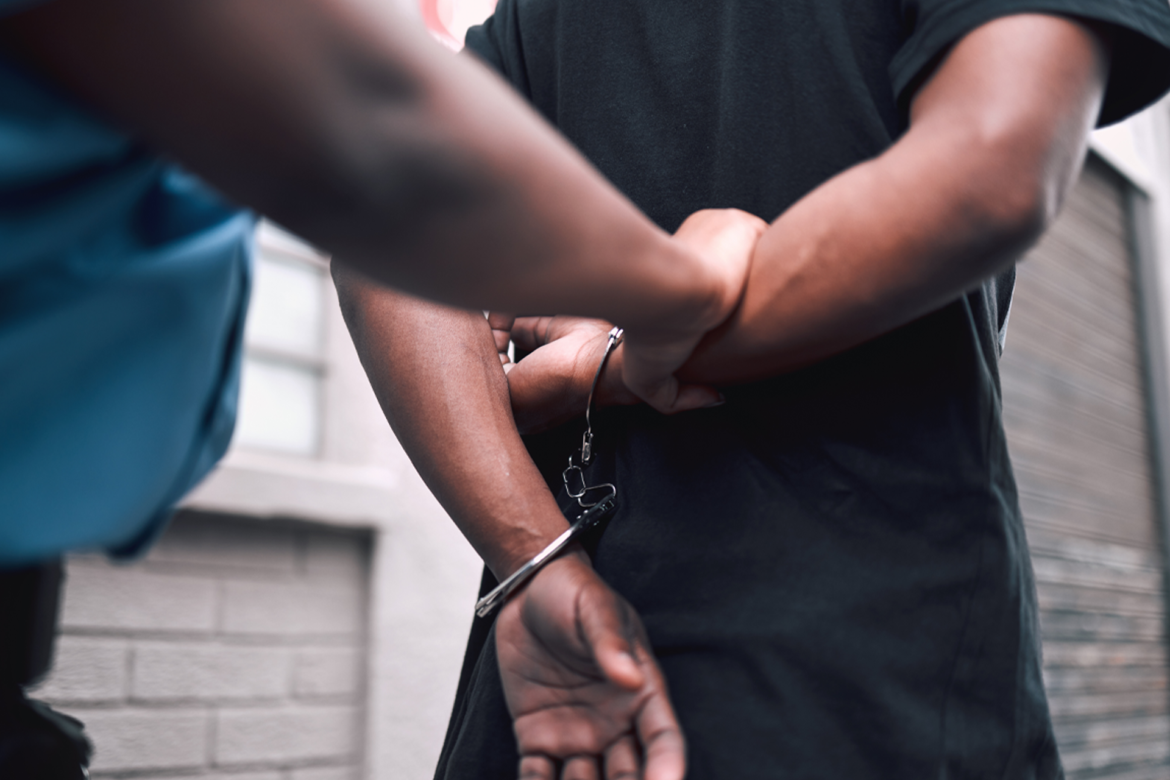
A simple encounter. Questions from an officer. A situation that becomes tense.
Suddenly, you are being told that you are obstructing justice.
Many people are caught off guard by this charge. What feels like confusion, hesitation, or even standing your ground can quickly be interpreted as interference with law enforcement.
The consequences may begin immediately.
An arrest. A citation. A court date. And a record that follows you.
The reality?
What happened in seconds may now be evaluated under criminal law—and the interpretation of that moment matters.
At RHINO Lawyers, we focus on defending individuals across Florida who are facing obstructing justice charges that may affect their freedom, their record, and their future.
What Is Resisting or Obstructing an Officer Without Violence?
Florida Statute §843.02 makes it a first-degree misdemeanor to resist, obstruct, or oppose a covered officer or other legally authorized person while that person is executing legal process or lawfully performing a legal duty, when the alleged resistance does not involve offering or doing violence.
Not every disagreement, refusal to answer a question, hesitation, or failure to follow any police request automatically violates §843.02. The State must prove the elements of the specific statute charged.
CONTACT YOUR FLORIDA CRIMINAL DEFENSE ATTORNEYS
Let RHINO Lawyers’ former State Attorneys and Prosecutors start helping YOU immediately by giving you free advice regarding the facts of your case.
So, get YOUR Free Case Analysis now by texting us, chatting with us online, completing the form below, or by calling 844.RHINO.77.
Different Conduct Can Lead to Different Florida Charges
Resisting an Officer Without Violence — §843.02
This statute applies to qualifying resistance, obstruction, or opposition to a covered officer or authorized person performing the legal duties identified by the statute. It is a first-degree misdemeanor.
Giving a False Name After Arrest or Lawful Detention — §901.36
A person who has been arrested or lawfully detained commits a first-degree misdemeanor by giving a false name or otherwise falsely identifying himself or herself to a law enforcement officer or county jail personnel.
If the unlawful use of another person’s identity adversely affects that person, the offense can become a third-degree felony.
False Report Concerning a Crime — §837.05
Knowingly giving false information to a law enforcement officer concerning the alleged commission of a crime is generally a first-degree misdemeanor.
Florida law provides felony treatment in specified circumstances, including certain repeat offenses and false information concerning an alleged capital felony.
These offenses should not be presented as interchangeable. The exact statute, conduct, mental state, and circumstances determine the charge.
Why Obstructing Justice Charges Are Often Misunderstood
This charge is broad.
That means many situations may be interpreted differently depending on perspective.
Common misunderstandings include:
- Thinking you must answer every question
- Believing hesitation equals non-compliance
- Not understanding your rights during an encounter
But here’s the reality:
Not every interaction with law enforcement that involves confusion or hesitation is a crime.
What Happens After an Obstructing Justice Arrest in Florida?
These cases often move quickly—and early decisions may matter.
Initial Encounter
The situation typically begins with:
- A stop
- An investigation
- A request for information
Arrest or Citation
Depending on the situation:
- You may be arrested
- Or issued a notice to appear
First Appearance
A judge reviews:
- The charge
- Bond conditions
Pretrial Process
This may include:
- Evidence review
- Motions and hearings
- Negotiations
Possible Outcomes
Depending on the case:
- Charges may be reduced or dismissed
- Alternative resolutions may be available
- The case may proceed to trial
How Obstructing Justice Cases Are Investigated
These cases often rely heavily on officer accounts.
Evidence may include:
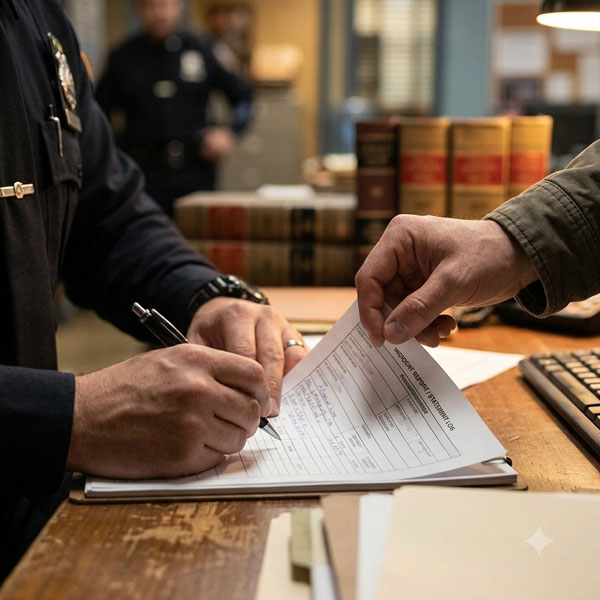
- Police reports
- Body camera footage
- Witness statements
For investigative standards, the Florida Department of Law Enforcement (FDLE) provides guidance.
But here’s the reality:
These cases often come down to interpretation.
- What the officer perceived
- What was actually said or done
- How the situation escalated
Video evidence may be critical—but may not always tell the full story.
Key Legal Issues in Obstructing Justice Cases
Was the Officer Acting Lawfully?
This is one of the most important issues. If the officer was not performing a lawful duty, the charge may not stand.
Did You Actually Obstruct?
Not all conduct rises to the level of criminal obstruction.
Was There Intent?
Intent may be required depending on the situation.
Were Your Rights Violated?
You have the right to remain silent and the right to refuse certain requests.
Is There Reliable Evidence?
Reports and statements may conflict with actual events.
Common Defense Strategies
Every case depends on its facts. However, several defenses may apply.
Unlawful Police Conduct
If the officer was not acting lawfully, the charge may be challenged.
Lack of Obstruction
Your actions may not meet the legal definition of obstruction.
Exercise of Constitutional Rights
You may have been asserting your right to remain silent.
Misinterpretation of Actions
Behavior may be misunderstood in a fast-moving situation.
Insufficient Evidence
The prosecution must prove each element beyond a reasonable doubt.
Real-World Situations That Often Lead to Charges
Obstructing justice charges often arise from:
- Traffic stops where communication breaks down
- Public encounters with law enforcement
- Situations involving stress or confusion
- Attempts to understand or question authority
These are not always clear-cut cases.
Context matters.
Immediate Consequences You May Face
Even before your case is resolved, you may experience:
- Arrest or detention
- Court appearances
- Impact on employment or daily life
These consequences may begin immediately.
Long-Term Consequences of a Conviction
A conviction may lead to:
- Jail time (up to 1 year in certain cases)
- Probation
- Fines
- Permanent criminal record
Long-term consequences may include:
- Difficulty finding employment
- Housing challenges
- Damage to reputation
In Florida cities like Tampa, St. Petersburg, Clearwater, Orlando, and Fort Myers, these effects may follow you for years.
For sentencing structures, the Florida Department of Corrections outlines the application of penalties.
Florida-Specific Factors That May Affect Your Case
Law Enforcement Discretion
Officers may interpret behavior differently depending on the situation.
Rapid Escalation
Encounters may escalate quickly without full context.
Video Evidence
Body cameras may capture events—but may not reflect everything leading up to them.
What To Do If You Are Facing an Obstructing Justice Charge
If you are under investigation or charged:
Do:
- Remain calm
- Exercise your right to remain silent
- Seek legal representation immediately
Do Not:
- Argue or escalate the situation
- Provide statements without legal guidance
- Ignore court obligations
Early decisions may affect your case.
How RHINO Lawyers Approach Obstructing Justice Defense
RHINO Lawyers takes a strategic and detail-focused approach.
This may include:
- Reviewing body camera footage and reports
- Evaluating whether the officer acted lawfully
- Challenging assumptions about your conduct
- Identifying opportunities to reduce or resolve charges
Each case depends on its facts. A strong defense begins with careful analysis.
Related Practice Areas
Charged With Obstructing Justice in Florida? Take Action Now to Protect Your Record and Your Future
A brief encounter should not define your future. Still, what you do next matters.
If you are facing an obstructing justice charge in Florida, acting early may make a difference.
Call 844.RHINO.77, for a Free Instant Case Evaluation. Available 24/7. Call a RHINO Today.
Frequently Asked Questions
What does obstructing justice mean?
It generally involves interfering with a law enforcement officer performing lawful duties.
Do I have to answer police questions?
You have the right to remain silent in many situations.
Can I be charged for not cooperating?
It depends on the specific actions and circumstances.
Can charges be dismissed?
It depends on the facts and legal issues involved.
Should I talk to the police?
It is generally safer to speak with an attorney first.
CONTACT YOUR FLORIDA CRIMINAL DEFENSE ATTORNEYS
BOLD REPRESENTATION. BOLD RESULTS.
Let RHINO Lawyers’ former State Attorneys and Prosecutors start helping YOU immediately by giving you free advice regarding the facts of your case.
So, get YOUR Free Case Analysis now by texting us, chatting with us online, completing the form below, or by calling 844.RHINO.77.
