
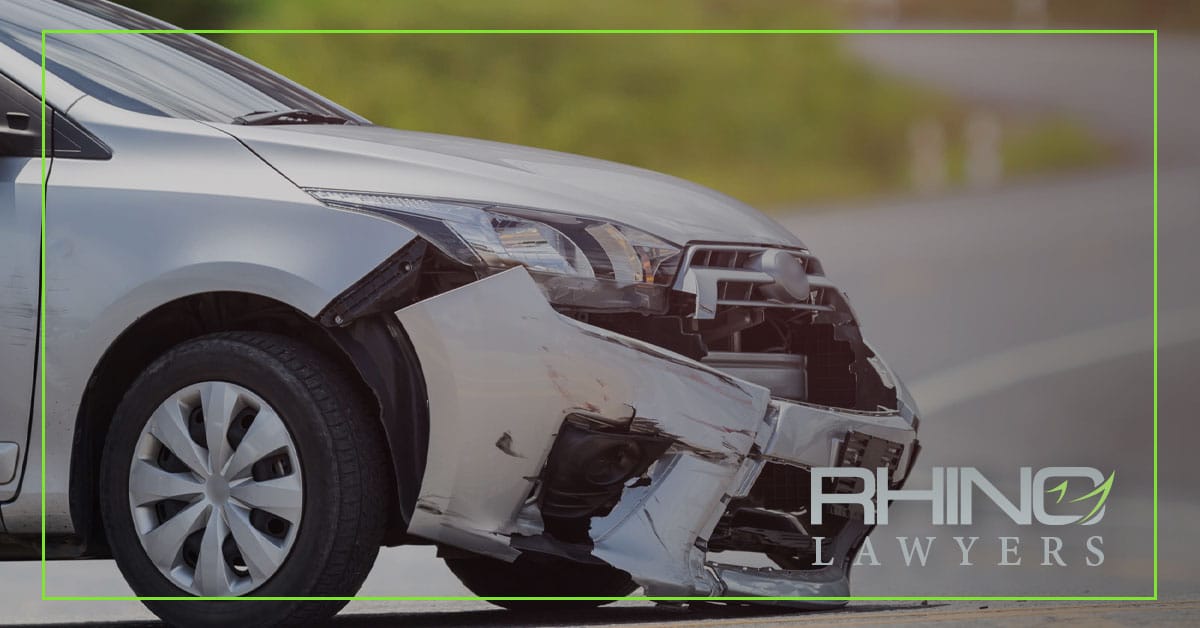
The Complete Guide on What to Do After a Hit and Run Accident
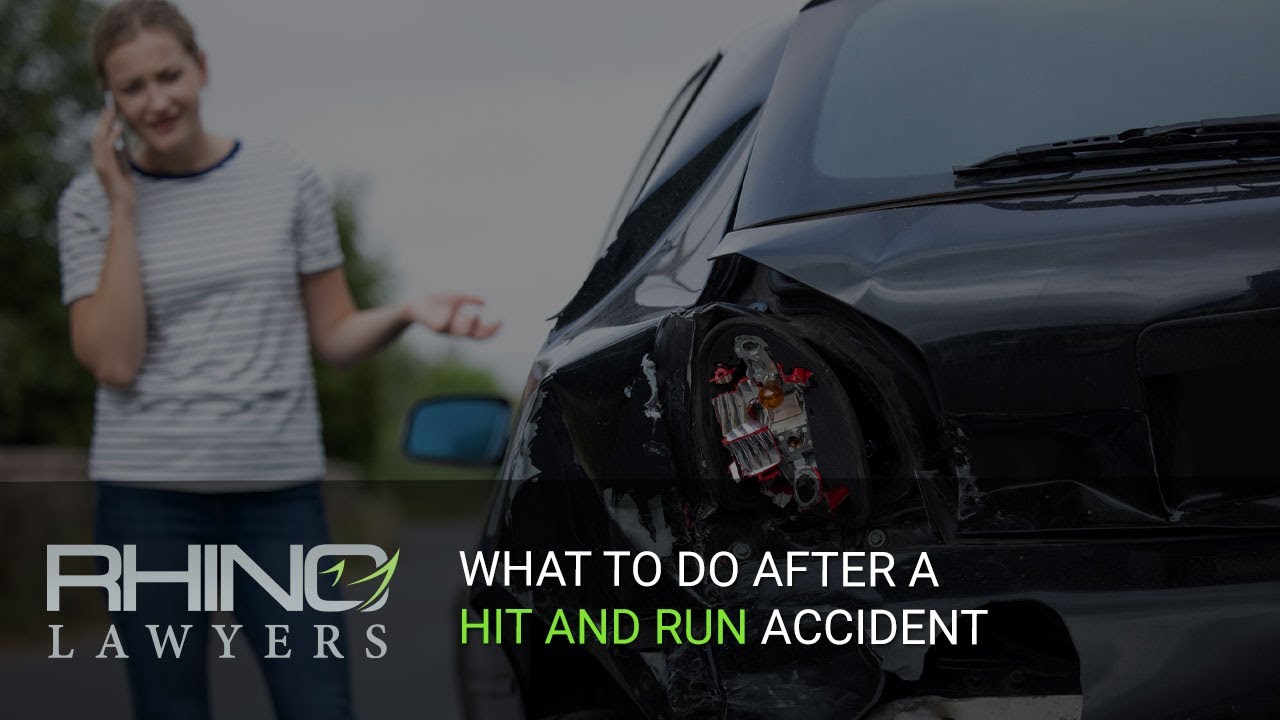
About one hit-and-run crash occurs every minute in the country. Do you know what to do if you’re in a hit-and-run accident? The steps you take following the accident could make a big difference in your future.
You could make a case for yourself and file a lawsuit. With a lawyer’s help, you can make a claim to receive compensation.
Otherwise, you’ll need to pay for any expenses out of pocket.
Don’t take the wrong steps after a hit-and-run car accident. Instead, have a plan!
Read on to learn more.
1. Move to a Safe Area
First, take a breath and try to remain calm. It’s normal to feel intense emotions, especially when you process what happened. Anxiety, fear, and anger are all common responses after a hit-and-run accident.
Remaining calm is essential. Otherwise, you could fail to use these steps. You’ll need to think with a clear head.
Do not leave the scene of the crash. Don’t drive your car or rush after the other driver, either.
By staying behind, you can use the rest of these steps to build your claim. Otherwise, you might incur penalties as well.
Is your car safe enough to drive? Take photos of your car first. If you think it’s safe, move to the side of the road.
Moving your car will ensure you’re out of the way of incoming traffic.
If you’re not sure, wait until the police arrive on the scene. They’ll know what to do next.
2. Call for Medical Help
Make sure to get checked out by a medical professional as soon as possible. You might think your injuries are only a few scrapes and bruises. It’s common for adrenaline to cover the full extent of your pain.
For example, did your head snap forward and back during the collision? You might have sustained whiplash injuries. If you have musculoskeletal injuries, you might want to consult a chiropractor.
A doctor might suggest you visit a physical therapist as well.
Make a list of every specialist, treatment, and medication. Your lawyer will use this information when building your personal injury claim. These medical treatments will prove you were injured and help determine your losses.
Visiting a doctor will also prove you’re taking this situation seriously.
If your symptoms change, make a note and contact your doctor.
3. Assess the Damages
It’s important to take full stock of all damages after a hit-and-run auto accident. Your lawyer will use these records to determine your losses.
Remember, it’s important not to move your car until you take photos first.
After you move your car, complete a full walkaround.
Look for any leaking fluids. If you see a lot of leaking fluids near the front of your car, don’t move it.
Do you smell or see gasoline or smoke? Move away from the car immediately. Don’t drive it.
Does your car have a flat tire? Don’t move it. Instead, take photos of everything.
Start by taking photos about four feet away. Then, move closer when there’s a specific issue.
For example, you might notice there’s damage to the rear bumper or a headlight.
Make sure to gather photos from all four sides.
4. Gather Evidence
Were you able to catch any evidence regarding the other driver before they drove off? If you can, write down any information as soon as possible. That can include the:
- Color, make, and model of the vehicle
- Gender and any physical qualities of the other driver
- License plate number
Did anyone witness the crash? Speak with them. Ask if they saw any valuable information that can help your case.
Don’t forget to write down the witness’ contact information. Your lawyer might want to contact them later on.
Take a look around. Do you see any security cameras? If so, write down the name and address of the building.
If you can, try to get a photo of the car before it drives off.
In the meantime, make sure to gather photo and video evidence regarding your car. That can include damages and the location of the hit-and-run accident.
Take photos of any street signs as well.
5. Contact the Police
Make sure the police arrive at the scene of your car crash. Don’t leave before they file an official police report. Your lawyer will need a copy when filing your lawsuit.
Let them know exactly what happened without embellishing. If you saw anything to indicate who the driver was, let them know.
Ask the police for a copy of their report.
6. File an Insurance Claim
While you’re still at the scene of the accident, call your insurance company. Let them know you were involved in a hit-and-run. They’ll let you know how to proceed with your claim.
7. Call a Lawyer
Before filing a lawsuit, make sure to find a lawyer who is experienced with hit-and-run car accident cases. Their previous experience can help you avoid any costly mistakes.
There are over 135,221 personal injury lawyers. Not all of them focus on hit-and-run car accident cases, though.
Look for someone who has years of experience as an attorney. They should have years of experience in their focus area, too.
Make sure they’ve practiced in your state for a long period of time. Some driving laws differ based on where the accident occurred.
As you develop a list of lawyers, look online for reviews. Speak with some of their previous clients if you can. Speaking with previous clients will help you learn more about their abilities.
Schedule an in-person consultation. Let them know what happened. Bring the evidence with you as well.
Your lawyer can help you receive compensation for property damages, medical expenses, and pain and suffering.
Economic damages include your lost wages, car repair bills, and any medical bills. Non-economic damages, on the other hand, cover pain and suffering. Make sure to find an experienced lawyer who can calculate your losses properly.
Make a Case: 7 What to Do After a Hit-and-Run Accident
Do you know what to do after a hit-and-run accident? Keep this guide handy. With these tips, you can take every essential step when building your case.
Want to discuss the specifics of your case? We can help.
Schedule a free virtual consultation with a lawyer today!
CONTACT A TAMPA AUTO ACCIDENT ATTORNEY
In short, after a car accident, you may not know your rights. Above all, don’t struggle through the process alone. Actually, our personal injury team is here to help you with any legal needs you might have regarding your accident.
Lastly, let RHINO Lawyers answer your questions and review the facts of your case with a Free Consultation. So, get started by completing the “Free Instant Case Evaluation” or by calling us any time, day or night, at 844.329.3491.
Read More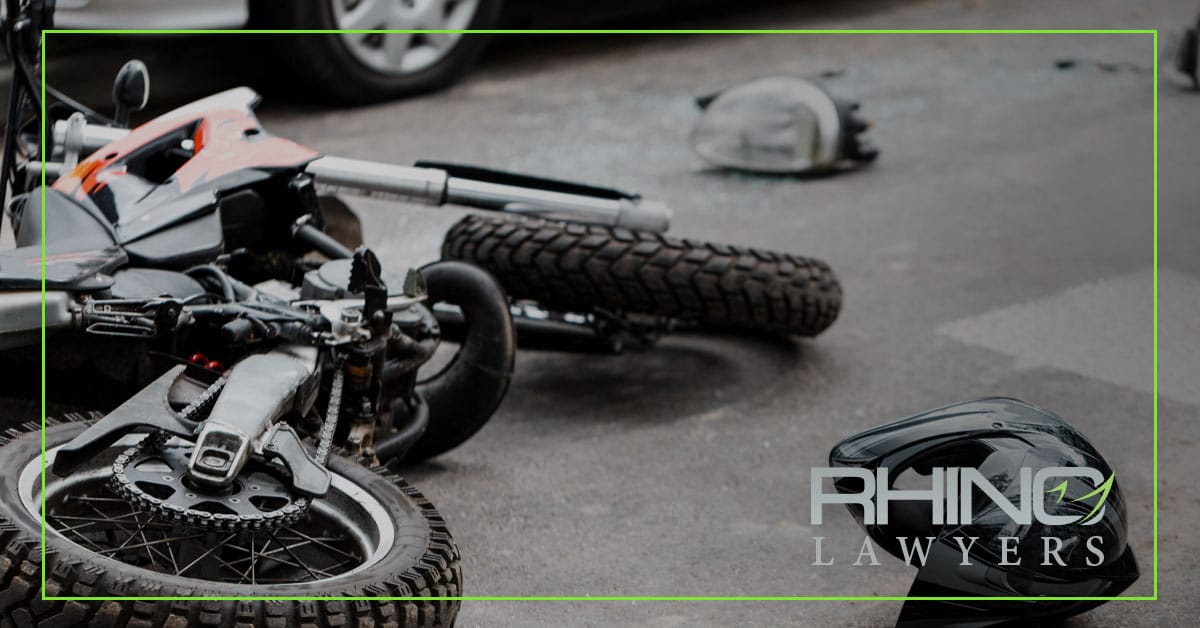
What Are the Common Causes of Motorcycle Accidents?
A motorcycle is one of the most exhilarating vehicles to drive on the open road, but it’s also one of the most dangerous. Bikes represent a huge proportion of vehicle accidents and fatalities. In fact, motorcycle deaths are 28 times more frequent than deaths in any other vehicle—cars included. Are you a biker trying to stay safe on your commute, long trips, or quick zips through town? If so, keep reading for some of the most common causes of motorcycle accidents and how to avoid them.
Turning Left
Making a tight left turn on a motorcycle is dangerous enough, but there’s an even higher risk of an accident when a rider is near a car that’s turning left. According to data from the NHTSA, 42% of fatal accidents between a vehicle and a motorcycle happened as the other vehicle made a left turn. These motorcyclists were either passing that vehicle, passing another vehicle, or driving straight ahead when the accidents occurred.
The reason left turns are so dangerous all comes down to visibility. Many drivers aren’t expecting to see a motorcycle in their path when making a turn, and most bikes are small enough to fit within a car’s blind spot. The majority of left-turn collisions happen when the vehicle driver fails to see the motorcyclist before turning.
To avoid a left turn accident, always stay to the right side of the road and avoid passing near intersections.
Poor Road Conditions
Vehicle handling is a lot more challenging on two wheels than on four. As such, bikers need to always be aware of possible weather events and poor road conditions before driving anywhere. These could include:
- rain
- high wind speeds or gusts
- snow
- ice
- flooding
- storms
- road resurfacing or construction
- gravel or dirt roads
Unless you’re confident in your experience and sure you can safely navigate a slippery road surface, consider taking alternate routes or transportation in these conditions. Another clear, sunny day will come soon enough.
Inexperienced Riders
Even if they have a license, not every motorcycle rider is experienced enough to drive in heavy traffic. If you’re young and new to driving or just new to riding a bike, you should plan to spend dozens of hours practicing on backroads and in parking lots before you ever drive through town. Have an experienced rider or professional instructor help you gauge your ability to respond to situations and operate your vehicle.
Riding Under the Influence
Drugs and alcohol are even more dangerous for motorcycle riders than they are for other drivers. According to 2018 statistics from the Insurance Institute for Highway Safety, intoxication was behind almost 40% of all single-vehicle motorcycle deaths.
Because riding a motorcycle takes total concentration and heightened reflex speed, even a single drink is enough to render you incapable of riding safely. You should also avoid other drugs that slow your reaction time and judgment, like marijuana and narcotics.
Distracted Driving
Driving any vehicle on the road requires complete focus to avoid accidents. As such, anything that takes your eyes, minds, or hands away from driving is a no-go. This includes, but isn’t limited to:
- texting
- taking phone calls
- snapping photos
- using social media
- adjusting the radio
- eating or drinking
- fiddling with clothing or objects
If you see any other drivers doing these things while operating their vehicles, try to steer clear of them and stay aware of what they’re doing. If you’re tempted to do these things yourself, find a safe spot to pull over and completely stop your bike. Otherwise, try to have everything set and adjusted before you leave home.
Speeding
Because they’re so nimble, it’s easy to speed on a motorcycle without even realizing it. However, speeding is something you should avoid at all costs, even when there are no other cars in sight.
Why? A lot of it has to do with the fact that motorcycles can’t make tight turns or swerve at high speeds. If you encounter an unexpected obstacle—a pedestrian, an animal, a pothole, or a hidden turn—you may not be able to adjust your direction fast enough to avoid it. This leaves you to either hit something, run off the road, or tip your bike while trying to swerve.
Speed limits can be annoying, but they’re posted for a reason. Always stay aware of the local speed limit and leave home with plenty of time to make it to your destination.
Riders Passing and Splitting Lanes
Another one of the most common more frequent motorcycle accident causes is passing and/or lane splitting. Lane splitting occurs when bikers drive through the space between lanes, often in slow or stopped traffic.
Even if it looks like you might be able to fit, exercise extreme caution when passing or splitting lanes. Avoid them both whenever possible. Even though they should be looking out for motorcycles, most drivers aren’t expecting a bike to drive past them in this manner and might not see you in time.
Opening Car Doors
Most motorcycle safety advice tells bikers to always stay to the right side of the road. While this will keep you safer in most regards, it does pose a unique risk in areas with parallel parking.
Drivers usually check for cars before opening their driver’s side door. However, they may not see a smaller motorcycle approaching them. If they open their door right in front of you, you may not be able to stop or swerve to avoid it.
Be careful and drive slowly whenever you’re driving next to parallel-parked cars. Try to stay in the center of the lane so you can move to avoid them if a driver does open their door unexpectedly.
Steer Clear of These Common Causes of Motorcycle Accidents
Motorcycles give you unmatched freedom on the road, but with that freedom comes great risk. Staying aware of these frequent causes of motorcycle accidents can help you avoid many of the dangerous situations discussed above. Even so, accidents can still happen to the most careful of riders.
If you’ve been injured in a bike crash, finding a reliable motorcycle accident lawyer to represent your case is crucial. The attorneys at RHINO Lawyers of Tampa can help you get compensation for the damages, injuries, and even lost wages you sustained. To request your free case evaluation or to speak with a live representative, call us any time at 844.246.1238 or contact us online today.
CONTACT A TAMPA MOTORCYCLE ACCIDENT ATTORNEY
In short, after a motorcycle accident, you may not know your rights. Above all, don’t struggle through the process alone. Actually, our personal injury team is here to help you with any legal needs you might have regarding your accident.
Lastly, let RHINO Lawyers answer your questions and review the facts of your case with a Free Consultation. So, get started by completing the “Free Instant Case Evaluation” or by calling us any time, day or night, at 844.329.3491.
Read More
How Long Does a Car Accident Stay on Your Record and Affect Insurance?
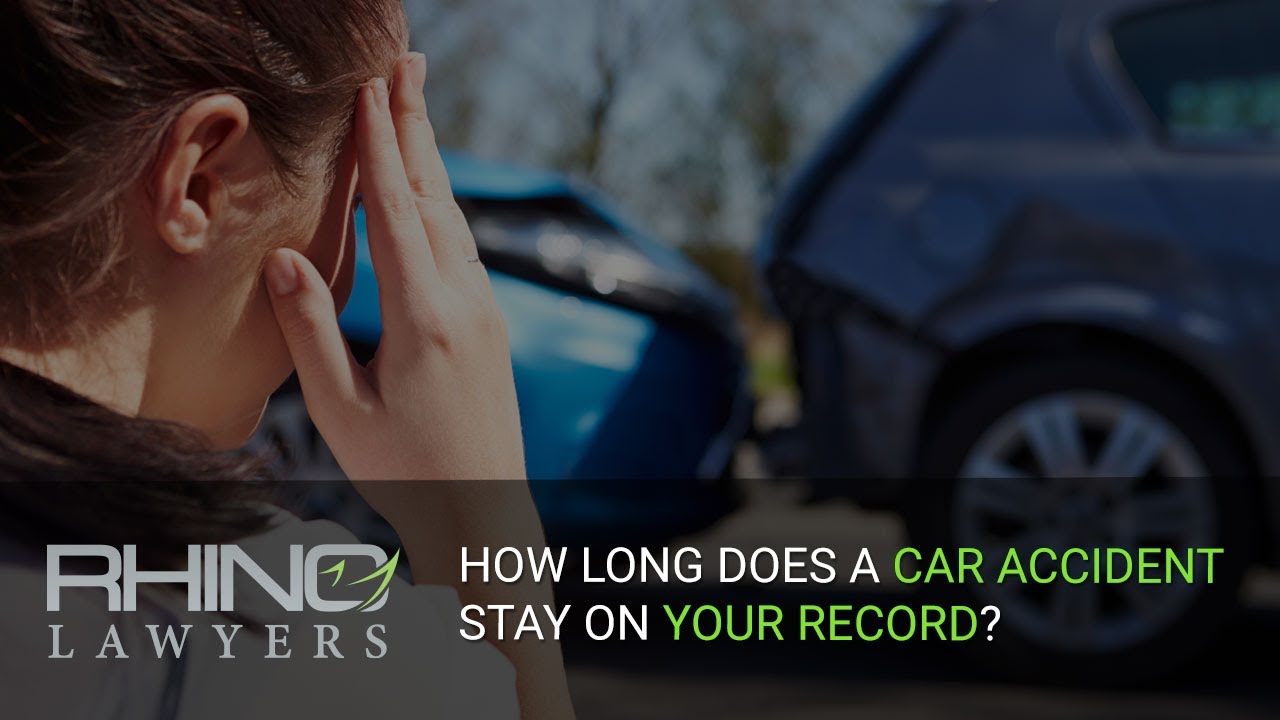
Each year, there are an estimated 6 million auto accidents in the United States. But what happens with your auto insurance after an accident occurs? And how long does a car accident stay on your record as a driver?
It can be intimidating not knowing what will happen after you are in an auto accident. But you’ve come to the right place for answers to those questions.
Continue reading, and you’ll learn all about how an auto accident affects car insurance rates, as well as how long an accident will stay on your car accident record.
Importance of Your Driving Record
Every driver knows that your driving record is crucial for a multitude of reasons.
Your driving record is the primary tool that insurance companies will use in order to determine what your car insurance rates will be, as well as the cost of your premium.
Other factors play into your insurance costs, like your zip code and your credit score. But your driving record is the largest determining factor for what you will be paying.
The more accidents and traffic violations you have on your driving record, the more your insurance will cost you every month.
If you have been in a significant number of accidents or have a lot of violations, you may even end up being categorized as a “high-risk” driver.
If that is the case, your insurance company might require that you get non-standard insurance.
Conversely, if you have a clean driving record, you might qualify for cheaper rates and discounts as a reward for being a safe driver.
The good news is that even if you have accidents or violations on your driving record, it isn’t forever.
After a certain amount of time (usually 3-5 years), your violations and accidents will drop off, and you will have a clean record. At that point, your insurance will no longer be affected.
How Long Does a Car Accident Stay on Your Record?
Any driver with a driver’s license has a motor vehicle record or MVR. A motor vehicle record catalogs any accidents you may have as well as speeding tickets or other moving violations.
Luckily, these incidents won’t stay on your record for eternity. The length of time that they remain on your record depends on how severe the accident or violation was, and the laws of the state that you live in.
Each state has its own Department of Motor Vehicles (DMV), and each DMV has its own policy regarding accidents and violations, and the length of time that they will remain on your driving record.
A lot of states utilize a point system, with certain violations causing you to accrue points. If you accrue too many points, your license will be suspended, and you will no longer be allowed to drive a motor vehicle.
Take Florida for example. In the state of Florida, speeding will get you 3 points on your driving record. Failure to obey a traffic signal is worth 4 points, and leaving the scene of an accident without providing your information is worth 6 points.
The suspension system for points in Florida works like this:
- 12 points in 12 months
- 18 points in 18 months
- 24 points in 36 months
If you accrue 12 points in a 12-month time span, you will face a 30-day suspension of your driver’s license.
If you accrue 18 points in 18 months, the penalty is a 3-month suspension of your license, and if you accrue 24 points in 36 months, your license will be suspended for an entire year.
So How Long Does an Accident Affect Your Insurance?
While an accident in recent years can still affect your insurance rates, at some point it will fall off of your record and no longer be taken into consideration by insurance companies.
The majority of insurance companies will look at the past 5 years of your driving record, so an accident 6 or more years ago would not be a factor in your insurance premium.
There are some insurance companies that will even look at just the past 3 years of your driving record.
Additionally, even with accidents or violations on your driving record, some car insurance companies will reward you for good driving over an extended period of time, and your rates will begin to drop.
Depending on what state you live in. There may be laws about the kinds of accidents or violations that insurance companies can consider. As well as the length of time they are allowed to go back.
Does a No-Fault Accident Affect Your Insurance?
In the majority of cases, getting in a car accident that is not your fault will not increase your monthly auto insurance payments. This is due to the insurance of the at-fault driver handling the costs of the damages and medical bills.
As long as your insurance company doesn’t give you any money for handling the claim. Then your insurance rates will not change at all, and you will not be punished.
You are at risk of your insurance increasing after a no-fault accident if you have a record of car accidents that were your fault. In these instances, drivers can see an increase in their payments of up to 10%.
If your rate does increase, there are some ways that you can try to lower it. Bundling your insurance policies can save you money through discounts that your insurance provider may offer as an incentive.
Raising your deductible is another option for getting lower monthly payments if your insurance increases.
If you aren’t comfortable with those options, you can always shop around for a better policy through a different provider.
Knowledge Is Power
The more knowledge you have, the better off you are. Knowing the answer to questions like, “How long does a car accident stay on your record?” can save you time, stress, and money.
Read here for more helpful tips that will make your driving experience cheaper and stress-free.
CONTACT A TAMPA AUTO ACCIDENT ATTORNEY
In short, after a car accident, you may not know your rights. Above all, don’t struggle through the process alone. Actually, our personal injury team is here to help you with any legal needs you might have regarding your accident.
Lastly, let RHINO Lawyers answer your questions and review the facts of your case with a Free Consultation. So, get started by completing the “Free Instant Case Evaluation” or by calling us any time, day or night, at 844.RHINO.77.
Read More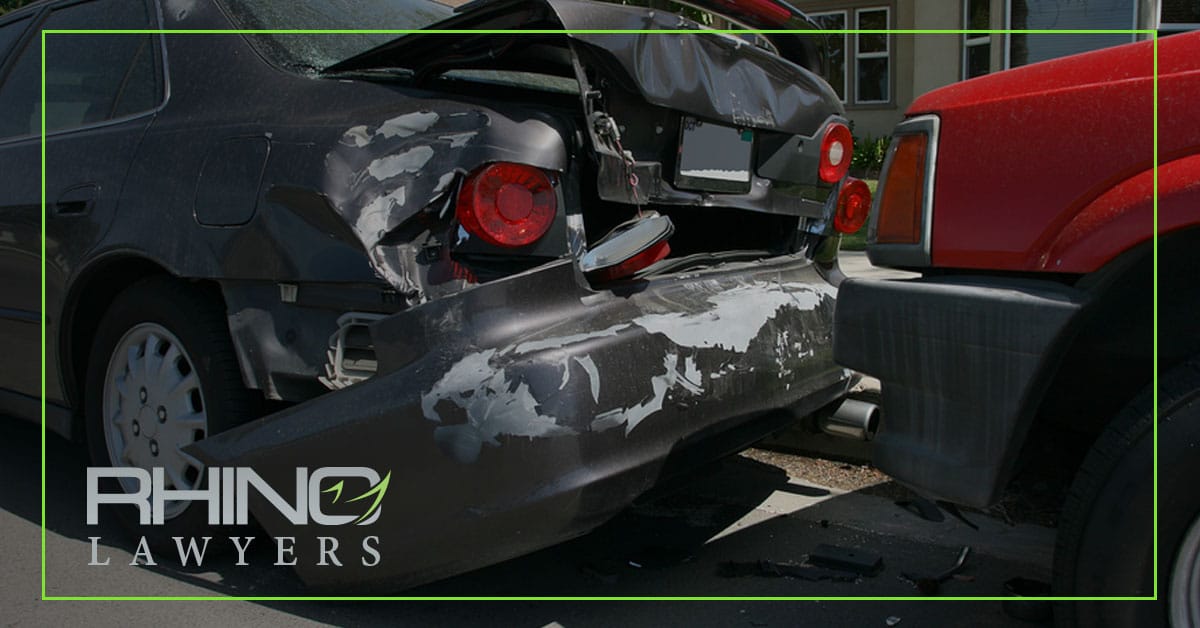
Determining Fault in a 3 Car Accident: The Ultimate Guide
Have you or a loved one recently been involved in a 3 car accident? Are you curious to learn how it’s determined which one of you will be held liable for the repairs? If so, you need to learn all you can about determining fault after a car accident involving 3 vehicles.
Doing so can keep you well-informed throughout the process. You will learn the steps you need to take—whether you think you’re at fault or not—to find peace of mind.
See below for an in-depth guide highlighting the several things that you need to know when you are involved in a 3 car accident.
What Is a Chain Reaction Crash?
At its simplest definition, a chain reaction crash is any car crash or accident that involves more than two vehicles making contact with one another. However, even when there are multiple cars involved, there is often one driver that’s determined to be at fault for the accident.
So how do we sort this out? It depends on the situation. Generally, a chain reaction crash starts with two cars that hit each other. That collision leads to other cars getting involved in the accident after the initial crash occurs.
For example, let’s say there was a 3-car accident on the highway. The driver in car 1 doesn’t check his/her blind spot before merging over into the other lane—without using their turn signal. Causing car 2 to hit the bumper to bumper. Car 3, who is driving behind them at 65 miles per hour, slams on his brakes but still makes contact with both cars.
This is one example of a chain reaction crash. In this example, car 1 would likely be deemed the at-fault driver. Granted, most chain reaction crashes aren’t as easy to sort out. Oftentimes, there isn’t one clear-cut person at fault.
Possible 3 Car Accident Situations
There are many different ways in which a 3-car accident can occur. If you’ve been involved in one, view the list below to see if one applies to your situation. And what that might entail for you moving forward.
1. Malfunctioning Vehicle
This might be the cloudiest of all 3 car accidents. As the name would imply, this 3-car accident occurs when a vehicle malfunction is what led to the accident.
As an example, Driver 1’s vehicle gave out on him while driving. That causes Driver 2 to hit him and then Driver 3 to follow.
In this instance, the manufacturer of the car part is at fault. All three parties—and their car accident lawyer—will likely pursue legal action against the manufacturer to get compensated for their losses.
2. Phantom Car at Fault
Even if you feel that the at-fault driver in your 3-car accident has no option but to claim fault, don’t be so sure. It isn’t rare for an at-fault driver to pass the blame off to a fourth car.
This is what’s referred to as a “phantom car”. One that may have been at fault for the accident, but drove off without a scratch on them.
For example, if Driver 1 had a phantom car cut him off, he would’ve had to slam on his brakes. Which led to Driver 2 hitting him, then Driver 3 getting involved as well.
3. Rear Car At Fault
In this case, the “rear car” refers to the first car that made contact with the vehicle in the front of the chain reaction accident.
So if Driver 1 is hit in the back by Driver 2, who is then hit in the back by Driver 3, Driver 2 would be considered the “rear car”. There might also be a situation in which Driver 3 hits the back of Driver 2, which pushes their momentum forward to hit Driver 1 in front of them.
In these cases, the rear car is almost always considered to be at fault. However, there might always be the negligence of the other drivers that are to blame for the accident as well. This brings us to the last one…
4. Negligent Driving
Driver 2, or the “rear car” listed above, shouldn’t be held liable if Driver 1’s negligence led to the crash.
A common example of this is if Driver 1 was texting and driving. They could slam on their brakes just enough to cause Driver 2 to hit their bumper. This then causes the chain reaction.
If this is your situation, then you and your car accident attorney need to compile evidence that proves another driver’s negligence was the root cause of the entire crash.
Hire a Trusted Car Accident Attorney
Regardless of the situation you’re in with the crash, you need to find a trusted car accident attorney to represent you. This can give you the legal edge you need.
You can bet that the other two parties will lawyer up. So, to go through this process without one would be to sabotage your case.
The car accident attorney can use their resources and network to build evidence. As well as prove the negligence of one of the other drivers. They can also provide direction on how much compensation you’re entitled to and take over communications during the settlement stage.
Find Legal Representation for Your 3 Car Accident Today
Now that you have seen an in-depth description of how the fault might be determined in your 3-car accident case, be sure to find the right lawyer to represent you.
Be sure to read this article for more information on how to become a better driver and minimize your risk of being involved in an accident.
To get started, please visit this page to schedule a free video consultation with our firm, and we will be happy to assist you further.
CONTACT A TAMPA AUTO ACCIDENT ATTORNEY
In short, after a car accident, you may not know your rights. Above all, don’t struggle through the process alone. Actually, our personal injury team is here to help you with any legal needs you might have regarding your accident.
Lastly, let RHINO Lawyers answer your questions and review the facts of your case with a Free Consultation. So, get started by completing the “Free Instant Case Evaluation” or by calling us any time, day or night, at 844.RHINO.77.
Read More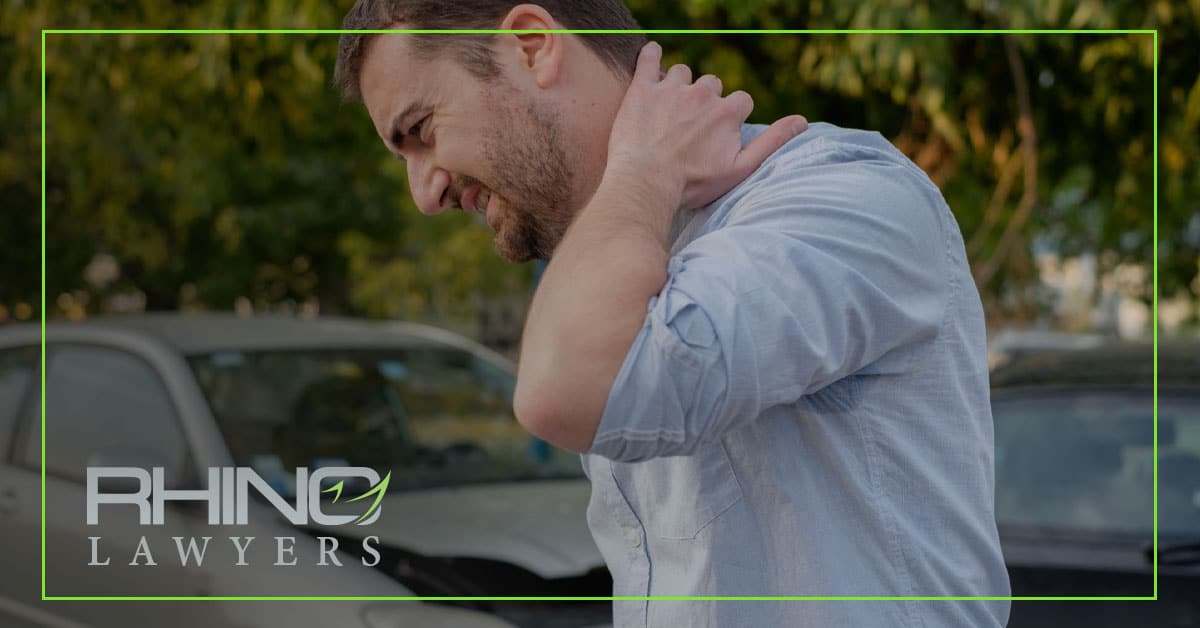
INJURED IN A CAR ACCIDENT? HERE’S WHAT TO DO NEXT.
Over 10 million car accidents occur each year. Anytime you get inside a car and head out on the roads, you take the risk of being involved in one and getting injured in a car accident.
If you recently had a car accident and now have injuries, you might wonder what you should do. Car accident injuries can impact many parts of your life, and the best thing you can do afterward is to seek legal help.
If you need advice after being injured in a car accident, continue reading to learn the steps you should take.
Report the Accident
The very first thing that should occur after a car accident is a call to the police. If you aren’t able to do this, someone else on the accident scene will. This phone call serves several roles.
First, it produces a report of what occurred at the accident scene. The police will record the time, date, and location of the incident. They will also include the names of everyone involved and the witnesses.
The police report also states the testimony of those at the scene. If you can tell the police what happened, you should. Other parties involved will also state what they saw and remember.
The second purpose of the police report is proof of fault. The police report should include all the evidence from the scene and should state who caused the accident. It should also state the reason the accident occurred.
To settle your case later on, you will need this report. You can pick up a copy from the local police department within a few days after the collision.
The third purpose of calling the police is to seek medical help. Anyone involved in the accident might choose to go to the hospital for treatment right after the accident occurs.
Seek Medical Help Immediately
If you’re wondering what to do if injured in a car accident, it’s vital to know that you should seek medical help immediately. When the police arrive on the scene and ask you if you want medical help, agree to it.
The police will call an ambulance, and they will transport you to the closest hospital. Going to the hospital afterward is essential as it documents your initial injuries from the collision.
If you don’t seek immediate medical help, it might create challenges in your case. Therefore, always seek help even if you feel fine. It’s normal not to feel any pain directly after a collision, as your body might be full of adrenaline.
The injuries, pain, and health problems can show up days later, though. If you wait to seek help, it is harder to connect the injuries to the accident.
Continue All Medical Treatment
As you can see from the statistics above, anyone who drives or rides in a car has a high chance of being injured in a car accident. In fact, around 150 Americans die each year from traumatic brain injuries (TBIs), which may occur from car accidents.
A TBI can impact a person for the rest of their life, but you might not know you have an injury like this until weeks or months later. To ensure that you receive all the medical care you need, you must continue seeking treatment as long as necessary.
To get the most out of your case, it’s essential to seek medical treatment until you feel completely normal or reach maximum medical improvement (MMI). MMI is a point when you cannot get any better.
Reaching MMI helps you fight for compensation to cover all the damages you experienced from the accident. If you have questions about this, ask your attorney.
Keep a Journal and Log
Another vital thing you should do after getting injured in a car accident is to keep a journal and log. You can use these things to record information about your health after the accident.
You can use the log to record time spent traveling to and from doctor visits or therapy. Also, use it to record the miles driven to these visits. If you seek help from a counselor after the accident, you can also record these visits in the log.
Keeping a journal is another wise decision, and most attorneys recommend doing this after an accident. A journal lets you write about the ways the accident affected you.
Whenever you have thoughts about the accident, you can record them in your journal. You can write about the nightmares you have if this is an issue. You can write about your insomnia if you experience this problem.
The purpose of a journal is to prove the damages, harm, and problems you suffer as a result of the accident. You should list all the feelings and impacts you notice from the accident in this book.
You can give the book to your lawyer to serve as proof. When used in car accident cases, a journal is often an excellent form of evidence to provide.
Find an Experienced Attorney
After getting injured in a car accident, you must also start looking for an experienced accident attorney. You’ll need a lawyer for help settling your case, and you can even request a free case review from most law firms.
A personal injury lawyer can review all the evidence and details from your case to determine how you should proceed. If you have plenty of facts and evidence, you will probably win your case.
One of the goals your attorney will have is to collect the highest settlement amount possible. To do this, the lawyer will prepare the case and work on it. Next, he or she will calculate the value and request this amount from the court during the case.
Injured in a Car Accident? We Can Help
When a person gets injured in a car accident, they will need legal help. We are a law firm that focuses on helping car accident victims.
If you are in the Tampa area and would like advice, contact us. We would love to hear your case and offer the help you need.
CONTACT A TAMPA AUTO ACCIDENT ATTORNEY
In short, after a car accident, you may not know your rights. Above all, don’t struggle through the process alone. Actually, our personal injury team is here to help you with any legal needs you might have regarding your accident.
Lastly, let RHINO Lawyers answer your questions and review the facts of your case with a Free Consultation. So, get started by completing the “Free Instant Case Evaluation” or by calling us any time, day or night, at 844.329.3491.
Read More
7 TIPS TO REDUCE THE RISK OF A MOTORCYCLE CRASH
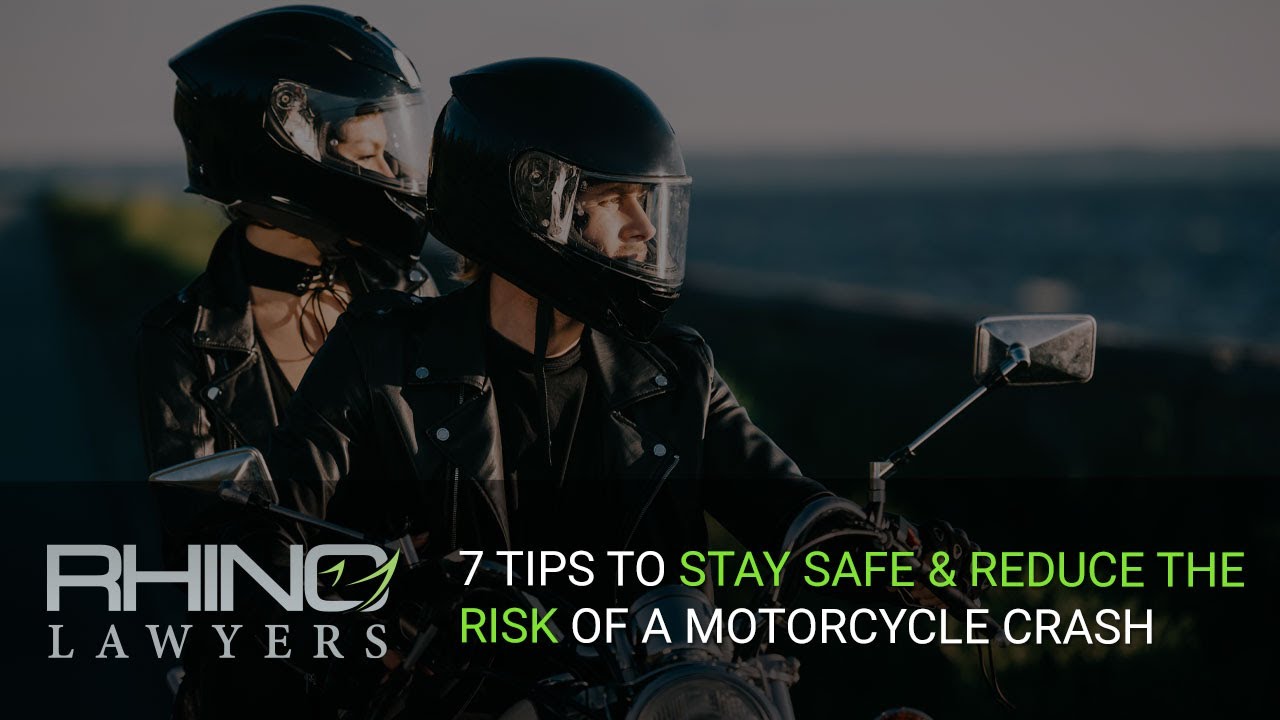
Are you worried about having a motorcycle crash?
The chance of a fatal motorcycle accident isn’t as slim as you might think. Each year, there are around 5,000 motorcycle fatalities. But you may not know that there are things you can do to reduce the risk of an accident happening to you.
Read on for these seven tips on motorcycle crash prevention to keep you safe on the road.
1. Wear a Helmet and the Right Gear
For most, this might seem like an obvious tip to follow. Most of you may already do it. But for other riders, some don’t wear a helmet or protective gear to keep themselves safe.
But if you’re not wearing a helmet, the risk of death or serious injury in a motorcycle accident increases. They reduce the risk of fatality by 37% and serious head injury by 69%!
Wearing the right protective gear on your body also reduces the risk of serious injuries. Biking leathers and pads help keep your skin protected against skids and burns. A reflective jacket also lets other drivers spot you with ease. Don’t compromise on safety gear; it could save your life.
2. Pay Attention to Your Speed
The faster your speed, the less reaction time you have to other drivers, debris, and hazards on the road. For example, speeding could make it harder to see a turn that’s coming up. As a result, you could go into it too fast.
In moments like that, it’s easy to panic and put the brakes on hard. As a result, this could throw you off the bike, and the momentum could send you flying into oncoming traffic.
Or, if you try to ride through the corner still, you could turn too sharply. The bike then could slide out from under you, skidding you across the road beneath it.
To stay safe, don’t go faster than a speed that lets you judge the direction of a road. Always give yourself enough reaction time to counter any unsuspected and sudden hazards. You can’t always know if there is a slippery spot or a pothole in the road. And the weather can change from calm to dangerous in an instant.
3. Keep Blind Spots in Mind
Out of all the vehicles on the road, motorcycles are the smallest legal ones. In general, this means they can be harder to spot. But this is especially the case when you factor in that other, larger vehicles have blind spots.
Always be alert to the fact you’re entering a blind spot for another vehicle. If you can, it’s a good idea to avoid these blind spots altogether.
You should also try to avoid passing in high-traffic areas and on curvy, bending roads. Otherwise, you may find yourself in need of a motorcycle accident lawyer.
4. Watch for High Traffic Areas and Opening Doors
It’s not always possible to stay out of high-traffic areas on your motorcycle, and you shouldn’t have to. But it’s useful when planning a trip on weekends and major holidays to consider your route.
Know which roads will be busy, and when. It might be better to adjust your route to avoid those busy roads if you can. Or you can plan around a time that sees less traffic volume.
Also, be aware of areas where there is a high volume of parking on the roadside. When you’re driving past, be aware of these parked cars.
A big cause of a motorcycle accident today happens when a driver or passenger in a parked car opens their door. They don’t see the approaching motorcycle, and the rider crashes into the open door.
5. At Intersections Check Behind You
Another big cause of motorcycle accidents is getting rear-ended by cars at intersections. This is especially the case when they stop to let animals go across in front of them or stop for crosswalks.
It’s good practice in these instances to pull to the side of the lane. Give your brake lights a few flashes too to alert those behind you.
Once stopped, always keep an eye behind you for cars coming up on you. Keep your bike in gear so that if a car doesn’t look like it’ll stop in time, you can pull away to avoid an accident.
6. Learn to Handle Common Hazards on the Road
At some point, you’re likely going to come across hazards on the road. From train crossings and ice to potholes and rubber from a blown tire.
You need to make sure you know how to get through or around these hazards without causing an accident. There are braking and maneuvering techniques for these that you need to know.
It’s a good idea to go on a motorcycle course that specializes in hazards. It will teach you these techniques and give much-needed practice to keep you safe on the road.
7. Keep on Top of Motorcycle Maintenance
The key to keeping any vehicle as safe as possible is making sure it’s well-maintained. This goes for motorcycles too.
Keeping on top of your motorcycle maintenance reduces the risk of it breaking down. It could be the difference between causing an accident or avoiding one. Remember, after a motorcycle accident, all parties will investigate the cause. This will help determine liability.
So, make sure you get a regular check on your brakes and avoid tire tread wear. Also, keep your mirrors and windshield clear without any obstructions.
Preventing a Motorcycle Crash Made Simple
So, there you have it! Now that you know these seven tips, you’re on your way to staying safe and preventing a motorcycle accident.
Watch your speed, and always be aware of your surroundings. You can’t afford distractions on the road, no matter what vehicle you’re driving.
Learn how to handle road hazards, and don’t take risks or put yourself in a sticky situation. And if you do get yourself into an accident, make sure you hire a motorcycle accident attorney right away.
If you’ve been in a motorcycle accident recently and need help, contact us today. At RHINO Lawyers, we’ve got the experience to help with all your accident legal needs.
CONTACT A TAMPA MOTORCYCLE CRASH ATTORNEY
In short, after a motorcycle accident, you may not know your rights. Above all, don’t struggle through the process alone. Actually, our personal injury team is here to help you with any legal needs you might have regarding your accident.
Lastly, let RHINO Lawyers answer your questions and review the facts of your case with a Free Consultation. So, get started by completing the “Free Instant Case Evaluation” or by calling us any time, day or night, at 844.329.3491.
Read More
WHEN IS IT TIME TO HIRE A WRONGFUL DEATH LAWYER?
If you’ve lost a loved one due to another person’s negligence, you may be entitled to bring about a wrongful death claim. The law around wrongful deaths is complicated. It varies from state to state, and each case is unique. That’s why many choose to hire an experienced wrongful death lawyer to help guide them through the process and likely outcomes.
We got our team to answer the most common queries around wrongful death lawsuits, from what they are to when you should hire a lawyer.
What Is a Wrongful Death Claim?
Wrongful death is when a fatality occurs as a result of an injury or accident that should not have happened. This can be a result of negligence or carelessness, as well as a range of other aggravating factors.
Wrongful death law varies from state to state. However, many are similar in the sense of claimants and damages permitted. In this article, we’ll be referring to the Florida Wrongful Death Act.
As with any legal claim, the article of law is used to bring the claim to court, where it will be heard in front of a jury. Lawyers will present both sides of the case to the jury, who will consider the facts and ultimately rule on whether the claim is valid or not. The jury will also determine the appropriate amount of damages, both economic and non-economic.
Wrongful Death Causes
There’s no exhaustive list of causes of wrongful death. It applies to any situation that puts the victim at serious risk of harm or death needlessly.
The CDC cites unintentional injuries as the third leading cause of death in the US. While not all of these will be wrongful deaths, many may be. The most common types of accidents in wrongful death claims are:
- Car accidents
- Boating accidents
- Workplace accidents
- Falls
- Drowning
- Medical malpractice
- Defective products
- Poisoning
- Criminal activity
Determining the cause of death is one of the first steps needed to file a wrongful death claim. A wrongful death attorney can help you investigate who and what caused the death of a loved one. This helps identify the correct defendant in a wrongful death claim.
Who Can File a Wrongful Death Lawsuit?
The Florida Wrongful Death Act states the following parties have the right to file a wrongful death claim:
- A spouse
- Children
- Parents
- Blood relatives who are wholly dependent on the deceased
- Adoptive siblings who are wholly dependent on the deceased
It’s not quite as simple as this, though. The act says the only party who may file a claim must be a personal representative of the deceased’s estate. In this sense, though all of the parties above have the right to file a wrongful death claim, who is actually able to file the claim will vary depending on the deceased’s will.
If the deceased hasn’t named a representative within their Will or has no Will, the courts will assign one during the probate process. This is most often the surviving spouse.
This representative may file the claim on behalf of all eligible survivors. Multiple claims are not allowed. Survivors are expected to determine the allocation of any settlement or damages won among themselves.
Wrongful Death Damages
The Act outlines the damages that may be available to claimants as a result of a wrongful death claim. Each survivor can recover a monetary value that is equivalent to the deceased’s lost support. This will be determined by the relationship between the survivor and the deceased.
A surviving spouse may additionally be entitled to claim for loss of companionship, protection, and suffering. Surviving children who are minors may additionally be entitled to claim for loss of parental instruction and guidance, as well as pain and suffering. Overall, damages may be claimed for the following:
- Medical expenses
- Funeral and burial expenses
- Loss of income
- Lost wages
- Loss of consortium
- Pain and suffering
- Loss of companionship
- Loss of parental instruction and guidance
It’s impossible to give even a vague estimate on damage figures. This is because this will vary from case to case. The best person who can advise you on this is an experienced wrongful death lawyer who knows your case.
When to Hire a Lawyer?
As a general rule of thumb, you should hire a wrongful death lawyer as early as possible. Most reputable law firms will offer a free initial consultation to gather the facts and ensure you have a case.
Having a wrongful death lawyer hired early will help you navigate your claim. It will also help you avoid any potential pitfalls, such as interactions with the defendant that may later be used in court. Not to mention removing much of the stress of dealing with legal matters from the family to allow them to grieve in peace.
It’s also worth noting that there is a two-year statute of limitations on wrongful death claims. This means if the claim is not filed before this, no surviving beneficiaries would be entitled to make a claim.
You aren’t legally required to hire a wrongful death lawyer, but due to the complicated nature of the claim, it is advisable to. Your wrongful death lawyer will be responsible for a range of matters, including investigating and establishing liability. This involves understanding legal faults and knowledge of a range of applicable state laws.
Wrongful Death Lawyers Near Me
If you’re based in Tampa, Florida, or the surrounding area, RHINO Lawyers can help you. We have experienced wrongful death lawyers who will be able to advise you on your specific situation and case. Simply get in touch today for a free case review or free video consultation.
CONTACT A TAMPA AUTO ACCIDENT ATTORNEY
In short, after a car accident, you may not know your rights. Above all, don’t struggle through the process alone. Actually, our personal injury team is here to help you with any legal needs you might have regarding your accident.
Lastly, let RHINO Lawyers answer your questions and review the facts of your case with a Free Consultation. So, get started by completing the “Free Instant Case Evaluation” or by calling us any time, day or night, at 844.329.3491.
Read More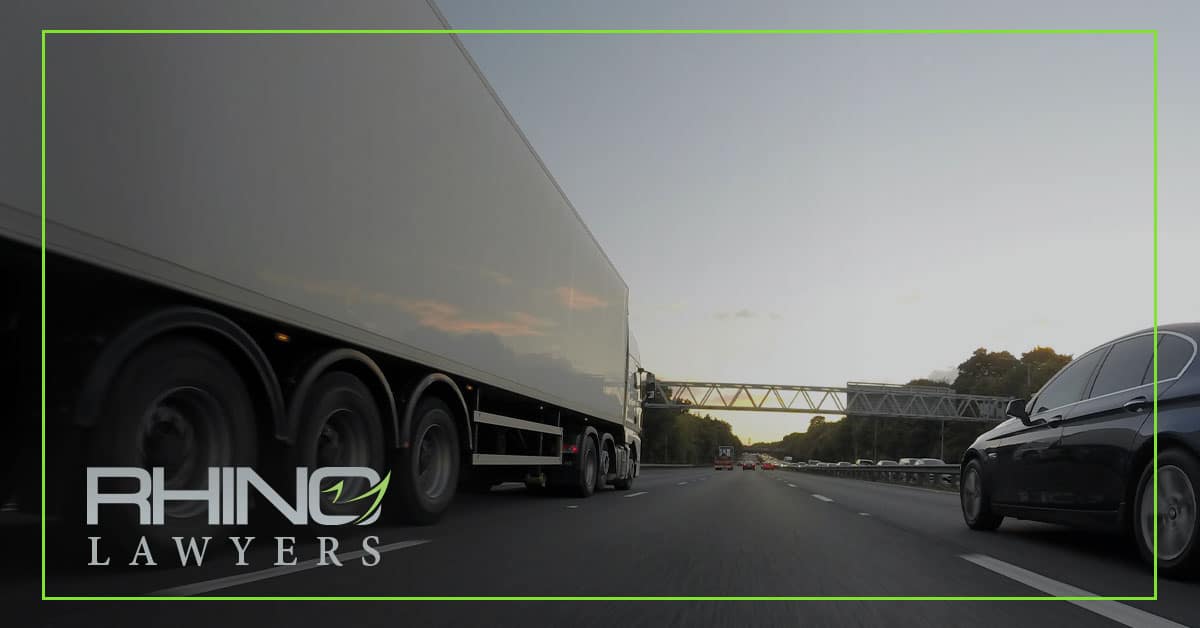
IMPORTANT STEPS TO TAKE AFTER A TRUCK ACCIDENT
Truck accidents are, unfortunately, a significant cause of death in the world. In the U.S. alone, 74 percent of all fatal passenger-vehicle accidents involve large trucks. When it comes to accidents, trucks have different rules from other vehicles, and they face more rigid standards.
Trucking companies and truck drivers carry a higher burden of responsibility, given the trucks’ sheer size and weight. Most often, trucks leave a devastating wake of catastrophic damages, injuries, and fatalities. The question is, what steps should you take once involved in a truck accident?
Start By Calling the Authorities and Getting Medical Help
If you’re in any position to do so, the first thing you should do is call the police to report the accident and get medical help. It is incredibly important for you and all other parties involved to get medical attention as soon as possible, regardless of how minor your injuries may be. Assess the situation and move to safety, and if you’re in a position to walk, check how everyone else is doing.
Depending on your injuries’ severity, you can try to carry out first aid such as bandaging wounds to control bleeding before medical services arrive. If you suffered grave injuries and are unable to move, try as much as you can to call for help so that others can save you as well.
If your injuries are not severe, move your vehicle from the road or turn on the hazard lights to warn other drivers of the scene. This will help avoid traffic or another accident, after which you should wait for the authorities to arrive. However, only move the car for safety purposes; otherwise, it’s always best to leave the accident scene as it is for thorough investigations.
Document the Scene
You mustn’t leave a trucking accident scene. In most states, this is considered a crime because it constitutes a hit-and-run accident. If you’re not severely injured and are in a position to walk, it’s of utmost importance for you to gather and exchange vital information with all the parties involved in the accident. This will help the police and your truck accident attorney deal with the insurance company or the lawsuit.
There may be witnesses who saw everything that happened. You need to take down their information because they may be able to help in a legal proceeding. The information you collect should include the involved parties’ names, contact information, vehicle information such as make and model, and their license plate numbers.
Take Photos and Video Evidence
In the world we live in, technology allows us to take photos, video, and audio evidence of any situation, which is one of the best times to do that. If you can access your smartphone or any mobile device with the capabilities to take photos or videos of the crash scene. Do it immediately because it will provide the strongest evidence you can capture.
The best things about photos and videos are that they don’t change, unlike witnesses that tend to forget information as days go by. Photos will capture everything and everyone involved, while video and audio will show what everyone was saying then.
This will give you great leverage if you need to sue anyone for negligence. You need to take snapshots of the entire truck accident. Go from significant landmarks, skid marks, intersections, and all vehicles involved to tell the story of what happened.
If the accident happens during the night, audio and video recordings will be the best form of evidence. You need to record your own account of what happened. Then record conversations you and the other parties or witnesses have during that time. Keep your recording safe and avail them to your truck accident lawyer if there’s a need to move on with legal action.
Avoid Making Any Statement About the Truck Accident
You must avoid making statements about the accident, like saying it was your fault. It’s possible that a witness saw a different driver texting while driving or running a red light. Maybe there was a malfunctioning spotlight.
Even if you feel as if you did something wrong and you have some responsibility, say nothing. You need to discuss the issue with your truck accident lawyer before telling anyone else.
It’s also vital to make sure you are calmer and away from the accident scene. This way, you can make a statement from a strong place and not one of vulnerability.
Call a Truck Accident Lawyer
As a truck driver, it’s a given that either party will go to court to demand compensation. You need to have a professional truck accident attorney protecting your rights and offering legal assistance. This could be the beginning of a long legal process, and the other parties may come armed with their own professional truck accident lawyer.
You need to launch a compensation claim with the insurance company and your employer, as they are required to offer you protection. Look for a competent truck accident lawyer in your area as soon as possible to investigate the scene of the accident.
They will get a fresh account of the events from the witnesses before they start forgetting the intricate details. Specifically, hire a truck accident lawyer as they know all truck accident laws and a track record of similar cases.
The best thing about having a professional truck accident attorney is that they will gather all the necessary evidence. They’ll interview the witnesses and document all the information needed to prove who was at fault.
This is more important if you were too injured to go through the process of collecting information and documenting the accident scene. Additionally, the truck accident lawyer will negotiate with insurance companies during the settlement. They will also go to court to make sure you receive a fair trial.
Handling a Truck Accident
If you are involved in a truck accident, the most important thing is to ensure you stay at the scene until the police arrive. Get medical attention, and hire a professional work accident lawyer immediately. Your company may be able to help with hiring a lawyer and may be able to offer you protection.
Still, if you need a professional attorney to assist you, please get in touch with us today, and we’ll be more than glad to assist you.
CONTACT A TAMPA AUTO ACCIDENT ATTORNEY
In short, after a car accident, you may not know your rights. Above all, don’t struggle through the process alone. Actually, our personal injury team is here to help you with any legal needs you might have regarding your accident.
Lastly, let RHINO Lawyers answer your questions and review the facts of your case with a Free Consultation. So, get started by completing the “Free Instant Case Evaluation” or by calling us any time, day or night, at 844.329.3491.
Read More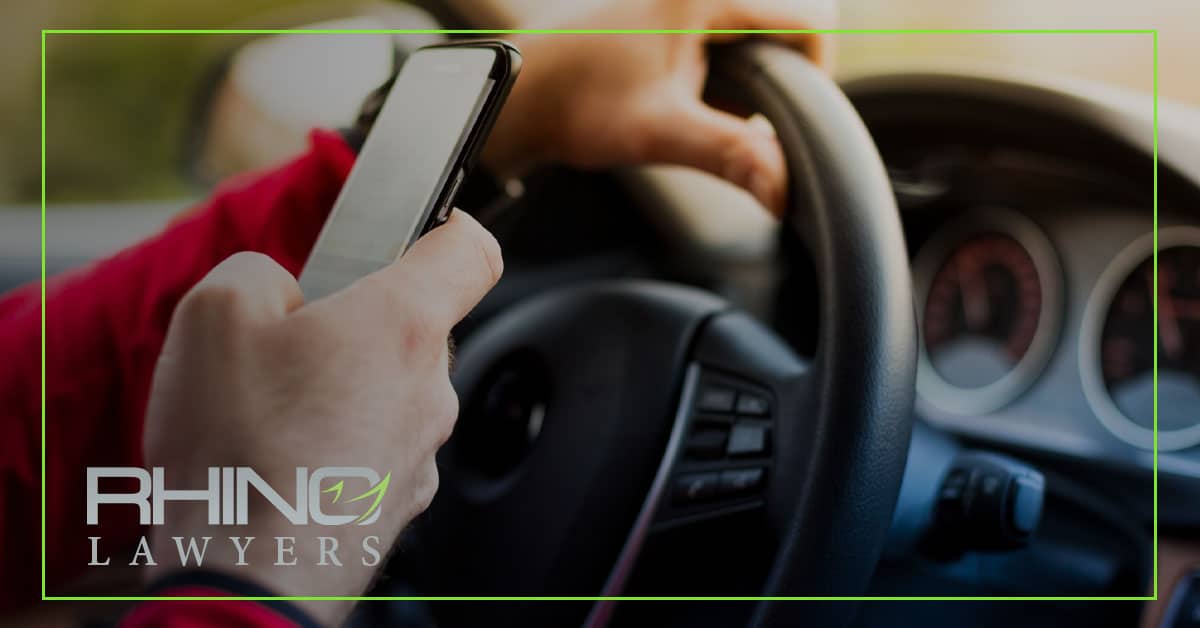
WHAT ARE THE COMMON CAUSES OF ACCIDENTS?
In the United States alone, there are over 6 million car accidents each year. There are a variety of causes of car accidents that are responsible for the wreckage that millions of motorists must face each year. Familiarizing yourself with the most common causes of car accidents can help you prepare to be safer while you’re on the road.
If you’re interested in road safety or are simply just curious about car accidents, you’ve come to the right place. Check out our breakdown of the most common causes of car accidents and tips to avoid them.
Driver Related Accidents
To better understand the top causes of car accidents, we can first break the causes down into two different categories. The first category we’ll focus on is driver-related accidents. These accidents are specifically due to the fault of the driver of the vehicle.
Distracted Driving
When it comes to car crashes caused by distracted driving, the margin of error is very high. Distracted driving can come in many forms and varies on person to person basis.
One of the most common types of distracted driving is texting or cellphone usage while driving. In the United States, distracted driving killed over 2,000 people in 2018 alone. While distracted driving is common for all age groups. It is a major leading cause of car crashes for younger generations.
As mentioned previously, distracted driving can take many forms that aren’t just related to texting. Other activities that lead to distracted driving could include taking your eyes off the road, eating, reaching in the back seat, and much more.
Driving While Under the Influence
It’s no secret that drunk driving is a major issue across the globe. In fact, a DUI or driving under the influence is one of the most common traffic violations across the United States. Drunk driving not only affects the driver but everyone else on the road as well.
Driving while under the influence of drugs is also a major offense that is not to be taken lightly. While some states have legalized the use of marijuana for medical and recreational purposes, driving while under the influence is still illegal and a major offense.
Sleeping
We’ve all been on long car rides where we’ve started to get a bit tired while driving. Falling asleep while driving affects a major portion of the population, whether on long car rides or simply driving home from work.
Even being fatigued but not falling completely asleep is still dangerous when driving. Being a tired driver can significantly lower your reaction times and the ability to make quick decisions and obey traffic laws.
Reckless Driving
Reckless driving can include everything from crossing a double yellow line to aggressively cutting someone off in traffic. No matter your reason for reckless driving, the act can clearly cause significant risk for yourself and other drivers around you.
Not Obeying Redlights and Stop Signs
Redlights and stop signs are put in place for a reason. A major cause of car accidents across the globe is the ignoring of traffic signals and laws. Whether you’re in a hurry to get to work or you don’t look both ways before turning at a stop sign, not obeying these rules can have serious and even life-threatening effects.
Speeding
Speeding is one of the most common offenses that many people encounter throughout their driving career. You probably know someone who has gotten a speeding ticket before. Perhaps you yourself have even encountered this first hand. While speeding itself isn’t always the cause of car accidents, the effects speeding can have on your ability to maintain control of your vehicle can be a major cause of crashes.
Speeding vehicles tend to have slower reaction times and can even be harder to control on the road. In the event of a car accident, the car’s speed can severely affect the injuries sustained by the driver and passengers.
Non-Driver Related Accidents
Non-driver-related accidents are accidents that happen due to reasons that are outside of the drivers’ control. While these types of accidents are less common, they still make up a portion of accidents.
Weather Conditions
If you’ve driven through the rain or snow before, you know how scary driving in difficult weather conditions can be. If your vehicle is not meant for colder weather, driving through the snow can be tough to manage.
Even if you’re an experienced driver, weather can be highly unpredictable and lead to hazardous conditions on the road. Many weather conditions can make vehicles more hazardous if they aren’t properly maintained or prepared for winter weather.
Road Conditions
Sometimes the roads themselves can be the problem when it comes to car crashes. Potholes and other unsafe road hazards have been known to lead to car crashes and dangerous conditions. Issues such as road construction, downed powerlines, potholes, and many more are leading causes of car crashes due to hazardous road conditions.
Vehicle Defects
While not as common as the other causes on this list, vehicle defects are still a major force to be reckoned with. The manufacturer might recall your vehicle due to hazardous materials or mechanisms that can lead to crashes. Or, unsafe conditions if your vehicle were to be in an accident.
Vehicle defects can also be caused by the lack of maintenance of your vehicle. When ensuring the safety of your vehicle on the road, performing regular tune-ups and checks on your car is an absolute must.
Preventing the Causes of Car Accidents
When it comes to preventing the causes of car accidents, there are several things you can do to keep yourself and your loved ones safe. Being aware of your well-being and surroundings is an absolute must every time you get on the road.
If you’re looking to become a safer driver, one of the best things you can do is to stay informed and know what to look out for. If you should ever find yourself in trouble, know what resources are available to you.
CONTACT A TAMPA AUTO ACCIDENT ATTORNEY
In short, after a car accident, you may not know your rights. Above all, don’t struggle through the process alone. Actually, our personal injury team is here to help you with any legal needs you might have regarding your accident.
Lastly, let RHINO Lawyers answer your questions and review the facts of your case with a Free Consultation. So, get started by completing the “Free Instant Case Evaluation” or by calling us any time, day or night, at 844.329.3491.
Read More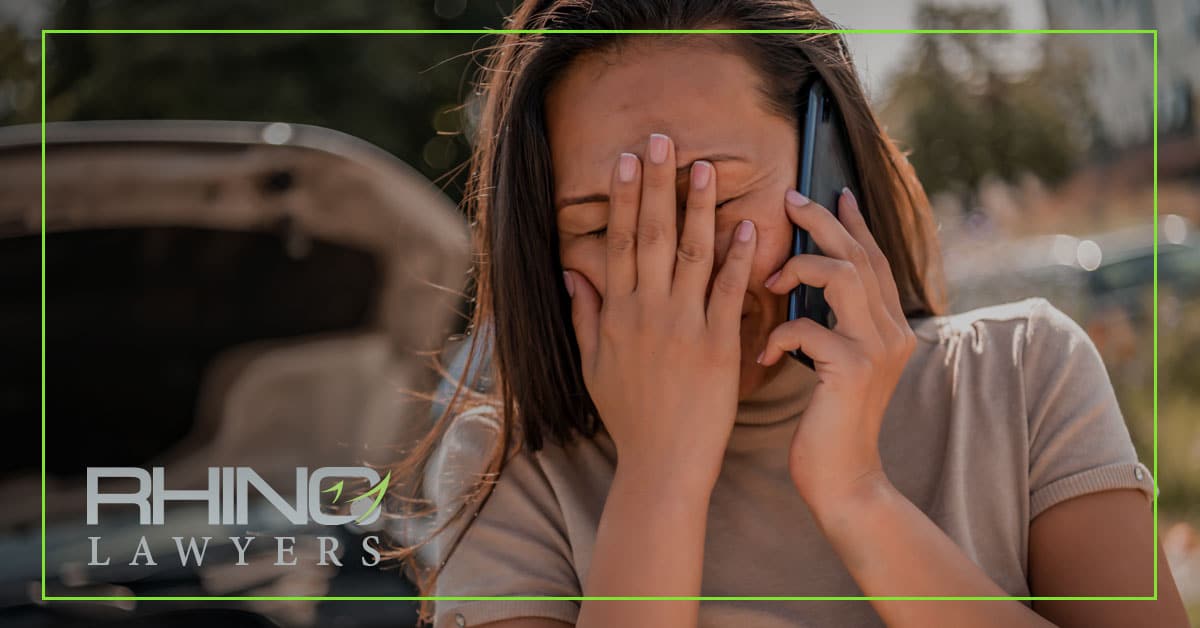
HOW IS FAULT DETERMINED IN A CAR ACCIDENT?
There is an average of six million car accidents every year in the United States. The sad truth is that car accidents happen all the time on all kinds of streets to all kinds of drivers. But by knowing the answer to “how is fault determined in a car accident?”, you can be more prepared for any issues that arise should you end up in a car accident.
Are you interested in learning more? If you are, then keep on reading and we’ll take you through everything you need to know about determining fault in a car accident.
How Police Determine Who Is at Fault in a Car Accident
After a car accident is reported to the police, the police officers will be responsible for preparing a police report about what took place. A police officer will interview all of the drivers involved as well as any witnesses about the car accident. They’ll ask a variety of questions meant to put together an accurate retelling of what transpired.
After the police officer has decided that they have enough information, they’ll submit their report to their department. That report might contain a statement about who was at fault for the car accident based on the officer’s judgment.
However, there are many police reports that don’t include a determination of fault. It’s also worth pointing out that even if a police report states who was responsible for the auto accident. That doesn’t automatically mean that person is going to be held legally responsible for damages.
Sometimes, an officer will issue a traffic citation during their investigation. This citation can be used as evidence that the driver was negligent in a later lawsuit.
How Insurance Companies Determine Who Is at Fault in a Car Accident
After filing a claim with an insurance company, the company will assign the claim to an adjuster. That person will oversee the investigation into the incident. As well as, the settlement of the insurance claim.
Usually, there’s more than one adjustor involved in this process. That’s because each driver’s insurance company is going to want to choose an adjustor to look into the auto accident.
Adjustors research the auto accident, look at medical records, talk with witnesses, and examine damage to the vehicles. They will also verify the insurance policy details of the drivers involved.
In the end, the adjustor will determine who was at fault in the accident. Sometimes, they’ll even assign a percentage of fault to each driver.
From there, the insurance companies will apportion the costs of the auto accident based on that percentage. They will also compensate the drivers involved according to the terms of their insurance policies.
Usually, an insurance company will determine fault based on the legal definition of negligence in the state where the accident took place. A person who is negligent fails to exercise the amount of caution that a reasonable person would under those same circumstances.
For example, if a driver runs a red light. And, hits a car that was legally passing through an intersection. Then they will likely find that driver negligent and at fault for the accident.
How Courts Determine Who Is at Fault in a Car Accident
If you were to file a lawsuit after getting into an auto accident, a court is going to decide who was at fault. They will accomplish this by considering if the defendant was negligent.
In order to decide your case, a court is going to consider arguments from the parties’ lawyers. They’ll also look at various pieces of evidence presented by those lawyers. This evidence can include testimony from:
- doctors
- accident reconstruction professionals
- police officers who investigated the accident
- people who witnessed the accident
- drivers involved in the car accident
Either a jury or a judge will determine whether the other driver was negligent. They’ll also decide if the defendant has to pay you money in order to compensate you for damages.
It’s worth noting that police reports and determinations made by insurance companies won’t control the outcome of a court case. For one thing, they might prevent certain evidence from being introduced during trial, such as police reports. Also, different rules govern the legal determination of responsibility for a car accident.
You should also remember that evidence of a traffic citation or violation can persuade a court that the violating party was negligent and at fault for the accident. This is a concept known as negligence per se and it can be quite useful to your case if you were injured by a driver who violated traffic rules.
The Importance of Knowing How To Determined Fault
A car accident can be a traumatizing, confusing, and overwhelming experience. Dealing with insurance companies, police officers, and the possibility of a lawsuit can be scary and difficult. After an injury from a car accident, you could worry about whether or not you were at fault. Luckily, an experienced car accident attorney can help you.
However, a reliable attorney can do more than provide you with useful legal advice. They can also make sure that your rights are protected, and that you don’t give statements the other side can use against you. As well as, that you receive the compensation that you deserve.
Hopefully, after reading the above article, you now have a better idea of how they determine fault in a car accident. And, how different parties can come to different conclusions.
Were you recently in a car accident and looking for help? If so, then contact us today and see what we can do for you!
CONTACT A TAMPA AUTO ACCIDENT ATTORNEY
In short, after a car accident, you may not know your rights. Above all, don’t struggle through the process alone. Actually, our personal injury team is here to help you with any legal needs you might have regarding your accident.
Lastly, let RHINO Lawyers answer your questions and review the facts of your case with a Free Consultation. So, get started by completing the “Free Instant Case Evaluation” or by calling us any time, day or night, at 844.RHINO.77.
Read More