

Can Fatigue After a Car Accident Affect Your Recovery?
Still exhausted days—or even weeks—after your crash? It may be more than stress.
Feeling tired after a car accident is common.
Your body has just experienced a traumatic event. Even if your injuries seem minor, the physical and emotional impact of a collision can leave you feeling drained for days or even weeks.
Sometimes that fatigue is simply part of the healing process. Other times, it may be a warning sign of a more serious injury that shouldn’t be ignored.
Whether you’re dealing with sore muscles, a concussion, internal injuries, or emotional trauma, understanding fatigue after a car accident can help you recognize when it’s time to seek medical care.
At RHINO Lawyers, we’ve helped injured drivers throughout Tampa, Clearwater, St. Petersburg, Lakeland, Orlando, Sarasota, Fort Myers, and across Florida understand how delayed symptoms can affect both their recovery and their injury claims.
Why Fatigue Is Common After a Crash
Your body works hard after a collision. Healing requires energy, and your body may redirect its resources toward repairing damaged tissues and reducing inflammation.
Several factors can contribute to tired after a car crash symptoms, including:
- Physical injuries
- Muscle soreness
- Emotional stress
- Poor sleep
- Pain medications
- The body’s natural healing response
Even if you walked away from the accident, your body may still be recovering from the forces involved in the crash.
Adrenaline can also mask injuries immediately after an accident. Once those stress hormones wear off, fatigue often becomes much more noticeable.
According to the National Highway Traffic Safety Administration (NHTSA), crash-related injuries may not always appear immediately, making follow-up medical care important after many collisions.
While some tiredness is expected, persistent or worsening fatigue deserves closer attention.
Injuries That May Cause Extreme Tiredness
Fatigue isn’t always caused by stress alone. It may be a symptom of an underlying injury that requires medical evaluation. Some of the most common causes include:
- Concussions
- Whiplash
- Internal bleeding
- Broken bones
- Soft tissue injuries
- Neck and back injuries
- Emotional trauma, including anxiety or PTSD
One of the most concerning causes is concussion fatigue.
A concussion may occur even without losing consciousness, and excessive sleepiness is one of its most common symptoms. Other warning signs may include:
- Headaches
- Dizziness
- Memory problems
- Difficulty concentrating
- Light sensitivity
- Nausea
If fatigue is accompanied by any of these symptoms, seeking prompt medical care is important.
Our Florida Personal Injury Attorneys often see cases where injuries become more obvious several days after the initial crash.
When Fatigue Signals a Serious Condition
Feeling tired for a day or two after a crash isn’t unusual.
But fatigue that gets worse, doesn’t improve, or is accompanied by other symptoms may point to a more serious medical condition.
Watch for warning signs such as:
- Severe or worsening headaches
- Confusion or memory loss
- Difficulty staying awake
- Blurred vision
- Dizziness
- Shortness of breath
- Chest pain
- Persistent nausea or vomiting
- Weakness or numbness
These symptoms could indicate a concussion, internal bleeding, or another injury requiring immediate medical attention.
Don’t assume your body will simply “work through it.”
If something feels wrong, trust your instincts and seek medical care.
The Centers for Disease Control and Prevention (CDC) recommends prompt evaluation after a suspected traumatic brain injury because symptoms may develop or worsen over time.
Your health should always come first.
How Medical Records Support Your Claim
Medical records do more than guide your treatment. They also help document how the accident affected your life. After a crash, keep track of:
- Doctor visits
- Emergency room records
- Follow-up appointments
- Physical therapy
- Prescription medications
- Fatigue and other daily symptoms
A simple journal can also be helpful.
Write down:
- How tired do you feel each day
- Activities you can no longer perform
- Missed work
- Changes in sleep patterns
- New or worsening symptoms
This information may help show how your injuries affected your daily life and recovery. Insurance companies often question injuries that aren’t immediately visible.
Consistent medical treatment and thorough documentation can help support your claim if your symptoms continue.
You can also learn more about protecting your rights after a crash by visiting our Car Accident FAQs or our Florida Car Accident Lawyer page.
When to Seek Additional Medical Care
Recovering from a car accident isn’t always a straight line. You may feel better for a few days, only to notice your fatigue returning or becoming worse.
Don’t ignore those changes. Schedule a follow-up appointment if you experience:
- Fatigue lasting more than a few days
- Symptoms that interfere with work or daily activities
- New headaches or dizziness
- Trouble concentrating or remembering things
- Increased pain or stiffness
- Difficulty sleeping
- Symptoms that continue despite treatment
It’s also important to attend every recommended follow-up visit.
Missing appointments or delaying treatment may not only affect your recovery, but they could also allow the insurance company to argue that your injuries weren’t serious or weren’t related to the crash.
Early treatment, consistent medical care, and following your doctor’s recommendations create a clearer picture of your recovery.
Most importantly, they help ensure you receive the care your body needs.
Frequently Asked Questions
Is it normal to feel tired after a car accident?
Yes. Fatigue is common after a crash because your body is recovering from physical and emotional trauma. However, severe or persistent fatigue should be evaluated by a medical professional.
How long does fatigue after a car accident last?
It varies. Some people recover within a few days, while others experience fatigue for several weeks, depending on the severity of their injuries.
Can a concussion make you feel exhausted?
Yes. Concussion fatigue is one of the most common symptoms of a mild traumatic brain injury and may be accompanied by headaches, dizziness, or difficulty concentrating.
Should I see a doctor if I’m only feeling tired?
Yes. Fatigue can sometimes be the first sign of a more serious injury, including a concussion or internal bleeding.
Can delayed fatigue affect my injury claim?
It may. Delayed symptoms should be documented by a medical provider so your treatment records accurately reflect your condition.
What if the insurance company says I’m exaggerating my symptoms?
Consistent medical treatment, physician notes, and records documenting your symptoms can help support your claim.
Can emotional stress cause fatigue after a crash?
Absolutely. Anxiety, emotional trauma, and post-traumatic stress may all contribute to exhaustion during your recovery.
Why is it important to keep follow-up appointments?
Follow-up visits allow your doctor to monitor your recovery, adjust treatment if necessary, and create medical records documenting your ongoing symptoms.
Persistent Fatigue Shouldn’t Be Ignored
Feeling tired after a car accident is common, but ongoing exhaustion shouldn’t be dismissed as “just stress.” In some cases, fatigue may be your body’s way of telling you that something more serious is happening.
If you’re experiencing fatigue after a car accident, continue following your doctor’s treatment plan and don’t hesitate to seek additional medical care if your symptoms worsen.
At RHINO Lawyers, we understand how delayed symptoms can affect both your health and your injury claim. If you’ve been hurt in a Florida crash, call 844.RHINO.77 for a free consultation. We’re available 24/7, and there’s no fee unless we win.
CONTACT A TAMPA AUTO ACCIDENT ATTORNEY
In short, after a car accident, you may not know your rights. Above all, don’t struggle through the process alone. Actually, our personal injury team is here to help you with any legal needs you might have regarding your accident.
Lastly, let RHINO Lawyers answer your questions and review the facts of your case with a Free Consultation. So, get started by completing the “Free Instant Case Evaluation” or by calling us any time, day or night, at 844.RHINO.77.
Read More
DUI After One Drink? The Truth About Florida’s DUI Laws
“I only had one drink.” It’s one of the most common things officers hear, but can it still lead to a DUI arrest?
For many Florida drivers, that question seems easy to answer. One drink shouldn’t be enough to trigger a DUI, right?
Not necessarily.
Florida’s DUI laws don’t focus solely on how many drinks you’ve had. They also consider how alcohol affects your ability to drive. An officer who believes your normal faculties are impaired may begin a DUI investigation even before a breath test is administered.
That’s why people are often surprised to find themselves in handcuffs after dinner, a sporting event, or a night out with friends. What felt like a responsible decision can quickly turn into a criminal charge.
Understanding how Florida DUI laws actually work is the best way to separate fact from fiction. Whether you live in Tampa, Clearwater, St. Petersburg, Lakeland, Sarasota, Orlando, or Fort Myers, knowing the law may help you avoid costly mistakes.
Florida DUI Laws Are About More Than the Legal Limit
Most drivers know 0.08% is the legal blood alcohol concentration (BAC) limit for adults. What many don’t realize is that Florida law provides another path for prosecutors to pursue a DUI conviction.
Under Florida Statute 316.193, a person may be charged with DUI if:
- Their blood alcohol content (BAC) is 0.08% or higher, or
- Alcohol or certain drugs impair their normal faculties.
Normal faculties include abilities most people take for granted, such as:
- Maintaining balance
- Speaking clearly
- Reacting appropriately
- Judging distances
- Walking normally
- Exercising reasonable judgment while driving
Because the law considers impairment—not just BAC—drivers sometimes face a DUI arrest in Florida even when they believe they’re under the legal limit.
That distinction surprises many first-time offenders.
Can One Drink Really Lead to a DUI?
The short answer is yes.
The better answer is that it depends on the circumstances.
No two people process alcohol the same way. Age, body weight, metabolism, medications, fatigue, hydration, and whether you’ve recently eaten all influence how alcohol affects your body.
Consider these examples:
- Two friends order the same cocktail in downtown Tampa.
- One weighs 120 pounds, while the other weighs 210.
- One skipped dinner. The other finished a full meal.
- Both leave the restaurant within an hour.
Although they consumed the same drink, their BAC levels—and signs of impairment—may be very different.
That’s one reason officers don’t rely solely on a driver’s estimate of how much they’ve consumed. Instead, they evaluate the totality of the circumstances.
What Officers Look For
A DUI investigation often begins with simple observations, including:
- Weaving or drifting between lanes
- Driving significantly below or above the speed limit
- Delayed reactions at traffic signals
- The odor of alcohol
- Bloodshot or watery eyes
- Slurred speech
- Difficulty locating a driver’s license or registration
- Admissions about drinking
None of these factors automatically proves guilt. Taken together, however, they may provide an officer with enough information to continue the investigation.
Understanding Blood Alcohol Content (BAC)
Blood alcohol content, which Florida drivers hear so much about, isn’t based on the number of drinks alone.
Several variables affect BAC, including:
- Body composition
- Biological sex
- Alcohol concentration
- Food consumption
- Time between drinking and driving
- Individual metabolism
Timing is especially important.
Alcohol continues entering the bloodstream after your last sip. As a result, someone’s BAC may still be rising while they’re driving or even after they’ve been stopped.
This concept—often called rising blood alcohol—sometimes becomes an important issue during DUI litigation.
Chemical testing is only one piece of the puzzle. Officers also document driving behavior, statements, physical observations, and any performance on field sobriety exercises.
Looking at the complete picture often tells a more accurate story than a single breath test result.
Many of the traffic-related legal issues that accompany DUI arrests—such as license suspensions, citations, and court appearances—are topics we regularly cover on the RHINO Lawyers Traffic Ticket Blog.
What Happens During a Florida DUI Stop?
A routine traffic stop can become a DUI investigation in just a few minutes.
The Initial Stop
Most cases begin with an alleged traffic violation. An officer might report speeding, weaving, running a stop sign, or failing to maintain a single lane. Sometimes the reason is much simpler, such as a broken taillight or expired registration.
The Officer’s Observations
Once the conversation begins, the officer starts evaluating the driver.
Common observations include:
- Odor of alcohol
- Bloodshot eyes
- Slow responses
- Confusion
- Unsteady movements
- Slurred speech
Questions about where you’ve been, whether you’ve been drinking, and where you’re headed are also common.
The Investigation Continues
If the officer believes additional investigation is necessary, they may ask the driver to step outside the vehicle and perform field sobriety exercises.
Everything that happens next—from roadside observations to body camera footage—may become evidence if the case proceeds to court.
A seemingly ordinary traffic stop can evolve quickly, making every decision after that point increasingly important.
Field Sobriety Exercises and Breath Tests
Once a DUI investigation begins, an officer may ask the driver to complete field sobriety exercises. These roadside exercises aren’t designed to measure your blood alcohol content. Instead, they’re intended to help officers assess coordination, balance, attention, and the ability to follow instructions.
Common Field Sobriety Exercises
The exercises most frequently used in Florida include:
- Walk-and-turn: Taking heel-to-toe steps while following specific instructions.
- One-leg stand: Standing on one foot while counting aloud.
- Horizontal gaze nystagmus (HGN): Following an object with your eyes as the officer watches for involuntary eye movements.
Although these exercises are standardized, many factors unrelated to alcohol can influence performance. Medical conditions, prior injuries, uneven pavement, poor lighting, weather, age, and even nervousness during a traffic stop may affect the results.
Breath Testing Isn’t the Whole Story
Florida’s Implied Consent Law applies to lawful breath testing after a DUI arrest when the statutory requirements are met. Refusing a lawful breath test can result in a one-year driver’s license suspension for a first refusal or an 18-month suspension for a subsequent qualifying refusal. Since October 1, 2025, a qualifying breath or urine test refusal can also be a second-degree misdemeanor for a first refusal or a first-degree misdemeanor for a second or subsequent refusal.
What Happens After a DUI Arrest?
Many people focus on the arrest itself. In reality, the legal process is only beginning.
Criminal Court Proceedings
Following an arrest, drivers may face:
- An arraignment
- Pretrial hearings
- Discovery and evidence review
- Negotiations with prosecutors
- Trial, if the case isn’t resolved beforehand
Every case follows its own path, depending on the facts and available evidence.
Driver’s License Consequences
Separate from the criminal case, a DUI arrest can also affect your driving privileges.
Administrative license suspensions often have strict deadlines. Missing those deadlines may limit your options, making it important to address both the court case and any licensing issues promptly.
Insurance and Other Consequences
A DUI conviction can have long-term effects beyond the courtroom.
Potential consequences include:
- Higher insurance premiums
- Employment concerns for jobs involving driving
- Professional licensing issues
- Increased financial costs from fines, court fees, and required programs
For many drivers, those collateral consequences become just as challenging as the criminal penalties.
Can You Fight a Florida DUI Charge?
A DUI arrest does not automatically result in a conviction.
Every case should be evaluated on its own facts, and the evidence deserves careful review.
Issues That May Be Examined
Depending on the circumstances, a defense attorney may evaluate:
- Whether the traffic stop was lawful
- If probable cause existed for the arrest
- Whether field sobriety exercises were administered correctly
- Breath testing procedures and maintenance records
- Body camera or dash camera footage
- Witness statements
- Medical conditions that may explain the officer’s observations
Sometimes the strongest evidence supports the prosecution. Other times, it raises additional questions.
Because every DUI case is different, no single defense applies to everyone. Careful investigation often determines which issues deserve the closest attention.
What Should You Do If You’re Arrested for DUI?
The hours and days following a DUI arrest can be overwhelming. Staying organized may help protect your rights while the legal process moves forward.
Consider these practical steps:
- Keep all paperwork you receive from law enforcement.
- Write down everything you remember while it’s still fresh.
- Avoid discussing the case on social media.
- Don’t ignore court dates or driver’s license deadlines.
- Speak with an attorney before making assumptions about your case.
Many first-time offenders believe there’s nothing they can do after an arrest. That’s simply not true. Every case deserves an independent review of the evidence.
If you’ve been arrested for DUI in Tampa, Clearwater, St. Petersburg, Lakeland, or the surrounding areas, RHINO Lawyers is ready to help you understand what comes next. Call (844) RHINO-77 for a free consultation. Our team is available 24/7.
Frequently Asked Questions
Can I get a DUI after one drink in Florida?
Yes. Florida law allows DUI charges based on impairment, not just a BAC of 0.08 or higher.
Is one beer enough to put me over the legal limit?
It depends. Body weight, metabolism, food intake, and the size of the drink all influence blood alcohol content.
Can I refuse a breath test?
You can refuse, but a qualifying refusal can have both administrative and criminal consequences. A first refusal can result in a one-year driver’s license suspension and, under Florida law effective October 1, 2025, may also be a second-degree misdemeanor. A second or subsequent qualifying refusal can result in an 18-month suspension and a first-degree misdemeanor.
Do I have to perform field sobriety exercises?
Field sobriety exercises are different from chemical testing. Whether to participate can have legal implications, so it’s important to understand your rights.
Will I automatically lose my license after a DUI arrest?
Not necessarily. Driver’s license consequences depend on several factors, including breath test results, refusals, and applicable deadlines.
Can a DUI affect my insurance?
Yes. Many drivers experience significant premium increases after a DUI arrest or conviction.
Does a first DUI stay on my record?
A DUI conviction can have lasting consequences, although every case is different.
Should I hire a lawyer after a DUI arrest?
Because DUI cases involve both criminal and administrative issues, many drivers choose to have an attorney review the evidence and explain their legal options.
CONTACT TAMPA TRAFFIC TICKET ATTORNEY
RHINO Lawyers can help and guide you through a system molded by law enforcement, judges, and lawyers for decades. Having won cases for our clients in similar circumstances, our criminal defense team knows what it takes to fight on your behalf.
Let RHINO Lawyers answer your questions and review the facts of your case with a Free Consultation. So, get started by completing the “Free Instant Case Evaluation” or by calling us any time, day or night, at (844) RHINO-77.
Read More
What If an Animal Causes Your Car Accident in Florida?
You swerved to avoid a dog…and crashed. Who’s responsible now?
Not every Florida car accident involves another vehicle. A loose dog. A wandering cow. A deer is crossing the highway. Any one of these can cause a serious crash in seconds.
Sometimes the driver hits the animal. Other times, they swerve to avoid it and collide with another vehicle, a guardrail, or a tree. So who pays for the damage?
The answer depends on several factors, including the type of animal, where the crash occurred, whether someone failed to control the animal, and what your insurance policy covers.
Understanding Florida animal car accident laws can help you protect both your health and your right to compensation.
At RHINO Lawyers, we’ve helped injured drivers across Tampa, Clearwater, St. Petersburg, Lakeland, Orlando, Sarasota, Fort Myers, and throughout Florida understand their legal options after unexpected crashes. Whether the accident involved a pet, livestock, or wildlife, every case deserves a careful review.
Common Animal-Related Accidents in Florida
Florida drivers encounter animals every day. Most never become a problem.
Some, however, create dangerous situations with little warning. Common animal-related crashes include:
- Swerving to avoid a loose dog
- Hitting a deer crossing the roadway
- Colliding with escaped cattle or horses
- Striking wild hogs in rural areas
- Crashing after birds or other animals suddenly enter the roadway
Rural highways often see more livestock accident Florida claims, while suburban neighborhoods are more likely to involve loose pets.
Wildlife collisions are also common, especially at dawn and dusk when animal activity increases.
According to the Florida Highway Safety and Motor Vehicles (FLHSMV), drivers should remain alert for unexpected roadway hazards, particularly in rural areas and during low-light conditions.
Although every crash is different, determining why the animal was on the road is often the first step in deciding who may be responsible.
Who May Be Liable?
Liability isn’t always straightforward. In some situations, no one is legally responsible.
In others, another party may have acted negligently. Potentially liable parties include:
- A pet owner who allowed a dog to roam freely
- A livestock owner who failed to maintain fencing
- A property owner responsible for containing animals
- Another driver whose actions contributed to the crash
For example, if a farmer failed to repair a damaged fence and cattle wandered onto a public roadway, that owner may face questions about negligence.
On the other hand, if a deer suddenly runs into traffic, there may be no negligent party because wildlife generally isn’t owned or controlled.
Florida law looks at whether someone failed to use reasonable care to prevent the danger.
That’s why every dog-caused car accident or livestock collision requires its own investigation.
If another person’s negligence contributed to the crash, you may have options beyond your own insurance policy.
Our Florida Car Accident Lawyers can help evaluate who may be legally responsible after an animal-related collision.
What If You Never Hit the Animal?
Many drivers assume they can’t file a claim if they never actually struck the animal. That’s not necessarily true.
If you swerved to avoid an animal and crashed, you may still have a valid insurance claim. In some cases, another party may also be responsible.
Examples include:
- Swerving to avoid a loose dog and hitting a guardrail
- Avoiding escaped livestock and colliding with another vehicle
- Leaving the roadway to avoid an animal blocking your lane
The key question isn’t always whether you hit the animal. It’s whether the animal caused the crash.
Insurance companies may question whether swerving was reasonable or whether another factor contributed to the accident. That’s why evidence is so important.
Helpful evidence may include:
- Dashcam footage
- Witness statements
- Photos of the scene
- Police reports
- Nearby surveillance video
If another person’s negligence allowed the animal to enter the roadway, your claim may extend beyond your own insurance coverage.
Insurance Coverage Questions
Insurance coverage after an animal-related crash depends on how the accident happened and what coverage you carry.
Several policies may come into play, including:
- Personal Injury Protection (PIP)
- Collision coverage
- Comprehensive coverage
- Bodily injury liability coverage
- Uninsured or underinsured motorist coverage, in some situations
Florida’s no-fault system means your Personal Injury Protection (PIP) coverage typically pays for qualifying medical expenses regardless of who caused the accident. You can learn more about Florida’s insurance requirements through the Florida Highway Safety and Motor Vehicles.
Vehicle damage is often handled differently.
For example:
- Hitting a deer may fall under comprehensive coverage.
- Swerving into another object may involve collision coverage.
- If a negligent animal owner is identified, their insurance may also become part of the claim.
Insurance companies don’t always agree on who should pay. That’s one reason these cases can become more complicated than many drivers expect.
If you’re unsure what your policy covers, speaking with an attorney before accepting a settlement offer may help protect your rights.
Steps to Protect Your Claim
The moments after an animal-related crash can have a big impact on your insurance claim.
If you’re able to do so safely, take these steps:
- Call 911 if anyone is injured.
- Report the accident to law enforcement.
- Take photos of the scene, your vehicle, and the animal if it’s still present.
- Gather contact information from witnesses.
- Avoid admitting fault or speculating about what happened.
- Seek medical attention as soon as possible, even if you feel okay.
Some injuries don’t appear until hours or even days after a crash. Prompt medical treatment also helps create a clear record connecting your injuries to the accident.
If another person may have been responsible—for example, the owner of a loose dog or escaped livestock—preserving evidence early can be critical.
Our Florida Personal Injury Attorneys can help investigate the accident, identify potentially liable parties, and deal with the insurance companies while you focus on your recovery.
You can also find additional answers on our Car Accident FAQs page.
Frequently Asked Questions
Who pays if I hit a deer in Florida?
In many cases, your comprehensive insurance coverage may pay for vehicle damage. Medical expenses may initially be covered through your PIP benefits.
Can I file a claim if I swerved and never hit the animal?
Yes. If the animal caused you to lose control and crash, you may still have a valid insurance claim.
Is a dog owner responsible if their dog causes a car accident?
Possibly. If the owner failed to properly control or contain the dog, they may be held liable depending on the circumstances.
What happens if livestock causes a crash?
If cattle, horses, or other livestock escape due to negligent fencing or containment, the owner may be liable for resulting damages.
Will my insurance rates increase if I hit an animal?
That depends on your insurance company, your policy, and the circumstances of the accident.
Should I call the police after an animal-related crash?
Yes. A police report can help document the accident and may become important evidence during the claims process.
What evidence is most helpful after an animal-related accident?
Photos, witness statements, dashcam footage, medical records, and the police report can all strengthen your claim.
Do I need an attorney after an animal-related crash?
If you’ve suffered injuries, significant property damage, or the insurance company disputes liability, speaking with an attorney may help you understand your legal options.
An Unexpected Hazard Shouldn’t Leave You With Unexpected Bills
Animal-related crashes happen in an instant, but the financial consequences can last much longer. Whether your accident involved a loose dog, escaped livestock, or another roadway hazard, understanding who may be responsible is an important step toward protecting your claim.
At RHINO Lawyers, we help injured Floridians navigate complex accident claims involving disputed liability and insurance coverage. If you’ve been hurt in an animal-car accident in Florida, call 844.RHINO.77 for a free consultation. We’re available 24/7, and there’s no fee unless we win.
CONTACT A TAMPA AUTO ACCIDENT ATTORNEY
In short, after a car accident, you may not know your rights. Above all, don’t struggle through the process alone. Actually, our personal injury team is here to help you with any legal needs you might have regarding your accident.
Lastly, let RHINO Lawyers answer your questions and review the facts of your case with a Free Consultation. So, get started by completing the “Free Instant Case Evaluation” or by calling us any time, day or night, at 844.RHINO.77.
Read More
Can a Passenger Be Held Responsible for Causing a Car Accident?
What if the driver wasn’t the only person who caused the crash?
Most people assume the driver is always at fault after a car accident.
That isn’t always true.
In some situations, a passenger’s actions may contribute to a collision. If they do, questions about passenger liability in Florida can become part of the insurance claim or lawsuit.
Whether you’re the injured driver, another motorist, or even another passenger, understanding how liability works can make a big difference in your case.
Can Passengers Be Legally Liable?
Drivers have the primary responsibility to operate a vehicle safely. But passengers are not automatically free from blame.
If a passenger’s actions directly contribute to a crash, they may share legal responsibility.
Examples include:
- Grabbing the steering wheel
- Blocking the driver’s view
- Pulling on the driver’s arm
- Encouraging reckless driving
- Distracting the driver during a dangerous situation
Simply talking, changing the radio, or giving directions usually isn’t enough to create liability.
Instead, investigators ask one important question:
Did the passenger’s actions help cause the accident?
If the answer is yes, multiple people may share fault under Florida negligence laws.
Common Ways Passengers Contribute to Crashes
Not every distraction leads to liability. However, some passenger behavior creates obvious safety risks.
Common examples include:
- Physically interfering with the driver
- Yelling or creating sudden distractions
- Encouraging speeding or street racing
- Pressuring an impaired driver to keep driving
- Throwing objects inside the vehicle
- Blocking mirrors or the driver’s line of sight
Passengers can also contribute indirectly.
For example, encouraging someone to text while driving or distracting them in heavy traffic may become relevant during an investigation.
Every case depends on the facts. The passenger’s conduct must have played a meaningful role in causing the crash.
How Liability Is Determined
When a passenger may have contributed to a crash, insurance companies look at all the facts—not just who was driving.
Investigators may review:
- Police reports
- Witness statements
- Photos and videos
- Vehicle damage
- Cell phone records
- Traffic camera footage
Florida follows a modified comparative negligence system. Under Florida Statute § 768.81, more than one person can share responsibility for an accident.
For example, the fault could be divided between:
- The driver
- A passenger
- Another driver
- A vehicle owner
Every percentage of fault matters because it may affect how compensation is calculated.
That’s why identifying everyone who contributed to a crash is so important.
What Evidence May Be Used
Evidence can make or break a liability claim.
The stronger the evidence, the easier it is to understand what happened before the collision.
Common evidence includes:
- Crash reports
- Eyewitness testimony
- Dashcam footage
- Surveillance video
- Vehicle data
- Photos from the scene
- Cell phone records
- Medical records documenting injuries
In some cases, accident reconstruction professionals may also analyze the collision to determine whether a passenger’s actions contributed to the crash.
If you’ve been injured, documenting everything as early as possible can help preserve important evidence.
You can also request a copy of your crash report through the Florida Highway Safety and Motor Vehicles (FLHSMV) website.
What This Means for Your Injury Claim
Passenger liability can make an injury claim more complicated—but it doesn’t prevent you from seeking compensation.
Depending on the circumstances, you may have a claim against:
- The driver
- The passenger
- Another negligent motorist
- Multiple parties at the same time
Insurance companies often try to shift blame between everyone involved.
Their goal is simple. Pay as little as possible.
Working with an experienced attorney can help identify every potentially responsible party and protect your right to pursue compensation for:
- Medical expenses
- Lost wages
- Pain and suffering
- Future medical care
- Other accident-related damages
If you’re unsure who may be responsible, speaking with an attorney early can help you better understand your legal options.
You can also learn more by visiting our Florida Car Accident Lawyer page or browsing our Car Accident FAQs.
Frequently Asked Questions
Can a passenger be sued for causing a car accident?
Yes. If a passenger’s actions directly contributed to the crash, they may share legal responsibility.
Can multiple people be at fault for one accident?
Yes. Florida’s comparative negligence laws allow fault to be divided among multiple parties.
Is distracting the driver enough to create liability?
Not always. The distraction must have significantly contributed to causing the accident.
What if a passenger grabbed the steering wheel?
That may create liability because the passenger physically interfered with the driver’s ability to control the vehicle.
Can a passenger be liable for encouraging reckless driving?
Possibly. Each case depends on the facts and available evidence.
What evidence helps prove passenger liability?
Police reports, witness statements, videos, photos, vehicle data, and cell phone records may all be used.
Can I still recover compensation if multiple people caused the crash?
In many cases, yes. Compensation may still be available depending on how fault is allocated.
Should I speak with an attorney after a complicated liability accident?
Yes. Cases involving multiple potentially responsible parties are often more complex than standard accident claims.
Liability Isn’t Always as Simple as It Seems
Just because someone wasn’t behind the wheel doesn’t automatically mean they have no legal responsibility.
When a passenger caused an accident or contributed to a crash through dangerous behavior, identifying every liable party can be critical to protecting your injury claim.
At RHINO Lawyers, we help injured Floridians understand their rights after serious crashes involving disputed liability. If you’re dealing with questions about passenger liability in Florida or another complicated accident, call 844.RHINO.77 for a free consultation. We’re available 24/7, and there’s no fee unless we win.
CONTACT A TAMPA AUTO ACCIDENT ATTORNEY
In short, after a car accident, you may not know your rights. Above all, don’t struggle through the process alone. Actually, our personal injury team is here to help you with any legal needs you might have regarding your accident.
Lastly, let RHINO Lawyers answer your questions and review the facts of your case with a Free Consultation. So, get started by completing the “Free Instant Case Evaluation” or by calling us any time, day or night, at 844.RHINO.77.
Read More
License Plate Violations in Florida: Could You Get Pulled Over?
A dirty license plate. A tinted cover. Even the wrong frame. Small details can lead to a traffic stop.
Most drivers don’t think twice about their license plate.
As long as the tag is registered and attached to the vehicle, it seems like everything should be fine. Yet many traffic stops begin because of something as simple as a plate that can’t be read clearly.
Mud from a weekend road trip. A decorative frame covering part of the state name. A dark-tinted plate cover bought online. Any of these seemingly minor issues may give law enforcement a reason to initiate a traffic stop.
For some drivers, the encounter ends with a warning. Others receive a license plate violation in Florida that can lead to fines, court costs, or additional citations if officers discover other violations during the stop.
Knowing what Florida law requires can help you avoid an unnecessary stop and the headaches that often follow.
Florida License Plate Laws Explained
License plates serve an important purpose beyond identifying a vehicle. They allow law enforcement, toll authorities, and other government agencies to identify registered vehicles quickly and accurately.
Because of that, Florida has specific rules governing how tags must be displayed.
Plates Must Be Clearly Visible
Under Florida Statute 316.605, license plates generally must be:
- Securely attached to the rear of the vehicle.
- Mounted in a horizontal position.
- Clearly visible.
- Free from materials that obstruct readability.
If an officer cannot easily read the plate or identify the registration information, a traffic stop may follow.
Visibility Matters More Than Appearance
Many drivers personalize their vehicles with custom frames, smoked covers, or decorative accessories.
Some of those accessories may unintentionally cover important information, including:
- The state name.
- Registration decals.
- Plate numbers or letters.
- County identifiers, where applicable.
Even if the obstruction seems minor, it can still create problems if it prevents the plate from being easily identified.
Common License Plate Violations in Florida
Not every violation involves intentionally hiding a license plate.
In many cases, drivers simply don’t realize their vehicle has become non-compliant.
Dirty or Damaged Plates
Florida weather can take a toll on license plates.
Heavy rain, construction zones, beach sand, and road debris may leave plates covered with dirt or grime. Over time, paint may peel or reflective coatings may fade, making characters harder to read.
Although those issues develop gradually, officers may still stop a vehicle if the plate isn’t clearly legible.
Illegal License Plate Covers
One of the most common reasons for a citation is an illegal license plate cover in Florida.
Drivers often purchase:
- Smoked covers.
- Mirrored covers.
- Reflective covers.
- Plastic protectors with a dark tint.
Many people install these products to protect their plates or improve the appearance of their vehicle. Unfortunately, if the cover obscures any portion of the tag or interferes with readability, it may violate Florida law.
Decorative Frames
A custom frame may seem harmless, but placement matters. Frames that cover the:
- State name.
- Registration stickers.
- License plate characters.
can result in an obscured license plate Florida citation if officers believe important information isn’t fully visible.
Why Officers Stop Vehicles for License Plate Violations
Some drivers wonder why law enforcement would stop someone over something that appears so minor.
The answer is simple.
License plates play an important role in traffic enforcement and public safety.
Confirming Vehicle Registration
A clearly visible plate allows officers to quickly determine whether:
- Registration is current.
- The vehicle has been reported stolen.
- There are alerts associated with the registration.
- The plate matches the vehicle.
When that information can’t be confirmed because the plate is obstructed, officers may initiate a stop.
Traffic Stops Can Lead to Other Discoveries
A stop for an obscured plate doesn’t always end with a plate citation.
During the encounter, officers may discover unrelated issues such as:
- A suspended driver’s license.
- Expired registration.
- Lack of insurance.
- Outstanding warrants.
- Other moving violations.
That’s one reason even a seemingly minor equipment issue deserves attention before it results in a roadside stop.
Can You Fight a License Plate Citation?
Receiving a citation doesn’t automatically mean you have no options.
Like other traffic cases, the facts matter.
Evidence May Tell a Different Story
Questions that often arise include:
- Was the plate actually obstructed?
- Did photographs accurately capture the condition of the vehicle?
- Was the frame covering information required by law?
- Could the officer clearly read the tag before initiating the stop?
- Was the plate simply dirty from weather conditions?
Photographs taken shortly after the stop may become useful in some situations.
Likewise, body camera footage or dash camera video may provide additional context that isn’t fully reflected in the citation itself.
Drivers dealing with equipment violations, moving violations, or license-related issues often face similar questions. Many of those topics are discussed throughout the RHINO Lawyers Traffic Ticket Blog, where you’ll find practical information about Florida traffic laws and court procedures.
What Happens After a License Plate Violation?
Many drivers assume the easiest solution is to pay the ticket and move on.
That may resolve the citation, but it’s worth understanding the potential consequences before making that decision.
Fines and Court Costs
Depending on the violation, you could be responsible for:
- The cost of the citation.
- Court costs.
- Additional fees if the issue isn’t corrected promptly.
Even when the financial penalty seems relatively small, the inconvenience of a traffic stop—and the possibility of additional violations—can make the situation much more expensive.
When Other Citations Are Issued
A license plate violation sometimes opens the door to a broader traffic investigation.
During the stop, an officer may also discover:
- An expired vehicle registration.
- A suspended driver’s license.
- No proof of insurance.
- Equipment violations involving lights or windows.
- Other moving violations.
That’s why correcting a plate issue before it results in a traffic stop is often much easier than dealing with multiple citations afterward.
How to Avoid License Plate Violations in Florida
Fortunately, many of these citations are preventable with a quick inspection of your vehicle.
Check Your Plate Regularly
Take a moment every few weeks to make sure your plate is:
- Clean and easy to read.
- Properly secured.
- Free from cracks or significant damage.
- Not bent or folded over.
Florida’s rain, construction dust, salt air, and road debris can quickly reduce visibility.
Be Careful With Accessories
Before installing aftermarket accessories, confirm they won’t block any portion of your license plate.
Pay particular attention to:
- Tinted plastic covers.
- Decorative frames.
- Reflective protectors.
- Novelty accessories attached near the tag.
Even products marketed as “legal in all 50 states” may not comply with Florida license plate laws.
Replace Worn Plates When Necessary
Older plates may fade or become difficult to read over time.
If numbers or letters are no longer clearly visible, replacing the plate through the Florida Department of Highway Safety and Motor Vehicles may help prevent future problems.
How RHINO Lawyers Can Help
Not every license plate citation is as straightforward as it first appears.
Questions about visibility, equipment compliance, or the legality of a traffic stop may affect how a case should be handled. If additional violations were discovered after the stop, the stakes may become even higher.
At RHINO Lawyers, we help drivers understand Florida traffic laws, review the circumstances surrounding a citation, and explain the options available under the law. Whether your ticket was issued in Tampa, Clearwater, St. Petersburg, Lakeland, Sarasota, or another Florida community, our team is ready to answer your questions.
If you’ve received a license plate violation in Florida, call (844) RHINO-77 to schedule a free consultation. We’ll review your situation and help you understand the next steps.
Frequently Asked Questions
Can I get pulled over for a dirty license plate in Florida?
Yes. If dirt, mud, or other debris prevents an officer from clearly reading your plate, it may provide a reason for a traffic stop.
Are tinted license plate covers illegal in Florida?
They can be. If a cover obscures the plate or interferes with its readability, it may violate Florida law.
Is a decorative license plate frame legal?
It depends. Frames that cover the state name, registration decal, or license plate characters may result in a citation.
Can I receive a ticket if my plate is faded?
Possibly. License plates should remain clearly legible. A heavily worn or damaged plate may create compliance issues.
Will I receive points on my driver’s license?
The consequences depend on the specific violation. Some license plate citations are treated differently from moving violations.
Can an officer stop me just because of my license plate?
Yes. If an officer believes your plate violates Florida law or cannot be properly identified, a traffic stop may be lawful.
What happens if officers discover another violation during the stop?
Additional citations or criminal charges may be issued if officers identify unrelated violations after the traffic stop begins.
Should I fight a license plate citation?
Every case is different. If you’re concerned about the citation or the circumstances surrounding the stop, speaking with a traffic attorney can help you understand your options.
CONTACT TAMPA TRAFFIC TICKET ATTORNEY
RHINO Lawyers can help and guide you through a system molded by law enforcement, judges, and lawyers for decades. Having won cases for our clients in similar circumstances, our criminal defense team knows what it takes to fight on your behalf.
Let RHINO Lawyers answer your questions and review the facts of your case with a Free Consultation. So, get started by completing the “Free Instant Case Evaluation” or by calling us any time, day or night, at (844) RHINO-77.
Read More
Can a Pothole Cause a Car Accident Claim? What Florida Drivers Need to Know
You did not hit another car. You hit a pothole.
Now your vehicle is damaged – and you are injured. Can anyone be held responsible?
A pothole accident in Florida can feel confusing because there may not be another driver to blame. Maybe your tire blew out on I-275 near Tampa. Maybe your vehicle bottomed out on a damaged street in St. Petersburg. Or, maybe a deep roadway crater in Orlando caused you to lose control and crash. Whatever happened, a pothole injury claim usually comes down to one major question: was the pothole just an unfortunate road hazard, or was it part of a larger road defect accident caused by negligence?
Florida roads take a beating. Heavy rain, extreme heat, hurricane season, construction traffic, and constant tourism can all contribute to dangerous pavement conditions. When a pothole is large enough to damage a vehicle or cause injury, drivers often ask whether Florida laws provide a path to compensation. In some cases, the answer may be yes. In others, the claim may be difficult because government liability rules are strict.
At RHINO Lawyers, we help injured drivers understand whether a roadway hazard, city maintenance failure, county road issue, or government liability pothole situation may support a claim. This is not legal advice. Every case depends on the facts. But if a pothole caused your crash, you should know what evidence matters, who may be responsible, and why timing is critical.
Can a Pothole Really Cause a Serious Crash?
Yes. A pothole can absolutely cause a serious crash. It may sound minor compared to a multi-vehicle collision, but one deep road defect can cause a driver to lose control, blow a tire, damage suspension components, or veer into another lane.
Potholes are especially dangerous at higher speeds. A small dip on a residential street may only jolt the vehicle. The same hazard on I-4, the Selmon Expressway, US-19, or a busy road in Lakeland may create a sudden emergency before a driver has time to react.
Some pothole crashes involve direct impact with the hole itself. Others happen when a driver swerves to avoid it and collides with a curb, guardrail, parked vehicle, or another car. Motorcyclists, scooter riders, cyclists, and pedestrians can suffer even more severe injuries because they have less protection.
Common injuries after pothole-related accidents may include whiplash, back injuries, herniated discs, knee trauma, shoulder injuries, wrist injuries, concussions, and aggravation of old injuries. Vehicle damage can also be significant, including bent rims, blown tires, alignment problems, undercarriage damage, and suspension failure.
Insurance companies sometimes downplay these claims by saying, “It was just a pothole.” That argument misses the point. The issue is not whether the object was another vehicle. The issue is whether a dangerous condition caused a crash and injuries that could have been prevented.
Florida drivers should also remember that Personal Injury Protection benefits may apply after a motor vehicle crash, regardless of fault. The Florida Highway Safety and Motor Vehicles explains that PIP coverage pays covered benefits up to policy limits. That does not automatically solve every pothole claim, but it may help with initial medical expenses while liability is investigated.
A pothole may be small in size. The damage it causes may be anything but small.
Who May Be Responsible for Dangerous Road Conditions?
Responsibility for a pothole crash depends on where the accident happened and who had control over the roadway. Florida has state roads, county roads, city streets, private parking lots, apartment complex roads, business entrances, construction zones, toll roads, and highways maintained by different agencies or entities.
That means the responsible party may not be obvious at first.
A city may be responsible for maintaining certain local streets. A county may control larger roadways outside city limits. The Florida Department of Transportation may be involved with state roads and highways. Private property owners may be responsible for dangerous pavement in shopping centers, gas stations, apartment complexes, and business parking lots.
In some cases, a contractor may also be responsible. Road construction work, utility repairs, patch jobs, and drainage projects can create pavement defects if the work is careless or incomplete. A poorly filled trench or unfinished repair may be just as dangerous as a naturally formed pothole.
Property and roadway control matters because negligence usually requires showing that the responsible party knew or should have known about the dangerous condition and failed to fix it or warn drivers within a reasonable time.
Potential Responsible Parties May Include:
- City governments are responsible for local streets
- County agencies responsible for county-maintained roads
- State agencies responsible for state roads or highways
- Private businesses or property owners
- Apartment complexes or shopping center management companies
- Road construction contractors or utility crews
- Maintenance companies are hired to inspect or repair pavement
A successful claim often requires identifying the correct party early. Naming the wrong entity or waiting too long can create serious problems.
This is one reason pothole cases are different from ordinary car accident claims. In a normal rear-end crash, the at-fault driver is usually known right away. With a road defect, an investigation may be needed to determine who controlled the area and whether prior complaints, inspection records, or repair orders existed.
Working with a Florida Car Accident Lawyer may help uncover whether a government agency, contractor, or private property owner had responsibility for the defective road condition.
When Can You File a Claim Against a Government Agency?
Claims against government agencies are possible in Florida, but they are not simple. Government entities have special protections under sovereign immunity rules. That does not mean they can never be held accountable. It means the process is different and the deadlines are strict.
Florida Statute Section 768.28 addresses the waiver of sovereign immunity for certain tort claims against the state and its agencies or subdivisions. You can review the statute through Florida Statute Section 768.28.
For pothole claims, the key question is often notice. Did the government entity know about the pothole? Should it have known through reasonable inspection? Was there enough time to repair the hazard or warn drivers before your crash?
Notice can come from prior complaints, maintenance logs, inspection records, previous crashes, public reports, or the obvious age and size of the road defect. A pothole that appears overnight after a storm may be harder to prove than a large roadway defect that existed for weeks.
Government claims may also involve pre-suit notice requirements. Missing a required notice deadline can damage or even destroy a claim, even when the injuries are serious. That is why waiting is risky.
Florida comparative negligence may also affect recovery. Under Florida Statute Section 768.81, fault may be divided among parties. A government agency might argue that the driver should have avoided the pothole, slowed down, or paid closer attention. Your compensation may be reduced if you are assigned part of the blame.
That argument does not automatically win. Drivers cannot always avoid sudden road defects, especially at night, in traffic, during rain, or when the pothole is hidden by standing water. Context matters.
An experienced team of Florida Personal Injury Attorneys can evaluate whether a government liability pothole claim may be worth pursuing and what evidence should be preserved immediately.
Evidence That Helps Prove Your Case
Pothole claims are evidence-driven. The strongest cases are usually built immediately after the crash, before the road is repaired, weather changes, traffic washes away debris, or surveillance footage disappears.
Photos and videos are critical. If it is safe, document the pothole from multiple angles. Include something for scale, such as a shoe, tire, water bottle, or measuring tape. Capture nearby landmarks, street signs, lane markings, intersections, and road conditions.
Vehicle damage also matters. Take pictures of the tire, rim, suspension damage, undercarriage damage, and any body damage caused by the crash. If your vehicle hit a curb, guardrail, signpost, or another object after the pothole impact, photograph those areas too.
Medical records connect the road defect accident to your injuries. If you are in pain, do not wait to get checked. Florida PIP law includes treatment timing requirements. The official statute for PIP benefits can be reviewed at Florida Statute Section 627.736.
Witnesses can be extremely helpful. Another driver may have seen your vehicle hit the pothole. A nearby business owner may know the hole had been there for weeks. A resident may have reported the hazard repeatedly. Those details may support notice.
Reports also matter. If law enforcement responds, request that the road defect be documented in the crash report. Florida crash reports may be obtained through the Florida Highway Safety and Motor Vehicles Traffic Crash Reports. If the crash occurred on private property, ask the property owner or business manager to create an incident report.
Surveillance footage may exist from nearby businesses, traffic cameras, toll cameras, apartment complexes, gas stations, or dash cams. Video often disappears quickly, so early action is important.
Maintenance records can be powerful. A claim may be stronger if records show prior complaints, delayed repairs, repeated patching, or failure to inspect known problem areas.
Helpful Evidence May Include:
- Photos of the pothole, road defect, or broken pavement
- Videos showing the hazard and the surrounding roadway
- Pictures of vehicle damage and accident scene conditions
- Medical records linking injuries to the crash
- Witness names, phone numbers, and statements
- Crash reports or business incident reports
- Repair invoices for tire, wheel, suspension, or body damage
- Prior complaints or public reports about the same pothole
- Surveillance footage or dash cam video
- Maintenance records from the responsible agency or property owner
The faster the evidence is preserved, the stronger your pothole injury claim may become.
What to Do After a Pothole-Related Accident
The first priority is safety. Move out of traffic if possible and check yourself and others for injuries. If the crash is blocking traffic or someone is hurt, call 911.
Next, document the hazard. Photos taken later may not show the same condition. A city crew, county contractor, property manager, or road maintenance team could repair the pothole before you ever file a claim. Once that happens, proving the original danger becomes harder.
Report the pothole to the proper authority. If the accident occurred on a public road, that may mean local law enforcement, a city maintenance department, a county public works office, or FDOT, depending on the location. For private property, notify the business owner, landlord, property manager, or shopping center office.
After reporting the incident, seek medical treatment. Do not assume soreness will fade. Pothole crashes can create sudden jolts that aggravate the neck, back, shoulders, hips, knees, and head. Prompt care helps protect your health and creates documentation for your claim.
Avoid making assumptions about fault. Some drivers blame themselves because they hit a pothole. Others assume nobody can be held responsible because the road was public. Neither assumption may be accurate. A proper investigation is often needed.
Insurance adjusters may ask for recorded statements or push for quick decisions. Be careful. Early statements can be used later to argue that you were distracted, speeding, or uninjured.
For more guidance about Florida crash claims, visit our Car Accident FAQs page.
Frequently Asked Questions
1. Can a pothole cause a car accident claim in Florida?
Yes. If a pothole or road defect caused your crash and someone had responsibility for maintaining that roadway, you may have a claim depending on the facts.
2. Who is responsible for pothole damage in Florida?
Responsibility depends on the location. A city, county, state agency, private property owner, contractor, or maintenance company may be involved.
3. Can I sue the government for a pothole accident?
Possibly. Florida allows some claims against government entities, but sovereign immunity rules, notice requirements, and deadlines may apply.
4. What if the pothole were on private property?
A private property owner or business may be responsible if they knew or should have known about the dangerous condition and failed to fix it or warn drivers.
5. Does PIP cover pothole accident injuries?
Florida PIP coverage may help with covered medical benefits after a motor vehicle crash, regardless of fault, up to policy limits.
6. What evidence should I collect after hitting a pothole?
Photos, videos, witness information, medical records, repair invoices, crash reports, and documentation of the roadway condition can all help.
7. What if I swerved to avoid a pothole and crashed?
You may still have a claim if the pothole caused the chain of events. Proving causation becomes especially important in these cases.
8. Can I recover for vehicle damage only?
Possibly. Property damage claims may be handled differently from injury claims, depending on insurance coverage and who is responsible for the road defect.
9. How long do I have to file a pothole injury claim?
Deadlines depend on the responsible party. Claims involving government entities may have special notice requirements, so acting quickly is important.
10. Should I talk to a lawyer after a pothole crash?
Yes, especially if you were injured, the road was public, or the fault is unclear. These claims often require fast evidence preservation and careful investigation.
Road Hazards Should Not Leave You Paying the Price.
Road hazards should not leave you paying the price. A pothole accident Florida claim can be frustrating because the responsible party is not always obvious. You may be dealing with a government agency, a private property owner, a contractor, or an insurance company that wants to deny the road defect had anything to do with your injuries.
That does not mean you should walk away without answers.
If you were hurt because of a pothole, broken pavement, or dangerous roadway condition, RHINO Lawyers can help review what happened, identify potential responsible parties, and explain your options. Call 844.RHINO.77 for a free consultation. We are available 24/7, and there is no fee unless we win.
CONTACT A TAMPA AUTO ACCIDENT ATTORNEY
In short, after a car accident, you may not know your rights. Above all, don’t struggle through the process alone. Actually, our personal injury team is here to help you with any legal needs you might have regarding your accident.
Lastly, let RHINO Lawyers answer your questions and review the facts of your case with a Free Consultation. So, get started by completing the “Free Instant Case Evaluation” or by calling us any time, day or night, at 844.RHINO.77.
Read More
Failure to Yield in Florida: More Than Just a Ticket?
One missed right-of-way can lead to much more than a traffic ticket. Here’s what every Florida driver should know.
Missing a yield sign. Turning left in front of oncoming traffic. Pulling into an intersection a split second too soon.
Those situations happen every day on Florida roads, and many drivers assume the worst outcome is a traffic citation. In reality, a failure to yield ticket can carry consequences that extend well beyond a fine.
Depending on the circumstances, a failure to yield violation may add points to your driver’s license, increase your insurance premiums, contribute to a license suspension, or become a key issue after a crash. If someone is injured, the citation could also play an important role in a personal injury claim or a related criminal investigation.
Whether you’re driving through Tampa, Clearwater, St. Petersburg, Lakeland, or Sarasota, understanding Florida right-of-way laws can help you avoid costly mistakes and make informed decisions if you’re cited.
Understanding Florida’s Right-of-Way Laws
Not every intersection operates the same way. Florida law contains several right-of-way rules, each designed to reduce confusion and prevent collisions.
What Does “Failure to Yield” Mean?
A driver may receive a failure to yield Florida citation after failing to give the right-of-way to another vehicle, pedestrian, or cyclist when required by law.
Common examples include:
- Turning left in front of approaching traffic.
- Entering a roadway without yielding.
- Failing to yield at a posted yield sign.
- Pulling out of a private driveway into traffic.
- Failing to yield to pedestrians in a crosswalk.
- Entering a roundabout without yielding to vehicles already inside.
Although these situations seem straightforward, determining who actually had the right-of-way isn’t always simple.
Florida Law Depends on the Circumstances
Several Florida statutes address right-of-way requirements depending on where the incident occurs.
For example, Florida Statute 316.121 explains when drivers approaching intersections or entering highways must yield. Other statutes govern left turns, pedestrians, emergency vehicles, school buses, and railroad crossings.
That’s why officers investigate the specific facts before issuing a citation.
Is a Failure to Yield Ticket Always Just a Civil Citation?
Many times, yes. However, that doesn’t mean the violation is insignificant.
Financial Consequences
A failure to yield citation may result in:
- A monetary fine.
- Court costs.
- Driver improvement school in some situations.
- Higher automobile insurance premiums.
The initial fine often becomes only part of the total cost.
Points on Your Driver’s License
Florida uses a point system to track moving violations.
A typical failure to yield ticket may add points to your driving record. While one citation might not seem serious, multiple violations accumulated over time can place your driver’s license at risk.
The Florida Department of Highway Safety and Motor Vehicles outlines how repeated traffic violations may lead to license suspensions based on the total number of points accumulated within specific time periods.
Drivers who frequently receive moving violations should pay attention to how each citation affects their overall record.
When a Failure to Yield Leads to a Crash
The consequences often become more serious when another vehicle, bicyclist, or pedestrian is involved.
Property Damage
Even relatively minor collisions may create financial issues beyond the traffic ticket itself. Drivers could face:
- Vehicle repair costs.
- Insurance claims.
- Rental vehicle expenses.
- Disputes over fault.
Insurance companies frequently examine whether a traffic citation contributed to the collision when evaluating liability.
Injury Accidents
If someone is injured, the situation becomes considerably more complicated.
A failure to yield citation doesn’t automatically determine civil liability or establish negligence. However, it may become one piece of evidence considered during an insurance claim or lawsuit.
Serious crashes may also result in additional investigations depending on the circumstances.
Can You Fight a Failure to Yield Ticket?
Receiving a citation doesn’t automatically mean the officer’s conclusion is correct. Every traffic stop has its own facts, and those facts deserve careful review.
Questions That Often Matter
Several issues may affect whether a citation can be challenged:
- Did the officer personally witness the alleged violation?
- Were traffic signals or signs clearly visible?
- Was another driver speeding or driving unpredictably?
- Did weather or road conditions contribute to the incident?
- Were there independent witnesses?
- Is there a dash camera or surveillance video?
Sometimes the evidence clearly supports the citation. Other times, it tells a different story.
That’s one reason many drivers choose to contest a Florida traffic ticket rather than immediately paying the fine.
Many of the issues surrounding moving violations, driver’s license points, and traffic court are discussed throughout the RHINO Lawyers Traffic Ticket Blog, where Florida drivers can find information about a variety of traffic-related offenses.
What Happens After You Receive a Failure to Yield Ticket?
Many drivers wonder whether it’s easier to simply pay the ticket and move on.
Before making that decision, it’s worth understanding what paying the citation may mean.
Paying the Ticket Is an Admission
In many situations, paying a traffic ticket is treated as admitting the violation. That means the case is resolved, but the consequences may continue long after the fine is paid.
Depending on the citation, drivers may face:
- Points are added to their driving record.
- Increased insurance premiums.
- A permanent record of the violation.
- Higher costs if future traffic tickets are received.
For someone with an otherwise clean driving history, those consequences may seem manageable. Drivers who already have points on their license, however, could face much greater risks.
Florida’s Point System Can Add Up Quickly
Florida assigns points for many moving violations. As those points accumulate, the consequences become more serious.
Under Florida law:
- 12 points within 12 months may result in a 30-day license suspension.
- 18 points within 18 months may result in a three-month suspension.
- 24 points within 36 months may result in a one-year suspension.
A single traffic violation in Florida may not cause a suspension, but multiple citations over time can.
Common Failure to Yield Situations
Not every citation happens at a traditional intersection.
Florida drivers receive failure to yield tickets in many different situations, including those that often catch people by surprise.
Left Turns Across Traffic
One of the most common violations occurs when a driver turns left in front of an approaching vehicle.
Although the turning driver may believe there was enough time, an officer or insurance company may view the situation differently after a crash.
Entering a Main Roadway
Drivers leaving:
- Shopping centers
- Parking lots
- Private driveways
- Gas stations
must typically yield to vehicles already traveling on the roadway.
Misjudging traffic by only a few seconds can result in a citation.
Yield Signs and Roundabouts
Yield signs require drivers to slow down and give the right-of-way when necessary. They don’t automatically require a complete stop, but drivers must wait until it’s safe to proceed.
Roundabouts operate under a similar principle. Vehicles already circulating inside generally have the right-of-way, meaning entering traffic must yield before merging.
Pedestrians and Cyclists
Florida law also requires drivers to yield in many situations involving pedestrians and bicyclists.
Failing to do so may lead to:
- Traffic citations.
- Injury crashes.
- Civil liability.
- Additional criminal investigations when serious injuries occur.
Understanding these rules helps protect everyone using Florida’s roads.
How RHINO Lawyers Can Help
Every traffic stop has a story behind it.
Perhaps another driver accelerated unexpectedly. Maybe a traffic signal was difficult to see. Weather conditions, obstructed views, or conflicting witness accounts can also affect what actually happened.
That’s why every failure to yield Florida case deserves an individual review.
At RHINO Lawyers, our team helps drivers understand the citation, evaluate the available evidence, and determine the best path forward. Whether the ticket occurred in Hillsborough, Pinellas, Polk, or Pasco, we’re here to answer your questions.
If you’ve been cited for failing to yield, call 844) RHINO-77 to schedule a free consultation. We’ll explain your options and help you understand what comes next.
Frequently Asked Questions
Is failure to yield a moving violation in Florida?
Yes. Failure to yield is generally classified as a moving traffic violation.
How many points is a failure to yield ticket worth?
Many failure to yield violations result in points being added to your driving record, although the exact consequences depend on the specific citation and circumstances.
Will my insurance increase after a failure to yield ticket?
It may. Insurance companies often consider moving violations when determining premiums.
Can I fight a failure to yield citation?
Yes. Drivers may contest a citation if they believe the evidence doesn’t accurately reflect what happened.
Does paying the ticket count as admitting guilt?
In many situations, paying the citation resolves the case and is treated as admitting the violation.
Can a failure to yield ticket lead to license suspension?
One ticket alone usually won’t suspend your license. However, accumulated points from multiple violations may eventually result in a suspension.
What if the ticket involved an accident?
A crash can make the situation more complicated. The citation may become part of an insurance claim or civil lawsuit, but it doesn’t automatically determine fault.
Should I speak with a traffic attorney?
Every case is different. If you’re concerned about points, insurance costs, or the long-term impact of a citation, discussing your situation with a traffic attorney can help you understand your options.
CONTACT TAMPA TRAFFIC TICKET ATTORNEY
RHINO Lawyers can help and guide you through a system molded by law enforcement, judges, and lawyers for decades. Having won cases for our clients in similar circumstances, our criminal defense team knows what it takes to fight on your behalf.
Let RHINO Lawyers answer your questions and review the facts of your case with a Free Consultation. So, get started by completing the “Free Instant Case Evaluation” or by calling us any time, day or night, at (844) RHINO-77.
Read More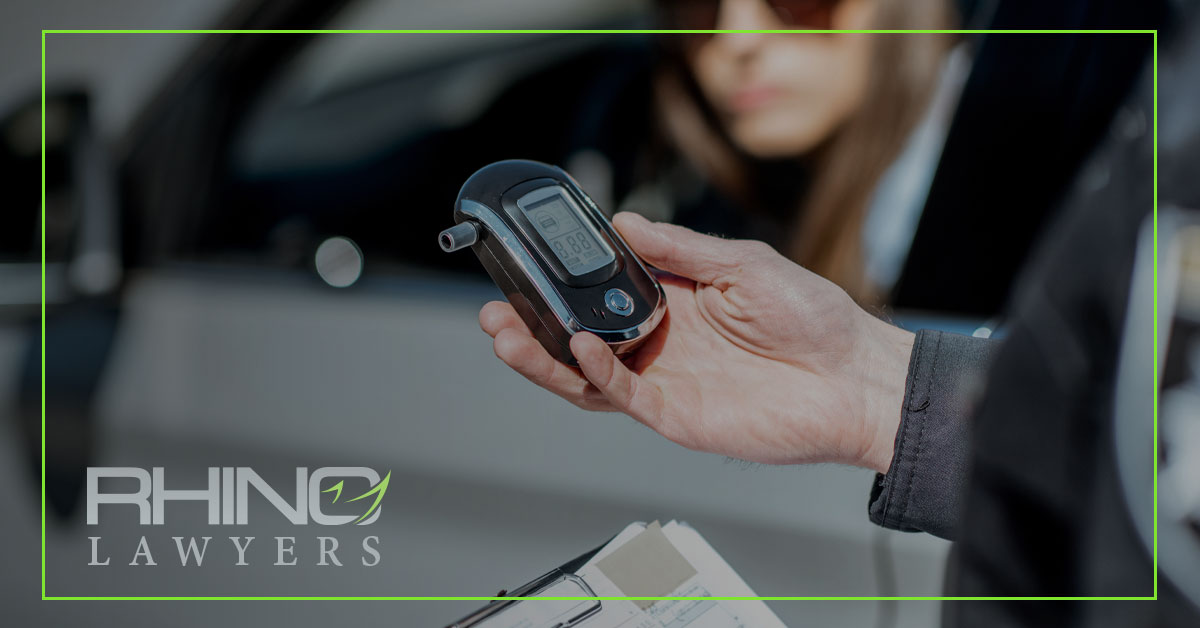
Refusing a Breath Test in Florida: Did You Make Things Worse?
You said “no” to the breath test. Smart move… or a costly mistake?
In Florida DUI cases, refusing a breath test changes the entire landscape. No BAC number. No automatic .08 reading. And no printed alcohol result was handed to prosecutors.
That sounds helpful at first. Then the consequences begin.
License suspension. Administrative penalties. Prosecutors are arguing that the refusal shows consciousness of guilt. A decision made in seconds can affect your case for months — sometimes longer.
Drivers across Tampa, St. Petersburg, Clearwater, Lakeland, Orlando, Sarasota, and Fort Myers are often surprised by how aggressively Florida treats DUI refusal cases.
Because under Florida law, refusing a breath test is not treated like a neutral choice.
It carries consequences of its own.
What Is Implied Consent in Florida?
Florida operates under an implied consent system.
That means when you drive on Florida roads, you are deemed to have consented to lawful breath, blood, or urine testing if law enforcement has probable cause to investigate DUI.
The controlling law is found in Florida Statute 316.1932.
What Officers Must Do
Before requesting a breath test, officers must:
- Establish probable cause for DUI investigation
- Read implied consent warnings
- Explain refusal consequences
Those warnings matter.
Failure to follow proper procedures can become an issue later.
What Counts as Refusal?
Refusal is broader than many people realize.
Examples may include:
- Clearly saying “no.”
- Remaining silent after the request
- Failing to provide an adequate sample
Officers evaluate the situation based on conduct and compliance.
What Happens Immediately After Refusing?
The consequences begin quickly.
License and Criminal Consequences
For a qualifying refusal to submit to a lawful breath or urine test after a DUI arrest, Florida law now imposes both administrative and criminal consequences.
- First refusal: generally a one-year driver’s license suspension and a second-degree misdemeanor.
- Second or subsequent refusal: generally an 18-month driver’s license suspension and a first-degree misdemeanor.
The criminal refusal charge and the administrative driver’s license suspension are separate. Florida’s criminal penalty for a qualifying first breath or urine refusal took effect October 1, 2025.
This process is separate from the criminal DUI case.
That distinction is critical.
The 10-Day Deadline
After an arrest, drivers generally have 10 days to challenge the administrative suspension.
Miss that window, and the suspension usually takes effect automatically.
If you want to understand how these deadlines work, our breakdown of Florida DUI administrative suspension timelines explains the process in more detail.
Timing matters immediately.
Does Refusing the Breath Test Help Your DUI Case?
Sometimes. Sometimes not.
Potential Advantages
Refusal prevents the state from obtaining a direct BAC number.
That can remove:
- A chemical test result over .08
- High BAC enhancement arguments
- Numerical evidence that prosecutors often rely on
Without a BAC result, the case may depend more heavily on officer observations and video.
Potential Disadvantages
The refusal itself creates new problems.
Prosecutors may argue:
- The refusal indicates consciousness of guilt
- The driver knew they were impaired
Florida courts generally allow the refusal to be introduced as evidence.
The strategy cuts both ways.
DUI Refusal Penalties: Florida Drivers Often Miss
Most drivers focus on the DUI charge.
The administrative consequences are often overlooked.
License Consequences
Administrative suspension affects your ability to drive immediately.
That can disrupt:
- Employment
- School
- Family responsibilities
The practical impact often arrives before the criminal case moves forward.
Hardship License Restrictions
Some drivers may qualify for a hardship license.
Eligibility depends on:
- Prior refusal history
- DUI school enrollment
- Compliance with administrative requirements
The state outlines hardship eligibility through its hardship license information page.
Driving privileges are not automatically restored.
Repeat Refusal Risks
A second refusal can create significantly greater exposure.
Florida law treats repeat refusals much more seriously.
That escalation surprises many drivers.
Can the Police Force You to Take a Breath Test?
Generally, officers cannot physically force a breath test in routine DUI investigations.
However, refusal still carries penalties.
Blood Draw Exceptions
Certain situations may allow compelled blood testing, particularly when:
- Serious bodily injury is involved
- Fatalities occur
- Specific legal requirements are met
These situations are different from routine roadside DUI stops.
Field Sobriety Exercises vs. Breath Testing
Drivers often confuse these two issues.
Field sobriety exercises are generally voluntary.
Breath testing falls under implied consent rules.
The legal consequences differ.
What Evidence Does the State Use Without a BAC Result?
No breath test does not mean no case.
It changes what prosecutors rely on.
Officer Observations
Evidence may include:
- Odor of alcohol
- Slurred speech
- Bloodshot eyes
- Balance issues
These observations are subjective.
Still, they are frequently used.
Video Footage
Bodycam and dashcam footage often becomes central evidence.
Video may show:
- Speech patterns
- Walking behavior
- Driver interaction with officers
Sometimes the footage helps the prosecution.
Sometimes it does not.
Driving Behavior
The initial reason for the stop may also become important.
Investigators may rely on:
- Lane deviations
- Speed fluctuations
- Traffic violations
The absence of a BAC number shifts focus onto everything else.
Can You Fight a DUI Refusal Case?
Yes. Several issues may become relevant.
Was the Stop Lawful?
The legality of the initial stop matters.
If officers lacked proper grounds, evidence may be challenged.
Were Implied Consent Warnings Properly Given?
Officers must follow procedural requirements.
Mistakes can affect how the refusal evidence is treated.
Was There Actual Refusal?
Sometimes disputes arise over:
- Communication issues
- Medical limitations
- Confusion during the interaction
Context matters.
Each case depends on specific facts.
Insurance and Long-Term Consequences
A refusal case can impact more than court proceedings.
FR-44 Insurance Requirements
After a DUI conviction, Florida requires FR-44 insurance coverage.
The state explains financial responsibility requirements through its Florida financial responsibility law page.
These policies often cost significantly more than standard coverage.
Employment and Record Impact
DUI-related offenses may affect:
- Employment opportunities
- Professional licensing
- Background checks
Long-term consequences can extend beyond driving privileges.
Counties Where DUI Refusal Cases Are Common
Refusal cases occur statewide.
High enforcement activity is common in:
Hillsborough County
Tampa DUI patrols and nightlife enforcement generate frequent refusal cases.
Pinellas County
Clearwater and St. Petersburg checkpoints regularly involve implied consent issues.
Polk County
Highway enforcement contributes to DUI investigations throughout the county.
Pasco County
Population growth has increased roadside DUI activity.
Florida law applies consistently across counties.
Mistakes Drivers Make After Refusing the Breath Test
Drivers often worsen the situation by:
- Missing the 10-day deadline
- Continuing to drive without checking the suspension status
- Assuming refusal means the state has no case
- Ignoring administrative notices
Small delays can create larger problems.
Frequently Asked Questions About Refusing a Breath Test in Florida
What happens if I refuse a breath test in Florida?
A first refusal usually results in a 1-year administrative license suspension.
Can refusal be used against me in court?
Yes. Prosecutors may argue refusal suggests consciousness of guilt.
Is refusing a breath test a crime?
Yes. Under current Florida law, a qualifying first refusal to submit to a lawful breath test is a second-degree misdemeanor. A second or subsequent qualifying refusal is a first-degree misdemeanor. These criminal penalties are separate from the administrative driver’s license suspension.
Can I still be convicted without a BAC result?
Yes. Prosecutors may rely on observations, video, and other evidence.
Do I lose my license immediately?
Administrative suspension procedures begin quickly after arrest.
Can I get a hardship license?
Possibly, depending on eligibility requirements and prior history.
Are field sobriety exercises the same as breath testing?
No. Field sobriety exercises are generally voluntary, while breath testing falls under implied consent law.
Can refusal cases be challenged?
Yes. The stop, warnings, and procedures may all be evaluated.
Before You Assume Refusal Solved the Problem
Refusing the breath test may remove one type of evidence. At the same time, it creates new legal exposure.
License suspension. Administrative penalties. Prosecutorial arguments. Long-term insurance consequences.
The decision changes the case. It does not make the case disappear.
If you are facing DUI refusal penalties, Florida drivers often underestimate the penalties in Hillsborough, Pinellas, Polk, Pasco, or surrounding West Florida counties. Take the time to understand what happens next before making assumptions about the outcome.
Call (844) RHINO-77 for a free consultation. RHINO Lawyers defends DUI and criminal traffic cases across West Florida and can help you understand your options moving forward.
CONTACT TAMPA TRAFFIC TICKET ATTORNEY
RHINO Lawyers can help and guide you through a system molded by law enforcement, judges, and lawyers for decades. Having won cases for our clients in similar circumstances, our criminal defense team knows what it takes to fight on your behalf.
Let RHINO Lawyers answer your questions and review the facts of your case with a Free Consultation. So, get started by completing the “Free Instant Case Evaluation” or by calling us any time, day or night, at (844) RHINO-77.
Read More
Can You File a Claim If a Car Accident Aggravates an Old Injury?
Old injury feeling MUCH worse after the crash?
Insurance companies may try to blame your past. That doesn’t always work.
An aggravation of pre existing injury in a Florida claim can quickly become a fight over your medical history. Insurance companies often argue that your pain existed before the crash. They may claim your condition was already degenerative or unrelated to the accident.
But Florida law does not automatically prevent compensation simply because you had a prior injury.
In fact, many drivers dealing with an old injury worse after a car accident still have valid claims—especially when the collision made a manageable condition significantly more painful.
Questions surrounding a previous back injury car accident often focus on one issue:
Did the crash make the condition worse?
If the answer is yes, you may still have the right to pursue compensation under Florida law.
At RHINO Lawyers, we’ve helped clients throughout Tampa, Clearwater, Orlando, Lakeland, Sarasota, and Fort Myers navigate complex Florida injury claim medical history disputes involving spinal injuries, neck trauma, knee damage, and worsening chronic pain.
Let’s break down how these claims work.
What Is an Aggravation Injury Claim?
An aggravation injury claim involves a pre-existing medical condition that becomes worse because of a car accident.
Old Injuries Made Worse
Many people already live with prior injuries or chronic conditions.
Examples include:
- Previous back injuries
- Neck pain
- Arthritis
- Knee problems
A crash may intensify those conditions significantly.
Manageable pain suddenly becomes debilitating.
New Symptoms From Prior Conditions
Sometimes the accident does not simply worsen old pain.
It may create:
- New nerve symptoms
- Increased mobility limitations
- Additional structural damage
For example, a person with mild back pain may suddenly develop radiating numbness or severe spasms after a collision.
Florida law generally recognizes that defendants take victims as they find them.
That legal concept often applies in aggravation injury cases.
Commonly Aggravated Injuries in Car Accidents
Certain injuries are especially vulnerable during collisions.
Back Injuries
Spinal injuries are among the most common aggravated conditions.
A crash may worsen:
- Herniated discs
- Degenerative disc disease
- Chronic lower back pain
Even low-speed collisions can place sudden force on the spine.
Neck Injuries
Whiplash and cervical strain may aggravate existing neck conditions.
Drivers with prior neck problems often experience:
- Increased stiffness
- Headaches
- Reduced range of motion
Symptoms may become more severe after the crash.
Knee Injuries
Knees often absorb impact during collisions.
Pre-existing conditions such as:
- Torn meniscus injuries
- Arthritis
- Ligament instability
may worsen significantly after trauma.
According to the National Highway Traffic Safety Administration, crash-related forces may aggravate existing musculoskeletal conditions depending on impact severity and body positioning.
The body does not reset simply because an injury existed before the crash.
How Insurance Companies Fight These Claims
Insurance companies aggressively challenge pre-existing injury cases.
Prior Medical Records
Adjusters often request extensive medical histories.
They look for:
- Prior complaints
- Previous imaging studies
- Earlier treatment records
Then they argue the accident changed nothing.
Degenerative Condition Arguments
One of the most common defenses involves degeneration.
Insurers may claim:
- Your pain is age-related
- The condition existed naturally over time
- The crash did not materially worsen the injury
That does not automatically end your claim.
A pre-existing condition can still be aggravated by trauma.
Attempts to Minimize New Symptoms
Insurance companies may also argue:
- Symptoms are exaggerated
- Treatment is unnecessary
- Pain is unrelated to the crash
These arguments often appear in worsening injuries after a crash.
Strong medical evidence becomes essential.
Working with a Florida Car Accident Lawyer may help ensure the accident’s impact is properly documented.
Because prior injuries do not erase new harm.
Medical Evidence That Strengthens Your Case
Evidence is critical in aggravation injury claims.
Imaging Comparisons
One of the strongest tools involves comparing old and new imaging.
Examples include:
- MRI scans
- CT scans
- X-rays
These comparisons may show:
- Worsened disc conditions
- New structural damage
- Increased degeneration after trauma
Objective evidence matters.
Physician Opinions
Treating doctors may help explain:
- How the crash aggravated the condition
- Whether symptoms increased after the accident
- Why treatment became necessary
Medical narratives often play a major role.
Treatment Timelines
Clear timelines strengthen credibility.
For example:
- Mild symptoms before the crash
- Immediate worsening afterward
- Increased treatment needs following the collision
Patterns matter.
Consistent Medical Care
Insurance companies often attack gaps in treatment.
Consistent follow-up care helps support your claim.
Florida’s no-fault system also requires prompt medical treatment for certain benefits. You can review PIP requirements through the Florida Highway Safety and Motor Vehicles website.
Can You Still Recover Compensation in Florida?
Yes, depending on the facts of your case.
Comparative Fault Issues
Florida follows a modified comparative negligence system under Florida Statute § 768.81.
That means:
- Fault may be divided
- Compensation may be reduced by your percentage of fault
However, pre-existing injuries are not the same as comparative negligence.
Having a prior condition does not automatically mean you caused your current suffering.
Damage Calculations
Compensation may include:
- Increased medical treatment
- Additional pain and suffering
- Worsened mobility limitations
- Future care needs
The key issue is how much the crash changed your condition.
Experienced Florida Personal Injury Attorneys may help demonstrate the difference between prior baseline symptoms and post-crash limitations.
That distinction matters.
Frequently Asked Questions
- Can I file a claim if I already had a prior injury?
Yes. Florida law may still allow compensation if the crash aggravated the condition.
- What is an aggravation injury claim?
It is a claim involving a pre-existing condition that became worse after a car accident.
- Will insurance companies use my medical history against me?
Often yes. Prior records are commonly reviewed in these cases.
- What evidence helps prove aggravation?
Imaging comparisons, physician opinions, and treatment timelines may strengthen your claim.
- Can arthritis or degenerative conditions be aggravated?
Yes. Trauma may worsen existing degenerative conditions.
- What if my symptoms appeared after the crash?
Delayed symptoms may still support a valid claim depending on medical evidence.
- Does a previous back injury prevent compensation?
No. Prior injuries do not automatically eliminate your right to recover damages.
- Why is consistent treatment important?
Treatment gaps may be used to argue that your injuries are unrelated or not serious.
A Prior Injury Does NOT Automatically Destroy Your Case.
A prior injury does NOT automatically destroy your case.
An aggravation of pre existing injury Florida claim may still allow compensation if a crash made your condition significantly worse. Insurance companies often try to shift blame onto your medical history—but prior pain does not erase new suffering.
You still have rights.
If you are dealing with an old injury worse after a car accident trauma or a worsening injury after a crash situation, call RHINO Lawyers at 844.RHINO.77. We are available 24/7, and there is no fee unless we win.
CONTACT A TAMPA AUTO ACCIDENT ATTORNEY
In short, after a car accident, you may not know your rights. Above all, don’t struggle through the process alone. Actually, our personal injury team is here to help you with any legal needs you might have regarding your accident.
Lastly, let RHINO Lawyers answer your questions and review the facts of your case with a Free Consultation. So, get started by completing the “Free Instant Case Evaluation” or by calling us any time, day or night, at 844.RHINO.77.
Read More
Underage DUI in Florida: What Happens If You’re Under 21?
One bad decision. Zero tolerance. Florida treats underage DUI differently — and fast.
For drivers under 21, the legal landscape changes quickly after alcohol enters the picture. A BAC level that would not trigger a standard adult DUI can still result in license suspension, administrative penalties, and long-term consequences for younger drivers.
Parents are often caught off guard. Teen drivers are usually even more surprised.
Across Tampa, St. Petersburg, Clearwater, Lakeland, Orlando, Sarasota, and Fort Myers, underage DUI Florida cases move quickly because the state applies a strict zero-tolerance framework.
Understanding how that system works matters.
What Is Florida’s Zero Tolerance DUI Law?
Florida uses a special standard for drivers under 21.
While the legal DUI limit for adults is .08, underage drivers can face penalties with a breath alcohol level of just .02.
That rule comes from Florida’s zero-tolerance law, which is explained through the state’s Underage Drinking and Driving overview.
Why the Threshold Is So Low
A .02 BAC does not necessarily indicate intoxication.
The lower threshold exists because Florida aims to discourage any alcohol consumption by underage drivers.
One drink may be enough.
In some situations, even mouth alcohol or residual exposure becomes an issue.
Administrative vs. Criminal Consequences
An underage DUI case may involve:
- Administrative license suspension
- Criminal DUI charges
- Additional penalties tied to age restrictions
These processes are separate.
That distinction is important.
What Happens If an Underage Driver Blows Over .02?
The first consequence is usually administrative.
License Suspension
For drivers under 21:
- BAC between .02 and .05 → 6-month license suspension
- Second violation → 1-year suspension
The Florida Department of Highway Safety and Motor Vehicles outlines suspension procedures on its driver license suspension resource page.
Why This Happens Quickly
The suspension process moves through FLHSMV.
It does not wait for a criminal conviction.
That means driving privileges can be affected almost immediately.
Additional Requirements
Drivers may also be required to:
- Complete substance abuse education
- Participate in evaluations
- Meet reinstatement conditions
The consequences extend beyond the initial stop.
Can an Underage Driver Still Face Criminal DUI Charges?
Yes. Florida’s zero-tolerance system is separate from standard DUI law.
When Criminal DUI Charges Apply
If an underage driver has a BAC of .08 or higher — or shows signs of impairment — standard DUI charges may still be filed under Florida Statute 316.193.
That means the driver may face:
- Criminal court proceedings
- Probation
- Fines
- Possible jail exposure
The case can become significantly more serious.
Underage DUI vs. Adult DUI
The zero-tolerance law focuses on administrative penalties.
A criminal DUI focuses on impairment.
A younger driver may face both.
What Happens During an Underage DUI Stop?
The process usually begins like any other traffic stop.
Officer Investigation
Officers may look for:
- Odor of alcohol
- Admissions of drinking
- Open containers
- Driving behavior
Field Sobriety Exercises
Field sobriety tests are generally voluntary.
Performance may still be used as evidence if completed.
Breath Testing
If requested lawfully, breath testing falls under Florida’s implied consent framework.
The implied consent statute is found in Florida Statute 316.1932.
Refusing a lawful test can create additional consequences.
What If the Driver Refuses the Breath Test?
Refusal creates a different set of problems.
License and Criminal Consequences of Refusal
An underage driver who refuses a qualifying lawful breath or urine test can face both administrative and criminal consequences under Florida law:
- First refusal: generally a one-year driver’s license suspension and a second-degree misdemeanor.
- Second or subsequent refusal: generally an 18-month driver’s license suspension and a first-degree misdemeanor.
The criminal refusal charge and the administrative license suspension are separate. These refusal penalties apply independently of Florida’s separate zero-tolerance rules for drivers under 21. Florida’s criminal penalty for a qualifying first breath or urine refusal took effect October 1, 2025.
Refusal Evidence
Refusal may also be used as evidence in court.
Prosecutors sometimes argue refusal suggests awareness of impairment.
That issue becomes part of the case.
Hardship License Restrictions
Eligibility for hardship licenses may be limited depending on age, prior history, and suspension type.
The state explains hardship requirements through its hardship license information page.
Restoration of driving privileges is not automatic.
Insurance Consequences for Teen DUI Cases
One of the biggest long-term impacts often comes from insurance.
Premium Increases
Teen drivers already face high insurance costs.
A DUI-related incident can dramatically increase premiums.
Policy Risks for Parents
Many underage drivers are covered under a parent’s policy.
A DUI-related suspension or conviction may affect:
- Household premiums
- Eligibility for discounts
- Continued policy coverage
The financial impact can extend well beyond court fines.
School, Employment, and Future Consequences
An underage DUI case can affect more than driving privileges.
College and Scholarship Concerns
Certain applications may ask about criminal or disciplinary history.
Employment Impact
Jobs requiring driving or background checks may become more difficult to obtain.
Long-Term Record Issues
Administrative suspensions and criminal convictions can follow a driver for years.
The consequences often outlast the original incident.
Can an Underage DUI Be Fought?
Yes. Each case depends on specific facts and evidence.
Common Issues That May Be Evaluated
Potential areas of review include:
- Legality of the traffic stop
- Accuracy of breath testing procedures
- Compliance with implied consent requirements
- Reliability of officer observations
Administrative vs. Criminal Strategy
An underage DUI may involve:
- Administrative hearings
- Criminal court proceedings
- License reinstatement requirements
Each track has different rules and deadlines.
For additional context on how DUI-related traffic cases move through Florida courts, see our Florida criminal traffic defense blog.
Understanding the timeline matters.
Counties Where Underage DUI Cases Are Common
Underage DUI cases occur statewide in Florida.
Higher volumes are often seen in:
Hillsborough County
Nightlife districts and college populations contribute to enforcement activity.
Pinellas County
Beach communities and tourism increase roadside stops involving younger drivers.
Polk County
Highway enforcement contributes to DUI investigations throughout the region.
Pasco County
Rapid population growth has increased traffic enforcement.
Florida’s zero-tolerance framework applies consistently across counties.
Mistakes Families Make After an Underage DUI Arrest
Common problems include:
- Ignoring administrative deadlines
- Assuming the case is “just juvenile.”
- Missing suspension notices
- Waiting too long to seek information
Early decisions often shape long-term consequences.
Frequently Asked Questions About Underage DUI in Florida
What is the legal limit for drivers under 21 in Florida?
Florida’s zero-tolerance threshold begins at .02 BAC.
Can a teen get a DUI with only one drink?
Yes. Even a small amount of alcohol may trigger administrative penalties.
Is underage DUI the same as adult DUI?
No. Underage cases involve separate zero-tolerance rules in addition to standard DUI law.
What happens if an underage driver refuses the breath test?
A qualifying first refusal can result in a one-year driver’s-license suspension and a second-degree misdemeanor. A qualifying second or subsequent refusal can result in an 18-month suspension and a first-degree misdemeanor. The administrative suspension and criminal refusal charge are separate.
Can a teen lose their license immediately?
Administrative suspension procedures begin quickly after the stop.
Does this affect insurance?
Yes. Premiums often increase significantly after DUI-related incidents.
Can underage DUI charges be challenged?
Yes. Evidence, procedures, and testing methods may all be evaluated.
Is jail possible for underage DUI?
If standard criminal DUI charges apply, jail exposure may exist depending on the facts.
Before You Assume This Will “Just Go Away”
Florida’s zero-tolerance DUI system moves quickly.
Administrative suspensions can begin before court dates are even scheduled.
Insurance consequences can affect entire households.
And criminal DUI exposure may still exist when BAC levels or impairment evidence increase.
If your family is dealing with DUI under 21 Florida issues in Hillsborough, Pinellas, Polk, Pasco, or surrounding West Florida counties, take the time to understand what comes next before making assumptions about the outcome.
Call (844) RHINO-77 for a free consultation. RHINO Lawyers defends DUI and criminal traffic cases across West Florida and can help you understand your options moving forward.
CONTACT TAMPA TRAFFIC TICKET ATTORNEY
RHINO Lawyers can help and guide you through a system molded by law enforcement, judges, and lawyers for decades. Having won cases for our clients in similar circumstances, our criminal defense team knows what it takes to fight on your behalf.
Let RHINO Lawyers answer your questions and review the facts of your case with a Free Consultation. So, get started by completing the “Free Instant Case Evaluation” or by calling us any time, day or night, at (844) RHINO-77.
Read More