
Can You Seek Compensation if You Received a Traffic Citation?
Auto insurance exists to help people when they get into a car accident. At this time, your insurance company can pay for damages to the vehicles involved and help you receive coverage for injuries. But what if you receive a traffic citation in this event? For example, what if you bear guilt for speeding or running a light? Sometimes, these actions cause or contribute to an accident.
These traffic violations may not prevent you from filing an insurance claim. However, they could complicate your chances of receiving the claim.
If you’re wondering how this works, don’t worry! We’ll explore these conditions in the guide below. So, without further ado, let’s jump right in!
Types of Traffic Violations that Could Affect Your Claim
A traffic citation does not immediately place you at fault for an accident. However, they often demonstrate that you played a part in the crash. Essentially, they prove that you weren’t an innocent bystander.
What traffic violations could affect your claim? Some of these include:
- Speeding
- Failure to yield
- Failure to come to a complete stop at a sign or light
- Distracted driving (checking your phone, messing with the radio, etc.)
- Following another vehicle too closely
- Driving on the wrong side of the road
These violations can easily contribute to an accident or crash. For example, let’s say you run a red light. When you do, you T-bone a car turning left.
In this instance, your action places you at fault. However, other infractions may not place you at fault.
For example, failing to display your license plate has nothing to do with a car accident. Infractions like these wouldn’t play a role when making an insurance claim.
Determining Fault in a Claim After Traffic Citation
State laws differ in how they handle blame in a car accident. Some states follow a policy of comparative negligence.
Others follow contributory negligence to determine fault. Your state’s laws play a significant role in deciding whether you can file a claim after receiving a traffic citation.
Comparative Negligence
Comparative negligence may consider both drivers to bear fault in a car crash. For example, one vehicle may have forgotten to use its turn signal when making a turn. The other vehicle may have run a red light.
In such a case, the person who ran the red light would bear most of the blame. However, the driver who didn’t use their turn signal may also share 10% of the blame.
How does this affect their insurance claim? The driver who neglected their turn signal would see a 10% decrease in their total compensation. However, the driver with 90% blame could only receive 10% of their final claim.
Contributory Negligence
Contributory negligence forbids a driver who contributed to a collision from receiving compensation. For example, let’s say you’re driving at the speed limit on a 55 mph road. Then, you go through a yellow light just as it turns red.
Across from you is a car going 90 mph and operated by a drunk driver. That driver blows through a stop sign and collides with you.
Obviously, most of the fault lies with the drunk driver who has violated numerous state and federal laws. However, the court may determine you to be 6% responsible for the accident for driving through the “red” light.
The contributory negligence system would bar you from recovering any funds from the other driver. If this system seems unfair to you, don’t worry. Most states agree, which is why only five states in the US use this system.
Other Evidence When Making an Insurance Claim
Let’s assume that your state operates on a comparative negligence system. If so, remember that your traffic citation is only one piece of evidence in your insurance claim. These citations, although relevant, don’t necessarily paint a complete picture of how the accident occurred.
Likewise, citations don’t prove fault in an accident. So, car accident attorneys can work with other pieces of evidence to determine who was liable for the accident.
Eyewitness Statements
First, they can work with eyewitness statements. Most wrecks occur on roads with significant traffic levels. So, a third party most likely saw your accident and can provide testimony as to what they saw.
Police officers often collect these eyewitness reports when they arrive at the scene. Your attorney can then work with those reports to demonstrate your innocence in the accident.
Video Surveillance and Footage
Another type of evidence is video surveillance. Several traffic lights and street lights contain surveillance cameras that monitor what happens on the road. Professionals can use these recordings to determine which driver bears the most fault.
Sometimes, bystanders also capture the wreck on their dashboard or cellphone cameras. Your attorney can consult these videos if the recorders grant them access. This way, they have additional evidence to make your case.
Environmental Factors
Finally, there’s environmental evidence. Factors on the road, such as skid marks or road signs, can demonstrate that a driver violated traffic laws. For example, deep skid marks often indicate that a driver was going too fast when they tried to brake.
Road signs can also provide evidence for somebody’s testimony. For example, let’s say you claim the other driver is at fault because they ran a stop sign. If there’s a stop sign on their side of the road, that lends credence to your case.
Don’t Let a Traffic Citation Stop You From Filing an Insurance Claim
A traffic citation is only one piece of evidence in your insurance claim. While it may demonstrate fault for you, several other factors could prove otherwise.
If you’re in doubt about your case, consult professionals! We at RHINO Lawyers have a passion for helping our clients receive the compensation they need.
Our success rates speak for themselves. Our work has helped us transform one-time clients into lasting relationships. So, contact us today if you need help with a traffic citation!
CONTACT A TAMPA AUTO ACCIDENT ATTORNEY
In short, after a car accident, you may not know your rights. Above all, don’t struggle through the process alone. Actually, our personal injury team is here to help you with any legal needs you might have regarding your accident.
Lastly, let RHINO Lawyers answer your questions and review the facts of your case with a Free Consultation. So, get started by completing the “Free Instant Case Evaluation” or by calling us any time, day or night, at 844.RHINO.77.
Read More
Can a Lie Detector Test Prove Innocence?
It’s a classic cop show trope.
A grizzled detective with a five o’clock shadow and a slightly reddened nose leans over a table in a police interview room. On the other side is a suspected criminal who refuses to talk. His arms crossed and eyes narrowed, daring the detective to keep trying. Then, the detective threatens to bring out a lie detector test, and the suspect suddenly looks terrified.
Lie detector tests, also known as polygraphs, were invented in California in 1921 and ever since have been thought of as a nearly-flawless interrogation tool.
Is it, though? Are there ways to beat a polygraph exam? Can a lie detector test prove you innocent?
We talk more about that in this article. So read on!
How Does a Lie Detector Test Work?
Polygraph exams supposedly measure a set of involuntary body functions to determine if a person is lying. These functions are pulse, blood pressure, rate of respiration, and skin conductivity. All of these play a crucial role in anxiety, which most of us will have when lying.
This is measured using blood pressure cuffs and other monitors. This is why you often see images of people hooked up to stickers, electrodes, and similar equipment when taking a lie detector test.
The Polygraph Test and Anxiety
How accurate is a lie detector test? It’s hard to determine because there is a significant flaw that comes into play here. Anxiety occurs in many different situations, including, for instance, when police are questioning you.
There’s also the issue of anxiety disorders, which make it far less likely that the person in question will pass the test. Anxiety disorders are often thought of as a single condition that simply involves being excessively nervous in certain situations.
While that is true for some types of anxiety, there are other disorders we don’t often think of as a type of anxiety. In addition to the ones we usually associate with anxiety, such as Generalized Anxiety Disorder and Social Anxiety Disorder, there’s also Panic Disorder, Obsessive-Compulsive Disorder (OCD), and Post-Traumatic Stress Disorder (PTSD).
Polygraphs can’t prove guilt, but what’s the relationship between a polygraph test and innocence?
Polygraphs and Psychopathy
While nervous people often fail polygraph exams, certain other types of mentally ill people have a good chance of passing the test even if they’re lying.
Psychopaths, for instance, experience little to no guilt, so their bodily responses wouldn’t seem abnormal on a polygraph. There have been several instances of psychopaths beating polygraph tests.
Polygraph tests function by using simple questions with verifiable answers to establish a baseline, such as, “When is your birthday?” or “What is your full name?” If your baseline is the same as when you’re lying, the difference won’t be detected.
Mental Health and Management
While several mental health conditions can affect lie detector test results, many claim that they won’t, so long as the person in question is being properly treated and medicated.
Unfortunately, anti-anxiety medications can also affect polygraph results, as can many other kinds of drugs, both legal and illegal.
Even neurotypical individuals can accidentally cause a false positive. The test responds to nerves and guilt, so feeling guilty for any reason can tamper with it. Perhaps the person you’re questioning witnessed the crime while on the way to see their mistress.
Examiner Error
Another factor that can muddle the test results is the examiner’s skill and experience. Since a polygraph exam measures bodily reactions, it will be useless to anyone who doesn’t know how to read it.
While examiners do go through some training, it’s not always easy to read a polygraph, and several things can throw off the results. The polygraph results can come out inconclusive. Which means that they can’t interpret the results accurately.
The Court Weighs In
The polygraph test was admissible as trial evidence nationwide for several decades, but that changed in 1998 when the Supreme Court decided passing a polygraph didn’t count as evidence.
These days, most states don’t even allow polygraphs to be presented as evidence in court. Of the 23 that do, many of them have imposed standards for when and how they can use a polygraph. For instance, they can’t portray the test as flawless, and all parties must consent to the test.
Given the dubious status that polygraphs hold in court, you shouldn’t be intimidated if an officer tries to scare you into a plea deal. They have no ground to stand on.
Know Your Rights
No matter who you are, it’s essential to know your rights. There are certain things the cops aren’t allowed to do to a person. Regardless of the charges.
One of the biggest, and most common rules police officers break, is intimidating or threatening you into a confession. If a cop ever tries to get you to confess by warning that you’ll need to take a lie detector test if you don’t, ignore them.
A polygraph exam is not required during an investigation. So, if the cops threaten you by telling you the test is mandatory, it is a lie. And, any evidence obtained illegally is not admissible in court. Thus, they can’t hold refusing to take a lie detector test against you.
Can a Lie Detector Prove Innocence
Is there a correlation between the results of a lie detector test and innocence? The best answer we can offer to this is maybe. There does seem to be a correlation between dishonesty and primary nervous function, but the whole story is far more complicated.
People often feel nervous and guilty when they lie, but they can feel anxious about countless other things as well. Meanwhile, some people won’t feel guilty and, therefore, won’t trigger the test.
Other factors, such as medicine and poor instruction, can influence the results.
If you need to understand how the legal process works or want to hire a lawyer, learn more about our team on our website.
CONTACT TAMPA TRAFFIC TICKET ATTORNEY
RHINO Lawyers can help and guide you through a system molded by law enforcement, judges, and lawyers for decades. Having won cases for our clients in similar circumstances, our criminal defense team knows what it takes to fight on your behalf.
Let RHINO Lawyers answer your questions and review the facts of your case with a Free Consultation. So, get started by completing the “Free Instant Case Evaluation” or by calling us any time, day or night, at (844) RHINO-77.
Read More
Can You Still File a Crash Claim Without Insurance?
In 2020, over 3,000 Floridians died in car accidents. This number is only a small fraction of non-fatal car accidents that did result in injuries.
Florida is a no-fault state, which means that when you get in a car accident, you turn to your own insurance to cover the damages. The big question is, what if you don’t have insurance?
Can you file a crash claim without insurance in Florida? Without a claim, who will cover your damages? What other penalties might you face without having insurance?
Read on to learn more about what to expect after getting into a car accident in Florida without car insurance.
What to Expect After an Uninsured Accident
First, let’s talk briefly about the legal implications of driving a car without insurance. In the state of Florida, you are required to have at least partial car insurance. This includes $10,000 of PIP (personal injury protection) coverage and $10,000 of property damage coverage.
If the car belongs to you and you have not insured it (or let the insurance policy go), you can face some serious penalties, including:
- license suspension until you prove that you have purchased insurance
- a $150 fee to reinstate your license
- license plate suspension
That said, if the other driver caused the accident, you should still call the police. Yes, this means that you may have to face penalties for driving without insurance. However, a police report can go a long way when it comes to filing a car crash claim, especially when you or your passengers were injured.
What If the Car Accident Was Your Fault?
If the car accident was your fault, you will not have grounds to file a car crash claim. However, if you’re lucky, the other driver will be able to cover all of their related expenses (like medical bills and property damage) with their own insurance. But, if the expenses outweigh their coverage, they can bring a claim against you.
In addition to those possible expenses, you will need to pay for your own medical bills and property damage out of pocket.
What If the Car Accident Was the Other Driver’s Fault?
As we mentioned earlier, Florida is a no-fault state. That means that if both drivers involved in a crash are insured, they begin by filing a claim with their own insurance. They can then use their own coverage to pay for things like property damage and medical bills related to the crash.
When you don’t have insurance, you have no policy to file your claim with. If the other driver was at fault, can you receive compensation from their car insurance?
The answer is sort of. If you were injured in the accident, you may be able to receive compensation from the other driver’s bodily injury coverage. You cannot receive compensation from their personal injury protection coverage.
However, bodily injury coverage is not currently required in Florida. That means that the other driver may not have that insurance-provided compensation to offer.
What If the Car Was Insured by Someone Else?
As an uninsured driver, you’re in the worst shape if you were driving your own car. What if you’re an uninsured driver because you don’t own a car? What if the car you were driving belongs to someone else who does have insurance?
If you were driving someone else’s insured vehicle with their permission, you’re in luck. Their insurance will provide at least some compensation. The vehicle owner will be able to access their own property damage coverage to pay for vehicle repairs and you may be entitled to some of their personal injury protection coverage, as well.
What If the Insurance Policy Doesn’t Cover Damages? Do You Sue?
Let’s look at a few different scenarios. One is that you were driving your own car without insurance and an insured driver caused an accident that resulted in your injuries. The other is that you were driving someone else’s insured car and an insured driver caused an accident that resulted in your injuries.
Now, let’s say none of the insurance coverage that you’re entitled to can cover the cost of your medical bills and other financial burdens. What are your options?
Believe it or not, you can file a car crash claim against the other driver. However, you will need to hire a skilled car crash attorney, first.
Fighting a car crash claim when you were driving without insurance isn’t easy. Whether you’re up against the other driver’s insurance company or the other driver, themselves, you will need legal guidance. Without a lawyer, it will be next to impossible to get a ruling in your favor.
What If Neither Driver Has Insurance?
What happens if neither you nor the other driver involved has insurance? While this isn’t a common occurrence, it can happen and the outcome isn’t great.
When neither driver has insurance, neither driver can appeal for coverage. Both are left with the expenses related to the car accident. While the driver who was not at fault can sue the driver that was, it’s not a guarantee that coverage will be provided, as the other driver may not have the means to do so.
Hire a Lawyer to File a Car Crash Claim Without Insurance
When you get into a car accident and have no car insurance in a no-fault state, things can get dicey fast. If the accident was not your fault, be sure to call the police first, seek medical attention second, and contact a lawyer third.
Do you want RHINO Lawyers to represent your Tampa car accident claim? Contact us to get a free case consultation over video chat or via email. From there, you can decide if we’re the lawyers you want in your corner as you seek compensation.
CONTACT A TAMPA AUTO ACCIDENT ATTORNEY
In short, after a car accident, you may not know your rights. Above all, don’t struggle through the process alone. Actually, our personal injury team is here to help you with any legal needs you might have regarding your accident.
Lastly, let RHINO Lawyers answer your questions and review the facts of your case with a Free Consultation. So, get started by completing the “Free Instant Case Evaluation” or by calling us any time, day or night, at 844.RHINO.77.
Read More
What if Your Pet Gets Injured in a Car Crash?
About 90.5 million families (70% of US households) own a pet. In fact, about one in three Americans adopted a pet during the pandemic. Despite the number of pet owners, not many people know their options if a pet gets injured.
Was your pet hurt in a car crash? Here are a few things you might want to consider.
Understanding your options after a pet sustains a car accident injury can help you make an informed choice. For example, you could fight for car crash compensation with a beloved pet in mind.
Read on to learn what to do after a pet gets hurt in a crash today.
Coverage
One of the first questions people usually ask includes, “Is my pet covered in a car crash?”
In some cases, yes. Pets are considered personal property. With that in mind, you can choose to obtain insurance compensation for damages.
If your pet gets injured in a crash, consider filing insurance claims right away. You can file a claim against the at-fault driver’s insurance coverage.
However, you’ll need to consider the laws within your state. Before taking action, consider consulting a Florida lawyer. They can help you make more informed decisions along the way.
For example, you might need to look to your personal injury protection (PIP) policy to cover injuries. You can’t, however, cover property damage with PIP.
If you have collision coverage, it will only provide compensation for damages to your vehicle.
In some cases, however, the other party’s property damage liability policy can help. It could cover damages to personal property, including your beloved pet.
Value
When filing insurance claims for car crash compensation, you’ll need to consider the damaged property’s market value. Your insurance company will only pay the market value.
If you paid $100 for your cat or dog, you’ll only receive $100 in damages. It doesn’t matter how much you’ll need to pay in vet bills or other related expenses.
Exclusions
Talking to a car accident lawyer can also help you cover any insurance exclusions you’ll need to consider. Some insurance companies do have exclusions for situations when a pet gets injured.
For example, the insurance company might allow car crash compensation for cats and dogs, but not an exotic animal.
If your pet suffers from a pre-existing condition, you can’t obtain compensation to help cover those costs.
About 20 to 50 million people suffer non-fatal injuries after a crash. Many injuries result in long-term disabilities as well.
Get Yourself and Your Pet Checked Out After A Car Crash
Immediately after a car accident, visit a doctor and get checked out. Ask them to document your injuries, medications, and treatments. Then, visit a vet.
Have a vet do the same thing. Ask them to officially document your pet’s injuries. Then, make a list of the expenses accrued from your pet’s treatments.
Determine if there’s a chance your pet will sustain a lasting injury as well.
If you fail to visit a vet, you could struggle to receive the full amount of car crash compensation you’re due.
After gathering these documents, talk to a car accident lawyer. They’ll need these medical bills to determine your losses.
It’s unlikely you’ll collect car crash compensation for non-economic damages related to a pet’s car accident injury or death. Mental anguish is an example of non-economic damage. If you lose a pet after a crash, you won’t receive compensation for emotional suffering.
Speaking with a car accident lawyer can help you review any other exclusions you’ll need to consider.
However, you could file a lawsuit to fight for car crash compensation. A lawsuit could help you fight for damages related to pain and suffering. If you lose a pet, you could fight for the compensation you’re rightfully due.
You might consider filing a lawsuit for compensation if the insurance company’s settlement offer is lower than you’d like.
Most of these claims are resolved through an insurance settlement, though.
Make sure to speak with your car accident lawyer to review your options.
Protect Your Pet
You can’t predict when a car crash might occur. Before one happens, make an effort to protect your pet.
Though it’s not possible to protect them completely from harm, you can follow a few tips to minimize their injuries. First, make sure to always keep your pet properly restrained when traveling by car.
Many companies have noticed America’s growing love for their pets. These companies have developed new ways to help pets travel safely. For example, you might consider a bubble pet carrier.
You can also try an auto zip line if you have a dog. The zip line will keep your dog secure when the vehicle is in motion.
You might consider using a crash-tested crate, too. You can lock these crates down using a seatbelt. The process is similar to how you’d lock a car seat for a child into place.
Otherwise, consider protecting your pet by looking into insurance for pets. Pet insurance usually covers dogs and cats when they get hurt in an accident or unexpectedly sick.
If you have insurance for pets, you could avoid a fight with a car insurance company. Pet insurance can help provide compensation for vet bills and other related damages.
Otherwise, you could find animal hospitalization and veterinary treatments more expensive than you might realize.
The insurance can also cover regular visits to the vet. It can help manage a chronic illness or other conditions, too.
Insurance policies have limits to their coverage, though.
Think ahead!
Fight for Compensation: What to Do If a Pet Gets Injured in a Crash
Your pet is a part of your family. If your pet gets injured in a car crash, it helps to have a plan. Unfortunately, you might not receive coverage for your pet’s car accident injury from an insurance company.
Make sure to contact a car accident lawyer after a crash. They’ll help you review your legal options. With their help, you can save from unnecessary spending and receive car crash compensation.
Eager to speak with a lawyer? We’re here to help.
Contact us today to get started.
CONTACT A TAMPA AUTO ACCIDENT ATTORNEY
In short, after a car accident, you may not know your rights. Above all, don’t struggle through the process alone. Actually, our personal injury team is here to help you with any legal needs you might have regarding your accident.
Lastly, let RHINO Lawyers answer your questions and review the facts of your case with a Free Consultation. So, get started by completing the “Free Instant Case Evaluation” or by calling us any time, day or night, at 844.RHINO.77.
Read More
Can an Insurance Company Exclude Certain Medical Expenses From Claims?
Major accidents impact everyone in different ways. There’s more to it than physical damage to a vehicle or your person. It can also be the root of lifelong injuries and mental and emotional trauma at times. Often, many also worry about and question the system in place. One of the most common concerns is whether insurance companies exclude certain medical expenses.
While this may seem like a trivial issue to some, it can be life-altering to others. There are times when those in this situation find that they have less-than-ideal answers. This is why you must understand your rights and what you’re entitled to. Knowing where you stand and what your leverage is is necessary.
Get the most out of a vehicle or a car accident claim now. Know which medical expenses insurance companies are likely to exclude or dispute.
Getting Coverage
In the US, there are 12 states that require a No-fault or Personal Injury Protection (PIP). Florida is one of them; in context, all vehicles with at least four wheels need this type of insurance. Note that in these 12 states, it’s illegal to have an automobile and drive without PIP.
Through it, both parties who get into accidents get treated fairly. Regardless of who’s at fault, you won’t have to worry about the possibility of compensation. Even if one of the parties is completely in the wrong, there won’t be any issues with payouts.
This is vital, especially when you need to recover and get back on your feet after the accident. What’s even better is that it can also serve as a buffer and, most of the time, prevents full-fledged court cases. Not only do you get to be free of burdens, but you also save time and money.
It also protects people from predatory insurance companies. In turn, this reduces the likelihood of unfair and low-ball offers. But while No-Fault or PIP is generally beneficial, it also has its caveats.
This is why not all states have it as a compulsory policy. Not a lot of insurance companies want to spend their money and time on you. There are also set limits on the compensation those involved can receive.
For the most part, it covers basic and common medical expenses, but sometimes, it’s not enough to cover everything.
Dealing With Insurance Issues
The gist of things: PIP is not a full ride, and it’s not always as simple as it seems. There will always be legal jargon involved when trying to file a claim, more so if it’s a difficult one. One of the terms you need to know is proof of injury causation.
In layman’s terms, it only means the cause and effect of a person’s injuries. When filing a claim for injuries, the responsibility of proving they were a direct result of the accident falls on you. This can get tumultuous, as you’ll need evidence after evidence.
Any pre-existing conditions will undergo heavy scrutiny. This is especially true if the part in question has had previous medical attention. Your complete medical records have to be available for questioning most of the time.
Any medical evidence needs to have the backing of a reputable doctor or specialist. However, it’s worth mentioning that only a few of those in the medical field are willing to involve themselves in such matters. This is one of the reasons why you need to know the basics of filing an auto accident lawsuit.
Trying to meet these requirements alone isn’t something you can do with ease. More so, after a severe accident, you should be focusing on your health and immediate needs. Additionally, most premiums can only cover so much.
Your needs after an accident remain debatable to any insurance company. Most minor and general medical expenses are almost always covered, but not all.
Why Exclude Certain Medical Expenses?
Trying to define what is minor and general or unnecessary when it comes to an injury can be vague and unfair. Delving deeper, PIP covers an acceptable list of medical issues and injuries. Some of the most common ones are expenses related to:
- Medical bills
- Rehabilitation programs
- Compensation for replacement services
- Wages lost
- Funerals
Also, considering Florida’s PIP minimum, you might be only entitled to up to $10,000. Anything above that means you’re out of pocket. More expensive medical services and expenses are almost always overlooked.
You’re unlikely to receive compensation for the more severe (and most likely permanent) problems. These can range anywhere from surgeries, amputation, or disfigurement. After-accident PTSD or other mental health services are sometimes non-existent too.
Worse, brain and spinal damage and paralysis are not often compensated. When this happens, it’s time to lawyer up. A car accident lawyer can help you deal with these through a personal injury claim.
Legal Advice Matters
When it comes to your health and well-being, dismissing your medical needs as “unreasonable” is unreasonable. Having the law and jurisdiction back you up is your best bet in getting what you’re entitled to. Especially when states with the No-Fault policy, like Florida, make it harder for you to do so.
There should be no cap or limit to the compensation you receive. Nor should they exclude certain medical expenses or deny you access to any. More so if they’re valid and legitimate.
After all, it is your life, well-being, and future at stake. The trauma and stress of getting into an accident aren’t something money can erase.
Knowing What Medical Expenses Insurance Can Exclude
No one likes being in an accident. Stressing about whether your insurance will cover your medical bills is even worse. By looking into what your state or jurisdiction requires of insurance companies, you can rest easy.
If all else fails and you need to know your rights after an accident, it helps to have good lawyers. At RHINO Lawyers, we have the experience to help you get what you’re entitled to. Contact us today and get the help you need and deserve.
CONTACT A TAMPA AUTO ACCIDENT ATTORNEY
In short, after a car accident, you may not know your rights. Above all, don’t struggle through the process alone. Actually, our personal injury team is here to help you with any legal needs you might have regarding your accident.
Lastly, let RHINO Lawyers answer your questions and review the facts of your case with a Free Consultation. So, get started by completing the “Free Instant Case Evaluation” or by calling us any time, day or night, at 844.RHINO.77.
Read More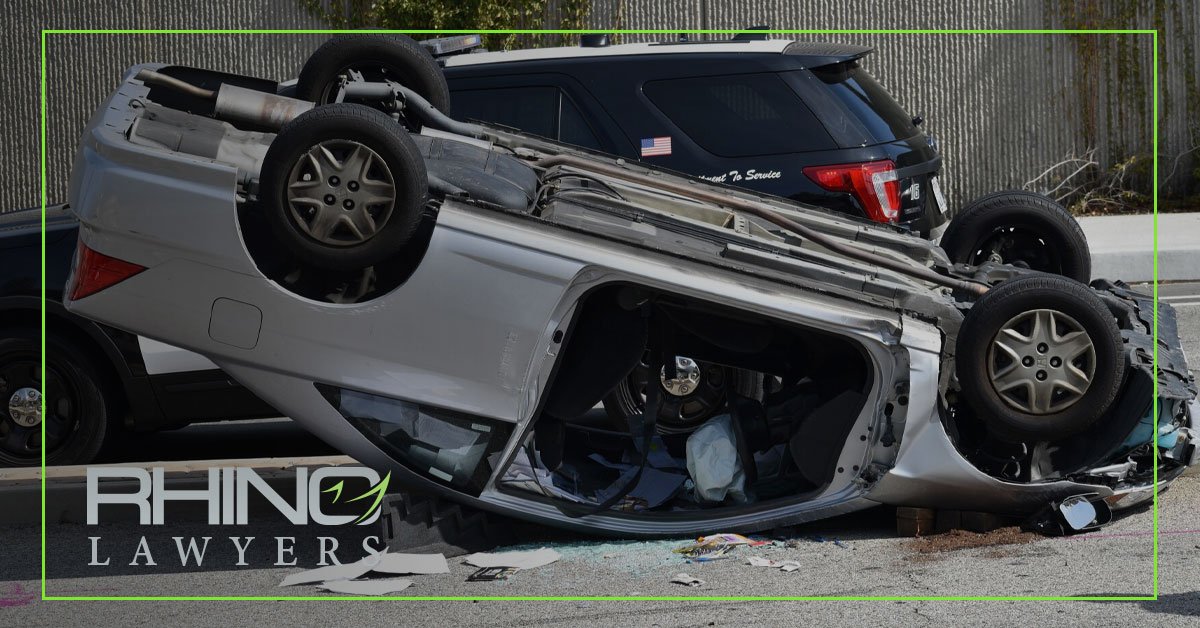
How Accident Reconstruction May Help Prove a Car Crash Case
There are an average of six million car accidents in the United States every year. The good news is that means car accidents are pretty rare. The bad news is you still don’t know when or if you’ll be in one. When an accident happens, how do you know who was at fault? What happens if someone is injured? How reliable are your witnesses? Accident reconstruction might help in cases where details aren’t clear, or someone was injured. It can mean the difference between taking the blame for an accident and being absolved of fault.
Read on to learn how the accident reconstruction process can help you after an accident.
Uses Information Already Collected
The first reason that an accident reconstruction is a good idea is that it uses evidence that’s already been collected. Information such as eyewitness accounts, photographs, and police reports is all considered to recreate the accident digitally.
Eyewitness accounts help because it gives experts an idea of what things looked like to someone not involved in the accident. Photographs perfect this by showing the damage done to the cars and the angles at which they hit each other. Finally, police reports give an official record of what was said at the time of the accident.
All of these materials can create an accurate digital depiction of the events of the accident. This is extremely useful in determining who is at fault when an accident happens.
Can Shed Light on Foggy Details
Why would you need to prove who was at fault in an accident in the first place? The issue is that there are a handful of reasons why fault might not be immediately clear when an accident happens. If this is the case, then it’s important to get an accurate reconstruction for the courts.
No Witnesses
If there aren’t any witnesses, then it’s down to the parties involved to remember what happened. However, the human brain isn’t always as good at remembering these things as most people would like to believe. Witnesses can often verify important information that the involved parties can’t.
There are two types of accidents without witnesses. The first is when any witnesses left the scene before authorities could get there. The second is when there was no one else on the street.
Both scenarios make it difficult to find reliable sources with knowledge of what happened. This means that authorities can’t verify certain details to establish fault. The only evidence the involved parties have in these cases is photographs and the police report.
When that happens, it’s important to get an accurate recreation of the accident based on the photographs and police reports. This can then be examined to determine fault.
Conflicting Details
Even if there are witnesses, anyone who wasn’t in the cars involved doesn’t know what the parties involved were thinking. There could have been an attempt to avoid an accident that went badly, for example. Or they may have been mistaken about who had right of way.
This often results in conflicting details about the accident. If both parties are certain that it was their turn to cross an intersection at the same time, then how do you determine who’s at fault? You simply can’t rely on verbal reports and witness testimony for every detail.
That’s where an accident reconstruction comes in handy. It helps determine exactly who was where at the time of the accident and how the accident occurred in the first place. With any luck, this can determine if someone wasn’t where they should be or wasn’t following the speed limit.
Involved Parties Can’t Remember Events
Shock is extremely common immediately following an accident. Your brain tries to process what just happened to you, and sometimes muddles things when it does. If there are injuries, then this effect only increases.
This leads to the involved parties misremembering details. They may not even recall certain details well. An uncertain witness isn’t useful evidence in a courtroom.
If this is the case, then authorities can’t be sure of exactly what happened. They need a clear picture of the accident as it happened to establish fault. Only then can someone be issued a ticket or arrested.
The good news is that a digital accident reconstruction provides this for them. Based on the position of the cars and damage to them, they can get an idea of how the accident happened. This helps determine fault, so the right people get blamed for any damages and injuries.
Parties Require Hospitalization for Serious Injuries After An Auto Accident
Another common issue after a major accident is serious injuries. Sometimes the person isn’t physically able to respond and needs to be taken to the hospital before they can be questioned. In other cases, one party may be deceased at the scene.
It’s important to get all sides of the story when an accident occurs. If one of the involved parties is unable to give a response for a prolonged period, then authorities must use the rest of the evidence available to determine fault. Furthermore, in some cases, neither party may be responsive enough to answer questions about the accident.
Accident reconstruction experts can use photographs and other pieces of evidence to show how the cars were moving when the accident happened. This helps authorities investigating the accident scene determine why the accident happened and who is responsible for it. This can also be presented to insurance companies when making a car crash claim.
Get an Accident Reconstruction Today
The accident reconstruction process uses a lot of physical evidence gathered from the scene of the accident. It allows authorities to better see what happened to cause the accident. In other words, if the accident wasn’t your fault, then this proves it.
Even if you have this evidence, however, it’s still always a good idea to hire a car accident lawyer. Here at Rhino Lawyers, we’ll guide you through the legal process to get you the best possible outcome.
Contact us today to get the best legal advice possible.
CONTACT A TAMPA AUTO ACCIDENT ATTORNEY
In short, after a car accident, you may not know your rights. Above all, don’t struggle through the process alone. Actually, our personal injury team is here to help you with any legal needs you might have regarding your accident.
Lastly, let RHINO Lawyers answer your questions and review the facts of your case with a Free Consultation. So, get started by completing the “Free Instant Case Evaluation” or by calling us any time, day or night, at 844.RHINO.77.
Read More
What Is Reckless Driving and Do I Need a Lawyer?
Are you wondering whether you need a lawyer after an accident?
Reckless driving results in around 6 million accidents on U.S. roads every year. These lead to millions of injuries and hundreds of thousands of fatalities. As such, the law requires people to avoid reckless driving whenever possible.
If you’ve driven in a reckless fashion, you may need an attorney. But many drivers don’t know what counts as reckless driving. Below, we’ll get into the different types of reckless driving. This will help you determine whether you need a car accident lawyer. Keep reading to learn more!
Reckless Driving: A Basic Definition
Reckless driving means operating a vehicle in a manner that is not careful or prudent.
Wise drivers take the dangers of the road into account when they get behind the wheel. They’re able to judge their position on the road as well as the curves and angles they need to navigate. They know the relevant driving laws in the United States and are able to drive in a way that prevents accidents.
To avoid reckless driving, people need to get their driver’s license. Getting your driver’s license provides you with the proper education about laws and the best driving techniques. When followed, these laws can help you avoid accidents and stay out of legal trouble due to reckless driving.
Reckless driving endangers lives, but you don’t need to be in an accident to get charged. If another driver notices you driving recklessly, they can report you to the authorities. Likewise, an officer can pull you over and issue you a fine or suspend your license.
Driving Under the Influence
One of the most common types of careless driving is operating a vehicle while under the influence of alcohol or drugs. Substances impair your ability to make the good, quick judgments necessary while driving.
They can also mess with your ability to drive in a straight line. Those who know they’re under the influence might drive significantly under the speed limit to keep themselves from getting in trouble. This can cause an accident since the other drivers are going faster.
Your spatial awareness also isn’t operating at peak performance if you’re drunk or high. Your reflexes also aren’t working as quickly. So, you’re more likely to hit another car and cause a serious accident.
Many people who are high or drunk overestimate their ability to operate a vehicle. So, it’s best to ask a friend to drive you home or use a transportation service if you’ve been drinking or taking drugs.
Criminal Charges and Driving Under the Influence
People who drive under the influence can get fined or incur criminal charges.
If you’ve received criminal allegations for driving under the influence, you’ll need a lawyer to help with your defense case. Hire one as soon as possible so your case can have the best potential outcome!
Distracted Driving
Distracted driving is the easiest form of reckless driving to partake in. As a driver, you have the legal obligation to keep your attention focused on the road at all times, even if there’s something else taking your attention away.
As such, many areas have banned distracting activities such as texting while you drive. You also shouldn’t use your phone at all unless you can do so in a hands-free way. Even changing the radio station or turning to face passengers in the backseat can cause a distraction.
As such, it’s always best to pull over if something needs to get addressed immediately. Otherwise, texts, calls, and all other forms of distraction can wait.
Distractions can also come from the outside. For instance, most drivers slow down to look at an accident or interesting roadside views. Yet, these can lead to accidents, so it’s best to avoid them.
Swerving Through Traffic
Swerving through traffic constitutes a third form of reckless driving. People swerve for several reasons. First, they may do it when there’s a lot of traffic and they don’t want to wait in long lines. Second, some do it when they’re about to miss an exit and need to move several lanes over.
Yet, swerving is never worth it unless you’re doing it to avoid an accident. You could end up getting fined or in a serious accident.
Instead of swerving, look for alternate routes to your final destination. This should get you out of traffic faster or help you re-route yourself after missing an exit.
Running Red Lights and Stop Signs
If you’ve run a red light or stop sign, you’ve driven in a reckless fashion. Some people do this on accident, but others blow through traffic stops so they can get to their destination faster.
To avoid running red lights and stop signs, you should make sure you’re directing the proper amount of attention to road signs and fixtures. Watch for people stopping ahead of you as well. This might alert you to a stop sign or red light you don’t see yet.
Drag Racing
Drag racing may sound fun, but it’s a sure way to get in trouble with the law or get in a huge accident. Racing on public roads gets dangerous because racers do not follow the laws or go with the flow of traffic. Instead, they often cut people off and create hazardous road conditions.
Street racing can earn you thousands of dollars in fines and some time in jail.
When Do You Need a Lawyer?
If you’ve received a criminal charge for reckless driving, you’ll need to hire a lawyer.
A good lawyer will take a look at your case and help you best navigate it. They’ll gather evidence to use in your favor in the court and try to get you acquitted or lessen your sentence.
Ready to Hire a Lawyer?
If you’ve read this and determined your situation was brought about by reckless driving, you should start looking for a lawyer as soon as possible.
The right legal professional will have years of experience working with clients like you. They’ll have a great reputation for practicing in their area as well.
Our team meets both of those objectives. If you need a lawyer today, contact us to learn more about what we can do to help you!
CONTACT TAMPA TRAFFIC TICKET ATTORNEY
RHINO Lawyers can help and guide you through a system molded by law enforcement, judges, and lawyers for decades. Having won cases for our clients in similar circumstances, our criminal defense team knows what it takes to fight on your behalf.
Let RHINO Lawyers answer your questions and review the facts of your case with a Free Consultation. So, get started by completing the “Free Instant Case Evaluation” or by calling us any time, day or night, at (844) RHINO-77.
Read More
Can I Recover Compensation if the At-Fault Driver Dies in the Crash?
Each year, car accidents injure up to 50 million people and cause approximately 1.3 million fatalities. Car accidents can be stressful and traumatic. Certain legal procedures follow. Evaluating the damages, determining fault, and investigating for illegal activity. Are all part of the process. If you’re involved in a car accident where the at-fault driver died, you might be wondering if you can still recover compensation. Getting the right legal advice will help you in this delicate situation.
Keep reading to learn about your rights to compensation and where to find the best legal help.
Can You Hold a Driver Responsible for an Accident if They Died?
After an accident, it is important that everyone involved either gets compensation or takes responsibility for the damages.
This is true even in accidents where the driver who died was also responsible for the accident. They might have been driving recklessly, driving while intoxicated, or using electronics while driving.
When this happens, the person’s assets belong to their family members. Therefore, it is still possible to file a claim against the family. Whether the individual had a will or beneficiaries, you are entitled to a portion of their assets as compensation for damages on your side. If you sustained injuries, emotional trauma, and lost wages from time off work, you have the right to compensation.
How You Can Prove You Were Not at Fault
Gathering evidence after an accident is crucial if you want to make a claim. It is also important to involve your accident lawyer right away. The sooner you get the right legal help, the more likely it is that you will get the necessary compensation.
A lawyer who focuses on auto accidents can also help you navigate the complicated legal and administrative processes after an accident.
Here are some of the important steps to take to gather evidence after an accident to prove that you were not at fault:
- Check for witnesses at the scene of the accident
- Get names and phone numbers of the witnesses
- Take photos and videos of the damages and the accident scene
- Check for surveillance cameras in the surrounding area
- Get checked by a doctor right away
- Get evidence from police reports
These are important steps that will help make your case stronger. You will need to provide your legal team with medical and police reports to put together your claim.
Your lawyer can then help put the pieces of the accident together and create a letter for you that states the following:
- The details of the damages you are claiming
- The dollar amount that you are demanding for your claim
- The evidence that states why you are entitled to these damages
With this information, the lawyer can present your letter to the deceased person’s family lawyer to begin the legal process. The more evidence you have, the stronger your claim will be. This is especially important in the case of the other driver being deceased.
What You Can Claim After a Fatal Accident That Was Not Your Fault
There are several important factors to consider when claiming compensation for car crashes. Assessing the damage the accident has caused you will be much like an accident where no one died, but the other driver was at fault.
Recovering accident damages means assessing the physical, mental, and emotional ways that the accident has affected your life. From trips to the mechanic to medical expenses, there are many things to consider.
Here are some of the claims that you can include to strengthen your demand for compensation:
- Physical pain from injuries caused by the car accident
- Emotional suffering or PTSD as a result of the accident
- Replacing or fixing your car
- Replacing items that were in your car during the accident
- Cost of ambulance and paramedics
- Medical expenses for treatment, rehabilitation, and medication
- Taking time off work for recovery and medical treatment
- Legal and administrative fees following the accident
- Ongoing medical care and treatment
- Previous medical conditions exacerbated by the accident
These are some of the damages that are important to claim if you want to fully recover compensation for your pain and suffering. A car accident can affect each person in a different way. Take the time to consider how the accident has changed the trajectory of your life and ensure that it is obvious when listing your damages.
How You Can Recover Compensation
With the right legal team, you can get compensation for the damages.
You must see a doctor right after your accident to document all injuries and help with your legal case. Whether you’ve sustained major or minor injuries, you need to ensure that these are documented for your damages claim. Some minor injuries can also lead to major health problems in the future, and you need to keep documentation of this.
A trusted car accident lawyer will help you with filing an insurance claim, so you will need as much evidence as possible. Legal help will help you get the claim that you deserve.
Knowing Your Rights After a Fatal Accident
Being involved in a car accident can be overwhelming, especially if someone has died as a result. Knowing your rights means understanding that you can recover compensation even if the at-fault driver died. Getting helpful legal advice will be crucial in assessing your damages and filing a claim against the deceased.
If you’re involved in a car accident, visit our website and schedule a free video consultation with one of our skilled lawyers.
CONTACT A TAMPA AUTO ACCIDENT ATTORNEY
In short, after a car accident, you may not know your rights. Above all, don’t struggle through the process alone. Actually, our personal injury team is here to help you with any legal needs you might have regarding your accident.
Lastly, let RHINO Lawyers answer your questions and review the facts of your case with a Free Consultation. So, get started by completing the “Free Instant Case Evaluation” or by calling us any time, day or night, at 844.RHINO.77.
Read More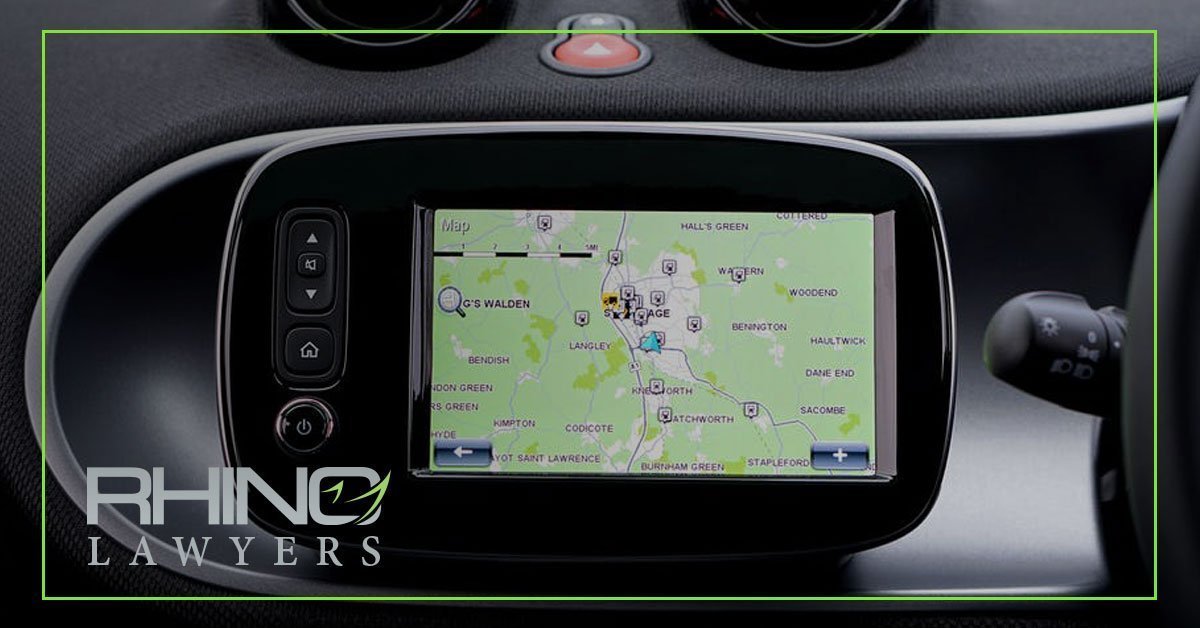
Could Data Collected From an Insurance Tracking Device Be Used to Devalue Your Claim?
If you own a car like most Americans, shopping for car insurance that provides the best coverage at an affordable rate can be challenging. Many insurance companies offer a discount for using an insurance tracking device. As the consumer, this seems like a win because if you don’t have any accidents, you’re saving money.
Yet, insurance tracking devices can be used against you when it matters. After all, these devices collect information about your driving habits. If you happen to be in an accident, they can use this data when determining your claim amount.
Understanding how an insurance tracking device can affect you is critical. Here is what you need to know about an insurance tracking device.
How Does an Insurance Tracking Device Work?
When you select to participate in insurance tracking, the company will track your driving in two ways. The first way is with a telematics device that plugs into your car to collect data. The second way is with an app used on your mobile device.
Data That Is Being Collected With an Insurance Tracking Device
While each company will have its own rules around what information is being tracked, they will analyze several driving habits. Insurance tracking devices collect information about your speed, acceleration, and braking, for starters.
If you are driving fast in areas of low speed, this data could be used against you. If you frequently stop or brake hard, this can negatively impact you if you have a claim.
Another piece of data the insurance tracking device collects is how often you drive. Mileage is a crucial measurement of how often you are at risk of an accident. The more miles you drive, the more chances you could be in an accident. Additional data collected through an insurance tracking device includes sharp turns, phone usage, and the time of day you drive.
For example, if you drive between 12 a.m. and 5 a.m., insurance companies may view that as a high risk for an auto accident. During those hours, more people tend to drink and drive in low visibility, and there is more chance for drivers being tired during these hours.
How Are Insurance Companies Using Data from the Insurance Tracking Device?
Insurance companies are using data from an insurance tracking device in many ways. They can use this data to determine your rates.
For instance, say you are paying one rate for a 6-month insurance term and decide to use the tracking device. Your rates could increase based on your driving habits during your new term.
Insurance companies may also use your driving data and share that information with affiliate marketers. Since these devices need your location enabled, it is a possibility that you are sharing your data with a third party.
Insurance companies have used data from tracking devices for accidents and claims. Insurers can learn more about the time of an accident and use the device to determine what happened. As a driver, you should understand the raw data from the insurance tracking device, which can have a negative impact on you.
How Insurance Tracking Programs Affect a Car Accident Claim
When you sign up for an insurance tracking device program, you are granting your insurance company permission to use any data collected to resolve a claim. It is essential to be aware of this as the data gathered can devalue or even deny your claim.
One of the main ways insurance companies retain their profits is to minimize their claims. If you are involved in an auto accident and file a claim against a driver who hit you, the insurance company will gather any evidence. Since there aren’t clear regulations on who can access your driving data, an opposing insurance company can gain access to this data.
The opposing insurance company could use this data to say you were accelerating too quickly or using your phone during the accident if that insurance company can show that you had any fault in the accident that could reduce your claim amount.
You want to consider the risk of using an insurance tracking device because it can provide skewed data. The only information it collects is about you and your car. It doesn’t consider other drivers, pedestrians, or any other external factor that could affect your driving habits.
For example, if you were trying to avoid an accident and slammed on the brakes, the insurance tracking device wouldn’t recognize that you were a defensive driver. The raw data they collect would only show aggressive braking.
How Can a Personal Injury Lawyer Help?
Insurance companies use the data collected from insurance tracking and a specified formula to determine your settlement amount after a car accident.
Yet, this data and formula do not calculate the long-term impact of a car accident on you.
A personal injury lawyer can help because they know a fair settlement amount based on medical expenses, lost wages, mental trauma, and more. That’s why it is always a good idea to contact a lawyer for advice about insurance tracking device usage and how it can affect your claim.
Legal Advice You Can Trust
If you have used an insurance tracking device and have been in an accident, your next steps will make all the difference. Your insurance company can devalue or deny your claim based on data collected by the tracking device.
By contacting our skilled attorneys, we can listen and understand how to build the best case to maximize your compensation for your losses. Contact us today so we can get started working for you.
CONTACT A TAMPA AUTO ACCIDENT ATTORNEY
In short, after a car accident, you may not know your rights. Above all, don’t struggle through the process alone. Actually, our personal injury team is here to help you with any legal needs you might have regarding your accident.
Lastly, let RHINO Lawyers answer your questions and review the facts of your case with a Free Consultation. So, get started by completing the “Free Instant Case Evaluation” or by calling us any time, day or night, at 844.RHINO.77.
Read More
How Insurers Mislead Crash Victims About Hiring an Attorney
In 2019, there were 4.5 million car crash injuries that required medical attention. For each personal injury after a car crash, there were medical bills and treatments.
Who pays for those expenses? Of course, it’s the reason you have car insurance and the reason you hope the person who hit you also has car insurance.
It’s likely that every time a car crash injury occurs, there’s an insurance company that will need to pay out. Here’s the dirty little secret: insurance companies like you to think they are there to protect your interests, but in reality, they don’t like to pay money out in claims.
Often, in fact, they’ll work hard to avoid having to pay or work to pay the bare minimum to you. So, if you want advice about car crash injuries, it’s smart to get a lawyer.
Read on to learn how insurers mislead car crash victims and why you need to consult a personal injury lawyer to handle your case.
Thinking of Going It Alone? Why You Need to Get an Attorney
For many victims of car accidents and resulting injuries, they assume the insurance company will automatically do right by them. In fact, many victims may start out trying to deal with their insurance company on their own.
This is what the insurance company hopes you’ll do. Then they can make you a settlement offer quickly and hope you’ll accept it.
While you might be facing medical bills and be anxious to get funds from insurance, you might not fully know all of your expenses right away. Most people, who are not lawyers, don’t fully realize all the things that can be a part of an accident claim.
This is what the insurance company is banking on. They can get you to agree to their first early and low offer.
The opposite is also possible without the help of an attorney. If you have multiple insurance companies involved in your claim, nobody wants to pay. Or they expect the other insurance company to pay. Meanwhile, you need to wait while the sides tussle it out.
Be Prepared to Handle the Insurance Company
After an injury accident, the last thing you need is to deal with a difficult insurance company or one that’s not straightforward.
So, you need to have your guard up for the potentially misleading statements. Let’s take a look at some things an insurance company might say to you to get you to avoid hiring an attorney.
The Lawyer Will Take A Big Chunk of Your Settlement
First, any honest attorney will tell you if they think you’d be better off without an attorney.
The insurance company knows they will get away with offering you less if you don’t have an attorney. On the flip side, an experienced personal injury lawyer will know all the things that should be a part of your claim. This might include things like compensation for missed work or money for your pain and suffering.
Will you need to pay an attorney? Yes, but you’ll be paying for their experience. Which, in the long run, will get you a larger settlement.
The Insurance Company Will Look Out for Your Best Interest
If you hear an insurance adjuster say this to you, it should alarm you. Remember who the insurance adjuster works for: the insurance company.
It’s their job to look out for the insurance company, hoping to pay out as little as possible, not you. When the insurance company employs them, they can’t be looking out for your best interest.
Your Claim Value Is the Same With or Without an Attorney
Here’s the problem with that statement: you don’t know what your claim is really worth. The insurance adjuster and the personal injury lawyer can figure out what it’s worth because they have experience.
If the insurance adjuster tells you your claim is worth a certain amount, you are taking a leap of faith that they are including all they should in the claim.
The truth is that an experienced attorney will know all the things that should be included in your claim and hold the insurance accountable for including those in your claim. Some of those things include:
- Pain and suffering
- Cost of future medical care
- Punitive damages
They can include things like lost wages for caregivers and make sure you have all the rehabilitative care you might need too.
The Claims Process Will Slow Down With an Attorney
While your attorney will want to gather evidence and consider all the facts, and that takes time, the truth is that often an attorney can speed up the process, especially if the insurance company is giving the brush-off.
The attorney can put together a concrete settlement package with a timeline attached to it. This means the insurance has to respond and keep things moving along.
The Insurance Company Will Need an Attorney If You Hire One
Don’t let the threat of them hiring an attorney dissuade you from protecting yourself. First, your attorney is likely going to negotiate with the adjuster.
If the case goes to trial, the insurance company will bring in its attorney. Be assured, they already have an attorney at their disposal if the case proceeds; don’t let this empty threat throw you off.
Accept This Offer, or We’ll Withdraw All Offers
The insurance company is obligated to pay its claims and do so in good faith. They can’t refuse to pay a claim if you’re insured. This is often an empty threat to get you to accept an early offer.
Hire a Personal Injury Attorney to Protect Your Interests
Personal injury cases from an auto accident can get complicated quickly when there are multiple insurance companies involved.
The average person doesn’t have the knowledge to understand all that can be included in a claim. They also don’t have the necessary experience to negotiate the best possible settlement.
Because this is what a personal injury attorney does all the time, they won’t be intimidated or fooled by the insurance company’s tactics.
Avoid Insurance Company Trickery After Car Crash Injuries
Car crash injuries are awful and can really throw your whole life into a tailspin. You deserve the right compensation for your accident claim.
Have you been in an accident with injuries? We can help you handle the insurance company and get you the settlement you deserve. Contact us today for a free case review, and we’ll get started working on your behalf.
CONTACT A TAMPA AUTO ACCIDENT ATTORNEY
In short, after a car accident, you may not know your rights. Above all, don’t struggle through the process alone. Actually, our personal injury team is here to help you with any legal needs you might have regarding your accident.
Lastly, let RHINO Lawyers answer your questions and review the facts of your case with a Free Consultation. So, get started by completing the “Free Instant Case Evaluation” or by calling us any time, day or night, at 844.RHINO.77.
Read More