What Is a “No Contact” Motorcycle Accident?
Motorcycles make up only 3% of registered vehicles in the U.S., yet motorcyclists accounted for a shocking 14.6% of traffic deaths in 2022 (NSC). This highlights the importance of riders knowing what to do in crash situations, especially when no physical contact occurs.
If you’ve been involved in a motorcycle wreck without touching another vehicle, you’re not alone. These “no contact” motorcycle accidents happen more often than you might think. The real challenge in such situations is proving liability.
With no collision, holding the other driver responsible becomes tricky; but it’s far from impossible. Want to know how you can protect your rights and prove fault in a “no contact” crash? Keep reading to find out.
What Is a “No Contact” Motorcycle Accident?
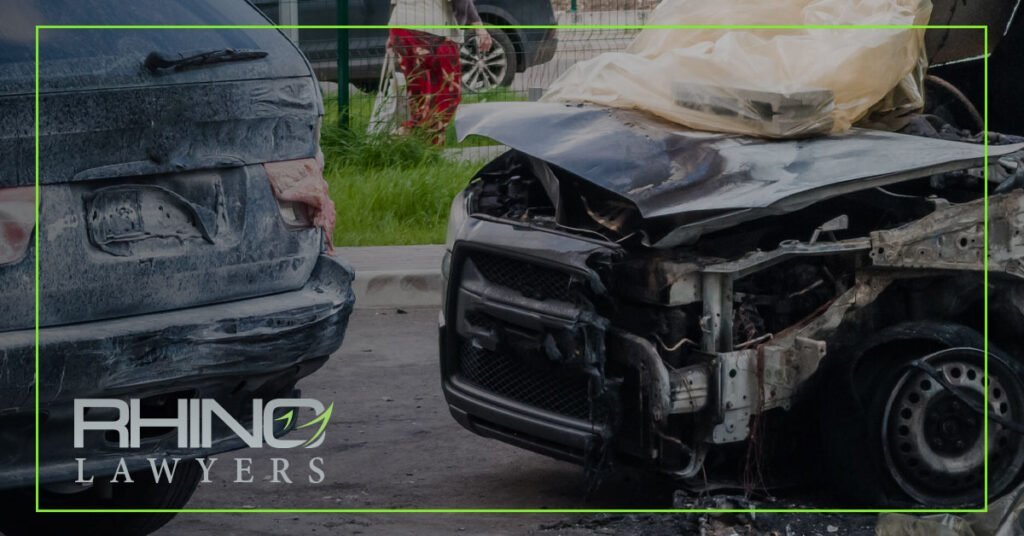
A “no contact” accidente de motocicleta happens when a rider crashes because of another driver’s actions, without the two vehicles touching. These types of motorcycle accident causes are common when a car cuts off a motorcyclist or forces them into sudden maneuvers. Even though the vehicles don’t collide, the motorcyclist may lose control, crash, and suffer injuries or damage.
The challenge with “no contact” accidents is determining liability. Since there’s no physical impact, proving that another driver’s reckless behavior caused the crash can be tough. However, it’s possible if you gather the right evidence and follow the right steps.
Common situations that lead to no contact accidents:
- Drivers cutting off riders
- Cars merging without checking
- Exceso de velocidad o conducción imprudente
- Failure to signal turns
Gathering evidence is crucial in these accidents. Even though there’s no crash, witness statements, traffic cameras, or dashcam footage can help prove the other driver’s negligence.
Understanding what caused your accident and proving the other driver’s actions were at fault is essential for filing motorbike accident claims. Without proof, insurance companies might deny your claim. This is why documenting the scene and knowing your legal options can make all the difference.
Determining Liability in a “No Contact” Crash
Determining liability in a no contact motorcycle accident can be tricky. The lack of physical contact makes it harder to prove fault, but it’s still possible.
When a car’s actions lead to a rider crashing, the driver can still be held liable even without a collision. The key is gathering evidence that shows the driver’s reckless behavior directly caused the accident.
Here’s what you can do to strengthen your case:
- Get witness statements
- Document the scene with photos
- Check for nearby traffic cameras
- Collect dashcam footage if available
If another driver’s negligence, like cutting you off or failing to signal, caused the accident, they may still be responsible for your damages. Police reports, witness accounts, and even expert testimony can help build a strong case. A motorcycle accident attorney can also help gather the necessary evidence to prove liability.
By building a solid case with clear evidence, you increase your chances of getting the compensation you deserve. In “no contact” crashes, the lack of physical impact doesn’t remove the other driver’s responsibility, as long as you can show their actions caused your wreck.
What to Do After a Motorcycle Crash
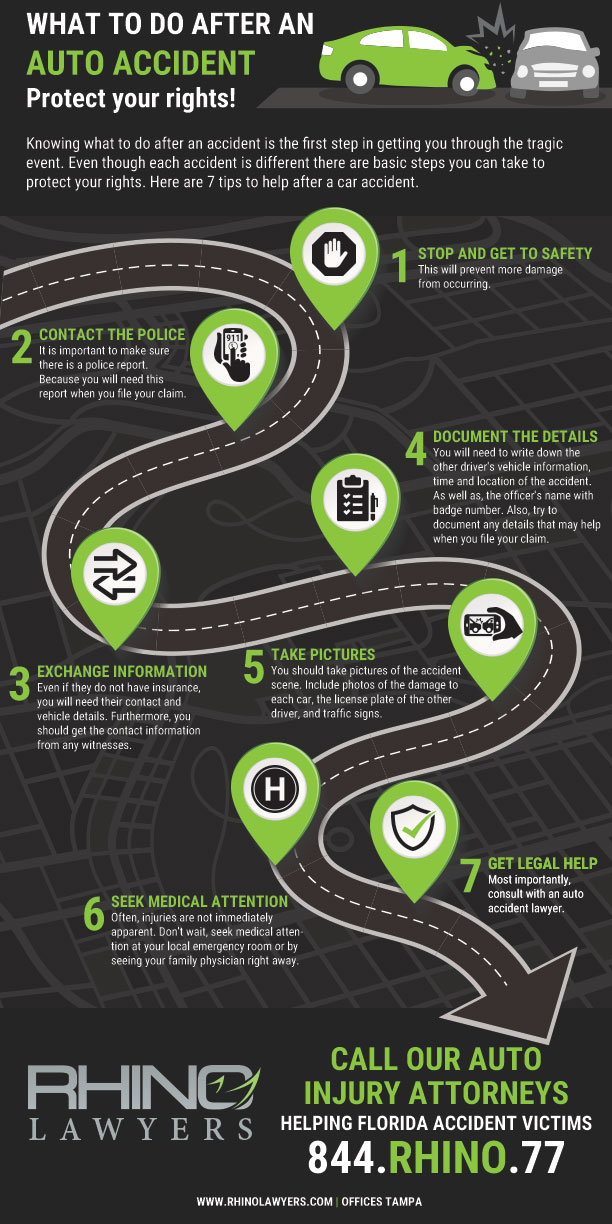
After a motorcycle crash, whether contact or no contact, it’s crucial to act fast. Knowing what to do after a motorcycle crash can have a huge impact on your claim and recovery.
Here’s a simple list of steps to follow:
- Call the police
- Busque atención médica
- Take photos of the scene
- Collect witness information
- Document vehicle damage
Even in a no contact crash, the other driver’s insurance might still be responsible. Reporting the accident to the police is important, as the official report can serve as valuable evidence later. If possible, take photos of your surroundings, including any skid marks, nearby vehicles, and road conditions.
When it comes to injuries, always seek medical help, even if they seem minor at first. Some injuries take time to show symptoms, so a medical checkup can help identify any hidden problems. In addition, medical records will support your claim and connect your injuries to the accident.
By following these steps and working with a motorcycle accident attorney, you can build a solid case. This will help protect your rights and ensure you’re treated fairly in the aftermath of the crash.
Filing Motorbike Accident Claims
Filing motorbike accident claims for a “no contact” crash can feel overwhelming and cause anxiety, but it’s crucial for getting compensation. Start by gathering all the evidence from the scene, such as:
- Declaraciones de testigos
- Fotos
- Informes policiales
The documentation will help strengthen your claim by showing how the other driver’s actions caused the crash.
Insurance companies often deny claims if there’s no physical contact, so it’s important to stay persistent. Having a motorcycle accident attorney on your side can make the process smoother, as they know how to handle insurance disputes and fight for your rights.
Remember, time is a factor when filing claims. The sooner you take action, the better your chances are for a successful outcome.
Common Motorcycle Accident Causes
Several factors can lead to a motorcycle accident, and no contact crashes are just one of them. Some common motorcycle accident causes include distracted driving, speeding, and sudden lane changes by other vehicles. Even road conditions, like potholes or debris, can force riders to lose control without any other vehicle being involved.
Other factors contributing to accidents:
- Poor weather
- Failing to signal
- Manejo agresivo
Even though these causes vary, what remains the same is the need to act fast. Proving fault is crucial, and gathering evidence early makes all the difference. In any type of motorcycle crash, protecting yourself legally and medically should always come first.
Protect Your Rights After a Motorcycle Wreck
If you’ve been involved in a motorcycle wreck, don’t hesitate to take action. Gathering evidence and seeking legal help can protect your rights and ensure you get the compensation you deserve.
If you’ve been involved in a motorcycle wreck, don’t settle for outdated legal help. At RHINO Lawyers, we bring modern, fast, and reliable communication that fits your lifestyle; whether it’s through text, social media, or virtual meetings. Contáctenos hoy to experience data-driven settlements and a human connection that sets us apart from the competition.
COMUNÍQUESE CON UN ABOGADO DE ACCIDENTES DE MOTOCICLETA EN TAMPA
En resumen, después de un accidente de motocicleta, es posible que no conozca sus derechos. Sobre todo, no luche contra el proceso solo. En realidad, nuestros equipo de lesiones personales está aquí para ayudarle con cualquier necesidad legal que pueda tener relacionada con su accidente.
Por último, que RHINO Lawyers responda a sus preguntas y revise los hechos de su caso con una consulta gratuita. Así que comience completando el “Evaluación de caso instantánea y gratuita”o llamándonos en cualquier momento, día o noche, al 844.RHINO.77.
Leer más
7 Mistakes to Avoid After a DUI Arrest
Despite Florida’s unwarranted reputation for unruly behavior, the Sunshine State is one of the better performers when it comes to drunk driving. When looking at all 50 states, Florida has one of the lower rates for DUI offenses and alcohol-related traffic fatalities.
This is part of a decades-long trend of improving road safety, driven by stricter enforcement and a stronger presence of traffic cops. All of this means that you too could face a DUI arrest, as law enforcement is not taking any chances.
Whatever your situation and what you were doing behind the wheel, a DUI arrest can be a stressful and disorienting experience. If it happens, it is essential to avoid the common DUI mistakes that can make your situation worse or undermine your legal standing. Here are our legal team’s top DUI defense tips on the mistakes to avoid.
1. Failing to Lawyer-Up
The first mistake many people make is not hiring a DUI lawyer. A Cargo por conducir bajo los efectos del alcohol is serious, and Florida law has strict penalties, including fines, license suspension, and even jail time. Trying to handle this on your own can lead to costly mistakes.
It’s crucial to hire an experienced attorney who focuses on DUI cases. They understand the legal landscape and can help you navigate the complexities of Florida DUI law. DUI lawyers know how to challenge evidence, negotiate with prosecutors, and potentially reduce or dismiss charges.
2. Ignoring Your Court Dates and Deadlines
Another common DUI mistake is failing to attend court hearings or meet deadlines. After your arrest, you will have specific court dates, and missing them can lead to additional penalties, such as a bench warrant for your arrest. In Florida, DUI cases have tight timelines, especially for requesting a hearing to keep your driver’s license.
Make sure to mark your calendar and set reminders. Always show up for every court appearance to demonstrate your commitment to resolving the case. Your attorney will help you stay on track and avoid unnecessary legal troubles that could exacerbate the situation.
3. Not Challenging Your Breathalyzer Results
Many assume that the results of a prueba de alcoholemia are final, but that’s not always true. Florida law requires breathalyzer machines to be calibrated regularly, and if the machine wasn’t functioning properly, the results could be inaccurate. This is one of the most overlooked DUI defense tips and one that could make all the difference.
Challenge the validity of the test results as they may be unreliable due to improper calibration or maintenance. Your lawyer can review the evidence and determine if there is a reason to dispute the test.
4. Talking Too Much to the Police
After your arrest, the police will ask questions to gather more information, but anything you say can and will be used against you in court. One of the most critical post-DUI legal advice tips is to remain calm and avoid answering unnecessary questions.
Instead of trying to explain yourself, politely inform the officers that you would like to speak to an attorney before answering any further questions. Do not try to justify your actions to the police, as this can hurt your case later. Protecting your rights in a DUI situation means knowing when to stay silent.
5. Failing to Take Your DUI Arrest Seriously
Some people treat a DUI arrest as a minor offense, especially if it’s their first one. This is a serious mistake. In Florida, even a first-time DUI can lead to severe consequences such as fines, probation, or community service. If your blood alcohol level was particularly high, or if there was an accident, the penalties are even steeper.
Take your DUI charge seriously and cooperate fully with your attorney to build a strong defense. Ignoring the gravity of the situation will only make it harder to resolve the case favorably.
6. Neglecting Your Legal Defenses
Florida DUI law allows for several legal defenses, but many people fail to explore their options fully. Your attorney might argue that the arresting officer did not have reasonable suspicion to stop your vehicle or that the field sobriety tests were not conducted properly.
Some other legal defenses include:
- Improper police procedure
- Inaccurate blood alcohol results
- Violation of rights during arrest
Consult your lawyer to explore these possible defenses, as they can potentially weaken the prosecution’s case. Understanding your options could make a significant difference in the outcome of your DUI case.
7. Ignoring the Consequences
One of the worst mistakes is thinking that a DUI will “just go away” with time. A conviction will stay on your record and can have long-lasting effects, including difficulty finding employment, higher insurance rates, and limitations on future driving privileges.
Florida law allows some individuals to apply for a hardship license, but this is not automatic. Additionally, a DUI conviction will remain on your criminal record for 75 years in Florida, which makes it important to avoid a conviction if possible. Work with your lawyer to explore expungement options or alternative sentencing programs, especially if this is your first offense. Taking these DUI arrest precautions now can protect your future.
Exceptional DUI Defense in the Tampa Bay Area
A DUI arrest is always going to be an incredibly stressful experience. However, thousands of Americans go through this every year, and far from all of these will see lasting consequences as a result.
With the right attitude, approach, and precautions, you can mount your defense and prevent a DUI arrest from spiraling into a burden you carry for a lifetime. As mentioned here, your first step should always be to contact a local, experienced DUI lawyer. For this, you are already in the right place. If you have been charged with a DUI in the Tampa Bay Area, RHINO Lawyers is here to help.
Our veteran team of legal professionals has helped countless individuals like yourself fight their cases and avoid becoming victims of police malpractice or overzealous enforcement. To begin the process of building your defense and staying on the right track, do not hesitate to reach out to our professional, understanding team today. We’re here for you.
CONTACTE A UN ABOGADO DE MULTAS DE TRÁFICO EN TAMPA
RHINO Lawyers puede ayudar y guiarlo a través de un sistema moldeado por las fuerzas del orden, jueces y abogados durante décadas. Habiendo ganado casos para nuestros clientes en circunstancias similares, nuestro equipo de defensa penal sabe lo que se necesita para luchar en tu nombre.
Permitir RHINO Lawyers responda a sus preguntas y revise los hechos de su caso con una consulta gratuita. Así que comience completando el “Evaluación de caso instantánea y gratuita”o llamándonos en cualquier momento, día o noche, al (844) RHINO-77.
Leer más
How to Choose the Right DUI Defense Attorney
There are now over 428,300 law firms throughout the US (via industry research company IBIS World). You shouldn’t have to search through dozens to find the best DUI defense attorney available. Otherwise, you’ll lose valuable time top DUI attorneys could otherwise dedicate to your case.
To save time and energy, use these tips for choosing a DUI defense attorney to streamline your search. With these tips, you can find qualified, experienced attorneys worthy of your trust. Leverage their expertise to ensure a better outcome for your case!
Consider the Charges
Before researching the best defense lawyers in your area, consider the details surrounding your case. Reviewing the charges will help you determine what type of lawyer you need. You can find someone with experience and expertise that’s relevant to your case.
The charges will vary based on where you were arrested. For example, there are 15 different ways crimes involving driving under the influence are charged in Florida. A few include:
- Misdemeanor DUI
- Felony DUI
- Underage DUI
- Suspended license DUI
- Commercial driver’s license DUI
Misdemeanor crimes include first and second DUI convictions. The punishment for these crimes can include less than one year of jail time. This charge only applies to arrests that involve non-fatal drunk driving accidents.
Though a misdemeanor may sound like a minor infraction, a conviction can result in:
- Hundreds to thousands of dollars in fines
- Getting your driver’s license revoked
- Imprisonment for several days up to a year
Felony charges are punishable by over one year in jail. They include third and fourth DUI convictions, accidents involving serious bodily harm, and DUI manslaughter.
DUI manslaughter and vehicular homicide could result in up to 15 years in prison. According to the National Highway Traffic Safety Administration, about 37 people die in drunk-driving crashes in the US daily.
A hit-and-run accident resulting in an accidental death can have the consequence of up to 15 years in prison.
While searching for top DUI attorneys in your area, look for someone with experience relevant to the charges you’re facing. You can leverage their prior case experience to fight for a better outcome.
Review Their Credentials
To build a list of the best defense lawyers in town, visit your local bar association website or the Martindale-Hubbell online directory. Confirm that each lawyer on your list is licensed to practice locally.
Learn more about each lawyer’s education and training. You can use the US Department of Education’s database to confirm that they graduated from an accredited institution. To obtain a license, each lawyer must pass the Multistate Professional Responsibility Examination (MPRE).
The classes they took can speak to their level of expertise as a DUI defense lawyer. Consider what certifications they earned, such as ones from the:
- National College for DUI Defense (NCDD)
- American Bar Association (ABA)
- National Association of Criminal Defense Lawyers (NACDL)
The NACDL is dedicated to the aggressive defense of individuals charged with crimes. They hold an annual DUI Defense Seminar.
The NCDD provides extensive DUI training, covering all areas of DUI defense. These programs prepare lawyers for DUI cases, including:
- Jury selection
- Cross-examination of the arresting officers
- Cross-examination of the testing officers
- Instruction on all aspects of breath and blood alcohol testing
- Evidentiary issues
- DUI lawyers
To become board-certified by the NCDD, lawyers must pass written and oral exams. These lawyers have reached an enhanced level of advocacy in the field of DUI defense.
Finding a lawyer with extensive credentials related to DUI cases will give you peace of mind. You can feel confident in their extensive knowledge related to DUI laws.
Gage Level of Experience
Before finding a DUI attorney, consider their level of hands-on case experience. Ask how long they’ve practiced law locally. How many of those years were dedicated to DUI cases?
Choose a lawyer with extensive experience relevant to your needs. They’ll know how to navigate your case without making costly mistakes.
Ask each lawyer about their most recent DUI defense cases. How many cases did they win versus lose in the past year? Choose a lawyer with a strong success rate.
Request client testimonials from each attorney. Did the client have any issues working with their attorney? Choose a lawyer who already has a glowing reputation that speaks to their capabilities.
Prepare for Court
You can’t anticipate how your case will proceed. To cover your bases, find an attorney with extensive courtroom experience.
If a lawyer is apprehensive about defending you in court, they may settle out of court instead. These lawyers won’t have your best interests in mind. Instead, choose an attorney who will prepare you for any possible outcome, like restoring your driving privileges.
Discuss DUI Defense Strategies
Talk to three local DUI defense attorneys about your case. Ask what strategy they would recommend.
Their process may include:
- Interviewing witnesses
- Reviewing the crime scene
- Gathering research
- Building your defense
- Examining laws and statutes
- Drafting, filing, and arguing appeals
Your lawyer should help you consider the pros and cons of each legal option. They should develop a DUI defense strategy based on your goals.
Plan to Communicate
Ask each lawyer how they plan on communicating with you moving forward. Choose someone who will keep you apprised throughout the entire process.
Consider how many cases the lawyer is currently working on. Confirm that they won’t hand your case off to another attorney at their firm. If they’re too busy, they may neglect your defense.
Compare Costs
Determine each lawyer’s fee structure. Will they charge you a flat or hourly rate? Determine what’s included with each estimate.
Don’t choose the cheapest DUI defense attorney you find. Instead, review your options. Choose an attorney who is most likely to fight with your goals in mind.
Find the Best DUI Attorney for Your Case
Choosing between top DUI attorneys shouldn’t feel daunting. Instead, use these tips to find the best DUI attorney based on your case. They’ll ensure a better outcome while fighting for your rights.
Look no further for an experienced, reliable attorney than RHINO Lawyers. We’ve won hundreds of cases like yours.
We’ll work one-on-one with you to develop unique DUI defense strategies tailored to the specific details of your case. Want to reduce or eradicate your misdemeanor or felony charges? Contáctenos now for a free video consultation.
CONTACTE A UN ABOGADO DE MULTAS DE TRÁFICO EN TAMPA
RHINO Lawyers puede ayudar y guiarlo a través de un sistema moldeado por las fuerzas del orden, jueces y abogados durante décadas. Habiendo ganado casos para nuestros clientes en circunstancias similares, nuestro equipo de defensa penal sabe lo que se necesita para luchar en tu nombre.
Permitir RHINO Lawyers responda a sus preguntas y revise los hechos de su caso con una consulta gratuita. Así que comience completando el “Evaluación de caso instantánea y gratuita”o llamándonos en cualquier momento, día o noche, al (844) RHINO-77.
Leer más
Collapsed Lungs Are a Potential Injury in Car Collisions
Every year, there are between five and six million car accidents in the United States, leading to various injuries. Among these injuries, one that is particularly concerning is a collapsed lung, also known as pneumothorax. This injury can arise from blunt force trauma or broken ribs during a collision.
For many victims, a key question arises: how do you know if a chest injury is serious? Understanding the symptoms and implications of a collapsed lung is crucial for anyone involved in a car accident.
In this blog post, we will explore what a collapsed lung is, its causes, symptoms, treatment options, and your legal rights if you suffer from this injury. Let’s get started.
What Is a Collapsed Lung?
A collapsed lung happens when air escapes into the pleural cavity, the space located between the lung and the chest wall. This accumulation of air can cause the lung to collapse, resulting in challenges with breathing and pain in the chest.
There are two main types of pneumothorax:
- Spontaneous
- Traumatic
A spontaneous pneumothorax happens without any obvious cause, often affecting tall, young men. Traumatic pneumothorax is usually the result of injury, such as from a car accident, where blunt force can damage the lung tissue or rib cage.
The lung’s ability to expand and contract is essential for breathing. Lung trauma can reduce the amount of oxygen that reaches the bloodstream, leading to serious health issues.
It’s vital to recognize chest injury symptoms and seek medical attention quickly, as a pneumothorax can worsen if left untreated, potentially leading to severe complications.
Causes of Collapsed Lungs in Car Accidents
Several factors can cause a collapsed lung in a car accident, with blunt force trauma being the most common. During a collision, the impact can exert significant pressure on the chest, potentially damaging the lung tissue. This can happen if the chest strikes the:
- Steering wheel
- Dashboard
- Seatbelt
Broken ribs are another frequent cause; fractured ribs can puncture or tear the lung, allowing air to escape into the pleural space.
Additionally, rapid deceleration in a crash can create extreme forces on the body, which may contribute to lung injuries. Even minor accidents can lead to pneumothorax if the impact is severe enough. In some cases, a pre-existing lung condition, such as chronic obstructive pulmonary disease (COPD) or asthma, can increase the risk of a collapsed lung during an accident.
Symptoms to Watch For
Of course, recognizing the symptoms of a collapsed lung is crucial for timely treatment. Common signs here can include sudden chest pain and shortness of breath. The pain may worsen with deep breaths, coughing, or movement.
Some individuals may also experience a rapid heart rate or feel anxious. In severe cases, the skin may develop a bluish tint, indicating low oxygen levels. If you notice any of these symptoms after a car accident, it’s important to seek medical attention immediately.
Early diagnosis and treatment can improve outcomes as well as decrease the risk of complications associated with pneumothorax.
Diagnosis and Treatment
Diagnosing a collapsed lung typically involves a physical examination and imaging tests, such as a chest X-ray or CT scan. These tests help confirm the presence of air in the pleural space and assess the lung’s condition. Once diagnosed, treatment options depend on the severity of the pneumothorax.
For small cases, observation may be sufficient, with the body reabsorbing the air naturally. However, more severe cases might require procedures like chest tube insertion to remove excess air and allow the lung to re-expand.
In more critical situations, surgery may be necessary to repair the lung and prevent future occurrences. Prompt medical attention is essential for effective treatment and recovery.
Legal Implications and Your Rights
Knowing the legal implications of a collapsed lung from a car accident is crucial for victims seeking compensation. If your injury resulted from someone else’s negligence, you have the right to pursue a personal injury claim. This could cover:
- Gastos médicos
- Salarios caídos
- Dolor y sufrimiento
En RHINO Lawyers, we encourage you to gather evidence, such as police reports, medical records, and witness statements, to strengthen your case.
Consulting with our experienced personal injury attorneys can help you navigate the complexities of your situation. Many states have time limits for filing a claim, known as statutes of limitations, and missing these deadlines can result in losing your right to compensation.
Insurance companies may attempt to minimize your claim or shift blame onto you. Our skilled attorneys will ensure your rights are protected and that you receive the compensation you deserve for your injuries.
¿Por qué elegir RHINO Lawyers?
Choosing RHINO Lawyers for your personal injury case is a smart decision for several reasons. Our team is dedicated to helping victims of car accidents, including those with collapsed lungs. We understand the physical, emotional, and financial toll these injuries can take, and, with over $50 million recently recovered for our clients, we have a proven track record of achieving results.
Our attorneys have extensive experience in personal injury law, and we leverage our insider knowledge of how insurance companies operate. This insight helps us build strong cases and negotiate effectively on your behalf. We focus on your needs, providing personalized support throughout the legal process.
Moreover, we offer free consultations to evaluate your case and discuss your options. You can trust that we will handle the details while you focus on recovery.
Con RHINO Lawyers, you’re not just another case; you’re a valued client. Our commitment is to protect your rights and ensure you receive the compensation you deserve. Reach out to us today for assistance.
How Do You Know if a Chest Injury Is Serious?
So, to sum up, if you’re asking yourself, “How do you know if a chest injury is serious,” it’s crucial to seek medical attention right away after a car accident. A collapsed lung can lead to severe complications and requires immediate care.
En RHINO Lawyers, we understand the challenges you face and are here to help you navigate your legal rights. Our experienced team is dedicated to securing the compensation you deserve for your injuries. Contáctenos hoy for a free consultation, and let us assist you in taking the necessary steps toward recovery and justice.
COMUNÍQUESE CON UN ABOGADO DE ACCIDENTES AUTOMOVILÍSTICOS EN TAMPA
En resumen, después de un accidente automovilístico, es posible que no conozca sus derechos. Sobre todo, no luche solo durante el proceso. En realidad, nuestro equipo de lesiones personales está aquí para ayudarle con cualquier necesidad legal que pueda tener relacionada con su accidente.
Por último, que RHINO Lawyers responda a sus preguntas y revise los hechos de su caso con una consulta gratuita. Así que comience completando el “Evaluación de caso instantánea y gratuita”o llamándonos en cualquier momento, día o noche, al 844.RHINO.77.
Leer más
What to Do if You Get Pulled over for Driving With an Expired Tag
Police pull over more than 50,000 drivers on a typical day; that’s over 20 million motorists every year (The Stanford Open Policing Project). If you’re among those who get stopped for driving with an expired tag, it can feel like a nightmare.
A simple trip can quickly turn into a stressful encounter with law enforcement. Your heart races as you see the flashing lights in your rearview mirror; this moment can lead to unexpected penalties. Knowing how to handle the situation is crucial.
Staying calm and informed can help you navigate this stressful experience without further complications. Here’s what to do when faced with an expired tag and how to minimize the potential fallout.
Stay Calm and Composed
When the police officer approaches your vehicle, remain calm. Take a deep breath and keep your hands visible on the steering wheel.
The officer will likely ask for your license and registration; provide these items without reaching for them until instructed. Keeping your composure shows respect and can set a positive tone for the interaction.
Polite communication is key. Greet the officer and answer their questions clearly.
A courteous demeanor can make a significant difference. Avoid arguing or becoming defensive; remember, the officer is doing their job. Showing respect might lead to a more favorable outcome.
Here are some tips to help you manage the situation:
- Keep hands visible
- Speak clearly
- Avoid sudden movements
- Remain respectful
- Stay calm under pressure
Handling this moment well can influence the outcome of the stop.
Understand the Situation
An expired tag means your vehicle registration is overdue. Each state has different penalties for expired tags.
In many places, driving with an expired tag can result in fines or even a traffic ticket. Knowing your state’s specific laws is helpful; this knowledge can empower you during the police traffic stop.
The potential consequences include:
- Expired tag fine
- Traffic ticket
- Possible court appearance
- Tarifas de seguro aumentadas
- Impoundment of vehicle
Fines vary by state, and repeat offenses often incur higher penalties. Familiarizing yourself with the rules can help ease your anxiety during the stop. Understanding your rights and obligations can also prepare you for any discussion about penalties for expired tags.
Ask Questions
If the officer issues a ticket, don’t hesitate to ask questions. Understanding what led to the fine can clarify your options.
Politely inquire about the specific penalty for your expired tag. You might also want to ask about how to avoid future penalties for expired tags.
Here’s what to focus on:
- What’s the fine amount?
- Are there options to contest?
- How do I renew my vehicle registration?
- Is there a grace period?
- What happens if I ignore this?
Requesting information shows that you are taking the situation seriously. An officer may explain how to renew vehicle registration; some may even provide alternatives depending on your circumstances.
Plan Your Next Steps
After the stop, it’s time to focus on what comes next. First, make sure to renew your vehicle registration as soon as possible; delays can lead to further complications. Check your state’s Department of Motor Vehicles (DMV) website for specific renewal procedures and requirements.
Taking action right away can prevent additional fines. Consider the following steps:
- Visit DMV website
- Gather required documents
- Pay any outstanding fees
- Complete registration forms
- Confirm renewal confirmation
Next, review any fines or penalties you may face. In some cases, you might have the option to contest the ticket in court.
Consider consulting a traffic ticket lawyer if you feel the ticket was unwarranted or if you want guidance. A lawyer can help you understand your rights and options and can make the process easier.
Keep Track of Your Registration
Maintaining your vehicle registration can help prevent future issues. Set reminders for when your registration is due.
Using a calendar or a smartphone app can be beneficial. Regular checks can ensure your tags are current and prevent future encounters with law enforcement.
If you drive a vehicle that requires annual inspection or registration, stay ahead of the deadlines. Familiarize yourself with local laws and ensure all documents are up to date. Smart planning can save you time and money in the long run.
Here are some useful tips:
- Use calendar reminders
- Check state laws
- Keep documents organized
- Set alerts on your phone
- Review registrations regularly
Being proactive ensures that you avoid fines or penalties for expired tags.
Know Your Rights
When stopped for an expired tag, it’s essential to know your rights. You have the right to remain silent and not answer questions beyond providing your identification and registration. If you feel uncomfortable with how the officer conducts the stop, calmly express your concerns.
Keep the interaction respectful; aggression or hostility can escalate the situation. Understanding your rights allows you to navigate the process with confidence.
Remember, you can also request the officer’s badge number and ask for a supervisor if needed. Knowing your rights empowers you to handle unexpected situations calmly and legally.
Learn from the Experience
Getting pulled over for an expired tag can serve as a valuable lesson. Use this situation to educate yourself about your vehicle’s requirements and registration deadlines. Familiarize yourself with the specific laws in your state to avoid future issues.
Take this opportunity to spread awareness among friends and family, reminding them to check their registrations regularly. By sharing your experience, you can help others stay informed and avoid similar encounters. Embracing this lesson can turn a stressful situation into a learning opportunity, ultimately leading to better driving habits and safer roads for everyone.
Moving Forward with an Expired Tag
Experiencing a police traffic stop for an expired tag is unsettling. Remaining calm and respectful can significantly influence the interaction. Understanding the situation, asking questions, and planning your next steps are all essential for handling the aftermath effectively.
When facing the stress of an expired tag or any legal issue, you deserve a law firm that understands your needs. At RHINO Lawyers, we leverage modern communication methods to ensure you receive fast, reliable, and friendly service tailored to your preferences. Our Millennial-led team is here to change the game; reach out today and experience the difference of working with a forward-thinking law firm that puts your needs first.
CONTACTE A UN ABOGADO DE MULTAS DE TRÁFICO EN TAMPA
RHINO Lawyers puede ayudar y guiarlo a través de un sistema moldeado por las fuerzas del orden, jueces y abogados durante décadas. Habiendo ganado casos para nuestros clientes en circunstancias similares, nuestro equipo de defensa penal sabe lo que se necesita para luchar en tu nombre.
Permitir RHINO Lawyers responda a sus preguntas y revise los hechos de su caso con una consulta gratuita. Así que comience completando el “Evaluación de caso instantánea y gratuita”o llamándonos en cualquier momento, día o noche, al (844) RHINO-77.
Leer más
TVP: Una complicación común en accidentes automovilísticos
Millions of Americans are injured in car accidents every year, with many facing complications that go beyond the immediate aftermath. One lesser-known but serious complication is deep vein thrombosis (DVT). Which can develop after a traumatic injury like those sustained in a car crash.
Aquí en RHINO Lawyers, we understand how overwhelming these situations can be, especially when unexpected conditions like DVT arise. Our goal is to ensure that victims receive the care and compensation they deserve.
In this guide, we’ll explore how DVT can develop after a severe car crash, the risks involved, and how our legal team can help you secure justice.
What Is Deep Vein Thrombosis?
Deep Vein Thrombosis (DVT) is a condition that occurs when a blood clot forms in one of the deep veins in the body, usually in the legs. These clots can cause swelling, pain, and redness in the affected area.
While some clots may dissolve on their own, others can break off and travel through the bloodstream, potentially causing life-threatening complications like a pulmonary embolism, where the clot reaches the lungs.
DVT is often associated with prolonged immobility, which can occur during long car rides or hospital stays after a car accident. When the blood flow slows down or is restricted, clots are more likely to form. This makes it essential to monitor for any signs of DVT, especially after a traumatic event like a car accident.
Early detection is crucial, as it can prevent the clot from growing or causing more severe complications down the line.
DVT Risk Factors After a Car Accident
Several risk factors increase the likelihood of developing DVT after a car accident and one of the most significant is immobility. After an accident, many victims are confined to bed rest or have reduced mobility due to injuries, which can cause blood to pool in the legs. The longer a person remains immobile, the higher the risk of DVT.
Injuries to the veins themselves can also trigger DVT. Trauma to the lower body, such as fractures or deep bruising, can damage blood vessels, leading to clot formation.
Additionally, certain pre-existing conditions, such as obesity, heart disease, or a history of blood clots, can heighten the risk of developing DVT. Even lifestyle factors, such as smoking, may contribute to an increased risk.
Properly understanding these risk factors is essential for anyone recovering from a car accident. If you’re facing prolonged immobility or severe injuries, it’s vital to watch for DVT symptoms and seek medical care immediately.
Symptoms of DVT to Be Aware Of
Recognizing the signs of DVT early can be life-saving following a car accident. One common symptom is swelling in one leg, particularly in the calf.
This swelling may be accompanied by pain or tenderness, which often worsens when standing or walking. Additionally, the skin over the affected area may appear red or feel warm to the touch.
Another sign of DVT is leg cramping or a heavy, achy sensation in the leg. It’s important to note that DVT can sometimes occur without obvious symptoms, making it crucial to be aware of any changes in your body, especially after a car accident.
Diagnosing and Treating DVT After a Car Accident
Diagnosing DVT after a car accident involves a medical professional assessing your symptoms and medical history. Tests such as an ultrasound, D-dimer test, or venography are commonly used to detect the presence of blood clots. These tests help doctors determine the location and severity of the clot.
Treatment typically includes anticoagulant medications to prevent the clot from growing or new clots from forming. In severe cases, thrombolytic therapy or surgery may be required to remove or break up the clot.
Early diagnosis and treatment are key to preventing complications like pulmonary embolism, where a clot travels to the lungs and becomes life-threatening.
Legal Rights and Compensation for DVT Injuries
If you develop DVT after a car accident, you may be entitled to compensation for your lost wages and medical bills, as well as dolor y sufrimiento.
Since DVT is a serious condition that can lead to long-term complications, it’s crucial to hold the responsible party accountable. Proving that your DVT was caused by the accident can strengthen your case.
En RHINO Lawyers, we have the necessary experience to support your claim. Insurance companies often try to minimize payouts, but with legal representation, you stand a better chance of securing a fair settlement.
If DVT leads to further complications, such as a pulmonary embolism, you could be entitled to additional compensation. Our team will fight for you to ensure all damages are considered.
We’re Here to Help Following a Severe Car Crash
When dealing with the complications of DVT after a car accident, having the right legal team on your side is essential. RHINO Lawyers brings a unique blend of experience and passion to each case. Ensuring that our clients receive the justice and compensation they deserve.
Our team understands the complexities of post-accident injuries like DVT and works diligently to prove that your condition was caused by the accident.
As noted above, insurance companies are notorious for downplaying claims and attempting to settle for less than what you are owed. We are not intimidated by insurance tactics. In fact, we have extensive experience negotiating. And when necessary, taking cases to trial to ensure our clients are treated fairly.
We take pride in our results. Having recovered millions for our injured clients and our proven track record speaks for itself. If you are suffering from DVT after an accident, trust RHINO Lawyers to fight for your rights and secure the compensation you deserve.
Get Compensation for Car Crash Injuries
The bottom line is that a severe car crash can lead to unexpected complications like DVT, making your recovery more difficult. If you’ve been in a severe accident and are experiencing unusual symptoms, it’s crucial to seek medical attention immediately.
En RHINO Lawyers, we are here to support you through every step of your legal journey. Our experienced team will fight to get you the compensation you deserve. Contact us today for a free consultation and learn how we can help with your case.
COMUNÍQUESE CON UN ABOGADO DE ACCIDENTES AUTOMOVILÍSTICOS EN TAMPA
En resumen, después de un accidente automovilístico, es posible que no conozca sus derechos. Sobre todo, no luche solo durante el proceso. En realidad, nuestro equipo de lesiones personales está aquí para ayudarle con cualquier necesidad legal que pueda tener relacionada con su accidente.
Por último, que RHINO Lawyers responda a sus preguntas y revise los hechos de su caso con una consulta gratuita. Así que comience completando el “Evaluación de caso instantánea y gratuita”o llamándonos en cualquier momento, día o noche, al 844.RHINO.77.
Leer más
No lo tome a la ligera: Por qué una multa por conducción negligente merece su atención
Recibir una multa por manejo negligente puede no parecer gran cosa al principio. Sin embargo, lo que parece un problema menor puede escalar rápidamente a problemas graves si decides ignorarlo. No atender una multa por manejo negligente puede:
- Afectar tu historial de manejo
- Conducir a tarifas de seguros más altas
- Afectar su derecho legal a conducir
¿Te estás preguntando qué es conducción imprudenteLo tenemos cubierto mientras exploramos este tema y discutimos por qué nunca se debe ignorar una multa por manejo descuidado. Siga leyendo para descubrir qué medidas puede tomar para evitar sanciones de conducción y garantizar su seguridad y la de los demás en la carretera.
¿Qué es la conducción descuidada?
La conducción negligente es una infracción de tránsito amplia que se refiere a conducir un vehículo sin tener en cuenta la seguridad de los demás o de la propiedad. Puede incluir acciones como:
- Exceso de velocidad
- Manejar muy cerca del auto de adelante
- No detenerse en una luz roja
A diferencia de conducción imprudente, que implica un comportamiento peligroso intencional, la conducción descuida suele ser involuntaria pero aun así crea un riesgo en la carretera. Las multas por conducción descuidada a menudo se emitien cuando las acciones de un conductor no llegan al nivel de conducción temeraria pero aun así representan un peligro. La definición específica de conducción descuidada varía según el estado, pero generalmente implica el incumplimiento de las normas de tránsito básicas o conducir de una manera que podría causar daño a otros.
Por qué no debes ignorar una multa por manejo descuidado
Muchos conductores subestiman la gravedad de una multa por manejo descuidado. Ignorarla puede provocar consecuencias graves que van más allá de simplemente pagar una multa. He aquí por qué debe tomarla en serio:
Fines
Las multas por manejo imprudente a menudo conllevan sanciones económicas elevadas. El monto puede variar según el estado y las circunstancias que rodean la infracción, pero las multas pueden alcanzar fácilmente cientos de dólares.
Puntos en tu licencia
En muchos estados, una condena por manejo descuido agrega puntos a su historial de manejo. Tener demasiados puntos puede provocar la suspensión de la licencia o incluso cursos de manejo obligatorios.
Aumento de las primas de seguros
Las compañías de seguros consideran que la conducción negligente es una señal de alerta. Si lo declaran culpable de esta infracción, puede esperar que las primas de su seguro aumenten significativamente.
Comparecencias ante el tribunal
En algunos casos, una multa por manejo negligente puede requerir que comparezca ante el tribunal. No presentarse a una comparecencia ante el tribunal programada puede acarrear sanciones adicionales, incluidas posibles órdenes de arresto. En casos raros y graves, como si su manejo negligente provocó lesiones graves o la muerte, podría enfrentar tiempo en la cárcel.
Las sanciones por conducción descuidada varían según el lugar donde vivas, pero por lo general implican una combinación de multas, puntos en la licencia y posiblemente incluso tiempo en prisión para los infractores reincidentes o en casos graves.
Cómo evitar multas de tránsito
Enfrentar una multa por manejo descuidado no significa que tenga que aceptar las sanciones máximas. Puede tomar medidas para abordar la situación y reducir potencialmente el impacto. Aquí hay algunas opciones a considerar:
1. Atienda el ticket con rapidez
El primer y más importante paso es atender la multa en cuanto la reciba. No responder puede generar más sanciones, incluyendo multas mayores, suspensión de la licencia e incluso órdenes de arresto. Pague la multa si esa es una opción, o impugne la multa si cree que lo acusaron injustamente.
2. Asistir a la escuela de tráfico
En algunos estados, es posible que pueda tomar un curso de manejo defensivo o escuela de manejo que se eliminen los puntos de una multa por manejo descuidado de su historial. Esto suele estar disponible para infractores por primera vez y puede ayudar a reducir el impacto en su historial de manejo y en las tarifas de su seguro.
3. Contratar representación legal
Si considera que la multa fue emitida injustamente o se enfrenta a sanciones severas, buscar asesoramiento legal es una buena idea. Un abogado de tráfico con experiencia puede ayudarle a impugnar la multa, negociar sanciones reducidas o incluso lograr que sea desestimada, especialmente si su historial de conducción está en riesgo.
Los abogados de tráfico están capacitados en el manejo de la ley de tránsito y pueden representar sus mejores intereses en la corte. Con su conocimiento de las leyes y estrategias locales, pueden trabajar para reducir las sanciones y ayudarle a evitar consecuencias costosas. Obtener asesoramiento legal garantiza que tenga el apoyo necesario para lograr el mejor resultado posible.
4. Impugnar la multa en la corte
Si considera que la multa fue emitida por error o si tiene pruebas para respaldar su caso, es posible que pueda impugnar la multa en la corte. Esto podría implicar demostrar que no estaba conduciendo sin precaución o que el oficial emitió la multa por error. Sin embargo, impugnar una multa puede ser complicado, por lo que es recomendable buscar asesoría legal antes de dar este paso.
5. Mantén un historial de manejo limpio
Evitar multas futuras es la mejor manera de proteger su historial de manejo. Obedezca las leyes de tránsito, conduzca con precaución y evite distracciones mientras maneja. Un historial de manejo limpio mantiene bajas las primas de su seguro y demuestra un comportamiento de conducción responsable.
Impacto a largo plazo de las condenas por manejo imprudente
Una condena por manejo imprudente puede tener efectos a largo plazo en su vida más allá de las sanciones inmediatas. Por ejemplo:
Implicaciones laborales
Ciertos trabajos, especialmente aquellos que implican conducir, pueden requerir que tenga un historial de manejo limpio. Por lo tanto, una condena por manejo imprudente puede limitar sus oportunidades de empleo.
Seguro de auto
Como se mencionó, las compañías de seguros ven las condenas por manejo descuidado de manera negativa. Es posible que vea un aumento en sus primas o incluso tener dificultades para encontrar cobertura.
Estado de la licencia
Múltiples infracciones de tránsito, incluida la conducción negligente, pueden resultar en la suspensión o revocación de su licencia de conducir. Conducir con una licencia suspendida conlleva sanciones adicionales y puede dificultar la vida cotidiana.
Comprender qué es la conducción descuidadosa
¿Qué es la conducción negligente? Es una infracción grave que puede provocar grandes problemas si no se aborda correctamente. Comprender la importancia de lidiar con esto puede protegerlo de cualquier impacto negativo en su historial de conducción y en las tarifas de su seguro. Manténgase alerta y tome medidas para mantener su historial de manejo limpio.
¿Necesita asistencia con un cargo por conducción negligente? En RHINO Lawyers, recibirás un servicio rápido y confiable de parte de un equipo experimentado que sabe cómo hacer el trabajo. Contáctenos hoy para aprender cómo los principales abogados de lesiones automovilísticas y de tránsito de Tampa pueden manejar las consecuencias de la conducción negligente.
CONTACTE A UN ABOGADO DE MULTAS DE TRÁFICO EN TAMPA
RHINO Lawyers puede ayudar y guiarlo a través de un sistema moldeado por las fuerzas del orden, jueces y abogados durante décadas. Habiendo ganado casos para nuestros clientes en circunstancias similares, nuestro equipo de defensa penal sabe lo que se necesita para luchar en tu nombre.
Permitir RHINO Lawyers responda a sus preguntas y revise los hechos de su caso con una consulta gratuita. Así que comience completando el “Evaluación de caso instantánea y gratuita”o llamándonos en cualquier momento, día o noche, al (844) RHINO-77.
Leer más
Por qué se rechazan las reclamaciones por lesiones automovilísticas y cómo evitarlo
Filing an auto accident injury settlement claim can feel overwhelming, especially when you’re dealing with the stress of recovery. Unfortunately, many valid claims get rejected for avoidable reasons, leaving victims without the compensation they deserve.
If you’ve been in an auto accident, knowing why claims are denied and how to avoid these pitfalls could make all the difference in your settlement. Don’t let a simple mistake cost you. Keep reading to uncover the most common reasons auto accident injury claims are rejected and how you can secure the compensation you’re entitled to.
Lack of Coverage for Specific Claims
One of the most frequent causes for claim denials is that your insurance policy doesn’t cover the type of claim you’ve filed. If you only have liability insurance, it covers damages to others when you’re at fault, but it won’t cover your own injuries or vehicle repairs. For example, without personal injury protection (PIP) or medical payment coverage, claims for your injuries may be denied.
Another potential reason for claim rejection is if the driver involved in the accident is excluded from your policy. If someone not listed on your policy drives your car during the accident, your insurer may refuse to cover the claim.
Failure to Report the Accident on Time
Insurance companies often have strict deadlines for reporting accidents. If you fail to report the incident within the required timeframe, your claim might be denied, even if it’s otherwise valid. Reporting delays make it harder for insurers to investigate the accident, which can raise suspicion.
Incorrect or Incomplete Documentation
Another common indicator for rejecting auto accident injury claims is incomplete or incorrect paperwork. The claims process requires detailed documentation, including medical reports, police records, and accident details. Missing even a single document can slow down your claim or cause outright rejection.
How to Avoid It:
Ensure that all documents related to the accident are collected and organized. This includes:
- Informes policiales
- Declaraciones de testigos
- Gastos médicos
- Vehicle damage assessments
Double-check all forms for errors. Simple mistakes, like misspelled names or incorrect dates, can lead to delays or rejections.
Delayed Medical Treatment
After an auto accident, get medical attention immediately, even if your injuries seem minor. Waiting too long to see a doctor can weaken your claim, as the insurer may argue that your injuries either were not caused by the accident or are less severe than you have reported.
Visit a doctor as soon as possible after the accident to get an accurate diagnosis of your injuries. Keep all medical records and receipts to prove the extent of your injuries and the treatments received.
Failure to Follow Medical Advice
Adjusters review your medical documentation to determine how severe your injuries are. If they notice that you haven’t followed your doctor’s treatment plan, they may reject your claim, arguing that your failure to comply shows that your injuries aren’t as serious as stated.
How to Avoid It:
Always follow your doctor’s orders for treatment and recovery. This includes attending all follow-up appointments and taking prescribed medications. Document your treatment plan and recovery process to show that you’re doing everything possible to recover from your injuries.
Lack of Evidence of Fault
Establishing who was at fault in an auto accident is vital for securing a settlement. Your claim could be denied if you cannot provide enough evidence to prove the other driver was responsible. In certain cases, the insurance company might argue that you may be partially or fully at fault, reducing or eliminating your settlement.
How to Avoid It:
Get evidence from the accident scene. This includes taking enough photos of:
- All the vehicles
- Any visible injuries
- Condiciones de la vía
Get contact information from witnesses and request their statements to support your case during the claims process.
Pre-existing Injuries
Insurance companies often scrutinize claims for pre-existing injuries, arguing that the injuries you’re claiming compensation for were not caused by the accident. They may claim the injuries were pre-existing conditions, reducing your compensation eligibility.
Be upfront about any pre-existing conditions during your medical evaluation. This transparency will prevent the insurance company from accusing you of hiding information. Medical reports should explain the distinction between old injuries and the new trauma caused by the accident.
Discrepancies in Your Statements
Consistency in your statements is crucial when filing a car accident injury settlement claim. It could raise red flags if your story changes between the:
- Accident report
- Your medical records
- Your interactions with the insurance company
Insurance adjusters will look for any discrepancies to reduce or reject your claim.
How to Avoid It:
When discussing the accident and your injuries, stick to the facts. Avoid guessing or exaggerating details. Make detailed notes of the accident and your injuries so you can give consistent information throughout the claims process.
Expired Statute of Limitations
Every state has a time limit or deadline for filing an auto accident injury compensation claim. Victims of auto accidents, whether in car, trucking, or motorcycle accidents, should be aware of these time limits to protect their rights to compensation. If you miss this deadline, the system will most likely deny your claim, no matter how strong your case is.
Find out the statute of limitations for filing an auto accident claim in your state, and make sure to file well before the deadline. Talk to an attorney soon after the accident to ensure you file your case within the appropriate timeframe.
Reasons for Auto Accident Injury Settlement Denials
Dealing with the auto accident claims process can be challenging, with various reasons leading to claim denials. Understanding these reasons can help you secure a successful auto accident injury settlement. Your path to fair compensation starts with being proactive and making a solid claim.
RHINO Lawyers can help you get the right answers to make the best decision about your rejected auto injury claims. We offer immediate assistance by analyzing your case to guide you through the process, and our team will set you on your journey toward fair car accident compensation. For bold representation and results, Contáctenos hoy.
COMUNÍQUESE CON UN ABOGADO DE ACCIDENTES AUTOMOVILÍSTICOS EN TAMPA
En resumen, después de un accidente automovilístico, es posible que no conozca sus derechos. Sobre todo, no luche solo durante el proceso. En realidad, nuestro equipo de lesiones personales está aquí para ayudarle con cualquier necesidad legal que pueda tener relacionada con su accidente.
Por último, que RHINO Lawyers responda a sus preguntas y revise los hechos de su caso con una consulta gratuita. Así que comience completando el “Evaluación de caso instantánea y gratuita”o llamándonos en cualquier momento, día o noche, al 844.RHINO.77.
Leer más
Qué hacer si arrestan a tu adolescente por conducir ebrio (DUI): 7 pasos clave
Discovering that your teen has been arrested for a DUI (Driving Under the Influence) can be a heart-wrenching experience. As a parent, it’s natural to feel overwhelmed and uncertain about what to do about a teen DUI. This situation brings immediate legal concerns and emotional and long-term implications for your child’s future.
Knowing what steps to take is essential for navigating this difficult time. It ensures you provide your teen with the best support while addressing the legal challenges head-on. This guide will walk you through seven crucial steps to help you manage the situation effectively while protecting your teen’s future.
Keep reading for information on where to find the best teen arrest legal help in Tampa.
1. Stay Calm and Gather Information
Initially, parents might experience shock or disbelief upon learning about their teen’s DUI arrest. They may have trouble processing the news and understanding how it happened. However, staying calm and focused is essential as you must collect all the relevant information about the arrest, such as:
- Details on why the teen was pulled over, and any specifics about the incident that led to the stop
- Find out the teen’s blood alcohol concentration (BAC) level at the time of the arrest
- Get the specific charges filed, such as DUI or underage drinking
- Review the police report for details on the arrest, including any field sobriety tests conducted and statements made
- Get the arrest record, which includes information about the date and location of the arrest
- Collect any legal documents related to the case, such as citation tickets and court summons
- If applicable, gather statements from any witnesses or the events leading up to it
- Document the teen’s version of the events, including their actions and any interactions with law enforcement
Detailed information will help you better understand the situation and assist your legal team in developing a defense strategy.
2. Understand the DUI Charges
Teenage DUI consequences can be severe and can change according to local laws and case specifics. Generally, these may include:
- Fines and penalties
- Suspensión de la licencia
- Servicio comunitario
- Tiempo en prisión
Understanding these potential penalties helps you prepare for what’s ahead and plan accordingly.
3. Hire a Qualified Attorney
Securing a lawyer focusing on DUI cases involving minors is crucial. Choose a lawyer known for their successful case outcomes. Here’s how a skilled lawyer can help your case:
Professional Guidance
They can give valuable insights and solutions suited to the specific aspects of your teen’s case. Beyond legal representation, a good attorney will offer support and advice on how to handle the situation. They can help you understand court procedures, what to expect at each stage, and how to prepare for hearings and trials.
Develop a Defense Strategy
Your lawyer will work to create a defense strategy based on the details of the case. This may include:
- Negotiating plea deals
- Challenging evidence
- Exploring alternative sentencing options
Their goal is to minimize the impact of the charges on your teen’s future.
Protect Your Teen’s Rights
They will advocate in court on your teen’s behalf, ensuring that they receive a fair hearing and that potential errors or injustices are addressed.
If the case results in a conviction or plea deal, the attorney can help with post-trial issues, such as:
- Appealing the decision
- Handling probation terms
- Addressing any further legal or administrative requirements
4. Review and Prepare for Court
Preparation for the court is vital. Work with your attorney to collect any relevant evidence that might support your teen’s case, such as character references or mitigating factors.
Develop and practice any statements or testimonies that will be presented in court. Familiarize yourself with the court process, including what to expect during hearings and trials.
Proper preparation can significantly impact the case outcome and help your teen navigate the legal proceedings effectively.
5. Support Your Teen Emotionally
A DUI arrest can be emotionally overwhelming for a teenager, and providing emotional support is essential. Support your teen in sharing their feelings and concerns. Listen without judgment and offer reassurance.
Demonstrate responsible behavior in alcohol use and driving. Your actions set a powerful example for your teen. Share with your teen how you make decisions about alcohol and driving and the reasons behind your choices.
Emotional support from family can positively influence how your teen handles the legal process and their overall well-being.
6. Consider Rehabilitation or Counseling
Depending on the case, enrolling your teen in a rehabilitation or counseling program might be beneficial. This can:
- Address underlying issues
- Show responsibility
Research local programs specializing in adolescent substance abuse and consult your attorney for recommendations.
Clearly outline the rules on alcohol use, driving, and curfews. Make sure your teen understands the importance of following these rules. Explain what behavior is acceptable and the consequences of not following the rules, and get professional help to do this if needed.
7. Educate Them on Teenage Dui Consequences
Educating your teen about the long-term effects of a DUI conviction is crucial. Have an open and honest conversation about the impact of a DUI on college admissions, scholarship opportunities, and future job opportunities.
A criminal record can affect their driving record and insurance rates, and helping them understand the consequences can motivate them to take responsibility and make better decisions in the future. Understanding the potential outcomes makes teens more likely to avoid risky behavior.
Education about the dangers of substance abuse and its effects on health can motivate teens to adopt healthier habits and avoid substance use. Education will give them skills like:
- Critical thinking
- Problem-solving
Final Tips for Teen DUI Cases
Navigating a teen DUI case can be challenging. Effectively addressing this involves a combination of legal preparation, supportive parenting, and proactive guidance. Start by understanding the charges and legal process and find a qualified attorney to guide you on this.
When faced with teen DUI charges, consult with the experienced team at RHINO Lawyers for tailored advice and support. We use industry-leading trends and proven strategies to achieve the most favorable settlements for our clients. Reach out now to book a consultation and take the first step toward resolving your teen’s case.
CONTACTE A UN ABOGADO DE MULTAS DE TRÁFICO EN TAMPA
RHINO Lawyers puede ayudar y guiarlo a través de un sistema moldeado por las fuerzas del orden, jueces y abogados durante décadas. Habiendo ganado casos para nuestros clientes en circunstancias similares, nuestro equipo de defensa penal sabe lo que se necesita para luchar en tu nombre.
Permitir RHINO Lawyers responda a sus preguntas y revise los hechos de su caso con una consulta gratuita. Así que comience completando el “Evaluación de caso instantánea y gratuita”o llamándonos en cualquier momento, día o noche, al (844) RHINO-77.
Leer más
¿Son las migrañas un factor en los riesgos de accidentes automovilísticos en adultos mayores?
Según los CDC, los conductores de edad avanzada tienen tasas de mortalidad por accidentes más altas que los conductores de mediana edad. Pero, ¿cuántos de estos accidentes se deben potencialmente a problemas de salud como las migrañas?
Hoy analizamos más de cerca cómo las migrañas podrían ser un factor significativo en los riesgos de accidentes automovilísticos en personas mayores, explorando cómo estos dolores de cabeza pueden afectar la capacidad de conducir y contribuir a los peligros en la carretera para los conductores de edad avanzada.
Comprensión de las migrañas en los adultos mayores
Las migrañas en los adultos mayores pueden no seguir los mismos patrones que se observan en las personas más jóvenes. A medida que las personas envejecen, la intensidad de las migrañas puede disminuir, pero la frecuencia podría aumentar.
Los adultos mayores a menudo experimentan migrañas sin el dolor de cabeza intenso eso suele definir la afección. En su lugar, pueden sufrir más alteraciones visuales o mareos.
Incluso cuando el dolor es menos intenso, otros síntomas de las migrañas pueden seguir siendo incapacitantes. Las alteraciones visuales, como destellos de luz o puntos ciegos, son comunes. La sensibilidad a la luz y al sonido, así como los mareos, también pueden ocurrir.
Los síntomas pueden afectar gravemente las actividades diarias, dificultando la concentración o la realización de tareas. Para los conductores mayores, estos efectos pueden ser particularmente peligrosos, ya que pueden deterioran la visión y los tiempos de reacción.
El impacto potencial en las actividades cotidianas como conducir
A medida que las personas envejecen, sus capacidades físicas tienden a disminuir. Existen tres riesgos principales asociados con los conductores de edad avanzada:
- Tiempos de reacción más lentos
- Discapacidades visuales
- Efectos secundarios de los medicamentos
Tiempos de reacción más lentos
A medida que las personas envejecen, sus capacidades físicas tienden a disminuir. Esto incluye reflejos y tiempos de reacción más lentos, los cuales son fundamentales al conducir.
Un retraso en la respuesta, incluso de una fracción de segundo, puede marcar la diferencia entre evitar una colisión y verse involucrado en una. El problema es especialmente preocupante para los conductores mayores que quizás no tengan la agilidad para adaptarse rápidamente a cambios repentinos en la carretera, como paradas inesperadas o peatones cruzando.
Discapacidades visuales
La visión tiende a deteriorarse con la edad. Las condiciones como cataratas, el glaucoma y la degeneración macular pueden hacer que sea más difícil para las personas mayores ver con claridad, especialmente con poca luz o por la noche.
Las deficiencias pueden provocar dificultades para leer las señales de tránsito, calcular distancias o notar peligros a tiempo. Incluso si la visión de una persona mayor está afectada solo levemente, aun así puede aumentar el riesgo de accidentes, particularmente en condiciones de manejo difíciles.
Efectos secundarios de los medicamentos
Muchos adultos mayores toman medicamentos para tratar diversas afecciones de salud. Algunos de estos medicamentos pueden causar efectos secundarios como somnolencia, mareos o confusión, los cuales pueden alterar la capacidad para conducir.
La combinación de estos efectos secundarios con otros problemas relacionados con la edad, como tiempos de reacción más lentos o problemas de visión, puede elevar aún más el riesgo de accidentes automovilísticos. Es importante comprender cómo interactúan estos factores para aumentar el peligro general en la carretera para los conductores de edad avanzada.
El impacto de las migrañas en las habilidades de conducción
Las migrañas pueden afectar gravemente la capacidad para conducir de varias maneras. Aquí hay tres formas principales:
- Deterioro cognitivo
- Problemas de visión
- Reacciones demoradas
Deterioro cognitivo
Las migrañas a menudo vienen acompañadas de síntomas cognitivos que pueden dificultar la concentración o el pensamiento claro. Para los conductores mayores, esta neblina mental puede provocar situaciones peligrosas en la carretera.
Cuando una persona no puede concentrarse por completo, puede pasar por alto señales importantes, como los semáforos o las acciones de otros conductores. La falta de atención puede dar lugar a una toma de decisiones deficiente, lo que aumenta la probabilidad de accidentes.
Problemas de visión
Los problemas de visión son un síntoma común de las migrañas. Estos pueden incluir visión borrosa, visión doble o incluso ceguera temporal en un ojo. Para cualquier conductor, estos síntomas serían alarmantes, pero para los conductores mayores, pueden ser especialmente peligrosos.
Incluso una pérdida momentánea de la visión puede impedir que un conductor vea obstáculos, peatones u otros vehículos. El riesgo es mayor al conducir en condiciones meteorológicas adversas o de noche, cuando la visibilidad ya está comprometida.
Reacciones demoradas
Las migrañas pueden ralentizar los tiempos de reacción, lo cual es un factor crítico al conducir. Un conductor que sufre de migraña podría tardar más en frenar, esquivar o acelerar en respuesta a las condiciones cambiantes de la carretera.
Para los conductores mayores, cuyos tiempos de reacción ya pueden ser más lentos debido a la edad, este retraso puede ser aún más pronunciado.
Medidas preventivas para accidentes automovilísticos en adultos mayores
Tomar medidas para controlar las migrañas y reducir el riesgo de accidentes es importante para los conductores mayores. Hay tres enfoques clave que las personas mayores pueden adoptar:
- Manejo de los desencadenantes de migraña
- Planificación para los episodios de migraña
- Evaluación de hábitos de conducción
Manejo de los desencadenantes de migraña para conductores mayores
Una de las mejores maneras de prevenir las migrañas es identificar y manejar sus desencadenantes. Los adultos mayores deben llevar un diario para rastrear qué podría causar sus migrañas, como ciertos alimentos, el estrés o la falta de sueño.
Al comprender qué desencadena sus migrañas, pueden tomar medidas para evitar estos factores, reduciendo la probabilidad de sufrir una migraña mientras conducen. Las revisiones periódicas con un proveedor de atención médica también pueden ayudar a ajustar los tratamientos para manejar mejor estos desencadenantes.
Planificación para los episodios de migraña
Es fundamental que los conductores mayores tengan un plan establecido para cuando ocurra una migraña. Si un adulto mayor siente el inicio de una migraña mientras conduce, debe estacionarse de manera segura y esperar a que los síntomas disminuyan antes de continuar.
Llevar medicamentos y saber cómo usarlos eficazmente también puede ayudar a controlar los síntomas rápidamente. Planificar rutas que eviten el tráfico pesado o las condiciones de manejo peligrosas puede reducir aún más los riesgos.
Evaluación de hábitos de conducción
Los adultos mayores deben evaluar regularmente sus habilidades de conducción, especialmente si sufren de migrañas. Esto incluye ser honestos sobre cómo las migrañas afectan su capacidad para conducir y si deberían considerar limitar la conducción durante ciertas horas del día o en condiciones específicas.
En algunos casos, puede ser prudente considerar opciones de transporte alternativas, particularmente si las migrañas son frecuentes o graves. Consultar con un proveedor de atención médica puede ayudar a tomar estas decisiones, asegurando que los adultos mayores se mantengan seguros en el camino.
Accidentes relacionados con la migraña
Los conductores de edad avanzada enfrentan desafíos únicos, especialmente cuando las migrañas son un factor.
En RHINO Lawyers, nos enorgullece ser un bufete de abogados vanguardista en Tampa que ha sido pionero en una experiencia jurídica impulsada por la tecnología durante varios años. Y esto quizás se deba a que nuestro equipo directivo está compuesto por Millennials. Somos un bufete de alta tecnología y trato personalizado que se comunicará con usted rápidamente, exactamente de la manera en que usted desea comunicarse con nosotros.
Póngase en contacto con nosotros hoy mismo para descubrir cómo podemos ayudarle con sus necesidades legales!
COMUNÍQUESE CON UN ABOGADO DE ACCIDENTES AUTOMOVILÍSTICOS EN TAMPA
En resumen, después de un accidente automovilístico, es posible que no conozca sus derechos. Sobre todo, no luche solo durante el proceso. En realidad, nuestro equipo de lesiones personales está aquí para ayudarle con cualquier necesidad legal que pueda tener relacionada con su accidente.
Por último, que RHINO Lawyers responda a sus preguntas y revise los hechos de su caso con una consulta gratuita. Así que comience completando el “Evaluación de caso instantánea y gratuita”o llamándonos en cualquier momento, día o noche, al 844.RHINO.77.
Leer más