




Poor road conditions increase accident risk by reducing vehicle control and driver reaction time. In Florida, these hazards contribute to car accidents due to high traffic volume and weather exposure.
According to the Florida Department of Highway Safety and Motor Vehicles, there were 352,879 crashes in 2025. Of this number, 2,728 resulted in fatality and 229,804 resulted in injury.
Florida’s seasonal thunderstorms, high humidity, and hurricanes make navigating roads more dangerous. Poor road infrastructure also increases the likelihood of crashes.
Taking preventative road safety measures can reduce car accident risks. Discover helpful accident prevention tips below.
How Do Poor Road Conditions Increase Car Accident Risks on Florida Highways?
Poor road conditions increase crash risk by reducing tire traction and limiting driver reaction time. Heavy traffic leaves little room to maneuver around hazards.
Potholes and uneven pavement make vehicles harder to control at high speeds. Faded lane markings and worn signage confuse drivers and slow response.
In Florida, seasonal rain and hurricanes create slick surfaces that worsen existing roadway damage. Flooded areas reduce visibility and increase stopping distances.
Drivers encountering multiple road defects face a higher likelihood of collisions statewide.
What Types of Poor Road Infrastructure Most Commonly Lead to Florida Crashes?
Florida’s road infrastructure creates multiple hazards for drivers. Narrow lanes and sharp curves limit maneuverability and increase side-swipe risk.
Intersections with poor banking and shoulder drop-offs reduce recovery space for vehicles that drift off course. Uneven bridges and crumbling overpasses destabilize vehicles.
Inadequate lighting at night impairs visibility. Traffic signal malfunctions create unexpected stops. Damaged and worn roads contribute to higher crash rates.
Drivers navigating poorly marked or overly complex intersections face a higher chance of mistakes.
Why Does Florida Traffic Safety Depend So Heavily on Road Maintenance Standards?
Florida traffic safety depends on effective road maintenance to keep drivers and pedestrians safe. Regular inspections identify structural weaknesses before they become hazardous.
Proper signage and clearly marked lanes improve navigation and prevent confusion. Drainage systems must function properly to avoid erosion and standing water.
Bridges require routine maintenance to remain safe. Overpasses and intersections also need regular checks.
Strong maintenance standards are essential for minimizing crashes and protecting all roadway users.
How Do Weather Patterns Expose Existing Road Defects Across Florida?
The U.S. Federal Highway Administration reports that around 21% of motor-vehicle crashes are weather-related. Florida’s intense sun softens asphalt, making road ruts more likely under traffic. Heavy rainfall erodes soil and weakens road shoulders.
Hurricanes can damage bridges and destabilize guardrails. Tropical storms deposit salt. Over time, this buildup accelerates the corrosion of metal fixtures.
Repeated wet-dry cycles create cracks in older pavement. Road surfaces shift and develop gaps over time.
Drivers frequently encountering unstable sections on roadways increase the risk of accidents.
How Do Construction Zones and Temporary Hazards Affect Driver Control?
The Associated General Contractors of America found that 60% of highway construction firms reported having at least one car crash in their work zones in the past year.
Construction zones and temporary hazards reduce driver control and increase crash risk. Lane shifts limit maneuverability.
Narrowed lanes increase side-swipe risk. Temporary barriers block normal paths. Cones create visual confusion for drivers attempting to merge.
Uneven surfaces reduce motor vehicle traction. Loose gravel makes braking more difficult. Detour signs require quick adaptation.
Changing traffic patterns demand extra focus. Drivers who fail to adjust their speed face a greater risk of accidents.
Careful navigation is essential for maintaining safety throughout construction areas.
How Do Uneven Pavement and Surface Failures Increase Loss of Vehicle Stability?
Uneven pavement and surface failures challenge vehicle stability on Florida roads. Extended exposure to rough pavement increases fatigue and slows reaction times.
Repeated jolts strain suspension systems and reduce handling precision. Tire wear accelerates on irregular surfaces, affecting grip.
Misaligned wheels make steering less predictable. Drivers must make constant small corrections to maintain control.
Sudden dips or bumps can surprise drivers and increase crash risk. Proper vehicle upkeep further reduces hazards and improves safety.
What Road Safety Measures Help Drivers Navigate Hazardous Florida Roadways?
Drivers can use specific road safety measures to reduce risks on hazardous Florida roadways. Maintaining a safe speed improves reaction time.
Keeping a proper following distance prevents collisions. Regular vehicle maintenance ensures brakes and tires function correctly.
Lights should be checked and used properly. Using headlights during poor visibility enhances awareness.
Paying close attention to signage helps anticipate upcoming hazards. Drivers should adjust to weather conditions and avoid distractions.
Defensive driving techniques allow safe navigation. Consistent vigilance reduces crash likelihood and improves overall roadway safety.
Frequently Asked Questions
Who Is Liable When Dangerous Road Conditions Contribute to a Florida Accident?
Liability depends on who controlled the roadway and failed to address known hazards.
Government entities may be responsible when poor maintenance or delayed repairs contributed. Construction contractors can share fault if temporary conditions were unsafe or poorly marked.
Drivers may retain partial responsibility if reasonable caution was not exercised properly.
What Evidence Helps Prove Road Conditions Played a Role in a Crash Claim?
Strong claims rely on evidence directly linking road defects to crashes. Photos and video capture surface conditions present at the scene.
Police reports document hazards and describe environmental factors observed. Maintenance records reveal whether agencies addressed reported roadway problems.
Expert analysis explains how defects affected vehicle control or braking performance.
What Accident Prevention Tips Can Drivers Follow on Poorly Maintained Roads?
Certain driving habits help reduce exposure to poorly maintained roads.
Route planning avoids chronic trouble spots before entering damaged segments. Navigation alerts provide advance notice of closures or surface hazards.
Scheduling travel outside peak hours reduces congestion pressure and errors. Allowing extra travel time encourages patience and supports safer responses.
Get the Compensation You Deserve for Your Florida Accident with RHINO Lawyers Today
Poor road conditions increase the risk of crashes by reducing vehicle control. Seasonal weather and heavy traffic make navigating Florida roadways more hazardous. Drivers who remain attentive and follow maintenance guidelines can lower accident risks and improve overall roadway safety.
RHINO Lawyers serves both Florida and Wisconsin through our founder, Brandon F. Jones, Esq. We can help you navigate your case and pursue fair compensation. Our helpline is available 24/7 to answer your inquiries and provide guidance on your legal options.
Don’t wait another day. Contact RHINO Lawyers for your free case review or free video consultation today.
CONTACT A TAMPA AUTO ACCIDENT ATTORNEY
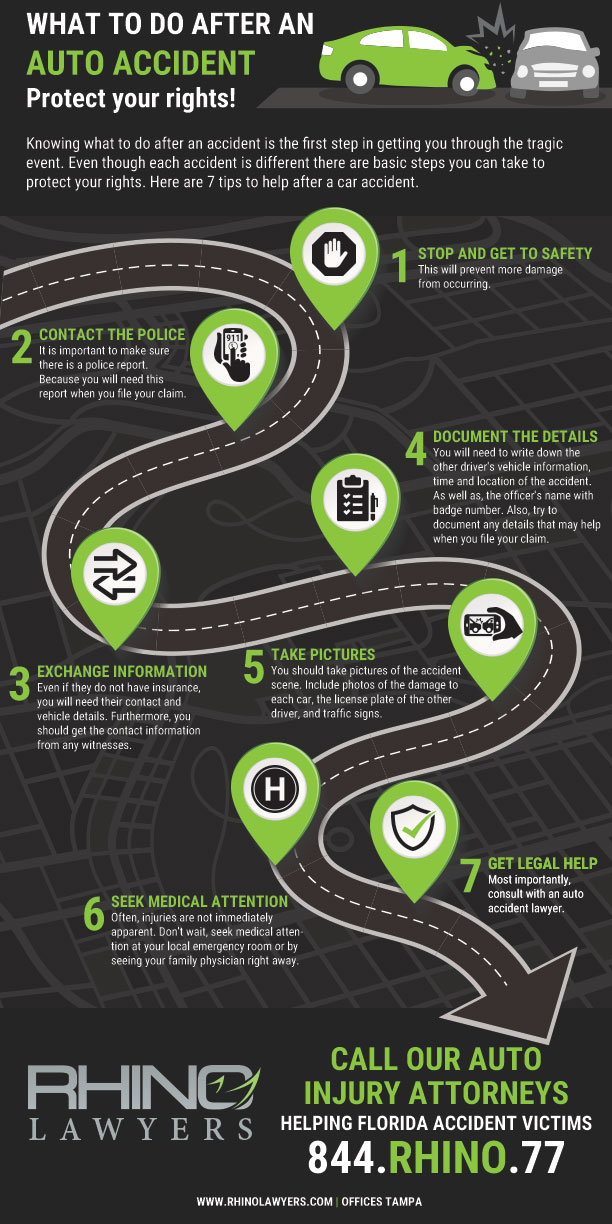
In short, after a car accident, you may not know your rights. Above all, don’t struggle through the process alone. Actually, our personal injury team is here to help you with any legal needs you might have regarding your accident.
Lastly, let RHINO Lawyers answer your questions and review the facts of your case with a Free Consultation. So, get started by completing the “Free Instant Case Evaluation” or by calling us any time, day or night, at 844.RHINO.77.