
Who Can Arrest You for DUI in Florida?
If you’re suspected of drunk driving, several different authorities can legally arrest you for a Manejar bajo la influencia en Florida. City police officers, county sheriffs, Florida Highway Patrol troopers, and other authorized law enforcement officers all have the power to investigate impairment, establish probable cause, and make a DUI arrest depending on where the stop occurs and who has jurisdiction.
Have you ever wondered whether only state troopers can make DUI arrests, or if local police have the same authority? Under Florida DUI laws, multiple agencies are involved in enforcing impaired driving offenses, and their roles often overlap.
Today we’re taking a closer look into who can arrest you for a DUI in Florida, how the DUI arrest process typically unfolds, and what legal consequences may follow.
Do They Always Arrest You for a DUI?
Police do not always make an arrest after every DUI investigation. Under Florida DUI laws, law enforcement officers have some discretion, depending on what they observe during the stop and what evidence develops.
There are several factors that influence whether a DUI arrest happens:
- Probable cause of impairment
- Results of roadside testing
- Safety concerns for the public
Probable Cause of Impairment
An officer must first see signs that suggest impairment. These signs may include driving behavior, physical appearance, or speech patterns.
If probable cause exists, an arrest becomes much more likely. Without enough indicators, an officer may continue investigating or end the stop without making an arrest.
Results of Roadside Testing
Field sobriety exercises and breath testing play a major role in the DUI arrest process. Poor performance or a high breath result often leads to arrest. A refusal to submit to testing can still support an arrest under the Manejar bajo la influencia en Florida rules.
Safety Concerns for the Public
Officers may arrest a driver to prevent further risk. If a driver appears unsafe to remain on the road, an arrest helps protect others and allows the investigation to continue in a controlled setting.
What Happens If You Plead Guilty to a DUI in Florida?
Pleading guilty to a DUI has immediate and long-lasting effects under Florida DUI laws. A guilty plea closes the criminal case quickly, yet it opens the door to penalties that can affect daily life, finances, and driving privileges.
A guilty plea often leads to several outcomes:
- Criminal record entry
- License penalties
- Court-ordered sentencing
Criminal Record Entry
A DUI conviction becomes part of your permanent criminal record. Employers, landlords, and licensing boards may see it during background checks. A record can create limits long after the case ends, even for a first offense.
License Penalties
License suspension commonly follows a guilty plea. The length depends on prior offenses and test results. Many drivers must complete courses or install ignition interlock devices before driving again under Florida DUI rules.
Court-Ordered Sentencing
Judges must follow set guidelines when imposing drunk driving penalties. Sentences often include fines, probation, community service, or jail time. These DUI consequences Florida drivers face increase with repeat offenses or higher blood alcohol levels.
Which Authorities Can Legally Arrest You for a DUI in Florida?
Several different agencies have the legal power to make a DUI arrest in Florida. Authority depends on location, jurisdiction, and the role of the officer at the time of the stop. Florida DUI laws give arrest powers to multiple types of law enforcement officers across the state.
There are three primary authorities involved in DUI arrests:
- City police departments
- County sheriff’s offices
- Florida Highway Patrol
City Police Departments
City police officers handle Manejar bajo la influencia en Florida cases within city limits. They often make stops during routine patrols or traffic enforcement. When signs of impairment appear, city officers can conduct roadside testing and complete the DUI arrest process.
County Sheriff’s Offices
Sheriff’s deputies patrol unincorporated areas and county roads. They hold the same arrest authority as city police within their jurisdiction. Deputies frequently respond to DUI calls involving crashes or reports from other drivers.
Florida Highway Patrol
Florida Highway Patrol troopers focus on highways and major roadways. They regularly investigate impaired driving at higher speeds and across county lines. Troopers follow statewide standards when enforcing drunk driving penalties and arrest procedures.
How the DUI Arrest Process Works from Stop to Booking
Law enforcement officers begin with a traffic stop after observing a violation or unsafe driving. Officers look for signs tied to DUI in Florida cases, such as the odor of alcohol or delayed responses. Early observations often shape how the stop moves forward.
Officers may ask questions and request field sobriety exercises. Performance during these tasks helps officers decide if impairment appears present. Clear signs often lead to further action under Florida DUI laws.
Breath, blood, or urine tests measure alcohol or drug levels. Refusal can still support an arrest and may trigger license penalties.
After the arrest, the driver is taken for booking. Release may happen through bond, citation, or jail hold, depending on the situation.
Preguntas frecuentes
Can You Be Arrested for a DUI Without Failing a Breath Test?
Yes, an arrest can still happen without a failed breath test. Law enforcement officers may rely on driving behavior, physical signs, statements, or performance during field sobriety exercises.
Under Florida DUI laws, probable cause does not depend on a single test result. Refusing a breath test can still support a DUI arrest process and trigger separate license penalties.
Do DUI Arrest Rules Differ for Commercial Drivers in Florida?
Commercial drivers face stricter standards under the Manejar bajo la influencia en Florida rules. Lower blood alcohol limits apply to CDL holders, even when driving personal vehicles.
A DUI arrest can lead to immediate license disqualification and job-related consequences. DUI consequences Florida drivers face often carry greater weight for commercial drivers.
Help with Your DUI Case
Manejar bajo la influencia en Florida carries serious penalties, so awareness of arrest powers and procedures can shape smarter decisions during a stressful moment ahead.
En RHINO Lawyers, protecting our clients’ rights and freedom is what drives us. We have attorneys who focus on traffic tickets and criminal defense matters, and we understand how the system can work against individuals who don’t have strong legal representation. Our attorneys push back against unfair charges, challenge the evidence, and fight for the best possible outcome in every case.
Póngase en contacto hoy mismo para descubrir cómo podemos help with your case.
CONTACTE A UN ABOGADO DE MULTAS DE TRÁFICO EN TAMPA
RHINO Lawyers puede ayudar y guiarlo a través de un sistema moldeado por las fuerzas del orden, jueces y abogados durante décadas. Habiendo ganado casos para nuestros clientes en circunstancias similares, nuestro equipo de defensa penal sabe lo que se necesita para luchar en tu nombre.
Permitir RHINO Lawyers responda a sus preguntas y revise los hechos de su caso con una consulta gratuita. Así que comience completando el “Evaluación de caso instantánea y gratuita”o llamándonos en cualquier momento, día o noche, al (844) RHINO-77.
Leer más
How Poor Road Conditions Contribute to Florida Car Accidents
Poor road conditions increase accident risk by reducing vehicle control and driver reaction time. In Florida, these hazards contribute to car accidents due to high traffic volume and weather exposure.
According to the Florida Department of Highway Safety and Motor Vehicles, there were 352,879 crashes in 2025. Of this number, 2,728 resulted in fatality and 229,804 resulted in injury.
Florida’s seasonal thunderstorms, high humidity, and hurricanes make navigating roads more dangerous. Poor road infrastructure also increases the likelihood of crashes.
Taking preventative road safety measures can reduce car accident risks. Discover helpful accident prevention tips below.
How Do Poor Road Conditions Increase Car Accident Risks on Florida Highways?
Poor road conditions increase crash risk by reducing tire traction and limiting driver reaction time. Heavy traffic leaves little room to maneuver around hazards.
Potholes and uneven pavement make vehicles harder to control at high speeds. Faded lane markings and worn signage confuse drivers and slow response.
In Florida, seasonal rain and hurricanes create slick surfaces that worsen existing roadway damage. Flooded areas reduce visibility and increase stopping distances.
Drivers encountering multiple road defects face a higher likelihood of collisions statewide.
What Types of Poor Road Infrastructure Most Commonly Lead to Florida Crashes?
Florida’s road infrastructure creates multiple hazards for drivers. Narrow lanes and sharp curves limit maneuverability and increase side-swipe risk.
Intersections with poor banking and shoulder drop-offs reduce recovery space for vehicles that drift off course. Uneven bridges and crumbling overpasses destabilize vehicles.
Inadequate lighting at night impairs visibility. Traffic signal malfunctions create unexpected stops. Damaged and worn roads contribute to higher crash rates.
Drivers navigating poorly marked or overly complex intersections face a higher chance of mistakes.
Why Does Florida Traffic Safety Depend So Heavily on Road Maintenance Standards?
Florida traffic safety depends on effective road maintenance to keep drivers and pedestrians safe. Regular inspections identify structural weaknesses before they become hazardous.
Proper signage and clearly marked lanes improve navigation and prevent confusion. Drainage systems must function properly to avoid erosion and standing water.
Bridges require routine maintenance to remain safe. Overpasses and intersections also need regular checks.
Strong maintenance standards are essential for minimizing crashes and protecting all roadway users.
How Do Weather Patterns Expose Existing Road Defects Across Florida?
The U.S. Federal Highway Administration reports that around 21% of motor-vehicle crashes are weather-related. Florida’s intense sun softens asphalt, making road ruts more likely under traffic. Heavy rainfall erodes soil and weakens road shoulders.
Hurricanes can damage bridges and destabilize guardrails. Tropical storms deposit salt. Over time, this buildup accelerates the corrosion of metal fixtures.
Repeated wet-dry cycles create cracks in older pavement. Road surfaces shift and develop gaps over time.
Drivers frequently encountering unstable sections on roadways increase the risk of accidents.
How Do Construction Zones and Temporary Hazards Affect Driver Control?
The Associated General Contractors of America found that 60% of highway construction firms reported having at least one car crash in their work zones in the past year.
Construction zones and temporary hazards reduce driver control and increase crash risk. Lane shifts limit maneuverability.
Narrowed lanes increase side-swipe risk. Temporary barriers block normal paths. Cones create visual confusion for drivers attempting to merge.
Uneven surfaces reduce motor vehicle traction. Loose gravel makes braking more difficult. Detour signs require quick adaptation.
Changing traffic patterns demand extra focus. Drivers who fail to adjust their speed face a greater risk of accidents.
Careful navigation is essential for maintaining safety throughout construction areas.
How Do Uneven Pavement and Surface Failures Increase Loss of Vehicle Stability?
Uneven pavement and surface failures challenge vehicle stability on Florida roads. Extended exposure to rough pavement increases fatigue and slows reaction times.
Repeated jolts strain suspension systems and reduce handling precision. Tire wear accelerates on irregular surfaces, affecting grip.
Misaligned wheels make steering less predictable. Drivers must make constant small corrections to maintain control.
Sudden dips or bumps can surprise drivers and increase crash risk. Proper vehicle upkeep further reduces hazards and improves safety.
What Road Safety Measures Help Drivers Navigate Hazardous Florida Roadways?
Drivers can use specific road safety measures to reduce risks on hazardous Florida roadways. Maintaining a safe speed improves reaction time.
Keeping a proper following distance prevents collisions. Regular vehicle maintenance ensures brakes and tires function correctly.
Lights should be checked and used properly. Using headlights during poor visibility enhances awareness.
Paying close attention to signage helps anticipate upcoming hazards. Drivers should adjust to weather conditions and avoid distractions.
Defensive driving techniques allow safe navigation. Consistent vigilance reduces crash likelihood and improves overall roadway safety.
Preguntas frecuentes
Who Is Liable When Dangerous Road Conditions Contribute to a Florida Accident?
Liability depends on who controlled the roadway and failed to address known hazards.
Government entities may be responsible when poor maintenance or delayed repairs contributed. Construction contractors can share fault if temporary conditions were unsafe or poorly marked.
Drivers may retain partial responsibility if reasonable caution was not exercised properly.
What Evidence Helps Prove Road Conditions Played a Role in a Crash Claim?
Strong claims rely on evidence directly linking road defects to crashes. Photos and video capture surface conditions present at the scene.
Police reports document hazards and describe environmental factors observed. Maintenance records reveal whether agencies addressed reported roadway problems.
Expert analysis explains how defects affected vehicle control or braking performance.
What Accident Prevention Tips Can Drivers Follow on Poorly Maintained Roads?
Certain driving habits help reduce exposure to poorly maintained roads.
Route planning avoids chronic trouble spots before entering damaged segments. Navigation alerts provide advance notice of closures or surface hazards.
Scheduling travel outside peak hours reduces congestion pressure and errors. Allowing extra travel time encourages patience and supports safer responses.
Get the Compensation You Deserve for Your Florida Accident with RHINO Lawyers Today
Poor road conditions increase the risk of crashes by reducing vehicle control. Seasonal weather and heavy traffic make navigating Florida roadways more hazardous. Drivers who remain attentive and follow maintenance guidelines can lower accident risks and improve overall roadway safety.
RHINO Lawyers serves both Florida and Wisconsin through our founder, Brandon F. Jones, Esq. We can help you navigate your case and pursue fair compensation. Our helpline is available 24/7 to answer your inquiries and provide guidance on your legal options.
Don’t wait another day. Contacto RHINO Lawyers for your free case review or free video consultation today.
COMUNÍQUESE CON UN ABOGADO DE ACCIDENTES AUTOMOVILÍSTICOS EN TAMPA
En resumen, después de un accidente automovilístico, es posible que no conozca sus derechos. Sobre todo, no luche solo durante el proceso. En realidad, nuestro equipo de lesiones personales está aquí para ayudarle con cualquier necesidad legal que pueda tener relacionada con su accidente.
Por último, que RHINO Lawyers responda a sus preguntas y revise los hechos de su caso con una consulta gratuita. Así que comience completando el “Evaluación de caso instantánea y gratuita”o llamándonos en cualquier momento, día o noche, al 844.RHINO.77.
Leer más
Why You Shouldn’t Rely on the Insurance Company’s Repair Estimate
A repair estimate comes from your insurance company after an accident. It’ll give you an idea of the time and cost of repairing your car. Insurers often keep this amount as low as possible to protect themselves, but you can fight against this.
Insurers not paying for all parts of repairs is becoming an increasingly serious issue. A report from Collision Advice and the CRASH Network found that only 36% of repair shops are paid for all or most safety inspections.
The problem can even lead to you losing your car entirely. According to CarScoops, cars are around 42% more likely to be considered totaled by insurance companies after an accident than they were five years ago. Taking the first repair estimate can often lead to this problem.
What Should a Repair Estimate Consist Of?
An estimate of repairs is based on a detailed process that looks at everything. This includes a:
- Damage assessment
- Parts list
- Repairs procedures
- Total costs
That allows for the next step of the process. The assessment outlines all necessary items and the time required to restore your vehicle. This includes:
- Parts
- Repairs
- Labor
- Diagnostic fees
- Taxes
Why First Estimates are Low
One of the major insurance company biases leading to low estimates is cost control. They’re always working primarily for the insurance company to ensure they pay out as little as possible.
There could also be a lack of detail in the estimate. Important areas of damage may be missed. This is especially prevalent in virtual estimates where the adjusters don’t even see the car in person.
Outdated pricing or poor inflation accounting are other issues. Insurers could use a generalized formula for wear and tear that may not apply to a car that’s barely been driven.
Offering a claim that’s too low is among the many potential bad-faith insurance tactics. Others include:
- Delaying claims
- Not completing a full investigation
- Not paying valid claims
- Distorting policy language to confuse you and deny claims
- Threatening statements or implying harsh legal action
What Is a Reasonable Settlement Offer?
Trusting insurance estimates to give you the right offer the first time is unwise. Start calculating your insurance claim to determine what to expect.
The more types of insurance you have and the better you know your policy, the better protected you’ll be. Make sure you have protections such as:
- Bodily injury
- Daños a la propiedad
- Personal injury liability (PIP)
- Collision coverage
- Uninsured and underinsured coverage
Another necessary step in all repair estimate guides is to calculate your car’s value. It’s one of the best ways to ensure your repair estimate is fair. Look at your vehicle’s:
- Year
- Make
- Model
- Mileage
- Wear and tear
Then, you can start determining if you’ve got a oferta de acuerdo justo for the accident. Determine the full extent of damage. That includes:
- Immediate injuries
- Long-term costs
- Daños a la propiedad
- Non-economic damages, such as pain and suffering
What If Repairs Cost More Than An Insurance Estimate?
Getting an accurate assessment is about more than numbers. If it doesn’t cover all the necessary repairs to your vehicle, you may end up paying the difference. The repairs may also be incomplete, making it unsafe to drive.
What Should You Do After Insurance Gives You an Estimate?
Accepting a low estimate is one of the easiest insurance repair pitfalls. Get another estimate to compare it with. Hire legal representation for your claim.
Get an Estimate or Reinspection
One of the best ways to get accurate repair assessments is to get more than one. Reach out to your mechanic for an estimate. Compare all the information you have to look for any discrepancies.
Hire an Attorney
An attorney can be a lifeline in the negotiating room or the courtroom. However, insurance companies don’t want you hiring them.
They want you to accept a quick, low settlement. You’re less likely to do so with a lawyer helping you through the process and explaining why the early offers aren’t worth your time.
If you don’t have representation, insurance companies have more time to come up with a settlement. This is especially true if you’re working with more than one insurance company at a time.
Insurers may try other ways to steer you away from an attorney. They may claim it won’t increase your final settlement or that you’ll pay too much in legal fees to make it worthwhile.
None of these statements rings true if you find the right lawyer. They’ll steer the case in the right direction to get you the settlement you deserve.
Preguntas frecuentes
Do Insurance Companies Prefer to Settle?
Yes. It helps them avoid the time and money of a trial. According to The Law Dictionary, only around one in 20 personal injury cases go to trial.
Most cases today are settled out of court. That doesn’t mean you have to agree to less than what your case is worth.
What Should You Not Say to an Insurance Adjuster?
Beware of insurance adjusters in the beginning process of your claim. Don’t give a recorded statement, even if they say they legally need one.
The most important statements to avoid are anything that admits fault or liability. Don’t include any opinions on who you think is at fault. That can shift blame and lower your settlement.
How Can I Convince an Insurance Adjuster?
When you are negotiating with insurance adjusters, focus on the facts of the case as they happened. It’s important to gather evidence at the accident scene, such as photos or witness statements. They’ll help support your side and convince the adjuster.
A lawyer can also be your best convincing partner. They know what to say and how to convince even the most stubborn adjusters to give you a fair settlement.
Get Help With Your Car Insurance Claim Today
A repair estimate tells you about the time and money needed to fix your car after an accident. The right lawyer can help you fight back when insurers give you a number that’s much too low.
RHINO Lawyers has over 55 years of legal experience. We have a proven track record of earning maximum compensation, and we don’t get paid unless we win.
Contáctenos for a free case review today.
COMUNÍQUESE CON UN ABOGADO DE ACCIDENTES AUTOMOVILÍSTICOS EN TAMPA
En resumen, después de un accidente automovilístico, es posible que no conozca sus derechos. Sobre todo, no luche solo durante el proceso. En realidad, nuestro equipo de lesiones personales está aquí para ayudarle con cualquier necesidad legal que pueda tener relacionada con su accidente.
Por último, que RHINO Lawyers responda a sus preguntas y revise los hechos de su caso con una consulta gratuita. Así que comience completando el “Evaluación de caso instantánea y gratuita”o llamándonos en cualquier momento, día o noche, al 844.RHINO.77.
Leer más
¿Se puede impugnar una multa de cámara de luz roja en Florida?
Puedes salir de un multa por pasarse la luz roja en Florida, si la evidencia no es clara, la cámara funcionó mal, no se cumplieron los requisitos legales o otra persona estaba conduciendo su vehículo. Puede impugnar la multa y evitar pagar la multa cuestionando la evidencia y los detalles de la citación, presentando una declaración jurada si usted no era el conductor y consultando a un abogado de multas de tráfico de Florida.
Según el IIHS HLDI, en 2023, más de 135,000 personas resultaron heridas en choques por pasarse la luz roja. Que usted se pase una luz roja puede no haber resultado en un choque, lesión o muerte, pero es posible que aún lo hayan grabado las cámaras. Y ahora, tiene que lidiar con un multa por pasarse la luz roja.
¿Puedes impugnar esta multa y, de ser así, vale la pena y cómo puedes hacerlo?
¿Puedes evitar una multa de cámara de luz roja en Florida?
Sí, puedes salir de multa por pasarse la luz roja en Florida, pero dependerá de tus circunstancias.
En términos generales, los propietarios de vehículos tienen derecho a solicitar una audiencia y disputar la infracción ante un funcionario de audiencia local o un tribunal de tráfico. Su multa puede ser desestimada si:
- La evidencia no es clara
- La cámara falló
- No se cumplieron los requisitos legales (p. ej., señalización o aviso adecuados)
Bajo las leyes de tránsito de Florida, también puede evitar la responsabilidad si puede demostrar que su auto fue robado o vendido antes de la infracción. También puede presentar una declaración jurada identificando al conductor real.
¿Vale la pena pelear una multa de tráfico en Florida?
Si vale la pena pelear una multa en Florida depende de cuáles sean tus prioridades.
En primer lugar, hay que tener en cuenta que la multa estándar ronda los $158. Para algunos, esta es una suma considerable, mientras que para otros no lo es.
Además, no hay puntos ni consecuencias en la licencia (a menos que ignore el primer aviso; en ese caso, hay más consecuencias, como puntos y multas más altas). Por eso, muchos conductores optan por pagar sus multas por comodidad.
Sin embargo, puede valer la pena impugnar las multas de tráfico si cree que:
- La cita es inexa
- La evidencia es débil
- Tienes una sólida defensa legal
También puede valer la pena impugnar la multa ya que puede prevenir futuros errores de aplicación y evitar sentar un precedente para multas recurrentes en el mismo lugar.
Cómo salir de una multa de cámara de semáforo en rojo en Florida
¿Has conseguido un multa por pasarse la luz roja, y quieres luchar contra él? Entonces aquí tienes los pasos que debes seguir.
Impugnar la evidencia y los detalles de las citas
Primero, debe revisar detenidamente la multa y la evidencia fotográfica o en video adjunta. Por ley, el estado tiene que proporcionar evidencia clara de que el automóvil entró en la intersección después de que la luz se puso roja.
El boleto puede ser desestimado si se presentan las siguientes cosas, así que busque:
- Imágenes borrosas
- Placa ilegible
- El video no muestra de manera concluyente la infracción
- Señalización ausente o no visible
- Información incorrecta del vehículo
- Falta de marcas de tiempo
- Entrega de notificación indebida
Presente una declaración jurada si usted no era el conductor
Florida te permite evitar responsabilidad si presentas una declaración jurada declarando que usted no era el conductor en el momento de la infracción. Por lo tanto, esta es una opción viable si un miembro de su familia, amigo u otro conductor autorizado estaba operando su vehículo en el momento de la infracción. También puede explorar esta vía si el automóvil era viejo, estaba arrendado o fue robado antes de la infracción.
Por lo general, tendrás que presentar la declaración jurada dentro de los 60 días posteriores a la recepción del aviso. También es posible que deba presentar documentación de respaldo, como una factura de venta o un informe policial.
Consulte a un abogado de multas de tránsito de Florida
Consultar a un abogado de infracciones de tránsito en Florida puede mejorar significativamente tus posibilidades de librarte de la multa. Un abogado con experiencia y buena reputación comprenderá los requisitos procesales y probatorios específicos, y también sabrá cómo detectar debilidades que los conductores suelen pasar por alto.
Si bien puede haber honorarios legales, valen la pena cuando puedes ahorrar tiempo, reducir el estrés, y asegúrate de que no haya multas crecientes ni medidas coercitivas.
Preguntas frecuentes (FAQs)
¿Una multa de cámara de luz roja va a su historial en Florida?
En Florida, multa por pasarse la luz roja no se registra en tu historial de manejo, mientras que las multas de tránsito tradicionales sí. Esto se debe a que las infracciones captadas por cámaras en los semáforos en rojo se clasifican como infracciones de tránsito no penales, lo que significa que se tratan como sanciones civiles.
Debido a esto, No se te suman puntos en tu licencia. Además, la infracción no se reporta al Departamento de Seguridad y Vehículos Motorizados de Florida (FLHSMV) como una infracción de tránsito.
Ten en cuenta que, si no pagas la multa o no la impugnas, esto puede dar lugar a multas más elevadas, medidas de cobro y puntos en tu licencia de conducir. Sin embargo, no afectará directamente el estado de tu licencia.
¿Cuál es la mejor defensa ante una multa por pasarse un semáforo en rojo?
La mejor defensa ante una multa por pasarse un semáforo en rojo depende de tu caso particular, pero hay varias estrategias que suelen ser efectivas. Entre ellas se incluyen:
- Cuestionar si el vehículo entró por completo en la intersección después de que el semáforo se pusiera en rojo
- Duración de la luz amarilla
- Errores en la cita
Si otra persona conducía tu auto en el momento en que se emitió la multa, entonces tú (como propietario registrado) puedes presentar una declaración jurada.
¿Florida quitó las cámaras de semáforo?
Aunque Florida no ha eliminado las cámaras de semáforo en todo el estado, sí ha modificado su uso con el paso del tiempo. Según la Ley de Seguridad Vial Mark Wandall, los gobiernos locales pueden implementar programas de control de infracciones con cámaras en los semáforos.
Sin embargo, muchas ciudades y condados del estado han discontinuado sus programas debido a:
- Oposición pública
- Costos administrativos
- Cuestiones legales
Por eso, no habrá cámaras de semáforo en todas las ciudades. Esto significa que la aplicación de las normas variará mucho según el lugar donde conduzcas.
Cómo librarte de tu multa por cámara de semáforo en rojo
Como puedes ver, puedes salir de un multa por pasarse la luz roja si así lo deseas. Tampoco es difícil de hacer, siempre y cuando tengas pruebas de los errores o de que el equipo no funcionó bien.
Aun así, es bueno contar con un abogado de confianza de tu lado. Esto puede reducir tu estrés y garantizar que tu caso se resuelva de la mejor manera posible.
Programa una cita con nosotros Ahora bien, si quieres ayuda para combatir tu multa por pasarse la luz roja. RHINO Lawyers ofrece revisiones de casos y consultas por video gratuitos para que pueda consultar a un abogado de multas de tránsito sin presión.
CONTACTE A UN ABOGADO DE MULTAS DE TRÁFICO EN TAMPA
RHINO Lawyers puede ayudar y guiarlo a través de un sistema moldeado por las fuerzas del orden, jueces y abogados durante décadas. Habiendo ganado casos para nuestros clientes en circunstancias similares, nuestro equipo de defensa penal sabe lo que se necesita para luchar en tu nombre.
Permitir RHINO Lawyers responda a sus preguntas y revise los hechos de su caso con una consulta gratuita. Así que comience completando el “Evaluación de caso instantánea y gratuita”o llamándonos en cualquier momento, día o noche, al (844) RHINO-77.
Leer más
¿Se puede anular una multa de tránsito en Florida por un error del oficial?
Una multa de tránsito en Florida a veces puede ser desestimada debido a un error del oficial, pero solo cuando el error es legalmente significativo. Errores como detalles incorrectos del vehículo, citar el estatuto equivocado o no seguir los procedimientos requeridos pueden debilitar el caso. Los errores administrativos menores por sí solos generalmente no son suficientes, pero los errores materiales pueden abrir la puerta a una desestimación cuando se impugnan adecuadamente.
¿Alguna vez te has preguntado ¿Se puede desestimar una multa de tránsito en Florida?Examinemos cómo ocurren los errores de los oficiales, qué equivocaciones importan bajo la ley de Florida y qué opciones pueden existir cuando una multa no es tan sólida como parece.
¿Vale la pena pelear una multa de tráfico en Florida?
Impugnar una multa de tráfico en Florida a menudo tiene sentido cuando la sanción conlleva costos duraderos. Muchos conductores no se dan cuenta de que pagar una multa puede afectar tarifas de seguro, registros de conducción y multas futuras mucho después de que la multa haya desaparecido. Hay tres razones comunes por las que los conductores eligen impugnar una infracción:
- Impacto financiero más allá de la multa
- Puntos en la licencia e inquietudes sobre el historial
- Oportunidad para la anulación de multa en Florida
Impacto financiero más allá de la multa
Una multa de tráfico rara vez termina con la cantidad impresa en la citación. Las primas de seguro pueden subir, y ese aumento puede durar años.
Es posible que se requieran costos de la corte y tarifas de la escuela de manejo. A infracción de tránsito grave la defensa puede limitar o prevenir esos gastos a largo plazo.
Puntos de la licencia y preocupaciones sobre el historial
Puntos agregado a una licencia de Florida puede generar riesgos de suspensión y la reducción de los privilegios de conducción. Los empleadores y las aseguradoras suelen revisar los historiales de manejo. La asesoría legal sobre multas ayuda a los conductores a decidir si vale la pena el esfuerzo de proteger su historial.
Oportunidad para la desestimación de multas en Florida
Algunas citas contienen errores o debilidades que justifican una impugnación. Los errores de los oficiales, la falta de detalles o los problemas de procedimiento pueden respaldar la desestimación de una multa en Florida cuando se plantean adecuadamente a través del proceso judicial.
¿Qué porcentaje de multas de tráfico son desestimadas?
Muchos conductores quieren un porcentaje claro cuando preguntan sobre las tasas de desestimación, pero la respuesta no es sencilla. Florida no publica una sola cifra a nivel estatal que muestre con qué frecuencia se descartan las multas.
Los tribunales manejan los casos a nivel local, y los resultados dependen de los detalles de cada parada, el cargo y cómo se presenta el caso. La desestimación de multas en Florida ocurre con más frecuencia en unos tribunales que en otros, lo que hace que los promedios generales no sean可靠的 (reliable -> confiables).
Las tasas de desestimación tienden a aumentar cuando una multa tiene debilidades claras. Los errores en las leyes de tránsito tales como:
- fechas incorrectas
- información faltante
- o acusaciones poco claras
puede afectar la forma en que un juez ve el caso.
Los errores en las multas explicados en el tribunal pueden debilitar la posición del estado, aunque no todos los errores tienen el mismo peso. Algunos errores no cambian nada, mientras que otros generan dudas sobre la exactitud o el procedimiento.
Otro factor se relaciona con cómo los conductores responden a una multa. Los boletos impugnados reciben una revisión más exhaustiva que los que simplemente se pagan.
Los jueces y los oficiales de audiencia examinan las pruebas, los testimonios y la documentación. Cuando surgen problemas durante ese proceso, la anulación de una multa en Florida se vuelve más probable, aunque nunca se puede garantizar ningún resultado.
¿Se puede desestimar una multa de tránsito en Florida?
Los tribunales examinan detenidamente cómo se redactó la infracción y si la parada cumplió con las normas requeridas. Varios factores determinan si es posible una desestimación:
- Naturaleza del error del oficial
- Impacto en la validez jurídica
- Estándares de revisión judicial
Naturaleza del error del oficial
No todo error lleva al despido. Los errores ortográficos o los pequeños problemas administrativos a menudo tienen poco peso.
Los errores en las leyes de tránsito vinculados a los hechos, los procedimientos o los estatutos citados plantean preocupaciones más graves. Los errores que involucran al conductor, vehículo o lugar incorrectos pueden debilitar la infracción.
Impacto en la validez jurídica
Los tribunales se concentran en si un error afecta la equidad o la precisión. Los errores en la multa explicados durante una audiencia pueden demostrar que la citación no logra probar la infracción.
Cuando un error cambia el significado del cargo, el sobreseimiento se vuelve más probable. Los defectos menores que no causan confusión rara vez cumplen con ese estándar.
Estándares de revisión judicial
Los jueces revisan las citaciones para determinar su suficiencia legal. Una defensa por infracción de tránsito debe demostrar que el error es relevante según Ley de Florida.
¿Se puede desestimar una multa de tránsito en Florida? Sí, aunque solo cuando el error socava el caso del estado de manera significativa.
Tipos de errores del oficial que pueden afectar una multa
Los errores relacionados con el conductor, el vehículo o el lugar pueden importar más de lo que muchas personas esperan. Un número de placa incorrecto, una descripción del vehículo o una fecha errónea pueden sembrar dudas sobre si la multa coincide con el presunto hecho. Los errores de este tipo en la ley de tránsito pueden respaldar una defensa por infracción de tráfico cuando generan incertidumbre.
Los oficiales deben enumerar el estatuto y la infracción correctos. Citar la ley incorrecta o clasificar mal la infracción puede cambiar la forma en que un juez ve el caso. Los errores en las multas explicados durante una audiencia suelen centrarse en si el cargo coincide con los hechos descritos.
Los oficiales deben seguir los pasos establecidos al emitir multas. La falta de firmas, los formularios incompletos o los problemas de tiempo pueden debilitar la aplicación de la ley. Desestimación de multa en Florida se vuelve más probable cuando los errores de procedimiento afectan la equidad o la precisión.
Preguntas frecuentes
¿Qué pasa si un oficial de policía no se presenta a la corte en Florida?
Cuando un oficial no se presenta, el juez puede desestimar el caso, aunque ese resultado no es automático. Los tribunales a menudo consideran el motivo de la ausencia y si el oficial había sido citado. La desestimación de una multa en Florida se vuelve más probable cuando no existe una explicación válida.
¿Se pueden corregir los errores en una multa antes de la corte?
Algunos errores se pueden corregir antes o durante una audiencia. Los problemas administrativos como los errores de ortografía suelen recibir correcciones sin mucho debate. Los errores en las multas explicados como de fondo, como un estatuto incorrecto, están sujetos a una revisión más rigurosa y pueden afectar el resultado del caso.
¿Afectan los videos o las grabaciones de las cámaras de tablero las reclamaciones por errores de los oficiales?
Las pruebas en video pueden respaldar o debilitar las afirmaciones sobre infracciones de tránsito. Las imágenes pueden mostrar si las observaciones coinciden con lo que indica la multa. Una defensa por infracción de tránsito a menudo se basa en el video para cuestionar la precisión o la coherencia en el informe del oficial.
Abogados de tráfico
¿Se puede desestimar una multa de tránsito en Florida? Los errores de los agentes pueden afectar los casos de tráfico, aunque los resultados dependen del tipo de equivocación y de cómo afecta la prueba.
En RHINO Lawyers, Nuestra firma se basa en defender a las personas que enfrentan infracciones de tránsito y cargos penales. Manejamos desde exceso de velocidad y conducción imprudente hasta delitos menores y graves más serios, mientras presionamos a los fiscales y a la policía cuando los cargos son injustos o carecen de fundamento. Conocemos sus estrategias, cuestionamos la evidencia débil y luchamos para que el sistema rinda cuentas.
Póngase en contacto hoy mismo para descubrir cómo podemos ¡Ayuda con su caso!
CONTACTE A UN ABOGADO DE MULTAS DE TRÁFICO EN TAMPA
RHINO Lawyers puede ayudar y guiarlo a través de un sistema moldeado por las fuerzas del orden, jueces y abogados durante décadas. Habiendo ganado casos para nuestros clientes en circunstancias similares, nuestro equipo de defensa penal sabe lo que se necesita para luchar en tu nombre.
Permitir RHINO Lawyers responda a sus preguntas y revise los hechos de su caso con una consulta gratuita. Así que comience completando el “Evaluación de caso instantánea y gratuita”o llamándonos en cualquier momento, día o noche, al (844) RHINO-77.
Leer más
Cómo las fotos de accidentes automovilísticos pueden hacer o arruinar su caso en Florida
Car accident photos provide clear evidence of damage and road conditions. Accurate photo documentation can help establish fault and support a stronger legal claim.
According to the Florida Highway Safety and Motor Vehicles, a crash occurs every 44 seconds. If a photo is worth a thousand words, in the legal scope, it can also be worth a hefty financial payout.
Photos are often part of essential case-winning strategies. Timely photo documentation preserves crucial accident evidence.
High-quality images can clarify the sequence of events. Detailed photos may prevent disputes with insurance companies.
Learn helpful Florida legal tips to maximize your settlement below.
How Important Are Car Accident Photos for Photo Documentation in Florida?
In Florida, consistent and detailed photo documentation can be a decisive factor in evaluating claims.
Car accident photos serve as a reliable record of the scene and vehicle condition. Photos provide objective evidence that supports accurate documentation.
Capturing photographic proof helps preserve information that may change over time, such as:
- Visible damages
- Road layouts
- Environmental conditions
- Skid marks
- Vehicle positions
- Traffic signals
These images can assist legal professionals and insurance adjusters in understanding the circumstances. Properly documented photos offer clarity and context, helping prevent misinterpretation.
Can Photos Prove Fault in a Florida Car Accident Case?
Florida is a no-fault state when it comes to accidents. This means that Florida drivers are required to carry insurance coverage that covers a minimum of $10,000 in personal injury protection and $10,000 property damage liability coverage (Mercury Insurance).
However, even in a no-fault system, photos can help prove who caused an accident. They show vehicle positions and visible damage.
Having clear images can also help support claims for compensation beyond standard insurance limits and provide evidence if the person at fault is ever disputed.
What Types of Car Accident Photos Should I Take?
Drivers should capture photos that show all vehicle damage. Close-up images highlight any:
- Dents
- Scratches
- Shattered headlights
- Cracks in windows
- Paint chips
- Loose or bent panels
Wide-angle shots show the full scene and vehicle positions. Photos of the surrounding road and traffic signals are vital.
Capturing skid marks or debris can clarify how the accident occurred. Area signage also provides context.
Images of environmental conditions, such as lighting or weather, are also helpful. Witness vehicles or damage may be documented.
Proper documentation ensures accurate evidence for claims and legal review.
How Soon Should I Take Photos After a Florida Car Accident?
Photos should be taken immediately after a Florida car accident as soon as it’s safe. Immediate images capture the scene before vehicles move or evidence disappears.
Delays can allow the alteration of critical details due to:
- Weather
- Traffic
- Ceanup crews
- Emergency responders
- Vehicle repositioning
- Roadway repairs
Taking photos quickly helps preserve accuracy during insurance reviews and legal evaluations. Prompt documentation reduces disputes by showing conditions exactly as they existed.
If you are unable to take the photos yourself, a passenger or nearby witness may document the scene on your behalf. Quick action ensures important visual information is not lost or questioned later.
Can Posting Car Accident Photos on Social Media Affect My Case?
LocaliQ reveals that 95 million photos and videos are shared on Instagram each day. This amounts to 65,072 photos per minute.
Posting car accident photos on social media can negatively affect a legal case. Insurance companies may review posts to challenge injuries or fault.
Photos can be taken out of context and misinterpreted. Even strict privacy settings do not guarantee protection.
Comments from others may create conflicting narratives. Deleting posts later may raise credibility concerns.
Avoiding social media sharing helps protect claims during investigations. Consulting legal counsel before posting reduces potential risk.
Which Approaches Are Key to Successful Case-Winning Strategies?
Successful case-winning strategies rely on thorough preparation and consistent documentation. Organized records help present facts clearly and reduce uncertainty.
Timely communication with insurance providers supports accurate claim handling. Credible evidence strengthens negotiations and legal arguments.
Attention to detail prevents gaps that opposing parties may exploit. Strategic guidance ensures procedures are followed correctly.
Consistency across statements and records builds trust. A disciplined approach improves leverage during settlement discussions.
Careful planning helps align evidence with legal requirements.
Are There Florida Legal Tips for Using Car Accident Photos in Court?
Florida legal tips focus on how car accident photos are presented in court. Images should accurately reflect the scene without exaggeration.
Photos must also align with written statements and testimony. Showing clear sequencing helps judges and juries understand events.
Consistent visual evidence supports better credibility. Proper use of photos can strengthen arguments during litigation and subsequent settlement proceedings.
Preguntas frecuentes
How Should Car Accident Photos Be Stored as Car Accident Evidence?
Car accident photos should be stored securely to preserve their integrity. Original files must remain unedited and complete.
Creating backups protects against accidental loss. Organizing images by date and source improves clarity and strengthens evidence credibility.
Handling files carefully ensures photos remain accessible for review during legal proceedings.
Can Witness Photos or Videos Help Maximize Your Settlement After a Florida Car Accident?
Yes. Witness photos and videos provide perspectives that drivers may miss, showing vehicle positions and damage.
Access to images of the surrounding area helps clarify the scene. Reliable witness evidence confirms key details.
Including these images strengthens a claim. This documentation supports higher settlement outcomes in Florida car accidents.
Are Smartphone Photos Reliable for Accident Evidence Compared to Professionals?
Smartphones allow drivers to document an accident quickly. Modern models capture vehicle damage and scene details.
Professional photographers can provide higher-quality images with precise angles. Combining both types of photos creates stronger evidence.
Properly organizing and storing images ensures they remain credible. Clear documentation supports accurate claims and legal review.
Trust Your Florida Accident Case to RHINO Lawyers Today
Car accident photos provide critical evidence of damages and the scene of the accident. Clear and timely documentation supports accurate insurance claims to protect your rights. Properly stored and organized images can strengthen legal cases and help maximize your settlement outcomes.
RHINO Lawyers, under Brandon F. Jones, Esquire, is here to fight for your legal case through data-driven settlements. We serve both Florida and Wisconsin in matters of car accidents, motorcycle accidents, and truck accidents. We also focus on felonies, misdemeanors, and traffic tickets.
Our hotline is available 24/7 to serve your needs. Contacto RHINO Lawyers for your free case review today.
COMUNÍQUESE CON UN ABOGADO DE ACCIDENTES AUTOMOVILÍSTICOS EN TAMPA
En resumen, después de un accidente automovilístico, es posible que no conozca sus derechos. Sobre todo, no luche solo durante el proceso. En realidad, nuestro equipo de lesiones personales está aquí para ayudarle con cualquier necesidad legal que pueda tener relacionada con su accidente.
Por último, que RHINO Lawyers responda a sus preguntas y revise los hechos de su caso con una consulta gratuita. Así que comience completando el “Evaluación de caso instantánea y gratuita”o llamándonos en cualquier momento, día o noche, al 844.RHINO.77.
Leer más
How Do Financial Rewards Work for Whistleblowers?
Blowing the whistle on fraud or misconduct is a big decision. It can feel risky, stressful, and lonely. One way governments encourage people to come forward, especially in complex financial and corporate cases, is by offering financial rewards when their information leads to a successful enforcement action.
A whistleblower reward isn’t a “bounty for snitching.” They’re structured incentive programs meant to uncover wrongdoing that harms taxpayers, investors, and the public. Understanding how these rewards work can help potential whistleblowers make informed choices and avoid unrealistic expectations.
Below is a clear overview of how financial rewards typically work in major whistleblower programs, especially in the United States.
1. The Basic Idea: Sharing in the Recovery
In many whistleblower programs, if you provide original, credible information about fraud or violations, and government authorities use that information to recover money through a settlement, fine, or judgment, then you may be eligible to receive a percentage of the recovery as a reward.
The exact rules depend on the program, but the general reward eligibility criteria are:
- A minimum and maximum percentage (for example, 10 to 30% of the government’s recoveries).
- The whistleblower’s share is determined by how important, detailed, and helpful their information and cooperation were.
- In some programs, the whistleblower can be anonymous at first (usually through an attorney), while in others, they must reveal their identity.
2. Major Whistleblower Reward Programs
There are many financial incentives for whistleblowers, but all these whistleblowing processes take time, and thus, the rewards take time as well. Some programs to be aware of:
Securities And Exchange Commission (SEC) Whistleblower Program
El SEC rewards whistleblowers who provide information about violations of U.S. securities laws (like investor fraud, misleading financial statements, insider trading, etc.).
Key features:
- If the SEC’s action leads to monetary sanctions over $1 million, whistleblowers can receive 10 to 30% of the amount collected.
- The SEC considers factors such as the significance of the information, the whistleblower’s assistance, and whether they reported internally first.
- Whistleblowers can file anonymously if they work with an attorney.
Commodities Futures Trading Commission (CFTC) Whistleblower Program
Similar to the SEC, the CFTC covers fraud and misconduct in commodities and derivatives markets.
- Rewards are typically 10-30% of monetary sanctions exceeding $1 million.
- The structure and criteria are similar to the SEC’s program.
IRS Whistleblower Program
El Internal Revenue Service (IRS) program focuses on tax fraud and underpayment of taxes. Here’s how:
- For cases where the tax, penalties, and interest in dispute exceed certain thresholds (often $2 million or more), the whistleblower can receive 15-30% of the amount the IRS collects.
- Smaller cases can sometimes lead to discretionary (but usually smaller) rewards.
- Rewards are based on how much the IRS actually recovers, not just the alleged amount.
3. What Makes Information “Reward-Worthy”?
Not all complaints or workplace issues qualify for financial rewards. Programs typically look for:
- Original information
- Specific, credible details
- Connection to a law or regulation
- Significant financial harm
The stronger and more detailed the information, the higher the chance the government will act, and the better the potential reward.
4. How Rewards Are Calculated
Each program has its own formula, but they all consider similar factors when deciding the reward percentage:
Factors that can increase the award:
- The importance of the information
- The level of assistance and cooperation the whistleblower provided
- How early they reported, especially if it helped prevent additional harm
- Whether they reported internally first in some programs
In some cases, serious involvement in the fraud or criminal acts can disqualify someone from receiving any reward at all.
5. Timelines: Rewards Take Time
One of the most misunderstood aspects of whistleblower rewards is how long they take.
- Government investigations can last years, especially in complex financial or corporate fraud cases.
- After a case resolves, there can be appeals, disputes, and collection efforts.
- Only after the government collects funds (not just announces charges) can a reward be calculated and paid.
Financial rewards, if they come, are often the final step of a long, challenging process.
6. Legal Protections and Retaliation Concerns
Many whistleblower laws also include anti-retaliation protections that:
- Prohibit employers from firing, demoting, harassing, or otherwise punishing employees for lawful whistleblowing.
- Allow whistleblowers to seek reinstatement, back pay, and damages if they are retaliated against.
However, those protections are not automatic shields. Whistleblowers often face real-world risks, career, financial, and emotional, while their cases move forward. This is why most experts recommend speaking with an experienced whistleblower attorney before reporting.
Preguntas frecuentes
What Is a Whistleblower Reward?
A whistleblower reward is a financial payment made to an individual who reports fraud or legal violations that result in the government recovering money. The reward is usually a percentage of the amount collected, under laws or programs like the following:
- SEC
- CFTC
- IRS
- False Claims Act
How Much Money Can A Whistleblower Receive?
It depends on the program and the case. In many U.S. programs, if the government recovers at least a certain amount (often $1 million or more), the whistleblower may receive 10 to 30% of the total monetary sanctions or recoveries. Larger cases can lead to very substantial rewards, but nothing is guaranteed.
Do I Have to Reveal My Identity to Get a Reward?
In some programs, such as the SEC and CFTC, you can initially report anonymously through an attorney. However, before receiving a reward, you usually must confirm your identity with the agency. Under the False Claims Act and IRS program, anonymity is more limited, and your identity may eventually be disclosed in legal proceedings.
Do I Need a Lawyer to Be a Whistleblower?
You’re not always legally required to have a lawyer, but it’s highly recommended. Whistleblower cases are complex, and an experienced attorney can:
- Help you understand which program fits your situation
- File your claim correctly and on time
- Inform you on the legal rights of whistleblowers and anonymity, where possible
- Advocate for a fair reward percentage
Hire a Whistleblower Attorney First
First and foremost, before you decide to blow the whistle on any wrongdoing, hire a whistleblower attorney like RHINO Lawyers. It’s a daunting task to begin with, and you need more people on your side.
We will fight for you and get you your whistleblower reward, not for any government agencies or corporations. We are Tampa’s leading whistleblower attorneys for a reason.
Schedule a video consultation hoy.
Leer más
Rental Car Accidents in Florida: Who’s Responsible for the Damages?
When rental car accidents in Florida occur, the at-fault driver generally shoulders property damage responsibility. However, each involved party must first turn to their personal injury protection (PIP) insurance for injury-related medical bills and lost wages.
The above explanation may make rental vehicle liability seem pretty straightforward, but unfortunately, many nuances exist in Florida car accident laws that make it more complex. The state’s “no-fault” insurance and “modified comparative negligence” rules are just a few examples.
Having a better understanding of these accident laws is therefore crucial, especially since the auto rental market is large in Florida, given its status as a tourist destination. Per VisitFlorida.org, estimates show that in 2024 alone, the state welcomed 143 million visitors.
What Happens in an Accident With a Rental Car?
If you get involved in an accident with a rental car, your first concern is your safety. Do this whether you’re the renter or the other driver. Always check yourself for injuries immediately after a crash, be it a T-bone accident, a side-swipe crash, or a rear-end collision.
Then, check your other passengers and involved parties. If anyone has sustained injuries, dial 911 right away.
Next, contact the police. As explained by the Florida Highway Safety and Motor Vehicles (FLHSMV), Section 316.065 of the Florida Statutes requires any driver who gets into a crash to call law enforcement immediately if the incident results in:
- Injury
- Death
- Vehicle or property damage estimated to be worth $500 or more
You should still consider calling the police even if there are no apparent injuries or the damage appears to be under $500. They’ll document the incident and file a report, which you can then obtain and use as evidence should the need for rental car insurance claims arise.
Finally, contact the rental company and your personal auto insurance provider.
Whose Insurance Covers Rental Car Accidents in Florida?
Your auto insurance, the auto rental company’s insurance, and the other driver’s car insurance may all apply when there are injuries and property damage. Here are some examples to help you better understand what happens.
Example 1: You’re a Floridian
Say you get involved in a crash with a tourist driving a rental car. If so, your PIP should pay for your medical bills, hospital fees, and wages you’ve lost or will lose, up to your policy’s limits.
The at-fault driver’s personal auto insurance should then cover damages to your property (e.g., your car and its contents). The rental company’s insurance may also kick in upon the exhaustion of the at-fault driver’s coverage.
The same applies if you’re a Florida resident driving a rental car and another driver hits you. Your PIP should cover health-related expenses caused by the incident, and the other driver’s insurance should cover the costs associated with repairing damaged property.
Example 2: You’re a Tourist in Florida
What if it’s the other way around, and you’re a visitor to Florida who gets involved in a crash?
As explained by an article published on the news site FingerLakes1.com, Florida’s no-fault protection and PIP laws don’t automatically extend to out-of-state drivers. You’d have to rely on your own PIP or medical payments to get the same coverage as Florida’s PIP provides.
Depending on the percentage of your “fault” in the crash, you may be unable to recover anything from the other driver at all. Florida’s modified comparative negligence rule (§ 768.81) states that any party found to be over 50% at fault may not recover any damage.
Do You Need a Lawyer to Help Deal With Rental Car Accidents?
Consider hiring a lawyer if any complex issues surround the rental car accident, such as liability disputes. An example is if the other driver alleges you’re over 50% responsible for the incident. If you don’t prove them otherwise, the legal system’s modified comparative negligence rule will bar you from recovering any damage.
Another situation is if your personal auto insurance company or that of the rental car company refuses to pay out. Do the same if, for some reason, the rental car firm is seeking and requiring you to pay exorbitant damages.
In such situations, a highly experienced car accident attorney can advocate for you and help clarify liability.
Preguntas frecuentes
Will My Insurance Go Up if I’m Not at Fault for a Car Accident?
It should not.
Florida Statute § 626.9541(1)(o)3. a prohibits insurance companies from raising premiums for the sole reason that a policyholder was in a car crash that wasn’t their fault. The insurer must, in good faith, determine that the policyholder had a substantial contribution to causing the accident.
On the other hand, drivers found and proven to have caused a car accident can expect their insurance premiums to rise considerably. According to U.S. News and World Report, being at fault for an accident causes the average cost of auto insurance to go up by $872 yearly.
Should I Still See a Doctor After a Crash Even if I’m Not Hurt?
Yes. Even if you don’t have any visible wounds, it doesn’t mean you didn’t sustain any internal injury.
Many types of car crash injuries, from whiplash to organ damage and head and brain injuries, don’t always present themselves with symptoms immediately. It can take several hours, days, or even weeks for them to manifest. By the time symptoms appear, the injury could be much worse.
For those reasons, please ensure you head straight to the doctor (i.e., as soon as the police say you can leave the scene of the crash).
Lawyer Up for Rental Car Accidents
Rental car accidents in Florida can be complex, often involving out-of-state drivers and multiple parties, including several insurance companies. If you’ve been in such a crash, the last thing you want is the additional stress of dealing with these legal complexities.
Instead of pursuing the at-fault party or proving that you’re the victim, consider partnering with our legal firm, RHINO Lawyers, and we’ll do it on your behalf. We have many years of legal experience in car accidents, and we’ll use our skills and knowledge to help you achieve the best possible results for your case.
Contáctenos hoy for bold representation. Our team is on standby 24/7, ready to give you a free case evaluation and car accident legal advice.
COMUNÍQUESE CON UN ABOGADO DE ACCIDENTES AUTOMOVILÍSTICOS EN TAMPA
En resumen, después de un accidente automovilístico, es posible que no conozca sus derechos. Sobre todo, no luche solo durante el proceso. En realidad, nuestro equipo de lesiones personales está aquí para ayudarle con cualquier necesidad legal que pueda tener relacionada con su accidente.
Por último, que RHINO Lawyers responda a sus preguntas y revise los hechos de su caso con una consulta gratuita. Así que comience completando el “Evaluación de caso instantánea y gratuita”o llamándonos en cualquier momento, día o noche, al 844.RHINO.77.
Leer más
Can You Refuse a Field Sobriety Test in Florida?
For those wondering, “Can you refuse a field sobriety test in Florida?”, the answer is yes, you can. Standardized field sobriety tests (FSTs) aren’t mandatory, and saying no to them is one of the traffic stop rights of motorists.
You should also remember that field sobriety test refusal isn’t an admission of guilt. However, you must recognize that under Florida DUI laws, law enforcement officers can still arrest you if they have other probable causes that you’re operating a motor vehicle under the influence.
Florida’s strictness regarding DUI cases is understandable, given that they can be deadly. According to Florida Highway Safety and Motor Vehicles (FHSMV), one in three fatal crashes in the state results from an impaired driver. Still, this doesn’t mean that the police no longer have to follow due process if they suspect you’re driving impaired.
Why Can You Refuse a Field Sobriety Test in Florida?
You can refuse a field sobriety test in Florida because they’re voluntary. They’re also subjective, with many factors potentially influencing them, making them inaccurate and causing them to result in “false positives.”
Some examples of factors that can make FSTs inaccurate are:
- The testing environment
- The testee’s age, medical condition, and physical and mental state
- The officer’s experience and manner of test administration
Note that many Americans have faced arrests after “failing” field sobriety tests despite being sober. According to a WSMV4 report, for instance, over 600 drivers in Tennessee got arrested for driving under the influence even though they were completely sober at the time law enforcers detained them.
What Happens When You Decline a Field Sobriety Test?
On its own, the refusal of field sobriety tests doesn’t result in legal consequences in Florida. Because FSTs are voluntary, the police can’t require or force you to undergo them, either. Law enforcement officers cannot just automatically arrest you or suspend your license for refusing FSTs.
The police, however, can arrest and require you to undergo a breathalyzer test, provided they have probable cause that you’re driving impaired.
What Does Reasonable Suspicion and Probable Cause Mean in DUI Cases?
In Florida, the police must first have reasonable suspicion before they can even initiate a traffic stop. It’s a lower standard than probable cause and requires rational inferences taken from articulable, specific facts.
Having probable cause, on the other hand, is necessary to make an arrest.
Examples of Reasonable Suspicion
An example of a reasonable suspicion that can lead to a police officer stopping and pulling a motorist over is if they were speeding and driving recklessly. The police may have also seen them swerve erratically or run a red light.
The above indications can be enough reasonable suspicion to justify the traffic stop. At this point, the police can request that the driver they stopped undergo field sobriety tests. The motorist can say no, as it’s their right to do so.
Examples of Probable Cause
If a driver displays other symptoms of being under the influence, the police can use their observations as probable cause to make an arrest. Examples are having bloodshot eyes and slurred speech. An unmistakable smell of alcohol or marijuana on the person or open containers of alcohol in the car can also be probable causes.
Following the arrest, the police may then require the arrested driver to undergo a breathalyzer test. Unlike field sobriety tests, the breath test is mandatory.
Florida has recently updated its law regarding the breathalyzer test. As reported by the Florida Law Enforcement Liason Program, beginning October 1, 2025, refusing breath and urine tests has become a criminal offense. A first refusal is a second-degree misdemeanor, while subsequent ones are first-degree misdemeanors.
Should You Refuse a Field Sobriety Test?
It’s up to you, but remember that it’s your right to say no to field sobriety tests. However, you should refuse in a polite manner and state it as clearly as possible. Tell the police officer you’re refusing to undergo FSTs as advised by your legal team (if you have one).
Preguntas frecuentes
Can an Officer Take Your License if You Refuse a Sobriety Test?
If the test you refuse is a field sobriety test, then no, the police cannot automatically take your license away. However, they can suspend your license if you refuse a breathalyzer test.
Failure to submit to a legal breathalyzer test requirement can result in the suspension of your driving privileges for a period of one year on the first refusal, under Florida Statutes 316.1932. Subsequent refusals will result in a license suspension of 18 months.
What Are the Types of Field Sobriety Tests?
There are several types of field sobriety tests conducted on Florida roadsides, with the most common (and often first done) being the Horizontal Gaze Nystagmus (HGN) test. After this, police officers can also conduct the “Walk-and-Turn (WAT)” test and the “One-Leg Stand (OLS)” test.
None of those three tests is 100% accurate. Even the most accurate, the HGN test, still has a high error margin of 23%. As the U.S. Department of Justice Office of Justice Programs explains, HGN’s reliability rate is 77%, 68% for WAT, and 65% for OLS.
Is It Smart to Hire a DUI Lawyer?
Yes, it’s wise to hire a highly experienced DUI lawyer, especially right after the police make an arrest. The sooner you work with one, the sooner your attorney can begin preserving your rights and building your DUI defense strategies.
Your DUI lawyer will gather evidence immediately following the arrest, including your personal account of what happened and witness testimonies. They’ll also review video footage and police reports to identify any potential mistakes (e.g., unlawful arrest or forcing FSTs).
No Police Officer Can Mandate Field Sobriety Tests
Now you know that the answer to the question “Can you refuse a field sobriety test in Florida?” is yes. It’s your right, although police can still arrest you for DUI if they have probable cause.
Before you agree to anything the Florida police say, reach out to the highly experienced DUI lawyers at RHINO Lawyers. We’ll use our in-depth knowledge, skills, and experience to help protect your freedom and future. We’ve done the same for hundreds of other cases we’ve won for clients in similar situations.
Our hotline is available 24/7, so get your free instant case evaluation hoy.
CONTACTE A UN ABOGADO DE MULTAS DE TRÁFICO EN TAMPA
RHINO Lawyers puede ayudar y guiarlo a través de un sistema moldeado por las fuerzas del orden, jueces y abogados durante décadas. Habiendo ganado casos para nuestros clientes en circunstancias similares, nuestro equipo de defensa penal sabe lo que se necesita para luchar en tu nombre.
Permitir RHINO Lawyers responda a sus preguntas y revise los hechos de su caso con una consulta gratuita. Así que comience completando el “Evaluación de caso instantánea y gratuita”o llamándonos en cualquier momento, día o noche, al (844) RHINO-77.
Leer más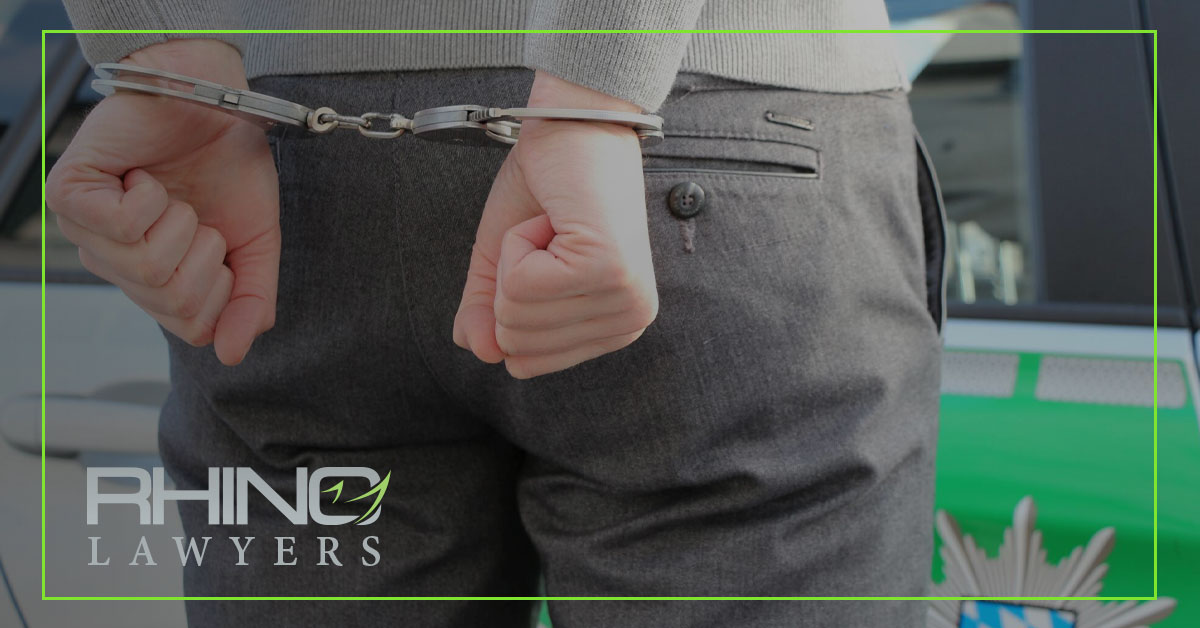
What to Expect During a Florida DUI Arrest – Step by Step
Being arrested for DUI is always a stressful experience. That said, knowing what to do and say in this situation will be a big help in protecting your rights.
Why is this important? Simple: a DUI stop in Florida is a fairly complex procedure, and there’s plenty of space to make a mistake. The consequences of this mistake can be serious, potentially including license suspension and jail time.
Do you think you might be facing a DUI arrest in Florida? Here’s what you can expect from this process and how to navigate it effectively!
What Happens During a DUI Arrest?
One of the first steps in a DUI arrest involves being stopped for a DUI check. The officer will then use field sobriety and/or chemical testing.
Field Sobriety DUI Tests
Most officers will first ask you to complete a field sobriety test. This is a series of physical and cognitive exercises designed to assess your impairment.
What you may not know is that field sobriety tests are voluntary in Florida. There are no penalties for refusing. However, if you choose to take the test, the results (which may be inaccurate) could lead to a DUI arrest.
The three most common field sobriety tests are:
- One-leg stand test
- Walk-and-turn test
- Horizontal gaze nystagmus test
1. One-leg stand (OLS) test
For a one-leg stand test, the officer will ask you to stand on one foot and count aloud to 30. Your other foot should be raised about six inches off the ground. Being unable to stand for 30 seconds is an indicator that you’re intoxicated.
2. Walk-and-turn (WAT) test
As the name implies, this test involves you walking in a straight line. You’ll need to walk heel-to-toe for a set number of steps, turn around, and walk back. The officer will evaluate your coordination and the ability to follow instructions.
3. Horizontal gaze nystagmus (HGN) test
During this test, the officer will move a pen or finger in front of your eyes and ask you to follow it. They’ll look for involuntary jerking movements, which are another common sign of driving under the influence.
Chemical DUI Tests
If you fail or refuse a field sobriety test, the officer will likely ask you to submit to chemical testing. The goal is to measure your blood alcohol content (BAC).
In Florida, you can refuse chemical testing as well. However, doing so carries major consequences, regardless of whether you’re convicted of DUI or not. The two most common chemical tests are the breath and blood tests.
1. Breath Test
During this test, the officer will use a machine known as a breathalyzer to measure your blood alcohol content. In Florida, any result over 0.08% means you’re driving under the influence. That said, some readings may be inaccurate.
2. Blood Test
In some cases, the officer may ask you to submit to a blood test. This involves having your blood drawn by a qualified professional. In DUI cases involving serious injuries or death, the blood test may be mandatory.
What Are My Rights at a DUI Stop?
It’s very important to know your DUI legal rights in Florida, as everything you do or say can impact the outcome of the arrest. Your key rights include:
Right to Remain Silent
If you’re stopped under suspicion of DUI, you have the right to remain silent. You don’t have to answer any questions about your alcohol consumption or prior activities. The only thing you need to do is provide documentation:
- Your name
- Driver’s license
- Registro de vehículos
- Proof of insurance
Right to Request an Attorney
If you’re arrested, you can always ask for a DUI lawyer in Florida. Handling DUI charges on your own is usually not a good idea. Your attorney can guide you through the legal process and will help protect your rights and interests.
Right to Implied Consent Notice
During a DUI arrest, you have the right to be informed of the implied consent law. This law states that a driver arrested for DUI must consent to a blood or breath test. The consent notice is what gives the officer a legal basis to request the test.
Right to Refuse Field Sobriety Tests
As mentioned, field sobriety tests are voluntary. In some cases, it’s possible to fail these tests even if you’re fully sober. Even so, the law can use the results of these tests to establish probable cause for your DUI arrest.
Frequently Asked Questions (FAQ)
What Should You Not Do at a DUI Stop?
The Florida arrest process can be tricky to navigate. One thing you should never do, however, is resist the potential arrest. Listen to the officer, consent to the blood and breath tests, and remain non-confrontational.
What Are the Consequences of a DUI In Florida?
Florida DUI penalties largely depend on whether you’re a repeat offender or not. If this is your first DUI arrest, you can expect the following penalties:
- A $500 to $2,000 fine
- Up to nine months in jail
- A license suspension (for 6-12 months)
- 50 hours of community service
Repeat offenders face larger fines and more jail time. They may also get additional penalties, such as having to use an interlock ignition device. A fourth or greater offense will lead to a third-degree felony charge and up to five years in jail.
How to Avoid Incriminating Yourself at a DUI Stop?
Beyond cooperating with the officer, avoid saying too much at a DUI stop. The less you say, the easier it is to avoid incriminating yourself. For instance, never say that you were drinking earlier in the day or that you’re coming from a party.
DUI Arrest in Florida? We Can Help!
If you follow this guide, your DUI arrest should be reasonably uneventful. At this point, your next step should be to hire a DUI lawyer to represent you.
En RHINO Lawyers, we’ve handled a variety of Florida DUI cases. Defending a DUI is complex, with many potential pre-trial defenses and approaches. When we learn about the facts of your case, we’ll know how to protect your driving privileges.
Our injury and traffic attorneys have recovered almost $100,000,000 for our clients. Find out if we can do the same for you via this evaluación de caso gratuita!
CONTACTE A UN ABOGADO DE MULTAS DE TRÁFICO EN TAMPA
RHINO Lawyers puede ayudar y guiarlo a través de un sistema moldeado por las fuerzas del orden, jueces y abogados durante décadas. Habiendo ganado casos para nuestros clientes en circunstancias similares, nuestro equipo de defensa penal sabe lo que se necesita para luchar en tu nombre.
Permitir RHINO Lawyers responda a sus preguntas y revise los hechos de su caso con una consulta gratuita. Así que comience completando el “Evaluación de caso instantánea y gratuita”o llamándonos en cualquier momento, día o noche, al (844) RHINO-77.
Leer más