
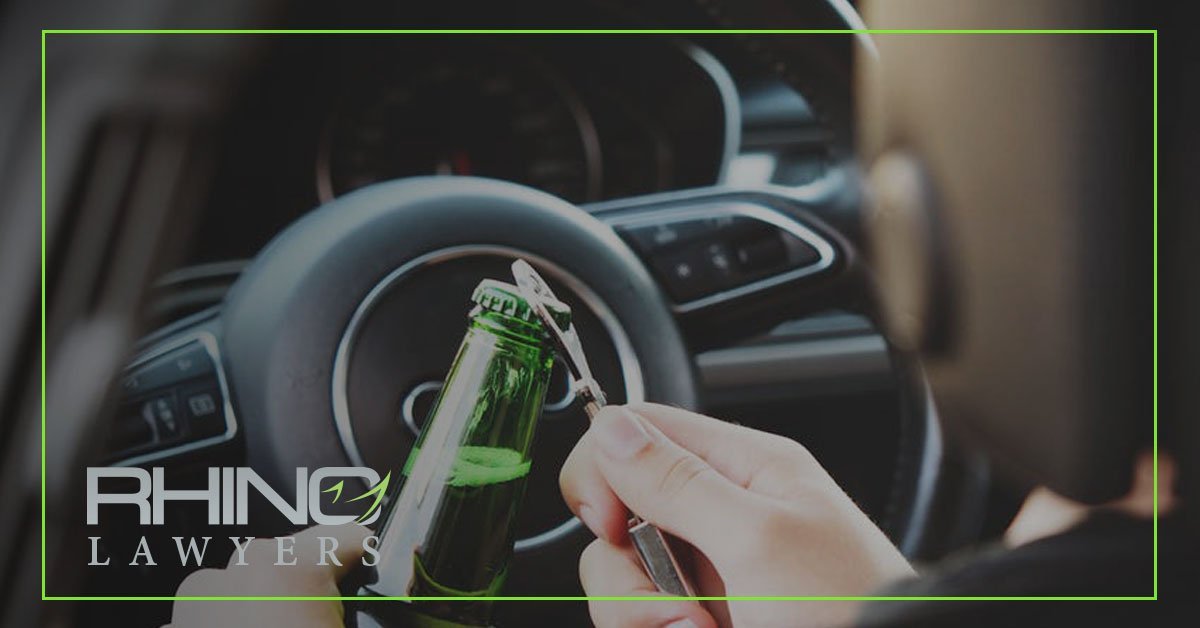
How to Restore Your Driving Privileges After a DUI Conviction
Floridians have the dubious honor of being some of the worst drivers in the country. Unfortunately, one of the primary reasons for this is the high arrest and conviction rate for DUI and DWI. While a DUI attorney can represent you during the arrest and trial phase, they can also help you post-conviction.
If you have recently received a DUI conviction, it is understandable that you are looking forward to getting your license reinstated. Learn about your options and how to get your driving privileges back sooner.
Wait For the Suspension to End
El Leyes de tránsito de Florida outline how long you could have your license suspended. Those with their first DUI conviction face a suspended license for 180 days to one year.
A second conviction within five years of the first increases license suspension time to up to five years. A third conviction within ten years of the first two increases suspension times to up to ten years.
A Florida Department of Motor Vehicles notification letter will tell you how long your license suspension is. You can simply wait for this time to end, and then you can file for reinstatement.
File for a Hardship License
Waiting for the suspension to end is not a viable option for many people. In this situation, you can file for a hardship license hearing. Once you file, you will get a hearing as soon as possible and no more than 30 days after filing.
At this hearing, you will need to show why losing your license is a hardship on you that requires you to get a limited license. Examples would be that you can no longer work or are your family’s sole caregiver.
They limit a hardship license. Thus, giving you limited driving privileges for specific purposes. It will not permit you to drive recreationally or for non-essential driving activities.
Pay the Required Fees
Multiple fees rack up quickly when dealing with a DUI conviction. These could include penalties, lawyers’ fees, court costs, and damages.
The maximum fine for a first DUI conviction can be up to $1,000. Second DUI penalties could come with fines of up to $2,000. A felony DUI can come with penalties of up to $5,000. The fees don’t stop after this, though.
To get your driving privileges reinstated, you need to pay a reinstatement and an administrative fee. The amount for these fees can vary significantly based on the type of license you want reinstated. The Florida Department of Highway Safety and Motor Vehicles website outlines all the fees to help you plan.
Complete a DUI School
A standard DUI penalty in Florida is the requirement to complete a DUI school or program. If a judge orders this as a penalty for your conviction, you must complete this program before getting your license reinstated.
These programs require you to complete a certain number of hours or courses. Upon completion, you will receive a certificate that you can present to the Department of Highway Safety and Motor Vehicles as proof.
First-time offenders will take a level one DUI program. This is a 12-hour course.
Repeat DUI offenders will be required to attend a level 2 DUI program. This is a 21-hour course.
The class is typically in-person or over video attendance. It will include various interactive activities and formats, including videos, handouts, lectures, and class discussions. You will also have an interview with an evaluator to determine the likelihood of your reoffending.
Complete an Alcohol Treatment Program
If the judge orders you to complete an alcohol treatment program, you will need to complete this program before you can reinstate your license. Your program will issue you a completion certificate. You need this certificate to prove you completed your penalty requirements when reinstating your license.
Complete Community Service Hours
If your conviction penalties require you to complete community service hours, do not wait. The sooner you get started, the sooner you complete them. Doing them before your suspension ends ensures you can file for reinstatement as soon as your suspension ends.
A first-time DUI conviction comes with a mandatory requirement of 50 hours of community service. The community service requirement is increased to 100 hours for enhanced DUI conviction. There is a buy-out option of paying $10 per community service hour that is at the court’s discretion.
Obtain Insurance
Florida drivers are legally required to have insurance when operating a motor vehicle. This also applies when reinstating your license after a DUI. There are some slight differences with the insurance you need, though.
The standard state minimum insurance is $10,000 in PIP AND PDL. For those seeking insurance after a DUI conviction, these minimums increase to $100,000 per person, $300,000 per accident, and $50,000 for property damage. You will also need to obtain a Florida FR44 Policy.
FR-44 is not insurance specifically. Instead, it is a supplemental document stating financial responsibility. You will need this form to show the DMV that you’ve purchased the required amount of car insurance.
Depending on the circumstances of your conviction, you may also need to obtain an SR-22 policy. While FR-44 is primarily for DUI and DWI convictions, SR-22 is typically issued for other serious driving offenses. Examples include driving without a license or reckless driving.
Ignition Interlock Device (IID) Installation
Whether you get a hardship license or wait for your suspension to end, you may have an order to install an ignition interlock device. This is a small device that plugs into your vehicle ignition system. You must breathe into the device so that it can measure your alcohol level.
If the device detects alcohol on your breath, your vehicle will not start. You are responsible for the cost of installing and maintaining an IID device in your vehicle.
Hire a DUI Attorney To Help Restore your Driving Privileges
A DUI attorney can help you regain your life and driving privileges after a DUI conviction. There are multiple options for you to restore your driver’s license. Speaking with the team at RHINO Lawyers can help you understand your options and the best course of action for your situation.
Stop waiting to get your driving privileges back by hiring RHINO Lawyers.
CONTACTE A UN ABOGADO DE MULTAS DE TRÁFICO EN TAMPA
RHINO Lawyers puede ayudar y guiarlo a través de un sistema moldeado por las fuerzas del orden, jueces y abogados durante décadas. Habiendo ganado casos para nuestros clientes en circunstancias similares, nuestro equipo de defensa penal sabe lo que se necesita para luchar en tu nombre.
Permitir RHINO Lawyers responda a sus preguntas y revise los hechos de su caso con una consulta gratuita. Así que comience completando el “Evaluación de caso instantánea y gratuita”o llamándonos en cualquier momento, día o noche, al (844) RHINO-77.
Leer más
Can Speeding Diminish Your Car Accident Claim?
Wondering if speeding can reduce your compensation in a personal injury claim? If your speeding contributed to the accident that caused your injuries, yes, it can reduce your compensation or even bar you from filing a claim.
Florida is what’s known as a comparative negligence state. Recently, the state changed from a pure comparative negligence to a modified comparative negligence system.
What do these terms mean, and how can they affect your compensation in a Tampa traffic accident claim? We explore the answers to these questions and more in this post.
Contributory vs. Comparative Negligence Rules
First, contributory and comparative negligence determine when victims can sue for damages after they get into an accident.
Contributory negligence bars victims from recovering personal injury damages if they were partially at fault for the accident. Being even 1% responsible for the accident that caused your injury means you can’t file a claim.
Comparative negligence allows victims to recover damages when they are partially at fault for the accident. There are two kinds of comparative negligence: pure and modified comparative negligence.
Pure vs. Modified Comparative Negligence
Florida used to be a pure comparative negligence state. In May of 2023, the rule changed to make Florida a modified comparative negligence state.
Pure comparative negligence allows victims to file an insurance claim or sue the responsible party, no matter their share of fault. For instance, a victim could be 99% responsible for the accident and still file a claim to recover damages.
Modified comparative negligence still allows partially at-fault victims to file for damages. However, the victim’s share of fault must be 50% or 51% or less to recover damages. In Florida, the victim must be less than 50% at fault.
Modified Comparative Negligence and Compensation
In modified comparative negligence states, the victim’s share of fault is not just important for determining if he or she can file a claim. It also dictates how much compensation the victim is eligible for.
Let’s use an example. Say you are partially to blame for the accident that caused your injuries, and a court or insurance company determines your share of fault is 40%. You file a claim and recover $100,000 in damages.
Because you were 40% at fault for the accident, you don’t get to take home the entire $100,000. The court or insurance company will subtract 40% of the reward, meaning you get $60,000.
How Speeding Impacts Modified Comparative Negligence
Comparative fault rules, whether modified or not, are designed to recognize that accidents are complex legal situations. Multiple factors can lead to an accident, and defendants should not have to pay for the victim’s share of fault.
Speeding is one of these factors. If there is clear evidence that a victim was speeding at the time of the accident, it will count against them. The more over the speed limit the victim was driving, the more their share of fault.
The exact amount of fault that will be assigned for speeding is not determined using a formula. It will depend on factors like the statement the victim gives to police and insurance companies, the evidence of speeding, and your attorney’s skill.
What Is Considered Speeding?
Speeding is not just driving above the speed limit. Failing to use proper caution in poor road conditions can also be used against a victim during a personal injury claim.
Road conditions requiring drivers to drive below the posted speed limit include but are not limited to:
- Niebla
- Extreme glare
- Traffic
- Rain
- Snow
Roads that are not well-maintained, congested with pedestrians or animals, and have debris in the lanes should also be driven on with extreme caution.
Other Factors in Comparative Fault
Speeding is not the only factor that can contribute to a victim’s share of fault. Other elements include but are not limited to:
- Not wearing a seatbelt
- Driving a vehicle you know is defective
- Manejar bajo los efectos de drogas o alcohol
- Brake checking
- Conducción distorsionada
- Failing to use reasonable care
Practicing caution while driving can reduce your share of fault and is one of the many ways to maximize personal injury compensation after a Tampa traffic accident.
How to Maximize Your Personal Injury Compensation
Victims of traffic accidents deserve compensation for their physical and mental dolor y sufrimiento. They also deserve to recover expenses related to their injury, such as medical bills and lost wages.
Here are our top tips for getting the compensation you deserve after an accident that was mostly someone else’s fault.
File a Police Report
A crucial piece of evidence in a car accident case is the police report. Insurance companies use it to help determine fault. It can also be used in court if you decide to sue the negligent driver.
Without calling the police and getting an accident report, it will be more difficult to prove your account of the event.
Collect Evidence at the Scene
If your injuries are severe, skip this step and go straight to the hospital. The police are responsible for gathering evidence in your stead.
However, collecting your own evidence can greatly benefit your case. When possible, collect witness statements and take photos of your and the other driver’s vehicles to add credibility to your account.
Busque atención médica
Injuries are expensive. That’s why medical expenses are one of the largest aspects of a personal injury compensation package. If you don’t seek attention for your injuries, your award will be significantly less.
Moreover, a court or insurer may not believe that your injuries are serious enough to deserve compensation if you fail to get medical attention.
Never Admit Fault
When speaking to police or the other driver’s insurance company, never admit fault. In fact, you should really avoid speaking to insurers at all without consulting with a lawyer.
Without legal advice, the insurance company can twist your words. This is true even if it’s your insurance provider.
Call After a Tampa Traffic Accident
Speeding can diminish the compensation you’re eligible for in a car accident claim. That’s because Florida is a modified comparative negligence state, where your personal injury award is reduced based on your share of fault.
Are you injured because of an accident you were less than 50% responsible for? The attorneys at RHINO Lawyers have multiple years of experience winning our clients maximum compensation for Tampa traffic accidents.
Schedule a free consultation to get started.
COMUNÍQUESE CON UN ABOGADO DE ACCIDENTES AUTOMOVILÍSTICOS EN TAMPA
En resumen, después de un accidente automovilístico, es posible que no conozca sus derechos. Sobre todo, no luche solo durante el proceso. En realidad, nuestro equipo de lesiones personales está aquí para ayudarle con cualquier necesidad legal que pueda tener relacionada con su accidente.
Por último, que RHINO Lawyers responda a sus preguntas y revise los hechos de su caso con una consulta gratuita. Así que comience completando el “Evaluación de caso instantánea y gratuita”o llamándonos en cualquier momento, día o noche, al 844.RHINO.77.
Leer más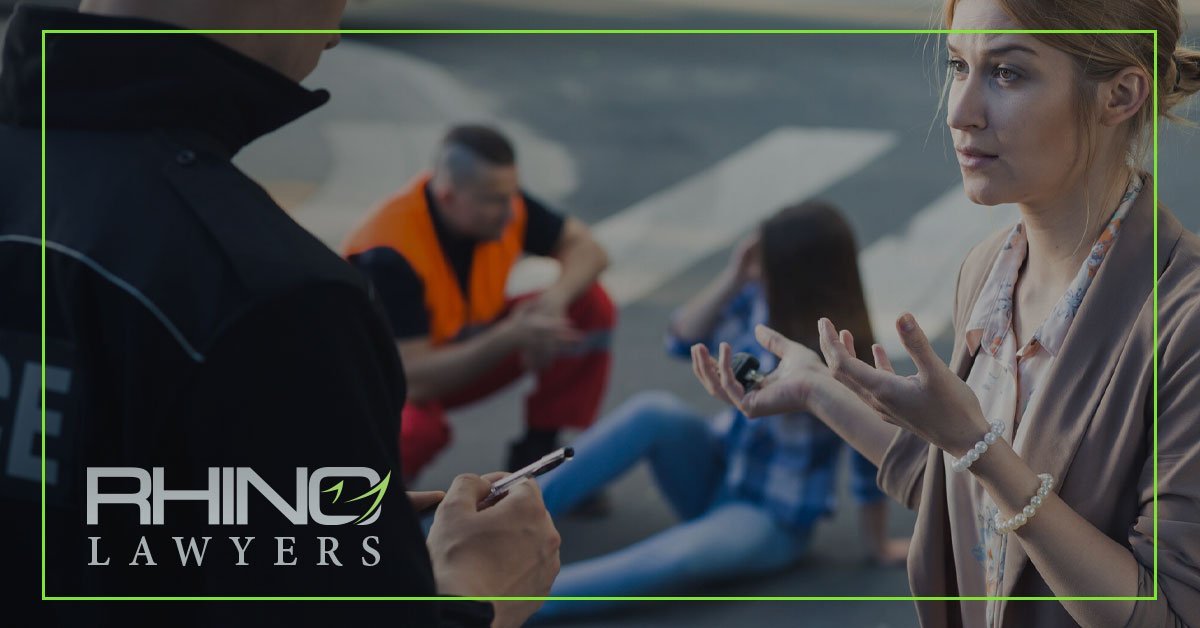
5 maneras de sabotear su reclamo por lesiones de auto
Picture this: after a Florida car accident where you were clearly not at fault, you’re waiting for the settlement money to roll in after your claim. You know the average settlement can be anywhere from $5,000-$60,000, and you need every last cent of it for your medical expenses.
All of a sudden, you get the news: no payout is coming. All that crucial cash has slipped from your hands. What happened?
Florida drivers don’t always realize that a single mistake can mean the difference between fair compensation and no compensation at all. Unfortunately, a few common errors can sabotage your auto injury claim and make it hard or even impossible for you to get the settlement you deserve.
If you’re currently dealing with a car accident claim, here are a few ways you might sabotage your case if you aren’t careful:
1. Saying the Wrong Thing at the Scene
This is an easy mistake to make, especially while emotions are running high at the scene of an accident.
In a state of shock or out of concern for the other driver, you may apologize for any perceived role in the accident, whether or not you were actually to blame. You may mention that you missed a small detail, were driving while stressed, or stopped too slowly. Common phrases include:
- I’m sorry
- I didn’t see you there
- I didn’t notice the sign
- I’m not sure if the light was red or green
- My bad
- I may have been going a little too fast
As any lawyer will tell you, these polite statements can be used against you and sabotage your auto injury claim. Even if it’s clear that you weren’t fully at fault, you may struggle to win any compensation if the other party can claim you played a role in the accident, no matter how small. Don’t say phrases like these at all, whether to the other driver or the police officer on the scene.
Another common mistake is talking about any injuries or the lack thereof. Even if you feel fine, shock and adrenaline can numb your sensation. Never claim that you’re unhurt: it may not be true, and it can make your case more difficult to prove down the line.
2. Wait Too Long to File
Depending on your insurance policy, your insurer will likely recommend filing a claim within 24 hours of the accident.
Under Florida law, however, you have four years from the day of a car accident to file a personal injury or property damage claim.
Waiting too long to make a claim or file a lawsuit means missing your chance at compensation.
This is true even if you wait a short time. Don’t forget: you’ll need crucial evidence like photos, medical records, witness statements, and pay stubs when filing your claim. The longer you delay your case, the more likely you are to have a hard time finding this evidence.
Hiring an auto accident lawyer right away gives you the best chance at compensation.
3. Ignore Medical Advice
The second you file an auto injury claim, you’ll want to head to a doctor for a full examination. Even if you think your injuries were minor, this documentation can become crucial to your case. Failing to seek immediate medical attention is always a mistake in itself.
After the exam, your doctor will have specific advice on handling your injuries. This often includes things like avoiding strenuous exercise, attending follow-up appointments, or seeking physical therapy.
Ignore this advice at your own peril! Not only can doing so put your health at risk, but it can also make it harder to get fair compensation. If your insurance provider can claim that you worsened your own injuries by ignoring medical advice, it may become difficult or impossible to disprove their claim.
4. Posting Online
While your personal injury case is pending, be careful about what you post on social media or anywhere online. The wrong post could give the other driver’s legal team all the ammunition they need.
Even innocuous posts can cause trouble and sabotage your auto injury claim. If you’ve been injured, for example, posts that reference having fun at a party or on vacation can be used against you, even if you fuimos still injured and in pain during that event. Anything that can call the fact or severity of your injuries into doubt can become a problem.
Keep in mind that the same holds true for your friends and family members. Make sure no one is tagging you or mentioning you in their social media posts while your case is active.
5. Letting Your Insurer Record You
While you’re working with your insurance company, it’s likely that your agent will ask to record your version of events. They may claim that this helps document your side of the story.
There is never a good reason to allow them to record you. No matter how friendly the agent is, they are not on your side: their goal is to reduce how much their company has to pay you. This is why we recommend negotiating everything with them, including payouts for property damage alone.
If your insurance company insists on recording your statement, tell them that the statement will have to go through your lawyer. They will either need to communicate with you via your attorney or let you have your attorney on the line while you give your statement.
Avoid Florida Car Accident Mistakes With Us
During and after a Florida car accident, it can be hard to keep track of the moving parts of your claim. Emotions run high, you may be in pain or discomfort, and the stress of missed work or your injuries can take a serious toll on you. Despite this, it’s crucial to avoid common mistakes that could cost you thousands in compensation.
That’s where the experienced team at RHINO Lawyers comes in. We take the stress and guesswork out of your car accident claim, allowing you to get your life back in order and focus on your recovery.
Let us put our legal knowledge to work for you. Contact us online or call 844.RHINO.77 for a free case analysis.
COMUNÍQUESE CON UN ABOGADO DE ACCIDENTES AUTOMOVILÍSTICOS EN TAMPA
En resumen, después de un accidente automovilístico, es posible que no conozca sus derechos. Sobre todo, no luche solo durante el proceso. En realidad, nuestro equipo de lesiones personales está aquí para ayudarle con cualquier necesidad legal que pueda tener relacionada con su accidente.
Por último, que RHINO Lawyers responda a sus preguntas y revise los hechos de su caso con una consulta gratuita. Así que comience completando el “Evaluación de caso instantánea y gratuita”o llamándonos en cualquier momento, día o noche, al 844.RHINO.77.
Leer más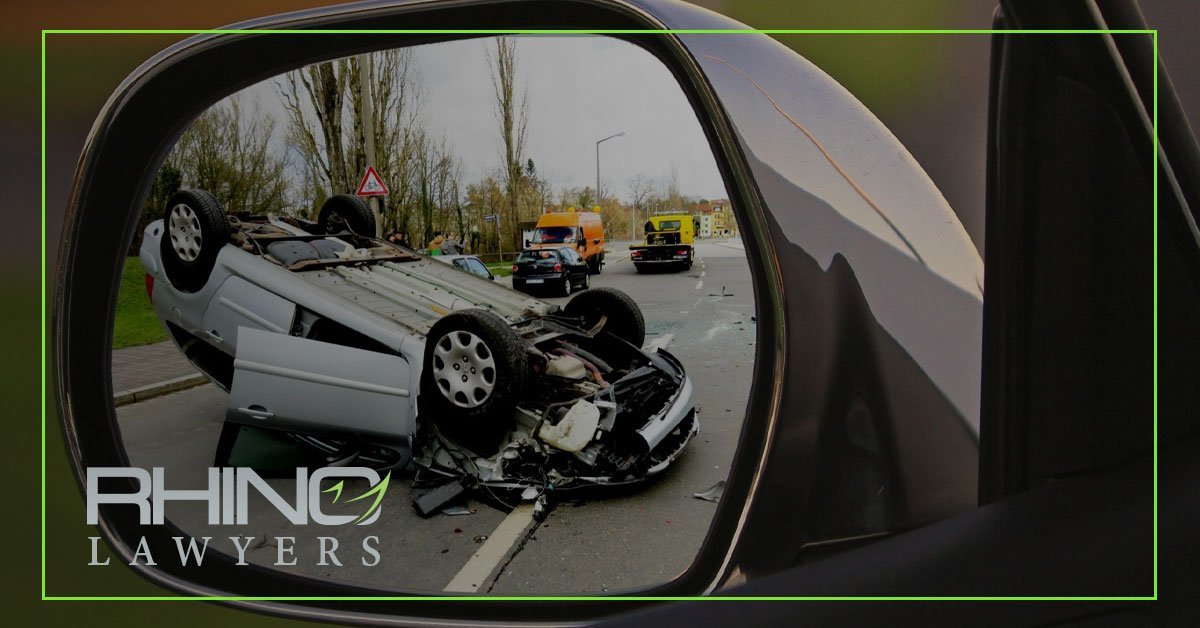
Consecuencias de huir de la escena de un accidente que causa la muerte
En los últimos años, el alarmante aumento de los incidentes fatales de atropello y fuga se ha convertido en una tendencia preocupante. En todo Estados Unidos, estos incidentes representan una amenaza significativa para la seguridad pública. Desafortunadamente, Florida no está exenta de este inquietante fenómeno.
Con el Estado del Sol clasificado como el octavo más alto en accidentes mortales con fuga. De este modo, representan el 7,2% de este tipo de incidentes. Por lo tanto, es fundamental comprender las graves consecuencias que pueden enfrentar las personas al abandonar la escena de un accidente que resulte en una trágica pérdida de vidas.
En esta publicación de blog, destacaremos todo lo que necesita saber sobre lo que sucede si abandona el lugar de un accidente. Comencemos.
Comprender el panorama legal
Cuando ocurre un accidente, los conductores tienen la obligación legal de permanecer en el lugar del choque. Lo cual incluye proporcionar la información y la asistencia necesarias a los involucrados y enfatizar la importancia de un comportamiento responsable tras un incidente.
Los Estatutos de Florida, Sección 316.027, describe explícitamente las consecuencias legales para las personas que huyen tras causar un accidente fatal.
Las leyes de Florida detallan explícitamente las responsabilidades de los conductores después de un accidente, enfatizando la gravedad de abandonar el lugar sin cumplir con estos deberes. Comprender y acatar estos estatutos es fundamental para evitar consecuencias legales.
Consecuencias por abandonar el lugar de los hechos
Abandonando la escena de un accidente que resulta en una muerte puede dar lugar a cargos de homicidio vehicular. Ahora bien, este es un delito penal grave con sanciones severas. El sistema legal toma tales incidentes muy en serio, reconociendo el impacto en las vidas de las víctimas y sus familias.
El acto de huir de la escena puede elevar el delito a un choque y fuga grave (felony), agravando las consecuencias legales. Esta designación indica la gravedad del incidente, así como las sanciones correspondientes que podrían imponer.
Los perpetradores pueden enfrentar penas de cárcel significativas, cuya duración depende de las circunstancias que rodean al accidente. Esta medida punitiva tiene como objetivo responsabilizar a los individuos por sus acciones y disuadir a otros de incurrir en un comportamiento similar.
Las sanciones monetarias también pueden ser sustanciales. Esto puede añadir tensión financiera a las ya graves consecuencias legales. Las multas impuestas sirven tanto como castigo como medio para compensar a la sociedad por el daño causado.
Además, abandonar el lugar de un accidente fatal a menudo resulta en la suspensión de la licencia de conducir. Esta restricción tiene como objetivo evitar que las personas sigan representando un peligro potencial en las carreteras.
Demandas por homicidio culposo
Los familiares del difunto pueden buscar justicia a través de demandas por homicidio culposo, buscando compensación y rendición de cuentas. Estas acciones legales sirven para responsabilizar financieramente a la parte culpable de las cargas emocionales y financieras impuestas a los familiares sobrevivientes.
Se puede otorgar una compensación monetaria a los familiares sobrevivientes para aliviar las cargas financieras derivadas de la pérdida. Si bien ninguna cantidad de dinero puede reemplazar una vida perdida, puede brindar cierto nivel de apoyo a quienes se quedan atrás.
Factores agravantes
Si el conductor estaba bajo los efectos del alcohol o las drogas en el momento del accidente, los cargos y las sanciones pueden agravarse aún más. Debido a que conducir bajo la influencia es un delito grave por sí solo. Y cuando se combina con abandonar el lugar de un accidente mortal, las consecuencias legales se vuelven aún más severas.
Además, los antecedentes penales también pueden influir en la gravedad de la sentencia, lo que añade una capa adicional de complejidad al proceso legal. De hecho, las personas con antecedentes penales pueden enfrentar sanciones más severas debido a su historial comprobado de infracciones legales.
El rol del asesor legal
Enfrentar cargos por abandonar el lugar de un accidente con resultado de muerte es una perspectiva desalentadora. Por lo tanto, es imperativo buscar asesoría legal de inmediato. Comprender los matices de la ley, las posibles defensas y las estrategias de negociación es crucial para armar un caso sólido.
Al conocer tus derechos y contar con un asesor legal defensa experto a tu lado, podrás enfrentar los desafíos legales de manera más eficaz, lo que aumentará las posibilidades de lograr una resolución justa y equitativa.
Proceso legal y estrategias de defensa
Primero, asegurar representación legal es crucial durante las fases de arresto e investigación para navegar por las complejidades del sistema legal de manera efectiva. Porque un abogado experimentado puede guiar a las personas a través del proceso, asegurando que sus derechos estén protegidos y construyendo una estrategia de defensa sólida.
La recopilación de pruebas, incluidos los testimonios de testigos y las opiniones de expertos, es vital para construir una defensa sólida. Por lo tanto, el equipo legal puede trabajar para reunir pruebas que puedan resultar cruciales para establecer los hechos del caso y respaldar la defensa.
Los testimonios de testigos presenciales también pueden desempeñar un papel fundamental en la construcción de una defensa contra los cargos de abandonar el lugar del accidente. El equipo legal puede entrevistar a los testigos, recopilar declaraciones y presentar pruebas convincentes para impugnar el caso de la fiscalía.
Los análisis de expertos, como la reconstrucción de accidentes, pueden proporcionar información valiosa sobre las circunstancias que rodearon el incidente. Estas opiniones de expertos pueden fortalecer el caso de la defensa y ofrecer una comprensión más exhaustiva de los eventos que condujeron al accidente.
¿Por qué confiar en RHINO Lawyers?
RHINO Lawyers aportamos una amplia experiencia en casos de infracciones de tránsito, ofreciendo a los clientes una comprensión integral de las complejidades legales involucradas. Con un enfoque en lograr el mejor resultado posible para sus clientes, nuestro equipo legal está bien equipado para manejar las complejidades de los casos de fuga en el lugar del accidente.
Reconocemos los desafíos únicos que presentan los casos de atropello y fuga y ofrecemos estrategias de defensa personalizadas. Al comprender los matices de estos casos, nuestros abogados pueden desarrollar estrategias eficaces para recorrer el proceso legal.
¿Qué pasa si te vas de la escena de un accidente?
En pocas palabras, en Florida, abandonar el lugar de un accidente que resulte en muerte conlleva consecuencias graves. Comprender el panorama legal, las posibles sanciones y la importancia de contar con una representación legal adecuada es fundamental para las personas que enfrentan dichos cargos.
RHINO Lawyers, gracias a nuestra experiencia en infracciones de tránsito, nos mantenemos firmes en la defensa de la justicia, guiando a nuestros clientes a través de las complejidades del sistema legal para garantizar el mejor resultado posible.
Programa tu consulta en video gratuita ahora y déjanos guiarte en este momento difícil. Comprender qué sucede si te vas de la escena de un accidente es el primer paso hacia una defensa más informada y empoderada. Haga clic aquí para ponerse en contacto con nuestro equipo.
CONTACTE A UN ABOGADO DE MULTAS DE TRÁFICO EN TAMPA
RHINO Lawyers puede ayudar y guiarlo a través de un sistema moldeado por las fuerzas del orden, jueces y abogados durante décadas. Habiendo ganado casos para nuestros clientes en circunstancias similares, nuestro equipo de defensa penal sabe lo que se necesita para luchar en tu nombre.
Permitir RHINO Lawyers responda a sus preguntas y revise los hechos de su caso con una consulta gratuita. Así que comience completando el “Evaluación de caso instantánea y gratuita”o llamándonos en cualquier momento, día o noche, al (844) RHINO-77.
Leer más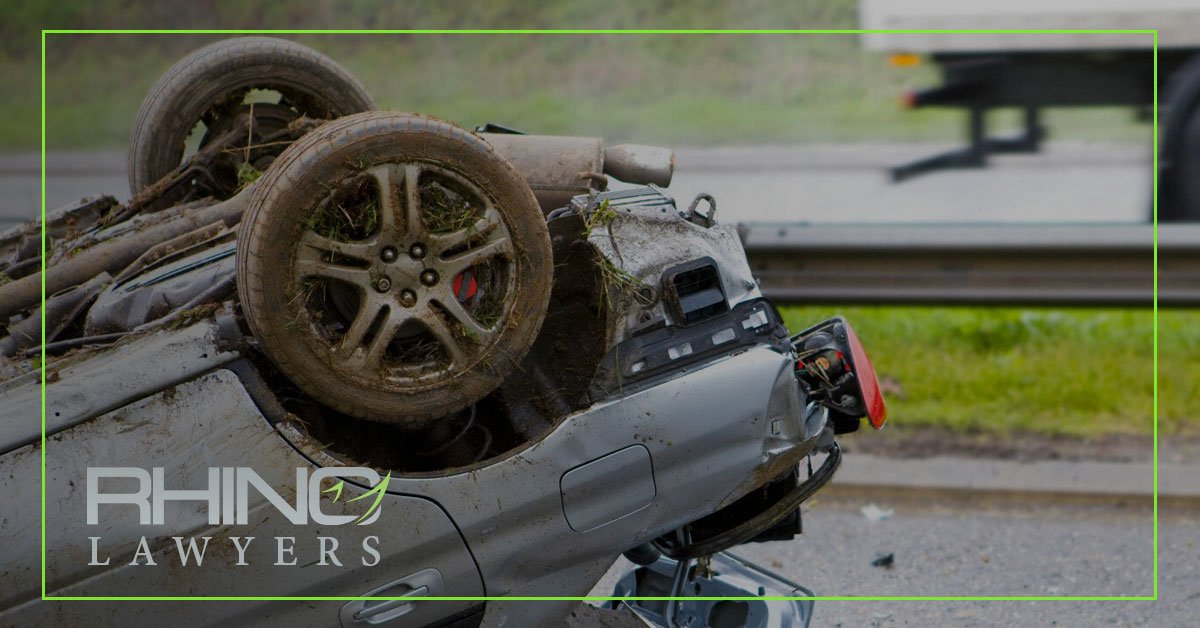
¿Cuáles son las consecuencias de un choque y fuga por conducir bajo los efectos del alcohol (DUI) en Florida?
It’s estimated that every day, roughly thirty-seven people die from DUI-related accidents. This alarming statistic helps explain why states like Florida are so hard on DUI offenses.
Driving drunk is already a serious offense that carries wide-ranging consequences. However, what happens if you drive away from the scene of a crash while intoxicated?
As you can guess, a DUI hit-and-run combines many of the penalties of both these charges. In this guide, we’ll be discussing the laws that dictate punishments for these kinds of offenses. That way, you get a better idea of what you’re facing and possible defenses.
What Are Florida Hit-and-Run Laws?
Before we learn about DUI hit-and-run laws in Florida, it’s important to first learn about the consequences of these two separate offenses. Let’s start with hit-and-run laws.
In the Sunshine State, these laws come from Florida Statute 316.027. It states that following an accident, you are legally required to stop your car either at the scene of the crash or as close as you can to where the accident occurred.
You’re then required to stay at the scene of the crash until you’ve provided the other party with your driver’s license, name, address, and vehicle registration number.
You will also need to show the police your license during the investigation of the accident. Additionally, if someone was injured in the accident, you’re legally responsible for providing a reasonable level of assistance.
This includes organizing transportation of the individual to a hospital. The consequences of a hit-and-run will depend on the circumstances surrounding it. They can include:
- Hit-and-run with a less than serious injury (3rd-degree felony): a $5,000 fine and a sentence of up to five years
- A hit-and-run with a serious injury (2nd-degree felony): a $10,000 fine and a sentence of up to fifteen years
- Hit-and-run with death (1st-degree felony): a $10,000 fine and a sentence of up to thirty years (minimum of four years)
That’s why it’s vital to always stay at the scene of the crime, no matter how scared you get following an accident.
What Are Florida DUI Laws?
The consequences associated with a DUI in Florida will depend on the number of past DUIs and whether or not the property was damaged. If it’s your first DUI, then you face a fine of up to $1,000 and a maximum of six months in jail.
There’s also the possibility that you’ll lose your license for six months and require fifty hours of community service to reinstate it. If it’s your second or third DUI conviction, you will face fines and jail sentences.
With these types of DUIs, your fines will be up to $4,000. You’ll also face a potential sentence of twelve months in jail (and a minimum of ten days). What’s more, you’ll likely have your driver’s license suspended for up to ten years.
If you’ve been convicted of a DUI a fourth time in the state of Florida, it can turn into a third-degree felony. Also, keep in mind that this only applies to DUIs that don’t end in property damage, injuries, or death.
Like hit-and-run charges, the fines and sentences will increase steadily depending on whether the DUI accident caused a less-than-serious injury, serious injury, or death.
What Happens If You Leave the Scene of a DUI Hit-and-Run?
If you were involved in a DUI accident, you might get the urge to drive away to avoid the heavy fines and sentences associated with the crime. However, this is never a good idea.
For starters, hit-and-run drivers are almost always caught, especially if they’re intoxicated. On top of that, you are doubling whatever fines and sentences are handed down to you.
Not only are you facing potential felony charges with your DUI, but now you’re also facing hit-and-run charges. These sentences don’t cancel each other out. That means that when you engage with DUI hit-and-run charges, you’ll likely be facing multiple felonies. This needs to be avoided at all costs.
What Are the Defenses for a DUI Hit-and-Run?
We understand how DUI hit-and-runs can happen. Often, you’re in a state of panic and fright that can lead you to make a rash, unwise decision. However, if you’re in the process of being convicted on these charges, is there any defense that can help you?
The good news is that some hit-and-run defense strategies can get your DUI evidence thrown out. One way is to cast doubt on the evidence that you were intoxicated.
Things like hearsay, faulty breathalyzers, or incomplete evidence can all help prove you weren’t intoxicated. You might also get out of the case by proving that you weren’t the driver responsible for the DUI hit-and-run.
If you were injured, you might make the case that you left the scene immediately to receive treatment for your injuries. Or, you could say that a head injury caused you not to think straight. Read this full guide to learn some of the ways to get DUI evidence thrown out.
How Can the Right Lawyer Help You
Facing multiple felony charges is not something to mess around with. A criminal defense attorney can help you utilize some of the strategies listed above to minimize a DUI hit-and-run case.
Without them, there’s a high chance you’ll be facing serious jail time and steep fines. Just make sure you find one that focuses on both hit-and-run cases as well as DUI cases. That way, they have the overlap in knowledge to get you out of your hit-and-run conviction.
Need Legal Help With a DUI Hit-and-Run in Florida?
We hope this guide helped you learn more about the consequences of a DUI hit-and-run in Florida. Here at RHINO Lawyers, we know how scary it can be to face charges like this. Unfortunately, many law offices can be awful at communicating updates or questions about your case.
This can just add to your anxiety. That’s why we strive to be different. Whether it’s with FaceTime or an Instagram DM, we prioritize communication with our clients above all else.
So if you want to get the attention that your DUI case deserves, contáctenos hoy to get a free case review.
CONTACTE A UN ABOGADO DE MULTAS DE TRÁFICO EN TAMPA
RHINO Lawyers puede ayudar y guiarlo a través de un sistema moldeado por las fuerzas del orden, jueces y abogados durante décadas. Habiendo ganado casos para nuestros clientes en circunstancias similares, nuestro equipo de defensa penal sabe lo que se necesita para luchar en tu nombre.
Permitir RHINO Lawyers responda a sus preguntas y revise los hechos de su caso con una consulta gratuita. Así que comience completando el “Evaluación de caso instantánea y gratuita”o llamándonos en cualquier momento, día o noche, al (844) RHINO-77.
Leer más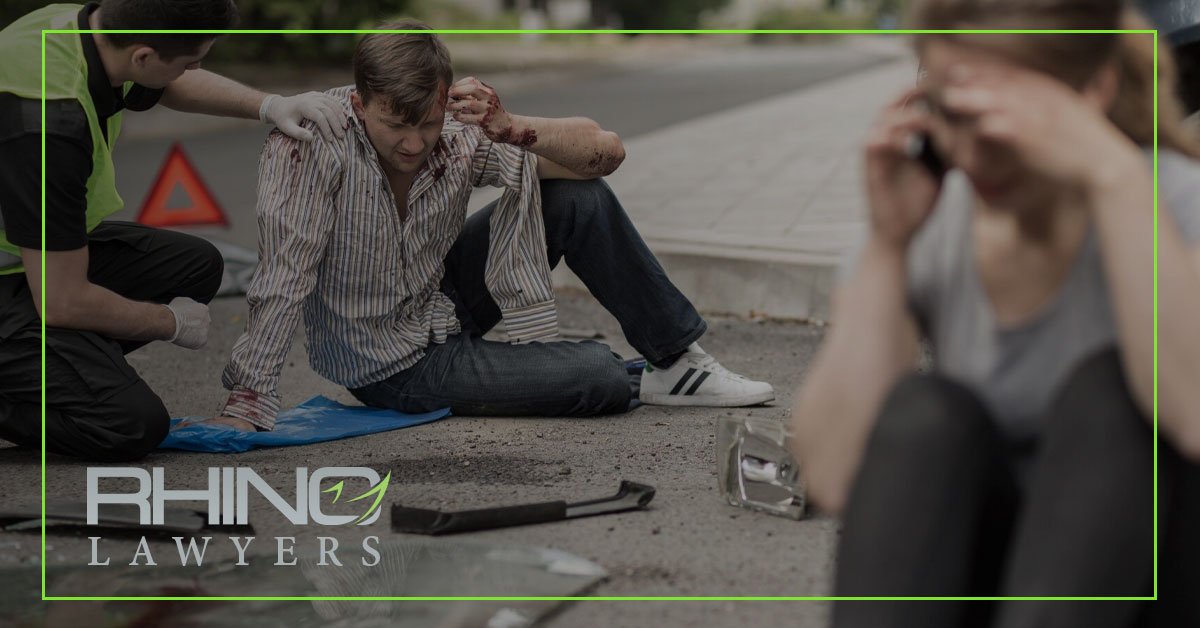
What Evidence Is Needed to Convict a Hit-And-Run in Florida?
In 2021 alone, there were close to 200,000 non-fatal hit-and-runs, up 21% from the 159,000 in 2012.
Getting justice for a hit-and-run starts at the scene of the accident. Because the at-fault driver decided to flee, the crime becomes more serious, but the burden of proof is more difficult to obtain. There’s nothing more important than evidence when prosecuting a hit-and-run.
In today’s post, we will guide you through handling a hit-and-run in Florida. Specifically, we’ll tell you what evidence you need to bring to the table to ensure a positive outcome.
After a serious accident, the most important thing is to look after your health and then account for the property damage. The next thing is to see to it that the driver who fled the scene is subject to penalty under Florida laws.
With an understanding of how the process should work and a good legal team, proving liability can be easy. Don’t let this heinous crime go unpunished. Keep reading and learn more about hit-and-run evidence.
What Is a Hit-and-Run in Florida?
According to Florida laws, a hit-and-run is defined as any accident where the at-fault party leaves the scene. Under normal circumstances, all parties are to remain at the scene of the accident until the authorities allow them to leave.
When injuries are involved, they are always the first priority. Regardless of the at-fault driver’s injury status, however, they must speak to the police after the accident. Fleeing turns a potentially small civil case into a much larger criminal one.
The Penalty for a Hit-and-Run
Hit-and-run penalties depend on the severity of the accident. For example, leaving the scene of an accident where the primary concern is property damage results in a 2nd-degree misdemeanor. The driver will be subject to up to 60 days in jail and a $500 fine.
When injuries are involved, it becomes a 2nd or 3rd-degree felony. This comes with a revoked license and up to 5 years in prison with a $5,000 fine. If a fatality occurs, the driver gets a minimum of four years in jail but up to 30 with a $10,000 fine.
What Evidence Do You Need to Prove a Hit-and-Run?
Being the victim of a hit-and-run conjures every emotion in the book. A prominent one is the desire to seek justice. The police may find the driver, but proving liability will depend on what evidence you and your lawyer bring to the table.
Photo and Video Evidence
Any photo or video evidence you can provide will bolster your case. Many people use dash cams, which will not only capture video of the accident and the person fleeing but can also capture their license plate. There are countless examples of this helping police catch a suspect.
Having such hard evidence will make it extremely easy to prove your version of events. If there are any witnesses to the accident, check to see if they’ve got dashcam footage. Following that, an experienced lawyer could also obtain traffic camera footage to support your case.
Witness Testimony
When there are witnesses to the hit-and-run, your life is going to be a lot easier. Being able to draw from eyewitness testimony to prove unequivocally what happened – who the defendant is, that they caused the accident, and that they opted to flee in the aftermath.
Oftentimes, however, people decide to flee because there are no obvious witnesses to the accident. That is when you will have to rely on first responder testimony and physical evidence.
First Responder Testimony
First responders, whether it is the fire department, EMTs, or police, are essential in the immediate aftermath of any accident. When you are dealing with a hit-and-run, however, first responder testimony can go a long way in proving your side of the story.
For example, an EMT will be able to effectively act as an expert witness to tell the court if your injuries are consistent with those caused by a car accident. Police testimony comes in handy if they’re able to find and detain the driver who fled the scene.
Skidmarks and Paint Scuffs
When it comes to physical evidence, you are going to be looking at the damage to your vehicle and any skid marks at the scene of the accident. Pictures of the scene of the accident can go a long way in determining what likely happened.
The other kind of physical evidence will be on the fleeing driver’s car. If the police can track down the other driver before long, they can see whether or not there’s any damage consistent with the accident. Time is of the essence in this scenario.
Medical Records and Lost Wages
Proving the defendant’s liability is one aspect of dealing with a hit-and-run. Once you’ve done that, you will need to prove how the accident has impacted your life and livelihood.
One of the reasons it is so crucial to get checked out by a doctor after an accident, regardless of whether you feel injured, is to prove your injuries in court. Showing your medical bills and having a doctor’s testimony will ensure you are properly compensated.
Another thing to showcase is your missed wages due to the recovery. Your employer should be able to clearly show that the injury has made it impossible to work and the lost wages therein. Any damage caused to your car should be factored in, as well as the mental anguish the accident has caused you.
Why You Need an Auto Injury Attorney’s Help
In presenting as much clear evidence as possible, you can ensure a better outcome after a hit-and-run in Florida. If you plan on seeking justice against someone who caused an accident and fled, you are going to need good legal counsel.
A good personal injury lawyer will leave no stone unturned in their quest to find the necessary evidence to prove your case. RHINO Lawyers is Tampa’s premier legal team for handling car and motorcycle accidents. Don’t hesitate to reach out today to book a consultation and put the trauma of this hit-and-run accident behind you.
COMUNÍQUESE CON UN ABOGADO DE ACCIDENTES AUTOMOVILÍSTICOS EN TAMPA
En resumen, después de un accidente automovilístico, es posible que no conozca sus derechos. Sobre todo, no luche solo durante el proceso. En realidad, nuestro equipo de lesiones personales está aquí para ayudarle con cualquier necesidad legal que pueda tener relacionada con su accidente.
Por último, que RHINO Lawyers responda a sus preguntas y revise los hechos de su caso con una consulta gratuita. Así que comience completando el “Evaluación de caso instantánea y gratuita”o llamándonos en cualquier momento, día o noche, al 844.RHINO.77.
Leer más
Improper Signage Caused My Accident. What to Do?
It’s estimated that over 300,000 accidents have occurred in Florida this year alone. Now typically, they assign the cause of a car accident to a negligent driver. However, some car accident cases can be a little more complicated.
For example, who is to blame when improper signage causes your accident? And can you seek compensation for damages related to these types of accidents?
Accidents relating to road maintenance can be a sticky business legally. That’s why we made this guide to answer some of the common questions clients ask about these types of accidents. That way you can figure out the best course of action for your specific case.
What Are Some of the Types of Improper Signage?
Many types of improper road signage can lead to serious car accidents. Perhaps the most common is traffic signs that are either missing or stolen. Here in Florida, hurricane-level winds can cause stop or yield signs to fly away (especially if they’re on the older side).
Teenagers and intoxicated individuals are also prone to steal traffic signs for trophies. However, it’s important to note that these aren’t the only types of improper signage that can lead to accidents.
Sometimes an accident is caused by improper signage design, meaning there should have been a traffic sign at a location, but there wasn’t one. Other times, things like an overgrown tree can obscure a traffic sign from a driver’s vision.
During road construction, proper signs need to be in place that protect both workers and drivers from accidents. Improper signage is dangerous because it can lead to serious accidents even when someone is driving perfectly fine.
Other Types of Road Maintenance Problems That Can Cause Accidents
A missing road sign isn’t the only type of road maintenance that can cause car accidents. The road condition can also be a factor. One common cause of accidents is broken or malfunctioning traffic lights.
The same goes for road stripes that are missing on streets. Serious potholes, missing guardrails, and poor road design are all factors as well.
These types of problems are similar to improper signage in that it’s the responsibility of the Department of Transportation to find and fix them. As such, they should be treated with the same seriousness.
Who Needs to Maintain Roads?
It’s the responsibility of the Department of Transportation in a state or county to maintain all of the traffic signs in an area. However, these departments typically turn toward private contractors to carry out this maintenance.
The issue gets even more complicated with stolen signs. In these situations, the person who stole the sign is responsible for your accident. Unfortunately, finding these individuals can be difficult, if not impossible.
Regardless of whether a DOT or a private company is responsible for the road signage accident, you deserve compensation. After all, taxpayer dollars are responsible for maintaining the roads.
As such, you deserve for them to be safe. Unfortunately, as we’ll see, proving auto negligence with the Department of Transportation is a lot different than a traditional car accident. You will require a trained professional to assist you.
What Should You Do Following an Improper Signage Accident?
The first thing you need to do following a signage accident is make sure you’re okay. Get any injuries and property damage documented. You’ll also need an accident report. Do your best to point out to the officer filling out the report how improper signage may have been a factor.
Then, you need to find out who is responsible. The fastest way to do this is by contacting the FDOT Office of Maintenance. Inform them of where the sign is missing and what occurred at the location.
The Department of Transportation is responsible for missing, damaged, or neglected road signs. However, they’re also allowed a reasonable amount of time to replace said sign once it’s brought to their attention.
That being said, if the DOT is aware of a missing sign, and still doesn’t do anything, then you have grounds for a lawsuit against the government. However, as we’ll see, this can be a challenge.
Why Can Proving Liability Be a Challenge?
Sovereign immunity typically protects the Florida government from civil lawsuits. That being said, if an auto accident was caused because of the failures of a private company or a government agency, there are exceptions to this rule.
You can begin a formal filing procedure by giving the government or responsible party a Notice of Claim. However, you will require a lot of evidence for these proceedings, which can make proving liability a challenge.
First, you have to prove that improper signage was the cause of your accident. You also need to prove that the municipality was negligent in their upkeep of the improper signage.
The good news is that a car accident lawyer can help you decide whether or not suing the government is the right course of action for your specific case.
How an Auto Accident Lawyer Can Help You
Dealing with improper road signage accidents requires a lot of evidence. Not only do you need photographs of the area and accident reconstructions, but you also need to prove that the government agency or private company knew about the sign in question and didn’t do anything.
Attempting this on your own can be next to impossible. That’s why it’s vital to contact a Tampa car accident attorney.
These professionals can help you navigate the complicated process that’s required for these accidents. They can also assist you in gathering enough evidence to hold whatever party is responsible for the accident.
Need Help With a Road Signage Accident?
We hope this guide helped you learn what to do after you’ve been involved in an accident due to improper road signage. As you can see, getting compensation for these types of accidents requires a bold legal presence that’s familiar with all the nuances of Florida auto law.
Aquí en RHINO Lawyers, we combine extensive auto case experience with a personalized approach to our clients. That’s why we encourage you to schedule a revisión de caso gratuita today so we can help you get the compensation that you deserve.
COMUNÍQUESE CON UN ABOGADO DE ACCIDENTES AUTOMOVILÍSTICOS EN TAMPA
En resumen, después de un accidente automovilístico, es posible que no conozca sus derechos. Sobre todo, no luche solo durante el proceso. En realidad, nuestro equipo de lesiones personales está aquí para ayudarle con cualquier necesidad legal que pueda tener relacionada con su accidente.
Por último, que RHINO Lawyers responda a sus preguntas y revise los hechos de su caso con una consulta gratuita. Así que comience completando el “Evaluación de caso instantánea y gratuita”o llamándonos en cualquier momento, día o noche, al 844.RHINO.77.
Leer más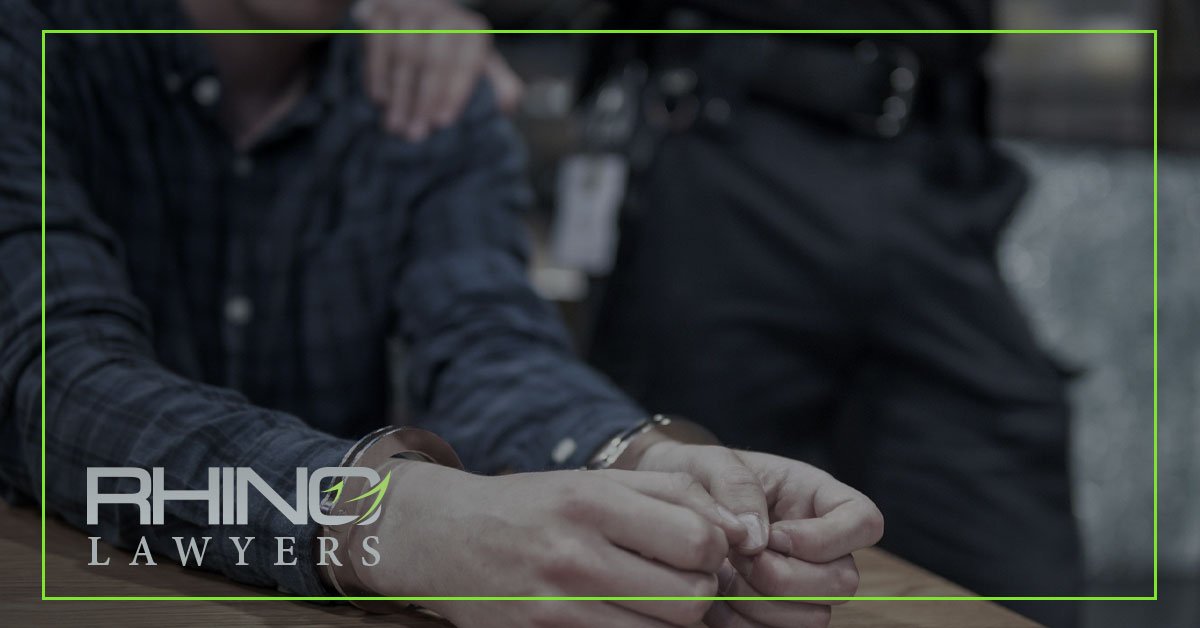
The Importance of Miranda Warnings in DUI Cases
Driving while intoxicated is incredibly dangerous, and it results in about 37 deaths every day in the US. It’s something you should always avoid, but if you do make this mistake, it’s important to understand what comes next.
A DUI arrest can be a difficult time. All of the legal elements are very complicated, but knowing your rights could help you out a lot. Most people believe that a police officer must read you your Miranda rights immediately after an arrest, but this isn’t the case.
In this guide, we’ll take a detailed look at Miranda warnings so you can get a better understanding of what they mean and why they’re important. Keep reading for more.
What Are Miranda Warnings?
Miranda rights are warnings that police need to read to a person before they can interrogate them. They apply in all cases, including a DUI arrest, and they’re to help protect against self-incrimination. The following two conditions need to be met:
- The suspect is in custody and not free to leave
- Law enforcement wants to conduct a custodial interrogation
The police don’t need to read someone their Miranda rights if the suspect is free to leave or isn’t being interrogated.
What Words Are in a Miranda Warning?
When reading someone their Miranda rights, there isn’t a specific wording that a police officer must follow. They can use any words as long as they make the suspect’s rights clear. A typical reading will contain phrasing such as:
- You have the right to remain silent
- Anything you say may be used against you in a court of law
- You have the right to an attorney
- If you cannot afford an attorney, one will be appointed to represent you before any questioning if you wish
In many cases, the officer will ask a suspect if they want to waive their Miranda rights and talk to them. A suspect can then choose whether or not to do this.
Do the Police Need to Read Rights During a DUI Traffic Stop and Investigation?
A DUI investigation is everything that takes place after a driver is stopped but before they’re arrested. This may happen at a DUI sobriety checkpoint or when they’re pulled over.
The police don’t need to read someone their Miranda rights during this. They’ll typically ask for some details like the driver’s license and registration, as well as questions that may help them determine if the driver is under the influence of alcohol.
Florida DUI laws state that a driver can remain silent throughout an entire DUI traffic stop if they choose. They don’t need to have their Miranda rights read for this to apply. They do, however, have to show their license and registration if asked.
Even after a DUI arrest, the police don’t need to read a driver their Miranda rights; the officer must only do so once they start a “custodial interrogation”.
How Does Someone Invoke Miranda Rights?
As stated above, a driver can invoke their Miranda rights and remain silent even if the officer hasn’t yet read them. However, the driver must state that they’re doing so; remaining silent won’t suffice.
This doesn’t require specific wording, it just needs to be clear and affirmative. They can say something along the lines of “I am invoking my right to remain silent” or “I want to have a lawyer present before I speak”.
It’s worth noting that choosing to remain silent could be introduced as evidence of guilt. A good practice is to say firmly and clearly:
- “I’m invoking my right to remain silent”
- “I would like to speak to a lawyer” (personal Florida DUI lawyer or public defender)
- Say nothing else until your lawyer is present
How Can Someone Waive Their Miranda Rights?
After reading a driver their Miranda rights, an officer will usually ask the driver if they understand them all. They’ll then ask if the driver wants to talk to them (this is a Miranda waiver).
Again, this doesn’t require specific wording, it just needs to be clear. It’s worth noting that a waiver can be “implied” depending on a driver’s behavior. This includes making a statement after being read their Miranda rights, as it shows they’re willing to talk when they know they don’t have to.
Can Someone Change His or Her Mind After Waiving Their Rights?
Even if someone has already waived their Miranda rights, they can change their mind and invoke them at any point. Any statements a driver makes after invoking their rights will be inadmissible, but statements made before invoking their rights may be admissible. It’s vital to remember that a driver can invoke their Miranda rights at any time, even if they’ve already agreed to answer questions.
What Happens in the Event of a Miranda Violation in a DUI Case?
A Miranda rights violation can often work in favor of a driver in their case. A DUI defense attorney may be able to use this to file a motion to suppress the evidence. If a judge grants such a motion, any evidence from statements the driver made after the violation will be excluded.
There are several ways in which someone’s Miranda rights may be violated, such as:
- The police failed to give any warning
- Law enforcement continued to question the driver after they requested a lawyer
- The police continue to question a driver after they invoke their right to remain silent
- They don’t read a driver their rights before beginning a custodial interrogation
- The police coerce or threaten a driver in order to induce them to waive rights.
A violation doesn’t necessarily mean that all statements will be thrown out. Anything said during a DUI investigation, of the driver’s own accord (not in response to an interrogation), or after the driver waived their Miranda rights may still be admissible.
What to Do if You’re Charged With a DUI
Understanding the above can be incredibly helpful. When dealing with Miranda warnings, the more you understand, the better. With that in mind, you’ll still want to seek professional legal assistance.
RHINO Lawyers is a professional law firm based in Tampa, FL. With over 600 5-star reviews on Google, you know we’re one of the most reliable options around. Contact us today to request a revisión de caso gratuita.
CONTACTE A UN ABOGADO DE MULTAS DE TRÁFICO EN TAMPA
RHINO Lawyers puede ayudar y guiarlo a través de un sistema moldeado por las fuerzas del orden, jueces y abogados durante décadas. Habiendo ganado casos para nuestros clientes en circunstancias similares, nuestro equipo de defensa penal sabe lo que se necesita para luchar en tu nombre.
Permitir RHINO Lawyers responda a sus preguntas y revise los hechos de su caso con una consulta gratuita. Así que comience completando el “Evaluación de caso instantánea y gratuita”o llamándonos en cualquier momento, día o noche, al (844) RHINO-77.
Leer más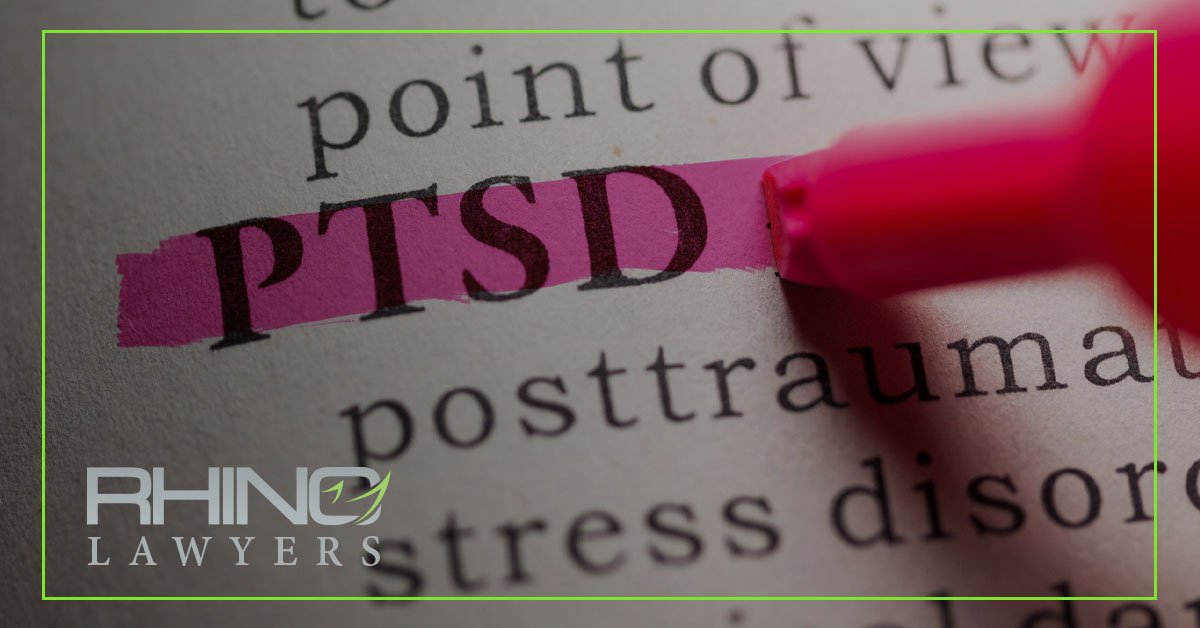
Can Post-Accident Trauma Affect Your Mental Health?
Car accidents are traumatic events that can cause as much emotional distress as physical distress.
If you’re one of the two million Americans who are injured in a car accident each year, then you know that the mental trauma is significant. Whether you suffer major or minor injuries, the event itself can completely dismantle your sense of well-being, sometimes for long periods.
Many people who suffer PTSD from a car accident never fully get back to being themselves. In today’s post, we’re going to examine the ways that post-accident trauma can affect your mental health, what you can do about it, and how a successful injury claim can help.
There’s no denying that car accidents can be life-changing. Keep reading and you’ll see that you’re not alone in this trauma and there are ways to navigate through it.
Car Accident Injuries Aren’t Just Physical
Car accident injuries can be physically devastating, but for many, that’s just the beginning of the suffering. Long after your body has recovered, there’s still the emotional toll that you have to deal with. There aren’t any safety measures in your vehicle to protect your mind.
According to Veterans Affairs, nine percent of people who are in car accidents develop post-accident trauma like PTSD. When you’re talking about two million injuries per year, that’s 200,000 people suffering from this type of emotional distress.
Examining PTSD From a Car Accident
It should be noted that PTSD affects everyone differently. For many, it means a complete disruption of your life, making it difficult to go to work, relate to friends and family, or get out of bed. The trauma may be short-lived, but it can also last years, and even crop up later in life.
Some of the symptoms of car accident PTSD include having involuntary memories about the accident itself. These memories might be triggered when you’re on the road or they can come on without explanation.
Occasionally, these “flashbacks” can result in blackouts. As a result, PTSD victims often avoid doing anything that reminds them of the accident.
That means no driving, no riding as a passenger, and sometimes not even being around a car. In a world where most people need to drive every day to get to work, drop the kids off, and get groceries, it’s easy to see how untenable these symptoms can be.
PTSD sufferers often have debilitating nightmares that can lead to a lack of sleep, which can spur more psychological distress. The result is that the person will start to withdraw from their life, develop anxiety and depression, have mood swings, and consider self-harming.
Coping With and Treating Post-Accident PTSD
The symptoms mentioned above won’t necessarily come on strong or all at once. As we said, symptoms can show up months down the road, long after you’ve recovered physically.
It’s important to make note of when you start feeling any symptoms and seek help if you can’t cope with them. When you allow your mental health to deteriorate, it’ll start to affect your relationships, employment, and daily life.
A mental health counselor is the best person to talk to if you think you might be suffering from PTSD. They’ll be able to get to the root of your mental trauma and help you come up with ways to handle it.
You may end up with a prescription for antidepressants or anti-anxiety medications if your condition is severe. They may also recommend different types of therapy, such as prolonged exposure, cognitive procession, or EMDR.
For more manageable cases, your counselor may recommend activities like meditation, yoga, and controlled breathing. These all work to foster calmer mental states that allow you to better compartmentalize your symptoms.
The Role of PTSD in Your Injury Claim
What makes car accidents so difficult is that you have to start dealing with the aftermath right away. The first step is to ensure your physical health isn’t compromised. Once you’ve seen a doctor, you move on to dealing with insurance companies and starting your injury claim.
Every car accident case is different. If you were the victim of someone else’s negligence, seeking compensation for your injuries is a must. You shouldn’t have to cover your medical bills, lost wages, or damaged property when it wasn’t your fault.
Most car accident cases are fairly cut and dry. You can prove medical bills, lost wages, and property damage. Because the emotional distress of the accident isn’t always obvious, it’s harder to quantify.
That’s not to say that you can’t put in a claim for your non-economic damages, however. Your injury claim can include things like pain and suffering, mental trauma, and loss of enjoyment of life.
Claiming these things and proving them are two different matters. You’ll need a good lawyer to help you maximize your claim so you can pay for things like therapy and medication, which aren’t cheap.
How Your Lawyer Can Help
If you’re going to receive appropriate compensation for all of your suffering – physical and mental – you’ll need to prove the impact the accident has had on your psychological health. This might include simple things, like therapy and medication bills.
It might include more complicated things, like eyewitness accounts of your behavior and expert witnesses. Working with an insurance company to receive a settlement can be triggering in itself, which is why hiring a lawyer is so important.
Your lawyer will be able to collect evidence on your behalf. Should your case go to trial, they’ll be able to present the evidence in a clear manner that clearly shows what you’ve been going through mentally.
Don’t Deal With Post-Accident Trauma On Your Own
When you have post-accident trauma from a car accident in Tampa, it’s not something that goes away with the snap of your fingers. It’s an issue you’ll be dealing with for months if not years. Dealing with PTSD may require consistent therapy and medication, which will cost money.
If you’re going to receive compensation for your pain and suffering, you need a lawyer who can bolster your claim. Contáctenos hoy to book a consultation and start to put your case behind you so you can start to improve your mental health.
COMUNÍQUESE CON UN ABOGADO DE ACCIDENTES AUTOMOVILÍSTICOS EN TAMPA
En resumen, después de un accidente automovilístico, es posible que no conozca sus derechos. Sobre todo, no luche solo durante el proceso. En realidad, nuestro equipo de lesiones personales está aquí para ayudarle con cualquier necesidad legal que pueda tener relacionada con su accidente.
Por último, que RHINO Lawyers responda a sus preguntas y revise los hechos de su caso con una consulta gratuita. Así que comience completando el “Evaluación de caso instantánea y gratuita”o llamándonos en cualquier momento, día o noche, al 844.RHINO.77.
Leer más
How Joggers Can Avoid Being Hit by a Car
It’s estimated that at least 70,000 pedestrians are hit by cars every year, which includes joggers.
It would help if you had your wits about you when you’re jogging or else you’ll end up part of the statistics. A car won’t necessarily kill you if you’re hit while running, but you’re far more likely to experience a severe injury. You can’t trust that a driver is going to see you, let alone do what they can to avoid you, so you need to take matters into your own hands.
In today’s post, we’re going to discuss running safety and give you a few tips on how you can be a better defensive runner. Joggers have as much right to the road as drivers do, but you need to be extra careful. Keep reading and we’ll make sure you’re doing everything you can to prevent a pedestrian accident at your expense.
Have Your Wits About You
Defensive running is all about having your wits about you. The less you’re paying attention to your surroundings, the more likely it is that you’ll end up in an accident. When you’re running, you’re moving faster and have a shorter time to react to objects moving toward you, like cars.
That’s why it’s best to exercise extreme caution at all times, especially in areas where visibility might be low for drivers. A healthy portion of accidents involving joggers are because the driver just couldn’t see them.
If you’re running at night, stay on the sidewalk and stop at all crosswalks. You should stop at crosswalks and stop signs regardless of the time of day. If you’re running on a residential street, pay attention to the driveways to ensure a car won’t back out and into you.
Use Designated Running Paths
In reality, the best thing you can do as a jogger is to take designated running paths instead of busy streets. Many states have laws that prevent people from running on the street to protect both pedestrians and drivers.
Florida is no different. Sidewalk use is mandatory and if there are no sidewalks, you must stay as close to the shoulder as possible. Not many joggers are going to be pulled over for this, but if you decide to cross the road into traffic, it’s illegal.
Understand Traffic Laws and Signals
So, understanding the laws is an essential part of any running routine. If you know the traffic laws, what all the signs mean, and the signals you should be using, that’s a great start. It’s not enough to rely on the fact that you’re following the rules though, you still need to be wary of what drivers are doing.
The most important thing is to think of yourself as a vehicle. Just as drivers have to stop at stop signs and lights, yield in traffic circles, and signal when they’re changing lanes or turning, joggers need to stop at stop signs and use hand signals when possible.
You may recognize hand signals if you’ve ridden a bike before. They help let drivers know what you’re thinking while you’re on the road. You can find a short video describing them on Runner’s World.
Wear the Right Gear
What you wear while you’re running makes a massive difference in how well drivers can see you. If you run early in the morning or the evenings, it’s important to wear reflective clothing or, at the very least, bright clothing.
If you don’t have anything, you can always pick up a high-vis vest to wear over your running clothes. Many runners also utilize wearable lights that make it extremely easy to be seen in the dark.
A lot of runners choose to listen to music or podcasts while they work out. While this is fine on a running path, it’s not advisable when cars are in the mix because you won’t be able to hear their horns in an emergency. One solution is to use bone-conduction headphones that don’t go in your ears.
Run Toward the Traffic
When you’re on a bike on the road, it’s safer for everyone if you ride with the traffic. That’s not necessarily the case for runners, who benefit more from seeing what’s coming at them.
Try to always run with the traffic coming at you, then you’ll have time to take evasive action when necessary. For example, when a car is turning. Joggers aren’t legally obliged to do this, but many states do recommend this tactic.
Where to Run and Who to Do It With
The better you know your running route, the safer you’ll be each time you go for a jog. When you’re trying new streets and paths, you won’t have a feel for how the traffic flows, which can put you in harm’s way if you make a wrong turn.
If you’re trying a new route, make sure that you tell a friend or loved one where you’ll be. In the event something happens, you must be easy to find. Of course, you should always have your phone on you.
Lastly, to make your jogs as safe as can be, it’s always best to run in a group or with a buddy. When several people are running on the side of the road, it’s a lot easier for drivers to see and avoid than a single runner.
Take Running Safety to Heart
If you take running safety seriously, there’s a good chance you’ll never have any harmful encounters with vehicles. That being said, accidents can happen when you least expect them, even when you’re doing everything right. If you’re hit by a car while running, it puts your life at risk.
Whether you’re injured or not, you need to get yourself checked out by a medical professional. Plus, you need a lawyer. It may not have been the driver’s intention to hit you. But there are consequences for hitting a runner who was consciously being as safe as possible.
To get legal counsel after being hit by a car in Florida, contact us at RHINO Lawyers ASAP.
COMUNÍQUESE CON UN ABOGADO DE ACCIDENTES AUTOMOVILÍSTICOS EN TAMPA
En resumen, después de un accidente automovilístico, es posible que no conozca sus derechos. Sobre todo, no luche solo durante el proceso. En realidad, nuestro equipo de lesiones personales está aquí para ayudarle con cualquier necesidad legal que pueda tener relacionada con su accidente.
Por último, que RHINO Lawyers responda a sus preguntas y revise los hechos de su caso con una consulta gratuita. Así que comience completando el “Evaluación de caso instantánea y gratuita”o llamándonos en cualquier momento, día o noche, al 844.RHINO.77.
Leer más