




¿Se pregunta si el exceso de velocidad puede reducir su indemnización en una demanda por lesiones personales? Si el exceso de velocidad contribuyó al accidente que causó tus lesiones, sí, puede reducir tu indemnización o incluso impedirte presentar una demanda.
Florida es lo que se conoce como un estado de negligencia comparativa. Recientemente, el estado cambió de una negligencia comparativa pura a un sistema de negligencia comparativa modificada.
¿Qué significan estos términos, y cómo pueden afectar a su compensación en una demanda por accidente de tráfico en Tampa? Exploramos las respuestas a estas preguntas y más en este post.
Reglas de la negligencia contributiva frente a la comparativa
En primer lugar, la negligencia contributiva y la negligencia comparativa determinan cuándo las víctimas pueden demandar por daños y perjuicios tras sufrir un accidente.
La negligencia contributiva impide a las víctimas recuperar daños por lesiones personales si tuvieron parte de culpa en el accidente. Ser incluso 1% responsable del accidente que causó su lesión significa que usted no puede presentar una reclamación.
La negligencia comparativa permite a las víctimas recuperar daños y perjuicios cuando son parcialmente culpables del accidente. Existen dos tipos de negligencia comparativa: la negligencia comparativa pura y la negligencia comparativa modificada.
Negligencia comparativa pura frente a negligencia comparativa modificada
Florida solía ser un estado de pura negligencia comparativa. En mayo de 2023, la norma cambió para hacer de Florida un estado de negligencia comparativa modificada.
La negligencia comparativa pura permite a las víctimas presentar una reclamación al seguro o demandar a la parte responsable, independientemente de su parte de culpa. Por ejemplo, una víctima podría ser 99% responsable del accidente y aun así presentar una reclamación para recuperar los daños.
La negligencia comparativa modificada sigue permitiendo a las víctimas parcialmente culpables reclamar daños y perjuicios. Sin embargo, la parte de culpa de la víctima debe ser 50% o 51% o menos para recuperar los daños. En Florida, la víctima debe ser menos de 50% en avería.
Negligencia comparativa modificada e indemnización
En los estados con negligencia comparativa modificada, la parte de culpa de la víctima no sólo es importante para determinar si puede presentar una demanda. También determina la cuantía de la indemnización a la que tiene derecho la víctima.
Pongamos un ejemplo. Supongamos que usted es parcialmente culpable del accidente que le causó lesiones y un tribunal o una compañía de seguros determina que su parte de culpa es 40%. Presentas una demanda y obtienes $100.000 por daños y perjuicios.
Como tuviste 40% de culpa en el accidente, no te llevas a casa los $100.000 enteros. El tribunal o la compañía de seguros te restarán 40% de la indemnización, lo que significa que te llevas $60.000.
Cómo influye el exceso de velocidad en la negligencia comparativa modificada
Las normas de culpa comparativa, modificadas o no, están diseñadas para reconocer que los accidentes son situaciones jurídicas complejas. Múltiples factores pueden conducir a un accidente, y los acusados no deberían tener que pagar por la parte de culpa de la víctima.
El exceso de velocidad es uno de estos factores. Si hay pruebas claras de que la víctima conducía con exceso de velocidad en el momento del accidente, se tendrá en cuenta en su contra. Cuanto mayor sea el exceso de velocidad de la víctima, mayor será su parte de culpa.
La cantidad exacta de culpa que se asignará por exceso de velocidad no se determina mediante una fórmula. Dependerá de factores como la declaración que la víctima preste ante la policía y las compañías de seguros, las pruebas del exceso de velocidad y la pericia de su abogado.
¿Qué se considera exceso de velocidad?
El exceso de velocidad no es sólo conducir por encima del límite de velocidad. No actuar con la debida precaución en condiciones de carretera deficientes también puede utilizarse en contra de una víctima durante una demanda por lesiones personales.
Road conditions requiring drivers to drive below the posted speed limit include, but are not limited to:
- Niebla
- Deslumbramiento extremo
- Tráfico
- Lluvia
- Nieve
Las carreteras en mal estado, congestionadas por peatones o animales y con escombros en los carriles también deben recorrerse con extrema precaución.
Otros factores de la culpa comparativa
Speeding is not the only factor that can contribute to a victim’s share of fault. Other elements include, but are not limited to:
- No llevar puesto el cinturón de seguridad
- Conducir un vehículo que sabe que es defectuoso
- Conducir bajo los efectos de las drogas o el alcohol
- Comprobación de los frenos
- Conducción distraída
- Falta de diligencia razonable
Practicar la precaución al conducir puede reducir su parte de culpa y es una de las muchas maneras de maximizar la compensación por lesiones personales después de un accidente de tráfico en Tampa.
Cómo maximizar su indemnización por lesiones personales
Las víctimas de accidentes de tráfico merecen una indemnización por sus daños físicos y psíquicos. dolor y sufrimiento. También merecen recuperar los gastos relacionados con su lesión, como facturas médicas y salarios perdidos.
Aquí tienes nuestros mejores consejos para conseguir la indemnización que mereces tras un accidente en el que la mayor parte de la culpa ha sido de otra persona.
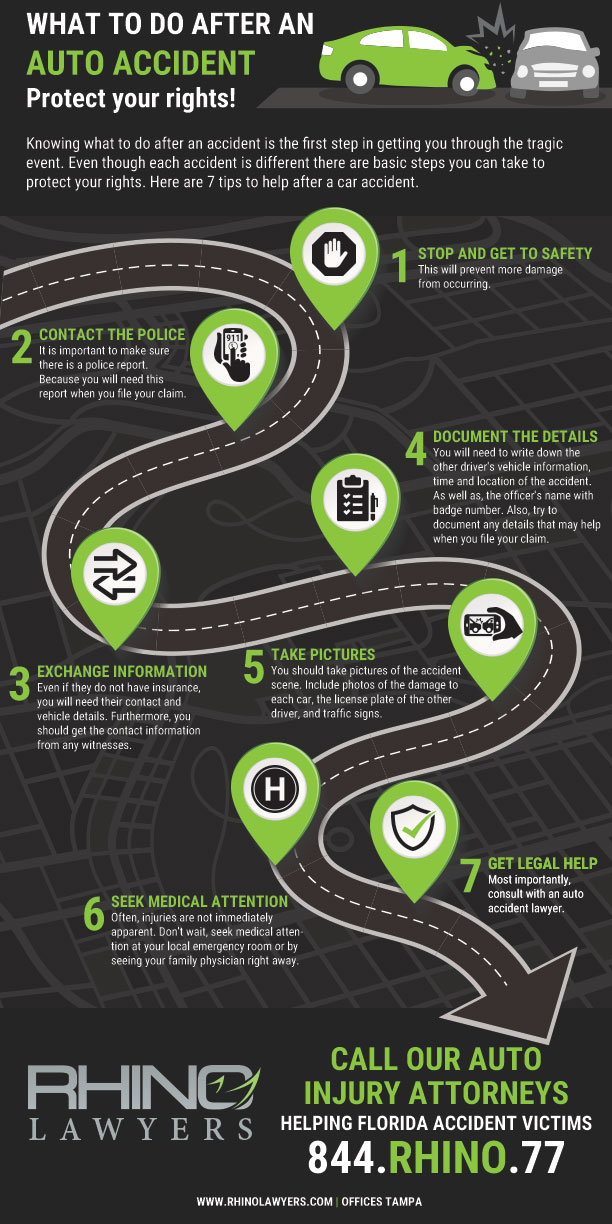
Presentar una denuncia policial
Una prueba fundamental en un caso de accidente de tráfico es el atestado policial. Las compañías de seguros lo utilizan para ayudar a determinar la culpa. También puede utilizarse en los tribunales si decides demandar al conductor negligente.
Sin llamar a la policía y obtener un informe del accidente, será más difícil probar tu versión del suceso.
Recoger pruebas en el lugar de los hechos
Si tus lesiones son graves, sáltate este paso y ve directamente al hospital. La policía se encarga de reunir pruebas en tu lugar.
Sin embargo, reunir sus propias pruebas puede ser muy beneficioso para su caso. Cuando sea posible, recoja declaraciones de testigos y tome fotos de su vehículo y del del otro conductor para añadir credibilidad a su relato.
Consiga atención médica
Las lesiones son caras. Por eso los gastos médicos son uno de los aspectos más importantes de una indemnización por lesiones personales. Si usted no busca atención para sus lesiones, su premio será significativamente menor.
Además, es posible que un tribunal o una aseguradora no consideren que sus lesiones son lo bastante graves como para merecer una indemnización si no recibe atención médica.
No admitir nunca la culpa
Cuando hable con la policía o con la compañía de seguros del otro conductor, no admita nunca la culpa. De hecho, debería evitar hablar con las aseguradoras en absoluto sin consultar con un abogado.
Sin asesoramiento jurídico, la compañía de seguros puede tergiversar sus palabras. Esto es así incluso si es tu proveedor de seguros.
Llame después de un accidente de tráfico en Tampa
El exceso de velocidad puede disminuir la compensación a la que tiene derecho en una demanda por accidente de coche. Esto se debe a que Florida es un estado de negligencia comparativa modificada, donde su indemnización por lesiones personales se reduce en función de su parte de culpa.
¿Ha sufrido lesiones a causa de un accidente del que no era 50% responsable? Los abogados de RHINO Lawyers tienen varios años de experiencia ganando a nuestros clientes la compensación máxima por accidentes de tráfico en Tampa.
Programe una consulta gratuita para empezar.
CONTACTE A UN ABOGADO DE ACCIDENTES DE AUTO EN TAMPA
En resumen, después de un accidente de coche, es posible que no conozca sus derechos. Sobre todo, no luche solo en el proceso. En realidad, nuestro equipo de lesiones personales está aquí para ayudarle con cualquier necesidad legal que pueda tener en relación con su accidente.
Por último, dejemos que RHINO Lawyers responder a sus preguntas y revisar los hechos de su caso con una consulta gratuita. Así que, comience completando el "EVALUACIÓN DE CASO GRATUITA INSTANTÁNEAMENTE" o llamándonos a cualquier hora, de día o de noche, al 844.RHINO.77.