
If you’re facing charges for Resisting Arrest with Violence, we can help.
SPEAK TO ONE OF OUR ATTORNEYS FOR FREE!

Find out what it means to have RHINO Lawyers on your side. Contact us today, and we promise you will not become just another case. We will work one-on-one with you to develop unique strategies tailored to the specific details of your case to deliver the best results possible. Let us put your mind at ease. Act now to protect your rights and book your free 1-1 consultation.


GET YOUR FREE QUOTE TODAY
QUICK. EASY. CONFIDENTIAL

    Client Portal Login
    Free Case Review

    Resisting Arrest with Violence Defense in Florida

    Accused of Resisting Arrest with Violence in Florida? A Split-Second Reaction May Now Be a Felony

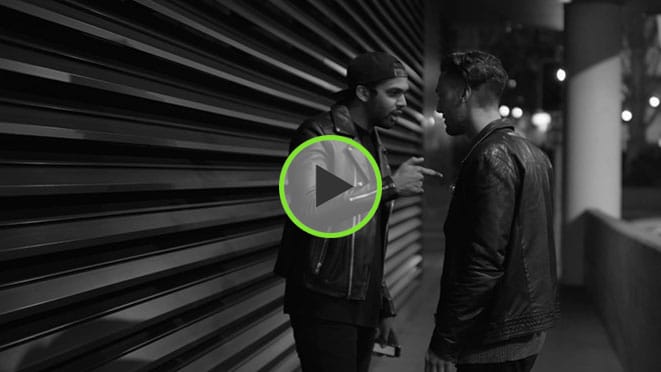
    A tense encounter. Raised voices. A moment where things escalate.

    What may have felt like self-protection, confusion, or instinct is now being described as resisting arrest with violence.

    In Florida, this is not a minor charge.

    It is a felony offense that may carry serious consequences—prison exposure, a permanent criminal record, and long-term impact on your future.

    And these cases often come down to one critical question:

    What actually happened in that moment?

    Because in fast-moving situations, perception and reality are not always the same.

    At RHINO Lawyers, we focus on defending individuals across Florida who are facing serious criminal charges that may impact their freedom, their record, and their future.

    What Is Resisting Arrest with Violence Under Florida Law?

    Resisting arrest with violence generally involves knowingly and willfully resisting, obstructing, or opposing a law enforcement officer using force or violence.

    You can review the law under Florida Statutes §843.01.

    To prove this charge, the prosecution typically must show:

    • The officer was engaged in a lawful duty
    • You knew the person was a law enforcement officer
    • You resisted, obstructed, or opposed that officer
    • The resistance involved violence or force

    Each of these elements matters. If one is missing, the case may be challenged.

    CONTACT YOUR FLORIDA CRIMINAL DEFENSE ATTORNEYS

    Let RHINO Lawyers’ former State Attorney and Prosecutor start helping YOU immediately by giving you free advice regarding the facts of your case.

    So, get YOUR Free Case Analysis now by texting us, chatting with us online, completing the form below, or by calling 844.RHINO.77.

    What Counts as “Violence” in These Cases?

    This is where many cases become complicated.

    “Violence” does not always mean serious harm.

    It may include allegations such as:

    • Pushing or pulling away from an officer
    • Struggling during handcuffing
    • Physical contact during an arrest

    But context matters.

    Was it intentional? Was it defensive? Or was it a reaction to confusion or fear?

    These details may affect how the case is evaluated.

    Difference Between Resisting With and Without Violence

    Florida law separates these charges into two categories.

    Resisting Without Violence (Misdemeanor)

    • No physical force involved
    • May include refusal or noncompliance

    Resisting With Violence (Felony)

    • Involves physical contact or force
    • Considered significantly more serious

    Potential penalties may include:

    • Up to 5 years in prison
    • Probation and fines

    What Happens After an Arrest for Resisting with Violence?

    These cases often move quickly and may feel overwhelming.

    Arrest and Booking

    You may be taken into custody and formally charged.

    First Appearance

    A judge reviews:

    • The charges
    • Bond conditions
    • Release eligibility

    Pretrial Process

    This may include:

    • Evidence review
    • Motions challenging the arrest
    • Negotiations

    Possible Outcomes

    Depending on the case:

    • Charges may be reduced
    • Alternative resolutions may be considered
    • The case may proceed to trial

    Early legal action may create more options.

    How These Cases Are Investigated

    Resisting arrest cases often rely heavily on law enforcement accounts.

    Evidence may include:

    • Body camera footage
    • Dashcam video
    • Officer reports
    • Witness statements

    For law enforcement procedures, the Florida Department of Law Enforcement provides guidance on officer conduct and investigations.

    But here’s the reality:

    These cases often involve conflicting narratives.

    What an officer describes as resistance may be interpreted differently when viewed in full context.

    Key Legal Issues That May Affect Your Case

    Was the Officer Acting Lawfully?

    The officer must be performing a lawful duty.

    If the stop or arrest was unlawful, that may impact the charge.

    Did You Know It Was Law Enforcement?

    Identification matters.

    • Were lights or uniforms clearly visible?
    • Was the situation clear?

    Was There Intentional Resistance?

    Intent is often a key issue.

    Reactions caused by confusion or fear may not meet the legal standard.

    Was the Force Proportionate?

    The level of force alleged may be questioned.

    Common Defense Strategies

    Every case depends on its facts. However, several defenses may apply.

    Self-Defense

    You may have acted to protect yourself if excessive force was used.

    Lack of Intent

    If the actions were not intentional, that may affect the charge.

    Unlawful Arrest

    If the arrest itself was improper, the charge may be challenged.

    Misinterpretation of Actions

    Movements may be misunderstood during stressful situations.

    Insufficient Evidence

    The prosecution must prove each element beyond a reasonable doubt.

    Real-World Scenarios That May Lead to Charges

    These cases often arise from situations such as:

    • Traffic stops that escalate
    • Crowded environments where communication is unclear
    • Situations involving alcohol or heightened emotions
    • Misunderstandings during detainment

    These are not always clear-cut cases.

    Context matters.

    Penalties and Long-Term Consequences

    A conviction may lead to:

    • Jail or prison time
    • Probation
    • Fines
    • Permanent criminal record

    Long-term consequences may include:

    • Difficulty finding employment
    • Housing challenges
    • Impact on professional licensing

    In Florida cities like Tampa, St. Petersburg, Clearwater, Orlando, and Fort Myers, these consequences may follow you for years.

    For sentencing guidelines, the Florida Department of Corrections outlines how penalties may be applied.

    Florida-Specific Factors That May Affect Your Case

    High-Interaction Environments

    Busy areas may lead to fast-paced encounters with law enforcement.

    Body Camera Footage

    Video evidence may support or contradict reports.

    Law Enforcement Discretion

    Officers may interpret situations differently based on circumstances.

    What To Do If You Are Charged with Resisting Arrest with Violence

    If you are under investigation or charged:

    Do:

    • Remain calm
    • Exercise your right to remain silent
    • Seek legal representation immediately

    Do Not:

    • Argue with law enforcement
    • Provide statements without legal guidance
    • Discuss the case publicly

    Early decisions may influence the outcome of your case.

    How RHINO Lawyers Approach These Cases

    RHINO Lawyers takes a strategic and detail-focused approach to criminal defense.

    This may include:

    • Reviewing video and physical evidence
    • Evaluating officer conduct and procedures
    • Challenging whether the force element is met
    • Identifying inconsistencies in reports

    Each case depends on its facts. A strong defense begins with careful analysis.

    Related Practice Areas

    These charges may overlap depending on the situation.

    Charged with Resisting Arrest with Violence in Florida? Take Action Now to Protect Your Future

    A moment of escalation should not define your future. But what you do next matters.

    If you are facing resisting arrest with violence charges in Florida, acting early may make a difference.

    Call 844.RHINO.77, for a Free Instant Case Evaluation. Available 24/7. Call a RHINO Today.

    Frequently Asked Questions

    Is resisting arrest with violence always a felony?

    Yes. This charge is generally classified as a felony in Florida.

    What qualifies as violence?

    It may include physical contact or force during an encounter with law enforcement.

    Can I defend myself if force is used against me?

    It depends on the circumstances and whether the force was excessive.

    What if I didn’t realize it was a police officer?

    Knowledge is an important element and may affect the case.

    Should I talk to the police about what happened?

    It is generally safer to speak with an attorney first.

    CONTACT YOUR FLORIDA CRIMINAL DEFENSE ATTORNEYS

    BOLD REPRESENTATION. BOLD RESULTS.

    Let RHINO Lawyers’ former State Attorney and Prosecutor start helping YOU immediately by giving you free advice regarding the facts of your case.

    So, get YOUR Free Case Analysis now by texting us, chatting with us online, completing the form below, or by calling 844.RHINO.77.