

Obstructing Justice Defense in Florida
Accused of Obstructing Justice in Florida? One Interaction With Law Enforcement May Lead to Serious Charges
A traffic stop. A question. And a moment where things become tense. You didn’t think you were doing anything wrong. Now you are facing an obstruction of justice charge.
In Florida, what may feel like a minor interaction can quickly escalate into a criminal allegation. These charges often arise from fast-moving situations where confusion, stress, or miscommunication plays a role.
But the consequences? They may include jail time, a criminal record, and a long-term impact on your future.
At RHINO Lawyers, we focus on defending individuals across Florida who are facing criminal charges that may affect their freedom, their record, and their future.
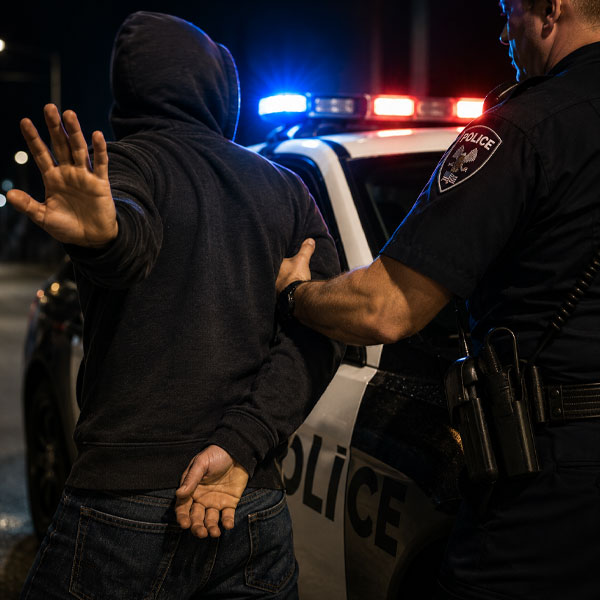
What Is Obstructing Justice Under Florida Law?
Obstructing justice generally involves interfering with a law enforcement officer during the performance of their duties.
You can review related statutes under Florida Statutes §843.
Common charges may include:
- Resisting an officer without violence
- Resisting an officer with violence
- Providing false information to law enforcement
- Obstruction or hindrance of an investigation
These cases often depend on how law enforcement interprets your actions in the moment.
CONTACT YOUR FLORIDA CRIMINAL DEFENSE ATTORNEYS
Let RHINO Lawyers’ former State Attorneys and Prosecutors start helping YOU immediately by giving you free advice regarding the facts of your case.
So, get YOUR Free Case Analysis now by texting us, chatting with us online, completing the form below, or by calling 844.RHINO.77.
Common Florida Charges Involving Obstruction or False Information
Florida does not use one single “obstruction” statute for every interaction with law enforcement. Different conduct can fall under different statutes with different required elements.
Resisting an Officer Without Violence — First-Degree Misdemeanor
Florida Statute §843.02 makes it a first-degree misdemeanor to resist, obstruct, or oppose specified officers or legally authorized persons while they are executing legal process or lawfully performing a legal duty, without offering or doing violence to the officer.
Resisting an Officer With Violence — Third-Degree Felony
Florida Statute §843.01 makes it a third-degree felony to knowingly and willfully resist, obstruct, or oppose specified officers or legally authorized persons by offering or doing violence while they are performing the duties covered by the statute.
Giving a False Name After Arrest or Lawful Detention
Under §901.36, a person who has been arrested or lawfully detained commits a first-degree misdemeanor by giving a false name or otherwise falsely identifying himself or herself to a law enforcement officer or county jail personnel.
If the false identification causes another person to be adversely affected by the unlawful use of that person’s identity, the offense is a third-degree felony.
False Report Concerning a Crime
Section 837.05 generally makes it a first-degree misdemeanor to knowingly give false information to law enforcement concerning the alleged commission of a crime. The statute contains specified circumstances that can elevate the offense to a third-degree felony.
False Information During Certain Investigations
Section 837.055 makes it a first-degree misdemeanor to knowingly and willfully give false information to an officer conducting a missing-person investigation or felony criminal investigation with the intent to mislead the officer or impede the investigation.
A special third-degree felony provision applies in specified missing-child investigations when the statutory injury or death requirements are met.
The correct charge therefore depends on exactly what the person allegedly did, the officer’s legal status and duties, the type of investigation, and the person’s intent.
What Happens After an Obstruction Charge?
These cases often move quickly.
Arrest or Citation
You may be taken into custody or issued a notice to appear.
First Appearance
A judge reviews:
- The charges
- Bond conditions
- Release terms
Pretrial Process
This may include:
- Evidence review
- Motions and hearings
Possible Outcomes
Depending on the case:
- Charges may be reduced
- Diversion programs may be available
- The case may proceed to trial
Early legal guidance may influence your options.
How Obstruction Cases Are Investigated
These cases often rely heavily on officer accounts.
Evidence may include:
- Police reports
- Body camera footage
- Dashcam footage
- Witness statements
For enforcement standards, the Florida Department of Law Enforcement provides guidance on law enforcement procedures.
But here’s the reality:
These cases often come down to interpretation.
What one officer sees as an obstruction, another may view as confusion or hesitation.
Key Legal Issues in Obstruction Cases
Was the Officer Acting Lawfully?
Law enforcement must be performing a lawful duty.
If not, that may affect the charge.
Did You Intentionally Interfere?
Intent is often required.
Confusion or misunderstanding may not meet that standard.
Were Your Rights Violated?
Improper procedures may impact the admissibility of evidence.
Was There Clear Communication?
Unclear or conflicting commands may create confusion.
Common Defense Strategies
Every case depends on its facts. However, several defenses may apply.
Lack of Intent
If you did not intend to interfere, that may be a key issue.
Lawful Exercise of Rights
You have rights, including the right to remain silent.
Exercising those rights is not an obstruction.
Unlawful Detention or Arrest
If law enforcement acted improperly, evidence may be challenged.
Misinterpretation of Actions
Your behavior may have been misunderstood.
Insufficient Evidence
The prosecution must prove each element beyond a reasonable doubt.
Penalties and Long-Term Consequences
Obstruction charges may carry lasting consequences.
These may include:
- Jail time
- Fines
- Criminal record
Long-term effects may include:
- Employment challenges
- Housing difficulties
- Professional limitations
In Florida cities like Tampa, St. Petersburg, Clearwater, Orlando, and Fort Myers, even a misdemeanor conviction may follow you for years.
For sentencing structures, the Florida Department of Corrections outlines how penalties may be applied.
Florida-Specific Factors That May Affect Your Case
Florida law enforcement environments vary.
High-Traffic Areas
In cities like Tampa and Orlando, interactions may occur in fast-paced conditions.
Tourism and Crowded Environments
Miscommunication may occur in busy areas.
Body Camera Use
Many cases involve recorded footage that may support or challenge the charges.
What To Do If You Are Charged With Obstructing Justice
If you are under investigation or charged:
Do:
- Remain calm
- Exercise your right to remain silent
- Seek legal representation immediately
Do Not:
- Argue with law enforcement
- Provide statements without legal guidance
- Discuss the case publicly
Early decisions may affect the direction of your case.
How RHINO Lawyers Approach Obstruction Defense
RHINO Lawyers takes a strategic and detail-focused approach to criminal defense.
This may include:
- Reviewing video evidence
- Evaluating officer conduct
- Challenging whether legal standards were met
- Identifying inconsistencies in reports
Each case depends on its facts. A strong defense begins with careful analysis.
Related Practice Areas
These charges may overlap depending on the situation.
Charged With Obstructing Justice in Florida? Take Action Now to Protect Your Future
A moment of confusion should not define your future. But what you do next matters.
If you are facing obstruction charges in Florida, acting early may make a difference.
Call 844.RHINO.77, for a Free Instant Case Evaluation. Available 24/7. Call a RHINO Today.
Frequently Asked Questions
Is obstructing justice always a felony?
No. Some charges are classified as misdemeanors, while others may be elevated to felonies depending on the circumstances.
What is resisting without violence?
It involves interfering with law enforcement without using physical force.
Can I be charged for not answering questions?
Exercising your right to remain silent is not obstruction.
What if I didn’t understand the officer?
Miscommunication may be a factor depending on the situation.
Should I talk to the police to explain what happened?
It is generally safer to speak with an attorney first.
CONTACT YOUR FLORIDA CRIMINAL DEFENSE ATTORNEYS
BOLD REPRESENTATION. BOLD RESULTS.
Let RHINO Lawyers’ former State Attorneys and Prosecutors start helping YOU immediately by giving you free advice regarding the facts of your case.
So, get YOUR Free Case Analysis now by texting us, chatting with us online, completing the form below, or by calling 844.RHINO.77.
