
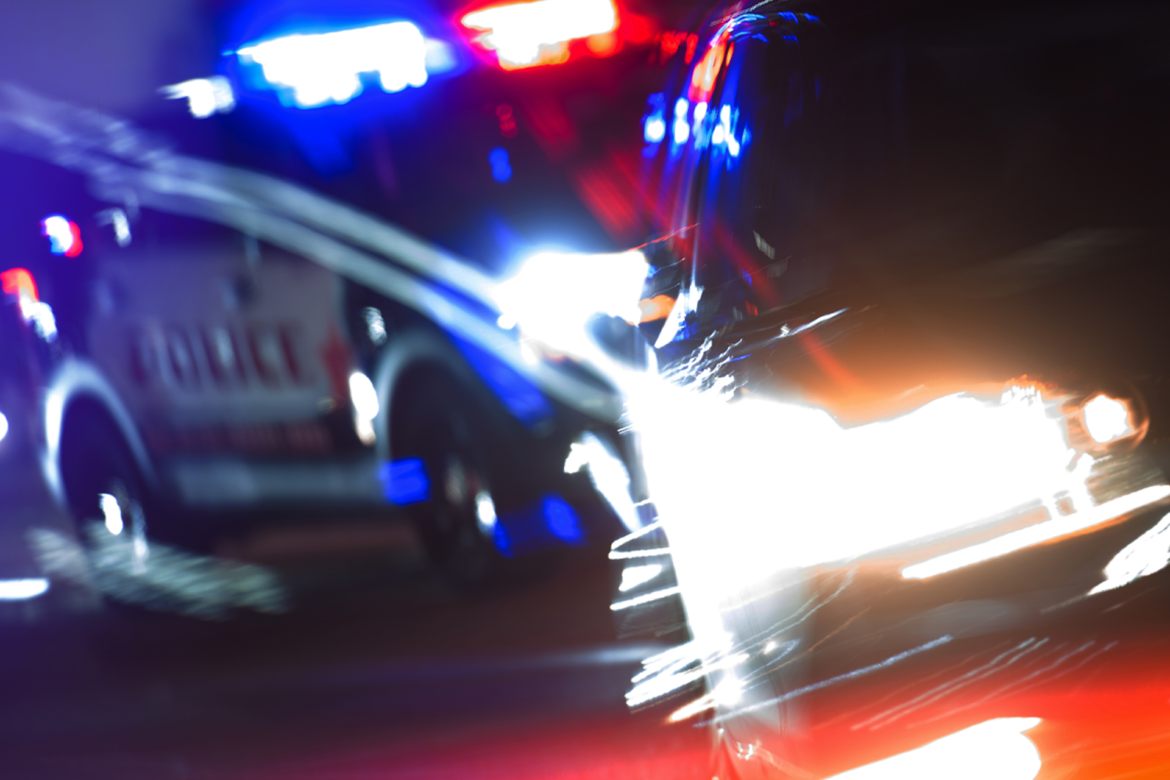
Fleeing to Elude Law Enforcement Defense in Florida
Did You Keep Driving When Police Signaled You to Stop? One Decision May Turn Into a Felony Charge
Flashing lights. Sirens. A moment of confusion—or panic.
You didn’t stop right away. Maybe you were looking for a safe place. Maybe you didn’t realize it was for you. Or maybe things escalated faster than expected.
Now you are facing fleeing to elude law enforcement charges in Florida.
This is not a minor traffic issue. These charges may quickly become serious felonies with long-term consequences.
Prison exposure. License suspension. A permanent criminal record.
And the case often starts building immediately.
En RHINO Lawyers, we focus on defending individuals across Florida who are facing felony charges that may impact their freedom, their record, and their future.
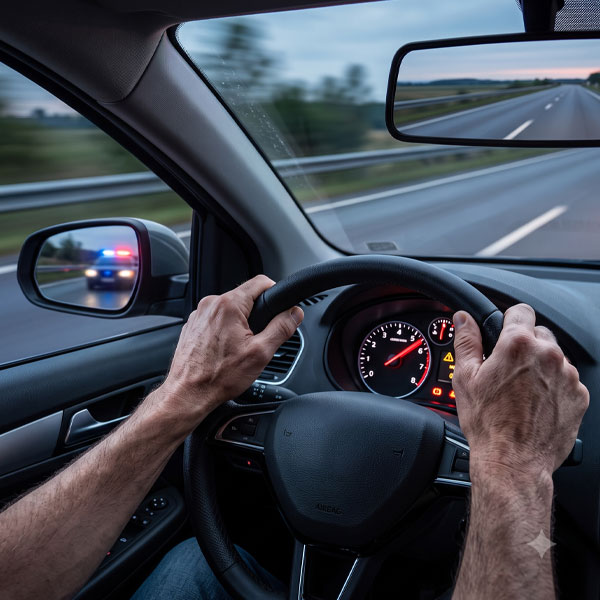
What Is Fleeing to Elude Under Florida Law?
Fleeing to elude generally involves willfully refusing to stop a vehicle after being directed to do so by law enforcement.
Puede revisar la ley en Florida Statutes §316.1935.
To prove this charge, the prosecution often must show:
- A law enforcement officer ordered you to stop
- The officer’s vehicle had lights and sirens activated
- You knew or should have known you were being directed to stop
- You willfully failed to stop or attempted to evade
Two elements are critical:
- Knowledge (did you know police were signaling you?)
- Intención (did you intentionally flee?)
These are often where defenses begin.
CONTÁCTESE CON SUS ABOGADOS DE DEFENSA PENAL DE FLORIDA
Permitir ’RHINO Lawyers» exabogados y fiscales estatales comienzan a ayudarte INMEDIATAMENTE dándote consejo gratuito con respecto a los hechos de su caso.
Así que, consigue TU Análisis de caso gratuito ahora enviándonos un mensaje de texto, chateando con nosotros en línea, completando el formulario a continuación o llamando 844.RHINO.77.
Levels of Fleeing to Elude Charges in Florida
Not all cases are the same. Charges may escalate based on the circumstances.
Basic Fleeing to Elude (Third-Degree Felony)
Esto puede incluir:
- Failing to stop after the lights and sirens are activated
Las posibles sanciones pueden incluir:
- Up to 5 years in prison
- Fines and probation
Fleeing with Lights and Sirens (Aggravated)
If the officer’s vehicle is clearly marked and signals are active, penalties may increase.
High-Speed or Reckless Fleeing (Second-Degree Felony)
Esto puede incluir:
- Driving at high speed
- Driving with reckless disregard for safety
Las posibles sanciones pueden incluir:
- Hasta 15 años de prisión
Fleeing Causing Serious Injury or Death (First-Degree Felony)
If the incident involves injury or death, the charge may increase significantly.
Las posibles sanciones pueden incluir:
- Hasta 30 años de prisión
Key Takeaway
A case that starts as a traffic stop may escalate quickly depending on how the situation unfolds.
Los detalles importan.
What Happens After a Fleeing to Elude Arrest in Florida?
Comprender el proceso puede reducir la incertidumbre.
Arrest and Booking
You may be taken into custody, fingerprinted, and formally charged.
Retención de vehículos
Your vehicle may be seized depending on the circumstances.
Primera aparición
Un juez revisa:
- Cargos
- Condiciones de la fianza
- Release terms
Consecuencias de la licencia
Es posible que te enfrentes a:
- Immediate suspension
- Revocation depending on the charge level
Case Development
Your defense may review:
- Video de cámara de tablero
- Officer reports
- Timeline of events
Early action may create more options.
How These Cases Are Investigated
Fleeing to elude cases often rely heavily on law enforcement accounts and video evidence.
La evidencia puede incluir:
- Dash camera footage
- Video de la cámara corporal
- Radio dispatch logs
- Declaraciones de testigos
Para los estándares de investigación, el Departamento de Aplicación de la Ley de Florida provides guidance on how these cases are reviewed.
Pero esta es la realidad:
Not every failure to stop is intentional fleeing.
El contexto importa.
Key Legal Issues That May Affect Your Case
Did You Know Police Were Signaling You?
Visibility issues may matter:
- Traffic conditions
- Lighting
- Distance
Were the Lights and Sirens Clearly Activated?
If the signals were not clear, that may affect the charge.
Was It Actually Fleeing or Confusion?
Los conductores pueden:
- Look for a safe place to stop
- Misinterpret signals
Who Was Driving?
In some cases, the identification of the driver may be disputed.
Estrategias comunes de defensa
Cada caso depende de sus hechos. Sin embargo, se pueden aplicar varias defensas.
Lack of Knowledge
If you did not know law enforcement was signaling you, that may be a key issue.
Falta de intención
You must willfully flee to be convicted.
Confusion or delay may not meet that standard.
Improper Police Procedure
If law enforcement did not follow proper procedures, evidence may be challenged.
Misidentification
Video evidence is not always clear. The identity of the driver may be disputed.
Pruebas insuficientes
The prosecution must prove every element beyond a reasonable doubt.
If they cannot, that matters.
Factores específicos de Florida que pueden afectar su caso
Florida driving conditions may play a role.
High-Speed Highways
Roads like I-4 and I-75 may involve:
- Heavy traffic
- Fast-moving vehicles
Tourism Traffic
In areas like Tampa, Orlando, and St. Petersburg:
- Drivers may be unfamiliar with roads
- Confusion may occur
Night Driving and Visibility
Lighting conditions may affect whether signals are clearly seen.
What To Do If You Are Charged With Fleeing to Elude
Si usted está bajo investigación o enfrenta cargos:
Hacer:
- Mantén la calma
- Ejerza su derecho a guardar silencio
- Busque representación legal de inmediato
No hacer:
- Attempt to explain the situation without legal guidance
- Discutir el caso públicamente
- Assume the charge cannot be challenged
Early decisions may influence the direction of your case.
How RHINO Lawyers Approach Fleeing to Elude Defense
RHINO Lawyers takes a strategic and detail-focused approach to criminal defense.
Esto puede incluir:
- Reviewing video evidence
- Evaluating whether signals were clear
- Challenging intent and knowledge elements
- Identificación de debilidades en el caso de la fiscalía
Each case depends on its facts. A strong defense begins with careful analysis.
Áreas de práctica relacionadas
These charges may overlap depending on the circumstances.
Charged With Fleeing to Elude in Florida? Take Action Now to Protect Your Future
A single moment may lead to serious consequences. But what you do next matters.
If you are facing fleeing to elude charges in Florida, acting early may make a difference.
Llamar 844.RHINO.77, para un Evaluación de caso instantánea y gratuita. Disponible 24/7. Llama a un RHINO hoy.
Preguntas frecuentes
Is fleeing to elude always a felony?
Yes, most fleeing to elude charges are classified as felonies in Florida.
What if I didn’t realize the police were behind me?
Knowledge is a key element. If you did not know, that may affect the case.
Can I be charged if I didn’t speed?
Yes. Speed is not always required for a fleeing charge.
Will my license be suspended?
License consequences may apply depending on the charge and outcome.
Should I talk to the police after the incident?
Por lo general, es más seguro hablar primero con un abogado.
CONTÁCTESE CON SUS ABOGADOS DE DEFENSA PENAL DE FLORIDA
REPRESENTACIÓN AUDAZ. RESULTADOS AUDACES.
Permitir ’RHINO Lawyers» exabogados y fiscales estatales comienzan a ayudarte INMEDIATAMENTE dándote consejo gratuito con respecto a los hechos de su caso.
Así que, consigue TU Análisis de caso gratuito ahora enviándonos un mensaje de texto, chateando con nosotros en línea, completando el formulario a continuación o llamando 844.RHINO.77.
