
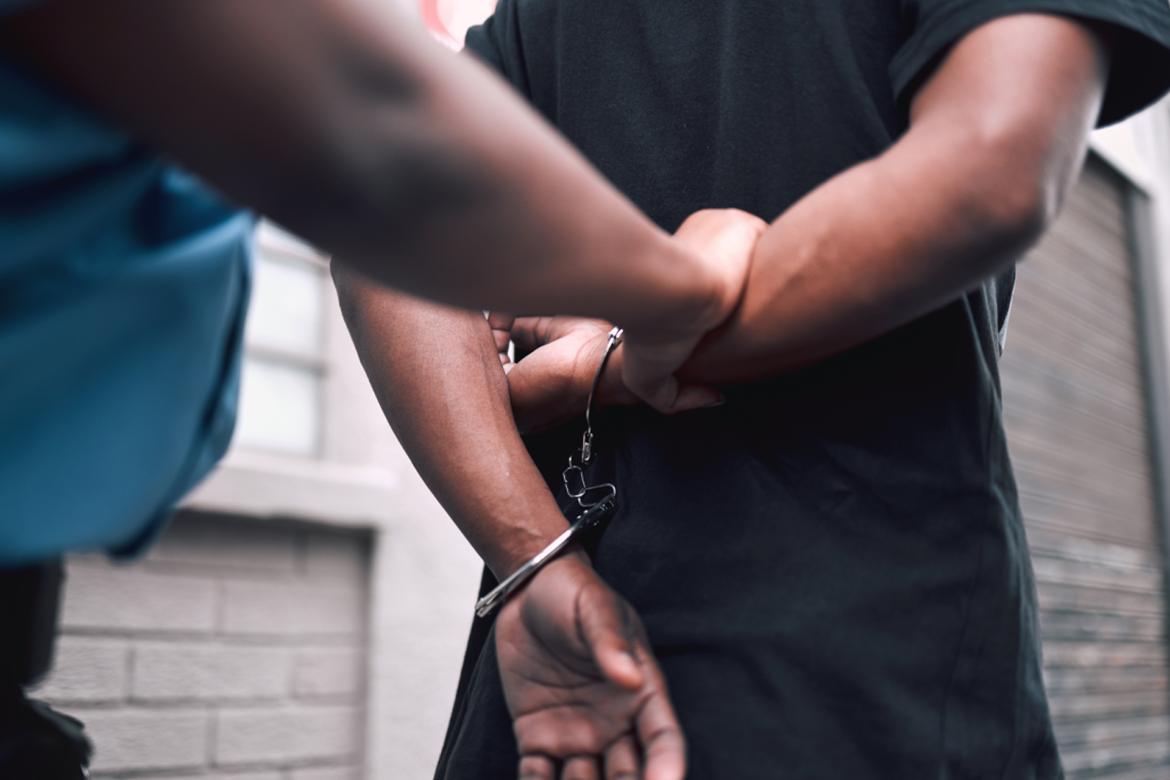
Defensa por obstrucción de la justicia en Florida
Accused of Obstructing Justice in Florida? A Split-Second Interaction With Law Enforcement May Now Be a Criminal Charge
A simple encounter. Questions from an officer. A situation that becomes tense.
Suddenly, you are being told that you are obstructing justice.
Many people are caught off guard by this charge. What feels like confusion, hesitation, or even standing your ground can quickly be interpreted as interference with law enforcement.
The consequences may begin immediately.
An arrest. A citation. A court date. And a record that follows you.
¿La realidad?
What happened in seconds may now be evaluated under criminal law—and the interpretation of that moment matters.
En RHINO Lawyers, we focus on defending individuals across Florida who are facing obstructing justice charges that may affect their freedom, their record, and their future.
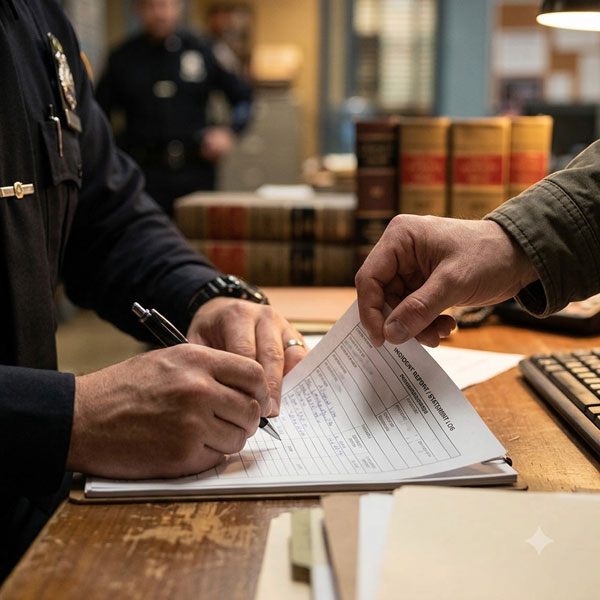
What Is Obstructing Justice Under Florida Law?
Obstructing justice generally involves interfering with, resisting, or opposing a law enforcement officer in the performance of their duties.
Puede revisar la ley en Florida Statutes §843.02.
Para probar este cargo, por lo general la fiscalía debe demostrar:
- The officer was engaged in the lawful execution of a legal duty
- You resisted, obstructed, or opposed that officer
Key issue:
The officer must be acting lawfully.
If not, the entire case may be challenged.
CONTÁCTESE CON SUS ABOGADOS DE DEFENSA PENAL DE FLORIDA
Permitir ’RHINO Lawyers» exabogados y fiscales estatales comienzan a ayudarte INMEDIATAMENTE dándote consejo gratuito con respecto a los hechos de su caso.
Así que, consigue TU Análisis de caso gratuito ahora enviándonos un mensaje de texto, chateando con nosotros en línea, completando el formulario a continuación o llamando 844.RHINO.77.
Common Types of Obstructing Justice Charges
Resisting an Officer Without Violence
This is one of the most common forms of this charge.
Puede incluir:
- Refusing to comply with commands
- Providing false information
- Interfering with an investigation
Obstruction During Investigation
Esto puede incluir:
- Interrupting or delaying law enforcement activity
- Preventing officers from performing their duties
Misidentification or False Statements
Esto puede incluir:
- Providing incorrect identifying information
Context and intent often matter in these cases.
Why Obstructing Justice Charges Are Often Misunderstood
This charge is broad.
That means many situations may be interpreted differently depending on perspective.
Common misunderstandings include:
- Thinking you must answer every question
- Believing hesitation equals non-compliance
- Not understanding your rights during an encounter
Pero esta es la realidad:
Not every interaction with law enforcement that involves confusion or hesitation is a crime.
What Happens After an Obstructing Justice Arrest in Florida?
Estos casos suelen moverse con rapidez, y las decisiones tempranas pueden importar.
Initial Encounter
The situation typically begins with:
- A stop
- An investigation
- A request for information
Arrest or Citation
Dependiendo de la situación:
- You may be arrested
- Or issued a notice to appear
Primera aparición
Un juez revisa:
- La carga
- Condiciones de la fianza
Proceso previo al juicio
Esto puede incluir:
- Revisión de evidencia
- Mociones y audiencias
- Negociaciones
Posibles resultados
Según el caso:
- Los cargos podrían reducirse o desestimarse
- Alternative resolutions may be available
- El caso puede ir a juicio
How Obstructing Justice Cases Are Investigated
These cases often rely heavily on officer accounts.
La evidencia puede incluir:
- Informes policiales
- Video de la cámara corporal
- Declaraciones de testigos
Para los estándares de investigación, el Departamento de Aplicación de la Ley de Florida (FDLE) provides guidance.
Pero esta es la realidad:
These cases often come down to interpretation.
- What the officer perceived
- What was actually said or done
- How the situation escalated
Video evidence may be critical—but may not always tell the full story.
Key Legal Issues in Obstructing Justice Cases
Was the Officer Acting Lawfully?
This is one of the most important issues. If the officer was not performing a lawful duty, the charge may not stand.
Did You Actually Obstruct?
Not all conduct rises to the level of criminal obstruction.
¿Hubo intención?
Intent may be required depending on the situation.
¿Fueron violados sus derechos?
You have the right to remain silent and the right to refuse certain requests.
Is There Reliable Evidence?
Reports and statements may conflict with actual events.
Estrategias comunes de defensa
Cada caso depende de sus hechos. Sin embargo, se pueden aplicar varias defensas.
Unlawful Police Conduct
If the officer was not acting lawfully, the charge may be challenged.
Lack of Obstruction
Your actions may not meet the legal definition of obstruction.
Exercise of Constitutional Rights
You may have been asserting your right to remain silent.
Misinterpretation of Actions
Behavior may be misunderstood in a fast-moving situation.
Pruebas insuficientes
La fiscalía debe probar cada elemento más allá de toda duda razonable.
Situaciones del mundo real que a menudo conducen a cargos
Obstructing justice charges often arise from:
- Traffic stops where communication breaks down
- Public encounters with law enforcement
- Situations involving stress or confusion
- Attempts to understand or question authority
Estos no siempre son casos claros.
El contexto importa.
Consecuencias inmediatas a las que podría enfrentarse
Aun antes de que se resuelva su caso, es posible que experimente:
- Arresto o detención
- Comparecencias ante el tribunal
- Impacto en el empleo o la vida diaria
Estas consecuencias pueden comenzar de inmediato.
Consecuencias a largo plazo de una condena
Una condena puede llevar a:
- Jail time (up to 1 year in certain cases)
- Período de prueba
- Fines
- Antecedentes penales permanentes
Las consecuencias a largo plazo pueden incluir:
- Dificultad para encontrar empleo
- Desafíos de vivienda
- Daño a la reputación
En ciudades de Florida como Tampa, St. Petersburg, Clearwater, Orlando y Fort Myers, estos efectos pueden seguirlo durante años.
Para las estructuras de sentencia, el Departamento de Correcciones de Florida describe la aplicación de sanciones.
Factores específicos de Florida que pueden afectar su caso
Discrecionalidad policial
Officers may interpret behavior differently depending on the situation.
Rapid Escalation
Encounters may escalate quickly without full context.
Evidencia en video
Body cameras may capture events—but may not reflect everything leading up to them.
What To Do If You Are Facing an Obstructing Justice Charge
Si usted está bajo investigación o enfrenta cargos:
Hacer:
- Mantén la calma
- Ejerza su derecho a guardar silencio
- Busque representación legal de inmediato
No hacer:
- Argue or escalate the situation
- Provide statements without legal guidance
- Ignore court obligations
Las decisiones tempranas pueden afectar su caso.
How RHINO Lawyers Approach Obstructing Justice Defense
RHINO Lawyers adopta un enfoque estratégico y detallista.
Esto puede incluir:
- Reviewing body camera footage and reports
- Evaluating whether the officer acted lawfully
- Challenging assumptions about your conduct
- Identifying opportunities to reduce or resolve charges
Each case depends on its facts. A strong defense begins with careful analysis.
Áreas de práctica relacionadas
- RESISTIRSE A LA DETENCIÓN SIN RECURRIR A LA VIOLENCIA
- ALTERACIÓN DEL ORDEN PÚBLICO
- AGRESIÓN Y LESIONES CORPORALES
- PANORÁMICA DE LA DEFENSA POR DELITOS MENORES
Charged With Obstructing Justice in Florida? Take Action Now to Protect Your Record and Your Future
A brief encounter should not define your future. Still, what you do next matters.
If you are facing an obstructing justice charge in Florida, acting early may make a difference.
Llamar 844.RHINO.77, para un Evaluación de caso instantánea y gratuita. Disponible 24/7. Llama a un RHINO hoy.
Preguntas frecuentes
What does obstructing justice mean?
It generally involves interfering with a law enforcement officer performing lawful duties.
Do I have to answer police questions?
You have the right to remain silent in many situations.
Can I be charged for not cooperating?
It depends on the specific actions and circumstances.
Can charges be dismissed?
Depende de los hechos y de las cuestiones jurídicas involucradas.
¿Debería hablar con la policía?
Por lo general, es más seguro hablar primero con un abogado.
CONTÁCTESE CON SUS ABOGADOS DE DEFENSA PENAL DE FLORIDA
REPRESENTACIÓN AUDAZ. RESULTADOS AUDACES.
Permitir ’RHINO Lawyers» exabogados y fiscales estatales comienzan a ayudarte INMEDIATAMENTE dándote consejo gratuito con respecto a los hechos de su caso.
Así que, consigue TU Análisis de caso gratuito ahora enviándonos un mensaje de texto, chateando con nosotros en línea, completando el formulario a continuación o llamando 844.RHINO.77.
