

Defensa por delito menor de posesión de propiedad robada en Florida
Accused of Possessing Stolen Property in Florida? A Simple Purchase or Possession May Now Be Treated as a Criminal Offense
A purchase from someone you know. And a deal that seemed reasonable. Property in your possession that you did not think twice about.
Then law enforcement gets involved. Now someone is accusing you of possessing stolen property.
This charge surprises many people. There may have been no theft. No break-in. No intent to do anything wrong.
Still, under Florida law, simply possessing certain property may lead to a criminal case—especially if the state claims you knew or should have known someone stole it.
¿La realidad?
A misunderstanding about property may now lead to a criminal allegation that affects your record, your finances, and your future.
En RHINO Lawyers, we focus on defending individuals across Florida who are facing possession of stolen property charges that may carry serious legal consequences.
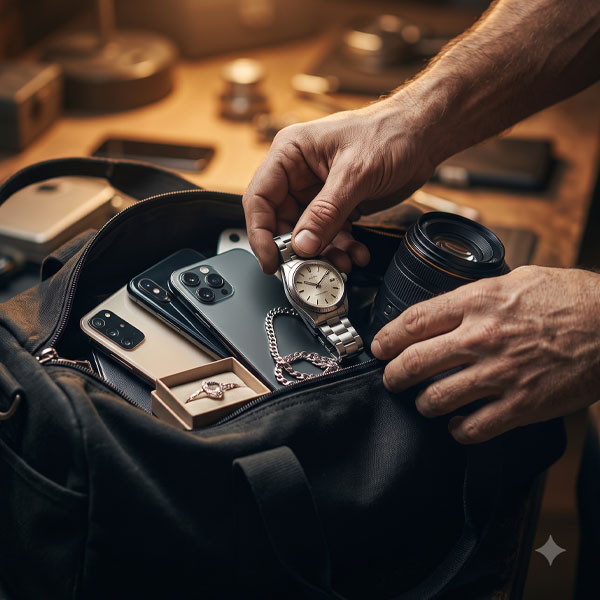
What Is Possession of Stolen Property Under Florida Law?
Possession of stolen property generally involves knowingly obtaining, using, or possessing property that belongs to another person and was acquired through theft or unlawful means.
Puede revisar la ley en Florida Statutes §812.019.
Para probar este cargo, por lo general la fiscalía debe demostrar:
- The property was stolen
- You possessed, used, or controlled that property
- You knew or should have known the property was stolen
The key issue in many cases is not possession alone, but conocimiento.
CONTÁCTESE CON SUS ABOGADOS DE DEFENSA PENAL DE FLORIDA
Permitir ’RHINO Lawyers» exabogados y fiscales estatales comienzan a ayudarte INMEDIATAMENTE dándote consejo gratuito con respecto a los hechos de su caso.
Así que, consigue TU Análisis de caso gratuito ahora enviándonos un mensaje de texto, chateando con nosotros en línea, completando el formulario a continuación o llamando 844.RHINO.77.
Why “Knowledge” Is the Most Important Factor
Owning or holding property is not automatically a crime.
The prosecution must often prove that you:
- Knew the property was stolen
- Or should have known based on the circumstances
Esa distinción importa.
Situations that may raise questions include:
- Purchasing items at a price far below market value
- Receiving property from someone without clear ownership
- Handling items without documentation or proof of purchase
Even then, assumptions are not always accurate.
Types of Possession of Stolen Property Charges
The severity of the charge often depends on the value of the property.
Delito menor de segundo grado
Esto puede incluir:
- Property valued under a certain threshold
Las posibles consecuencias pueden incluir:
- Hasta 60 días de cárcel
- Multas y costas procesales
Delito menor en primer grado
Esto puede incluir:
- Higher-value property within misdemeanor range
Las posibles consecuencias pueden incluir:
- Hasta 1 año de cárcel
- Probation and fines
More Serious Charges
If the value increases or additional factors apply, the charge may escalate beyond a misdemeanor.
How These Cases Often Begin
Possession of stolen property cases frequently start with an investigation into a theft.
Law enforcement may:
- Track property through serial numbers or reports
- Identify individuals who have possession of the item
- Question how the property was obtained
An investigation may quickly shift focus from the original theft to the person currently in possession.
¿Qué pasa después de que te acusan?
The process may move forward quickly.
Investigation or Arrest
You may be contacted, cited, or taken into custody.
Primera aparición
Un juez revisa:
- La carga
- Condiciones de la fianza
Proceso previo al juicio
This stage may include:
- Revisión de evidencia
- Motions challenging the case
- Negociaciones
Posibles resultados
Depending on the facts:
- Los cargos podrían reducirse o desestimarse
- Alternative resolutions may be available
- El caso puede ir a juicio
Una acción legal temprana puede crear más opciones.
How Possession of Stolen Property Cases Are Investigated
These cases often rely on documentation and tracing.
La evidencia puede incluir:
- Property records or serial numbers
- Receipts or lack of documentation
- Declaraciones de testigos
- Informes policiales
Para los estándares de investigación, el Departamento de Aplicación de la Ley de Florida (FDLE) provides guidance.
Punto importante:
Possession alone does not automatically prove knowledge.
Context must be evaluated carefully.
Key Legal Issues in These Cases
Did You Know the Property Was Stolen?
This is often the central issue.
Was There Proof of Ownership?
Documentation may clarify how the property was obtained.
Was the Property Actually Stolen?
The state must prove the property was unlawfully taken.
Was There Intent to Deprive?
Intent may be relevant depending on how prosecutors charge the case.
Is the Evidence Reliable?
Records and statements may be incomplete or incorrect.
Estrategias comunes de defensa
Cada caso depende de sus hechos. Varias defensas pueden aplicarse.
Lack of Knowledge
You may not have known the property was stolen.
Legitimate Purchase or Possession
You may have acquired the property through a lawful transaction.
Pruebas insuficientes
La fiscalía debe probar cada elemento más allá de toda duda razonable.
Mistaken Identity or Possession
You may not have been the person responsible.
Disputed Value of Property
The value may affect the severity of the charge.
Situaciones del mundo real que a menudo conducen a cargos
These cases often arise from everyday situations.
Los ejemplos incluyen:
- Buying items online or from private sellers
- Receiving property from friends or acquaintances
- Purchasing secondhand goods without documentation
- Possession of shared or borrowed items
Each scenario depends on the surrounding facts.
Consecuencias inmediatas a las que podría enfrentarse
Incluso antes de resolver su caso, usted puede experimentar:
- Arrest or citation
- Comparecencias ante el tribunal
- Financial concerns related to the property
These effects may begin quickly.
Consecuencias a largo plazo de una condena
Una condena puede llevar a:
- Tiempo en prisión
- Período de prueba
- Fines and restitution
- Antecedentes penales permanentes
Las consecuencias a largo plazo pueden incluir:
- Dificultad para encontrar empleo
- Desafíos de vivienda
- Financial impact from restitution obligations
En ciudades de Florida como Tampa, St. Petersburg, Clearwater, Orlando y Fort Myers, estos efectos pueden seguirlo durante años.
For sentencing information, the Departamento de Correcciones de Florida describe cómo se pueden aplicar las sanciones.
Factores específicos de Florida que pueden afectar su caso
Property Value Thresholds
Charge severity often depends on valuation.
Documentation and Ownership
Proof of purchase or ownership may influence the outcome.
Law Enforcement Interpretation
Officers may rely on initial assumptions during investigations.
What To Do If You Are Facing This Charge
If you are under investigation or charged, your response matters.
Hacer:
- Mantén la calma
- Preserve any records or receipts
- Busque representación legal de inmediato
No hacer:
- Make assumptions about the case
- Provide statements without guidance
- Dispose of or alter the property involved
Early decisions may influence how your case develops.
How RHINO Lawyers Approach the Possession of Stolen Property Defense
RHINO Lawyers adopta un enfoque estratégico y detallista.
Esto puede incluir:
- Reviewing how the property was obtained
- Evaluating evidence of knowledge or intent
- Challenging assumptions made during the investigation
- Identificación de debilidades en el caso de la fiscalía
Each case depends on its facts. A strong defense begins with careful analysis.
Áreas de práctica relacionadas
- DELITOS DE HURTO
- DAMOS A LA VIDA PÚBLICA
- ENTRADA NO AUTORIZADA
- PANORÁMICA DE LA DEFENSA POR DELITOS MENORES
Facing Possession of Stolen Property Charges in Florida? Take Action Now to Protect Your Record and Your Future
A situation involving property should not define your future. However, what you do next matters.
If you are facing a possession of stolen property charge in Florida, acting early may make a difference.
Llamar 844.RHINO.77, para un Evaluación de caso instantánea y gratuita. Disponible 24/7. Llama a un RHINO hoy.
Preguntas frecuentes
Do I have to know the property was stolen to be charged?
Knowledge is often a key element, but it depends on the circumstances.
What if I bought the item legally?
Proof of purchase may be important in your defense.
Can they reduce the charges?
Depende de los hechos y de las cuestiones jurídicas involucradas.
¿Iré a la cárcel?
It depends on the charge level and circumstances.
¿Debo hablar con las autoridades?
Por lo general, es más seguro hablar primero con un abogado.
CONTÁCTESE CON SUS ABOGADOS DE DEFENSA PENAL DE FLORIDA
REPRESENTACIÓN AUDAZ. RESULTADOS AUDACES.
Permitir ’RHINO Lawyers» exabogados y fiscales estatales comienzan a ayudarte INMEDIATAMENTE dándote consejo gratuito con respecto a los hechos de su caso.
Así que, consigue TU Análisis de caso gratuito ahora enviándonos un mensaje de texto, chateando con nosotros en línea, completando el formulario a continuación o llamando 844.RHINO.77.
