
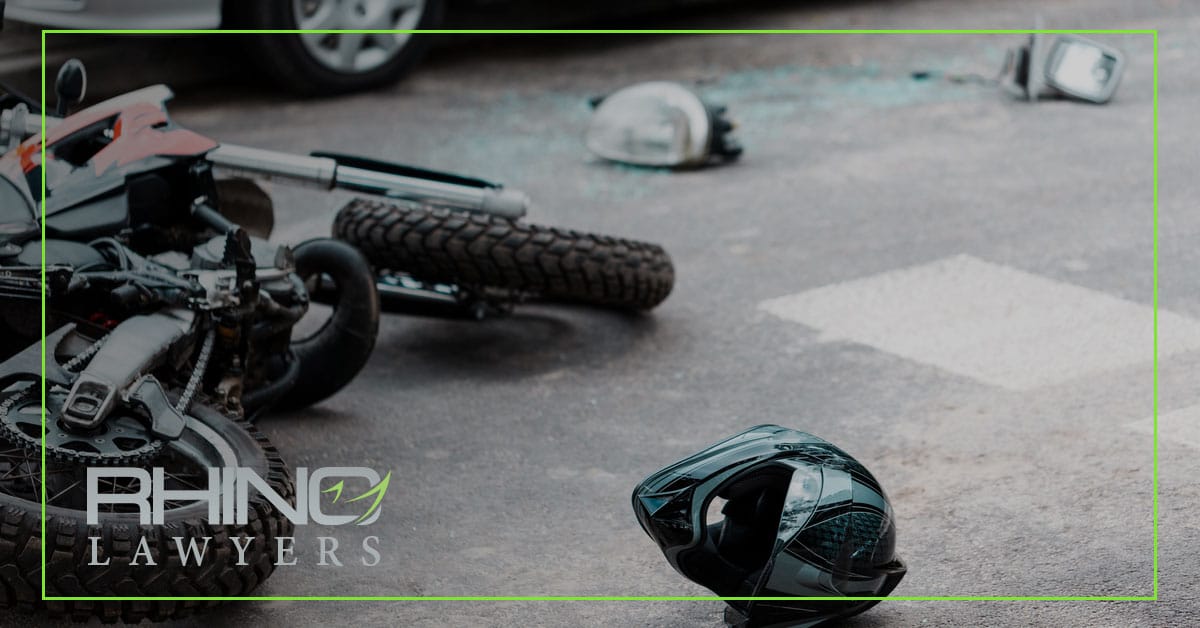
Auto atropella a motocicleta y hiere de gravedad a los tripulantes
A car hits a motorcycle in an intersection injuring both the rider and passenger around 1:50 p.m., Friday, February 9, 2019. According to the St. Petersburg Police Department, a 20-year-old driver of a Lexus pulled out from sitting at a stop sign at N. 19th St. and Haines Rd. and hit a Harley Davidson motorcycle broadside.
The impact ejected the bike’s rider and passenger sending them to the pavement. They listed both in serious condition at a local hospital. Police cited the driver of the Lexus for failure to yield to the right-of-way at an intersection.
Accidentes de motocicleta
When a car hits a motorcycle in a crash, it’s more likely the motorcycle riders will sustain injuries or death. According to many federal studies, a motorcycle rider involved in a crash is six times more likely to be killed or seriously injured. In 2017, 40,000 people died in auto accidents, and 12 percent (5,000) of those were from motorcycle rider or passengers. However, motorcycle riders make up only three percent of vehicle operators.
The fatality rate, which is the number of deaths per 100,000 miles traveled, of a passenger vehicle was 11.1 in 2017. Yet, motorcycle riders had a rate of 56.3. This shows the higher chance motorcyclists have for death or serious injury.
Causes of Motorcycle Crashes
A factor involved in a majority of motorcycle crashes is the low profile of the motorcycle. This creates the problem that motorcycles are often not seen by the car driver until too late. In most of these, the driver of the car is usually at fault as they pull out in front of a bike or hit it broadside.
In intersections, left-turn crashes happen often. This occurs when a motorcycle has the right of way and the car turns left into the path of the bike. This accounts for a substantial amount of motorcycle crashes. Safety experts say that in nearly two-thirds of crashes involving a motorcycle and another vehicle, the other vehicle is at fault. This again goes to the visibility of the motorcycle.
Not all motorcycle crashes are the fault of the car driver. Some of those where the rider is at fault are:
- Exceso de velocidad: Motorcycles are fast and speed is attributed in the majority of motorcycle crashes where injuries occurred.
- Unsafe lane changes/Aggressive driving: Many motorcyclists weave in and out of traffic because they are smaller and can fit where a car can’t. This is the cause of some crashes
- Filtrado entre autos: Driving between two lines of cars (lane splitting) often causes crashes as the space gets narrow or a car door is opened. This is illegal in Florida, but legal in other states like California.
- Dooring: This happens when a motorcycle rides past a parked car and someone opens their door, or when the cyclist is lane-splitting.
- Impaired Driving: Impaired driving by motorcycle riders is a factor in 47 percent of motorcycle rider/passenger fatalities.
- Sudden stops: This occurs both when motorcycle riders stop suddenly and when a car driver stops suddenly.
Injuries Common for Rider/Passenger
- Traumatic Brain: Injury: Both are at risk, and the uses of a helmet will reduce—but not eliminate—the risk.
- Huesos rotos: Hitting the handlebars and frontal ejections are common for both riders and passengers. Any ejectment can cause broken bones. (facial, wrists, legs and ribs)
- Road Rash: Though not as life-threatening as other injuries, road rashes are very common and can cause significant pain and disfigurement.
- Deep Bruises: Even a smaller accident can cause deep bruises when the driver falls to the pavement.
Contact a Motorcycle Accident Attorney Today
If you are injured as a motorcycle rider or passenger, contact a competent Tampa motorcycle accident lawyer to find out if you are entitled to compensation. RHINO Lawyers es el bufete de abogados poderoso y enfocado en los resultados, que se enfrenta “de frente” a las compañías de seguros y a los abusadores.”
Anyone injured due to the negligence of another driver in Florida may should us for a free consultation. Our equipo de lesiones personales le ofrecerá asesoramiento para ayudarle a obtener la compensación que se merece.
Leer más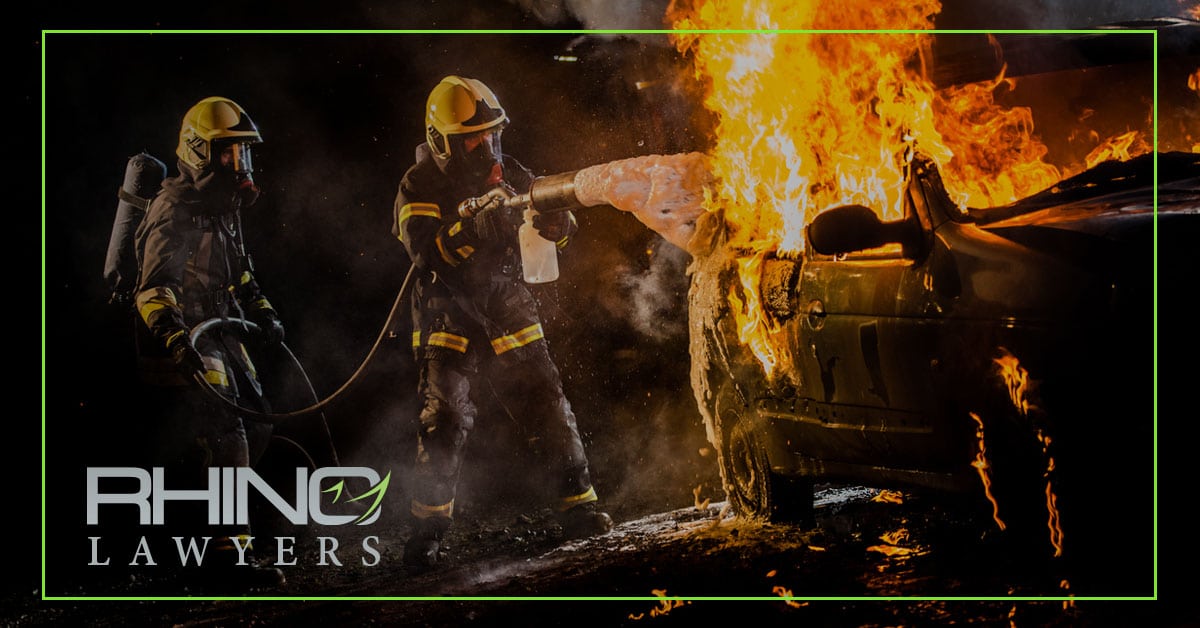
Conductor provoca choque feroz y huye
A driver flees the scene of a fiery crash. The driver of a Chevy SUV swerved to avoid another motorist and lost control of his vehicle. The SUV hit a guard rail and flipped over then caught fire. The driver escaped the flames and paramedics took the driver to Tampa General Hospital.
According to the Florida Highway Patrol, the crash happened around 12:45 a.m. on I-4 east of I-275 in Hillsborough County. The driver of the car that caused the SUV to crash fled the scene and no description of the driver or the car has been given. Anyone with any information about the crash or the unknown vehicle should call the FHP at (813) 558-1800 o *FHP.
“Swerve” Accidents
A swerve accident is one where a driver causes another to swerve to avoid a collision who then crashes into another car or an object causing injury. Many times, the driver of the car that swerved feels that since the other car didn’t hit them, then they have no claim.
However, the law doesn’t say that. The bottom line is that if any driver does something that causes another person to be inured, there is a potential claim for injuries. The key is whether the at-fault driver was negligent.
Don’t be fooled by an insurance company or their lawyers who tell you that there is no claim because their client’s car never actually struck your car. Call an attorney who can help you with your claim.
Atropellos y fugas
Hit-and-Run accidents are especially troubling and can cause additional emotional stress for the victim who often feels twice victimized. First by the collision and then by the fleeing driver who left them injured and without any help.
The problems that come from a hit-and-run are numerous. First, with no one else around the victim is often left without help. Then no one is around to give first aid or call for help. The injured victim might suffer a greater injury because of the delay.
Second, the stress of having been injured and then having the driver flee can cause emotional distress and hamper the healing process.
Problemas de seguros
The injured then becomes victimized a third time when the bills start coming in and there is no money to pay as the injured is out of work. This brings up many questions for the injured regarding who will cover those losses when the at-fault person hasn’t been identified.
- Who will pay my medical bills?
- Can I file the accident on my own insurance policy?
- What injuries can I claim?
- What if I wasn’t using my own car, can I still use my own insurance?
- Will I have to pay them back if the at-fault driver is found?
These are all good questions for the person injured in a hit-and-run. First, you may be able to file under your own auto insurance policy. Many policies have a Medpay or personal injury protection (PIP) provision that pays for injuries in an auto accident regardless of fault.
Typically, Medpay will only pay for medical bills up to a capped amount, and you may have to pay the insurance company back if the at-fault driver is found and pays you for your losses.
PIP pays for medical bills plus lost time from work and some other things like permanent disability, etc. It also has a cap, but in most policies, you won’t have to pay them back if the at-fault driver is found.
If that isn’t available, then many policies have an uninsured/underinsured provision that will pay out when there is an accident involving a vehicle (even if it’s not yours) for some of your losses if there is no insurance or too little insurance. Depending on the policy, this may cover some of the driver’s losses.
Do I need an Attorney When a Driver Flees the Scene?
Most of these questions and more can be answered by a competent attorney, one who knows the law regarding hit-and-run accidents and one that is experienced with insurance companies. Even if you don’t hire an attorney, you owe it to yourself to talk to one. Then you can make the decision informed and knowing what you are getting into if you decide to go it alone.
Comuníquese con un abogado de accidentes automovilísticos en Tampa
After any crash, contact an attorney if there is a serious injury or loss of a loved one. RHINO Lawyers es el bufete de abogados poderoso y enfocado en los resultados, que se enfrenta “de frente” a las compañías de seguros y a los abusadores.”
Anyone injured due to the negligence of another driver in Florida may should us for a free consultation. Our equipo de lesiones personales le ofrecerá asesoramiento para ayudarle a obtener la compensación que se merece.
Leer más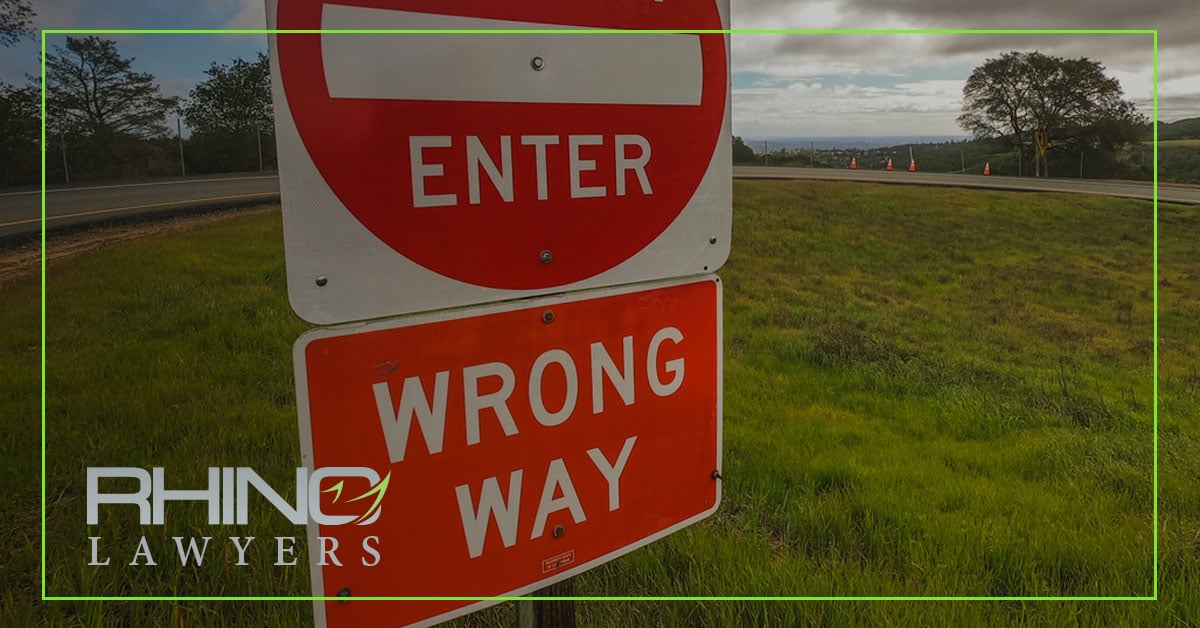
Conductor en sentido contrario mata a un hombre en Suncoast Parkway
Un hombre que conducía una camioneta GMC en sentido contrario por la autopista Suncoast Parkway (S.R. 598) con una densa niebla chocó de frente contra un vehículo que circulaba en la dirección correcta. Según una oficina del alguacil del condado de Highland, el escena, el accidente ocurrió la madrugada del domingo 3 de febrero cerca del marcador de la milla 38. El conductor que iba en sentido contrario mató al conductor de un Mini Cooper al chocarlo de frente.
La oficina del alguacil dijo que sospechan que el consumo de sustancias pudo ser un factor, y el conductor que iba en sentido contrario tenía una condena previa por conducir bajo los efectos del alcohol (DUI) en 2009. Sin embargo, no han presentado cargos y se desconoce si el conductor de la camioneta GMC estaba realmente intoxicado.
Conducción en sentido contrario y de frente
Las colisiones frontales son las más mortales, según un informe por la Administración Nacional de Seguridad del Tráfico en las Carreteras. Las colisiones frontales representan solo el 2 por ciento del total de accidentes cada año, pero constituyen el 10 por ciento de todas las muertes.
Hay dos tipos de colisiones frontales: la deriva hacia el carril central y la conducción en sentido contrario (WWD). Las colisiones frontales por deriva hacia el carril central ocurren cuando el conductor se desvía o se desliza sobre la línea central de una carretera de doble sentido sin división y choca de frente contra un vehículo que viene en dirección opuesta. El ochenta y cinco por ciento de las colisiones frontales se deben a la deriva hacia el carril central.
Las colisiones en sentido contrario ocurrieron en solo el 15 por ciento de los choques frontales y ocurren cuando un vehículo entra a una carretera dividida o autopista en dirección contraria y choca contra un automóvil que va en la dirección correcta.
Causas de la conducción en sentido contrario
Las colisiones en sentido contrario causan lesiones y muertes ligeramente más graves que otras colisiones frontales debido a las altas velocidades de una carretera sin división central. Para que esto ocurra, el conductor debe ingresar a los carriles desde la dirección incorrecta, por lo general usando una rampa de salida como entrada. Las causas de esto son:
- Deterioro
- Mala visibilidad
- Señalización pobre/confusa
- Distracción incluyendo el uso del celular
- Confiando en la aplicación de navegación
Lesiones por colisión frontal
La razón por la cual las colisiones frontales son tan mortales es que el impacto comprende la velocidad y la masa de ambos vehículos. Asimismo, los ocupantes son lanzados hacia la parte delantera de su automóvil y luego son arrojados violentamente hacia atrás en sus asientos. Esta acción causa ciertas lesiones comunes:
- Traumatismo contundenteLa gran mayoría de las muertes provienen del impacto de la persona contra lo que sea que tenga enfrente.
- Lesión cerebral traumáticaNo siempre es mortal y ocurre con el impacto del cuerpo en el momento de la colisión.
- Lesión de la columna torácica(Latigazo cervical) Esta lesión no es necesariamente fatal, pero a menudo resulta en parálisis. Se produce cuando el cuerpo es lanzado hacia adelante, estirando la columna en el cuello, y luego es violentamente comprimida al ser lanzado hacia atrás contra el asiento.
- Huesos rotos Fracturas de cráneo, huesos faciales, costillas y extremidades como muñecas, tobillos y piernas.
¿Qué debo hacer si sufro lesiones en una colisión frontal?
Si usted resulta herido en una colisión frontal, su prioridad número uno es ponerse a salvo y luego atender las necesidades médicas inmediatas. Después de eso, si puede, asegúrese de obtener la mayor cantidad de información posible tomando fotos si tiene su teléfono u otra cámara con usted.
Tarde o temprano, la atención se desplazará hacia quién tuvo la culpa una vez que las pérdidas financieras comiencen a acumularse. En este punto, lo mejor es hablar con un profesional que pueda asesorarle sobre la ley y evaluar su caso. No se deje engañar por el agente de seguros, ya que ellos tienen sus propios intereses.
¿Necesito un abogado?
En algunos casos, tal vez no. Sin embargo, en una colisión de varios autos donde los daños son significativos, hablar con un abogado es indispensable. Necesita un abogado que pueda darle asesoramiento imparcial y evaluar su caso.
Comuníquese con un abogado de accidentes automovilísticos en Tampa hoy
Hablar con un abogado en RHINO Lawyers hoy. Nuestro equipo de lesiones personales está listo para comenzar a trabajar para usted para conseguirle la compensación que se merece.
Leer más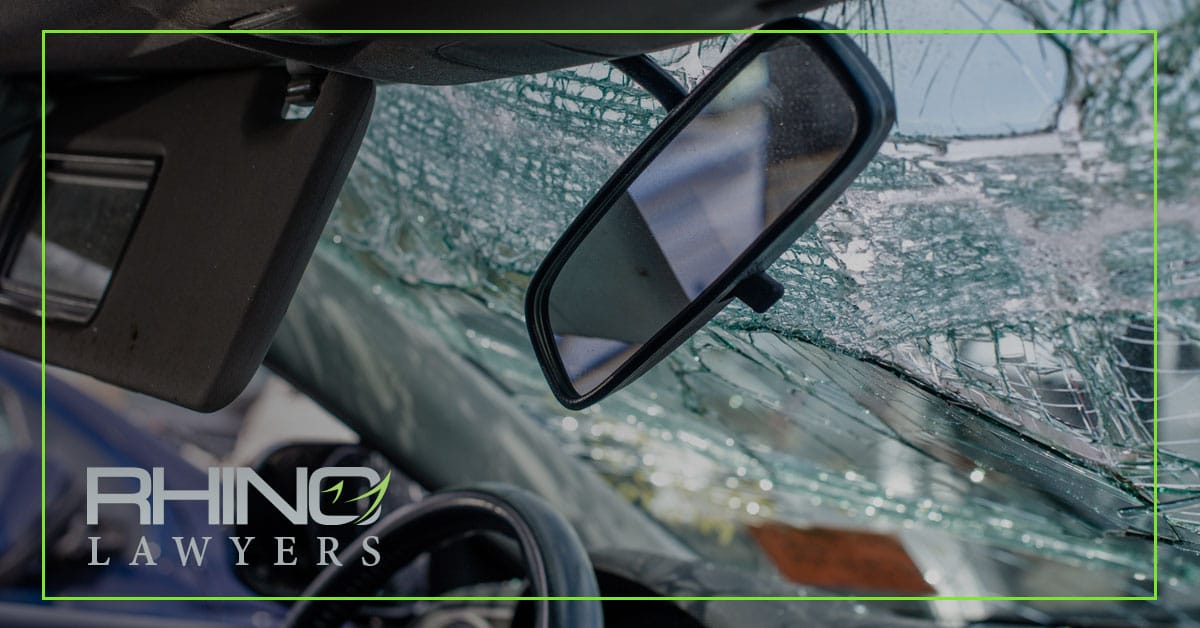
Reclamaciones por muerte por negligencia en accidentes automovilísticos fatales
Over 30,000 people die each year in auto accidents across the U.S. with 3,000 of those happening in Florida. When this happens, it’s devastating for the surviving members of the family. Whether the person is a spouse, parent, child or grandparent, if a family member is taken in an auto accident, the loss is traumatic.
If a loved one dies in an auto accident due to someone else’s negligence, a natural question is, who is able to make a claim if the injured person is dead?
If a loved one was killed in a head-on collision in Florida, contact our personal injury team today for a free consultation. RHINO Lawyers es el bufete de abogados poderoso y enfocado en los resultados, que se enfrenta “de frente” a las compañías de seguros y a los abusadores.”
¿Qué es una demanda por homicidio culposo?
Since a person who has passed can’t file a claim for his or her losses from an auto accident, the Florida law allows the estate of the deceased to file a claim. The estate is the rightful heir of a person’s wealth and property as determined by Florida’s inheritance laws. First in line is the surviving spouse, and then the children, if any.
The claim is based on the loss of the deceased to those in his or her family. Many times, those killed in a car wreck have a spouse and dependent children that counted on support. Also, there is a loss of the person as a spouse, parent or child, and this loss is acutely felt by those left behind.
Making the claim
Ley de Florida spells out what a wrongful death is based on and under what conditions it can be made. Basically, the person or people who are inheriting the estate can recover damages based on the negligence of the at-fault person, and if that negligence resulted in the death of the person, then a wrongful death claim can be made.
Conduct that Leads to a Wrongful Death
There is a wide range of negligent actions that can lead to a wrongful death claim. For each of these, the at-fault person must be considered to have been negligent and the act caused the death of the victim:
- Conducir bajo los efectos del alcohol o las drogas
- Exceso de velocidad
- Manejo en sentido contrario
- Colisiones por detrás
- Colisiones frontales
- Conducción imprudente
Tipos de daños en una demanda por homicidio culposo
Florida law states the types of damages that can be claimed. In a typical claim for damages, the inured person claims the losses he or she incurred because of the negligence of the at-fault person. However, in a wrongful death claim, damages can be based on the losses sustained by both the estate and the individuals affected by the loss. These damages are:
- Medical bills of the deceased, if any.
- Gastos funerarios del causante.
- Pain and suffering of the deceased, if applicable.
- Loss of future income
- Spousal Loss of companionship, consortium.
- Pérdida de la compañía de los padres (relación de los hijos con los padres fallecidos).
- Mental/Emotional pain and suffering of the children.
When can a Claim be Made?
After the victim dies, the estate and survivors have two years to file a claim with the court. Similar to other cases based on negligence, before filing with the court, a settlement can be made with the insurance company. But if the case is not settled within two years, then the claim needs to be filed with the court.
Many surviving members wonder if hiring an attorney is required in a wrongful death case. It doesn’t require one in most cases, but the wrongful death laws can be complicated. So the best course of action is to talk to an attorney who understands Florida’s wrongful death laws.
Contact a Tampa Car Accident Attorney Today
Even if you don’t hire an attorney, you need to speak to one that knows the law and can evaluate your case. Talk to an auto accident attorney at the RHINO Lawyers hoy. Nuestro equipo de lesiones personales está listo para comenzar a trabajar para usted para conseguirle la compensación que se merece.
Leer más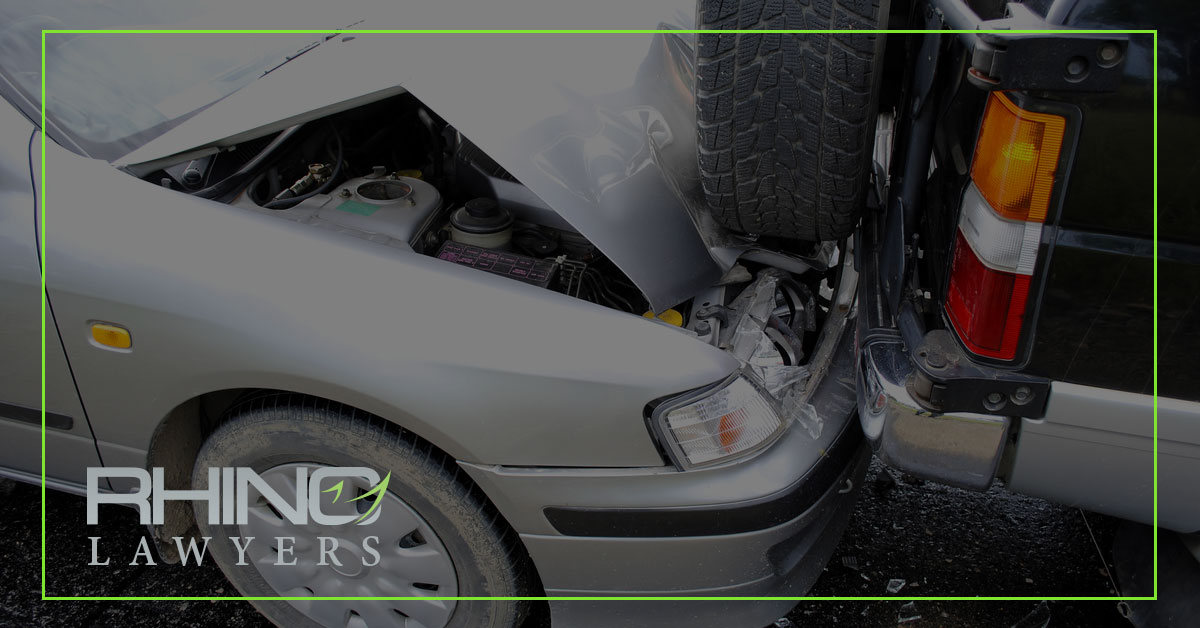
Rear-End Accidents in Tampa FL – Auto Injury Lawyers
Rear-end collisions are by far the most common type of vehicle accident making up over 30 percent of all accidents. According to the National Highway Traffic Safety Administration, there is an average of 2 million rear-end collisions a year resulting in over 500,000 injuries and 17,000 deaths.
In Florida, over 400,000 auto accidents happen each year with 120,000 of them being rear-ended collisions. In addition, the NHTSA found that rear-end collisions were more likely to occur in urban areas. Subsequently, this means you are at more risk of a rear-end collision in places like Tampa Bay, St Petersburg, Clearwater, Brandon, and Spring Hill. In fact, this is primarily due to the number of cars and the stop-and-go driving that is common in urban driving.
Thus, if you were seriously injured or a loved one was killed in a rear-end collision in the Tampa area, contáctenos hoy for a free consultation and case evaluation.
Causes of Rear-End Collisions
First, there are many reasons why rear-end crashes occur, and understanding these can help someone avoid rear-end crashes in the future. Some of these are:
- Sudden stop/Failure to stop: This is common on freeways and highways where the car in front suddenly stops and the following car doesn’t have time to avoid a collision.
- Lane change: Often times a driver will change lanes and not maintain the proper distance from the car in front.
- Distracted driving: Cell phone use is becoming the number one distractor in all automobile accidents. Others are eating, shaving, putting on make-up, changing radio/cd, interacting with other passengers.
- Impaired Driving: Alcohol has been the number one type of impaired driving responsible for many rear-end crashes. Today, marijuana impairment is trending upward as more states legalize recreational usage of the drug.
- Drowsy driving/fatigue: Driving too long without a rest or just getting behind the wheel without enough sleep cause a significant amount of rear-end collisions.
Common Rear-end Collision Injuries
En RHINO Lawyers, we see all types of injuries that come from automobile accidents. Those that are most common with rear-end collisions are:
- Whiplash: In medical terms, this is a hyper-extension and hyper-flexion injury and is the number one type of injury in rear-end collisions. It happens when the vehicle comes to a sudden stop. Afterward, the person slams forward and then slams back into their seat. These injuries can be painful and take a long time to heal. In some cases, people need surgery to repair cervical disc injuries that are common with whiplash.
- Traumatic Brain Injuries: Head impacts on the dash or the steering wheel can cause mild to severe concussions. Unfortunately, this causes injuries to the brain. When the head makes a sudden impact, the brain moves inside the skull, and in many cases, brain damage is a result. When this happens, there is typically a long road of cognitive rehabilitation ahead for the victim.
- Huesos rotos Anytime there is a sudden impact on a person, there is a chance for a fracture. In a rear-end collision, common fractures are to the hands due to bracing or holding onto the steering wheel; the feet from the legs and feet impacting the floorboard and firewall; collarbone/ribs from the seatbelt; and spine fractures that can lead to paralysis.
- Airbag injuries: Airbags undoubtedly save lives, but they can also cause severe burns and even death if the person is not the right heights or weight to be in a seat with an active airbag. Incidentally, some airbags malfunctions can send shrapnel through the car causing injury or death.
- Deformación permanente: Sometimes the victim of a rear-end collision will hit a steering wheel, dashboard, side window or side door frame and receive deep and severe lacerations requiring surgery. Personal property flying inside of the vehicle or broken glass may cut a person in the car.
Common Damages in a Rear-End Collision
Under Florida law, a person hurt by another’s negligencia is entitled to be “made whole.” This is often impossible, but it can provide a basis for determining a financial award. Some of the damages allowed are:
- Gastos médicos
- Lost wages, past, and future
- Permanent injuries/disabilities or disfigurement
- Dolor y sufrimiento
- Loss of quality of life/consortium
- Wrongful Death compensation
- Sufrimiento emocional
In short, money can’t make these things go away. But, it can help compensate for the many losses that come from an accident like a rear-end collision. Therefore, many victims of these accidents wonder if they need to get an attorney. In most cases, the answer is yes.
Contact a Tampa Area Car Accident Lawyer
Lastly, contact a Abogado de accidentes de auto en Tampa that knows the law and can evaluate your case. So, talk to an Attorney at RHINO Lawyers hoy. Nuestro equipo de lesiones personales está listo para comenzar a trabajar para usted para conseguirle la compensación que se merece.
Leer más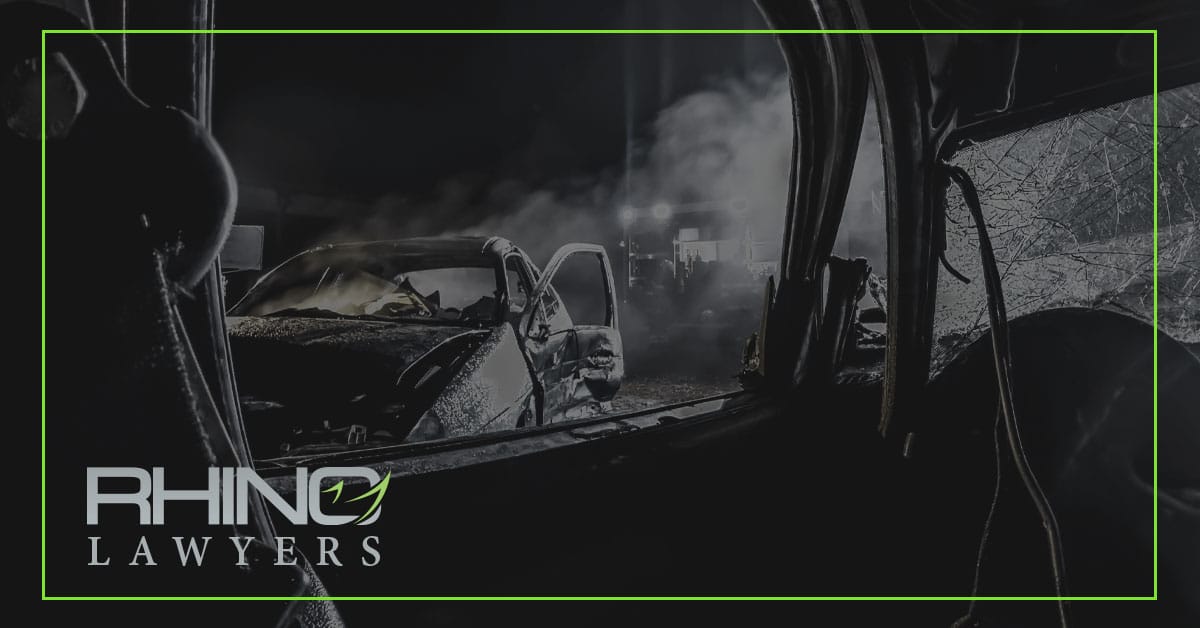
Hombre de Tampa muere en choque múltiple de cinco vehículos en la 301
A five-car pile-up happened after a GMC Envoy hit a Toyota Sienna who stopped in traffic. The GMC pushed the Toyota into a Chevy pickup. Once these vehicles came to a rest, a Lincoln SUV stuck the Envoy. As a result, the Envoy ran into the Sienna again who hit the Chevy pickup for the second time.
Según a Florida State Trooper at the scene, the driver of the Envoy died at the scene. Paramedics took two other drivers to a nearby hospital with undisclosed injuries. Law enforcement arrested the driver of the Lincoln SUV for driving without a license.
Multiple-Vehicle Crashes
Multiple-car crashes can be dangerous as there are several impacts. In fact, some vehicles get hit more than once. This can cause serious injuries as many victims endure multiple hits. There are typically two types of multi-vehicle accidents: chain reaction and pile-up. Each of these have their own characteristics and create unique problems for all involved.
Chain Reaction Crashes
A chain-reaction crash happens when a collision occurs involving two cars and then other impacts occur in a series of events all linked to the first collision. These can be especially deadly. This is because the vehicles involved are traveling at higher speeds and have significant momentum. These types of crashes are known for high property damage, rollovers, centerline/median crossing and cars leaving the roadway.
Five-Car Pile-Up Crashes
A five-car pile-up or multi-car wreck, although technically a chain reaction as well, happens when cars fail to slow or stop when approaching another accident or stopped vehicles. These collisions can be small fender-benders to high-impact collisions. Click the chain-reaction crash video to watch the shocking pile-up unfold on an icy freeway.
Problems with Multi-Car Crashes
A significant factor in a multi-car crash is the risk of being struck a second or third time as cars come up on the scene. Many times a chain reaction turns into a pile-up collision as other motorists are unable to stop.
According to experts, the best thing to do in a chain-reaction or pile-up collision is to stay in your vehicle with the seat belt on. This is because the car around you—even damaged—offers more protection than getting out and being in the open. Of course, there are many times when it’s better to exit the vehicle such as when the vehicle is on fire or leaking fuel.
¿Cómo se determina la culpa?
After clearing the scene and everyone has been treated and healing, the fault of the accident will become important. Because those injured will be facing severe financial losses. Some of these losses that affect the victim soon after the accident are:
- Gastos médicos
- Rehabilitation
- Lost time from work
- Loss of a job
- Transportation: short term and replacement
- Disability: temporary or permanent
The issue of fault in a two-car collision can be tricky at times. However, in a five-car pile-up crash, the series of events and the difficulty the crash scene investigators have when trying to determine what happened compounds the trickiness. With so many cars and possible impacts, it can be a challenge to determine the facts.
It’s likely that in multi-car crashes, more than one person will be at fault. The investigators will look at each impact and try to determine which car struck the other under what circumstances. Because a second or even third impact could involve the same car with a different driver at fault for each impact. This can make determining which driver is responsible for which injuries extremely complicated.
¿Necesito un abogado?
Talking to an attorney is a must after any crash involving a serious injury or the loss of a family member. You need an attorney who can give you unbiased advice and can evaluate your case.
Even if you don’t hire an attorney, talk to an Attorney at RHINO Lawyers hoy. Nuestro equipo de lesiones personales is ready to answer any questions you may have.
Leer más
Plazo de prescripción para lesiones personales en accidentes automovilísticos
Un estatuto de limitaciones es una ley que limita el tiempo que una persona tiene para presentar una demanda. En Tampa y en el resto de Florida, si la demanda involucra un reclamo por lesiones personales, entonces el demandante (quien presenta el reclamo) tiene cuatro años a partir de la fecha del accidente archivar.
Esto significa que cualquier persona involucrada en un accidente el 1 de enero de 2016, por lo general tendrá hasta el 1 de enero de 2020 para presentar una demanda. Puede presentarla ese día, pero si espera hasta el 2 de enero de 2020, un juez puede desestimar la demanda por no haberla presentado a tiempo. Existen muy pocas excepciones.
Asegúrese de hablar con un abogado para que revise sus opciones lo antes posible cuando sufra una lesión. Si su lesión ocurrió en el área de Tampa, Florida, contáctenos hoy para una consulta gratuita.
Propósito de un estatuto de limitaciones
En cada estado, la legislatura de ese estado aprueba una ley que determina el plazo de prescripción para diferentes tipos de demandas legales. La razón de este límite es que, a medida que pasa más tiempo, más difícil resulta encontrar testigos y pruebas que puedan ayudar al jurado a determinar qué sucedió. El límite recae sobre el demandante porque este controla la presentación de la demanda, mientras que el demandado no tiene la capacidad de acelerar el reclamo.
Excepciones a la presentación dentro del plazo
Hay situaciones que detienen o “suspenden” el tiempo que corre del plazo de prescripción. Si alguna de estas se aplica, el reloj se detiene y luego continúa si la situación vuelve a cambiar. Algunas de estas circunstancias son:
- Incapacidad: Si la persona queda incapacitada a causa de lesiones, como por ejemplo en estado de coma, el plazo para presentar la demanda se suspende hasta que la persona salga del coma o fallezca.
- Fuera del estado: Si la persona que cometió el acto sale del estado después de que se haya presentado el caso, entonces este se detiene hasta que dicha persona regrese.
- Ocultamiento: Si el demandado intenta esconderse de la persona que quiere presentar una demanda, entonces el tiempo se detiene.
- Nombre falso: Si el demandado usa un nombre falso para intentar evitar que el demandante lo localice.
Cómo funciona
El día del accidente o lesión personal, el demandante tiene cuatro años para presentar una demanda. Si presenta la demanda incluso un día después de que se cumplan los cuatro años, el tribunal puede desestimar el caso. Y no se podrá reclamar ninguna indemnización por daños y perjuicios al demandado.
Sin embargo, si ocurre una de las excepciones, como que el demandado salga del estado durante dos años, el plazo de prescripción podría dejar de acumularse y es posible que no vuelva a correr hasta que la persona regrese al estado.
Comuníquese con un abogado de lesiones por accidentes automovilísticos en Tampa
Si usted ha resultado lesionado en un accidente automovilístico o por la negligencia de otra persona, necesita consultar a un abogado de inmediato para hablar sobre cuál es el plazo límite para su caso.
No esperes hasta el último minuto, ya que entonces podría pasar algo y el plazo podría vencer. Llama al Abogados de lesiones por accidentes automovilísticos en Tampa en 844 RHINO-77 o 844 879 3213 para hablar con nuestro equipo de lesiones personales quién puede asesorarle sobre las leyes de lesiones personales de Florida.
Leer más
Seguro sin culpa en Tampa, Florida
Florida has a “No Fault” personal insurance system meaning that the law requires each driver to have a $10,000 personal injury protection policy (PIP). This means that when someone in Florida is involved in a car accident, all medical bills and lost wages up to $10,000 must be paid from the injured person’s own PIP which pays 80 percent for medical bills and 60 percent of lost wages.
It works like this: You get into an auto accident that is your fault. Then your PIP pays medical bills (80%) and any lost wages (60%) up to $10,000.
Let’s say it’s the other driver’s fault. Then not much has changed as you still have to use your own PIP insurance to pay for your medical bills and lost wages up to $10,000. However, what about those bills and/or lost wages beyond $10,000?
Exceptions to PIP Insurance
Ley de Florida allows for exceptions to having to use your own PIP. This means that if one of these exceptions applies, then you can sue the other driver. These exceptions are:
- Medical bills/lost wages greater than $10,000.
- Significant and permanent loss of an important bodily function.
- Permanent injury within a reasonable degree of medical probability, other than scarring or disfigurement.
- Significant and permanent scarring or disfigurement.
This means that if you have any amount of medical bills for a “significant and permanent loss of bodily function” then you can sue for those damages regardless of the amount of the medical bills. When you do sue, you can get “special damages” for pain and suffering, mental anguish, and inconvenience because of bodily injury, sickness, or disease. You have to prove that the defendant was negligent and that these injuries arose from the accident.
How it Works:
Let’s say you are in an automobile accident that is not your fault and you have $5,000 in medical bills and $5,000 in lost wages. Then even though it’s someone else’s fault, you have to use your PIP insurance to pay for your medical bills and lost wages. So for $5,000 in medical bills, your PIP will pay $4,000 leaving you to pay $1,000. For your lost wages from being out of work, your PIP will pay you $3,000.
Let’s say that out of those $5,000 in medical bills, $4,000 was for a significant and permanent injury. Then you can sue the other driver for those $4,000 plus any special damages such as pain and suffering.
Now let’s say that your medical bills were $20,000. But they weren’t considered significant and permanent, and you weren’t out of work. In this case, you must use your own PIP for the first $10,000 (you would still owe $2,000 after PIP paid $8,000). After, you can sue the other driver for the remaining $10,000 plus pain and suffering and all other special damages. One thing to keep in mind when you sue for anything not covered by your PIP insurance, Florida is also considered a Comparative Fault state. Meaning that if you were somewhat at fault, the amount paid from the other driver gets reduced by that percentage.
Always Call a Tampa Auto Accident Lawyer
If you are seriously injured in an auto accident, speak to a Tampa Auto Accident Lawyer. Call the RHINO Lawyers at 844 RHINO-77 o 844-879-3213 para hablar con nuestro equipo de lesiones personales quién puede asesorarle sobre las leyes de lesiones personales de Florida.
Leer más
Culpa comparativa en Tampa, Florida
Cuando alguien sufre un accidente automovilístico, muchas veces una persona es completamente culpable. En estos casos, la disputa gira en torno a cuánto dinero recibirá la persona lesionada. Basan la compensación en el monto de sus pérdidas. Antes de las leyes de culpa comparativa, la ley exigía que la persona culpable pagara el 100 por ciento de los daños. Sin embargo, si la persona lesionada tenía parte de la culpa (lo que se denomina negligencia concurrente), entonces esa persona no recibía ninguna compensación.
Muchos sintieron que esto no era justo, ya que por lo general no es tan blanco y negro determinar cuántas culpas tuvo cada persona. Además, si el demandante (la persona que interpone la demanda) tenía tan solo un 1 por ciento de culpa, no recibía nada. Entonces, ¿qué sería justo?
En la década de 1960, surgió la idea de dividir la culpa entre las partes. Hoy en día, todos los estados de EE. UU., excepto cuatro, asignan un porcentaje de culpa en el accidente a cada parte. Como resultado, cada persona paga su propio porcentaje de culpa por las lesiones del demandante. A esto lo llaman negligencia comparativa o culpa comparativa.
¿Lesionado? Antes de continuar leyendo, tenga en cuenta que puede comunicarse con nosotros para una consulta gratuita en la que le brindaremos asesoramiento legal. A continuación, se presenta simplemente información legal y no debe tomarse como asesoramiento. Asimismo, muchos acuerdos de casos ocurren fuera de los tribunales.
Tipos de culpa comparativa
Existen dos enfoques principales sobre la culpa comparativa. Uno es la culpa comparativa pura y el otro es la culpa comparativa modificada. Tampa y todo el estado de Florida utilizan un sistema de culpa comparativa pura.
Culpa comparativa pura
En este sistema, el tribunal asignará la culpa a cada persona responsable (por ejemplo: los conductores en un accidente automovilístico). Luego, cada persona es responsable de los daños y perjuicios del demandante en proporción a su porcentaje de culpa. Por ejemplo, si el tribunal determina que el demandante tiene un 20 por ciento de culpa y el demandado un 80 por ciento, entonces cada uno pagaría ese porcentaje de los daños y perjuicios del demandante. Si los daños y perjuicios fueran de $100,000, el demandante recibiría el 80 por ciento de los daños y perjuicios, es decir, $80,000.
Culpa comparativa modificada
En estos estados, se asigna la culpa a cada una de las partes. Sin embargo, si un demandante presenta una demanda contra un demandado y el jurado determina que el demandante tiene más del 50 por ciento de la culpa, entonces no podrá recibir ninguna indemnización. Funciona así: supongamos que hay $100k en daños y perjuicios, y que un conductor considera que el otro tiene mayor culpa que él. Si este conductor presenta una demanda, entonces él o ella es el demandante y el otro es el demandado.
Si el jurado determina que el demandante tuvo un 55 por ciento de culpa, entonces el demandante perdería la demanda y no cobraría nada.
Se pone complicado
En la mayoría de los accidentes, ambos conductores sufren daños, y en muchos de ellos, ambos presentan lesiones médicas. Entonces, ¿qué pasa si el conductor A tiene algo de culpa, pero el conductor B tiene la mayor parte de la culpa y A demanda a B por daños y perjuicios? En ese caso, el tribunal asignará la culpa y el demandante recibirá el porcentaje que se le haya asignado. Por ejemplo, si el demandante tiene $100,000 en daños materiales y médicos, y el demandado tiene un 60 por ciento de culpa, entonces el demandante recibiría $60,000. Suena sencillo, ¿verdad? Pero, ¿qué pasa con los daños del demandado? ¿Qué pasa si el demandado sufrió daños por $20,000 en reparaciones del auto y lesiones médicas? ¿Se le reconoce al demandado algún “crédito” por esos daños?
A menos que el demandado presente una contrademanda, entonces la respuesta es no. En una demanda, el tribunal solo puede examinar las reclamaciones por daños y perjuicios realizadas por el demandante, y si el demandado quiere que el tribunal considere sus daños a la propiedad y gastos médicos, entonces el demandado tendrá que contrademandar. Si eso sucede, se complica.
En términos sencillos, el tribunal analizará cada caso —la demanda y la contrademanda— y luego le asignará a cada parte una cantidad que deberá pagar a la otra. Así, si el tribunal le otorga al demandante en la demanda original $60,000 (60% de $100,000) y luego, en la contrademanda del demandado, le otorga a este último $8,000 (40% de $20,000), el demandado obtendría un crédito de $8,000, ya que el demandante fue responsable en un 40 por ciento de las lesiones del demandado.
También se debe considerar que Florida es un estado de seguro “sin culpa” lo que significa que cada persona debe contar con una póliza de $10,000 para cubrir los gastos médicos y la pérdida de ingresos. Esto implica que todos los gastos médicos y la pérdida de ingresos se pagan hasta un máximo de $10,000 con cargo a la propia póliza de la persona lesionada, independientemente de quién sea el responsable del accidente. Existen excepciones, por lo que debes informarte cuáles son antes de llegar a un acuerdo con cualquier compañía de seguros.
Comuníquese con un abogado de lesiones por accidentes automovilísticos en Tampa
Esto puede sonar un poco complicado, así que lo mejor que puede hacer si está lesionado es conseguir un abogado que le ayude. Incluso si no contrata al abogado, sería prudente al menos consultar con uno para que le indique a qué se enfrenta. Puede resultar ser un caso sencillo y directo, pero tenga en cuenta que cualquier caso de lesiones personales en Florida puede ser complicado. Llame al Abogados de accidentes automovilísticos en Tampa en 844 RHINO-77 o 844 879 3213 para hablar con nuestro equipo de lesiones personales quién puede asesorarle sobre las leyes de lesiones personales de Florida.
Leer más
Carambola de seis autos en San Petersburgo termina en tragedia
A pileup crash that involved six cars killed a woman. The crash happened on Sunday afternoon, January 27, 2019, on 49th Street. According to the Tampa Bay Times, the woman was a passenger in a taxicab that rear-ended a Chevy Tahoe that was pushed into a Ford Escape. The Escape hit Kia Optima which then hit a Hyundai Santa Fe. The paramedics took the Taxi driver and passenger to a local hospital in serious condition. Tragically, the passenger died later at the hospital.
Pile-up Crashes
Multi-car crashes happen in two ways, chain-reaction, and pileup collisions. A chain-reaction crash happens on a freeway where a collision between two cars causes other cars to collide. In a pileup crash, cars arriving on stopped cars are unable to slow down in time and plow into the cars in front of them. Sometimes the stopped cars are there because they were in a previous accident.
Every collision is dangerous. But in a pileup, secondary crashes can subject some vehicles to multiples hits. In many cases, a person survives the first crash with little injury. Yet, then is seriously injured or killed in the subsequent crashes.
According to the American Automobile Association, the best thing to do when you are involved in a crash where there is a possibility of a secondary collision is to stay in your vehicle with the seatbelt on. This is because once you get out, you are no longer protected by your vehicle. However, if there is another reason to leave the vehicle like you smell leaking gas or see smoke or flames, then you are better off getting out of the vehicle and to a safe location.
How is Fault Determined in a Pileup Crash?
Immediately following an accident, fault doesn’t seem to be very important. Especially, when compared to the need for safety and treatment. Yet, after many of the injured suffer with medical bills and other financial losses that can become substantial.
Then the issue of fault will become important. In serious crashes, traffic investigators will process the scene to determine what happened and then will issue a report giving their opinion as to what happened, and typically these reports do not give a conclusion as to who was at fault.
In pileup crashes, complicate finding fault. As in many cases, a car might be a victim for one impact and at-fault for another. This leaves the parties, their insurance companies and possibly the courts to figure out who bears financial responsibility.
Another problem motorists involved in a pileup crash face is that the insurance company will often try to point the finger of blame toward everyone but their client and will attempt to use the accident report to validate their position.
¿Necesito un abogado?
The answer is yes! After any serious injury or death of a loved one, you need to talk to someone who has your best interest in mind and can give you realistic and unbiased advice. You need an attorney that understands multi-car and chain-reaction crashes and has experience dealing with insurance companies. Don’t wait until they start treating you poorly before you contact an attorney.
Contact the RHINO Lawyers which is a powerful, results-driven law firm, that takes Insurance Companies and Bullies “head-on!” Anyone injured due to the negligence of a driver in Florida call us for a free consultation. Our equipo de lesiones personales le ofrecerá asesoramiento para ayudarle a obtener la compensación que se merece.
Leer más