
Adolescente en estado crítico tras choque con volcadura y fuga en Sarasota
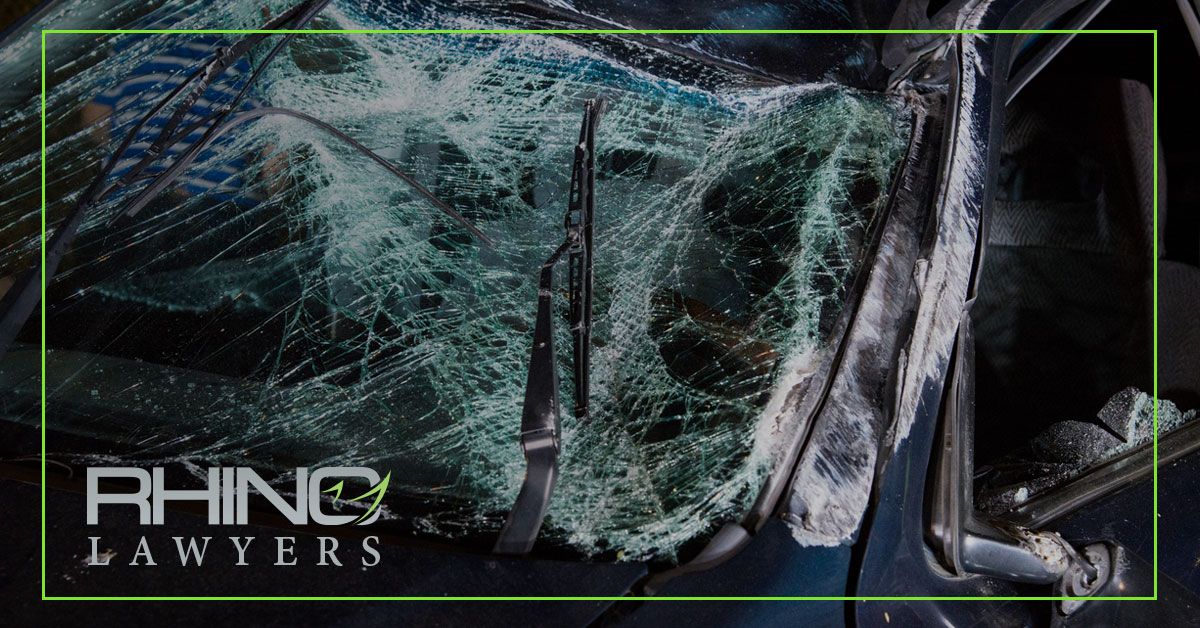
Una minivan de KIA presuntamente dio vuelta frente a un sedán Audi. Esto provocó que el Audi volcara y diera muchas vueltas, hiriendo de gravedad a su conductor. El choque fue captado en video. Mostró que el KIA giraba a la izquierda desde la U.S. 41 interponiéndose en la trayectoria del Audi, el cual luego viró bruscamente intentando evitar una colisión. Pero el KIA golpeó el panel trasero del lado del conductor del Audi, provocando que volcara varias veces.
El choque ocurrió el jueves por la mañana, 28 de febrero de 2019. Y se pudo ver en un video capturado por la cámara de seguridad de un hotel. El choque expulsó al conductor del Audi. En consecuencia, tras esperar unos siete segundos, el conductor del KIA se marchó.
El dramático video mostró el contacto entre los vehículos y el Audi dando varias vueltas de campana, chocando contra al menos dos automóviles estacionados antes de quedar volcado sobre su techo en el estacionamiento. La policía busca al conductor de una KIA Sedona blanca y pide a cualquier persona que tenga información sobre el incidente que se comunique al (941) 751-8350.
Accidentes de fuga
Los choques con fuga van en aumento en Estados Unidos, mientras que el número de accidentes automovilísticos per cápita ha venido disminuyendo en la última década. Según un estudio según la Asociación Automovilística Estadounidense, hubo 2,049 muertes por atropello y fuga en 2018, un aumento del 60 por ciento desde 2009, mientras que en la misma década hubo una disminución del 10 por ciento en todas las muertes por accidentes de vehículos.
Hay un promedio de 682,000 accidentes de atropello y fuga al año, lo que equivale a uno cada 14 minutos o 102 al día. Per cápita, Florida comparte el primer lugar en muertes por atropello y fuga con Nuevo México y Luisiana.
¿Por qué la gente huye del lugar de los hechos?
Aunque no está claro por qué el conductor en el accidente mencionado anteriormente abandonó el lugar después del choque, las personas abandonan el lugar de los accidentes por varias razones:
- Sin saber que atropellaron a alguien: Aunque esta es una excusa común, en algunos casos resulta ser verdad. Si el impacto es lo suficientemente leve, y el conductor está distraído, es posible que no se dé cuenta.
- DeterioradoAlgunos conductores sienten que meterse en problemas por huir de la escena de un accidente es menos problemático que recibir un cargo por conducir bajo los efectos del alcohol (DUI).
- Sin orden de arresto / Sin orden de aprehensiónMuchas personas huyen porque conducen sin licencia o tienen una orden de arresto pendiente, y no quieren meterse en más problemas.
Muertes por atropello y fuga
Cuando una persona es víctima de un atropello y fuga, sus probabilidades de morir aumentan, según las estadísticas. A primera vista esto no parece tener sentido, ya que el accidente en sí no parece ser diferente en un atropello y fuga, solo que el conductor huyó.
Sin embargo, los expertos dan un par de razones por las cuales hay más muertes en un choque con fuga. Primero, muchas veces, la ayuda para la víctima se retrasa. Esto ocurre cuando no hay nadie alrededor para presenciar el accidente y el conductor huye dejando a la víctima sola sin ayuda. En muchos casos, es fundamental que la víctima reciba primeros auxilios inmediatos, como cuando el auto está en llamas o tiene una hemorragia grave. Si el otro conductor se marcha, la víctima no puede recibir esa ayuda crucial.
En segundo lugar, algunos conductores que se dan a la fuga han declarado que fue la gravedad del accidente lo que los hizo irse. Sintieron que se meterían en grandes problemas, por lo que simplemente huyeron. Aunque parece ilógico si se mira en retrospectiva, los expertos dicen que las personas no siempre actúan de manera sensata y lógica cuando están bajo un gran estrés.
Responsabilidad por atropello y fuga
Por lo general, el seguro de auto de una persona cubre la responsabilidad civil de un accidente. Sin embargo, un conductor desconocido puede causarle problemas a la víctima. Esto genera estrés en la víctima mientras intenta averiguar cómo va a pagar sus cuentas. Si las autoridades atrapan al conductor, el seguro de ese conductor pagará los daños.
Sin embargo, los lesionados tienen menos opciones cuando nunca encuentran al conductor culpable. Una alternativa podría ser revisar su propia póliza para ver si tienen una cobertura de “Medpay” o una “póliza de lesiones personales” (PIP), la cual le pagará a la persona lesionada sin importar quién tuvo la culpa. Por lo general, Medpay solo pagará las facturas médicas, mientras que el PIP pagará las facturas médicas además de algunas otras pérdidas, como los salarios caídos.
Sin embargo, si el seguro de la persona lesionada no cubre eso, es posible que no haya ninguna cobertura disponible. Algunas ciudades o estados tienen fondos para víctimas que podrían cubrir algunas pérdidas, pero esto no es una certeza.
¿Necesito un abogado?
Siempre hable con un abogado después de cualquier accidente de fuga y atascamiento (hit-and-run) o colisión frontal que resulte en una lesión grave.
Involucrado en un choque similar a este, comuníquese con nuestro equipo de lesiones personales hoy para una consulta gratuita y evaluación del caso.
RHINO Lawyers es el bufete de abogados poderoso y enfocado en resultados que se enfrenta directamente a las compañías de seguros y a los abusones. Describimos nuestro enfoque audaz y moderno sobre el “Derecho de Accidentes y Lesiones Personales” y “Nuestra Misión Personal” de empoderar a las familias de Florida para que “¡Tomen el Control!”
Leer más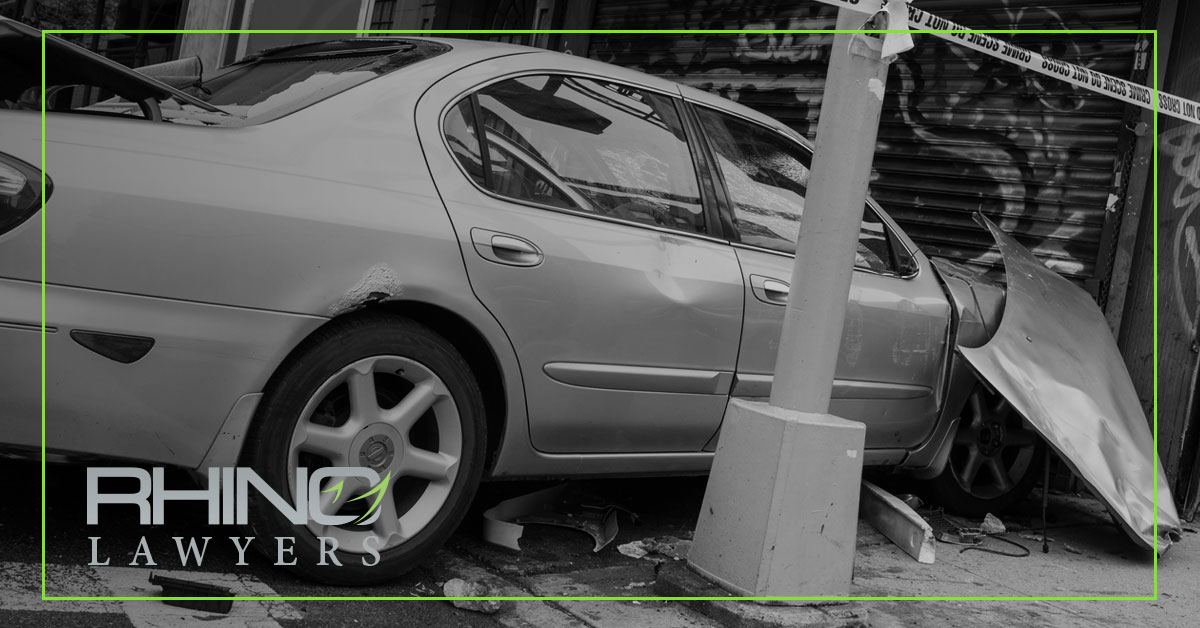
Choques de automóviles contra edificios: ¿Quién es responsable en Florida?
Un auto se estrelló contra la pared de un local comercial y hirió a una persona que se encontraba en el edificio. El accidente ocurrió alrededor de las 10 de la mañana del miércoles 27 de febrero de 2019. Según testigos en el escena, parecía que la conductora del Fusion pisó el acelerador en lugar del freno y atravesó la fachada del edificio.
La conductora acababa de salir de la oficina ocupada por una compañía de seguros y se subió a su automóvil intentando dar marcha atrás desde el espacio para discapacitados cuando, en su lugar, dio un viraje hacia adelante. Esto hirió a una persona dentro de la oficina con cortes y raspones significativos. Los paramédicos la trasladaron a un hospital local.
Choques de autos y edificios
En todo Estados Unidos se producen más de 60 accidentes en los que un auto se estrella contra un edificio al día, según según el Instituto de Tráfico de Texas de la Universidad de Texas A&M. De ellas, los restaurantes y otras tiendas minoristas representan el 43 por ciento de todas las colisiones contra edificios, lo que causa más de $300 millones en daños.
La ubicación del edificio es un factor fundamental en la probabilidad de que ocurra un accidente al estacionar un auto. Aunque parecería que las zonas con mucho tráfico, como las tiendas de conveniencia y las gasolineras, estarían entre las primeras de la lista, en realidad son los edificios de oficinas y las tiendas de los centros comerciales lineales. ¿Por qué? Porque la mayoría de los accidentes ocurren cuando alguien pisa el acelerador en lugar del freno al salir o al estacionarse.
La mayoría de estos tipos de edificios tienen cajones de estacionamiento orientados hacia el escaparate, lo que pone a las tiendas en riesgo de sufrir una colisión.
A la gente la toma por sorpresa cuando los autos se estrellan contra los edificios. Además, no tienen tiempo de ponerse a salvo. El primer peligro es el impacto del auto en sí, y luego están los numerosos escombros que salen disparados. Esto puede provocar laceraciones profundas, fracturas óseas y traumatismos craneales.
¿Qué debo hacer?
Lo primero que debe hacer es recibir tratamiento para sus lesiones. En el lugar de los hechos, y si le es posible, obtenga tanta información como pueda, o pídale a alguien que esté allí que lo haga por usted. Las fotografías de los daños ayudarán más adelante en caso de que sea necesario un juicio.
Luego, cuando ya te hayan atendido y puedas concentrarte en otras cosas, llama a un abogado. Algunas personas que sufren accidentes entre vehículos y edificios no piensan en buscar un abogado porque no se trató de un accidente automovilístico tradicional. Sin embargo, el conductor del vehículo es responsable de sus acciones y, por lo general, cuenta con un seguro.
Comuníquese con un abogado de accidentes automovilísticos en Tampa
Siempre hable con un abogado después de un accidente que resulte en una lesión grave.
Si estuvo involucrado en un choque similar a este, comuníquese con nuestro equipo de lesiones personales hoy para una consulta gratuita y evaluación del caso.
RHINO Lawyers es el bufete de abogados poderoso y enfocado en resultados que se enfrenta a las compañías de seguros y a los abusones “de frente”. Describimos nuestro enfoque audaz y moderno sobre la “Ley de Accidentes y Lesiones Personales” y “Nuestra Misión Personal” de empoderar a las familias de Florida para que “¡Tomen el Control!”.”
Leer más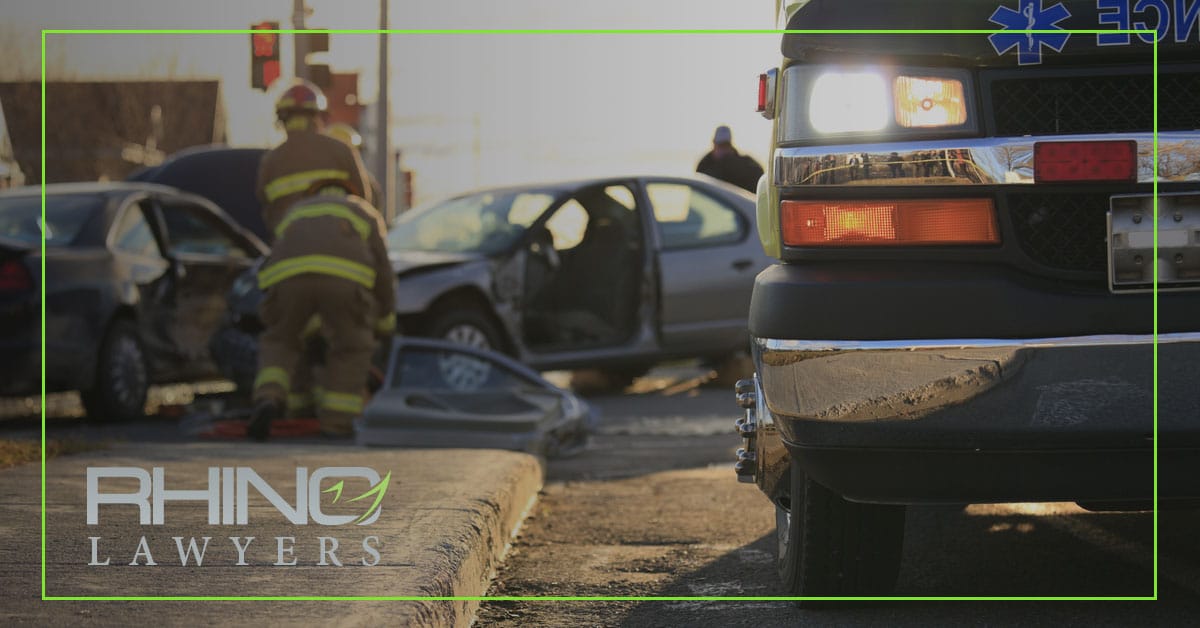
Un choque frontal por conducir bajo los efectos del alcohol deja un muerto y un herido en Lithia
El conductor de un Toyota Yaris supuestamente se desvió hacia el carril central y chocó contra una camioneta Chevrolet en una colisión frontal. El conductor del Toyota falleció en el lugar. Sin embargo, el conductor de la camioneta fue trasladado en helicóptero al Hospital General de Tampa en estado crítico. Los paramédicos llevaron al pasajero del Toyota a un hospital cercano con lesiones no especificadas.
Según Tampa Bay Reporter, el accidente ocurrió en la Ruta del Condado 39 en Lithia alrededor de las 4:30 p.m., el jueves 28 de febrero de 2019. La Oficina del Sheriff del Condado de Hillsborough afirma que sospechan que el alcohol y las drogas fueron un factor en el choque. A la espera de la limpieza y la investigación, las autoridades cerraron la carretera en ambas direcciones durante varias horas.
Choques frontales
Según la Administración Nacional de Seguridad del Tráfico en Carreteras, las colisiones frontales presentan el mayor riesgo de muertes en comparación con cualquier otro tipo de accidente. Esto se debe principalmente a la velocidad a la que ocurren la mayoría de las colisiones frontales. El impulso de ambos vehículos agrava el impacto.
Las colisiones frontales pueden clasificarse en dos tipos: la desviación de la línea central y la conducción en sentido contrario (WWD). Ambas producen impactos y lesiones similares, pero ocurren por razones significativamente diferentes y en circunstancias distintas.
Desviación de la línea central
Los accidentes por desviación de la línea central ocurren cuando un auto se desvía hacia la mediana y se adentra en el carril contrario. La gran mayoría (85%) de los choques frontales por desviación de la línea central ocurren en carreteras rurales de dos carriles sin división.
Mientras conduce, un conductor puede desviarse unos pies por casi cualquier motivo. Muchas veces, basta con corregir el rumbo sin que ocurra ningún daño. Sin embargo, en las carreteras sin divididor central, solo hay unos pocos pies de distancia entre los autos que se cruzan a más de 50 millas por hora.
Causas comunes de la desviación de la línea central:
- Conducción bajo los efectos del alcohol o las drogas: Conducir bajo los efectos del alcohol es la principal causa de los accidentes por desviación de la línea central. Aunque el alcohol sigue siendo la causa principal de la conducción bajo los efectos de sustancias, el uso de marihuana está aumentando rápidamente debido al número de estados que han legalizado el consumo recreativo de marihuana.
- Conducir con somnolencia o fatiga: La somnolencia o la fatiga pueden hacer que un conductor se quede dormido. La mayoría de las veces, los baches en la carretera o la sensación de que el vehículo se desvía lo despiertan de golpe. Sin embargo, en otras ocasiones, la persona cruza la línea central y se adentra en el carril contrario.
- Conducción distraída: En carreteras sin división, toma menos de un segundo de desviación esos pocos pies hacia el carril opuesto, y por lo tanto cualquier distracción puede ser mortal. El uso del teléfono celular y los mensajes de texto es la principal causa de conducción distraída. Otras son comer, maquillarse o afeitarse, la radio o reproductor de CD, e interactuar con otros pasajeros.
Conducción en sentido contrario (WWD)
Conducir en sentido contrario (WWD) es otro tipo de choque frontal y ocurre solo en el 15 por ciento de los casos. Según la NHTSA, WWD Ocurre cuando un auto ingresa a una autopista con carriles separados y circula en sentido contrario al establecido para ese carril. Esto sucede cuando alguien ingresa a la autopista desde una rampa de salida o gira en sentido contrario al cruzar una autopista con carriles separados.
Las causas comunes de la WWD son:
- Conducción bajo los efectos del alcohol o las drogas: La NHTSA informa que los conductores ebrios o drogadictos causan más del 60 por ciento de todos los accidentes en sentido contrario. Casi todos los accidentes en sentido contrario provienen de un error de juicio o de observación del conductor. Los conductores ebrios o drogadictos, por definición, tienen menor capacidad de razonamiento y de juicio.
- Visibilidad: La mayor parte del tráfico peatonal se da por la noche, y la mala visibilidad puede hacer que alguien no vea las señales o se confunda sobre hacia dónde dirigirse.
- Poor Signage: Often time, the signs that show proper direction or the warning signs are either in poor repair or insufficient in design. This can cause even an awake and unimpaired driver to make a mistake.
- Purposeful WWD: In a small percentage but a significant number of accidents the driver will enter the wrong way on purpose in an attempt to end their life or harm others.
DUI and Head-On Collisions
Impaired driving is the number one cause of both types of head-on collisions. For centerline drift cases, the impairment contributes to the likelihood that the driver will drift across the centerline. This is especially hideous as it puts others at extreme risk of injury and death. It’s also a fact that the impaired driver has a statistically higher chance of surviving the accident than those in the other car.
In a WWD, impairment contributes to the driver entering the wrong direction on a divided highway. While there could be other reasons like poor signage or bad visibility, impaired driving makes the mistake more likely. Once going the wrong way, impairment is likely to reduce the ability of the driver to recognize that they are going the wrong way.
Common Injuries With Head-On Collisions
Head-on crashes are typified by high-impact collisions and thus produce common injuries. Some of them are:
- Traumatismo contundente
- Head Injuries/Traumatic Brain Injuries
- Huesos rotos
- Internal Injuries/Bleeding
- Airbag injuries
Contact a Tampa Bay Area Car Accident Attorney Today
Always speak to an attorney after any head-on collision accident resulting in a serious injury.
Si estuvo involucrado en un choque similar a este, comuníquese con nuestro equipo de lesiones personales hoy para una consulta gratuita y evaluación del caso.
RHINO Lawyers es el bufete de abogados poderoso y enfocado en resultados que se enfrenta a las compañías de seguros y a los abusones “de frente”. Describimos nuestro enfoque audaz y moderno sobre la “Ley de Accidentes y Lesiones Personales” y “Nuestra Misión Personal” de empoderar a las familias de Florida para que “¡Tomen el Control!”.”
Leer más
Accidente en la U.S. 41 deja a personas atrapadas en su automóvil
On February 24, 2019, a terrible crash occurred on U.S. 41. Two vehicles collided injuring four people. As a result, they had to extract two people from their cars. According to a Pasco County Fire and Rescue official at the escena, both victims were trapped in their cars for a time until the correct equipment and personnel arrived.
Police temporarily closed U.S. 41 during the rescue but has since reopened. All four are at a local hospital. Authorities had not filed charges against either driver at the time of the report.
Jaws of Life and Injuries
Emergency personnel will often use the Jaws of Life. A trademarked name for the first one developed. Another tool is the hydraulic rescue tool. They allow EMS workers to pry, cut and spread parts of a vehicle to allow rescuers to free a trapped person by the crash. Since its invention in 1961, it has saved countless lives and made injuries less severe.
The tools use liquid hydraulics to provide power to the tool which usually has two “jaws” that can be brought together or separated with great force. First responders used them to cut through steel, sheet metal and other composites in automobiles. The jaws can also be used to spread things apart so that rescuers can get at the victim to treat them and then free them from the car.
The EMS personnel will assess the situation of a trapped person. Then if needed they will have the Jaws of Life brought to the crash scene. Typically, each responding unit has a person in charge, based on rank or seniority, and this person will make the call to use the tool. In most cases, a responding EMS unit will have at least one person trained to use the device.
¿Necesito un abogado especializado en accidentes automovilísticos?
Siempre hable con un abogado después de un accidente que resulte en una lesión grave.
Si estuvo involucrado en un choque similar a este, comuníquese con nuestro equipo de lesiones personales hoy para una consulta gratuita y evaluación del caso.
RHINO Lawyers es el bufete de abogados poderoso y enfocado en resultados que se enfrenta a las compañías de seguros y a los abusones “de frente”. Describimos nuestro enfoque audaz y moderno sobre la “Ley de Accidentes y Lesiones Personales” y “Nuestra Misión Personal” de empoderar a las familias de Florida para que “¡Tomen el Control!”.”
Leer más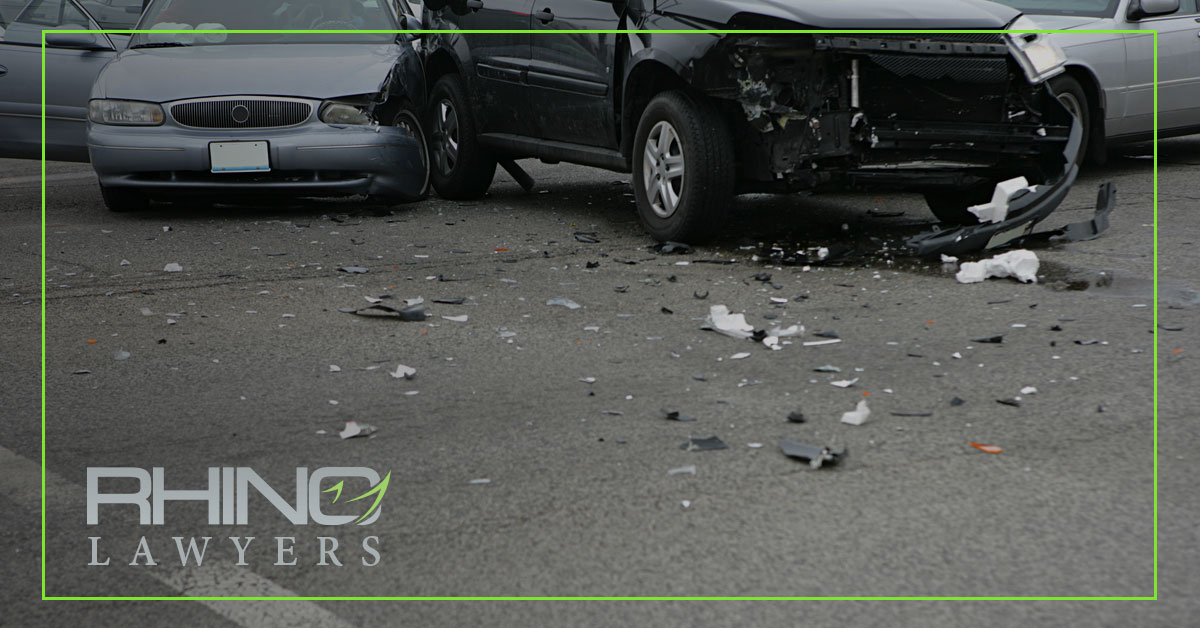
Choque múltiple en Riverview, FL, mata a un buen samaritano
Un sedán Buick chocó por detrás a una camioneta detenida en la carretera en Riverview, en el carril de más a la derecha. Un bombero retirado salió para ayudar, y un Toyota Camry atropelló a ambos vehículos y al bombero retirado, matándolo instantáneamente. Uno de los vehículos involucrados en el choque múltiple estalló en llamas debido al impacto con el Camry. El accidente ocurrió a las 4:30 a.m. del domingo 24 de febrero de 2019 en la I-75, cerca de la salida de la U.S. 301.
La policía en el lugar dice que el conductor de la camioneta estaba intoxicado y había estado conduciendo despacio, luego acelerando y después detenido inexplicablemente. La Patrulla de Carreteras de Florida dice que varios automovilistas habían llamado para quejarse del conductor de la camioneta. Fue arrestado y acusado de conducir bajo los efectos del alcohol, y la policía dice que es probable que se presenten más cargos.
Choques de múltiples vehículos y choques secundarios
Algunos de los accidentes más peligrosos ocurren después de que ya ha tenido lugar una colisión. Una persona sobrevive al primer impacto. Sin embargo, un segundo choque causado por quienes llegan nuevos y no pueden disminuir la velocidad a tiempo mata a esa persona. Alguien se detiene para ayudar a las personas del primer accidente. Luego, un choque secundario los hiere o los mata.
La Administración Federal de Carreteras define un choque secundario como “un choque que ocurre como resultado de un choque previo”. La diferencia entre un choque secundario y un choque típico de múltiples vehículos es que existe una conexión entre los choques y, por lo general, transcurre tiempo entre el choque primario y el secundario.
Esto es importante porque existe la oportunidad para los primeros en responder de reducir el riesgo de accidentes secundarios. Cada año, se reportan más de 10,000 accidentes secundarios a la Administración Nacional de Seguridad del Tráfico en las Carreteras. Según un estudio en el Revista Internacional de Ciencia y Tecnología del Transporte, alrededor del 18 por ciento de todas las muertes en autopistas ocurren como resultado de choques secundarios.
Factores de colisiones secundarias
Las autopistas, a diferencia de las carreteras de dos carriles, conllevan un mayor riesgo de choques secundarios. También hay otros factores que provocan choques secundarios. Estos son:
- Número de carrilesCuanto mayor es el número, mayor es el riesgo.
- Tiempo: Por cada minuto que pasa el accidente sin resolverse, el riesgo de que ocurra un segundo choque aumenta un 2,8 por ciento.
- VisibilidadLas tormentas de lluvia/nieve, la niebla, la falta de iluminación en las carreteras y cualquier otra condición que limite la visibilidad aumentan el riesgo de accidentes secundarios.
- VelocidadCuanto más rápido va el auto, más tiempo tarda en detenerse después de que el conductor se da cuenta del problema.
- Congestión vehicularLos carriles muy congestionados reducen el riesgo de un choque secundario ya que los autos van despacio. Sin embargo, el tráfico pesado donde las velocidades son altas es un factor de riesgo de choques secundarios.
- Diseño de carreterasLas curvas cerradas o las colinas que pueden bloquear la vista de la carretera son factores.
Choques secundarios y responsabilidad
Por lo general, el conductor culpable de un accidente es responsable de los daños que este ocasionó. Sin embargo, la situación se vuelve un poco ambigua después de un accidente secundario. ¿El responsable del primer choque es culpable de todos los demás accidentes? ¿O tal vez solo algunos de los accidentes secundarios son culpa de la primera persona, y el resto recae en los demás conductores que no se detuvieron?
En el derecho de lesiones personales, cada persona es responsable de sus actos negligentes siempre y cuando los daños fueran previsibles. Esto significa que para cada lesión se analiza la causa y si es razonable afirmar que los daños posteriores eran previsibles.
Por ejemplo, si un conductor ebrio fuera el instigador de un choque secundario, esto no sería culpa del conductor primario responsable. Sin embargo, si ocurriera un choque y luego, unos minutos después, un segundo auto chocara contra los autos que ya estaban allí, un tribunal podría atribuir parte de la culpa al primer conductor responsable.
¿Necesito un abogado especializado en accidentes automovilísticos?
Debe hablar con un abogado si está involucrado en un choque secundario que resultó en una lesión. En caso de que se pierda a un ser querido, también debe informarse sobre Demandas por homicidio culposo en Florida. La compañía de seguros buscará todos los ángulos posibles para desviar la culpa de su cliente. No hable con el agente de seguros, hable primero con su propio abogado. Así que no lo haga solo, llame a un abogado que pueda tratar con las aseguradoras. Comuníquese con RHINO Lawyers ¡quien puede hacer frente a los abusivos de las aseguradoras y enfrentarlos directamente! Cualquier persona lesionada debido a la negligencia de otro conductor en Florida puede venir para una consulta gratuita y nuestro equipo de lesiones personales te ofrecerá consejos.
Leer más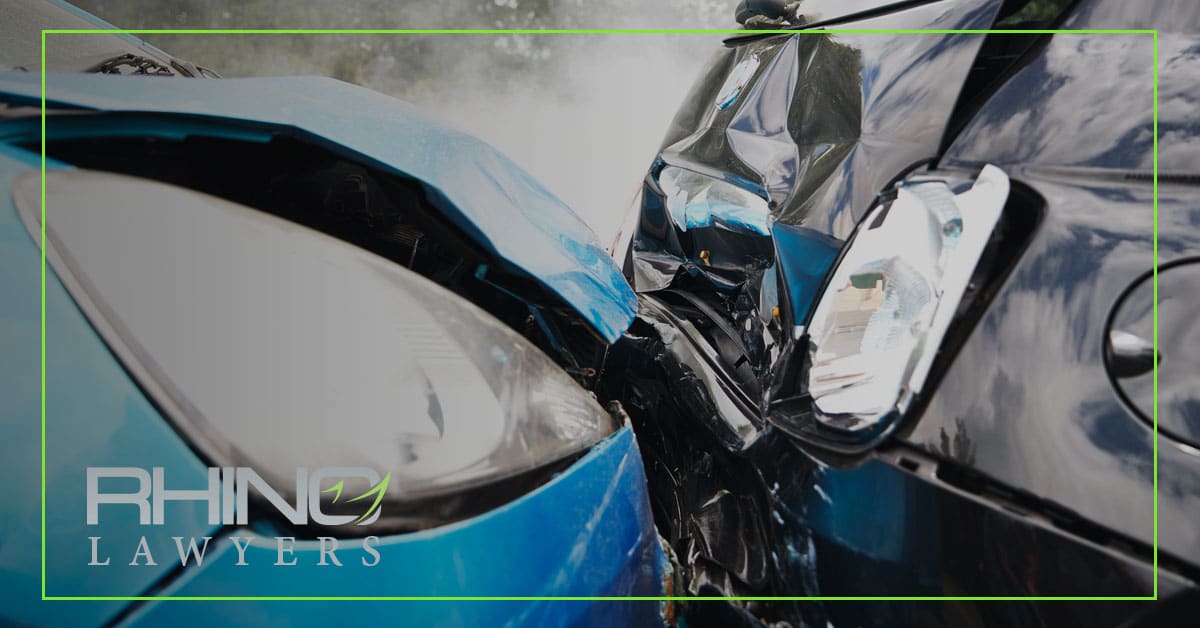
Tampa Rearend Crash Results in Rollover – DUI Related?
A Toyota Camry allegedly rear-ended a Hyundai Elantra causing the Camry to flip and roll over several times. The rollover accident happened just after 1:15 a.m., Saturday, February 23, 2019. A Florida Highway Patrol officer said that the driver of both cars were injured and the driver of the Camry was in serious condition and taken to St. Joseph’s Hospital.
The FHP also says that the driver of the Camry was possibly intoxicated, and charges are likely. The rear-end crash happened on northbound I-275 approaching State Road 60 in Hillsborough County.
DUI Rollover Crash
Second, only to head-on Collisions in risk of fatality, a rollover crash can cause serious injury to the occupants of the car. According to the National Highway Transportation Safety Administration, roll-over crashes have a much higher fatality rate than a typical two-car accident. Out of the 9 million vehicle crashes in 2010, for example, only 2 percent (140,000) were roll-overs. However, nearly 35 percent of all traffic fatalities came from roll-over crashes.
Two factors greatly impact the risk of death or serious injury in a rollover: ejection and a seatbelt. A person ejected from a vehicle has an increased risk of death. The NHTSA reported that 81 percent of full ejections ended in death for the occupant. If the person was wearing their seatbelt, the risk of ejection greatly diminished.
Seatbelts and Rollover Accidents
In a estudio by the National Center for Biotechnology Information, seatbelts reduce the risk of an ejection during a rollover accident from 20 percent to .03 percent. This means wearing a seatbelt reduces the chance of an ejection in a rollover to almost zero. Also, since the person didn’t leave the vehicle, their chance of survival went significantly up.
Roll-Over Liability
In all personal injury cases, the person who is negligent is going to be liable for the damages. The driver of the car that rolled over vehicle typically causes a rollover accident. This means that victims sometimes have to sue the driver of the car of which they were an occupant.
Since the issue of a seatbelt greatly impacts the likelihood of a serious injury or death in a rollover. Thus, becoming an issue for liability. The insurance company will try to make the case that a person wearing a seatbelt would have less injuries or none at all.
This sounds logical, but the truth is not wearing your seatbelt doesn’t automatically make you not eligible for compensation for your injuries. However, it may reduce the amount you will get, depending on the circumstances.
¿Necesito un abogado?
Unfortunately, if you are involved in a rollover accident or rear-end crash where injury occurred, eventually you will have to deal with the financial loss that comes with it. The best thing to do—after you take care of your immediate medical needs—is to talk to someone who can advise you of your rights and legal options. This doesn’t mean that you have to retain an attorney, but speaking to one can give you the correct information to make a decision.
Comuníquese con un abogado de accidentes automovilísticos en Tampa
So, after any crash, contact an attorney if there is a serious injury or loss of a loved one. RHINO Lawyers es el bufete de abogados poderoso y enfocado en los resultados, que se enfrenta “de frente” a las compañías de seguros y a los abusadores.”
Anyone injured due to the negligence of another driver in Florida should contact us for a free consultation. Our equipo de lesiones personales le ofrecerá asesoramiento para ayudarle a obtener la compensación que se merece.
Leer más
Hombre de Clearwater muere en choque de Harley Davidson
A 66-year-old motorcycle rider died when a driver allegedly turned into the path of the motorcycle. Both the car and the motorcycle were traveling on Old Coachman Road when the KIA suddenly took a U-turn right in the path of the motorcycle rider. Thrown from his Harley Davidson the rider hit the front windshield of a 2014 KIA. The rider of another motorcycle attempted to swerve to avoid the accident. Causing them to lay the bike down, and it slid and hit the rear of the KIA.
Paramedics took the rider of the Harley Davidson to the hospital where he later died. However, they were able to treat the rider of the second motorcycles’ injuries at the scene. Police decir that the crash happened around 9:30 a.m., Saturday, February 23, 2019, on Old Coachman Road, and that at the time, charges against the driver of the KIA were pending.
Motorists Causing Motorcycle Rider Crashes:
According to the National Highway Traffic and Safety Administration (NHTSA), in two-thirds of car-motorcycle accidents, the collision is caused by the driver of the car failing to yield to the right-of-way of the motorcycle. In these accidents, the rider of a motorcycle is 28 times more likely to die. The rider is five-time more likely to sustain significant injuries than those in other vehicle collisions.
Along with having a lower profile, motorcycles are much lighter than cars. This puts the motorcycle rider at a great disadvantage in a collision. Also, almost always the impact throws the motorcycle rider off the bike. As a result, they hit the ground with great force.
Tampa Motorcycle Accident Lawyer
The best thing to do after a motorcycle crash is to focus on getting immediate medical treatment. And, then once out of danger, talk to an attorney who can advise you and evaluate your case. If the insurance company calls, don’t talk. It’s not personal, but they have a job to do, and that is to pay you as little as the law allows. It is strongly recommended to speak with a Tampa motorcycle accident lawyer after any motorcycle crash resulting in a serious injury or death.
So don’t go it alone, call an attorney in Tampa who can deal with the insurance companies. Contact the RHINO Lawyers ¡quien puede hacer frente a los abusivos de las aseguradoras y enfrentarlos directamente! Cualquier persona lesionada debido a la negligencia de otro conductor en Florida puede venir para una consulta gratuita y nuestro equipo de lesiones personales will offer you advice and help you deserve.
Leer más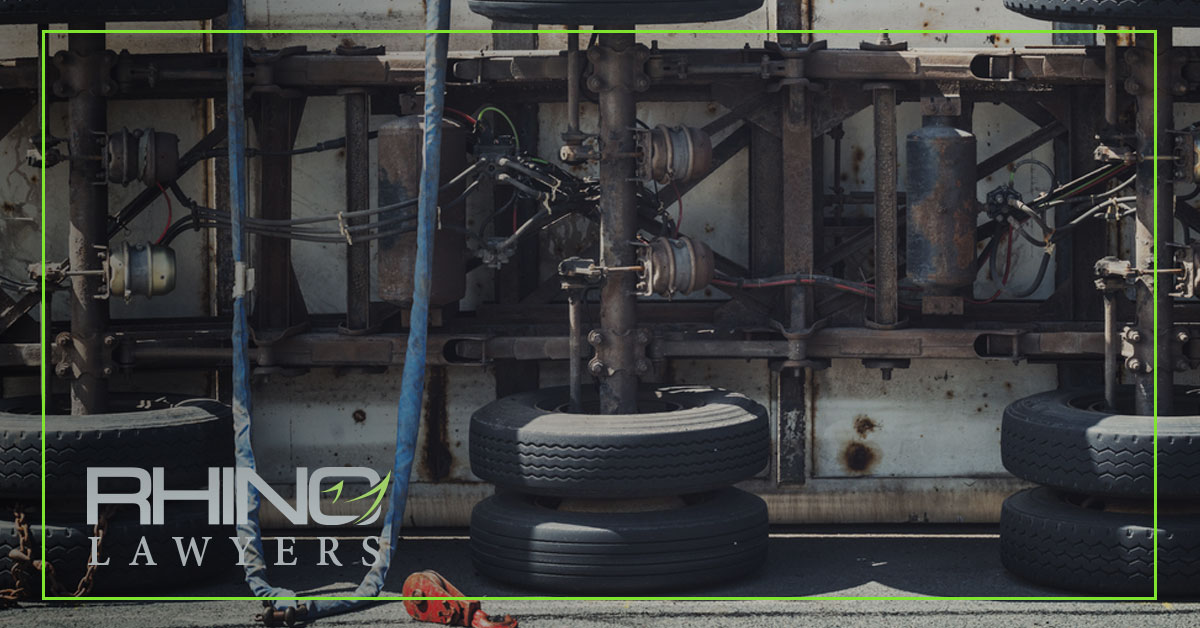
Conductor imprudente voltea remolque y hiere a dos
The reckless driver of a black Acura weaved in and out of traffic causing a tractor-trailer to jackknife and then turn over spilling hazardous material. The accident happened on northbound I-75 just south of B. Downs Boulevard around noon on Thursday, February 21, 2019.
Police decir that the 27-year-old female driver of the Acura approached the semi in the far-right lane at a high rate of speed, then swerved into the far-left lane and then veered back across all four lanes and struck the tractor-trailer in the front wheel causing it to turn over. Another motorist caught the incident on his dashcam.
Police arrested the driver of the Acura and charged them with reckless driving. Then they called a hazmat team to clean up the contents of the trailer. Authorities say that the accident injured two people, but it’s unknown which car they were in or who they were.
Aggressive Driving Crashes
Aggressive driving is one of those things that is difficult to define but you know it when you see it. The National Highway Traffic Safety Administration (NTHSA) defines aggressive driving as occurring when “an individual commits a combination of moving traffic offenses so as to endanger other persons or property.”
Basically it’s driving fast in and out of traffic, cutting people off and sometimes throwing a few hand gestures out when people honk or react. There are no direct statistics on aggressive driving. However, the NHTSA’s Fatal Accident Report states that some of the contributing factors found in aggressive driving were factors in 56 percent of all fatal crashes from 2003 to 2007. Some of those factors are:
- Excessive Speed
- Following improperly
- Improper or erratic lane changing
- Illegal driving on road shoulder, in a ditch, or on sidewalk or median
- Passing where prohibited
- Operating the vehicle in an erratic, reckless, careless, or negligent manner or suddenly changing speeds
- Not yielding right of way
- Failure to obey traffic signs, traffic control devices, or traffic officers, failure to observe safety zone traffic laws
- Failure to observe warnings or instructions on vehicle displaying them
- Failing to signal
This might seem a bit misleading because many of these factors that were present in a fatality did not definitively show that “aggressive driving” was involved. However, the NHTSA does attribute a high rate of speed as a factor in 26 percent of all fatalities and it is a central component to aggressive driving.
How to Protect Yourself from Aggressive Driving Accidents
The state of Utah’s Zero Tolerance Initiative has focused on aggressive driving as a significant cause of injuries and fatalities. They make recommendations to drivers who encounter aggressive driving:
- Wear your seat belt. If your encounter with an aggressive driver results in a crash, your seat belt will significantly reduce your chances of being injured or killed.
- Don’t play their game. Back off and let them go on their way. Remember, it’s not a competition and it’s not your job to teach them a lesson.
- Ignore honking and rude gestures. Don’t respond and don’t make eye contact. It will only escalate the hostile feelings.
- If you can do so safely, contact police with the vehicle description, license number, the location and direction of travel.
The initiative also addresses the aggressive drivers in an effort to make drivers aware of the danger they put themselves and others in when they drive aggressively:
- Plan ahead to avoid the worst congestion and allow yourself plenty of time to travel.
- Take a deep breath, chat with a companion, listen to music. Getting stressed and upset will not get you there any faster and it might shorten your life.
- Don’t drive when you are feeling angry, upset or fatigued.
- Driving should not be a race. Leave your competitive instincts at home or save them for the field.
- Treat others the way you would like to be treated. Courteous driving encourages other drivers to be courteous. Aggressive driving influences others to drive aggressively.
What if I’m Injured by an Aggressive Driver?
If you find yourself a victim of an aggressive driver, first do not engage with the driver if they are still at the scene. Many times, these incidences lead to violent road rage behavior. Stay in your car and call the authorities.
Then the next thing to do—if you can safely–get information of the vehicle by memorizing the plate or taking a picture. Be careful not to engage with aggressive drive while doing so. Then focus on your injuries and medical treatment, this is more important in the short term.
There is a good chance someone from the insurance company for the driver will try to talk to you about the incident. Don’t speak to them before you talk to an attorney. Even if you don’t hire one to help you with your claim, most law firms have a free consultation where you can get advice and an evaluation of your case.
If you talk to the insurance agent unprotected, they might take something you said and try to make the incident your fault. If you do decide to have representation, then get an attorney who can stand up to the insurance companies and their lawyers and fight for you.
Comuníquese con un abogado de accidentes automovilísticos en Tampa
After any crash, contact an attorney if there is a serious injury or loss of a loved one. RHINO Lawyers es el bufete de abogados poderoso y enfocado en los resultados, que se enfrenta “de frente” a las compañías de seguros y a los abusadores.”
Anyone injured due to the negligence of another driver in Florida should us for a free consultation. Our equipo de lesiones personales le ofrecerá asesoramiento para ayudarle a obtener la compensación que se merece.
Leer más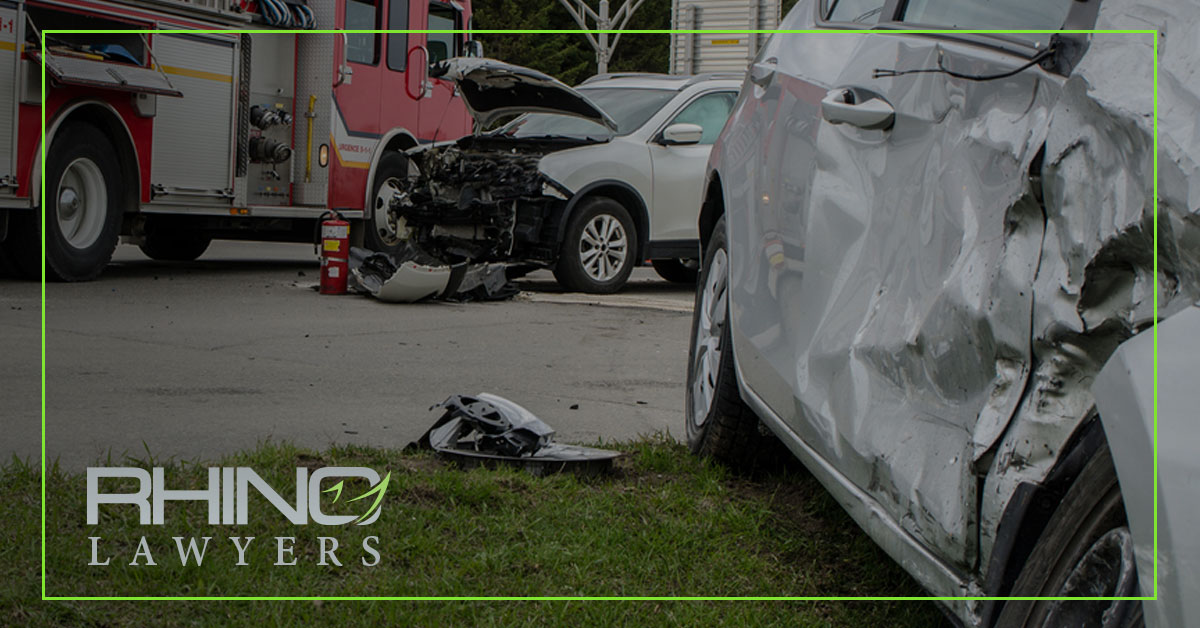
Choque de varios vehículos en la I-275 deja un herido hospitalizado
Five vehicles tangled injuring at least one motorist Friday around 2 p.m. February 17, 2019. According to the Florida Highway Patrol, the multi-car choque involved several vehicles which struck each other on I-275 near the Lois Avenue exit.
They towed three of the vehicles due to sustaining a fair amount of damage. The impact was significant enough to cause one of the drivers severe chest pains. Paramedics took them to a local hospital. It’s unknown if drugs or alcohol played a part in the crash. The Florida Highway Patrol said that the incident was still under investigation.
Multiple Car Wrecks
When more than two cars collide, the risks to those involved go up. Naturally, this is because there are more cars involved. Yet, the dynamics of a multi-car crash create the prospect of multiple impacts for any one car involved. There are typically two types of multi-vehicle accidents: chain reaction and pile-up.
Chain Reaction Crashes
A chain-reaction crash happens when two cars collide which creates a chain of events that cause other cars to collide as well. The most dangerous of multi-vehicle crashes happen on non-divided highways and freeways. This is because the vehicles involved are traveling at higher speeds and have significant momentum. These types of crashes are known for extensive damage, rollovers, cars crossing the median and/or leaving the roadway.
Pile-Up Crashes
Pile-up collisions are those that happen when cars approaching another accident or a stopped vehicle blocking the road and are unable to slow or stop in time. In fact, pile-up crash impacts can happen one right after another or in some cases up to an hour later as cars continue to back up due to the primary accident. Click the chain-reaction crash video to watch the shocking pile-up unfold on an icy freeway.
Problems with Multi-Car Crashes
In multi-car crashes, the greatest increase to the risk of death and injury occurs when there are secondary impacts. Also, many times a chain-reaction crash becomes compounded by a series of pile-up collisions with people trying to stop for the chain-reaction crash.
¿Cómo se determina la culpa?
At the time of the accident and soon after, determining fault is often of little concern. Over time, this can change when the financial losses become overwhelming. Then fault will be important as you try to figure out if you can be compensated for your injuries.
At the time of the accident, the police will investigate the scene and issue a report on what happened. They usually refrain from concluding who is at fault, however, the report will be used by insurance agents, attorneys, and the courts to help determine who is responsible.
Culpa comparativa
In states like Florida, they sometimes spread out fault in percentages. Whereas, each person bears a certain percentage of fault. If you are injured, and your percentage of fault is lower than the other drivers, then you can still be compensated, but your portion of the fault will lower your compensation.
¿Necesito un abogado?
It’s up to each injured person whether they get an attorney. However, in multi-car wrecks, there are typically several insurance companies covering the vehicles involved, and each one is going to point the finger at the other where liability is concerned. So talking to an attorney to be advised of the law is a good idea.
Comuníquese con un abogado de accidentes automovilísticos en Tampa
After any crash, contact an attorney if there is a serious injury or loss of a loved one. RHINO Lawyers es el bufete de abogados poderoso y enfocado en los resultados, que se enfrenta “de frente” a las compañías de seguros y a los abusadores.”
Anyone injured due to the negligence of another driver in Florida may should us for a free consultation. Our equipo de lesiones personales le ofrecerá asesoramiento para ayudarle a obtener la compensación que se merece.
Leer más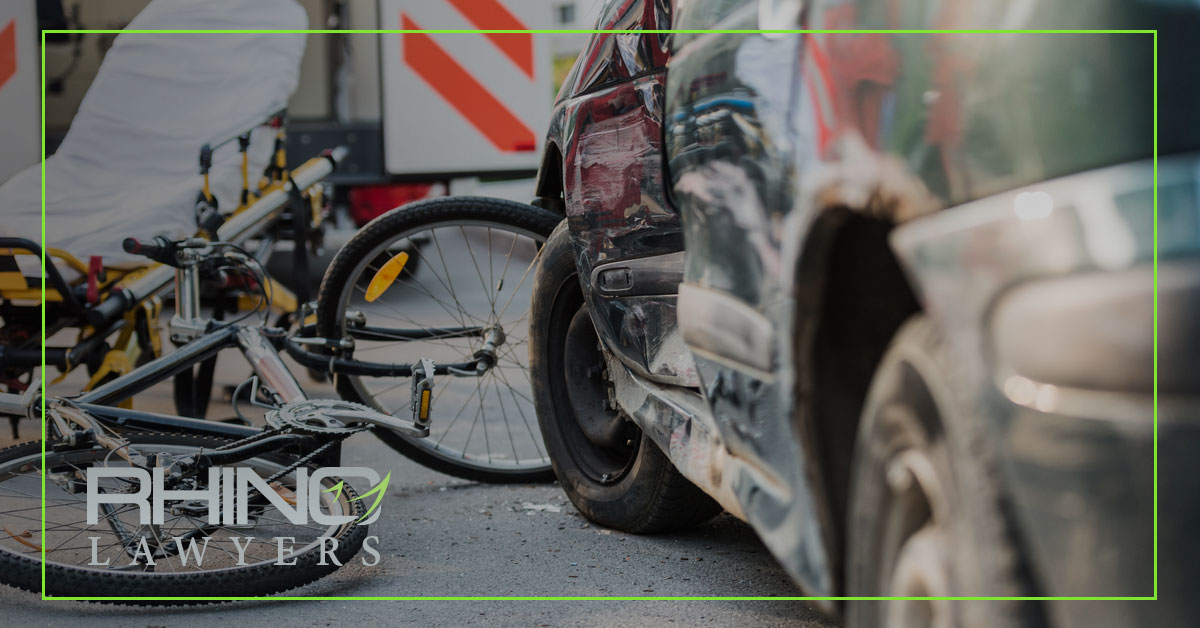
Ciclista muere en un atropello y fuga en Tampa
A cyclist died after being struck by a car Saturday night, February 15, 2019. According to a Florida Highway Patrol officer at the scene, the cyclist was crossing U.S. 19 at Salt Springs Boulevard around 8:40 p.m. when he was hit. The 2004 Saturn Ion then drove off making this a choque y fuga bicycle accident.
Tragically, the cyclist died from his wounds, and police are looking for the driver of the Saturn for questioning. Police are asking anyone with information on the accident to call the FHP at (813) 558-1800.
Bicycle Hit-and-Run Accidents
Anytime a cyclist is hit by a car and injured it can be traumatic for the cyclist. A car outweighs a bike and cyclist by about 20 times, and even a small impact can cause great injury. However, when the driver of the car flees the scene, it creates even greater trauma and risk of injury.
When a cyclist or pedestrian is hit by a car, typically the driver of the car is uninjured and is able to render assistance and call for help. However, once the driver leaves, the victim is left to fend for himself or herself.
This might mean a delay in aid or the injured is left vulnerable to a second impact. Also, the injured person can feel twice victimized, once by the collision and then by the driver leaving them laying on the street.
Insurance Claims
In most collisions, the at-fault person is liable for the damages to property and to the person. However, in a hit-and-run, there are unknowns. First, it’s difficult to assess blame when there is only one person’s word for what happened. Second, even if the driver seems to be at fault, the fact that the driver’s identity is unknown makes it impossible for the victim to make a claim against their insurance policy.
Many questions arise such as:
- Who is going to pay for my injuries and lost time from work?
- Can I make a claim against my own insurance company?
- If so, even if I was riding a bike?
- Am I know an enemy with my own insurance company?
- What if I settle and then they find the person who did it?
All of these are great questions that often have different answers depending on the circumstances. You might be able to make a claim against your own auto insurance policy if you have a provision that pays out regardless of fault. In some policies, the uninsured or underinsured provision of your own policy might come into play.
This might put you at odds with your own insurance policy, and many feel that then their rates might go up. The injured has to balance all of these concerns against the prospect of absorbing the financial loss for the injuries.
The best thing to do if you are the victim of a hit-and-run as a cyclist is first to get medical attention, and then (even at the scene if possible) get pictures and save all damaged or even undamaged bike equipment so they can be useful later. Even if the police do their own investigation, make sure the items from the crash are not discarded.
¿Necesito un abogado por un accidente de fuga y huida?
It doesn’t matter if the insurance company is yours or the other driver’s, they still have one job to do: pay as little as possible. Insurance companies don’t make a profit if they give out too much money, so they only pay out what they have to.
If you are injured, contact a competent attorney to find out if you are entitled to compensation. RHINO Lawyers is the powerful, results-driven law firm, that takes Insurance Companies and Bullies “head-on!” Anyone injured due to the negligence of another driver in Florida may should us for a free consultation. Our equipo de lesiones personales le ofrecerá asesoramiento para ayudarle a obtener la compensación que se merece.
Leer más