Drive-Thru Accident Florida: Can You File a Claim?
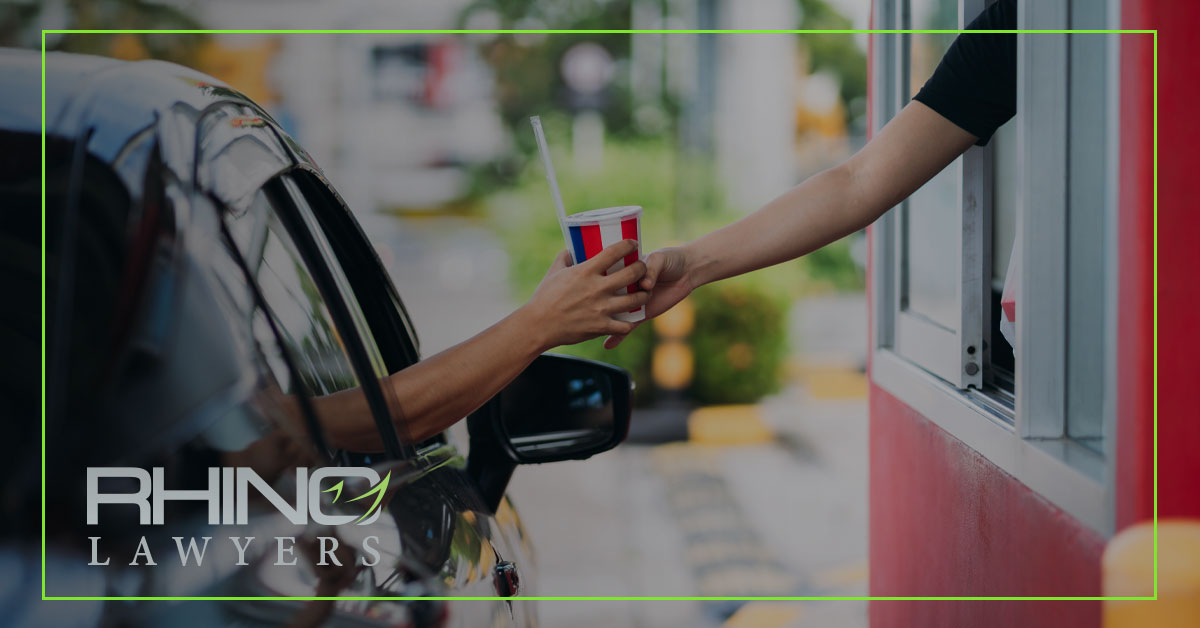
Hit in a Chick-fil-A drive-thru?
Crash at a gas pump?
Is it just a minor accident… or a real injury case?
A drive-thru accident in Florida scenario might seem small at first glance. Low speeds. Tight turns. Short distances. But these incidents often raise serious legal questions about gas station car accident liability and whether a private property accident Florida claim is even possible.
Here’s the truth: even a low-speed crash injury in Florida can lead to real pain, mounting medical bills, and complex liability disputes—especially in crowded commercial spaces like drive-thrus and gas stations. These situations are often classified as a parking lot business accident, and they come with unique challenges under Florida law.
At RHINO Lawyers, we’ve handled cases across Tampa, Clearwater, Orlando, Lakeland, Sarasota, and Fort Myers where what looked like a “small bump” turned into a serious injury claim.
Let’s break down what really matters.
Are Drive-Thru and Gas Station Accidents Common?
These crashes happen more often than most drivers realize.
Tight Spaces Increase Risk
Drive-thrus and gas stations are designed for convenience—not safety.
Drivers must navigate:
- Narrow lanes
- Sharp turns
- Close proximity to other vehicles
One small mistake can lead to a collision.
Frequent Distractions
Unlike highways, these environments are full of distractions.
Drivers may be:
- Looking at menus
- Handling payments
- Checking phones
- Watching pedestrians
Even a moment of inattention can cause a crash.
According to the National Highway Traffic Safety Administration, distracted driving remains a major contributor to collisions across the United States.
In drive-thru and gas station settings, distractions are constant.
Who May Be Liable?
Liability in these cases is rarely straightforward.
Other Drivers
Most commonly, another driver may be responsible.
Examples include:
- Rear-end collisions in a drive-thru line
- Drivers pulling out of pump lanes without yielding
- Vehicles cutting across lanes improperly
Negligence still applies—even on private property.
Business or Property Owners
In some cases, the business itself may share responsibility.
That may happen if:
- The layout creates a dangerous traffic flow
- Visibility is obstructed
- Signage is missing or unclear
- Hazards are not properly maintained
Property owners have a duty to maintain reasonably safe conditions.
However, proving business liability requires strong evidence.
Shared Fault
Florida follows a modified comparative negligence system under Florida Statute § 768.81.
This means:
- Fault may be divided between parties
- Compensation may be reduced based on your percentage of fault
- Recovery may be barred if you are more than 50% responsible
In tight spaces like drive-thrus, shared fault is common.
Can You Still Recover Compensation?
Yes. Even on private property.
PIP Coverage Still Applies
Florida is a no-fault state.
That means your Personal Injury Protection (PIP) coverage applies regardless of where the crash occurred.
PIP typically covers:
- 80% of medical expenses
- 60% of lost wages
You can review Florida insurance requirements through the Florida Highway Safety and Motor Vehicles website.
Drive-thru or gas station? It still applies.
When Injury Thresholds Matter
If your injuries are serious, you may pursue compensation beyond PIP.
That may include:
- Pain and suffering
- Emotional distress
- Loss of enjoyment of life
Working with a Florida Car Accident Lawyer may help determine whether your case meets Florida’s legal thresholds.
Because “low-speed” does not mean “low impact.”
Unique Challenges in These Claims
Drive-thru and gas station cases come with specific obstacles.
Limited Police Response
Many of these crashes occur on private property.
Law enforcement may not respond unless injuries are reported.
Without a formal report, proving fault becomes harder.
You can still request documentation through the Florida Highway Safety and Motor Vehicles website.
Surveillance Footage Is Critical
Most businesses have cameras.
That footage may show:
- Vehicle movement
- Driver behavior
- Points of impact
But there’s a catch.
The video is often deleted quickly.
Acting fast can make the difference between proving your case and losing key evidence.
Conflicting Driver Stories
Without clear footage or witnesses, disputes are common.
Each driver may blame the other.
Insurance companies may default to shared fault.
That reduces potential compensation.
Experienced Florida Personal Injury Attorneys may help build a stronger case when facts are unclear.
How to Strengthen Your Case
Strong cases are built early.
Take Photos Immediately
Capture:
- Vehicle positions
- Damage
- Surroundings
- Traffic flow
Details fade quickly.
Request an Incident Report
Notify the business or property owner.
Ask for a written report.
This creates a record.
Seek Medical Treatment
Even minor pain should be evaluated.
Symptoms may worsen over time.
Early treatment supports your claim.
Preserve Evidence
Act quickly to request surveillance footage.
Time matters.
Be Careful With Statements
Insurance companies may contact you soon after the crash.
Be cautious about recorded statements.
For additional guidance, visit our Car Accident FAQs page.
Frequently Asked Questions
- Can I file a claim for a drive-thru accident in Florida?
Yes. Private property accidents may still qualify for injury claims.
- Who is at fault in a gas station crash?
It depends on the facts. Drivers, and sometimes property owners, may share responsibility.
- Does PIP apply in these accidents?
Yes. Florida’s no-fault system applies regardless of location.
- Are low-speed crashes serious?
They can be. Injuries may still occur even at low speeds.
- What if there were no witnesses?
Photos, video footage, and documentation become critical.
- Can a business be liable for a crash?
In some cases, yes—if unsafe conditions contributed.
- How long do I have to file a claim?
Deadlines vary based on your case.
- What should I do immediately after the crash?
Document everything, seek care, and preserve evidence.
Injured in a “Low-Speed” Crash? It May Be More Serious Than You Think.
Injured in a “low-speed” crash? It may be more serious than you think.
A drive-thru accident in Florida, or a parking lot business accident, may seem minor—but the injuries, legal issues, and insurance complications can be significant.
Understanding your rights early can make a major difference.
If you were injured in a crash at a drive-thru or gas station, call RHINO Lawyers at 844.RHINO.77. We offer a free consultation, are available 24/7, and there is no fee unless we win.
CONTACT A TAMPA AUTO ACCIDENT ATTORNEY
In short, after a car accident, you may not know your rights. Above all, don’t struggle through the process alone. Actually, our personal injury team is here to help you with any legal needs you might have regarding your accident.
Lastly, let RHINO Lawyers answer your questions and review the facts of your case with a Free Consultation. So, get started by completing the “Free Instant Case Evaluation” or by calling us any time, day or night, at 844.RHINO.77.