Dash Cam Footage After a Florida Car Accident
The crash happens fast. One moment, you are driving. The next, everything changes. Now the insurance company wants your statement. The other driver has their own version of events. And the details already seem to be shifting.
This is where dash cam footage after a Florida car accident can become one of the most important pieces of evidence. Video does not rely on memory. It does not forget details. And it often answers the exact questions insurance companies argue over most.
Understanding how dash cam footage is used in Florida accident claims can help injured drivers avoid costly mistakes.
What Dash Cam Footage Is and What It Records
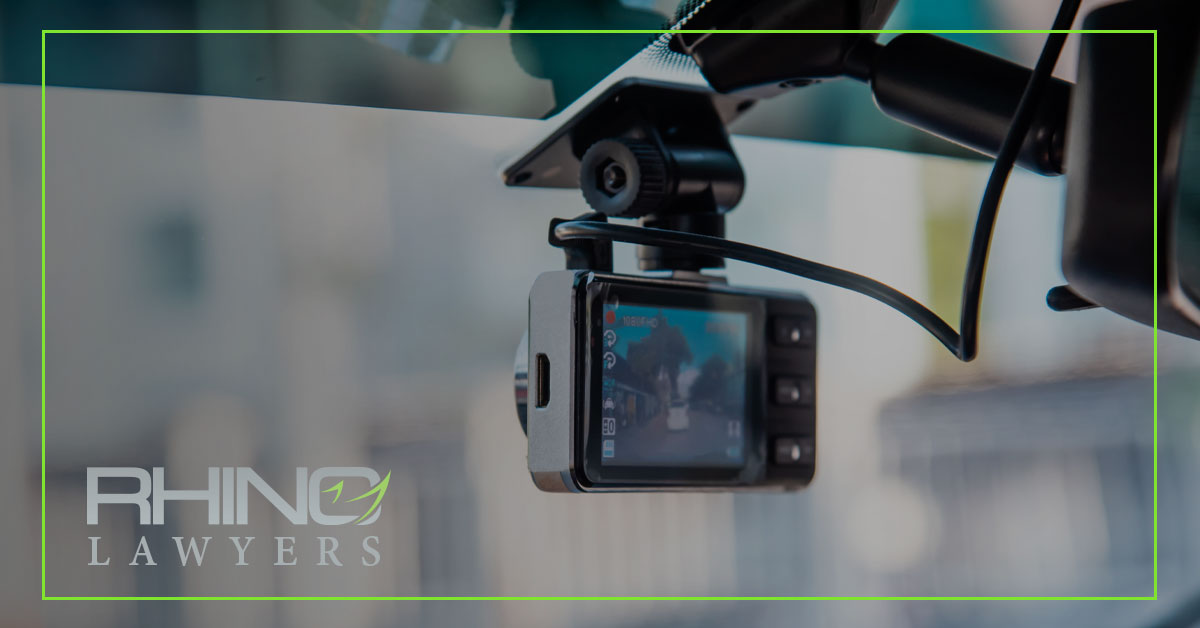
A dash cam is a camera mounted inside a vehicle that continuously records while the car is in operation. Some dash cams record only the road ahead. Others capture rear-facing views or the vehicle interior.
Dash cam footage may show:
- The moments leading up to the crash
- Traffic signals and signage
- Speed and braking behavior
- Lane positioning
- Weather and road conditions
In many cases, dash cam footage provides an objective snapshot of what was happening just before impact. That objectivity matters when stories conflict.
Why Dash Cam Footage Can Be Powerful Evidence
Car accident claims often come down to credibility. Whose story is more believable? Whose version is supported by evidence?
Dash cam footage can:
- Confirm right-of-way
- Show unsafe lane changes
- Capture red-light or stop-sign violations
- Dispute exaggerated or inaccurate statements
Unlike witness recollections, video does not fade or change. When available, it often becomes a central focus of insurance evaluations. Video evidence can simplify disputes. But it can also create new ones if misunderstood.
Florida Dash Cam Laws and Legal Considerations
Dash cams are generally legal in Florida, but there are important rules to understand.
Video Recording Rules
Recording video of public roadways is typically allowed, as long as the camera does not obstruct the driver’s view. Improper placement can create safety issues or citations.
Audio Recording Rules
Florida is a two-party consent state for audio recording. Recording conversations without consent may raise legal concerns.
Many dash cams allow audio recording to be turned off. That setting matters more than most drivers realize. Dash cam footage can help a claim. But only when it is captured and used properly.
How Dash Cam Footage Is Used by Insurance Companies
Insurance companies closely analyze video evidence. They may use dash cam footage to support or challenge a claim.
Insurers often review:
- Speed and braking behavior
- Reaction time
- Lane positioning
- Traffic signals
If footage appears unfavorable, adjusters may rely on it heavily. If it supports the injured driver, insurers may argue interpretation or context. Dash cam footage does not speak for itself. How it is presented matters.
When the Other Driver Has Dash Cam Footage
You may not be the only one recording. Commercial vehicles, rideshare drivers, delivery trucks, and even nearby businesses often have cameras. In tourist-heavy Florida areas, video evidence is increasingly common.
Footage from other sources may:
- Support your account
- Raise new questions
- Be selectively shared
Video is often overwritten or deleted within days or weeks. Acting early can make the difference between preserved evidence and lost evidence. Once footage is gone, it is usually gone for good.
How Dash Cam Footage Plays Out on Florida Roads
Florida crashes often happen in complex environments.
Congested interstates like I-4 and I-275. Tourist drivers are unfamiliar with local roads. Sudden rainstorms that reduce visibility and traction.
Consider a common Tampa-area scenario. A lane-change collision during heavy traffic. Both drivers claim the other drifted. Dash cam footage shows one vehicle failing to signal and drifting across lane markings.
That single clip can change how fault is evaluated. Dash cam footage often becomes decisive in Florida crashes because traffic conditions leave little room for error.
Dash Cam Footage and Florida’s No-Fault Insurance System
Florida’s no-fault system means Personal Injury Protection (PIP) coverage typically applies first, regardless of fault.
However, dash cam footage often becomes critical when:
- Injuries are serious
- Medical costs exceed PIP limits
- Fault is disputed
- Claims involve multiple parties
Even in a no-fault state, evidence still matters. Especially when insurance companies decide whether to push back or negotiate.
Common Mistakes Drivers Make With Dash Cam Footage
Dash cam footage can help or hurt, depending on how it is handled.
Sharing Footage Too Quickly
Providing footage before understanding its impact may give insurers leverage.
Assuming Footage Tells the Whole Story
Video captures angles, not pain, force, or delayed injuries.
Failing to Preserve Original Files
Edited or overwritten footage may be questioned or lost.
Ignoring Other Video Sources
Nearby cameras may support your version of events.
Careful handling protects the value of video evidence.
How RHINO Lawyers Approach Dash Cam Evidence
Dash cam footage requires context, review, and strategy. It is not just about what the video shows, but how it is interpreted.
RHINO Lawyers focuses on auto injury cases across Florida, including:
- Hillsborough
- Pinellas
- Polk
- Pasco
- Manatee
- Orange
- Sarasota
- Lee
- Collier
- Charlotte
- Hernando
Florida crashes are rarely straightforward. Traffic congestion, tourism, and unpredictable weather create complex liability questions.
Early review of video evidence can help ensure it supports the full story.
FAQs About Dash Cam Footage After a Florida Car Accident
Q: Can dash cam footage be used in a Florida car accident claim?
Yes. In many cases, dash cam footage may be used as evidence.
Q: Do I have to give my dash cam footage to the insurance company?
It depends on the circumstances. Sharing footage too early may affect how a claim is evaluated.
Q: Can dash cam footage prove fault?
It may help establish what happened, but fault decisions often involve multiple factors.
Q: What if my dash cam did not record the impact?
Footage before and after the crash may still be valuable.
Q: How long is dash cam footage usually stored?
Many systems overwrite footage within days or weeks unless it is saved.
Q: Is dash cam audio recording legal in Florida?
Florida requires consent for audio recording, which is why settings matter.
Q: Can footage be misinterpreted?
Yes. Context and analysis are critical.
Q: Should I install a dash cam after an accident?
Dash cams can be useful, but their value depends on proper use.
Injured? Make Sure the Video Tells the Full Story.
Dash cam footage can protect you—or it can work against you if you handle it carelessly.
If you suffered injuries in a car accident and have video evidence, getting clarity early protects your position and your recovery.
If it happens on the road, call 844-RHINO-77 to speak with RHINO Lawyers.
Free consultation. Available 24/7. No fee unless we win.
Call a RHINO and make sure the footage tells the full story.
CONTACT A TAMPA AUTO ACCIDENT ATTORNEY
In short, after a car accident, you may not know your rights. Above all, don’t struggle through the process alone. Actually, our personal injury team is here to help you with any legal needs you might have regarding your accident.
Lastly, let RHINO Lawyers answer your questions and review the facts of your case with a Free Consultation. So, get started by completing the “Free Instant Case Evaluation” or by calling us any time, day or night, at 844.RHINO.77.