

How to Gather and Preserve Evidence for a Strong Whistleblower Claim
Gathering and preserving evidence for a whistleblower claim requires clear documentation, careful storage, and adherence to legal processes. The strongest cases rely on organized records, secure preservation methods, and proper reporting channels.
Have you witnessed fraud, unsafe practices, or misconduct at work? You may be unsure of what to do next.
Fear, uncertainty, and lack of guidance can hold you back from taking action. Yet, the truth is simple: without evidence, even the most legitimate concerns may fall apart in court.
A strong whistleblower claim depends on more than courage. It requires strategy and clear proof. The right evidence can protect your credibility, safeguard your rights, and hold wrongdoers accountable.
In this guide, you will learn actionable whistleblower protection tips, proven evidence collection methods, and strategies for legal case preparation that build confidence and clarity. Let’s break down how to safeguard your future while standing up for what is right.
Step 1: Understand the Importance of Documentation
Claim documentation is the foundation of every case. Courts, agencies, and attorneys rely on proof that supports your claims. Without records, it becomes your word against theirs.
Key points to document include:
- Dates, times, and locations of incidents
- Names and roles of people involved
- Specific conversations, instructions, or policies
- Evidence of retaliation, if it occurs
Detailed documentation strengthens whistleblower cases. The more precise your records, the stronger your credibility.
Step 2: Collect Evidence the Right Way
Effective evidence collection methods protect your case while keeping you safe. Focus on what you can lawfully gather without violating company policies or laws.
Safe evidence may include:
- Emails, memos, or internal documents
- Photographs of unsafe practices
- Copies of financial reports or spreadsheets
- Meeting notes or recordings (if legally allowed in your state)
Never steal documents or break into restricted files. Evidence collected unlawfully may weaken your claim or even expose you to liability.
Step 3: Preserve Evidence Securely
Collecting evidence is not enough. You must keep it safe and unaltered. Lost, damaged, or manipulated files can:
- Damage your credibility
- Raise doubts about your integrity
- Weaken your case
Even small errors in storage or handling may give the opposing side grounds to question your evidence. Keeping materials in their original form with proper safeguards shows you acted responsibly and supports the strength of your claim.
Preservation best practices include:
- Store digital files on secure personal devices, not work systems
- Use encrypted drives or cloud storage with strong passwords
- Keep physical documents in a locked, private space
- Maintain multiple backups to avoid loss
Preserving evidence carefully is one of the most effective whistleblower protection tips.
Step 4: Keep a Whistleblower Journal
Personal notes are powerful in strengthening whistleblower cases. A journal captures details that might fade over time.
Your journal should include:
- Date-stamped entries
- Observations of misconduct
- Notes on how the events made you feel
- Records of retaliation attempts
A clear timeline helps your attorney connect events and prove retaliation.
Step 5: Protect Confidentiality
Confidentiality matters for both your safety and your claim’s strength. Sharing details with the wrong person can:
- Alert the accused
- Compromise your credibility
- Result in retaliation
Even small slips, like mentioning your claim casually at work or storing evidence on company servers, can put your case at risk. Careless sharing can jeopardize your protection and weaken the impact of your evidence.
Protect yourself by:
- Avoiding discussions with co-workers about your evidence
- Never using company devices to store files
- Consulting only with a trusted attorney
The fewer people who know about your claim, the safer your evidence remains.
Step 6: Work With a Lawyer Early
Legal case preparation should begin with professional guidance. Whistleblower laws are complex, and a skilled attorney can ensure your evidence meets legal standards.
Attorneys can help by:
- Reviewing your collected evidence
- Advising on lawful collection methods
- Filing claims with the right agencies
- Protecting you from retaliation
Partnering with legal counsel early strengthens whistleblower cases.
Step 7: Follow Reporting Procedures
Each type of whistleblower claim has specific reporting rules. Filing incorrectly can delay or dismiss your case.
Reporting may involve:
- Federal agencies such as OSHA or the SEC
- State whistleblower hotlines
- Internal company compliance channels (when safe to do so)
Submitting evidence to the proper authority ensures your case is heard.
Frequently Asked Questions
What Is the Burden of Proof for Whistleblower Protection?
The burden of proof in whistleblower cases often lies with the employee at first. You must show that your disclosure of wrongdoing was legally protected and that you suffered retaliation linked to that disclosure.
To meet this initial step, you may need to provide copies of reports, emails, or testimony that show both your disclosure and the adverse action that followed. However, once you establish this link, the burden may shift to the employer. At that stage, employers must prove they would have taken the same action even without your disclosure, such as documenting performance issues unrelated to whistleblowing.
Courts and agencies then weigh both sides to determine credibility. Strong evidence and clear claim documentation are key to meeting this standard and protecting your rights.
How Long Do Whistleblower Lawsuits Take?
The timeline depends on the agency and type of claim. Some cases resolve in months, while others may take years of investigation and review.
Federal False Claims Act lawsuits, for example, can be lengthy because the government must investigate the allegations in detail before deciding to intervene. This step alone can take years.
Administrative claims through OSHA or other labor agencies may be faster, but still require months of:
- Fact-gathering
- Witness interviews
- Written responses
Complex claims involving multiple parties or large organizations often extend even longer because of appeals and procedural delays. Preserving evidence, staying organized, and maintaining patience are critical during the process to withstand the length of legal proceedings.
Secure Your Future With a Strong Whistleblower Claim
Filing a whistleblower claim takes courage, preparation, and evidence. Your proof must be documented, preserved, and presented with precision.
At RHINO Lawyers, our mission is people first. We combine modern communication with data-driven results to deliver fast, trustworthy, and client-focused representation. Our forward-thinking team in Tampa is known for being approachable, innovative, and effective.
Contact RHINO Lawyers today for a free video consultation. Protect your rights, secure your evidence, and let a skilled team guide you toward justice.
Read More
Steps To Take After Suffering Rear-End Collision Injuries
According to the Insurance Institute for Highway Safety (IIHS), in 2023, 1,177 passengers in rear crashes died. These accidents can be terrifying, as things might be okay one second, and in the next, there’s a heavy impact coming from behind.
You might thank your lucky stars if you manage to survive such a crash, but the reality is that it’s very likely you’ll suffer from long-term issues. To ensure these consequences are minimized and that your financial burden isn’t unmanageable, you need to know what to do in the case of rear-end collision injuries.
Are you now curious about protecting your health post-collision and the injury claim process? Then keep reading. We’ll show you exactly what to do.
The Initial Steps After the Accident
You should call the police immediately, as there will be an official record. They’ll document the accident, who was involved, and any citations issued. While a rear-end accident puts the trailing driver at fault in most cases, an official report can solidify things.
Next, seek prompt medical attention. If there’s a gap in your treatment, then this can weaken your claim, as insurers and defense attorneys look for evidence that you’ve had consistent care; this validates your injuries. Make sure you save every:
- Bill
- Diagnostic result
- Doctor’s note
Keeping a journal of your symptoms, pain levels, and limitations can be helpful too.
Consult a Personal Injury Attorney Early
A personal injury attorney can assist with your legal rights after a collision, especially since insurance adjusters are trained to minimize payouts and shift blame. A legal professional can protect your rights, as well as calculate fair damages, and handle negotiations or litigation for you.
Here’s a quick list of what they can do for you:
- Collect evidence and build your case
- Communicate with insurers on your behalf
- Help you avoid statements that can be used against you
- Ensure your claim is filed within your state’s statute of limitations
Avoid Giving Recorded Statements Without Legal Advice
Anything that you say can easily be twisted or taken out of context by the at-fault driver’s insurance company. It’s very important that you don’t say things like “I feel fine” or “I don’t hurt too badly,” as these statements can be used to deny or reduce your claim.
You should politely decline to provide a recorded statement without legal counsel. Instead, let your attorney handle all direct communications.
Initiate a Personal Injury Claim
Navigating collision insurance claims can be challenging, so this is where your lawyer can be a major help. They’ll assist with a third-party claim with the at-fault driver’s insurer.
The claim will include:
- Medical expenses (past and future)
- Lost wages or loss of earning capacity
- Pain and suffering
- Property damage
- Out-of-pocket expenses (transportation, medical devices, etc.)
You should note that if the driver was uninsured or underinsured, your attorney might help you file a claim through your own UM/UIM policy. Whatever happens, you’ll have more peace of mind during your rear-end accident recovery process.
Gather Evidence to Strengthen the Legal Case
To build a solid case, your attorney or legal team will collect:
- The police report
- Medical records and bills
- Photos from the scene
- Dashcam footage (if available)
- Witness statements
- Employment records (to prove lost wages)
- Expert opinions (doctors, vocational specialists)
The stronger your evidence, the more negotiating power you’ll have.
Understand Comparative Negligence Laws
The laws regarding fault and compensation vary by state; both Florida and Wisconsin use comparative negligence rules. In Florida, if you’re over 50% responsible for the accident, then you can’t recover any compensation. It’s the same in Wisconsin, but if you’re under 51%, your damages are reduced proportionally.
Essentially, your compensation can be reduced or eliminated based on your percentage of fault. This is why it’s essential to have thorough documentation and legal representation.
Negotiate the Settlement Strategically
Most likely, the insurance company will start with a lowball offer. Don’t accept the first offer; your attorney can send them a demand letter that helps with negotiations.
If you can’t reach a fair settlement, then your attorney may file a personal injury lawsuit. The steps are:
- Complaint filed
- Discovery phase
- Depositions
- Motions
- Trial
- Judgment or settlement
You should know that most cases settle before reaching trial. However, you should be prepared to litigate to increase your leverage.
Monitor Deadlines for Statute of Limitations
Every state has its own strict statutes of limitations, which are how long you have to file a personal injury lawsuit after the collision. Florida’s statute of limitations is two years, and Wisconsin’s is three years.
If you don’t file promptly, then this can lead to denied insurance claims, and it can bar you from suing altogether.
Track and Calculate Damages Thoroughly
Don’t leave money on the table; if you do a full accounting, then you’ll be more financially secure. Of course, economic damages include medical bills, lost wages, and property damage. But there are also non-economic damages, such as:
- Pain and suffering
- Emotional distress
- Loss of enjoyment in life
There may also be punitive damages in rare cases. For example, the at-fault driver’s behavior may have been grossly negligent.
Avoid Social Media Pitfalls
Modern society values sharing your daily life on social media, but it can be harmful to your case. Often, insurance companies monitor claimants’ accounts to look for evidence that can undermine your credibility. For instance, they’ll search for posts that:
- Show physical activity
- Contradict claimed injuries
- Reference the accident or case
It’s best to stay off social media or lock down your profiles during the claim process. And never discuss your case online, just to be safe.
Minimize Issues From Rear-End Collision Injuries
Rear-end collision injuries can be terrible to suffer through, and financial worries can make your burden all the worse.
The good news is that these collisions are often straightforward in a legal sense, as there’s almost no doubt who’s at fault. The harder part is securing full compensation, which requires strategic action. So, make sure you follow the steps in this article and secure a fair settlement or award.
Schedule a free video consultation with us now if you’ve recently had a rear-end collision. RHINO Lawyers offers FREE case reviews, backed by our attorneys’ combined experience of over 55 years.
CONTACT A TAMPA AUTO ACCIDENT ATTORNEY
In short, after a car accident, you may not know your rights. Above all, don’t struggle through the process alone. Actually, our personal injury team is here to help you with any legal needs you might have regarding your accident.
Lastly, let RHINO Lawyers answer your questions and review the facts of your case with a Free Consultation. So, get started by completing the “Free Instant Case Evaluation” or by calling us any time, day or night, at 844.RHINO.77.
Read More
What Are the 3 Elements of Standing to Sue in Florida?
Nobody wants to go to the emergency room, but heading to the hospital is more common than you think. According to the Centers for Disease Control and Prevention, there are around 155.4 million ER visits each year. Unfortunately, many of these injuries were caused by the actions or negligence of another person.
Overcoming an injury’s ramifications can be difficult, especially when it affects your quality of life. You may be seeking legal action as a result of your injuries. But, do you have standing to sue?
The standing to sue definition can be complicated to understand. This blog will break down the three elements included in standing to sue. We’ll also talk about why you should partner with an experienced attorney when pursuing legal action in Florida.
Understanding the Standing to Sue Definition in Florida
Before we dive into the three elements that make up this concept, let’s dive into the standing to sue definition. Standing to sue refers to whether an entity or individual has a legal right to file a court lawsuit. A simple term for this is “standing.”
Standing to sue is outlined in Florida state law and the United States Constitution. A person filing a lawsuit in a personal injury case needs to prove that they were injured as a result of another party’s failure to act or their actions. If the individual filing the court case doesn’t have standing, the court can’t hear the case.
There are three main elements in the lawsuit eligibility criteria, including:
- Injury in fact
- Causation
- Redressability
1. Injury in Fact
The first element of demonstrating legal causation is injury in fact. This essentially means that the individual needs to show they suffered concrete, actual, and particularized damages from an accident that resulted in the lawsuit.
These damages don’t necessarily refer to bodily injuries. It can also include different non-economic and economic damages, such as:
- Pain and suffering
- Property damage
- Disability
- Lost wages
- Medical bills
The plaintiff needs to have experienced the injury in fact before filing their lawsuit. They don’t have cause to bring legal action without damages suffered or injury in fact.
Most court cases require supporting evidence that demonstrates the injuries sustained to substantiate injury in fact. This can be various elements, including:
- X-rays
- Doctor’s notes
- Medical records
- Witness statements
- Medical expert testimony
- Bills
- Videos and photos
- Wage documents
- Receipts
The most difficult element to prove is pain and suffering. A few ways a personal injury lawyer can show that the victim has gone through emotional turmoil due to their injury include:
- Victim testimony
- Statements from friends and family of the victim
- An official diagnosis of PTSD (post-traumatic stress disorder)
- An injury journal
2. Causation
Causation is the second element included in the legal standing concept. The individual filing the lawsuit needs to prove a connection between the harm and suffering they sustained and the actions of another party or person. In simple terms, causation asks, “Did this organization or person cause this individual’s injury?”
For example, a driver ran a red light and crashed into another vehicle. The driver of that other vehicle suffered major internal injuries. However, without proving causation, there is no link between the harm that occurred and the actions of the other party, making it the most challenging element to establish.
The victim’s attorney needs to prove that their client’s injuries wouldn’t have happened if the other party or person wasn’t negligent. There are four components of negligence to consider:
- Duty of Care:</strong The defendant has a responsibility to exercise reasonable care.
- Breach of Duty: The defendant committed an omission or act that failed their duty of care.
- Causation: The breach of duty caused the injury and accident.
- Damages: The victim’s quantifiable losses, like injuries, from the accident.
There are two main types of causation – proximate and actual. Proximate care is the more complicated of the two.
Proximate care shows that the defendant’s actions were close to the chain of events that caused the victim’s harm to be legally valid. Actual or factual care is proof that the defendant’s actions were a direct cause of the accident. There needs to be enough evidence that the defendant’s actions were the actual and proximate cause of the injuries to have standing to sue.
3. Redressability
Legal redressability is the final element of standing to sue. This refers to whether or not the court system can provide the victim with relief or a remedy for their injuries. This relief needs to adequately address the harm that they’ve suffered.
Redressability is a major component of standing to sue as it ensures that the victim’s legal claim can provide meaningful relief for their injuries. It also addresses the consequences of the defendant’s negligence or actions. This element is significant because it does the following:
- Ensures that victims have access to the legal system and justice
- Determine the right legal remedies for the victim
- Provides compensation and closure for the harm they’ve suffered
Some of the ways the plaintiff can receive relief from the judicial system include reimbursement for future and past losses, such as:
- Health care costs
- Losses of future and current wages
- Pain and suffering
- Other non-economic and economic losses
Keep in mind that if the court can’t provide a solution or help, then the plaintiff doesn’t have standing to sue. Readressibility ensures that filing a lawsuit will help the victim rather than resulting in an empty court ruling.
Partner With an Experienced Personal Injury Attorney in Florida
Seeking justice for an injury you sustained due to another party’s negligence or actions can be complicated, as you can see from the standing to sue definition. Filing a lawsuit isn’t something that you can do alone. You need to hire an experienced personal injury attorney who’s well-versed in the legal standing concept.
At RHINO Lawyers, we don’t believe you should have to navigate the aftermath of an injury alone. Our attorneys have secured nearly $100,000,000 in damages for injured clients, demonstrating our strength and success in the industry. Contact our office today to schedule a free consultation to discuss your case.
CONTACT A TAMPA AUTO ACCIDENT ATTORNEY
In short, after a car accident, you may not know your rights. Above all, don’t struggle through the process alone. Actually, our personal injury team is here to help you with any legal needs you might have regarding your accident.
Lastly, let RHINO Lawyers answer your questions and review the facts of your case with a Free Consultation. So, get started by completing the “Free Instant Case Evaluation” or by calling us any time, day or night, at 844.RHINO.77.
Read More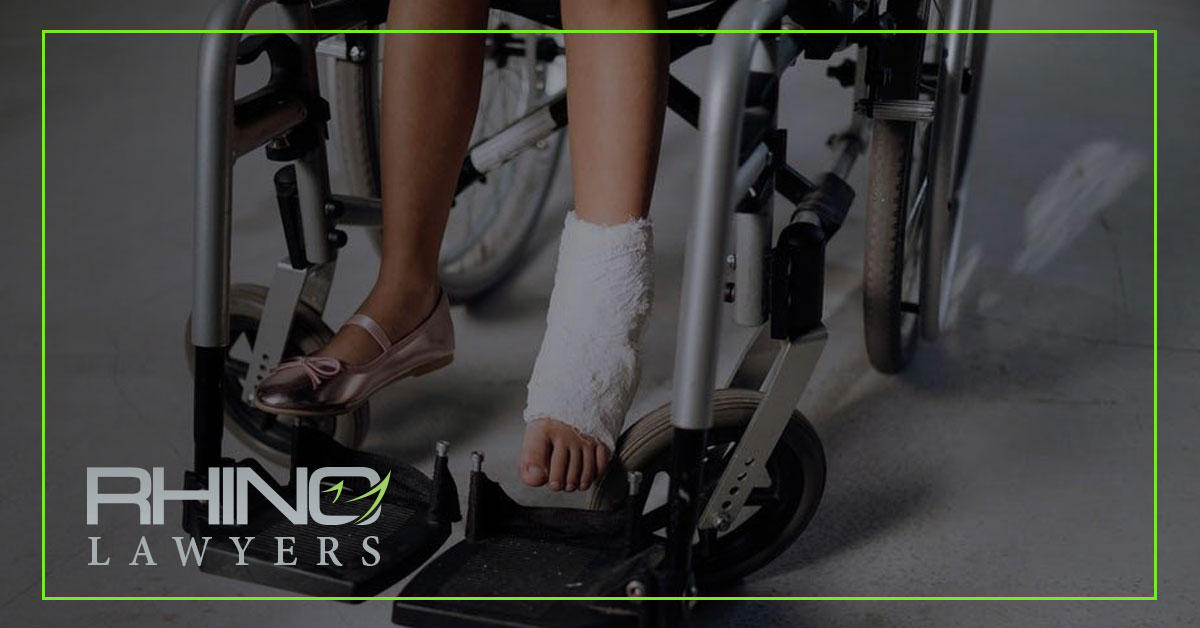
3 Ways Florida Child Injury Cases Differ from Adult Claims
Did you know that one in 10 Florida children gets injured enough to need to go to the emergency room? It can be incredibly traumatic for families if their child sustains a serious injury. It’s even more difficult if their injury is the result of someone else’s negligence.
Families may consider pursuing legal action to seek justice after that kind of incident. Personal injury lawyers can help families pursue compensation for their child’s injuries. It’s important to understand the differences between a child injury lawyer versus an attorney who works on adult cases.
This blog will dive into the three major differences between how an attorney handles child accident lawsuits. We’ll discuss where to seek assistance if you’re dealing with this type of scenario.
1. Statute of Limitations: Extended and Special Rules For Minors
In general, the statute of limitations for filing a child injury claim in Florida is the same as it is for adults – two years. Under Florida law, claimants have two years from the date of the incident to file claims founded in one of the following:
- Wrongful death
- Medical malpractice
- Negligence
Keep in mind that this timeframe can extend up to seven years in certain circumstances. This applies in circumstances when the guardian or parent is:
- Absent
- Incapacitated
- Has a conflict of interest
Another way this rule can change is in the case of birth injury lawsuits because the evidence of negligence isn’t always apparent within the two-year timeframe. The statute of repose can get extended to up to eight years, but a claim can’t be filed after the child’s eighth birthday.
These types of scenarios fall under the “discovery rule.” In these instances, the statute of limitations doesn’t start until the individual knows or should have known they were injured. The purpose of this rule is to prevent unjust outcomes where a person discovers that they were a victim after the statute of limitations has expired.
That’s why it’s important to connect with an experienced child injury attorney immediately if you believe an injury occurred to your child. They’ll let you know if your claim falls within the statute of limitations and if there’s any validity to it.
2. Legal Standing: Who Can File the Lawsuit and Manage Compensation
Children under the age of 18 don’t have the legal standing to file a lawsuit or claim for personal injuries in Florida. However, they shouldn’t wait until they are of age to look into filing.
While children can’t file a lawsuit or retain legal counsel themselves, Florida law allows a child’s parents or guardians to explore filing a claim and pursuing a settlement on behalf of their child. The claim can’t be more than $15,000. This includes life insurance policies and personal injury claims, where they can do the following with the proceeds:
- Collect
- Receive
- Manage
- Dispose
There are many child injury compensation cases where the settlement may be more than $15,000. Parents and guardians can still pursue these claims with court approval. The funds will need to be held in a restricted bank account where reasonable and necessary withdrawals can be made if they’re for the child’s benefit.
While these regulations may be frustrating to some, they’re designed to protect the child and their best interest. Parents of an injured child should connect with a child injury lawyer for guidance through the process. It’s important to remember that parents may have claims for losses that they incurred because of their child’s injuries.
Some of these losses may include:
- Medical expenses for their child’s treatment
- Future medical costs for their life
- Lost earning capacity for the future
- Pain and suffering
3. The “Reasonable Person” Standard: Adjusted For Children
One of the key differences between adult and child injury cases in Florida is the “reasonable person” standard. Children aren’t held to the same standard as adults. Children, unlike adults, get assessed on what is reasonable for someone of their age:
- Intelligence
- Age
- Maturity
Florida law is written to acknowledge that children might not fully understand risks, especially in certain situations that include “attractive nuisances.”
For example, property owners need to secure dangerous features around their home, like trampolines or swimming pools. That’s because they can attract children who may not know the risks that are involved with those types of attractions.
Florida law does give immunity to property owners in a case where someone is trespassing on their property and gets hurt. On the flip side, if a child gets injured because someone fails to take reasonable actions to protect those enticed by these “attractive nuisances,” the adult can be held accountable.
Frequently Asked Questions
As you can see, working through a personal injury case where the child is the victim can be complicated. There are major differences between these cases and those with adults. Let’s talk about some of the most frequently asked questions we get on the topic.
Can a Minor Ever File a Lawsuit on Their Own?
While a person over the age of 18 can pursue legal compensation for an injury sustained while they were a minor (so long as it falls within the statute of limitations), a minor can’t file a lawsuit on their own behalf. Their legal guardian or parents will need to retain a lawyer on their behalf to pursue justice.
What Should Parents Do After a Child Is Injured?
Parents should contact an experienced child injury attorney if their child was hurt due to someone else’s negligence. It doesn’t hurt to get in touch with a lawyer even if you’re not sure if your claim meets Florida’s requirements. They’ll review your case and let you know if you have grounds for filing a lawsuit.
Request a Free Consultation With a Child Injury Lawyer in Florida
All personal injury cases aren’t created equal in Florida. From the statute of limitations to a child’s legal standing to the “reasonable person standard,” there are many nuances when it comes to child injury compensation cases. A child injury lawyer can help parents and guardians navigate these types of cases while protecting a child’s legal rights.
At RHINO Lawyers, we understand the impact child injuries have on your entire family. Our personal injury attorneys have experience working on negligence and medical malpractice cases. Contact our office to schedule a free consultation.
CONTACT A TAMPA AUTO ACCIDENT ATTORNEY
In short, after a car accident, you may not know your rights. Above all, don’t struggle through the process alone. Actually, our personal injury team is here to help you with any legal needs you might have regarding your accident.
Lastly, let RHINO Lawyers answer your questions and review the facts of your case with a Free Consultation. So, get started by completing the “Free Instant Case Evaluation” or by calling us any time, day or night, at 844.RHINO.77.
Read More
Why Most Florida Car Accident Cases Don’t Go to Trial
The term “court battle” caught on for a reason. Both sides must ready their army of lawyers and witnesses, armed with their weapons of evidence.
A settlement is like a peace treaty. Both sides agree to the terms and get what they want.
You’d think this wouldn’t be the preferred option in cases that can involve serious injury or damage, such as car accidents. Most never go to trial and settle out of court instead. Neither side has to lose anything but can benefit in more ways than one.
Read on to learn how Florida car accident lawyers can get you the settlement you deserve, even without going to court.
Trials Are Expensive
Car accidents can be one of the most expensive types of accidents. What if you need to pay to repair your car or pay for damaged property? What about your medical bills after an injury?
Your bill will only grow if you bring the case to court. There are several unexpected costs to contend with, including:
- Court filing fees
- Hiring process servers
- Getting copies of witness reports or medical records
All of that extra money might not even result in a higher payout. That’s why it may be more cost-effective not to go to court.
You won’t end up losing money with the right representation. Your Florida car accident lawyers will work to ensure you get a fair settlement offer. It’ll cover any damages and pay your bills.
Trials Are Time-Consuming
Auto accident trials are a long and arduous process. It can take months or even years from the date of the accident to the date of the trial for them to end.
Insurance companies and lawyers may also use stalling tactics if they’re not ready to bring the case to court. They could try a continuance to reschedule the official hearing. That makes it take even longer for a verdict to be reached.
The worse your damages from the accident are, the less time you have to spare. What if you have a worsening medical condition, such as a traumatic brain injury? What if you are injured and have lost wages? Every lost minute is time you don’t have to recover and money down the drain.
You and your family might not be able to afford to wait for a trial. It may be better to accept a settlement instead so that you don’t have to sit and watch the valuable seconds tick by.
Trials are Stressful
Auto accidents are also one of the most stressful life events you could experience. According to a meta-analysis published in the Transportation Research Interdisciplinary Perspectives journal, approximately 1 in 5 survivors develop symptoms of post-traumatic stress disorder or PTSD.
A trial can add undue physical and emotional hardship. It’s worse for victims who are still recovering from the physical and emotional impact of auto accidents.
Out-of-court settlements are a more amicable way to achieve a desired outcome. They’re also more private. All details of the accident and its aftermath remain confidential.
Verdicts are Uncertain
The right to trial by jury is one of the most basic American rights. The one problem with it is that juries are unpredictable.
You might not get the result you’re expecting, even if there’s strong evidence. The jury may still not side in your favor. Members may be biased against you. You may even get less than what was initially offered in a settlement.
You have more control over the outcome when settling out of court. Give any evidence you’ve gathered to your Florida car accident lawyers. Their job is to create a compelling case in your favor. You spend your time healing.
Insurance Companies Prefer to Settle Vehicle Accident Claims
Insurance companies tend to settle when it comes to vehicle accident claims. Their reasons are similar to those that deter victims from taking their case to court.
They want to keep costs low, which means avoiding court fees and large payouts. They’re on a tight schedule and want to close claims as quickly as possible.
Insurance companies also have their reputation to protect. A trial is more public than a settlement. It can give them negative attention or expose poor claim-handling processes.
How Florida Insurance Law Affects Car Accident Claims
Florida’s no-fault system can affect how certain losses are handled after a crash, but Personal Injury Protection and Property Damage Liability cover different things.
Personal Injury Protection
Florida PIP can provide certain medical and disability benefits without regard to who caused the crash.
PIP generally provides up to $10,000 in combined medical and disability benefits. Covered medical expenses are generally reimbursed at 80%, and qualifying lost-income benefits are generally paid at 60%, unless applicable lost-income coverage was validly excluded.
Initial qualifying medical services and care generally must be received within 14 days after the crash for PIP medical benefits.
PIP does not pay for damage to a vehicle or other property.
Property Damage Liability
Florida’s required Property Damage Liability coverage generally pays for damage an insured person is legally responsible for causing to another person’s property, subject to the policy and applicable law.
It should not be described as every driver’s own first-party property coverage.
Not Every Claim Follows the Same Deadline
Most Florida negligence actions arising from crashes on or after March 24, 2023 generally have a two-year limitations period, but different claims can have different deadlines.
Claims involving government entities can have separate pre-suit notice and procedural requirements. They should not be summarized as having one universal 90-day filing deadline.
The 14-day PIP medical-treatment rule is also separate from the statute of limitations for filing a negligence lawsuit.
Whether a case settles or proceeds to litigation depends on liability, damages, insurance coverage, disputed facts, legal defenses, negotiations, and the parties’ willingness to resolve the claim.
Settle With the Right Florida Car Accident Lawyers Today
Out-of-court settlements are cheaper, more efficient, and less stressful than a court battle. Insurance companies know it, and state law supports it. Few car accident cases ever go to trial, but that doesn’t lessen the need for representation.
The Florida car accident lawyers at RHINO Lawyers are working to bring the law into the 21st century. We utilize the latest technology to evaluate your case and keep you informed about it at all times.
Our methods have enabled us to build a strong track record of successful cases. Contact us for a thorough free case review today.
CONTACT A TAMPA AUTO ACCIDENT ATTORNEY
In short, after a car accident, you may not know your rights. Above all, don’t struggle through the process alone. Actually, our personal injury team is here to help you with any legal needs you might have regarding your accident.
Lastly, let RHINO Lawyers answer your questions and review the facts of your case with a Free Consultation. So, get started by completing the “Free Instant Case Evaluation” or by calling us any time, day or night, at 844.RHINO.77.
Read More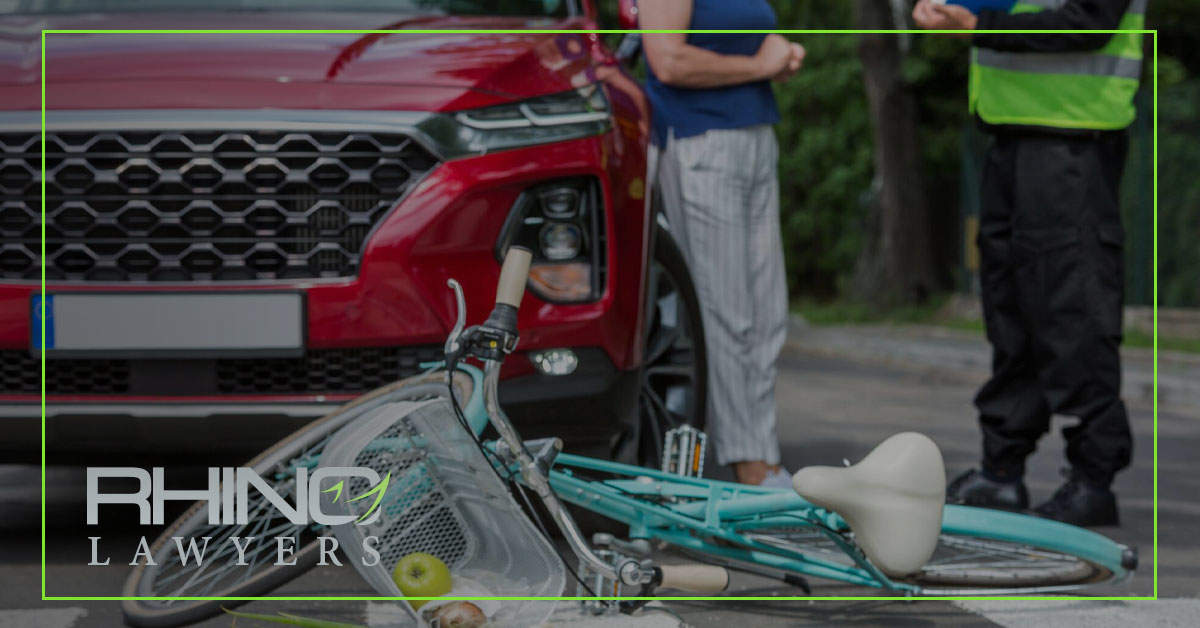
Can You File a Personal Injury Lawsuit Without Witnesses?
The aftermath of a personal injury often leaves victims in physical pain, emotional distress, and mounting financial burdens.
Other common concerns can also arise: What if there were no eyewitnesses to the accident? Is it possible to file a lawsuit without witnesses?
This answer is yes. Injured parties can (and should) seek compensation with alternative personal injury evidence. This guide outlines the critical steps you should take to win your case, from collecting evidence for injury claims to hiring a lawyer.
Alternative Personal Injury Evidence to Eyewitnesses
Upon suffering an injury, the first step is to ensure you’re in a safe zone before documenting the accident scene. This could mean positioning yourself, your vehicle, or your bicycle away from traffic or out of harm’s way.
Next, assess your injuries and call the proper authorities. You can also document your injuries during this process. Take photos or video recordings with a smartphone or keep a digital camera handy at all times.
The above steps are crucial for producing viable evidence for a personal injury settlement with no eyewitnesses.
Another invaluable tool in this case is a dashboard camera, popularly known as a dash cam. You can also buy dual dash cams that record the rear of your car. These tools provide nearly 360-degree live footage around your car.
Real-time cameras are also available for:
- Bicycles
- Motorcycles
- Scooters
- Commercial vehicles
Pedestrians and joggers can also purchase clip-on body cameras in the event of an accident or injury.
Injury and Medical Documentation
Cameras are instrumental in providing clear evidence of injury, accident timelines, and negligent parties. On-scene authorities like EMTs and police officers also provide necessary documentation for case files.
The above points speak to the importance of the next point, medical documentation. If you’ve suffered a personal injury, seek medical attention at a hospital or injury clinic. A physician can provide a detailed report of the injury, including treatments and recovery times.
A professional medical examination may discover injuries not documented at the scene, like whiplash. A psychiatrist or therapist may be able to document emotional distress or PTSD post-accident.
Remember to keep meticulous records of any follow-up visits or prescription medications as evidence. Other types of medical records include:
- Hospital records
- Physician’s notes
- X-rays
- MRIs
- CT scans
- Physical therapy reports
These records are instrumental in demonstrating causation and the severity of your injuries.
Police Reports
Police reports also contain crucial details for a potential personal injury lawsuit, including:
- Diagrams of the scene
- Descriptions of vehicle damage
- Road conditions
- Statements from involved parties (i.e., the other driver)
Citations issued to the other party or observations by an officer can be highly persuasive evidence. An officer on the scene may also document injuries.
How to Document Injury Evidence When Building a Case
You’ve already learned about the value of installing a dash cam and using your smartphone (or digital camera) to document evidence. While your dash cam can record the area surrounding a vehicle, take as many smartphone photos and videos from as many angles a possible. Lawyers and insurance companies need to see the full scope of the accident and injuries.
Capture the position of your vehicle. Document every detail, including:
- Property damage
- Skid marks
- Debris
- Traffic signs
While an officer may document road conditions, go into further detail:
- What was the weather like that day?
- Was it a dirt road?
- Did the accident occur in a residential or urban area?
- Was it an asphalt road?
- Was there road construction?
Document any other relevant environmental factors.
Detail the property damage in full. Take multiple photos and videos. Create a list of all damaged items, including:
- Personal laptops
- Smartphones
- Other personal electronics
Providing detailed photos and videos of vehicular damage can provide a more accurate repair estimate. Such evidence can illustrate the impact (and force) of the collision, supporting your account of how the accident occurred.
What to Discuss During Your Legal Consultation
Don’t hesitate to consult with a personal injury attorney as soon as possible after an accident. The initial consultation is an important opportunity to provide a potential legal team with all relevant information. Prepare ahead of time to discuss all major points.
Provide a thorough and detailed account of the incident, including:
- The exact date
- The time of the accident
- The location of the accident
- A step-by-step description of the accident (from your perspective)
Remember, no detail is too small. Be prepared to discuss how the accident occurred and your initial thoughts on who was at fault.
Clearly explain the nature (and extent) of your physical and emotional injuries. Describe the pain you’re experiencing, including:
- Limitations since the accident
- Disabilities caused by injuries
- How injuries have impacted daily life
- The impact on work (loss of wages)
- Medical treatment received
- Ongoing care
- Anticipated medical needs
Discuss all financial losses you’ve experienced, including post-accident expenses. This may include:
- Paid and outstanding medical bills
- Lost wages from time off work
- Property damage
- Out-of-pocket expenses
Share any details about your insurance coverage at the legal consultation, including auto and health insurance. Provide any insurance information for the at-fault party, as well.
More Points to Consider
It’s important to note that the burden of proof in personal injury cases falls on the injured party to demonstrate the negligence of the other party.
This proof must be established through a legal standard called the “preponderance of the evidence.” All the evidence presented must tip the scales in your favor.
Even without eyewitnesses, you can still create a compelling collection of alternative evidence to meet this standard.
Get the Evidence You Need to Win
After an accident, act quickly to collect the personal injury evidence you need to win your case. These cases don’t mandate eyewitness statements, but they do require substantial proof to meet Florida’s legal standard. Remember to have all of your evidence ready to make the most of your legal consultation.
At RHINO Lawyers, we specialize in various types of personal injuries in Florida. Whether you’ve suffered an injury from medical malpractice or a car accident, we’ll fight with every tool in our legal arsenal to ensure you get the compensation you deserve. Our clients also benefit from our extensive experience in the insurance sector.
Contact us today to discuss your case.
CONTACT A TAMPA AUTO ACCIDENT ATTORNEY
In short, after a car accident, you may not know your rights. Above all, don’t struggle through the process alone. Actually, our personal injury team is here to help you with any legal needs you might have regarding your accident.
Lastly, let RHINO Lawyers answer your questions and review the facts of your case with a Free Consultation. So, get started by completing the “Free Instant Case Evaluation” or by calling us any time, day or night, at 844.RHINO.77.
Read More
Roundabout Crashes: Who May Be at Fault for Your Damages?
The Federal Highway Administration’s 2024 Roundabout Week Report showed the benefits these unique intersections can provide. They reduce traffic injuries by up to 82%. They even improve traffic flow and reduce fuel consumption.
Unfortunately, they aren’t a perfect system. Roundabot crashes remain a problem.
In a recent YouGov poll, 47% of drivers rated themselves as excellent, with only 2% rating themselves as poor or terrible. That kind of overconfidence can be a potentially deadly mistake in a confusing area, such as a roundabout.
Drivers often struggle to navigate them. There are so many cars moving at once. When a crash does occur, it can be difficult to determine what caused it.
Read on to learn more about these accidents, including how fault is determined and how to get the compensation you deserve.
Types of Roundabout Crashes
Failure to yield the right of way is a factor in approximately 33% of roundabout crashes. A failure-to-yield collision occurs when a driver doesn’t obey a yield sign or notice a driver already in the roundabout. They can also crash into a driver who has the right of way when they were supposed to be yielding.
A side-swipe or T-bone accident occurs when a driver crashes into the side of another vehicle. They happen when a driver doesn’t change lanes properly and cuts off another vehicle.
Rear-end collisions occur when vehicles follow each other too closely. One is forced to slow down or stop abruptly.
What to Do After Roundabout Crashes
If you are involved in an accident at a roundabout, move to a safe location immediately. Check for injuries and call emergency services.
Exchange insurance and contact information. File a claim with your insurance company as soon as possible to avoid going past the statute of limitations. Let them know what happened, but avoid discussing fault at this early stage in the process.
Document the scene of the crash. Take pictures of any injuries and damage to vehicles or property. Get statements from anyone involved. It’ll provide valuable evidence later when you submit a claim.
Legal Principles to Follow
The primary reason behind roundabout crashes is a lack of understanding. They’re not as ubiquitous as traditional intersections with their traffic signals and other indicators of where to go and how to proceed.
Knowing how to navigate a roundabout helps you avoid incidents. It also helps you determine who is at fault in a crash. If you followed all the rules, the blame must lie with another party.
Entering the Roundabout
Stay to the right and slow down to 10-15 miles per hour.
Check for any vehicles entering the roundabout. Don’t stop unless it’s to avoid a crash.
Right-of-Way
Drivers that are already in the roundabout almost always have the right of way. Any driver that comes in has to yield to them before merging.
Pedestrians also have the right of way.
Turning and Proper Lane Usage
Never turn left at the splitter island.
If the roundabout has multiple lanes, drivers have to stay in their designated lane.
If you want to go straight through the roundabout, you can enter from either lane. Enter the right lane for a right turn and the left lane for a left turn.
Don’t change lanes when you’re in the roundabout. If you want to make a right turn in the roundabout, stay in the right lane. If you want to make a left turn, stay on the left. You can go through the roundabout in either lane.
Exiting the Roundabout
Use your right turn signal when exiting the roundabout. Check for and yield to any pedestrians.
If you miss your street, go around the roundabout again and exit at the street you need to get to.
Types of Fault
Determining fault in a roundabout accident is like solving a mystery. The driver entering the roundabout is typically the prime suspect.
In general, any driver who violates local traffic laws or rear-ends another vehicle will be considered at fault. Like any mystery worth its salt, there could be other explanations.
There are cases where drivers may share roundabout accident liability. Perhaps they were both engaging in unsafe driving practices.
Municipal liability is when the local municipality responsible for road maintenance is considered at fault for the accident. This could be due to:
- Poor signage
- Inadequate lighting
- Road defects
There are even times when the vehicle manufacturer is at fault. This occurs when issues such as a faulty tire or defective brakes cause an accident.
Determining Accident Fault
The way to prove fault in roundabout crashes is to gather evidence. Gathering as much information as possible after the crash, such as photos or statements, gives you a head start.
Other types of evidence that your lawyer may get to bolster your case include:
- Traffic cam or dashcam footage
- Witness or expert testimonies
- Police reports
Getting Traffic Accident Compensation
One of the most fundamental legal rights in accidents is the right to seek damages. It applies to roundabout accidents, but the process can be difficult without the right help.
Florida is a comparative negligence state. That means everyone involved in the accident can claim damages. The amount they’ll get is reduced based on how at fault they’re determined to be.
This is why determining accident fault is so important. If you want the full damages you deserve, you’ll have to prove that another party was responsible (or at least more responsible) for the crash. An experienced lawyer can do this through evidence and tireless effort.
There’s also a ticking clock. You have to seek traffic accident compensation within 14 days of the crash, so don’t wait.
Where to Get Legal Representation
Roundabout crashes occur when drivers misuse a generally safe system. Obtaining proper representation can help determine who or what is responsible for the incident. It ensures you receive the damages you deserve.
RHINO Lawyers is passionate about revitalizing the law industry. We’re a forward-thinking firm that utilizes the latest technology. It helps us investigate your case and communicate with you on your terms.
Our team of injury claims advisors has a long track record of satisfied clients. Contact us for your free case review today.
CONTACT A TAMPA AUTO ACCIDENT ATTORNEY
In short, after a car accident, you may not know your rights. Above all, don’t struggle through the process alone. Actually, our personal injury team is here to help you with any legal needs you might have regarding your accident.
Lastly, let RHINO Lawyers answer your questions and review the facts of your case with a Free Consultation. So, get started by completing the “Free Instant Case Evaluation” or by calling us any time, day or night, at 844.RHINO.77.
Read More
Should I Share My Medical Records with the Other Driver’s Insurance Adjuster After a Car Accident?
After a car accident, it doesn’t take long before the other driver’s insurance company reaches out. One of the first things they might ask for? Access to your medical records.
This may seem like a routine part of the post-accident insurance process, but agreeing too quickly can create serious problems. Dealing with an insurance adjuster can put your privacy at risk. Plus, what you share and how much can directly impact your ability to recover full compensation for your injuries.
Before making any decisions, learn what you need to know about medical record requests after an accident. Knowing how to respond can help you avoid costly mistakes and keep your claim on solid ground.
Why Insurance Adjusters Request Your Medical Records
Every state, including Florida, has specific rules governing crash reporting and insurance claims. Insurance adjusters work for the company, not for the injured party. Their goal is to minimize the amount their company pays out, even if it means digging through medical files to find reasons to question a claim.
To evaluate whether a claim is valid and how much it’s worth, they’ll ask for documentation that supports the details of the injury and treatment. This step is part of the post-accident insurance process, but it’s also where things can get tricky.
Here are some of the medical records they often request:
- Emergency room reports
- X-rays or other imaging scans
- Follow-up treatment records
- Physical therapy notes
- Medical bills for all related care
Sharing some of these documents may be necessary, but it’s important to be selective. Just because the adjuster asks doesn’t mean handing over every record is the right move.
Medical Records That Support Your Claim
When dealing with an insurance adjuster, it’s important to know which documents help your case. Relevant documentation helps establish the link between the crash and your medical treatment, which is central to your claim. Only share records that directly relate to injuries caused by the accident.
Here are examples of relevant medical records to include:
- Ambulance transport reports
- Emergency room visit summaries
- Diagnostic images tied to the crash
- Follow-up appointments with treating doctors
- Physical therapy notes related to recovery
Providing only the necessary documents helps streamline the post-accident insurance process while maintaining the confidentiality of medical records. Focusing on current injuries avoids confusion and keeps the claim aligned with what actually happened.
Records You Should Keep Private
Not every part of your health history is relevant to a car accident claim. Handing over unrelated records can hurt your case more than help it. Insurance companies may use this extra information to argue that your injuries existed before the crash or aren’t as serious as claimed.
Here are examples of irrelevant medical records you don’t need to share:
- Old sports injuries or unrelated back pain
- Chronic illnesses not linked to the crash
- Mental health treatment records
- Routine annual checkups
- Childhood medical history
Pro tip: Talk with an attorney before releasing anything beyond what’s necessary.
Risks of Sharing Too Much Information
A blanket release can give an insurance adjuster access to your entire medical history, not just the records related to the accident. They could misinterpret prior injuries or unrelated conditions and use them to question the legitimacy of your claim. Key risks include:
- Loss of privacy
- Claim devaluation
- Claim rejection
- Breach of confidentiality rights
Records sharing without clear limits puts your case at risk and makes protecting medical privacy even more important.
How to Respond to Medical Record Requests
Avoid signing a broad or unlimited medical release form from the insurance adjuster. Under the US Health Insurance Portability and Accountability Act (HIPAA), medical information must be protected, so release forms should specify which records can be shared and for what purpose. Instead, request your own records and work with your attorney to share only what’s necessary for your case.
Take time to review everything before sending and remove any unrelated details to keep your information private. Document your injuries and treatment! It’s also a good idea to keep track of what you share and when.
Having a clear record helps you stay organized and protects your rights if questions arise during the post-accident insurance process.
Sharing Medical Records at the Right Time
Insurance companies need proof of injury to process claims. Sharing medical records too early or without review can hurt a claim. The best time to share records is after a full diagnosis and when treatment clearly shows progress.
Negotiating with insurance companies involves exchanging medical information, but it does not mean providing everything right away. Choosing what and when to share helps keep control of the claim. Always ask why more records are needed and talk with an attorney before sending additional information.
Handling Pre-Existing Conditions in Your Claim
Insurance adjusters often try to use past injuries to reduce your compensation. Despite this, you have the right to recover for new injuries or any worsening of existing conditions caused by the accident.
Florida follows the eggshell plaintiff rule, which protects injured parties even if they are more vulnerable due to pre-existing issues. Medical records confidentiality also plays a key role in preventing unfair reductions by limiting access to unrelated health information.
Legal Advice for Dealing With an Insurance Adjuster
A personal injury attorney can guide the record-sharing process and help protect your privacy. They know what should and shouldn’t be disclosed after an accident.
A personal injury attorney will:
- Review all requests
- Limit record sharing to only what’s relevant
- Protect your rights under state and federal laws
Dealing with an insurance adjuster is safer when your attorney manages the conversation and keeps your claim focused on the facts.
Your Trusted Partner in Insurance Claims
Protecting your privacy and sharing medical records wisely strengthens your personal injury case. Careful steps and exceptional legal guidance help avoid common mistakes and unnecessary risks.
RHINO Lawyers stands out as Tampa’s premier law firm, delivering fast, reliable, and trustworthy service on your terms. Our high-tech, high-touch approach means communication happens how and when you want it, whether by call, chat, or video.
Reach out now to experience legal support that respects your time and puts your needs first while handling the challenges of dealing with an insurance adjuster.
CONTACT A TAMPA AUTO ACCIDENT ATTORNEY
In short, after a car accident, you may not know your rights. Above all, don’t struggle through the process alone. Actually, our personal injury team is here to help you with any legal needs you might have regarding your accident.
Lastly, let RHINO Lawyers answer your questions and review the facts of your case with a Free Consultation. So, get started by completing the “Free Instant Case Evaluation” or by calling us any time, day or night, at 844.RHINO.77.
Read More
Can You Sue for Emotional Distress After a Car Accident?
According to AAA Exchange, around 90 people lose their lives in vehicle crashes each day in the U.S.
Many others suffer serious injuries. If you lost a loved one or were hurt in a crash, you might consider suing. Most people focus on hospital bills, car repairs, and lost wages when seeking compensation.
Emotional pain, however, can weigh just as heavily. But can you sue for emotional distress after a car accident? You might also wonder how to prove your suffering and whether it holds value in court.
Understanding emotional distress and how the legal process works can help you take the right steps toward fair compensation. Keep reading to learn more.
What Is Emotional Distress?
Emotional distress is the mental and emotional pain caused by a traumatic event such as a car accident. It’s one of the most common non-economic damages people suffer after a crash. You may experience:
- Anxiety
- Depression
- Panic attacks
- Fear
- PTSD
- Sleep problems
- Mood swings
- Trouble focusing
These effects can last for weeks, months, or even years. Emotional trauma can feel just as real and painful as a broken bone. But unlike cuts or bruises, you can’t see it on an X-ray, which makes it harder to prove.
Many victims seek emotional distress compensation as part of their personal injury case. If you feel overwhelmed, you are not alone; legal help is available.
How Emotional Trauma Impacts Daily Life
Some car crash victims don’t feel the emotional toll until weeks or months later. You may be afraid to drive again, avoid people, or miss work due to fear or stress. Even after the body heals, many people struggle with emotional trauma for years.
Denial often plays a role, as some try to stay strong and push through without facing their feelings. Over time, that hidden pain builds and affects daily life.
Treatment for emotional trauma may involve:
- Therapy
- Medication
- Support groups
- Counseling
- Stress management techniques
- Lifestyle changes
Paying for all these things can be expensive. If you do not have the financial resources, you might forgo the necessary care to recover.
Seeking legal help allows you to cover those costs and focus on recovery. Filing a mental anguish lawsuit may feel tough, but it gives you the financial support needed to heal and move forward.
Legal Requirements to Sue for Emotional Distress
Courts require solid proof before awarding emotional distress compensation. Simply saying you feel anxious or upset may not be enough. You need to show that the accident happened because someone else was careless.
Also, you need to show that you suffered serious emotional trauma. You can prove emotional trauma by providing:
- Notes from therapists and doctors
- Prescription records for anxiety or depression
- Testimonies from coworkers and family
- Journal entries describing your feelings
- Statements from friends who saw your struggle
- Records of missed work due to emotional issues
Some states require a physical injury to file a mental anguish lawsuit. That’s why getting car accident legal advice is important.
Working with a reputable legal team like RHINO Lawyers can make a difference. Our attorneys help you understand if you have a claim.
They can estimate its value and gather proof for emotional distress and other damages. You can trust us to fight for fair compensation and speed up the process.
How Emotional Distress Affects Settlement Value
When you file a personal injury claim, emotional harm can raise your settlement value. Calculating the exact amount is difficult because emotional pain is not like a hospital bill with a clear cost. It is more personal and less measurable.
Insurance companies often try to minimize your suffering and focus only on physical injuries. An experienced lawyer can step in to show that your pain matters and deserves fair compensation.
The car crash settlement process will consider:
- Therapy costs
- Loss of enjoyment in life
- Lifestyle changes
- Medical bills
- Lost wages
- Pain and suffering
These factors affect the final payout. A skilled attorney can ensure all your damages, including emotional distress, are accounted for. That way, you get the full compensation you need to heal and move forward.
How a Lawyer Can Help You Sue for Emotional Distress
After a car collision, you might be hesitant to hire an attorney. Insurance companies often discourage individuals from seeking legal help. They may claim that personal injury lawyers only seek to earn fees and do not care about your case, but this is not the case.
Lawyers can be very important in car accident claims, especially when you want to sue for emotional trauma. They help make sure your suffering is taken seriously and that you get fair emotional distress compensation.
Guidance on Filing the Claim Paperwork
Filing a claim can be confusing and involve a lot of paperwork. A lawyer helps you understand the forms and deadlines.
They make sure your claim includes the needed information about your emotional trauma and physical injuries. Accurate paperwork increases your chances of success and prevents delays.
Help Negotiating the Settlement
Insurance companies often offer low settlements. A lawyer knows how to negotiate for a better amount.
They use evidence like medical records and witness statements to prove your emotional harm. Having an attorney can help you get a fair car crash settlement that covers your mental anguish and other damages.
Advice On When to Consider Going to Trial
Sometimes, insurance companies may not offer sufficient compensation. A lawyer helps you decide if going to court is the right move.
They explain the risks and benefits. If needed, they prepare your case and represent you in a trial to fight for the compensation you deserve.
Can You Sue for Emotional Distress? Consult an Attorney to Learn Your Options
Can you sue for emotional distress? Yes, and the right lawyer can guide you through the process. After a crash, emotional trauma matters as much as physical injury.
A skilled attorney helps prove your pain and fight for fair compensation. At RHINO Lawyers, we make your case personal. Our team uses fast, modern tools to match your style.
Brandon F. Jones, our Personal Injury Attorney and Sole Shareholder, brings over 14 years of accident experience. Contact us; we’re ready to help you move forward with confidence.
CONTACT A TAMPA AUTO ACCIDENT ATTORNEY
In short, after a car accident, you may not know your rights. Above all, don’t struggle through the process alone. Actually, our personal injury team is here to help you with any legal needs you might have regarding your accident.
Lastly, let RHINO Lawyers answer your questions and review the facts of your case with a Free Consultation. So, get started by completing the “Free Instant Case Evaluation” or by calling us any time, day or night, at 844.RHINO.77.
Read More
Car Accident Claims and Pre-Existing Conditions
The NHTSA reports that there were 39,345 deaths resulting from motor vehicle crashes in the U.S. in 2024. Beyond these tragic fatalities, millions more suffer serious injuries.
If you are one of these unfortunate people and you had a medical condition before the crash, you might be worried. Insurance companies often use pre-existing conditions to question your injury claim from a car accident. They may argue your injuries weren’t caused by the accident.
But that’s not the whole story. If the crash worsens your condition, you still have the right to compensation. The law protects you in these situations.
Discover how pre-existing conditions affect your injury claim and what steps you can take to maximize your compensation.
What Are Pre-Existing Conditions?
These are health issues or injuries that existed before a car accident. They can include conditions like:
- Back injuries
- Arthritis
- Previous surgeries
- Chronic pain
- Mental health issues like anxiety or depression
These conditions play a crucial role when you pursue compensation after a car accident. Insurance companies often scrutinize claims involving pre-existing injuries closely.
They may try to argue that your current injuries are from the old condition, not the accident. This can make your injury claim from a car accident more complicated. Understanding what counts as a pre-existing condition helps you prepare and respond to these challenges effectively.
The “Eggshell Plaintiff” Rule
This legal principle holds that defendants must accept victims as they are. If you have a pre-existing condition, the other party is still responsible for any new or worsened injuries caused by the accident.
You can’t be denied compensation just because you were more vulnerable before the crash. Such protections ensure fairness and hold the at-fault party accountable for all the harm they cause.
How Pre-Existing Conditions Affect Your Injury Claim
Insurance companies often attempt to minimize or reject claims involving pre-existing injuries. They may argue that your pain or condition was not caused by the accident. Instead, they blame it on your past health issues.
This can lower your car accident compensation or stop it altogether. To succeed, you must prove that the accident aggravated your condition.
The burden of proof is on you. You don’t have to prove that the accident caused the original condition, only that it made it worse.
Detailed medical evidence strengthens your claim. The clearer your documentation, the harder it is for insurers to deny your case.
Steps to Maximize Your Accident Claim Despite Pre-Existing Conditions
To maximize accident claim results, it’s important to take the right steps early. Each one helps strengthen your case.
Seek Immediate Medical Attention
Get checked by a doctor immediately after the crash. This ensures your medical records are up to date. It also helps prove that the accident worsened your condition.
Be Honest About Your Medical History
Don’t hide past injuries or conditions. Being open builds trust and protects your credibility. Insurance companies will check your records, so honesty is your best defense.
Get Expert Medical Opinions
Ask your doctor to explain how the crash affected your health. A specialist can show how your prior condition was aggravated. Their report serves as strong evidence in your favor.
Hire an Experienced Lawyer
Seek accident lawyers experienced with pre-existing injury claims. A seasoned and reputable attorney knows how to deal with insurers and protect your rights.
Role of Experienced Accident Lawyers
Dealing with a car accident claim involving pre-existing conditions can be challenging. This is where experienced accident lawyers become invaluable. Here’s how they can support your case and secure fair compensation:
Help Gather Strong Medical Evidence
Accident lawyers work closely with doctors to collect the right medical records. They know what details matter most and how to show that the accident worsened your condition.
Handle Tough Insurance Negotiations
Insurers may attempt to deny or reduce your claim. Your lawyer will:
- Speak on your behalf
- Challenge unfair tactics
- Push for fair compensation
Prove the Accident Made Things Worse
A key part of your claim involves demonstrating causation. Your lawyer will connect the accident to your worsened condition through facts, timelines, and expert reports.
With the right lawyer, you improve your chances of fair compensation. Their expertise can strengthen your pre-existing injury claim.
Common Challenges and How to Overcome Them
Pre-existing conditions can complicate an injury claim from a car accident case. Insurers may use your medical history to reduce or deny your compensation. Here are common challenges and how to respond effectively.
Insurance Denials
Insurers may claim your injuries existed before the crash. Fight back with clear medical records and expert opinions showing that the accident worsened your condition.
Disputes Over Causation
They might claim that the accident didn’t cause your pain. Use before-and-after medical records to clearly show the difference in your condition.
Lowball Offers
Some insurers offer less than what your case is worth. A skilled lawyer familiar with pre-existing injury claims can negotiate for full and fair car accident compensation.
Choosing the Right Pre-Existing Injury Claims Lawyer
Not all lawyers understand the complexities of pre-existing injury claims. Selecting the right lawyer can significantly affect the outcome of your car accident injury claim.
Look for a lawyer with:
- Experience handling claims involving pre-existing conditions
- A solid track record of securing car accident compensation
- Access to medical specialists who can provide evidence for your case
- Strong negotiation skills to push back against low offers
At RHINO Lawyers, we focus on these cases. Our team has the experience and expertise to help you maximize accident claim results. We advocate for your rights and are committed to obtaining the compensation you are entitled to.
Take Charge of Your Injury Claim from a Car Accident with Pre-Existing Conditions Today
Pre-existing conditions don’t cancel your right to compensation. If the accident made your condition worse, your injury claim from a car accident still matters. Work with an experienced lawyer to strengthen your case and fight for what you deserve.
Since 2014, RHINO Lawyers has revolutionized legal services in Tampa with exceptional, client-focused representation. Our millennial-led team brings 10+ years of experience in personal injury, medical malpractice, and criminal defense with a high-tech, human touch.
Led by former insurance defense attorney Brandon F. Jones, we fight claim denials based on pre-existing conditions. Call us today for fast, on-your-terms, legal help.
CONTACT A TAMPA AUTO ACCIDENT ATTORNEY
In short, after a car accident, you may not know your rights. Above all, don’t struggle through the process alone. Actually, our personal injury team is here to help you with any legal needs you might have regarding your accident.
Lastly, let RHINO Lawyers answer your questions and review the facts of your case with a Free Consultation. So, get started by completing the “Free Instant Case Evaluation” or by calling us any time, day or night, at 844.RHINO.77.
Read More