

Your Rights After a Recreational Vehicle Accident
Over 11 million households across the United States have at least one RV, according to Consumer Affairs. Recreational vehicles offer an incredible way to travel and explore. Still, when an RV accident occurs, it can be much more involved than a regular car accident.
Taking stock of rights and knowing the right steps can be critical. Doing this can ensure you receive appropriate compensation. Read on to learn about your rights after an RV collision and the legal steps you should take to protect your interests.
Understanding Your Rights After an RV Collision
An RV accident may result in severe physical injuries, extensive property damage, and significant financial implications. Knowing your rights is essential to ensure fair treatment and compensation. Some key aspects of your rights include:
The Right to Compensation
As a victim of an RV accident, you can fight for compensation for your losses. It may include medical bills, property damage, and more.
RV accident compensation rights ensure that you’re not left financially burdened by someone else’s accident.
The Right to Legal Representation
It’s worth exercising your right to consult and hire a lawyer to represent your interests. Getting RV accident legal assistance can provide guidance and support throughout the claims process.
The Right to Evidence
You are entitled to gather and present evidence to support your claim. It should include the following:
- Police reports
- Photographs of the accident scene
- Medical records
- Witness statements
Your Rights After RV Collision
You can negotiate with an insurance company or file a lawsuit. Either way, you have the right to pursue fair compensation for your damages.
Post-RV Accident Steps to Protect Your Rights
Do you want to secure your rights and maximize your compensation? If so, it’s crucial to act fast after an RV collision. Legal steps after an RV accident and more should always be followed.
Prioritize Safety and Get Medical Attention
After an RV accident, safety should be your top priority. Even if injuries seem not that bad, getting a medical evaluation is non-negotiable. That way, you can document your condition and prevent complications.
Contact Law Enforcement
Always report the accident to the police. Doing this is especially vital in cases involving major property damage or injury.
A police report is an invaluable piece of evidence in proving fault. It also supports your RV accident compensation rights.
Document the Accident Scene
Bring together as much evidence as you can from the entire accident scene. It includes taking photographs of the following:
- Damage to vehicles and property
- Skid marks, road conditions, and any visible traffic signs
- Injuries sustained by you or others involved
Detailed documentation strengthens your claim and helps your legal team build a compelling case.
Exchange Information
Don’t forget to swap contact and insurance info with the others involved in the accident. Be sure to include:
- Names
- Phone numbers
- Addresses
- Insurance policy details
- Driver’s license numbers
Notify Your Insurance Company
Always report the accident to your insurance provider. Provide accurate details, but be cautious about sharing information that could be misconstrued. It’s particularly important when negotiating RV accident compensation rights.
Legal Steps After an RV Accident
An RV accident claim can be intricate, involving various laws and insurance complexities. Follow these legal steps to protect your interests and secure fair compensation:
Consult an RV Accident Lawyer
Obtaining RV accident legal assistance is crucial for navigating the claims process effectively. A skilled attorney will do the following:
- Evaluate your case and determine the liability
- Communicate with insurance companies on your behalf
- Help gather evidence and build a solid case
- Advocate for maximum compensation in negotiations or court
Lawyers experienced in RV accidents understand the unique aspects of these claims, such as the size and weight of RVs.
File a Claim
Filing a claim is one of the first steps toward getting what you’re owed. Your lawyer will guide you in preparing a compelling claim that outlines:
- The cause of the accident
- The extent of your injuries and damages
- The financial and emotional damages
Filing a claim as soon as possible is critical because delays can weaken your case.
Negotiate a Settlement
Most recreational vehicle accident claims are resolved through settlement negotiations. Your lawyer will engage in open dialogue with the insurance adjuster. A fair settlement should cover the following:
- Medical bills
- Property repair costs
- Lost wages
- Other damages
Be prepared for insurers to offer low initial settlements, which is why legal representation is essential.
Common Challenges in RV Accident Claims
RV accidents can be complex for several reasons. Are you wondering what you might encounter?
Determining Liability
Recreational vehicle accidents often involve multiple parties, such as drivers, manufacturers, or even rental companies.
Pinpointing the responsible party can be challenging. Still, it’s essential for a successful claim.
Insurance Complications
RVs may require different types of insurance coverage, including auto and homeowner’s insurance. Disputes may arise over which policy applies and the extent of coverage.
Severe Damages
The large size of RVs can result in catastrophic damages and injuries, leading to higher compensation demands. Insurers may resist paying substantial claims, necessitating strong evidence and legal expertise.
Maximizing Your RV Accident Compensation Rights
Do you want to ensure you receive full compensation? If so, consider some common tips.
Document Everything
Keep a detailed record of medical treatments, repair costs, and any other expenses related to the accident. Retain copies of bills, receipts, and correspondence.
Follow Medical Advice
Don’t miss any follow-up appointments, and always follow your doctor’s recommendations. If you don’t, it could affect how much you end up getting.
Be Patient
Resolving recreational vehicle accident claims can take time, especially if a lawsuit is involved. Know that your legal team will always have your best interests in mind.
It’s Time to Handle the Aftermath of a recreational vehicle accident
An RV accident doesn’t have to upend your life. Instead, you can have a lawyer fight for you to get the best possible outcome.
You can rely on the expertise of RHINO Lawyers. Our knowledge and persistence have led to the recovery of almost $100,000,000 for our clients. We focus on criminal defense, personal injury, and more.
Don’t wait to schedule a complimentary consultation with RHINO Lawyers today.
CONTACT A TAMPA AUTO ACCIDENT ATTORNEY
In short, after a car accident, you may not know your rights. Above all, don’t struggle through the process alone. Actually, our personal injury team is here to help you with any legal needs you might have regarding your accident.
Lastly, let RHINO Lawyers answer your questions and review the facts of your case with a Free Consultation. So, get started by completing the “Free Instant Case Evaluation” or by calling us any time, day or night, at 844.RHINO.77.
Read More
13 Things the Insurance Adjuster Won’t Tell You After an Accident
In some states, car insurance premiums rose by as much as 40% (CNBC). When you’re involved in an accident, dealing with the aftermath can be as overwhelming as the incident. In fact, working with an insurance adjuster can be one of the most complex and confusing parts of the auto claims process.
It’s essential to remember that auto insurance adjusters represent their employers’ financial interests. Read on to learn about some of the secrets insurance adjusters often keep hidden and the post-accident advice you need to succeed.
1. Your Claim Value May Be Higher Than They Initially Offer
Insurance adjusters often present a low initial settlement offer, hoping you’ll accept it quickly. This tactic is rooted in their goal to minimize payouts. What they won’t tell you is that the first offer is rarely their best.
Evaluating your damages, medical expenses, lost wages, and more is crucial for ensuring you receive fair compensation. Learning how to negotiate can significantly impact the outcome of your claim.
Don’t accept the first offer without consulting an attorney or conducting your research on the value of your claim.
2. You’re Not Required to Give a Recorded Statement
Many adjusters request a recorded statement under the guise of needing your account to process the claim. What they won’t mention is that anything you say can be used to reduce your settlement. Even so-called innocent comments, like saying you “feel fine,” might be misconstrued.
3. They May Delay the Process Intentionally
Adjusters sometimes use delay tactics to frustrate claimants into accepting lower settlements or abandoning their claims altogether. They may drag their feet when returning calls, requesting additional paperwork, or scheduling evaluations. Delays are especially harmful if you’re relying on a settlement to cover medical bills or repair costs.
Insurers benefit from delaying settlements because it may reduce their payout liability. Persistent follow-up and legal counsel can help expedite the process.
4. They Might Downplay the Role of a Lawyer
Insurance adjusters are often wary of claimants who seek legal advice. They may discourage you from hiring an attorney, suggesting it will complicate the process or take longer to resolve your claim. The reality is that attorneys can often secure much higher settlements than you could on your own.
5. Your Policy Might Cover More Than You Think
Insurance adjusters rarely volunteer information about additional benefits you may be entitled to under your policy. The following is often buried in fine print:
- Coverage for rental cars
- Towing services
- Replacement vehicles
Review your insurance policy thoroughly or ask your agent directly about all applicable coverages before accepting an offer.
6. They May Challenge Medical Costs
Are you curious about other insurance adjuster secrets?
After an accident, medical expenses can pile up quickly. Insurance adjusters may question the necessity or reasonableness of certain treatments to reduce the amount they have to pay. They might suggest that some procedures are unrelated to the accident or unnecessary altogether.
7. They Won’t Reveal All Liable Parties
In some cases, multiple parties may share responsibility for an accident, such as other drivers, vehicle manufacturers, or even municipalities responsible for road maintenance. Insurance adjusters may not point out other avenues for compensation, as it’s not in their interest to encourage a thorough investigation.
Consulting with a legal professional can help identify all potentially liable parties, ensuring you receive maximum compensation.
8. They Use Specialized Software to Minimize Settlements
Insurance companies often rely on software to calculate claim values. These programs consider factors like vehicle damage, injury severity, and geographical location. However, the algorithms are designed to benefit the insurer, often undervaluing claims in subtle ways.
Challenge settlement amounts if they seem too low, and request detailed explanations of how the amount was calculated.
9. You Have Time to File Your Claim
Adjusters may pressure you to settle quickly, implying that waiting could jeopardize your case. In truth, most jurisdictions allow claimants several years to file claims, depending on the statute of limitations. Rushing could lead to accepting less than you’re owed.
When it comes to post-accident advice, take the time to gather evidence and understand your rights. You should also consult professionals before making big decisions.
10. Your Personal Information Is Valuable to Them
Adjusters are skilled at gathering information subtly during conversations. They may ask seemingly unrelated questions about your job, financial situation, or personal habits to gauge how desperate you might be for a settlement.
It’s worth following hidden insurance facts. For instance, provide only necessary information and avoid discussing your financial situation or urgency for a payout.
11. You Can Appeal a Denied Claim
If your claim is denied, it’s not necessarily the end of the road. Adjusters may not inform you that you have the right to dispute their decision, often through internal appeals or external arbitration.
Do you want a claim settlement tip? Get a written explanation for any denial. From there, gather supporting evidence to strengthen your appeal.
12. Pre-existing Conditions Are Not Grounds for Denial
Adjusters may argue that pre-existing conditions contributed to your injuries, using this as leverage to lower your payout. However, if an accident aggravated an existing condition, you’re entitled to compensation for the worsened state.
Provide medical records that demonstrate how the accident impacted your condition and solicit expert opinions if necessary.
13. They Prioritize Profit Over Fairness
At the end of the day, insurance adjusters are employees of a for-profit company. Their primary responsibility is to protect the company’s bottom line. While they may seem empathetic, their goal is often to settle claims for as little as possible.
Be sure to stay informed, organized, and proactive. Doing this ensures you’re treated fairly throughout the auto claims process.
Auto Insurance Adjusters Are Not to Be Trusted
By knowing what to look out for, you can avoid being tricked by auto insurance adjusters.
You can always depend on RHINO Lawyers. Our team has dealt with auto insurance adjusters and other people trying to exploit hard-working Americans. We’ve fought to win almost $100,000,000 for our injured clients.
Would you like claim settlement tips? If so, be sure to reach out to RHINO Lawyers and schedule a no-strings-attached consultation.
CONTACT A TAMPA AUTO ACCIDENT ATTORNEY
In short, after a car accident, you may not know your rights. Above all, don’t struggle through the process alone. Actually, our personal injury team is here to help you with any legal needs you might have regarding your accident.
Lastly, let RHINO Lawyers answer your questions and review the facts of your case with a Free Consultation. So, get started by completing the “Free Instant Case Evaluation” or by calling us any time, day or night, at 844.RHINO.77.
Read More
How to Maximize Your Settlement After a Ride Share Accident
A typical rideshare trip can quickly turn from routine to life-altering when an accident occurs. With over 25% of Americans using Uber at least once a month, accidents involving rideshare vehicles are becoming increasingly common.
Whether you are a passenger, a driver, or even a pedestrian, the aftermath of such an accident can be overwhelming. Medical bills pile up, lost wages create financial stress, and the uncertainty of insurance claims adds to the frustration.
But here’s the truth: you don’t have to settle for less. Understanding the ins and outs of an accident settlement can mean the difference between financial hardship and the compensation you deserve. This guide will arm you with actionable steps to protect your rights, maximize your payout, and secure justice.
Rideshare Accident Claims Basics
Rideshare accidents can be surprisingly complex. Unlike standard car crashes, these incidents involve not just drivers and passengers but also large companies like Uber and Lyft. Each of these parties may share responsibility depending on the situation, and understanding who is liable can significantly affect your compensation.
For example, Uber and Lyft provide varying levels of insurance coverage based on the driver’s status during the accident. If the driver is offline, their personal insurance is solely responsible. When the driver is active but hasn’t picked up a rider, limited coverage kicks in.
During a trip, however, these companies usually offer up to $1 million in liability coverage, which might seem high but isn’t always straightforward to claim.
The risks of rideshare driving are higher than you might think. According to a study by University of Illinois Chicago researchers, one-third of rideshare drivers have experienced a crash while on the job. This figure highlights just how often these incidents occur, which makes understanding the unique aspects of rideshare injury claims even more critical.
Immediate Steps to Take After a Rideshare Accident
Taking the right actions immediately after a rideshare accident can significantly affect your ability to secure fair compensation. These steps are necessary to protect your claim.
Start by making sure everyone involved is safe and seek medical attention if needed. Next, call law enforcement. A police report serves as a crucial piece of evidence for your case.
Collect as much information as you can, including:
- The driver’s contact details, insurance information, and rideshare platform
- Names and contact details of witnesses
- Photos or videos of the accident scene, vehicle damage, and any visible injuries
Documenting everything thoroughly ensures you have what you need when pursuing an insurance claim or legal action. Getting post-accident legal advice early in the process can make these steps even smoother, helping you avoid mistakes that might weaken your case later.
Seeking Medical Treatment and Documenting Injuries
Your health should always come first after an accident. Even if you feel fine, it’s critical to get a medical evaluation promptly, as some injuries, like whiplash or internal damage, may not appear right away. In Florida, for instance, you must seek treatment within 14 days to qualify for Personal Injury Protection (PIP) benefits.
Keep records of all medical expenses, from emergency room visits to ongoing therapy sessions. Detailed documentation might include:
- Doctor’s notes and treatment plans
- Receipts for medications or equipment
- Reports from follow-up visits
Thorough medical records provide strong evidence of your injuries, their costs, and their impact on your life. This documentation is a cornerstone of rideshare injury claims and can significantly boost your chances of a higher settlement.
Dealing with Insurance Companies and Rideshare Platforms
Communicating with insurance companies can often feel overwhelming. Their primary goal, naturally, is to minimize payouts, so they may use strategies like offering low settlements or disputing liability. Understanding basic insurance claim strategies can help you avoid common traps.
Keep in mind these tips:
- Avoid giving recorded statements without legal guidance
- Stick to the facts when describing the accident
- Never accept an initial offer without reviewing all costs
Sometimes, the rideshare platform itself may play a role in the negotiation process. Uber and Lyft, for example, have specific policies for handling claims, yet they often limit their involvement to directing you to their insurer.
If you feel like you’re being pushed around, a rideshare accident lawyer can advocate on your behalf and level the playing field.
Legal Considerations and Hiring an Attorney
A rideshare accident claim involves unique legal hurdles, and having the right attorney can make all the difference. Experienced legal professionals help by identifying liable parties, gathering evidence, and handling communication with insurers. They also provide invaluable insights into the legal process, saving you time and stress.
Hiring a rideshare accident lawyer ensures you have someone fighting for your best interests. They can:
- Build a strong case by collecting evidence and consulting experts
- Handle complex negotiations with insurers
- Reduce medical bills to increase the final settlement
For example, RHINO Lawyers use data-driven methods to negotiate aggressively and settle cases faster, offering a modern, client-focused approach that really works.
Maximizing Your Accident Settlement: Key Strategies
Patience often plays a critical role in securing a fair settlement. Settling too quickly might leave compensation on the table, especially if future medical costs or other damages haven’t been fully calculated.
Some tips to help maximize your settlement include:
- Pursuing all possible damages, including lost wages and pain and suffering
- Documenting every expense tied to the accident
- Working closely with an attorney to ensure no detail is overlooked
By staying proactive and following these strategies, you can significantly boost your chances of a favorable outcome.
Exceptional Support for Your Rideshare Claim
Securing the accident settlement you deserve starts with knowing your rights and taking the right steps immediately. From understanding liability to documenting your injuries, this guide equips you with practical strategies to achieve a fair outcome.
At RHINO Lawyers, we focus on fighting for accident victims like you, with a modern, data-driven approach that maximizes results. Our team provides direct access to experienced attorneys, negotiates to reduce medical costs, and settles cases faster than traditional firms to get money into your hands quicker.
Contact RHINO Lawyers today for a free case evaluation and let us level the playing field for you.
CONTACT A TAMPA AUTO ACCIDENT ATTORNEY
In short, after a car accident, you may not know your rights. Above all, don’t struggle through the process alone. Actually, our personal injury team is here to help you with any legal needs you might have regarding your accident.
Lastly, let RHINO Lawyers answer your questions and review the facts of your case with a Free Consultation. So, get started by completing the “Free Instant Case Evaluation” or by calling us any time, day or night, at 844.RHINO.77.
Read More

Motorcycle Safety – Riding In The Heat
Florida’s sunny skies make it a dream destination for motorcyclists, but they also come with a serious risk. According to the Centers for Disease Control and Prevention (CDC), between 2018 and 2022, Florida recorded over 26,000 emergency room visits and 5,000 hospitalizations for heat-related illnesses. As the Sunshine State leads the nation in heat-related health risks, understanding motorcycle safety tips is more important than ever.
Whether cruising the coast or riding through inland highways, staying cool on a bike isn’t just about comfort–it’s about staying safe. Our guide offers practical strategies to help you confidently handle Florida’s heat, so you can enjoy the thrill of the ride while protecting your health.
Ready to gear up for safe warm-weather riding? Read on for some motorcycle safety tips that could help you stay safe!
The Hidden Dangers of Riding in the Heat
Riding in hot weather can take a serious toll on your body. Understanding what hot weather can do will help you stay safe and maintain control while on the road.
Physical impacts of heat on riders:
- Dehydration
- Heat exhaustion
- Heatstroke
- Slower reaction times
Your bike faces unique challenges when temperatures soar, which can affect both safety and performance. Taking steps to address potential issues helps ensure a smooth and secure ride.
Effects of high temperatures on equipment include:
- Increased tire pressure
- Reduced brake performance
- Overheated battery
- Engine strain
Don’t forget to watch the road! Extreme heat can cause the asphalt to soften, making it more prone to damage and harder to navigate safely. Stay alert to road conditions and adjust your riding as needed to maintain control in hot weather.
Preparation Is Key
The old scouting motto to be prepared still stands today. Before you head out, make sure you’re ready to face the heat.
Stay Hydrated
Dehydration is one of the most common heat-induced motorcycle risks. Drink plenty of water before, during, and after your ride. Consider using a hydration pack so you can sip while riding.
Adding electrolytes to your hydration routine can also help replace essential minerals lost through sweat.
Gear Up Smartly
Your riding gear plays a big role in motorcycle heat protection. Choose lightweight, breathable materials with built-in ventilation. Moisture-wicking base layers and cooling vests are great options for keeping your body temperature in check.
What about your helmet and other protective accessories? Opt for a helmet with vents to allow for airflow, and make sure your gloves and boots strike a balance between protection and comfort.
On the Road: Summer Motorcycle Safety Tips
Riding in hot weather requires extra attention to ensure your safety and comfort. According to the Florida Highway Safety and Motor Vehicles (FLHSMV), the days between Memorial Day and Labor Day are considered the deadliest for teen drivers, but motorcycle riders should also exercise extra caution during peak months.
Ride at the Right Time
Timing is everything. Early mornings and late evenings are the best times for riding in hot weather since temperatures are cooler. Avoid riding during the peak heat of midday, when the sun is at its strongest.
Always Ride Sober
Riding sober is essential for your safety and the safety of others on the road. Alcohol and drugs, and even hangovers, impair your judgment, reaction time, and coordination-critical skills needed to operate a motorcycle safely.
Pace Yourself and Take Breaks
Long stretches in the heat can wear you down. Take regular breaks in shaded or air-conditioned areas to rest and rehydrate. Stretch your legs and cool off before getting back on the road.
Pacing yourself ensures you won’t overexert yourself and helps you stay alert.
Stay Visible and Alert
In summer, the roads are often more crowded, and the bright sun can make it harder for other drivers to see you. Wearing bright or reflective gear helps you stay visible to other motorists, especially in low-light conditions like early mornings or late evenings.
Increased traffic and the sun’s glare can also lead to slower reaction times, so staying alert is key. Keep your focus on the road and your surroundings to anticipate potential hazards.
When the rubber meets the road, understanding Florida motorcycle laws is also vital, but the strategies above will help you stay safe and comfortable.
Additional Ways to Stay Cool and Safe
Making small adjustments to your gear and habits can have a significant impact on staying cool while riding in hot weather. These changes not only improve comfort but also reduce the risk of heat-related illnesses.
Protect Your Skin
Apply sunscreen generously to exposed skin, and wear UV-protective sunglasses to shield your eyes. Long sleeves and pants made from breathable fabric can protect you from harmful UV rays without making you too hot.
Use Cooling Accessories
Cooling vests, damp neck wraps, and moisture-wicking fabrics are lifesavers on a hot day. These accessories are lightweight, easy to use, and incredibly effective at keeping your core temperature down.
Be Prepared for Emergencies
The American Academy of Emergency Physicians recommends that all homes have a well-stocked first aid kit. You can find travel first aid kits that fit in your saddlebags or panniers.
Don’t Let the Heat Get You Down
Heat exhaustion and heat stroke are serious risks for motorcycle riders, especially in Florida’s sweltering summer heat. According to experts at the Florida Department of Health in Hillsborough County, symptoms of heat-related illnesses can include dizziness, nausea, and extreme fatigue. If you experience any of these signs while riding, it’s crucial to act quickly.
Pull over to a safe spot, preferably in the shade, and take a moment to cool down. Hydrate, rest, and avoid pushing yourself further until you feel stable. In severe cases, seek medical attention right away.
Staying aware of your body’s signals is key to preventing a heat emergency on the road.
Reach Out to RHINO Lawyers
Staying safe while riding in hot weather requires preparation and awareness. Following our motorcycle safety tips–like pacing yourself, using cooling accessories, and watching for heat-related hazards–can help you stay cool and avoid danger on the road.
At RHINO Lawyers, we treat you the way we’d want to be treated, offering high-tech, high-touch service with fast, friendly communication on your terms.
Have you been in a recent motorcycle accident and need help? Reach out today for a free video consultation. We’re here to get you whole and back on the road!
CONTACT A TAMPA Motorcycle ACCIDENT ATTORNEY
In short, after a motorcycle accident, you may not know your rights. Above all, don’t struggle through the process alone. Actually, our personal injury team is here to help you with any legal needs you might have regarding your accident.
Lastly, let RHINO Lawyers answer your questions and review the facts of your case with a Free Consultation. So, get started by completing the “Free Instant Case Evaluation” or by calling us any time, day or night, at 844.RHINO.77.
Read More
Ways to Avoid Bicycle Accidents as a Driver in Florida
Did you know that Florida leads the nation in bicycle fatalities? According to News4Jax, the state averages 18 bicycle crashes daily. This alarming statistic underscores the critical need for drivers to adopt safer practices to protect cyclists. By enhancing driving habits, we can significantly reduce the risk of and avoid a bicycle accident, ensuring safer roads for everyone.
Today, we’re taking a closer look into essential strategies that drivers can implement to prevent bicycle crashes in Florida, promoting a safer driving environment for all road users.
Understanding Florida’s Unique Bicycle Laws and Road Challenges
Florida has one of the highest rates of bicycle traffic in the country, which makes understanding its laws and challenges critical for drivers. Cyclists have the same rights to the road as vehicles, but their vulnerability means extra care is needed.
There are three primary points to consider:
- Florida’s laws protecting cyclists
- Common road challenges
- The importance of respecting shared road spaces
Florida’s Laws Protecting Cyclists
Florida requires drivers to give cyclists at least three feet of space when passing. The law helps prevent side-swipe accidents, which are a significant cause of injury. Cyclists are also entitled to use the full lane if necessary, especially when conditions are unsafe for riding close to the curb.
Common Road Challenges
Florida’s roads often present obstacles for both drivers and cyclists. Narrow streets in urban areas leave little room for passing safely. Tourists unfamiliar with local traffic patterns can add unpredictability, particularly in popular areas like Orlando or Clearwater Beach.
Respecting Shared Road Spaces
Drivers should treat bike lanes as protected areas and avoid using them for parking or passing. At intersections, be vigilant for cyclists crossing or turning, as they can be harder to see compared to vehicles.
Staying Aware of Cyclists on the Road
Drivers share the road with a wide range of users, and staying alert to cyclists is one of the most effective ways to prevent collisions. Cyclists are more vulnerable than vehicles, making it essential for drivers to remain attentive and take proactive steps to ensure safety. Three key aspects of staying aware are:
- Scanning for cyclists
- Addressing blind spots
- Using mirrors and shoulder checks
Avoiding Cyclist Collisions by Scanning
Cyclists can appear in unexpected places, so scanning your surroundings is a habit every driver should develop. Pay close attention in residential areas, near schools, and at intersections where cyclists are more likely to ride. Many bike lanes are positioned alongside traffic, making it important to check them regularly for approaching cyclists before turning or merging.
Addressing Blind Spots
Blind spots are a significant factor in vehicle-bicycle collisions. Cyclists are often difficult to spot because of their smaller size compared to other vehicles.
Before changing lanes or making a turn, drivers should take extra care to check their mirrors and blind spots. Right turns are especially risky if a cyclist is riding on the right-hand side, so double-checking this area is always a good idea.
Using Mirrors and Shoulder Checks
While mirrors provide a broader view, they can still miss objects in specific areas. Shoulder checks help fill in those gaps, ensuring you don’t overlook cyclists nearby. A quick glance over your shoulder can make a big difference in avoiding accidents, particularly when entering or exiting intersections.
Adopting Safe Passing Practices to Avoid a Bicycle Accident
Passing cyclists safely is one of the most important aspects of sharing the road. Cyclists are vulnerable, and careless passing can lead to severe accidents. To pass responsibly, drivers need to focus on three key practices:
- Maintaining proper distance
- Reducing speed
- Staying patient in difficult situations
Maintaining Proper Distance
Florida law requires drivers to leave at least three feet of space when passing a cyclist. The distance is essential to avoid side-swipe accidents, which are one of the most common types of bicycle crashes.
Cyclists often need to swerve slightly to avoid road hazards, so giving them extra space helps account for any unexpected movement. Drivers should stay in their lane until it’s safe to provide this distance, even if it means waiting for a clear opportunity to pass.
Reducing Speed
Slowing down when passing a cyclist is not just considerate, it’s safer. Passing at high speeds can create wind drafts that destabilize a cyclist.
Lower speeds allow drivers more time to react if the cyclist makes a sudden movement. It also makes it easier to maneuver back into the lane without causing unnecessary risks.
Staying Patient in Difficult Situations
There are times when passing isn’t immediately possible, such as on narrow roads or in heavy traffic. In these situations, patience is essential.
Drivers should avoid honking or rushing the cyclist, as this could startle them and lead to accidents. Waiting for a safe moment to pass shows respect for the cyclist’s safety and prevents unnecessary risks.
Driving Safety in Florida: Education and Awareness
Education and awareness are essential for creating safer roads for cyclists and drivers alike. Understanding how cyclists navigate shared spaces and knowing how to adjust your driving habits can significantly reduce the likelihood of accidents. Drivers who take the time to educate themselves on road-sharing practices contribute to a safer traffic environment.
One way to build awareness is by familiarizing yourself with the basic rights and responsibilities of cyclists. This includes recognizing their need to use the full lane when necessary and understanding the importance of bike lanes. Knowing these basics helps drivers anticipate cyclist behavior and respond appropriately.
Awareness campaigns and safety initiatives also play an important role. Florida often hosts programs designed to promote better interaction between drivers and cyclists. Participating in or learning from these efforts can improve how drivers approach shared road spaces.
Florida Traffic Safety Tips
Avoiding a bicycle accident requires drivers to stay alert, respect cyclists, and adapt to road conditions.
If you’ve been injured in a car-bike accident, car accident, whether rear-ended, t-boned, or as a pedestrian, driver, or passenger, our team is here to help. At RHINO Lawyers, we fight for the best outcome by holding negligent parties accountable and countering insurers’ tactics. With former insurance defense attorney Brandon F. Jones leading our team, we’ll handle the details so you can focus on recovery.
Contact us to learn how we can assist you!
CONTACT A TAMPA AUTO ACCIDENT ATTORNEY
In short, after a bike-car accident, you may not know your rights. Above all, don’t struggle through the process alone. Actually, our personal injury team is here to help you with any legal needs you might have regarding your accident.
Lastly, let RHINO Lawyers answer your questions and review the facts of your case with a Free Consultation. So, get started by completing the “Free Instant Case Evaluation” or by calling us any time, day or night, at 844.RHINO.77.
Read More
When Do Most Bicycle Accidents Occur?
The Insurance Institute for Highway Safety says that every year, 2% more deaths occur from motor vehicles involving bicyclists. Understanding when a bicycle accident is most likely to happen can help riders and drivers stay safe.
What are the conditions that make some riskier than others? Today we’re taking a closer look into the timing of bicycle accidents, the factors that contribute to them, and practical steps to improve safety.
Understanding Bicycle Accident Trends
Bicycle accidents are influenced by patterns that help reveal why and how they occur. These trends can shed light on the dangers faced by cyclists and inform safer practices. Three key factors shape these patterns:
- The type of collision and its causes
- The setting where accidents are most frequent
- The age groups most at risk
The Type of Collision and Its Causes
Most bicycle accidents involve collisions with motor vehicles, often caused by distracted driving or failure to yield. Cyclists are also at risk from poor road conditions, such as potholes or debris, which can lead to falls or loss of control.
The Setting Where Accidents Are Most Frequent
Urban areas account for the majority of bicycle accidents. Higher traffic volumes, intersections, and a mix of vehicles and cyclists make these settings more dangerous. In contrast, rural areas may have fewer accidents but a higher chance of severe outcomes due to faster vehicle speeds.
The Age Groups Most at Risk
Children and young adults are involved in many bicycle accidents, often due to inexperience or risky behavior. Adults commuting by bike may also face risks, particularly during rush hour or in poorly lit conditions.
When Do Most Bicycle Accidents Happen?
Bicycle accidents are more likely during specific times and under certain conditions. Recognizing these patterns can help cyclists and drivers take precautions. There are three primary factors that determine when accidents are most common:
- The time of day
- The day of the week
- Seasonal and weather conditions
The Time of Day
Bicycle accidents are most frequent during the late afternoon and early evening. It often coincides with rush hour when traffic is heavier, and drivers are more likely to be distracted or fatigued.
Low-light conditions during these hours can also reduce visibility for both cyclists and motorists. Nighttime poses even greater risks, with poor lighting making it harder for drivers to see cyclists.
The Day of the Week
Weekdays generally see a higher number of bicycle accidents. Commuters on bikes share the road with cars during peak traffic hours, creating more opportunities for collisions. On weekends, recreational cycling increases, but these accidents tend to occur on less crowded roads or trails and are sometimes less severe.
Seasonal and Weather Conditions
Summer is the peak season for bicycle accidents. More people ride during warmer months, often for recreation or commuting, increasing the chances of incidents. Rainy or snowy weather can also contribute to accidents, as slippery roads make it harder to control a bike and reduce stopping distances for vehicles.
Key Risk Factors for Bicycle Accidents
Bicycle accidents are often the result of multiple contributing factors that create unsafe conditions for cyclists. Recognizing these risks can help riders and drivers alike reduce the chance of collisions. There are three primary risk factors that play a significant role in bicycle accidents:
- Poor visibility
- Distracted driving and biking
- Unsafe road conditions
Poor Visibility
Low visibility is one of the leading causes of bicycle accidents. It’s especially true during dawn, dusk, or nighttime when lighting is minimal. Rain or fog can make it even harder for drivers to see cyclists, while cyclists without reflective gear or lights are at a greater disadvantage.
Distracted Driving and Biking
Distractions on the road affect both drivers and cyclists. Drivers looking at their phones, eating, or adjusting the radio can miss a cyclist in their path. On the other hand, cyclists distracted by music or their phones may fail to notice cars or pedestrians, increasing their risk of an accident.
Unsafe Road Conditions
Road hazards like potholes, loose gravel, or debris can be especially dangerous for cyclists. Conditions like these make it harder to maintain control and can lead to sudden falls or swerving into traffic. Shared lanes without proper markings or dedicated bike lanes also increase the likelihood of accidents.
Practical Bicycle Safety Tips
Staying safe while cycling requires adopting habits that reduce risks and improve awareness. By taking a few practical steps, cyclists can significantly lower their chances of being involved in an accident. Here are three key areas to focus on:
- Visibility and protective gear
- Following traffic rules
- Choosing safe routes
Visibility and Protective Gear
One of the best ways to stay safe is by making yourself visible to others. Wearing bright or reflective clothing helps drivers spot you during the day and at night.
Adding lights to the front and rear of your bike can further increase your visibility, especially in low-light conditions. A properly fitted helmet is another must-have, offering vital protection in the event of a crash or fall.
Following Traffic Rules
Cyclists are expected to follow the same traffic rules as drivers. It includes stopping at red lights, using hand signals when turning, and riding in the same direction as traffic.
Staying predictable and alert helps drivers anticipate your actions, reducing the risk of collisions. Avoid distractions like headphones or mobile devices to keep your full attention on the road.
Choosing Safe Routes
Whenever possible, stick to bike lanes, trails, or streets with lower traffic volumes. These routes are generally safer and reduce the likelihood of interacting with busy traffic. Planning your ride in advance can help you avoid high-risk areas, such as roads with heavy congestion or poorly maintained surfaces.
Common Accident Times: Biking Safety Measures
Understanding when and why a bicycle accident is likely to occur can help cyclists and drivers make better choices.
If you’ve been injured in an auto-bike accident, speaking with an experienced attorney is crucial. Insurers often try to minimize or deny claims, but RHINO Lawyers know their tactics. Led by Brandon F. Jones, a former insurance defense attorney, we fight for the best outcomes and hold negligent parties accountable.
Get in touch today to find out how we can help with your case!
CONTACT A TAMPA AUTO-Bike ACCIDENT ATTORNEY
In short, after a bike-car accident, you may not know your rights. Above all, don’t struggle through the process alone. Actually, our personal injury team is here to help you with any legal needs you might have regarding your accident.
Lastly, let RHINO Lawyers answer your questions and review the facts of your case with a Free Consultation. So, get started by completing the “Free Instant Case Evaluation” or by calling us any time, day or night, at 844.RHINO.77.
Read More
Who Is Liable for Florida Emergency Vehicle Accidents?
Daytona Beach has more car accidents than any other Floridian city.
Accidents involving emergency vehicles in Florida can be complex and distressing. Given the urgency of emergency responders, Florida traffic laws provide protections for them.
Still, this doesn’t pardon emergency service vehicles of all responsibility. Liability in such cases hinges on emergency vehicle regulations and accident liability laws.
Read on to learn who may be liable for Florida emergency vehicle accidents, how Florida traffic laws influence these cases, and more.
Taking Stock of Florida Traffic Laws for Emergency Vehicles
Florida law offers specific rules and exemptions for emergency vehicles to help ensure responders can reach those in need as quickly as possible. Based on Florida traffic laws, emergency vehicles are permitted to break standard traffic regulations under certain conditions. For example, they may exceed speed limits, run red lights, and bypass stop signs during emergencies. Still, these exemptions come with strict stipulations.
Use of Audible and Visual Signals
Emergency vehicles must activate lights and sirens when taking advantage of traffic exemptions. Doing this serves as a warning to other drivers, allowing them to take appropriate action, such as yielding the right of way.
Duty of Care Requirement
Even though emergency responders are allowed to bypass some traffic regulations, they must exercise a reasonable degree of care to avoid unnecessary harm to others. This means they are not permitted to drive recklessly, even in the line of duty.
The “Move Over Law” requires drivers to yield to emergency vehicles with active lights and sirens. Drivers must either move over a lane or, if unable to do so safely, reduce their speed to allow emergency vehicles to pass. Failure to comply can result in citations for the drivers involved and increases the risk of accidents, for which they may bear partial liability.
Accident Liability Involving Florida Emergency Vehicles
While emergency vehicles have certain privileges under Florida traffic laws, they are not immune to liability in an accident. Determining liability in these cases depends on multiple factors.
Was the Emergency Vehicle on Duty?
If an emergency vehicle was responding to an emergency at the time of the accident, liability considerations would differ from cases where the vehicle was not on duty. When an emergency vehicle is responding to a call, it’s often afforded more legal protection due to the nature of the work. Still, if the vehicle was off-duty or not in emergency mode, it must abide by the same traffic laws as any other vehicle.
Did the Emergency Vehicle Have Lights and Sirens Activated?
In Florida, emergency vehicles must activate their sirens and flashing lights when disregarding standard traffic laws. Failure to do so may render the emergency vehicle driver partially or wholly liable for any resulting accident, as this could be deemed a breach of duty of care. If an emergency responder fails to use these warnings, other drivers may not be expected to yield or take evasive action.
Was the Emergency Vehicle Driving Recklessly?
Although emergency vehicles have certain legal protections, they must avoid “reckless disregard for the safety of others.” If an emergency responder behaves in a way that endangers other road users, liability may fall on the emergency services department or the responder.
Did the Civilian Driver Obey the Move-Over Law?
Civilian drivers are required to yield to emergency vehicles when lights and sirens are active. Failure to move over or slow down may lead to a shared or even sole liability for an accident. If a driver doesn’t follow the Move Over Law and an accident occurs, they could be held responsible.
Who Can Be Held Liable in Emergency Vehicle Accidents?
In Florida, liability for emergency vehicle accidents can fall on multiple parties. It depends on the factors involved in the crash.
Emergency Responder
If an emergency responder is found to have acted with reckless disregard for safety, they or their agency may be held liable for damages. For instance, a responder who runs a red light without signaling or drives at an excessively high speed might be held responsible.
Government or Municipality
Often, the employer of the emergency responder may be liable if the responder was operating within the scope of their duties. Under Florida’s sovereign immunity laws, there are certain limitations on claims against government entities. Consulting a legal professional can help clarify these complex limitations.
Civilian Driver
If the civilian driver failed to yield, violated the Move Over Law, or acted negligently in some other way, they could be held partially or wholly liable. In some cases, liability may be shared between the driver and the emergency vehicle operator.
Legal Rights After Accident
If you are involved in an accident with an emergency vehicle in Florida, understanding your legal rights is critical. Be sure to take the right steps to protect yourself and get compensation.
Receive Medical Attention
Even if you feel fine immediately after the accident, injuries can manifest later. Prompt medical documentation will also support any future legal or insurance claims.
Account for All Evidence
Gather as much evidence as possible from the scene, including witness statements. Details such as whether the emergency vehicle had its lights and sirens on can be crucial.
Speak to a Legal Professional
Navigating accident liability in Florida, especially with emergency vehicles, can be complicated. Consulting a legal professional experienced in Florida road accident guidance can make all the difference.
What Compensation Is Available?
If you are involved in an accident with an emergency vehicle, compensation may be available for various damages. Still, anything you receive can be reduced by your specific fault percentage.
In cases where an emergency responder or agency is found liable, there may be limitations on compensation due to Florida’s sovereign immunity laws.
Emergency Service Vehicles Are Not Above the Law
While emergency service vehicles have exemptions, they can still be responsible for car accidents.
RHINO Lawyers puts our passion and experience into every case. We excel in car accidents, traffic tickets, medical malpractice, and more.
You can count on us in both Florida and Wisconsin. Don’t wait to discuss your potential case with the RHINO Lawyers today.
CONTACT A TAMPA AUTO ACCIDENT ATTORNEY
In short, after a car accident, you may not know your rights. Above all, don’t struggle through the process alone. Actually, our personal injury team is here to help you with any legal needs you might have regarding your accident.
Lastly, let RHINO Lawyers answer your questions and review the facts of your case with a Free Consultation. So, get started by completing the “Free Instant Case Evaluation” or by calling us any time, day or night, at 844.RHINO.77.
Read More
Shoulder Impingement After a Florida Car Crash
In the general population, shoulder impingement is one of the most common complaints, affecting up to 65% of all shoulder issues, according to data from Medscape. If you’ve been in a Florida car crash, you may be facing this painful condition without realizing the full impact on your life.
Let’s dive into the specifics of shoulder impingement, its symptoms, and what victims of auto accidents can do to protect their health and their rights.
Understanding Shoulder Impingement
A shoulder impingement occurs when the tendons and soft tissues in the shoulder get pinched between the bones. This compression leads to:
- Inflammation
- Pain
- Restricted movement
Car accidents frequently cause shoulder injuries, often as a result of sudden forceful impacts. Whether from a side collision or an airbag deployment, your shoulder might endure stress that develops into impingement over time. Understanding the root causes can help in recognizing when to seek medical help and how to move forward.
Causes of Shoulder Impingement After Car Crashes
Shoulder impingement can occur from various forces during a car crash. Here are some common causes to be aware of:
- Direct impact injuries: A powerful blow to the shoulder, often from airbags or the car door, can damage the shoulder structure.
- Whiplash effects: The snapping motion of your upper body can impact the rotator cuff and surrounding tissues.
- Seat belt pressure: Seat belts save lives, but the restraint force during an accident can also create shoulder compression.
Symptoms to Watch For
Delayed symptoms are common with Florida car accident injuries. What may feel like mild discomfort immediately after the crash could worsen over days or weeks. Symptoms of shoulder impingement include:
- Persistent, dull ache: Usually in the front or outer side of the shoulder, making everyday activities painful.
- Limited range of motion: Activities such as lifting your arm or reaching behind you become increasingly difficult.
- Muscle weakness: A feeling of heaviness or inability to perform regular tasks like carrying a bag or lifting groceries.
- Sharp, stabbing pain: Especially when moving your shoulder or performing overhead movements.
Ignoring these signs can lead to chronic conditions that severely impact your long-term mobility and quality of life. Timely intervention is crucial to ensure a full recovery.
Diagnosing Shoulder Impingement
Diagnosing shoulder impingement requires a thorough evaluation by a medical professional. Here are the common methods used to identify this injury:
- Physical examination: Doctors evaluate your shoulder’s movement, looking for pain, swelling, or any signs of weakness.
- Imaging techniques: X-rays help rule out bone fractures, while MRIs or ultrasounds can reveal soft tissue damage.
- Strength and flexibility tests: These assessments determine how the injury has affected your shoulder’s functionality.
Effective Treatment Options
Recovering from a shoulder injury often requires a combination of therapies. Medical professionals may suggest a tailored treatment plan that includes:
- Rest and immobilization: Keeping the shoulder still can reduce inflammation and allow tendons to heal.
- Physical therapy: Targeted exercises to strengthen the shoulder and regain flexibility.
- Pain relief techniques: Anti-inflammatory medications and the strategic use of ice packs can ease discomfort.
- Steroid injections: These can provide temporary relief from severe pain and reduce inflammation.
- Surgery: Reserved for cases where non-invasive treatments fail, surgery may be needed to decompress the shoulder or repair torn tendons.
Each case is unique; consulting with a specialist is the best way to decide which treatment path to take.
Shoulder Injury Recovery Tips
Healing from a shoulder impingement injury takes time. The following shoulder injury recovery tips can aid in your journey:
- Stay consistent with treatment
- Practice gentle movements
- Focus on posture
- Incorporate low-impact exercises
Preventing Further Complications
Managing your recovery responsibly can prevent further damage. Some crucial steps include:
- Adhering to follow-up appointments
- Avoiding re-injury
- Exploring alternative therapies
Common Misunderstandings About Shoulder Impingement
Many car accident victims have misconceptions about shoulder impingement. Understanding the truth can help prevent long-term complications.
The Pain Will Disappear on Its Own
Many people believe their pain will eventually subside. However, untreated car accident shoulder pain can lead to lasting complications.
I Can Work Through It
Pushing through pain can lead to irreversible damage. Rest and proper treatment should never be compromised.
It’s Just a Bruise
Shoulder pain might be more severe than it appears. Comprehensive medical exams are necessary to rule out serious injuries.
The Legal Side of Shoulder Impingement
Accidents in Florida come with both medical and legal challenges. Legal help for shoulder impingement is often necessary to cover the following:
- Treatment expenses
- Lost wages
- Ongoing therapy costs
RHINO Lawyers focuses on representing victims of Florida car accident injuries and understand the ins and outs of the state’s personal injury laws.
Why Seek Legal Assistance?
Insurance companies often downplay shoulder injuries from car crashes. They might try to settle for less or argue that your injury isn’t serious. Having experienced attorneys on your side ensures you get fair compensation.
Here’s what a qualified lawyer, like those at RHINO Lawyers, can do for you:
- Evaluate your case: Analyze accident details, medical reports, and pain levels to make a strong claim.
- Negotiate with insurers: An attorney advocates for the full compensation you’re entitled to.
- Handle the paperwork: From filing claims to gathering evidence, legal professionals manage the complexities of the process.
- Litigation if necessary: RHINO Lawyers are prepared to take your case to court if a fair settlement can’t be reached.
The Unique Approach of RHINO Lawyers
RHINO Lawyers are based in Florida and have a proven track record of helping accident victims get the justice they deserve. They understand the physical, emotional, and financial toll of shoulder injuries and offer personalized service to support your case. With a deep understanding of Florida laws, they know what it takes to fight for maximum compensation.
Schedule Your Free Consultation After a Florida Car Crash
If you’re dealing with shoulder problems from a Florida car crash and need exceptional legal assistance, don’t delay. Your health and financial stability are too important to leave to chance.
Contact RHINO Lawyers today to learn how they can help you through your recovery and legal claim. Taking the first step toward securing your future is easier than you think, and it starts with a free consultation.
Don’t wait. Schedule your no-obligation consultation now and let RHINO Lawyers advocate for your rights, ensuring you get the support you need to move forward.
CONTACT A TAMPA AUTO ACCIDENT ATTORNEY
In short, after a car accident, you may not know your rights. Above all, don’t struggle through the process alone. Actually, our personal injury team is here to help you with any legal needs you might have regarding your accident.
Lastly, let RHINO Lawyers answer your questions and review the facts of your case with a Free Consultation. So, get started by completing the “Free Instant Case Evaluation” or by calling us any time, day or night, at 844.RHINO.77.
Read More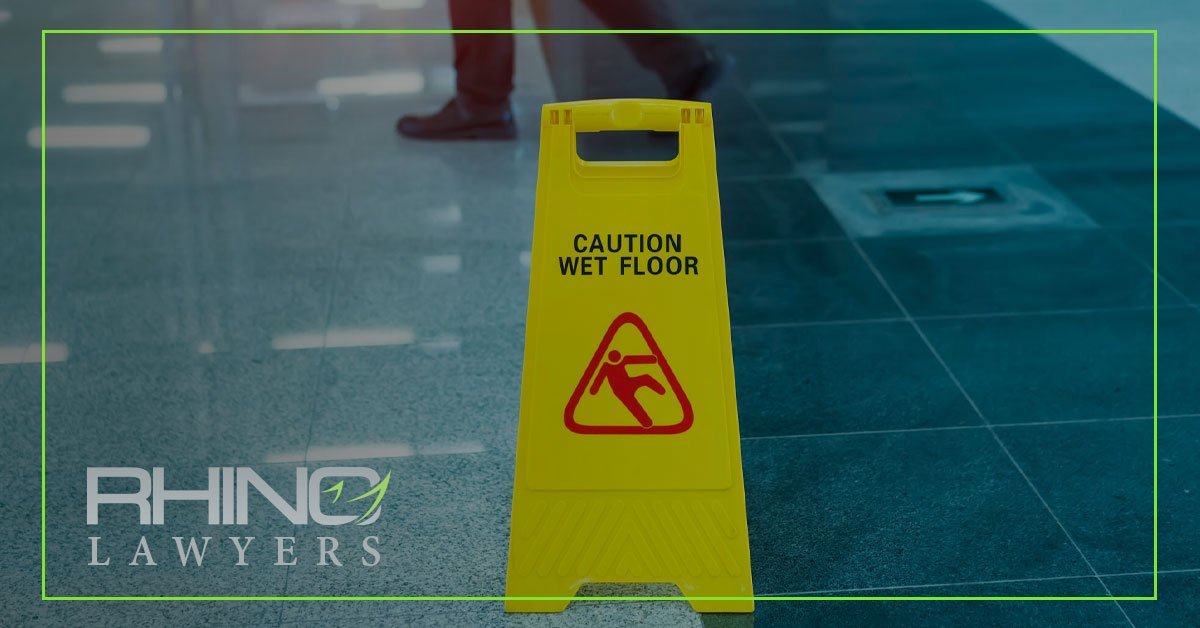
What Type of Case is a Slip and Fall in Florida?
Did you know that 85% of workers’ compensation claims are attributed to employees slipping on slick floors? Slip and fall accidents can impact you for the rest of your life, no matter how old you are.
Today, we’re diving into a topic that’s often overlooked but incredibly important–how a Florida slip and fall lawyer can help you win your case. Whether you’ve just been in one or know someone who is trying to seek justice, our guide can help.
Understanding Florida Slip and Fall Laws
These incidents fall under the umbrella of Florida premises liability, which means property owners have a legal responsibility to maintain safe environments for visitors. In Florida, the law requires that property owners take reasonable steps to prevent accidents. If they fail to do so and someone gets hurt, they can be held liable.
In Florida, slip and fall cases follow a few important rules. The first one is about carelessness. You need to show that the property owner was careless in some way. For example, they knew about a dangerous spot and didn’t fix it, or they should have known about it but didn’t do anything.
The status of the injured person is important in Florida. The state recognizes different types of visitors, like invitees (business purposes) and licensees (social reasons). The level of care a property owner must provide depends on the visitor’s status. This can greatly affect your case.
The Importance of Legal Representation
Now, you might be wondering, why do I need a lawyer for a slip and fall case? The truth is that navigating the legal landscape can be complex. Insurance companies are often more focused on minimizing their payout than ensuring you get the compensation you deserve.
A successful Florida slip and fall lawyer knows the ins and outs of the law and can advocate for your rights.
Gathering Evidence
One of the first things your lawyer will do is gather evidence, such as photos of the accident, witness statements, and medical records. Strong evidence is key to proving negligence. For example, if you were hurt in a store, your lawyer might look into how long the hazard was there and if the owners knew about it.
Your attorney will use evidence effectively, knowing what resonates with a jury or adjuster. In business, storytelling is key. Your lawyer will create a compelling story showing the owner’s negligence caused your injuries.
Negotiating With Insurance Companies
Let’s face it–insurance companies are not your friend. A Florida slip and fall lawyer will negotiate with these companies on your behalf, ensuring you’re not lowballed. They know the tactics insurance companies use and can counteract them effectively.
Calculating Damages
One of the critical aspects of a personal injury claim is calculating damages. This includes not just your medical bills but also lost wages, pain and suffering, and any future expenses related to your injury. It can be challenging to quantify these damages, especially when you’re dealing with the physical and emotional toll of an injury.
A seasoned lawyer will help you understand the full scope of your damages and ensure they are factored into your claim.
Preparing for Court
While most slip and fall cases settle out of court, some go to trial. If yours does, you’ll want an experienced trial lawyer. A Florida slip and fall lawyer will prepare your case and ensure all evidence and arguments are in order.
They’ll handle everything from jury selection to presenting your case, allowing you to focus on recovery.
Florida Premises Liability and Your Rights
Florida has specific premises liability laws that impact slip and fall cases. Under Florida Statute 768.0755, there are particular requirements that must be met for a property owner to be held liable for a slip and fall accident. For instance, the injured party must prove that the dangerous condition was present for a sufficient amount of time before the accident occurred and that the property owner either knew or should have known about it.
This statute makes it even more crucial to have a knowledgeable lawyer who can build a strong case. They’ll know how to gather evidence and establish that the property owner was negligent in their duty to maintain a safe environment.
Common Causes of Slip and Fall Accidents
To further illustrate the importance of legal representation, let’s look at some common causes of slip and fall accidents in Florida:
Wet Floors: This is a classic example. Whether it’s a spilled drink in a restaurant or rainwater tracked into a store, wet floors can create hazardous conditions.
Poor Lighting: Inadequate lighting can make it difficult to see obstacles, leading to trips and falls. Property owners must ensure their premises are well-lit, especially in high-traffic areas.
Uneven Surfaces: Cracks in pavement or uneven flooring can pose significant risks. Property owners are responsible for maintaining their surfaces and making necessary repairs.
Cluttered Walkways: Obstacles like boxes, tools, or equipment left in walkways can create trip hazards. Property owners must keep walkways clear and accessible.
Inadequate Handrails: In places where stairs are present, handrails are essential for safety. If they’re missing or poorly maintained, it can lead to serious injuries.
Why Timing Matters
If you’re injured in a slip-and-fall accident, time is important. In Florida, most negligence claims arising from incidents on or after March 24, 2023, generally have a two-year deadline from the date of the incident to file a lawsuit. Claims arising from earlier incidents may be subject to Florida’s former four-year negligence period, and different deadlines can apply depending on the claim and parties involved.
The sooner you act, the better. Taking action early can help preserve important evidence, including photographs, surveillance video, witness information, and records documenting the dangerous condition.
Witnesses’ memories can fade, surveillance footage may be overwritten, and physical conditions can change over time. Acting promptly can help protect critical evidence and your ability to pursue a claim.
Find a Florida Slip and Fall Lawyer Who Will Have Your Back
Navigating the world of personal injury claims can be daunting, especially when you’re recovering from an injury. But having a dedicated Florida slip and fall lawyer in your corner can make all the difference.
At RHINO Lawyers, we guide you through the legal process, advocate for your rights, and work tirelessly to secure the compensation you deserve. Contact us today to request a free case evaluation.
CONTACT A TAMPA PERSONAL INJURY ATTORNEY
In short, after a personal injury, you may not know your rights. Above all, don’t struggle through the process alone. Actually, our personal injury team is here to help you with any legal needs you might have regarding your accident.
Lastly, let RHINO Lawyers answer your questions and review the facts of your case with a Free Consultation. So, get started by completing the “Free Instant Case Evaluation” or by calling us any time, day or night, at 844.RHINO.77.
Read More
TMJ Disorder After a Florida Car Accident
Did you know that temporomandibular disorders (TMD) affect 5% to 12% of the population (Source: AAFP)? This jaw condition, often referred to as TMJ disorder, can have long-lasting consequences.
After a car accident, victims might focus on visible injuries, neglecting jaw pain or clicking sounds that develop later. However, jaw issues related to Florida car accidents can affect daily life, leading to chronic discomfort and legal complications. Understanding the connection between TMJ disorders and Florida car crash injuries is essential for proper diagnosis, treatment, and compensation.
Stay informed and protect yourself. Keep reading to learn about TMJ symptoms after an accident, treatment options, and how RHINO Lawyers can help you secure compensation for post-accident jaw issues.
How Car Accidents Cause TMJ Disorders
The jaw joint, known as the temporomandibular joint (TMJ), is vulnerable to trauma, especially during rear-end collisions. The sudden whiplash motion forces the head forward and backward, creating tension in the jaw and neck.
In many cases, victims instinctively clench their jaws during impact, placing added stress on the TMJ. Direct hits to the jaw from an airbag or steering wheel can also result in post-accident jaw issues, including dislocations or fractures.
Even seemingly minor crashes can lead to delayed symptoms. Some TMJ injuries might take days or weeks to surface, making early medical evaluation crucial for identifying TMJ symptoms after an accident.
Common Symptoms of TMJ Disorders After a Car Accident
After a car accident, it is essential to monitor any signs of TMJ symptoms after an accident. These symptoms may not appear immediately. They often surface days or weeks later as the jaw joint becomes inflamed.
Common indicators include:
- Jaw pain or stiffness, especially when opening or closing the mouth
- Headaches or migraines, often occurring upon waking
- Popping or clicking sounds during jaw movement, particularly while chewing
- Ear pain or ringing (tinnitus), which may develop from TMJ-related inflammation
- Neck and shoulder discomfort due to muscle tension connected to jaw function
- Difficulty chewing or speaking, sometimes accompanied by tenderness or pain in the jaw
These symptoms can escalate over time if left untreated, impacting daily life. Chronic jaw pain treatment is crucial to prevent long-term issues, such as limited jaw mobility or lockjaw, which makes routine tasks like eating or speaking difficult.
Treatment Options for TMJ Disorders
Addressing post-accident jaw issues involves personalized treatment plans to alleviate pain and restore function. Healthcare providers often recommend a combination of the following approaches.
Physical Therapy
Targeted exercises improve joint flexibility, strengthen jaw muscles, and restore smooth movement. Physical therapists often recommend a combination of:
- Stretching
- Resistance exercises
- Posture correction
Custom-Fitted Mouthguards
Typically worn at night, these oral devices prevent teeth grinding (bruxism) and minimize clenching. By redistributing pressure on the jaw, mouthguards reduce stress on the TMJ, alleviating chronic discomfort and protecting the joint from further damage.
Heat and Ice Therapy
This approach is commonly recommended for post-accident jaw issues and temporarily relieves pain and stiffness. Alternating between warm compresses and ice packs can:
- Reduce swelling
- Improve blood circulation
- Relax tight jaw muscles
Anti-Inflammatory Medications
Over-the-counter or prescription anti-inflammatory drugs, such as ibuprofen, ease pain and decrease inflammation around the jaw joint. It’s crucial to use these medications under medical supervision to prevent overuse or complications.
Surgery
Surgical intervention may be required in severe or persistent cases where structural damage or joint dislocation is detected. Surgery can involve procedures like:
- Arthrocentesis (joint flushing)
- Arthroscopy to repair internal joint issues
These restore proper function and relieve TMJ symptoms after an accident.
Seeking prompt care ensures chronic jaw pain does not become a long-term issue. If symptoms persist or worsen, early intervention can reduce the risk of permanent damage and significantly improve the recovery process.
Florida car crash injuries that result in TMJ symptoms after accident require comprehensive care, often involving both medical and legal support to address all aspects of the injury.
Navigating Legal Challenges for TMJ Claims After a Florida Car Accident
Florida car crash injuries can involve complex legal proceedings, especially when hidden conditions like TMJ disorder develop. Victims often face the challenge of proving that their TMJ symptoms after an accident are directly linked to the collision.
Proving the Connection Between TMJ Disorder and the Car Accident
To strengthen your case, thorough medical documentation is essential. Medical professionals must provide detailed evaluations that connect the post-accident jaw issues to the trauma caused by the crash. Documentation for this often includes:
- Medical records from emergency visits
- Dentist or oral surgeon evaluations diagnosing TMJ disorder
- Specialist reports linking the injury to whiplash or impact trauma
Without solid evidence, insurance companies may dispute the claim, questioning whether the TMJ injury resulted from the accident or pre-existing conditions.
Why You Need Legal Help for TMJ Cases
Working with a personal injury attorney familiar with Florida car accidents can make all the difference. An experienced lawyer, like those at RHINO Lawyers, will gather all the necessary documentation to build a solid case. We will help ensure that your claim covers every aspect of your losses, including:
- Medical expenses: Immediate and long-term treatment costs
- Pain and suffering: Compensation for physical discomfort and emotional stress
- Lost wages: Income lost during recovery or due to long-term disability
Insurance companies are known to minimize payouts, especially for less visible injuries like TMJ. Having legal representation ensures that your case is presented effectively and that you receive the compensation you deserve
Time Is Critical: Don’t Miss Your Legal Window
Florida law sets specific timeframes for filing personal injury claims, known as the statute of limitations. If you wait too long to pursue your claim, you risk losing the right to recover compensation.
RHINO Lawyers, serving clients throughout Florida, focuses on personal injury cases involving Florida car crash injuries. With our experience, we will guide you through the process, handling negotiations with insurance companies and ensuring all necessary evidence is gathered to support your claim.
Don’t Let TMJ Disorder From Florida Car Accidents Go Untreated
Florida car accidents can leave more than visible injuries. If you are experiencing TMJ symptoms after an accident, act fast. Early diagnosis and chronic jaw pain treatment can make all the difference.
Schedule a free consultation with RHINO Lawyers today for legal support. With our knowledge, you can explore your legal options and secure the compensation you deserve.
CONTACT A TAMPA AUTO ACCIDENT ATTORNEY
In short, after a car accident, you may not know your rights. Above all, don’t struggle through the process alone. Actually, our personal injury team is here to help you with any legal needs you might have regarding your accident.
Lastly, let RHINO Lawyers answer your questions and review the facts of your case with a Free Consultation. So, get started by completing the “Free Instant Case Evaluation” or by calling us any time, day or night, at 844.RHINO.77.
Read More