

Birth Injury and Medical Malpractice
A birth injury isn’t a bruise or cut. One in every 33 babies is born with a birth defect. Millions of people experience complications due to giving birth, including death.
Doctors have procedures in place for preventing birth injuries, yet many babies and pregnant parents get injured. If you experience a birth injury, you shouldn’t take it lying down. You should consider a medical negligence lawsuit.
But what types of injuries can lead to birth injury negligence lawsuits? Can you file a suit if you get injured before or after you give birth? What proof do you need for your birth injury claim?
Answer these questions and you can get the money you need to provide for yourself and your child. Here is your quick guide.
Injury to the Child
When people think of a birth injury, they often think about injuries to the child during the delivery. A child can experience numerous injuries that can lead to a malpractice claim.
Doctors may use forceps or a vacuum to extract the baby from the womb. If they apply too much pressure, they may break a bone or cause soft tissue damage. These wounds can heal, but you can claim money if you had to pay for medical treatment for your child.
Pressure on the baby’s face can damage nerves in the face. They may develop facial paralysis, making it hard for them to cry or emote with their face.
Serious injuries include brain injuries. Your doctor may rush the delivery process, causing your baby to be born prematurely and leading to a brain injury. If your child is stuck in the birth canal, they may not have enough oxygen, hurting their brain.
You can claim compensation for injuries sustained while your child is in the womb or after they are born. If a doctor fails to monitor your baby’s heartbeat or breathing and your child experiences problems, you may have a birth injury negligence claim.
The key is that you connect your doctor’s actions to your baby’s medical problems. You need to collect documents related to your case. You may need to talk to experts who can describe your child’s injuries and acknowledge the connections to the defendant.
Injury to the Pregnant Parent
You can also file a claim if the pregnant parent was injured. As with claims for your child, you can start a negligence case for an injury before, during, or after delivery.
While the parent is pregnant, their doctor should monitor them for signs of problems. Diabetes, high blood pressure, and infections can threaten the parent’s life or cause a difficult pregnancy.
Pregnancy can affect a personal injury claim significantly. You can file a claim if you get into an accident and experience a miscarriage. The claim can be directed at the driver who caused the accident or the doctor who failed to save your pregnancy.
Bleeding is common during the delivery process. But doctors should monitor the parent’s heart and control the bleeding. They should also avoid gestures that will result in excessive bleeding, like making a C-section when it is not necessary.
After the delivery is done, nurses should stay with the parent and monitor their vital signs. Some people experience uterine ruptures or vaginal tears that can be painful. Nurses should step in and address these complications before they get worse.
You can sue the doctor for emotional injuries. Delivering a child can be stressful and traumatic, especially if the doctor makes repeated mistakes.
However, it can be hard to claim money for pain and suffering. You need to describe how the doctor’s mistakes impacted your life. You may have missed work due to your trauma, or you may need psychological therapy.
Wrongful Birth
A wrongful birth occurs when parents have a child they would not have had otherwise. The parents may intend to abort a child that will have an impairment like spina bifida or Down syndrome.
However, their doctor may fail to conduct noninvasive prenatal testing so the parents don’t know about potential defects. They may not run ultrasound tests, failing to spot deformities as they develop.
You can claim damages based on the expenses you pay for your child, including specialized schooling. You can also claim money for the emotional stress of raising your child with a disability.
Florida does not permit wrongful birth lawsuits for healthy children, even if you do not want your child. You are only allowed to file a lawsuit if the child is born unhealthy or if the doctor injures them.
Wrongful Pregnancy
Wrongful pregnancy occurs when a doctor fails to help a parent attempt to avoid or end a pregnancy. A parent may receive contraception or request an abortion from a doctor. If they become pregnant anyway, they may be able to pursue a wrongful pregnancy lawsuit.
You have a stronger case if you can prove you were injured due to the wrongful pregnancy. Since you were pregnant, you may have experienced physical pain and emotional suffering. You may have spent money on treatments you would not have received otherwise, or you may have lost wages.
It is harder to file a claim if you or your child were not injured. You may be able to prove medical negligence if the doctor botched an easy procedure. You can also claim money if the doctor injured you during the procedure to end your pregnancy.
The Essentials of a Birth Injury Lawsuit
A birth injury can mean several things. An injury to your child can occur during any part of the delivery process. Your child may experience problems before or after birth, which can lead to a lawsuit.
You can file a lawsuit if you get injured, especially if your doctor neglected an important procedure. It is harder to file a successful wrongful birth or wrongful pregnancy case. But if you can find evidence of neglect and monetary losses, you can file a lawsuit.
Find a lawyer experienced with birth injury cases. RHINO Lawyers serves Florida parents. Contact us today.
CONTACT A TAMPA Medical Malpractice ATTORNEY
In short, if you believe you’re a victim of medical malpractice, you may not know your rights. Above all, don’t struggle through the process alone. Actually, our personal injury team is here to help you with any legal needs you might have regarding your case.
Lastly, let RHINO Lawyers answer your questions and review the facts of your case with a Free Consultation. So, get started by completing the “Free Instant Case Evaluation” or by calling us any time, day or night, at 844.RHINO.77.
Read More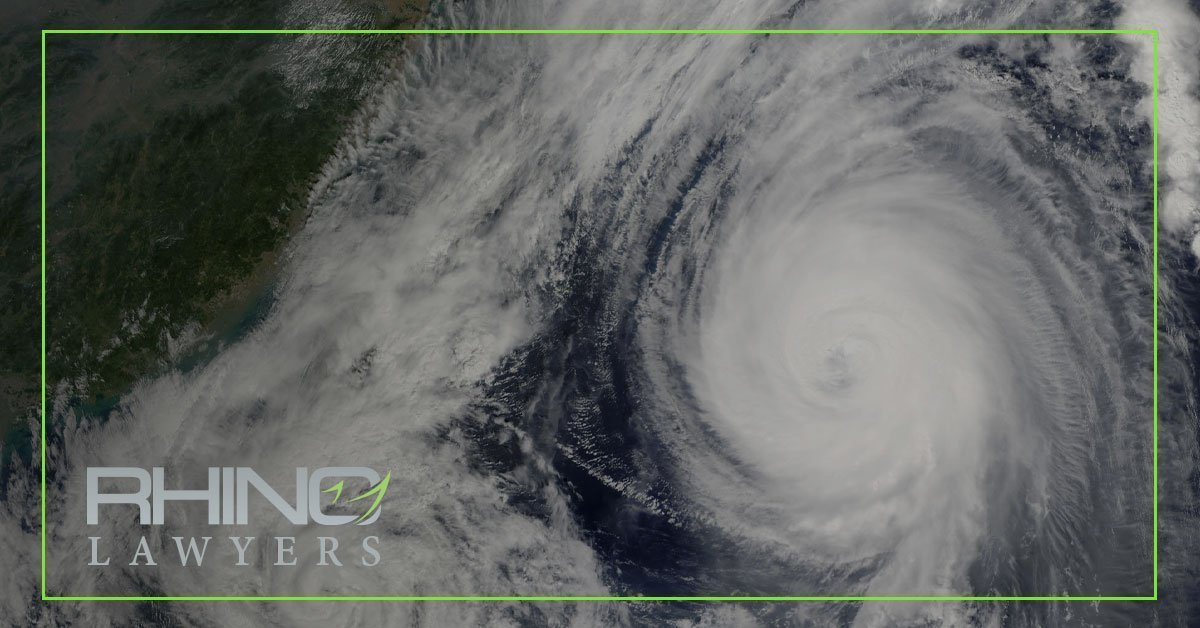
How Hurricane Season Affects Auto Accidents In Florida?
Every Floridian knows that for six months of the year, there’s a real chance of facing a hurricane.
The hurricane season in Florida officially lasts from June 1 to November 30, and every part of the state has been affected at some point. The carnage they leave behind makes for some treacherous driving conditions. You guessed it – auto accidents follow.
On average, there are almost 6 million vehicle crashes in the US each year, and 21% are weather-related. Let’s take a look at why the Florida hurricane season makes driving so dangerous and what you can do to protect yourself.
Why Hurricanes Make Driving So Dangerous
Digging a little deeper into the ten-year statistics shows why driving during or around the time of a hurricane is such a bad idea. Hurricanes bring torrential rain. Wet pavement is responsible for 70% of all weather-related crashes.
Of course, you’re also vulnerable to flying debris, falling trees, and ridiculously strong winds. But your biggest danger is the wet roads and floodwaters.
Hurricanes can cause people to get trapped in vehicles that then get submerged in floodwaters. In the recent hurricane Ian, at least two deaths were the result of hurricane auto accidents.
The simple message is this: do not drive during a hurricane.
When Is It Safe to Drive After a Hurricane?
Don’t use your own judgment to decide when it’s safe to drive after a hurricane. Listen to the local news on TV or radio to get up-to-date reports on the current status of the storm. Even the weakest hurricanes produce winds of 74-95 mph that can snap branches, fall trees, and send roof shingles flying.
Avoiding Car Accidents After a Hurricane
First, check your vehicle. Unless your car was parked in a garage that survived the hurricane unscathed, there’s a high possibility you’ll have some vehicle damage. If you see any signs of damage, call your insurance company.
Be sure to take lots of photos of the car and the surrounding area. This may help the insurance company to process your claim.
Was your vehicle submerged during the storm? Never start the engine. This can cause serious damage that will be costly to repair.
Prepare Your Car and Yourself for Travel
Your chances of getting a flat tire are much higher after a hurricane. Make sure that you have an emergency repair kit with you. If you’re not confident in using it, stay home until conditions improve.
Also, prepare your mind for what you’re about to experience. There may be pedestrians on the road, trying to assess the damage. They may be dazed and not as aware of their surroundings as they normally would be.
Remember that everyone on the road will be a little traumatized. So be prepared to be courteous and ready for some erratic driving. Give people a little extra time and patience at intersections.
Safe Driving After a Hurricane
If you do decide it’s safe to venture out, take it slowly and test your brakes. Wet brakes can be slower to respond.
Remember that debris on the roads can cause punctures. Follow the rules of the road and expect the unexpected.
If you come across fallen trees, do not drive under them. They can suddenly collapse on your car. They may also conceal power lines that can swing down and cause devastation.
Also, don’t risk driving on flooded roads. If there’s standing water on the road, choose an alternative route.
What to Do if You’ve Had a Hurricane Auto Accident
If you find yourself in a hurricane-related car accident, don’t panic. First, stop and get yourself to a place of safety. Check everyone for injuries and call 911 if needed.
In Florida, almost every accident must be reported to the police. They’ll give you an accident report, which you will need to file a claim. Take down details of all other parties involved and take photos of the scene.
Talk to your insurance company as soon after the accident as possible.
Seek Medical Attention
For qualifying Florida PIP medical benefits, initial medical services and care generally must be received within 14 days after the motor-vehicle accident.
PIP generally provides up to $10,000 in combined medical and disability benefits. Covered medical expenses are generally reimbursed at 80%. If an authorized provider determines that the injured person had an emergency medical condition, qualifying medical reimbursement may be available up to the applicable $10,000 PIP limit. Without an emergency medical condition, qualifying medical reimbursement is generally limited to $2,500.
The 14-day requirement concerns PIP medical benefits and does not create a 14-day deadline for every claim arising from the accident.
How an Auto Accident Attorney Can Help
Once you’ve started to receive treatment for your injuries, it’s time to turn to an auto accident attorney. They can help you to file a civil claim, targeting the at-fault driver’s insurance company.
Without representation, you may not achieve the highest level of compensation. You can claim compensation for:
- Medical expenses – present and future
- Expenses related to ongoing disabilities
- Lost wages
- Damage/destruction of property
- Pain and suffering
The Florida hurricane season can have a long-lasting impact on your life and ability to provide for your family. If you’ve been injured and it wasn’t your fault, you’ve got a right to battle for the compensation you deserve. Let an auto accident attorney represent you and handle the stress for you.
You concentrate on recovering while your attorney focuses on getting you the best possible settlement.
Trust Rhino Lawyers this Hurricane Season in Florida
The hurricane season in Florida can bring a lot of pain and suffering. If you’re suffering from an auto accident injury on top of everything else, make sure that you get the compensation you deserve.
At RHINO Lawyers, you’ll work directly with an attorney, not a caseworker. We’ll work tirelessly to increase your settlement by reducing your medical bills. Plus, if we don’t win, you won’t have to pay us a penny.
Call us at 844.RHINO.77 or reach out online to request a free case evaluation today!
CONTACT A TAMPA AUTO ACCIDENT ATTORNEY
In short, after a car accident, you may not know your rights. Above all, don’t struggle through the process alone. Actually, our personal injury team is here to help you with any legal needs you might have regarding your accident.
Lastly, let RHINO Lawyers answer your questions and review the facts of your case with a Free Consultation. So, get started by completing the “Free Instant Case Evaluation” or by calling us any time, day or night, at 844.RHINO.77.
Read More
Can You File a Lawsuit for an Airbnb Injury?
In recent years, vacation rentals have seen a surge in the number of people injured, including Airbnbs. While some of these accidents are due to user error, many results from negligent property owners or managers.
If you’ve been injured at an Airbnb rental, you may wonder if you have a case. Filing an Airbnb lawsuit depends on several factors, including the severity of your injuries and the circumstances surrounding the accident. To help you determine whether or not you have a case, here is a list of things you need to know about filing an Airbnb lawsuit.
What to Do if You Have an Airbnb Injury
When staying in an Airbnb rental and you’re injured, you should seek medical attention immediately. The sooner doctors can diagnose and treat your injuries, the better they will be able to help you recover from them.
Some injuries require immediate medical attention, such as broken bones or concussions. You can treat others at home with basic first aid supplies like ice packs and pain relievers. However, all injuries need a doctor’s evaluation. Before they can appropriately diagnose and treat the injury.
Furthermore, it would be best if you document your accident as soon as possible after it happens. You want to ensure that you don’t forget details or leave anything out of your story later. This is vital when it comes time to file a lawsuit against the property owner.
Was The Accident Due to Negligence?
If you’re injured while staying at an Airbnb rental, you might have a case if the accident was due to negligence by the property owner or manager.
You would need to prove this to have a legitimate Airbnb lawsuit. For this to happen, there must be evidence of failure to provide reasonable care for their guests.
For example, if you’re injured in a slip and fall accident, and there is proof that the property owner knew about the hazard but did nothing to fix it, you may have grounds for a lawsuit. Similarly, suppose another guest attacked you. You will need to show that the property owner failed to take reasonable security precautions. In that case, you may also have grounds for a lawsuit.
Another example is if the owner of the rental neglected safety instructions given by local authorities. For instance, failing to warn guests about a nearby construction site could have a case.
Proving That Your Injuries Were From The Accident
To win an Airbnb lawsuit, you must prove that your injuries were caused by accident. This means that you will need medical documentation detailing your injuries. Plus, any bills or expenses related to your treatment. If you don’t have this documentation, it will be challenging to prove an accident caused your injuries and win your case.
Recovering Damages If You Win Your Personal Injury Case
If you are successful in winning your Airbnb lawsuit, you may be able to recover damages for your injuries. The amount of damages awarded will depend on the severity of your injuries and other factors related to your case.
For starters, your medical cost is one of the factors that will determine the amount awarded in an Airbnb lawsuit. This will be reflected if you have paid or are paying out-of-pocket for any medical treatment related to your injuries. They may reimburse you for future expenses. As long as, they determine that you will need ongoing care. Typically, due to permanent injury or disability due to your accident.
Another factor that impacts your lawsuit amount is wage loss. You may receive compensation for lost wages if you have missed work due to your accident. Suppose you were unable to work because of an Airbnb injury. In this case, the court or jury will consider this when determining the amount of damages awarded after trial proceedings are complete.
In most cases, the Airbnb host will have protection insurance that covers them from personal injury claims. So if you file a lawsuit against them and it’s viable, you can receive compensation.
Seeking a Personal Injury Lawyer for an Airbnb Lawsuit
If you have sustained an Airbnb injury, you must seek out legal advice as soon as possible. A personal injury lawyer can help you receive compensation, and they can also assist you in filing an Airbnb lawsuit.
You want to seek out referrals from friends and family members. One of the best ways to find a great personal injury lawyer is by asking people who have worked with them in the past. If you know someone who has experienced an Airbnb lawsuit before, ask them about their experience with their attorney. If they had a good experience with their lawyer, it might be worth asking them for a referral.
Next, look online for reviews of local attorneys. Lawfirms like RHINO Lawyers are high-quality lawyers with many positive comments about the performance of their attorneys. You want to ensure that the lawyer you choose has experience winning Airbnb lawsuits.
Trust Us To Help You With Your Airbnb Lawsuit!
If you have an injury from an accident at an Airbnb rental, it’s essential to get appropriate legal advice as soon as possible. You deserve an experienced personal injury attorney that can help investigate your case. As well as, determine whether or not you have a valid Airbnb lawsuit.
Let us help you through every step of the legal process with our dedicated team of lawyers who will fight for the compensation you deserve. Contact us today for a free consultation!
CONTACT A TAMPA Personal Injury ATTORNEY
In short, after an accident, you may not know your rights. Above all, don’t struggle through the process alone. Actually, our personal injury team is here to help you with any legal needs you might have regarding your accident.
Lastly, let RHINO Lawyers answer your questions and review the facts of your case with a Free Consultation. So, get started by completing the “Free Instant Case Evaluation” or by calling us any time, day or night, at 844.RHINO.77.
Read More
What Are the Different Types of Surgical Errors?
Every year, 40 to 50 million surgeries are performed in the United States. While the majority of cases go well, 5-15% will be readmitted to the hospital within 30 days. 1-4% of patients will lose their lives.
Surgery is something that many of us will have to face at some point in our lives. But medical negligence is something that none of us should experience. Surgical errors can lead to pain, suffering, and even permanent disability and death.
Let’s explore the most common types of surgical errors and what you should do if you’ve been a victim.
What Are Surgical Errors?
Surgical errors are mistakes made by the surgeon during a procedure due to negligence. This surgical negligence can cause:
- Harm
- Pain
- Medical condition to get worse
- Death
Not all surgeries go according to plan. There is always an element of risk. Patients must give their informed consent before going in for surgery, showing that they accept this risk.
Problems during surgery do not automatically mean that medical negligence has occurred. Surgeons and other medical professionals have a responsibility to do all they can to give their patients the best possible care. They must follow their training and use accepted protocols to provide the highest level of care.
To have a case for surgical negligence, the surgeon must have provided sub-standard care. The errors they have made must amount to medical malpractice.
Types of Surgical Errors
Each surgical error case is unique. The following examples may form the basis for medical claims, depending on the details.
Infection
All operations carry the risk of infection. Hospitals should have strict infection control measures in place to reduce this risk. It is possible for a surgeon to cause an infection if he or she uses unsanitary equipment or practices. This can lead to cross-contamination and, in some cases, a serious infection.
Damage to Other Organs
During surgery, surgeons have to take care not to accidentally damage other organs. Organ tissue is very delicate. Inadvertent incisions or puncture wounds could cause serious problems.
Nerve Damage
Nerve damage can occur during surgery in many ways. This includes:
- Accidental damage while operating on an adjacent organ/tissue
- Prolonged pressure on a nerve
- Errors with injections
- Errors with anesthetics
- Incorrect use of equipment
Operating on the Wrong Site
These serious medical errors cause patients to receive completely unnecessary surgery. They also miss out on the surgery that they need. In extreme cases, people have had the wrong limb amputated.
Wrong Patient Surgery
Administrative problems could lead to the surgeon operating on the wrong person. They may also carry out surgery that was completely unnecessary.
Surgical Instruments/Materials Left in Body
It may seem obvious that the surgical team needs to remove all instruments, gauze, clips, and other materials before the wound is sutured. Although should hospitals have strict guidelines for the team to follow, mistakes happen. Having foreign objects inside your body can cause major complications and infections.
The Consequences of Surgical Negligence
In the most serious cases, surgical errors can lead to long-term suffering. Talk to your lawyer about filing a medical malpractice lawsuit if you’re suffering from any of the following conditions.
Aftermath of Infection
In extreme cases, infections can cause sepsis. Sepsis is a life-threatening condition. It can also lead to tissue damage and organ failure.
In the US, about 1.2% of all elective surgery patients will develop sepsis while recovering from surgery. This does not mean that sepsis is always the result of medical errors. It’s important to talk to an experienced attorney who will review your medical records and may seek expert advice.
Organ Damage/Internal Bleeding
If the surgeon is not careful, other organs or tissues can be injured during surgery. This can cause internal bleeding.
Internal bleeding can be hard to diagnose. It can cause pain, vomiting, sweating, and changes to breathing, to name just a few symptoms. In severe cases, it can lead to organ failure, coma, and even death.
Nerve Damage
Nerve damage can cause ongoing pain or loss of sensation in a part of the body. This could have a long-term impact on your mobility.
You may be completely or partially paralyzed. In fact, you may need long-term physical therapy. You may have to undergo further surgery to help you regain the level of movement that you had before.
Wrong Site/Patient Injuries
We accept that there may be scars after necessary surgery. But surgery on the wrong site can leave you with scars that are completely unnecessary. This can cause ongoing pain and distress.
Sometimes, the wrong site error is spotted very early on in the surgery. But if the surgery is completed on the wrong site, you may have to deal with unexpected complications. Plus, you’ll still have to undergo surgery on the correct site.
Medical Instruments Left in the Body
Retained instruments can lead to damage to other tissues and organs. Your pain may increase rather than diminish after surgery. Gauzes and medical sponges can cause serious infections.
You may need further surgery to remove the foreign object so that it does not cause long-term complications.
How an Attorney Can Help
Attorneys are not medical experts, but they are experienced in medical negligence law. They have years of experience in fighting similar cases. They’ll consult with medical professionals.
Together, they’ll determine whether surgical errors occurred. They’ll let you know if you have a case for medical negligence. You need to focus on your recovery. Let an attorney take your case and they’ll focus on getting you the compensation you deserve.
Talk to RHINO Lawyers Today
Surgical errors can have a long-term impact on your quality of life. If you’ve been injured as a result of surgical negligence, you need an experienced attorney on your side.
At RHINO Lawyers, you’ll deal with an attorney, not a case worker. Our attorneys will assess your case and let you know whether you have a basis for a medical lawsuit. If you do, you only pay if they win.
Click here to request your free case review today!
CONTACT A TAMPA Medical Malpractice ATTORNEY
In short, if you believe you’re a victim of medical malpractice, you may not know your rights. Above all, don’t struggle through the process alone. Actually, our personal injury team is here to help you with any legal needs you might have regarding your case.
Lastly, let RHINO Lawyers answer your questions and review the facts of your case with a Free Consultation. So, get started by completing the “Free Instant Case Evaluation” or by calling us any time, day or night, at 844.RHINO.77.
Read More
Establishing a Medical Malpractice Case in Florida
Months ago, your doctor convinced you that you needed surgery to repair your back. But now, your back is in worse condition than before. And you’re convinced that the doctor’s incompetence is to blame.
You’re not the only one. Research shows that about 400,000 patients who are hospitalized experience preventable harm every year.
Fortunately, it is within your rights to seek compensation for any injuries that a negligent doctor has caused you. The question is, how do you establish a medical malpractice case in Florida?
Here’s a rundown on how to navigate a malpractice case.
Let’s jump in!
Breaching Standard of Care Caused Injury
To establish a medical malpractice case in Florida, you must first offer evidence that your doctor breached the established standard of care.
To do this, you must find a medical professional who is currently practicing in the field that your allegedly at-fault doctor is. Then, you will need to ask that medical expert for an affidavit.
An affidavit is a document that indicates that the medical expert swears to be truthful about the nature of their work, just as they would when testifying in court.
Without an affidavit, your Florida malpractice claim will not move forward as this is a requirement in Florida before bringing your claim.
Note that for specialists, they require you to have an affidavit from a similar type of specialist. So, if a specialist has injured you, be sure to get an affidavit from a similar specialist.
In addition to acquiring an affidavit, you need to prove causation as part of your claim. Specifically, you have the burden of proving that your physician’s breach primarily caused your injury, or was your injury’s “proximate cause.”
Put another way, you need to prove that more likely than not your injury would not have occurred had your doctor not acted negligently.
Medical Malpractice Led to Damages
Another important step in establishing your medical malpractice case is to prove that the allegedly at-fault doctor caused your injury.
For instance, be prepared to demonstrate that you accrued hefty medical expenses as a result of their negligence. Although not required, it is also helpful to prove that your injuries caused you to miss work for a long period of time. Finally, you’ll need to demonstrate that the doctor’s actions caused you extensive pain and suffering.
Doctor Ignored Your Medical History
If your doctor disregarded your medical history, proof of this should also be submitted as part of your Florida malpractice claim.
For example, let’s say you notified your physician that you were taking a particular medicine. However, your doctor prescribes another medicine that interacts with your first medicine in an adverse way.
In this situation, your doctor could be held liable for your medication’s reaction. That’s because the doctor received enough information to provide reasonable care to you and failed to do so.
Doctor Caused Avoidable Injuries
When filing a medical malpractice case, you must also prove that you sustained injuries that were not inevitable or reasonably foreseeable.
For example, let’s say you undergo heart surgery. To reach the heart, your surgeon has to cut through the breastbone.
In this situation, pain is inevitable. For this reason, you cannot sue the doctor for causing pain in your breastbone area. However, you can sue them if you are able to prove that they did not perform your surgery properly.
Investigating Your Case
When it comes to establishing your malpractice case, it is essential that you hire an attorney right away. A lawyer can conduct a thorough investigation of what took place to determine if you have a case.
For starters, they’ll speak with you or your family members to obtain a detailed timeline and story.
Next, the attorney will review your medical records. This can be a complex and challenging process, which is why it’s best to leave this job to your attorney.
Your attorney can then speak with a medical expert and review your medical records with them. Through this process, they can determine if the allegedly at-fault doctor failed to care for you properly and thus caused your injuries. If this is the case, then you’ll enter the pre-suit period.
The Pre-Suit Period
The pre-suit period is a period of 90 days during which the reportedly negligent doctor can do their own investigation of what happened in your case.
Once the 90 days are up, the doctor may offer you a monetary settlement, or they may simply deny your claim.
If your claim is denied or the settlement isn’t large enough to resolve your case, then your attorney may recommend filing a formal lawsuit against the doctor.
Filing a Lawsuit
Note that you have two years after you knew or should have known of the alleged medical malpractice to file your malpractice suit in Florida.
Note that the doctors prevail in eight out of 10 medical malpractice cases that end up going to trial. For this reason, it is critical that you choose a reputable attorney to represent you in court.
Fortunately, if you win your case in Florida, there is no maximum amount of damages you may receive for injuries stemming from medical malpractice.
How We Can Help with Your Medical Malpractice Case
It may be in your best interest to file a Florida malpractice claim if you suffer an injury at the hands of a Florida doctor. As long as you can demonstrate that the doctor caused your injuries due to breaching the established standard of care, you likely have a medical malpractice case.
At RHINO Lawyers, we have represented numerous victims of medical malpractice ranging from birth injury to cosmetic surgery malpractice. Get in touch with us for a free consultation regarding your case today.
CONTACT A TAMPA Medical Malpractice ATTORNEY
In short, if you believe you’re a victim of medical malpractice, you may not know your rights. Above all, don’t struggle through the process alone. Actually, our personal injury team is here to help you with any legal needs you might have regarding your case.
Lastly, let RHINO Lawyers answer your questions and review the facts of your case with a Free Consultation. So, get started by completing the “Free Instant Case Evaluation” or by calling us any time, day or night, at 844.RHINO.77.
Read More
Commercial Truck Weight Enforcement In Florida
Over 20 million commercial vehicles are weighed yearly at the Florida highway weigh stations. Commercial truck weight enforcement keeps these extra-large vehicles in line and your roads safe. It may not seem important, but trucks could easily get overloaded without this enforcement.
This could significantly damage the roads and put other drivers in danger. As a commercial truck driver, it’s important to know and follow Florida’s maximum weight limits.
Florida Vehicle Restrictions
The Florida statutes outline how physically large a vehicle can be when operating on Florida highways. However, it isn’t just the height, width, and length limits that commercial truck drivers must consider. There are also weight limits.
The state imposes commercial truck weight restrictions because highways are designed to withstand a certain amount of weight. Drive on them with weight over this limit, and the road can prematurely break apart. This creates a dangerous surface for other drivers and increases maintenance costs for the state.
Maximum Weight Allowed
These are the maximum weight limits that all vehicles driving on Florida highways must abide by. While these maximum limits are far beyond what a passenger vehicle weighs, they apply to commercial trucks.
As you can see, there is an overall maximum weight. There is also a maximum weight for the vehicle’s number of axles. The axle is the central shaft or bar that goes under the vehicle and connects the wheels on either side.
A standard semi truck with an attached trailer will have five axles. Knowing the distance between the first and last axles is also important.
- Gross Vehicle Weight – 80,000 pounds
- Single Axle – 22,000 pounds maximum
- Tandem Axle – 44,000 pounds maximum
Van Straight Truck
A straight van truck looks like a local delivery truck or moving truck. The cab is permanently connected to the cargo box.
- The maximum weight allowed is 53,141 pounds.
- Single Axle – 22,000 pounds
- Tandem Axle – 44,000 pounds
- Length – 14 feet
Tractor Semi-Trailer
A tractor semi-trailer is a cab with a trailer attached. These are the semi trucks that you typically see driving freight and cargo on the highway. The cab can separate from the trailer and drop it off at the delivery destination.
- Single Axle – 22,000 pounds
- Tandem Axle – 44,000 pounds
- Length – 51 feet
- Internal bridge 1 – 16 feet
- Internal bridge 2 – 40 feet
Tractor Tanker Semi-Trailer
This style of commercial truck uses a similar semi-cab as a tractor-trailer combo. However, instead of the trailer, it attaches to a large tank. These trucks haul milk, gasoline, and other large quantities of liquid.
- The maximum weight allowed is 73,271 pounds.
- Single Axle – 22,000 pounds
- Tandem Axle – 44,000 pounds
- Bridge Length – 36 feet
Truck Exceptions
Some exceptions to the maximum vehicle weight include dump trucks, concrete mixers, and waste collection vehicles. These vehicles’ sole purpose is to haul extremely heavy cargo. Because of this, special weight and size limits apply.
- Maximum Gross Weight – 70,000 pounds
- Maximum Weight on Front Axle – 14,520 pounds
Motor Carrier Size and Weight Program
The Florida Department of Transportation (FDOT) follows the Motor Carrier Size and Weight Program (MCSAW) to enforce maximum weight limits. The weight enforcement program aims to protect Florida’s highways and bridges from damage.
Weigh Stations
Florida commercial truck weight limits are informed with the use of weigh stations. They are located throughout the state and are open 24/7. While there are some exceptions, all commercial trucks are required to stop at all weigh stations.
Commercial truck drivers who fail to stop when required can find themselves heavily fined.
Weigh-In-Motion Interstate-Based Weigh Stations
Modern weight stations use weight-in-motion systems. These are sensors placed on the road’s surface. As the truck drives over the sensors, they weigh the truck.
Trucks that are within an acceptable range are green-lighted. Trucks that fall outside of the threshold get red-flagged and pulled to the side for a more accurate weighing and inspection.
These sensors have sophisticated calibration. They can detect the axel spacing to determine the truck’s weight class correctly. Several of these weigh station systems are in place throughout the state.
- Flagler
- Madison
- Martin
- Pensacola
- Punta Gorda
- Seffner
- Sneads
- White Springs
- Wildwood
- Yulee
Static Station Non-Interstate Based Weigh Stations
Static weight stations are located on the side of interstate highways throughout Florida and other states. The truck pulls off the highway onto an access road. The driver pulls the truck onto the large-scale plates when it’s their turn.
This large weighing system determines the entire weight of the truck. Often, they inspect the rest of the truck during the weighing process.
- Hilliard
- Hopewell
- Lake City
- MacClenny
- Old Town
- Palatka
- Palm Coast
- Pensacola
- Plantation Key
- Yulee
Dangers of Overweight or Improperly Loaded Trucks
An improperly loaded commercial truck creates a high truck accident risk. This could be an overweight commercial truckload or improperly loaded cargo.
A commercial truck could roll over during sharp turns or in high wind. There is also a greater danger when navigating steep hills. Finally, emergency or sudden stopping becomes significantly harder.
Unfortunately, passenger vehicles can also suffer the consequences when these dangerous situations happen. Passenger vehicle drivers and passengers suffer increased property damage and injuries because of the significant size and weight difference.
Thankfully, some personal injury attorneys focus on helping victims of these trucking accidents. This involves recovery from physical injuries and property damage.
Commercial Truck Weight Enforcement
Florida’s commercial truck weight enforcement program helps to protect the roads and drivers. Overweight vehicles create unnecessary wear and tear and increase safety risks. If you have experienced a commercial truck accident, you may have a claim for recovery.
If you’ve experienced an accident involving a commercial truck, schedule a free consultation with one of our experienced attorneys.
CONTACT A TAMPA AUTO ACCIDENT ATTORNEY
In short, after a truck accident, you may not know your rights. Above all, don’t struggle through the process alone. Actually, our personal injury team is here to help you with any legal needs you might have regarding your accident.
Lastly, let RHINO Lawyers answer your questions and review the facts of your case with a Free Consultation. So, get started by completing the “Free Instant Case Evaluation” or by calling us any time, day or night, at 844.RHINO.77.
Read More
How Fast Can Commercial Trucks Safely Travel On Florida Highways?
In 2020, 4,842 commercial trucks were involved in accidents resulting in fatalities. One of the most common reasons for a trucking accident is speeding. This could be the truck traveling faster than the posted speed limit or faster than the road conditions allow.
As a truck driver operating a large vehicle on Florida highways, you need to know what a safe speed is.
Florida Speed Limit Laws
Any vehicle, commercial or not, that operates on Florida highways must follow the Florida speed statutes. In the state of Florida, the speed limit will never be more than 70 miles per hour. You will see this maximum speed limit on Florida highways and major toll roads.
However, not all areas of all highways and toll roads are 70 miles per hour. Always look for a sign when entering the road to ensure you know the applicable speed limit.
Minimum Speed Law
There is also a minimum speed limit of 40 miles per hour. Traveling too slowly is just as dangerous as going too fast when driving on highways. Often, it isn’t the truck driver but a passenger vehicle traveling too slowly that causes a highway accident.
You won’t see specific commercial truck speed limits because all vehicles must follow the same speed laws. Truck drivers involved in accidents can speak with a truck accident lawyer. This helps them understand their rights and responsibilities.
Reasons a Commercial Truck Should Slow Down
Just because the speed limit states 70 miles per hour does not mean that a truck driver should always travel at that speed. The Federal Motor Carrier Safety Administration (FMCSA) recommends that drivers reduce their speed in certain circumstances.
- Traffic conditions
- Construction zones
- Conditions of low visibility
- Uneven roads or gravel roads
- Road conditions and road hazards, including debris
- Vehicle mechanical issues or failure
- On and off-highway exit ramps
- Curves, road bends, and sharp turns
- Hills and inclines
- Unfamiliar roads
If heavy traffic is on the highway, you may be unable to drive at the speed you want. The other traffic will dictate how fast you can travel. Despite multiple lanes, traffic can become heavy and block a truck’s ability to navigate the road.
Road conditions can also create a temporary hazard that requires traffic to reduce its speed. For example, construction, an accident, or debris on the road. These are all conditions that can be unpredictable but present a hazard.
Types of Accidents Caused by Speed
When traveling too fast, you reduce the time available for a response. Humans can only react so quickly, and this action time becomes longer when tired or distracted. Accidents can happen simply because you cannot act quickly enough for the speed traveled.
Mechanical Failure
Faster speeds come with additional heat. The faster the speed traveled, the more friction that gets created, and the more heat generated.
This increased heat puts more wear and tear on the truck. Engine failure or a tire blowout from the additional heat can cause an accident.
Loss of Control
High speeds make it more difficult to control a truck. Large commercial vehicles weigh tens of thousands of pounds. This is a lot of weight to control.
Combine that weight with forward motion, and you get a physical force that has more momentum than you can handle. Should you need to turn or stop quickly, the trailer will continue moving forward.
This could cause a rollover, jackknife, skidding, or swaying. All of these are extremely dangerous and can cause accidents.
Driving in Bad Weather
When the weather becomes bad, drivers should reduce their speed. This applies to commercial trucks just as it does to passenger cars. When visibility gets reduced, it becomes harder for a driver to see the road ahead.
This reduces reaction time and increases the risk of an accident. Florida also experiences high amounts of rain. Rainwater on the road mixes with the oil dropped by vehicles. The mixture creates a slick surface that reduces the traction of the rubber tires.
When there’s limited traction, stopping times increase. Drivers should reduce their speed to compensate for this. Otherwise, they risk getting into an accident because they didn’t have complete control of the truck at the speed they are traveling.
Night Driving
Even if the weather is clear, driving at night presents unique risks that require you to slow down. First, less light makes it harder to see the road ahead and reduces your available reaction time.
Second, headlights from oncoming traffic make it harder to see the road. Third, the night is when many wild animals become active. Should a large animal venture onto the highway, it can create a risk of an accident.
Driving late at night can also make drivers more drowsy and less alert than they would be during the day. This slows their response time and increases the risk of an accident.
Commercial Truck Speed Limiters
In order to ensure safe travel, the Federal Motor Carrier Safety Administration (FMCSA) announced earlier this year its intent to move forward with rules enforcing speed limiters on heavy commercial trucks. The goal would be to enforce speed limit laws by not allowing large trucks to travel over a predetermined speed.
Hold Commercial Trucks Accountable
Just like passenger vehicles, commercial trucks can cause accidents. However, if speed is the reason for the accident, the damage and injuries can become significantly greater. As a truck driver, knowing your rights and protecting yourself from accident claims is important.
Speaking with an experienced personal injury lawyer can help you understand your rights. They may also be able to secure compensation for your loss.
Schedule a free consultation to speak with a knowledgeable lawyer about your accident and possible claims.
Read More
How to Calculate a Medical Malpractice Settlement
Around 20,000 medical malpractice claims are filed every year in the United States. Each of these claims seeks justice for suffering and damages caused by medical negligence.
While a successful claim won’t reverse the damage that has been done, it can provide valuable compensation. A successful claim will result in a settlement or a judgment following a jury verdict, which can provide financial stability as you adjust to life after your injuries.
Knowing what you can claim in your medical malpractice settlement will ensure that you get a fair deal if your case is successful. So how do you calculate a medical malpractice settlement? Read on to find out everything you need to know.
What is Medical Malpractice?
Medical malpractice is also known as medical negligence.
This occurs when a medical professional fails to provide a good standard of care to their patients. This can directly harm patients in their care.
If you have suffered harm as a result of medical negligence then you could have a medical malpractice case.
When you make a claim, a time will come when you will need to consider a potential settlement amount. This is the amount of compensation that you are seeking for your injuries.
In that case, you will need to carefully calculate how much compensation you want for your injuries. This must be based on the impact that your injuries have had on your life, as well as many other factors.
With that in mind, let’s take a closer look at how to calculate your medical malpractice settlement figure.
Calculating Your Medical Malpractice Settlement
Settlement laws in Florida used to set a $500,000 cap on medical malpractice cases in Florida.
However, now there is arguably no cap for medical malpractice claims so, in theory, you can make a claim for as much as you want. However, the settlement you ask for should reflect the severity of your injuries and their impact on your life.
Because of this, each medical malpractice settlement is unique. So to calculate an accurate settlement you and your lawyers will need to examine to main areas:
- Economic damages of your injuries (now and in the future)
- Non-Economic damages of your injuries (now and in the future)
When calculating your claim it is essential to think about how your injuries might impact your life in the future as well as how they impacted you in the past.
Once you have accepted a settlement you cannot revise this figure or make another claim for your case in the future. Thinking about the long-term impact of your case and figuring out your needs will ensure you get a fair settlement.
Economic Damages (Special Damages)
Economic damages in your medical malpractice case focus on how your injuries have affected you financially. This might include:
- Surgery or treatment to repair the damage caused by medical malpractice
- On-going treatment or medication for chronic issues caused by your injuries
- Specialist equipment that you need for treatment or in daily life
- Hiring live-in care
Managing your injuries alone can cost thousands of dollars and this can all be included in your claim settlement.
Your injuries may also affect your ability to work now and in the future. This can have a huge impact on your financial stability for years to come. So you can also include lost income in your economic damages.
Non-Economic Damages (General Damages)
Non-economic damages look at the way your injuries have affected your life in a wider sense.
This can include pain and suffering or damage to your personal relationships. To prove these kinds of damages, your lawyer may ask for testimony from your loved ones or a professional psychologist.
Of course, it is harder to put pinpoint the exact value of these damages. Once you have gathered everything you want to claim, lawyers will look at comparable cases and their settlements. They can use these to find a realistic figure for your claim.
What is the Average Settlement For a Medical Malpractice Claim?
The average medical malpractice settlement for an out-of-court case in America is $242,000. Taking your case to court can be risky and will cost you more.
The amount that you can expect as a malpractice settlement depends on many factors including, the amount of available insurance coverage and the severity of your injuries.
Minor Medical Malpractice Cases
Minor cases don’t tend to have a long-term impact on your life. However, they can still cause serious discomfort and distress.
These cases can include resolved allergic reactions or shots that were administered incorrectly. Settlements for these cases are generally much lower than significant medical malpractice cases.
Cases Resulting in Short-Term Disabilities or Illnesses
Short-term disabilities or illnesses last for up to six months. After this, you should have recovered without your injuries having an impact on your long-term health.
Common causes of short-term disabilities can include misdiagnoses or missed diagnoses. They can also include minor prenatal errors or minor surgical mistakes.
The average settlement for these kinds of cases is higher than minor medical malpractice cases but lower than cases that require surgery or result in permanent injuries.
Cases That Require Surgery or Rehab
Some medical malpractice injuries will require serious intervention. If you have to have surgery to correct an error or attend rehab, you could be awarded a significant settlement commensurate with the amount of your injuries.
Medical Malpractice Cases With Long-Term Consequences
Severe medical malpractice cases can result in serious injuries, illness, or infections, as well as pain and suffering. This goes on for six months or more and may require ongoing treatment.
Cases involving severe medical malpractice can be awarded substantial settlements depending on the severity of the injuries.
Cases Resulting in Permanent Injuries
Unfortunately, some medical malpractice injuries will be permanent. The most serious cases result in permanent disabilities. Wrongful death suits can also be included in this area of medical malpractice.
These kinds of cases can be awarded settlements of $1,000,000 or more. So far, the largest medical malpractice settlement in US history is $229,000,000. This was awarded to a mother whose baby suffered brain damage during childbirth after the hospital failed to monitor her.
Get Help Calculating Your Medical Malpractice Settlement Today
As you can see, calculating your medical malpractice settlement depends a lot on the severity of your injuries and how they impact your life. Your figure can account for a range of damage caused by your injuries. So you don’t just have to focus on their financial impact.
If you have been the victim of medical malpractice then you should seek legal support when calculating your settlement. An experienced medical malpractice lawyer will understand everything about your claim and ensure you get a fair settlement.
Get in touch with RHINO Lawyers for a free consultation about your case today we’re happy to help.
CONTACT A TAMPA Medical Malpractice ATTORNEY
In short, if you believe you’re a victim of medical malpractice, you may not know your rights. Above all, don’t struggle through the process alone. Actually, our personal injury team is here to help you with any legal needs you might have regarding your case.
Lastly, let RHINO Lawyers answer your questions and review the facts of your case with a Free Consultation. So, get started by completing the “Free Instant Case Evaluation” or by calling us any time, day or night, at 844.RHINO.77.
Read More
Is it Illegal to Eat While Driving in Florida?
Distracted driving isn’t just fiddling with the radio. More than 3,100 Americans were killed due to distracted drivers in 2020 alone.
Most people assume that these accidents had to do with cell phones. Many of them did.
But thousands of distracted driving accidents occur every year because the driver is eating while they are driving. If you eat while driving, you need to know about the dangers that simple action can cause.
Is it illegal to eat while driving? Can eating in your car affect your odds of winning a civil case? What should you do to stay safe while driving on Florida roads?
Answer these questions and you can become a smart and focused driver in no time. Here is your quick guide.
Florida Traffic Laws
There is no law specifically against eating while driving. Distracted driving laws apply to driving with an electronic device or cell phone in your car, not food or drinks.
However, other traffic laws may impact you. Section 316.1925 of the Florida Statutes applies to careless driving. Any person who operates a car in a way that endangers someone else’s life and property can be cited for a moving violation. If your food distracts you and causes you to speed or swerve, you may receive a careless driving citation.
Section 316.192 applies to reckless driving. This occurs when a driver operates their vehicle with “willful or wanton disregard for the safety of persons or property.”
If you take your hands off the wheel to hold your food or if you look away from the road, you may crash your car and receive a reckless driving charge. A first-time conviction of reckless driving can lead to a prison sentence of up to 90 days, even if you don’t hurt anyone.
Civil Liability
Florida is a comparative negligence state. This means that someone can claim damages from you based on how much responsibility you bear for the accident. Even if the other driver was mostly at fault, they can receive some money from you.
The plaintiff can build a strong auto accident case against you using surveillance footage and eyewitnesses. They can show you were looking at your food or had your hand off the wheel when the accident happened. This may be enough evidence to establish fault.
The worse the car accident is, the more money you may need to pay. Juries can give money to plaintiffs based on their pain and suffering.
They can also assign damages based on lost income, mental health problems, and vehicle damage. Damages can total thousands of dollars, even if the collision was a complete accident.
Insurance companies will also look at your degree of fault in an accident. If they find out you were eating while driving, they can deny you a claim for compensation, forcing you to pay out of pocket.
Tips to Avoid Problems
You should avoid all types of distracted driving, including eating while driving. The key to being an attentive driver is to eliminate all sources of distractions. You should follow several steps simultaneously so there is no chance that food distracts you.
Pull Over to Eat
When you need to eat, you should pull your car over. Park in a parking lot or in a roadside parking spot and eat there.
Turn your vehicle off so there is no chance of your car moving while you are eating. You can step outside your car or remain inside to eat, though you may want to sit in the passenger seat so a police officer doesn’t think you are idling.
You should also pull over to have a beverage, as drinks can be as distracting as food. Never drink alcohol inside your car, even if the car is off and you are not driving. Carrying an open container of alcohol in your car is a criminal offense in Florida.
Do Not Keep Food in Your Car
You are more likely to eat while driving when there is food in your car. While you are driving in Florida, you should keep food out of arm’s reach. Do not put any snacks in your glove box, side compartments, or cup holders.
If you are bringing home groceries, you should put them in the back seat or trunk instead of in the passenger seat. Store your items in coolers so they are harder to access.
Do Not Drive While You Are Hungry
Though you should not drive while you are eating, you should also not drive while you are hungry. Hunger can be as distracting as food, and significant hunger can cause lightheadedness and drowsiness.
Eat a big meal before you start driving. Try to eat foods that are high in protein and whole grains, as they burn slowly and keep you full for a long period of time.
Nut and fruit mixes offer protein with healthy sugars that create energy for hours. You can also eat a meat sandwich with whole wheat bread.
Can You Eat While Driving?
You take a big risk when you eat while driving. There is no law against it.
But food can take your eyes off the road, leading to a careless driving or reckless driving charge. Food can increase your fault percentage for the accident, driving up how much money you need to pay in a civil case. Always pull over to eat or drink, and eat something before you get behind the wheel.
If you get into an accident, you need a smart lawyer to avoid damages and charges. RHINO Lawyers serves Florida residents. Contact us today.
CONTACT A TAMPA AUTO ACCIDENT ATTORNEY
In short, after a car accident, you may not know your rights. Above all, don’t struggle through the process alone. Actually, our personal injury team is here to help you with any legal needs you might have regarding your accident.
Lastly, let RHINO Lawyers answer your questions and review the facts of your case with a Free Consultation. So, get started by completing the “Free Instant Case Evaluation” or by calling us any time, day or night, at 844.RHINO.77.
Read More
Is There a Cap on Medical Malpractice Damages?
Medical malpractice cases are taking Florida by storm. Between 2009 and 2019, Florida doctors paid more than $460 million to settle malpractice claims.
You could be entitled to a significant recovery based on your negligent doctor’s mistakes. Yet you can’t just file a lawsuit and expect to win big. Medical malpractice lawsuits require extensive knowledge of the laws, including those that may impose caps on medical damages.
Do Florida laws impose limitations on malpractice damages? How do you prove that you experienced an act of malpractice? What documents do you need to prove economic and non-economic damages?
Answer these questions and we may be able to file a medical malpractice case on your behalf. Here is your quick guide.
Florida Malpractice Laws
In medical negligence claims, plaintiffs can claim money from defendants based on their economic losses and non-economic losses. Economic losses are past and future medical expenses and lost wages. Non-economic losses are based on pain, suffering, inconvenience, and the loss of enjoyment of life.
Florida Statute 766.118 imposed a limitation on non-economic damages. Most cases were capped at $500,000. Cases involving death or permanent vegetative state could have non-economic damages of up to $1 million.
However, a Florida Supreme Court case concluded this limitation was unconstitutional. The statute is still technically on the books. But arguably, there is no current cap on non-economic damages in medical malpractice cases at this time.
The Florida House of Representatives tried to pass a new law with caps in 2019. The law died in committee. Yet the law may be introduced again in another session, so you should follow the news to see if it will affect your case.
Keep in mind that each state has its own malpractice laws. Some states impose a cap on non-economic damages while others impose a cap on all damages. Talk to a lawyer in your state for more details.
Proving Malpractice
The striking down of the cap on medical damages can help the damages in your case, but you still need to provide proof of your malpractice claims. You must meet several legal requirements in order to win your case.
You must prove that the defendant violated a standard of care. Examples, include misdiagnosing you or causing an unnecessary injury during a medical procedure.
You can ask a medical professional to testify for you and describe in detail how the doctor made a mistake.
Causation is proof that the defendant caused your injury. You can use paperwork from the hospital to show that they were in charge of your surgery or medication. If you are suing multiple people, you need to provide evidence of causation for each defendant.
Your injuries must be unnecessary based on the treatment you received. Many people experience bleeding or bruising after surgery, but that doesn’t necessarily mean that there was malpractice.
But nerve damage and long-term mobility problems can be unnecessary, and you could potentially sue based on them. You must provide your medical records to your lawyer, who will work to hire the appropriate expert medical professionals to support your claims.
Proving Economic Damages
Economic damages may be very easy to prove. To show how much you spent on your medical expenses, you can provide your hospital bills and receipts.
You can claim money based on ongoing treatments, including rehabilitative therapy. You can use bills and expense paperwork from your therapist or personal doctor to show how much you are paying.
If you suffered a mental health problem due to the malpractice, you can claim money for your mental health treatment. You must prove a direct link between the malpractice and your health problem, which you can do through an expert witness. You should then provide receipts or bills related to your treatment.
To prove lost wages, you can use tax forms, pay stubs, and time cards. You can also ask your boss to testify on your behalf, explaining how your injuries have affected your work performance.
Asserting Non-economic Damages
Non-economic damages are hard to quantify. The key is to be specific with your claim and attach your claim to your physical condition.
You should be able to clearly describe how your physical problems have impacted your ability to live your life to the fullest. Physical pain may make it harder for you to sleep, walk, or eat. You may be unable to attend to your family or friends because you are struggling with your symptoms.
Create a picture of your life before the malpractice and after. Make it clear that your life has changed significantly since the incident and that you need compensation to return to your previous standard of living. You can describe how you will use the money to reach the stage of maximum medical improvement.
Your loved ones can also help. They should describe their loss of companionship and their anxiety over their physical and mental health.
The Basics of Malpractice Laws and Caps
Malpractice laws are always evolving. Florida laws did cap non-economic damages, but the cap arguably no longer exists. There has never been a cap in Florida on economic damages.
You still need to prove that your doctor was negligent and that you can claim specific damages. Your lawyer will hire an expert witness who can describe your injuries and your doctor’s mistake. Use your medical bills, receipts, and work stubs to show how much money you lost.
Find a lawyer who knows all about Florida malpractice regulations. RHINO Lawyers serves Tampa patients and families. Contact us today.
CONTACT A TAMPA Medical Malpractice ATTORNEY
In short, if you believe you’re a victim of medical malpractice, you may not know your rights. Above all, don’t struggle through the process alone. Actually, our personal injury team is here to help you with any legal needs you might have regarding your case.
Lastly, let RHINO Lawyers answer your questions and review the facts of your case with a Free Consultation. So, get started by completing the “Free Instant Case Evaluation” or by calling us any time, day or night, at 844.RHINO.77.
Read More