
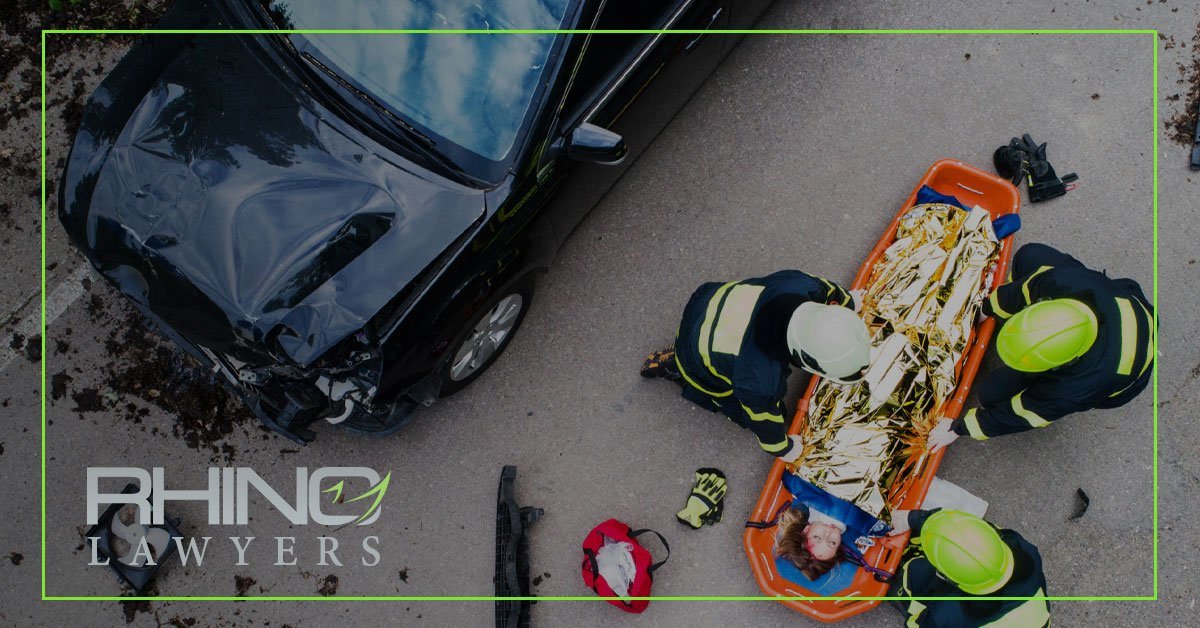
Understanding What Happens if a Car Accident Is Caused by a Medical Condition
Imagine you’re behind the wheel when suddenly, a medical condition strikes. What happens next? A car accident caused by a medical condition can bring a whirlwind of questions about legal and insurance outcomes.
Today we’re diving into the surrounding liability, insurance claims, and securing monetary compensation in these types of accidents.
Understanding a Car Accident Caused By a Medical Condition
When a medical condition causes a car accident, it can be a complicated issue. First, let’s define what we mean by “medical conditions.”
These could be sudden events like a heart attack or stroke, or ongoing issues like epilepsy that might lead to a loss of consciousness while driving. Knowing what types of medical conditions can lead to accidents helps everyone understand the risks on the road.
Research shows that these kinds of incidents make up a significant portion of the total number of accidents each year. This data helps us see how big the issue is.
From a legal standpoint, if a car accident is caused by a medical condition, the situation gets complex. Laws vary by location but generally focus on whether the driver knew about their medical condition and if it could impact their driving.
If a driver is aware and still chooses to drive, the legal outcomes can be different than if the condition was unknown and sudden.
Liability and the Sudden Emergency Doctrine
In most car accidents, figuring out who is at fault is key. Fault determines who pays for damages. Normally, if a driver breaks a traffic rule or drives carelessly, they are likely to be considered at fault. However, when a medical condition leads to an accident, determining fault can become more complex.
The Sudden Emergency Doctrine is a legal concept that might apply in cases where a driver has a sudden medical emergency that leads to an accident. This doctrine acknowledges that a person who faces a sudden, unexpected situation that leaves little or no time to react should not be treated under the same standards as someone who has full control and time to react. It’s crucial in cases where the driver had no prior warning signs or reasonable expectation that a medical condition would impair their driving.
For this doctrine to apply, two main conditions must be met. First, the emergency must be sudden and unforeseen. This means the driver must not have known about the medical condition or its potential to cause impairment.
Second, the reaction to the emergency must be reasonable. This considers what an ordinary person might reasonably do if placed in a similar situation. If the Sudden Emergency Doctrine is applicable, a driver may not be held liable for the accident.
Insurance Implications and Claims Process
After an accident caused by a medical condition, the first step is ensuring everyone’s safety. Then, it’s important to notify the police and seek medical help as needed.
Documentation from these first responders can be vital later. The driver or their representative should also inform their insurance company about the accident as soon as possible. This initial report should mention that a medical condition may have contributed to the accident.
How to Report an Accident to Insurance Companies
When reporting an accident, providing detailed information is important. This includes the time and place of the accident, a description of what happened, and any medical attention received at the scene.
It’s helpful to note that the incident involved a medical condition right from the start. This sets the context for the insurance claim and can influence how the claim is processed.
Insurance claims for accidents caused by medical conditions are handled differently from standard claims. The insurance company will likely require detailed medical records and possibly a statement from a doctor.
These documents should show that the medical condition is real, sudden, and unexpected. The insurance company may also need to verify that the driver was compliant with any medical advice given before the accident, including any restrictions on driving.
Pursuing Monetary Compensation
After a car accident caused by a medical condition, there are a few ways to pursue monetary compensation. The primary source is often the insurance company.
Depending on the policy and the circumstances of the accident, the insurance may cover damages and medical expenses. If insurance does not fully cover the costs, or if the situation involves another driver, filing a personal injury lawsuit might be necessary. This allows the affected party to seek compensation for additional damages like lost wages and pain and suffering.
Securing compensation involves several legal requirements. The key is proving that the driver suffering from the medical condition was not negligent. This means showing that the medical condition was unforeseen. It also means showing that the driver had no prior knowledge that their condition could lead to an accident.
Medical documentation and expert testimony play crucial roles here. Doctors may need to testify about the driver’s medical condition and its impact. Legal challenges can arise if there’s evidence that the driver ignored medical advice or was aware of the risks but chose to drive anyway.
Navigating the Compensation Process Effectively
Navigating the compensation process requires careful planning and execution. It’s wise to consult with a lawyer who focuses on personal injury and understands the nuances of accidents caused by medical conditions.
They can offer guidance on how to document the medical condition properly and how to present the case effectively to insurance adjusters or in court. It’s also important for drivers to keep detailed records of all medical treatments and communications with their insurance provider.
Being organized and proactive can significantly impact the outcome of the compensation process.
Car Accident Legal Help
Today we’ve explored the complexities of handling a car accident caused by a medical condition. We’ve discussed legal liability, insurance claims, and compensation. Understanding these elements is crucial for anyone affected.
At RHINO Lawyers, our mission is to form a lasting partnership with every client. Our passion is the people we help and the lives that we help change.
If you have questions or need assistance, we’re here to help. Get in touch today to find out how we can help your case!
CONTACT A TAMPA AUTO ACCIDENT ATTORNEY
In short, after a car accident, you may not know your rights. Above all, don’t struggle through the process alone. Actually, our personal injury team is here to help you with any legal needs you might have regarding your accident.
Lastly, let RHINO Lawyers answer your questions and review the facts of your case with a Free Consultation. So, get started by completing the “Free Instant Case Evaluation” or by calling us any time, day or night, at 844.RHINO.77.
Read More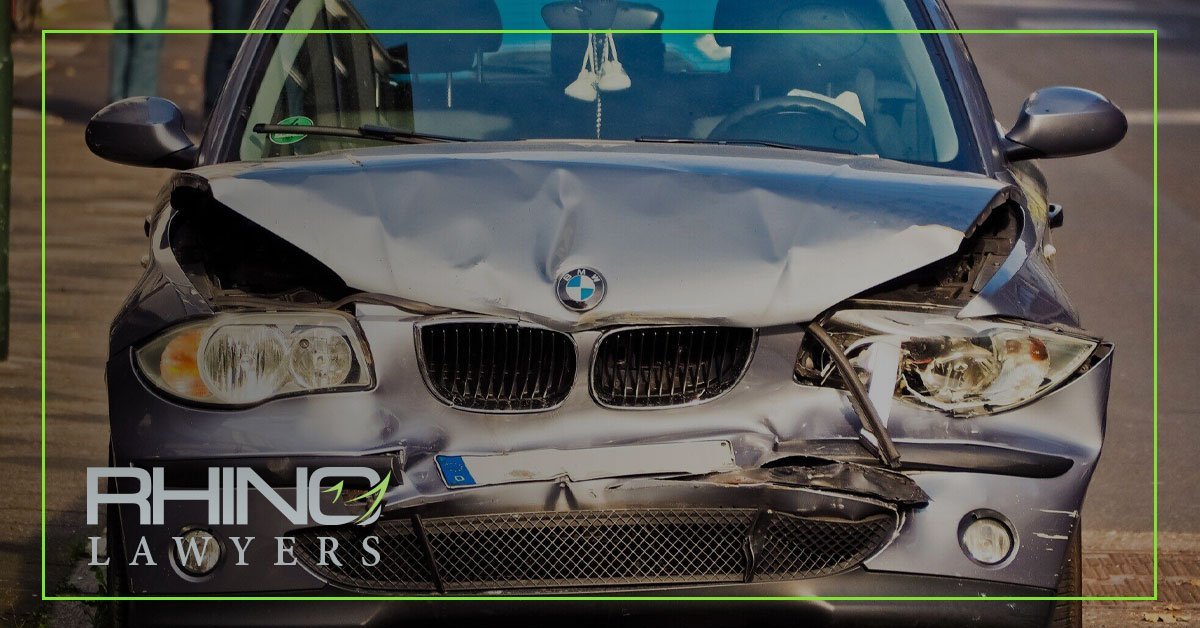
Tips for Building a Strong Accident Case in Tampa, Florida
You’ve been in a car accident, but you aren’t sure what you should do next. What steps can you take to make sure you proceed safely and in your best interests?
Today we’re diving into why the steps you take immediately afterward can significantly impact the outcome of your car accident case. We’ll talk you through what steps to take in order to assemble a strong accident case.
Immediate Actions Post-Accident
Right after a car accident, your first priority is safety. Make sure you and anyone else involved are safe.
If the cars are causing a hazard on the road and it’s safe to do so, move them to the side. If not, turn on your hazard lights to alert other drivers to avoid further accidents.
Even if you feel fine, it’s important to see a doctor after an accident. Some injuries, like whiplash, don’t show symptoms right away. Getting checked out by a medical professional provides a record of your health status immediately following the accident.
This can be essential for your car accident case. A doctor’s report details your injuries. This becomes a key piece of evidence if you need to prove the impact of the accident on your health.
By taking these steps, you help ensure everyone’s immediate safety and begin the process of building a strong foundation for your car accident case.
Gathering and Preserving Evidence
After an accident, taking photos and videos of the scene is one of the best ways to capture what happened. Use your smartphone to take clear pictures from different angles.
Make sure to include shots of all vehicles involved, visible damage, traffic signs, and road conditions. These images serve as factual evidence that can help explain how the accident occurred.
Collecting Witness Information
If there were people who saw the accident, their accounts could be helpful to your case. Ask for the names and contact details of any witnesses.
If they agree, you can also record a brief statement from them on your phone. Witness statements can support your version of the events, especially in situations where the facts are disputed.
Accident Report
Always call the police to the scene of an accident. Officers will create an accident report, a formal document that outlines the details of the incident.
This report can be critical when dealing with insurance companies and in legal matters. It includes the officer’s assessment of the accident scene and details about the drivers and vehicles involved. Make sure you get a copy of this report as it is an authoritative piece of evidence for your car accident case.
Collecting this evidence might feel overwhelming, but it’s important for building a strong case. Photos, witness statements, and the official accident report are key pieces of evidence that can clearly show what happened during the accident. They provide strong support for your claims, helping you prove your case effectively.
Documenting the Accident and Injuries
After an accident, keeping detailed records of everything related to the incident is essential. This includes a copy of the accident report, receipts for any repairs done to your vehicle, and any correspondence with insurance companies.
These documents are vital as they provide a timeline and a paper trail that can prove valuable during claims or legal proceedings.
Recording Medical Visits and Treatments
It’s equally important to document every medical appointment and treatment related to injuries from the accident. Keep copies of all medical records, bills, and prescriptions.
These documents show the extent of your injuries and the impact they’ve had on your life. They also help prove the financial burden the accident caused due to medical expenses.
Impact on Daily Life
Accidents can affect more than just your physical health. They can also impact your daily life significantly. Keep a journal that notes any difficulties you face during your daily routine due to your injuries.
This might include not being able to perform your job duties, struggling with household tasks, or not being able to participate in activities you once enjoyed. This personal record can be very persuasive in demonstrating how the accident has affected your quality of life.
Documenting these aspects of the accident and its aftermath creates a comprehensive overview that supports your case.
Understanding and Establishing Liability
In Florida, determining who is at fault in a car accident involves understanding specific state laws. Florida follows a comparative negligence system. This means that each party involved in an accident can be held responsible for a portion of the fault based on their actions.
Understanding these laws is key to establishing liability in your car accident case. Knowing how the law applies to your situation can help you and your attorney argue more effectively for your side.
Working with Legal Professionals
Finding the right attorney is a crucial step in dealing with your car accident case. Look for a lawyer who focuses on car accident cases and has a good track record in Tampa. An experienced attorney understands local laws and how they can impact your case.
They should be someone you feel comfortable communicating with, as you’ll need to share details about the accident and your injuries. Ask for recommendations from friends or check online reviews to find a reputable attorney.
Role of Legal Advice in a Car Accident Case
Having legal support can make a big difference in how your case is handled. A skilled attorney can guide you through the complex process of claims and negotiations.
They know how to deal with insurance companies and can prevent you from settling for less than you deserve. Your lawyer will also handle all legal paperwork and deadlines, ensuring that everything is filed correctly and on time.
With their expertise, you can focus on your recovery while they take care of securing the compensation you need.
Accident Advice
Successfully building a car accident case requires diligent documentation, thorough evidence gathering, and skilled legal representation.
At RHINO Lawyers, our mission is to form a lasting partnership with every client. Our passion is the people we help and the lives that we help change.
If you have questions or need assistance, we’re here to help. Get in touch today to find out how we can help your case!
CONTACT A TAMPA AUTO ACCIDENT ATTORNEY
In short, after a car accident, you may not know your rights. Above all, don’t struggle through the process alone. Actually, our personal injury team is here to help you with any legal needs you might have regarding your accident.
Lastly, let RHINO Lawyers answer your questions and review the facts of your case with a Free Consultation. So, get started by completing the “Free Instant Case Evaluation” or by calling us any time, day or night, at 844.RHINO.77.
Read More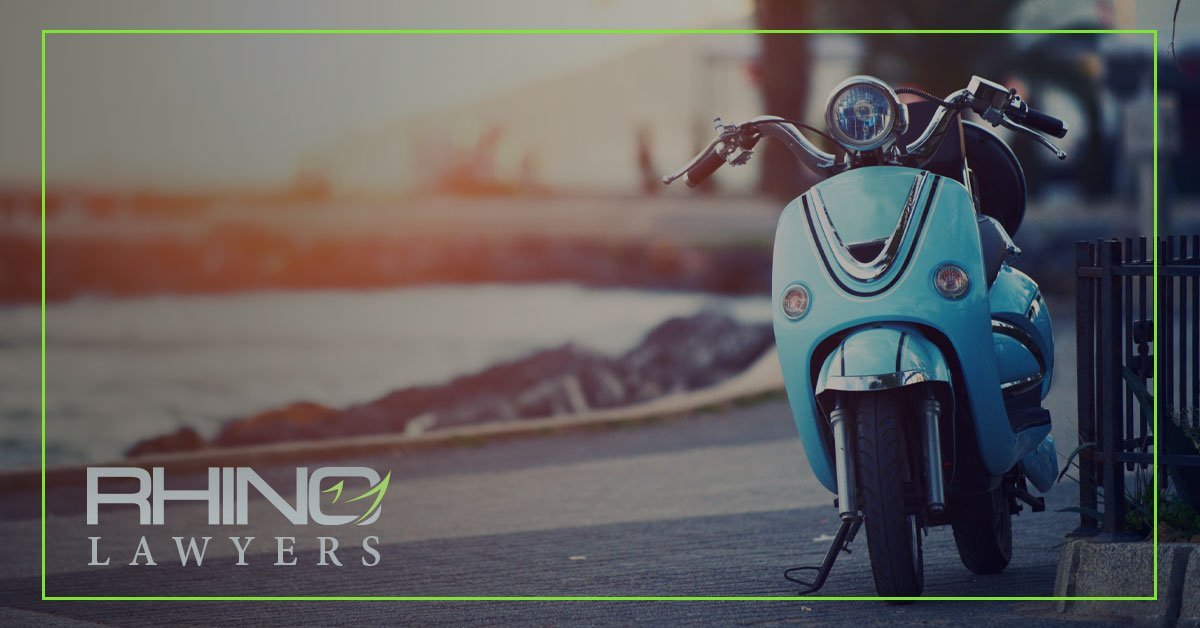
How Safe Are Motor Scooters for Vacationers?
Motor scooters were first introduced over a century ago with the Autoped, which came out in 1915. The world of motor scooters has evolved in the years since. The creation of the dual motor scooter has been among the biggest innovations.
A dual-motor scooter is a scooter with a motor for each wheel, which makes for a more powerful vehicle. However, when discussing any vehicle, the issue of safety is going to come up. How safe are motor scooters?
This issue gets even more complicated when the issue of vacation is brought up. American roads are one thing, but what about roads in other countries? We’ll talk about that here.
Moped vs Scooter
Before discussing how safe scooters are, we should first talk about what a scooter is. You probably have a decent idea of what defines a scooter, but the issue comes in when discussing details. What’s the difference between a scooter and a moped? How about a scooter and a motorcycle?
Mopeds
Pedestrian vehicles have come a long way since 1915, and the lines between the various types of pedestrian vehicles have blurred. The term moped was coined to describe a motorized vehicle that could be pedaled like a bike when the engine wasn’t powerful enough or broke down.
Modern engines were, in a sense, the death knell of mopeds, because they rendered the pedals useless. These days, the wheels are decorative if the vehicle even has them.
Some places still legally recognize mopeds as any scooter-like vehicle with a certain engine size. Usually, the engine must be 50 Cubic Centimeters (CCs) or less.
Scooters
Scooters differ from mopeds in a few ways. The first is that scooters don’t have pedals. They date back to the early 19th century and were never meant to have pedals. Mopeds, meanwhile, were created by attaching motors to bicycles.
Motorized scooters also have a step-through frame. This means that there is a large space between the handle and the seat so that the driver can get in and out with ease.
Motor size is another major factor. While mopeds can have motors up to 50CCs, scooter motors can be 5 times that large. This allows scooters to reach much higher speeds.
Staying Safe
While riding a scooter isn’t dangerous by itself, you do need to be careful. The best advice we can offer for traveling on a scooter is to keep the scooter in good condition and be wary of cars. An accident on a scooter can be catastrophic.
Stand Out
The best way to prevent accidents with other vehicles is to stand out. Try dressing in bright colors, especially if you’re driving at night. This will help drivers notice you so they don’t accidentally hit you.
You should also familiarize yourself with basic scooter safety and how all the lights and signals work. Please remember that on rare occasions, accidents still happen. Between distracted drivers, speeding issues, and various other irresponsible behaviors on the part of motorists, it’s still dangerous out there.
Gear Up
Trying to prevent accidents is one part of road safety, but the other part is just as important. Make sure you have all the proper safety gear in case you do get in an accident.
Helmet
You’ve probably been hearing about the importance of helmets since you were a kid, but it’s good advice. Our brain is the control panel for everything that happens in our bodies, and any damage done to it could lead to a loss of ability, changes in personality, and any number of other issues. Wearing a helmet makes that a lot less likely.
Jacket and Pants
Jackets and thick clothes help, too. Layers won’t do much against the initial impact, but they’ll absorb some of the shock when you hit the ground, which prevents road rash.
Road rash might not be the most dangerous part of an accident, but it can cause serious injuries. Our brain is one of the most important parts of our bodies, but our skin is the largest. Severe road rash can burn off large chunks of skin, causing bleeding and a serious risk of infection.
Eye Protection
Motorized scooters can travel at speeds of up to 30 miles per hour. While that’s not as fast as a motorcycle or a car, it is fast enough for dirt, insects, and other debris to be an issue. Not only can they seriously damage your eye, but any loss of vision is a serious issue.
Keeping your eye protection on at all times when driving is important, but you should also take the time to pull over and clean your helmet or goggles if they get too dirty.
The good news is that eye protection and head protection are often one and the same. Most helmets have built-in visors or other eye protection, which gives you one less thing to worry about.
Traffic
Scooters and other small, motorized vehicles arguably work best in areas with heavy traffic. Their small size and low speed often make it easier for them to navigate in heavy traffic. It’s often much safer since other vehicles aren’t moving very quickly.
You still need to follow the rules of the road, but you might find that smaller vehicles can maneuver better on crowded roads and that you have more opportunities than the average driver. You also need to stay on the road, since it’s dangerous and often illegal to ride a scooter on the sidewalk in most places.
Staying Safe on a Motor Scooter
Driving a motor scooter has a lot of advantages. However, you also need to stay safe when driving one. That requires a lot of responsibility on your part, whether you’re driving in the US or on foreign roads.
We’ve discussed some safety essentials for motorized scooters here, but there’s always more to learn. You can learn some things about scooters and a lot about traffic laws by reading our blog.
If you’ve been injured in an accident, we can help. At RHINO Lawyers, motor vehicle accidents are one of our specialties.
CONTACT A TAMPA AUTO ACCIDENT ATTORNEY
In short, after a car accident, you may not know your rights. Above all, don’t struggle through the process alone. Actually, our personal injury team is here to help you with any legal needs you might have regarding your accident.
Lastly, let RHINO Lawyers answer your questions and review the facts of your case with a Free Consultation. So, get started by completing the “Free Instant Case Evaluation” or by calling us any time, day or night, at 844.RHINO.77.
Read More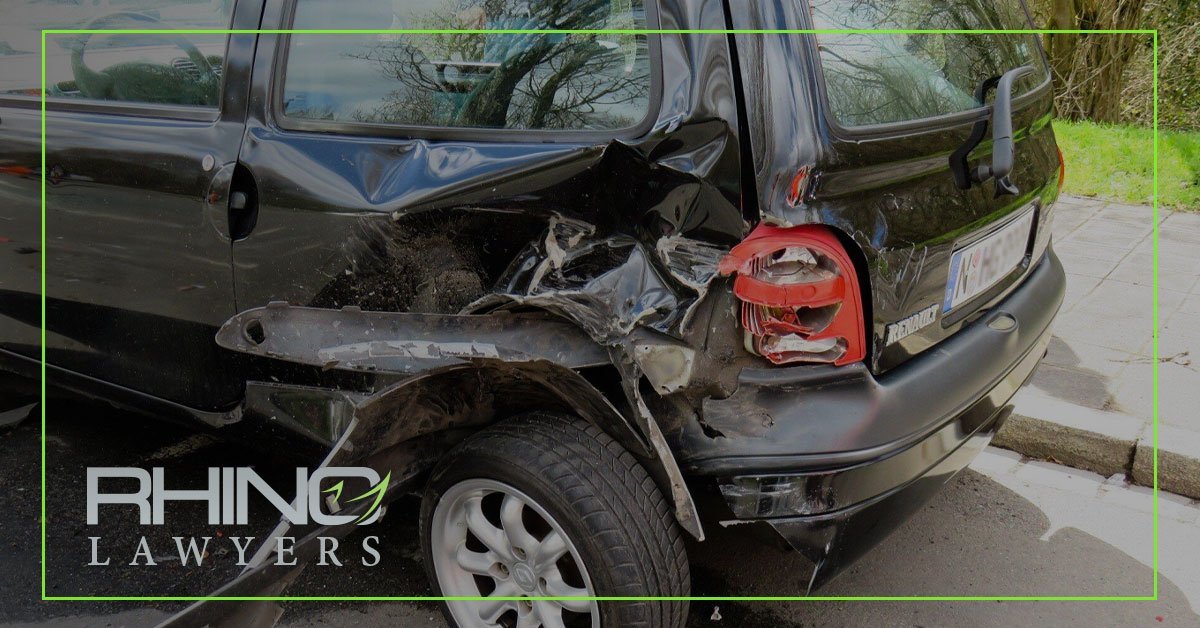
What Factors Can Affect Damages in Auto Injury Cases?
It’s estimated that motor vehicle crashes cost Americans roughly $340 billion each year. When you consider the expensive medical bills and destroyed vehicles, it’s easy to see how costs can add up.
If you were hurt recently or experienced car accident property damage, you likely need money to pay for your expenses. Now, in a perfect world, your insurance company would simply pay you for everything related to the accident.
Sadly, that’s rarely the case. The reality is that a variety of factors can influence the amount of damages you receive from your insurance company or a personal injury lawsuit.
In this guide, we’ll be going over them so you can get a better idea of how much money you can expect from your accident.
The Type of Injuries and Medical Expenses
Certain types of injuries are less expensive than others. For example, things like whiplash, concussion, and broken or fractured bones will require some initial diagnosis and treatment.
However, once they’re healed they typically don’t have any additional medical expenses. The same can’t be said about more serious injuries. Head trauma, internal damage, and broken spines can all result in permanent disabilities.
These injuries can require extended hospital stays which can rack up hundreds of thousands of dollars. And that’s not even considering the long-term medical expenses.
Things like at-home medical equipment, wheelchairs, nurses, physical therapy, and more create tons of additional costs. So the more extensive your injuries, the more damages you should seek to help cover them.
Lost Income and Wages
In many cases, your auto injury might prevent you from doing your job for an extended period. For example, if you break your arm and you need to type every day you won’t be able to work for months.
The same goes for broken legs or hurt backs if you need to be on your feet all day. In these cases, calculating lost wages is fairly straightforward since your healing path is fairly linear.
However, this isn’t always the case. In some auto injury cases, the recovery period can go on indefinitely. Or, if you were paralyzed by your injury, you may never be able to work your job again.
These factors can make recovering lost wages a long process. For injuries that require extended periods away from your work, you’re going to want to consult with an attorney.
They’ll help you properly calculate both past wages lost as well as future wages lost if you can’t return to work.
Car Accident Property Damage
You shouldn’t just focus on the injuries from a car accident. If your vehicle was ruined in the accident, you also need to consider the property damage costs of a damaged car.
Sometimes this will be covered by your insurance. However, if it’s not you need to make sure that the cost of repairs or replacement is adequately included in your car accident settlement.
Your Insurance Plan
Many states in the U.S. operate on an at-fault policy for car accident insurance claims. That means that if a party is found responsible for the accident, then their insurance company will need to pay for it. Florida doesn’t operate this way.
Florida has a no-fault law. That means that in the event of an accident, both parties turn to their respective insurance companies regardless of who’s responsible.
And, in the event of an injury, Florida residents are required to have Personal Injury Protection (aka PIP) insurance on their auto policy. The benefit of this is that it makes it easier to get medical treatment as soon as possible following the accident.
The drawback is that all PIP plans have a limit on the amount they’ll cover when it comes to medical expenses. That means depending on your specific insurance plan, you’ll likely be expected to cover a good portion of the expenses.
As such, if you have injuries you will likely need to find a way outside of insurance to recover your damages.
Circumstances of Your Accident
If the other party is responsible for the accident and you have evidence to back this up, you’ll likely find it easier to get damages. This is true whether you go with your insurance company or a lawsuit.
However, many accidents aren’t as black or white as this. If you bear some responsibility for the accident, any party you’re trying to get money from will likely focus on this fact.
They’ll try to use it as a reason to give you less car accident compensation for the damages.
Your Legal Representation
Any legal representation you hire can also help you get more out of auto injury damages. If you’re dealing with an insurance company they can negotiate on your behalf.
Or if you’re pursuing a lawsuit they can fight for you in court. Just make sure that you choose an experienced attorney to represent you.
When Should You Consider a Lawsuit?
As we mentioned, Florida is a no-fault lawsuit. That means that you’ll rely on your own Personal Injury Protection insurance to deal with your damages from an insurance perspective.
Unfortunately, there is a limit on the amount of money that can go toward your medical expenses. If your medical injuries or property damage exceed your policy limits, you should consider a lawsuit against the negligent parties.
The same goes if you pursue a liability claim that offers you an unfair settlement. For either of these cases, don’t delay when contacting.
The sooner you can find a good Tampa auto injury lawyer, the sooner you can get on track to getting the compensation that you deserve because of your accident.
Need Help With Your Auto Injury Cases? Contact RHINO Lawyers
We hope this guide helped you learn more about car accident property damage. When it comes to representation in auto cases, you need a legal team that communicates quickly.
After all, what happens when an insurance adjuster contacts you and you have questions? Here at RHINO Lawyers, we’ve geared our services toward this fast-paced world.
We use a variety of communication channels, from social media to Facetime, to get you the help you need without waiting hours. So if you’re ready for the technological savviness you need from a law firm, schedule your consultation with us today.
CONTACT A TAMPA AUTO ACCIDENT ATTORNEY
In short, after a car accident, you may not know your rights. Above all, don’t struggle through the process alone. Actually, our personal injury team is here to help you with any legal needs you might have regarding your accident.
Lastly, let RHINO Lawyers answer your questions and review the facts of your case with a Free Consultation. So, get started by completing the “Free Instant Case Evaluation” or by calling us any time, day or night, at 844.RHINO.77.
Read More
How to Gather Evidence for a Car Accident Case
If you’ve been involved in a vehicle accident you didn’t cause, you shouldn’t bear the medical or repair expenses. The law allows you to claim these expenses back from the offending driver in the form of damages.
In car accident cases, it’s only possible to make a successful claim with a solid foundation of evidence supporting the legal argument. Without enough evidence to prove your version in court, it’s highly unlikely that you’ll convince your opposition to settle. Or persuade a jury to grant your claim.
That’s why it’s important to know what evidence the jury will look for and how to gather it. Learn more about collecting the right car accident evidence in this short post.
What You Need to Prove
There’s an array of sub-components one can put together to make up the entirety of their claim. Some, like pain and suffering, are available in law but aren’t necessary to a claim. Others, like fault, are absolutely critical to making a successful case.
You need to prove every subsequent claim you make with the evidence you bring. Luckily, your evidence only needs to prove that your account of events is more likely than your opponent’s.
Which Driver Was At Fault
The percentage of car accidents where there’s no negligence on either side is so vanishingly small that it’s barely worth mentioning. We mention it to highlight that proving the other side’s fault is crucial to your case. Failing this, you may either not succeed in getting a car accident settlement, or you could either give them grounds for a countersuit.
To find fault, one has to prove negligence, which involves proving that the other driver wasn’t in proper care of their vehicle or the task of driving. This can include proving that they were distracted by a phone, daydreaming, sleeping behind the wheel, or other similar factors. It also includes any violations of traffic laws.
It’s important to note that Florida mandates no-fault car insurance. This doesn’t have much to do with the substance of your claim (i.e., who was at fault) but rather the procedure that ties your insurance claim to your legal claim.
Extent of Injuries and Related Expenses
If you suffered car accident injuries, you must list them in your claim or court papers and then be ready to prove them. Each injury has to be described explicitly, with evidence backing up the description. It’s essential to be as specific as possible to make a strong case.
Property Damage and Economic Loss
Similarly, you can claim back for the costs of repairs to your vehicle and even its replacement if the evidence supports such a claim. You can even claim for the loss of income if the accident put you out of work.
Pain and Suffering
You’re also allowed to claim compensation for the pain you went through (physically or emotionally) as well as for any loss in your quality of life. This is highly subjective and is a claim that needs some of the most detailed and specific evidence you can bring.
The Evidence You Need and How to Get It
Most lawsuits have several rounds of evidence gathering. It’s best to bring whatever evidence you have to your first meeting with your attorney. From there, they may instruct you to bring further pieces of evidence to support your claims or disprove what the opposition alleges.
Eyewitness Accounts
Eyewitness accounts can make your case incredibly strong and are very useful in proving negligence. The best way to start gathering this evidence is by taking the names and numbers of everyone at the scene. Don’t discuss the accident with them while getting their information.
When you and your attorney start building your case, give them this list. Your attorney will then be able to interview each one of them to see who can be instrumental in corroborating your version of events. Remember that the more you rely on a witness, the more important it is for your attorney to conduct a detailed interview with them.
Police and other first responders can also be experienced voices in your case. A police report is an invaluable piece of evidence that you cannot do without.
Photos of the Scene and the Property Damage
Photos can prove the extent of your car’s damage and, in some cases, can help your attorney demonstrate that the other driver was at fault. All photographic car accident evidence needs to be as clear as you can get it to be. Include photos of injuries from the accident scene. So that it’s easy to show they were directly caused by the accident.
Documentation for Medical, Property, and Loss of Income Expenses
One of the easiest ways to value a car accident case is regarding medical and other such invoices. In the weeks following your crash, ensure that you request a copy of every invoice from the hospital, mechanic, car dealership, psychologist, and any other service geared towards helping you recover.
To support a claim for pain and suffering, you’ll need a doctor or psychologist to give a report on the level of physical or mental anguish you’ve experienced. These types of reports will include estimates on the length of recovery, type of pain, and quality of life issues, and can even speak to the permanence of certain types of damage. Any substantiation of this nature makes your case much stronger.
If you want to claim loss of income damages, you can prove the loss by producing your standard pay slip and a time card showing the days you missed.
Find Exceptional Car Accident Cases Attorneys
Car accident cases can be unpleasant, but with the right evidence and lawyer, you can at least make a successful claim (or defense). Above all else, you want to prove that the other driver was at fault (or at least more at fault). You can rely on eyewitnesses, police reports, recordings, and photographs to prove this.
If you want to claim damages, you need documentation that links the damage suffered to the vehicle accident, and that puts a value to the damage. You also need an experienced car accident attorney. Find the best car accident attorneys at RHINO Lawyers today.
CONTACT A TAMPA AUTO ACCIDENT ATTORNEY
In short, after a car accident, you may not know your rights. Above all, don’t struggle through the process alone. Actually, our personal injury team is here to help you with any legal needs you might have regarding your accident.
Lastly, let RHINO Lawyers answer your questions and review the facts of your case with a Free Consultation. So, get started by completing the “Free Instant Case Evaluation” or by calling us any time, day or night, at 844.RHINO.77.
Read More
10 Deadliest Days of the Year to Be Driving on the Road
Nearly 43,000 people die each year in car accidents. If you’re hoping not to be part of this grim number, you’ll need to be mindful when you’re driving. That means making plans to stay off the roads on notably more dangerous days to avoid a deadly car accident.
Read on to learn about the ten deadliest days of the year to be driving on the road!
1. Fourth of July
When the weather’s nice in the middle of the summer, families and friends gather for barbecues and parties. There’s a good chance these celebrations will include plenty of drinking. And when the days are long, there won’t be a clear cut-off point for anyone enjoying too many drinks.
Additionally, with fireworks lighting up the sky, it’s easy for drivers to get distracted and cause a car accident. Make sure your youngest drivers know that they’ll need to be extra alert if they are on the roads. But, if possible, take the night off from driving to stay home and celebrate.
2. New Year’s Day
On the first day of the year, you can expect plenty of partying. And much of it occurs in the earliest hours of the day right around the time the clock ticks over to the new year. That leads to motor vehicle accidents that can jeopardize your safety on the roads.
You’d be wise to stay off the roads in the wee hours of New Year’s Day. But if you’re able to stay home during the entire holiday, that’s even better.
3. Memorial Day
When it comes to risky days to drive, Memorial Day weekend has three of them. This holiday kickstarts summer. Consequently, lots of people are on the roads driving to vacations and family gatherings.
More traffic means more opportunities for accidents that can leave you with a damaged car or injury. And if the weather’s nice or you’re in a desirable vacation destination, there might be a better chance of encountering inebriated drivers.
4. Labor Day
It shouldn’t come as a surprise that the holidays bookending summer are ripe for partying. And Labor Day marks the other side of the celebrations. For many, the holiday is summer’s last hurrah, meaning it’s time to pack a punch with the partying.
With over 80% of the country traveling during the summer months, you can anticipate a lot of traffic on the roads. Plus, with crowded roads, it’s easier for people to feel like driving aggressively or get hot-tempered. That’s why you’ll want to drive cautiously and allow time for delays if you do decide to hit the roads.
5. Christmas Eve
Christmas Eve can be a tricky time for drivers. For starters, there’s always the potential for bad weather conditions that cause slick roads if people are traveling to northern climates. But the problems don’t end there.
Tight schedules and the usual holiday stressors can make driving more dangerous. People will be en route to see family and friends for celebrations the next day. Long road trips can translate to sleepy drivers who shouldn’t be behind the wheel.
People might be speeding, too, if they’re in a hurry to get last-minute gifts. Even driving locally around malls and other shops can present dangers. Try to stay home to steer clear of these driving safety challenges.
6. The Summer Solstice
The longest day of the year, the summer solstice, also happens to be a bad one for driving safety. With extended hours and the notoriety of being the longest day, people will be staying out longer.
And they might be throwing summer solstice parties where drinking too much becomes a problem. Do yourself a favor and stay home on this day.
7. The Day to Spring Ahead
With daylight saving time comes the loss of an hour of sleep in the spring; it can take a while to recover from that lost hour of sleep. Daylight saving time also brings darker mornings that can make the morning commute tougher.
As a result, you might encounter impaired drivers. Without enough sleep, people will not be thinking clearly as they make decisions on the road.
Avoid being part of the problem by aiming to go to bed a little earlier as you approach this time of year. And think about working remotely or using public transportation in the days following the time change.
8. Thanksgiving
The Thanksgiving holiday usually comes with a long weekend – and maybe some apprehension about spending time with family. All of these factors can contribute to more drinking. And that makes staying safe on the road harder.
Especially in the second half of the day, drivers may have had too much to drink. Or they might be tired from a busy day. In any case, the chances of a car accident can go up.
9. Black Friday
The day right after Thanksgiving, Black Friday is another day to reconsider your travel plans. With everyone on the hunt for good deals and gifts, you’ll encounter plenty of frenzied drivers on the roads.
Be especially careful about letting your teen drivers hit the roads, too. They’ll need to be more vigilant. And you might want to set a curfew.
10. Halloween
Finally, try to stay off the roads on Halloween. It’s already riskier driving through neighborhoods during dusk when visibility goes down. But when you have lots of costumed children and parents outside, the danger factor increases.
You’ll have to be extra cautious since some costumes will be hard to see. Plus, not all children will be obeying traffic laws to cross the streets. If possible, stay home so you don’t contribute to a dangerous situation.
Avoid a Deadly Car Accident
Avoiding a deadly car accident boils down to practicing safe driving habits and making wise decisions. Staying off the roads during summer holidays like Memorial Day, Labor Day, and the Fourth of July also can keep you and others safer. And avoiding driving during holidays like Thanksgiving, Halloween, and Christmas can help, as well.
At RHINO Lawyers, we offer clients Tampa’s best legal representation for auto injuries. We’re accessible, committed, and experienced. Contact us today for help!
CONTACT A TAMPA AUTO ACCIDENT ATTORNEY
In short, after a car accident, you may not know your rights. Above all, don’t struggle through the process alone. Actually, our personal injury team is here to help you with any legal needs you might have regarding your accident.
Lastly, let RHINO Lawyers answer your questions and review the facts of your case with a Free Consultation. So, get started by completing the “Free Instant Case Evaluation” or by calling us any time, day or night, at 844.RHINO.77.
Read More
Florida Summertime Driving Dangers
According to the most recent available data, Florida saw nearly 400,000 road traffic accidents in 2022 alone. As temperatures begin to rise and summer appears on the horizon, the Sunshine State’s roads become bustling corridors of activity. However, amidst the sun-kissed beaches and vibrant atmosphere, lies a less glamorous reality-summertime driving dangers.
In this blog post, we will highlight the unique challenges faced by motorists navigating our roads during the Florida summer. These include the intense heat, sudden rainstorms, tourist traffic, and more. We’ll also highlight what you can do to reduce your risk of being involved in an accident and what you should do if you are.
Intense Heat
During the summer months in Florida, the heat can become unbearable, with temperatures often soaring into the triple digits. This intense heat doesn’t just make the air feel like an oven; it also affects the roads and vehicles. When it’s hot outside, engines can overheat, tires can blow out, and even the pavement can buckle under the sun’s relentless rays.
Asphalt, the material used to pave roads, absorbs heat and can reach scorching temperatures. This can cause it to crack and deteriorate, creating hazards for drivers. Additionally, hot pavement reduces tire traction, increasing the risk of accidents, especially during sudden stops or turns.
Drivers need to take precautions to combat these dangers. Ensuring vehicles are properly maintained, including checking tire pressure and coolant levels, can help prevent breakdowns on the road. Additionally, driving defensively and being prepared for potential hazards can help mitigate the risks associated with driving in extreme heat.
Sudden Rainstorms
Florida’s unpredictable weather can take a sudden turn during the summer months, bringing unexpected rainstorms that catch drivers off guard. Clear skies can quickly give way to heavy downpours, reducing visibility and creating slick road conditions. These sudden weather changes pose significant dangers for motorists.
Heavy rain can make it challenging to see other vehicles, road signs, and potential hazards on the road. Moreover, wet roads increase the risk of hydroplaning, where a thin layer of water causes tires to lose traction with the pavement, leading to skidding.
To navigate sudden rainstorms safely, drivers should adjust their speed to match road conditions and increase their following distance to allow for ample braking time.
Using headlights, even during daylight hours, can improve visibility for both the driver and other motorists. It’s also essential to avoid using cruise control on wet roads, as it can reduce reaction time in the event of an emergency.
Tourist Traffic
During the summer season, Florida welcomes a surge of tourists eager to experience its iconic attractions and scenic landscapes. From families heading to theme parks to beach enthusiasts flocking to coastal towns, the influx of visitors significantly impacts the state’s roadways.
The increase in tourist traffic can lead to congestion on highways and local roads alike, testing the patience of both residents and visitors. Tourists unfamiliar with Florida’s roads may make sudden lane changes or unexpected stops, posing risks to themselves and other drivers.
To navigate through tourist traffic safely, drivers should exercise caution and remain vigilant behind the wheel. This includes staying aware of their surroundings, anticipating sudden maneuvers from other vehicles, and maintaining a safe distance from unfamiliar drivers.
Patience is key when sharing the road with tourists. Frustration and impatience can lead to reckless driving behaviors. By practicing defensive driving techniques and respecting the rules of the road, motorists can help ensure a safer experience for everyone on Florida’s busy highways during the summer months.
Wildlife Encounters
Florida’s diverse ecosystem is home to a wide variety of wildlife, including deer, alligators, and panthers. During the summer months, as temperatures rise, animals become more active, increasing the chances of encountering them on the roads.
Drivers should be especially cautious, particularly during dawn and dusk, when wildlife activity is at its peak. These times coincide with low visibility, making it harder to spot animals on the road.
To reduce the risk of wildlife collisions, drivers should adhere to posted speed limits and use high beams when driving in rural or wooded areas. Additionally, staying alert and scanning the road ahead for any signs of movement can help drivers react quickly to avoid potential accidents.
Remember, when driving in Florida, it’s important to share the road with its native inhabitants and take precautions to ensure their safety as well as your own.
Distracted Driving
Distracted driving is a significant concern on Florida’s roads, especially during the summer months when drivers may be tempted to engage in other activities behind the wheel. Common distractions include texting, talking on the phone, eating, or using navigation systems.
These distractions take the driver’s attention away from the road, increasing the risk of accidents. Even a momentary lapse in concentration can have serious consequences.
It’s crucial for drivers to prioritize safety and stay focused on the task of driving to prevent distracted driving incidents. This means avoiding the use of electronic devices, keeping both hands on the wheel, and pulling over in a safe location if it’s necessary to attend to something else.
By remaining vigilant and eliminating distractions, drivers can help ensure their safety and the safety of others on Florida’s roads during the busy summer season. Remember, your full attention belongs on the road, so you can react swiftly to any unexpected situations that may arise, ensuring a safer journey for yourself and those around you.
Ensuring Safe Driving in the Florida Summer
In the aftermath of a car accident during the Florida summer, seeking legal counsel is crucial. RHINO Lawyers stands as your premier choice, offering a wealth of experience and a track record of success in handling such cases. With us, you’re not alone in navigating the complexities of the legal system.
Our team is dedicated to fighting for your rights and securing the compensation you deserve. Schedule a consultation today to discuss your case and take the first step towards justice. Don’t delay; let us guide you through this challenging time and help you move forward with confidence.
CONTACT A TAMPA AUTO ACCIDENT ATTORNEY
In short, after a car accident, you may not know your rights. Above all, don’t struggle through the process alone. Actually, our personal injury team is here to help you with any legal needs you might have regarding your accident.
Lastly, let RHINO Lawyers answer your questions and review the facts of your case with a Free Consultation. So, get started by completing the “Free Instant Case Evaluation” or by calling us any time, day or night, at 844.RHINO.77.
Read More
Who Can Be Liable in a Multi-Car Crash in Florida?
Have you been involved in a multi-car crash in Florida and are wondering who might be held responsible? If so, you’re certainly not alone. Multi-car accidents can be chaotic and confusing, leaving individuals uncertain about their rights and liabilities.
In this blog post, we’ll explore the intricacies of multi-car crashes in Florida, shedding light on who may be held liable in such situations. We’ll also look at the steps you can take in the aftermath of a multi-car collision and how you can secure the justice and compensation you deserve.
Understanding Multi-Car Crashes
Multi-car crashes, also known as pile-ups or chain-reaction accidents, occur when three or more vehicles collide in a sequence of events. Unlike typical two-car accidents, these incidents involve multiple points of impact and several parties potentially at fault.
One of the main challenges with multi-car accidents is figuring out what caused the whole thing. It could be bad weather, road hazards, or drivers not paying attention. Sometimes, it’s a mix of different things rather than a single reason.
These accidents are more complicated because there are many vehicles involved, making it harder to determine who’s to blame. To understand who’s at fault, experts often have to look at things like tire marks, vehicle damage, and witness testimonies. It’s like putting together a puzzle to see what happened.
In Florida, where multi-car accidents are not uncommon, understanding how these crashes work is essential. It helps individuals involved in such accidents comprehend the legal aspects better and know what steps to take next.
Determining Liability
In any Florida accident, including multi-car crashes, determining liability is crucial for resolving legal and insurance matters. In Florida, liability is based on the concept of negligence, which means failing to exercise reasonable care while driving. However, in multi-car accidents, establishing liability can be more complex due to the involvement of multiple parties and factors.
Florida follows a comparative negligence system, which means that each party’s degree of fault is taken into account when determining liability. This system allows individuals to recover damages even if they are partially at fault for the accident, as long as their negligence does not exceed 50%.
Factors such as traffic laws, weather conditions, and driver behaviors play a significant role in determining liability in multi-car crashes. For example, if a driver was speeding or following too closely before the crash, they may be held partially responsible for the resulting collision.
Insurance coverage also influences liability in multi-car accidents. Florida is a no-fault insurance state, meaning that drivers are required to carry personal injury protection (PIP) coverage to pay for their medical expenses regardless of who caused the accident. However, in cases of severe injuries or significant property damage, liability may extend beyond PIP coverage.
Potential Parties Liable in Multi-Car Crashes
In multi-car crashes, several parties may be held responsible for the accident and resulting damages. These parties include drivers, vehicle owners, employers, government entities, and manufacturers. Drivers are often the primary parties held liable for their negligent actions, such as:
- Speeding
- Distracted driving
- Failing to obey traffic laws
Vehicle owners may also be held liable if their vehicle is being driven by someone else with their permission, due to negligent entrustment or maintenance.
Employers may be held responsible if the driver causing the accident was acting within the scope of their employment at the time of the crash, under the legal principle of vicarious liability. Government entities responsible for maintaining the roads may be held liable for negligence if poor road conditions or inadequate signage contribute to the accident.
If a defective vehicle part or design flaw contributed to the accident, the manufacturer of the vehicle or the faulty component may be held liable for product liability.
Analyzing a Hypothetical Multi-Car Crash
Let’s imagine a multi-car accident on a Florida highway during heavy rain. Car A suddenly brakes due to poor visibility, causing Car B to rear-end it. Car C, following too closely, then crashes into Car B. In this scenario, multiple factors contribute to the accident.
Car A’s sudden braking without warning in dangerous conditions could be seen as negligent, especially if there were no brake lights or signals. Next, car B, while not maintaining a safe distance, might argue they couldn’t react in time due to the sudden stop. Car C, also tailgating, could have avoided the collision by keeping a safe distance.
Despite each driver sharing some fault, Car A’s actions might be deemed the primary cause of the chain reaction. Therefore, Car A could be considered the at-fault party. Understanding the roles each driver played helps in determining liability and seeking compensation for damages in multi-car accidents.
Steps to Take After a Multi-Car Crash in Florida
After a multi-car crash in Florida, it’s important to take certain steps to protect yourself and ensure you can properly deal with the aftermath.
First, make sure to check yourself and others for injuries. If anyone is hurt, call 911 immediately. Then, if possible, move to a safe location to prevent further accidents.
Exchange information with the other drivers involved, including names, contact details, insurance information, and vehicle registration numbers. Additionally, take photos of the accident scene and any damage to the vehicles for documentation purposes.
Remember to report the accident to your insurance company as soon as possible. Even if you don’t feel injured right away, it’s crucial to seek medical attention.
Lastly, it’s essential that you consult with a lawyer to understand your rights and options for pursuing compensation for any injuries or damages incurred. Here at RHINO Lawyers, we’re always on your side.
Your Guide to Multi-Car Crashes in Florida
In conclusion, dealing with multi-car crashes in Florida requires understanding liability, potential parties involved, and the necessary steps to take after an accident. Seeking legal guidance can help individuals protect their rights and seek appropriate compensation.
Ready to navigate the complexities of a multi-car crash in Florida? Contact RHINO Lawyers today for a free video consultation. Our experienced team is here to help you understand your rights and pursue the compensation you deserve.
CONTACT A TAMPA AUTO ACCIDENT ATTORNEY
In short, after a car accident, you may not know your rights. Above all, don’t struggle through the process alone. Actually, our personal injury team is here to help you with any legal needs you might have regarding your accident.
Lastly, let RHINO Lawyers answer your questions and review the facts of your case with a Free Consultation. So, get started by completing the “Free Instant Case Evaluation” or by calling us any time, day or night, at 844.RHINO.77.
Read More
If You Swerve to Avoid an Accident, Are You at Fault?
When you’re driving and another car suddenly veers into your lane, causing a potential collision, your immediate reaction might be to swerve to avoid the accident. But then you start wondering: “If you swerve to avoid an accident, are you at fault?” It’s a common question that many drivers face at one point or another.
In this guide, we will answer that specific question and look more broadly at the nature of car accidents from a legal perspective. Here, we’ll consider fault, negligence, and much more so you can understand this tricky topic more clearly. Let’s get started.
What Is Fault in a Car Accident?
Let’s begin this exploration by considering fault. Essentially, being “at fault” in a car accident means that you’re responsible for what happened. It’s a straightforward concept that determines who should take the blame for what occurred on the road.
This responsibility is not assigned randomly but is based on a legal principle known as negligence. Negligence simply refers to a lack of care or attention. For instance, if a driver fails to stop at a red light and crashes into another vehicle, they are considered negligent because they didn’t follow the rules of the road.
Determining fault in accidents isn’t always clear-cut. In some cases, both drivers may share the responsibility for the collision. However, in other situations, one driver may bear full accountability. It all hinges on who acted carelessly or failed to uphold their duty while driving.
The Principle of Negligence
Above, we mentioned the term negligence and the role it plays in determining fault. Negligence is essentially failing to be careful when you should be. When you’re driving, negligence means not being cautious on the road.
Swerving to avoid an accident is a common example. Imagine someone suddenly cuts into your lane without warning. Your natural reaction might be to swerve to avoid hitting them.
In this situation, swerving is seen as a reaction to a sudden danger, not negligence itself. However, there are times when swerving can be considered negligent. For example, if you swerve recklessly without paying attention to other cars on the road, you could be considered negligent.
The principle of negligence applies to these situations by examining whether a driver exercised reasonable care given the circumstances. So, while swerving to avoid an accident is often a responsible action, it’s essential to do so safely and without putting yourself or others at risk.
Comparative Negligence in Florida
Let’s go a step further and discuss comparative negligence. In Florida, the concept of comparative negligence recognizes that more than one person can share fault for an accident.
Florida now follows a modified comparative fault rule for most negligence cases. This means that if you’re partially responsible for an accident, your damages are reduced by your percentage of fault. However, if you’re found more than 50% at fault for your own harm, you generally cannot recover damages.
So, let’s say another driver suddenly cuts into your lane and you swerve to avoid a collision. Depending on what happens next, the facts may show that both you and the other driver contributed to the crash.
Even though you took evasive action, your actions and the other driver’s negligence may both be considered when determining fault. The percentage of responsibility assigned to each party can affect whether you’re able to recover damages and how much compensation may be awarded.
Factors That Influence Fault Determination
Now, when it comes to determining fault in car accidents, several factors come into play, shaping the outcome of the investigation. One crucial element is road conditions. Poorly maintained roads or construction zones can create hazards that contribute to accidents.
Similarly, adverse weather conditions like rain, snow, or fog can reduce visibility and traction, increasing the risk of collisions. Speed is another significant factor. Driving above the speed limit or too fast for current conditions can limit a driver’s ability to react to unexpected situations, making them more likely to cause an accident.
Additionally, driver behavior plays a crucial role. Reckless actions such as distracted driving, aggressive maneuvers, or driving under the influence of alcohol or drugs significantly increase the likelihood of accidents and can impact fault determination.
Legal Consequences of Being at Fault
Being deemed at fault in a car accident can have significant legal ramifications, potentially leading to various penalties and consequences.
One common consequence is facing financial liabilities, including paying for damages to the other party’s vehicle, medical expenses, and compensation for pain and suffering. Additionally, you may be subject to fines or citations, depending on the severity of the vehicle crash and local traffic laws.
In more serious cases, being at fault can result in legal action, such as lawsuits for negligence or wrongful death. This could lead to substantial financial settlements or judgments against you. Moreover, your driving privileges may be impacted, with possible consequences including license suspension or revocation.
Another consequence of being at fault is the potential for increased insurance premiums. Insurance companies may deem you a higher-risk driver, leading to higher premiums or even denial of coverage in some cases. This can significantly impact your finances in the long term.
Tips for Preventing Swerve Accidents
To minimize the risk of swerve accidents on the road, it’s crucial to stay alert and anticipate potential hazards. You should always maintain a safe following distance from other vehicles, allowing ample time to react.
Also, avoid distractions such as texting or eating while driving, and always obey traffic laws. Practicing defensive driving techniques and staying focused on the road can help prevent swerve accidents and ensure safer travel.
If You Swerve to Avoid an Accident, Are You at Fault?
To sum up, navigating fault in accidents involving swerving requires a nuanced understanding of negligence and the circumstances surrounding the incident. While fault determination can be complex and influenced by various factors like road conditions and driver behavior, prioritizing safety is always paramount.
So, if you swerve to avoid an accident, are you at fault? To find the answer, speak to the attorneys at RHINO Lawyers. Click here to schedule a free virtual consultation with an accident attorney today.
CONTACT A TAMPA AUTO ACCIDENT ATTORNEY
In short, after a car accident, you may not know your rights. Above all, don’t struggle through the process alone. Actually, our personal injury team is here to help you with any legal needs you might have regarding your accident.
Lastly, let RHINO Lawyers answer your questions and review the facts of your case with a Free Consultation. So, get started by completing the “Free Instant Case Evaluation” or by calling us any time, day or night, at 844.RHINO.77.
Read More
Who Is Liable if My Car Is Hit by an Object From Another Vehicle?
Car accidents can happen in various ways. And, one common scenario involves a vehicle being hit by an object from another vehicle. Whether it’s a stray rock, flying debris, or loose cargo. Such incidents can lead to damage, injury, and confusion about car liability.
Understanding who is responsible in these situations is crucial for protecting your rights and seeking compensation for any losses incurred. In this blog post, RHINO Lawyers will explore the factors that determine liability. Particularly, when your car is hit by an object from another vehicle.
What Does Liability in Car Accidents Mean?
First of all, understanding liability in car accidents is crucial for determining who is responsible for damages. In simple terms, liability refers to legal responsibility. When a car accident occurs, liability often hinges on negligence, which means failing to exercise reasonable care.
For instance, if a driver fails to secure their cargo properly and it falls off their vehicle, hitting another car, they may be considered negligent. Liability can also be shared if both drivers contributed to the accident.
Determining liability involves assessing the actions of each party involved and whether they met their duty of care to others on the road. Ultimately, the party found to be negligent or at fault may be held liable for the damages resulting from the accident.
Types of Objects That Can Hit Your Car
In everyday driving, various road objects can hit your car, causing damage and potential danger. These objects can include debris, such as rocks or branches, which may be kicked up by passing vehicles or fall off trucks.
Additionally, cargo carried by other vehicles, like furniture or construction materials, can come loose and strike your car. Parts of other vehicles, such as loose bumpers or tires, also pose a risk if they detach while in motion.
These objects hitting your car can lead to dents, scratches, broken windows, or even more serious damage. The impact can not only harm your vehicle but also endanger you and other drivers on the road.
Being aware of these potential hazards and taking precautions while driving can help reduce the risk of such incidents.
How Is Liability Determined?
Determining liability in cases where an object from another vehicle hits your car depends on several factors. Firstly, it’s important to consider how the object came to hit your vehicle. If the object fell off the other vehicle due to improper securing or maintenance, the driver of that vehicle may be deemed negligent and held liable for the damages.
Similarly, if the object was intentionally thrown from the other vehicle, such as in a case of road rage or malicious intent, the driver responsible for throwing the object would likely be held liable.
In some instances, liability may also depend on whether both drivers involved exercised reasonable care to prevent such incidents. If both drivers were negligent in some way, liability might be shared between them.
A Look at Common Scenarios
To give you a better idea about how liability might be determined in such cases, let’s look at three common scenarios.
In one situation, a truck neglects to secure its load adequately. Resulting in a piece of furniture falling off and hitting your car. Here, the driver of the truck could be held liable for negligence due to their failure to ensure proper cargo security.
Another scenario involves a passenger in a nearby vehicle throwing a water bottle out the window, which strikes your windshield and causes damage. In this case, the passenger who tossed the object may be held responsible for intentionally causing harm.
Additionally, if a car in front of you swerves suddenly to avoid hitting an animal, causing a loose bumper to detach and strike your vehicle, the driver of the car might not be held liable. This incident could be deemed unforeseeable, and the driver may not have been negligent in their actions.
Insurance Coverage for Such Incidents
Understanding how insurance coverage applies when your car is hit by an object from another vehicle is also crucial here. In these situations, comprehensive coverage often comes into play. Comprehensive coverage protects against non-collision incidents, including car damage from falling objects, theft, vandalism, and natural disasters.
If your car is hit by an object from another vehicle, comprehensive coverage can help cover the cost of repairs or replacement, depending on the extent of the damage.
This coverage is particularly valuable because it applies regardless of who is at fault for the incident. It’s important to review your insurance policy to ensure you have comprehensive coverage and understand any deductibles or limits that may apply.
Pursuing a Legal Claim
Finally, if your car is hit by an object from another vehicle and you believe someone else is at fault, pursuing a legal claim may be necessary to seek compensation for damages.
Firstly, document the incident by taking photos of the damage to your vehicle and the scene of the accident. You can also obtain contact information from any witnesses who saw the incident. This evidence can be crucial in proving liability.
Next, contact your insurance company as soon as possible to notify them about the accident. They can guide you through the claims process and assist in determining liability.
It’s also essential that you seek legal advice by consulting with a personal injury lawyer who focuses on car accidents, like our team at RHINO Lawyers in Florida. We can assess your case, advise you on your rights, and help you navigate the legal process.
Your Guide to Car Liability Following Road Accidents
The bottom line is it’s crucial to understand car liability involving objects from other vehicles. By documenting incidents, contacting insurance companies, seeking legal advice, and knowing their rights, drivers can protect themselves and their vehicles.
If you have been involved in an accident involving an object from another vehicle, then you may be entitled to justice and compensation. We encourage you to schedule a free video consultation with the auto accident professionals at RHINO Lawyers. We will discuss your case and look at the next steps together.
CONTACT A TAMPA AUTO ACCIDENT ATTORNEY
In short, after a car accident, you may not know your rights. Above all, don’t struggle through the process alone. Actually, our personal injury team is here to help you with any legal needs you might have regarding your accident.
Lastly, let RHINO Lawyers answer your questions and review the facts of your case with a Free Consultation. So, get started by completing the “Free Instant Case Evaluation” or by calling us any time, day or night, at 844.RHINO.77.
Read More