

What You Need To Know About Florida’s Toll Law
Toll roads in Florida stretch over 719 miles. Many Florida drivers have a love/hate relationship with these pay-to-drive highways. Driving a toll road gets you to your destination much faster.
However, driving on a toll road means you have to pay the fee assessed at each toll point. While it’s tempting to skip the payment, this can get you in trouble. Paying your tolls is just one of the many Florida toll laws you need to know about.
Florida Toll Statutes
As with many other rules of the road, Florida has laws about toll roads. Under Florida Statute 316.1001, drivers in Florida are legally required to pay their tolls. Failure to pay a toll debt could result in several penalties.
Measure (SB 6-A)
A new toll law benefits Florida commuters. Measure (SB 6-A) aims to increase toll revenues by making the roads more affordable for daily commuters. The program will last for a year and is budgeted to spend $500 million.
Florida drivers need to have a Sunpass registered to their vehicle to participate. There is no need to sign up for the program, as it automatically started tracking toll road trips on January 1st, 2023.
Drivers who make 35 or more trips on a toll road in a month will receive a 50% rebate.
Toll Speed Limits
It is illegal to speed through a tolling station. Doing so can result in a speeding ticket. However, the speed limit will vary based on the type of tolling point you drive through and the highway you are on.
There are traditional toll points that have booths and SunPass Only lanes. These points have a speed limit of 25 miles per hour. You don’t have to stop when going through the SunPass Only lane, but you do need to slow down.
There are open road tolling points. These do not require anyone to stop. The speed limit through them is the same as the surrounding road.
Look out for signs before the toll point. Some have notices that will double speeding fines in toll point zones.
Paying Florida Tolls
Florida law requires you to pay your toll fee when you go through the toll point. This could be with your pre-loaded SunPass or E-Pass. It could also be with change at a booth.
You have two options if you drive through a traditional booth-style toll point. You can drive through the dedicated SunPass Only lane if you have a pre-loaded SunPass Only. If not, you will need exact change for an unmanned booth or get change from a manned booth.
The toll system is converting to a cashless system. For these toll points, there is a toll-by-plate system. A camera over each lane records the license plate of each vehicle.
If you have a SunPass, it will register and deduct your toll fee from your account. Vehicles without a SunPass get their license plate recorded for toll-by-plate.
You will then receive a notice in the mail within 14 days of incurring your toll fee. You can pay for your toll by following the directions in the notice. Typically, paying this way increases toll fees and adds an additional $2.50 administrative fee.
Failure to Pay Penalties
You will receive two mailed notices about your toll fees. After this, it could get turned over to a collections agency. They will assign more fees and pursue you for the debt.
Do not ignore your toll fee notice. Failing to pay your tolls is a noncriminal traffic violation. This means it follows the penalties listed in Chapter 318.
This could include a $100 civil penalty and court costs. A registration block can also get placed on your vehicle, preventing you from registering your vehicle until you pay your toll fees. Do not ignore your traffic citation fees; you could face even harsher penalties.
Speaking with a traffic attorney can help you avoid compounding penalties and fees if you find yourself facing a toll traffic ticket. Because it is a traffic violation, you could get points on your license.
Florida Managed Lanes Violation
Managed lanes have special uses with the goal of increasing traffic flow. When on a toll road, they are only available for use by drivers with an active SunPass or compatible transponder.
If you drive in these lanes without one, you will pay fines. The penalty is an additional $25 charge on top of the toll amount and administrative fee. You will pay $25 every day you drive in the managed lane without a valid SunPass.
Someone Else Was Driving
If someone else drives your vehicle and receives a toll notice, you are not responsible for their toll fees. You have 14 days from receiving the notice to respond.
Your first option is to provide the driver’s information. This should include:
- First and last name
- Address
- Date of Birth
- Driver’s license number if known
Your second option is to provide a police report indicating the vehicle was stolen when it incurred the tolls.
Take caution when submitting your response affidavit. Your response will be a part of the legal record. Submitting a false affidavit could result in a second-degree misdemeanor charge.
Toll Road Etiquette
Driving on toll roads is similar to any other highway in Florida. You should follow similar highway etiquette rules.
Drive in the right lanes and pass in the left lanes. If a faster vehicle overtakes you, move right and let them pass. Watch out for vehicles entering and exiting the highway.
If approaching a toll point with booths, choose your lane early and stick with it. Do not make sudden or last-minute changes. When leaving the toll point, watch out for other vehicles merging down into the highway lanes.
Drive the Toll Roads in Florida
Whether you drive on the Florida Turnpike or one of the many toll roads in Florida, always pay your toll fee. Trying to avoid it will only result in more significant fines and penalties.
If you have a toll road ticket or another moving violation, RHINO Lawyers can help. Our team of attorneys helps clients fight their Florida tickets.
Schedule a consultation and let our team fight to clear your toll road ticket.
CONTACT TAMPA TRAFFIC TICKET ATTORNEY
RHINO Lawyers can help and guide you through a system molded by law enforcement, judges, and lawyers for decades. Having won cases for our clients in similar circumstances, our criminal defense team knows what it takes to fight on your behalf.
Let RHINO Lawyers answer your questions and review the facts of your case with a Free Consultation. So, get started by completing the “Free Instant Case Evaluation” or by calling us any time, day or night, at (844) RHINO-77.
Read More
Do Motorcycle Riders Need PIP Insurance?
Roaring engines, wind in your hair, and the thrill of the open road. These are the hallmarks of the motorcycle experience. But for riders in the Sunshine State, there’s a unique twist in the road when it comes to insurance.
Picture this: you’re cruising along Florida’s scenic highways. Feeling the freedom that only a motorcycle can offer. Then suddenly, an unexpected turn changes everything. Accidents can happen to even the most cautious riders, and that’s where understanding motorcycle insurance becomes crucial.
Florida’s auto insurance landscape, governed by its Personal Injury Protection (PIP) system, is a maze that motorcyclists must navigate differently. PIP insurance in Florida, often hailed as a ‘no-fault’ safeguard, is mandatory for most vehicles on Florida’s roads. But do the same rules apply to motorcycles?
In this article, we’ll explore the ins and outs of PIP insurance for Florida’s motorcycle enthusiasts, the exceptions, the alternatives, and everything in between. Let’s take a look.
Understanding PIP Insurance in Florida
Personal Injury Protection (PIP) insurance, often referred to as “no-fault” insurance, is a fundamental aspect of Florida’s auto insurance system.
It is designed to provide quick and seamless coverage for medical expenses and lost wages in the event of an accident. This is true no matter whose fault the incident was.
However, when it comes to motorcycle riders, the PIP insurance landscape in Florida diverges from that of traditional motor vehicles.
The PIP Insurance Requirement in Florida
Florida law mandates that all motor vehicle owners carry PIP insurance with a minimum coverage limit of $10,000.
This requirement extends to most vehicles, such as cars and trucks, and is a cornerstone of the state’s auto insurance framework.
However, when it comes to motorcycles, there is an exemption. The law does not legally require motorcycle riders to carry PIP insurance. This is a fact that sets them apart from their counterparts operating four-wheeled vehicles.
PIP Insurance and Motorcycles: Are They Compatible?
While PIP insurance is not compulsory for motorcycle riders in Florida, it remains a sensible option. This is because it provides financial protection in the event of an accident.
PIP insurance can encompass medical expenses, lost wages, and even funeral expenses, making it a valuable resource in the aftermath of a motorcycle accident.
The decision to obtain PIP insurance as a motorcyclist depends on various factors. Riders should assess things like:
- Their risk tolerance
- Their budget
- Any existing coverage
PIP insurance can be an essential safety net, particularly if a motorcyclist lacks robust health insurance coverage or if their health insurance has limitations on motorcycle accidents.
It’s essential to consider personal circumstances when evaluating whether PIP insurance is a suitable choice.
Exceptions and Exemptions for Motorcycle Riders
Motorcycle riders should familiarize themselves with specific exceptions and exemptions related to PIP insurance in Florida. One notable exception is when a motorcycle rider also owns a car with PIP insurance.
In such cases, the rider may be covered by the PIP policy associated with their car if they are involved in a motorcycle accident. This only applies if the rider owns the vehicle and the PIP coverage extends to them.
Some health insurance policies may offer coverage for injuries sustained in motorcycle accidents. While this may not provide the same level of comprehensive coverage as PIP insurance, it can still offer valuable financial support in case of an accident.
Riders should carefully review their health insurance policies to understand the extent of coverage for motorcycle-related injuries.
The Benefits of PIP Insurance for Motorcyclists
There are clear advantages to having PIP insurance in Florida. Medical bills resulting from a motorcycle accident can be substantial. PIP coverage can significantly ease the financial burden.
It provides peace of mind, knowing that you have a safety net in case of an unforeseen accident, particularly if your health insurance has limitations or high deductibles.
PIP insurance covers not only the policyholder but also any passengers in the insured vehicle at the time of the accident. For motorcyclists who occasionally have passengers, this can be a valuable feature.
In the event of an accident, passengers can also benefit from PIP coverage for their medical expenses and lost wages.
Alternatives to PIP Insurance for Motorcycle Riders
For motorcyclists who opt not to purchase PIP insurance, several alternative options can provide financial protection.
One such option is uninsured/underinsured motorist coverage. This is commonly referred to as UM/UIM coverage. UM/UIM coverage steps in when you’re involved in an accident with a driver who lacks insurance or has insufficient coverage to fully compensate you for your injuries.
Another alternative is comprehensive health insurance coverage. While not specific to motorcycle accidents, comprehensive health insurance can cover medical expenses resulting from any type of accident or illness.
It’s essential for motorcyclists to review their health insurance policies carefully and discuss any potential coverage gaps with their insurance provider.
Considerations for Motorcycle Safety in Florida
While insurance is a crucial aspect of motorcycle safety, riders should also prioritize other safety measures to reduce the risk of accidents and injuries.
Wearing appropriate protective gear, such as helmets, gloves, and protective clothing, is paramount. Florida law requires all motorcycle riders under the age of 21 to wear helmets. Riders 21 and older must wear helmets unless they have a minimum of $10,000 in medical insurance coverage.
Taking motorcycle safety courses and maintaining a well-maintained motorcycle can contribute to safer riding experiences. These courses provide valuable insights into defensive riding techniques and can enhance a rider’s skills and awareness on the road.
Regular motorcycle maintenance is essential to ensure the motorcycle operates safely.
Find out More About PIP Today
RHINO Lawyers are deeply committed to the safety and protection of Florida’s motorcycle community. We understand that PIP insurance decisions can be complex for riders. Our experienced legal team is here to support you in making the right choices.
As advocates for your safety, we encourage you to prioritize your well-being on the road. If you’ve been involved in a motorcycle accident or have questions about insurance coverage, don’t hesitate to reach out to us.
Let our experience navigate the legal landscape while you focus on your recovery and the joy of riding. Contact RHINO Lawyers today for a consultation, and take the first step toward securing your future on two wheels.
CONTACT A TAMPA Motorcycle ACCIDENT ATTORNEY
In short, after a motorcycle accident, you may not know your rights. Above all, don’t struggle through the process alone. Actually, our personal injury team is here to help you with any legal needs you might have regarding your accident.
Lastly, let RHINO Lawyers answer your questions and review the facts of your case with a Free Consultation. So, get started by completing the “Free Instant Case Evaluation” or by calling us any time, day or night, at 844.RHINO.77.
Read More
Penalties for Driving an Unregistered Vehicle in Tampa
Are you thinking about driving an unregistered vehicle in the Sunshine State? It might come as a surprise to discover that this violation is considered a criminal offense in Florida!
If law enforcement officials catch you driving a vehicle without the proper registration, you could face a second-degree misdemeanor charge. The good news? As long as you’re up to speed on all of the state’s road laws, you can take the proper steps to register your vehicle and avoid this issue.
Today, we’re taking a look at the rules you need to know. And, how a strong legal team can help your case if you’re currently facing these penalties.
Penalties for Driving an Unregistered Vehicle in Florida
If you’re found to be driving a vehicle with no valid registration, you could face a second-degree misdemeanor charge, punishable by up to 60 days in jail and a $500 fine. Under some circumstances, the police could even charge you with a Notice to Appear and arrest you for the violation.
This mandate is in place due to Florida Statute 320.02, which states that every person who owns or is in charge of a motor vehicle driven or operated on the roads must register the vehicle in the state of Florida.
This language can get a little tricky, but the definition of “motor vehicle” is anything that has wheels and a motor. This can include a variety of different vehicles, including:
- Automobiles
- Motorcycles
- Trucks
- Trailers
- Semi-trucks and semi-trailers
- Recreational vehicles that have a separate motor power or are mounted on a vehicle
While these charges are difficult enough, it’s also important to note that under the law, misdemeanor offenses cannot be sealed or expunged. This means that the charge will remain on your record for 10 years. Most of the time, police only realize that a driver is operating an unregistered vehicle when they pull them over for another reason, such as:
- Speeding
- Driving under the influence (DUI)
- Reckless or distracted driving
- Running a red light
- Running a stop sign
- Making an unsafe lane change
If they ask for your license and registration and you cannot provide the latter, they could give you not one but two traffic tickets.
Records Check
Even if a driver tries to explain the absence by saying the registration documents are at home. They will still get caught. Police officers perform a routine records check every time they pull someone over. This check allows them to see if there are any warrants out for the driver’s arrest or if the vehicle is stolen.
The check will also alert them if the car is unregistered. Before issuing a charge, they will usually consider a few other factors. Including your level of cooperation and any prior arrests or open warrants you have faced.
Expired vs. No Registration
The driving penalties for operating an unregistered vehicle are different from those you could face if your vehicle is registered but the documents have expired.
If the police catch you driving with an expired tag or registration, the most likely penalty is a ticket, especially if this is your first offense. In most cases, this offense will be considered a non-criminal, minor traffic violation. You may need to pay a fine, but it won’t usually be higher than $100.
However, if you’re caught driving with an expired registration for the second time or your registration expired more than six months ago, the penalty will escalate to a second-degree criminal misdemeanor charge. Florida Statute 320.07 states that if a vehicle’s tag has expired for more than six months, and this is your second or subsequent offense. You could face a criminal charge punishable by up to 60 days in jail.
If you’re facing this charge or you’ve been caught driving a vehicle that isn’t registered at all, the offense will typically lead to a court date. Once you’re in court, you’ll need to prepare your defense and decide if you will plead guilty or not guilty.
What About a New Car?
One of the questions we’re frequently asked is, “Could I face a penalty for driving a brand-new vehicle without a registration?” If you’re just leaving the dealership with a new set of keys, yes, you can drive your vehicle home.
However, don’t leave the car lot without making sure that the dealer has issued you a temporary license plate. This plate will be made out of paper, but it will help protect you until your metal license plate and vehicle title are in place.
If you purchased your vehicle from a dealership, they are responsible for helping you obtain your plate and title. If you bought it from a private party, that next step will be on you. The car’s plates will stay with the seller, and you’ll need to visit a local vehicle service center to register the car in your name.
These centers are operated by the Florida Department of Highway Safety and Motor Vehicles. You can go here to search for a location near you.
Timeline Restrictions to Know
While a paper license plate can serve as a stand-in for an official license plate and registration. You can’t use it indefinitely. Under Florida law, you can only drive your new car with this temporary tag for up to 30 days. When that time is up, you must have a metal license plate. As well as, a vehicle title in place to avoid a criminal charge.
If the deadline is coming up and you still haven’t received the necessary items. It’s best to arrange different transportation in the interim. Dealerships are prohibited from issuing more than one temporary tag. Plus, they cannot extend the 30-day time period under any circumstance.
Need a Legal Defense for Your Unregistered Vehicle Charge?
If you’ve been caught driving an unregistered vehicle, you might be facing some pretty intimidating charges. Before you move forward, it’s best to hire a criminal defense lawyer to support your case.
Our team at RHINO Lawyers can help you defend your rights, avoid maximum penalties, and get back on the road in confidence. We can also represent you in court. To learn more about our approach and the services we can provide, contact us to schedule a free consultation!
CONTACT TAMPA TRAFFIC TICKET ATTORNEY
RHINO Lawyers can help and guide you through a system molded by law enforcement, judges, and lawyers for decades. Having won cases for our clients in similar circumstances, our criminal defense team knows what it takes to fight on your behalf.
Let RHINO Lawyers answer your questions and review the facts of your case with a Free Consultation. So, get started by completing the “Free Instant Case Evaluation” or by calling us any time, day or night, at (844) RHINO-77.
Read More
Penalties for Driving With an Expired License in Tampa
Did you know that with 15.7 million licensed drivers, Florida is third in the US, behind California and Texas in the number of licensed drivers?
However, driving with an expired license in Florida, including Tampa, is a severe offense that can result in many consequences.
Every driver needs to know what happens if they let their license expire and the legal consequences if they drive with an expired license in Florida. Below, we’ll discuss the various penalties for license problems, mainly when your license expires, while shedding light on the laws in Florida that govern this matter.
Expired License in Florida: Why Does It Happen?
Before we carry on with the penalties, it’s crucial to understand why some people might find themselves driving with an expired or no valid driver’s license.
Life gets busy, and sometimes, we overlook the renewal of our Tampa driver’s license. Common reasons include the following:
- Simple forgetfulness
- Financial constraints
- Simply lack of awareness about the expiration date
Regardless of the reason, driving with an expired license can have significant repercussions.
The Different Penalties for an Expired License
So, what happens if you’re caught driving in Florida with an expired license? Let’s break down the potential penalties and consequences that you may face:
Traffic Citations and Fines
If you get pulled over in Tampa, and the police officer finds out your driver’s license has expired, you might get a traffic ticket. The amount of money you’ll have to pay in fines can change based on a few things.
- How long has your license been expired: The longer the expiration, the bigger the fine
- Your driving record
- The reason you got pulled over
All of the above can affect the amount you have to pay in fines.
Financial Problems
Driving when you have an expired license can cost you a lot of money. On top of the fine, there are usually other fees you have to pay, like the following:
- Court fees
- Administrative costs
This can make the total bill even more significant.
Points on Your Driving Record
In addition to the immediate fines, driving when you have an expired license can add points to your driving record. Recording too many points on your record can lead to your insurance company issuing higher premiums and potential license suspension in the future.
License Suspension
If your license problems persist and you continue driving in Florida with an expired license, your driving privileges can be suspended. The duration of the suspension can vary. You must stick to the specific requirements to reinstate your request once it’s suspended.
Criminal Charges
In some cases, particularly if you have a history of driving with an expired license or other license-related offenses, you could face criminal charges. This can lead to more severe penalties, including the following:
- More fines
- A probation
- Even jail time
This is a serious matter, and the consequences must be understood.
Increased Insurance Rates
Even if you manage to avoid criminal charges, your insurance rates will likely increase if you’re caught driving with an expired license. Insurance companies view this as risky behavior and may consider you a higher-risk driver, leading to higher premiums.
Getting Legal Help
Talking to a lawyer is a good idea if you’re in this situation. They can help in the following ways:
- Understand your rights,
- Deal with the legal stuff
- Figure out if there’s a way to lower the fines
- Fix the issues that led to the expired license
In a nutshell, if you get a ticket for having an expired license in Tampa, it’s a situation that can cost you a lot of money. Knowing and understanding the following:
- What affects the fine amount
- Understanding the financial impact
Legal help can help you make better decisions to deal with the problem and protect your rights as a driver. So, if this happens to you, don’t wait too long to take care of it.
Laws in Florida Regarding Expired Licenses
Understanding the laws in Florida regarding expired licenses is crucial to avoid legal trouble. Here are some key points to keep in mind:
Expiration Date
In Florida, driver’s licenses typically expire every eight years. There are some exceptions. For example, certain individuals, such as those aged 80 years and older, must renew their licenses every six years.
It’s important to check the expiration date on your license and renew it in a timely manner.
Grace Period
Florida offers a grace period of up to 18 months for renewing an expired driver’s license. If you renew it within this period, you will not have to retake the driving test. However, renewing your license as soon as possible is best to avoid any potential legal issues.
Renewal Options
You can renew your Florida driver’s license in various ways. For example, the following ways:
- Online Renewal
- Renew by mail
- Renew in person at a local Department of Highway Safety and Motor Vehicles (DHSMV) office
When renewing, ensure you have the necessary documentation, such as proof of identity and residency.
Settling in Florida With a Valid Out-of-State License
When you relocate to Florida, holding a valid out-of-state driver’s license, it’s crucial to note that you need to acquire a Florida driver’s license within a 30-day window of officially establishing residency.
This legal obligation ensures that you are in compliance with the state’s regulations and enables you to fully embrace your new life in the Sunshine State, enjoying all the privileges and benefits that come with being a Florida resident.
Don’t Risk Driving With an Expired License!
As discussed above, you can see that driving with an expired license in Florida, particularly in Tampa, can lead to various penalties and complications. The consequences are significant. It’s crucial to know the laws in Florida and make it a priority to renew your license on time.
If you find yourself facing traffic tickets or any legal issues related to traffic violations in Tampa, don’t hesitate to take action. Don’t let fines and legal troubles overwhelm you; contact us today to protect your rights and find a way to navigate the complexities of traffic law.
CONTACT TAMPA TRAFFIC TICKET ATTORNEY
RHINO Lawyers can help and guide you through a system molded by law enforcement, judges, and lawyers for decades. Having won cases for our clients in similar circumstances, our criminal defense team knows what it takes to fight on your behalf.
Let RHINO Lawyers answer your questions and review the facts of your case with a Free Consultation. So, get started by completing the “Free Instant Case Evaluation” or by calling us any time, day or night, at (844) RHINO-77.
Read More
What to Do if You Are a Victim of a Distracted Driving Accident
Did you know that one in three drivers has had a near-miss crash due to their distracted driving? Unfortunately, many others who’ve done the same have caused collisions. Indeed, such dangerous actions are among the leading causes of car accidents in the U.S.
In 2021 alone, distracted driving crash incidents in the U.S. accounted for 8% of fatal crashes. They claimed the lives of 3,522 people.
Even in non-fatal crashes, distracted motorists can still cause severe injuries.
So, if you ever become a victim of such a negligent driver, hire a distracted driving accident lawyer. This guide will enlighten you on why you need such a professional and what to do following the incident, so read on.
Check Everyone for Injuries
Highly stressful or life-threatening situations engage the body’s fight-or-flight response. This causes an influx of the hormone adrenaline, also called epinephrine. The more of it in your body, the lower your pain perception.
As a result, a car crash may reduce your ability to feel pain. This may give you a false sense of being okay or thinking you don’t have injuries, even if you do.
Therefore, the first thing you must do after a collision is check yourself for injuries. You should do the same to your passengers once you’ve confirmed you’re okay.
Suppose everyone in your car is only shaken but uninjured; then head to the other car(s) involved in the crash. Before doing so, check the area around your vehicle first to ensure you won’t be in the way of incoming traffic.
If anyone has sustained severe injuries, please call 911 immediately.
Call the Police
In Florida, all motorists involved in a crash that causes injuries or deaths must call the police. They must do the same if the incident caused property damage estimated to be worth at least $2,000.
Even if the crash only caused what seems to be minor damage to your car, call the police nonetheless. This way, law enforcers can document the incident and provide expert analysis. You can use their findings as evidence in your accident claim or if you decide to sue the distracted driver.
Collect Necessary Information and Evidence
Get the names, contacts, and insurance details of all parties involved in the crash. If you find any witnesses, ask for their names and contact information. You should also take as many photos and videos of the crash site as possible.
Contact a Distracted Driving Accident Lawyer
Distracted driving crashes can result in injuries that require medical attention. These include whiplash, traumatic brain injuries, fractures, and lacerations, to name a few. Each can result in thousands, even hundreds of thousands of dollars in medical costs.
If you get injured by a distracted driver, you must not delay seeking medical attention. Otherwise, your injuries may progress into chronic, debilitating conditions. However, expect your hospital and healthcare bills not to wait, either.
That’s why you should consider hiring an attorney immediately following the crash. They can help protect your rights as a victim while you rest and recover from your injuries.
Here’s what a distracted driving attorney can do for you while you heal from your injuries.
Free Consultation
Reputable auto accident lawyers provide free, non-obligatory case reviews. They offer video or virtual consultations to make things easier for recovering victims.
During your consultation, you must relay everything you can remember about the crash. The lawyer will use these details to assess your case, its merits, and how much it’s worth.
Gather More Compelling Evidence
Your distracted driving accident lawyer will immediately start collecting crucial evidence. They’ll use their findings to help prove the other driver was driving distractedly.
One type of evidence your lawyer can use is the other driver’s cellphone record. With this, your attorney can check if the distracted driver was on the phone while driving.
Your lawyer will also likely obtain the official police reports of your incident. They’ll look for details on these reports that can help prove the other driver’s negligence. An example is if the other driver already has a history of distracted driving.
Your attorney will also track down eyewitnesses who may have seen the incident. They’ll then talk to these individuals and get their oral or written testimonies.
Another crucial piece of evidence your lawyer will collect is photographic proof. They can get these from dashcams, traffic cams, or bystanders who videoed the incident. These may show the other driver using their phone or eating while driving.
Build a Strong Case
Your lawyer will use all crucial evidence to build a case against the distracted driver. They may also hire experts, such as engineering and reconstruction specialists, to help. They’ll recreate the crash to determine its cause and prove the other driver was at fault.
Your attorney will also document the full extent of your injuries, damages, and losses. They’ll use this as their basis for the compensation they’ll try to win for you.
Fight for Fair Compensation
Once you hire a distracted driving accident lawyer, they can take over communications and negotiations with the insurance companies so you can focus on your recovery.
Your attorney can document your losses, challenge unfair positions from insurers, and negotiate aggressively for compensation supported by the facts and the law. Every case has its own timeline, but a prepared legal team can work to keep the claim moving while protecting your rights and building the strongest case the evidence supports.
If litigation becomes necessary, your attorney can also file a lawsuit and continue pursuing the case in court.
Require Payment Only When They Win
If you feel worried about paying attorney fees upfront, don’t.
Reliable distracted driving accident lawyers don’t charge for their services immediately. Instead, they can represent you on a contingency payment basis. They’ll only require payment if they win your case.
So, rest assured your attorney will do everything they can to get you fair compensation. You can rely on them to fight for your rights as you take it easy, heal, and recover.
Let a Lawyer Protect Your Rights
Please remember that proving distracted driving requires a lot of work and effort. As the injured victim, you likely won’t have the energy for this.
That’s enough reason to hire a distracted driving accident lawyer. With their assistance, they can help you pursue the distracted driver for compensation.
If you’re ready to seek legal representation, our team here at RHINO Lawyers is happy to help. Contact us now or schedule your free consultation to get professional advice!
CONTACT A TAMPA AUTO ACCIDENT ATTORNEY
In short, after a car accident, you may not know your rights. Above all, don’t struggle through the process alone. Actually, our personal injury team is here to help you with any legal needs you might have regarding your accident.
Lastly, let RHINO Lawyers answer your questions and review the facts of your case with a Free Consultation. So, get started by completing the “Free Instant Case Evaluation” or by calling us any time, day or night, at 844.RHINO.77.
Read More
Can You Get Arrested for Road Rage in Tampa?
Road rage is a cluster of behaviors that some drivers exhibit when they grow frustrated while on the road. These behaviors include things like tailgating, intimidating other drivers, and speeding.
Road rage accidents are on the rise, with Florida ranking second for the most shootings related to road rage. As you can imagine, a road rage accident involving gunshots will lead to felony charges. What about other kinds of road rage incidents?
If you’re a driver who struggles to remain calm behind the wheel, it’s time to learn about road rage arrest laws in Tampa.
Read on to learn when you can get arrested for road rage and what to do about it.
What Constitutes Road Rage?
As we mentioned earlier, road rage is an umbrella term that encompasses all or some of the following behaviors:
- Speeding
- Gesturing or yelling at other drivers
- Tailgating or racing other drivers
- Weaving
- Excessive honking
- Ignoring traffic signs and signals (e.g., running stop signs or red lights)
Road rage typically impedes surrounding drivers’ ability to drive safely. This is due to both the distraction that road rage can cause and the potential for enraged drivers to target other cars on the road.
Many drivers who experience road rage may have additional mental health or psychological issues in play. However, this does not make these drivers exempt from Florida traffic laws.
Are There Road Rage Laws in Tampa?
There is no law against road rage, specifically. Some behaviors associated with road rage may not lead to traffic violations or accidents. For example, gesturing at another driver may signify that you have road rage, but without the presence of other behaviors, it likely won’t lead to an arrest.
That said, many behaviors associated with road rage are explicitly illegal. For example, drivers can receive a speeding ticket for exceeding 10 mph over the speed limit. Driving over 30 mph above the speed limit will result in a misdemeanor and over 50 will result in a felony charge.
Let’s take a look at a few other situations that could lead to an arrest when a driver exhibits road rage.
Harassment
Believe it or not, those gestures at another driver could lead to an arrest. Certain forms of harassment, ranging from hand gestures to tailgating, convey that you are targeting another person or threatening to escalate. If an active duty police officer sees this behavior or another driver calls 911 to report the behavior, you may be in trouble.
Assault
Some drivers with road rage don’t confine that behavior to their time behind the wheel. It is not unheard of for drivers with road rage to get out of their vehicle to intimidate another driver, damage their property, or cause them harm, which can lead to assault charges. If the assault involved a weapon or an item that could be used as a weapon, they may face the more serious charge of aggravated assault.
Assault with a Deadly Weapon
Road rage-related shootings are on the rise, indicating that more drivers are carrying deadly weapons. In fact, if you use your car to harm another person (e.g., ramming their vehicle with yours), police may consider your car a deadly weapon. Even if the other driver was left unscathed, you may face the charge of assault with a deadly weapon.
Reckless Driving
Reckless driving is another umbrella term that encompasses several different behaviors that are often related to road rage. All of these behaviors break Florida traffic laws, but only certain conditions will lead to an arrest. For example, if reckless driving leads to a serious bodily injury to another person on the road, you will face a felony charge.
Legal Consequences of Road Rage
In the event that road rage doesn’t lead to an arrest, you can still receive tickets and points against your driving record. When the driving offense constitutes a misdemeanor or felony, the fines and additional consequences increase.
First-time traffic felonies can lead to an arrest and jail time. A series of misdemeanors can also lead to jail time or the loss of your driver’s license. You may also face a probation period during which additional offenses will have serious consequences.
One key example is the three-in-36-month law. If a driver’s behavior leads to an accident that causes serious bodily harm or fatalities followed by a second and third accident within 36 months, that driver will have 90 days to complete a driver improvement course. Failure to do so within 90 days will lead to the state revoking the driver’s license until the course is completed.
What to Do After a Road Rage Arrest
If you were arrested for road rage, the first thing you should do is hire an experienced traffic law defense attorney. You will need to attend a trial to review the facts of your case. During this trial, the judge will determine the penalties and consequences you will face.
An experienced attorney can help to reduce your charges. This can include reduced fines, reduced jail time, and more.
It is crucial that you cooperate with both the police and the judge, showing up to all court dates and behaving in a calm manner. An attorney can prepare you for your court dates and represent your defense. Thanks to our extensive knowledge of Tampa traffic laws and case precedents, the RHINO Lawyers can put together a strong defense that most drivers cannot achieve on their own.
Tampa Road Rage Traffic Incidents
Road rage does not constitute one illegal type of driving but instead refers to a variety of behaviors, many of which violate Florida traffic laws. In the worst-case scenario, these behaviors can lead to a road rage arrest in Tampa. If you’re facing legal repercussions after getting angry on the road, it’s time to talk to an experienced lawyer.
RHINO Lawyers have decades of behavior defending Tampa residents in court, including after serious traffic offenses. We start our clients off with a free case review to determine the best course of action. Contact us today to get started.
CONTACT TAMPA TRAFFIC TICKET ATTORNEY
RHINO Lawyers can help and guide you through a system molded by law enforcement, judges, and lawyers for decades. Having won cases for our clients in similar circumstances, our criminal defense team knows what it takes to fight on your behalf.
Let RHINO Lawyers answer your questions and review the facts of your case with a Free Consultation. So, get started by completing the “Free Instant Case Evaluation” or by calling us any time, day or night, at (844) RHINO-77.
Read More
Top 10 Unexpected Expenses Associated With a Car Accident
As many as 13 car crashes occur in the United States every minute. These incidents cost the U.S. economy hundreds of billions of dollars yearly. In 2020 alone, their economic burden reached a staggering $474 billion!
Part of that massive financial burden goes toward medical expenses and property damage. The costs associated with a car accident lawsuit are also significant contributors.
Fortunately, many car accident expenses, including unexpected ones, are reimbursable.
So, if you or a loved one has been in a car crash, you must learn what those reimbursable costs are. This way, you can account for them when seeking compensation.
This guide details those expenses and how to get reimbursed, so read on.
1. Court Filing Fee
A court filing fee is the amount you must pay the court to start your car accident lawsuit. For example, in the Middle District of Florida, it costs $402 to file a civil action.
So, if you file a civil action in Tampa, prepare to pay that amount for filing a lawsuit alone.
2. Hiring a Process Server
Once you’ve filed a lawsuit with the court, you must serve the person you’re suing with the documents. However, someone else who’s “impartial” to the case must do the serving.
Impartial parties are those without any ties to the court case. A perfect example is a process server. Hiring one may cost you at least $100.
3. Acquiring Medical Records
Car accident injuries come with economic costs amounting to thousands of dollars. More severe cases even result in hundreds of thousands of dollars. Thus, victims of someone else’s negligence deserve compensation for such expenses.
You can recover damages for your medical bills if you win your car accident lawsuit. But to achieve this, you must prove the other driver’s negligence caused your injuries. This is something your medical records can help with.
Medical records cost money, though. For instance, they can be $1 to $2 per page in Florida.
4. Getting Copies of Police Reports
Police reports are vital in determining fault and assessing damages in crashes. Therefore, they can help shape the outcome of your car accident lawsuit. And like everything else in this list, they’re not free; in Tampa, for instance, ordering a copy online costs $12.
5. Taking Witness Depositions
Suppose you’ve already sought legal services at this point. Your lawyer will likely talk to witnesses and take their depositions.
Depositions are witnesses’ sworn-out-of-court testimonies. Your lawyer can use them to gather information during your case’s discovery process. Your attorney may also use them in court if they take your case to trial.
Depending on the witness, each deposition may cost a few hundred dollars. This can go up to thousands if they’re an expert witness. Expert witnesses may include the doctors who treated your car accident injuries.
6. Unexpected Car Repairs
Even if you’ve only been in a seemingly minor rear-end crash, the damage it caused could be much worse. These may include a weakened frame, misaligned wheels, and transmission or suspension issues. All these can result in surprisingly hefty repair bills.
7. Non-Vehicle Property Damage
A motor vehicle collision can damage more than just your car; it can also destroy stuff you have on your ride. These include expensive electronic gadgets, tools, equipment, or instruments in your vehicle. Repairing these items can cost you hundreds, even thousands of dollars.
8. Medical Insurance Deductibles
Most auto insurance coverages, including personal injury protection (PIP), have deductibles. It’s the amount you must pay out-of-pocket before your insurance kicks in to cover the rest.
Suppose the crash you’ve been in resulted in you needing medical services amounting to $10,000. Your PIP covers them but has a $2,000 deductible. In this case, you must shoulder the $2,000 first before your insurance pays the rest.
9. Deductibles for Covered Car Repairs
As with PIP, insurance coverage for car repairs also comes with deductibles. Again, you must pay for this before your insurer covers the rest.
For instance, your now-damaged car will cost you $6,500 to repair. You have a $1,000 deductible, though. In this scenario, you’ll only receive $5,500 from your insurer since you’d need to cover the other $1,000.
10. Mental Health Treatment
Car crash victims can suffer mental health issues like post-traumatic stress disorder. They may also develop phobias, anxiety, or depression. Although treatable and manageable, treating such problems can cost thousands of dollars.
Getting Reimbursed Through a Car Accident Lawsuit
Lawsuits can be expensive, but if your attorney wins your case, you can get reimbursed for all its costs.
Your lawyer won’t stop at that, either. They’ll also do their best to recover the highest possible compensation. Depending on your case, this may include economic, non-economic, and punitive damages.
Economic damages include the financial losses that result from your car crash. These may include medical expenses, property damage, and lost wages or income. They may also cover your legal costs, such as court filing and attorney fees.
Non-economic damages compensate you for the incident’s emotional toll on you. They may be for your pain and suffering, emotional distress, or decreased quality of life.
Punitive damages serve as punishment for a defendant. Courts may require this from defendants who’ve acted in particularly egregious behavior. An example is if the driver who caused the crash was driving while severely intoxicated.
The best way to determine if you have a case is to schedule a free lawyer consultation. The lawyer will assess your car accident claim and determine if it’s court-worthy. They’ll also advise you on how much your case is worth.
Reach Out to a Lawyer Now
A car accident lawsuit can easily cost you thousands of dollars. However, if you have a strong case, it may be worth several times that.
So, if you or a loved one has been in a crash somebody else caused, consider hiring a lawyer ASAP. The sooner you do, the sooner you can start the legal process.
Our highly experienced attorneys here at RHINO Lawyers can fight for your rights. They can help you get the compensation you deserve. Contact us now to learn about our professional legal services and how we can assist you!
CONTACT A TAMPA AUTO ACCIDENT ATTORNEY
In short, after a car accident, you may not know your rights. Above all, don’t struggle through the process alone. Actually, our personal injury team is here to help you with any legal needs you might have regarding your accident.
Lastly, let RHINO Lawyers answer your questions and review the facts of your case with a Free Consultation. So, get started by completing the “Free Instant Case Evaluation” or by calling us any time, day or night, at 844.RHINO.77.
Read More
How Do I Choose a Chiropractor After an Auto Accident?
Did you know that 20 to 50 million people get injured in accidents yearly? Sadly, many of these people have lasting health problems because of their injuries. This shows how big the impact of accidents can be and why it’s crucial to stay safe and have good healthcare.
After being involved in a car accident, knowing how to find a good chiropractor is crucial to your recovery process. Car accidents can end in a range of injuries, from minor discomfort to more serious conditions.
Chiropractic care is often recommended for people who want to heal naturally and non-invasively. Let’s look at the best way of finding a chiropractor for your needs.
What Is a Chiropractor?
A chiropractor is a healthcare expert who focuses on taking care of problems with your bones and muscles, especially in your back and neck.
They use gentle techniques, such as adjusting your back, to help relieve pain and improve your health as a whole.
A chiropractor helps you heal by using manual techniques to adjust and align your spine and musculoskeletal system. They use their hands to apply controlled pressure to your spine, called spinal adjustments. These adjustments give you the following:
- Relief from pain
- Improved Mobility
- Enhanced Nervous System Function
It’s important to note that chiropractic care may not be suitable for all health conditions. It is essential to consult with a qualified chiropractor and, if necessary, other healthcare professionals to get the best treatment plan for your specific needs.
Chiropractors work closely with you to assess the following:
- Your conditions
- Provide tailored care
- Monitor your progress
They do this over a period of time to help your healing process.
Why Chiropractic Care for Car Accident Injuries?
Car accident injuries can lead to various health problems. Some of the injuries include the following:
- Mild to harsh whiplash
- Spinal misalignment
- Muscle strain
- Many more
While looking for medical attention is important, chiropractic care can play a significant role in your recovery.
How to Find a Good Chiropractor
To find a chiropractor, you should first ask for recommendations. Ask from the following for recommendations:
- People you know and trust, like friends, family
- Your primary care doctor
All the above may be able to recommend a good chiropractor. Referrals from people you know can help you find the best chiropractors in your area.
Do Some Research Online
In this digital age today, the internet is a valuable asset for finding information about chiropractors in your area. For example, the following to search for chiropractors near you:
- Use search engines
- Use healthcare directories
Look for websites that provide detailed information about the chiropractor’s qualifications, experience, and the chiropractor services they offer.
Check Their Credentials
Most important of all, ensure that the chiropractor you’re considering is licensed and board-certified. Licensing requirements may change by state. So, be sure to check the specific regulations in your area.
Board certification indicates that the chiropractor has undergone additional training and meets higher standards of care.
Take Time to Look at Testimonials and Reviews
Reading testimonials and reviews from previous patients can give you a better understanding of what to expect from a chiropractor. Look for feedback related to their expertise in treating auto accident injuries. Do not ignore reviews regarding their bedside manner.
While a few negative reviews are normal, pay attention to any patterns or recurring issues mentioned by multiple patients.
Schedule a Consultation
Before committing to a chiropractor, schedule an appointment. This first meeting allows you to discuss your specific car accident injuries.
Don’t be shy to ask questions about their approach to treatment. See how well they meet your expectations overall. A good chiropractor will make sure to listen to your concerns and will provide a personalized treatment plan.
Discuss Techniques and Methods the Chiropractor Uses
During the consultation, inquire about the chiropractor’s treatment techniques and methods. Different techniques and methods are used in chiropractic care. For example, the following:
- Spinal adjustments
- Manual therapies
- Therapeutic exercises
The best chiropractor for you will be experienced in the most effective techniques for your specific injuries.
Consider Location and Convenience
Convenience is also crucial when choosing a chiropractor. This is especially true if you’re dealing with auto accident injuries where you could have mobility issues.
Select a chiropractic clinic that is easily accessible from your home or workplace. This will make it more convenient for you to attend your appointments regularly. For your treatment to work, you need to keep up with your appointments.
Ensure the Chiropractor Accepts Your Insurance Coverage
Before committing to a specific chiropractor, check if they accept your health insurance plan. Chiropractic care is most often covered by insurance, but it’s best to confirm the details of your coverage to avoid unexpected expenses.
Check with your insurance provider or the chiropractor’s office to verify insurance acceptance and coverage details.
Can They Communicate With You Effectively?
This may seem like its unimportant. But, effective communication between you and your chiropractor is vital for your treatment’s success. The chiropractor needs to communicate in a clear and understandable manner many things to you, like the following:
- Explain your condition
- Let you know your treatment plan
- Discuss your progress
You must feel comfortable asking questions and discussing any concerns you may have.
Trust Your Instincts
At the end of the day, trust your instincts when making your decision. If something doesn’t feel right or if you don’t feel comfortable with a particular chiropractor, it’s perfectly acceptable to continue your search.
You have to feel comfortable and have confidence in your chiropractor. This is essential for your healing process.
Chiropractic Care: Your Journey to Wellness!
How to find a good chiropractor after an auto accident is a crucial step in your journey to recovery. Auto accident injuries can vary in severity, but chiropractic care often provides natural and effective relief.
Following the steps above, you can find the best chiropractor for your specific needs. You can look forward to a healthier, pain-free future with the right chiropractor and chiropractic services.
If you’ve been involved in an auto accident and need legal assistance, don’t hesitate to reach out to the experienced team at RHINO Lawyers. Contact us today to schedule a consultation and take the first step toward protecting your rights and securing the compensation you deserve.
CONTACT A TAMPA AUTO ACCIDENT ATTORNEY
In short, after a car accident, you may not know your rights. Above all, don’t struggle through the process alone. Actually, our personal injury team is here to help you with any legal needs you might have regarding your accident.
Lastly, let RHINO Lawyers answer your questions and review the facts of your case with a Free Consultation. So, get started by completing the “Free Instant Case Evaluation” or by calling us any time, day or night, at 844.RHINO.77.
Read More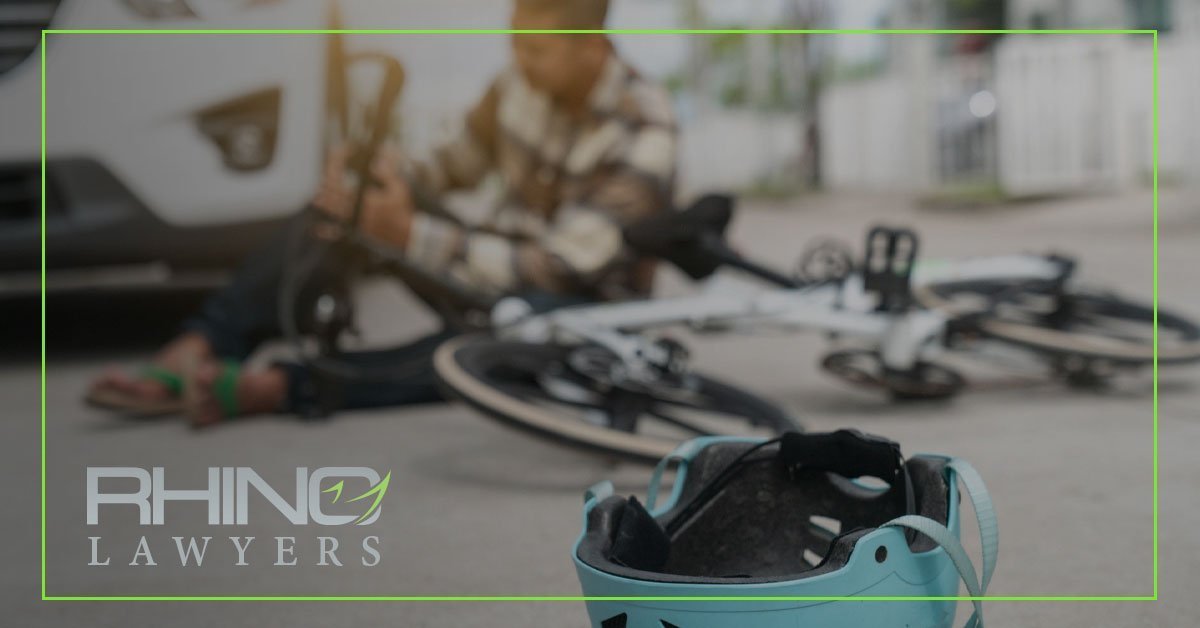
Why Do I Need a Lawyer After Suffering Road Rash in a Bicycle Accident?
Did you know that bicycle trips only account for 1% of all trips in the United States? Despite that, over 130,000 cyclists get injured due to road crashes every year. Worse, these bicycle accidents claim the lives of almost 1,000 bicycle riders yearly.
So, if you’re one of the 51 million people in the U.S. who ride bikes, be careful out there. Just as crucial is knowing what you must do if you ever get involved in a bicycle accident.
One such step to take is hiring a lawyer if a bicycle crash results in you suffering road rash injuries.
But why would you even need a lawyer for something seemingly as minor as a road rash? What can these legal professionals do to help you, anyway?
We’ll tell you what you need to know about such bicycle injuries and why you should hire a lawyer for help, so read on.
Obtain Fair Compensation for Your Injuries
When you hire a lawyer after a road rash-causing bike crash, they’ll help you get compensation. Part of this amount will cover your medical expenses due to your road rash. How much the injuries will cost you depends on their severity.
At the very least, road rash injuries, which are friction burns, can cause pain and swelling. Minor ones often heal within two weeks provided you clean and care for them properly.
However, severe cases take longer to heal and may require extensive medical intervention. This is because they may affect the deeper layers of the skin.
The worse the wounds are, the likelier they are to cause scarring and disfigurement. Severe injuries can also cause nerve damage. All this may result in you requiring expensive surgery.
Road rash injuries can also get infected, causing flu-like symptoms. These include body aches, chills, and fever.
In rare cases, the infection may be so severe it can cause blood poisoning. Although rare, this condition is life-threatening.
With all their potential consequences, you should never underestimate road rash injuries. Even if they seem minor, please have a doctor look at them properly.
Your lawyer will then gauge how much compensation you deserve for your injuries. They’ll add this to the other types of damage they will do their best to recover for you.
Determine Liability in the Bicycle Accident
To help you get compensation, your lawyer will look into what happened. This will involve gathering and reviewing evidence to determine liability or fault.
Suppose your accident occurred after a driver crashed into you and your bike. Your lawyer’s goal will then be to determine the driver’s fault. They will review photos, video footage, and witness testimonies.
Your attorney can prove negligence if they find proof that the other driver:
- Got distracted (e.g., using their phone) and drifted into your path
- Failed to yield the right-of-way to you, even if they had to
- Cut across your lane, which is specifically for bicycle travel
- Was operating their vehicle under the influence
- Was driving recklessly
Aside from the driver, other parties may be liable, too. An example is your bicycle’s manufacturer. They may also be at fault if a defect in their product contributed to your injuries.
In any case, your lawyer will strive to identify all parties liable for your accident. This allows them to raise your likelihood of receiving maximum compensation.
Evaluate Your Other Damages
Road rash often occurs after a fall and when one gets dragged across a surface.
Thus, people who sustain road rash may also have other injuries. For example, bicycle crash victims may develop and require care for concussions. They may also have sprains, strains, fractures, or internal organ injuries.
So, as a bike accident victim, you have every right to seek compensation for all the harm you’ve suffered. A lawyer can help since they can evaluate all your damages aside from road rash.
In addition to medical expenses, your lawyer may seek these other types of damage on your behalf.
Lost Income
Road rash and other bicycle accident injuries can prevent you from working. Even a few days of being absent from work can affect your finances.
For example, road rash injuries may cause severe pain that limits mobility. This can make you unable to perform the tasks you usually do at work.
A lawyer can help by fighting for your rights to get compensation for your lost wages. They can also help you seek damages for your lost future earning opportunities.
Pain and Suffering
Car accidents can have a significant emotional and mental toll on victims. So, imagine what a bicycle crash can do, as cyclists don’t have the “extra” protection people inside cars do.
Indeed, bicycle crash injuries, including road rash, can cause significant emotional distress. As a victim, you may have to limit your activities due to the trauma you experienced. You may also struggle with the consequences of scarring and disfigurement.
You deserve compensation for all those effects of someone else’s negligence. A lawyer can help by seeking compensation for your pain and suffering.
Give You Enough Time to Recover
Road rash can get infected without proper cleaning and disinfecting. The same can happen if they get exposed to pathogens and contaminants.
You’re at risk of such infections if you fail to let your injuries heal before going to work. Likewise, you may not recover properly due to stress and psychological trauma.
Remember: You don’t have to deal with all the consequences of a bicycle accident alone. With a lawyer, you can worry less about filing a claim or a lawsuit for compensation. That’s because your legal team will perform most of the legwork on your behalf while you rest and recover.
Get the Compensation You Deserve
A bicycle accident can cause more than road rash; it can also lead to many other injuries, such as head trauma. It can even affect your mental health, earning ability, and overall quality of life.
All that should be enough reason to seek compensation for the damages you may suffer from a bike crash. Even more so if these losses, pain, and suffering are due to someone else’s negligence.
Here at RHINO Lawyers, we can help you get the compensation you deserve. So, contact us now for your free legal consultation and advice!
CONTACT A TAMPA BICYCLE ACCIDENT ATTORNEY
In short, after a bicycle accident, you may not know your rights. Above all, don’t struggle through the process alone. Actually, our personal injury team is here to help you with any legal needs you might have regarding your accident.
Lastly, let RHINO Lawyers answer your questions and review the facts of your case with a Free Consultation. So, get started by completing the “Free Instant Case Evaluation” or by calling us any time, day or night, at 844.RHINO.77.
Read More
Can a Passenger Be Charged With DUI in Florida?
Florida, we have some bad news. Our state has some of the most irresponsible drivers in the nation–we rank at #10, to be precise. As a result, Floridian car insurance is the most expensive.
One of the most tragic ways Floridian motorists can be so irresponsible is with a DUI. This threatens the lives of everyone on the road, with the best outcome being that they go to jail without causing harm. Penalties are naturally quite severe.
It begs the question: Can a passenger get a DUI, too?
Even if you are stone-cold sober and minding your own business, don’t assume you’re out of the woods. Keep reading as we discuss passenger laws and whether a passenger could be accountable.
Florida DUI Law
There’s no better way to get an answer than go to the source of Florida DUI law. The second line in the 2023 Florida Statutes makes it clear who can get a DUI. At a bare minimum, the person must meet the following two criteria:
- Be driving
- Be in physical control of the vehicle
The legal limit for BAC (blood alcohol content) for a driver is 0.08%. If they are at or above that level, then they’re going to the slammer.
That legal limit, as we have established, only applies to the driver. Right off the bat, it would appear you were in the clear, right? The passenger is absolved of the driver’s actions since they do not have control of the vehicle.
As with anything in this world, it’s never that simple.
Can a Passenger Get a DUI?
Generally speaking, if you are in the passenger seat only, you cannot get a DUI. However, this is where complexity can enter a DUI case.
Officers investigating a DUI incident will look for other charges to leverage in the process. Your friend driving might get a DUI in Florida, but you could very well go home with different charges. It’s critical that you know your rights before saying or doing the wrong thing.
Open Container Laws
Even if you don’t have a single drop of alcohol in your system, open container laws apply. This means that a container of alcohol in the vehicle has a broken seal. If that container is in your cup holder, or you’re holding it, you’ll likely get busted.
The officer may ask you to take a breathalyzer test to confirm you were drinking. Even if the container wasn’t nearby you, a breathalyzer test could suggest you were taking a sip or two. A small factor like this could lead you to become the victim of an open container penalty.
Disorderly Conduct/Intoxication
Some people cannot control themselves when under the influence. They are rude, aggressive, or say very stupid things to lawmen that get them in trouble. Their behavior may be such that they are a danger to the property of others or the public at large.
This is known as disorderly intoxication. It would get you in trouble whether or not you were in a vehicle. If the officer deems you a threat to others in your current condition, you could be spending the night in a cell.
Unlawful Possession of Alcohol
Another situation that could complicate the matter is having someone in the car who’s under the age of 21. With a drunk driver, the officer may suspect other drunk people in the vehicle, too. DUIs are a serious offense, so they will likely dig deeper by checking other passengers.
If you are under the age of 21–even as a passenger–this could end badly. You don’t even need an open container of alcohol for unlawful possession to apply. Reasonable evidence suggesting that you are in constructive or actual possession of a drink could lead to penalties.
Again, the officer may administer breathalyzer tests to more than just the driver. If you are under the age of 21 and have alcohol in your system, it could be a bad night.
Controlling the Vehicle
Remember how we said you had to be driving or “controlling” the vehicle? Turning the wheel counts, and doesn’t necessarily mean you’re in the driver’s seat.
If you lean over and grab the wheel to help a drunk driver, that counts as “controlling the vehicle.” It doesn’t matter if it was a quick correction or frequent little nudges here or there. Under the influence, you have committed a DUI.
Granted, this is a bit harder for an officer to prove. They would either need to see it or get a witness confession that someone was doing it. They may not even suspect as much unless a passenger blurted it out.
Switching Seats
This is rare, but every officer has seen it at least once. Upon being pulled over, the drunk driver quickly switches seats with a sober passenger. A quick-and-dirty fix to get out of a life-changing DUI.
Of course, this could be hard to prove. The officer would need to have seen it with their eyes or on their dash cam. They may also become suspicious if they can’t tell the people apart once they exit the vehicle.
What Do You Do in a DUI Incident as a Passenger?
Assuming none of the above is true, you are likely in the clear. That said, you never know where law enforcement could take a case. Charges may only arise later, convicting you with something when you believed you were home free.
Whether or not you think you have broken the law, call DUI lawyers to help. Legal services have dealt with cases like this many, many times. They’ve seen all the different iterations a DUI case can take on–likely including your unique circumstance.
When it comes to driving under the influence, the judicial system does not mess around. Leniency is not common, nor are second chances. Get DUI attorneys on your side to secure the best outcome.
Hire A DUI Lawyer
Can a passenger get a DUI in Florida? In a slim selection of situations, such as switching seats or grabbing the wheel, yes. In the majority of cases, though, an officer may put you up for other, related charges instead.
RHINO Lawyers provides the best legal services in the Tampa area, period. Get your free case review now.
CONTACT TAMPA TRAFFIC TICKET ATTORNEY
RHINO Lawyers can help and guide you through a system molded by law enforcement, judges, and lawyers for decades. Having won cases for our clients in similar circumstances, our criminal defense team knows what it takes to fight on your behalf.
Let RHINO Lawyers answer your questions and review the facts of your case with a Free Consultation. So, get started by completing the “Free Instant Case Evaluation” or by calling us any time, day or night, at (844) RHINO-77.
Read More