
La diferencia entre infracciones en movimiento y las infracciones sin movimiento
¿Alguna vez ha recibido una multa de tránsito y ha sentido que se le encogía el estómago? Ya sea un destello de luces rojas y azules en el espejo retrovisor o un papel colocado bajo el limpiaparabrisas, el inicio del pánico es casi inmediato. Lo que muchos conductores no saben es la marcada diferencia entre las infracciones en movimiento y las infracciones estáticas. Comprender esto puede afectar significativamente las repercusiones en sus privilegios de conducción y en su bolsillo. Las infracciones en movimiento pueden parecer sencillas, ¿pero qué pasa con las infracciones estáticas?
Este artículo desmitifica cada categoría, explica sus posibles impactos en su historial de manejo y describe los pasos que puede seguir si recibe una multa. Conocer estos detalles no solo ayudará a manejar las sanciones actuales, sino también a prevenir multas futuras. Adéntrese en los detalles para proteger su estado de manejo y asegurarse de no pagar más de lo debido.
¿Qué son las infracciones en movimiento?
Las infracciones en movimiento ocurren cuando un vehículo está en marcha y el conductor infringe una ley de tránsito. Por lo general, estas infracciones se consideran más graves porque están directamente relacionadas con la seguridad del conductor, los pasajeros y otros usuarios de la vía.
Algunos ejemplos comunes de infracciones en movimiento incluyen:
- Exceso de velocidad
- Pasarse un semáforo en rojo
- Conducir bajo los efectos del alcohol (DUI)
- Conducción imprudente
El exceso de velocidad es una de las infracciones de tránsito más frecuentes. Según la Administración Nacional de Seguridad del Tráfico en las Carreteras, el exceso de velocidad contribuyó a 29% del total de muertes por accidentes de tránsito en 2021. Esta estadística destaca el grave impacto que el exceso de velocidad puede tener en la seguridad vial.
¿Qué son las infracciones de tránsito estáticas?
Las infracciones estáticas son aquellas que ocurren cuando el vehículo está detenido o no están directamente relacionadas con el comportamiento al conducir. Por lo general, estas infracciones involucran problemas con el estado del vehículo o el estacionamiento.
Estos tipos de multas de tráfico incluyen:
- Multas de estacionamiento
- Registro vencido
- Luces traseras rotas
- Estacionamiento ilegal en zona de discapacitados
Las multas de estacionamiento son el tipo más común de infracción que no es en movimiento. Se pueden emitir por diversas razones, como estacionarse en una zona de prohibido estacionar, exceder el tiempo límite en un espacio con parquímetro o estacionarse frente a un hidrante.
El registro vencido es otra infracción frecuente que no está relacionada con el movimiento. Si el registro de un vehículo no se renueva a tiempo, el dueño puede recibir una multa, incluso si el carro está estacionado.
Las infracciones de equipo, como tener una luz trasera rota o espejos faltantes, también entran en la categoría de infracciones estáticas. Estas faltas a menudo resultan en una multa de corrección, en la que se le exige al conductor que repare el problema y proporcione prueba de la reparación para evitar multas adicionales.
Estacionarse en un lugar para discapacitados sin el permiso correspondiente es otra infracción grave que no es de tránsito y que puede resultar en multas cuantiosas.
Implicaciones legales y sanciones
Las sanciones por infracciones en movimiento y estacionarias difieren significativamente. Las sanciones por infracciones en movimiento suelen ser más severas porque se consideran más peligrosas.
Las sanciones comunes por infracciones de tránsito en movimiento incluyen:
- Fines
- Puntos en la licencia de conducir
- Tarifas de seguro aumentadas
- Tiempo en prisión (en casos graves)
El sistema de puntos es un método que muchos estados usan para rastrear las infracciones de tránsito. Por ejemplo, en Florida, el exceso de velocidad puede sumar de tres a seis puntos al expediente de un conductor, dependiendo sobre la gravedad.
Acumular demasiados puntos puede llevar a la suspensión de la licencia. Por ejemplo, acumular 12 puntos en un periodo de 12 meses resulta en una suspensión de 30 días de los privilegios de conducción.
Las infracciones de estacionamiento o de tránsito que no implican movimiento, aunque por lo general son menos graves, de todos modos conllevan sanciones. Las multas de estacionamiento suelen resultar en multas económicas, las cuales pueden variar según la ciudad o el municipio.
Una multa por registro vencido por lo general requiere que el dueño pague una multa y actualice el registro. Las infracciones de equipo a menudo conllevan multas menores y el requisito de solucionar el problema.
Las consecuencias a largo plazo de las infracciones de tráfico pueden ser sustanciales. Las infracciones en movimiento pueden provocar un aumento en las primas de seguros. Las aseguradoras consideran que los conductores con múltiples infracciones representan un riesgo mayor, lo que puede resultar en tarifas más altas. Una sola multa por exceso de velocidad puede aumentar la prima de seguro de un conductor por 25%.
Las infracciones que no son de movimiento, aunque tienen un menor impacto en las tarifas de seguros, aún pueden resultar en multas significativas e inconvenientes si no se resuelven.
Cómo manejar las infracciones de tránsito
Recibir una multa de tráfico puede ser estresante, pero saber cómo manejarla puede hacer que el proceso sea más fluido. El primer paso es leer la infracción detenidamente y comprender la falta y las sanciones asociadas. En el caso de las infracciones en movimiento, es fundamental conocer los puntos que se podrían agregar a su licencia y las multas correspondientes.
Muchas jurisdicciones ofrecen formas de impugnar las multas de tránsito. Si cree que la multa se emitió por error, puede objetarla en los tribunales. Esto puede implicar la recopilación de pruebas, como fotografías o declaraciones de testigos, para respaldar su caso.
En el caso de las infracciones en movimiento, asistir a la escuela de manejo a veces puede reducir los puntos en su licencia o disminuir las multas.
Las infracciones que no ocurren en movimiento a menudo requieren un enfoque diferente. En el caso de las multas de estacionamiento, es posible que pueda impugnar la multa si considera que fue emitida injustamente. Esto podría implicar proporcionar evidencia de que no estaba estacionado ilegalmente o que la señalización no era clara.
En el caso de las infracciones por equipos, solucionar el problema rápidamente y presentar pruebas al tribunal a menudo puede resultar en la desestimación de la multa.
Respuestas oportunas son críticas. Ignorar una multa de tráfico puede dar lugar a sanciones adicionales, incluidas multas mayores y posibles órdenes de arresto.
Medidas preventivas
La mejor manera de evitar infracciones de tránsito es mediante medidas preventivas. Las prácticas de manejo seguro pueden reducir significativamente el riesgo de recibir una multa por infracción en movimiento. Obedezca siempre los límites de velocidad, use las direccionales al cambiar de carril y evite la conducción distraída.
El mantenimiento regular del vehículo también es crucial. Garantizar que su auto esté en buenas condiciones de funcionamiento puede ayudar a evitar infracciones que no están relacionadas con el movimiento.
Revisa tus luces, frenos y neumáticos regularmente para asegurarte de que funcionen correctamente. Mantener el registro de tu vehículo al día es otra manera fácil de evitar multas.
Estacionar con cuidado puede prevenir muchas infracciones que no son de tránsito. Siempre revise la señalización que indica restricciones de estacionamiento y evite estacionarse en lugares para personas con discapacidad a menos que tenga el permiso adecuado.
Obtenga ayuda excepcional con sus multas de tráfico hoy
Comprender la diferencia entre las infracciones en movimiento y las infracciones estáticas es crucial para todo conductor. Tener estas infracciones de tránsito explicadas no solo ayuda a impugnar o gestionar las multas, sino que también le permite mantener un historial de manejo limpio.
En RHINO Lawyers, nos enfocamos en convertir las consecuencias de sus multas de tráfico en soluciones manejables. Con nuestras estrategias de eficacia comprobada y nuestro enfoque centrado en el cliente, nos aseguramos de que su caso sea manejado de manera eficiente y efectiva.
No permita que una multa de tránsito interrumpa su vida. Permítanos ayudarle a navegar por las complejidades de las leyes de tránsito para asegurar el mejor resultado posible. Contáctenos hoyy para recibir una evaluación gratuita del caso.
CONTACTE A UN ABOGADO DE MULTAS DE TRÁFICO EN TAMPA
RHINO Lawyers puede ayudar y guiarlo a través de un sistema moldeado por las fuerzas del orden, jueces y abogados durante décadas. Habiendo ganado casos para nuestros clientes en circunstancias similares, nuestro equipo de defensa penal sabe lo que se necesita para luchar en tu nombre.
Permitir RHINO Lawyers responda a sus preguntas y revise los hechos de su caso con una consulta gratuita. Así que comience completando el “Evaluación de caso instantánea y gratuita”o llamándonos en cualquier momento, día o noche, al (844) RHINO-77.
Leer más
¿Puede el calor aumentar el riesgo de un accidente automovilístico?
It’s no mystery that cities across the United States are experiencing hotter summers than in previous years. Florida has been dealing with temperatures above 90°, since late spring and early summer which is unusual. Not only are high temperatures uncomfortable to live in, but it makes summer driving more dangerous.
Many things can cause a car accident. You may be wondering, “Can high temperatures during summer driving increase the likelihood of a collision?”
This blog will discuss the effects of heat on driving. We’ll talk about tips for summer driving safety to keep yourself, your passengers, and others on the road safe.
Can High Temperatures Increase the Risk of Car Accidents?
Yes, heat can put drivers at a higher risk of getting into a collision. According to an article by Scientific American, the way cars trap heat inside of them amplifies car crash risks.
The air and exposed surfaces inside the car soak up the outside heat as it passes through the windshield and windows. This causes the interior temperature of the car to become intolerable.
Driver Fatigue
High temperatures can disrupt the normal functions of the human body. Some of the symptoms drivers may experience include:
- Lack of concentration
- Mareo
- Deshidratación
- Mood disruptions
- Lack of impulse control
It doesn’t take long for drivers to feel the impact of the heat. Getting in a hot car that’s been sitting parked can cause drivers to feel some of the above side effects. They may have challenges performing the following tasks:
- Noticing traffic signals
- Driving in a straight line
- Responding to various road conditions
These symptoms can be exacerbated if the driver has been in high temperatures before getting into the car. They may experience heat stroke or heat exhaustion.
There are some things drivers can do to prevent car accidents from high heat. These may include:
- Taking breaks
- Using your car’s A/C
- Staying hydrated
- Park in the shade
- Freeze water bottles to keep in your car
- Use handheld fan misters
These tips aren’t just good to use if you’re the driver during the summer. You can keep your passengers feeling nice and cool during long road trips by following the above advice.
Vehicle Issues
High temperatures can have a major impact on how your vehicle performs. There are many issues your car might experience, such as:
- Fluctuations in tire pressure
- Oil breakdown
- Stress on your cooling systems
- Fuel system imbalance
- Wiper blade failure
- Tire blowouts
- Battery failures
Cars that don’t receive regular maintenance or older ones are more susceptible to being affected by the heat. Being in stop-and-go traffic can also put more strain on your vehicle during high temps.
Some ways you can help your vehicle stay functioning properly during the summer heat include:
- Regular care and maintenance
- Test your car battery during the summer to check its condition
- Add antifreeze if needed
- Routinely check your tire pressure
- Change your oil every 5,000 to 7,000 miles
Scheduling a summer check-in for your vehicle before the heat hits is a great way to ensure your vehicle is prepared. You can avoid any unexpected issues before heading out on the road by connecting with an experienced mechanic.
Dangerous Road Conditions
Summer tends to be one of the more dangerous seasons to drive in. Many people expect winter to be full of more hazards due to snow and ice. However, many factors can contribute to car accidents during the summer.
Some of these things may include:
- Increase of pedestrians, motorcyclists, and cyclists on the road
- Road construction is at a peak during the summer
- Heavy traffic due to vacationers
- Young drivers on the road
The heat itself plays a part in dangerous road conditions. For example, high temps can cause road surfaces to get sticky and soft. Heat waves and mirages can also distort the vision of drivers.
Unexpected weather during the summer can affect the safety of drivers. Hail, lightning, and heavy rain can pose hazards. There is also an increased risk of hydroplaning during summer rainstorms.
A few things drivers can do to stay safe during the summer include:
- Turning on your headlights during storms
- Leaving enough distance between you and the car ahead of you
- Turn on your flashers if needed
- Give yourself enough time to get to your destination
- Slow down in construction zones
- Remain alert while driving around pedestrians and cyclists
- Check the weather forecast before you head out
You may want to reconsider driving in high temperatures if the weather is going to be adverse or if it’s a busy holiday weekend.
What to Do if You Were in a Car Accident
We’ve talked about some of our tips for staying safe while driving in the summer. Even if the heat causes a car accident, someone will still need to be held at fault for the accident.
For example, if you caused a car accident because of the glare from the sun, you may still be held liable for paying damages to the other driver. It’s important to be mindful while driving in the summer to prevent any unfortunate circumstances from occurring.
You must follow the right steps if you’ve been in a heat-related car accident. These steps ensure your rights are protected and that you stay safe. These steps may include:
- Move your car to the side of the road (if you can)
- Call the authorities to report the accident
- Seek medical attention even if you don’t have visible injuries
- Record the details of the accident
- Get the other driver’s information
- Take photos and videos
- Collect the police report
- Llame a un abogado con experiencia en accidentes automovilísticos
Follow Our Tips to Stay Safe During Summer Driving
Heat impacts every aspect of summer driving, including the roads, drivers, and other vehicles. It’s important to take precautions and prepare yourself when driving during high temperatures. Prevent getting in a car accident by following our safety tips.
Have you been injured in heat-related accidents? RHINO Lawyers has helped numerous clients seek compensation for their injuries. Contact our office to learn how our lawyers can help you on the road to recovery.
COMUNÍQUESE CON UN ABOGADO DE ACCIDENTES AUTOMOVILÍSTICOS EN TAMPA
En resumen, después de un accidente automovilístico, es posible que no conozca sus derechos. Sobre todo, no luche solo durante el proceso. En realidad, nuestro equipo de lesiones personales está aquí para ayudarle con cualquier necesidad legal que pueda tener relacionada con su accidente.
Por último, que RHINO Lawyers responda a sus preguntas y revise los hechos de su caso con una consulta gratuita. Así que comience completando el “Evaluación de caso instantánea y gratuita”o llamándonos en cualquier momento, día o noche, al 844.RHINO.77.
Leer más
Vision Impairment and Car Accidents
With a staggering 286 million vehicles on the roads, the risk of car accidents is ever-present. Have you ever considered how driving with a vision impairment can significantly raise the risk of accidents?
Vision impairment is one crucial factor that can affect driving safety. Good vision is essential for seeing road signs, spotting hazards, and responding quickly to changing traffic conditions.
Have you ever found yourself behind the wheel, only to realize that your vision may not be as sharp as it should be? Many overlook this scenario, yet driving with impaired vision significantly heightens the risk of accidentes automovilísticos.
This article explores the connection between vision impairment and car accidents. Join us as we uncover the risks and provide essential insights to keep you safe on the road. We’ll also guide you on where to find the best auto injury attorneys in Tampa when needed.
Understanding Vision Impairment
Vision impairment is any condition affecting a person’s ability to see clearly, recognize faces, read, drive, and perform other activities. The severity can differ from mild to severe and can impact one or both eyes. There are several types of vision impairment, each with its causes and characteristics.
Refractive Errors
Refractive errors are present when the shape of the eye stops light from focusing accurately on the retina, leading to blurred vision. This is the most common type of vision impairment and includes conditions like the following:
- Nearsightedness (myopia)
- Farsightedness (hyperopia)
- Astigmatism
Age-Related Vision Changes
As people age, eye changes can lead to vision impairment. This may include presbyopia, a condition where the eye’s lens becomes less flexible, making it hard to focus on close objects.
Cataracts
Cataracts are cloudy areas that form in the eye’s lens, causing blurred or dim vision. They are often linked to aging but can also be caused by factors like:
- Injury
- Genética
- Certain medical conditions
Glaucoma
Glaucoma is an eye condition that can contribute to optic nerve damage. If left untreated, it can typically lead to vision loss and blindness. It is often linked to increased eye pressure and can develop gradually over time.
Macular Degeneration
Age-related macular degeneration (AMD) impacts the macula. This is the part of the retina responsible for our central vision. AMD can cause distorted or blurred vision and, in advanced stages, can lead to permanent vision loss.
Diabetic Retinopathy
Diabetic retinopathy is an effect of diabetes that influences the blood vessels in the retina. If not managed properly, it can cause vision loss and, in severe cases, blindness.
Injuries and Infections
Trauma to the eye can cause immediate or delayed vision problems, depending on the amount of damage. Infections, such as conjunctivitis (pink eye) or more severe conditions like keratitis, can result in temporary or permanent vision loss if not treated promptly.
Vision impairment can significantly impact a person’s daily activities, quality of life, and independence. Treatment will typically depend on the main cause and can include the following:
- Corrective lenses (glasses or contact lenses)
- Medicamento
- Surgery
- Vision rehabilitation services
Impact on Driving Ability
When vision impairment affects driving ability. It can lead to:
- Difficulty reading road signs or recognizing traffic signals
- Reduced ability to see pedestrians, cyclists, or other vehicles
- Challenges with judging the speed and distance of oncoming traffic
- Increased likelihood of missing hazards or obstacles on the road
Understanding the Risks
While driving laws may vary across different states in the US, the general requirement is that drivers have 20/40 vision or better in at least one eye to drive without restrictions. However, recent studies suggest that measures beyond acuity, such as losing peripheral vision, also increase the risk of vision-related crashes.
Individuals with vision impairment may face restrictions or conditions on their driver’s license. This can include the requirement to wear corrective lenses while driving or limitations on nighttime driving.
Insurance companies may consider vision impairment when determining coverage and premiums. Failure to disclose vision problems could result in denied insurance claims or voided policies.
Some states require individuals with certain medical conditions, including vision impairment, to report their condition to the Department of Motor Vehicles (DMV) or licensing authority. Failure to report a medical condition that affects driving ability could result in legal consequences.
In cases of severe or progressive vision impairment, individuals may be subject to driving restrictions or even license suspension or revocation. These restrictions are meant to protect public safety and prevent road accidents.
Driving Safety Measures: Road Safety Tips
To reduce the risk of vision-related crashes and promote road safety, consider the following tips:
Schedule regular eye examinations with an ophthalmologist or optometrist. This will help to detect any vision changes and can prevent accidentes automovilísticos.
If prescribed corrective lenses, wear them while driving to ensure optimal vision clarity. Be aware of your state’s vision requirements for driving and adhere to any restrictions or regulations.
Vision impairment can be more pronounced in low-light conditions. So avoid driving at night if your vision is compromised.
Limit distractions inside the vehicle. This includes using electronic devices or adjusting the radio which can take your focus off the road.
Pull over safely and get assistance if you experience sudden vision changes or discomfort while driving. Stay informed about your state’s vision requirements for driving and comply with any restrictions or regulations.
To reduce the risk of accidents, obey all traffic laws and signals, including speed limits, stop signs, and traffic signals.
Risks of Driving While Ability Impaired
Addressing the risks of driving while ability-impaired will ensure road safety. Vision impairment can significantly increase the likelihood of car accidents, making it essential for drivers to prioritize their eye health. Remember, responsible driving starts with recognizing and addressing impairments that affect your driving abilities.
Navigating the aftermath of a car accident caused by someone with vision impairment can feel daunting. That’s why RHINO Lawyers, renowned as Tampa’s premier auto accident advocates, is here to provide you with exceptional legal support and representation. Reach out to us today and discover how we can guide you confidently through the legal process.
COMUNÍQUESE CON UN ABOGADO DE ACCIDENTES AUTOMOVILÍSTICOS EN TAMPA
En resumen, después de un accidente automovilístico, es posible que no conozca sus derechos. Sobre todo, no luche solo durante el proceso. En realidad, nuestro equipo de lesiones personales está aquí para ayudarle con cualquier necesidad legal que pueda tener relacionada con su accidente.
Por último, que RHINO Lawyers responda a sus preguntas y revise los hechos de su caso con una consulta gratuita. Así que comience completando el “Evaluación de caso instantánea y gratuita”o llamándonos en cualquier momento, día o noche, al 844.RHINO.77.
Leer más
How to Protect Your Teen After a Careless Driving Charge
Traffic deaths are reaching historic levels in many states even though fewer people were on the road in 2023.
One of the biggest issues that we see on the roads, and one that leads to a significant number of injuries and fatalities, is distracted driving. If you’re a parent, you must be concerned about your teenager getting behind the wheel, as they could be the victim or the cause of a careless driving-related accident.
Being at fault in a teen car accident can overwhelm any young person. If your teen just got charged with careless driving, protecting them as best you can should be your number one priority.
Today, we’ll give you some actionable tips, legal advice, and post-driving charge steps to keep your teen safe. Careless driving implications can be severe, so keep reading and do everything you can to keep your child out of trouble.
Consequences of a Careless Driving Charge
The first thing to understand as a parent is the consequences of a careless driving charge. It depends on the state in which you live and the severity of damage/injuries that the accident caused. If your child is under 18, you could be held liable for their careless driving.
Wisconsin
In Wisconsin, a careless driving charge that doesn’t result in injuries gets fines instead of jail time. The maximum fine for injury-free careless driving is just $400. Penalties increase a lot when bodily harm comes to another driver or pedestrian.
Fines for reckless driving causing bodily harm can reach $10,000. 18-year-olds tried as adults may even face up to 6 years of jail time.
Florida
Things are a little bit different in Florida. It’s considered a second-degree misdemeanor, however, the charges can result in up to 90 days in jail, 6 months of probation, or a $500 fine.
As in Wisconsin, the penalties increase significantly when the accident involves property damage or bodily harm. If the resulting injuries are considered serious, the charge becomes a third-degree felony and the driver could potentially get up to 5 years of jail time.
Post-Driving Charge Steps
So, if your teen finds themselves charged with distracted driving, they’re going to need your help. Facing thousands of dollars in fines and potential jail time is something a teen can’t truly comprehend. Follow these steps and you’ll be able to navigate the process with calmness and confidence.
Speak to Your Child
If your teen calls you after they’ve been charged with careless driving, make sure to get the whole story out of them. It can be frightening for a young person to deal with such a serious situation, so they may be liable to withhold some of the truth.
Encourage them to be truthful so that you can help them navigate the next steps. The more you know about what happened leading up to the accident, the easier it’ll be to relay that information to your legal counsel.
Speak to the Police
Next, you’ll want to speak to the police. In serious circumstances, your teen may be taken to the station. Either way, get hold of the responding officer to ask them questions about the charges and legal implications.
Get hold of the police report. This is an important piece of information that your legal team will need when helping you deal with the charge.
Talk to the Insurance Company
You need to speak to your insurance company to start the claims process. Your insurance company may have to pay for property damage, medical bills, and any other damages that result from your teen’s careless driving.
Contact a Lawyer
Lastly, and most importantly, find a great traffic ticket lawyer to guide you through the rest of the process. You can’t face something like this alone and your teen certainly can’t, so it’s crucial to find legal counsel who has experience with these kinds of cases.
Building a Case
Building a case to protect your teen against these charges will depend on the severity of the accident. The goal will be to prove that your teen was driving poorly, but not recklessly.
Inexperience
If they’re a relatively new driver, your legal team will use inexperience as a way to prove that they shouldn’t be criminally liable. For that to work, your teen can’t have been driving under the influence or driving while distracted by their smartphone.
False Witness Testimony
A lawyer could also challenge police report accuracy or witness observations to prove that your teen was driving carelessly out of necessity to avoid a greater danger. If successful, they may be able to reduce the charges or even have them dismissed.
Legal Advice for Teen Drivers
For their part, your teen needs to listen to legal counsel and avoid doing anything that could jeopardize their chances of success. After an accident, they should avoid admitting fault, but be respectful and allow the process to play out.
Whether or not your lawyer can lessen careless driving charges, your teen should take more care on the road from now on. The law has no tolerance for repeat offenders, no matter how young they are.
Teens need to refrain from looking at their phones while driving. Under no circumstances should they have any alcohol before driving, as this can result in far more severe penalties.
Teach your teen more about the traffic laws in your area. The more aware they are of the rules, especially after an incident, the more likely they’ll be to follow them.
If your teen is ever in another traffic stop, make sure they know how to act. They must always comply with the officer’s requests, and not seem combative.
Getting Legal Help After a Teen Careless Driving Charge
A teen car accident and careless driving charge are nothing to scoff at. They could change your teen’s life, whether it affects getting into schools or finding a job later in life. If you’re going to give them the best chance at getting back on track, you need a great lawyer.
RHINO Lawyers are Tampa’s leading auto injury and traffic attorneys with services in Wisconsin and New York as well. We’ll work one-on-one with you and your teen to develop the perfect legal strategy to keep them out of trouble. Contáctenos hoy para su evaluación gratuita del caso.
CONTACTE A UN ABOGADO DE MULTAS DE TRÁFICO EN TAMPA
RHINO Lawyers puede ayudar y guiarlo a través de un sistema moldeado por las fuerzas del orden, jueces y abogados durante décadas. Habiendo ganado casos para nuestros clientes en circunstancias similares, nuestro equipo de defensa penal sabe lo que se necesita para luchar en tu nombre.
Permitir RHINO Lawyers responda a sus preguntas y revise los hechos de su caso con una consulta gratuita. Así que comience completando el “Evaluación de caso instantánea y gratuita”o llamándonos en cualquier momento, día o noche, al (844) RHINO-77.
Leer más
¿Cuál es la diferencia entre un DUI y un DWI?
If you are pulled over on suspicion of driving under the influence, the experience can be confusing and frightening. However, you’re not alone; in 2023, Florida law enforcement issued 34,342 DUI citations.
The officer might use the terms DUI (Driving Under the Influence) or DWI (Driving While Intoxicated), and you might wonder – is there a difference between a DUI and a DWI? The answer depends on your state; understanding these legal distinctions can have significant consequences.
This article dives deep into the difference between a DUI and a DWI.
What Is a DUI?
Driving Under the Influence, commonly known as DUI, occurs when a person operates a vehicle while impaired by alcohol or drugs. This impairment can significantly affect one’s ability to drive safely and responsibly. In Florida, law enforcement uses various methods like field sobriety tests and breathalyzers to determine if a driver is over the legal limit of blood alcohol concentration.
What Is a DWI?
A DWI, which stands for Driving While Intoxicated, is a serious charge that involves operating a vehicle while under the influence of alcohol or drugs. In states where this term is used, it typically signifies a more severe offense compared to a DUI.
If they arrested you for a DWI. It means law enforcement believes your impairment level was significant. As well as enough to endanger yourself and others on the road. This can lead to harsh penalties and legal consequences that may impact various aspects of your life.
Difference Between a DUI and a DWI Based on Where You Live
Understanding the difference between a DUI and a DWI can be confusing, especially since it varies depending on where you live. In some states, like Florida, both terms are used interchangeably to refer to impaired driving offenses. However, in other states, each charge may have distinct definitions.
For example, in Texas, a DUI typically refers to minors caught driving under the influence of alcohol or drugs, while a DWI is reserved for adults facing similar charges. To avoid misunderstandings, you must familiarize yourself with the specific laws and terminology related to impaired driving in your state.
DWI vs. DUI in Florida
Confused about the differences between a DWI and a Manejar bajo la influencia en Florida? Simply put, there isn’t one. In Florida, the terminology used is DUI.
Consequences for a DUI in Florida?
In Florida, the consequences of a DUI can be severe. If convicted, you could face fines ranging from $500 to $5,000, depending on the circumstances of your case. Additionally, your driver’s license may be suspended for a period of time determined by the court.
A DUI conviction in Florida might also result in mandatory community service hours or even imprisonment. Your vehicle can also be impounded in these cases.
How to Respond to DUI Charges
Si estás facing DUI charges, knowing how to respond is important. Keep these things in mind.
Remain Calm and Cooperative
The first step in responding to DUI charges is to remain calm and cooperative with law enforcement officers. Avoid hostile or confrontational behavior. This can only worsen the situation.
Know Your Rights
You have the right to remain silent and the right to an attorney. If arrested or questioned about the incident use these rights. It is always important to exercise caution when speaking to law enforcement. As they can use anything you say against you in court.
Recopilar información
Take note of the details surrounding your arrest, such as the time, location, and circumstances leading up to it. This information may be helpful for your defense later on.
Busque representación legal
It is crucial that you seek legal representation from a qualified DUI attorney as soon as possible after being charged with a DUI. A lawyer can advise you on the best course of action and help protect your rights throughout the legal process.
Don’t Discuss the Case With Anyone
Do not discuss your case with anyone other than your attorney. This includes friends, family members, or even social media posts. They can potentially use anything you say about your case against you in court.
Understand the Potential Consequences
DUI charges can have serious consequences, including fines, license suspension, and even jail time. Understanding and taking seriously the potential consequences of a DUI conviction in your state is important.
Attend All Court Dates
Attend all court dates and follow any instructions given by the court. Failing to appear or violating any conditions of your release can result in additional charges and penalties.
Consider Attending a DUI Education Program
Some states require individuals charged with a DUI to attend a DUI education program. Even if it is not required in your state, attending this program can show the court that you are taking responsibility for your actions and may benefit your case.
Avoid Alcohol and Drugs
While awaiting trial, avoid alcohol and drugs completely. Violating this rule can result in additional charges, making defending against the DUI charge more difficult.
Prepare Yourself for a License Suspension
If authorities convict you of a DUI, they will likely suspend your driver’s license. Make alternative transportation arrangements to prepare for this possibility.
Follow Any Conditions of Your Release
If they released you from custody on certain conditions. Such as abstaining from alcohol or submitting to drug testing. Make sure you strictly follow these conditions. Violating them can result in further legal trouble.
How Can a Lawyer Help With Your DUI Charges?
Facing DUI charges can be overwhelming, but having a skilled lawyer on your side can make a significant difference in the outcome of your case. A seasoned attorney knows the ins and outs of DUI laws, which means they can help you navigate the legal process with expertise. They can assess your situation, identify potential weaknesses in the prosecution’s case, and develop a strategic defense tailored to your specific circumstances.
Your Case Is Our Passion
In understanding the difference between a DUI and a DWI, it’s crucial to recognize that terminology can vary depending on where you live. While some states use these terms interchangeably, others differentiate between them based on the severity of the offense.
Have authorities charged you with a DUI in Florida? RHINO Lawyers is here to help. Our passion is your case, and we’ll form a lasting partnership to help you receive the best outcome.
Contáctenos today for a free case review.
CONTACTE A UN ABOGADO DE MULTAS DE TRÁFICO EN TAMPA
RHINO Lawyers puede ayudar y guiarlo a través de un sistema moldeado por las fuerzas del orden, jueces y abogados durante décadas. Habiendo ganado casos para nuestros clientes en circunstancias similares, nuestro equipo de defensa penal sabe lo que se necesita para luchar en tu nombre.
Permitir RHINO Lawyers responda a sus preguntas y revise los hechos de su caso con una consulta gratuita. Así que comience completando el “Evaluación de caso instantánea y gratuita”o llamándonos en cualquier momento, día o noche, al (844) RHINO-77.
Leer más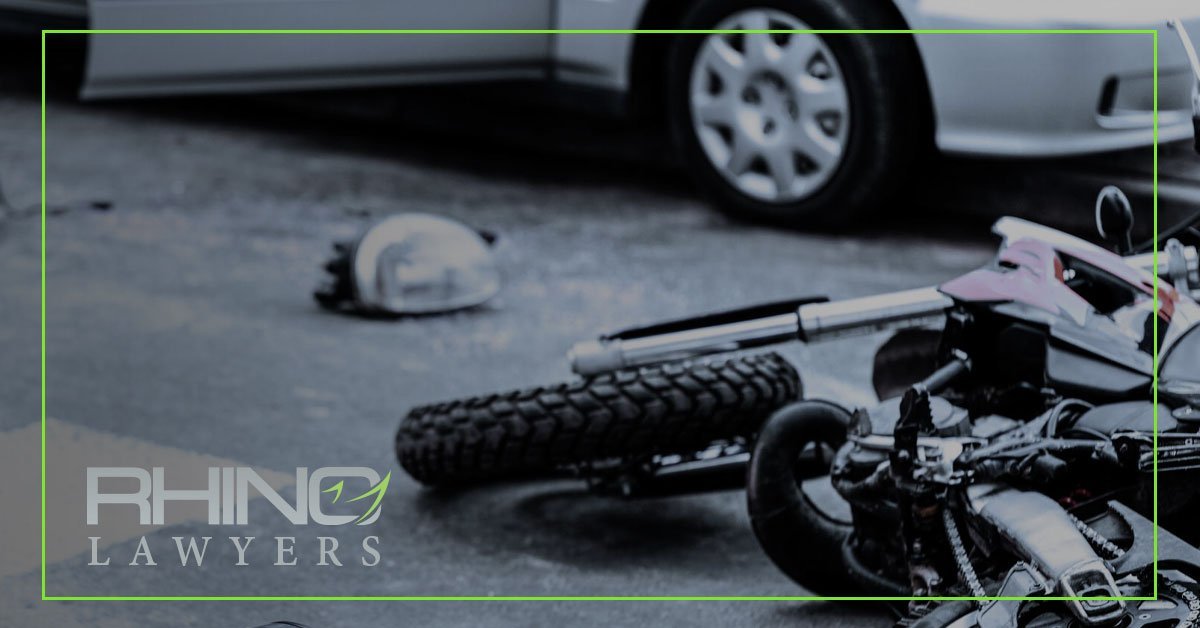
Daños materiales a una motocicleta: ¿Cómo cobrar una indemnización?
Tuviste un accidente y tu motocicleta sufrió daños. Sabes que necesitas presentar un recl 아마 (Wait, let me translate correctly). Tuviste un accidente y tu motocicleta sufrió daños. Sabes que necesitas presentar un reclamo por daños a la propiedad, pero no estás seguro de cómo hacerlo. ¿Y ahora qué?
Hoy repasaremos los pasos que deberás seguir para asegurar la compensación que mereces. Ya sea un rasguño menor o reparaciones mayores, comprender cómo gestionar tu reclamo de manera efectiva te ayudará a manejar las secuelas de un accidente con confianza.
Reclamaciones por daños a la propiedad de motocicletas
Cuando presentas un reclamo por daños a la propiedad de tu motocicleta, le estás pidiendo a una compañía de seguros que te pague por los daños a tu moto.
Primero, definamos a qué nos referimos con un “reclamo por daños a la propiedad”. Esta es una solicitud formal a una compañía de seguros para que pague los costos de las reparaciones necesarias debido a daños a la propiedad. En este caso, se trata de su motocicleta.
Este tipo de reclamación forma parte del campo más amplio de las reclamaciones de seguros, que también incluye reclamaciones por conceptos como gastos médicos.
Ahora, hablemos de los “daños materiales a la motocicleta”. Esto se refiere a cualquier daño que le ocurra a tu motocicleta.
Puede ir desde problemas menores como rasguños y abolladuras hasta daños mayores por un choque. Comprender la magnitud del daño y cómo afecta a su bicicleta es clave para presentar un reclamo eficaz.
Primeros pasos tras el incidente
Lo primero que siempre debes hacer es asegurarte de que todos los involucrados estén a salvo. Luego, puedes concentrarte en lidiar con los daños a tu motocicleta.
Su prioridad inmediata es garantizar la seguridad de todos. Aparte su motocicleta del tráfico si es seguro hacerlo. Compruebe si hay algún peligro, como fugas de combustible o piezas rotas.
Documentación de la escena del accidente
Una vez que sea seguro, comience a documentar la escena del accidente. Use su teléfono para tomar fotos desde diferentes ángulos que muestren los daños a su motocicleta.
Además, capture cualquier marca de frenado, las condiciones de la carretera y la ubicación de los vehículos involucrados. Estas fotos serán importantes cuando le explique lo que pasó a su compañía de seguros.
Notifique a la aseguradora inmediatamente
Comuníquese con su compañía de seguros lo antes posible. Cuéntales sobre el accidente y los daños a tu motocicleta. Ellos iniciarán el proceso de tu reclamación por daños a la propiedad. Cuanto antes reportes el incidente, más rápido podrán comenzar a evaluar tu reclamación.
Presentación de su reclamo por daños a la propiedad
El primer paso para presentar un reclamo es comunicarse con su proveedor de seguros. Deberá informarles sobre el accidente y proporcionar detalles básicos como la fecha, la hora y la naturaleza de los daños. Esta llamada inicial abrirá su expediente de reclamo e iniciará el proceso.
Trabajar con un ajustador de seguros
Después de que se presente su reclamo, un ajustador de siniestros de seguros se le asignará a su caso. Esta persona revisa los daños a su motocicleta, evalúa los costos de reparación y verifica los detalles del reclamo con la cobertura de su póliza.
El ajustador desempeña un papel vital en la determinación de cuánto pagará la compañía de seguros por las reparaciones. Es importante proporcionarle todos los documentos y pruebas necesarios para respaldar su reclamo.
Entrega de la documentación requerida
Deberá presentar varios documentos para respaldar su reclamo por daños a la propiedad. Por lo general, estos incluyen una copia del informe policial o del accidente, fotografías de los daños y presupuestos de reparación de mecánicos certificados.
Si están disponibles, proporcione recibos o comprobantes de cualquier gasto de su propio bolsillo relacionado con el accidente. Toda esta documentación ayuda a la compañía de seguros a comprender la magnitud de los daños y los costos asociados.
Manejar estos pasos eficazmente es clave para una reclamación exitosa. Una comunicación clara con su proveedor de seguros y la presentación rápida de todos los documentos requeridos pueden agilizar significativamente el proceso.
Lidiar con las reparaciones de motocicletas
Una vez que se acepta su reclamo por daños a la propiedad, el siguiente paso es reparar su motocicleta. Es posible que prefiera utilizar un mecánico o taller de reparación de su confianza.
Sin embargo, las compañías de seguros suelen tener alianzas con ciertos talleres de reparación que recomiendan. Estos talleres recomendados por lo general cumplen con los estándares de calidad y precios de la aseguradora. Así que, aunque usted puede elegir su propio mecánico, tenga en cuenta que usar un taller recomendado a veces puede hacer que el proceso de reclamo sea más fluido y rápido.
Es importante asegurarse de que las reparaciones estén calculadas adecuadamente. Las compañías de seguros y los talleres de reparación suelen proporcionar presupuestos de reparación.
También es una buena idea conseguir algunas presupuestos diferentes. Esto te ayuda a comprender el rango de los costos de reparación y también puede proporcionarte una ventaja si necesitas negociar con la compañía de seguros.
Si los daños a su motocicleta son extensos, múltiples estimados son particularmente importantes. Estos aseguran que todas las reparaciones necesarias sean identificadas y tasadas adecuadamente.
Retos en el proceso de reclamación
Las demoras en el procesamiento pueden ser frustrantes. Las compañías de seguros suelen tener muchos reclamos que atender, lo que puede retrasar el progreso de su propio reclamo. Mantenerse en contacto regular con su ajustador de seguros y proporcionar toda la documentación requerida con prontitud puede ayudar a acelerar el proceso.
Lleva un registro de todas las comunicaciones y haz un seguimiento si sientes que las cosas avanzan demasiado lento. Las disputas sobre los costos de reparación suelen ocurrir cuando hay una diferencia entre lo que la compañía de seguros piensa que debería costar la reparación y lo que estiman los talleres de reparación.
Para resolver estas disputas, presente a su ajustador de seguros múltiples estimados de reparación. Esto demuestra la consistencia en los estimados que recibió de diferentes talleres. También puede fortalecer su posición durante las negociaciones.
Si no está de acuerdo con la evaluación del ajustador de seguros, es importante mantener la calma y la compostura. Explique sus inquietudes claramente y proporcione evidencia adicional si es necesario.
Esto podría incluir más fotos de los daños, opiniones expertas de mecánicos o cotizaciones adicionales para las reparaciones.
Manejar estos desafíos de manera eficaz implica una buena comunicación, documentación detallada y, a veces, un poco de negociación.
Un proceso de seguro sin complicaciones
El proceso de reclamo por daños a la propiedad puede ser complicado, pero con la orientación adecuada y una cuidadosa consideración, puede superarlo con un resultado positivo.
En RHINO Lawyers, nuestra misión es formar una alianza duradera con cada cliente. Nuestra pasión son las personas a las que ayudamos y las vidas que ayudamos a cambiar.
Así que, si tienes preguntas o necesitas ayuda, estamos aquí para ayudarte. Ponte en contacto hoy mismo para descubrir cómo puede ayudar a tu caso!
COMUNÍQUESE CON UN ABOGADO DE ACCIDENTES DE MOTOCICLETA EN TAMPA
En resumen, después de un accidente de motocicleta, es posible que no conozca sus derechos. Sobre todo, no luche contra el proceso solo. En realidad, nuestros equipo de lesiones personales está aquí para ayudarle con cualquier necesidad legal que pueda tener relacionada con su accidente.
Por último, que RHINO Lawyers responda a sus preguntas y revise los hechos de su caso con una consulta gratuita. Así que comience completando el “Evaluación de caso instantánea y gratuita”o llamándonos en cualquier momento, día o noche, al 844.RHINO.77.
Leer más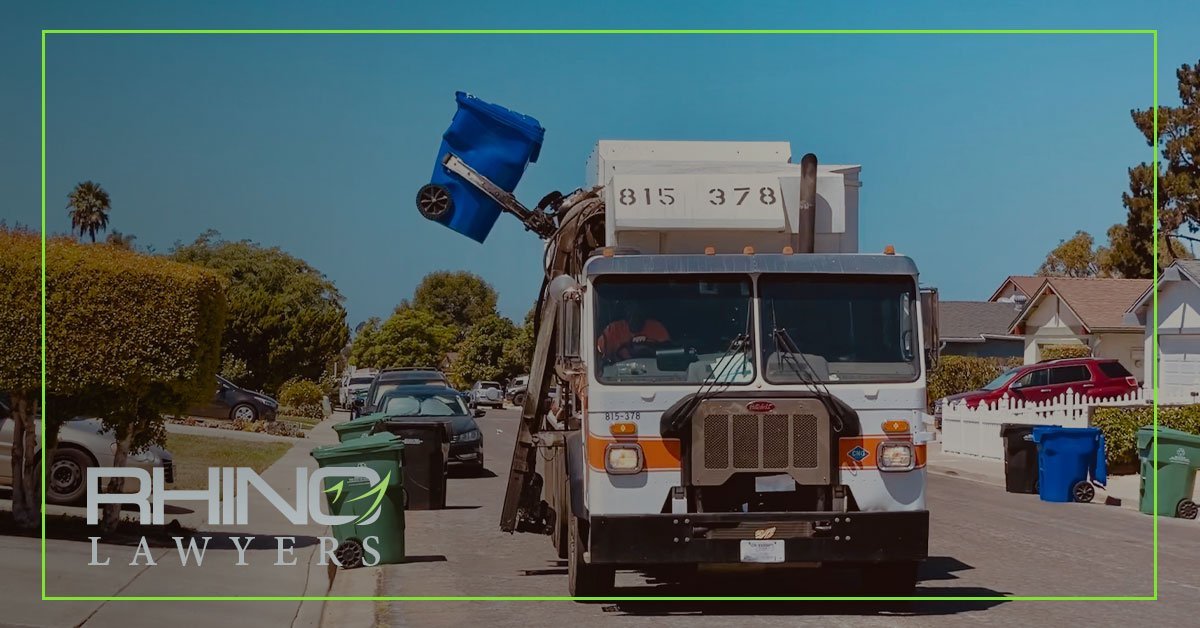
¿Qué tan peligrosos son los accidentes de los camiones de basura en Tampa?
Los camiones de basura y los profesionales de residuos sólidos son fundamentales para la salud y el saneamiento de nuestra ciudad. ¿Es posible que los camiones de basura también representen un riesgo para la seguridad pública?
Allá por 2018, Tampa perdió a un querido maestro jubilado debido a un conductor de camión de basura mortal. Si bien este tipo de muertes son afortunadamente raras, todavía nos enseñan una lección importante: los accidentes de camiones de basura pueden ocurrir y de hecho ocurren.
Hoy vamos a analizar los posibles riesgos asociados con los accidentes de camiones de basura. También compartiremos información sobre qué hacer y a quién llamar si sufre un accidente con un camión de basura. Siga leyendo para conocer todo lo que necesita saber.
Por qué los camiones de basura representan un riesgo único
Compartimos casi todas las calles con los conductores de camiones de basura. En un solo día, un camión de basura puede detenerse y arrancar decenas de veces. En el proceso, pasan junto a peatones, ciclistas y conductores.
Debido al tamaño y la forma de los camiones de basura, los conductores circulan con múltiples puntos ciegos. Como los camiones de basura se detienen y arrancan con tanta frecuencia, muchas personas se desensibilizan ante ellos y no notan cuando se están orillando, cambiando de carril o reincorporándose al tráfico.
Los accidentes de camiones de basura suelen ser consecuencia de la conducción distraída, no ceder el paso o no tener en cuenta los puntos ciegos. Debido a que los camiones de basura son muy grandes y pesados, incluso un accidente a baja velocidad puede causar daños y lesiones graves.
Tipos de lesiones asociadas con accidentes de camiones de basura
Las lesiones derivadas de accidentes con camiones de basura van desde leves hasta graves. Las lesiones comunes que son disruptivas pero que no alteran la vida de forma permanente incluyen:
- Whiplash
- Esguinces y desgarros musculares
- Hemorragia externa
- Huesos rotos
Cuando los camiones de basura chocan contra vehículos a alta velocidad o atropellan a ciclistas y peatones desprotegidos, las lesiones pueden ser más graves. Las lesiones graves por accidentes de camiones de basura incluyen:
- Lesiones cerebrales traumáticas
- Hemorragia interna
- Lesiones de la médula espinal
- Amputaciones
Como abogados con experiencia en lesiones por accidentes en Tampa, sabemos lo peligrosos que pueden ser los accidentes de camiones de basura.
Qué hacer después de un accidente con un camión de basura
Si lo atropella un camión de basura, hay tres pasos importantes que debe seguir lo antes posible. Echemos un vistazo a qué hacer después de un accidente de camión de basura.
Documentar la escena
Cuantas más pruebas tengas de la escena del accidente, mejor. En muchos casos, las víctimas no pueden documentar el accidente por sí mismas, pero un testigo debería hacerlo.
Tome fotos y videos que muestren el lugar del accidente. Fotografíe el camión de basura y cualquier otra propiedad (como su automóvil o bicicleta) desde múltiples ángulos. El objetivo es proporcionar pruebas de cómo ocurrió el accidente.
Busque atención médica
Aunque no notes lesiones inmediatas, es fundamental buscar atención médica de inmediato después de un accidente de camión de basura. Muchas víctimas no notan los primeros signos de lesiones internas porque están en estado de shock.
En las secuelas, asegúrese de mantenerse al día con las citas médicas recomendadas. Especialistas como los quiroprácticos pueden hacer una gran diferencia en el proceso de curación.
Comuníquese con un abogado con experiencia en accidentes
Una vez que esté médicamente estable, el siguiente paso es comunicarse con un abogado de accidentes con experiencia. Los abogados de accidentes pueden evaluar los hechos de su caso para determinar el valor estimado de su reclamo. También pueden hacerse cargo del proceso de recopilación de pruebas y cuantificación de daños para colocarlo en la mejor posición posible para ganar su reclamo.
Porque el gobierno de la ciudad utiliza 100% de nuestros recolectores de basura residencial en Tampa, lo más probable es que usted presente un reclamo contra el gobierno. Esta es una situación única que requiere experiencia legal y familiaridad con precedentes en casos similares.
Daños asociados con accidentes de camiones de basura
Si un accidente de camión de basura causa lesiones graves y tensión financiera, las víctimas tienen la opción de presentar una demanda en un tribunal civil. El propósito de estas demandas es buscar justicia financiera y recuperar los daños asociados con el accidente. Echemos un vistazo a los tipos de daños que puede incluir en su demanda por accidente.
Gastos médicos
Las lesiones graves conllevan gastos médicos considerables. Incluso con seguro médico, muchas víctimas de accidentes enfrentan crecientes gastos de bolsillo que los endeudó.
En una demanda por accidente de camión de basura, puede solicitar una compensación por todas las facturas médicas relacionadas, incluidas las futuras facturas médicas. Su abogado puede ayudarle a solicitar estimaciones para la atención futura y el costo de dicha atención.
Ingresos perdidos
Cuando te estás recuperando de lesiones graves, es posible que tengas una capacidad reducida para trabajar. Incluso después de agotar recursos como las licencias pagadas, muchas víctimas de accidentes pierden miles en forma de ingresos perdidos. Para las víctimas con discapacidades resultantes, esta capacidad disminuida para trabajar puede ser una aflicción de por vida.
En una demanda por accidente de camión de basura, usted puede luchar por una compensación por ingresos perdidos. Eso no solo incluye los salarios perdidos, sino también los beneficios perdidos como las contribuciones al fondo de jubilación.
Daños materiales
Dependiendo de la naturaleza del accidente, las víctimas también pueden solicitar una compensación por daños a la propiedad en una demanda por accidente.
Por ejemplo, si tu bicicleta fue destruida por el camión de basura que te atropelló, puedes incluir el valor de la bicicleta en tu reclamo. Si necesitas reparaciones en el vehículo porque el camión de basura abolló o dañó tu auto, puedes incluir el costo de las reparaciones en tu reclamo.
Daños intangibles
Un abogado experimentado también sabe cómo cuantificar los daños intangibles al calcular la compensación por accidente de camión de basura que se le debe a una víctima. Los daños intangibles incluyen cosas como:
- Dolor y sufrimiento
- Calidad de vida disminuida
- Pérdida de beneficios conyugales
Se consideran intangibles porque no hay un valor en dólares inmediatamente aparente. Por ejemplo, si sufres de trauma post-accidente, es posible que haya asociado daños tangibles (facturas de terapia, por ejemplo) así como el daño intangible de la disminución de la salud mental. Ambos deben tenerse en cuenta en su reclamo.
Obtenga apoyo por accidente de camión de basura
Si usted estuvo involucrado en un accidente reciente con un camión de basura en Tampa, no tiene que sufrir solo. Estos accidentes pueden resultar en lesiones graves y una fuerte tensión financiera. RHINO Lawyers están aquí para ayudar.
En RHINO Lawyers, Tenemos un equipo grande pero funcionamos como un bufete de abogados pequeño. Eso nos permite dedicar tiempo y recursos abundantes a cada uno de nuestros clientes. Contáctenos y comience con su consulta de caso gratuita.
COMUNÍQUESE CON UN ABOGADO DE ACCIDENTES AUTOMOVILÍSTICOS EN TAMPA
En resumen, después de un accidente automovilístico, es posible que no conozca sus derechos. Sobre todo, no luche solo durante el proceso. En realidad, nuestro equipo de lesiones personales está aquí para ayudarle con cualquier necesidad legal que pueda tener relacionada con su accidente.
Por último, que RHINO Lawyers responda a sus preguntas y revise los hechos de su caso con una consulta gratuita. Así que comience completando el “Evaluación de caso instantánea y gratuita”o llamándonos en cualquier momento, día o noche, al 844.RHINO.77.
Leer más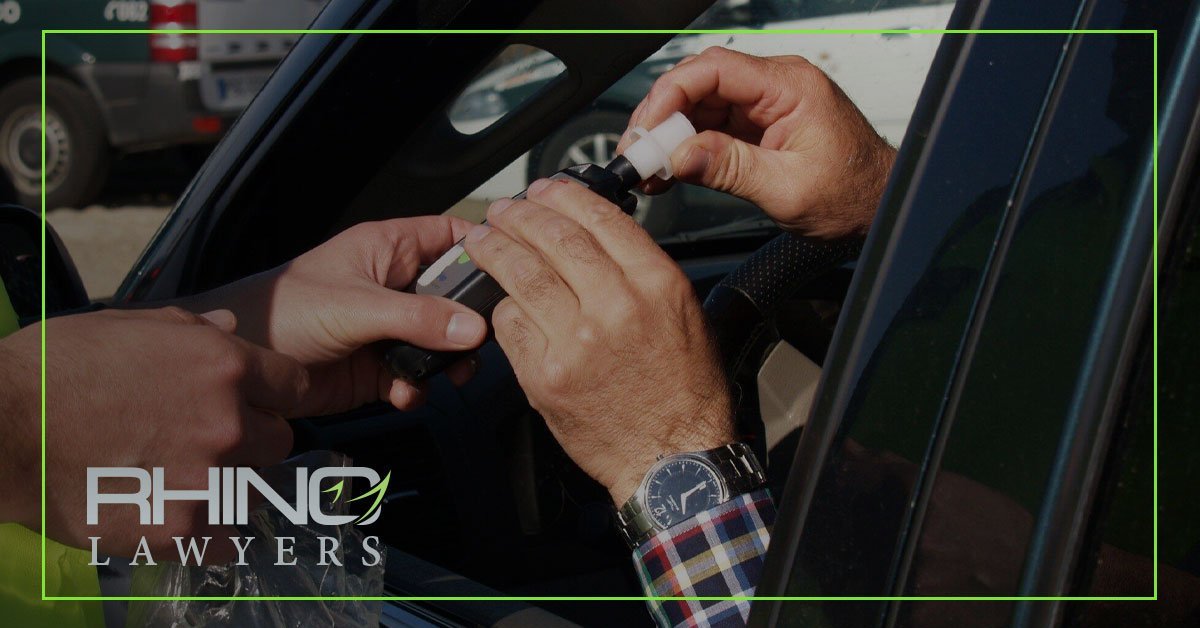
¿Qué pasa si te niegas a hacerte la prueba de alcotest en Tampa, Florida?
Imagina esta situación: es una noche tranquila en Tampa y vas manejando de regreso a casa desde una fiesta. De repente, ves luces policiales parpadeando detrás de ti.
Aunque no estás seguro de por qué, es evidente que estás a punto de que te detengan. Sabes a dónde va esto: el oficial te pedirá que te hagas una prueba de alcoholemia. El detalle es que no estás seguro de cuántas bebidas te has tomado.
En situaciones como estas, a menudo resulta tentador negarse a la prueba de alcoholemia. Acerca de 35% de conductores de Florida lo hacen, mucho más que el promedio nacional de 24%. La pregunta es: ¿qué pasa si te niegas a hacer la prueba de alcoholemia?
Para responder a eso, debemos revisar sus derechos como conductor. ¡Siga leyendo para obtener más información sobre las pruebas de alcohol en aliento en Tampa, FL!
Cómo funcionan las pruebas de alcoholímetro
Lo primero es lo primero: ¿cómo funcionan las pruebas de alcoholímetro?
Como su nombre lo indica, esta prueba mide la cantidad de alcohol en el aire que exhala. Lo hace analizando su concentración de alcohol en sangre (BAC). Al igual que en el resto del país, el límite legal de alcohol en Florida es de 0,081 TP3T de alcohol en sangre.
Las pruebas del alcoholímetro vienen en dos tipos. La primera es la prueba preliminar de detección de alcohol (PAS), que involucra una pequeña máquina portátil. En esto es en lo que piensa la mayoría de la gente cuando imagina una prueba de alcoholímetro.
La segunda prueba es la prueba de aliento con alcoholímetro evidenciario (EBT). Esta prueba utiliza una máquina más grande y fija en la comisaría de policía o en la cárcel. Las pruebas de EBT son más confiables y muchos agentes las utilizarán para confirmar los resultados anteriores de la PAS.
Leyes de consentimiento implícito en Florida
Una vez que un oficial de policía lo detiene por conducir bajo los efectos del alcohol (DUI), es probable que le pida que se someta a una prueba preliminar de alcohol aliento (PAS). Aunque puede rechazarla, habrá consecuencias por hacerlo.
¿Por qué es este el caso? Simple: en Florida, la ley de consentimiento implícito establece que debe aceptar una prueba química o física si lo detienen por conducir bajo los efectos del alcohol (DUI). Esto puede incluir una prueba de aliento, una prueba de orina, una prueba de sangre, o prueba de sobriedad en el campo.
Si se niega a realizar una de estas pruebas, su licencia será suspendida por un año. Tenga en cuenta que esta es una suspensión automática. Ocurrirá independientemente de si es condenado por DUI más adelante.
La única salvedad a la ley de consentimiento implícito es que el oficial de policía necesita causa probable para detenerlo. Si puede demostrar que no la tenían, su negativa a soplar no afectará sus privilegios de conducir.
¿Qué pasa si te niegas a hacerte la prueba de alcoholemia?
Negarse a someterse a la prueba de alcoholemia puede tener varias consecuencias posibles. Esto depende de si se trata de su primera negativa o no.
Si esta es tu primera negativa, enfrentarás una suspensión obligatoria de la licencia. Durante los primeros 90 días, no serás elegible para una licencia por dificultades económicas. Esta licencia le permite conducir al trabajo y a otras citas esenciales.
Una segunda negativa a someterse a la prueba de alcoholemia cuenta como un delito menor. De acuerdo con las leyes sobre alcoholímetros, esto resultará en una suspensión de la licencia por 18 meses. No será elegible para una licencia por motivos de necesidad durante esos 18 meses.
Si se enfrenta a un juicio penal, negarse a una prueba de alcoholemia le permite al fiscal utilizarlo en su contra. Esto entra en el argumento de la “conciencia de culpabilidad”. Esto puede aumentar drásticamente sus probabilidades de ir a la cárcel.
También vale la pena señalar que negarse a hacer la prueba de alcohol en aliento no significa que no lo vayan a condenar por conducir bajo los efectos del alcohol. Si usted estaba manejando de manera errática, el oficial de policía aún podría llevarlo detenido por conducir bajo los efectos del alcohol.
¿Debe negarse a una prueba de alcoholímetro?
Entonces, ¿es mejor aceptar o rechazar una prueba de alcoholemia si no estás seguro de pasarla? En la mayoría de las situaciones, tu mejor opción sería aceptarla.
Veamos esto desde esta perspectiva: ¿qué es lo más probable que suceda? Si te declaran culpable de conducir bajo los efectos del alcohol, te suspenderán la licencia y enfrentarás multas. En algunos casos, pasar tiempo en la cárcel también es una posibilidad.
Sin embargo, este es el peor de los casos. Si es tu primera infracción y tu nivel de alcohol en sangre (BAC) en la prueba de aliento es inferior a 0,161 TP3T, podrías ser elegible para el Programa de Desviación. Esta es una sentencia mucho más leve que la que recibirías por negarte a realizar la prueba de aliento.
El programa de desvío puede incluir varios requisitos. Estos incluyen:
- Servicio comunitario
- Asistencia a la escuela de manejo bajo la influencia
- Programa de Concientización para Víctimas
Si completa el programa de desvío, sus cargos por conducir bajo los efectos del alcohol (DUI) desaparecerán. En este punto, puede optar por que se eliminen los antecedentes de su registro. Esto eliminaría el arresto de su historial criminal.
Otras formas de negarse a una prueba de alcoholemia
Si no tienes buenas razones para rechazar una prueba de alcoholemia, puedes decidir hacerla. Sin embargo, rechazar una prueba de alcoholemia no siempre es tan sencillo como decir “no”.”
Para empezar, una prueba de alcoholemia consiste en dar dos muestras de aliento. Si estas muestras no tienen una diferencia de 0,021 TP3T de alcohol en la sangre entre sí, tendrás que dar una tercera. Si te niegas a hacerlo, las dos primeras pruebas no servirán de nada.
Las dos muestras que proporcione también deben tener una cantidad suficiente. Si no lo hacen, esto puede clasificarse como una negativa a realizar la prueba. Lo mismo se aplica si no proporciona las muestras dentro del plazo permitido.
Problemas con la prueba de alcoholímetro
Como se mencionó anteriormente, una prueba de alcohímetro PAS puede no ser confiable. Estar consciente de qué la influencia puede ayudarle a decidir si debe rechazar la prueba o no.
First, there may be something wrong with the machine itself. It may not be properly calibrated, maintained, or warmed up. Similarly, the officer administering the test may not have the necessary training for it.
Some people may produce higher BAC readings than they should. If you have a slow metabolism, for instance, you’ll need longer to absorb alcohol. If so, the test may state you have more alcohol in your bloodstream than you do.
The officer testing you must also observe you for 20 minutes beforehand. If you burp or vomit during this time, the officer will need to wait another 20 minutes. Otherwise, your test results could be artificially inflated.
Refusing a Breathalyzer: What to Do?
Knowing what happens if you refuse a breathalyzer is essential for protecting your rights as a driver. The above guide will help you decide what to do the next time you get pulled over in Tampa, FL!
Looking to fight your DUI charges? Our experienced attorneys at RHINO Lawyers have litigated thousands of cases like yours! Contáctanos aquí for a free case evaluation or video consultation!
CONTACTE A UN ABOGADO DE MULTAS DE TRÁFICO EN TAMPA
RHINO Lawyers puede ayudar y guiarlo a través de un sistema moldeado por las fuerzas del orden, jueces y abogados durante décadas. Habiendo ganado casos para nuestros clientes en circunstancias similares, nuestro equipo de defensa penal sabe lo que se necesita para luchar en tu nombre.
Permitir RHINO Lawyers responda a sus preguntas y revise los hechos de su caso con una consulta gratuita. Así que comience completando el “Evaluación de caso instantánea y gratuita”o llamándonos en cualquier momento, día o noche, al (844) RHINO-77.
Leer más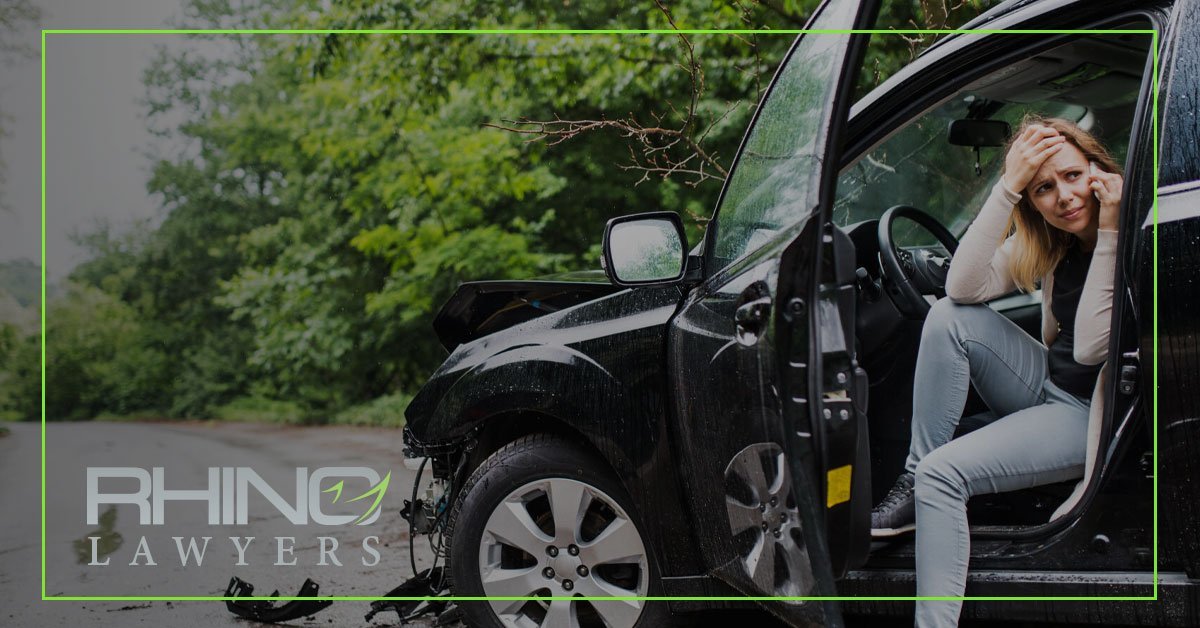
Car Accidents Caused by a Medical Emergency: How Does Liability Work?
You’re driving along safely, but all of a sudden a medical emergency strikes. What happens next? A car accident caused by a medical emergency can bring a whirlwind of questions about liability and fault.
Today we’re diving into the legal landscape to determine where responsibility lies and what compensation might be available.
Car Accident Caused by a Medical Emergency
A car accident caused by a medical emergency involves situations where a driver suffers a sudden health issue that leads to loss of control over the vehicle. Common examples include heart attacks, strokes, or severe diabetic reactions.
These incidents are different from other types of car accidents. Because the driver may not have been able to prevent the crash due to an unexpected medical condition.
In these cases, it’s important to first establish that a genuine medical emergency occurred at the time of the accident. This involves looking at medical records and testimonies from medical experts. Understanding that these emergencies are sudden and unpredictable helps in assessing the situation fairly.
Identifying a medical emergency as the cause of an accident impacts how we view the driver’s actions. It shifts the focus from negligence to uncontrollable circumstances. This distinction is important because it affects how liability is assigned and how the law treats these unique cases.
The law often recognizes that a driver facing a sudden and unforeseeable medical condition may not be held to the same standard of responsibility as a driver who causes an accident due to carelessness or recklessness.
Legal Framework Governing Liability
When a car accident is caused by a medical emergency, understanding the legal principles that govern liability is key. One important concept here is driver liability.
Normally, drivers are responsible for controlling their vehicles and avoiding accidents. However, if a driver suddenly becomes incapacitated due to a medical issue they could not anticipate, this standard changes.
The Sudden Emergency Doctrine comes into play in these scenarios. This legal principle recognizes that a person facing a sudden and unexpected situation that leaves them unable to conform to the standard legal requirements may not be held liable for the resulting harm.
Two Conditions
The doctrine applies when two main conditions are met: the emergency must be unforeseen and must not be caused by the person claiming the doctrine’s protection.
For example, if a driver has a heart attack while driving and crashes, this doctrine might apply. This is only if the driver had no prior knowledge of any heart condition and the attack was sudden and unexpected.
The key is that the incident must be truly unforeseeable and not due to any negligence on the part of the driver, such as ignoring known health warnings or failing to take prescribed medication.
In applying the Sudden Emergency Doctrine, courts look at whether a reasonable person in the same situation would have been able to act differently.
Damages and Compensation
In car accidents caused by a medical emergency, assessing damages and compensation becomes a focus. The victims of these accidents, including the incapacitated driver, might face significant medical expenses and lost wages. These financial impacts are considered when determining compensation.
Medical expenses can cover a wide range of costs, from emergency services at the accident scene to prolonged medical treatments and rehabilitation costs. Lost wages account for the income the injured parties lose if they’re unable to work during their recovery.
In some cases, the compensation might also include potential future earnings, especially if the injuries lead to long-term disabilities affecting the victim’s ability to work.
The process of claiming these damages usually begins with gathering all relevant medical records and employment documents. These are items that can verify the costs and lost income.
Insurance plays a crucial role in how these claims are processed and paid. In a no-fault state, for instance, each person’s own insurance pays for their medical expenses and lost income regardless of who caused the accident. This can simplify the claims process, but there might still be limits on what expenses can be covered and to what extent.
For those in states that are not no-fault, the process can be more complex. They may need to prove the other party’s liability to claim damages. However, in accidents involving a medical emergency, the Sudden Emergency Doctrine might limit or eliminate the incapacitated driver’s liability, affecting the compensation process.
Navigating the Legal Process
When a car accident occurs due to a medical emergency, proving this fact is a critical step in the legal process. The driver who experienced the medical issue has to collect and present clear medical evidence.
This evidence often includes medical records and expert testimony to support the claim that the emergency was unexpected and severe enough to cause loss of control.
Legal professionals play a key role in these cases. They help gather the necessary documentation and expert opinions. They also represent the client in any legal discussions or proceedings that determine liability and compensation.
Their expertise ensures that the evidence is presented effectively and that the client’s rights are protected throughout the process. In some situations, if the medical emergency is well-documented and clearly the cause of the accident, the process might be straightforward.
But in cases where the details are less clear or the insurance companies dispute the claims. As well as, legal proceedings might become necessary. This could involve negotiations between lawyers or even a court case to sort out the extent of liability and the compensation due.
For anyone involved in such an accident, having legal representation is beneficial. A lawyer can guide you through the process, ensuring that all legal rights are considered. They help in communicating with insurance companies and, if necessary, presenting the case in court.
Legal Experience Can Help!
As you can see, there are lots of legal intricacies involved in a car accident caused by a medical emergency. Getting experienced legal help is your best bet in situations like these.
En RHINO Lawyers, our mission is to form a lasting partnership with every client. Our passion is the people we help and the lives that we help change.
If you have questions or need assistance, we are here to help. Get in touch today to find out how we puede ayudar a tu caso!
COMUNÍQUESE CON UN ABOGADO DE ACCIDENTES AUTOMOVILÍSTICOS EN TAMPA
En resumen, después de un accidente automovilístico, es posible que no conozca sus derechos. Sobre todo, no luche solo durante el proceso. En realidad, nuestro equipo de lesiones personales está aquí para ayudarle con cualquier necesidad legal que pueda tener relacionada con su accidente.
Por último, que RHINO Lawyers responda a sus preguntas y revise los hechos de su caso con una consulta gratuita. Así que comience completando el “Evaluación de caso instantánea y gratuita”o llamándonos en cualquier momento, día o noche, al 844.RHINO.77.
Leer más
Understanding What Happens if a Car Accident Is Caused by a Medical Condition
Imagine you’re behind the wheel when suddenly, a medical condition strikes. What happens next? A car accident caused by a medical condition can bring a whirlwind of questions about legal and insurance outcomes.
Today we’re diving into the surrounding liability, insurance claims, and securing monetary compensation in these types of accidents.
Understanding a Car Accident Caused By a Medical Condition
When a medical condition causes a car accident, it can be a complicated issue. First, let’s define what we mean by “medical conditions.”
These could be sudden events like a heart attack or stroke, or ongoing issues like epilepsy that might lead to a loss of consciousness while driving. Knowing what types of medical conditions can lead to accidents helps everyone understand the risks on the road.
Research shows that these kinds of incidents make up a significant portion of the total number of accidents each year. This data helps us see how big the issue is.
From a legal standpoint, if a car accident is caused by a medical condition, the situation gets complex. Laws vary by location but generally focus on whether the driver knew about their medical condition and if it could impact their driving.
If a driver is aware and still chooses to drive, the legal outcomes can be different than if the condition was unknown and sudden.
Liability and the Sudden Emergency Doctrine
In most car accidents, figuring out who is at fault is key. Fault determines who pays for damages. Normally, if a driver breaks a traffic rule or drives carelessly, they are likely to be considered at fault. However, when a medical condition leads to an accident, determining fault can become more complex.
El Sudden Emergency Doctrine is a legal concept that might apply in cases where a driver has a sudden medical emergency that leads to an accident. This doctrine acknowledges that a person who faces a sudden, unexpected situation that leaves little or no time to react should not be treated under the same standards as someone who has full control and time to react. It’s crucial in cases where the driver had no prior warning signs or reasonable expectation that a medical condition would impair their driving.
For this doctrine to apply, two main conditions must be met. First, the emergency must be sudden and unforeseen. This means the driver must not have known about the medical condition or its potential to cause impairment.
Second, the reaction to the emergency must be reasonable. This considers what an ordinary person might reasonably do if placed in a similar situation. If the Sudden Emergency Doctrine is applicable, a driver may not be held liable for the accident.
Insurance Implications and Claims Process
After an accident caused by a medical condition, the first step is ensuring everyone’s safety. Then, it’s important to notify the police and seek medical help as needed.
Documentation from these first responders can be vital later. The driver or their representative should also inform their insurance company about the accident as soon as possible. This initial report should mention that a medical condition may have contributed to the accident.
How to Report an Accident to Insurance Companies
When reporting an accident, providing detailed information is important. This includes the time and place of the accident, a description of what happened, and any medical attention received at the scene.
It’s helpful to note that the incident involved a medical condition right from the start. This sets the context for the insurance claim and can influence how the claim is processed.
Insurance claims for accidents caused by medical conditions are handled differently from standard claims. The insurance company will likely require detailed medical records and possibly a statement from a doctor.
These documents should show that the medical condition is real, sudden, and unexpected. The insurance company may also need to verify that the driver was compliant with any medical advice given before the accident, including any restrictions on driving.
Pursuing Monetary Compensation
After a car accident caused by a medical condition, there are a few ways to pursue monetary compensation. The primary source is often the insurance company.
Depending on the policy and the circumstances of the accident, the insurance may cover damages and medical expenses. If insurance does not fully cover the costs, or if the situation involves another driver, filing a personal injury lawsuit might be necessary. This allows the affected party to seek compensation for additional damages like lost wages and pain and suffering.
Securing compensation involves several legal requirements. The key is proving that the driver suffering from the medical condition was not negligent. This means showing that the medical condition was unforeseen. It also means showing that the driver had no prior knowledge that their condition could lead to an accident.
Medical documentation and expert testimony play crucial roles here. Doctors may need to testify about the driver’s medical condition and its impact. Legal challenges can arise if there’s evidence that the driver ignored medical advice or was aware of the risks but chose to drive anyway.
Navigating the Compensation Process Effectively
Navigating the compensation process requires careful planning and execution. It’s wise to consult with a lawyer who focuses on personal injury and understands the nuances of accidents caused by medical conditions.
They can offer guidance on how to document the medical condition properly and how to present the case effectively to insurance adjusters or in court. It’s also important for drivers to keep detailed records of all medical treatments and communications with their insurance provider.
Being organized and proactive can significantly impact the outcome of the compensation process.
Car Accident Legal Help
Today we’ve explored the complexities of handling a car accident caused by a medical condition. We’ve discussed legal liability, insurance claims, and compensation. Understanding these elements is crucial for anyone affected.
En RHINO Lawyers, our mission is to form a lasting partnership with every client. Our passion is the people we help and the lives that we help change.
If you have questions or need assistance, we’re here to help. Get in touch today to find out how we can help your case!
COMUNÍQUESE CON UN ABOGADO DE ACCIDENTES AUTOMOVILÍSTICOS EN TAMPA
En resumen, después de un accidente automovilístico, es posible que no conozca sus derechos. Sobre todo, no luche solo durante el proceso. En realidad, nuestro equipo de lesiones personales está aquí para ayudarle con cualquier necesidad legal que pueda tener relacionada con su accidente.
Por último, que RHINO Lawyers responda a sus preguntas y revise los hechos de su caso con una consulta gratuita. Así que comience completando el “Evaluación de caso instantánea y gratuita”o llamándonos en cualquier momento, día o noche, al 844.RHINO.77.
Leer más