

Roundabout Crashes: Who May Be at Fault for Your Damages?
The Federal Highway Administration’s 2024 Roundabout Week Report showed the benefits these unique intersections can provide. They reduce traffic injuries by up to 82%. They even improve traffic flow and reduce fuel consumption.
Unfortunately, they aren’t a perfect system. Roundabot crashes remain a problem.
En una encuesta reciente de YouGov, 47% of drivers rated themselves as excellent, with only 2% rating themselves as poor or terrible. That kind of overconfidence can be a potentially deadly mistake in a confusing area, such as a roundabout.
Drivers often struggle to navigate them. There are so many cars moving at once. When a crash does occur, it can be difficult to determine what caused it.
Read on to learn more about these accidents, including how fault is determined and how to get the compensation you deserve.
Types of Roundabout Crashes
Failure to yield the right of way is a factor in approximately 33% of roundabout crashes. A failure-to-yield collision occurs when a driver doesn’t obey a yield sign or notice a driver already in the roundabout. They can also crash into a driver who has the right of way when they were supposed to be yielding.
A side-swipe or T-bone accident occurs when a driver crashes into the side of another vehicle. They happen when a driver doesn’t change lanes properly and cuts off another vehicle.
Rear-end collisions occur when vehicles follow each other too closely. One is forced to slow down or stop abruptly.
What to Do After Roundabout Crashes
If you are involved in an accident at a roundabout, move to a safe location immediately. Check for injuries and call emergency services.
Exchange insurance and contact information. File a claim with your insurance company as soon as possible to avoid going past the statute of limitations. Let them know what happened, but avoid discussing fault at this early stage in the process.
Document the scene of the crash. Take pictures of any injuries and damage to vehicles or property. Get statements from anyone involved. It’ll provide valuable evidence later when you submit a claim.
Legal Principles to Follow
The primary reason behind roundabout crashes is a lack of understanding. They’re not as ubiquitous as traditional intersections with their traffic signals and other indicators of where to go and how to proceed.
Knowing how to navigate a roundabout helps you avoid incidents. It also helps you determine who is at fault in a crash. If you followed all the rules, the blame must lie with another party.
Entering the Roundabout
Stay to the right and slow down to 10-15 miles per hour.
Check for any vehicles entering the roundabout. Don’t stop unless it’s to avoid a crash.
Right-of-Way
Drivers that are already in the roundabout almost always have the right of way. Any driver that comes in has to yield to them before merging.
Pedestrians also have the right of way.
Turning and Proper Lane Usage
Never turn left at the splitter island.
If the roundabout has multiple lanes, drivers have to stay in their designated lane.
If you want to go straight through the roundabout, you can enter from either lane. Enter the right lane for a right turn and the left lane for a left turn.
Don’t change lanes when you’re in the roundabout. If you want to make a right turn in the roundabout, stay in the right lane. If you want to make a left turn, stay on the left. You can go through the roundabout in either lane.
Exiting the Roundabout
Use your right turn signal when exiting the roundabout. Check for and yield to any pedestrians.
If you miss your street, go around the roundabout again and exit at the street you need to get to.
Types of Fault
Determining fault in a roundabout accident is like solving a mystery. The driver entering the roundabout is typically the prime suspect.
In general, any driver who violates local traffic laws or rear-ends another vehicle will be considered at fault. Like any mystery worth its salt, there could be other explanations.
There are cases where drivers may share roundabout accident liability. Perhaps they were both engaging in unsafe driving practices.
Municipal liability is when the local municipality responsible for road maintenance is considered at fault for the accident. This could be due to:
- Poor signage
- Inadequate lighting
- Road defects
There are even times when the vehicle manufacturer is at fault. This occurs when issues such as a faulty tire or defective brakes cause an accident.
Determining Accident Fault
The way to prove fault in roundabout crashes is to gather evidence. Gathering as much information as possible after the crash, such as photos or statements, gives you a head start.
Other types of evidence that your lawyer may get to bolster your case include:
- Traffic cam or dashcam footage
- Witness or expert testimonies
- Informes policiales
Getting Traffic Accident Compensation
One of the most fundamental legal rights in accidents is the right to seek damages. It applies to roundabout accidents, but the process can be difficult without the right help.
Florida is a comparative negligence state. That means everyone involved in the accident can claim damages. The amount they’ll get is reduced based on how at fault they’re determined to be.
This is why determining accident fault is so important. If you want the full damages you deserve, you’ll have to prove that another party was responsible (or at least more responsible) for the crash. An experienced lawyer can do this through evidence and tireless effort.
There’s also a ticking clock. You have to seek traffic accident compensation within 14 days of the crash, so don’t wait.
Where to Get Legal Representation
Roundabout crashes occur when drivers misuse a generally safe system. Obtaining proper representation can help determine who or what is responsible for the incident. It ensures you receive the damages you deserve.
RHINO Lawyers is passionate about revitalizing the law industry. We’re a forward-thinking firm that utilizes the latest technology. It helps us investigate your case and communicate with you on your terms.
Our team of injury claims advisors has a long track record of satisfied clients. Contáctenos for your free case review today.
COMUNÍQUESE CON UN ABOGADO DE ACCIDENTES AUTOMOVILÍSTICOS EN TAMPA
En resumen, después de un accidente automovilístico, es posible que no conozca sus derechos. Sobre todo, no luche solo durante el proceso. En realidad, nuestro equipo de lesiones personales está aquí para ayudarle con cualquier necesidad legal que pueda tener relacionada con su accidente.
Por último, que RHINO Lawyers responda a sus preguntas y revise los hechos de su caso con una consulta gratuita. Así que comience completando el “Evaluación de caso instantánea y gratuita”o llamándonos en cualquier momento, día o noche, al 844.RHINO.77.
Leer más
DUI Enforcement in Tampa: Laws, Checkpoints & Your Rights
DUI enforcement in Tampa continues to ramp up. In a recent initiative, 41 people were arrested during a weekend crackdown, highlighting how seriously local agencies take impaired driving.
Even a first DUI charge can bring lasting consequences. Understanding Tampa DUI laws and checkpoint procedures helps protect DUI rights in Tampa and may even affect the outcome of a case.
This legal guide for DUI charges covers everything from BAC limits and penalties to what to expect at Tampa DUI checkpoints. Whether someone is facing charges or wants to be prepared, staying informed is the first step.
Tampa DUI Laws Explained
Florida Statute 316.193 defines DUI as driving or being in actual physical control of a vehicle while impaired by alcohol, drugs, or both. “Actual physical control” means a person doesn’t need to be driving to face charges, so simply having access to the keys and sitting behind the wheel can be enough.
In Florida, the legal blood alcohol concentration (BAC) limit for adults is 0.08%. For drivers under 21, Florida enforces a zero-tolerance policy, with penalties starting at a BAC of 0.02%. Even small amounts of alcohol can lead to charges for young drivers.
Florida law also covers drug impairment without requiring a BAC measurement. Law enforcement can use observed behavior, field sobriety tests, or chemical testing to support DUI charges involving prescription or illegal substances. This broader authority helps officers enforce DUI laws more effectively.
DUI Penalties and Long-Term Impact
Florida law sets clear penalties for DUI offenses. First-time convictions may lead to jail time, fines, and suspension of driving privileges. Repeat offenses bring harsher consequences, including longer suspensions and mandatory use of ignition interlock devices. The severity depends on factors such as BAC level and prior records.
Penalties increase significantly if a DUI causes bodily injury or property damage. Such cases often lead to felony charges and extended jail time. Beyond legal penalties, a DUI conviction affects many areas of life long after the sentence ends.
Potential impacts to consider:
- Difficulty securing or keeping certain jobs
- Increased auto insurance premiums
- Permanent criminal record affecting background checks
- Restrictions on professional licenses or certifications
Tampa DUI Checkpoints and Patrols
DUI checkpoints help law enforcement identify impaired drivers early to keep roads safer. The U.S. Supreme Court ruled in Michigan Dept. of State Police v. Sitz (1990) that sobriety checkpoints are constitutional when conducted properly. Florida follows this ruling along with guidelines from the Florida Department of Law Enforcement.
Key checkpoint requirements include:
- Public notice of checkpoint locations ahead of time
- Use of safe, well-lit areas for stops
- Brief and consistent questioning of all drivers
- Presence of a supervising officer at the checkpoint
- Minimal detention time to reduce inconvenience
How Florida Handles DUI Enforcement
DUI enforcement in Tampa includes both publicized checkpoints and unannounced saturation patrols. Checkpoint details must be shared in advance, but announcements often list only general locations or timeframes. Drivers may still be surprised, even when operations follow legal notice rules.
Saturation patrols target high-traffic or high-risk areas without prior public notice. Officers monitor behavior and stop drivers showing signs of impairment. These patrols are a key part of DUI enforcement in Tampa and often run alongside checkpoint activity.
Your Rights at DUI Checkpoints
Every driver stopped at a checkpoint has the right to remain silent and avoid self-incrimination. Calm, respectful responses help keep the interaction smooth while protecting important legal rights. Speaking less can prevent accidental statements that might complicate a case later.
Refusing field sobriety or breath tests remains an option, but refusal triggers specific legal consequences. Under Florida law, drivers may face automatic license suspension when tests are declined. Knowing this ahead of time allows for clearer decision-making under pressure.
Law enforcement officers must follow strict protocols during checkpoint stops, including proper notice and reasonable detention times. If officers fail to meet these standards, attorneys may challenge the stop’s validity. Courts can exclude evidence obtained improperly, safeguarding rights through the legal process.
Navigating DUI Charges in Tampa
Getting arrested at a DUI checkpoint starts a legal process that unfolds over several steps. After the arrest, the officer usually takes you to a booking facility where they collect information, fingerprints, and may administer chemical tests. Depending on the situation, you might be released on bond shortly after booking.
An arraignment hearing typically happens within a few days or weeks after an arrest. The court will formally read the charges and ask for your plea. If you haven’t been released yet, the judge will decide on bail or bond conditions at this time. Understanding each step helps reduce uncertainty and prepares you to respond confidently.
Keeping track of appointments, court dates, and paperwork plays a big role in managing the process. Staying organized and informed helps protect your rights and supports your defense.
Legal Representation After a DUI Arrest
Cargos por DUI involve complex laws and procedures that can be difficult to navigate without professional help. An experienced attorney guides you through the process, explains options, and builds a defense tailored to the case. Early legal advice can identify mistakes in the arrest or checkpoint procedures that might affect the outcome.
Having a lawyer also helps in negotiating plea deals or seeking alternatives to harsher penalties. Representation ensures rights stay protected throughout every step, from arraignment to possible trial. Legal support provides confidence and clarity during a stressful time.
How a DUI lawyer helps:
- Reviews evidence and police reports for accuracy
- Challenges improper checkpoint or arrest procedures
- Explains rights and legal options clearly
- Negotiates reduced charges or alternative sentencing
- Represents you in court hearings and at trial
- Advises on license suspensions and reinstatement processes
Protect Your Future After a Tampa DUI Arrest
A DUI stop can escalate quickly, from roadside questions to arrest and court dates. With DUI enforcement in Tampa including both announced checkpoints and surprise patrols, knowing how the system works offers you a major advantage.
RHINO Lawyers brings real courtroom experience to every case, with a legal team focused specifically on traffic and DUI defense. We don’t just handle paperwork; we challenge weak charges and fight to protect your record.
Don’t face the system without support from attorneys who know how it works. Reach out now for a revisión de caso gratuita.
CONTACTE A UN ABOGADO DE MULTAS DE TRÁFICO EN TAMPA
RHINO Lawyers puede ayudar y guiarlo a través de un sistema moldeado por las fuerzas del orden, jueces y abogados durante décadas. Habiendo ganado casos para nuestros clientes en circunstancias similares, nuestro equipo de defensa penal sabe lo que se necesita para luchar en tu nombre.
Permitir RHINO Lawyers responda a sus preguntas y revise los hechos de su caso con una consulta gratuita. Así que comience completando el “Evaluación de caso instantánea y gratuita”o llamándonos en cualquier momento, día o noche, al (844) RHINO-77.
Leer más
Should I Share My Medical Records with the Other Driver’s Insurance Adjuster After a Car Accident?
After a car accident, it doesn’t take long before the other driver’s insurance company reaches out. One of the first things they might ask for? Access to your medical records.
This may seem like a routine part of the post-accident insurance process, but agreeing too quickly can create serious problems. Dealing with an insurance adjuster can put your privacy at risk. Plus, what you share and how much can directly impact your ability to recover full compensation for your injuries.
Before making any decisions, learn what you need to know about medical record requests after an accident. Knowing how to respond can help you avoid costly mistakes and keep your claim on solid ground.
Why Insurance Adjusters Request Your Medical Records
Every state, including Florida, has specific rules governing crash reporting and insurance claims. Insurance adjusters work for the company, not for the injured party. Their goal is to minimize the amount their company pays out, even if it means digging through medical files to find reasons to question a claim.
To evaluate whether a claim is valid and how much it’s worth, they’ll ask for documentation that supports the details of the injury and treatment. This step is part of the post-accident insurance process, but it’s also where things can get tricky.
Here are some of the medical records they often request:
- Emergency room reports
- X-rays or other imaging scans
- Follow-up treatment records
- Physical therapy notes
- Medical bills for all related care
Sharing some of these documents may be necessary, but it’s important to be selective. Just because the adjuster asks doesn’t mean handing over every record is the right move.
Medical Records That Support Your Claim
Cuándo dealing with an insurance adjuster, it’s important to know which documents help your case. Relevant documentation helps establish the link between the crash and your medical treatment, which is central to your claim. Only share records that directly relate to injuries caused by the accident.
Here are examples of relevant medical records to include:
- Ambulance transport reports
- Emergency room visit summaries
- Diagnostic images tied to the crash
- Follow-up appointments with treating doctors
- Physical therapy notes related to recovery
Providing only the necessary documents helps streamline the post-accident insurance process while maintaining the confidentiality of medical records. Focusing on current injuries avoids confusion and keeps the claim aligned with what actually happened.
Records You Should Keep Private
Not every part of your health history is relevant to a car accident claim. Handing over unrelated records can hurt your case more than help it. Insurance companies may use this extra information to argue that your injuries existed before the crash or aren’t as serious as claimed.
Here are examples of irrelevant medical records you don’t need to share:
- Old sports injuries or unrelated back pain
- Chronic illnesses not linked to the crash
- Mental health treatment records
- Routine annual checkups
- Childhood medical history
Pro tip: Talk with an attorney before releasing anything beyond what’s necessary.
Risks of Sharing Too Much Information
A blanket release can give an insurance adjuster access to your entire medical history, not just the records related to the accident. They could misinterpret prior injuries or unrelated conditions and use them to question the legitimacy of your claim. Key risks include:
- Loss of privacy
- Claim devaluation
- Claim rejection
- Breach of confidentiality rights
Records sharing without clear limits puts your case at risk and makes protecting medical privacy even more important.
How to Respond to Medical Record Requests
Avoid signing a broad or unlimited medical release form from the insurance adjuster. Under the US Health Insurance Portability and Accountability Act (HIPAA), medical information must be protected, so release forms should specify which records can be shared and for what purpose. Instead, request your own records and work with your attorney to share only what’s necessary for your case.
Take time to review everything before sending and remove any unrelated details to keep your information private. Document your injuries and treatment! It’s also a good idea to keep track of what you share and when.
Having a clear record helps you stay organized and protects your rights if questions arise during the post-accident insurance process.
Sharing Medical Records at the Right Time
Insurance companies need proof of injury to process claims. Sharing medical records too early or without review can hurt a claim. The best time to share records is after a full diagnosis and when treatment clearly shows progress.
Negotiating with insurance companies involves exchanging medical information, but it does not mean providing everything right away. Choosing what and when to share helps keep control of the claim. Always ask why more records are needed and talk with an attorney before sending additional information.
Handling Pre-Existing Conditions in Your Claim
Insurance adjusters often try to use past injuries to reduce your compensation. Despite this, you have the right to recover for new injuries or any worsening of existing conditions caused by the accident.
Florida follows the eggshell plaintiff rule, which protects injured parties even if they are more vulnerable due to pre-existing issues. Medical records confidentiality also plays a key role in preventing unfair reductions by limiting access to unrelated health information.
Legal Advice for Dealing With an Insurance Adjuster
A personal injury attorney can guide the record-sharing process and help protect your privacy. They know what should and shouldn’t be disclosed after an accident.
A personal injury attorney will:
- Review all requests
- Limit record sharing to only what’s relevant
- Protect your rights under state and federal laws
Dealing with an insurance adjuster is safer when your attorney manages the conversation and keeps your claim focused on the facts.
Your Trusted Partner in Insurance Claims
Protecting your privacy and sharing medical records wisely strengthens your personal injury case. Careful steps and exceptional legal guidance help avoid common mistakes and unnecessary risks.
RHINO Lawyers stands out as Tampa’s premier law firm, delivering fast, reliable, and trustworthy service on your terms. Our high-tech, high-touch approach means communication happens how and when you want it, whether by call, chat, or video.
Reach out now to experience legal support that respects your time and puts your needs first while handling the challenges of dealing with an insurance adjuster.
COMUNÍQUESE CON UN ABOGADO DE ACCIDENTES AUTOMOVILÍSTICOS EN TAMPA
En resumen, después de un accidente automovilístico, es posible que no conozca sus derechos. Sobre todo, no luche solo durante el proceso. En realidad, nuestro equipo de lesiones personales está aquí para ayudarle con cualquier necesidad legal que pueda tener relacionada con su accidente.
Por último, que RHINO Lawyers responda a sus preguntas y revise los hechos de su caso con una consulta gratuita. Así que comience completando el “Evaluación de caso instantánea y gratuita”o llamándonos en cualquier momento, día o noche, al 844.RHINO.77.
Leer más
Florida DUI Laws for Marijuana
Driving under the influence (DUI) in Florida doesn’t only apply to alcohol. If you’re caught operating a vehicle while impaired by drugs, including marijuana, you can be charged with a DUI. This includes both recreational and medical marijuana, even if legally prescribed.
In 2024, Florida had around 890 thousand medical cannabis patients, according to Statista.com.
Unlike alcohol, where impairment is measured with a blood alcohol concentration (BAC), marijuana DUI cases are often more subjective and complex. This article explores how Florida handles DUIs involving marijuana, the penalties you may face, and what you need to know about DUI laws in Florida to stay on the right side of the law.
Is Marijuana Legal in Florida?
As of now, recreational marijuana is illegal in Florida, but medical marijuana is legal for qualifying patients who have been certified by a physician and possess a valid Medical Marijuana Use Registry Identification Card.
That said, legal use of marijuana (even for medical purposes) does not exempt you from DUI laws in Florida. If law enforcement determines that you’re impaired while driving, you can be arrested and charged.
Florida’s Definition of DUI
Under Florida Statutes §316.193, a person is guilty of a DUI if they are:
“Driving or in actual physical control of a vehicle within this state while under the influence of alcoholic beverages, any chemical substance… or any substance controlled under chapter 893, when affected to the extent that the person’s normal faculties are impaired.”
THC, the psychoactive compound in marijuana, is a Schedule I controlled substance under Florida law, meaning it qualifies under the statute.
In simpler terms, if you’re under the influence of marijuana and it affects your judgment, motor skills, coordination, or reaction time, you can be charged with a DUI, even if you’re a medical marijuana cardholder.
No Legal Limit: Unlike Alcohol
One of the biggest challenges with marijuana DUIs is the lack of a clear impairment threshold. With alcohol, Florida has a legal BAC limit of 0.08%. For marijuana, there’s no such number.
Instead, officers rely on:
- Behavioral signs of impairment
- Performance on field sobriety tests (FSTs)
- Statements or admissions from the driver
- Observations (e.g., bloodshot eyes, smell of cannabis)
- Drug recognition expert (DRE) evaluations
- Urine or blood test results
The presence of THC in your system does not automatically prove impairment because THC can remain detectable for days or even weeks after use. This makes marijuana DUI cases more subjective and open to legal challenges.
How Police Detect Marijuana DUIs
If an officer suspects you’re under the influence of marijuana during a traffic stop, they will likely:
- Observe your behavior: Slurred speech, confusion, slow responses, or poor coordination can raise suspicion.
- Conduct field sobriety tests: These include tests like walking in a straight line or standing on one leg.
- Ask for consent to search the vehicle: They may look for cannabis or paraphernalia.
- Use a drug recognition expert (DRE): A specially trained officer may conduct an in-depth evaluation.
- Request a urine or blood sample: Florida’s implied consent law requires you to submit to chemical testing if lawfully arrested.
Refusing chemical tests can result in automatic license suspension and can be used as evidence against you in court.
Marijuana DUI Penalties in Florida
DUI penalties in Florida are severe, and a conviction, whether from alcohol or marijuana, can have lasting consequences. Here’s what you can expect:
Primera infracción:
- Up to 6 months in jail
- $500 to $1,000 in fines
- License suspension of 6 to 12 months
- DUI school and substance abuse counseling
- 50 horas de servicio comunitario
- Vehicle impoundment for 10 days
Segunda ofensa (within 5 years):
- Mandatory 10 days in jail, up to 9 months
- Fines between $1,000 and $2,000
- 5-year license revocation
- Ignition interlock device (IID) for at least one year
Third Offense (within 10 years):
- Felony DUI
- Up to 5 years in prison
- Fines up to $5,000
- 10-year license revocation
Additional penalties may apply if there was property damage, injury, or a minor in the vehicle.
Medical Marijuana and DUI: No Special Exemption
While Florida allows medical marijuana, being a cardholder does not protect you from DUI charges. The law explicitly prohibits driving while impaired, regardless of the drug’s legality or prescription status.
If you are a medical marijuana user:
- Use your medication responsibly and in safe environments
- Avoid driving after consumption, especially if you feel even slightly impaired
- Keep documentation and your card with you, but know it won’t excuse impaired driving
There’s no need to take chances with marijuana usage and driving. If you feel there’s even a small risk of you being under the influence, avoid driving.
There are so many other options, like getting an Uber or a taxi, or asking a sober friend to drive you home. Better to be safe than sorry in such cases.
Fighting a Marijuana DUI Charge
Because there’s no set THC limit and testing methods are flawed, marijuana DUIs can be difficult for prosecutors to prove, but only with the right DUI legal defenses. A knowledgeable Florida DUI attorney may challenge:
- The validity of field sobriety tests
- The qualifications of the arresting officer or DRE
- The reliability of chemical tests (especially urine tests)
- Whether there was probable cause for the traffic stop
- The accuracy of impairment assessments
If successful, charges may be reduced or dismissed, or penalties minimized.
Cannabis DUI Consequences
Even a first-time marijuana DUI conviction can affect:
- Employment opportunities, especially for commercial drivers
- Auto insurance rates
- Professional licenses
- College applications and scholarships
- Custody arrangements in family law
Additionally, DUI convictions in Florida are not eligible for expungement or sealing, meaning they stay on your permanent criminal record.
DUI Laws in Florida – Be Aware and Careful
DUI laws in Florida for marijuana are serious and carry long-term consequences. The best course of action is to avoid driving after any marijuana use, understand your rights, and seek legal counsel if charged.
RHINO Lawyers have won hundreds of cases for our clients and are ready to do the same for you. Don’t go at it alone when you are charged with a marijuana DUI, as a conviction can negatively affect so many aspects of your life.
Comuníquese con nuestro equipo to learn more about your options so you can decide what’s best for you in such dire circumstances.
CONTACTE A UN ABOGADO DE MULTAS DE TRÁFICO EN TAMPA
RHINO Lawyers puede ayudar y guiarlo a través de un sistema moldeado por las fuerzas del orden, jueces y abogados durante décadas. Habiendo ganado casos para nuestros clientes en circunstancias similares, nuestro equipo de defensa penal sabe lo que se necesita para luchar en tu nombre.
Permitir RHINO Lawyers responda a sus preguntas y revise los hechos de su caso con una consulta gratuita. Así que comience completando el “Evaluación de caso instantánea y gratuita”o llamándonos en cualquier momento, día o noche, al (844) RHINO-77.
Leer más
Can You Sue for Emotional Distress After a Car Accident?
According to AAA Exchange, around 90 people lose their lives in vehicle crashes each day in the U.S.
Many others suffer serious injuries. If you lost a loved one or were hurt in a crash, you might consider suing. Most people focus on hospital bills, car repairs, and lost wages when seeking compensation.
Emotional pain, however, can weigh just as heavily. But can you sue for emotional distress after a car accident? You might also wonder how to prove your suffering and whether it holds value in court.
Understanding emotional distress and how the legal process works can help you take the right steps toward fair compensation. Keep reading to learn more.
What Is Emotional Distress?
Emotional distress is the mental and emotional pain caused by a traumatic event such as a car accident. It’s one of the most common non-economic damages people suffer after a crash. You may experience:
- Anxiety
- Depresión
- Ataques de pánico
- Fear
- TEPT
- Sleep problems
- Mood swings
- Trouble focusing
These effects can last for weeks, months, or even years. Emotional trauma can feel just as real and painful as a broken bone. But unlike cuts or bruises, you can’t see it on an X-ray, which makes it harder to prove.
Many victims seek emotional distress compensation as part of their personal injury case. If you feel overwhelmed, you are not alone; legal help is available.
How Emotional Trauma Impacts Daily Life
Some car crash victims don’t feel the emotional toll until weeks or months later. You may be afraid to drive again, avoid people, or miss work due to fear or stress. Even after the body heals, many people struggle with emotional trauma for years.
Denial often plays a role, as some try to stay strong and push through without facing their feelings. Over time, that hidden pain builds and affects daily life.
Treatment for emotional trauma may involve:
- Therapy
- Medicamento
- Support groups
- Counseling
- Stress management techniques
- Lifestyle changes
Paying for all these things can be expensive. If you do not have the financial resources, you might forgo the necessary care to recover.
Seeking legal help allows you to cover those costs and focus on recovery. Filing a mental anguish lawsuit may feel tough, but it gives you the financial support needed to heal and move forward.
Legal Requirements to Sue for Emotional Distress
Courts require solid proof before awarding emotional distress compensation. Simply saying you feel anxious or upset may not be enough. You need to show that the accident happened because someone else was careless.
Also, you need to show that you suffered serious emotional trauma. You can prove emotional trauma by providing:
- Notes from therapists and doctors
- Prescription records for anxiety or depression
- Testimonies from coworkers and family
- Journal entries describing your feelings
- Statements from friends who saw your struggle
- Records of missed work due to emotional issues
Some states require a physical injury to file a mental anguish lawsuit. That’s why getting car accident legal advice is important.
Trabajando con un reputable legal team like RHINO Lawyers can make a difference. Our attorneys help you understand if you have a claim.
They can estimate its value and gather proof for emotional distress and other damages. You can trust us to fight for fair compensation and speed up the process.
How Emotional Distress Affects Settlement Value
When you file a personal injury claim, emotional harm can raise your settlement value. Calculating the exact amount is difficult because emotional pain is not like a hospital bill with a clear cost. It is more personal and less measurable.
Insurance companies often try to minimize your suffering and focus only on physical injuries. An experienced lawyer can step in to show that your pain matters and deserves fair compensation.
The car crash settlement process will consider:
- Therapy costs
- Pérdida de disfrute de la vida
- Lifestyle changes
- Gastos médicos
- Salarios caídos
- Dolor y sufrimiento
These factors affect the final payout. A skilled attorney can ensure all your damages, including emotional distress, are accounted for. That way, you get the full compensation you need to heal and move forward.
How a Lawyer Can Help You Sue for Emotional Distress
After a car collision, you might be hesitant to hire an attorney. Insurance companies often discourage individuals from seeking legal help. They may claim that personal injury lawyers only seek to earn fees and do not care about your case, but this is not the case.
Lawyers can be very important in car accident claims, especially when you want to sue for emotional trauma. They help make sure your suffering is taken seriously and that you get fair emotional distress compensation.
Guidance on Filing the Claim Paperwork
Filing a claim can be confusing and involve a lot of paperwork. A lawyer helps you understand the forms and deadlines.
They make sure your claim includes the needed information about your trauma emocional and physical injuries. Accurate paperwork increases your chances of success and prevents delays.
Help Negotiating the Settlement
Insurance companies often offer low settlements. A lawyer knows how to negotiate for a better amount.
They use evidence like medical records and witness statements to prove your emotional harm. Having an attorney can help you get a fair car crash settlement that covers your mental anguish and other damages.
Advice On When to Consider Going to Trial
Sometimes, insurance companies may not offer sufficient compensation. A lawyer helps you decide if going to court is the right move.
They explain the risks and benefits. If needed, they prepare your case and represent you in a trial to fight for the compensation you deserve.
Can You Sue for Emotional Distress? Consult an Attorney to Learn Your Options
Can you sue for emotional distress? Yes, and the right lawyer can guide you through the process. After a crash, emotional trauma matters as much as physical injury.
A skilled attorney helps prove your pain and fight for fair compensation. At RHINO Lawyers, we make your case personal. Our team uses fast, modern tools to match your style.
Brandon F. Jones, our Personal Injury Attorney and Sole Shareholder, brings over 14 years of accident experience. Contáctenos; we’re ready to help you move forward with confidence.
COMUNÍQUESE CON UN ABOGADO DE ACCIDENTES AUTOMOVILÍSTICOS EN TAMPA
En resumen, después de un accidente automovilístico, es posible que no conozca sus derechos. Sobre todo, no luche solo durante el proceso. En realidad, nuestro equipo de lesiones personales está aquí para ayudarle con cualquier necesidad legal que pueda tener relacionada con su accidente.
Por último, que RHINO Lawyers responda a sus preguntas y revise los hechos de su caso con una consulta gratuita. Así que comience completando el “Evaluación de caso instantánea y gratuita”o llamándonos en cualquier momento, día o noche, al 844.RHINO.77.
Leer más
Infracciones de tránsito y registros públicos: ¿Quién puede ver tus multas?
Ya sea por una multa por exceso de velocidad o por no detenerse en una luz roja, la mayoría de los conductores recibirán una infracción de tránsito en algún momento. En julio de 2024, por ejemplo, se emitieron casi 200 citaciones en cuestión de dos semanas, ya que los agentes estaban tomando medidas estrictas contra el exceso de velocidad y las infracciones de tránsito, Fox 13 Tampa Bay Reportado.
Pero ¿qué pasa con ese boleto después de que se emite? ¿Las multas de tráfico son un registro público?, ¿o es solo entre usted y el sistema de justicia?
Comprender cómo se registran las infracciones de tráfico y quién puede verlas es fundamental para proteger su privacidad, mantener su historial de conducción y anticipar cómo estas infracciones pueden impactar todo, desde las primas de seguros hasta las perspectivas laborales.
En este artículo, exploraremos cómo se documentan las infracciones de tráfico, si pasan a formar parte del registro público y quién puede ver legalmente su historial de conducción.
¿Son públicos los registros de multas de tránsito?
Sí, en la mayoría de los estados, infracciones de tránsito se consideran un registro público. Esto significa que, en términos generales, la información es accesible para otros, aunque el alcance del acceso depende de las leyes locales, el tipo de infracción y el sistema de mantenimiento de registros vigente.
Hay dos tipos principales de infracciones de tránsito:
- Infracciones en movimiento: se producen cuando se incumple una norma de tránsito mientras el vehículo está en movimiento (por ejemplo, exceso de velocidad, pasarse un semáforo en rojo, conducir bajo los efectos del alcohol).
- Infracciones no relacionadas con la conducción: incluyen infracciones como multas de estacionamiento, matrícula vencida o infracciones relacionadas con el equipo del vehículo.
Ambos tipos pueden pasar a formar parte del registro público, pero las infracciones en movimiento tienen más probabilidades de ser registradas y tienen mayores consecuencias para el seguro, el empleo y asuntos legales.
¿Qué información se hace pública?
La información que puede pasar a formar parte del registro público cuando recibes una multa de tránsito incluye:
- Tu nombre y número de licencia de conducir
- Fecha y lugar de la infracción
- Naturaleza de la infracción (p. ej., exceso de velocidad, conducir bajo los efectos del alcohol, no ceder el paso)
- Información del tribunal (si corresponde)
- Resultado del caso (p. ej., culpable, desestimado, inocente, multa pagada)
- Puntos agregados a tu expediente de manejo
Aunque los identificadores personales como su número de Seguro Social están protegidos, la citación en sí, especialmente si resultó en una condena, suele formar parte de bases de datos consultables.
Multas de tránsito de acceso público
Muchos interesados pueden acceder a su multa de tránsito registros. ¿Te sorprende oír eso? Aquí los tienes, para que puedas prepararte para la divulgación de las multas de tránsito:
1. Compañías de seguros
Tal vez el acceso más común y de mayor impacto a su historial de manejo provenga de las compañías de seguros. Ellas revisan rutinariamente su registro de conducción para evaluar su nivel de riesgo y fijar las primas en consecuencia.
Una sola multa por exceso de velocidad puede subir tus tarifas ligeramente, pero múltiples infracciones, o infracciones graves como conducir bajo los efectos del alcohol, pueden resultar en aumentos significativos o incluso en la denegación de la cobertura.
2. Empleadores (especialmente en empleos relacionados con la conducción)
Los empleadores, en particular los que contratan para puestos que implican la operación de vehículos (por ejemplo, conductores de reparto, conductores de camiones comerciales, representantes de ventas), a menudo revisan el historial de manejo de los solicitantes. Un historial con múltiples infracciones podría descalificarlo para ser considerado.
Algunos empleadores también realizan verificaciones de antecedentes que incluyen registros de vehículos motorizados (MVR), especialmente para puestos en el gobierno, en las fuerzas de seguridad o en el ámbito de la seguridad.
3. Aplicación de la ley y los tribunales
Los agentes del orden público y los funcionarios judiciales tienen acceso completo a su historial de manejo, que incluye tanto las infracciones recientes como las pasadas. Esta información puede influir en:
- Ya sea que te multen o te adviertan durante una parada de tráfico
- Sentencia judicial
- Requisitos para asistir a una escuela de tráfico o a programas de desviación
4. Abogados e investigadores legales
En casos legales, especialmente en reclamaciones por lesiones personales, accidentes o responsabilidad civil, los abogados pueden solicitar su historial de manejo para evaluar patrones de comportamiento o respaldar reclamaciones. Esto se hace a menudo mediante solicitudes formales de registros o procesos de descubrimiento probatorio.
5. El público general (en medida limitada)
En algunos estados, el público puede consultar los casos y las infracciones de tránsito a través de las bases de datos judiciales en línea. Sin embargo, este acceso suele ser limitado:
- Es posible que necesite saber el nombre de la persona o el número de caso.
- Algunas jurisdicciones exigen tarifas o solicitudes formales.
- El acceso puede estar limitado a casos recientes.
Por ejemplo, alguien podría consultar su multa si sabe cuándo y dónde ocurrió, pero no podrá ver todo su historial de manejo sin justificación legal.
¿Y qué hay de la eliminación o el sellado de antecedentes?
Si bien las infracciones de tráfico suelen ser públicas, no todos los registros son permanentes. Algunas infracciones eventualmente pueden eliminarse o sellarse, especialmente si:
- You completed traffic school.
- Tu historial de manejo se mantiene limpio durante cierta cantidad de años.
- Usted presenta una solicitud ante el tribunal para la anulación de antecedentes (varía según el estado y el tipo de delito).
Las infracciones más graves, como conducir bajo los efectos del alcohol, suelen ser más difíciles de eliminar y pueden permanecer en tu expediente de 5 a 10 años o más, dependiendo del estado.
Cómo consultar tu propio historial de conducción
Es buena idea revisar periódicamente tu historial de manejo para asegurarte de que sea correcto y saber qué es lo que otras personas podrían ver. Por lo general, puedes obtener una copia a través de:
- El Departamento de Vehículos Motorizados (DMV) de tu estado o su equivalente
- Servicios de solicitud en línea del historial de conducción
- Agentes o corredores de seguros (algunos ofrecen informes gratuitos)
Prepárate para pagar una pequeña cuota y presentar un documento de identidad. Al revisar las multas de tránsito, fíjate en lo siguiente:
- Errores en las fechas, infracciones o resultados
- Infracciones antiguas que ya deberían haber prescrito
- Totales de puntos incorrectos
Si detectas alguna inexactitud, ponte en contacto con el tribunal que la emitió o con el DMV para que la corrijan.
¿Cuánto tiempo permanecen las infracciones en su expediente?
Esto varía según el estado y el tipo de infracción. Los plazos más comunes son:
- De 3 a 5 años: para infracciones de tránsito menores, como exceso de velocidad o no ceder el paso
- De 5 a 10 años – Para infracciones más graves como la conducción temeraria
- Más de 10 años o cadena perpetua: por conducir bajo los efectos del alcohol o por reincidencia
Compañías de seguros puede considerar infracciones durante 3 a 5 años a la hora de fijar las primas, aunque ya no figuren en tu expediente oficial de manejo.
Privacidad del historial de manejo: eso no existe
Ahora ya sabes la respuesta a la pregunta: “¿Son de dominio público las multas de tránsito??”
Presta atención a tus multas, actúa con rapidez y revisa tu historial de conducción con regularidad para asegurarte de que tu expediente público refleje que eres el conductor seguro y responsable que te esfuerzas por ser.
En RHINO Lawyers, nos dedicamos a ayudar a nuestros clientes de principio a fin, asegurándonos de que sus expedientes permanezcan impecables y de que puedan retomar su rutina diaria sin demoras. No dudes en ponte en contacto con nuestro equipo tan pronto como recibas una multa de tránsito, especialmente si eres conductor profesional.
CONTACTE A UN ABOGADO DE MULTAS DE TRÁFICO EN TAMPA
RHINO Lawyers puede ayudar y guiarlo a través de un sistema moldeado por las fuerzas del orden, jueces y abogados durante décadas. Habiendo ganado casos para nuestros clientes en circunstancias similares, nuestro equipo de defensa penal sabe lo que se necesita para luchar en tu nombre.
Permitir RHINO Lawyers responda a sus preguntas y revise los hechos de su caso con una consulta gratuita. Así que comience completando el “Evaluación de caso instantánea y gratuita”o llamándonos en cualquier momento, día o noche, al (844) RHINO-77.
Leer más
¿Cuál es la diferencia entre infracciones de tránsito y las que no lo son?
6.921 TP3T de conductores de Florida reciben una multa por exceso de velocidad cada año, según un estudio de MarketWatch.
Cuando recibes una multa de tránsito, por lo general se clasifica en una de estas dos categorías: infracciones en movimiento y infracciones de estacionamiento. Entender la diferencia entre estos dos tipos de infracciones puede ayudarte a saber qué tan grave es la infracción, qué sanciones se pueden aplicar y cómo podría afectar tu historial de conducción o las primas de tu seguro.
Esta guía explica las diferencias entre mudarse y infracciones de estacionamiento, con ejemplos, consecuencias legales de las infracciones y cómo manejarlas.
¿Qué es una infracción de tránsito?
Una infracción de tránsito en movimiento ocurre cuando un conductor incumple las normas de tránsito mientras el vehículo está en movimiento. Estas se consideran más graves que infracciones de estacionamiento porque a menudo conllevan un mayor riesgo de provocar accidentes o lesiones.
Por eso, las infracciones de tránsito suelen acarrear sanciones más severas, como multas, puntos en tu expediente de manejo y posibles aumentos en las tarifas del seguro de auto.
Algunos ejemplos comunes de infracciones en movimiento incluyen:
- Exceso de velocidad: Driving above the posted speed limit.
- Running a red light or stop sign: Failing to obey traffic signals.
- Reckless driving: Driving dangerously or aggressively.
- DUI/DWI: Driving under the influence of alcohol or drugs.
- Illegal lane changes: Swerving or switching lanes without signaling.
- Failure to yield: Not giving the right-of-way when required.
- Following too closely: Tailgating other vehicles.
- Distracted driving: Using a phone or other device while driving.
Penalties for Moving Violations
The consequences of a moving violation vary depending on the severity of the offense and local laws. In general, you can expect:
- Fines: Monetary penalties vary widely by state and violation.
- Points on your license: Accumulating too many points can lead to license suspension.
- Increased insurance rates: Insurers view moving violations as signs of risky driving behavior.
- Court appearances: Some violations, like DUI or reckless driving, may require a court hearing.
- License suspension or revocation: For serious or repeated violations.
What Is a Non-Moving Violation?
A non-moving violation refers to an infraction that occurs when the vehicle is not in motion or involves issues unrelated to the driver’s operation of the vehicle on the road. These are generally considered less serious and often relate to vehicle maintenance, documentation, or parking.
Common examples of infracciones de estacionamiento incluir:
- Parking violations: Parking in a no-parking zone, handicap spot without a permit, or expired meter.
- Expired registration: Driving a vehicle with outdated license plates or registration tags.
- Broken taillights or headlights: Equipment failures that must be fixed.
- Window tint violations: Having window tints that exceed legal limits.
- Expired inspection sticker: Driving without a current inspection or emissions test.
- No front license plate: In states that require it, missing a front plate is a violation.
- Illegal vehicle modifications: Certain aftermarket mods may violate local regulations.
Penalties for Non-Moving Violations
While generally less severe than moving violations, non-moving offenses can still carry consequences. They are as follows:
- Fines: Most common penalty, often payable without a court appearance.
- Vehicle impoundment: In cases of repeated or severe violations, your vehicle may be towed.
- Fix-it tickets: Some violations (like a broken light) allow you to correct the issue and show proof to avoid the fine.
- Administrative penalties: May affect registration renewal or lead to late fees if not resolved promptly.
Impact of Traffic Tickets on Your Driving Record
Now that you have infracciones de tránsito explained to you, you might be wondering how getting a moving or non-moving violation affects your driving record. Here’s what you need to know:
Moving Violations and Points Systems
Most states operate on a points system. When you commit a moving violation, points are added to your license. Too many points within a set period (e.g., 12 points in 12 months) can result in:
- Mandatory driving courses
- Suspensión de la licencia
- Higher insurance premiums
Insurance companies often check your driving record when setting premiums. A single speeding ticket may cause your rates to increase, especially if you have multiple violations on file.
Non-Moving Violations and Administrative Issues
Non-moving violations usually don’t add points to your license, but they can cause administrative problems. For example, unpaid parking tickets or failing to fix a broken headlight could prevent you from renewing your registration. Accumulating multiple unpaid tickets may also lead to vehicle booting or towing.
Can Violations Be Contested?
Yes, you can contest violations. Here’s all you need to know about that:
Fighting a Moving Violation
You can usually contest a moving violation in traffic court. Some defenses may include:
- Radar calibration errors for speeding
- Conflicting witness testimony
- Malfunctioning traffic signals
- Medical emergencies (in rare, justified cases)
Hiring a traffic attorney can improve your chances, especially for serious offenses like DUI or reckless driving.
Contesting a Non-Moving Violation
Many infracciones de estacionamiento can also be disputed, especially parking tickets. Common defenses include:
- Lack of signage
- Valid permit or exemption
- Errors in the ticket (wrong date, license plate, etc.)
- Correcting the violation (for fix-it tickets)
Providing documentation or photos can often help your case. That’s why having a good traffic ticket attorney on your side, like RHINO Lawyers, is such a great idea.
Tips for Avoiding Violations
There are many ways you can avoid getting violations of any kind when driving. Of course, it means you need to be extra careful, but there’s more to it than that.
Here are some tips to follow:
- Obey all posted traffic signs and speed limits.
- Avoid distracted driving, including texting behind the wheel.
- Keep your vehicle in good condition (lights, tires, tags).
- Stay current on registration and insurance.
- Pay attention to parking rules and avoid leaving your car in restricted zones.
- Check your local traffic laws; they can vary from state to state.
Avoid the Legal Consequences of Violations: Hire RHINO Lawyers
While both moving and infracciones de estacionamiento are forms of traffic infractions, they differ significantly in severity, consequences, and impact on your driving record.
Don’t try to deal with the consequences of these violations on your own. RHINO Lawyers has helped hundreds of people deal with their traffic tickets without leaving a permanent mark on their driving records. If you are a professional driver, you need our help even more to avoid any issues with your livelihood.
Programa una consulta gratis with our team today.
CONTACTE A UN ABOGADO DE MULTAS DE TRÁFICO EN TAMPA
RHINO Lawyers puede ayudar y guiarlo a través de un sistema moldeado por las fuerzas del orden, jueces y abogados durante décadas. Habiendo ganado casos para nuestros clientes en circunstancias similares, nuestro equipo de defensa penal sabe lo que se necesita para luchar en tu nombre.
Permitir RHINO Lawyers responda a sus preguntas y revise los hechos de su caso con una consulta gratuita. Así que comience completando el “Evaluación de caso instantánea y gratuita”o llamándonos en cualquier momento, día o noche, al (844) RHINO-77.
Leer más
Reclamaciones por accidentes automovilísticos y condiciones preexistentes
La NHTSA informa que hubo 39,345 muertes resultantes de accidentes de vehículos motorizados en EE. UU. en 2024. Más allá de estas trágicas muertes, millones más sufren lesiones graves.
Si usted es una de estas personas desafortunadas y tenía una condición médica antes del choque, es posible que esté preocupado. Las compañías de seguros a menudo usan condiciones preexistentes para cuestionar su reclamo por lesiones por accidente de automóvil. Es posible que argumenten que tus lesiones no fueron causadas por el accidente.
Pero esa no es toda la historia. Si el accidente empeora su condición, aún tiene derecho a una indemnización. La ley lo protege en estas situaciones.
Descubra cómo las condiciones preexistentes afectan su demanda por lesiones y qué pasos puede tomar para maximizar su compensación.
¿Qué son las condiciones preexistentes?
Se trata de problemas de salud o lesiones que ya existían antes un accidente de auto. Entre ellas pueden figurar afecciones como:
- Lesiones en la espalda
- Artritis
- Cirugías previas
- Dolor crónico
- Problemas de salud mental como la ansiedad o la depresión
Estas condiciones desempeñan un papel crucial cuando buscas una compensación después de un accidente automovilístico. Las compañías de seguros suelen examinar de cerca las reclamaciones que involucran lesiones preexistentes.
Pueden intentar argumentar que tus lesiones actuales son de la condición anterior, no del accidente. Esto puede hacer que su reclamo por lesiones de un accidente automovilístico sea más complicado. Comprender qué se considera una condición preexistente le ayuda a prepararse y responder a estos desafíos de manera efectiva.
La regla del demandante de cascarón de huevo
Este principio legal sostiene que Los acusados deben aceptar a las víctimas tal como son. Si usted tiene una condición preexistente, la otra parte sigue siendo responsable de cualquier lesión nueva o empeorada causada por el accidente.
No se te puede negar una compensación solo porque eras más vulnerable antes del choque. Tales protecciones garantizan la justicia y hacen que la parte culpable responda por todo el daño que causa.
Cómo las condiciones preexistentes afectan su demanda por lesiones
Las compañías de seguros suelen intentar minimizar o rechazar reclamaciones que involucran lesiones preexistentes. Pueden argumentar que su dolor o afección no fue causado por el accidente. En su lugar, lo atribuyen a sus problemas de salud pasados.
Esto puede baja tu indemnización por accidente de tráfico o detenerlo por completo. Para tener éxito, debe demostrar que el accidente agravó su afección.
La carga de la prueba recae en ti. No tienes que demostrar que el accidente causó la afección original, sino solo que la agravó.
La evidencia médica detallada fortalece su reclamo. Cuanto más clara sea su documentación, más difícil será para las aseguradoras negar su caso.
Pasos para maximizar su reclamo por accidente a pesar de condiciones preexistentes
Para maximizar los resultados de una demanda por accidente, es importante tomar los pasos correctos desde el principio. Cada uno ayuda a fortalecer su caso.
Busque atención médica inmediata
Hágase revisar por un médico inmediatamente después del choque. Esto garantiza que sus registros médicos estén actualizados. También ayuda a demostrar que el accidente empeoró su condición.
Sé honesto sobre tu historial médico
No ocultes lesiones o afecciones pasadas. Ser abierto genera confianza y protege tu credibilidad. Las compañías de seguros revisarán tus registros, por lo que la honestidad es tu mejor defensa.
Obtenga opiniones médicas expertas
Pregunte a su médico que le explique ¿Cómo fue el choque? afectó su salud. Un especialista puede demostrar cómo se agravó tu afección previa. Su informe constituye una prueba sólida a tu favor.
Contrate a un abogado con experiencia
Busque abogados de accidentes con experiencia en reclamos por lesiones preexistentes. Un abogado experimentado y de reputación sabe cómo tratar con las aseguradoras y proteger sus derechos.
El papel de los abogados de accidentes con experiencia
Manejar un reclamo por accidente automovilístico que involucra condiciones preexistentes puede ser difícil. Aquí es donde los abogados de accidentes con experiencia se vuelven invaluables. Así es como pueden apoyar su caso y asegurar una compensación justa:
Ayudar a reunir pruebas médicas sólidas
Los abogados de accidentes trabajan en estrecha colaboración con los médicos para recopilar los historiales médicos adecuados. Saben qué detalles importan más y cómo demostrar que el accidente empeoró su condición.
Maneje negociaciones difíciles de seguros
Las aseguradoras pueden intentar negar o reducir su reclamo. Su abogado:
- Hablar en mi nombre
- Desafía las tácticas deshonestas
- Exigir una compensación justa
Demuestra que el accidente empeoró las cosas
Una parte clave de su reclamo implica demostrar la causalidad. Su abogado conectará el accidente con su empeoramiento de salud a través de hechos, cronogramas e informes periciales.
Con el abogado adecuado, mejoras tus posibilidades de obtener una compensación justa. Su experiencia puede fortalecer tu reclamo por una lesión preexistente.
Desafíos comunes y cómo superarlos
Las condiciones preexistentes pueden complicar un reclamo por lesiones por accidente de automóvil caso. Las aseguradoras pueden usar su historial médico para reducir o negar su compensación. Aquí hay desafíos comunes y cómo responder eficazmente.
Negaciones de seguros
Las aseguradoras pueden alegar que sus lesiones existían antes del choque. Defiéndase con historiales médicos claros y opiniones de expertos que demuestren que el accidente empeoró su condición.
Disputas sobre la causalidad
Es posible que argumenten que el accidente no causó tu dolor. Utilizar historias clínicas de antes y después para mostrar claramente la diferencia en su condición.
Ofertas ridículas
Algunas aseguradoras ofrecen menos de lo que vale su caso. Un abogado experto y familiarizado con las demandas por lesiones preexistentes puede negociar una compensación completa y justa por accidente automovilístico.
Cómo elegir al abogado adecuado para demandas por lesiones preexistentes
No todos los abogados entienden las complejidades de las demandas por lesiones preexistentes. Seleccionar al abogado adecuado puede afectar significativamente el resultado de su demanda por lesiones en accidentes automovilísticos.
Busca un abogado con:
- Experiencia en el manejo de reclamaciones relacionadas con condiciones preexistentes
- Un sólido historial en la obtención de indemnizaciones por accidentes automovilísticos
- Acceso a especialistas médicos que puedan aportar pruebas para su caso
- Fuertes habilidades de negociación rechazar ofertas bajas
En RHINO Lawyers, Nos especializamos en estos casos. Nuestro equipo cuenta con la experiencia y los conocimientos necesarios para ayudarte a obtener los mejores resultados en tus reclamaciones por accidentes. Defendemos tus derechos y nos comprometemos a conseguir la indemnización que te corresponde.
Toma el control de tu Reclamación por lesiones por accidente automovilístico con condiciones preexistentes hoy
Las condiciones preexistentes no cancelan su derecho a una compensación. Si el accidente empeoró su condición, su reclamo por lesiones por accidente de automóvil todavía importa. Trabaje con un abogado experimentado para fortalecer su caso y luchar por lo que se merece.
Desde 2014, RHINO Lawyers ha revolucionado los servicios legales en Tampa con una representación excepcional y centrada en el cliente. Nuestro equipo liderado por la generación milenial aporta más de 10 años de experiencia en lesiones personales, negligencia médica y defensa penal con un enfoque de alta tecnología y un trato humano.
Liderados por el exabogado de defensa de seguros Brandon F. Jones, luchamos contra las denegaciones de reclamaciones basadas en condiciones preexistentes. Llámenos hoy para obtener ayuda legal rápida y en tus propios términos.
COMUNÍQUESE CON UN ABOGADO DE ACCIDENTES AUTOMOVILÍSTICOS EN TAMPA
En resumen, después de un accidente automovilístico, es posible que no conozca sus derechos. Sobre todo, no luche solo durante el proceso. En realidad, nuestro equipo de lesiones personales está aquí para ayudarle con cualquier necesidad legal que pueda tener relacionada con su accidente.
Por último, que RHINO Lawyers responda a sus preguntas y revise los hechos de su caso con una consulta gratuita. Así que comience completando el “Evaluación de caso instantánea y gratuita”o llamándonos en cualquier momento, día o noche, al 844.RHINO.77.
Leer más
¿Cómo causan accidentes los conductores imprudentes en las carreteras de Florida?
According to a report by the National Center for Health Statistics in 2022, motor vehicle crashes caused a fatality rate of 68.9 per 100,000 people in Florida. Florida ranks high among the states in America with the highest road accident death rates.
All Florida drivers have an obligation to drive safely and comply with traffic laws. However, a few drivers choose to be reckless, leading to Florida traffic accidents.
So, how do reckless drivers cause accidents in Florida? Let’s find out below.
Over Speeding
Speeding is among the most common causes of Florida traffic accidents. When overspeeding, drivers are unable to control the vehicle or act fast in case of an emergency. This also increases the severity of a crash when it occurs.
Most reckless drivers in Florida drive excessively fast to reach their destinations on time. For this reason, they end up overtaking on a hill or corner, at railroad crossings, and passing emergency vehicles and school buses. These reckless driving behaviors often cause deadly or catastrophic injuries.
Manejo distorsionado
According to section 316.305 of the Leyes de Florida, law enforcement can stop cars and issue citations to reckless drivers using their phones while driving. A person should not operate a car while typing an instant message, email, or text into a wireless communication device. Failing to adhere to this legal advice for accidents can lead to multiple crashes, fatalities, injuries, and property damage.
Other distracted driving behaviors that can cause accidents include the following:
- Using the car’s entertainment system
- Eating
- Talking
- Using the GPS
- Tending to kids in the back seat
These activities take the driver’s focus away from the road, endangering the lives of the driver and other road users. Three major kinds of distraction can lead to accidents, namely:
- Cognitive: This occurs when a motorist’s mind focuses on thoughts other than driving
- Manual: This is when a driver takes their hands off the steering wheel
- Visual: When the driver takes their eyes off the road
Alcohol or Drug Use While Driving
Driving under the influence is a serious issue in Florida. A driver who operates a motor vehicle while on drugs or drunk is highly likely to drive recklessly compared to sober drivers.
Drugs and alcohol interfere with the decision-making ability and judgment of a driver. This causes reckless drunk drivers to react slowly in case anything happens on the road. Additionally, high drivers are likely to overspeed or take unnecessary risks.
Drunk drivers also have impaired coordination, which increases the chances of a crash. The impact of reckless driving while drunk can be fatal or cause catastrophic injuries.
Conductores inexpertos
Inexperienced drivers, primarily teenagers, are prone to reckless driving behaviors and peer pressure compared to experienced ones. For instance, young or new drivers in Florida may not fully understand the legal advice for accidents in Florida. Also, due to their limited experience, they may not know the safety tips for Florida roads or the reckless driving consequences.
Some inexperienced drivers in Florida can cause motor vehicle crashes due to their unfamiliarity with or lack of knowledge of the area. Below are some of the reckless driving behaviors portrayed by inexperienced drivers in Florida:
- Driving with the headlights off
- Cambio indebido de carril
- Exceso de velocidad
- Escaping from the police due to peer pressure
- Pasarse los semáforos en rojo
- Drag racing
Defective Motor Vehicle Parts
Car maintenance issues or defective parts sometimes cause motor vehicle accidents in Florida. This is a form of negligence from reckless drivers who ignore the consequences of driving faulty motor vehicles. Cars with mechanical problems, such as worn-out tires and defective brakes, can harm the safety of the driver, other passengers, and road users.
Furthermore, the humid and hot weather in Florida can increase the wear and tear on vehicle parts. This makes it essential to maintain motor vehicles regularly. Drivers are advised to service their cars on time and avoid driving unroadworthy vehicles.
Road Rage by Reckless Drivers
Reckless drivers often display road rage stemming from frustration or traffic-related stress. This causes them to make dangerous and rash decisions such as:
- Flashing lights
- Passing too closely
- Racing unwilling drivers
- Weaving between lanes
- Brake checking
Road rage and aggressive behavior can increase the risk of collisions, fatalities, and injuries. When a driver experiences any feelings of road rage while behind the wheel, they are advised to practice mindfulness techniques. These techniques include positive reinforcement and deep breathing to alleviate frustration and anger.
Why You Should Hire a Personal Injury Attorney in Florida
If you are a victim of an auto accident caused by reckless drivers, you’ll find that most insurers and their attorneys will work against you. This means that they will attempt to blame you in order to deny or minimize your injury claim.
Car accident and personal injury lawyers at RHINO Lawyers will handle everything for you and hold the negligent parties accountable. These lawyers negotiate with insurance providers to avoid the chances of you being overcharged. RHINO lawyers can reduce balances by up to 50%, higher than the industry standards.
Moreover, when working with RHINO lawyers, you are always in control. You can access a personal injury or car accident lawyer anytime. Besides, you have access to any information you may need, including:
- Offers received by the lawyers
- Demands submitted to insurance companies
- Your client files
El equipo de RHINO lawyers is always aggressive, and we fight hard to advocate for our clients.
Protect Your Rights After a Car Accident by Hiring RHINO Lawyers
Reckless drivers in Florida are notorious for causing accidents, leaving victims dead or with serious injuries. Property damage or injuries caused by a motorist’s negligent actions should be compensated. Therefore, it’s essential to find a car accident or personal injury lawyer near you to assist you with seeking compensation.
At RHINO Lawyers, we have auto accident lawyers who handle all the paperwork and file deadlines, allowing you to focus on improving and resuming your everyday life. We ensure you receive compensation for medical expenses, emotional anguish, travel costs, and physical pain, among other factors.
Contáctenos today for free legal advice after a car accident in Florida or Wisconsin.
COMUNÍQUESE CON UN ABOGADO DE ACCIDENTES AUTOMOVILÍSTICOS EN TAMPA
En resumen, después de un accidente automovilístico, es posible que no conozca sus derechos. Sobre todo, no luche solo durante el proceso. En realidad, nuestro equipo de lesiones personales está aquí para ayudarle con cualquier necesidad legal que pueda tener relacionada con su accidente.
Por último, que RHINO Lawyers responda a sus preguntas y revise los hechos de su caso con una consulta gratuita. Así que comience completando el “Evaluación de caso instantánea y gratuita”o llamándonos en cualquier momento, día o noche, al 844.RHINO.77.
Leer más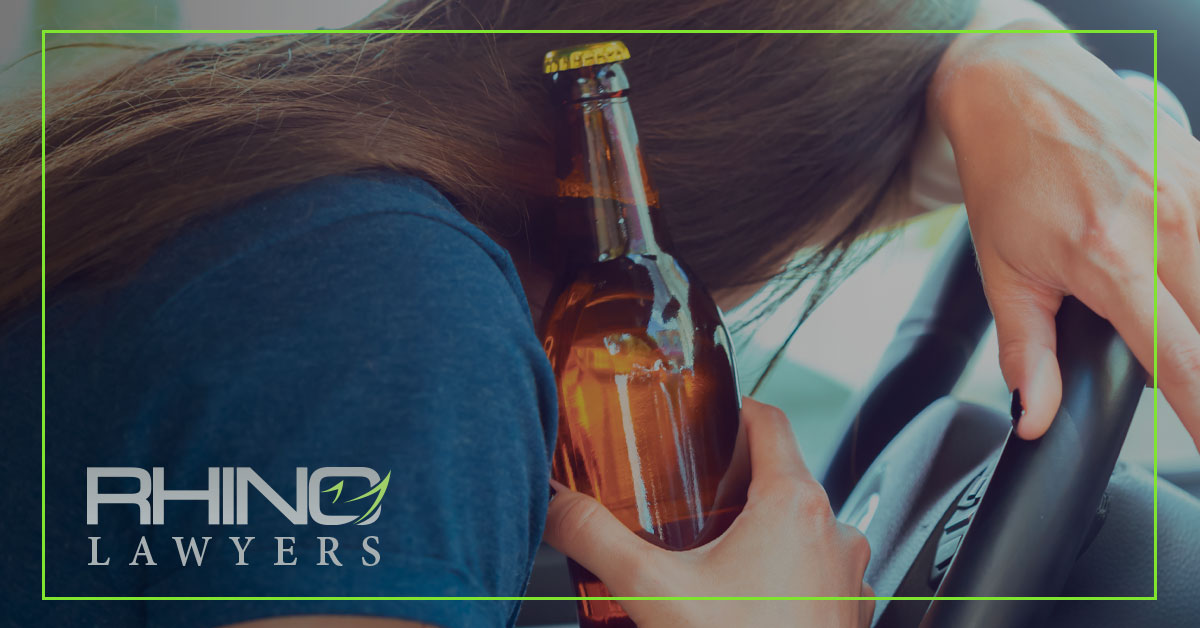
Florida Felony DUI with Property Damage
According to the Florida Department of Transportation, driving under the influence accounts for 25% of motor vehicle deaths in the state. In Florida, a DUI charge involving property damage can escalate to a felony under certain conditions.
While a standard DUI is typically a misdemeanor, adding property damage can lead to more severe consequences.
Today, we’re taking a closer look at DUI with property damage in Florida, the factors that can lead to felony charges, and what individuals should know about their rights and potential defenses.
What Constitutes a DUI in Florida?
Florida has strict laws that define what counts as driving under the influence. There are three main factors involved:
- Blood alcohol content (BAC) limits
- Loss of normal faculties
- Prior DUI history or incidents
Límites de concentración de alcohol en sangre (BAC)
A driver with a BAC of 0.08% or higher is legally impaired in Florida. This limit applies to drivers over 21. For drivers under 21, any reading above 0.02% can result in penalties.
Commercial drivers face a limit of 0.04%. The higher the BAC, the more serious the penalties can become.
Loss of Normal Faculties
Even if a person’s BAC is under the legal limit, they can still be charged with DUI. If law enforcement believes someone has lost normal faculties such as balance, coordination, or clear speech, that alone can support a DUI charge. Officers may use field sobriety tests or video evidence to support this.
Prior DUI History or Incidents
The number of previous DUI offenses plays a major role. A first offense is often treated less severely, but repeated charges lead to more serious consequences. Property damage or injuries during any DUI incident can push the charge beyond a misdemeanor.
DUI with Property Damage in Florida: When It Becomes a Felony
A DUI with property damage in Florida is often a first-degree misdemeanor, but there are specific situations where it becomes a felony.
These situations usually fall into three categories:
- The driver has prior DUI convictions
- Someone was injured in the incident
- The damage caused is extensive or reckless
The Driver Has Prior DUI Convictions
If the person charged has two or more previous DUI convictions, the current offense can be upgraded. Florida law allows repeat offenders to face felony charges, even if the new incident caused only property damage. The courts look at patterns of behavior, and past charges play a big role in the final outcome.
Someone Is Injured in the Incident
If anyone is hurt in the crash, the charge can rise to a felony. This includes passengers, pedestrians, or people in another vehicle. When there is an injury, the law treats the case more seriously, even if the original charge was tied to property damage alone.
The Damage Caused is Extensive or Reckless
Sometimes, the way the damage occurs can raise the charge. If a driver crashes into a building, hits multiple parked cars, or causes power outages, prosecutors may argue that the act was reckless enough to justify a felony. The cost and impact of the damage can influence this decision.
Common Types of Property Damage in DUI Cases
The most common form of property damage in DUI cases involves crashing into another car. This can happen:
- At intersections
- On highways
- In parking lots
Whether the vehicle is moving or parked, any damage caused while driving under the influence becomes part of the legal case. Repair bills and insurance claims can raise the seriousness of the charge.
Some DUI crashes involve more than just other cars. Drivers might run into fences, light poles, mailboxes, or even buildings.
When this happens, the cost of repairs can be high. It may involve city property or private homes and businesses. The court may weigh these details when deciding if the damage was reckless or excessive.
Not all damage is from direct impact. Some DUI incidents lead to chain reactions, like knocking out power to nearby homes or damaging landscaping.
These cases can involve more people and raise the cost of the accident. The more people affected, the more attention the case may get from prosecutors.
Importance of DUI Legal Representation in Florida
Facing a Cargo por conducir bajo los efectos del alcohol in Florida is never easy, and things become more serious when property damage is involved. Once the case reaches felony level, the risks are much higher.
A skilled defense attorney can help guide someone through the court process and reduce some of the stress that comes with it.
Legal help is especially important in property damage DUI cases for three key reasons:
- Understanding the legal process and charges
- Protecting rights and building a strong defense
- Reducing penalties or reaching better outcomes
Understanding the Legal Process and Charges
Many people don’t know how Florida’s DUI laws work, or how fast a case can go from a minor charge to a felony. DUI legal representation gives the person charged a better picture of what they are facing and what options are available.
Protecting Rights and Building a Strong Defense
A defense attorney can look at every part of the case, from how the stop was made to how tests were handled. If any rights were violated, that could help in court. Legal guidance helps keep the process fair and can lead to dropped or reduced charges.
Reducing Penalties or Reaching Better Outcomes
Sometimes the goal is not to win at trial but to lessen the penalties. An experienced lawyer may be able to work out a plea deal or push for probation instead of jail. In some cases, charges can even be lowered from felony to misdemeanor.
Understanding Florida DUI Laws
A DUI with property damage in Florida can lead to serious and lasting consequences. From felony charges to financial loss and lost rights, the impact can follow someone for years. Understanding the law, knowing your options, and getting legal help early can make a major difference in how your case ends.
En RHINO Lawyers, we meet you where you are – whether that’s by text, FaceTime, or social media. Our team blends personal, easygoing communication with a sharp, results-driven approach. We speak your language, move fast, and focus on outcomes. From crash to settlement, we keep things simple, modern, and on your terms.
Get in touch today to find out how we can help with your DUI case.
CONTACTE A UN ABOGADO DE MULTAS DE TRÁFICO EN TAMPA
RHINO Lawyers puede ayudar y guiarlo a través de un sistema moldeado por las fuerzas del orden, jueces y abogados durante décadas. Habiendo ganado casos para nuestros clientes en circunstancias similares, nuestro equipo de defensa penal sabe lo que se necesita para luchar en tu nombre.
Permitir RHINO Lawyers responda a sus preguntas y revise los hechos de su caso con una consulta gratuita. Así que comience completando el “Evaluación de caso instantánea y gratuita”o llamándonos en cualquier momento, día o noche, al (844) RHINO-77.
Leer más