
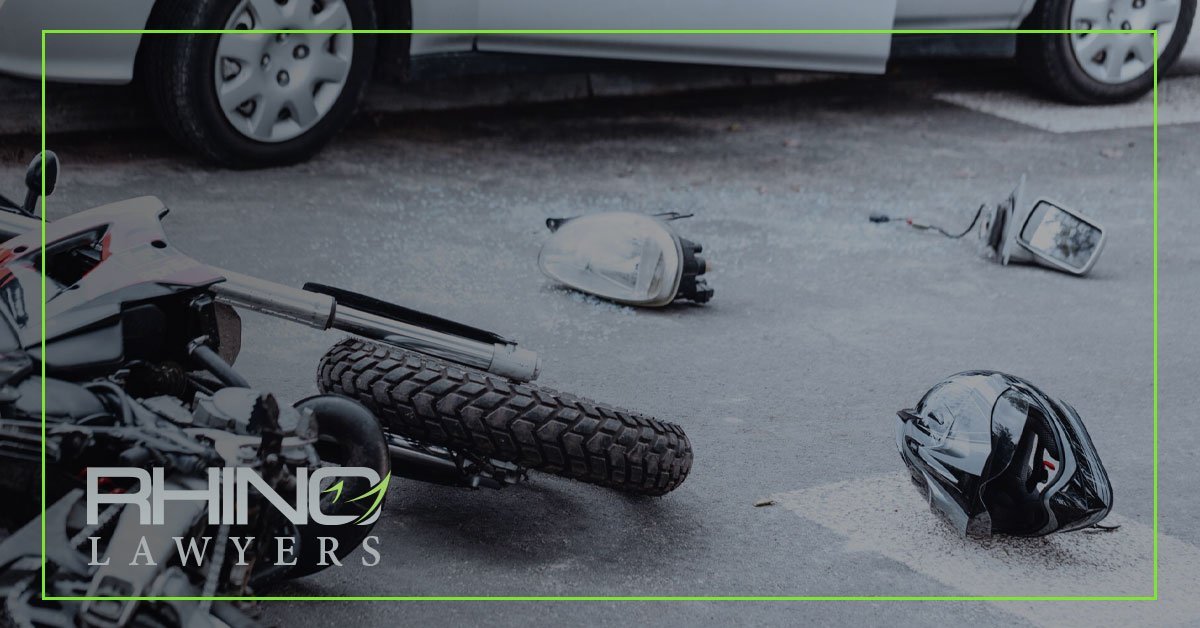
Uncover Top 5 Dangerous Intersections in Tampa & Stay Safe
According to a Forbes Advisor study, Tampa, Florida has some of the most dangerous driving places. The study placed Tampa at number 10 for worst drivers, making safety conditions a concern for locals and visitors.
Unlike many other areas, Tampa experiences many vehicle crashes involving bicyclists. Heavy traffic and bicyclists can quickly fill the streets, increasing the risk of accidents. Nuestro equipo en RHINO Lawyers understands the obstacles drivers face in Tampa.
We hope to help you avoid crashes y resolve legal issues when necessary. Keep reading to discover the top five most dangerous intersections in Tampa and tips on staying safe!
What Are the Most Dangerous Intersections in Tampa?
Navigating Tampa can be stressful for even those who grew up in the area. High-risk intersections in Tampa can appear out of nowhere, so it helps to research the roads before traveling.
Understanding the driving conditions can prevent accidents that require legal help. At RHINO Lawyers, we work with people who have been arrested o injured. Before you visit our Tampa office, ensure you don’t make a wrong turn.
Below are a few dangerous intersections in Tampa you’ll want to know about!
1. Sligh Avenue & Nebraska Avenue
Knowing what to expect on the roads can help avoid Tampa accidents. At Sligh Ave. and Nebraska Ave., anticipating turning vehicles is essential.
This area sees a lot of accidents because of the heavy traffic going in and out of the residential communities. With large buildings, visibility becomes an issue, hiding oncoming traffic. Along with neighborhoods, multiple retail centers increase traffic and create stop-and-go conditions.
2. I-275 & Busch Boulevard
Students and commuters often rely on I-275 because it connects to major freeways and roads. Heavy traffic tends to occur at this intersection due to the University of South Florida and merging traffic.
Side-swiping y rear-end collisions often occur here, so it’s essential to leave space between your vehicle and the next. If you ever become a victim in an accident, contact our team for representation to avoid having your claim rejected.
3. Gandy Boulevard & West Shore Boulevard
According to the Tampa International Airport, over 25 million passengers travel through the area annually. Offering both domestic and international flights makes this location a hot spot for travelers, which can be seen on the roads.
The Gandy and West Shore Boulevard intersection is dangerous due to traffic lights and vehicle movement. There isn’t an “off-season” for this airport, so it’s important to anticipate sudden stops when you travel.
4. North Boulevard & Waters Avenue
Heavy congestion mixed with high speeds makes North Blvd. and Waters Ave. a dangerous location for drivers.
The intersection is central to neighborhoods and retail centers, which makes things busy during rush hour. Vehicles and pedestrians often fail to signal intentions, which leads to pedestrian-vehicle accidents. You can safely drive in this area by expecting sudden stops and watching for people crossing the road.
With Busch Blvd. and North Florida Ave. just down the road, North Blvd. and Waters Ave. get cut-through traffic. Luckily, you can take the back roads to avoid some of the heavier traffic, but the speeds will be reduced.
5. I-4 & 275
Whether you live in the area or are just visiting, I-4 and 275 can be an unpredictable location. Multi-lane interchanges here become confusing for visitors, which ultimately impacts the locals.
Higher speeds make this a dangerous interchange because the severity of accidents increases. Judging the traffic conditions ahead can be challenging because of merging traffic, with people trying to speed up. Looking at your route before leaving can help you identify when to start changing lanes so you have plenty of time to merge safely.
Tips for Safe Driving in Tampa
If you’re looking for driving tips for Tampa, RHINO Lawyers has you covered. Based on our experience with local cases, we have found the most useful tips for commuting.
Take a look below to discover which tips will keep you safe and prepared!
Stay Vigilant
Unexpected stops and turns are Tampa’s biggest problem on the road. When people aren’t aware of the stop-and-go conditions, it can quickly become dangerous and result in accidents.
Our team has worked with many clients who have become victims of car crashes, particularly at the intersections above. By staying vigilant and keeping a safe distance from other traffic, you can give yourself enough time to avoid accidents.
Watch for Motorcyclists & Bicyclists
The beautiful weather makes biking and motorcycle rides pleasant, but it also increases obstacles on the road. Many auto accidents in Tampa involve bikes because of reduced visibility.
Being prepared to see bicyclists and motorcyclists is essential when you drive in Tampa. Pay attention to your surroundings and always check your blind spots before changing lanes. If you’re driving next to or behind a bike, give them plenty of space and use your turning lights.
Connect with a Local Attorney
Regardless of your driving skills, it’s not uncommon to become a victim or witness to an auto accident in Tampa.
By establishing a relationship with an attorney in Tampa, you can take comfort on the road. Our team focuses on vehicle-related cases to ensure you get compensated for any injuries or auto damage that could occur. Not only can we represent you in court, but RHINO Lawyers can also advise you on safe driving tips based on our case experience.
Our RHINO Lawyers team stays active in the community, where we have built a strong reputation. You can discover more about our community involvement here!
Drive Tampa with Confidence
Dangerous intersections in Tampa, Florida can be hard to avoid. Many of these roads are filled with traffic because they offer quick access to surrounding areas.
En RHINO Lawyers, you can anticipate resolutions and a lasting partnership. Our mission is to help the lives of people with support, whether they cause an accident or become a victim. To avoid legal issues and trouble on the road, take caution at the intersections mentioned above.
If you’re looking for bold representation, get a free case analysis from Rinoceronte Abogados today!
COMUNÍQUESE CON UN ABOGADO DE ACCIDENTES AUTOMOVILÍSTICOS EN TAMPA
En resumen, después de un accidente automovilístico, es posible que no conozca sus derechos. Sobre todo, no luche solo durante el proceso. En realidad, nuestro equipo de lesiones personales está aquí para ayudarle con cualquier necesidad legal que pueda tener relacionada con su accidente.
Por último, que RHINO Lawyers responda a sus preguntas y revise los hechos de su caso con una consulta gratuita. Así que comience completando el “Evaluación de caso instantánea y gratuita”o llamándonos en cualquier momento, día o noche, al 844.RHINO.77.
Leer más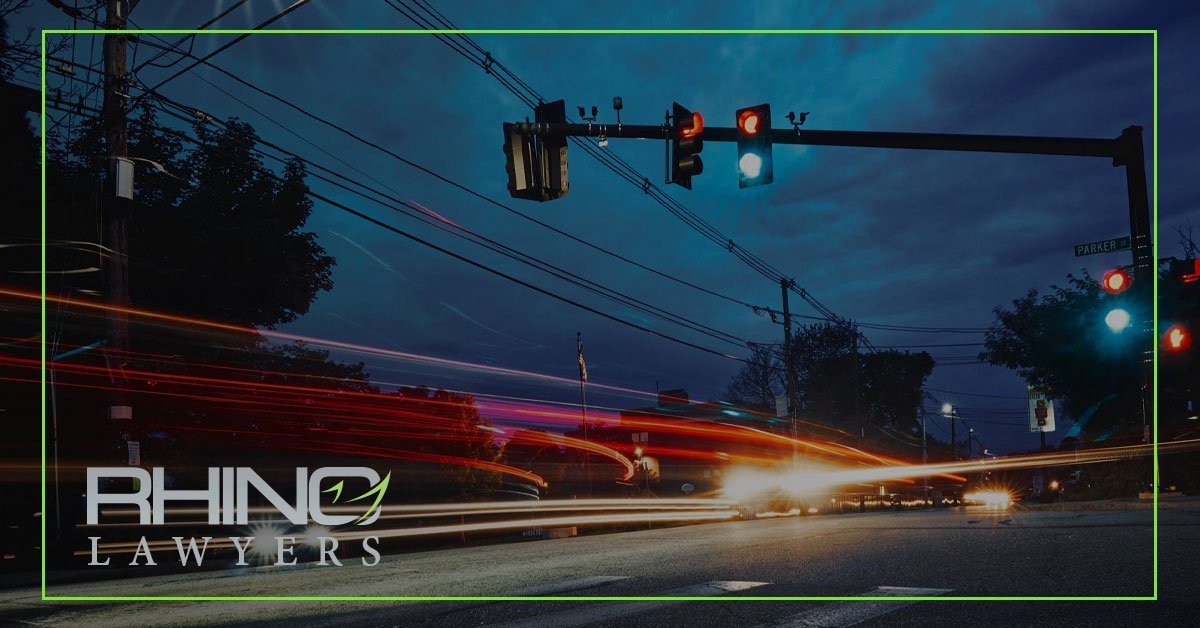
Para qué sirve la luz azul en algunos semáforos
Estás conduciendo a través de una intersección tarde en la noche, y algo te llama la atención: una luz azul brillante sobre la señales de tráfico. No venías a exceso de velocidad, no te pasaste una luz roja, entonces, ¿de qué es?
Este pequeño pero notorio añadido a algunos semáforos no es solo por decoración. Desempeña un papel crucial en la aplicación de la ley que permite a los agentes detectar infracciones de manera más eficiente sin necesidad de estar en la línea de visión directa.
¿Pero cómo funciona exactamente y por qué más ciudades las están instalando? Sigue leyendo para descubrir el sorprendente propósito detrás de estas luces azules y lo que significan para los conductores.
Luces azules en los semáforos
Luces azules encendidas señales de tráfico son pequeñas, a menudo imperceptibles al principio, pero cumplen una función específica en la aplicación de la ley. Estas luces están montadas en o cerca de las luces estándar señales de tráfico, por lo general en dirección opuesta a la línea de visión directa del conductor.
Su ubicación es intencional; no están diseñadas para los conductores, sino para los oficiales de policía que monitorean el tráfico desde la distancia.
A diferencia de los familiares colores rojo, amarillo y amarillo de los semáforos, las luces azules ofrecen una ventaja diferente. Cuando un semáforo se pone en rojo, la luz azul se enciende simultáneamente, lo que permite a los oficiales ver el cambio desde varios ángulos, incluso si su vista del semáforo principal está obstruida.
Este diseño ayuda a la policía a hacer cumplir las infracciones por pasarse la luz roja de manera más eficiente sin necesidad de ubicarse justo al lado de una intersección.
La función de la luz de tráfico azul facilita el monitoreo de varios carriles de tráfico a la vez. En lugar de concentrarse en una sola dirección, los oficiales pueden observar las infracciones desde:
- Calles secundarias
- Estacionamientos
- Puntos de observación ocultos
Eso significa menos casos en los que los conductores intentan impugnar las multas por pasarse un semáforo en rojo alegando que el oficial no tenía una vista clara. Dado que las luces azules reflejan el estado de la luz roja, no hay retraso, lo que hace que la aplicación de la ley sea casi instantánea.
¿Por qué se instalan luces azules?
El propósito de las señales azules es sencillo. Mejoran la aplicación de las leyes de tránsito, especialmente en las intersecciones concurridas donde el monitoreo de infracciones puede ser difícil. Las ciudades las han estado adoptando como una forma de aumentar el cumplimiento de las leyes de tránsito al tiempo que reducen los recursos necesarios para su cumplimiento.
Cómo las luces azules ayudan a la policía a identificar infracciones
A diferencia de los métodos de control tradicionales, las luces azules permiten a los oficiales identificar las infracciones por pasar la luz roja sin necesidad de tener una línea de visión directa con el semáforo en sí. Esto es particularmente útil en áreas urbanas donde los árboles, los edificios u otros vehículos pueden bloquear la visibilidad.
Algunas de las razones por las que las ciudades instalan estas luces incluyen:
- Mejor visibilidad de las infracciones por pasarse la luz roja desde múltiples ángulos
- Menor necesidad de que los oficiales estén directamente en la intersección
- Menor riesgo de que los oficiales participen en persecuciones peligrosas para atrapar delincuentes
- Mayor precisión en la emisión de multas, lo que se traduce en menos infracciones disputadas
Impacto en el cumplimiento de las normas de tráfico
Los estudios sugieren que pasarse los semáforos en rojo es una de las principales causas de accidentes en las intersecciones. Según el Instituto de Seguros para la Seguridad en las Carreteras (IIHS, por sus siglas en inglés), solo en 2022, pasarse las luces rojas provocó casi 1,149 muertes y alrededor de 107,000 lesiones. en EE. UU..
Las luces azules ayudan a reducir estas cifras al aumentar la eficiencia de la fiscalización, lo que a su vez disuade a los conductores de intentar ganarle al semáforo.
Cómo la policía utiliza las luces azules
Los departamentos de policía utilizan luces azules de una manera que mejora significativamente su capacidad para monitorear y hacer cumplir las infracciones por pasarse la luz roja. Los oficiales ya no necesitan ubicarse peligrosamente cerca de las intersecciones ni depender de su tiempo de reacción para detectar infracciones.
Monitoreo a distancia
Con luces azules, los oficiales pueden monitorear las intersecciones desde varios puntos de observación, incluidas calles laterales, gasolineras o incluso áreas más alejadas de la intersección. Esto les permite observar infracciones sin ser obvios para los conductores.
¿Están las luces azules reemplazando a las cámaras de luz roja?
En algunas áreas, se utilizan luces azules junto con o en lugar de cámaras de luz roja. Si bien las cámaras pueden registrar infracciones automáticamente, son polémicas debido a preocupaciones sobre la privacidad y la posibilidad de errores en las multas. Las luces azules brindan a los agentes la capacidad de hacer cumplir las leyes de tránsito en tiempo real, en lugar de depender de sistemas automatizados.
Varias ciudades, como Orlando y Miami, han ampliado su uso de luces azules porque permiten que las fuerzas del orden sean más proactivas al tiempo que abordan las preocupaciones sobre la vigilancia automatizada.
¿Son legales las luces azules en todos los estados?
No todos los estados han adoptado luces azules en los semáforos, y algunas áreas tienen normas que limitan su uso. Si bien se ven comúnmente en estados como Florida, Carolina del Norte y Ohio, algunas jurisdicciones todavía dependen de métodos tradicionales de control.
Algunos oponentes argumentan que las luces azules generan confusión en los conductores, especialmente en aquellos que no están familiarizados con su propósito. Si bien no están destinadas a ser seguidas como los semáforos estándar, algunos conductores creen erróneamente que indican un cambio en la sincronización de las señales. Otros se preocupan por el posible uso indebido, afirmando que podrían utilizarse como una forma de mayor vigilancia.
Hasta ahora, no existen regulaciones federales contra las luces azules en los semáforos, pero los gobiernos locales deciden cómo y dónde se instalan.
Conceptos erróneos comunes sobre las luces azules
Muchos conductores tienen ideas erróneas sobre las luces azules y su función. Estos malentendidos pueden generar confusión, preocupaciones innecesarias o suposiciones incorrectas sobre su papel en la aplicación de las normas de tránsito.
Mito: Las luces azules son una señal de tráfico adicional
Algunos conductores piensan que la luz azul es un indicador que deben seguir, de manera similar a como obedecen las luces roja, amarilla y verde. Ese no es el caso. La luz azul solo es visible para las fuerzas del orden y no cumple ninguna función para los conductores comunes.
Mito: Las luces azules rastrean el exceso de velocidad
Una suposición común es que las luces azules funcionan como cámaras de velocidad. Sin embargo, no rastrean la velocidad, miden la aceleración ni emiten tickets automatizados. Indican estrictamente cuándo un semáforo se pone en rojo, lo que permite a los agentes determinar si un conductor infringió la señal.
Mantente alerta y evita multas
Luces azules encendidas señales de tráfico ya no son un misterio. Son una herramienta práctica para las fuerzas del orden, ya que facilitan la detección de infracciones por luz roja a la vez que evitan que los agentes se expongan directamente al tráfico. Su uso va en aumento y, ya sea que esté de acuerdo con ellos o no, forman parte del control de tráfico moderno.
Para los conductores, ser atrapados en una de estas intersecciones podría significar una multa, y ahí es donde RHINO Lawyers podemos ayudar. Nos enfocamos en combatir las multas de tránsito, ofreciendo una garantía de que no habrá comparecencia en corte, ni puntos en su licencia, o le devolvemos su dinero. Nuestro equipo utiliza estrategias legales innovadoras para objetar las multas y proteger su historial de manejo.
Programa una consulta gratis hoy y descubre cómo podemos luchar por ti.
CONTACTE A UN ABOGADO DE MULTAS DE TRÁFICO EN TAMPA
RHINO Lawyers puede ayudar y guiarlo a través de un sistema moldeado por las fuerzas del orden, jueces y abogados durante décadas. Habiendo ganado casos para nuestros clientes en circunstancias similares, nuestro equipo de defensa penal sabe lo que se necesita para luchar en tu nombre.
Permitir RHINO Lawyers responda a sus preguntas y revise los hechos de su caso con una consulta gratuita. Así que comience completando el “Evaluación de caso instantánea y gratuita”o llamándonos en cualquier momento, día o noche, al (844) RHINO-77.
Leer más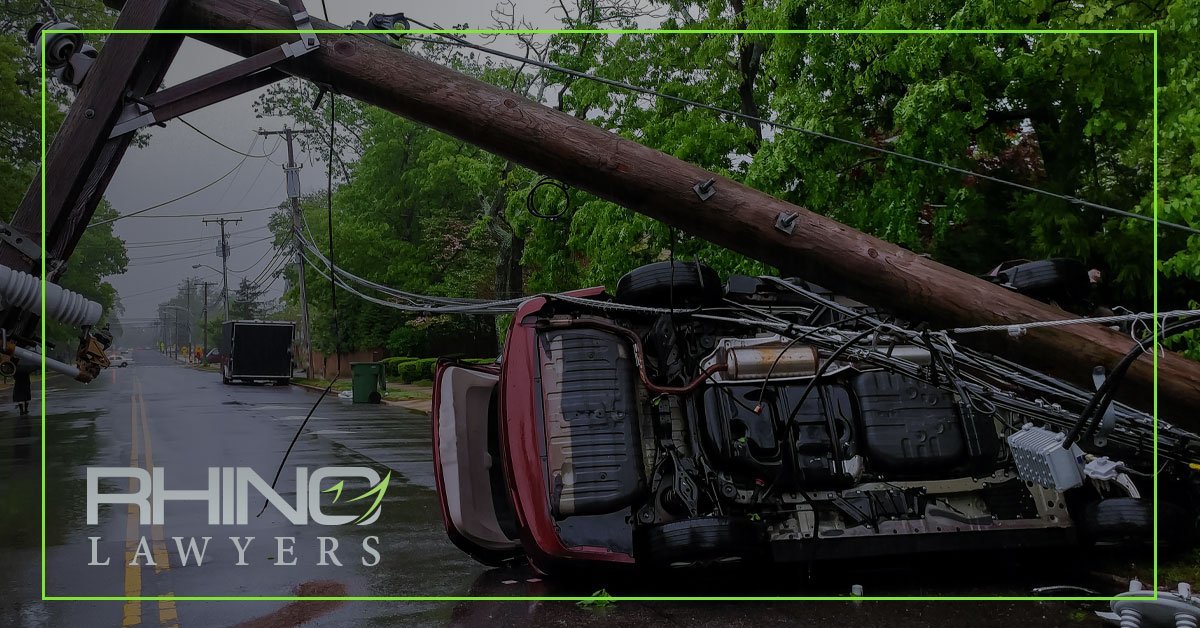
Survive a Storm: Advice For Accidents During Tropical Storms
The U.S. Department of Transportation reports that about 21% of car accidents (1.24 million auto crashes) are weather-related.
Rain, fog, wind, and floods make roads slippery and reduce visibility. Accidents during tropical storms can be devastating. They can cause serious injuries, power outages, and even loss of life.
Homes may flood, trees may fall, and emergency services may struggle to respond. While we cannot prevent storms, we can prepare for their impact. Knowing what to do can help you stay safe.
So, what can you do to minimize damage and injuries? Read on for practical advice on handling accidents during tropical storms and staying protected.
Stay Updated: Listen to Weather Alerts
Knowing when a storm is coming gives you time to prepare. Listen for weather alerts on the radio, TV, or a weather app. Ensure you keep a battery-powered radio in case of power loss.
Emergency alerts provide updates on the following:
- Wind speeds
- Flood risks
- Evacuation orders
- Road closures
- Power outages
If authorities tell you to leave, follow their instructions. Staying behind can trap you in dangerous conditions.
Sign up for local alerts on your phone. Keep a list of emergency contacts in case you lose internet access. Knowing the latest information helps you make smart choices during a storm.
Drive Only If Necessary and Avoid Flooded Roads
Tropical weather driving tips can help you stay safe, but the best choice is to avoid driving. Heavy rain reduces visibility, and strong winds make it harder to control your vehicle. If you must drive, slow down and keep both hands on the wheel.
Never drive through flooded streets. Even shallow water can make you lose control, and deeper water can carry your car away. Roads may collapse under the pressure of rushing water.
If your car gets stuck, stay inside unless the water starts rising. If water enters, roll down the window and climb out. Do not wait until it is too late.
Avoid travel unless necessary. Call for help in a medical emergency instead of driving through unsafe conditions. Staying off the roads protects you and emergency responders.
Prepare Your Home Before the Storm Hits
Strong winds and heavy rain can damage homes. Secure loose items like outdoor furniture and trash cans. Flying debris can break windows or injure someone.
Board up windows or use storm shutters. Trim tree branches that could fall on your house. If you live in a flood-prone area, place sandbags around doors.
Stock up on food, water, and medical supplies, making sure you have enough for at least three days. Also, keep flashlights, extra batteries, and a first-aid kit ready.
Charge your phone and store essential documents in a waterproof bag. Taking these steps reduces the risk of injury and property damage.
What to Do If You’re in a Car Accident
Car accidents are more likely in stormy weather. If you crash, turn on your hazard lights to alert other drivers. Stay inside unless it is unsafe.
Call emergency services as soon as possible. Provide your exact location. Roads may be blocked, so help could take longer to arrive.
If another vehicle is involved, check if anyone is hurt. Do not move injured people unless they are in danger. Wait for professional help.
If your car is near rising water, leave immediately and move to higher ground. Your safety is more important than your vehicle. Knowing what to do after a crash can help you stay calm and avoid further risks.
Handling Injuries When Help Is Delayed
Tropical storms can overwhelm emergency services. If someone is injured, you may need to help until rescuers arrive.
Press a clean cloth on a wound to stop bleeding. Keep broken bones still to avoid more damage.
If someone is unconscious, check for breathing. Perform CPR si es necesario.
Have a first-aid kit ready before a storm. If you take medicine, store extra doses in a waterproof bag. Learn basic first aid to handle emergencies.
Following tropical storm safety tips can make a big difference. Quick action can prevent injuries from getting worse. Stay calm and do what you can until help arrives.
Stay Safe If Floodwaters Enter Your Home
Flooding can happen fast. Do the following if water starts rising inside your home:
- Move to higher ground quickly
- Turn off the power
- Avoid floodwater; it may be toxic
- Find something that floats
- Call for help if possible
- Swim only as a last option
Floodwaters recede, but dangers remain. Be careful when returning home.
Watch out for weak floors and damaged walls. Stay away from downed power lines.
What to Do If the Power Goes Out
Power outages are common during tropical storms. Prepare in advance to stay safe. Use flashlights instead of candles to prevent fires.
Unplug appliances to protect them from power surges. Keep refrigerator doors closed because food stays cold for about four hours without power. Use a generator safely, and never run it indoors.
If you rely on a backup battery for medical devices, charge it fully before the storm. Check on neighbors, especially the elderly or those with medical needs.
An extended outage can be dangerous for vulnerable people. Stay informed and take precautions to avoid risks.
Look Out for Hidden Dangers After the Storm
Even after a storm passes, dangers remain. Flooded streets, fallen power lines, and unstable buildings can still cause harm.
Stay away from downed power lines and report them. Avoid tap water until it is declared safe. Wear gloves and boots when cleaning up to prevent injuries.
Watch for displaced animals like snakes and rats. If your home is damaged, take photos for insurance claims. Do not enter if the structure looks unsafe.
Stay Safe After Accidents During Tropical Storms
Tropical storms leave destruction behind. Accidents during tropical storms can cause injuries, property loss, and stress. Stay alert, follow safety steps, and seek medical help if needed.
If you need storm accident legal advice or representation, RHINO Lawyers is here for you. Founded in 2014, we have over a decade of experience in personal injury cases. We are fast, modern, and always available.
Contáctenos your way – text, call, or message us online. We will fight for you so you can focus on recovery.
COMUNÍQUESE CON UN ABOGADO DE ACCIDENTES AUTOMOVILÍSTICOS EN TAMPA
En resumen, después de un accidente automovilístico, es posible que no conozca sus derechos. Sobre todo, no luche solo durante el proceso. En realidad, nuestro equipo de lesiones personales está aquí para ayudarle con cualquier necesidad legal que pueda tener relacionada con su accidente.
Por último, que RHINO Lawyers responda a sus preguntas y revise los hechos de su caso con una consulta gratuita. Así que comience completando el “Evaluación de caso instantánea y gratuita”o llamándonos en cualquier momento, día o noche, al 844.RHINO.77.
Leer más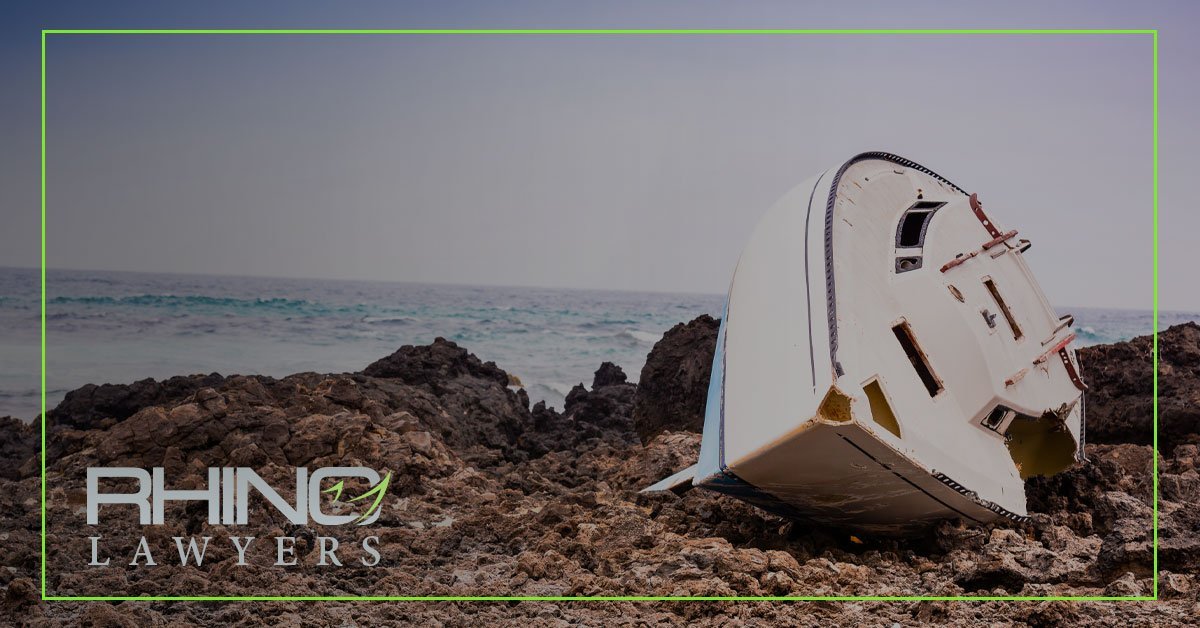
¿Los accidentes de navegación en Florida tienen requisitos de reporte específicos?
Florida is known as the boating capital of the world, with over one million registered vessels. It is also the capital of the world for boating accidents.
The Coast Guard says over 10% of all reported incidents in America occurred in Florida. That’s almost double the amount in the next-highest state, California.
What are you legally required to do if you’re in a boat crash and an injury or property damage occurs? Read on to learn more about the filing requirements for a boating accident in Florida and how they can impact your claim.
Common Boating Accidents
Common causes of boat accidents can include:
- Unsafe vessells
- Unsafe driving
- Driver intoxication
The most common boating accidents involve being pushed out of the boat and collisions with objects or other ships. Both can lead to a wide range of injuries.
Falling Overboard
The water can be a dangerous place, and there can be any number of reasons for passengers to fall out of a boat. A sudden storm could push you out. The driver could be intoxicated or make poor choices. The boat may not have the proper safety equipment.
These accidents can cause death from drowning or lead to injuries such as:
- Hypothermia
- TBI or traumatic brain injuries
- Lesiones de la médula espinal
- Bone fractures or dislocations
Collisions
Running into another boat or even a stationary object is almost as common on boats as in cars. It’s primarily due to driver negligence but can also come from sudden changes in the water.
Common injuries from boat collisions include:
- Conmociones cerebrales
- Lesiones cerebrales traumáticas
- Lacerations or contusions
- Daño a órganos internos
- Quemaduras
Boating Accident Reporting Criteria
Always exchange insurance information with anyone involved in an accident. Inform your insurance agency about it. Florida statute 327.301 details when you have to go further and submit a written report.
The accident must be reported if it involves:
- Loss of life
- Injuries that require medical treatment
- Disappearance of a person
- Damage to property exceeding $2,000, including boats
- Complete loss of a vessel
How to Submit a Boating Accident Report
One of the first places to look for the forms needed to file a written report is the FWC, the Florida Fish and Wildlife Conservation Commission. You can also check the NASLBA, or the National Association of State Boating Law Administrators, for state-specific boat accident reporting requirements.
Certain physical locations may have the forms you need, such as:
- Marinas
- Harbormaster offices
- Local law enforcement agencies
Be sure to fill the forms with as much accurate information as possible. Provide a detailed description of how and when the boating accident occurred. Say which boats were involved. Give the names and addresses of anyone involved or any witnesses. Explain any injuries or property damage sustained.
Reporting Timeframes
Boat accident law set by the Coast Guard mandates how long you have to report an accident. You have 48 hours to report accidents involving serious injury, death, or disappearance.
The timeline for all other accidents is 10 days. That includes property damage exceeding $2,000.
Penalties for Not Reporting a boating accident
Failure to report boating accidents that involve serious injuries or death is a serious offense. So is failure to attempt to render aid.
Not meeting boating accident reporting requirements could leave you facing significant fines or even criminal charges.
Other Reasons Boating Accident Reporting Matters
Proper boat accident reporting is about more than avoiding penalties. Think of what you and others can gain from it.
Anyone affected by the accident has a greater chance of finding healing and getting to safety. Your local waterways will be safer because of the information your report provides.
Safety and Facilitating Rescue Operations
Boat accident reports allow for quick, safe responses to accidents. Medical treatment can arrive sooner, and damaged property can be cleared out faster.
They also speed up rescue operations. The sooner law enforcement is aware of a missing person, the sooner they can start looking for them.
Environmental Protection
Boat accidents can result in environmental damage. One of the most common types is fuel spills.
Prompt reporting helps it get cleaned up as soon as possible.
Establishing Regulations
Accurate data from boat accident reports helps encourage new laws that lead to safer boating practices.
If dangerous patterns emerge, laws can help combat them. For example, stricter lighting standards may be implemented for a type of boat involved in several nighttime collisions.
Identifying Boat Defects
Boat defects are a common cause of boat accidents. Having them reported brings them to the attention of manufacturers.
They can address the problem through recalls and design improvements. These prevent the same defects from causing more boating accidents in the future.
Educational Information
Boat owners can look at reports to discover the most common causes of boat accidents.
This knowledge helps them avoid these issues. They’ll know what to do to stay safer in the water.
Getting Legal Assistance After a Boating Accident
A lawyer can help you submit an accident report. They’re also essential if your next step is to take your injury case to court.
The attorney can help you get what you deserve and find a fair settlement offer. It’ll cover components such as:
- Gastos médicos
- Salarios caídos
- Dolor y sufrimiento
- Daños a la propiedad
Make sure they understand federal and state laws. There are deadlines for bringing boat accident claims to court.
Your attorney will gather evidence to support your case before time is up. They’ll prove the other party was negligent and responsible for your injuries.
We Can Help With Your Personal Injury Claim
After you recover from the shock of a severe boating accident, submit a report. Several types require you to get the proper forms and outline the details of the incident.
It improves safety by preventing similar incidents from happening again. It can also help your lawyer when you start a personal injury claim for the accident.
RHINO Lawyers has a long history of efficiently and effectively winning cases. We’re also a forward-thinking company that’s willing to use the latest technology to work with and for you. Contáctenos today for a case evaluation of your personal injury claim.
CONTACT A TAMPA ACCIDENT INJURY ATTORNEY
En resumen, después de un accidente, es posible que no conozcas tus derechos. Sobre todo, no intentes pasar por este proceso tú solo. De hecho, nuestro equipo de lesiones personales está aquí para ayudarle con cualquier necesidad legal que pueda tener relacionada con su accidente.
Por último, que RHINO Lawyers responda a sus preguntas y revise los hechos de su caso con una consulta gratuita. Así que comience completando el “Evaluación de caso instantánea y gratuita”o llamándonos en cualquier momento, día o noche, al 844.RHINO.77.
Leer más
¿Puede Seguridad Nacional arrestarlo por conducir bajo los efectos del alcohol en Florida?
Un DUI (manejar bajo la influencia) es un cargo grave en Florida. De hecho, en solo un mes, los DUI pueden contribuir a más de 470 accidentes automovilísticos que resultan en más de 40 muertes y 40 casos de lesiones corporales. Estos datos proviene directamente del Departamento de Seguridad de Carreteras y Vehículos Motorizados de Florida (FLHSMV).
Por lo general, las sanciones van desde multas hasta incluso el encarcelamiento, según la gravedad del caso. Sin embargo, ¿qué pasa si se le acusa de un Manejar bajo la influencia en Florida ¿en propiedad federal? ¿Puede un agente de Seguridad Nacional arrestarlo por conducir bajo los efectos del alcohol?
Esta respuesta es SÍ. El Departamento de Seguridad Nacional tiene la autoridad para arrestar a cualquier conductor por conducir bajo los efectos del alcohol en propiedad federal. Por lo tanto, esto también incluye los accesos a propiedades federales, como puertos y entradas a bases militares.
Obtenga más información sobre los procesos de Seguridad Nacional para las sanciones por conducir bajo los efectos del alcohol (DUI) en Florida.
¿Dónde puede el Departamento de Seguridad Nacional realizar un arresto por conducir bajo los efectos del alcohol (DUI)?
A Seguridad Nacional un agente realizaría un arresto por conducir bajo los efectos del alcohol (DUI) estando en servicio en propiedad federal. Sus deberes típicos involucran cuestiones de seguridad nacional, asuntos de inmigración y seguridad fronteriza. Sin embargo, un agente puede realizar un arresto por DUI si presencia la conducción bajo los efectos del alcohol en propiedad federal.
Hay varios tipos de propiedades federales que se deben conocer en Florida.
Los parques nacionales de Florida son propiedad federal. Por lo tanto, un agente federal puede arrestar a conductores bajo la influencia de sustancias en las instalaciones. Esto también se aplica a la propiedad de los tribunales federales, y los tribunales federales se encargan de estos casos de DUI.
Si un agente de Seguridad Nacional sospecha que conduces bajo los efectos del alcohol o las drogas en una base militar, puede arrestarte por DUI. Y lo mismo se aplica a cualquier otro agente federal que tenga la autoridad para realizar arrestos por DUI.
Los agentes federales de Seguridad Nacional pueden realizar arrestos por conducir bajo los efectos del alcohol (DUI) en los cruces fronterizos de Florida. La conducta sospechosa de DUI en puertos marítimos, aeropuertos patrullados y otros puertos de entrada federales también puede dar lugar a arrestos federales por DUI.
En algunos casos, los agentes federales pueden realizar arrestos por conducir bajo los efectos del alcohol (DUI) cerca de escuelas o instituciones religiosas, dependiendo de las circunstancias.
Es importante señalar que los agentes de Seguridad Nacional normalmente no patrullan propiedades públicas y carreteras. Si un agente de Seguridad Nacional arresta a un conductor en una vía pública, es posible que esté realizando labores de seguridad fronteriza. En este caso, la agencia puede entregar el caso al estado.
Los casos de arrestos por conducir bajo los efectos del alcohol (DUI) realizados por el Departamento de Seguridad Nacional son complejos y requieren experiencia legal.
¿Cuáles son sus derechos ante un arresto por DUI en estos casos?
Es importante recordar que tienes los mismos derechos en un arresto por conducir bajo los efectos del alcohol en propiedad federal como lo hace en propiedad pública.
Tiene derecho a:
- Permanecer en silencio y no responder ninguna pregunta del agente del Departamento de Seguridad Nacional que lo arresta
- Esté informado de los cargos por conducir bajo los efectos del alcohol (DUI) presentados en su contra
- Un abogado o se le asignará uno
- Impugna la evidencia de conducir bajo los efectos del alcohol (DUI) en su contra en los tribunales
- Solicitar una audiencia judicial dentro de los 10 días siguientes a la detención
- Un juicio justo en su caso
Si bien sus derechos siguen siendo los mismos, podría estar sujeto a penas federales más severas por un Cargo por conducir bajo los efectos del alcohol. Dependiendo del caso, usted puede estar sujeto a una sentencia federal. El caso puede pasar al estado, según el cargo y la ubicación.
Las complejidades legales de los arrestos por conducir bajo los efectos del alcohol (DUI) por parte de Seguridad Nacional
Existen complejidades involucradas en cualquier arresto por conducir bajo los efectos del alcohol (DUI) realizado por un oficial federal. La primera pregunta jurídica compleja se refiere a la jurisdicción. Si el arresto por conducir bajo los efectos del alcohol (DUI) se realizó en una vía pública, el tribunal estatal tiene jurisdicción sobre el caso, incluso si el arresto fue realizado por un agente federal.
La siguiente pregunta es si un caso federal por conducir bajo los efectos del alcohol (DUI) podría trasladarse a un tribunal estatal. Solo un abogado con experiencia puede responder a esta pregunta. Por eso, comunicarse con un abogado de inmediato debe ser su máxima prioridad en este caso.
Si eres un inmigrante, enfrentar cargos por conducir bajo los efectos del alcohol (DUI) por parte del Departamento de Seguridad Nacional podría afectar tu estatus migratorio. Un abogado con experiencia puede brindarle el asesoramiento legal adecuado en este caso.
Los agentes de Seguridad Nacional deben seguir los mismos protocolos de procedimiento para realizar un arresto por conducir bajo los efectos del alcohol (DUI). Al igual que los oficiales de policía de Florida, son responsables de recopilar adecuadamente las pruebas de DUI antes de realizar un arresto. Si el agente federal no sigue estos protocolos correctamente, un abogado puede impugnar sus pruebas ante un juez en la corte.
Armar una defensa legal por DUI
Su primer paso es comuníquese con un abogado después de su arresto por conducir bajo los efectos del alcohol (DUI) por parte de Seguridad Nacional. También puede comunicarse con un familiar de confianza que a su vez pueda ponerse en contacto con un abogado.
Si es posible, recopile la mayor cantidad de pruebas posible sobre su arresto por conducir bajo los efectos del alcohol (DUI), que incluyan:
- Testimonio presencial
- La ubicación del DUI
- La información del oficial de arresto
- Hora y fecha del incidente
- Protocolos de DUI seguidos (o no seguidos)
Por ejemplo, a un agente de Seguridad Nacional todavía se le exige calcular los niveles de concentración de alcohol en sangre para determinar si se conduce bajo los efectos del alcohol. Si los protocolos policiales para Arrestos por conducir bajo los efectos del alcohol no se siguen, un abogado puede impugnar el cargo en los tribunales.
El caso puede permanecer en el tribunal federal o ser enviado a un tribunal estatal, según las circunstancias.
Aproveche una consulta de caso gratuita para obtener un análisis legal excepcional. Este paso te orientará en la dirección correcta. RHINO Lawyers brindará una evaluación gratuita del caso para garantizar que reciba el mejor asesoramiento legal posible.
Obtenga asesoramiento excepcional después de un DUI de Seguridad Nacional en Florida
Ya sea que lo arresten un agente de Seguridad Nacional o un oficial de la policía estatal, usted tiene los mismos derechos ante un arresto por conducir bajo los efectos del alcohol (DUI). Por lo tanto, recuerde los consejos anteriores durante su arresto y mantenga la calma. Su primer paso es llamar a un bufete de abogados que pueda ofrecerle una consulta detallada y brindarle asesoramiento legal excepcional para su caso.
En RHINO Lawyers, con gusto ofrecemos una evaluación gratuita de su caso por un arresto por DUI de Seguridad Nacional. Sabemos lo que se necesita para defender a Manejar bajo la influencia en Florida tribunal y puede ayudarle a navegar las complejidades de su caso.
Somos un equipo de abogados y profesionales legales con experiencia, dedicados a los derechos de nuestras comunidades. Creemos en una respuesta rápida a las necesidades de nuestros clientes y aportamos más de una década de experiencia en múltiples áreas de práctica.
Comience su evaluación de caso gratuita hoy mismo o Contáctenos para conocer más sobre nuestra firma.
CONTACTE A UN ABOGADO DE MULTAS DE TRÁFICO EN TAMPA
RHINO Lawyers puede ayudar y guiarlo a través de un sistema moldeado por las fuerzas del orden, jueces y abogados durante décadas. Habiendo ganado casos para nuestros clientes en circunstancias similares, nuestro equipo de defensa penal sabe lo que se necesita para luchar en tu nombre.
Permitir RHINO Lawyers responda a sus preguntas y revise los hechos de su caso con una consulta gratuita. Así que comience completando el “Evaluación de caso instantánea y gratuita”o llamándonos en cualquier momento, día o noche, al (844) RHINO-77.
Leer más
¿Un DUI con un menor en el auto es automáticamente un delito grave en Florida?
Una publicación de Cornerstone Healing Center, que cita datos de los CDC, afirma que los accidentes por conducir en estado de ebriedad causan aproximadamente 1 de cada 5 muertes de niños pasajeros al año.
Florida aplica leyes estrictas contra la conducción bajo los efectos del alcohol (DUI) para reducir estas tragedias. La policía vigila de cerca a los conductores ebrios, especialmente a aquellos que llevan menores en el auto.
Si enfrenta un cargo por conducir bajo los efectos del alcohol con un pasajero menor de edad, las sanciones pueden ser severas. Podría enfrentar fuertes multas, suspensión de la licencia o incluso cargos por delitos graves.
Pero, ¿siempre es un delito grave? Entender la ley puede ayudarle a prepararse. Siga leyendo para saber si un Conducir bajo la influencia del alcohol o drogas con un menor en el auto in Florida automatically results in felony charges.
DUI With a Minor in Car: Misdemeanor or Felony?
A first-time DUI with a minor in the car is usually a misdemeanor in Florida. So it’s not an automatic felony. However, it can be a felony if there are other aggravating circumstances, such as:
- A high BAC (0.15% or higher)
- Multiple past DUI convictions
- Causing injury to the child or another person
- Conducir con una licencia suspendida
- Reckless driving or excessive speeding
- Refusing a breath or blood test after arrest
A felony means harsher DUI penalties, including longer jail time and bigger fines. It also stays on your record for life.
Potential Penalties for a DUI With a Minor in Florida
Knowing the penalties can help you understand how to handle the issue. The consequences depend on the details of your case. A first-time offense may bring lighter penalties, while repeat violations can lead to harsher punishment.
Child Endangerment DUI Charge
A DUI with a minor is often considered a child-endangerment DUI in Florida. This means you could face additional charges beyond a regular DUI.
Prosecutors may argue that you put the child’s life at risk. If convicted, you could face higher fines, longer jail time, or even a felony charge. A child endangerment conviction also makes it harder to reduce penalties through plea deals.
Suspensión de licencia
A DUI with a minor often leads to a licencia suspendida. The suspension period depends on past offenses and BAC level.
For a first offense, you may lose your driving privileges for six months to a year. If you have prior convictions, the suspension can last several years. In some cases, you may qualify for a hardship license, allowing you to drive for work or school.
Jail Time
Jail time is possible, especially if a minor was in the car. Repeat offenders face harsher penalties.
Even first-time offenders may serve time, depending on their case. A high BAC or past convictions can increase the sentence.
If an accident occurred, the penalty could be several years in jail. Courts consider the impaired driving risks when determining punishment.
Increased Fines
According to Florida Highway Safety and Motor Vehicles (FLHSMV), a first-time offender faces a fine between $500 and $1,000.
If a minor is in the car, the fine increases. The amount must be at least $2,000 but cannot exceed $4,000.
Repeat offenders face even steeper fines. In some cases, the court may impose penalties of up to $5,000. Additional court fees and alcohol treatment costs may also apply.
Community Service
Florida often requires community service for DUI sentences. First-time offenders must complete a set number of hours.
If you can’t finish the hours, you may pay a fine instead. Repeat offenders face longer hours or stricter penalties. Community service allows offenders to give back while reflecting on their actions.
Legal Defenses for a DUI With a Minor in the Car Charge
Después de Arresto por conducir bajo los efectos del alcohol, you may need to explore different legal defenses. The goal is to choose the best one for your case. When used properly, a defense can help minimize DUI penalties and improve your outcome.
Illegal Traffic Stop
If a police officer stopped you without reasonable cause, your defense could be an illegal traffic stop. The officer must have a valid reason to pull you over. If the stop was unlawful, any evidence gathered might be thrown out.
To prove the stop was illegal, you can show the officer had no probable cause or suspicion of wrongdoing. You can support your case with:
- Video Footage
- Witness testimony
- Data like traffic camera recordings
Faulty Sobriety Tests
Field sobriety tests (FSTs) measure impairment, but they’re not always reliable. These tests depend on the officer’s judgment and the conditions. The test results may be inaccurate due to:
- Poor weather conditions such as rain or fog
- Physical or medical conditions affecting balance
- Inadequate test administration by the officer
- Stress or nervousness influencing performance
- Uneven or dangerous surfaces for the test
If any of these factors affect the results, it may weaken the case against you. The court may consider these issues when deciding your sentence.
Lack of Proof of the Minor’s Presence
To be charged with a Conducir bajo la influencia del alcohol o drogas con un menor en el auto, the prosecution must prove the minor was present. If they cannot show the child was in the vehicle during your arrest, the charge may be dropped or reduced.
Police might charge you with a DUI with a minor even if no child was in the car. This could happen if the officer made an error or misinterpreted the situation. Inaccurate reports or assumptions about passengers can lead to incorrect charges.
Necessity to Drive
Certain circumstances might force you to drive a car with a minor while under the influence. For example, you may have had to drive to avoid a dangerous situation or emergency.
The court may reduce your charge if you can prove that this was the case. However, this defense only works if you can provide enough evidence to prove the necessity to drive.
Facing a DUI With a Minor in the Car Charge? Seek Legal Help
A Conducir bajo la influencia del alcohol o drogas con un menor en el auto charge can lead to severe penalties, even though it’s not automatically a felony. Understanding the charges you face and seeking exceptional legal help is crucial to minimize the impact.
En RHINO Lawyers, we have over a decade of experience handling DUI cases. We pride ourselves on forming partnerships with our clients.
Our team will guide you through the legal process, keeping you informed every step of the way. Contáctenos today for the legal support you need.
CONTACTE A UN ABOGADO DE MULTAS DE TRÁFICO EN TAMPA
RHINO Lawyers puede ayudar y guiarlo a través de un sistema moldeado por las fuerzas del orden, jueces y abogados durante décadas. Habiendo ganado casos para nuestros clientes en circunstancias similares, nuestro equipo de defensa penal sabe lo que se necesita para luchar en tu nombre.
Permitir RHINO Lawyers responda a sus preguntas y revise los hechos de su caso con una consulta gratuita. Así que comience completando el “Evaluación de caso instantánea y gratuita”o llamándonos en cualquier momento, día o noche, al (844) RHINO-77.
Leer más
The Most Common Accidents Involving Tourists in Tampa
Tampa is an incredibly popular holiday destination, attracting more than 26 million tourists annually, according to Visit Tampa Bay. Its stunning beaches, vibrant nightlife, theme parks, and sports events make it a must-visit spot for travelers from all over the world.
However, with so many visitors, accidents involving tourists are unfortunately common. Whether it’s due to unfamiliarity with local roads, pedestrian areas, or recreational activities, these accidents can be overwhelming.
In this post, we’ll discuss the most common accidents involving tourists in Tampa, the risks tourists (and locals) face, and how RHINO Lawyers can help if you’re involved in a Tampa accident. Read on to understand what to watch out for and how to stay safe.
Popular Tourist Activities and the Risks Involved
Tampa offers a wide variety of attractions that draw millions of tourists each year, and visitors flock to popular destinations like Busch Gardens, the Florida Aquarium, and the city’s beautiful beaches. These activities are enjoyable, but they also come with certain risks.
For example, navigating busy streets or unfamiliar roads near popular attractions can lead to car accidents. Drivers may be distracted by the sights or unaware of local traffic laws, making accidents more likely. Pedestrian accidents are also common, as tourists may not be familiar with crosswalks or pedestrian signals in unfamiliar areas.
Additionally, activities like jet skiing, boating, and cycling can pose further dangers when safety precautions aren’t followed. These accidents can be serious, especially for those unfamiliar with local safety measures.
Common Types of Accidents Involving Tourists
Tourists in Tampa are often involved in a variety of accidents, and the common types can vary based on the activities they’re participating in. Car accidents are one of the most frequent incidents. Tourists may struggle with local driving conditions, such as:
- Caminos desconocidos
- Heavy traffic
- Navigating busy tourist areas
Pedestrian accidents are also a common concern, especially in busy downtown areas or near major tourist spots like the Riverwalk or Tampa Bay area beaches. Tourists may not always follow local pedestrian signals or could be distracted while walking, increasing the chances of being involved in an accident with a vehicle.
Additionally, tourists are more prone to accidents involving recreational activities, such as boating or jet skiing. These activities come with their own set of risks, particularly for those who aren’t familiar with the equipment or safety regulations. Bike and scooter accidents also occur frequently, as tourists may not always wear proper safety gear or follow traffic laws.
What Tourists Should Know Before Visiting Tampa
Before visiting Tampa, tourists should be aware of a few important things to help ensure their safety. First, driving in Tampa can be tricky, especially for those unfamiliar with the area.
Tourists should be cautious of local traffic laws, parking regulations, and high-traffic areas like downtown or near popular tourist destinations. It’s important to always use GPS for accurate directions, and avoid distractions while driving. Pedestrian safety is another key consideration, and tourists should follow traffic signals, use crosswalks, and stay alert when walking in busy areas.
Additionally, tourists planning to participate in water sports should make sure they are familiar with the equipment and safety rules. Tampa offers many recreational activities, so wearing proper safety gear, following instructions, and ensuring your safety while enjoying these activities is essential to avoid accidents.
What Tourists Involved in Accidents Should Do
If you’re a tourist involved in an accident in Tampa, it’s important to take the right steps to protect your health and legal interests. First, seek medical attention immediately, even if you feel fine, as some injuries, like whiplash, may not appear right away. Medical records will be crucial for your case later on.
Next, report the accident to the local authorities and file a police report. This official document will serve as an important piece of evidence if you need to make a claim or seek compensation.
If possible, take photos of the accident scene, vehicle damage, and any visible injuries. Also, get contact details from any witnesses, given that these photos and statements will help support your case.
Next, notify your insurance company about the accident and be cautious about providing statements to the other party’s insurance without legal guidance. Lastly, contact our team at RHINO Lawyers. We can help you understand Florida laws, handle insurance claims, and guide you through the legal process, ensuring you get the compensation you deserve.
How RHINO Lawyers Support Your Tampa Accident Case
Aquí en RHINO Lawyers, we are dedicated to helping tourists involved in accidents in Tampa navigate the complexities of the legal process. Our experienced team understands the unique challenges that out-of-town visitors face when dealing with a Tampa accident.
We start by thoroughly investigating the circumstances surrounding your accident. This includes:
- Collecting evidence
- Interviewing witnesses
- Obtaining police reports
Our goal is to gather all necessary information to establish fault and strengthen your case. Our lawyers also handle communication with insurance companies on your behalf. This helps avoid the stress of dealing with complex insurance procedures and ensures you don’t make statements that could hurt your claim.
We assist you in understanding Florida’s legal system, helping you make informed decisions about your case. We know how to pursue fair compensation for medical bills, lost wages, and pain and suffering.
RHINO Lawyers are committed to providing the support and expertise needed to protect your rights. With us by your side, you can focus on your recovery while we handle the legal work, ensuring the best possible outcome for your case.
Navigating Tampa Tourist Accidents
In summary, if you’ve been involved in a Tampa accident while visiting or staying in the area, RHINO Lawyers can help you navigate the legal process. We understand the complexities of Tampa tourist incidents and are dedicated to protecting your rights.
Our experienced team will assist you with everything from gathering evidence to negotiating with insurance companies. Whether you’re dealing with Tampa personal injuries or property damage, we will fight for the compensation you deserve. Contáctenos for a free consultation and let us support you in your recovery and legal journey.
COMUNÍQUESE CON UN ABOGADO DE ACCIDENTES AUTOMOVILÍSTICOS EN TAMPA
En resumen, después de un accidente automovilístico, es posible que no conozca sus derechos. Sobre todo, no luche solo durante el proceso. En realidad, nuestro equipo de lesiones personales está aquí para ayudarle con cualquier necesidad legal que pueda tener relacionada con su accidente.
Por último, que RHINO Lawyers responda a sus preguntas y revise los hechos de su caso con una consulta gratuita. Así que comience completando el “Evaluación de caso instantánea y gratuita”o llamándonos en cualquier momento, día o noche, al 844.RHINO.77.
Leer más
¿Es importante tomar fotos después de un accidente automovilístico?
Aproximadamente 77% de carretera los usuarios se verán involucrados en al menos un accidente automovilístico durante su vida. Ya sea que el incidente sea menor o mayor, las secuelas pueden ser estresantes y confusas. Un paso crucial para proteger sus derechos es recopilar pruebas, y una de las más eficaces para lograrlo es tomando fotos.
Una documentación adecuada puede desempeñar un papel significativo en acuerdos por accidentes automovilísticos, asegurándose de tener las pruebas necesarias para su caso. En esta publicación, analizaremos por qué es fundamental tomar fotos después de un accidente, qué debe fotografiar y cómo esta evidencia puede respaldar su reclamo.
En RHINO Lawyers, estamos aquí para guiarle en el proceso y ayudarle a asegurar la compensación que se merece. Echemos un vistazo más de cerca a los detalles.
Por qué es fundamental tomar fotos después de un accidente automovilístico
Después de un accidente automovilístico, tomar fotos puede ser fundamental a la hora de documentando la escena y respalda su caso. Las fotografías sirven como evidencia objetiva, capturando detalles cruciales que pueden pasarse por alto o olvidarse con el tiempo. Ayudan a proporcionar una imagen clara del accidente, como los:
- Posiciones de los vehículos
- Daños causados
- Cualquier condición de la carretera que pudiera haber contribuido al choque
Además, las fotos pueden documentar lesiones, condiciones climáticas, y las señales de tránsito que puedan haber influido en el accidente. Esta evidencia visual es invaluable en los acuerdos por accidentes automovilísticos, ya que fortalece su reclamo y ofrece un relato más preciso de lo sucedido.
Sin fotos, puede ser más difícil probar la gravedad o la causa del accidente, lo que puede resultar en una menor compensación. Esencialmente, al tomar fotos, te estás dando la mejor oportunidad de obtener un resultado justo y favorable.
¿Qué fotos de un accidente automovilístico debe tomar?
Después de un accidente automovilístico, es importante tomar fotos de elementos clave que ayudarán a respaldar su caso. Debe comenzar capturando tomas de ángulo ancho de la escena del accidente, incluidos todos los vehículos involucrados. Esto mostrará la posición de los automóviles y ayudará a determinar cómo ocurrió el choque.
Asegúrate de tomar fotos de cerca de cualquier daño en los vehículos, incluidos abolladuras, rayones o piezas rotas. También fotografíe el entorno, incluidas las señales de tránsito, las luces de los semáforos y cualquier peligro en la vía que pudiera haber contribuido al incidente.No olvide documentar las lesiones visibles en usted o en otras personas involucradas, así como las condiciones de la carretera, del clima y de la iluminación.
Estos detalles pueden ser fundamentales en los acuerdos por accidentes automovilísticos. Cuanto más exhaustivas sean tus fotos, mejor preparado estarás para demostrar tu caso y asegurar que recibas una compensación justa por tus daños.
Cómo las fotografías pueden fortalecer su caso
Las fotografías pueden fortalecer significativamente su caso al proporcionar evidencia visual que respalda su versión de los hechos. Las imágenes claras y detalladas pueden ayudar a determinar la culpa, especialmente cuando hay una disputa sobre cómo ocurrió el accidente. Las fotos de los daños del vehículo, las condiciones de la carretera y cualquier señal o semáforo de tráfico relevante pueden servir como evidencia crucial.
Permiten a las compañías de seguros y a los equipos legales evaluar la situación con mayor precisión. Además, las fotos de las lesiones o afecciones médicas pueden demostrar la gravedad del accidente, lo que facilita la obtención de un acuerdo justo.
Con RHINO Lawyers a tu lado, puedes estar seguro de que cada detalle, incluidas tus fotos, se utilizará para maximizar tus posibilidades de obtener un resultado favorable en la negociación de tu caso de accidente automovilístico.
¿Cuándo deberías tomar fotos?
El momento oportuno es clave al tomar fotos después de un accidente automovilístico. Es importante capturar las imágenes lo antes posible, idealmente justo después de la colisión, antes de que se muevan los vehículos o la escena cambie.
Cuanto antes tome las fotos, con mayor precisión podrán documentar las condiciones de la escena, incluidas las posiciones de los vehículos, peligros en la carretera, y las condiciones climáticas.Si es posible, tome también fotos antes de abandonar el área, incluso si los equipos de emergencia ya han llegado.
También es una buena idea tomar más fotos tan pronto como las lesiones sean visibles o si busca tratamiento médico. Con nuestro apoyo, puede asegurarse de que todos los detalles cruciales de su accidente queden documentados para su caso
Qué hacer si no puedes tomar fotos
Ahora bien, si no puedes tomar fotos después de un accidente automovilístico, es importante no entrar en pánico. Puedes empezar por recopilar la mayor cantidad de información posible de otras maneras. Es importante intercambiar datos de contacto y de seguro con todas las partes involucradas y, si es seguro, anotar las condiciones del lugar de los hechos y cualquier factor notable, como:
- Señales de tránsito
- Semáforos
- Condiciones climáticas
Si es posible, pida a los testigos su información de contacto y si están dispuestos a dar declaraciones sobre lo que vieron. Los socorristas también documentarán detalles importantes, y sus informes pueden ser útiles para fortalecer su caso.
Cómo nuestro equipo puede ayudar con los acuerdos por accidentes automovilísticos
Por último, elegir el equipo legal adecuado es crucial al lidiar con las secuelas de un accidente automovilístico. En RHINO Lawyers, nos especializamos en manejar todo tipo de reclamaciones por accidentes automovilísticos, incluidas aquellas que implican acuerdos complejos. Nuestros abogados con experiencia están dedicados a proteger sus derechos y luchar por la compensación que se merece.
Entendemos lo abrumador que puede ser el proceso y brindamos atención personalizada a cada cliente, asegurándonos de que no se pase por alto ningún detalle. Desde la recopilación de pruebas hasta la negociación con las aseguradoras, estamos aquí para guiarle en cada paso del camino. Permítanos poner nuestra experiencia a su servicio, para que usted pueda concentrarse en su recuperación.
Cómo las fotos fortalecen tu caso de accidente automovilístico
El resultado final es que documentar la escena de un accidente automovilístico es fundamental para asegurar acuerdos por accidentes automovilísticos. Las fotografías son pruebas clave de un accidente automovilístico que ayudan a establecer los hechos y demostrar la culpabilidad en su caso. Pueden aclarar detalles, respaldar sus afirmaciones y fortalecer su posición durante las negociaciones o en los tribunales.
Aquí en RHINO Lawyers En Florida y Wisconsin, estamos comprometidos a guiarle a través de las complejidades de los casos de accidentes automovilísticos y a ayudarle a obtener la compensación que merece. Ya sea que necesite asesoramiento sobre cómo tomar fotografías o asistencia para probar la culpa, nuestro equipo está listo para ayudarle. Comuníquese para obtener revisión de caso gratuita y permitanos apoyarle en el proceso.
COMUNÍQUESE CON UN ABOGADO DE ACCIDENTES AUTOMOVILÍSTICOS EN TAMPA
En resumen, después de un accidente automovilístico, es posible que no conozca sus derechos. Sobre todo, no luche solo durante el proceso. En realidad, nuestro equipo de lesiones personales está aquí para ayudarle con cualquier necesidad legal que pueda tener relacionada con su accidente.
Por último, que RHINO Lawyers responda a sus preguntas y revise los hechos de su caso con una consulta gratuita. Así que comience completando el “Evaluación de caso instantánea y gratuita”o llamándonos en cualquier momento, día o noche, al 844.RHINO.77.
Leer más
Why Professional Drivers Must Contest Every Traffic Ticket
Are you a professional driver by trade or looking to earn a commercial driver’s license (CDL) soon? This career path requires a thorough review of driving laws in your state. Florida, like most states, imposes harsher penalties on professional drivers who don’t follow traffic regulations.
Professional drivers who are ticketed may face the following consequences:
- Traffic violation points against their driver’s license and CDL
- Possible revocation or suspension of a CDL
- Costly legal fines
These consequences may also increase your insurance premium rates if you’re a professional driver. As a CDL holder, you must contest a traffic ticket as promptly as possible to safeguard road safety and your career.
Take note of the following legal tips for traffic tickets in the state of Florida.
Types of CDL Traffic Offenses
Professional drivers are subject to the same traffic violations as regular class D license holders, except, CDL holders may be subject to much harsher penalties and more serious charges.
Several careers require a CDL, including:
- Taxi drivers
- Transportation drivers
- Delivery truck drivers
- Driving instructors
- Professional movers
- Chauffeurs
- Equipment operators
In Florida, you must go through the necessary testing and training to earn a CDL, which includes reviewing the last 10 years of your driving record. Therefore, keeping a clean driving record should be the number one priority of every current and aspiring professional driver.
Florida enforces several types of traffic regulations, impacting all professional driving sectors. These traffic offenses include:
- Reckless driving on the road
- An unsecured truckload
- Driving over the speed limit
- Improper lane changes
- DUI offenses (driving under the influence)
- Running red lights and stop signs
- Refusing to yield
- Following a vehicle too closely
- Leaving an accident scene
- Driving a professional vehicle without insurance
The above violations are just some of the possible charges that every professional driver in Florida must know. It’s important to note that CDL drivers can’t attend a local driving school to remove license points; therefore, every professional driver must fight every traffic violation.
How to Approach CDL Traffic Violations
The first step any professional driver should take in the event of a traffic violation is to contact an attorney. Professional drivers are subject to both state and federal traffic regulations and must notify Florida’s Department of Highway Safety and Motor Vehicles (FLHSMV) of the violation. Drivers have up to 30 days to notify the FLHSMV.
Even a minor traffic violation requires legal representation in court to protect your driving record; this type of charge also includes failure to pay unpaid parking tickets. A DUI or injury-causing traffic accident is considered a major offense; however, all drivers should be steadfast in fighting all traffic violations.
Traffic Ticket Legal Advice
Contact an attorney who focuses on professional driving violations as quickly as possible. Research the practice areas of local attorneys to find the right experience for your case. For example, RHINO Lawyers has a practice area for traffic tickets on its website.
Under this practice area, you’ll find traffic violation defense expertise in the following areas:
- Exceso de velocidad
- Stop signs
- Traffic control
- Toll violations
- Conducción imprudente
- Misdemeanors and felony violations
Look for language that understands that a ticket doesn’t equate to guilt. For example, a professional driver may be ticketed for speeding, but that doesn’t make the charge true. If there isn’t sufficient proof of a violation, an attorney can fight the charge in court by proving a lack of evidence, gathering eyewitness testimony, and proving procedural errors.
Falta de evidencia
An experienced defense attorney will challenge a prosecutor’s evidence against you. If the evidence isn’t sufficient, there’s a much greater chance of the case being dismissed in court, especially in cases where video evidence doesn’t prove the charge
Eyewitness Testimony
If a prosecutor fails to produce sufficient evidence against you, a traffic ticket attorney will produce eyewitness testimony from the scene if available; this method is typically used in traffic accident cases. This step speaks to the importance of calling an attorney as soon as possible after a violation.
Procedural Errors
An experienced traffic defense attorney can prove mistakes made by a ticketing officer, also known as procedural errors. If a lawyer can prove this error, the case is more likely to be dismissed by the judge. Not following procedures properly is also grounds for dismissal.
How to Find a Traffic Violation Defense Team to Contest a Traffic Ticket
Every professional driver should have a legal solution ready to go. It’s also never too late to research local law firms with demonstrated legal experience in practice areas that impact your career, especially multas de tránsito.
Never appear in court on your own nor take on your own defense in court. Look for a team that appears in court for you like RHINO Lawyers. Experienced attorneys know how to negotiate with police departments and present evidence effectively.
Experienced law firms also provide free case consultations to ensure that you’re hiring the right team for your case. This is your opportunity to discuss as many details as possible; an attorney will also gather all necessary evidence, strengthening your case in court.
You can also receive a free quote to estimate the cost of fighting traffic fines. Never underestimate the value of this return on investment. Not only are you more likely to have a case dismissed in court, but you can keep your clean driving record without negatively impacting your career.
Fight Traffic Fines the Right Way
Don’t risk your professional driving career by defending yourself in court. Increase your chances of having your case dismissed in court with the right legal team by your side. Consider the above points moving forward as you safeguard your career future on the road.
’RHINO Lawyers» experience is the ideal solution for professional drivers across the industry spectrum. Whether you’re a taxi driver or operate a delivery truck, you can’t waste a moment after receiving a traffic ticket. We know how important it is to contest a traffic ticket.
En RHINO Lawyers, we pride ourselves on being a forward-thinking law firm that acts quickly to meet the legal needs of our community. We apply the latest technological platforms and data-driven expertise to win cases and keep driving records clean. We’re also reachable by online chat and a 24-hour hotline.
Contáctenos today to discuss your case.
CONTACTE A UN ABOGADO DE MULTAS DE TRÁFICO EN TAMPA
RHINO Lawyers puede ayudar y guiarlo a través de un sistema moldeado por las fuerzas del orden, jueces y abogados durante décadas. Habiendo ganado casos para nuestros clientes en circunstancias similares, nuestro equipo de defensa penal sabe lo que se necesita para luchar en tu nombre.
Permitir RHINO Lawyers responda a sus preguntas y revise los hechos de su caso con una consulta gratuita. Así que comience completando el “Evaluación de caso instantánea y gratuita”o llamándonos en cualquier momento, día o noche, al (844) RHINO-77.
Leer más
Accidente por cambio de carril en hora pico: ¿Quién tiene la culpa?
Según el Consejo Nacional de Seguridad, el momento pico para los accidentes automovilísticos, tanto mortales como no mortales, es entre las 4 p. m. y 7:59 p. m., a menudo debido al tráfico pesado durante la hora pico. Una de las causas más comunes de accidentes durante este tiempo es un cambio indebido de carril.
A medida que los conductores se apresuran para llegar a casa o a su próximo destino, los errores ocurren con más frecuencia. Y las consecuencias pueden ser graves. Si usted ha estado involucrado en un accidente por cambio de carril en hora pico, comprender quién tiene la culpa puede ser complejo.
En esta publicación de blog, exploraremos los detalles de estos accidentes. Así como también explicaremos cómo RHINO Lawyers puede ayudarle a navegar por su caso. Comencemos.
¿Qué son los accidentes por cambio de carril en hora pico?
Los accidentes por cambio de carril en hora pico son más comunes de lo que podría pensar, especialmente, como se señaló anteriormente, entre las 4:00 p. g. y las 7:59 p. m., cuando la congestión del tráfico llega a su punto máximo. Durante estas horas, los conductores suelen tener prisa por llegar a su destino, lo que aumenta la probabilidad de comportamientos de manejo inseguros.
Los cambios de carril, ya sean repentinos o mal ejecutados, pueden causar accidentes cuando los conductores no revisan su entorno o no indican sus intenciones. Además, cuando el tráfico es denso, hay menos espacio para maniobrar, lo que hace que incluso un pequeño error sea potencialmente peligroso.
En estos accidentes, el conductor que cambia de carril puede chocar con otro vehículo o causar una reacción en cadena. Determinar la culpa puede ser complicado, ya que a menudo implica analizar las acciones de ambos conductores, los patrones de tráfico y las condiciones circundantes. Conocer sus derechos y cómo proceder puede ayudar a garantizar que reciba la compensación que merece por las lesiones y los daños a la propiedad causados por un cambio de carril indebido.
Causas comunes de accidentes por cambio de carril
Los accidentes por cambio de carril pueden ocurrir por varias razones, particularmente durante las horas pico cuando el tráfico es pesado, y una causa común es el cambio de carril inadecuado debido a la falta de atención. Los conductores no deben revisar sus puntos ciegos, no poner la direccional, o calcular mal la velocidad y la distancia de otros vehículos. En estos momentos, hasta los pequeños errores pueden provocar accidentes graves.
Otro factor es la conducción agresiva, que aumenta durante los momentos de mucho tráfico. Los conductores pueden acelerar o cambiar de carril sin la precaución adecuada, poniendo a otros en riesgo. La conducción distraída también es una causa importante, ya que los conductores pueden estar:
- Enviando mensajes de texto
- Hablando por teléfono
- Distraídos por algo dentro o fuera de su vehículo
Las condiciones meteorológicas adversas, como la lluvia o la niebla, pueden reducir aún más la visibilidad y hacer que los cambios de carril sean aún más riesgosos. Independientemente de la causa, estos accidentes pueden provocar lesiones graves o incluso la muerte.
¿Quién tiene la culpa en un accidente por cambio de carril?
Determinar la culpa en un accidente por cambio de carril puede ser complejo, ya que varios factores influyen en el incidente. En general, a menudo se considera culpable al conductor que realizó el cambio de carril indebido. Esto puede ocurrir si:
- No se pudo enviar la señal
- No revisaron sus puntos ciegos
- Calculé mal las condiciones del tráfico
Si un conductor cambia de carril sin dejar suficiente espacio o le corta el paso a otro vehículo, puede ser responsable de la colisión.
Sin embargo, en algunos casos la culpa también puede compartirse entre los conductores. Por ejemplo, si un conductor iba exceso de velocidad o manejando de manera imprudente y otro realizó un cambio de carril indebido, ambos podrían ser considerados parcialmente responsables del accidente. Es fundamental reunir pruebas, como las declaraciones de testigos, las imágenes de las cámaras de tráfico y los informes policiales, para determinar la responsabilidad con precisión.
El papel de las leyes de tránsito en los accidentes por cambio de carril
Las leyes de tránsito son fundamentales para determinar la culpa en accidentes por cambio de carril. Estas leyes están diseñadas para mantener el orden y la seguridad vial en todo momento, guiando a los conductores en situaciones como los cambios de carril.
Por ejemplo, las leyes de tránsito exigen que los conductores indiquen sus intenciones al cambiar de carril, dando a los demás conductores la oportunidad de adaptarse. No poner la señal de giro o no usar la precaución adecuada al cambiar de carril puede considerarse negligencia, lo que hace que el conductor sea responsable de cualquier accidente resultante.
Además, las leyes también exigen que los conductores revisen sus puntos ciegos antes de cambiar de carril. Si un conductor cambia de carril sin asegurarse de que es seguro, puede ser responsable si ocurre un accidente. En algunos casos, un accidente por cambio de carril también podría involucrar dispositivos de control de tránsito, como señales o semáforos que indican restricciones en el uso de los carriles.
Al cumplir con las leyes de tránsito, los conductores reducen el riesgo de accidentes. Sin embargo, infringir las leyes de cambio de carril puede tener graves consecuencias legales y financieras, especialmente en el caso de un cambio de carril indebido.
Why Choose Us for Your Lane Change Accident Case?
So, when dealing with a rush hour lane change accident, it’s essential to have experienced legal support on your side. RHINO Lawyers stands out due to our commitment to protecting your rights and providing aggressive representation for clients in Florida.
We understand the complexities involved in determining fault in improper lane change cases and work tirelessly to gather the necessary evidence to support your claim.
Our team of Florida car crash lawyers brings extensive knowledge and experience to every case. We’re skilled at navigating the legal system, ensuring that your case progresses efficiently and with the best possible outcome. From gathering witness testimonies and obtaining traffic camera footage to reviewing accident reports, we leave no stone unturned in proving liability.
Additionally, RHINO Lawyers offers personalized attention to every client, treating your case with the focus and care it deserves. We understand the stress of dealing with an accident and its aftermath, so we’re here to handle the legal aspects while you focus on recovery.
Dealing With Improper Lane Change Accidents
To sum up, if you’ve been involved in a rush hour cambio indebido de carril accident, it’s crucial to partner with experienced legal professionals. RHINO Lawyers understands the complexities of lane change accidents and is committed to helping victims seek justice.
Our team will guide you through every step of the process, from investigating the accident to negotiating with insurance companies. We believe in the importance of driving safety and holding negligent drivers accountable.
Con RHINO Lawyers on your side, you can focus on recovery while we handle the legal details. Contact us for a revisión de caso gratuita and take the first step toward the compensation you deserve.
COMUNÍQUESE CON UN ABOGADO DE ACCIDENTES AUTOMOVILÍSTICOS EN TAMPA
En resumen, después de un accidente automovilístico, es posible que no conozca sus derechos. Sobre todo, no luche solo durante el proceso. En realidad, nuestro equipo de lesiones personales está aquí para ayudarle con cualquier necesidad legal que pueda tener relacionada con su accidente.
Por último, que RHINO Lawyers responda a sus preguntas y revise los hechos de su caso con una consulta gratuita. Así que comience completando el “Evaluación de caso instantánea y gratuita”o llamándonos en cualquier momento, día o noche, al 844.RHINO.77.
Leer más