Can Poor Vehicle Maintenance Lead to a Florida Car Accident Lawsuit?
Bad brakes. Bald tires. Broken headlights. When does poor maintenance become legal liability?
Every vehicle requires regular maintenance to operate safely.
Ignoring worn brakes, damaged tires, burned-out lights, or other mechanical problems doesn’t just increase the risk of a breakdown—it can also increase the risk of a serious collision.
While many Florida car accidents involve distracted or reckless drivers, some crashes happen because a vehicle wasn’t properly maintained.
When that lack of maintenance causes injuries, the owner, a commercial company, or even a repair facility may be legally responsible.
If you’ve been injured in a poor vehicle maintenance accident in Florida, it’s important to understand how liability works, what evidence matters, and when a maintenance failure can become the basis for a lawsuit.
At RHINO Lawyers, we help injury victims across Florida investigate crashes involving mechanical failures, negligent maintenance, and disputed liability.
Common Maintenance Problems That Cause Crashes
Routine maintenance isn’t just about extending the life of a vehicle. It’s also about protecting everyone on the road. When critical components aren’t inspected or replaced, the results can be catastrophic.
Common maintenance problems that contribute to accidents include:
- Worn brake pads or brake failure
- Bald or damaged tires
- Underinflated tires
- Tire tread separation
- Broken headlights or taillights
- Malfunctioning brake lights
- Worn windshield wipers
- Faulty steering components
- Suspension failures
- Broken mirrors
- Defective wheel bearings
These problems can lead to:
- Longer stopping distances
- Tire blowouts
- Loss of steering control
- Reduced visibility
- Failure to avoid hazards
- Multi-vehicle collisions
According to the National Highway Traffic Safety Administration (NHTSA), properly maintaining tires and other vehicle safety components plays an important role in preventing crashes.
Not every mechanical failure creates legal liability.
However, when someone knowingly ignores unsafe vehicle conditions, that decision may become evidence of negligence.
Who May Be Responsible?
The answer depends on why the vehicle wasn’t properly maintained. In many cases, more than one person or company may share responsibility for the crash.
Potentially liable parties may include:
- The vehicle owner
- The driver
- A commercial trucking company
- A business that owns a fleet of vehicles
- A repair or maintenance shop
- A parts manufacturer, if a defective component contributed to the failure
- A rental or leasing company, if its own negligence or wrongdoing contributed to the crash
For example, a driver who knowingly continues operating a vehicle with failing brakes may be responsible if that decision causes an accident.
A commercial trucking company may also face liability if it ignores required inspections or allows unsafe vehicles to remain in service.
In some situations, a repair shop may be responsible if it performed negligent work or failed to complete requested repairs correctly.
Florida follows a modified comparative fault system for most negligence cases. Fault may be divided among multiple responsible parties, and a claimant’s compensation may be reduced by their percentage of fault. A claimant who is found more than 50% at fault for their own harm generally cannot recover damages under Florida Statute § 768.81.
Determining who is legally responsible often requires a careful review of maintenance records, repair history, inspection reports, and the condition of the vehicle after the crash.
You can also learn more about your legal options on our Florida Car Accident Lawyer page.
Maintenance Records as Evidence
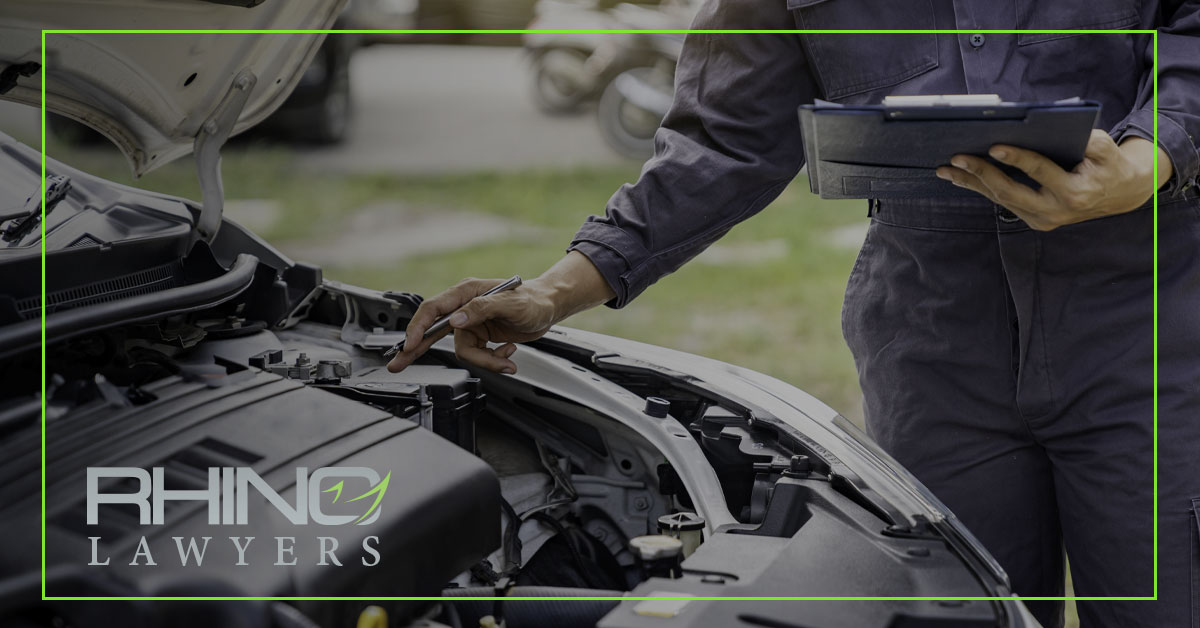
Maintenance records can tell an important story after a crash. They may reveal whether the vehicle owner regularly serviced the vehicle or ignored obvious safety problems.
Useful evidence may include:
- Oil change and maintenance logs
- Brake repair invoices
- Tire replacement records
- Vehicle inspection reports
- Fleet maintenance schedules
- Mechanic work orders
- Recall repair documentation
- Dashcam footage
- Police crash reports
- Photographs of the failed vehicle components
Investigators may compare these records with the condition of the vehicle after the collision.
For example, severely worn brake pads, bald tires, or broken lighting systems may indicate that the vehicle was unsafe long before the accident occurred.
In commercial vehicle cases, maintenance logs may also show whether required inspections were skipped or delayed.
The more evidence that can be preserved early, the easier it may be to determine whether negligent vehicle maintenance contributed to the crash.
Our Florida Personal Injury Attorneys can help preserve maintenance records and other important evidence before it disappears.
Commercial Vehicles vs. Personal Vehicles
Poor maintenance can cause accidents involving both personal and commercial vehicles.
The difference often comes down to who is responsible for keeping the vehicle safe.
Personal Vehicles
Private vehicle owners are generally responsible for maintaining their own cars.
That includes replacing worn tires, repairing faulty brakes, fixing broken lights, and addressing other mechanical issues before they become dangerous.
If someone knowingly drives an unsafe vehicle and causes a crash, that decision may become evidence in a car maintenance liability claim.
Commercial Vehicles
Commercial trucks, delivery vans, rideshare vehicles, and company-owned fleets often have additional maintenance responsibilities.
Businesses may be required to:
- Perform routine inspections
- Repair known safety issues promptly
- Keep maintenance records
- Remove unsafe vehicles from service
- Comply with federal and state safety regulations
Failure to meet those obligations can increase the risk of serious accidents.
The Federal Motor Carrier Safety Administration (FMCSA) requires many commercial motor carriers to systematically inspect, repair, and maintain their vehicles.
If a trucking company skips inspections or ignores obvious mechanical problems, the company—not just the driver—may be held responsible for resulting injuries.
Because commercial cases often involve maintenance contractors, fleet managers, and corporate insurance policies, identifying every responsible party is an important part of the investigation.
Protecting Your Rights After the Crash
The hours and days following a maintenance-related accident can have a significant impact on your claim.
If you believe poor maintenance contributed to the crash:
- Call 911 and report the accident.
- Seek medical treatment as soon as possible.
- Photograph the vehicles and visible mechanical damage.
- Take pictures of worn tires, brake components, broken lights, or other visible defects if it can be done safely.
- Obtain the police report.
- Collect witness contact information.
- Preserve repair estimates and medical records.
- Avoid repairing or disposing of the vehicle until it has been properly documented, if possible.
Prompt medical treatment is also essential.
Florida’s Personal Injury Protection (PIP) law generally requires injured motorists to seek initial medical treatment within 14 days to qualify for certain benefits. You can learn more through the Florida Highway Safety and Motor Vehicles (FLHSMV).
As the investigation moves forward, additional evidence—such as maintenance logs, repair invoices, inspection reports, or expert mechanical analysis—may help establish whether poor maintenance played a role in the collision.
Our Car Accident FAQs provide additional information about what to expect after a Florida car accident.
Frequently Asked Questions
Can poor vehicle maintenance make someone legally responsible for a crash?
Yes. If a vehicle owner, company, or another responsible party failed to maintain the vehicle and that failure contributed to the accident, they may be held liable for the resulting injuries.
Can bad brakes cause a Florida car accident lawsuit?
Potentially. If worn or defective brakes caused a driver to lose control or prevented them from stopping in time, the lack of maintenance may become an important part of an injury claim.
What if a worn tire caused the crash?
Bald tires, damaged tires, or tires with insufficient tread can reduce traction and increase stopping distances. If poor tire maintenance contributed to the accident, it may support a worn tire accident Florida claim.
Can a repair shop be responsible for a maintenance-related accident?
Possibly. If a repair shop performed negligent work or failed to complete repairs properly, it may share liability for the crash.
How do investigators prove poor maintenance caused an accident?
They may review maintenance records, repair invoices, inspection reports, photographs, police reports, vehicle data, and expert mechanical evaluations to determine whether a maintenance issue contributed to the collision.
Are commercial vehicle maintenance requirements different?
Yes. Commercial carriers and fleet owners are often subject to additional inspection, repair, and recordkeeping requirements under state and federal regulations.
Should I preserve the vehicle after the accident?
If possible, yes. Keeping the vehicle in its post-crash condition can help preserve evidence of brake failures, tire defects, lighting issues, or other mechanical problems.
Can more than one party be responsible?
Absolutely. Depending on the circumstances, liability may involve the driver, vehicle owner, employer, maintenance company, repair shop, or another responsible party.
Poor Maintenance Can Have Serious Legal Consequences
Routine maintenance isn’t just about preventing expensive repairs—it’s about preventing serious crashes. When worn brakes, bald tires, broken lights, or other neglected mechanical problems lead to an accident, the consequences can change lives in an instant.
If you’ve been injured in a poor vehicle maintenance accident in Florida, don’t assume the driver is the only person who may be responsible. Maintenance records, repair history, and mechanical inspections can reveal whether another individual or company contributed to the crash.
Neglected maintenance can have life-changing consequences. If you’ve been injured, call RHINO Lawyers at 844.RHINO.77 today for a free consultation. We’re available 24/7, and there’s no fee unless we win.
CONTACT A TAMPA AUTO ACCIDENT ATTORNEY
In short, after a car accident, you may not know your rights. Above all, don’t struggle through the process alone. Actually, our personal injury team is here to help you with any legal needs you might have regarding your accident.
Lastly, let RHINO Lawyers answer your questions and review the facts of your case with a Free Consultation. So, get started by completing the “Free Instant Case Evaluation” or by calling us any time, day or night, at 844.RHINO.77.