
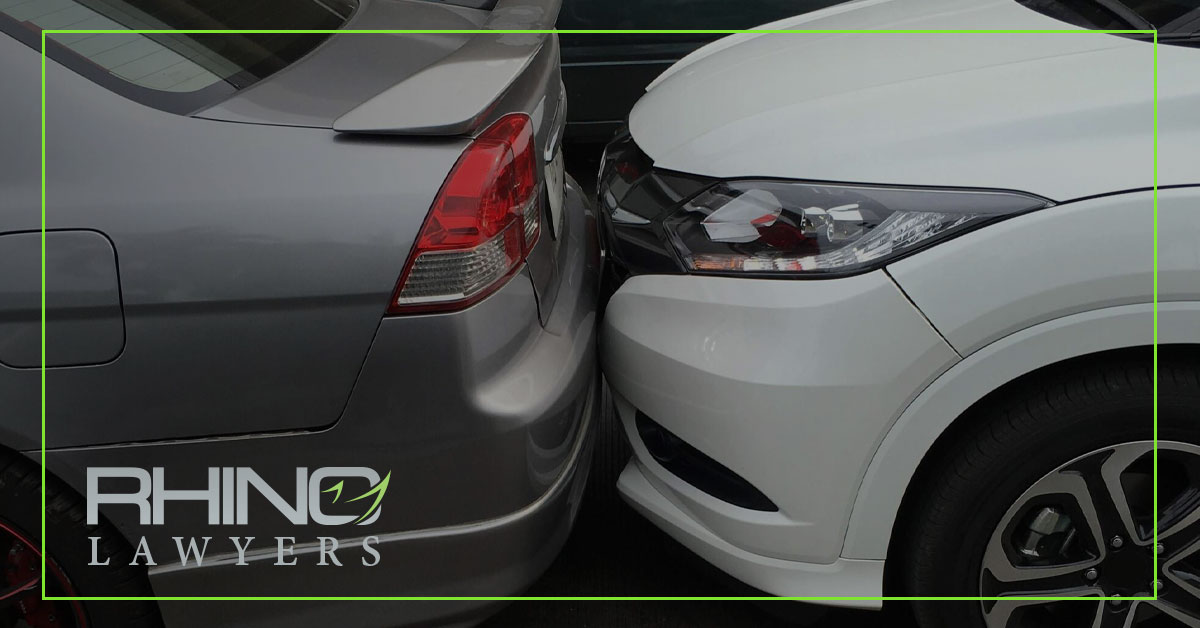
Steps To Take After Suffering Rear-End Collision Injuries
According to the Insurance Institute for Highway Safety (IIHS), in 2023, 1,177 passengers in rear crashes died. These accidents can be terrifying, as things might be okay one second, and in the next, there’s a heavy impact coming from behind.
You might thank your lucky stars if you manage to survive such a crash, but the reality is that it’s very likely you’ll suffer from long-term issues. To ensure these consequences are minimized and that your financial burden isn’t unmanageable, you need to know what to do in the case of rear-end collision injuries.
Are you now curious about protecting your health post-collision and the injury claim process? Then keep reading. We’ll show you exactly what to do.
The Initial Steps After the Accident
You should call the police immediately, as there will be an official record. They’ll document the accident, who was involved, and any citations issued. While a rear-end accident puts the trailing driver at fault in most cases, an official report can solidify things.
Next, seek prompt medical attention. If there’s a gap in your treatment, then this can weaken your claim, as insurers and defense attorneys look for evidence that you’ve had consistent care; this validates your injuries. Make sure you save every:
- Bill
- Diagnostic result
- Doctor’s note
Keeping a journal of your symptoms, pain levels, and limitations can be helpful too.
Consult a Personal Injury Attorney Early
A personal injury attorney can assist with your legal rights after a collision, especially since insurance adjusters are trained to minimize payouts and shift blame. A legal professional can protect your rights, as well as calculate fair damages, and handle negotiations or litigation for you.
Here’s a quick list of what they can do for you:
- Collect evidence and build your case
- Communicate with insurers on your behalf
- Help you avoid statements that can be used against you
- Ensure your claim is filed within your state’s statute of limitations
Avoid Giving Recorded Statements Without Legal Advice
Anything that you say can easily be twisted or taken out of context by the at-fault driver’s insurance company. It’s very important that you don’t say things like “I feel fine” or “I don’t hurt too badly,” as these statements can be used to deny or reduce your claim.
You should politely decline to provide a recorded statement without legal counsel. Instead, let your attorney handle all direct communications.
Initiate a Personal Injury Claim
Navigating collision insurance claims can be challenging, so this is where your lawyer can be a major help. They’ll assist with a third-party claim with the at-fault driver’s insurer.
The claim will include:
- Medical expenses (past and future)
- Lost wages or loss of earning capacity
- Pain and suffering
- Property damage
- Out-of-pocket expenses (transportation, medical devices, etc.)
You should note that if the driver was uninsured or underinsured, your attorney might help you file a claim through your own UM/UIM policy. Whatever happens, you’ll have more peace of mind during your rear-end accident recovery process.
Gather Evidence to Strengthen the Legal Case
To build a solid case, your attorney or legal team will collect:
- The police report
- Medical records and bills
- Photos from the scene
- Dashcam footage (if available)
- Witness statements
- Employment records (to prove lost wages)
- Expert opinions (doctors, vocational specialists)
The stronger your evidence, the more negotiating power you’ll have.
Understand Comparative Negligence Laws
The laws regarding fault and compensation vary by state; both Florida and Wisconsin use comparative negligence rules. In Florida, if you’re over 50% responsible for the accident, then you can’t recover any compensation. It’s the same in Wisconsin, but if you’re under 51%, your damages are reduced proportionally.
Essentially, your compensation can be reduced or eliminated based on your percentage of fault. This is why it’s essential to have thorough documentation and legal representation.
Negotiate the Settlement Strategically
Most likely, the insurance company will start with a lowball offer. Don’t accept the first offer; your attorney can send them a demand letter that helps with negotiations.
If you can’t reach a fair settlement, then your attorney may file a personal injury lawsuit. The steps are:
- Complaint filed
- Discovery phase
- Depositions
- Motions
- Trial
- Judgment or settlement
You should know that most cases settle before reaching trial. However, you should be prepared to litigate to increase your leverage.
Monitor Deadlines for Statute of Limitations
Every state has its own strict statutes of limitations, which are how long you have to file a personal injury lawsuit after the collision. Florida’s statute of limitations is two years, and Wisconsin’s is three years.
If you don’t file promptly, then this can lead to denied insurance claims, and it can bar you from suing altogether.
Track and Calculate Damages Thoroughly
Don’t leave money on the table; if you do a full accounting, then you’ll be more financially secure. Of course, economic damages include medical bills, lost wages, and property damage. But there are also non-economic damages, such as:
- Pain and suffering
- Emotional distress
- Loss of enjoyment in life
There may also be punitive damages in rare cases. For example, the at-fault driver’s behavior may have been grossly negligent.
Avoid Social Media Pitfalls
Modern society values sharing your daily life on social media, but it can be harmful to your case. Often, insurance companies monitor claimants’ accounts to look for evidence that can undermine your credibility. For instance, they’ll search for posts that:
- Show physical activity
- Contradict claimed injuries
- Reference the accident or case
It’s best to stay off social media or lock down your profiles during the claim process. And never discuss your case online, just to be safe.
Minimize Issues From Rear-End Collision Injuries
Rear-end collision injuries can be terrible to suffer through, and financial worries can make your burden all the worse.
The good news is that these collisions are often straightforward in a legal sense, as there’s almost no doubt who’s at fault. The harder part is securing full compensation, which requires strategic action. So, make sure you follow the steps in this article and secure a fair settlement or award.
Schedule a free video consultation with us now if you’ve recently had a rear-end collision. RHINO Lawyers offers FREE case reviews, backed by our attorneys’ combined experience of over 55 years.
CONTACT A TAMPA AUTO ACCIDENT ATTORNEY
In short, after a car accident, you may not know your rights. Above all, don’t struggle through the process alone. Actually, our personal injury team is here to help you with any legal needs you might have regarding your accident.
Lastly, let RHINO Lawyers answer your questions and review the facts of your case with a Free Consultation. So, get started by completing the “Free Instant Case Evaluation” or by calling us any time, day or night, at 844.RHINO.77.
Read More
What Are the 3 Elements of Standing to Sue in Florida?
Nobody wants to go to the emergency room, but heading to the hospital is more common than you think. According to the Centers for Disease Control and Prevention, there are around 155.4 million ER visits each year. Unfortunately, many of these injuries were caused by the actions or negligence of another person.
Overcoming an injury’s ramifications can be difficult, especially when it affects your quality of life. You may be seeking legal action as a result of your injuries. But, do you have standing to sue?
The standing to sue definition can be complicated to understand. This blog will break down the three elements included in standing to sue. We’ll also talk about why you should partner with an experienced attorney when pursuing legal action in Florida.
Understanding the Standing to Sue Definition in Florida
Before we dive into the three elements that make up this concept, let’s dive into the standing to sue definition. Standing to sue refers to whether an entity or individual has a legal right to file a court lawsuit. A simple term for this is “standing.”
Standing to sue is outlined in Florida state law and the United States Constitution. A person filing a lawsuit in a personal injury case needs to prove that they were injured as a result of another party’s failure to act or their actions. If the individual filing the court case doesn’t have standing, the court can’t hear the case.
There are three main elements in the lawsuit eligibility criteria, including:
- Injury in fact
- Causation
- Redressability
1. Injury in Fact
The first element of demonstrating legal causation is injury in fact. This essentially means that the individual needs to show they suffered concrete, actual, and particularized damages from an accident that resulted in the lawsuit.
These damages don’t necessarily refer to bodily injuries. It can also include different non-economic and economic damages, such as:
- Pain and suffering
- Property damage
- Disability
- Lost wages
- Medical bills
The plaintiff needs to have experienced the injury in fact before filing their lawsuit. They don’t have cause to bring legal action without damages suffered or injury in fact.
Most court cases require supporting evidence that demonstrates the injuries sustained to substantiate injury in fact. This can be various elements, including:
- X-rays
- Doctor’s notes
- Medical records
- Witness statements
- Medical expert testimony
- Bills
- Videos and photos
- Wage documents
- Receipts
The most difficult element to prove is pain and suffering. A few ways a personal injury lawyer can show that the victim has gone through emotional turmoil due to their injury include:
- Victim testimony
- Statements from friends and family of the victim
- An official diagnosis of PTSD (post-traumatic stress disorder)
- An injury journal
2. Causation
Causation is the second element included in the legal standing concept. The individual filing the lawsuit needs to prove a connection between the harm and suffering they sustained and the actions of another party or person. In simple terms, causation asks, “Did this organization or person cause this individual’s injury?”
For example, a driver ran a red light and crashed into another vehicle. The driver of that other vehicle suffered major internal injuries. However, without proving causation, there is no link between the harm that occurred and the actions of the other party, making it the most challenging element to establish.
The victim’s attorney needs to prove that their client’s injuries wouldn’t have happened if the other party or person wasn’t negligent. There are four components of negligence to consider:
- Duty of Care:</strong The defendant has a responsibility to exercise reasonable care.
- Breach of Duty: The defendant committed an omission or act that failed their duty of care.
- Causation: The breach of duty caused the injury and accident.
- Damages: The victim’s quantifiable losses, like injuries, from the accident.
There are two main types of causation – proximate and actual. Proximate care is the more complicated of the two.
Proximate care shows that the defendant’s actions were close to the chain of events that caused the victim’s harm to be legally valid. Actual or factual care is proof that the defendant’s actions were a direct cause of the accident. There needs to be enough evidence that the defendant’s actions were the actual and proximate cause of the injuries to have standing to sue.
3. Redressability
Legal redressability is the final element of standing to sue. This refers to whether or not the court system can provide the victim with relief or a remedy for their injuries. This relief needs to adequately address the harm that they’ve suffered.
Redressability is a major component of standing to sue as it ensures that the victim’s legal claim can provide meaningful relief for their injuries. It also addresses the consequences of the defendant’s negligence or actions. This element is significant because it does the following:
- Ensures that victims have access to the legal system and justice
- Determine the right legal remedies for the victim
- Provides compensation and closure for the harm they’ve suffered
Some of the ways the plaintiff can receive relief from the judicial system include reimbursement for future and past losses, such as:
- Health care costs
- Losses of future and current wages
- Pain and suffering
- Other non-economic and economic losses
Keep in mind that if the court can’t provide a solution or help, then the plaintiff doesn’t have standing to sue. Readressibility ensures that filing a lawsuit will help the victim rather than resulting in an empty court ruling.
Partner With an Experienced Personal Injury Attorney in Florida
Seeking justice for an injury you sustained due to another party’s negligence or actions can be complicated, as you can see from the standing to sue definition. Filing a lawsuit isn’t something that you can do alone. You need to hire an experienced personal injury attorney who’s well-versed in the legal standing concept.
At RHINO Lawyers, we don’t believe you should have to navigate the aftermath of an injury alone. Our attorneys have secured nearly $100,000,000 in damages for injured clients, demonstrating our strength and success in the industry. Contact our office today to schedule a free consultation to discuss your case.
CONTACT A TAMPA AUTO ACCIDENT ATTORNEY
In short, after a car accident, you may not know your rights. Above all, don’t struggle through the process alone. Actually, our personal injury team is here to help you with any legal needs you might have regarding your accident.
Lastly, let RHINO Lawyers answer your questions and review the facts of your case with a Free Consultation. So, get started by completing the “Free Instant Case Evaluation” or by calling us any time, day or night, at 844.RHINO.77.
Read More
Florida’s Zero-Tolerance Policy for Underage DUI: What Young Drivers Need to Know
According to Jacksonville.com, the Florida Highway Safety and Motor Vehicles (FHSMV) says the state is home to 456,754 teen drivers. Nearly half (205,000) of these teen drivers (aged 15 to 19) had a learner’s license as of May 2024.
As a teen driver in Florida (or a parent of one), it’s crucial to remember that driving is a privilege, not a right. Committing driving errors, especially breaching the state’s zero-tolerance policy against driving under the influence (DUI), can lead to a loss of such privilege. Worse, underage DUI cases that cause death or injury can result in criminal charges.
In this guide, the team of legal professionals at RHINO Lawyers will share insights into teen driving laws in Florida. Read on to discover DUI penalties for minors and how legal help for underage DUI can safeguard their privileges and future.
What Is Florida’s Zero-Tolerance Policy?
Florida’s zero-tolerance policy is for underage drivers (anyone under the age of 21). It’s part of Florida Statutes Title XXIII Chapter 322.2616. Under this law, it’s unlawful for anyone under the age of 21 to drive or be in actual physical control of a motor vehicle if their breath-alcohol or blood-alcohol level (also called blood alcohol content or BAC) is 0.02 or higher.
BAC is a unit of measure for the amount of alcohol in an individual’s bloodstream.
What Does It Take to Reach a BAC of 0.02?
As this chart from Healthline shows, all it takes to get a BAC of 0.02 is one standard drink. However, a standard drink can result in a higher BAC, depending on the person’s gender. Women can have a higher BAC than men after consuming the same alcoholic beverage due to factors like:
- Having a lower body water content
- Hormonal fluctuations
- Fewer alcohol-metabolizing enzymes in the liver and stomach
Weight also plays a role; the less a person weighs, the higher their BAC can get.
According to Alcohol.org, one standard drink for BAC measuring purposes is equivalent to:
- One 12-ounce beer with a 5% alcohol by volume (ABV) content
- One glass of 5-ounce wine with a 12% ABV content
- A 1.5-ounce shot of liquor with a 40% ABV content
The only thing that can lower a person’s BAC is time. Not drinking anything containing alcohol is the only way to keep one’s BAC at 0.0%.
It’s also vital to note that in Florida, one can get charged with DUI even without drinking alcohol. Having traces of illicit drugs in one’s system, such as LSD or ecstasy, is an example.
What Are the Consequences of Underage DUI Cases in Florida?
Underage DUI can result in both administrative and criminal charges. Based on the circumstances surrounding the charge, it may only result in license suspension, but for more severe cases, hefty legal fines may also apply. The severity of the punishment and penalty also depends on whether it’s a first or subsequent DUI offense.
License Suspension
Under Florida Statutes Title XXIII Chapter 322.2616, a first-time underage DUI case involving a BAC of 0.02% will result in the immediate suspension of one’s license for six months. A one-year suspension will apply if it’s a teen driver’s second offense.
If a teen driver refuses to submit to a lawful breath test, they will have their driving privilege suspended for one year if it’s their first offense. The suspension increases to 18 months if it’s their second offense and they’ve refused to undergo a lawful breath test during their first underage DUI case.
Legal Fines
Drivers under 21 caught driving under the influence may also face monetary fines. Depending on the specifics of the charge, they may have to pay anywhere from $500 (e.g., if their charge involves a BAC of 0.02%) to $2,000 (for a BAC of 0.08% or higher).
Completion of a Substance Abuse Course
A minor driver caught driving with a BAC of 0.05 or higher will have their license suspended until they complete a state DMV-licensed DUI program for a substance abuse course. The offender will shoulder the cost of this course. The DMV will not reinstate the driver’s license unless they complete the program.
A law enforcer who catches and proves that a teen driver under 18 was driving with a BAC of 0.02 or higher may also take the offender to an “addiction receiving facility” in the county where the minor was driving.
Criminal Charges
Florida’s zero-tolerance policy doesn’t impose criminal charges on teen drivers unless their BAC is 0.08 or higher. In this case, they may face imprisonment in a county jail and provide hours of community service.
Underage DUI cases that result in property damage, bodily injury, or death may also lead to misdemeanor or felony charges.
What Should Teens and Parents Do About an Underage DUI Case?
Defenses are available for DUI traffic violations for teens in Florida, making it possible for you or your child to avoid criminal convictions. The key is to partner with a highly experienced and skilled attorney who focuses on underage DUI defense.
A DUI lawyer in Florida can help teen drivers and their parents avoid the long-term implications of underage drinking and driving by either getting the charges dropped or reducing the consequences of DUI convictions. They will gather and review evidence, including the results of the breath and field tests and the procedures taken by the involved law enforcement officers. They will also help you understand all available legal options, such as:
- Plea bargains
- Entering diversion programs
- Taking the case to court and fighting the charges
The last option is typically viable if the lawyer identifies any errors in the tests or procedures done. Either way, they’ll conduct a thorough and careful examination of all the facts to fight the conviction and prevent one mistake from affecting a teen driver’s entire future.
Partner With RHINO Lawyers for an Underage DUI Case
An underage DUI conviction can have lifelong implications and consequences on a teen driver’s future. Prevent these by partnering with highly experienced and skilled DUI attorneys.
At RHINO Lawyers, we have decades of combined experience in successfully representing and defending clients facing traffic and criminal charges. We will do the same for you or your child facing a DUI conviction. Let us help you protect your or your teen’s future with our skills, expertise, and in-depth knowledge of Florida road laws.
Speak with us today for a free video consultation and case review!
CONTACT TAMPA TRAFFIC TICKET ATTORNEY
RHINO Lawyers can help and guide you through a system molded by law enforcement, judges, and lawyers for decades. Having won cases for our clients in similar circumstances, our criminal defense team knows what it takes to fight on your behalf.
Let RHINO Lawyers answer your questions and review the facts of your case with a Free Consultation. So, get started by completing the “Free Instant Case Evaluation” or by calling us any time, day or night, at (844) RHINO-77.
Read More
3 Ways Florida Child Injury Cases Differ from Adult Claims
Did you know that one in 10 Florida children gets injured enough to need to go to the emergency room? It can be incredibly traumatic for families if their child sustains a serious injury. It’s even more difficult if their injury is the result of someone else’s negligence.
Families may consider pursuing legal action to seek justice after that kind of incident. Personal injury lawyers can help families pursue compensation for their child’s injuries. It’s important to understand the differences between a child injury lawyer versus an attorney who works on adult cases.
This blog will dive into the three major differences between how an attorney handles child accident lawsuits. We’ll discuss where to seek assistance if you’re dealing with this type of scenario.
1. Statute of Limitations: Extended and Special Rules For Minors
In general, the statute of limitations for filing a child injury claim in Florida is the same as it is for adults – two years. Under Florida law, claimants have two years from the date of the incident to file claims founded in one of the following:
- Wrongful death
- Medical malpractice
- Negligence
Keep in mind that this timeframe can extend up to seven years in certain circumstances. This applies in circumstances when the guardian or parent is:
- Absent
- Incapacitated
- Has a conflict of interest
Another way this rule can change is in the case of birth injury lawsuits because the evidence of negligence isn’t always apparent within the two-year timeframe. The statute of repose can get extended to up to eight years, but a claim can’t be filed after the child’s eighth birthday.
These types of scenarios fall under the “discovery rule.” In these instances, the statute of limitations doesn’t start until the individual knows or should have known they were injured. The purpose of this rule is to prevent unjust outcomes where a person discovers that they were a victim after the statute of limitations has expired.
That’s why it’s important to connect with an experienced child injury attorney immediately if you believe an injury occurred to your child. They’ll let you know if your claim falls within the statute of limitations and if there’s any validity to it.
2. Legal Standing: Who Can File the Lawsuit and Manage Compensation
Children under the age of 18 don’t have the legal standing to file a lawsuit or claim for personal injuries in Florida. However, they shouldn’t wait until they are of age to look into filing.
While children can’t file a lawsuit or retain legal counsel themselves, Florida law allows a child’s parents or guardians to explore filing a claim and pursuing a settlement on behalf of their child. The claim can’t be more than $15,000. This includes life insurance policies and personal injury claims, where they can do the following with the proceeds:
- Collect
- Receive
- Manage
- Dispose
There are many child injury compensation cases where the settlement may be more than $15,000. Parents and guardians can still pursue these claims with court approval. The funds will need to be held in a restricted bank account where reasonable and necessary withdrawals can be made if they’re for the child’s benefit.
While these regulations may be frustrating to some, they’re designed to protect the child and their best interest. Parents of an injured child should connect with a child injury lawyer for guidance through the process. It’s important to remember that parents may have claims for losses that they incurred because of their child’s injuries.
Some of these losses may include:
- Medical expenses for their child’s treatment
- Future medical costs for their life
- Lost earning capacity for the future
- Pain and suffering
3. The “Reasonable Person” Standard: Adjusted For Children
One of the key differences between adult and child injury cases in Florida is the “reasonable person” standard. Children aren’t held to the same standard as adults. Children, unlike adults, get assessed on what is reasonable for someone of their age:
- Intelligence
- Age
- Maturity
Florida law is written to acknowledge that children might not fully understand risks, especially in certain situations that include “attractive nuisances.”
For example, property owners need to secure dangerous features around their home, like trampolines or swimming pools. That’s because they can attract children who may not know the risks that are involved with those types of attractions.
Florida law does give immunity to property owners in a case where someone is trespassing on their property and gets hurt. On the flip side, if a child gets injured because someone fails to take reasonable actions to protect those enticed by these “attractive nuisances,” the adult can be held accountable.
Frequently Asked Questions
As you can see, working through a personal injury case where the child is the victim can be complicated. There are major differences between these cases and those with adults. Let’s talk about some of the most frequently asked questions we get on the topic.
Can a Minor Ever File a Lawsuit on Their Own?
While a person over the age of 18 can pursue legal compensation for an injury sustained while they were a minor (so long as it falls within the statute of limitations), a minor can’t file a lawsuit on their own behalf. Their legal guardian or parents will need to retain a lawyer on their behalf to pursue justice.
What Should Parents Do After a Child Is Injured?
Parents should contact an experienced child injury attorney if their child was hurt due to someone else’s negligence. It doesn’t hurt to get in touch with a lawyer even if you’re not sure if your claim meets Florida’s requirements. They’ll review your case and let you know if you have grounds for filing a lawsuit.
Request a Free Consultation With a Child Injury Lawyer in Florida
All personal injury cases aren’t created equal in Florida. From the statute of limitations to a child’s legal standing to the “reasonable person standard,” there are many nuances when it comes to child injury compensation cases. A child injury lawyer can help parents and guardians navigate these types of cases while protecting a child’s legal rights.
At RHINO Lawyers, we understand the impact child injuries have on your entire family. Our personal injury attorneys have experience working on negligence and medical malpractice cases. Contact our office to schedule a free consultation.
CONTACT A TAMPA AUTO ACCIDENT ATTORNEY
In short, after a car accident, you may not know your rights. Above all, don’t struggle through the process alone. Actually, our personal injury team is here to help you with any legal needs you might have regarding your accident.
Lastly, let RHINO Lawyers answer your questions and review the facts of your case with a Free Consultation. So, get started by completing the “Free Instant Case Evaluation” or by calling us any time, day or night, at 844.RHINO.77.
Read More
Navigating Florida’s Open Container Laws: What Drivers Need to Know
Florida’s vehicle open-container law creates a noncriminal traffic violation under state law. A driver’s violation is treated as a moving violation, while a passenger’s violation is treated as a nonmoving violation. Separate DUI or other criminal charges can arise when additional facts support them, but possession of an open container does not by itself make the state-law violation a crime.
Drinking in moderation is alright, provided you do so at the right time and in the right place. In Florida, for instance, drinking in the wrong place, such as a car (even a parked one), can be a breach of open container laws. Depending on the circumstances surrounding the case, you may find yourself facing hefty fines and even jail time.
In this guide, the experienced legal professionals at RHINO Lawyers will explore Florida drinking regulations and traffic violations. Read on to discover facts about getting caught with an open container of alcohol in the state.
Open Container Laws in Florida
According to Bankrate’s 2025 drunk driving statistics, data from the National Highway Traffic Safety Administration (NHTSA) reveals that around one person dies every 39 minutes in the U.S. due to drinking and driving. Each year, over 11,000 people lose their lives as a result of drunk driving incidents. Bankrate also cited statistics for Florida: In 2022 alone, the state had 3,530 alcohol-related traffic fatalities, the third highest among all states.
Given the deadly consequences of driving under the influence of alcohol, Florida enforces strict alcohol-related driving laws.
Florida Statutes Title XXIII Chapter 316 Section 1936 governs the state’s open container laws. By law, an “open container” refers to any container containing an alcoholic beverage that a person can immediately consume from or has a broken seal.
Any person in Florida possessing an open alcoholic beverage container while driving or operating a vehicle is in breach of this law. The same goes for a passenger.
Florida’s road-related alcohol consumption laws consider an open container of an alcoholic beverage to be in someone’s possession if the person has physical control over it or if it’s not in:
- A locked glove compartment
- Locked trunk
- A locked non-passenger section of the motor vehicle
In short, alcohol consumption laws in Florida prohibit people who are either driving, in physical control, or a passenger of motor vehicles from possessing, consuming, or transporting alcohol in unsealed containers that are not locked away.
What About Parked Vehicles?
Florida’s open container laws also make it illegal to have open containers of alcoholic beverages in a car parked in a place open to public travel. Examples include but are not limited to:
- Alleys
- Streets
- Highways
- Sidewalks
- Bridges
- Tunnels
If you’ve parked your vehicle on private property (e.g., a private driveway or garage), you can drink while sitting in the parked car.
Are There Exceptions to Florida’s Vehicle Open-Container Law?
Yes. Florida Statute §316.1936 contains specific passenger exceptions.
The statute does not apply to:
- a passenger in a vehicle when the driver is operating under a contract to transport passengers and holds the required commercial driver license with a passenger endorsement;
- a passenger on a bus whose driver holds the required commercial driver license with a passenger endorsement; or
- a passenger in a self-contained motor home longer than 21 feet.
Florida law also provides that a properly sealed alcoholic beverage transported under specified restaurant and alcoholic-beverage licensing statutes is not an “open container” for purposes of §316.1936.
These exceptions should be evaluated under the exact facts rather than assuming every commercial or for-hire vehicle automatically qualifies.
Florida Open-Container Penalties
Under §316.1936, a driver who violates Florida’s vehicle open-container law commits a noncriminal moving traffic violation.
A passenger who violates the law commits a nonmoving traffic violation.
Chapter 318 currently establishes a $60 base penalty for ordinary moving violations that do not require a mandatory appearance and a $30 base penalty for nonmoving traffic violations. Court costs and other lawful assessments may increase the total amount due.
A county or municipality may adopt an ordinance imposing more stringent restrictions than the statewide open-container statute, so local law may also need to be checked.
An open container may also lead an officer to investigate possible DUI, but an open-container citation and a DUI charge are separate legal issues.
What to Do When Facing an Open Container Violation
Suppose you or someone you care about is facing a charge for violating open container laws in Florida. In that case, the first step is to seek professional legal advice from a highly experienced DUI defense attorney.
A DUI defense lawyer will inform you of all your rights and potential defenses for an open container violation. They’ll review all the facts, evidence, and circumstances surrounding the incident. They’ll then use their findings to develop the best course of action, which may involve challenging the charges or negotiating a plea deal.
Possible defenses depend on the facts and the statutory elements. Issues may include whether the container legally qualified as open, whether it was actually in the driver’s or passenger’s possession under §316.1936, whether a statutory passenger or motor-home exception applied, and whether evidence resulted from an unlawful search or detention.
A BAC below .08% does not, by itself, defeat an open-container violation because intoxication is not an element of §316.1936.
RHINO Lawyers Can Help
Open container laws in Florida exist to help with public safety and mitigate the dangerous, even deadly consequences of drunk driving. However, individuals charged with violating these rules still have the right to due process. In some cases, law enforcement officers may inaccurately charge them or even conduct illegal vehicle searches.
RHINO Lawyers can help if you or a loved one is facing a charge or conviction for violating Florida’s open container laws. Our attorneys have decades of combined experience in handling and representing individuals who’ve been in the same situation. We’ll use our knowledge, expertise, and skills to fight for and protect your rights and achieve the best possible outcome.
Contact us today so we can get started with your free case review.
CONTACT TAMPA TRAFFIC TICKET ATTORNEY
RHINO Lawyers can help and guide you through a system molded by law enforcement, judges, and lawyers for decades. Having won cases for our clients in similar circumstances, our criminal defense team knows what it takes to fight on your behalf.
Let RHINO Lawyers answer your questions and review the facts of your case with a Free Consultation. So, get started by completing the “Free Instant Case Evaluation” or by calling us any time, day or night, at (844) RHINO-77.
Read More
The Impact of Traffic Violations on Out-Of-State Drivers in Florida
According to VISITFLORIDA.org, Florida welcomed 143 million visitors in 2024, 1.6% more than in 2023. Most folks who visit the Sunshine State do so through non-air transportation, including travel by car. In 2023 alone, 60.1% of the state’s visitors (excluding residents) came via non-air means.
If you also plan to visit the Sunshine State by car, whether for pleasure as part of your road trip or business purposes, it’s best to familiarize yourself with Florida driver’s license requirements for out-of-state motorists and violations. Otherwise, you risk dealing with traffic violations that can impact your driving record in your home state.
The legal professionals at RHINO Lawyers have shared insights into Florida traffic violations and driver’s license requirements for out-of-state drivers in this guide, so read on.
Florida Driver’s License Requirements for Out-of-State Motorists
One of the most crucial driver’s license requirements for out-of-state drivers wishing to operate a vehicle on Florida roads is to have a valid driver’s license that satisfies Florida laws. A motorist caught without a valid driver’s license can face the following penalties, as stated in Florida Statutes Section 322.03:
- First conviction: A second-degree misdemeanor
- Second conviction: A first-degree misdemeanor
- Subsequent convictions: A first-degree misdemeanor, including a mandatory jail time of 10 days
In Florida, misdemeanors are punishable by imprisonment and fines (Florida Statutes Section 775.083 and 775.082). A second-degree misdemeanor can lead to jail time of up to 60 days, a fine of $500, or both. The imprisonment term for a first-degree misdemeanor lengthens to a maximum of one year, a fine of $1,000, or both.
Florida driving laws also prohibit specific types of out-of-state driver’s licenses. According to the Florida Highway Safety and Motor Vehicles (FHSMV), the following are no longer valid in Florida.
Drive-Only (DO) Licenses Issued in Connecticut
Connecticut issues DO licenses specifically to undocumented individuals 16 years or older who can’t establish their lawful presence in the country. They allow individuals to drive in Connecticut and buy auto insurance legally, but they aren’t valid for voting or federal identification purposes.
In Florida, DO licenses aren’t valid. Holders can’t present them to law enforcement officers who require them to present or show a “valid driver’s license.”
Delaware Driving Privilege Cards (DPCs)
The Delaware Division of Motor Vehicles (DMV) issues DPCs to undocumented Delaware residents of any nationality (except U.S. Citizens and people with valid legal presence documents). DPCs allow their bearers to drive legally, but only within Delaware.
Delaware DPCs are not valid forms of identification. Florida also considers them invalid forms of driver’s licenses. Out-of-state drivers from Delaware who can only show a DPC if asked to produce a driver’s license may therefore face Florida traffic violations.
How Traffic Violations in Florida Affect Drivers From Other States
Traffic violations committed in Florida by out-of-state drivers can affect their driving record back in their home state. A traffic ticket issued in Florida to a motorist who holds an Alabama license, for instance, can reflect on the Alabama driver’s record, resulting in increased driving record points. The DMV of the offending driver’s home state will know about the offense through the Driver License Compact (DLC)
What Is the DLC?
The DLC is an agreement between participating states. As members, states share information about traffic violations and offenses committed by non-resident drivers.
How the DLC Works
If a driver licensed in one DLC state receives a traffic ticket in another member state, the state where the offense occurred will communicate with and inform the driver’s home state about the violation. The home state will then treat the out-of-state offense as if it happened within its borders.
What Actions Can DLC Member States Take?
In addition to points, DLC member states can take more severe actions against their residents who commit traffic violations in another DLC state. An example is a license suspension.
Many traffic violations in Florida can lead to a license suspension, with repetitive distracted driving being one of them, such as subsequent or multiple offenses involving texting and driving. Given that this type of distracted driving can lead to crashes that can cause severe injuries, even death, Florida has stringent laws governing it. Aside from fines, it can lead to racked-up points, which can ultimately warrant a license suspension.
If you get caught texting while driving in Florida, your home state will know about it and apply the appropriate points to your record. If your total driving points reach 12, your home state’s DMV will suspend your license.
Fighting Traffic Fines to Reduce Traffic Penalties
If you or someone you care about is facing hefty fines and penalties due to a traffic violation as an out-of-state driver in Florida, you have legal options to fight it. You can contest it in person, or better yet, hire a highly experienced traffic attorney to help you navigate the complexities of Florida’s traffic laws and DLC regulations.
At RHINO Lawyers, our team consists of seasoned attorneys who focus on traffic tickets. Throughout our years in service, we have helped thousands of motorists get their tickets dismissed and their penalties and fines reduced. Reach out to our legal team today if you or a loved one is facing a charge for violations involving:
- Speeding
- Stop signs
- Red light
- Careless driving
- Toll violation
Our lawyers are also highly experienced defense attorneys for traffic misdemeanors and felonies. We’ve won cases for other clients who were in a similar situation to yours, and we’ll strive hard to achieve the same favorable results for you.
Get Exceptional Legal Help for Traffic Violations in Florida
Now that you know more about Florida driver’s license requirements for out-of-state motorists and violations that can follow you back to your home state, the next step is to ensure you can legally operate a vehicle on the Sunshine State’s roads. However, if you or someone you care about has already become the subject of a traffic violation in Florida, it’s time to lawyer up.
Let the attorneys at RHINO Lawyers, who have decades of combined experience, represent you and protect your rights. We stand by our motto, “No Court. No Points. Or Your Money Back.” We’ll help you fight your traffic ticket so you can keep your driving points down and your record clean.
Talk to us today for a free consultation and case review!
CONTACT TAMPA TRAFFIC TICKET ATTORNEY
RHINO Lawyers can help and guide you through a system molded by law enforcement, judges, and lawyers for decades. Having won cases for our clients in similar circumstances, our criminal defense team knows what it takes to fight on your behalf.
Let RHINO Lawyers answer your questions and review the facts of your case with a Free Consultation. So, get started by completing the “Free Instant Case Evaluation” or by calling us any time, day or night, at (844) RHINO-77.
Read More
Why Most Florida Car Accident Cases Don’t Go to Trial
The term “court battle” caught on for a reason. Both sides must ready their army of lawyers and witnesses, armed with their weapons of evidence.
A settlement is like a peace treaty. Both sides agree to the terms and get what they want.
You’d think this wouldn’t be the preferred option in cases that can involve serious injury or damage, such as car accidents. Most never go to trial and settle out of court instead. Neither side has to lose anything but can benefit in more ways than one.
Read on to learn how Florida car accident lawyers can get you the settlement you deserve, even without going to court.
Trials Are Expensive
Car accidents can be one of the most expensive types of accidents. What if you need to pay to repair your car or pay for damaged property? What about your medical bills after an injury?
Your bill will only grow if you bring the case to court. There are several unexpected costs to contend with, including:
- Court filing fees
- Hiring process servers
- Getting copies of witness reports or medical records
All of that extra money might not even result in a higher payout. That’s why it may be more cost-effective not to go to court.
You won’t end up losing money with the right representation. Your Florida car accident lawyers will work to ensure you get a fair settlement offer. It’ll cover any damages and pay your bills.
Trials Are Time-Consuming
Auto accident trials are a long and arduous process. It can take months or even years from the date of the accident to the date of the trial for them to end.
Insurance companies and lawyers may also use stalling tactics if they’re not ready to bring the case to court. They could try a continuance to reschedule the official hearing. That makes it take even longer for a verdict to be reached.
The worse your damages from the accident are, the less time you have to spare. What if you have a worsening medical condition, such as a traumatic brain injury? What if you are injured and have lost wages? Every lost minute is time you don’t have to recover and money down the drain.
You and your family might not be able to afford to wait for a trial. It may be better to accept a settlement instead so that you don’t have to sit and watch the valuable seconds tick by.
Trials are Stressful
Auto accidents are also one of the most stressful life events you could experience. According to a meta-analysis published in the Transportation Research Interdisciplinary Perspectives journal, approximately 1 in 5 survivors develop symptoms of post-traumatic stress disorder or PTSD.
A trial can add undue physical and emotional hardship. It’s worse for victims who are still recovering from the physical and emotional impact of auto accidents.
Out-of-court settlements are a more amicable way to achieve a desired outcome. They’re also more private. All details of the accident and its aftermath remain confidential.
Verdicts are Uncertain
The right to trial by jury is one of the most basic American rights. The one problem with it is that juries are unpredictable.
You might not get the result you’re expecting, even if there’s strong evidence. The jury may still not side in your favor. Members may be biased against you. You may even get less than what was initially offered in a settlement.
You have more control over the outcome when settling out of court. Give any evidence you’ve gathered to your Florida car accident lawyers. Their job is to create a compelling case in your favor. You spend your time healing.
Insurance Companies Prefer to Settle Vehicle Accident Claims
Insurance companies tend to settle when it comes to vehicle accident claims. Their reasons are similar to those that deter victims from taking their case to court.
They want to keep costs low, which means avoiding court fees and large payouts. They’re on a tight schedule and want to close claims as quickly as possible.
Insurance companies also have their reputation to protect. A trial is more public than a settlement. It can give them negative attention or expose poor claim-handling processes.
How Florida Insurance Law Affects Car Accident Claims
Florida’s no-fault system can affect how certain losses are handled after a crash, but Personal Injury Protection and Property Damage Liability cover different things.
Personal Injury Protection
Florida PIP can provide certain medical and disability benefits without regard to who caused the crash.
PIP generally provides up to $10,000 in combined medical and disability benefits. Covered medical expenses are generally reimbursed at 80%, and qualifying lost-income benefits are generally paid at 60%, unless applicable lost-income coverage was validly excluded.
Initial qualifying medical services and care generally must be received within 14 days after the crash for PIP medical benefits.
PIP does not pay for damage to a vehicle or other property.
Property Damage Liability
Florida’s required Property Damage Liability coverage generally pays for damage an insured person is legally responsible for causing to another person’s property, subject to the policy and applicable law.
It should not be described as every driver’s own first-party property coverage.
Not Every Claim Follows the Same Deadline
Most Florida negligence actions arising from crashes on or after March 24, 2023 generally have a two-year limitations period, but different claims can have different deadlines.
Claims involving government entities can have separate pre-suit notice and procedural requirements. They should not be summarized as having one universal 90-day filing deadline.
The 14-day PIP medical-treatment rule is also separate from the statute of limitations for filing a negligence lawsuit.
Whether a case settles or proceeds to litigation depends on liability, damages, insurance coverage, disputed facts, legal defenses, negotiations, and the parties’ willingness to resolve the claim.
Settle With the Right Florida Car Accident Lawyers Today
Out-of-court settlements are cheaper, more efficient, and less stressful than a court battle. Insurance companies know it, and state law supports it. Few car accident cases ever go to trial, but that doesn’t lessen the need for representation.
The Florida car accident lawyers at RHINO Lawyers are working to bring the law into the 21st century. We utilize the latest technology to evaluate your case and keep you informed about it at all times.
Our methods have enabled us to build a strong track record of successful cases. Contact us for a thorough free case review today.
CONTACT A TAMPA AUTO ACCIDENT ATTORNEY
In short, after a car accident, you may not know your rights. Above all, don’t struggle through the process alone. Actually, our personal injury team is here to help you with any legal needs you might have regarding your accident.
Lastly, let RHINO Lawyers answer your questions and review the facts of your case with a Free Consultation. So, get started by completing the “Free Instant Case Evaluation” or by calling us any time, day or night, at 844.RHINO.77.
Read More
How to Challenge Radar and Laser Evidence in Florida Traffic Cases
In 2020 alone, over 2 million citations were given to Florida drivers, according to Safer America.
When you’re issued a speeding ticket in Florida, chances are the officer used either a radar or laser device to measure your speed. While this technology is standard in traffic enforcement, it’s not without faults. The radar’s reliability can be questioned if you want to avoid heavy penalties.
Read on to learn more about fighting a Florida traffic violation.
How Radar and Laser Devices Really Work
Radar and laser speed detection devices are the most common tools used by Florida law enforcement officers to measure vehicle speed.
Radar devices operate by emitting bouncing radio waves. It calculates speed based on the frequency change. Such devices can be used from a moving or stationary patrol car and are capable of tracking multiple vehicles at once.
Laser devices, also known as LIDAR, work by sending out a narrow beam of light aimed at a specific part of the vehicle, such as the front grill or license plate. The device measures how long it takes for the light to reflect, and then estimates the speed based on that data. Laser devices are often used from stationary positions and are known for their precision.
However, missteps in the following can happen:
- Usage
- Maintenance
- Calibration
Radar Evidence and Its Vulnerabilities
Radar-based citations can be contested when the equipment is not properly calibrated or maintained. Florida law requires regular testing and certification of radar devices, and a lack of documentation can make the results inadmissible.
Another issue arises when multiple vehicles are present within the radar beam’s range. Because radar waves can reflect off more than one object, it can be difficult to prove that your vehicle, and not another, was responsible.
The officer’s training and certification also play a major role. Florida traffic laws require that officers operating radar devices be properly trained and certified.
If the officer lacked updated credentials or if their procedures didn’t align with required standards, a defense attorney can argue that the evidence is flawed. Plus, environmental conditions can interfere with the radar, such as:
- Rain
- Fog
- Surrounding traffic
Weaknesses in Laser-Based Traffic Violations
Laser evidence, although more precise than radar, still has its weaknesses. For laser readings to be accurate, the officer must aim the device precisely and keep it steady.
If the officer’s aim was off by even a small amount, or if they were too far from the vehicle, the speed reading could be wrong. Errors in aiming or stability are common issues that can be used in a legal defense.
Laser devices, like radar units, must also be calibrated and maintained regularly. If the device wasn’t tested according to Florida’s legal standards, or if there’s no record of proper maintenance, a court may rule that the results are unreliable.
Officers are also expected to have an unobstructed line of sight and follow specific procedures when using laser equipment. Interference from roadside obstacles, other vehicles, or poor visibility conditions may undermine the credibility of the reading.
Legal Strategies to Challenge Radar and Laser Evidence
Challenging radar and laser traffic violation evidence begins with examining how the equipment was used and maintained. An attorney can request the maintenance and calibration records of the device used during the traffic stop. If those records show lapses in upkeep or outdated certifications, the reading’s validity may be called into question.
Officers who issue citations based on radar or laser must also meet certain qualifications. Your legal defense may include verifying whether the officer had the necessary training and certification at the time of the citation. If not, the evidence they gathered may not meet the legal standards required for a conviction.
An experienced attorney can also review the circumstances of the stop. They may uncover inconsistencies in the officer’s report, such as:
- Unclear identification of the targeted vehicle
- Obstructed views
- A lack of procedural documentation
Such discrepancies may lead the judge to question whether the reading was accurate or whether the citation was issued appropriately.
In some cases, it may be helpful to involve expert witnesses who understand the technical aspects of radar and laser technology. Professionals can explain to the court how inaccuracies might occur, particularly under specific environmental or procedural conditions. Their insights can be essential in creating reasonable doubt about the evidence.
The Vital Role of Florida Traffic Laws and the Burden of Proof
The burden of proof is on the state when it comes to traffic cases. That means the prosecution must prove that you violated the law and that the radar or laser evidence is credible and admissible.
The case against you may fall apart if your attorney can show that the equipment was:
- Mishandled
- Not maintained
- Operated incorrectly
By focusing on the weak points of the radar traffic violation evidence, your defense can highlight reasonable doubt.
Why RHINO Lawyers Is the Perfect Choice
The legal team at RHINO Lawyers focuses on Florida traffic ticket defense and has extensive experience dealing with radar and laser-based citations. Their attorneys understand the following:
- How these devices work
- What laws govern their use
- How to pinpoint errors in the process
Unlike firms that treat traffic citations as low priority, RHINO Lawyers understands the serious consequences these tickets can bring. From rising insurance rates to points on your license or even suspension, a single violation can have long-term effects. That’s why RHINO Lawyers takes a far-sighted and aggressive approach to helping you avoid traffic violation penalties.
It’s Time to Fight a Florida Traffic Violation
Why accept the consequences of a Florida traffic violation when you can fight for your rights?
With RHINO Lawyers on your side, you receive dedicated legal representation focused entirely on your traffic case. We focus on both personal injury and criminal defense.
Our team has decades of combined experience and will investigate every element of your citation, from the officer’s procedures to the calibration history of the device. We build personalized strategies that give you the best chance of success.
We offer free video consultation and case review, so don’t wait to reach out to RHINO Lawyers today.
CONTACT TAMPA TRAFFIC TICKET ATTORNEY
RHINO Lawyers can help and guide you through a system molded by law enforcement, judges, and lawyers for decades. Having won cases for our clients in similar circumstances, our criminal defense team knows what it takes to fight on your behalf.
Let RHINO Lawyers answer your questions and review the facts of your case with a Free Consultation. So, get started by completing the “Free Instant Case Evaluation” or by calling us any time, day or night, at (844) RHINO-77.
Read More
Can You File a Personal Injury Lawsuit Without Witnesses?
The aftermath of a personal injury often leaves victims in physical pain, emotional distress, and mounting financial burdens.
Other common concerns can also arise: What if there were no eyewitnesses to the accident? Is it possible to file a lawsuit without witnesses?
This answer is yes. Injured parties can (and should) seek compensation with alternative personal injury evidence. This guide outlines the critical steps you should take to win your case, from collecting evidence for injury claims to hiring a lawyer.
Alternative Personal Injury Evidence to Eyewitnesses
Upon suffering an injury, the first step is to ensure you’re in a safe zone before documenting the accident scene. This could mean positioning yourself, your vehicle, or your bicycle away from traffic or out of harm’s way.
Next, assess your injuries and call the proper authorities. You can also document your injuries during this process. Take photos or video recordings with a smartphone or keep a digital camera handy at all times.
The above steps are crucial for producing viable evidence for a personal injury settlement with no eyewitnesses.
Another invaluable tool in this case is a dashboard camera, popularly known as a dash cam. You can also buy dual dash cams that record the rear of your car. These tools provide nearly 360-degree live footage around your car.
Real-time cameras are also available for:
- Bicycles
- Motorcycles
- Scooters
- Commercial vehicles
Pedestrians and joggers can also purchase clip-on body cameras in the event of an accident or injury.
Injury and Medical Documentation
Cameras are instrumental in providing clear evidence of injury, accident timelines, and negligent parties. On-scene authorities like EMTs and police officers also provide necessary documentation for case files.
The above points speak to the importance of the next point, medical documentation. If you’ve suffered a personal injury, seek medical attention at a hospital or injury clinic. A physician can provide a detailed report of the injury, including treatments and recovery times.
A professional medical examination may discover injuries not documented at the scene, like whiplash. A psychiatrist or therapist may be able to document emotional distress or PTSD post-accident.
Remember to keep meticulous records of any follow-up visits or prescription medications as evidence. Other types of medical records include:
- Hospital records
- Physician’s notes
- X-rays
- MRIs
- CT scans
- Physical therapy reports
These records are instrumental in demonstrating causation and the severity of your injuries.
Police Reports
Police reports also contain crucial details for a potential personal injury lawsuit, including:
- Diagrams of the scene
- Descriptions of vehicle damage
- Road conditions
- Statements from involved parties (i.e., the other driver)
Citations issued to the other party or observations by an officer can be highly persuasive evidence. An officer on the scene may also document injuries.
How to Document Injury Evidence When Building a Case
You’ve already learned about the value of installing a dash cam and using your smartphone (or digital camera) to document evidence. While your dash cam can record the area surrounding a vehicle, take as many smartphone photos and videos from as many angles a possible. Lawyers and insurance companies need to see the full scope of the accident and injuries.
Capture the position of your vehicle. Document every detail, including:
- Property damage
- Skid marks
- Debris
- Traffic signs
While an officer may document road conditions, go into further detail:
- What was the weather like that day?
- Was it a dirt road?
- Did the accident occur in a residential or urban area?
- Was it an asphalt road?
- Was there road construction?
Document any other relevant environmental factors.
Detail the property damage in full. Take multiple photos and videos. Create a list of all damaged items, including:
- Personal laptops
- Smartphones
- Other personal electronics
Providing detailed photos and videos of vehicular damage can provide a more accurate repair estimate. Such evidence can illustrate the impact (and force) of the collision, supporting your account of how the accident occurred.
What to Discuss During Your Legal Consultation
Don’t hesitate to consult with a personal injury attorney as soon as possible after an accident. The initial consultation is an important opportunity to provide a potential legal team with all relevant information. Prepare ahead of time to discuss all major points.
Provide a thorough and detailed account of the incident, including:
- The exact date
- The time of the accident
- The location of the accident
- A step-by-step description of the accident (from your perspective)
Remember, no detail is too small. Be prepared to discuss how the accident occurred and your initial thoughts on who was at fault.
Clearly explain the nature (and extent) of your physical and emotional injuries. Describe the pain you’re experiencing, including:
- Limitations since the accident
- Disabilities caused by injuries
- How injuries have impacted daily life
- The impact on work (loss of wages)
- Medical treatment received
- Ongoing care
- Anticipated medical needs
Discuss all financial losses you’ve experienced, including post-accident expenses. This may include:
- Paid and outstanding medical bills
- Lost wages from time off work
- Property damage
- Out-of-pocket expenses
Share any details about your insurance coverage at the legal consultation, including auto and health insurance. Provide any insurance information for the at-fault party, as well.
More Points to Consider
It’s important to note that the burden of proof in personal injury cases falls on the injured party to demonstrate the negligence of the other party.
This proof must be established through a legal standard called the “preponderance of the evidence.” All the evidence presented must tip the scales in your favor.
Even without eyewitnesses, you can still create a compelling collection of alternative evidence to meet this standard.
Get the Evidence You Need to Win
After an accident, act quickly to collect the personal injury evidence you need to win your case. These cases don’t mandate eyewitness statements, but they do require substantial proof to meet Florida’s legal standard. Remember to have all of your evidence ready to make the most of your legal consultation.
At RHINO Lawyers, we specialize in various types of personal injuries in Florida. Whether you’ve suffered an injury from medical malpractice or a car accident, we’ll fight with every tool in our legal arsenal to ensure you get the compensation you deserve. Our clients also benefit from our extensive experience in the insurance sector.
Contact us today to discuss your case.
CONTACT A TAMPA AUTO ACCIDENT ATTORNEY
In short, after a car accident, you may not know your rights. Above all, don’t struggle through the process alone. Actually, our personal injury team is here to help you with any legal needs you might have regarding your accident.
Lastly, let RHINO Lawyers answer your questions and review the facts of your case with a Free Consultation. So, get started by completing the “Free Instant Case Evaluation” or by calling us any time, day or night, at 844.RHINO.77.
Read More
Roundabout Crashes: Who May Be at Fault for Your Damages?
The Federal Highway Administration’s 2024 Roundabout Week Report showed the benefits these unique intersections can provide. They reduce traffic injuries by up to 82%. They even improve traffic flow and reduce fuel consumption.
Unfortunately, they aren’t a perfect system. Roundabot crashes remain a problem.
In a recent YouGov poll, 47% of drivers rated themselves as excellent, with only 2% rating themselves as poor or terrible. That kind of overconfidence can be a potentially deadly mistake in a confusing area, such as a roundabout.
Drivers often struggle to navigate them. There are so many cars moving at once. When a crash does occur, it can be difficult to determine what caused it.
Read on to learn more about these accidents, including how fault is determined and how to get the compensation you deserve.
Types of Roundabout Crashes
Failure to yield the right of way is a factor in approximately 33% of roundabout crashes. A failure-to-yield collision occurs when a driver doesn’t obey a yield sign or notice a driver already in the roundabout. They can also crash into a driver who has the right of way when they were supposed to be yielding.
A side-swipe or T-bone accident occurs when a driver crashes into the side of another vehicle. They happen when a driver doesn’t change lanes properly and cuts off another vehicle.
Rear-end collisions occur when vehicles follow each other too closely. One is forced to slow down or stop abruptly.
What to Do After Roundabout Crashes
If you are involved in an accident at a roundabout, move to a safe location immediately. Check for injuries and call emergency services.
Exchange insurance and contact information. File a claim with your insurance company as soon as possible to avoid going past the statute of limitations. Let them know what happened, but avoid discussing fault at this early stage in the process.
Document the scene of the crash. Take pictures of any injuries and damage to vehicles or property. Get statements from anyone involved. It’ll provide valuable evidence later when you submit a claim.
Legal Principles to Follow
The primary reason behind roundabout crashes is a lack of understanding. They’re not as ubiquitous as traditional intersections with their traffic signals and other indicators of where to go and how to proceed.
Knowing how to navigate a roundabout helps you avoid incidents. It also helps you determine who is at fault in a crash. If you followed all the rules, the blame must lie with another party.
Entering the Roundabout
Stay to the right and slow down to 10-15 miles per hour.
Check for any vehicles entering the roundabout. Don’t stop unless it’s to avoid a crash.
Right-of-Way
Drivers that are already in the roundabout almost always have the right of way. Any driver that comes in has to yield to them before merging.
Pedestrians also have the right of way.
Turning and Proper Lane Usage
Never turn left at the splitter island.
If the roundabout has multiple lanes, drivers have to stay in their designated lane.
If you want to go straight through the roundabout, you can enter from either lane. Enter the right lane for a right turn and the left lane for a left turn.
Don’t change lanes when you’re in the roundabout. If you want to make a right turn in the roundabout, stay in the right lane. If you want to make a left turn, stay on the left. You can go through the roundabout in either lane.
Exiting the Roundabout
Use your right turn signal when exiting the roundabout. Check for and yield to any pedestrians.
If you miss your street, go around the roundabout again and exit at the street you need to get to.
Types of Fault
Determining fault in a roundabout accident is like solving a mystery. The driver entering the roundabout is typically the prime suspect.
In general, any driver who violates local traffic laws or rear-ends another vehicle will be considered at fault. Like any mystery worth its salt, there could be other explanations.
There are cases where drivers may share roundabout accident liability. Perhaps they were both engaging in unsafe driving practices.
Municipal liability is when the local municipality responsible for road maintenance is considered at fault for the accident. This could be due to:
- Poor signage
- Inadequate lighting
- Road defects
There are even times when the vehicle manufacturer is at fault. This occurs when issues such as a faulty tire or defective brakes cause an accident.
Determining Accident Fault
The way to prove fault in roundabout crashes is to gather evidence. Gathering as much information as possible after the crash, such as photos or statements, gives you a head start.
Other types of evidence that your lawyer may get to bolster your case include:
- Traffic cam or dashcam footage
- Witness or expert testimonies
- Police reports
Getting Traffic Accident Compensation
One of the most fundamental legal rights in accidents is the right to seek damages. It applies to roundabout accidents, but the process can be difficult without the right help.
Florida is a comparative negligence state. That means everyone involved in the accident can claim damages. The amount they’ll get is reduced based on how at fault they’re determined to be.
This is why determining accident fault is so important. If you want the full damages you deserve, you’ll have to prove that another party was responsible (or at least more responsible) for the crash. An experienced lawyer can do this through evidence and tireless effort.
There’s also a ticking clock. You have to seek traffic accident compensation within 14 days of the crash, so don’t wait.
Where to Get Legal Representation
Roundabout crashes occur when drivers misuse a generally safe system. Obtaining proper representation can help determine who or what is responsible for the incident. It ensures you receive the damages you deserve.
RHINO Lawyers is passionate about revitalizing the law industry. We’re a forward-thinking firm that utilizes the latest technology. It helps us investigate your case and communicate with you on your terms.
Our team of injury claims advisors has a long track record of satisfied clients. Contact us for your free case review today.
CONTACT A TAMPA AUTO ACCIDENT ATTORNEY
In short, after a car accident, you may not know your rights. Above all, don’t struggle through the process alone. Actually, our personal injury team is here to help you with any legal needs you might have regarding your accident.
Lastly, let RHINO Lawyers answer your questions and review the facts of your case with a Free Consultation. So, get started by completing the “Free Instant Case Evaluation” or by calling us any time, day or night, at 844.RHINO.77.
Read More