

Is it Illegal to Ride a Bicycle While Under the Influence?
About 130,000 bicycle-related injuries happen every year on the road. At least 1,000 cyclists die every year from bicycle-related incidents. One-third of those deaths correlate directly with bicycle riders having alcohol in their system.
What can we do to prevent further injury and harm to communities as a result of bicycle-related incidents? To keep roads safe for both cyclists and automobile drivers, knowing the laws for safe road practices remains essential.
When you ride a bicycle under the influence, you put yourself as well as others, drivers and pedestrians, at risk for serious injuries and even death. We have the power to prevent this! Read on to learn more about the laws and legal repercussions for bicycle-related DUIs.
Bicycle Laws Explained
While riding bicycles counts as a casual, leisurely activity, many states have laws in place to keep riders safe. Certain laws dictate whether cyclists can bike on a sidewalk as well as the provision of special bike lanes. There are laws in place for drivers to allow space for bike riders, such as passing laws.
Let’s briefly look at an overview of what some of these laws are. Keep in mind, that these laws may vary depending on which state you live in.
Basic Vehicle Laws
Many states legally classify bicycles as vehicles. When the state grants a bike legal status as a vehicle, riders fall under the responsibility to follow the same laws as cars on the road. Also, cyclists can ride in the middle of the road or road lanes as permitted, so long as they honor the same traffic rules.
What does this mean? Essentially, in states where bicycles have the legal status of vehicles, bike riders cannot pass through traffic lights or stop signs. They also legally need to be riding in the same direction as traffic. To keep all riders and drivers safe, laws exist to ensure cyclists maintain proper traffic patterns.
Passing Laws
Vehicle drivers, in areas that have passing laws, need to maintain a minimum distance of 4 feet from other vehicles on the road. This keeps bicycle riders safe from bodily harm, and it maintains general safety on the road for everyone.
If cars need to pass by bicycle riders, they need to keep that four feet distance. Bike riders also need to signal to drivers when they want to pass and when they are about to make turns.
Bicycle Lanes
Laws also regulate and control where cyclists can ride. Many cities in America built designated bicycle lanes to allow cyclists to remain separate from cars. This enables them to ride on most roads, as riding on the sidewalk is illegal for any bike rider over the age of 13.
Bicycle lanes keep riders safe from driving cars on the road. It also keeps pedestrians safe from accidents involving bicycle riders.
Learning More About Bicycle Safety
Cities tend to have a higher percentage of bicycle riders than suburban or rural areas. Because of this, a lot of cities have a large community and cultural support network for new and experienced cyclists.
The city of Philadelphia has a significant amount of (arguably too much) car traffic, and very narrow roads. For this reason, it has a reputation for being one of the most bicycle-friendly cities in America.
The website for the Bicycle Coalition of Greater Philadelphia offers a valuable resource for bicycle-related education and safety. However, the laws discussed directly relate to local city laws and Pennsylvania state laws. Visit their website using this link.
Is It Illegal to Ride a Bicycle Under the Influence
Short answer: basically, yes. However, whether or not it’s considered a DUI on a bike largely depends on local and state laws about bicycles. As mentioned already, some states legally consider a bicycle on the street as a vehicle. This is not a universal standard federally, so knowing which laws apply to you involves familiarizing yourself with bike policies where you live.
If the law classifies a bicycle as a vehicle in your state, then you could be charged with a DUI for riding a bike under the influence. What does this mean?
If you get charged for a DUI while riding a bike drunk, you could suffer the same legal repercussions typical for drunk (car) drivers. This could range from hefty fines to serving up to a year in prison. In most cases, a first offense only counts as a misdemeanor.
Isn’t that a Bit Much
Bicycle advocates would say that, yes, those consequences seem a bit excessive. Even with the dangers of being intoxicated while on the road, bikes pose far less danger than large motorized vehicles. More likely, drunk bikers are the biggest danger to themselves.
Don’t underestimate the threats posed by drunk bike riding, though, especially at night. While crashing into a bike causes less physical damage, it still causes serious injuries to pedestrians and even car drivers. Someone driving a car who gets cut off or unexpectedly hit by a cyclist could involuntarily react and cause a major collision.
For bike riders, riding a bike home while drunk often becomes the alternative when leaving the bar or a party. Because people consider it safer than driving a car under the influence. But riding a bike drunk puts the cyclist in considerably more danger than if they ride while sober.
Legal Repercussions When Not a DUI
If you happen to live in a state where bicycles do not count as vehicles, or DUI laws explicitly apply to “motor vehicles,” then you still could face legal repercussions. In these cases, you would receive less serious charges. Penalties specifically for bike riders include paying a fine or having your bike impounded.
Riding a Bike Under the Influence in Florida
Incidentally, in Florida, bike owners must follow the same driving laws as car owners. Essentially, Florida courts consider the bicycle legally as a vehicle. Because of that, riding a bicycle under the influence carries serious consequences.
First-time offenders get slapped with a fine of about $1000, and they might have to serve time for up to six months. However, they’d only be charged with a misdemeanor. Bicycle owners may also be required to undergo a psych evaluation.
However, by the third or fourth offense, they could be charged with a felony. Convicted felons have to deal with life-changing consequences such as longer sentencing in jail, losing certain rights, as well as social and professional troubles.
Get Help If You Have Been Injured By A Cyclist Under The Influence
If you or someone you know finds themselves injured by a cyclist under the influence, our attorneys focus on these cases.
Let us help you! Visit us on our site today for our services and expertise.
CONTACT A TAMPA AUTO ACCIDENT ATTORNEY
In short, after a car accident, you may not know your rights. Above all, don’t struggle through the process alone. Actually, our personal injury team is here to help you with any legal needs you might have regarding your accident.
Lastly, let RHINO Lawyers answer your questions and review the facts of your case with a Free Consultation. So, get started by completing the “Free Instant Case Evaluation” or by calling us any time, day or night, at 844.RHINO.77.
Read More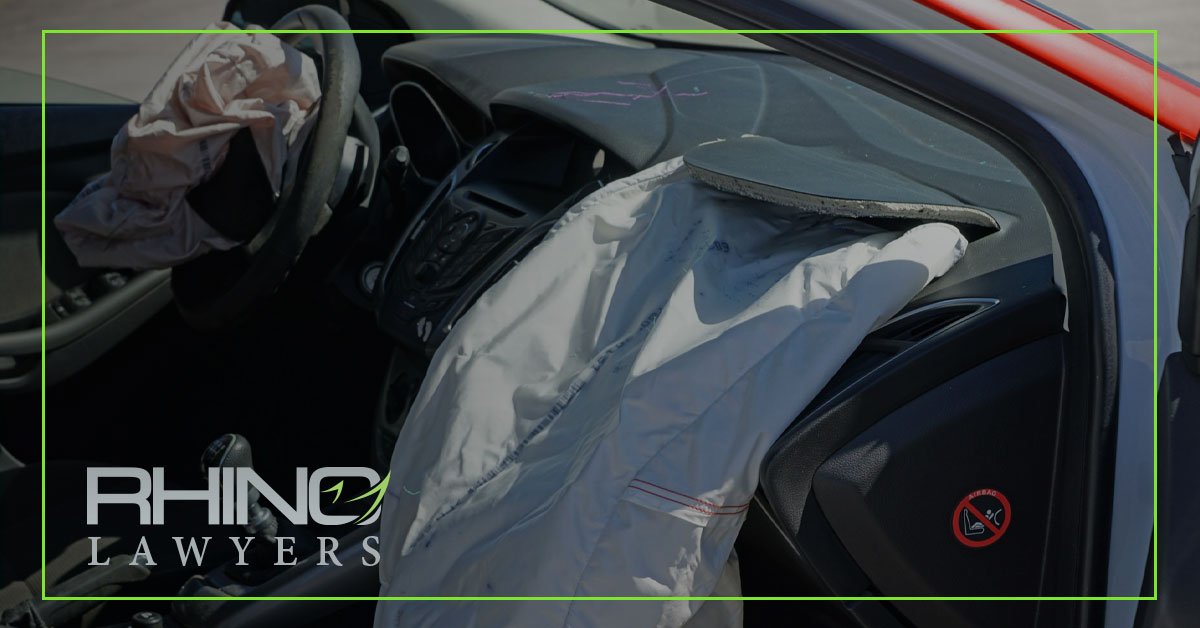
Why Didn’t My Airbags Deploy in My Crash? What Do I Do?
According to the National Highway Traffic Safety Administration (NHTSA), it only takes a properly functioning airbag 1/20th of a second to inflate. In fact, in the past 20 years, airbags have saved over 50,000 lives.
But what if your airbags didn’t deploy during an accident? Do you have a case?
The answer is yes. You might have a case if the airbags failed to inflate upon impact. You could pursue legal action against the car manufacturer, airbag manufacturer, or another party.
Here’s what to do if your airbags didn’t work when you needed them most.
Steps to Take If Your Airbags Didn’t Deploy
After any car accident, it’s a good idea to seek medical attention if you feel pain or notice any injuries. If your airbags fail to deploy and you’re not seriously hurt, here are a few steps you can take to protect your rights.
Report the Accident
You should notify the police immediately after an accident, especially if you experience an airbag malfunction. Make sure the officer includes this detail in their report.
Document What You Can
It’s normal to feel overwhelmed and flustered following an accident. Try to remain calm and document the following:
- Details of the crash including the location, your speed, traffic signs, etc.
- Take photos of the scene, vehicle damage, and injuries
- Get the contact information for any witnesses
Consult a Personal Injury Lawyer
Defective airbag claims are complicated. It takes an experienced product liability lawyer to understand the complexity of this area of law.
Your attorney can help you navigate the legal process and pursue the compensation you deserve. You may be able to file a lawsuit against the manufacturer and collect damages from the “at fault” driver as well.
Your attorney will examine all the evidence in your case to determine the best steps forward.
Why Didn’t My Airbags Deploy?
Unfortunately, airbags don’t always work perfectly. For example, Takata airbags have been recalled due to defects that killed several people, rather than saving them.
Airbags are designed to deploy during moderate and serious crashes. For various safety reasons, they do not deploy in every type of accident.
Whether an airbag deploys depends on various factors, including:
- The speed the vehicle is traveling
- The location of the crash sensors
- The direction of the impact
- The airbag system’s design
- The other vehicles involved in the crash
There are multiple reasons an airbag may fail to work properly. It’s important to talk to an experienced car accident attorney to discuss the details of your accident.
If your airbags should have deployed during a crash but did not, your attorney will investigate to determine the actual cause of airbag failure.
Some common reasons for airbag failure include:
- Computer issues
- Previous crashes
- Defective crash sensors
- Design or manufacturing defects
- A minor crash
- A child in the front seat
Airbag Malfunctions
If an airbag fails to deploy, it can lead to serious or devastating injuries. Airbag malfunctions can injure drivers and passengers. Some malfunctions include:
- Failure to deploy
- Aggressively deploying
- Deploying at the wrong time
- Deploying too late
- Exploding airbags
Airbag Injuries
Airbag malfunction is a serious problem that can result in serious injury or death. Airbags that deploy in the wrong way or at the wrong time can lead to even worse injuries for drivers and passengers.
In extreme cases, airbags can explode, sending shrapnel flying through the vehicle. This can lead to devastating injuries or death for anyone in the vehicle.
Some common airbag injuries include:
- Facial lacerations
- Broken bones
- Chest injuries
- Skin scarring
- Neck and back injuries
- Spinal cord injury
- Head injuries
- Internal bleeding
- Fractured ribs
- Punctured lungs
The most common injuries from airbag malfunctions are head and facial injuries. The airbag is designed to protect your face and head during a crash.
Without the cushion of the airbag, your head and face can violently impact the steering wheel or window. This can lead to serious facial injuries and life-threatening trauma.
Strict Liability
A product manufacturer may be liable for any damages that occur due to a defective product. Even if the manufacturer isn’t aware of the issue and could not have prevented the defect, they may still be liable.
Negligence
An airbag may fail to deploy if someone damages it or tampers with it during a repair. For example, a mechanic may mishandle the airbag or damage a replacement airbag during installation.
To prove negligence, your attorney must show that the defendant owed a duty of care and failed to provide it. They must show the breach of duty caused your injury.
Breach of Warranty
In a breach of a warranty claim, you must show the manufacturer has breached an implied warranty or express warranty. These cases are rare and complicated.
It takes an experienced personal injury with knowledge of warranty claims and the laws related to warranty breaches to handle these types of cases.
Hire the Best Personal Injury Lawyer
If you’ve been injured due to a faulty airbag, you may be dealing with medical bills, lost wages, and emotional pain and suffering as well. We understand what a stressful and difficult time you’re facing.
If your airbags didn’t deploy, hiring a personal injury lawyer is the best next step. Airbags are in place to protect you. If they don’t, you have rights.
Our team at RHINO Lawyers wants to help! We will talk with you and evaluate your claim. And we don’t get paid unless you win your case.
Contact RHINO Lawyers today to schedule a free case evaluation.
CONTACT A TAMPA AUTO ACCIDENT ATTORNEY
In short, after a car accident, you may not know your rights. Above all, don’t struggle through the process alone. Actually, our personal injury team is here to help you with any legal needs you might have regarding your accident.
Lastly, let RHINO Lawyers answer your questions and review the facts of your case with a Free Consultation. So, get started by completing the “Free Instant Case Evaluation” or by calling us any time, day or night, at 844.RHINO.77.
Read More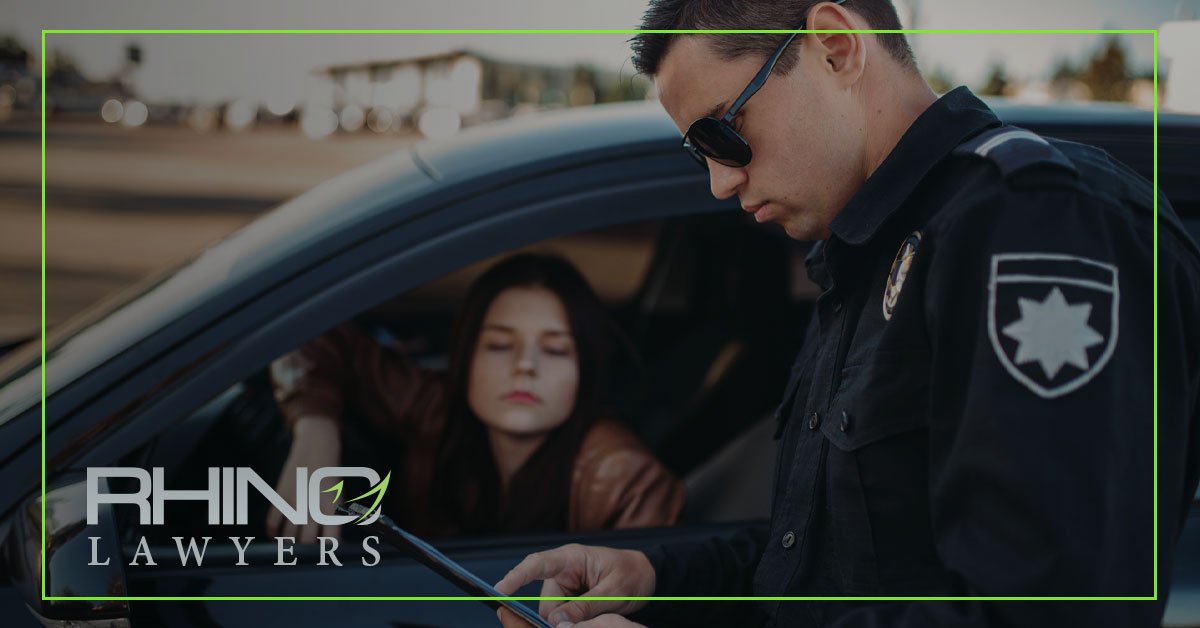
Aggressive Driving vs Road Rage: What’s the Difference?
Speeding causes 1 in 3 traffic-related fatalities each year. More than 11,000 people died in wrecks caused by speeding in 2020 alone.
Speeding is a form of aggressive driving. And while we might use aggressive driving and road rage interchangeably, they are two distinct things. Road rage is a crime, whereas you can only receive a ticket for aggressive driving.
Are you curious about the difference between aggressive driving and road rage? Then keep reading because this one is for you.
What Is Aggressive Driving?
Aggressive driving occurs when drivers commit multiple traffic violations. These violations put other drivers or pedestrians in danger. While a driver can get a traffic ticket for aggressive driving, it is not a criminal offense.
The exact aggressive driving definition varies by state. But the traffic violations that typically fall under the definition are:
- Speeding
- Tailgating
- Sudden lane changes, especially without a signal
- Frequent lane changes
- Failing to yield the right of way to another driver
- Lane blocking
- Failing to stop at a red light
- Brake checking other drivers
- Driving with your high beam lights on when other drivers are passing
- Making obscene hand signs
Honking at another driver in a non-emergency situation can also qualify as aggressive driving in some cases.
Aggressive driving can earn you a speeding ticket. The more speeding tickets you get, the higher the chances of having your license revoked or suspended.
Another consequence of aggressive driving is escalation. Aggressive driving situations often escalate to road rage.
What Is Road Rage?
Road rage is a criminal offense in the US. That means you can get a ticket or even go to jail for committing a road rage offense.
The definition of road rage, again, varies by state. But most states define it as “willful” or “wanton” neglect of the safety of other drivers. “Willful” basically means deliberate, while “wanton” means something like deliberately cruel.
It is important to understand that road rage includes actual violent events. We often use the term “road rage,” but we usually mean something closer to aggressive driving. Road rage is far more serious.
For example, purposefully hitting a car because you are angry at the other driver is an instance of road rage. In extreme road rage cases, some drivers use weapons to commit violent acts.
It is important to avoid interacting with other drivers who are exhibiting signs of road rage. These drivers can lose control very quickly. And road rage incidents often lead to devastating fatalities.
Aggressive Driving vs. Road Rage
The difference between aggressive driving and road rage is an important one. Why? First of all, knowing the definitions of each can be the difference between getting a simple traffic ticket and being charged with a more serious crime.
Secondly, getting into an accident with an aggressive driver vs. a driver with road rage will change the type of law the accident falls under.
Road rage incidents typically fall under criminal law. Meanwhile, aggressive driving wrecks fall under traffic laws. Either way, getting injured in an aggressive driving or road rage accident may entitle you to compensation.
Finally, aggressive driving and road rage have different consequences. Aggressive driving usually results in car accidents. The National Safety Council estimates that as much as 56% of wrecks happen due to aggressive driving.
Road rage also leads to accidents. But these drivers more commonly cause injuries and even fatalities. According to Safe Motorist, road rage caused 218 deaths and nearly 13,000 injuries from 2012 to 2019.
How to Prevent Aggressive Drivers from Escalating to Road Rage
37% of aggressive drivers carry a firearm in their vehicles. For that reason, these incidents can sometimes result in death. It is critical to adjust your own behavior to avoid escalating aggressive drivers you may encounter on the road.
Here are some tips for doing just that:
- Never retaliate
- Avoid making eye contact
- Get plenty of sleep before taking long drives
- Pull over and take deep breaths before getting back on the road
- Let the other driver pass
- Call the police if necessary
The most important thing to do in these situations is to get yourself and your loved ones to safety. That way, you can avoid the sometimes deathly consequences of these incidents.
What to Do If You Get Into a Wreck With an Aggressive Driver
If you get injured or have a loved one who died in a car accident, you may be entitled to compensation.
However, the injury or fatality must have occurred due to the other driver’s negligence. Aggressive driving and road rage are types of negligence.
So, the first thing to do after an accident with an aggressive or otherwise reckless driver is to call an attorney. A lawyer can advise you on what to do and what not to do when speaking to insurance companies.
And if insurance does not cover your personal and property losses, your attorney can help you file a lawsuit against the other driver.
Need an Auto Accident Lawyer in Florida?
There is no place for aggressive driving or road rage on the road. These sometimes violent driving behaviors can endanger you and other drivers on the road.
If you or someone you love gets injured in an accident because of someone else’s road rage or aggressive driving, call a personal injury lawyer ASAP. An attorney can help you get the compensation you deserve for your suffering.
Are you searching for a personal injury attorney in Florida? We represent victims like you. Schedule a free consultation with RHINO Lawyers today to find out how much your injuries may be worth.
CONTACT A TAMPA AUTO ACCIDENT ATTORNEY
In short, after a car accident, you may not know your rights. Above all, don’t struggle through the process alone. Actually, our personal injury team is here to help you with any legal needs you might have regarding your accident.
Lastly, let RHINO Lawyers answer your questions and review the facts of your case with a Free Consultation. So, get started by completing the “Free Instant Case Evaluation” or by calling us any time, day or night, at 844.RHINO.77.
Read More
Who’s Liable in an Accident Involving Bad Weather Conditions?
Florida is known for ideal weather conditions year-round, but Floridians know that severe storms can occur when you least expect them.
While many believe that bad weather conditions cause many car accidents, there are still around 237,000 accidents per year in the Sunshine State.
But what happens when you are in an accident involving bad weather? Who is liable for injuries and damages? Keep reading to find out.
How Is Liability Determined?
In an accident involving bad weather, it’s a little more difficult to determine liability. Weather conditions can cause or contribute to vehicle accidents, but insurance companies will usually investigate the real cause.
Insurers will review evidence from the scene, like photographs, to gain insight into what happened. The insurance provider will use this information to piece together the facts of the crash.
You must always call the police after an accident so that they can create an accident report. The police report will be used as evidence to determine fault as well.
The insurance company will try to figure out the negligent party by looking at the police report and other evidence that you provide. Whether there is bad weather or not, drivers are expected to behave in a reasonable manner on the roads.
Duty of Care
Every driver owes a duty of care to other drivers on the road. When the weather is bad, drivers must exercise extra caution.
For instance, you could argue that driving in bad weather caused you to hydroplane, which led to a car accident. This could be true, but the insurance company might find that you were going too fast for wet weather conditions.
Reasonable precautions that all drivers should take before driving in bad weather include:
- Winterizing tires
- Scraping ice from windows and the windshield
- Inspecting and replacing windshield wipers when needed
- Checking coolant
- Checking tire pressure
Bad weather will help determine what duty of care drivers are required to use on the road. The thing to remember is that bad weather is only one factor that can cause a vehicle accident.
If you were the victim of a weather-related car accident, but the other driver didn’t take necessary precautions while on the road, you could recover damages through their insurance provider.
A great car accident lawyer can argue that you aren’t liable by proving that the other driver failed to provide a duty of care during bad weather.
Who Is at Fault?
Determining car accident liability is always tricky, but it is especially difficult when bad weather is an element. If you aren’t at fault for the accident, the other driver or the road maintenance team could be at fault.
Other Driver
If another driver crashed into you during a bad rainstorm, don’t assume the crash was unavoidable due to the weather. Always hire an attorney to look into the true reason behind the collision.
It’s common for a crash in bad weather to involve human error and negligent drivers.
A driver who doesn’t weatherproof their vehicle by checking windshield wipers, visibility, and lights before driving could be partially responsible for the crash.
A car accident might be initially attributed to bad weather, but an investigation of the car accident might be necessary to assign fault to the other driver. Storms can contribute to the crash without being the only reason for a collision.
If another driver is only partially to blame for the accident, they could be responsible for paying for some of your damages.
Road Maintenance Team
Already dangerous road conditions can worsen in bad weather. For instance, if a guardrail is missing on the road, a driver could be sent careening off the road in wet conditions.
When hazardous road conditions contribute to a driver’s accident, the entity responsible for road maintenance might be partially at fault. Some examples of dangerous road defects include:
- Damaged roads
- Potholes
- Tree limbs and debris
- Malfunctioning stoplights
- Uneven shoulders
- Obstructed street signs
- Poorly designed roads
If another party would have recognized the road hazard and repaired it sooner than the current owner of the road, that person could be liable for an accident involving bad weather.
Cases against independent road owners and government owners are much harder to win. You will need help from an attorney to prove a property owner’s responsibility for an accident in bad weather.
Accident Involving Bad Weather in a No-Fault State
Florida is a no-fault state, so you most likely can recover damages from your own insurance provider if you get into an accident involving bad weather.
If you want to recover additional compensation beyond your own coverage, you need to prove another driver or road maintenance team was at fault for causing the crash.
Without evidence, it will be difficult to recover damages from the at-fault party. When you get into an accident, this evidence will help prove the other party’s negligence:
- Weather reports
- Police report
- Photos and videos from the scene
- Surveillance footage
- Witness statements
You must bring this evidence to your lawyer so that they can begin to build a case in your favor. If you are unable to take photos and videos yourself due to injuries, ask a witness to help you out.
The police report should include witness statements, but you should talk to witnesses yourself if you can. Ask for their contact information in case you need to speak with them later on in the claims process.
Surveillance footage might be available if the crash occurred near a business with an outdoor security camera system. It never hurts to ask to have the best chance of receiving compensation.
Hire a Car Accident Lawyer Now!
Determining liability after a car accident isn’t black and white, especially if bad weather was involved.
If you were in an accident involving bad weather in Florida, you can receive compensation based on your insurance coverage because Florida is a no-fault state.
To recover more damages from the at-fault party, you’ll need the help of a lawyer. Schedule a free video consultation with us now to talk about possible compensation for a weather-related car crash.
CONTACT A TAMPA AUTO ACCIDENT ATTORNEY
In short, after a car accident, you may not know your rights. Above all, don’t struggle through the process alone. Actually, our personal injury team is here to help you with any legal needs you might have regarding your accident.
Lastly, let RHINO Lawyers answer your questions and review the facts of your case with a Free Consultation. So, get started by completing the “Free Instant Case Evaluation” or by calling us any time, day or night, at 844.RHINO.77.
Read More
The Biggest Dangers of Surgical Errors
Most people do not require surgery very often, so some people are surprised to discover how many surgeons there are. The United States alone employs more than 761,000 surgeons each year. On top of that, the number of surgeons is expected to grow by about three percentage points every year over the next decade.
Although surgeons can be extremely skilled, performing surgery can also be difficult. As a result, there is always the possibility of an error during surgery.
In some cases, these errors can be serious and cause significant health issues. So what are the biggest dangers when it comes to surgical errors?
Read on to learn about the kinds of surgical errors that can lead to dangerous health consequences!
Communication Problems Cause Many Surgical Problems
Sometimes, simple communication problems lead to huge consequences. The more you understand how managing patients works, the more you will understand how this can happen. For example, patients receive injections and other treatments that seem safe for them, according to their doctors and surgeons.
However, these same treatments can cause serious damage if given to the wrong people. That means that there are millions of injections and other treatments every day that can go terribly wrong if given to the wrong person or performed incorrectly.
For this reason, hospitals and other medical treatment centers are set up to reduce these kinds of errors as much as possible. However, as successful as these efforts are, some mistakes still happen.
What happens if a surgeon accidentally tells someone to administer the wrong medicine? Such a mistake can lead to intense side effects and even death in the worst cases.
Similar problems can show up if a surgeon tells someone to provide the correct treatment to the correct patient, but the person who administrates it makes a mistake and administrates it to the wrong person.
Health Problems Sometimes Results From Anesthesia Errors
Many people do not stop and think about how amazing it is to live in the modern age of anesthesia. For the entire history of humanity before anesthesia, people had to deal with much more suffering and pain while receiving medical treatment.
However, as amazing as anesthesia is, it has a profound effect on the human body. When everything goes well, anesthesia causes people to lose consciousness and stop feeling pain.
However, mistakes sometimes happen during surgery that can lead to anesthesia causing negative side effects. In some cases, people even end up dying because of mistakes made while administering anesthesia. After all, making someone unconscious is not a trivial thing.
Surgical Mistakes Can Occur on the Operating Table
When most people think about surgical errors, they think of those that occur on the operating table. Unfortunately, these can be even harder to protect against and predict.
Surgical errors can occur on the operating table because some surgeries go on for hours and hours. That means that a surgeon often has to work on the same patient for many hours on end without taking a break to relax.
Sometimes, surgeons make mistakes simply by a slip of the hand. This is one of the reasons why surgeons need to be skilled both in a physical and a mental sense.
Along with knowing what to do, surgeons need to be able to execute it with incredible precision. This gets even harder when you account for the high stakes of surgery.
When people learn more about how surgeons are required to perform, they understand better why surgeons sometimes make mistakes. When these mistakes happen, people sometimes lose functionality in their bodies in a permanent way.
Other people end up with temporary or permanent side effects that cause them pain. In the worst cases, an error on the operating table can lead to death.
Doctors Can Err During a Medical Diagnosis
Sometimes, doctors and surgeons make the biggest mistakes during medical diagnosis. Doctors and surgeons have to use imperfect tests to figure out what is causing someone’s health problems. Even when they do their best, they sometimes get the diagnosis wrong.
However, when this happens, the consequences can be dire. Receiving the wrong diagnosis can mean receiving the wrong treatment. Since some treatments have serious side effects, that can be a huge problem all by itself.
However, making a mistake with diagnosis also means not receiving the kind of treatment you actually need. As a result, many people who receive incorrect diagnosis end up with worse health as their problems continue to develop without proper treatment.
Emergency Surgery Leads to More Errors
Emergency surgery is even riskier than regular surgery. Surgeons have less time to prepare. On top of that, the pressure to perform is higher in an emergency.
For these and other reasons, surgeons make more mistakes during emergency surgeries.
All of the mistakes we discuss here happen more often in emergencies. People are more likely to end up with the wrong diagnosis, wrong treatment, or to suffer from mistakes during the surgical process in an emergency.
In most cases, these mistakes are only temporary. But in occasional cases, this can lead to permanent health problems and even death.
Patient Misidentification Can Lead to Health Problems
Surgeons sometimes end up performing what they think is the right surgery but on the wrong patient. There are even cases when surgeons have treated the left arm of a patient when it was the right arm that needed treatment.
Mixing up patients, body parts, and processes can lead to catastrophic health consequences. Sometimes, these mix-ups result in medical malpractice.
Understand the Most Dangerous Surgical Errors
Many people never learn about the potential surgical errors that can occur before, during, and even after an operation. As a result, some may not understand the implications of their choices regarding surgery. Learning more about what can happen during surgery can help you make informed decisions about your health.
To learn more about how the legal system helps manage surgical errors, reach out and get in touch with us at any time!
CONTACT A TAMPA Medical Malpractice ATTORNEY
In short, if you believe you’re a victim of medical malpractice, you may not know your rights. Above all, don’t struggle through the process alone. Actually, our personal injury team is here to help you with any legal needs you might have regarding your case.
Lastly, let RHINO Lawyers answer your questions and review the facts of your case with a Free Consultation. So, get started by completing the “Free Instant Case Evaluation” or by calling us any time, day or night, at 844.RHINO.77.
Read More