
Following Too Closely in Florida: Who’s Really at Fault?
Rear-end crashes aren’t always automatic wins for the driver in front. Here’s what Florida drivers need to know.
Rear-end collisions are among the most common crashes on Florida roads. They happen every day on busy highways like I-4, I-75, and I-275, as well as at neighborhood intersections and stop-and-go traffic throughout the state.
When these accidents occur, many people assume the driver in the back is automatically at fault.
That’s often true—but not always.
While following another vehicle too closely is a common cause of rear-end crashes, every accident has unique facts that determine who may be legally responsible. In some situations, the lead driver may share part of the blame, and that can affect both a traffic citation and a civil injury claim.
Understanding Florida’s following-distance laws can help drivers stay safe and better understand what happens after a rear-end crash in Florida.
What Is “Following Too Closely” Under Florida Law?
Florida law requires drivers to leave enough space between their vehicle and the one ahead to stop safely if traffic suddenly slows or stops.
The required distance depends on more than just the speed limit.
Florida’s Following Distance Law
Under Florida Statute 316.0895, drivers must not follow another vehicle more closely than is “reasonable and prudent,” considering:
- Vehicle speed.
- Traffic conditions.
- Road conditions.
- Weather.
- The condition of the roadway.
Rather than establishing a fixed number of feet, the law requires drivers to maintain enough distance to react safely under the circumstances.
Why Tailgating Is Dangerous
Leaving too little space dramatically reduces the time available to react.
A driver who is following too closely may have difficulty avoiding a collision if the vehicle ahead:
- Stops suddenly.
- Slows for traffic.
- Avoids road debris.
- Yields to pedestrians.
- Encounters another hazard.
Even a brief moment of distraction can make the available stopping distance disappear.
What Causes Rear-End Crashes?
Tailgating is one of the leading causes of rear-end accidents, but it isn’t the only one.
Many collisions involve several contributing factors.
Following Too Closely
This is the most common reason officers issue a following too closely citation.
When drivers leave insufficient space between vehicles, they often cannot stop before making contact with the vehicle ahead.
Distracted Driving
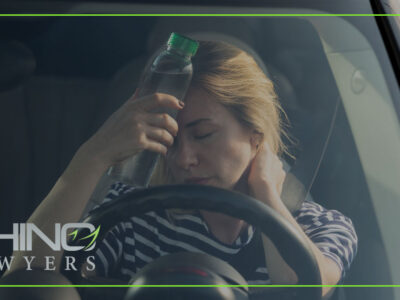
A driver doesn’t have to be looking at a phone for distraction to become a problem.
Rear-end crashes may occur because the driver was:
- Adjusting the GPS.
- Changing the radio station.
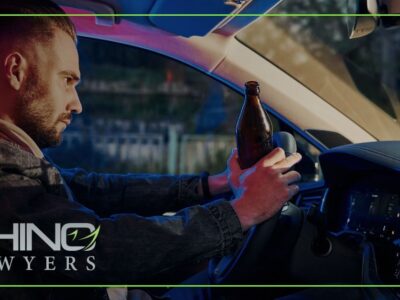
- Eating or drinking.
- Talking with passengers.
- Looking at something outside the vehicle.
Even taking your eyes off the road for a few seconds can significantly increase the risk of a collision.
Speeding
Higher speeds increase stopping distance.
When speeding is combined with tailgating, the likelihood of a rear-end crash rises substantially because drivers have less time to recognize hazards and react.
Poor Weather Conditions
Florida drivers regularly encounter:
- Heavy rain.
- Standing water.
- Dense fog.
- Afternoon thunderstorms.
These conditions reduce tire traction and increase braking distance, making it even more important to leave additional space between vehicles.
Is the Rear Driver Always at Fault?
Many people believe the answer is yes.
Florida law, however, isn’t always that simple.
Rear Drivers May Receive a Following Too Closely Citation
In many rear-end crashes, the following driver may receive a following too closely citation under Florida Statute § 316.0895.
However, receiving a tailgating ticket in Florida does not automatically mean the driver is guilty of the violation. The facts still matter, including:
- How closely the vehicles were traveling.
- Traffic and road conditions.
- Whether the lead vehicle stopped suddenly.
- Whether another vehicle contributed to the situation.
- What witnesses, video footage, or other evidence shows.
A traffic attorney may review the evidence to determine whether the citation can be challenged.
The Lead Driver May Share Responsibility
There are situations where the driver in front may also bear some responsibility for the crash.
Examples might include:
- Unsafe lane changes.
- Suddenly reversing.
- Stopping unexpectedly without a valid reason.
- Driving with inoperable brake lights.
- Cutting directly in front of another vehicle without sufficient space.
The facts surrounding the collision determine whether these or other circumstances contributed to the accident.
Because Florida follows a modified comparative negligence system for most personal injury claims, the allocation of fault can become an important issue after a crash.
How Police Determine Fault
Officers don’t decide fault based on one factor alone.
Instead, they gather evidence from multiple sources before completing the crash report.
Evidence Commonly Reviewed
A crash investigation may include:
- Statements from drivers.
- Witness interviews.
- Vehicle damage.
- Skid marks.
- Road conditions.
- Traffic camera footage.
- Dash camera recordings.
- Physical evidence at the scene.
Each piece helps investigators better understand how the collision occurred.
Traffic Citations Are Only Part of the Picture
If an officer issues a following too closely citation, that doesn’t necessarily resolve every legal issue arising from the crash.
Insurance companies, attorneys, and courts may later review additional evidence when determining liability, damages, or comparative fault.
Drivers who receive citations after rear-end collisions often have questions about Florida traffic laws, accident investigations, and court procedures. Many of those topics are discussed throughout the RHINO Lawyers Traffic Ticket Blog, where you’ll find additional information about Florida traffic offenses and your legal options.
Can You Fight a Following Too Closely Citation?
Receiving a following too closely citation doesn’t automatically mean you’re legally responsible for the crash.
Like other traffic tickets, these cases depend on the facts, the available evidence, and how the collision occurred.
The Crash Report Isn’t the Final Word
The investigating officer prepares a crash report based on the evidence available at the scene.
That evidence may include:
- Driver statements.
- Witness interviews.
- Vehicle damage.
- Photographs.
- Physical evidence.
- Traffic camera footage.
Although the report is an important document, it doesn’t necessarily determine the outcome of a traffic case or a civil claim.
Additional evidence may become available after the investigation is complete.
Every Crash Has Unique Circumstances
Attorneys reviewing a rear-end collision often consider questions such as:
- Did the lead driver stop suddenly without warning?
- Were the brake lights functioning properly?
- Did another vehicle force either driver to react?
- Was the roadway wet or otherwise hazardous?
- Did video footage capture the collision?
Those details may help explain how the crash occurred and whether multiple factors contributed to it.
How to Reduce Your Risk of a Rear-End Crash
Most following-too-closely collisions are preventable.
Giving yourself additional time and space to react is one of the simplest ways to reduce the likelihood of an accident.
Leave More Following Distance
The faster traffic is moving, the more room you should leave between vehicles.
Drivers should also increase following distance when:
- Driving in heavy rain.
- Traveling through construction zones.
- Towing a trailer.
- Driving at night.
- Encountering heavy traffic.
- Following motorcycles or large trucks.
Extra space provides valuable reaction time if traffic changes unexpectedly.
Stay Focused on the Road
Defensive driving begins with paying attention.
Avoid distractions such as:
- Texting.
- Adjusting navigation systems.
- Eating while driving.
- Looking at your phone.
- Reaching for items inside the vehicle.
Keeping your eyes on the road gives you more time to recognize hazards before they become emergencies.
Anticipate Sudden Stops
Traffic conditions can change quickly, especially on Florida’s busiest highways.
Watching several vehicles ahead—not just the car directly in front of you—can provide earlier warning that traffic is slowing.
This habit often gives drivers additional time to brake gradually instead of making sudden emergency stops.
How RHINO Lawyers Can Help
Whether you’ve received a tailgating ticket in Florida or have questions after a rear-end collision, understanding your legal rights starts with understanding the facts of your case. Traffic citations and accident investigations often involve more evidence than many drivers realize, including witness statements, crash reports, photographs, video footage, and physical evidence from the scene.
At RHINO Lawyers, we help drivers throughout Florida understand traffic citations, review the circumstances surrounding a collision, and explain the legal options available under Florida law. If you’ve been cited for following too closely or have questions about liability after a rear-end crash, our team is here to provide straightforward guidance.
If you’ve received a following too closely citation or were involved in a rear-end crash in Florida, call (844) RHINO-77 to schedule a confidential consultation. We’ll review your situation, answer your questions, and explain what comes next.
Frequently Asked Questions
Is the rear driver always at fault in a Florida rear-end crash?
Not always. While the rear driver is often presumed to be at fault, that presumption may be challenged depending on the facts surrounding the collision.
What is a following too closely ticket in Florida?
It’s a traffic citation issued when an officer believes a driver failed to leave a reasonable and prudent distance between their vehicle and the one ahead, as required by Florida law.
Can I receive a ticket even if no accident occurred?
Yes. An officer may issue a citation if they observe a driver following another vehicle too closely, even if a collision never happens.
Can the front driver share responsibility for a rear-end collision?
In some situations, yes. The specific facts—such as unsafe lane changes, reversing unexpectedly, or malfunctioning brake lights—may affect how fault is evaluated.
Does a Crash Report Determine Whether the Ticket Is Valid?
No. A crash report may contain the investigating officer’s observations and information gathered at the scene, but it does not automatically determine whether a driver is guilty of following too closely. The court may consider other evidence, including witness testimony, photographs, video footage, vehicle damage, and the circumstances surrounding the crash.
How can I avoid a following too closely citation?
Maintain a safe following distance, reduce distractions, adjust for weather and traffic conditions, and allow extra stopping distance behind larger vehicles.
Does the weather affect following distance?
Yes. Rain, fog, standing water, and other hazardous conditions increase stopping distance and generally require drivers to leave more space between vehicles.
Should I speak with a traffic attorney after receiving a citation?
If you have questions about your citation, liability, or your legal options, speaking with a traffic attorney can help you better understand your situation.
CONTACT TAMPA TRAFFIC TICKET ATTORNEY
RHINO Lawyers can help and guide you through a system molded by law enforcement, judges, and lawyers for decades. Having won cases for our clients in similar circumstances, our criminal defense team knows what it takes to fight on your behalf.
Let RHINO Lawyers answer your questions and review the facts of your case with a Free Consultation. So, get started by completing the “Free Instant Case Evaluation” or by calling us any time, day or night, at (844) RHINO-77.