




Negligencia comparativa reduces the amount of car accident compensation a claimant can recover. This is often based on their share of fault in the accident. Careful documentation and evidence ensure that any reduction in compensation is accurately calculated.
The Florida Department of Highway Safety and Motor Vehicles (FLHSMV) reports that over 2,200 people were severely injured due to distracted drivers in 2024. Nearly 300 people died.
Determining negligence in car accidents requires reviewing each driver’s actions. Evidence such as police reports and witness statements establishes fault for personal injury claims.
Learn how Florida auto accident laws factor in the injury claim process below.
What is Comparative Negligence and How Does it Work in Florida Auto Accident Laws?
Negligencia comparativa is a legal principle that reduces a claimant’s compensation based on their share of fault in an accident.
Florida follows a pure comparative negligence system. This means a claimant can recover damages even if they are partly at fault.
Each party’s responsibility is expressed as a percentage, which directly reduces compensation. For example, if a claimant is 50% at fault, they recover half of the total damages.
Evidence such as accident reports and vehicle damage helps determine fault in Florida auto injury claims.
How Does Florida Determine Fault In Auto Accidents?
Florida determines fault in auto accidents by analyzing each driver’s actions leading up to the crash. Examining physical evidence, including vehicle damage and skid marks, helps reconstruct the collision.
Police reports provide official accounts and document traffic violations or citations. Declaraciones de testigos offer additional perspectives on how the accident occurred.
Insurance adjusters and courts assign a percentage of fault based on this information. This percentage directly affects car accident compensation under Florida’s pure negligencia comparativa system.
How Are Medical Bills Covered if Multiple Drivers Are at Fault?
Medical bills are handled through a combination of insurance coverages when multiple drivers share fault. Each driver’s insurer pays based on their assigned fault percentage.
Florida’s no-fault rules require Personal Injury Protection (PIP) to pay initial medical expenses regardless of blame up to $10,000 minimum coverage (Mercury Insurance). Once PIP limits are reached, remaining bills may be pursued through liability claims against any at-fault drivers.
Detailed medical records support accurate cost allocation. Organized billing documentation helps prevent reimbursement delays during the injury claim process.
What Evidence Helps Prove Responsibility in Florida Personal Injury Claims?
Proving responsibility in Florida personal injury claims relies on gathering clear and relevant evidence.
Police reports document traffic violations and provide an official account of the accident. Witness statements offer firsthand perspectives on how the crash occurred.
Photographs and videos of the accident scene help show conditions at the time of the collision. Vehicle damage and skid marks provide physical evidence of impact and speed.
Medical records confirm injuries linked to the crash. Obtaining expert testimony can clarify fault.
Organized evidence supports fair compensation under Florida’s negligencia comparativa system.
How Do Insurance Companies Apply Negligence in Car Accidents Rules?
Insurance companies apply negligence rules by assessing each driver’s actions and determining fault percentages. Adjusters assign responsibility by reviewing:
- Informes policiales
- Declaraciones de testigos
- Accident evidence
- Vehicle damage
- Marcas de derrape
- Historial médico
Accident timelines help clarify what actually occurred. Each driver’s share of fault reduces the compensation they can receive under negligencia comparativa.
Insurers use this information to calculate settlement offers and payouts. Clear evidence supports precise fault determination and proper settlement amounts.
Are There Limits to Recoverable Damages Under Comparative Negligence?
Under Florida Statute §768.81, claimants can recover full economic and non-economic damages. However, their compensation is reduced by their percentage of fault.
A claimant must be 50% or less at fault to recover any damages. Those found to be 51% or more at fault bar their chances of recovery entirely (LegalClarity).
While there is generally no cap on damages, punitive damages are limited to three times compensatory damages or $500,000, whichever is greater.
Claims against government entities may also face statutory caps, potentially reducing recovery abilities.
How Long Do I Have to File an Injury Claim in Florida After an Accident?
Finance Monthly reveals that Florida residents have two years to file a lawsuit for an accident. Originally, the timespan was two years, but with the passing of bill HB837, effective March 24th, 2023, this time has now been halved.
Florida law limits how long injured drivers can pursue compensation after a crash. Missing the deadline can permanently block recovery, regardless of who is at fault.
Early action allows evidence preservation and timely claim preparation. Legal guidance helps ensure compliance with updated Florida filing requirements.
Preguntas frecuentes
What Steps Help Strengthen My Florida Auto Injury Claim?
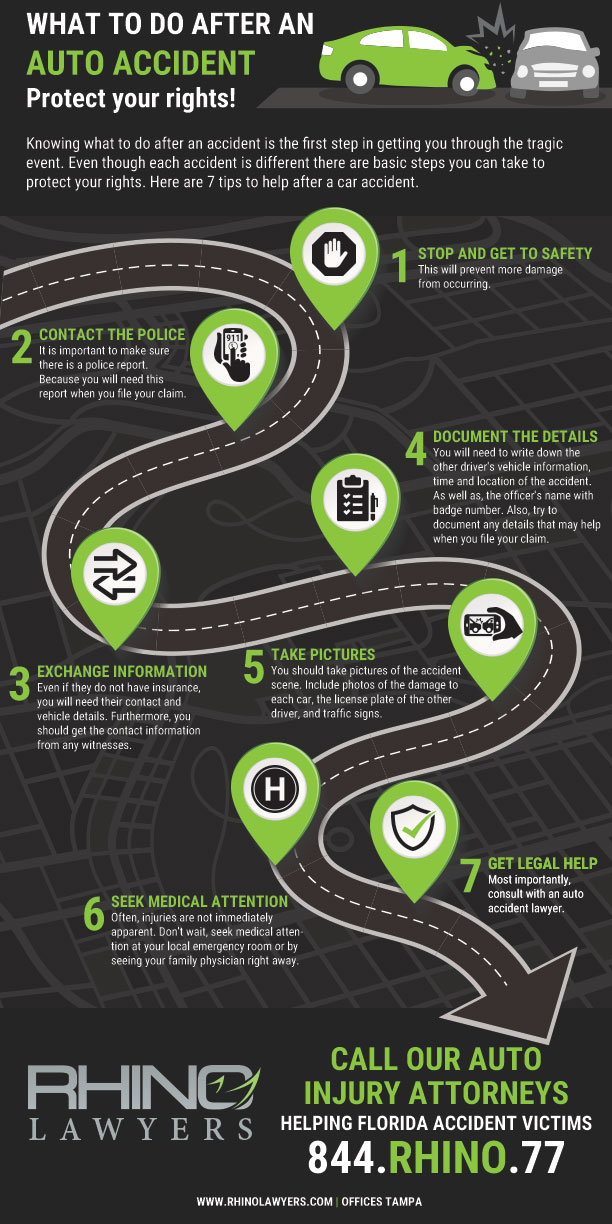
To strengthen a Florida auto injury claim, notify your insurance company immediately.
Get prompt medical care to document injuries. Secure police reports and collect witness statements.
Photograph the accident scene thoroughly. Keep medical records and bills organized.
Consulting an experienced attorney helps protect your rights and supports a stronger claim.
What Types Of Damages Can I Recover In A Florida Auto Injury Claim?
Claimants typically seek out compensation for economic damages, such as medical bills and lost wages.
Property damage to vehicles can also be recovered. Non-economic damages like pain and suffering play a big role in injury claims.
Understanding the full range of recoverable damages helps maximize total compensation under Florida law.
Can Comparative Negligence Affect Settlement Timelines?
Yes. Disputed responsibility can extend how long an auto injury claim takes to resolve.
Insurers often pause negotiations while gathering additional information. Reviewing statements and reports also takes time.
Because of this, delays may increase stress. Experiencing longer timelines affects the timing of when financial relief becomes available.
Prompt responses and organized records help keep discussions moving once evaluations are completed.
Get the Car Accident Compensation You Deserve With RHINO Lawyers Today
Florida auto injury claims require careful evaluation of fault and supporting evidence. Negligencia comparativa affects the division of responsibility and calculation of compensation. Being aware of deadlines and insurance procedures helps claimants secure a fair recovery efficiently.
RHINO Lawyers serves the Wisconsin and Florida areas with an array of legal needs. We take on the insurance companies for you to maximize your settlement and get you the compensation you deserve. Brandon F. Jones, Esquire, and his dedicated team are here for you.
Don’t delay another day! CONTACTO RHINO Lawyers for your free case review or free video consultation today.
CONTACTE A UN ABOGADO DE ACCIDENTES DE AUTO EN TAMPA
En resumen, después de un accidente de coche, es posible que no conozca sus derechos. Sobre todo, no luche solo en el proceso. En realidad, nuestro equipo de lesiones personales está aquí para ayudarle con cualquier necesidad legal que pueda tener en relación con su accidente.
Por último, dejemos que RHINO Lawyers responder a sus preguntas y revisar los hechos de su caso con una consulta gratuita. Así que, comience completando el "EVALUACIÓN DE CASO GRATUITA INSTANTÁNEAMENTE" o llamándonos a cualquier hora, de día o de noche, al 844.RHINO.77.