
¿Cuáles son los 3 elementos de la legitimación activa para demandar en Florida?
Nadie quiere ir a la sala de emergencias, pero ir al hospital es más común de lo que crees. Según los Centros para el Control y la Prevención de Enfermedades, hay alrededor de 155.4 millones de visitas a urgencias cada año. Desafortunadamente, muchas de estas lesiones fueron causadas por las acciones o la negligencia de otra persona.
Superar las consecuencias de una lesión puede ser difícil, especialmente cuando afecta su calidad de vida. Es posible que esté buscando emprender acciones legales como resultado de sus lesiones. Pero, ¿tiene legitimación para demandar?
El definición de legitimación activa puede ser complicado de entender. Este blog analizará los tres elementos incluidos en la legitimación para demandar. También hablaremos de por qué debe asociarse con un abogado con experiencia al emprender una acción legal en Florida.
Comprender la definición de legitimación para demandar en Florida
Antes de profundizar en los tres elementos que componen este concepto, profundicemos en el definición de legitimación activa. La legitimación activa se refiere a si una entidad o un individuo tiene el derecho legal de presentar una demanda judicial. Un término simple para esto es “legitimación”.”
La legitimación para demandar se describe en la ley estatal de Florida y en la Constitución de los Estados Unidos. Una persona que presenta una demanda en un caso de lesiones personales debe demostrar que resultó lesionada como resultado de la falta de acción o de las acciones de otra parte. Si el individuo que presenta el caso judicial no tiene legitimación, el tribunal no puede conocer del caso.
Hay tres elementos principales en los criterios de elegibilidad para la demanda, que incluyen:
- Lesión real
- Causalidad
- Capacidad de reparación
1. Lesión real
El primer elemento para demostrar la causalidad jurídica es el daño real. Esto significa esencialmente que la persona debe demostrar que sufrió daños concretos, reales y particulares a causa de un accidente que dio lugar a la demanda.
Estos daños no necesariamente se refieren a lesiones corporales. También puede incluir diferentes daños económicos y no económicos, tales como:
- Dolor y sufrimiento
- Daños a la propiedad
- Discapacidad
- Salarios caídos
- Gastos médicos
El demandante debe haber experimentado la lesión real antes de presentar su demanda. No tiene causa para entablar una acción legal sin daños sufridos o lesión real.
La mayoría de los casos judiciales requieren pruebas de respaldo que demuestren las lesiones sufridas para fundamentar la lesión real. Esto puede ser diversos elementos, incluidos:
- Radiografías
- Notas del médico
- Historial médico
- Declaraciones de testigos
- Testimonio de un experto médico
- Facturas
- Videos y fotos
- Documentos de salario
- Recibos
El elemento más difícil de probar es el dolor y el sufrimiento. Algunas formas en que un abogado de lesiones personales puede demostrar que la víctima ha pasado por una confusión emocional debido a su lesión incluyen:
- Testimonio de la víctima
- Declaraciones de amigos y familiares de la víctima
- Un diagnóstico oficial de TEPT (trastorno de estrés postraumático)
- Un diario de lesiones
2. Causalidad
La causalidad es el segundo elemento incluido en el concepto de legitimación activa. La persona que presenta la demanda debe demostrar una conexión entre el daño y el sufrimiento que sufrió y las acciones de otra parte o persona. En términos sencillos, la causalidad pregunta: “¿Esta organización o persona causó la lesión de este individuo?”.”
Por ejemplo, un conductor se pasó una luz roja y chocó contra otro vehículo. El conductor de ese otro vehículo sufrió lesiones internas graves. Sin embargo, sin probar la causalidad, no hay vínculo entre el daño ocurrido y las acciones de la otra parte, lo que lo convierte en el elemento más difícil de establecer.
El abogado de la víctima debe demostrar que las lesiones de su cliente no habrían ocurrido si la otra parte o persona no hubiera sido negligente. Hay cuatro elementos de la negligencia a considerar:
- Deber de cuidado: El demandado tiene la responsabilidad de ejercer un cuidado razonable.
- Incumplimiento del deber El demandado cometió una omisión o acto que incumplió su deber de diligencia.
- Causalidad El incumplimiento del deber causó la lesión y el accidente.
- Daños: Las pérdidas cuantificables de la víctima, como las lesiones, a raíz del accidente.
Existen dos tipos principales de causalidad: la próxima y la real. El cuidado próximo es el más complicado de los dos.
La atención inmediata muestra que el acciones del demandado estaban cerca de la cadena de eventos que causaron que el daño de la víctima fuera legalmente válido. La causa real o de hecho es la prueba de que las acciones del demandado fueron una causa directa del accidente. Debe haber suficiente evidencia de que las acciones del demandado fueron la causa real y próxima de las lesiones para tener legitimación para demandar.
3. Reparabilidad
La reparabilidad judicial es el elemento final de la legitimación activa para demandar. Esto se refiere a si el sistema judicial puede o no proporcionar a la víctima una compensación o un remedio por sus lesiones. Esta compensación debe abordar adecuadamente el daño que ha sufrido.
La reparabilidad es un componente importante de la legitimación activa para demandar, ya que garantiza que el reclamo legal de la víctima pueda proporcionar una reparación significativa por sus lesiones. También aborda las consecuencias de la negligencia o acciones del demandado. Este elemento es significativo porque hace lo siguiente:
- Garantiza que las víctimas tengan acceso al sistema legal y a la justicia
- Determine los recursos legales adecuados para la víctima
- Ofrece compensación y cierre por el daño que han sufrido
Algunas de las formas en que el demandante puede recibir una compensación por parte del sistema judicial incluyen el reembolso por pérdidas futuras y pasadas, tales como:
- Costos de atención médica
- Pérdidas de salarios futuros y actuales
- Dolor y sufrimiento
- Otras pérdidas económicas y no económicas
Tenga en cuenta que si el tribunal no puede proporcionar una solución o ayuda, entonces el demandante no tiene legitimación para demandar. La reparabilidad garantiza que la presentación de una demanda ayudará a la víctima en lugar de resultar en un fallo judicial vacío.
Asóciese con un abogado con experiencia en lesiones personales en Florida
Buscar justicia por una lesión que sufrió debido a la negligencia o las acciones de otra parte puede ser complicado, como se puede ver en el definición de legitimación activa. Presentar una demanda no es algo que puedas hacer solo. Debes contratar a un abogado con experiencia en lesiones personales que conozca bien el concepto de legitimación activa.
En RHINO Lawyers, creemos que no deberías tener que lidiar solo con las consecuencias de una lesión. Nuestros abogados han conseguido casi $100,000,000 en indemnizaciones para clientes lesionados, lo que demuestra nuestra solidez y éxito en el sector. Ponte en contacto con nuestra oficina hoy mismo para programar una consulta gratuita para discutir su caso.
COMUNÍQUESE CON UN ABOGADO DE ACCIDENTES AUTOMOVILÍSTICOS EN TAMPA
En resumen, después de un accidente automovilístico, es posible que no conozca sus derechos. Sobre todo, no luche solo durante el proceso. En realidad, nuestro equipo de lesiones personales está aquí para ayudarle con cualquier necesidad legal que pueda tener relacionada con su accidente.
Por último, que RHINO Lawyers responda a sus preguntas y revise los hechos de su caso con una consulta gratuita. Así que comience completando el “Evaluación de caso instantánea y gratuita”o llamándonos en cualquier momento, día o noche, al 844.RHINO.77.
Leer más
Florida’s Zero-Tolerance Policy for Underage DUI: What Young Drivers Need to Know
According to Jacksonville.com, the Florida Highway Safety and Motor Vehicles (FHSMV) says the state is home to 456,754 teen drivers. Nearly half (205,000) of these teen drivers (aged 15 to 19) had a learner’s license as of May 2024.
As a teen driver in Florida (or a parent of one), it’s crucial to remember that driving is a privilege, not a right. Committing driving errors, especially breaching the state’s zero-tolerance policy against driving under the influence (DUI), can lead to a loss of such privilege. Worse, underage DUI cases that cause death or injury can result in criminal charges.
In this guide, the team of legal professionals at RHINO Lawyers will share insights into teen driving laws in Florida. Read on to discover DUI penalties for minors and how legal help for underage DUI can safeguard their privileges and future.
What Is Florida’s Zero-Tolerance Policy?
Florida’s zero-tolerance policy is for underage drivers (anyone under the age of 21). It’s part of Florida Statutes Title XXIII Chapter 322.2616. Under this law, it’s unlawful for anyone under the age of 21 to drive or be in actual physical control of a motor vehicle if their breath-alcohol or blood-alcohol level (also called blood alcohol content or BAC) is 0.02 or higher.
BAC is a unit of measure for the amount of alcohol in an individual’s bloodstream.
What Does It Take to Reach a BAC of 0.02?
As this chart from Healthline shows, all it takes to get a BAC of 0.02 is one standard drink. However, a standard drink can result in a higher BAC, depending on the person’s gender. Women can have a higher BAC than men after consuming the same alcoholic beverage due to factors like:
- Having a lower body water content
- Hormonal fluctuations
- Fewer alcohol-metabolizing enzymes in the liver and stomach
Weight also plays a role; the less a person weighs, the higher their BAC can get.
According to Alcohol.org, one standard drink for BAC measuring purposes is equivalent to:
- One 12-ounce beer with a 5% alcohol by volume (ABV) content
- One glass of 5-ounce wine with a 12% ABV content
- A 1.5-ounce shot of liquor with a 40% ABV content
The only thing that can lower a person’s BAC is time. Not drinking anything containing alcohol is the only way to keep one’s BAC at 0.0%.
It’s also vital to note that in Florida, one can get charged with DUI even without drinking alcohol. Having traces of illicit drugs in one’s system, such as LSD or ecstasy, is an example.
What Are the Consequences of Underage DUI Cases in Florida?
Conducción bajo los efectos del alcohol en menores de edad can result in both administrative and criminal charges. Based on the circumstances surrounding the charge, it may only result in license suspension, but for more severe cases, hefty legal fines may also apply. The severity of the punishment and penalty also depends on whether it’s a first or subsequent DUI offense.
Suspensión de licencia
Under Florida Statutes Title XXIII Chapter 322.2616, a first-time underage DUI case involving a BAC of 0.02% will result in the immediate suspension of one’s license for six months. A one-year suspension will apply if it’s a teen driver’s second offense.
If a teen driver refuses to submit to a lawful breath test, they will have their driving privilege suspended for one year if it’s their first offense. The suspension increases to 18 months if it’s their second offense and they’ve refused to undergo a lawful breath test during their first underage DUI case.
Legal Fines
Drivers under 21 caught driving under the influence may also face monetary fines. Depending on the specifics of the charge, they may have to pay anywhere from $500 (e.g., if their charge involves a BAC of 0.02%) to $2,000 (for a BAC of 0.08% or higher).
Completion of a Substance Abuse Course
A minor driver caught driving with a BAC of 0.05 or higher will have their license suspended until they complete a state DMV-licensed DUI program for a substance abuse course. The offender will shoulder the cost of this course. The DMV will not reinstate the driver’s license unless they complete the program.
A law enforcer who catches and proves that a teen driver under 18 was driving with a BAC of 0.02 or higher may also take the offender to an “addiction receiving facility” in the county where the minor was driving.
Criminal Charges
Florida’s zero-tolerance policy doesn’t impose criminal charges on teen drivers unless their BAC is 0.08 or higher. In this case, they may face imprisonment in a county jail and provide hours of community service.
Underage DUI cases that result in property damage, bodily injury, or death may also lead to misdemeanor or felony charges.
What Should Teens and Parents Do About an Underage DUI Case?
Defenses are available for DUI traffic violations for teens in Florida, making it possible for you or your child to avoid criminal convictions. The key is to partner with a highly experienced and skilled attorney who focuses on underage DUI defense.
A DUI lawyer in Florida can help teen drivers and their parents avoid the long-term implications of underage drinking and driving by either getting the charges dropped or reducing the consequences of DUI convictions. They will gather and review evidence, including the results of the breath and field tests and the procedures taken by the involved law enforcement officers. They will also help you understand all available legal options, such as:
- Plea bargains
- Entering diversion programs
- Taking the case to court and fighting the charges
The last option is typically viable if the lawyer identifies any errors in the tests or procedures done. Either way, they’ll conduct a thorough and careful examination of all the facts to fight the conviction and prevent one mistake from affecting a teen driver’s entire future.
Partner With RHINO Lawyers for an Underage DUI Case
Un underage DUI conviction can have lifelong implications and consequences on a teen driver’s future. Prevent these by partnering with highly experienced and skilled DUI attorneys.
En RHINO Lawyers, we have decades of combined experience in successfully representing and defending clients facing traffic and criminal charges. We will do the same for you or your child facing a DUI conviction. Let us help you protect your or your teen’s future with our skills, expertise, and in-depth knowledge of Florida road laws.
Speak with us today for a free video consultation and case review!
CONTACTE A UN ABOGADO DE MULTAS DE TRÁFICO EN TAMPA
RHINO Lawyers puede ayudar y guiarlo a través de un sistema moldeado por las fuerzas del orden, jueces y abogados durante décadas. Habiendo ganado casos para nuestros clientes en circunstancias similares, nuestro equipo de defensa penal sabe lo que se necesita para luchar en tu nombre.
Permitir RHINO Lawyers responda a sus preguntas y revise los hechos de su caso con una consulta gratuita. Así que comience completando el “Evaluación de caso instantánea y gratuita”o llamándonos en cualquier momento, día o noche, al (844) RHINO-77.
Leer más
3 formas en que los casos de lesiones infantiles en Florida difieren de las reclamaciones de adultos
¿Sabías que one in 10 Florida children gets injured enough to need to go to the emergency room? It can be incredibly traumatic for families if their child sustains a serious injury. It’s even more difficult if their injury is the result of someone else’s negligence.
Families may consider pursuing legal action to seek justice after that kind of incident. Personal injury lawyers can help families pursue compensation for their child’s injuries. It’s important to understand the differences between a child injury lawyer versus an attorney who works on adult cases.
This blog will dive into the three major differences between how an attorney handles child accident lawsuits. We’ll discuss where to seek assistance if you’re dealing with this type of scenario.
1. Statute of Limitations: Extended and Special Rules For Minors
In general, the statute of limitations for filing a child injury claim in Florida is the same as it is for adults – two years. Under Florida law, claimants have two years from the date of the incident to file claims founded in one of the following:
- Wrongful death
- Mala praxis médica
- Negligencia
Keep in mind that this timeframe can extend up to seven years in certain circumstances. This applies in circumstances when the guardian or parent is:
- Absent
- Incapacitated
- Has a conflict of interest
Another way this rule can change is in the case of birth injury lawsuits because the evidence of negligence isn’t always apparent within the two-year timeframe. The statute of repose can get extended to up to eight years, but a claim can’t be filed after the child’s eighth birthday.
These types of scenarios fall under the “discovery rule.” In these instances, the statute of limitations doesn’t start until the individual knows or should have known they were injured. The purpose of this rule is to prevent unjust outcomes where a person discovers that they were a victim after the statute of limitations has expired.
That’s why it’s important to connect with an experienced child injury attorney immediately if you believe an injury occurred to your child. They’ll let you know if your claim falls within the statute of limitations and if there’s any validity to it.
2. Legal Standing: Who Can File the Lawsuit and Manage Compensation
Children under the age of 18 don’t have the legal standing to file a lawsuit or claim for personal injuries in Florida. However, they shouldn’t wait until they are of age to look into filing.
While children can’t file a lawsuit or retain legal counsel themselves, Florida law allows a child’s parents or guardians to explore filing a claim and pursuing a settlement on behalf of their child. The claim can’t be more than $15,000. This includes life insurance policies and personal injury claims, where they can do the following with the proceeds:
- Collect
- Receive
- Manage
- Dispose
There are many child injury compensation cases where the settlement may be more than $15,000. Parents and guardians can still pursue these claims with court approval. The funds will need to be held in a restricted bank account where reasonable and necessary withdrawals can be made if they’re for the child’s benefit.
While these regulations may be frustrating to some, they’re designed to protect the child and their best interest. Parents of an injured child should connect with a child injury lawyer for guidance through the process. It’s important to remember that parents may have claims for losses that they incurred because of their child’s injuries.
Some of these losses may include:
- Medical expenses for their child’s treatment
- Future medical costs for their life
- Lost earning capacity for the future
- Dolor y sufrimiento
3. The “Reasonable Person” Standard: Adjusted For Children
One of the key differences between adult and child injury cases in Florida is the “reasonable person” standard. Children aren’t held to the same standard as adults. Children, unlike adults, get assessed on what is reasonable for someone of their age:
- Intelligence
- Edad
- Maturity
Florida law is written to acknowledge that children might not fully understand risks, especially in certain situations that include “attractive nuisances.”
For example, property owners need to secure dangerous features around their home, like trampolines or swimming pools. That’s because they can attract children who may not know the risks that are involved with those types of attractions.
Florida law does give immunity to property owners in a case where someone is trespassing on their property and gets hurt. On the flip side, if a child gets injured because someone fails to take reasonable actions to protect those enticed by these “attractive nuisances,” the adult can be held accountable.
Preguntas frecuentes
As you can see, working through a personal injury case where the child is the victim can be complicated. There are major differences between these cases and those with adults. Let’s talk about some of the most frequently asked questions we get on the topic.
Can a Minor Ever File a Lawsuit on Their Own?
While a person over the age of 18 can pursue legal compensation for an injury sustained while they were a minor (so long as it falls within the statute of limitations), a minor can’t file a lawsuit on their own behalf. Their legal guardian or parents will need to retain a lawyer on their behalf to pursue justice.
What Should Parents Do After a Child Is Injured?
Parents should contact an experienced child injury attorney if their child was hurt due to someone else’s negligence. It doesn’t hurt to get in touch with a lawyer even if you’re not sure if your claim meets Florida’s requirements. They’ll review your case and let you know if you have grounds for filing a lawsuit.
Request a Free Consultation With a Child Injury Lawyer in Florida
All personal injury cases aren’t created equal in Florida. From the statute of limitations to a child’s legal standing to the “reasonable person standard,” there are many nuances when it comes to child injury compensation cases. A child injury lawyer can help parents and guardians navigate these types of cases while protecting a child’s legal rights.
En RHINO Lawyers, we understand the impact child injuries have on your entire family. Our personal injury attorneys have experience working on negligence and medical malpractice cases. Contact our office to schedule a consulta gratuita.
COMUNÍQUESE CON UN ABOGADO DE ACCIDENTES AUTOMOVILÍSTICOS EN TAMPA
En resumen, después de un accidente automovilístico, es posible que no conozca sus derechos. Sobre todo, no luche solo durante el proceso. En realidad, nuestro equipo de lesiones personales está aquí para ayudarle con cualquier necesidad legal que pueda tener relacionada con su accidente.
Por último, que RHINO Lawyers responda a sus preguntas y revise los hechos de su caso con una consulta gratuita. Así que comience completando el “Evaluación de caso instantánea y gratuita”o llamándonos en cualquier momento, día o noche, al 844.RHINO.77.
Leer más
Comprender las leyes de recipientes abiertos de Florida: Lo que los conductores deben saber
La ley de contenedores abiertos de vehículos de Florida constituye una infracción de tránsito no penal conforme a la ley estatal. La infracción de un conductor se trata como una infracción en movimiento, mientras que la de un pasajero se trata como una infracción estacionaria. Se pueden presentar cargos penales separados por conducir bajo los efectos del alcohol (DUI) u otros delitos cuando existan hechos adicionales que los respalden, pero la posesión de un contenedor abierto no constituye por sí sola un delito según la ley estatal.
Beber con moderación está bien, siempre y cuando lo hagas en el momento y lugar adecuados. En Florida, por ejemplo, beber en el lugar equivocado, como un auto (incluso uno estacionado), puede ser una infracción de leyes de envases abiertos. Dependiendo de las circunstancias que rodeen el caso, es posible que se enfrente a multas cuantiosas e incluso a pena de cárcel.
En esta guía, los profesionales legales con experiencia en RHINO Lawyers explorará las normativas sobre el consumo de alcohol y las infracciones de tráfico de Florida. Siga leyendo para descubrir datos sobre cómo lo descubren con un recipiente de alcohol abierto en el estado.
Leyes sobre contenedores abiertos en Florida
Según las estadísticas sobre conducción bajo los efectos del alcohol de Bankrate para 2025, los datos de la Administración Nacional de Seguridad del Tráfico en las Carreteras (NHTSA) revelan que muere aproximadamente una persona cada 39 minutos en EE. UU. debido a conducir bajo los efectos del alcohol. Cada año, más de 11,000 personas pierden la vida como resultado de incidentes por conducir bajo los efectos del alcohol. Bankrate también citó estadísticas de Florida: solo en 2022, el estado registró 3,530 muertes por tráfico relacionadas con el alcohol, la tercera cifra más alta entre todos los estados.
Dadas las mortales consecuencias de conducir bajo la influencia del alcohol, Florida aplica estrictas leyes de conducción relacionadas con el alcohol.
Estatutos de Florida, Título XXIII, Capítulo 316, Sección 1936 rige al estado leyes de envases abiertos. Por ley, un “recipiente abierto” se refiere a cualquier recipiente que contenga una bebida alcohólica de la cual una persona pueda beber inmediatamente o que tenga el sello roto.
Cualquier persona en Florida que posea un envase de bebida alcohólica abierto mientras conduce u opera un vehículo está infringiendo esta ley. Lo mismo se aplica a un pasajero.
Las leyes de Florida relacionadas con el consumo de alcohol en las carreteras consideran que un envase abierto de una bebida alcohólica está en posesión de alguien si la persona tiene control físico sobre este o si no se encuentra en:
- Una guantera con llave
- Maletero con seguro
- Una sección cerrada con llave que no es para pasajeros de un vehículo motorizado
En resumen, las leyes de consumo de alcohol en Florida prohíben a las personas que están conduciendo, tienen el control físico o son pasajeras de vehículos motorizados poseer, consumir o transportar alcohol en recipientes abiertos que no están encerrados.
¿Qué pasa con los vehículos estacionados?
de Florida leyes de envases abiertos también prohíbe llevar envases abiertos de bebidas alcohólicas en un automóvil estacionado en un lugar abierto al tránsito público. Los ejemplos incluyen, entre otros:
- Callejones
- Calles
- Carreteras
- Banquetas
- Puentes
- Túneles
Si ha estacionado su vehículo en una propiedad privada (por ejemplo, en un camino de entrada privado o un garaje), puede beber mientras está sentado en el automóvil estacionado.
¿Existen excepciones a la ley de recipientes abiertos para vehículos de Florida?
Sí. Estatuto de Florida §316.1936 contiene excepciones específicas de pasajeros.
El estatuto no se aplica a:
- un pasajero en un vehículo cuando el conductor opera bajo un contrato para transportar pasajeros y posee la licencia de conducir comercial requerida con un endoso de pasajeros;
- un pasajero en un autobús cuyo conductor posee la licencia de conducir comercial requerida con un endoso de pasajeros; o
- un pasajero en una casa rodante autónoma de más de 21 pies.
La ley de Florida también establece que una bebida alcohólica debidamente sellada que se transporte bajo estatutos específicos de licencias de restaurantes y de bebidas alcohólicas no se considera un “recipiente abierto” para los efectos de la sección 316.1936.
Estas excepciones deben evaluarse bajo los hechos exactos en lugar de asumir que cada vehículo comercial o de alquiler califica automáticamente.
Sanciones por recipientes de bebidas abiertas en Florida
Según la sección 316.1936, un conductor que infringe la ley de recipientes de bebidas abiertos en vehículos de Florida comete una infracción de tráfico en movimiento no penal.
Un pasajero que infringe la ley comete una infracción de tránsito que no es de movimiento.
Capítulo 318 Actualmente establece una sanción base de $60 para las infracciones de tránsito comunes que no requieren comparecencia obligatoria y una sanción base de $30 para infracciones de tránsito estáticas. Los costos judiciales y otras tasaciones legales pueden aumentar el monto total adeudado.
Un condado o municipio puede adoptar una ordenanza que imponga restricciones más estrictas que la ley estatal sobre recipientes abiertos, por lo que es posible que también deba consultarse la ley local.
Un envase abierto también puede llevar a un oficial a considerar una posible infracción por conducir bajo los efectos del alcohol (DUI), pero una multa por envase abierto y un cargo por conducir bajo los efectos del alcohol son cuestiones legales distintas.
Qué hacer al enfrentar una infracción por envase abierto
Supongamos que usted o alguien que le importa enfrenta un cargo por violar leyes de envases abiertos en Florida. En ese caso, el primer paso es buscar asesoramiento legal profesional de un muy abogado con experiencia en defensa por conducir bajo los efectos del alcohol.
Un abogado defensor de DUI le informará de todos sus derechos y posibles defensas para una infracción de recipiente abierto. Revisarán todos los hechos, pruebas y circunstancias que rodean el incidente. Luego, utilizarán sus hallazgos para desarrollar el mejor curso de acción, que puede implicar impugnar los cargos o negociar un acuerdo de culpabilidad.
Las posibles defensas dependen de los hechos y de los elementos legales. Las cuestiones pueden incluir si el recipiente calificaba legalmente como abierto, si estaba realmente en posesión del conductor o del pasajero según la sección 316.1936, si se aplicaba una excepción legal para pasajeros o autocaravanas, y si las evidencia provino de un registro o detención ilegal.
Un nivel de alcohol en sangre inferior a 0,081 TP4T no invalida, por sí solo, una infracción por consumo de alcohol en recipiente abierto, ya que la intoxicación no es un elemento del artículo 316.1936.
RHINO Lawyers puede ayudarte
Leyes sobre recipientes abiertos de alcohol en Florida existen para ayudar con la seguridad pública y mitigar las consecuencias peligrosas, e incluso mortales, de conducir bajo los efectos del alcohol. Sin embargo, las personas acusadas de infringir estas normas aún tienen derecho al debido proceso. En algunos casos, los agentes del orden pueden acusarlas erróneamente o incluso realizar registros de vehículos ilegales.
RHINO Lawyers puede ayudar si usted o un ser querido enfrenta un cargo o condena por violar las leyes de recipientes abiertos de Florida. Nuestros abogados tienen décadas de experiencia combinada en el manejo y representación de personas que han estado en la misma situación. Usaremos nuestros conocimientos, experiencia y habilidades para luchar por sus derechos, protegerlos y lograr el mejor resultado posible.
Contáctenos hoy para que podamos comenzar con su revisión de caso gratuita.
CONTACTE A UN ABOGADO DE MULTAS DE TRÁFICO EN TAMPA
RHINO Lawyers puede ayudar y guiarlo a través de un sistema moldeado por las fuerzas del orden, jueces y abogados durante décadas. Habiendo ganado casos para nuestros clientes en circunstancias similares, nuestro equipo de defensa penal sabe lo que se necesita para luchar en tu nombre.
Permitir RHINO Lawyers responda a sus preguntas y revise los hechos de su caso con una consulta gratuita. Así que comience completando el “Evaluación de caso instantánea y gratuita”o llamándonos en cualquier momento, día o noche, al (844) RHINO-77.
Leer más
El impacto de las infracciones de tránsito en los conductores de otros estados en Florida
According to VISITFLORIDA.org, Florida welcomed 143 million visitors in 2024, 1.6% more than in 2023. Most folks who visit the Sunshine State do so through non-air transportation, including travel by car. In 2023 alone, 60.1% of the state’s visitors (excluding residents) came via non-air means.
If you also plan to visit the Sunshine State by car, whether for pleasure as part of your road trip or business purposes, it’s best to familiarize yourself with Florida driver’s license requirements for out-of-state motorists and violations. Otherwise, you risk dealing with traffic violations that can impact your driving record in your home state.
The legal professionals at RHINO Lawyers have shared insights into Florida traffic violations and driver’s license requirements for out-of-state drivers in this guide, so read on.
Florida Driver’s License Requirements for Out-of-State Motorists
One of the most crucial driver’s license requirements for out-of-state drivers wishing to operate a vehicle on Florida roads is to have a valid driver’s license that satisfies Florida laws. A motorist caught without a valid driver’s license can face the following penalties, as stated in Florida Statutes Section 322.03:
- First conviction: A second-degree misdemeanor
- Second conviction: A first-degree misdemeanor
- Subsequent convictions: A first-degree misdemeanor, including a mandatory jail time of 10 days
In Florida, misdemeanors are punishable by imprisonment and fines (Florida Statutes Section 775.083 and 775.082). A second-degree misdemeanor can lead to jail time of up to 60 days, a fine of $500, or both. The imprisonment term for a first-degree misdemeanor lengthens to a maximum of one year, a fine of $1,000, or both.
Florida driving laws also prohibit specific types of out-of-state driver’s licenses. According to the Florida Highway Safety and Motor Vehicles (FHSMV), the following are no longer valid in Florida.
Drive-Only (DO) Licenses Issued in Connecticut
Connecticut issues DO licenses specifically to undocumented individuals 16 years or older who can’t establish their lawful presence in the country. They allow individuals to drive in Connecticut and buy auto insurance legally, but they aren’t valid for voting or federal identification purposes.
In Florida, DO licenses aren’t valid. Holders can’t present them to law enforcement officers who require them to present or show a “valid driver’s license.”
Delaware Driving Privilege Cards (DPCs)
The Delaware Division of Motor Vehicles (DMV) issues DPCs to undocumented Delaware residents of any nationality (except U.S. Citizens and people with valid legal presence documents). DPCs allow their bearers to drive legally, but only within Delaware.
Delaware DPCs are not valid forms of identification. Florida also considers them invalid forms of driver’s licenses. Out-of-state drivers from Delaware who can only show a DPC if asked to produce a driver’s license may therefore face Florida traffic violations.
How Traffic Violations in Florida Affect Drivers From Other States
Traffic violations committed in Florida by out-of-state drivers can affect their driving record back in their home state. A traffic ticket issued in Florida to a motorist who holds an Alabama license, for instance, can reflect on the Alabama driver’s record, resulting in increased driving record points. The DMV of the offending driver’s home state will know about the offense through the Driver License Compact (DLC)
What Is the DLC?
The DLC is an agreement between participating states. As members, states share information about traffic violations and offenses committed by non-resident drivers.
How the DLC Works
If a driver licensed in one DLC state receives a traffic ticket in another member state, the state where the offense occurred will communicate with and inform the driver’s home state about the violation. The home state will then treat the out-of-state offense as if it happened within its borders.
What Actions Can DLC Member States Take?
In addition to points, DLC member states can take more severe actions against their residents who commit traffic violations in another DLC state. An example is a license suspension.
Many traffic violations in Florida can lead to a license suspension, with repetitive distracted driving being one of them, such as subsequent or multiple offenses involving enviar mensajes de texto mientras se conduce. Given that this type of distracted driving can lead to crashes that can cause severe injuries, even death, Florida has stringent laws governing it. Aside from fines, it can lead to racked-up points, which can ultimately warrant a license suspension.
If you get caught texting while driving in Florida, your home state will know about it and apply the appropriate points to your record. If your total driving points reach 12, your home state’s DMV will suspend your license.
Fighting Traffic Fines to Reduce Traffic Penalties
If you or someone you care about is facing hefty fines and penalties due to a traffic violation as an out-of-state driver in Florida, you have legal options to fight it. You can contest it in person, or better yet, hire a highly experienced traffic attorney to help you navigate the complexities of Florida’s traffic laws and DLC regulations.
En RHINO Lawyers, our team consists of seasoned attorneys who focus on traffic tickets. Throughout our years in service, we have helped thousands of motorists get their tickets dismissed and their penalties and fines reduced. Reach out to our legal team today if you or a loved one is facing a charge for violations involving:
- Exceso de velocidad
- Stop signs
- Red light
- Conducción imprudente
- Toll violation
Our lawyers are also highly experienced defense attorneys for traffic misdemeanors and felonies. We’ve won cases for other clients who were in a similar situation to yours, and we’ll strive hard to achieve the same favorable results for you.
Get Exceptional Legal Help for Traffic Violations in Florida
Now that you know more about Florida driver’s license requirements for out-of-state motorists and violations that can follow you back to your home state, the next step is to ensure you can legally operate a vehicle on the Sunshine State’s roads. However, if you or someone you care about has already become the subject of a traffic violation in Florida, it’s time to lawyer up.
Let the attorneys at RHINO Lawyers, who have decades of combined experience, represent you and protect your rights. We stand by our motto, “No Court. No Points. Or Your Money Back.” We’ll help you fight your traffic ticket so you can keep your driving points down and your record clean.
Talk to us today for a free consultation and case review!
CONTACTE A UN ABOGADO DE MULTAS DE TRÁFICO EN TAMPA
RHINO Lawyers puede ayudar y guiarlo a través de un sistema moldeado por las fuerzas del orden, jueces y abogados durante décadas. Habiendo ganado casos para nuestros clientes en circunstancias similares, nuestro equipo de defensa penal sabe lo que se necesita para luchar en tu nombre.
Permitir RHINO Lawyers responda a sus preguntas y revise los hechos de su caso con una consulta gratuita. Así que comience completando el “Evaluación de caso instantánea y gratuita”o llamándonos en cualquier momento, día o noche, al (844) RHINO-77.
Leer más
Why Most Florida Car Accident Cases Don’t Go to Trial
The term “court battle” caught on for a reason. Both sides must ready their army of lawyers and witnesses, armed with their weapons of evidence.
A settlement is like a peace treaty. Both sides agree to the terms and get what they want.
You’d think this wouldn’t be the preferred option in cases that can involve serious injury or damage, such as car accidents. Most never go to trial and settle out of court instead. Neither side has to lose anything but can benefit in more ways than one.
Read on to learn how Florida car accident lawyers can get you the settlement you deserve, even without going to court.
Trials Are Expensive
Car accidents can be one of the most expensive types of accidents. What if you need to pay to repair your car or pay for damaged property? What about your medical bills after an injury?
Your bill will only grow if you bring the case to court. There are several unexpected costs to contend with, including:
- Court filing fees
- Hiring process servers
- Getting copies of witness reports or medical records
All of that extra money might not even result in a higher payout. That’s why it may be more cost-effective not to go to court.
You won’t end up losing money with the right representation. Your Florida car accident lawyers will work to ensure you get a oferta de acuerdo justo. It’ll cover any damages and pay your bills.
Trials Are Time-Consuming
Auto accident trials are a long and arduous process. It can take months or even years from the date of the accident to the date of the trial for them to end.
Insurance companies and lawyers may also use stalling tactics if they’re not ready to bring the case to court. They could try a continuance to reschedule the official hearing. That makes it take even longer for a verdict to be reached.
The worse your damages from the accident are, the less time you have to spare. What if you have a worsening medical condition, such as a traumatic brain injury? What if you are injured and have lost wages? Every lost minute is time you don’t have to recover and money down the drain.
You and your family might not be able to afford to wait for a trial. It may be better to accept a settlement instead so that you don’t have to sit and watch the valuable seconds tick by.
Trials are Stressful
Auto accidents are also one of the most stressful life events you could experience. According to a meta-analysis published in the Transportation Research Interdisciplinary Perspectives journal, approximately 1 in 5 survivors develop symptoms of post-traumatic stress disorder or PTSD.
A trial can add undue physical and emotional hardship. It’s worse for victims who are still recovering from the physical and emotional impact of auto accidents.
Out-of-court settlements are a more amicable way to achieve a desired outcome. They’re also more private. All details of the accident and its aftermath remain confidential.
Verdicts are Uncertain
The right to trial by jury is one of the most basic American rights. The one problem with it is that juries are unpredictable.
You might not get the result you’re expecting, even if there’s strong evidence. The jury may still not side in your favor. Members may be biased against you. You may even get less than what was initially offered in a settlement.
You have more control over the outcome when settling out of court. Give any evidence you’ve gathered to your Florida car accident lawyers. Their job is to create a compelling case in your favor. You spend your time healing.
Insurance Companies Prefer to Settle Vehicle Accident Claims
Insurance companies tend to settle when it comes to vehicle accident claims. Their reasons are similar to those that deter victims from taking their case to court.
They want to keep costs low, which means avoiding court fees and large payouts. They’re on a tight schedule and want to close claims as quickly as possible.
Insurance companies also have their reputation to protect. A trial is more public than a settlement. It can give them negative attention or expose poor claim-handling processes.
How Florida Insurance Law Affects Car Accident Claims
Florida’s no-fault system can affect how certain losses are handled after a crash, but Protección contra lesiones personales and Property Damage Liability cover different things.
Protección contra lesiones personales
Florida PIP can provide certain medical and disability benefits without regard to who caused the crash.
PIP generally provides up to $10 000 en prestaciones médicas y por discapacidad combinadas. Covered medical expenses are generally reimbursed at 80%, and qualifying lost-income benefits are generally paid at 60%, unless applicable lost-income coverage was validly excluded.
Initial qualifying medical services and care generally must be received within 14 days after the crash for PIP medical benefits.
PIP does not pay for damage to a vehicle or other property.
Property Damage Liability
Florida’s required Property Damage Liability coverage generally pays for damage an insured person is legally responsible for causing to another person’s property, subject to the policy and applicable law.
It should not be described as every driver’s own first-party property coverage.
Not Every Claim Follows the Same Deadline
Most Florida negligence actions arising from crashes on or after March 24, 2023 generally have a two-year limitations period, but different claims can have different deadlines.
Claims involving government entities can have separate pre-suit notice and procedural requirements. They should not be summarized as having one universal 90-day filing deadline.
The 14-day PIP medical-treatment rule is also separate from the statute of limitations for filing a negligence lawsuit.
Whether a case settles or proceeds to litigation depends on liability, damages, insurance coverage, disputed facts, legal defenses, negotiations, and the parties’ willingness to resolve the claim.
Settle With the Right Florida Car Accident Lawyers Today
Out-of-court settlements are cheaper, more efficient, and less stressful than a court battle. Insurance companies know it, and state law supports it. Few car accident cases ever go to trial, but that doesn’t lessen the need for representation.
El Florida car accident lawyers en RHINO Lawyers are working to bring the law into the 21st century. We utilize the latest technology to evaluate your case and keep you informed about it at all times.
Our methods have enabled us to build a strong track record of successful cases. Contáctenos for a thorough free case review today.
COMUNÍQUESE CON UN ABOGADO DE ACCIDENTES AUTOMOVILÍSTICOS EN TAMPA
En resumen, después de un accidente automovilístico, es posible que no conozca sus derechos. Sobre todo, no luche solo durante el proceso. En realidad, nuestro equipo de lesiones personales está aquí para ayudarle con cualquier necesidad legal que pueda tener relacionada con su accidente.
Por último, que RHINO Lawyers responda a sus preguntas y revise los hechos de su caso con una consulta gratuita. Así que comience completando el “Evaluación de caso instantánea y gratuita”o llamándonos en cualquier momento, día o noche, al 844.RHINO.77.
Leer más
How to Challenge Radar and Laser Evidence in Florida Traffic Cases
In 2020 alone, over 2 millones de citas were given to Florida drivers, according to Safer America.
When you’re issued a speeding ticket in Florida, chances are the officer used either a radar or laser device to measure your speed. While this technology is standard in traffic enforcement, it’s not without faults. The radar’s reliability can be questioned if you want to avoid heavy penalties.
Read on to learn more about fighting a Florida traffic violation.
How Radar and Laser Devices Really Work
Radar and laser speed detection devices are the most common tools used by Florida law enforcement officers to measure vehicle speed.
Radar devices operate by emitting bouncing radio waves. It calculates speed based on the frequency change. Such devices can be used from a moving or stationary patrol car and are capable of tracking multiple vehicles at once.
Laser devices, also known as LIDAR, work by sending out a narrow beam of light aimed at a specific part of the vehicle, such as the front grill or license plate. The device measures how long it takes for the light to reflect, and then estimates the speed based on that data. Laser devices are often used from stationary positions and are known for their precision.
However, missteps in the following can happen:
- Usage
- Maintenance
- Calibración
Radar Evidence and Its Vulnerabilities
Radar-based citations can be contested when the equipment is not properly calibrated or maintained. Ley de Florida requires regular testing and certification of radar devices, and a lack of documentation can make the results inadmissible.
Another issue arises when multiple vehicles are present within the radar beam’s range. Because radar waves can reflect off more than one object, it can be difficult to prove that your vehicle, and not another, was responsible.
The officer’s training and certification also play a major role. Florida traffic laws require that officers operating radar devices be properly trained and certified.
If the officer lacked updated credentials or if their procedures didn’t align with required standards, a defense attorney can argue that the evidence is flawed. Plus, environmental conditions can interfere with the radar, such as:
- Lluvia
- Niebla
- Surrounding traffic
Weaknesses in Laser-Based Traffic Violations
Laser evidence, although more precise than radar, still has its weaknesses. For laser readings to be accurate, the officer must aim the device precisely and keep it steady.
If the officer’s aim was off by even a small amount, or if they were too far from the vehicle, the speed reading could be wrong. Errors in aiming or stability are common issues that can be used in a legal defense.
Laser devices, like radar units, must also be calibrated and maintained regularly. If the device wasn’t tested according to Florida’s legal standards, or if there’s no record of proper maintenance, a court may rule that the results are unreliable.
Officers are also expected to have an unobstructed line of sight and follow specific procedures when using laser equipment. Interference from roadside obstacles, other vehicles, or poor visibility conditions may undermine the credibility of the reading.
Legal Strategies to Challenge Radar and Laser Evidence
Challenging radar and laser traffic violation evidence begins with examining how the equipment was used and maintained. An attorney can request the maintenance and calibration records of the device used during the traffic stop. If those records show lapses in upkeep or outdated certifications, the reading’s validity may be called into question.
Officers who issue citations based on radar or laser must also meet certain qualifications. Your legal defense may include verifying whether the officer had the necessary training and certification at the time of the citation. If not, the evidence they gathered may not meet the legal standards required for a conviction.
An experienced attorney can also review the circumstances of the stop. They may uncover inconsistencies in the officer’s report, such as:
- Unclear identification of the targeted vehicle
- Obstructed views
- A lack of procedural documentation
Such discrepancies may lead the judge to question whether the reading was accurate or whether the citation was issued appropriately.
In some cases, it may be helpful to involve expert witnesses who understand the technical aspects of radar and laser technology. Professionals can explain to the court how inaccuracies might occur, particularly under specific environmental or procedural conditions. Their insights can be essential in creating reasonable doubt about the evidence.
The Vital Role of Florida Traffic Laws and the Burden of Proof
The burden of proof is on the state when it comes to traffic cases. That means the prosecution must prove that you violated the law and that the radar or laser evidence is credible and admissible.
El case against you may fall apart if your attorney can show that the equipment was:
- Mishandled
- Not maintained
- Operated incorrectly
By focusing on the weak points of the radar traffic violation evidence, your defense can highlight reasonable doubt.
Why RHINO Lawyers Is the Perfect Choice
The legal team at RHINO Lawyers focuses on Florida traffic ticket defense and has extensive experience dealing with radar and laser-based citations. Their attorneys understand the following:
- How these devices work
- What laws govern their use
- How to pinpoint errors in the process
Unlike firms that treat traffic citations as low priority, RHINO Lawyers understands the serious consequences these tickets can bring. From rising insurance rates to points on your license or even suspension, a single violation can have long-term effects. That’s why RHINO Lawyers takes a far-sighted and aggressive approach to helping you avoid traffic violation penalties.
It’s Time to Fight a Florida Traffic Violation
Why accept the consequences of a Florida traffic violation when you can fight for your rights?
Con RHINO Lawyers on your side, you receive dedicated legal representation focused entirely on your traffic case. We focus on both personal injury and criminal defense.
Our team has decades of combined experience and will investigate every element of your citation, from the officer’s procedures to the calibration history of the device. We build personalized strategies that give you the best chance of success.
We offer videoconsulta gratuita and case review, so don’t wait to reach out to RHINO Lawyers hoy.
CONTACTE A UN ABOGADO DE MULTAS DE TRÁFICO EN TAMPA
RHINO Lawyers puede ayudar y guiarlo a través de un sistema moldeado por las fuerzas del orden, jueces y abogados durante décadas. Habiendo ganado casos para nuestros clientes en circunstancias similares, nuestro equipo de defensa penal sabe lo que se necesita para luchar en tu nombre.
Permitir RHINO Lawyers responda a sus preguntas y revise los hechos de su caso con una consulta gratuita. Así que comience completando el “Evaluación de caso instantánea y gratuita”o llamándonos en cualquier momento, día o noche, al (844) RHINO-77.
Leer más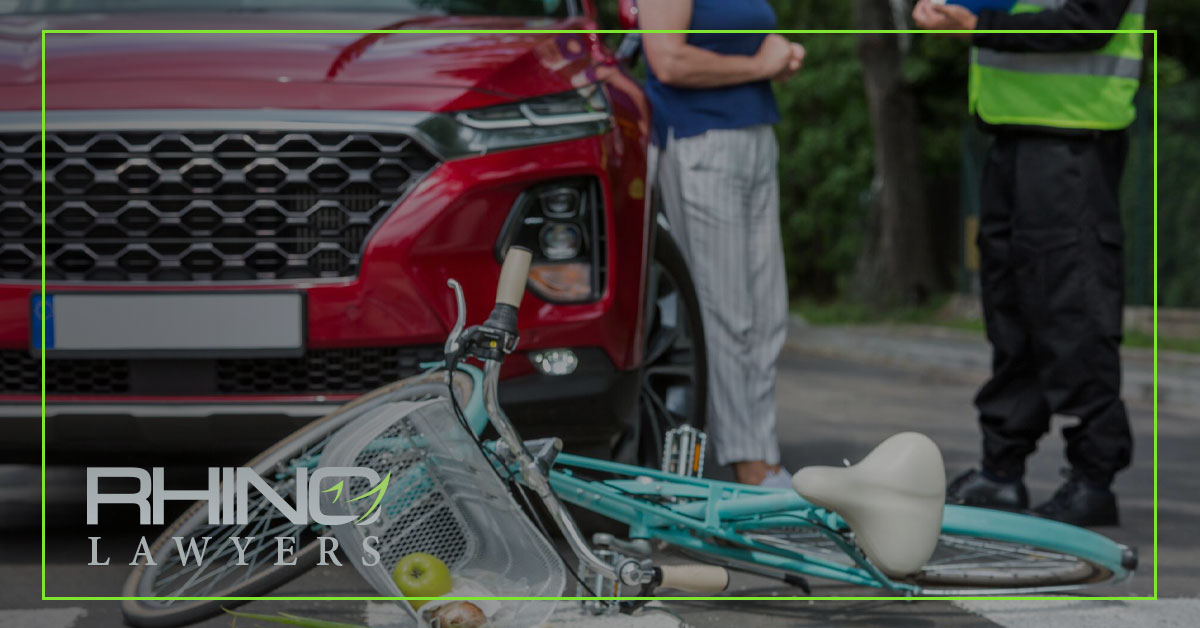
Can You File a Personal Injury Lawsuit Without Witnesses?
The aftermath of a personal injury often leaves victims in physical pain, emotional distress, and mounting financial burdens.
Other common concerns can also arise: What if there were no eyewitnesses to the accident? Is it possible to file a lawsuit without witnesses?
Esta respuesta es sí. Injured parties can (and should) seek compensation with alternative personal injury evidence. This guide outlines the critical steps you should take to win your case, from collecting evidence for injury claims to hiring a lawyer.
Alternative Personal Injury Evidence to Eyewitnesses
Upon suffering an injury, the first step is to ensure you’re in a safe zone before documenting the accident scene. This could mean positioning yourself, your vehicle, or your bicycle away from traffic or out of harm’s way.
Next, assess your injuries and call the proper authorities. You can also document your injuries during this process. Take photos or video recordings with a smartphone or keep a digital camera handy at all times.
The above steps are crucial for producing viable evidence for a personal injury settlement with no eyewitnesses.
Another invaluable tool in this case is a dashboard camera, popularly known as a dash cam. You can also buy dual dash cams that record the rear of your car. These tools provide nearly 360-degree live footage around your car.
Real-time cameras are also available for:
- Bicycles
- Motorcycles
- Scooters
- Commercial vehicles
Pedestrians and joggers can also purchase clip-on body cameras in the event of an accident or injury.
Injury and Medical Documentation
Cameras are instrumental in providing clear evidence of injury, accident timelines, and negligent parties. On-scene authorities like EMTs and police officers also provide necessary documentation for case files.
The above points speak to the importance of the next point, medical documentation. If you’ve suffered a personal injury, seek medical attention at a hospital or injury clinic. A physician can provide a detailed report of the injury, including treatments and recovery times.
A professional medical examination may discover injuries not documented at the scene, like whiplash. A psychiatrist or therapist may be able to document emotional distress or PTSD post-accident.
Remember to keep meticulous records of any follow-up visits or prescription medications as evidence. Other types of medical records include:
- Hospital records
- Physician’s notes
- Radiografías
- MRIs
- Tomografías computarizadas
- Physical therapy reports
These records are instrumental in demonstrating causation and the severity of your injuries.
Informes policiales
Police reports also contain crucial details for a potential personal injury lawsuit, including:
- Diagrams of the scene
- Descriptions of vehicle damage
- Condiciones de la vía
- Statements from involved parties (i.e., the other driver)
Citations issued to the other party or observations by an officer can be highly persuasive evidence. An officer on the scene may also document injuries.
How to Document Injury Evidence When Building a Case
You’ve already learned about the value of installing a dash cam and using your smartphone (or digital camera) to document evidence. While your dash cam can record the area surrounding a vehicle, take as many smartphone photos and videos from as many angles a possible. Lawyers and insurance companies need to see the full scope of the accident and injuries.
Capture the position of your vehicle. Document every detail, including:
- Daños a la propiedad
- Marcas de neumáticos
- Escombros
- Traffic signs
While an officer may document road conditions, go into further detail:
- What was the weather like that day?
- Was it a dirt road?
- Did the accident occur in a residential or urban area?
- Was it an asphalt road?
- Was there road construction?
Document any other relevant environmental factors.
Detail the property damage in full. Take multiple photos and videos. Create a list of all damaged items, including:
- Personal laptops
- Smartphones
- Other personal electronics
Providing detailed photos and videos of vehicular damage can provide a more accurate repair estimate. Such evidence can illustrate the impact (and force) of the collision, supporting your account of how the accident occurred.
What to Discuss During Your Legal Consultation
Don’t hesitate to consult with a personal injury attorney as soon as possible after an accident. The initial consultation is an important opportunity to provide a potential legal team with all relevant information. Prepare ahead of time to discuss all major points.
Provide a thorough and detailed account of the incident, including:
- The exact date
- The time of the accident
- The location of the accident
- A step-by-step description of the accident (from your perspective)
Remember, no detail is too small. Be prepared to discuss how the accident occurred and your initial thoughts on who was at fault.
Clearly explain the nature (and extent) of your physical and emotional injuries. Describe the pain you’re experiencing, including:
- Limitations since the accident
- Disabilities caused by injuries
- How injuries have impacted daily life
- The impact on work (loss of wages)
- Medical treatment received
- Ongoing care
- Anticipated medical needs
Discuss all financial losses you’ve experienced, including post-accident expenses. This may include:
- Paid and outstanding medical bills
- Lost wages from time off work
- Daños a la propiedad
- Gastos de bolsillo
Share any details about your insurance coverage at the legal consultation, including auto and health insurance. Provide any insurance information for the at-fault party, as well.
More Points to Consider
It’s important to note that the burden of proof in personal injury cases falls on the injured party to demonstrate the negligence of the other party.
This proof must be established through a legal standard called the “preponderance of the evidence.” All the evidence presented must tip the scales in your favor.
Even without eyewitnesses, you can still create a compelling collection of alternative evidence to meet this standard.
Get the Evidence You Need to Win
After an accident, act quickly to collect the personal injury evidence you need to win your case. These cases don’t mandate eyewitness statements, but they do require substantial proof to meet Florida’s legal standard. Remember to have all of your evidence ready to make the most of your legal consultation.
En RHINO Lawyers, we specialize in various types of personal injuries in Florida. Whether you’ve suffered an injury from medical malpractice or a car accident, we’ll fight with every tool in our legal arsenal to ensure you get the compensation you deserve. Our clients also benefit from our extensive experience in the insurance sector.
Contáctenos today to discuss your case.
COMUNÍQUESE CON UN ABOGADO DE ACCIDENTES AUTOMOVILÍSTICOS EN TAMPA
En resumen, después de un accidente automovilístico, es posible que no conozca sus derechos. Sobre todo, no luche solo durante el proceso. En realidad, nuestro equipo de lesiones personales está aquí para ayudarle con cualquier necesidad legal que pueda tener relacionada con su accidente.
Por último, que RHINO Lawyers responda a sus preguntas y revise los hechos de su caso con una consulta gratuita. Así que comience completando el “Evaluación de caso instantánea y gratuita”o llamándonos en cualquier momento, día o noche, al 844.RHINO.77.
Leer más