
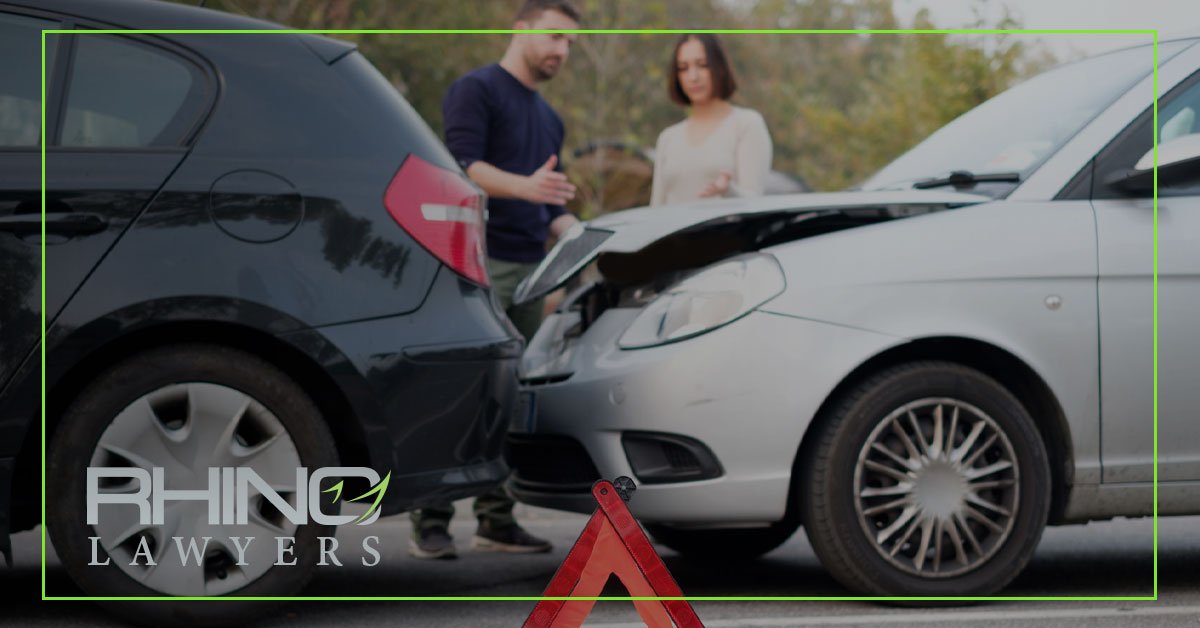
What if I Am a Car Accident Witness?
With 42,915 road traffic fatalities in 2021, becoming a car accident witness has never been more likely. So how do you handle this situation?
First things first: it’s imperative to keep a cool head. Your role in the accident can determine its immediate outcome and future consequences. Depending on the severity of the accident, you may even end up saving a life.
Want to do the right thing? Here’s a quick guide on what you should do if you happen to see a car accident.
Ensure Your Safety
First things first: after the crash occurs, get to a safe place right away. Car accidents in busy areas can remain dangerous for a while.
If you’re driving when you spot a crash, pull over to the side of the road. Make sure you’re at least 100 feet from the scene. Then, turn on your hazard lights so that other drivers are more likely to spot the accident.
If you’re a pedestrian, stick to pedestrian areas such as sidewalks. If traffic keeps passing by, even shoulders and medians can be dangerous. Don’t get too close to the scene to avoid flames, leaked fuel, and broken glass.
Keep in mind that you don’t have to stop after witnessing an accident. That said, if you’re the first person on the scene, your assistance can be crucial for the victims.
Call 911
If you witnessed a car accident, call the police as soon as possible. Even if the crash doesn’t appear severe, the authorities can help.
When you make the call, give them all the pertinent details. These include the location of the accident and the number of people involved. Let them know how serious the injuries are and whether anyone is unconscious.
The police may also ask you about the nearest cross street. If you’re not sure about this, look around and try to determine this right away. If you’re on a highway or interstate, check for the closest milepost or on/off-ramp.
Check on the Victims
If the crash was serious enough, it’s important to check on the victims. Enter the scene cautiously to avoid any broken glass or sharp metal.
Don’t try to move injured people unless the vehicle is in danger of catching fire. Doing so can make the injury worse. Most EMTs will arrive within minutes, so it’s best to let the trained professionals deal with the situation.
Don’t try to offer medical assistance unless you’re asked to. If someone’s in urgent need of first aid, though, you’re allowed to render it. Florida has Good Samaritan laws in place, so you’re unlikely to face liability.
Offer Assistance
Even if the accident wasn’t serious, you can provide help in other ways. For instance, you can offer the driver to stabilize their vehicle.
To do this, you’ll need to put the wrecked vehicle in “park” and switch off the ignition. If the crash has caused a fuel or oil leak, this will reduce the risk of fire. With some help, you may want to move the car out of harm’s way.
The victim may also ask you to document the scene of the accident. If they do, take images of the vehicles and any property damage. Also, take photographs of road conditions that may have led to the accident.
Another thing you can do is prevent the at-fault driver from leaving the scene. If this looks like a probability, jot down their license plate numbers. Don’t attempt to physically restrain them, though.
Provide Contact Information
As mentioned above, the role of a witness can be essential in an accident. That’s why the victim must know where to find you after you leave the scene.
While you’re waiting for the police to arrive, exchange contact information with them. Keep in mind that giving this information may lead to you being contacted by legal and medical authorities, as well as insurance agents.
If you’re discussing the incident, avoid assigning blame. That’s particularly important if you haven’t seen the moment of the crash. An auto accident can be a tense affair, so you should do your part in keeping tensions low.
Give a Statement
When the police arrive, do your best to cooperate with them. Florida law doesn’t require you to do so, but that’s the best way to help the victims.
While you’re giving the statement, don’t be nervous. Describe what you saw in a neutral manner and be as clear as possible. Any information you can provide can prove crucial for piecing together what happened.
If you witnessed a hit-and-run, your input becomes even more vital. There’s a chance you’ve seen something that can help the police find the culprit. That can be the make and model of their car or a partial license number.
It’s worth noting that you can come forward after an accident as well. Many witnesses don’t realize that what they saw could be valuable information. Of course, coming forward later may make your testimony less credible.
Prepare for a Trial
Agreeing to give a statement as an accident witness could mean going to court. That outcome is unlikely, but it’s still worth preparing for it.
One thing you should always do is consult with a car accident lawyer. Getting involved in a personal injury lawsuit can be tense, even if you’re not to blame. Having some help with the legal process can be very valuable.
Hiring a lawyer is even more important if you have a personal stake in the outcome of the case. For example, you may be a victim’s relative. In this case, your lawyer can help you figure out if your testimony will be beneficial.
Being a Reliable Car Accident Witness
Even if you’re not a medical professional, it’s always worth it to stop when you see an accident. As you can see from the above article, a car accident witness can still help the victims in a variety of ways.
Want to make sure your witness statements are as helpful as they can be? Let our experienced personal injury attorneys guide you through the legal process! Contact us here to learn more about our legal services.
CONTACT A TAMPA AUTO ACCIDENT ATTORNEY
In short, after a car accident, you may not know your rights. Above all, don’t struggle through the process alone. Actually, our personal injury team is here to help you with any legal needs you might have regarding your accident.
Lastly, let RHINO Lawyers answer your questions and review the facts of your case with a Free Consultation. So, get started by completing the “Free Instant Case Evaluation” or by calling us any time, day or night, at 844.RHINO.77.
Read More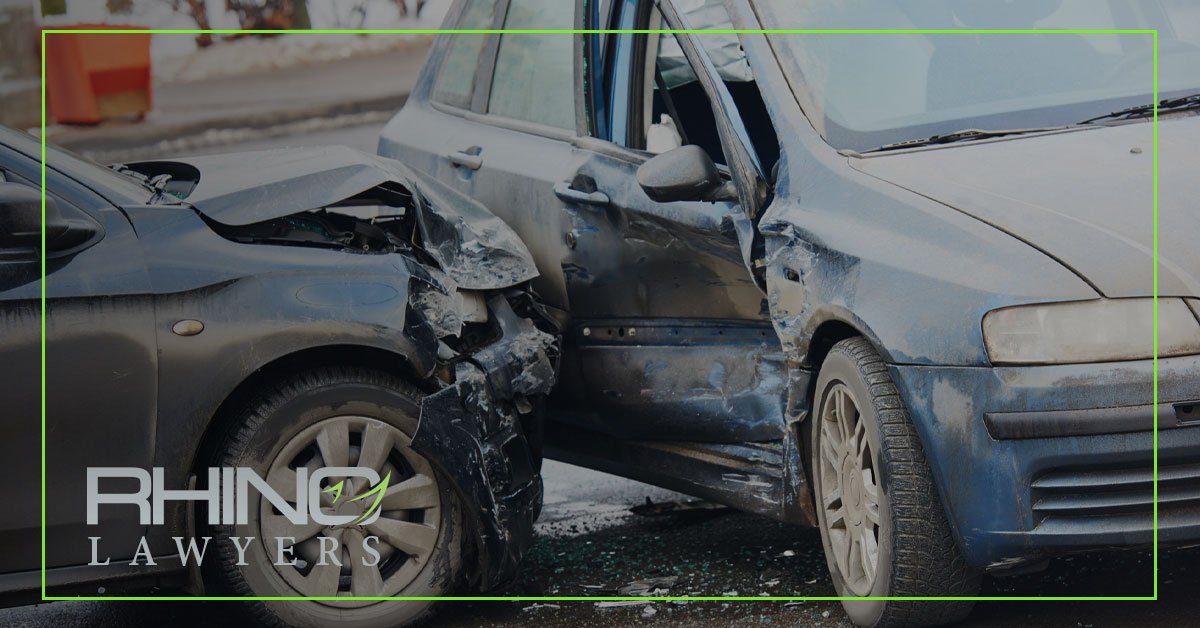
What Type of Injury Is Most Common in T-Bone Accidents?
In the first 11 months of 2022, there were more than 340,000 vehicle accidents in Florida. These accidents resulted in almost 3,000 deaths. Injuries were recorded in around 140,000 of these accidents, with more than 216,000 people sustaining injuries.
One of the most common types of road traffic accidents is the t-bone accident. In this blog post, we will highlight everything you need to know about this type of accident and the common injuries that people typically sustain. We will also look at how fault is determined in a t-bone accident and why RHINO Lawyers is your premier choice for legal support in Florida.
What Is a T-Bone Accident?
A t-bone bone accident, also known as a side impact crash, occurs when one vehicle “t-bones” another vehicle. The name of this accident derives from the fact that a “T” shape is formed at the point of impact (i.e. when one vehicle collides with the side of the other).
This type of accident often occurs at intersections, though they can and do occur in a variety of other situations when one vehicle loses control for some reason. There are a number of possible causes of t-bone accidents, including:
- Driving recklessly (speeding, ignoring rules of the road, etc)
- Distracted driving (texting while driving, etc)
- Driving while intoxicated (under the influence of drink, drugs, etc)
- Operating a defective motor vehicle
- Mechanical error
- Poor weather conditions
- Poorly maintained road
As we will highlight below, t-bone impacts can be extremely serious and result in life-threatening or life-changing injuries.
Common Injuries From T-Bone Accidents
According to the Insurance Institute for Highway Safety, t-bone accidents are the second deadliest type of road traffic accident. According to statistics from the United States in 2020, almost one-quarter of vehicle occupant deaths (23%) occurred as a result of t-bone accidents. Only frontal impacts (58%) accounted for more passenger vehicle occupant deaths.
Given how deadly this type of car accident is, it is clear that the injuries that people sustain are often serious and life-changing. Below, we will consider some of the most serious types of injuries that occur when one vehicle is t-boned by another.
Spinal Cord Injuries
The spinal cord serves a number of critical roles within the body. These include coordinating reflexes, sending sensory information from the body to the brain, and sending motor commands from the brain to the body.
Given the nature of a side impact collision, the sudden force that vehicle occupants experience can lead to serious spinal injuries. The trauma can result in surrounding tissue becoming dislocated or crushed, causing vertebrae to break, and damage to the nervous system that interferes with motor function.
Traumatic Brain Injuries
A traumatic brain injury is a form of acquired brain injury. It occurs when there is a sudden trauma that causes damage to the brain.
It commonly occurs when the head is violently and suddenly hits an object or when an object strikes the skull and enters brain tissue. There are mild, moderate, and severe traumatic brain injuries.
Common types of brain injuries that occur from car accidents include concussion, brain contusion, skull fracture, brain penetration, and contrecoup brain injury.
Broken Bones
Another common type of injury from t-bone car accidents is broken bones. When one vehicle collides side-on with another, there is very little to soften this impact. Common injuries here include broken arms, legs, ribs, hips, pelvis, clavicle, and skull.
Tissue Injuries
Tendons, muscles, and ligaments often suffer damage as a result of side-impact collisions. One of the most common types of tissue injuries is whiplash, which occurs when a person’s head suddenly moves backward and then forward (or sideways) with great force.
The sudden motion causes the ligaments and tendons in the neck to tear and stretch. Some of the main symptoms of whiplash include neck pain, stiffness, dizziness, headaches, blurred vision, problems with memory and concentration, inability to sleep well, and constant tiredness.
Determining Fault in a T-Bone Accident
As we have highlighted above, there are a number of different causes of t-bone accidents. Let’s highlight a few specific examples:
- When a driver runs through a red light at an intersection and collides with another vehicle
- A driver collides side-on with another vehicle in a parking lot
- A driver cut right in front of a vehicle on a left turn, causing it to collide side-on with another vehicle
While the first driver in these instances is likely at fault, proving fault is not always easy. That is why it is so important to partner with an experienced car accident lawyer.
A lawyer will be able to build a strong case and work toward the best outcome for their client. This includes:
- Organizing medical records and bills
- Communicating with healthcare providers
- Obtaining evidence pertaining to fault
- Proving damages and liability
- Presenting evidence of injuries and fault
- Negotiating a satisfactory settlement
Here at RHINO Lawyers, we are a no-win, no-fee law firm. That means if you don’t win your case, you don’t pay us anything.
T-Bone Accidents: Understanding the Common Injuries
As this blog post highlights, some of the most common and serious types of injuries from a t-bone accident include spinal cord injuries, traumatic brain injuries, broken bones, and tissue injuries such as whiplash.
If you or someone you love has been injured in a car accident in Florida, you may be entitled to compensation and justice. For exceptional legal representation, your premier choice is RHINO Lawyers.
We have recently recovered more than $34 million for our injured clients. Contact our friendly team today for a free video consultation. We look forward to speaking with you.
CONTACT A TAMPA AUTO ACCIDENT ATTORNEY
In short, after a car accident, you may not know your rights. Above all, don’t struggle through the process alone. Actually, our personal injury team is here to help you with any legal needs you might have regarding your accident.
Lastly, let RHINO Lawyers answer your questions and review the facts of your case with a Free Consultation. So, get started by completing the “Free Instant Case Evaluation” or by calling us any time, day or night, at 844.RHINO.77.
Read More
Emergency Room Errors and Medical Malpractice Law
Did you know there are approximately 130 million visits to the emergency room each year?
Generally, emergency rooms are fast-paced environments where patients’ lives are often at risk. And with lives on the line, poor decisions can lead to severe consequences. Thus, nurses and doctors risk exacerbating a condition or causing more problems. These unfortunate situations put a medical professional in peril of medical malpractice law.
You may be eligible for medical malpractice recovery after an emergency room visit has gone wrong. That said, this is not a catch-all law that applies to every situation.
Let’s take a look at medical malpractice in the ER, and whether you can be compensated under this law.
What Is Medical Malpractice Law?
First, it’s important to make clear that medical malpractice is not a simple mistake. Mistakes happen, but they are under an entirely different legal umbrella.
Malpractice refers to harm caused by a medical professional’s negligent actions. These can result from administering the wrong care or failing to administer the right care. Yet, negligence often results from ignoring procedures or failing to take precautions.
Here are a few important guidelines for qualifying true medical malpractice:
- Duty of care: you turned to the responsible medical professional for professional care and treatment
- Breach in the duty of care: your treatment is insufficient by professional standards, making it a breach of duty
- Harm occurs: misconduct by your provider either created a new injury or exacerbated an existing one
- Resulting damages: you suffer losses or expenses after this situation
All this depends primarily on one thing: the standard level of care.
Understanding Standard of Care
In fact, the standard of care is an agreed-upon, accepted bar of professional care. So, anything less than this agreed-upon standard is medical malpractice.
Every situation has different ways that a medical professional should administer care.
Of course, healthcare as a whole is a complicated field. There are many different disciplines with their own respective standards. Therefore, ERs are especially complicated and create unique difficulties.
The Challenge With Emergency Rooms
Emergency rooms treat injuries of all kinds. And, they treat these injuries on a triage basis. Practitioners without specialized training may have to deal with a crisis situation.
Actually, emergency room personnel often work under extreme pressure. Thus, forcing them to make tough decisions without adequate time to consider all the risks. An environment like this is ripe for mistakes from well-meaning individuals.
In short, it can be difficult to determine if your provider failed to meet the standard of care. In some cases, courts may side with the healthcare provider.
Further, it can be difficult to assign blame. A medical professional may have acted in what they assumed to be proper protocol. However, the medical institution’s poor guidance led to malpractice.
People usually won’t win medical malpractice cases with evidence of an injury alone. You will need to assemble several different forms of evidence to prove it. This might include the following:
- Getting detailed records of the treatment and involved parties
- Gathering evidence before and after of how the condition got worse
- Bringing in an expert to give their take on the field related to your care
- Citing journals or textbooks that outline an ER’s standard of care
- Using published medical guidelines that are the accepted norms for the practice
- A skilled legal professional who can argue why your case is malpractice
Errors in the Emergency Room that May Constitute Medical Malpractice
Medical malpractice generally falls into four categories. These are not the only situations that one should consider medical malpractice.
- Medical misdiagnosis: your medical professional gives an incomplete or wrong diagnosis
- Errors in treatment: your medical professional causes harm by delaying treatment or giving the wrong treatment
- Errors in communication: your medical professional does not convey correct and complete information to you, or to someone who is treating you
- Premature emergency room discharge: your medical professional released you from ER care too early
Consult a Lawyer for Medical Malpractice Before You File a Claim
If you believe that you are a victim of medical malpractice after reading this article, it’s time to file a claim. Otherwise, you may not be able to get the compensation you deserve. Compensation may even include things like lost wages.
Of course, this is a difficult case to prove alone. The medical industry in the United States is, on the whole, a for-profit venture. Like any other company, they don’t care about your well-being if it cuts into their profits.
Do not assume that the medical professional or your provider will do the right thing and pay for damages after medical malpractice.
Most likely, they will bury the claim in a fruitless internal investigation. This investigation will likely give them a favorable result without liability. Or, they may redirect you to your insurance provider to have them deal with the cost.
A lawyer for medical malpractice is a no-brainer when it comes to fighting a medical malpractice case. They know the intricacies of medical malpractice law. They know what forms of evidence hold the greatest sway on the judge, and they have years of experience with these cases.
Find a Lawyer for Your Medical Malpractice Case
Medical malpractice law makes clear what is an honest mistake and what is negligence. This distinction is hard to make, resulting in many difficulties in fighting medical malpractice cases. A medical malpractice lawyer will get you the compensation that you require.
RHINO Lawyers focuses on personal injury claims and medical malpractice. Our medical malpractice attorneys would be more than happy to fight your case and make sure you get the most favorable outcome. You can get a free case review here and determine whether your situation qualifies as medical malpractice.
CONTACT A TAMPA Medical Malpractice ATTORNEY
In short, if you believe you’re a victim of medical malpractice, you may not know your rights. Above all, don’t struggle through the process alone. Actually, our personal injury team is here to help you with any legal needs you might have regarding your case.
Lastly, let RHINO Lawyers answer your questions and review the facts of your case with a Free Consultation. So, get started by completing the “Free Instant Case Evaluation” or by calling us any time, day or night, at 844.RHINO.77.
Read More
Medical Malpractice Liability in Hospital-Acquired Infections
Each year more than 1.7 million people find themselves dealing with a series of hospital-acquired infections. These can make the condition they arrive at the hospital with worse over time.
When it comes to hospital-acquired infections, there are several things to know. This includes when it’s time to contact a medical malpractice lawyer.
Read on below and learn more about the most common hospital-acquired infection and what your next steps should be.
What Is a Hospital-Acquired Infection?
Before we get into the most common types and what having a medical malpractice lawyer can do for you, it’s essential to understand what this type of infection is. As mentioned, an infection you get from the hospital is an illness you contract after you’ve been admitted to the healthcare facility for another ailment.
You might begin to notice you’ve contracted another infection while in the hospital within the first forty-eight hours you’ve been there. The problem with contracting an infection while in the hospital receiving treatment for something else is that it can cause your current condition to worsen.
When this happens, it can be challenging for healthcare professionals to determine the correct course of action to treat you. If the infection goes untreated, it can lead to more severe complications. In worst-case scenarios, it can cause death.
When people go to the hospital or another care facility for treatment, the last thing on their minds is that they could get an infection. This is because many people believe that the hospital is constantly sanitized.
Also that those who work there follow strict sanitary practices.
Unfortunately, even with these practices in place, there is still a huge risk. Otherwise known as the chance of contracting an infection for several reasons.
As you continue to read, you’ll find out how these infections can happen. Also, you’ll learn what liability falls on the shoulders of the hospital where the victim acquired the infection.
How Does It Happen?
The leading cause for someone contracting an infection while in is the various forms of bacteria and germs in the healthcare setting.
Again these forms of bacteria can come from:
- Contaminated linens
- Dressings
- Areas
- Other patients seeking treatment in the hospital
There is a level of stress that comes with going to the hospital for help. Because you are not feeling well and want answers. Plus, illness-induced stress can lead to your immune system becoming weakened.
When your immune system isn’t as strong as it can be, this can make it easier for the bacteria you come in contact with to evolve into an infection or virus. Three determining factors give a better indication of your chances of getting sicker.
Factors Discussed…
The first determining factor is the patient themselves. As well as, how long they will spend hospitalized. The severity of your existing illness will determine the length of time you spend in the hospital.
As well as how well you’re responding to the treatment you’re receiving.
If your immune system becomes weakened during treatment, it can make you sicker. In most cases, healthcare professionals will want to stabilize you.
This happens before they discharge you to continue treatment from home.
Another factor that could determine whether you contract another infection while in the hospital is the facility. Specifically the cleanliness of the facility.
All facilities are supposed to follow strict sanitization and contaminated disposal practices. It doesn’t mean they do.
A facility should organize itself in a way that there is a routine schedule. This schedule is to ensure contaminated materials are disposed of properly.
This is to prevent contaminating other existing patients in the area. Lastly, the staff and other healthcare professionals treating you are a factor. They play a massive part in whether you contract an infection.
When healthcare professionals are dealing with patients, they should wear proper care gear and wash their hands. This is to ensure they reduce the risk of cross-contamination.
If a person hasn’t washed their hands, they are bringing germs from a previous patient to other patients. This further complicates their stay in the hospital.
Proving Medical Malpractice Cases That Involve Hospital-Acquired Infections
Much like any other case where a medical malpractice lawyer is needed, it’s challenging to prove that the hospital acted negligently. And that this act leads to further injury or illness for the patient.
For this reason, you must speak with someone who focuses on medical malpractice law to understand if you have a case, to begin with.
Once they’ve evaluated your case, they can detail what steps need to be taken to support it. This evidence will increase your chances of achieving the justice you deserve.
They will let you know the various ways you can receive compensation if the judge rules in your favor.
The first form of compensation is receiving the proper care to treat the infection you contracted. This is something most people look for because, if it continues to go undiagnosed, it can worsen, leading to permanent long-term effects.
You can also be compensated for wages you lost while seeking treatment. This is any form of income that you were using before seeking treatment.
Lastly, you could be compensated for a reduction in your quality of life. This happens when you become disfigured or your life expectancy is shortened because of this new infection.
Hospital-Acquired Infections and Your Quality of Life
When contracting hospital-acquired infections, there’s more to it than you could’ve imagined. This is why you need to contact RHINO Lawyers for help today.
We understand medical malpractice law and want to do what it takes to help you achieve the justice you’ve been looking for.
CONTACT A TAMPA Medical Malpractice ATTORNEY
In short, if you believe you’re a victim of medical malpractice, you may not know your rights. Above all, don’t struggle through the process alone. Actually, our personal injury team is here to help you with any legal needs you might have regarding your case.
Lastly, let RHINO Lawyers answer your questions and review the facts of your case with a Free Consultation. So, get started by completing the “Free Instant Case Evaluation” or by calling us any time, day or night, at 844.RHINO.77.
Read More
Are Dump Truck Accidents Considered Commercial Vehicle Accidents?
The Federal government describes commercial vehicles as those that weigh more than 10,000 pounds, transport eight or more paying passengers or 15 or more non-paying passengers, or transport hazardous materials.
Florida also has guidelines surrounding what counts as a commercial vehicle. In Florida, any non-governmental vehicle that weighs more than 26,000 pounds or has three or more axles is a commercial vehicle.
Were you recently involved in a dump truck accident? Then you may wonder whether or not dump trucks are commercial vehicles. After all, commercial vehicle wrecks come with much higher consequences for liable parties.
In this guide, we will explain the definition of a commercial vehicle in Florida. Plus, we will explain why a dump truck is a commercial vehicle and what to do if you get into an accident with one. Keep reading to learn more.
Is a Dump Truck Considered a Commercial Vehicle in Florida?
Yes, Florida usually considers dump trucks commercial vehicles if they weigh more than 26,000 pounds. A dump truck with three or more axles also falls under the definition of a commercial vehicle in Florida.
Other types of vehicles that the state considers commercial vehicles may include:
- 18-wheelers
- Tractor trailers
- Flatbed trucks
- Cement trucks
- Passenger transportation vehicles
Understanding the difference between commercial and non-commercial vehicles is important. That’s because getting into a wreck with a commercial vehicle is much, much different than a regular accident. We’ll explain why next.
Commercial Vehicle Regulations in Florida
The biggest difference between commercial and regular vehicles comes down to weight and size. A heavier vehicle takes more time to stop than a non-commercial car. This fact can lead to dangerous wrecks.
For this reason, Florida requires dump truck drivers to have special licenses. Drivers also must meet specific insurance coverage minimums. These minimums depend on the truck’s weight.
Dump truck companies also enforce strict standards for drivers. Drivers must have clean driving backgrounds. They must also undergo frequent drug and alcohol tests to ensure they’re safe to drive.
Reasons for Commercial Dump Truck Accidents
Dump truck accidents can have devastating consequences. We will discuss your legal rights after a trucking accident in a moment. But first, we want to go through the top reasons commercial vehicle accidents occur in the first place.
Brake or Tire Problems
Trucking companies and their drivers require frequent maintenance. Sometimes, brake or tire problems can go unnoticed. And this can lead to devastating accidents.
However, some trucking companies will intentionally leave trucks in disrepair. This type of issue also leads to wrecks. And in this case, the trucking company is liable for any damages that come about due to the accident.
Speeding
The faster a vehicle goes, the more time it needs to come to a stop. Vehicle weight compounds this effect. That means heavier vehicles take more time to bring to a complete stop.
As you can imagine, speeding is one of the top reasons for dump truck accidents. Drivers have strict schedules to adhere to. So, they often drive over the posted speed limit to make up for it.
Overweight Trucks
Some trucking companies do not follow federal and state weight guidelines because they get paid by the load. Yet, federal and state commercial truck regulations exist for a reason. They exist to protect other drivers on the road.
So, when truck companies violate these regulations, it can lead to wrecks. Because, as we have mentioned, the heavier a vehicle, the more time it takes to apply the brakes.
Untrained Drivers
Training drivers is critical for preventing commercial vehicle accidents. Drivers must obtain a CDL licenses. And they must pass knowledge and skills exams to get a CDL license in the first place.
But the trucking industry is experiencing a driver shortage. As such, companies may hire inexperienced drivers. When this happens, it can increase the risk of accidents due to falling asleep at the wheel, speeding, or cell phone use.
Who Is at Fault for a Dump Truck Accident?
If you get into an accident with a dump truck, you may be eligible for damages. Damages are monetary awards judges give to plaintiffs in personal injury cases. The defendant is the party that pays those damages.
The defendant in a dump truck accident injury case depends on who is at fault. Usually, the fault (also known as liability) either lies with the trucking company, the driver, or both parties.
A trucking company might be liable for your injuries if it participates in the following:
- Negligent hiring
- Inadequate training
- Incomplete truck maintenance
Conversely, a driver may be liable if he or she is intoxicated when the wreck happens. Speeding and texting while driving can also be reasons for truck driver liability.
Of course, the driver and the trucking company could both be liable.
For example, say the driver was texting, which caused an accident. But the truck’s brakes were found to be faulty due to the company’s negligence. In this case, both the driver and the trucking company could be held liable.
Hit by a Dump Truck in Florida? You Need a Commercial Vehicle Accident Lawyer
Both the Federal and Florida state government consider dump trucks as commercial vehicles. As such, these vehicles have strict regulations. When drivers and trucking companies do not follow these rules, accidents happen.
Were you or a loved one injured in a dump truck accident that was not your fault? RHINO Lawyers helps accident victims across The Sunshine State. Contact us today to get a free case review with our experienced accident injury lawyers.
CONTACT A TAMPA AUTO ACCIDENT ATTORNEY
In short, after a car accident, you may not know your rights. Above all, don’t struggle through the process alone. Actually, our personal injury team is here to help you with any legal needs you might have regarding your accident.
Lastly, let RHINO Lawyers answer your questions and review the facts of your case with a Free Consultation. So, get started by completing the “Free Instant Case Evaluation” or by calling us any time, day or night, at 844.RHINO.77.
Read More
Recognizing a Fair Settlement Offer
Only about 5% of personal injury cases go to court – the rest are settled. Have you received a settlement offer for your personal injury case?
Not all settlement offers are fair. It can be difficult for the average person to discern whether or not a settlement offer is reasonable or if they should make a counteroffer. How can you tell?
We’re here to talk about it. Read on to learn all about how to decide whether or not a settlement offer is appropriate and how to handle it if the offer is too low.
Are All Settlement Offers Fair?
Many people trust that any settlement offer is going to be fair. As a result, they accept the settlement offer without question. This is a huge mistake, and it’s one that insurance companies rely on when it comes to car accident cases.
Settlements generally happen when the defendant is clearly in the wrong and could potentially be on the hook for more damages. The settlement is generally lower than what the plaintiff can receive if they were to continue with the case and go to trial.
Legal professionals and insurance companies know that many plaintiffs aren’t interested in going through the stressful negotiation or trial process, so they’re likely to accept a settlement that seems “good enough.”
“Good enough” might be fine for some people, but depending on the extent of your injuries and other accident-related costs, it may not be sufficient. You shouldn’t feel pressured to accept an offer that doesn’t seem fair.
So how do you determine whether or not it’s fair?
What Was the Extent of Your Injuries?
First, consider your injuries. You need to document the time and money that you spent on doctor’s visits, hospital treatment, and even time lost from work as a result of your injury (if applicable).
If your accident resulted in mental distress and you chose to seek therapy or another form of psychiatric treatment, that also counts.
Make Sure You Seek Treatment
When you experience a personal injury accident, make sure you seek professional treatment. You’re going to need documentation of all of your injuries as well as the cost of your care.
While seeking treatment, if you’re not completely healed, try to gauge future medical costs. Remember, if you’re seeking damages before you’re done with treatment, you may end up not getting everything that you deserve or need.
Is There Property Damage to Handle?
Aside from medical costs, consider any relevant property costs. Was there damage to your vehicle? What about your home or any of your other belongings?
Many people forget about property damage costs when they’re burdened by medical costs, but the settlement should take them into consideration.
Does the Settlement Include Economic and Non-Economic Damages?
Most settlements will, by default, cover at least some of your economic damages. But what about your non-economic damages?
Non-economic damages are pain and suffering. Not everyone is able to receive compensation for this, but it never hurts to try. If the settlement does include payment for pain and suffering, it’s more likely to be fair.
Talk to Your Personal Injury Lawyer
Unless you’re very well-versed in the law, it’s likely that you won’t be able to determine whether or not your settlement offer is fair on your own. It’s best to have an experienced personal injury attorney on your side to help.
A good attorney knows all about the tactics that other attorneys use to offer unfair settlements. They can look at the settlement objectively to determine if it’s going to cover everything you need.
Your lawyer may decide that the settlement is unfair and that they’ll be able to negotiate something better. They may also decide that you need to go to court if you want to receive proper compensation.
On the other hand, the attorney may also decide that the settlement may be low, but that it’s also likely as good as it can be. They may decide that going to trial would not be worthwhile given the other details of your case.
If you’re lucky, they may determine that the settlement is perfect as-is. Regardless, it’s best to let them look it over before deciding whether or not to accept the settlement.
How to Respond to a Low Settlement Offer
So what happens if the settlement offer is too low?
First, remain calm. This happens all the time and it’s nothing to worry about. Your lawyer understands that low settlement offers are part of the process and they know what to do.
Make sure you’ve provided all possible evidence that could improve the settlement offer. If you’re not sure whether or not a piece of information would help, talk to your lawyer.
Work together with your lawyer to develop a counteroffer. The lawyer will ensure that the counteroffer is reasonable and fair (and thus more likely to be accepted).
You should have your lawyer put your settlement rejection in writing.
You Don’t Have to Accept a Low Settlement Offer
Not every settlement offer is going to be a fair one. If you’ve received a low settlement offer, you can counteroffer to get the compensation you deserve. Keep this list in mind when you’re trying to decide whether or not a settlement offer is fair.
Are you a victim of a personal injury incident? If so, we want to meet you and help you get compensation. Schedule a free virtual consultation today.
CONTACT A TAMPA AUTO ACCIDENT ATTORNEY
In short, after a car accident, you may not know your rights. Above all, don’t struggle through the process alone. Actually, our personal injury team is here to help you with any legal needs you might have regarding your accident.
Lastly, let RHINO Lawyers answer your questions and review the facts of your case with a Free Consultation. So, get started by completing the “Free Instant Case Evaluation” or by calling us any time, day or night, at 844.RHINO.77.
Read More
What Is Causation in Medical Malpractice Case?
Patients are often shocked to discover that medical errors are the third-leading cause of American deaths. However, that doesn’t mean that each death is considered medical malpractice.
This is, in part, due to something called causation. Causation is one of four factors plaintiffs must establish when opening medical malpractice cases.
What is causation and how can you prove it? What is the difference between factual causation and legal causation and why are both significant to your case?
Your Tampa medical malpractice lawyer is here to explain it all. Read on to learn more about causation in medical malpractice cases.
The Four Elements of Negligence in Medical Malpractice
To the victim of medical malpractice, the facts of the case may seem pretty cut and dry. You know what happened to you and you know that you were harmed by a medical professional’s action or inaction. That said, your case will have to satisfy the four legal standards of medical malpractice in order to succeed.
Duty of Care
First, you will need to demonstrate that the defendant owed you the duty of care. Typically, as long as you had a scheduled appointment with the defendant when the negligence occurred, this is simple to do. However, if a medical professional offered you bad advice in passing or “off the clock,” they did not owe you the legal duty of care.
Breach of Duty of Care
Next, you will need to demonstrate that the defendant breached the applicable standard of care when treating or diagnosing you. This means that another medical professional, under similar circumstances, would reasonably have acted to prevent the injury or illness you are now experiencing.
Damage Sustained
Medical professionals make inconsequential mistakes on a regular basis. Making a mistake is not enough to produce significant medical malpractice case results. You must demonstrate that due to the breach of duty of care, you are now suffering from a serious illness or injury.
Causation
Finally, you must demonstrate causation. In the simplest terms, causation shows that the defendant’s negligence caused the damages you’ve sustained.
What Is Causation?
In some cases, causation seems quite clear. If a surgeon amputated the wrong leg, it’s self-evident that their negligence caused you to lose that leg. However, causation in medical malpractice cases is rarely that simple to prove, in part because you must demonstrate both actual and legal causation.
Factual Causation
They often refer to factual causation as cause in fact. This means the defendant’s actions or inactions caused factually the damages sustained by the plaintiff. For example, if a doctor failed to screen you for cancer at an early stage. Then the cancer advanced without any treatment. Now there is factual causation due to the lack of treatment because the doctor did not catch it earlier.
Legal Causation
Legal causation is also referred to as proximate causation. This means that the damages sustained by the plaintiff were caused by the defendant and were a foreseeable result of the defendant’s actions or inactions. Continuing the above example, if you were exhibiting symptoms of cancer and have a family history of cancer and your doctor failed to screen you for cancer, your current state was a foreseeable result of that failure.
How Is Causation Proved in Medical Malpractice Cases?
The best thing that you can do before filing a medical malpractice claim is to hire an experienced medical malpractice attorney. With their help, you can begin to compile the evidence needed to build a strong case. Let’s take a look at some potential sources of evidence your attorney will use to represent your claim.
Medical Records
Your attorney will need to compile an extensive record of your experiences with the defendant. This includes records of every appointment you had with that doctor that contributed to your current damages. It will also include any records demonstrating your current state of health, whether or not they were with the defendant.
Witness Testimony
Witness testimony is a useful piece of evidence to have in a medical malpractice case. However, witness testimony can be hard to come by, as any other medical professional who witnessed the medical malpractice (i.e. nurses or lab technicians) may not be willing to testify against a colleague.
Expert Testimony
An experienced medical malpractice attorney will know the appropriate expert witnesses to call upon in your medical malpractice case. Expert witnesses are often medical professionals from a relevant field who can testify that your damages were reasonably foreseeable. This testimony is one of the building blocks of establishing the breach of duty of care and legal causation.
How Clear Does Causation Need to Be to Win?
People are often familiar with the phrase, “beyond a reasonable doubt,” which is applicable to criminal cases. Medical malpractice falls into the territory of civil court, where you must satisfy the standard of the preponderance of the evidence.
In order to do so in cases of medical malpractice, you will need to demonstrate that your claims are more than 51% likely to be true. Keep in mind that Florida recently adjusted their medical malpractice statute of limitations from four years to two.
CONTACT A TAMPA Medical Malpractice ATTORNEY
In short, if you believe you’re a victim of medical malpractice, you may not know your rights. Above all, don’t struggle through the process alone. Actually, our personal injury team is here to help you with any legal needs you might have regarding your case.
Lastly, let RHINO Lawyers answer your questions and review the facts of your case with a Free Consultation. So, get started by completing the “Free Instant Case Evaluation” or by calling us any time, day or night, at 844.RHINO.77.
Read More
What are Florida’s Electric Bike Laws?
They’re green, energy efficient, and a nice way to get around town. Plus they’re just fun to ride.
Electric bikes in Florida have become a staple for some, whether to commute or just get fresh air. They can reduce traffic in your area when implemented, making them an attractive option for state politicians. But what are the Florida electric bike laws?
As great as these green transport options are, it pays to know the electric bike rules before you buy one. Join us in this guide as we discuss Florida’s electric bike laws.
Florida Electric Bike Laws: Can You Own and Operate an E-Bike Without a License?
The first question is where an e-bike falls in terms of transport definitions. Most bikes are in an awkward place between pedestrians and vehicles.
Since they’re larger than a pedestrian but slower than a vehicle, this makes it difficult for lawmakers to classify them. For this same reason, it can be frustrating for drivers to share the road with them. They’re much slower and smaller, but they still have the right to be on the road.
E-Bike Classification
E-bikes aren’t that much faster than normal bikes, even with pedal assist. This makes it easier to fit them into a similar definition as a bike. Here are the e-bike classifications:
- Class 1: an electronic bike, with pedal assist, that can reach up to 20 mph
- Class 2: an electronic bike, with a motor alone, that can reach up to 20 mph
- Class 3: an electronic bike, with pedal assist, that can reach up to 28 mph
An e-bike needs to fit into one of these three categories to make the definition. The 28 mph ceiling is what keeps an electronic bike in the definition of an e-bike. As long as it does not travel above 28 mph, you can own and operate one without a license.
However, once an e-bike travels above that speed, it becomes a “Class E moped.” This does, unfortunately, require a license. You will need to register this “vehicle” and this particular e-bike would not be subject to e-bike laws.
Are There Any Rules for Operating an E-Bike?
Like a bicycle, Florida has minimal restrictions and requirements on e-bikes. There used to be an age limit of 16, but Florida removed this. Now, anyone of any age can ride one.
Since there is no need for a license and registration, you can purchase an e-bike and take it out onto the road immediately.
Further, there are no requirements to wear a helmet. However, even if no law forces you to do so, you can and should wear a helmet any time you ride your bike. Head injuries are not a laughing matter and could cause you lifelong issues.
Insurance is not required on an e-bike. But as with any expensive purchase, this is advisable.
Classification Label
Last but not least, an e-bike needs to display its classification–if it was manufactured after January 1st, 2021. This classification should show clearly what class it falls into class 1, 2, or 3. The label should be permanent.
Not only that, but this label should show how fast the bike can go at top speed. It should display the estimated wattage. It needs to mention any modifications that there might be.
In short, Florida e-bike laws allow you to ride your bike as you please. No age requirement, license, registration, or helmet is required. As long as you can show this sticker to authorities, you’re in the clear.
Where Can You Ride an E-Bike?
While e-bikes can go a bit faster than bikes, they don’t get special privileges. You can only ride an e-bike in the same way you might a regular bike. It’s advisable to stick to sidewalks and crosswalks, but you can ride in the street if you desire.
Stay to the shoulder of the road, use hand signals, and be very defensive and aware. Cars may have trouble seeing you, so it’s up to you to protect your own life.
Do NOT take your e-bike on highways or freeways. Avoid congested areas with heavy traffic. Walk your bike across any legitimate crosswalk, and check both ways before you do.
Again, wear a helmet to protect yourself, and be alert at all times. An e-bike is great fun to ride but take all necessary precautions.
What Do You Do in the Event of an E-Bike Accident?
As with any accident, you should call the authorities and gather evidence. Take pictures of any damages or injuries, and get the contact information of the other involved party.
An accident lawyer can help with an e-bike accident, believe it or not. Drivers tend to be very careless with bicycles as much as e-bikes. You have every right to be on the road, and an accident attorney can fight your case.
After you have contacted the authorities, gathered information, and treated any injuries, contact an accident lawyer.
If you have suffered a personal injury as a result of driver negligence, you deserve compensation. Their insurance company might try to get out of paying you for damages. An accident lawyer can represent you and obtain the best compensation possible.
Find an Accident Attorney in Florida
Electric bikes are a fun way to save the environment, reduce commute times, and get some fresh air. However, Florida electric bike laws are very clear on what an e-bike is, and what rules pertain to it. Take extra care to make sure you have a classification sticker and that you obey the rules of the road.
Accidents happen, but they don’t need to end in tragedy when the other party tries to cheat you. An accident lawyer is on standby ready to fight your case. Contact RHINO Lawyers and get a case evaluation.
CONTACT A TAMPA AUTO ACCIDENT ATTORNEY
In short, after a car accident, you may not know your rights. Above all, don’t struggle through the process alone. Actually, our personal injury team is here to help you with any legal needs you might have regarding your accident.
Lastly, let RHINO Lawyers answer your questions and review the facts of your case with a Free Consultation. So, get started by completing the “Free Instant Case Evaluation” or by calling us any time, day or night, at 844.RHINO.77.
Read More
What Are the Effects of a Stroke?
Strokes are an all-American scourge. Every 40 seconds, someone in the United States has a stroke. Strokes are one of the leading causes of long-term disabilities.
Yet you’re not helpless after a stroke. You can get effective stroke treatment as long as you study the effects of a stroke and look at treatment options. Start with the most prominent effects.
How can a stroke affect your body and mind? Who can you get treatment from, and what types of stroke therapies can you get? What are some of the long-term or permanent effects of a stroke?
Answer these questions and you can find your path ahead after a stroke. Here is your quick guide.
Paralysis
The left side of the brain controls the right side of the body, and the right side of the brain controls the left side of the body. After a stroke, some people are completely paralyzed on one side. They are not able to move their arm or leg, even if they can move their other arm or leg.
Other people have difficulty moving, but they can feel certain sensations. They may be able to feel hot or cold or feel objects on the tips of their fingers.
People can experience other problems like an inability to balance or coordinate their bodies. Strokes can confine people to wheelchairs or require them to use walkers.
Proper stroke treatment for paralysis requires physical therapy. Many patients learn how to move their limbs and coordinate their bodies, even if their brains have not completely healed.
Vision Problems
A stroke on the right side of the brain or in the cerebellum can cause vision problems. Some people are unable to see while others experience blurred vision or double vision. A person’s eyes may be fine, but their brain is unable to process the signals sent to it from the eyes.
Visual perceptual skills relate to how you pay attention to objects in your vision field. Even if you are able to see, you may not be able to focus on objects in front of you or notice things on the ground.
Visual perceptual problems can be hard to notice. But you should receive physical and occupational therapy for them as soon as an eye doctor evaluates you. Therapy can include solving puzzles and mazes, requiring you to follow where you are going and memorize visual cues.
Some people may have permanent vision problems. Yet they can receive glasses and surgery to correct issues with their eyes.
Memory Problems
Strokes in any part of the brain can cause memory loss. However, stroke survivors experience many different types of memory problems.
Many people are unable to remember events from before their strokes. Looking at photographs or talking to people may help them jog their memories, but they may not be able to recall things perfectly. Stroke survivors may be unable to remember what happened immediately before, during, and after their strokes.
Some stroke survivors may struggle to remember words. They may not know what certain words mean, and they may misuse words while they are talking because they mix the definitions of words up.
Other survivors struggle with following instructions. They may be told to do something, then they forget what to do.
30% of stroke survivors develop post-stroke dementia. In addition to memory loss, people with post-stroke dementia experience cognitive problems like confusion and difficulty making decisions.
Memory problems can be hard to treat. Playing memory games and adopting a routine with repetitive tasks can help. Yet some people experience permanent memory loss, even with proper stroke treatment.
Behavioral Changes
A stroke on the left side of the brain can cause someone to become cautious. They may find it difficult to make decisions. They may seem depressed, and personal obstacles can become overwhelming.
A stroke on the right side of the brain can cause an individual to become reckless. Someone may be quick to make decisions, which can result in rushes to judgment. Some people act inappropriately or show a lack of concern for their well-being.
Many stroke survivors become withdrawn. They may not want to interact with others, and they may find it hard to maintain conversations.
Speaking to a psychiatrist can help stroke survivors with changes in their mental health and personality. Grounding techniques like deep breathing can calm someone down and help them make good decisions.
Medical negligence is common with behavioral problems. Many doctors assume that the problems will pass or prioritize physical issues.
If your loved one’s behavioral changes are being ignored, you should speak to a mental health professional. You can also approach a personal injury lawyer with experience in negligence.
Issues With Bodily Functions
The brain stem is the part of the brain that controls essential functions like breathing and blood pressure. A stroke in the brain stem can cause significant stroke side effects.
Someone may have difficulty breathing. Their body temperature may rise and fall rapidly.
Many people with brain stem strokes develop comas or conditions like locked-in syndrome. Some people emerge from their comas, but they are unable to walk or breathe without devices.
Issues with bodily functions can surface after medical malpractice. Someone may receive surgery on the brain to remove a blood clot or reduce swelling. If the surgery goes wrong, part of the brain may be damaged.
It is extremely difficult to treat bodily function issues. Some people die due to alterations in their breathing, body temperature, or heart rate.
The Most Common Effects of a Stroke
You can experience many devastating effects of a stroke. Many people experience mobility issues, including paralysis, as well as memory issues. Physical and occupational therapy can help with both of these problems.
Behavioral changes and mental health conditions like depression are also common. Talking to a psychiatrist can be beneficial. But breathing and heart issues are hard to fix, and medical malpractice or negligence can occur with them.
Find medical professionals and lawyers who will get you the treatment you need. RHINO Lawyers serves Florida stroke survivors. Contact us today.
CONTACT A TAMPA Medical Malpractice ATTORNEY
In short, if you believe you’re a victim of medical malpractice, you may not know your rights. Above all, don’t struggle through the process alone. Actually, our personal injury team is here to help you with any legal needs you might have regarding your case.
Lastly, let RHINO Lawyers answer your questions and review the facts of your case with a Free Consultation. So, get started by completing the “Free Instant Case Evaluation” or by calling us any time, day or night, at 844.RHINO.77.
Read More
Gallbladder Surgery Errors: What’s Normal?
At any given time, around 20 million Americans have gallstones, according to the National Institutes of Health. Although gallbladder surgery is typically safe, gallbladder surgery errors can lead to serious or even life-threatening complications.
Knowing the difference between gallbladder surgery errors and expected gallbladder removal side effects is key to knowing whether you are entitled to a malpractice lawsuit. To learn more about possible instances of surgical negligence, read on.
What Are Expected Gallbladder Removal Side Effects?
Patients should expect mild side effects following surgery. Anytime a surgeon cuts tissue and removes an organ, minor swelling and discomfort are common.
Common side effects after surgery could include nausea or vomiting due to the effects of anesthesia. If they place a tube in the throat during surgery, patients may have a sore throat.
Swelling and soreness around the incision site are also common. Difficulty sleeping, restlessness, and digestive problems are also common.
Since side effects are typically a normal part of the healing process, they generally do not make patients eligible for seeking liability on the part of a doctor or hospital.
Common Signs of Surgical Errors
Surgical errors can lead to significant complications or even life-threatening medical emergencies during or following surgery.
Did you know that medical errors are the third-leading cause of death in the United States? An average of 250,000 Americans die from surgical errors and other forms of malpractice per year, according to CNBC.
Bacterial Infection
Post-operative infections are a potentially dangerous complication. Typically, the use of antibiotics prevents this complication. But surgical equipment that was not properly sanitized could still lead to a serious bacterial infection.
Shock
Shock refers to a sudden drop in blood pressure. Infection, blood loss, metabolic problems, or brain injury can cause complications. Doctors treat this life-threatening complication through IV drips, providing oxygen, medications, or another form of intervention.
Post-Cholecystectomy Syndrome
Bile leaking in the stomach and other areas can cause PCS. When surgeons leave gallstones in bile ducts it also causes the condition. Luckily, most symptoms are short-lived.
Symptoms can persist for several months, though. Your general practitioner can prescribe medications to relieve symptoms.
Pulmonary Embolism
Sometimes, a clot can separate from a vein. It can then travel to the lungs. This medical emergency can lead to death.
Symptoms include chest pain, difficulty breathing, and an elevated heartbeat. If you experience symptoms of a pulmonary embolism, call 911 immediately.
Adverse Reaction to Anesthesia
Anesthesiologists take great care to prevent reactions to anesthesia. This is often done during your medical exam.
Although rare, some people have allergic reactions to anesthesia. Symptoms range from mild to severe.
Some medications can promptly address these emergencies.
What Can Lead to Surgical Errors?
Doctors are highly trained. They can still make errors, though, or a member of their team may be at fault.
Lack of Proper Preparation
Maybe the surgeon didn’t properly prepare. Surgeons should plan for complications, and the proper tools should be ready beforehand.
Failure to Notice Surgical Errors
Or, the doctor may not notice an error. Doctors receive training to notice and address errors. But this doesn’t always happen.
If a serious error occurs, they may need to perform emergency surgery.
Communication Errors
The doctor’s job is to make sure his or her team has all the information needed to make an operation go smoothly. Teams can be large, though. And this can make preparing everyone a challenge.
Not surprisingly, many surgical errors result from poor communication practices.
Poor Post-Operative Care and Monitoring
Doctors should schedule follow-up appointments. These ensure that patients heal properly.
Poor recovery can lead to complications. This is often because the doctors did not monitor for signs of complications beforehand.
Deep vein thrombosis can develop in a leg vein during recovery. If patients don’t use compression stockings, a clot can travel around the body and cause damage.
Fatigue
Surgeons often work long hours. And they do it in situations of heavy pressure. And when doctors don’t receive enough rest they are at greater risk of making a mistake.
Examples of Surgical Errors that Lead to Complications
Can I Benefit from a Malpractice Lawsuit?
If you suffer from botched gallbladder surgery, our attorneys can help. One of the first steps, once you have contacted our office, is to undergo a medical exam.
During your consultation with one of our attorneys, you will learn the steps of a medical malpractice lawsuit. These steps often include investigation, initial court hearings, discovery, and settlement.
In the event that your case isn’t settled, our experienced attorneys can take your case to trial to earn the highest settlement possible.
Learn More About Legal Remedies to Surgical Errors
Patients should expect mild gallbladder removal side effects. If you suffer from severe complications that result from malpractice, you may be entitled to a settlement.
The monetary award can help you recoup medical fees, pay for corrective surgery, and remunerate you for mental and physical pain and suffering associated with the medical error. To learn more, contact our office today.
CONTACT A TAMPA Medical Malpractice ATTORNEY
In short, if you believe you’re a victim of medical malpractice, you may not know your rights. Above all, don’t struggle through the process alone. Actually, our personal injury team is here to help you with any legal needs you might have regarding your case.
Lastly, let RHINO Lawyers answer your questions and review the facts of your case with a Free Consultation. So, get started by completing the “Free Instant Case Evaluation” or by calling us any time, day or night, at 844.RHINO.77.
Read More