
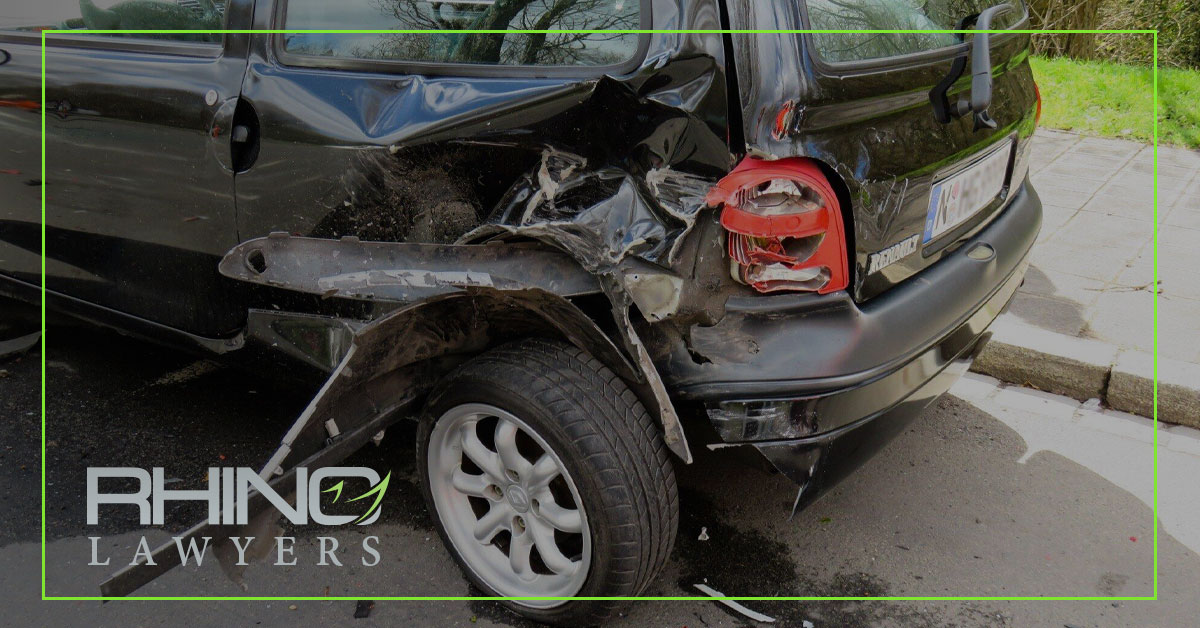
Car Accident Witness Statements: Why They Matter More Than You Think
Car accident witness statements matter more than people think because they provide a neutral and objective account of the incident, which is vital for establishing fault and can make the difference between a claim being denied or approved.
There have been over 310,000 traffic crashes, resulting in 130,000 injuries so far this year in Florida, according to Florida Highway Safety and Motor Vehicles (FLHSMV). Many of these will result in accident claims being filed, with the majority being settled. However, a small percentage of these will end up in court.
As an accident victim, whether filing an insurance claim or anticipating a court appearance, having a car accident witness statement is crucial to the success of your case. Witness statements are essential in car accident cases as they provide an unbiased account that helps establish fault and strengthen claims. Ultimately, they can lead to a more favorable settlement or court outcome.
What Is a Car Accident Witness Statement?
A car accident witness statement is a first-hand, objective account of an accident from an unbiased third-party observer. It is a written or verbal description of events that helps an insurance company or the court determine the facts of the case, such as:
- Other drivers
- Passengers in any of the vehicles involved
- Pedestrians
- People nearby in buildings or businesses
- First responders
Why Witness Statements Are So Important
A car accident can be a traumatic experience, and right after it occurs, the drivers and passengers involved may be in shock due to the adrenaline rush, or they may have an injury. Despite being directly involved, their recollection of the events could be questionable and less than objective.
The witness role in accidents is to provide an unbiased and neutral account of the event, making witness statements crucial for:
- Helping to clarify disputed facts and offering an independent perspective
- Corroborating or disputing the involved parties’ accounts
- Influencing liability determination and legal decisions
The legal impact of witnesses is significant; their testimony can be the decisive factor in claims, influencing settlement amounts and the overall success or failure of a case.
Key Elements of a Strong Witness Statement
The importance of witness statements is undeniable; they can determine a claim’s or case’s outcome. The key elements of a strong witness statement must include precise details regarding:
- Witness Contact Information: The full name, home address, phone number, and email address for legal follow-up.
- Date, Time, and Location: The exact date, time, and specific location of the accident, including intersections, landmarks, or highway markers.
- Detailed Sequence of Events: The core of the witness statement that includes the chronological order of events leading up to, during, and after the incident.
- Description of Vehicles and Drivers: The vehicle make, model, color, and other specifics, and descriptions of the drivers involved, including their actions and behavior before, during, and after the incident.
- Injuries and Damage: Their observations of the injuries sustained by the parties involved and any visible damage to the vehicles or nearby properties.
- External Conditions: The weather, road conditions, and traffic elements when the accident occurred.
It may also include an account of any relevant conversations, including admissions of fault, and should have the date of the statement and the witness’s signature. Speculation or personal opinions should be avoided in car accident testimony to maintain credibility.
How Witness Statements Strengthen Your Case
Witness statements can strengthen a car accident case that lacks proof or has uncertainties about the crash’s cause or the injuries sustained. Reliable witness testimony can help fill gaps left by other evidence, such as:
- Informes policiales
- Fotos
- Videos
It can also support injury claims by describing the impacts and aftermath of the accident.
A clear, consistent, and credible witness statement can increase the likelihood of favorable insurance and court outcomes.
When to Collect Witness Statements and How
The time and manner of collecting witness statements can affect their reliability and accuracy. It should involve immediately identifying witnesses, obtaining their contact information, and gathering witness statements promptly after an accident, while they can still recall what occurred.
Police officers typically gather witness statements at the scene of a car accident. However, accident victims who are physically and mentally able should also identify witnesses and collect their contact information to provide to their legal representatives.
Attorneys are adept at gathering witness evidence through effective and respectful interviewing methods. They will:
- Introduce themselves and state their case
- Ask open-ended questions
- Listen actively
Your attorney will document the information provided and reassure reluctant witnesses, emphasizing the importance of their testimony, while addressing any concerns. They may also decide to canvass the area to identify any other potential witnesses.
Preguntas frecuentes
Are Car Accident Witness Statements Strong Evidence?
Yes, car accident witness statements can be considered strong evidence, especially when they come from an objective third party. They provide independent proof of how an accident occurred and can confirm details such as who is at fault and if a driver was speeding or distracted.
The strength of a witness statement depends on its:
- Credibility
- Consistency with other evidence
- Clarity
Credible witness accounts can strengthen a claim, and insurance companies and courts take them very seriously. However, they are also subject to scrutiny due to the infallibility of human memory.
How Reliable Are Car Accident Witness Statements?
Car accident witness statements can be considered reliable in some cases if they reflect an unbiased, third-party perspective, especially one that is more objective than the accounts of the drivers involved. However, their reliability is not guaranteed, as memory can be inaccurate and influenced by:
- Estrés
- Biases
- The length of time since the event
They are typically considered valuable evidence but are not infallible.
An Invaluable Element in Car Accident Claims
Car accident witness statements are invaluable in car accident claims because they provide independent, objective proof of what happened. They can also help establish fault, corroborate evidence, and enhance your credibility.
If you’re in an accident, prioritize collecting witness information, as the attorneys at RHINO Lawyers are experienced at gathering relevant witness information that can help your case. Our innovative approach will not only make the claims process less stressful for you but also help you get the settlement you deserve. Text, call, or chat with us online for a FREE case analysis.
COMUNÍQUESE CON UN ABOGADO DE ACCIDENTES AUTOMOVILÍSTICOS EN TAMPA
En resumen, después de un accidente automovilístico, es posible que no conozca sus derechos. Sobre todo, no luche solo durante el proceso. En realidad, nuestro equipo de lesiones personales está aquí para ayudarle con cualquier necesidad legal que pueda tener relacionada con su accidente.
Por último, que RHINO Lawyers responda a sus preguntas y revise los hechos de su caso con una consulta gratuita. Así que comience completando el “Evaluación de caso instantánea y gratuita”o llamándonos en cualquier momento, día o noche, al 844.RHINO.77.
Leer más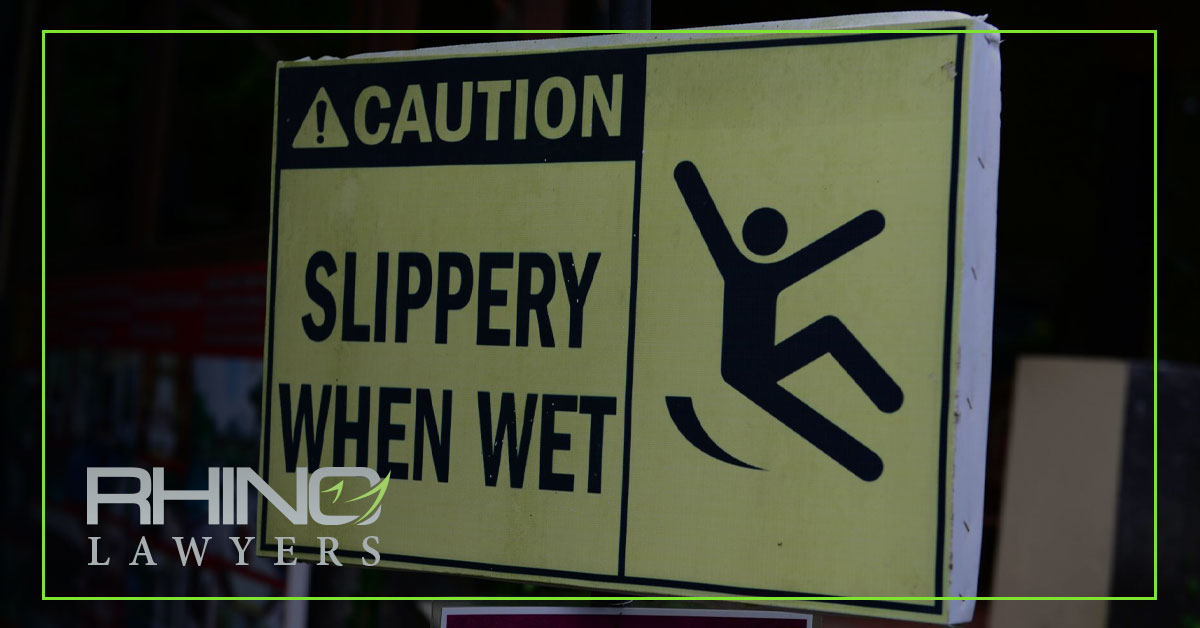
Do Hotels Owe You Compensation If You Slip And Fall At The Pool?
Si slip and fall at a hotel pool, you may be entitled to compensation for injuries and related expenses. Hotels have a legal duty to keep pool areas safe for guests, and negligence can make them liable when accidents happen. RHINO Lawyers can help you understand your rights and pursue fair compensation after a pool accident.
Each year, Americans make nearly 25 million physician visits for unintentional injuries, according to the CDC. Many of these injuries — especially slips and falls near swimming pools — happen due to poor maintenance or unsafe conditions. Knowing your rights helps you take proper action after an injury.
Hotels must keep pool areas safe for guests. This means drying wet surfaces, posting warnings, and maintaining lighting and equipment. If they fail, injured guests may have a valid premises liability claim.
What Are the Common Causes of Slip and Fall Accidents?
Poolside accidents can happen quickly, especially in busy or poorly maintained areas. Even a small puddle, broken tile, or missing handrail can lead to serious injuries. Understanding how these common accidents occur can help you recognize signs of negligence before it’s too late.
When Are Hotels Responsible for Your Injury?
Hotels can be held liable when their negligence directly causes your injury. However, it depends on the case. Here are a few situations where a hotel may be found responsible:
- Failing to clean or dry slippery surfaces around the pool
- Not posting clear “Wet Floor” or “No Running” warnings
- Poor lighting makes hazards difficult to see
- Broken tiles, ladders, or loose railings left unrepaired
These conditions put guests at unnecessary risk. They can result in significant medical and financial losses. If your fall was caused by one of these hazards, you may be entitled to compensation for pool accidents and other related damages.
Understanding Pool Accident Liability
When a slip and fall happens at a hotel pool, the cause of the accident determines who is legally responsible. Hotel owners, maintenance crews, or even third-party contractors could all share pool accident liability. The key is proving that someone failed to take reasonable steps to prevent your injury.
Hotels are required to inspect pool areas regularly and fix hazards as soon as possible. Neglecting these duties can make them liable under hotel negligence cases. RHINO Lawyers helps victims gather evidence and even have witnesses to prove how hotel negligence caused their injuries and losses.
Types of Injuries in Hotel Slip and Fall Claims
Poolside falls can cause anything from minor bruises to severe trauma. Some injuries appear mild at first but worsen over time, leading to ongoing pain or disability. Understanding what types of injuries are common can help you document hotel slip and fall claims properly.
What to Do After a Slip and Fall at a Hotel Pool
It’s quite devastating to slip and fall at a hotel pool. As such, taking quick action can make a major difference in your case. Here are some important steps to protect your slip and fall injury rights and strengthen your claim:
- Report the accident to hotel management immediately
- Take photos or videos of the pool area and your injuries
- Collect names and contact details of any witnesses
- Get medical attention right away, even for minor injuries
These steps help establish what happened and preserve valuable evidence for your hotel slip and fall claim. Sharing these details with your attorney allows them to build a strong compensation case.
When to Contact a Personal Injury Attorney
If you’ve been injured at a hotel pool, contacting a personal injury lawyer should be one of your first steps. An experienced attorney can help you determine whether the hotel’s negligence caused your injury y what damages you can pursue. RHINO Lawyers works to recover costs for medical care, pain and suffering, and lost income after serious pool accidents.
Preguntas frecuentes
What Evidence Helps Prove a Hotel’s Negligence After a Pool Accident?
Photos of the area, medical reports, and witness statements can be powerful proof in a slip and fall claim. It also helps to keep copies of the hotel’s incident report and any communication from staff or management.
Can I File a Claim If the Pool Area Was Crowded or Wet?
Yes. Even though pools are naturally slippery, hotels must use:
- Safety mats
- Proper drainage
- Clear caution signs
Failing to take these precautions can make the hotel legally responsible for your injuries.
Do I Need to Prove the Hotel Knew About the Hazard?
Usually, yes. You must show the hotel staff knew — or should have known — about the danger and didn’t fix it. This link between the hazard and the staff’s inaction is key to proving negligence.
Can Guests Sue for Pool Injuries Without a Visible Hazard?
Yes, in some cases. Hidden risks such as uneven tiles, poor chemical balance, or broken drainage systems can make the pool area unsafe. An attorney can uncover maintenance records or inspection reports that support your claim.
How Long Does It Take to Settle a Hotel Slip and Fall Claim?
Every case is different. Some resolve in a few months, while severe injury cases may take longer if negotiations or court involvement are needed. Your lawyer can explain each step and the expected timeframe.
What If I Signed a Hotel Waiver Before Using the Pool?
A waiver doesn’t automatically protect the hotel from liability. If negligence or unsafe conditions caused your injury, the waiver may not apply. Always have an attorney review such documents before assuming you can’t seek compensation.
Trusted Legal Help for Pool Accident Victims
Understanding your rights after a hotel slip and fall helps you take action before it’s too late. Knowing what to do and who to contact can make the recovery process smoother and less stressful. With the right legal support, you can hold negligent hotels accountable and seek the compensation you deserve.
If you or someone you love has been injured in a pool accident, RHINO Lawyers is here to help. Our attorneys handle hotel negligence cases, auto accidents, and personal injury claims across Florida and Wisconsin. Contact RHINO Lawyers hoy por un consulta gratuita and learn how we can protect your rights after a slip and fall.
COMUNÍQUESE CON UN ABOGADO DE ACCIDENTES AUTOMOVILÍSTICOS EN TAMPA
En resumen, después de un accidente automovilístico, es posible que no conozca sus derechos. Sobre todo, no luche solo durante el proceso. En realidad, nuestro equipo de lesiones personales está aquí para ayudarle con cualquier necesidad legal que pueda tener relacionada con su accidente.
Por último, que RHINO Lawyers responda a sus preguntas y revise los hechos de su caso con una consulta gratuita. Así que comience completando el “Evaluación de caso instantánea y gratuita”o llamándonos en cualquier momento, día o noche, al 844.RHINO.77.
Leer más
Spotting the Red Flags of Managed Care Fraud in Your Brokerage
Managed care programs help millions of Americans access affordable healthcare, but they also create opportunities for fraud and abuse. Detecting fraudulent patterns early protects both your brokerage and the clients you represent. Watch for unusual billing patterns, falsified claims, or discrepancies in provider documentation that signal unethical or illegal activity.
According to the University of Virginia, healthcare fraud costs the United States over $100 billion annually. That staggering figure underscores how critical it is to stay alert to deception within managed care operations.
Whether you lead a small brokerage or oversee large-scale insurance accounts, understanding warning signs and applying targeted prevention techniques keeps your business compliant, credible, and trusted.
What Are the Key Red Flags in Managed Care Fraud?
Fraud in managed care programs often hides behind routine paperwork or claims activity. Red flags in insurance can appear subtle, such as identical billing patterns or mismatched treatment codes, but they reveal deeper issues when tracked over time.
The biggest red flags include inconsistent patient records, unusually high reimbursement requests, and repetitive procedures billed under different codes. Other red flags include:
- Suspicious provider relationships
- Vague documentation
- Identical claims across patients
- Unnecessary medical tests
Train your team to question data patterns that don’t make logical or financial sense. Early awareness can prevent an investigation before it starts.
How Can Brokerages Identify Fraudulent Provider Behavior?
Brokers often stand between clients and insurers, making them the first line of defense against managed care fraud. Detecting provider abuse requires a careful review of data and pattern analysis.
Monitoring claim frequency, treatment types, and provider clusters is one of the most effective brokerage defense strategies. Compare patient volume with service billing trends, and watch for sudden increases in specialized procedures or non-covered services.
Establish automated audit alerts within your systems and maintain direct communication with your insurers when something appears off. Cooperation between brokers, carriers, and investigators builds accountability throughout the network.
What Are the Most Common Insurance Fraud Indicators?
Fraud indicators appear across both provider and brokerage levels. Some of the most common seguro fraud indicators include:
- Billing for services not rendered
- Falsified patient signatures
- Unlicensed or suspended providers
- Altered medical documentation
Strong internal controls make it harder for fraud to infiltrate your brokerage’s daily operations. Require dual authorization for large claims, review suspicious reimbursements manually, and ensure every document submitted has a verifiable source.
Fraudsters often rely on the assumption that busy offices won’t notice inconsistencies. Make sure yours does.
How Can Brokerages Build Effective Internal Controls?
Protecting your organization requires structure and vigilance. Strong internal protocols minimize risk and stop fraud before it escalates.
Create written policies outlining verification steps for every claim, along with consistent staff training on identifying red flags. Practical steps include:
- Verifying all provider credentials
- Maintaining secure data access
- Recording all client communications
- Reviewing high-value claims manually
When your internal checks are clear and consistent, your brokerage can respond faster and more confidently to suspicious activity.
What Role Does Data Analytics Play in Detecting Fraud?
Advanced analytics help brokers spot anomalies that humans may overlook. Software that identifies irregular billing codes, duplicate claims, or sudden spikes in reimbursements can signal early fraud attempts.
Use data analysis tools to cross-check provider activity against regional and historical averages. When patterns diverge significantly, initiate review protocols.
Data visualization dashboards, combined with human oversight, empower teams to focus investigations on the most suspicious behaviors without overloading compliance staff.
How Can You Prevent Managed Care Fraud Before It Starts?
Prevention always costs less than recovery. The most successful fraud-prevention programs combine proactive training, policy enforcement, and continuous evaluation.
Focus your team’s efforts on transparency, traceability, and accountability to reduce exposure to fraudulent claims.
Regularly educate employees on preventing managed care fraud through updated case studies, audits, and open communication with legal counsel. Encourage whistleblowing in a protected, confidential environment. Fraud often surfaces first from within your own network.
Why Should Brokerages Partner With Whistleblower Attorneys?
Even the most diligent brokerages can face exposure when fraud occurs elsewhere in the chain. Partnering with whistleblower and fraud attorneys provides expert defense and protection.
Legal partners experienced in managed care investigations can guide you through reporting, compliance, and defense if your brokerage becomes involved in a claim.
They can also represent you if an internal report leads to retaliation or regulatory scrutiny. Firms like RHINO Lawyers, with their whistleblower advocacy and insurance defense experience, help safeguard your reputation while ensuring justice for legitimate claims.
Preguntas frecuentes
What Is Managed Care Fraud?
Managed care fraud occurs when healthcare providers, brokers, or insurers intentionally misrepresent services or costs to gain a financial advantage. Examples include inflated billing, false claims, and unnecessary procedures.
Who Investigates Managed Care Fraud?
Federal agencies such as the FBI, the Office of Inspector General (OIG), and state fraud bureaus handle investigations. They often collaborate with private brokers, attorneys, and insurance carriers.
What Are the Legal Penalties for Managed Care Fraud?
Penalties may include heavy fines, restitution, or prison time under the False Claims Act. Civil penalties can also apply to organizations that fail to prevent or report known fraud.
How Can Brokers Strengthen Brokerage Defense Strategies?
Brokers should develop written compliance programs, assign a dedicated fraud officer, and maintain open communication with insurers. Regular audits and risk assessments build lasting credibility.
What Are Some Early Red Flags in Insurance That Brokers Overlook?
Commonly missed signs include duplicate claims, mismatched patient details, and sudden billing changes from trusted providers. Reviewing these regularly can prevent costly exposure.
How Does Technology Help in Detecting Managed Care Fraud?
Automation tools can scan thousands of claims for irregularities in seconds. These systems learn patterns over time, helping detect new and evolving schemes that might otherwise go unnoticed.
Protecting Your Brokerage From Fraud
Fraud detection is no longer optional; it’s essential. Brokers must balance growth and compliance while protecting clients and insurers alike. Strong systems, transparent policies, and trusted legal support form your best defense.
Managed care may be complex, but vigilance and proactive monitoring keep your brokerage protected from risk and liability.
En RHINO Lawyers, we help clients identify fraudulent activity, report wrongdoing, and defend against claims with bold legal representation. Whether you suspect wrongdoing within your network or face an ongoing investigation, our team will safeguard your business and reputation.
Contacto RHINO Lawyers today for a confidential case evaluation and exceptional guidance on navigating managed care fraud detection and prevention.
Leer más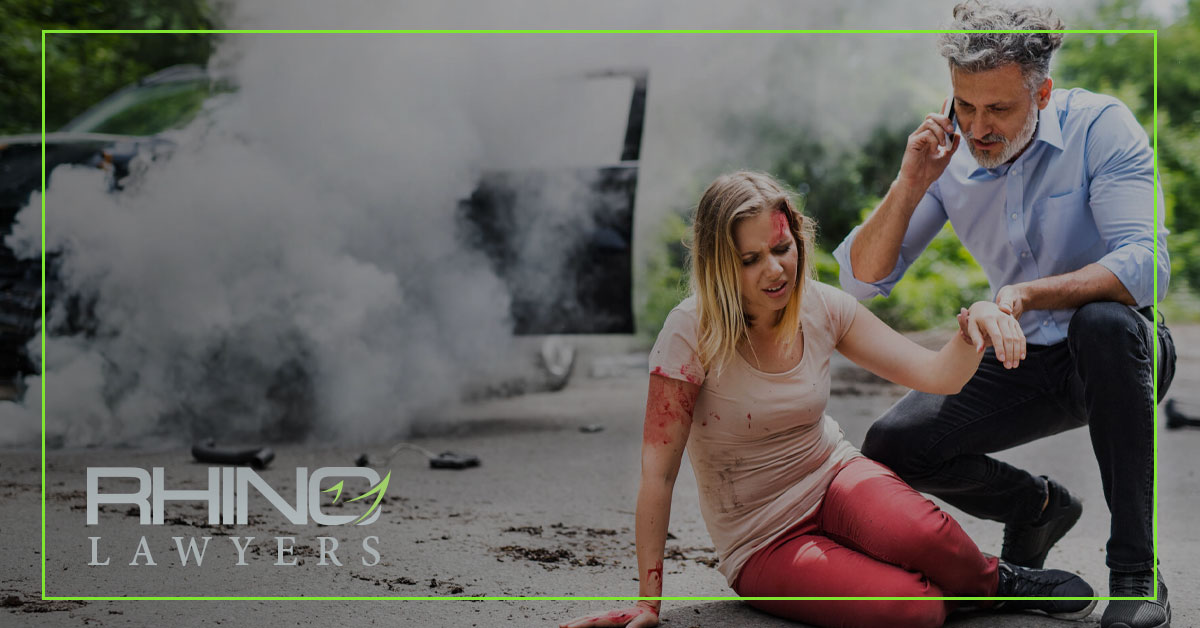
¿Qué es la doctrina del instrumento peligroso en accidentes automovilísticos?
Bajo las leyes de Florida doctrina de los instrumentos peligrosos, los propietarios de vehículos pueden ser considerados responsables de los accidentes causados por otra persona que conduzca su automóvil con permiso. Esta norma jurídica facilita que las personas lesionadas obtengan una indemnización al responsabilizar financieramente a los propietarios incluso cuando estos no iban al volante. En RHINO Lawyers, usamos esta doctrina para proteger a las víctimas y garantizar que las partes negligentes no eludan su responsabilidad.
Según el Departamento de Seguridad en las Carreteras y Vehículos Motorizados de Florida, ha habido un promedio de alrededor de 30,000 accidentes automovilísticos por mes en lo que va del año. Con tantos accidentes que ocurren en todo el estado, comprender la responsabilidad por accidentes automovilísticos es fundamental para cualquier persona que conduzca o sea propietaria de un vehículo.
En esta publicación de blog, explicaremos cómo funciona la doctrina y cómo nuestra firma ayuda a los clientes a utilizarla a su favor.
Qué es la doctrina del instrumento peligroso
La Doctrina de Instrumentalidad Peligrosa es una norma legal en Florida que hace responsables a los propietarios de vehículos for accidents caused by someone else driving their car with permission. The law recognizes that cars are inherently dangerous and ensures that injured victims can recover compensation even if the at-fault driver lacks the means to pay. This protection allows las víctimas de accidentes presenten demandas contra el conductor y el propietario del vehículo cuando corresponda.
La doctrina se aplica a la mayoría de los tipos de vehículos, incluidos automóviles, camiones y motocicletas. No se aplica si el vehículo fue robado o utilizado sin permiso, which makes it important to understand the specifics of your case. Se espera que los propietarios sean cuidadosos con respecto a quiénes permiten que operen sus vehículos, y la ley hace cumplir esa responsabilidad.
En RHINO Lawyers, utilizamos esta doctrina para ayudar a los clientes a responsabilizar a las partes negligentes. Nuestro equipo de investigates asume la responsabilidad y se compromete a garantizar que se identifique a todas las partes responsables y que nuestros clientes tengan las mejores posibilidades de recibir una indemnización completa por las lesiones y los daños sufridos.
Cómo se aplica la doctrina en Florida
En Florida, la doctrina del instrumento peligroso se aplica cuando un vehículo se utiliza con el conocimiento o el consentimiento del propietario. Esto puede incluir a familiares, amigos o empleados que conduzcan un automóvil. La ley está diseñada para proteger a las víctimas de accidentes al proporcionar una manera de responsabilizar financieramente al propietario del vehículo cuando el conductor causa daños.
Como se señaló anteriormente, la doctrina cubre la mayoría de los vehículos de motor, incluidos los automóviles particulares, los vehículos comerciales y las motocicletas. Sin embargo, no se aplica si el vehículo es robado o se utiliza sin permiso.
Conocer la diferencia es fundamental para determinar quién es responsable en una demanda. Los casos pueden variar dependiendo de si el propietario actuó con negligencia al permitir que alguien manejara su auto y de las circunstancias del accidente.
¿Cuánto cuestan la mayoría de los acuerdos por accidentes automovilísticos?
Los acuerdos por accidentes automovilísticos en Florida pueden variar ampliamente. La recuperación total en cualquier caso depende de varios factores, incluidos:
- Gravedad de las lesiones
- Monto de los daños materiales
- Cobertura de seguro disponible
Los acuerdos también consideran el impacto del accidente en su vida diaria, incluyendo la pérdida de ingresos, gastos médicos y cuidados a largo plazo si es necesario.
Las compañía de seguros a menudo intentan limitar los pagos, lo que puede complicar el proceso de reclamación. Las circunstancias específicas de cada accidente, como quién tuvo la culpa y si se puede responsabilizar al propietario del vehículo bajo el Doctrina de los instrumentos peligrosos, también afectan el valor del acuerdo.
Cómo ayuda RHINO Lawyers con estas reclamaciones
RHINO Lawyers se enfoca en casos de accidentes automovilísticos y utiliza la Doctrina de la Instrumentabilidad Peligrosa para proteger a los clientes y asegurar una indemnización. Nuestro equipo entiende cómo operan las compañías de seguros y trabaja para evitar que minimicen o nieguen las reclamaciones. Nos encargamos de todos los aspectos de su caso para que pueda concentrarse en su recuperación.
Nuestros abogados se especializan en accidentes investigación, determinan la responsabilidad y recopilan pruebas para respaldar las reclamaciones tanto contra los conductores como contra los propietarios de los vehículos. También revisamos las pólizas de seguro para asegurarnos de que se tenga en cuenta toda la cobertura disponible.
Con oficinas en todo el oeste de Florida y disponibilidad las 24 horas, los 7 días de la semana, nuestro equipo responde rápidamente y brinda orientación cuando los clientes más lo necesitan.
Preguntas frecuentes
¿Puedo presentar un reclamo si tuve parte de la culpa del accidente?
Sí, es posible que aún pueda recuperar daños incluso si comparte cierta responsabilidad por el accidente. Florida utiliza un sistema de negligencia comparativa, lo que significa que su compensación puede reducirse según su porcentaje de culpa. Nuestro equipo puede ayudarle a evaluar su situación y determinar cómo se comparte la responsabilidad del accidente automovilístico.
¿Se aplica la doctrina a conductores con permiso temporal?
La doctrina de la instrumentación peligrosa aún puede aplicarse si alguien conduce un vehículo con consentimiento temporal o limitado. Los tribunales analizan si el dueño permitió a sabiendas que el conductor manejara el automóvil. Comprender estos detalles es importante al evaluar su posible reclamo.
Qué pasa si el dueño del vehículo también tiene la culpa
Si tanto el conductor como el propietario contribuyeron al accidente, se pueden presentar demandas contra ambas partes. RHINO Lawyers investigates en todas las circunstancias para garantizar que cada parte responsable rinda cuentas. Esto puede aumentar tus posibilidades de obtener una indemnización completa.
¿Puedo impugnar la denegación de una compañía de seguros utilizando esta doctrina?
Sí, las compañías de seguros a veces intentan denegar reclamaciones o limitar los pagos incluso cuando la doctrina es aplicable. Los abogados con experiencia pueden argumentar las implicaciones legales de la doctrina para fortalecer su caso y exigir una compensación justa.
¿Cómo interpretan los tribunales la responsabilidad del propietario bajo esta doctrina?
Los tribunales examinan la relación entre el propietario del vehículo y el conductor, así como las circunstancias del accidente. La interpretación jurídica de esta doctrina ayuda a determinar si se debe responsabilizar al propietario, lo cual puede variar según el caso y requiere un análisis legal cuidadoso.
Ponte en contacto con RHINO Lawyers para una consulta gratuita por video
La conclusión es que comprender el Doctrina de los instrumentos peligrosos puede marcar una gran diferencia para recuperar una compensación después de un accidente automovilístico.
Aquí en RHINO Lawyers, nos enfocamos en ayudar a los clientes a navegar estos casos. Al mismo tiempo que exigimos responsabilidad a todas las partes culpables por las lesiones y los daños. Nuestro equipo experimentado analizará su situación, le explicará sus opciones legales y lo guiará en cada paso del proceso de reclamo.
Contacto RHINO Lawyers ahora para una consulta gratuita y obtenga el apoyo profesional que necesita para buscar una compensación completa y asegurarse de que su caso se maneje con cuidado y experiencia.
COMUNÍQUESE CON UN ABOGADO DE ACCIDENTES AUTOMOVILÍSTICOS EN TAMPA
En resumen, después de un accidente automovilístico, es posible que no conozca sus derechos. Sobre todo, no luche solo durante el proceso. En realidad, nuestro equipo de lesiones personales está aquí para ayudarle con cualquier necesidad legal que pueda tener relacionada con su accidente.
Por último, que RHINO Lawyers responda a sus preguntas y revise los hechos de su caso con una consulta gratuita. Así que comience completando el “Evaluación de caso instantánea y gratuita”o llamándonos en cualquier momento, día o noche, al 844.RHINO.77.
Leer más
¿Es su podólogo un estafador? Exponiendo el fraude de injertos de piel en la podología en su trabajo
Injerto de piel El fraude ocurre cuando los podólogos reutilizan los materiales de injerto sobrantes en más de un paciente. Sin embargo, cobran a cada uno como si hubieran utilizado uno nuevo. Esto es peligroso e ilegal, pone en riesgo la seguridad de los pacientes y le cuesta miles de millones a las aseguradoras.
Atención médica civil los casos de fraude superaron los $1.8 mil millones solo en 2023, según el Departamento de Salud y Servicios Humanos de EE. UU. Ese dinero se lo han robado a los contribuyentes a través de prácticas médicas dudosas.
Las personas que trabajan en clínicas u hospitales suelen ser las primeras en detectar estos problemas. Desde ver injertos sobrantes hasta facturas sospechosas, estas son señales de alerta de que tu podólogo es un estafador.
¿En qué consiste el cuidado de heridas en podología?
Las heridas crónicas representan un grave riesgo para los pacientes. Las úlceras diabéticas o las lesiones que no sanan pueden provocar infecciones o incluso una amputación. Para tratar estas heridas, Los podólogos utilizan un injerto de piel para acelerar la cicatrización. Estos injertos son costosos y están diseñados para un solo uso en un solo paciente.
A continuación se presenta un proceso sencillo para el cuidado podiátrico de las heridas:
- Los médicos evalúan cada herida
- Elaborar un plan de tratamiento
- Utilice la cantidad necesaria de injerto de piel
- Por último, se deshacen de cualquier material sobrante
Cada injerto se factura individualmente a Medicare o a las aseguradoras privadas. Este proceso garantiza que cada paciente reciba la atención adecuada. Lamentablemente, no todos los proveedores de servicios de salud cumplen con estas normas éticas y legales.
¿Tu podólogo es un estafador?
Algunos podólogos se aprovechan de los pacientes y de Medicare mediante injerto de piel estafas relacionadas con procedimientos médicos. Los podólogos deshonestos pueden:
- Reutiliza los materiales de injerto sobrantes en nuevos pacientes, pero cobra a cada uno como si fuera un injerto completamente nuevo
- Exagerar los códigos de facturación para que parezca que se utilizó un injerto más grande
- Presentar reclamaciones por servicios que nunca se prestaron
- Permitir que el personal sin licencia realice procedimientos a nombre de otro médico o con el número NPI de otro médico
- Eximir del pago de los copagos para atraer a los pacientes, mientras se le cobra a Medicare el costo total
Estas acciones traicionan la confianza, desperdician el dinero de los contribuyentes y ponen en peligro la salud de los pacientes. Declaraciones falsas en virtud de la FCA y las comisiones ilegales que violan la Ley AKS contribuyen a que los costos de la atención médica sean más altos para todos.
Cómo detectar el fraude con injertos de piel en el lugar de trabajo
¿Hay alguna manera de identificar este tipo de fraude? Con el conocimiento y la diligencia adecuados, puedes identificar los signos de fraude de podólogos.
Documentación médica
Revisa minuciosamente los expedientes de los pacientes. Si hay discrepancias entre el tratamiento realizado y lo que está documentado, puede ser un indicio de fraude. Los registros inexactos o inconsistentes son una señal de alerta cuando identifying medical fraud.
Billing Mistakes
It’s essential to keep track of billing practices. If claims show that patients received full grafts when smaller portions were used, it may be a felony.
Storage Practices
Skin graft materials are single-use items. If materials, like leftover grafts, are improperly stored in storage facilities, it can be a sign that they’re being misused or reused.
Patient Complaints
Patients consistently reporting that their wounds aren’t healing can be a sign of substandard care resulting from potential fraud. Effective healing needs proper treatment with fresh, appropriate materials.
Waiving Co-Insurance
Waiving co-insurance may seem harmless. However, it’s often used to entice patients and can violate medical billing laws. If staff bypass financial responsibility on a regular basis for patients without documentation, this could be the issue.
Targeting Medicare Patients
Due to Medicare’s higher rates of reimbursement, doctors may only focus on these patients. Seeing a disproportionate number of Medicare claims can be a sign of fraudulent behavior.
What If You Suspect Podiatry Wound Care Fraud?
Suspecting fraud can feel overwhelming, but you don’t have to navigate it alone. Recognition is the first step; here are the steps to take:
Document the Evidence
You should go through your documents to find the ones that back up your claim. This may include:
- Improper codes on billing records
- Medical records with suspicious documentation
- Emails or communications discussing questionable practices
Ensure you document these items carefully. However, avoid conducting your own investigation.
Maintain Confidentiality
It’s important to keep your concerns private. Don’t discuss your suspicions with co-workers or supervisors. This helps protect the investigation and podiatry patient rights.
Consulte a un abogado
Seeking advice from an experienced attorney is important. They’ll guide you through the process and protect your rights. Additionally, they can help turn your observations into legal evidence.
Take Swift Action
If you decide to report, consider filing a whistleblower claim under the False Claims Act. You may be eligible for some incentives.
Preguntas frecuentes
What Evidence Is Needed to Report Fraud?
Choosing a trustworthy doctor for your patients starts with ensuring your workplace operates ethically. If you suspect fraud, gather documentation such as emails, billing and medical records, photos, or patient complaints.
However, you don’t need to have a perfect case before consulting with an attorney. Remember, experienced attorneys can help you identify what matters most. Don’t let fear of incomplete evidence stop you from coming forward.
What Are the 4 Ps of Fraud?
The Social Security Administration (SSA) has a method they’ve provided consumers to help them identify scams, known as the four Ps:
- Pretend
- Problem
- Pressure
- Pay
Fraudulent podiatrists pretend to provide legitimate wound care. They may create a problem by claiming a patient’s wound isn’t healing and needs another costly graft.
Then, they pressure staff or patients to approve treatments or ignore suspicious billing practices. Finally, they aim to pay themselves by submitting inflated claims to Medicare or insurers.
What Are the Legal Implications of Healthcare Fraud?
Healthcare fraud is a serious federal crime. It is a crime to knowingly take part in a scheme that defrauds a healthcare benefit program. An attempt, even if it’s unsuccessful, is also a crime.
Convictions can lead to fines and imprisonment for up to 10 years per offense. You may get more years in jail if the fraud results in serious bodily injury.
Medical providers convicted of fraud also face exclusion from Medicare and Medicaid programs. This can negatively affect their careers.
Take Action Against Skin Graft Fraud
The healthcare system depends on trust. When providers exploit that trust through injerto de piel fraud, they harm patients and undermine the integrity of medical care.
Seen something suspicious at work? At RHINO Lawyers, we bring a personable, relaxed approach that puts you at ease from your very first call. Our attorneys use a proven, data-driven method to analyze thousands of successful whistleblower cases.
We combine genuine care for whistleblowers with aggressive pursuit of justice. Our legal team knows exactly how to maximize recoveries under the False Claims Act. Reach out to us today to get confidential legal help.
Leer más
Desglose de las cifras: ¿Cómo impacta el fraude de facturación médica en los costos de atención médica?
Fraude en la facturación médica aumenta los costos de atención médica para todos. Los médicos, las clínicas o los hospitales cometen esto al facturar por servicios que no realizaron o mediante cobros excesivos. Saber cómo funciona este fraude ayuda a los pacientes y a los denunciantes a protegerse.
El Departamento de Justicia anunció recientemente cargos en contra de 324 acusados vinculados a más de $14.6 mil millones en presunto fraude médico — el mayor operativo policial en la historia de Estados Unidos. El fraude de facturación médica encarece la atención médica para todos. También perjudica a los médicos y hospitales honestos al dificultar que las personas confíen en el sistema.
Las personas que ven o sospechan de fraude pueden desempeñar un papel importante para detenerlo. Los alertadores de corrupción ayudan a descubrir mentiras y recuperar fondos robados. Aprender a denunciar de forma segura y a proteger sus derechos es el primer paso.
¿Cuál es la definición de fraude en la facturación médica?
Fraude en la facturación médica significa que alguien miente para recibir un pago por servicios médicos. Esto puede ocurrir cuando un proveedor factura por trabajos no realizados, añade cargos falsos o cambia los códigos de facturación para obtener más dinero. Estas acciones son ilegales y quebrantan tanto las leyes estatales como las leyes federales.
El fraude perjudica tanto a los pacientes como al sistema de salud. Los programas gubernamentales como Medicare y Medicaid pierden miles de millones debido a reclamaciones falsas cada año. Al final, los pacientes pagan más a través de primas más altas o facturas médicas.
¿Cuál es el fraude médico más común?
El tipo más común de el fraude es el registro inflado de códigos, lo que significa cobrar por un servicio más caro que el que realmente se realizó. Otros ejemplos incluyen facturar por pacientes falsos, repetir cargos o solicitar pruebas que no son necesarias. Estas acciones aumentan los costos y pueden poner en riesgo a los pacientes.
El fraude puede ocurrir en cualquier lugar, desde grandes hospitales hasta pequeñas oficinas. Incluso una sola reclamación deshonesta contribuye al aumento de los costos de atención médica. Cuando los pacientes conocen las señales de alerta, pueden evitar recibir cobros excesivos o ser engañados, previniendo así el fraude de facturación.
Reconocimiento del impacto del fraude de facturación
La facturación médica fraudulenta no solo perjudica a los hospitales; afecta a los pacientes, a los trabajadores y a todo el sistema de salud. Las reclamaciones falsas pueden hacer que las personas reciban facturas por atención que NUNCA recibieron o que pierdan la cobertura debido a errores. Con el tiempo, este tipo de fraude debilita la confianza y hace que el sistema sea menos justo para todos.
Cómo el fraude en la facturación médica eleva los costos de la atención médica
Cuando se pagan reclamaciones falsas o infladas, las compañías de seguros pierden dinero y aumentan las primas para recuperar esos costos. Los pacientes terminan pagando facturas más altas mientras reciben menos valor por su atención. Aquí está el impacto del fraude de facturación en los costos de atención médica:
- Agrega trabajo adicional para las revisiones e investigaciones de reclamaciones
- Obliga a las aseguradoras a subir las tarifas
- Reduce los fondos para la atención al paciente
- Debilita la confianza pública en el sistema
El fraude también agota los recursos que deberían utilizarse para mejorar los hospitales, contratar personal y comprar equipo médico. En su lugar, esos fondos se gastan en solucionar problemas causados por reclamaciones deshonestas. Detener el fraude es fundamental para reducir los costos de atención médica y mantener la atención médica justa y accesible para todos.
Cómo afecta el fraude a los pacientes y a los proveedores
Los pacientes suelen sentir primero la tensión financiera. Cuando se produce fraude, los costos de la atención médica aumentan y la cobertura del seguro puede volverse más difícil de manejar. Los médicos y el personal honestos también sufren, ya que su reputación y sus recursos se ven afectados por las acciones de unos pocos malhechores.
El fraude también puede hacer que los pacientes pierdan la fe en sus proveedores médicos. Cuando las prácticas de facturación parecen deshonestas, se crea miedo e incertidumbre sobre la atención. Con el tiempo, esto daña la confianza entre los pacientes y sus médicos.
El papel de los denunciantes en la prevención del fraude de facturación médica
Los denunciantes suelen ser los primeros en detectar fraudes dentro de hospitales o consultorios médicos. Se trata de empleados, contratistas o personas internas que ven algo indebido y deciden denunciarlo. Aquí hay algunos pasos que los alertadores de corrupción pueden seguir en la detección de fraude en la atención médica:
- Reúna documentos o registros que muestren evidencia
- Consulte con un abogado calificado antes de reportar el problema
- Evita compartir detalles de casos con otras personas en el trabajo o en línea
- Mantenga un registro personal de lo que se vio y cuándo
Las leyes como la Ley de Reclamaciones Falsas protegen a los denunciantes que informan sobre fraude. Si su información ayuda a recuperar dinero, pueden recibir una recompensa. Con la ayuda de un abogado experimentado, pueden exponer el fraude de manera segura y hacer que la atención médica sea más honesta para todos.
Preguntas frecuentes
¿Cómo pueden saber los pacientes si les han cobrado de más?
Comience por revisar sus facturas médicas y declaraciones de seguro línea por línea. Esté atento a servicios o pruebas que no recibió, cargos duplicados o nombres de proveedores que no reconoce. Si algo parece poco claro, llame a su proveedor de atención médica o aseguradora para verificar los detalles antes de pagar.
¿Cómo protege la ley a los denunciantes de represalias?
Las leyes federales y estatales de protección a informantes (whistleblowers) impiden que los empleadores despidan, degraden o acosen a quienes denuncian fraudes. Si ocurre una represalia, un abogado especializado en denunciantes puede ayudarle a presentar un reclamo para restablecer sus derechos y recuperar los salarios caídos.
¿Pueden los denunciantes reportar el fraude de forma anónima?
Puede presentar una denuncia sin revelar su identidad acudiendo a canales oficiales del gobierno o trabajando con un abogado. Esto le permite compartir información de manera segura y, al mismo tiempo, garantiza que los investigadores de fraude puedan actuar sobre su denuncia.
¿Los pacientes también pueden denunciar el fraude de facturación médica?
Sí, los pacientes también pueden denunciar el fraude de facturación médica. Puede comunicarse con su compañía de seguros, la Oficina del Inspector General (OIG) o el Departamento de Salud y Servicios Humanos de EE. UU. (HHS). Denunciar ayuda a detener los cobros excesivos y mantiene los costos de atención médica más bajos para todos.
¿Cómo ayudan las investigaciones de fraude a reducir los costos de atención médica?
Detectar y detener el fraude evita que miles de millones de dólares salgan del sistema de salud. Esto puede traducirse en primas de seguro más bajas, más fondos para la atención de los pacientes y precios más justos para todos.
¿Qué evidencia ayuda a probar el fraude de facturación médica?
Mantenga registros detallados de sus facturas, recibos de pago y cualquier comunicación con su proveedor. Anote las fechas de los servicios, los nombres de los médicos y cualquier cargo que parezca inusual. Estos detalles brindan a los investigadores la prueba que necesitan para confirmar y detener la facturación fraudulenta.
Tomar medidas contra el fraude
Fraude en la facturación médica cuesta a los pacientes y a los contribuyentes miles de millones cada año. Eleva las primas, aumenta las facturas médicas y daña la confianza en la atención médica. Cada denuncia de fraude ayuda a proteger a los proveedores y pacientes honestos.
Si sospecha de fraude en la facturación médica, no guarde silencio. Un abogado especializado en denuncias de irregularidades (whistleblower) puede proteger sus derechos y guiarlo de manera segura durante todo el proceso. Comuníquese con RHINO Lawyers hoy por ayuda confidencial en reportar el fraude y reducir los costos de atención médica.
Leer más
¿Por qué necesitaría mi abogado especializado en lesiones contratar a un actuario para mi caso?
An actuary can be the difference between a fair settlement and one that leaves you short-changed. These professionals specialize in calculating the long-term financial impact of an accident, ensuring every dollar of loss, from wages to medical costs, is fully represented. Lawyers often hire actuaries when a case involves complex numbers, ongoing treatment, or future expenses that require more than a guess.
While most people associate actuaries with insurance companies or pension funds, their expertise in risk modeling and life expectancy makes them powerful allies in serious injury claims. When the stakes involve a lifetime of care or lost income, accuracy is everything.
By converting uncertainty into credible data, actuaries help transform a legal argument into measurable proof. Let’s explore why your attorney might bring one onto your case and how their calculations strengthen your pursuit of justice.
Why Would an Injury Lawyer Hire an Actuary?
Attorneys hire actuaries to give weight to their claims. An actuary applies advanced mathematics, economics, and probability to assess how much an injury will cost a client over time. Their work ensures that every projected expense and income loss is defensible.
Actuaries analyze future wage potential, inflation, medical care costs, and retirement adjustments. These calculations don’t just provide numbers; they provide credibility. Insurance companies and courts rely on verified financial evidence, not emotional appeals.
When a lawyer presents actuarial data, it validates every component of the case. Without it, compensation requests can be dismissed as speculative or exaggerated.
When Actuaries Add Value
- Severe or permanent injury cases
- Long-term disability or chronic conditions
- Wrongful death claims with dependents
- Major medical malpractice suits
By turning subjective loss into objective data, actuaries give your legal team the leverage needed to argue for full and fair compensation.
What Role Does an Actuary Play in Quantifying Damages?
An actuary’s role in law extends far beyond number crunching. They act as financial interpreters, converting the personal impact of injury into clear monetary terms that judges, juries, and insurers can trust.
Valuing Future Losses
Future damages often make up the largest portion of a settlement. Actuaries estimate how inflation, healthcare costs, and life expectancy will affect a victim’s financial needs. They use discount rates to express future losses in today’s dollars, making the total figure accurate and legally sound.
Supporting Expert Testimony
Many actuaries testify in court. They explain technical financial models in plain English, bridging the gap between complex statistics and juror understanding. Their impartial tone lends credibility that can sway negotiations or verdicts in your favor.
Building Trust With Data
When both sides see that your attorney’s numbers are backed by professional actuarial science, disputes tend to shrink. The insurer realizes your team came prepared with verifiable proof (not guesswork) and that often accelerates fair settlements.
When Will an Injury Lawyer See Actuarial Analysis Benefits?
Not every personal injury claim needs an actuary, but some do. Attorneys typically bring in these experts when damages extend years into the future or involve multiple income sources.
Long-Term Injury Cases
If an accident results in paralysis, brain trauma, or chronic pain, an actuary can model lifetime treatment costs. This includes physical therapy, medication, adaptive housing, and in-home support.
Claims Involving Minors or Young Adults
For victims early in their careers, actuaries project future wages, promotions, and pension losses. That projection gives the court a clear view of what the injury truly took away.
Complex Economic Factors
In cases with multiple dependents or overlapping benefits, such as workers’ compensation, disability insurance, or pensions, actuaries coordinate those figures into one clear, defensible report.
Their inclusion elevates your injury case strategy, ensuring no aspect of financial loss is missed or undervalued.
How Does Hiring an Actuary Benefit an Injury Claim?
Actuaries provide an objective foundation for the numbers behind your case. Their involvement signals professionalism and foresight, strengthening the overall presentation of your claim.
Financial Accuracy and Leverage
Actuaries provide figures that withstand cross-examination. Their reports become essential tools during settlement talks, allowing your attorney to justify every requested dollar. That precision often leads to higher, faster settlements.
Collaboration With Other Experts
Actuarial data pairs seamlessly with vocational and medical reports. For instance, a doctor outlines the patient’s limitations, a career expert calculates lost opportunities, and the actuary integrates both into a unified financial projection.
Tangible Benefits to Clients
- Clear, fact-based valuation of losses
- Reduced risk of insurer disputes
- Stronger expert testimony in court
- Negotiation power
- Greater overall compensation potential
In short, hiring actuaries for cases elevates your lawyer’s toolkit from persuasive to unshakeable, turning complex numbers into undeniable truth.
Preguntas frecuentes
What Does an Actuary Actually Do in a Legal Case?
Actuaries forecast the financial future of an injured person by calculating lost earnings, benefits, and medical expenses over time. They turn uncertain outcomes into data the court can rely on.
How Is an Actuary Different From a Financial Planner?
Financial planners focus on personal goals like savings or investments. Actuaries focus on risk modeling, probability, and valuation under specific legal or insurance conditions; all of which require advanced credentials.
Are Actuaries Used in Wrongful Death Cases?
Yes. Actuaries often calculate the deceased’s projected lifetime earnings to support claims for surviving family members, factoring in inflation and dependency needs.
Can Actuarial Findings Change the Outcome of a Settlement?
Absolutely. When an actuary’s data is introduced, insurers are more likely to agree to a higher settlement because the numbers are backed by professional standards rather than assumptions.
How Do Actuaries Calculate Life Expectancy?
They use national mortality tables, health data, and statistical trends to predict lifespan. This allows them to estimate how long someone might need income or medical care after an accident.
Why RHINO Lawyers Use Experts Like Actuaries
En RHINO Lawyers, we believe that precision wins cases. Working with experts such as an actuary ensures that every detail, from lost wages to future medical needs, is backed by evidence, not estimates. This meticulous approach reflects our core promise: Bold Representation. Bold Results.
Our firm combines cutting-edge analytics with compassionate advocacy to deliver real outcomes for injured clients. With nearly $100 million recovered, we continue to fight for fair compensation grounded in truth and data.
If you’ve been injured and want your claim handled with the same level of accuracy and care, reach out to RHINO Lawyers for a free consultation today.
COMUNÍQUESE CON UN ABOGADO DE ACCIDENTES AUTOMOVILÍSTICOS EN TAMPA
En resumen, después de un accidente automovilístico, es posible que no conozca sus derechos. Sobre todo, no luche solo durante el proceso. En realidad, nuestro equipo de lesiones personales está aquí para ayudarle con cualquier necesidad legal que pueda tener relacionada con su accidente.
Por último, que RHINO Lawyers responda a sus preguntas y revise los hechos de su caso con una consulta gratuita. Así que comience completando el “Evaluación de caso instantánea y gratuita”o llamándonos en cualquier momento, día o noche, al 844.RHINO.77.
Leer más
Top 5 Healthcare Fraud Schemes to Watch for in 2026
The top healthcare fraud schemes to watch for in 2026 include upcoding and illegal kickbacks disguised as consulting fees. You should also be aware of telehealth scams and data manipulation in electronic health records.
According to the National Center for Biotechnology Information, healthcare fraud costs the US about $100- $170 billion annually. That’s money that could have gone toward lower premiums and improved medical access.
While fraud often wastes money, it also puts patients at risk. However, you can help prevent the issue by being a whistleblower.
What Is a Red Flag for Health Care Fraud?
Being aware of the most common fraud schemes and reporting them helps protect patients’ and taxpayers’ money. Here are some warning signs to watch for:
- Unnecessary tests or treatments
- Medical records that don’t match what really happened
- Repeated billing for the same procedure
Healthcare fraud prevention starts with awareness. If something doesn’t add up, pay attention. As an employee in a healthcare facility, you have the power to report wrongdoing.
It’s common to fear retaliation when reporting suspected fraud. Here at RHINO Lawyers, we work directly with healthcare fraud whistleblowers to protect them from punishment. We build strong cases based on facts and backed by detailed files.
What Evidence Is Needed to Report Fraud?
You don’t need to have everything figured out before taking action. To report healthcare fraud schemes, all you need is proof that something dishonest is happening. Good evidence can include:
- Emails or memos discussing payments or bonuses that seem wrong
- Internal documents showing falsified patient records
- Screenshots and call logs
- Payment receipts that back up your claim
When you contact RHINO Lawyers, our attorneys help you organize your evidence. Doing so allows us to present the matter in a credible and compelling way. Besides, it boosts the likelihood that authorities will take your report seriously.
5 Healthcare Fraud Schemes to Report in 2026
The top 2026 healthcare trends will improve service delivery, but they also create room for new risks. Fraudsters are finding more creative ways to steal from patients. They also commit fraud against insurance companies and government insurance programs, such as Medicare.
1. Upcoding and Phantom Billing
Upcoding occurs when healthcare providers charge for a more expensive service than the one the doctor actually provided. Phantom billing is even worse, as it involves billing for services that a patient never received.
A clinic might claim it performed an MRI when it only did a basic X-ray. It may also bill your patient for multiple tests that weren’t necessary.
These medical billing scams harm insurance providers by increasing costs. If you notice extra codes or duplicate charges, it may be a sign of fraud.
2. Kickbacks Disguised as Consulting Fees
Not all common fraud schemes are easy to spot. Some look like regular business deals. For example, a consulting fee or marketing bonus might actually be a kickback.
An employee who refers a patient or prescribes certain drugs can get payment for doing so, which is illegal. Such payments often encourage unethical medical choices.
If you notice payments or incentives that seem illegitimate, they may be part of a larger fraud scheme. Our team at RHINO Lawyers can help you expose these hidden arrangements while protecting your career. We ensure your claim follows healthcare compliance laws and gets the attention it deserves.
3. Telehealth Scams and False Claims
Some telehealth providers are now billing for video appointments that never happened. Others are also using stolen patient info to submit false claims.
With telehealth emerging as one of the top healthcare trends for 2026, it’s crucial to prevent fraud. If you’re in a digital healthcare workplace, look out for signs like:
- Strange billing
- Repeated patient IDs
- Odd claim pattern
You can then contact a lawyer for guidance on reporting a medical billing scam.
4. Prescription and Opioid Billing Fraud
Prescription fraud has serious financial and health consequences. Some doctors and pharmacies overprescribe painkillers, which then affects the patient’s health. The fraud scheme fuels addiction and increases the number of overdose cases.
Opioid billing fraud also occurs when hospitals bill for fake prescriptions to make extra money. If you’ve noticed unusual prescribing activity, consider reporting it.
5. Data Manipulation in Electronic Health Records
Many hospitals are using digital tools and AI to manage records. While these solutions are helpful, fraudsters can also use them to manipulate data. Some change patient records to justify extra billing or hide mistakes.
When a service provider alerts data, it can lead to incorrect diagnoses and dangerous treatments.
Preguntas frecuentes
Can I Report Healthcare Fraud Anonymously?
Yes. Under laws like the False Claims Act and the Dodd-Frank Act, you can report anonymously with an attorney’s help. The protection allows you to come forward without risking your safety or reputation.
RHINO Lawyers ensures your identity stays private so you can take action safely and confidently. You can even qualify for a reward if your information helps recover stolen taxpayer funds.
Do I Need to Gather Evidence Before Contacting a Lawyer?
No. You don’t need full proof to contact a lawyer. Even a small clue or pattern could reveal a healthcare fraud scheme.
Nuestro equipo en RHINO Lawyers helps you understand what qualifies as evidence. We provide you with helpful tips for gathering proof without violating workplace policies or putting yourself at risk.
What Should I Do When Pressured to Take Part in Fraud?
Save emails, take notes, and avoid confrontation. As you take these steps, you should also contact RHINO Lawyers. Our attorneys will review your situation and explain your legal options.
You may have grounds to report the issue as a whistleblower and receive protection under federal law.
Stand Up for What’s Right
Fraud in healthcare is growing fast, but there are many ways you can fight back. Understand the top healthcare fraud schemes to protect patients and honest providers. If you notice something suspicious, reach out to a lawyer for guidance and advice on protecting yourself.
RHINO Lawyers offers bold representation for all our clients. When interacting with our attorney, you’ll feel like you’re talking to a friend through your preferred method of communication. Contáctenos for a free case analysis.
Leer más
Do I Have a Case If I Was Injured as a Passenger in the Drunk Driver’s Car?
Yes, you have a strong case if you were injured as a passenger in a drunk driver’s car. What happens if you are a passenger in a DUI crash is a common question, and the answer is that as an injured passenger, you have the right to seek compensation for your medical expenses, lost wages, pain and suffering, and other damages — even if the drunk driver was someone you know.
According to the National Highway Traffic Safety Administration, a life is lost every 42 minutes in an impaired-driving crash. Many DUI crashes injure innocent passengers who did nothing wrong. Understanding your rights as an injured passenger helps you take the necessary steps to recover compensation and rebuild your life.
Why Passengers Have Strong Personal Injury Cases
Injured passengers often have stronger cases than other accident victims because liability is typically clear. The drunk driver’s impairment establishes negligence, making it easier to prove fault. Key advantages of passenger injury claims include:
- Clear liability: The driver’s intoxication demonstrates negligence
- No comparative fault: You weren’t driving, so you share no responsibility for the crash
- Multiple insurance options: You may file claims against the driver’s insurance, other involved parties, or your own underinsured motorist coverage
- Strong evidence: Police reports, BAC test results, and DUI charges support your claim
These factors make passenger injury claims some of the most straightforward personal injury cases to pursue.
What Compensation Can Injured Passengers Recover?
If you were injured as a passenger in a drunk driver’s car, you can pursue compensation for the DUI accident. Understanding what you can recover helps you evaluate your case and ensure you don’t settle for less than you deserve.
Daños económicos
Economic damages cover your measurable financial losses, including:
- Medical expenses: Emergency room visits, hospital stays, surgeries, medications, rehabilitation, and future medical care
- Lost income: Wages lost while recovering, plus future earning capacity if injuries cause long-term disability
- Property damage: Personal belongings were damaged in the crash
- Transportation costs: Medical appointments, vehicle rentals, and other accident-related travel
Daños no económicos
Non-economic damages address the physical and emotional impact of your injuries:
- Pain and suffering: Physical discomfort and limitations caused by your injuries
- Emotional distress: Anxiety, depression, PTSD, and fear of driving after the crash
- Loss of enjoyment: Inability to participate in activities you once enjoyed
- Disfigurement or scarring: Permanent physical changes resulting from injuries
A personal injury attorney can help calculate the full value of your claim, ensuring all punitive damages are properly documented and included.
What Happens If You Are a Passenger In a DUI? Common Concerns
Many injured passengers hesitate to pursue legal action because of personal relationships or misconceptions about the claims process. Addressing these concerns helps you make informed decisions about your case.
“The Driver Is My Friend or Family Member”
This is the most common reason passengers avoid filing claims. However, filing a claim against someone’s insurance is not the same as suing them personally. Insurance exists precisely to cover situations like this. Your claim is against the insurance company, not your loved one, and it won’t come out of their pocket.
“I Don’t Want to Cause Financial Hardship”
Insurance policies cover damages caused by the policyholder’s negligence. The driver pays premiums specifically for this protection. By filing a claim, you’re using the system as it was designed. Not pursuing compensation means you’ll bear the financial burden of someone else’s reckless decision.
“I Was Drinking Too, So I Can’t File a Claim.”
Passengers who were drinking can still file personal injury claims. You were not operating the vehicle, so your own alcohol consumption does not affect your right to compensation. The driver chose to drive impaired-you did not cause the accident.
“It’s Been Too Long Since the Accident”
Every state has a statute of limitations for personal injury claims, typically ranging from one to three years. However, acting quickly strengthens your case by preserving evidence and witness testimony. Contact an attorney as soon as possible to protege tus derechos.
Preguntas frecuentes
Can I Sue If the Drunk Driver Was My Friend or Relative?
Yes. You’re filing a claim against their insurance policy, not against them personally. Insurance exists to cover accidents like these, and pursuing compensation doesn’t mean you’re attacking your relationship.
What If I Was Also Drinking Before the Accident?
You can still file a personal injury claim. As a passenger, your own alcohol consumption doesn’t affect your right to compensation because you weren’t operating the vehicle. The driver’s impairment caused the crash, not yours.
How Long Do I Have to File a Passenger Injury Claim?
Statutes of limitations vary by state but typically range from one to three years. Acting promptly preserves evidence and strengthens your case. Contact an attorney as soon as possible to protect your rights.
What If the Driver Didn’t Have Insurance?
You may still recover compensation through your own uninsured motorist coverage, claims against other liable parties, or directly from the driver’s personal assets. An attorney can identify all available options.
Will Filing a Claim Affect My Personal Relationship?
Filing an insurance claim is a business transaction between you and an insurance company. Many relationships survive these situations because the injured party’s needs are legitimate and the insurance system exists for this purpose.
Can I File a Claim If I Knew the Driver Was Drunk?
Yes. Even if you knew the driver had been drinking, you can still pursue compensation. While defense attorneys may argue you assumed the risk, courts generally recognize that passengers have limited options and deserve protection.
Obtén la compensación que mereces
If you were injured as a passenger in a drunk driver’s car, you have the right to pursue compensation for your injuries. Understanding your legal rights as a DUI passenger and taking prompt action protects your health and financial future.
Don’t face this challenging time alone. RHINO Lawyers provides personalized, compassionate support for injured passengers in drunk driving crashes, supporting clients across Florida and Wisconsin. Leverage ’RHINO Lawyers» experience as we handle every aspect of your claim so you can focus on recovery.
Still want to find out more about what happens if you are a passenger in a DUI? Get a consulta gratuita and get the passenger legal support you deserve.
COMUNÍQUESE CON UN ABOGADO DE ACCIDENTES AUTOMOVILÍSTICOS EN TAMPA
En resumen, después de un accidente automovilístico, es posible que no conozca sus derechos. Sobre todo, no luche solo durante el proceso. En realidad, nuestro equipo de lesiones personales está aquí para ayudarle con cualquier necesidad legal que pueda tener relacionada con su accidente.
Por último, que RHINO Lawyers responda a sus preguntas y revise los hechos de su caso con una consulta gratuita. Así que comience completando el “Evaluación de caso instantánea y gratuita”o llamándonos en cualquier momento, día o noche, al 844.RHINO.77.
Leer más
Equidad en el lugar de trabajo: Protecciones para los denunciantes contra la discriminación y las represalias
Como denunciante en los Estados Unidos, tiene derecho a protecciones para denunciantes contra la discriminación o las represalias debido a sus denuncias de irregularidades. Las represalias son cualquier acción por parte de un empleador que disuadiría a una persona razonable de denunciar mala conducta o de participar en una investigación.
Según el Departamento de Trabajo de EE. UU., estas protecciones están diseñados para proteger a los alertadores de represalias por actividades como el cumplimiento interno o la realización de revelaciones a agencias federales, o por cooperar de otro modo con las investigaciones. Los empleados solo necesitan tener la creencia razonable de que se ha producido una infracción.
Existen varias leyes federales de protección que salvaguardan a los denunciantes de consecuencias injustas. Por ejemplo, están la Ley Sarbanes-Oxley y la Ley de Protección de Denunciantes. Si vas a presentar una denuncia como alertador, es importante conocer las leyes, ya que los plazos para presentar reclamaciones suelen ser cortos e implacables. Perder estos plazos puede bloquear tu protecciones para denunciantes sin importar qué tan sólida sea tu reclamación.
Si te interesa aprender más sobre protecciones para denunciantes y cómo puedes protegerte contra las prácticas de represalias injustas; sigue leyendo para saber más sobre este tema tan importante.
¿Qué califica como un caso de denuncia de irregularidades?
Al evaluar una demanda por represalias, no basta con probar que se hizo una denuncia; los empleados también deben demostrar que el empleador tomó medidas que disuadirían a una persona razonable de hablar.
Los tribunales utilizan el criterio de “perjuicio material” para distinguir las decisiones comerciales legítimas de las represalias ilegales. Estas son algunas de las acciones comunes que toman los empleadores que cumplen con este umbral cuando están relacionadas con actividades protegidas de denuncia de irregularidades.
- Reasignación indeseable: Reasignar al empleado a un puesto de menor rango o poco deseable después de que haya denunciado una conducta indebida, incluso sin una reducción salarial.
- Estancamiento profesionalNegar ascensos u oportunidades de desarrollo profesional que ya estaban en curso o que se esperaban razonablemente.
- Pretexto disciplinarioImponer medidas disciplinarias injustificadas poco después de la actividad protegida, especialmente si son incoherentes con evaluaciones anteriores.
- Exclusión intencionalExcluir al empleado de reuniones, comunicaciones o proyectos fundamentales para su desempeño laboral o visibilidad.
- Escalada de hostilidad: Crear o permitir un ambiente de trabajo hostil que se agrava tras el incidente de denuncia de irregularidades.
- Interrupción selectiva del horarioReducir horas, alterar turnos o cambiar el lugar de trabajo de maneras que alteren significativamente la vida personal o profesional.
Según el Instituto de Información Legal, las represalias pueden manifestarse muchas formas, no solo el despido. La detección temprana y la documentación de estos comportamientos les dan a los empleados la mejor oportunidad de demostrar que se trata de una represalia ilegal y de proteger sus derechos. Si sospechas que se están violando tus derechos, siempre debes buscar asesoría legal lo antes posible.
¿Qué está protegido bajo la denuncia de irregularidades?
Las leyes federales lo protegen de recibir represalias por hacer lo correcto si ha denunciado una mala conducta en el trabajo. Estas leyes ofrecen diferentes tipos de protección según el tipo de mala conducta denunciada y la industria o el financiamiento de su empleador. Saber qué ley se aplica a su caso lo ayudará a presentar el tipo de reclamo correcto y a cumplir con los estrictos plazos.
Ley Sarbanes-Oxley (SOX)
Según la Ley Sarbanes-Oxley, los trabajadores y contratistas de empresas cotizadas en bolsa no pueden ser castigados por denunciar fraude de valores o irregularidades en la contabilidad. Esta ley lo protege si divulga información sobre mala conducta financiera, ya sea internamente o ante un regulador.
Las reclamaciones en virtud de la ley SOX deben presentarse ante la OSHA en un plazo de 180 días a partir de la fecha en que se produjo la medida de represalia.
Ley de Protección a los Denunciantes (WPA)
La Ley de Protección de Denunciantes protege a la mayoría de los trabajadores federales que informan sobre:
- Residuo
- Abuso de poder
- Violaciones legales por parte del gobierno
La ley prohíbe a las agencias federales tomar represalias contra los empleados que revelen información protegida a través de los canales adecuados. Para iniciar el proceso de reclamación, debes ponerte en contacto primero con la Oficina del Asesor Especial de los Estados Unidos (OSC), ya que los retrasos en la presentación de la reclamación pueden limitar tus derechos.
Ley de Reclamaciones Falsas (FCA)
La Ley de Reclamaciones Falsas protege a los denunciantes que informan sobre fraude relacionado con fondos federales:
- Contratos
- Programas
- Fondos
Permite a las personas presentar demandas “qui tam” en nombre del gobierno y también brinda protección contra las represalias de los empleadores. Los empleados deben actuar dentro de un plazo de tres años a partir de la fecha en que se produjeron las represalias para conservar su derecho a reclamar una indemnización por daños y perjuicios.
Preguntas frecuentes
¿Cómo sé qué ley de protección para denunciantes (whistleblowers) se aplica a mí?
Descubriendo el correcto ley de protección a los denunciantes es muy importante. Depende de tu trabajo y de lo que estés reportando. Para los empleados del gobierno federal que reportan violaciones legales, mala gestión grave o desperdicio, la Ley de Protección de Denunciantes es la ley principal.
Si trabajas en el sector privado para una empresa cotizada en bolsa y denuncias fraude financiero o violaciones de valores, la ley Sarbanes-Oxley suele aplicarse.
Por otro lado, si denuncias fraude contra el gobierno federal, como en la atención médica o en los contratos de defensa, la Ley de Reclamaciones Falsas podría ser relevante. Es clave identificar la ley correcta desde el principio porque cada una tiene diferentes procedimientos y plazos.
¿Qué debo hacer si creo que estoy sufriendo represalias?
Si crees que estás siendo toma represalias, Actúa con rapidez y cuidado. Comienza por reunir todos los documentos relacionados, como fechas, correos electrónicos, acciones disciplinarias y notas sobre cualquier cambio negativo en el trabajo:
- Reúna todos los documentos relacionados
- Registrar las fechas de los incidentes clave
- Guarda correos electrónicos y comunicación escrita
- Conserve copias de las medidas disciplinarias
- Escribir notas sobre cambios negativos en el trabajo
Guarda esta información en un lugar seguro y lejos de los sistemas de tu empleador. Podrías presentar una queja interna si te sientes seguro al hacerlo.
Según el Departamento de Trabajo de EE. UU., debido a que estas situaciones puede ser complejo, habla de inmediato con un abogado que conozca las leyes sobre denunciantes de irregularidades. Ellos pueden ayudarte a decidir si necesitas presentar una denuncia ante una agencia externa como OSHA, OSC o EEOC, según la ley que te proteja.
No esperes demasiado porque algunas reclamaciones deben presentarse dentro de los 30 días. Obtener ayuda legal con experiencia es la mejor manera de asegurarse de que su reclamo sea preciso y oportuno.
Obtén las protecciones para denunciantes que te mereces
Si ha decidido denunciar una conducta indebida en el trabajo, debe estar protegido, no castigado. Los empleados pueden denunciar irregularidades, fraude, discriminación o problemas de seguridad sin miedo a represalias, acoso o pérdida de su carrera, gracias a protecciones para denunciantes.
¿Necesita ayuda con un caso de denuncia de irregularidades? RHINO Lawyers facilita la conexión en tus propios términos. Nuestro equipo de millennials combina conocimientos internos, innovación y servicio personalizado para luchar por el resultado que te mereces. Contáctenos hoy para una consulta gratuita y sin compromiso.
Leer más