
What Is Considered Property Damage in a Car Accident?
Crashes don’t just dent your fender. They dent your wallet as well! The average cost of a car accident that results in property damage only is $4,700 per vehicle. That may be a few months of rent where you live.
You need to take property damage in a car accident seriously. One tricky thing about property damage is that it can mean a few different things.
What exactly is vehicle damage and personal belongings damage? How does damage to public property impact compensation claims? Can you get money for injuries to your pet?
Answer these questions and you can get the compensation you deserve after any car accident. Here is your quick guide.
Vehicle Damage
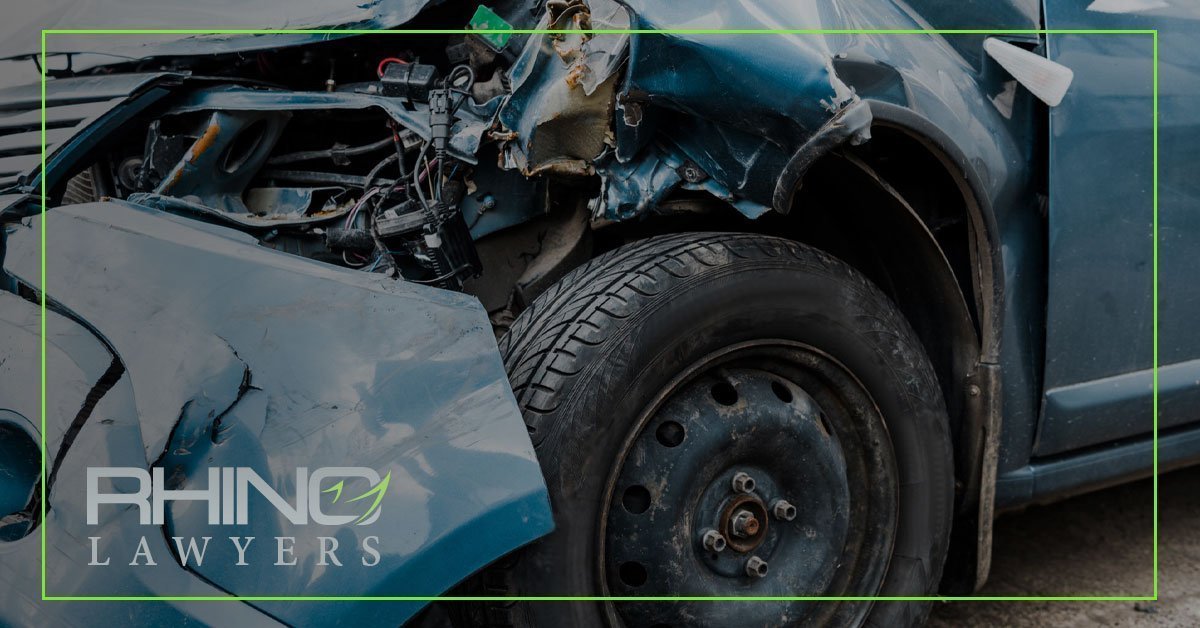
As you might imagine, the most substantial property damage from a car accident is usually the vehicle. A fender bender can damage your bumper as well as your suspension and tires. It may cost you hundreds of dollars to get repairs, and you may not be able to drive your car for a few hours.
A more serious collision can cost you thousands of dollars. You may need to take your car to a repair shop and use a rental for several days.
Even if your car seems fine, you may have damaged bolts or parts inside your engine. You should always evaluate your car after any collision and determine if everything is okay.
Florida es un comparative fault state. This means that compensation is tied to degrees of fault for the accident. If you sustained $10,000 worth of damage but you were at 30% fault for the accident, you can only receive $7,000 in compensation.
If your vehicle got totaled, you can receive money equivalent to the fair market value for your car. This lets you buy a new car, as the cost of repairs may exceed the cost of a new vehicle.
Personal Property
You can get money for anything that requires repairs or replacements after an accident. This includes electronics, clothes, audio equipment, and other personal effects.
The key is that you have evidence to back your claim up. You should have papers detailing how much each item costs and what the damage to each item was like.
It is okay if your property did not cost very much. You can go to a small claims court and file a lawsuit against the other driver to claim money back.
In a small claims court, you must prove that the other driver was negligent. You can point out that they caused the accident and did not act with appropriate care. They may have been speeding or using their phone while driving.
You can represent yourself in a small claims court, or you can ask a car accident property damage attorney to help you out. They can use their legal experience to build a case for you, or you can ask them questions about how you can build your own case.
You can receive compensation for the damage that occurred on your property. If a driver knocks down a fence or a tree on your property, you can get money to fix the damage.
Public Property
Public property includes roadways, road signs, sidewalks, and other pieces of land regularly used by the public. Many car accidents result in damage to public property.
The at-fault driver will need to pay for these damages. They may also be charged with damages to public property, which can lead to significant fines.
Damage to public property does not affect your property damage claims. Even if a judge determines that the driver damaged public land, they may not determine that the driver is responsible for damaging your property.
Both drivers in a collision can be held accountable for damaging public property. You may have swerved onto a sidewalk, causing a tile to chip. Even if you were not at fault for the accident, you may need to pay for the damage to the sidewalk.
You should contact a car accident lawyer for property damage if you are accused of damaging public property. If you can show that the damage was an unintentional outcome of the accident, you may not need to pay. The force of the collision may have pushed your car onto the sidewalk.
Pet Injuries
Injuries to your pet count as property damage. You can receive compensation from the other driver’s liability coverage. If you have pet insurance, you may also get money to cover the cost of surgeries and medical treatment.
You should take steps to protect your pet while you are driving. You should restrain your pet with a seatbelt or put it in a cage so it cannot escape.
Some car accident insurance policies do not cover injuries to reptiles, fish, birds, and other pets. Take a look at your policy to see what it covers and try to buy another insurance package that protects your pet.
The signs of injuries for a pet may not be apparent. Some pets hit their heads. Which can cause internal bleeding that takes a few hours to become fatal. You should always take your pet to the veterinarian to have them checked out.
The Essentials of Property Damage in a Car Accident
Property damage in a car accident can cost thousands of dollars. That’s because it includes damage to your vehicle, your personal belongings, and your pet.
You can receive money for any of these damages, but you need to have proof to back yourself up. Plus, you need to show you were not at fault for the accident, and you must have paperwork regarding the damages. You also need to defend yourself against claims that you damaged public property.
The best way to build a case is to get a lawyer. RHINO Lawyers serves Florida residents. Contáctenos hoy.
COMUNÍQUESE CON UN ABOGADO DE ACCIDENTES AUTOMOVILÍSTICOS EN TAMPA
En resumen, después de un accidente automovilístico, es posible que no conozca sus derechos. Sobre todo, no luche solo durante el proceso. En realidad, nuestro equipo de lesiones personales está aquí para ayudarle con cualquier necesidad legal que pueda tener relacionada con su accidente.
Por último, que RHINO Lawyers responda a sus preguntas y revise los hechos de su caso con una consulta gratuita. Así que comience completando el “Evaluación de caso instantánea y gratuita”o llamándonos en cualquier momento, día o noche, al 844.RHINO.77.
Leer más
¿Cuándo puede la policía de Tampa registrar su auto?
On average, police pull over 50,000 drivers every day in the US – that’s more than 20 million motorists each year. So if you see those flashing lights and get that sinking feeling in your stomach, you’re far from alone. But the police have rules they must follow during a traffic stop.
But if you’re a Tampa motorist, it’s good to know what the law says about lawful and unlawful searches. The police are not authorized to stop you and search your car for just any reason. They need to have lawful grounds before they proceed.
Let’s take a look at when the Tampa police are within their rights to search your car.
Do Tampa Police Need a Warrant to Search Your Car?
In short, the answer is yes, they usually do.
If the Florida police search your vehicle without a warrant any evidence they produce will likely be inadmissible in court. To obtain a search warrant, the police must convince a judge that there is probable cause to believe either:
- A crime is in progress
- They will be able to uncover evidence of a crime in that location
The police provide an affidavit – a written statement given under oath. The suspect does not have an opportunity to contest the warrant at this point. However, they may be able to do so later.
Some grounds for issuance of a search warrant include:
- Recovery of stolen property
- Items used in criminal activity
- Items of an obscene nature or related to gambling
- Violates laws relating to the manufacture, sale, and transportation of intoxicating liquor
- Violates food and drug laws
You have a right to retain a duplicate copy of the original search warrant and an inventory of any property seized.
Even when the police have a warrant, they are not authorized to go beyond its terms. They may only search for the item or evidence specified on the warrant. However, if they find other evidence or illegal materials during the course of this search, they may seize them.
When Can Tampa Police Conduct a Vehicle Search Without a Warrant?
There are several scenarios in which a Tampa police officer may be able to conduct legal searches without a warranty. These include providing consent, probable cause, search incident, and emergency purposes.
Providing Consent
At a traffic stop, a Tampa police officer may request your explicit permission to search your vehicle. If you provide it, they may legally proceed with the search.
However, you have the right not to be coerced or intimidated into giving consent. If you feel that this was the case, talk to your lawyer about this.
Probable Cause
During a routine traffic stop, the police officer may feel that something is amiss. For example, if they catch sight of contraband in plain view, that is probable cause to search your vehicle. They may also smell drugs and that would constitute probable cause.
If they have reason to suspect that you have contraband in your vehicle, they may only search where it may reasonably be stored. Drugs can be stored anywhere, so in this case, the officer would have the right to search the entire vehicle.
Incident to an Arrest
To protect law enforcement officers, they may search your vehicle for weapons or other evidence during the course of an arrest. For example, if the police are arresting you for possession of contraband, they can use this power to search your vehicle. This serves several purposes:
- Protecting the police officers
- Preventing escape
- Preserving evidence
If you are arrested for any lawful reason, the police have the right to perform an inventory search on your vehicle. The purpose of this search is not to find contraband or evidence. But if the police do find this, it could form part of the case against you.
Emergency Purposes
Obtaining a search warrant takes time. If the police officer judges that the delay would put the public’s safety at risk or could result in evidence being destroyed, they may search your vehicle.
What to Do During Tampa Police Vehicle Searches
Vehicle searches can be very stressful even when you have got nothing to hide. It’s very important to remain calm, respectful, and cooperative.
Remember, you have the legal right to withhold consent for the officer to search your vehicle. Under these circumstances, they would have to use one of the other reasons mentioned above for performing the search.
During the traffic stop, you are not legally obliged to answer questions relating to:
- What is in the vehicle
- If you are under the influence of drugs or alcohol
- If you are in trouble for any other reason
The police could use your answer to these questions as probable cause to search the vehicle. Although you do not have to provide information, you must also not lie to the police.
If the Search Goes Ahead
If the Tampa police feel they have established probable cause or another reason for performing the search, do not confront them or attempt to stop the search. You may calmly restate your refusal to provide consent, which should be recorded on their body camera.
Remain calm throughout and feel free to note down details that you may find useful later.
Unlawful Search and Seizure
We all appreciate the hard work and dedication of Tampa police officers. However, they may not violate the law or our civil rights. If you feel that your search and the seizure of any goods from your vehicle were unlawful, follow this up with an attorney who can investigate your case.
Your attorney will be able to gain access to body cam and dash cam footage of the incident. If the search was unlawful, he or she can file a motion to have illegally obtained evidence thrown out.
What to Do if Tampa Police Unlawfully Search Your Car
If your vehicle has been unlawfully searched by the Tampa police, you need help from an attorney.
En RHINO Lawyers, we’re here to review your case and provide any legal assistance you may need. Call us today at (844) RHINO-77 o contact us online para una evaluación gratuita de su caso.
CONTACTE A UN ABOGADO DE MULTAS DE TRÁFICO EN TAMPA
RHINO Lawyers puede ayudar y guiarlo a través de un sistema moldeado por las fuerzas del orden, jueces y abogados durante décadas. Habiendo ganado casos para nuestros clientes en circunstancias similares, nuestro equipo de defensa penal sabe lo que se necesita para luchar en tu nombre.
Permitir RHINO Lawyers responda a sus preguntas y revise los hechos de su caso con una consulta gratuita. Así que comience completando el “Evaluación de caso instantánea y gratuita”o llamándonos en cualquier momento, día o noche, al (844) RHINO-77.
Leer más
Consecuencias de huir de la escena de un accidente en Tampa
Entre 2012 y 2021, hubo más de 710,000 choques con darse a la fuga en Florida. Desde choques menores hasta accidentes que resultan en muertes, los accidentes en los que el conductor se da a la fuga conllevan consecuencias graves. Si ha estado en un accidente que ha causado daños a la propiedad, lesiones o la muerte, debe permanecer en el lugar.
Si abandona el lugar de un accidente, se enfrenta a cargos además de posibles multas. Las sanciones se vuelven más severas cuanto más grave es el choque. Siga leyendo para obtener más información sobre las consecuencias de abandonar el lugar de un accidente y lo que debe hacer en su lugar.
Leyes de Florida
La ley de Florida exige que llame a la policía si está involucrado en un accidente que resulte en lesiones, muerte o daños a la propiedad en un “cantidad aparente de al menos $500.Dado que es difícil calcular cuántos daños causa un choque y cuánto puede costar reparar un vehículo, es seguro asumir que si te ves involucrado en cualquier choque con daños materiales visibles, debes llamar a la policía.
Siempre es mejor pecar de prudente y llamarlos cuando realmente no los necesitas que la alternativa de no llamar y enfrentar cargos.
Si no llama a la policía, se enfrenta a una posible infracción de tránsito no penal, que generalmente conlleva una multa. Sin embargo, si hay daños significativos, lesiones o muerte, se enfrenta a cargos penales, multas, posible tiempo en prisión y la revocación de su licencia si no llama a la policía y permanece en el lugar de un accidente.
Huir del lugar de un accidente es casi una garantía de que sus cargos serán mayores y sus sanciones más severas que si simplemente se hubiera quedado en el lugar y lidiado con las autoridades.
Te buscarán y te encontrarán. Será mucho más difícil armar cualquier tipo de defensa si huyes que si te quedas y enfrentas las consecuencias.
Accidentes que involucran daños a vehículos o propiedades
Las sanciones por abandonar el lugar de un accidente dependen de la magnitud del choque y de los daños causados. Si se trata de un accidente que resulta en daños a su vehículo, a otro vehículo o daños a la propiedad, y usted huye del lugar, puede enfrentar cargos por delito menor de segundo grado.
Las posibles sanciones por un delito menor de segundo grado en Florida incluyen:
- Hasta 60 días de cárcel
- Hasta seis meses de libertad condicional
- Una multa de hasta $500, a la que se agregarán $5, que deberá depositarse en el Fondo Fiduciario de Servicios Médicos de Emergencia
Las penas aumentan si hubo lesiones como consecuencia del accidente.
Accidentes con lesiones
Abandonar la escena de un accidente que involucró lesiones (pero no la muerte). Florida considera esto un delito grave de tercer grado. Para poder declararle culpable de este cargo, el fiscal del estado debe demostrar que usted sabía de su participación en un accidente. Además, que sabía, o debería haber sabido, que una persona resultó lesionada, y que usted no se detuvo en la escena ni permaneció allí.
De ser declarado culpable, se enfrenta a las siguientes sanciones:
- Hasta cinco años de prisión
- Una multa de hasta $5,000
- Hasta cinco años de libertad condicional
Accidentes fatales
Cuando abandonas el lugar de un accidente después de que ha ocurrido una muerte, te enfrentas a cargos por delitos graves de primer grado. El fiscal estatal debe demostrar que sabías que estabas involucrado, que sabías o debiste haber sabido sobre la muerte, y que no te detuviste ni permaneciste en el lugar.
Los delitos graves de primer grado conllevan la posibilidad de:
- Hasta 30 años de prisión
- Una multa de hasta $10,000
- Hasta 30 años de libertad condicional
Sanciones administrativas
No solo te enfrentas cargos penales y multas cuando abandonas el lugar de un accidente automovilístico, sino que también enfrentarás sanciones administrativas, como la pérdida de tu licencia de conducir.
Cuando se ve involucrado en un choque que causa lesiones y muerte y huye del lugar, su licencia puede ser revocado.
Sus deberes después de un choque
Cuando usted se ve involucrado en cualquier tipo de accidente que resulte en daños o lesiones, existen ciertos deberes que tiene en Florida, los cuales incluyen:
- Quédese en el lugar
- Proporcione su información de contacto, incluidos su nombre y dirección
- Proporcione el número de matrícula del auto que conducía
- Muestre su licencia de conducir
- Proporcione asistencia razonable a cualquier persona que esté herida (llamar a una ambulancia, etc.)
Si chocas contra un auto estacionado, debes intentar encontrar al dueño. Y si no puedes, debes dejar una nota con tu información de contacto y detalles sobre el choque. No estás legalmente obligado a permanecer en el lugar hasta que regrese el dueño del auto u otra propiedad.
Abandonar el lugar de un accidente: No lo haga
Existen muchas razones para huir de la escena de un accidente. La mayoría de ellas implican intentar evitar problemas de algún tipo. Como si estuviera conduciendo bajo los efectos del alcohol o drogas, conduciendo con una licencia suspendida o si tiene una orden de arresto pendiente. Es casi seguro que las autoridades lo encontrarán si huye y entonces estará en peores problemas.
No solo no evitarás meterte en problemas por el accidente, sino que también vas a enfrentar aún más consecuencias por huir del lugar. Tu mejor opción es permanecer en el lugar y enfrentar cualquier repercusión que pueda presentarse. Si te detienen en el lugar, comunícate con un abogado tan pronto como te sea posible.
Contáctenos en RHINO Lawyers. Nos enfocamos en la defensa penal y las infracciones de tráfico, y podemos ofrecer una evaluación gratuita del caso.
CONTACTE A UN ABOGADO DE MULTAS DE TRÁFICO EN TAMPA
RHINO Lawyers puede ayudar y guiarlo a través de un sistema moldeado por las fuerzas del orden, jueces y abogados durante décadas. Habiendo ganado casos para nuestros clientes en circunstancias similares, nuestro equipo de defensa penal sabe lo que se necesita para luchar en tu nombre.
Permitir RHINO Lawyers responda a sus preguntas y revise los hechos de su caso con una consulta gratuita. Así que comience completando el “Evaluación de caso instantánea y gratuita”o llamándonos en cualquier momento, día o noche, al (844) RHINO-77.
Leer más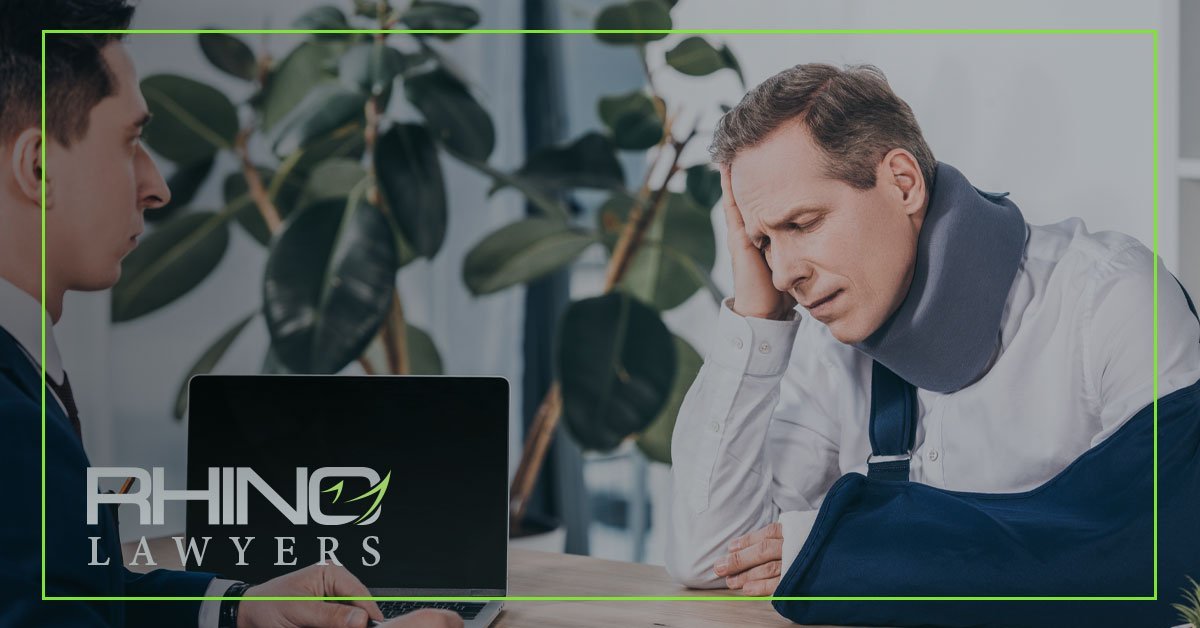
¿Puede su historial de manejo afectar su demanda por lesiones?
Imagine this:
You’re driving down the road, completely focused, with both hands on the wheel, going the speed limit, and suddenly, someone rear-ends you. You sustain a neck sprain from the accident, so you file an injury claim with the at-fault driver’s insurance company.
It’s evident you didn’t do anything wrong in this situation, but the insurance company pulls your driving record and sees it’s not so squeaky clean. In fact, on paper, usted look like the one who is a bad driver.
Can the insurance company use your driving record against you when you file a claim?
Unfortunately, they often can.
So keep reading as we dive into this topic, and you learn exactly how your driving record can impact an insurance claim.
Who Is Entitled to Compensation From an Injury Claim?
Before discussing how a poor driving record can affect an injury claim, you should know that if someone else injures you in a car accident, you are legally entitled to compensation.
You should never let blemishes on your driving record stop you from filing a personal injury claim against the at-fault party. First, however, you want to hire some legal help when filing a claim.
Although your driving record alone cannot prevent you from receiving compensation, it can lower the amount you receive from the insurance company for your claim. Neither party can use evidence of prior convictions of criminal-based driving offenses to prove guilt. Examples of these convictions include:
- Careless driving
- Driving with an expired or suspended license
- Fleeing the scene of an accident
- Atropello y fuga
- Illegal drag racing
- Homicidio involuntario por accidente de tránsito
But, attorneys can use your driving record to doubt your credibility and testimony. Thus, hiring a lawyer to help you with your claim is the best way to get the compensation you deserve.
Insurance companies use many tactics to pay less money on claims, so you want someone in your corner fighting against them and for what you are owed for your pain and suffering.
How Insurance Companies Try to Use Your Driving Record Against You
If you have one parking ticket or a single moving violation on your driving record, it won’t be enough for the insurance company to try to use it against you.
But suppose you have multiple tickets for distracted driving, several multas por exceso de velocidad, or a conviction for a criminal-based driving offense. In that case, they may try to establish a pattern of poor driving.
If they can show you are a reckless driver, they may try to say usted were actually the at-fault driver in the accident. They can use this information to counter your claim and deny you financial compensation.
Remember, you’re only entitled to compensation from an at-fault party.
Based on your driving record, they may be unable to outright blame you entirely for the accident. But they can still try to allege you were partially at fault.
Being partially at fault would undervalue your claim so that the insurance company would pay you less. Every state has negligence laws that prevent you from receiving part or all of your compensation if you were partially to blame for the accident.
The insurance company may try to use your driving history to establish some fault and paint you as a negligent driver. Then, they wouldn’t have to pay as much in compensation to you for your injuries.
Pre-Existing Injuries
Aside from trying to establish a pattern of poor and negligent driving to reduce your compensation, the insurance company may also try to prove your injuries were actually from a prior accident.
For instance, if your driving record shows you were in a previous accident, the insurance company may try to use that as a way to state that your current injuries are just pre-existing.
If they successfully prove this, they could prevent you from receiving any money. This is because pre-existing conditions are not compensable in personal injury claims.
However, if you did have a prior accident, but this most recent accident aggravated pre-existing injuries, you can still receive compensation. You would need the assistance of an attorney to help you collect proper evidence to prove the accident worsened your condition.
Additionally, the insurance company cannot claim your injuries wouldn’t have been so bad if you didn’t already have a pre-existing condition. So they have to accept your condition as it is. This is the eggshell skull rule.
Can Your Driving Record Help You in an Injury Claim?
Your driving record isn’t all bad news for your injury claim.
While the insurance company may try to use a poor driving record against you, it can benefit you in your lawsuit if you have a clean or primarily spotless record.
If the insurance company tries to paint you as a negligent driver or establish fault, your lawyer can use your clean record to demonstrate you’re a careful driver. This could benefit and strengthen your claim.
Further, you can introduce the other driver’s record into the court. If the at-fault driver has a history of car accidents or moving violation tickets, this could help your case. Your lawyer can use the other driver’s record to establish a pattern of negligent driving.
This may take any fault away from you and strengthen how much compensation you are entitled to receive.
If one party wants to submit driving records to the court, it’s best to present both drivers’ records to establish fault better. Again, it will work in your favor if you have a history of being a safe driver.
Hire a Lawyer for Your Personal Injury Claim
If you’ve recently been in an accident and want to file an injury claim, you must hire a lawyer first. It’s the best way to ensure you receive the compensation you deserve.
Contáctenos en RHINO Lawyers to speak with an attorney today. We’ll offer free advice to you now!
COMUNÍQUESE CON UN ABOGADO DE ACCIDENTES AUTOMOVILÍSTICOS EN TAMPA
En resumen, después de un accidente automovilístico, es posible que no conozca sus derechos. Sobre todo, no luche solo durante el proceso. En realidad, nuestro equipo de lesiones personales está aquí para ayudarle con cualquier necesidad legal que pueda tener relacionada con su accidente.
Por último, que RHINO Lawyers responda a sus preguntas y revise los hechos de su caso con una consulta gratuita. Así que comience completando el “Evaluación de caso instantánea y gratuita”o llamándonos en cualquier momento, día o noche, al 844.RHINO.77.
Leer más
Un conductor ebrio me chocó en Tampa, ¿y ahora qué?
Consider this scenario: you’re driving home from work one evening, ready to get home to your family and relax. And out of nowhere, a driver runs a red light and t-bones your car.
Thankfully, your injuries don’t appear too serious, but you go to the hospital just to get checked out. Your brand new car is totaled and now you’re wondering what to do.
Getting hit by a drunk driver is devastating. An accident can cost you considerably. Including medical costs, replacing your vehicle, and dealing with the pain and suffering that often occurs afterward.
Do you know what to do to protect yourself after an accident and ensure that you are adequately compensated for your expenses? If not, we’re here to help. Read on to learn more about what to do after a drunk driving accident.
Llama a la policía
Calling the police should be one of the first things you do if you are in an accident with any driver, but especially a drunk driver. The police will secure the scene, conduct a preliminary investigation so they can write an accident report, and arrest the driver if they suspect that they are under the influence.
You will need the police report for any insurance claims and if you want to seek compensation from the drunk driver and their insurance company.
Busque atención médica
When you call the police or call 911, paramedics will also respond to the crash scene. Whether you get medical care at the scene or visit a doctor later on your own, you need to seek medical care.
Even if you think you only have minor injuries, the adrenaline from the accident may be masking pain or internal injuries that can be serious if left untreated.
If you later file a claim against the drunk driver, you will also need documentation of your injuries. Keep records of all of your doctor visits, any paperwork you receive, and receipts for anything you pay out of pocket. Plus, be sure to follow any instructions given to you by a doctor. If you do not follow your treatment plan, insurance companies will often use that as a way to argue that your injuries aren’t that serious.
Document the Accident
If you are able to do so, and it is safe, document the accident scene and damage as much as possible. Take pictures of the damaged vehicles, other damaged areas (guard rails, signs, etc.), and the entire accident scene. If you can take pictures and videos, that’s even better.
You can also document your injuries, especially if they are visible, such as swelling and bruising, cuts, scrapes, etc. Make a note of the day and time of the accident, the weather, and any other relevant details you can remember.
If there are any witnesses, gather their contact information at the scene. This will likely be included in the accident report, but you will want to make sure that you have that information as well, just in case. When you speak to an attorney, they will likely want to contact any witnesses.
Comuníquese con su compañía de seguros
Once you have received medical care, you will need to contact your insurance company. They will often work with the insurance company of the driver that hit you to determine fault. And will typically go after that driver to cover your expenses.
You will likely need to give your insurance company the accident report and keep in touch with them as the claim progresses. It is important though to remember that you should not talk to the insurance company for the other driver without consulting with your attorney. Anything you say to them can be used against you and you do not want to admit any fault or agree to any settlements without legal guidance.
Hire an Attorney
Insurance companies want to pay out as few claims as possible for as little money as possible. Their focus is their bottom line, so if you file a claim against the other driver, they will do everything they can to either deny your claim or pay you as little as possible.
This is why you need an experienced car accident attorney. They can handle negotiations for you and get you the compensation you deserve.
If the other driver does not have insurance, you will have to sue them directly. Your attorney can help you negotiate this as well. Many attorneys provide free consultations, so speak with a few different attorneys to see if you have a strong case.
Keep Records of Everything
Keep documentation of everything to help your attorney build your case. If you receive any phone calls about the case, make notes of those. Document every person that you talk to, including the date and time of the conversation.
Keep all the pictures and videos from the accident scene and share those with your attorney. As well as, any other receipts, police reports, and witness contact information.
Avoid Social Media
One thing that can often hurt your case is posting on social media. The insurance company of the at-fault driver will often comb through your social media posts. Because they are looking for evidence that your injuries are not as severe as you say.
Avoid posting anything about the accident on social media. In fact, don’t talk to your friends about it, and don’t talk to insurance adjusters.
Hire a Lawyer to Represent You After A Drunk Driver Hits You
If you have been hit by a drunk driver, you need to ensure that you are compensated for your injuries, medical expenses, lost wages, and damaged property. There are not just criminal penalties for driving drunk. A drunk driver who causes an accident is also responsible for your costs as well.
If you are in need of a personal injury attorney to handle your case, contacto RHINO Lawyers. We focus on car accident cases and will provide a free case evaluation.
COMUNÍQUESE CON UN ABOGADO DE ACCIDENTES AUTOMOVILÍSTICOS EN TAMPA
En resumen, después de un accidente automovilístico, es posible que no conozca sus derechos. Sobre todo, no luche solo durante el proceso. En realidad, nuestro equipo de lesiones personales está aquí para ayudarle con cualquier necesidad legal que pueda tener relacionada con su accidente.
Por último, que RHINO Lawyers responda a sus preguntas y revise los hechos de su caso con una consulta gratuita. Así que comience completando el “Evaluación de caso instantánea y gratuita”o llamándonos en cualquier momento, día o noche, al 844.RHINO.77.
Leer más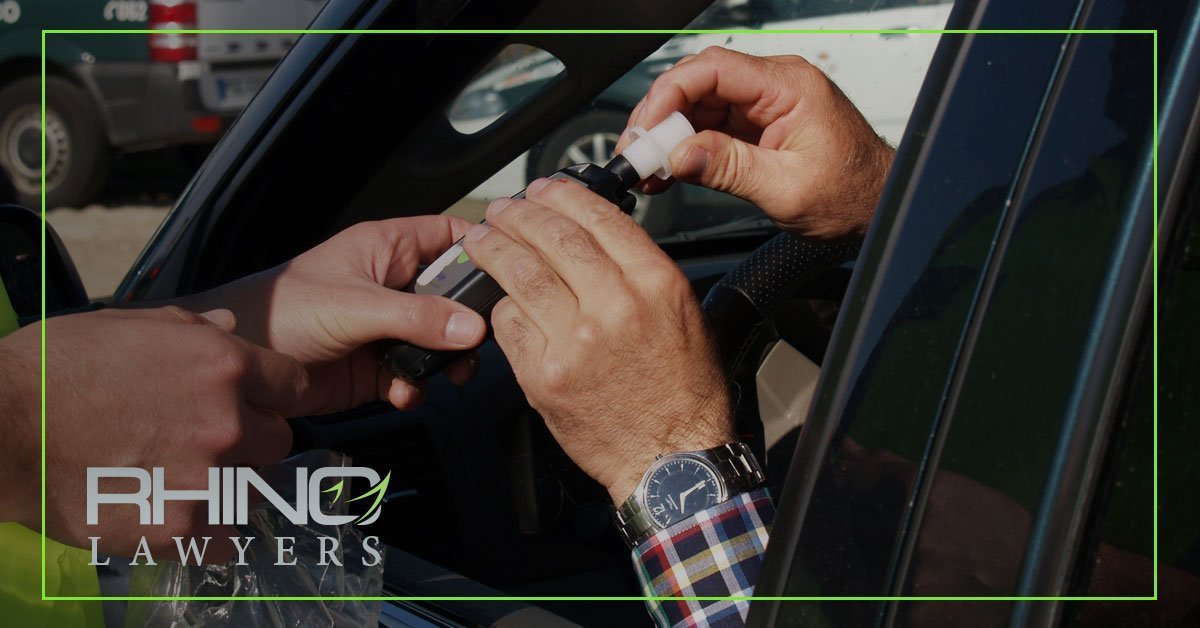
7 formas en que un alcoholímetro puede equivocarse
Todos los años, miles de personas mueren en accidentes por conducir ebrios. No es de extrañar que los cargos por conducir bajo los efectos del alcohol sean tan graves. Al mismo tiempo, algunas personas se hacen una prueba de alcoholemia cuando saben que no han estado bebiendo y terminan obteniendo un resultado positivo de todos modos.
Las personas experimentan una indefensión increíble cuando esto sucede. Después de todo, los agentes de la ley involucrados probablemente actúan con extrema confianza sobre su culpabilidad. Además de eso, es imposible discutir con una máquina.
Sin embargo, las personas a menudo encuentran esperanza cuando descubren que en realidad existen varias formas conocidas en las que las pruebas de alcoholímetro pueden ser incorrectas.
Entonces, ¿cuáles son exactamente las formas más comunes en que el resultado de una prueba de alcohol en aliento puede ser erróneo? ¿Podría uno de estos errores explicar su propio resultado falso positivo? ¡Siga leyendo para conocer todo sobre las cosas más importantes que debe entender acerca de cómo una prueba de alcohol en aliento puede estar equivocada!
1. Mala calibración del alcoholímetro
Hay un par de maneras diferentes en que alguien puede recibir un resultado incorrecto en la prueba de alcoholímetro y, como consecuencia, recibir un cargo por conducir bajo los efectos del alcohol (DUI).
En algunos casos, las personas no han tomado mucho. Si han consumido cantidades de alcohol suficientemente bajas, en realidad están cumpliendo con la ley cuando conducen. Sin embargo, una prueba de alcoholímetro podría mostrar que han estado tomando más de lo que en realidad han hecho.
Por otro lado, una prueba de alcohol en el aliento podría afirmar que alguien ha estado bebiendo incluso cuando no ha consumido nada de alcohol recientemente. En ambos casos, esto es potencialmente el resultado de una mala calibración.
Cuanto más tiempo pasan las máquinas sin una calibración adecuada, más comúnmente comienzan a dar resultados falsos. Con el apoyo de un abogado con experiencia, es posible que usted pueda descubrir que la prueba de alcohol en aliento que le realizaron provino de una máquina con una calibración desactualizada. Eso puede demostrar que la supuesta evidencia sobre su culpabilidad es en realidad inválida.
2. Malas soluciones de prueba
La mayoría de las personas no sabe mucho sobre cómo funcionan los alcoholímetros. Se imaginan que de alguna manera simplemente saben si usted ha estado ingiriendo alcohol recientemente o no. Por supuesto, así es como realmente no funcionan.
Lo que realmente detectan son ciertas reacciones químicas que supuestamente son el resultado de que las soluciones en un alcoholímetro interactúen con el alcohol. Sin embargo, ¿qué pasa si la composición química de las soluciones en el alcoholímetro es incorrecta?
Esto puede dar lugar a resultados falsos positivos y a un cargo por conducir bajo los efectos del alcohol, incluso cuando no se ha bebido en exceso. De hecho, algunos agentes del orden público terminan creando soluciones químicas caseras para colocar en los alcoholímetros.
En otros casos, los agentes colocan soluciones viejas en los alcoholímetros después de que estas hayan caducado. Esto puede ser el resultado de un descuido, o incluso puede ser culpa del fabricante. Con la investigación adecuada, es posible que pueda demostrar que la solución en la prueba de alcoholímetro que se le realizó pudo haber arrojado un resultado falso.
3. Pruebas modificadas erróneamente
Los alcoholímetros son instrumentos sensibles. A veces, los agentes de la ley los manipulan de maneras que no están autorizadas. Por ejemplo, podrían apagar la parte de la máquina que detecta la temperatura del aliento.
Aunque la máquina aún pueda arrojar respuestas que afirman que ha estado bebiendo en exceso, eso puede ser el resultado de modificaciones inadecuadas en lugar de un consumo excesivo real.
4. Errores de programación
Los alcoholímetros son instrumentos complicados que utilizan computadoras. Estas computadoras dependen de un software que funcione correctamente para proporcionar resultados precisos.
Desafortunadamente, los errores de software pueden ser extremadamente sutiles y difíciles de detectar. Siempre es posible que una máquina esté arrojando resultados falsos positivos porque el software tiene encontré un error.
5. Metodología de prueba deficiente
Las pruebas de alcoholemia no son perfectamente confiables ni siquiera en las mejores circunstancias. Muchas personas se han familiarizado más con cómo una prueba puede arrojar falsos positivos y falsos negativos debido a la pandemia de coronavirus.
Muchas personas también han aprendido cómo proporcionar datos incorrectamente a una prueba puede hacer que sea cada vez más imprecisa. Es importante usar un alcoholímetro correctamente para que proporcione resultados precisos.
Si un oficial de la ley le proporciona instrucciones incorrectas para realizar la prueba de alcohol en aliento, esto puede resultar en una mayor probabilidad de un resultado positivo falso o negativo falso.
Por eso es tan importante que los agentes del orden proporcionen instrucciones coherentes y precisas sobre cómo realizar las pruebas. De lo contrario, los resultados de las pruebas son cuestionables.
6. Afecciones médicas
A veces, puedes terminar con resultados de alcoholímetro confiablemente falsos por razones que ni siquiera la mayoría de los agentes del orden conocen.
Por ejemplo, si tienes diabetes, es más probable que des resultados falsos en una prueba de alcoholímetro. De hecho, tus resultados no solo serán inexactos, sino que el alcoholímetro indicará que tienes un nivel de alcohol en sangre constantemente más alto del que realmente tienes.
Este es un problema grave que requiere tecnología más sofisticada para resolverse. No podemos depender de alcoholímetros que arrojan constantemente lecturas falsas para personas que tienen diabetes u otras afecciones médicas.
Si tienes reflujo ácido persistente, eso también puede alterar los resultados de una prueba de alcoholímetro de una manera que puede hacer parecer que has estado bebiendo más de lo que realmente has hecho. Esto puede ser especialmente perjudicial si has estado en un accidente automovilístico.
7. Otros productos químicos
Como ya hemos comentado, los alcoholímetros son sensibles. Dependen de una combinación cuidadosa de uso adecuado, software impecable y soluciones químicas correctas.
Sin embargo, también dependen de cosas que no están bajo el control de los diseñadores de los alcoholímetros ni de los agentes del orden. En algunos casos, las pruebas de alcoholímetro son inexactas porque hay sustancias químicas en el aire mientras te realizas la prueba.
Los vapores de pintura, la gasolina, el enjuague bucal y más pueden provocar resultados inexactos en las pruebas de alcohol en el aliento. Si ha recibido un resultado erróneo en una prueba de alcoholímetro, el abogado adecuado podría demostrar que su supuesta infracción por conducir bajo los efectos del alcohol (DWI) puede ser el resultado de sustancias químicas que se encontraban en el aire en ese momento.
Comprenda cómo manejar los cargos por conducir bajo los efectos del alcohol (DUI)
Esperamos que aprender sobre cómo las pruebas de alcoholímetro pueden ser inexactas les haya sido útil. Cuanto más sepa sobre las pruebas de alcoholímetro, mejor preparado estará para manejar los cargos por conducir bajo los efectos del alcohol (DUI).
Para obtener más información sobre cómo las pruebas de alcoholímetro pueden ser inexactas o encontrar ayuda legal, no dude en comunicarse y ponte en contacto ¡con nosotros aquí en cualquier momento!
CONTACTE A UN ABOGADO DE MULTAS DE TRÁFICO EN TAMPA
RHINO Lawyers puede ayudar y guiarlo a través de un sistema moldeado por las fuerzas del orden, jueces y abogados durante décadas. Habiendo ganado casos para nuestros clientes en circunstancias similares, nuestro equipo de defensa penal sabe lo que se necesita para luchar en tu nombre.
Permitir RHINO Lawyers responda a sus preguntas y revise los hechos de su caso con una consulta gratuita. Así que comience completando el “Evaluación de caso instantánea y gratuita”o llamándonos en cualquier momento, día o noche, al (844) RHINO-77.
Leer más
¿Qué es un examen médico obligatorio y por qué se solicitan?
Did you know that Florida is home to the deadliest mile of road in all of America? No wonder thousands of Floridians each year have to file personal injury claims for car crashes and other accidents.
If you’ve started this process, you may have heard the term ‘compulsory medical examination’ mentioned. Most people who file a personal injury claim don’t have to worry about this. But sometimes when filing a personal injury lawsuit. The opposing party will request one to make sure that your injuries are as bad as you say they are.
Legal terms can be confusing, so we’re here to answer any questions you may have. Read on to find out what’s involved in a compulsory medical examination and how to cope if you have to face one.
Legal Terms: What Is a Compulsory Medical Exam?
A compulsory medical examination can be requested in a personal injury lawsuit. This is in accordance with Rule 1.360 of the Florida Rules of Civil Procedure. It can only be requested when “the condition of the subject is in controversy”.
Translation – the other party does not believe your account of the severity of your injuries. Or they believe that the injuries were not sustained in the way you describe and were therefore not their responsibility.
The requesting party must prove to the judge’s satisfaction that they have good cause for making the request. In fact, many cases never reach this point. Because they can settle most cases out of court. However, the opposing party may still request an examination. Plus, it’s good to prepare for this eventuality.
The opposing counsel must make their request for a medical exam no later than 70 days before the docket sounding date. This allows time for objections.
Can You Refuse a Compulsory Medical Examination?
If you hire a abogado de lesiones personales, they can challenge the need for a compulsory medical exam. They have to make this challenge within 30 days of receiving the written request. They can request that the opposing counsel produce evidence in court to back up their request. But refusing the request for a medical exam may not be in your best interests.
This underlines the importance of getting experienced legal help. They can advise you on the right move, which will vary from case to case.
Is It the Same as an Independent Examination?
Let’s clear up a common misconception. A compulsory medical examination is not the same as an independent examination. There is nothing independent about this process.
If you’re the plaintiff (person who brings the case) against an insurer, for example, they (the defendant) may request an examination. The defendant will choose the doctor who will conduct the examination.
This is an important point – the doctor is not court-appointed. However, it is the responsibility of the doctor to be objective and present the findings in an unbiased manner. It is debatable whether this is always the case.
Legal Requirements for the Compulsory Medical Examination
The State of Florida sets out several requirements for the compulsory medical examination. This includes:
- Both parties must coordinate the date and time of the examination
- If there’s no agreement, the court will set the date
- Examinations should occur in the county where the case is being tried
- The plaintiff’s counsel, a videographer, a court reporter, an interpreter, and if needed and parent or guardian may attend
They can ask the plaintiff to complete a patient information sheet. Which they should bring to the examination. They may also ask you to bring original medical records. As well as, diagnostic aids if the defendant requested them.
Only non-invasive procedures can take place during the compulsory medical examination. If this is not enough, the defendant will need to obtain a court order.
The medical examiner must produce a detailed written report. Both parties will receive this. The medical examiner must not offer any further evidence that is not contained in this report.
This is an overview of the basic requirements. As other legal issues can arise relating to the medical exam, get advice at every stage from your personal injury lawyer.
Preparing for a Compulsory Medical Examination
No one looks forward to a compulsory medical examination, but with good preparation, you can navigate it successfully.
Since you have a genuine claim, there is no need to worry. Be honest about your medical condition, but don’t exaggerate it. Talk about what happened and your suffering clearly and truthfully.
Throughout the examination, be polite, serious, and cooperative. Think carefully about your answers and reply in your own words.
It’s a good idea to have your attorney present during the examination. If asked to sign anything, check with your attorney first.
It might seem weird to have a videographer and court reporter present throughout the examination. But this is for your protection. You’ll have an accurate recording in video and transcript form of exactly what took place.
Should I Get My Own Exam as Well?
This might be a good idea – check with your lawyer first. If you do. Then follow the same procedures. And make sure you recorded it. Try to schedule your medical exam on the same day or as close as possible to the compulsory one.
Choose RHINO Lawyers After a Car Accident
After reading this, you might wish that compulsory medical exam was among the legal terms you don’t understand! It’s true that no one would ever want to go through this process. But with excellent legal help, you can prepare well and reduce the stress involved.
En RHINO Lawyers, our personal injury lawyers are here to help you no matter how your accident happened. They’ll help you get the compensation you deserve for the pain and suffering you’ve endured.
Why not schedule a videoconsulta gratuita today to learn more about how they can help?
COMUNÍQUESE CON UN ABOGADO DE ACCIDENTES AUTOMOVILÍSTICOS EN TAMPA
En resumen, después de un accidente automovilístico, es posible que no conozca sus derechos. Sobre todo, no luche solo durante el proceso. En realidad, nuestro equipo de lesiones personales está aquí para ayudarle con cualquier necesidad legal que pueda tener relacionada con su accidente.
Por último, que RHINO Lawyers responda a sus preguntas y revise los hechos de su caso con una consulta gratuita. Así que comience completando el “Evaluación de caso instantánea y gratuita”o llamándonos en cualquier momento, día o noche, al 844.RHINO.77.
Leer más
A Guilty Plea Won’t Necessarily Resolve DUI Issues: Here’s Why
Guilty pleas are an American scourge. 94% of criminal convictions in the United States come from guilty pleas. Thousands of innocent people have pleaded guilty to crimes they didn’t commit, including DUIs.
When you are presented with a plea bargain, you may be tempted to take it. But a guilty plea has many different consequences. Before you strike a deal with a prosecutor, you should understand the facts.
What are the penalties for DUI charges in the state of Florida? What happens to people who plead guilty to felonies? Are there alternatives to a plea deal?
Answer these questions and you can find your path forward after a DUI arrest. Here is your quick guide.
You Will Lose Your License
Florida DUI laws make license revocation mandatory after any DUI. If the DUI is a first-time offense that results in no bodily injuries, the state will revoke the driver’s license for at least 180 days. The state can extend the revocation period to a maximum of one year.
A second-time offense has a minimum revocation period of five years. This occurs regardless of whether or not the DUI resulted in an injury.
In order to get your license back, you must go to DUI school. You then need to apply for hardship reinstatement.
You must prove that you need to drive for business purposes or employment purposes. A license for business purposes lets you drive to and from work, church, and medical appointments. A license for employment purposes limits you to driving only for work-related matters.
Going on errands or detours will lead to your hardship license getting revoked. You can also lose your license if you fail to pay child support, skip court hearings, or get into an accident.
Your Premiums May Increase
All car insurance companies have policies that raise premiums after a DUI offense. Each company is different, but you may need to pay an extra $1,000 a year because of your higher premiums.
Some companies can also revoke your insurance outright. They may do this in cases when the DUI resulted in an injury or significant property damage.
You may not be able to change your policies. Insurance companies can examine your driving record and see if you have DWI charges on it. If you do, they can decline to offer you insurance.
It does not matter if your conviction came from a plea deal or not. The only way your DUI will not affect your insurance is if the offense is removed from your driving record. But your DUI can stay on your record for years, and it may be permanently in place.
You May Plead Guilty to a Felony
Plea deals can mean a few different things. In exchange for pleading guilty, a prosecutor may reduce your criminal penalties. You may avoid incarceration and receive probation and community service.
However, DUI charges are so severe that a prosecutor may insist that you plead guilty to a felony. Florida has passed laws allowing people with felony convictions to vote. But if you have outstanding fees or fines, you lose your right to vote, even years after your sentence.
Pleading guilty will also create a criminal record for you. Employers can conduct a background check, find your criminal record, and deny you job opportunities.
You May Face Other Charges and Penalties
A DUI case may involve a variety of offenses. Many prosecutors like to charge drivers with traffic violations that the court considers to be criminal offenses, including reckless driving.
You may be able to get your DUI charges thrown out in a plea deal. But you may plead guilty to another offense that puts you in jail, gets your license revoked, and creates a criminal record.
In the future, a DUI offense you pleaded guilty to will count as a first-time offense. If you’re charged and convicted of another DUI, you face stiffer criminal penalties.
A No Contest Plea Is an Alternative
A no-contest plea means that you will not dispute the charge in court. In a plea deal, a no-contest plea functions similarly to a guilty plea. You may still face incarceration or other penalties.
However, a no-contest plea means you are not admitting to the DUI offense. Lawyers in a civil trial cannot use your plea against you, so you can contest a civil case on equal footing as the plaintiff.
Some judges do not allow no-contest pleas, and your DUI lawyer may advise you against one. Talk to your lawyer about your options before you decide what your right move is.
A Deal Offer Can Be a Sign of Weakness
A prosecutor may offer you a plea deal just to get your case off their books. They may think that they will lose at trial, and a deal may be their only way to get a conviction.
Take a look at the terms of the plea deal and at the other evidence in the case. If you think the prosecutor’s evidence is thin, you should prepare for a trial.
Start building your defense before you decide whether or not to take a plea deal. You can fight back against DUI charges by pointing out that you were not the driver or had no physical control of your car.
You May Not Want a Guilty Plea
A guilty plea will not end your DUI case. You will lose your license for months, if not years. Your insurance premiums will increase, and you will live with a criminal record.
A prosecutor may force you to plead guilty to a felony or press for other charges. Before you accept a deal, you need to look at the terms and consider your alternatives. You can try a no contest plea, or you can press for a trial.
Your best approach is to hire a DUI legal professional. RHINO Lawyers serves the Tampa area. Contáctenos hoy.
CONTACTE A UN ABOGADO DE MULTAS DE TRÁFICO EN TAMPA
RHINO Lawyers puede ayudar y guiarlo a través de un sistema moldeado por las fuerzas del orden, jueces y abogados durante décadas. Habiendo ganado casos para nuestros clientes en circunstancias similares, nuestro equipo de defensa penal sabe lo que se necesita para luchar en tu nombre.
Permitir RHINO Lawyers responda a sus preguntas y revise los hechos de su caso con una consulta gratuita. Así que comience completando el “Evaluación de caso instantánea y gratuita”o llamándonos en cualquier momento, día o noche, al (844) RHINO-77.
Leer más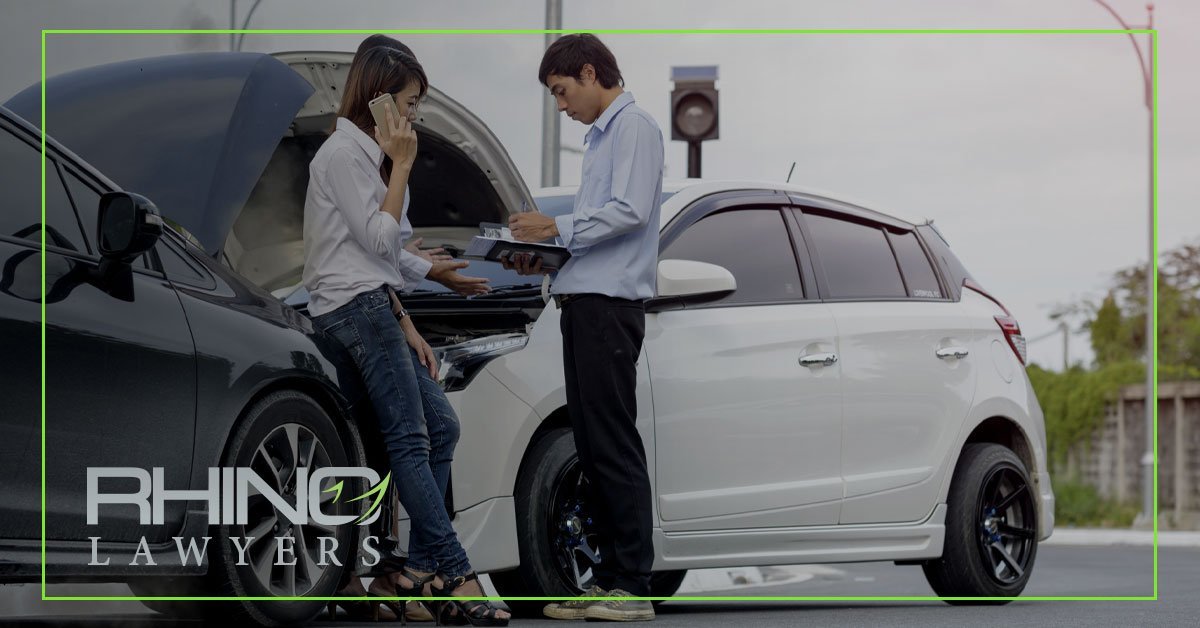
Car Crash: Chiropractor vs. Orthopedic Doctor: What Is the Difference?
Between 14,000 – 17000, car accidents occur every day on American roads, and in 2020, 43% of these led to injuries. After a car crash, you may sustain back, neck, and other musculoskeletal injuries ranging from minor to severe.
Seeking medical treatment will depend on the types and severity of the injuries sustained. In the event you or a loved one get in an accident, it’s crucial to know what kind of doctor can best help you.
Do you need to see a chiropractor or an orthopedic surgeon? Which is best for you and what is your deciding factor in choosing one or the other. Let’s take a look at the differences between the two.
What Is a Chiropractor?
Chiropractors focus on treating disorders of the musculoskeletal system without surgery. They use a combination of manual therapy and manipulative techniques to adjust the spine and other joints in the body. They also often incorporate lifestyle changes and exercise into their treatment plans. Because they are not licensed, medical doctors. And thus cannot prescribe medications.
Chiropractors can treat a wide range of injuries, including:
- Whiplash
- Lower back pain
- Sprains and strains
- Joint pain
- Dolores de cabeza
- Carpal tunnel syndrome
What Is an Orthopedic Doctor?
Orthopedic surgeons are medical doctors licensed by the state. They have completed extensive training in the treatment of musculoskeletal injuries. These doctors can prescribe medications, perform surgeries, and provide other types of interventions.
Orthopedic physicians treat many of the same injuries and conditions as chiropractors. However, they are more likely to recommend surgery for serious injuries or conditions. They may also be more likely to prescribe medications, such as painkillers or steroids, for relief.
Some of the most common conditions that orthopedic surgeons treat include:
- Artritis
- Fractures
- Torn ligaments
- Dislocated joints
- Osteoporosis
What Is the Difference Between a Chiropractor and an Orthopedic Doctor?
The biggest difference between chiropractors and orthopedic surgeons is in their area of focus. Chiropractors focus on nonsurgical treatment. While orthopedic surgeons correct disorders through more invasive medical means.
They consider chiropractic care unconventional therapy or alternative medicine. Orthopedists utilize cutting-edge technology and treatment options to help their patients.
Another key difference is their length of study. Chiropractic doctors earn a Doctor of Chiropractic at the end of their course of study. And their state of practice requires them to register. Their course of study is not as extensive as that of an orthopedic surgeon. Though they are able to treat far more medical conditions using their alternative methods. They will often employ realignment procedures, acupuncture, and other less invasive means of treatment.
Orthopedic surgeons must complete four years of undergraduate school. Plus, four years of medical school, and an additional five to seven years in a residency program. After their residency, they must then pass a state-administered exam. Before the state will issue a license to practice medicine.
While chiropractors focus on the entire musculoskeletal system. Orthopedic surgeons specialize in particular areas. For example, some may focus on the spine while others concentrate on the extremities like the shoulder, elbow, or knee.
Since they consider chiropractic medicine alternative medicine. Insurance providers, may not cover your treatment. So unless you are able to pay out of pocket or have a good car crash attorney, it may not be in your best interest to consult a chiropractor.
When to See a Chiropractor vs Orthopedic Surgeon
In general, you would see a chiropractor for conservative treatment of musculoskeletal problems while an orthopedic surgeon is best for more serious injuries that require injections, medicine, or surgery.
Chiropractors are often the first line of defense against back and neck pain as well as headaches, TMJ, and carpal tunnel syndrome. If you have suffered a sports injury or been in a small car crash, your primary care physician may refer you to a chiropractor before considering surgery.
On the other hand, if you have been in a major car accident or have suffered a serious injury like a broken bone, herniated disc, or torn ligament, you will likely be referred to an orthopedic surgeon.
What Will Insurance Cover?
As mentioned earlier, insurance companies may not cover chiropractic care. They may, however, pay for some orthopedic services. For example, if you have a work-related injury, your workers’ compensation insurance should cover the cost of your treatment.
If you have been in a car accident, your auto insurance should cover the cost of your medical care, including any visits to a chiropractor or orthopedic surgeon.
It’s important to check your coverage with your insurance provider. Before making an appointment with either type of doctor.
Opciones legales
A car crash attorney is another person you should talk to if you have been in an accident. Medical expenses, loss of job or income, and pain and suffering are only a few of the many types of damages that may be available to you. The effects of a car accident can be overwhelming, but an experienced car crash lawyer will fight for the compensation you deserve.
Car crash attorneys are often able to get you a higher settlement than if you were to go it alone. They will do the majority of the work so that you can focus on your recovery. They will also ensure that your medical care and all bills incurred as a result of the car crash are handled.
Hiring a Car Crash Attorney
If you have been in a car crash, it is important to consult with a car crash attorney as soon as possible. An experienced lawyer will be able to guide you through the legal process and help you recover the compensation you deserve.
RHINO Lawyers in Tampa and Lakeland, Florida represent car crash victims throughout the state. We offer a free consultation so that we can review your case and answer any questions you may have. Contact us today to schedule a consultation.
COMUNÍQUESE CON UN ABOGADO DE ACCIDENTES AUTOMOVILÍSTICOS EN TAMPA
En resumen, después de un accidente automovilístico, es posible que no conozca sus derechos. Sobre todo, no luche solo durante el proceso. En realidad, nuestro equipo de lesiones personales está aquí para ayudarle con cualquier necesidad legal que pueda tener relacionada con su accidente.
Por último, que RHINO Lawyers responda a sus preguntas y revise los hechos de su caso con una consulta gratuita. Así que comience completando el “Evaluación de caso instantánea y gratuita”o llamándonos en cualquier momento, día o noche, al 844.RHINO.77.
Leer más
6 Things You Need to Tell Your Criminal Defense Attorney
The Supreme Court has made it more difficult for inmates to get released! When you have criminal charges brought against you, a good attorney can keep you from losing your freedom.
However, you can get the best attorney in the world but if they don’t have all the facts and information. It can put you at a disadvantage. You should not hesitate to tell your attorney all the things they need to know to help you to win your case.
Here’s a look at some important things that you must discuss with your criminal defense attorney.
1. The Personal Context of the Criminal Charges
One of the things that your attorney will need to know is the reason why you were charged. Whenever criminal charges are laid there are usually extenuating circumstances surrounding the charges that have been laid against the individual.
You need to give your attorney all the minor and major details that can help provide context for the charges that have been laid against you. These details are critical to your defense.
Something that you think may not help your case. May be just what is necessary to rid you of the charges. Don’t hold back, you should be completely honest with your attorney. And tell them exactly how you came to be charged. As well as, the context in which the charges have been laid against you.
2. Tell Your Criminal Defense Attorney about Witnesses
Witnesses are often one of the key components of any case and if you have several witnesses then this can provide a lot of legal help for your case.
Informing your attorney of all the witnesses you can think of is very important. Someone may be more beneficial to the case than you could imagine. Your lawyer can also tell you if a witness will damage your case in court.
If someone is damaging to your case then it is likely that the prosecution will bring them to testify against you. If you feel that someone is going to testify against you, let your criminal defense lawyer know.
You should also let them know in what context they could testify against you. This way your attorney will not be blindsided by not having enough time to prepare for a damaging witness.
3. Who You Have Spoken To
If you have spoken to anyone about the case, you need to tell your lawyer. Often when people are overwhelmed by charges against them, they need someone to confide in and the easiest people are those closest to them.
Whether you are guilty or not, you need to let your attorney know who you have spoken to about the details of the case. When they’re trying to form a case against you the prosecution will dig up any and every person who can corroborate their case against you.
If you have spoken to someone it is a possibility that they will find out and they will call this person to testify. Your attorney needs to know all of this so they can prepare a good defense for you.
4. Your Statements to the Police
When you get arrested you are usually told that you have the right to remain silent. You are also told that anything you say can and will be used against you in court if necessary.
If did not avail yourself of this right and spoke to the police, you need to let your lawyer know exactly what you said.
You may not have said anything that you think will have negative legal repercussions but this is never a certainty when you talk to the police in a criminal case. Tell your attorney what you said and they will decide whether or not it is incriminating.
5. Your History With the Victim
If the victim, in the case, is somebody who you have a history with, you need to tell your attorney. It isn’t wise for you to hide this.
The prosecution will usually find this evidence on their own especially if it is a matter of public record. Letting your attorney know about this history can help them adequately prepare your defense.
6. Your Financial Issues
If you are having financial challenges you need to let your attorney know about it. You will undoubtedly have to pay legal fees if you hire a lawyer. So, you need to let your lawyer know about your financial situation.
Having a clear knowledge of how much you will need to pay for your legal defense is a key part of the case. Your attorney may be able to offer you flexible payment terms and plans if they are aware of your financial situation.
The bottom line is that, while finances are a sensitive and private matter, it is essential that you open up in this way. So that your fees for your defense can be properly sorted out.
Get the Best Criminal Defense Attorney
Getting the best criminal defense attorney is essential if you want to win your case. However, to win your case you must ensure that you give your attorney all the necessary information so that they can build an airtight case for you.
Failure to give your attorney vital information can cost you the case, and get you jail time. Your lawyer will not be as prepared as they should be without all the facts and this can be detrimental in the long run.
If you would like to hire an attorney, please do not hesitate to Contáctenos.
CONTACTE A UN ABOGADO DE MULTAS DE TRÁFICO EN TAMPA
RHINO Lawyers puede ayudar y guiarlo a través de un sistema moldeado por las fuerzas del orden, jueces y abogados durante décadas. Habiendo ganado casos para nuestros clientes en circunstancias similares, nuestro equipo de defensa penal sabe lo que se necesita para luchar en tu nombre.
Permitir RHINO Lawyers responda a sus preguntas y revise los hechos de su caso con una consulta gratuita. Así que comience completando el “Evaluación de caso instantánea y gratuita”o llamándonos en cualquier momento, día o noche, al (844) RHINO-77.
Leer más