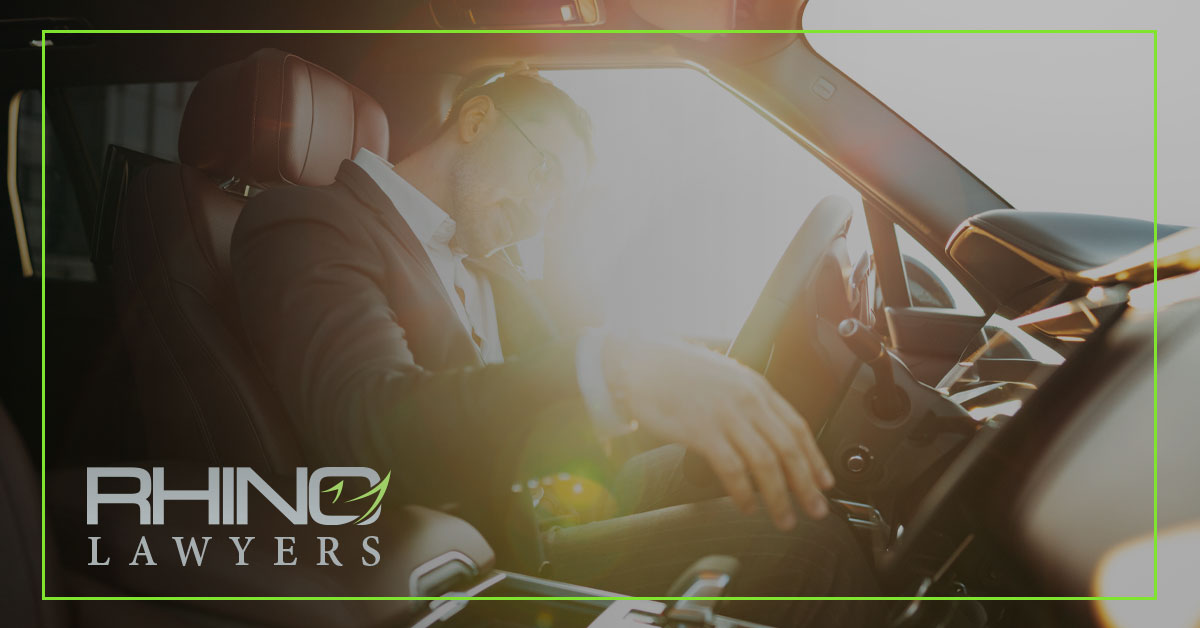
Who’s Liable When Sun Glare Causes a Car Accident in Florida?
The driver says the sun was in their eyes.
But does “I couldn’t see” actually excuse causing a crash?
Usually, sun glare does not automatically excuse a driver from responsibility.
Florida drivers regularly deal with intense sunlight, especially around sunrise and sunset. Glare can make traffic lights harder to see, hide pedestrians in crosswalks, or temporarily obscure vehicles directly ahead.
But drivers are still expected to adjust to the conditions around them.
If visibility becomes limited, that may mean:
- Slowing down
- Increasing following distance
- Using a sun visor
- Wearing appropriate sunglasses
- Keeping the windshield clean
- Pulling over safely if visibility becomes dangerously limited
When a driver continues at normal speed despite being unable to see the road clearly, their choices may become central to determining sun glare accident liability.
If you’ve been injured in a sun glare car accident in Florida, the insurance company may argue that the sunlight—not the driver—caused the collision.
The evidence may tell a very different story.
At RHINO Lawyers, we help injured people throughout Tampa, Clearwater, St. Petersburg, Lakeland, Orlando, Sarasota, Fort Myers, Naples, and across Florida investigate crashes involving poor visibility and disputed fault.
Does Sun Glare Excuse a Driver From Causing an Accident?
No. Sun glare does not automatically eliminate a driver’s responsibility for a Florida car accident.
Bright sunlight is a visibility hazard.
It is also a condition drivers may reasonably encounter.
A driver who becomes blinded by the sun should respond to that reduced visibility rather than simply continue driving as though nothing changed.
Depending on the situation, reasonable precautions could include:
- Reducing speed
- Leaving additional space between vehicles
- Lowering the sun visor
- Avoiding sudden lane changes
- Watching carefully for traffic signals and pedestrians
- Pulling over when continuing would be unsafe
Florida law requires motorists to drive at a speed that is reasonable and prudent under existing conditions. Florida Statute § 316.183 also requires drivers to reduce speed when special hazards exist because of weather or highway conditions.
The exact application of Florida law depends on the circumstances of the crash.
But saying, “The sun was in my eyes,” does not necessarily answer the liability question.
It may raise another one:
If the driver couldn’t see, why didn’t they slow down?
Why Sun Glare Is a Serious Florida Driving Hazard
Florida’s sunshine is part of what makes the state famous.
Behind the wheel, it can become dangerous.
Sun glare can dramatically reduce visibility when the sun sits low on the horizon. That commonly happens during morning and evening commuting hours.
Drivers traveling east around sunrise or west near sunset may suddenly struggle to see:
- Brake lights
- Traffic signals
- Lane markings
- Pedestrians
- Cyclists
- Motorcycles
- Stopped traffic
- Vehicles entering an intersection
A dirty, fogged, cracked, or streaked windshield can make glare even worse.
Florida’s road environment adds another complication.
Busy roads throughout Tampa Bay, Orlando, Sarasota, Fort Myers, and other growing areas combine heavy traffic with frequent intersections, pedestrians, motorcycles, and changing traffic patterns.
A few seconds of reduced visibility can be enough to cause a serious rear-end or intersection collision.
The Florida Highway Safety and Motor Vehicles (FLHSMV) provides driving-safety information for motorists navigating Florida roads.
Sunlight may create the hazard.
How the driver responds to that hazard may determine liability.
Common Sun Glare Accidents in Florida
A Florida visibility accident can happen almost anywhere, but certain crash patterns appear more naturally when a driver’s vision is compromised.
Rear-End Collisions
A driver may fail to notice slowing or stopped traffic because glare hides brake lights or the vehicle ahead.
Reduced visibility doesn’t automatically excuse following too closely.
Drivers should leave enough room to react to changing roadway conditions.
Intersection Accidents
Sun glare can make a red light or stop sign difficult to see.
That can lead to:
- Running a red light
- Driving through a stop sign
- Turning across another vehicle’s path
- Entering an occupied intersection
Pedestrian and Bicycle Crashes
A pedestrian or cyclist can become difficult to see when positioned directly in front of bright sunlight.
These crashes can cause devastating injuries.
Lane-Departure Accidents
Severe glare may obscure lane markings or surrounding vehicles.
A driver could drift across the center line, leave the roadway, or sideswipe another car.
Whatever the crash type, investigators need to look beyond the driver’s explanation and determine whether their actions were reasonable under the circumstances.
Our Florida Car Accident Lawyer page provides more information about liability and injury claims after a serious Florida collision
How Fault Is Determined in a Sun Glare Accident
Sun glare may explain why a driver had trouble seeing.
It doesn’t automatically determine who was at fault.
Investigators may look at what the driver did before the collision and whether they adjusted their driving to match the reduced visibility.
Important questions can include:
- How fast was the driver traveling?
- Did they slow down when glare became severe?
- Were they following another vehicle too closely?
- Did they run a traffic light or stop sign?
- Was their windshield dirty or obstructed?
- Did they make a turn without being able to see approaching traffic?
- Could they have safely pulled over until visibility improved?
Evidence from the scene can help answer those questions.
That may include:
- Police crash reports
- Witness statements
- Dashcam footage
- Traffic camera video
- Nearby surveillance footage
- Vehicle damage
- Event data recorder information
- Photos showing the driver’s direction of travel
Even the time and location of the crash can matter. Investigators may be able to determine the approximate position of the sun when the collision occurred.
If another driver claims they were blinded by sunlight, the investigation should determine whether they responded reasonably to a known visibility problem.
Can Both Drivers Share Responsibility?
Yes.
Not every sun in eyes car accident liability case has one completely innocent driver and one completely responsible driver.
Florida uses a modified comparative fault system under Florida Statute § 768.81. Fault may be divided when multiple people contribute to a collision, and an injured person’s damages may be reduced by their percentage of fault. A claimant who is found more than 50% at fault for their own harm generally cannot recover damages.
Consider a driver who is struggling with severe sun glare and rear-ends another vehicle.
The first driver may bear responsibility for failing to reduce speed or increase following distance.
But suppose the vehicle ahead also had nonfunctioning brake lights.
That could create an additional liability issue.
Another example could involve an intersection collision where one driver turns despite limited visibility while the other driver is speeding.
The facts matter.
Insurance companies may try to shift part of the blame to reduce what they pay. That’s why physical evidence, witness accounts, video, and traffic information can become especially important when fault is disputed.
Our Florida Personal Injury Attorneys can investigate the circumstances surrounding a crash and help identify the parties who may be responsible.
What Evidence Can Help Prove Sun Glare Accident Liability?
A driver saying, “I couldn’t see because of the sun,” is only one piece of the story.
The surrounding evidence may show whether that driver took reasonable precautions.
Photos and Video
Pictures taken shortly after the collision may document:
- Road direction
- Visibility
- Intersection layout
- Vehicle positions
- Skid marks
- Obstructions
- Damage patterns
Dashcams can be particularly valuable because they may show exactly how severe the glare was before impact.
Witness Statements
Other drivers, passengers, pedestrians, or nearby workers may have seen the crash.
Their accounts could help establish whether a vehicle slowed down, ran a light, drifted lanes, or continued driving despite obvious visibility problems.
Electronic Vehicle Data
Depending on the vehicle and circumstances, electronic data may provide information about:
- Vehicle speed
- Braking
- Accelerator use
- Seat belt status
- Other pre-crash activity
Crash Reports
The responding officer may document statements from the drivers, roadway conditions, citations, and other observations.
Evidence can disappear quickly.
Video may be overwritten. Vehicles get repaired. Witnesses become harder to locate.
Preserving evidence early can make a major difference when the insurance company disputes sun glare accident liability.
What Should You Do After a Sun Glare Crash?
A sun glare accident can quickly turn into a dispute over fault.
The other driver may admit they couldn’t see but still argue that the sunlight—not their driving—caused the collision.
Protecting evidence early can help establish what actually happened.
After a crash:
- Call 911 and report the accident.
- Seek medical attention for your injuries.
- Photograph the vehicles and roadway.
- Take pictures facing the direction each vehicle was traveling.
- Save dashcam footage immediately.
- Get contact information from witnesses.
- Obtain the police crash report.
- Keep medical bills and treatment records.
- Avoid guessing about fault at the scene.
If possible, document the visibility conditions shortly after the collision.
A photograph showing intense glare from the driver’s direction of travel could actually become useful evidence. It may confirm that visibility was poor and raise questions about whether that driver should have reduced their speed.
Florida’s Personal Injury Protection (PIP) requirements can also affect your medical benefits after a crash. The Florida Highway Safety and Motor Vehicles insurance resource provides information about Florida’s required automobile insurance.
Don’t let an insurance adjuster reduce a complicated accident to one sentence:
“The sun was in their eyes.”
The real issue is whether the driver responded reasonably when they could no longer see clearly.
Can You Recover Compensation After a Sun Glare Accident?
Potentially, yes.
If another driver’s negligence caused the collision, an injured person may be able to pursue compensation for accident-related losses.
Depending on the circumstances, recoverable damages may include:
- Medical expenses
- Future medical treatment
- Lost wages
- Reduced earning capacity
- Property damage
- Other accident-related losses
Pain, suffering, mental anguish, and inconvenience may also be recoverable when the injuries meet Florida’s applicable serious-injury threshold under Florida Statute § 627.737.
Florida’s no-fault insurance system also means your own PIP coverage may provide certain benefits after the crash regardless of who caused it.
More serious injuries can raise additional liability and insurance questions.
For example, someone injured in a high-speed rear-end collision caused by sun glare could require surgery, rehabilitation, or months away from work.
Those losses shouldn’t automatically be dismissed because sunlight contributed to the circumstances.
The question remains whether another driver failed to use reasonable care.
Insurance coverage, injury severity, comparative fault, and the available evidence can all affect the outcome.
Before resolving a significant injury claim, make sure the full circumstances surrounding the collision have been investigated.
You can find additional information about Florida accident claims in our Car Accident FAQs.
Frequently Asked Questions
Is a driver responsible if the sun was in their eyes?
Possibly. Sun glare does not automatically excuse a driver from responsibility. Investigators may examine whether the driver reduced speed, increased following distance, or took other reasonable precautions when visibility became limited.
Can someone blame the sun for rear-ending me?
They can explain that glare affected their visibility, but that doesn’t necessarily eliminate liability. A driver is generally expected to adjust to roadway and visibility conditions.
What if the driver couldn’t see the traffic light because of glare?
Investigators may examine whether the driver approached the intersection cautiously and adjusted their speed because visibility was reduced. Simply failing to see a traffic signal does not automatically resolve fault.
Can dashcam footage help prove a sun glare accident claim?
Yes. Dashcam footage may show the intensity of the glare, traffic conditions, vehicle speed, braking, and what happened immediately before the collision.
How can you prove where the sun was during the crash?
The accident’s exact location, direction of travel, date, and time may help establish the sun’s approximate position. Photos and video from the scene can provide additional evidence.
What if both drivers contributed to the accident?
Florida’s comparative negligence rules may apply when more than one person contributed to a collision. The effect on compensation depends on how fault is allocated and the circumstances of the claim.
Can a dirty windshield matter in a sun glare accident?
Potentially. Dirt, haze, condensation, or other windshield conditions can make glare more difficult to see through. The condition of the vehicle may become relevant during an investigation.
What injuries can result from a sun glare collision?
These crashes can cause whiplash, fractures, head injuries, spinal injuries, soft-tissue injuries, and other trauma depending on the type and severity of the collision.
Should I photograph the sun after the accident?
If you can safely do so, photographs showing the roadway and visibility conditions may help document what drivers were facing around the time of the collision.
Should I contact an attorney if the other driver blames sun glare?
If you’ve suffered injuries and liability is disputed, speaking with an attorney can help you understand your options and preserve evidence that may establish what actually caused the crash.
The Sun May Explain the Hazard. It Doesn’t Automatically Excuse the Crash.
Florida drivers encounter bright sunlight every day.
When glare becomes severe enough to interfere with visibility, drivers need to react appropriately.
Slow down.
Increase following distance.
Use available visibility aids.
And if you genuinely cannot see the road ahead, continuing to drive normally can put everyone around you at risk.
If another driver says they were blinded by the sun before a car crash, don’t assume that explanation ends your injury claim.
The sunlight may explain why they couldn’t see.
The investigation should determine why they continued driving the way they did.
If you’ve been injured in a sun glare car accident in Florida, RHINO Lawyers can help investigate what happened, preserve evidence, and identify the insurance coverage that may apply.
Call 844.RHINO.77 for a free consultation. We’re available 24/7, and there’s no fee unless we win.
CONTACT A TAMPA AUTO ACCIDENT ATTORNEY
In short, after a car accident, you may not know your rights. Above all, don’t struggle through the process alone. Actually, our personal injury team is here to help you with any legal needs you might have regarding your accident.
Lastly, let RHINO Lawyers answer your questions and review the facts of your case with a Free Consultation. So, get started by completing the “Free Instant Case Evaluation” or by calling us any time, day or night, at 844.RHINO.77.