DUI After a Car Accident in Florida: What Happens Next?
A crash changes everything. If police suspect DUI, your case could become much more complicated in a matter of minutes.
A car accident is stressful under any circumstances. When law enforcement suspects alcohol or drug impairment, however, what begins as a routine crash investigation can quickly become a criminal investigation.
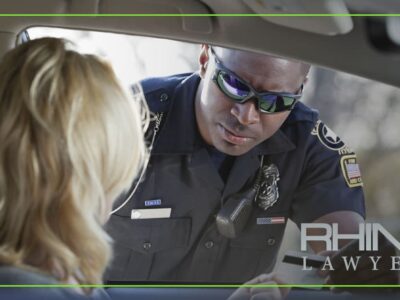
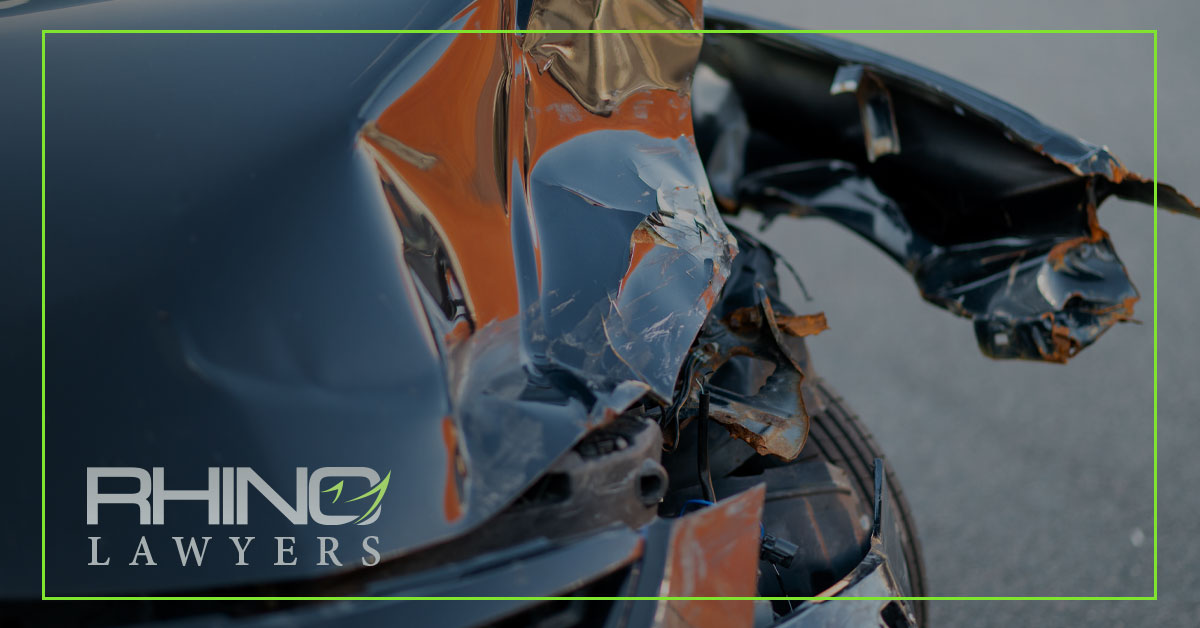
Officers may begin gathering evidence almost immediately. They will document the crash scene, speak with drivers and witnesses, look for signs of impairment, and determine whether additional testing is appropriate. Depending on what they observe, a driver may face a DUI arrest after an accident, along with traffic citations or more serious criminal charges.
Whether the collision involves property damage, injuries, or a fatality, understanding what happens next can help you make informed decisions during an already overwhelming situation.
How Florida Police Investigate a DUI Crash
After a collision, the responding officer’s priority is protecting the scene and checking for injuries. Once everyone is safe, the investigation begins.
If there are signs that alcohol or drugs may have played a role, the officer will typically expand the investigation beyond the cause of the crash.
The Initial Crash Investigation
Every accident investigation starts with gathering basic information.
Officers may:
- Speak with each driver.
- Interview passengers and witnesses.
- Photograph the scene.
- Document vehicle damage.
- Measure skid marks or debris.
- Review available surveillance or dash camera footage.
This information helps determine how the collision occurred and whether any traffic laws were violated.
Looking for Signs of Impairment
During those conversations, officers also watch for indicators commonly associated with impairment.
Examples include:
- The odor of alcohol.
- Bloodshot or watery eyes.
- Slurred speech.
- Difficulty answering questions.
- Confusion about the crash.
- Problems maintaining balance.
One observation alone doesn’t necessarily establish impairment. Instead, officers evaluate the totality of the circumstances before deciding whether to continue a DUI crash investigation.
What Happens If an Officer Suspects DUI?
If the officer develops reasonable suspicion that alcohol or drugs contributed to the crash, the investigation typically shifts from a traffic accident investigation to a criminal DUI investigation.
Additional Questions
You may be asked questions about:
- Where were you coming from?
- Whether you consumed alcohol.
- Prescription medications.
- Recreational drug use.
- When you last ate or drank.
- The events leading up to the collision.
Drivers often answer these questions without realizing their responses may later become part of the State’s evidence.
Field Sobriety Exercises
Depending on the circumstances and the driver’s medical condition, an officer may request standardized field sobriety exercises.
Common exercises include:
- Walk-and-turn.
- One-leg stand.
- Horizontal gaze nystagmus (eye movement test).
These exercises are intended to help officers evaluate possible impairment, but they are only one part of the investigation. Factors such as injuries from the crash, uneven pavement, fatigue, weather conditions, or certain medical conditions may also affect performance.
Chemical Testing After a DUI Accident
Chemical testing frequently becomes one of the most important parts of a Florida DUI accident investigation.
The type of test requested often depends on the facts surrounding the collision.
Breath Testing
If alcohol impairment is suspected, officers may request a breath test to determine blood alcohol concentration (BAC).
Florida’s legal limit for most adult drivers is 0.08%, as outlined in Florida Statute 316.193.
A breath test may become significant evidence, but it isn’t always the only evidence prosecutors rely upon.
Blood Testing
Florida law allows blood testing in certain DUI investigations, but the legal requirements depend on the circumstances.
If an officer has probable cause to believe an impaired driver caused serious bodily injury or death, Florida law requires a blood test and allows reasonable force if necessary.
Blood testing may also be requested in other circumstances, such as when a driver is receiving treatment at a medical facility, and a breath or urine test is impractical or impossible.
The legality of a blood test depends on the specific facts and the authority used to obtain it.
Drug Recognition Evaluations
Not every DUI involves alcohol.
If officers suspect impairment caused by prescription medication or controlled substances, specially trained Drug Recognition Experts (DREs) may conduct additional evaluations as part of the investigation.
Does Every DUI Accident Result in Criminal Charges?
Not necessarily.
A crash alone doesn’t automatically establish that a driver committed DUI.
Prosecutors still have the burden of proving the elements required under Florida law.
Property Damage vs. Injury Crashes
The consequences of a DUI crash depend partly on the harm caused.
Under Florida law:
- A DUI that causes or contributes to property damage or injury to another person is a first-degree misdemeanor.
- A DUI that causes or contributes to serious bodily injury to another person is a third-degree felony.
- A DUI that causes a death may result in a DUI manslaughter charge, with the degree of the felony depending on the circumstances.
The prosecution must still prove the required elements of the offense beyond a reasonable doubt.
Evidence Still Matters
Even after an accident, prosecutors must evaluate all available evidence.
That may include:
- Officer observations.
- Witness statements.
- Crash reconstruction evidence.
- Body camera footage.
- Dash camera recordings.
- Chemical testing.
- Medical records.
- Surveillance video.
Each piece of evidence contributes to the overall picture, and no two DUI accident investigations are exactly alike.
Drivers facing DUI charges often have additional questions about license suspensions, traffic offenses, and Florida criminal procedures. Many of those topics are covered throughout the RHINO Lawyers Traffic Ticket Blog, where you’ll find practical information about Florida DUI and traffic laws.
Penalties for a DUI After a Florida Car Accident
A DUI conviction can carry serious consequences on its own. When a crash is involved, however, the potential penalties may become more severe depending on what happened and whether anyone was injured.
Accidents Involving Property Damage
If a DUI crash only results in damage to vehicles, buildings, or other property, the driver may face additional criminal charges beyond the underlying DUI offense.
The prosecution must still prove each element of the offense beyond a reasonable doubt, and the specific penalties depend on the facts of the case and the driver’s prior record.
Accidents Causing Injury
When another person suffers injuries, the legal consequences often increase significantly.
Factors that may affect the case include:
- The severity of the injuries.
- Whether multiple people were injured.
- Prior DUI convictions.
- The driver’s blood alcohol concentration.
- Whether drugs were involved.
Crashes involving serious bodily injury or death frequently require more extensive investigations and may result in felony charges.
Can You Challenge a DUI Accident Case?
Yes. A DUI arrest following a crash does not automatically mean a conviction.
Like every criminal case, prosecutors must present admissible evidence proving the charge beyond a reasonable doubt. An experienced defense attorney will carefully review every stage of the investigation to identify legal and factual issues that could affect the outcome.
Was the Traffic Investigation Conducted Properly?
An attorney may examine whether law enforcement followed proper procedures during the investigation.
Questions often include:
- Was the crash scene documented accurately?
- Were witnesses interviewed consistently?
- Did body camera footage match the officer’s report?
- Was evidence collected and preserved correctly?
Even small inconsistencies can become important during the defense of a DUI case.
Was Chemical Testing Reliable?
Breath and blood test results are often central to a DUI prosecution, but they are not immune from scrutiny.
Depending on the circumstances, an attorney may review:
- Testing procedures.
- Instrument maintenance records.
- Calibration history.
- Chain of custody for blood samples.
- Laboratory documentation.
- Whether testing complied with applicable legal requirements.
The reliability of any chemical test depends on the facts surrounding how it was obtained and processed.
Do the Facts Support the Charges?
A crash alone does not establish impairment.
The prosecution must connect the available evidence to the legal elements of the offense. Officer observations, witness testimony, medical evidence, video recordings, and crash reconstruction findings all become part of that analysis.
Every DUI accident investigation presents its own unique circumstances.
What Should You Do After a DUI Accident?
The hours and days following a DUI arrest are often confusing. Knowing what to expect can help you protect your rights while your case moves through the legal system.
If you’ve been arrested after a crash:
- Carefully review all paperwork provided by law enforcement.
- Make note of deadlines related to your driver’s license.
- Write down what you remember about the accident while it’s still fresh.
- Preserve photographs, videos, or other evidence if available.
- Avoid discussing the facts of your case on social media.
- Consider speaking with a Florida DUI attorney before making important legal decisions.
Taking prompt action may help ensure that important evidence is preserved and deadlines are not overlooked.
How RHINO Lawyers Can Help
A DUI accident investigation often involves far more than a routine traffic stop. Police reports, witness statements, crash reconstruction evidence, chemical testing, and body camera footage may all play an important role in the outcome of the case.
At RHINO Lawyers, we carefully review every stage of the investigation to help clients understand the evidence, the charges they face, and the legal options available under Florida law. Whether your case involves property damage, injuries, or more serious allegations, our attorneys are committed to providing straightforward guidance throughout the process.
If you’ve been arrested for a DUI after a car accident in Florida, call (844) RHINO-77 to schedule a confidential consultation. We’ll review your case, answer your questions, and explain what comes next.
Frequently Asked Questions
Will I automatically be arrested after a car accident if I’ve been drinking?
Not necessarily. Officers evaluate the facts of each crash before deciding whether there is probable cause to make a DUI arrest.
Can I be charged with DUI even if the accident wasn’t my fault?
Potentially. Fault for causing a crash and impairment are separate legal issues that are evaluated independently.
What happens if someone is injured in a DUI accident?
Crashes involving injuries often result in more extensive investigations and may carry enhanced criminal penalties depending on the circumstances.
Will police request a breath or blood test after a DUI accident?
It depends on the facts of the case. Officers may request breath testing, and certain investigations involving serious injuries or suspected drug impairment may involve blood testing.
Does a DUI accident automatically become a felony?
No. Whether a case is charged as a misdemeanor or felony depends on the facts, including whether injuries occurred and the applicable Florida statutes.
Can body camera footage help my defense?
It may. Video evidence sometimes provides additional context regarding the officer’s observations, field sobriety exercises, and interactions during the investigation.
Will my driver’s license be suspended after a DUI arrest?
A DUI arrest may trigger administrative driver’s license consequences that are separate from the criminal case. Information about those procedures is available through the Florida Department of Highway Safety and Motor Vehicles.
Should I speak with a DUI attorney after a crash?
Because DUI accident cases can involve complex legal and evidentiary issues, many drivers choose to speak with an attorney to better understand their rights and options.
CONTACT TAMPA TRAFFIC TICKET ATTORNEY
RHINO Lawyers can help and guide you through a system molded by law enforcement, judges, and lawyers for decades. Having won cases for our clients in similar circumstances, our criminal defense team knows what it takes to fight on your behalf.
Let RHINO Lawyers answer your questions and review the facts of your case with a Free Consultation. So, get started by completing the “Free Instant Case Evaluation” or by calling us any time, day or night, at (844) RHINO-77.