
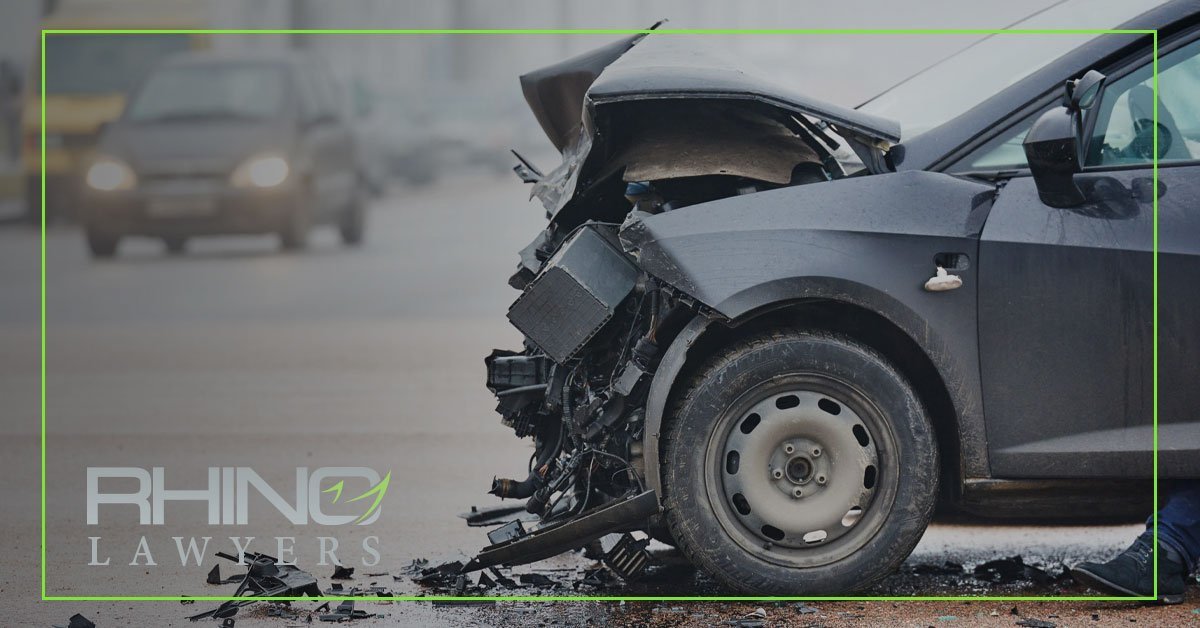
Colisiones de automóviles intencionales en el condado de Hillsborough
An average of 254 hit-and-run fatalities happens each year in Florida, with that number only continuing to rise. Most people can’t imagine hitting another person or car with their vehicle and then fleeing the scene. Unfortunately, it happens more than you think. Protecting yourself from willful car collisions is important when you’re driving on the road. You need to think about so many things when you’re operating a car. Unfortunately, you have to worry about the other people on the road as well.
This guide will go over ways to prevent being in a car accident, especially if a negligent driver caused it. Be proactive and find ways to protect yourself and your car when you encounter negligent drivers.
Don’t Get Confrontational
If you were in a accidente automovilístico and didn’t cause it, your first instinct might be to get out of your vehicle and confront the other party. In many situations, that’s not the greatest idea. The negligent driver might be under the influence, resulting in them being dangerous or aggressive.
If you can see that the other driver is behaving erratically, it’s best not to make eye contact with them or confront them. If they approach your car, stay inside and keep the doors locked. Notify the police immediately.
Watch Out for Distracted Drivers
It seems that more and more distractions get added to vehicles every year. From in-car WiFi to smart systems, plenty of things are going on inside a car to capture someone’s attention.
To protect yourself from distracted drivers, you first need to notice them. Seeing a phone in their hand or another type of distraction in their vehicle is a sure sign they’re not paying full attention to the road. You’ll notice that they’re distracted most of the time based on how the car is moving.
Look out for drivers who are:
- Erratically or needlessly changing their speed
- Going much slower or faster than the speed limit
- Unpredictably weaving throughout traffic
- Stopping longer than necessary at a stop sign or traffic light
- Not staying in their lane
The driver could be under the influence or fatigued, but they could also be distracted. If you start to notice a distracted driver, there are a few things you should do. They are:
- Keep your car as far away from them as you can
- Assume that they’re unaware of everything around them
- Try to get past them, or slow down so they can get ahead
Your goal should be to keep you and your vehicle as far away from the distracted driver as you can. You want to minimize how much risk you’re exposed to.
Be Wary of Tailgaters
We’ve all had cars that follow us so closely that we can’t see their headlights in our rearview mirror. There are a variety of reasons a person will tailgate you. They’re not necessarily important when thinking about how to protect yourself.
While you can’t control the other driver, you can reduce how much of a threat they pose to you. No matter how tempting, don’t slam on your brakes. That’s a dangerous tactic for every vehicle involved.
Take a deep breath and stay focused on driving. Check your speed to ensure you’re not driving considerably slower than the speed limit. Give them room to pass you, if needed.
If you can, pull over to the side of the road. Sometimes there’s no way to win with a tailgater. Getting out of their way is essential to protecting yourself and your car.
Watch Out for Inebriated Drivers
Drunk driving is incredibly dangerous. In addition to carrying with it all the risks that reckless drivers have, you also have to deal with a driver whose judgment is impaired. Drunk drivers show the same signs as distracted drivers.
You should respond to a drunk driver the same way as you would a distracted one. Create as much distance as you can between your vehicle and theirs.
Don’t try to stop them or get their attention by yelling or honking. Doing so will increase the likelihood of an accident occurring. Police officers and emergency service workers are trained to deal with drunk drivers.
If you can, make note of the car’s license plate, make, color, and model. Pull over and contact emergency services to report the drunk driver. Tell the dispatcher the following items:
- You want to report a drunk driver
- Describe the car
- Give the nearest cross-streets
- Describe the driver’s behavior
Once you’ve made the call, you’ve done everything you needed to. You’ve reported the driver to the proper authorities. You’ve also removed yourself out of harm’s way.
Don’t Lend Negligent Drivers Your Car
Prevention is also another way to protect yourself and others from willful car collisions. If you know someone is a reckless driver, or that they’re under the influence, don’t let them get behind the wheel. Lending someone your car puts yourself and your property at risk.
Have Car Insurance
Auto accidents do happen even if you do your best to avoid negligence on the road. Having car insurance is essential to protecting yourself financially. Your insurance company will cover medical costs, car repairs, and other items if you’re in a car accident.
Additionally, you should also have health insurance. While car insurance does cover some medical costs, health insurance will provide you with added benefits. While you can’t always avoid reckless drivers, you can protect yourself as much as possible.
NEED Help With Willful Car Collisions
Being mindful of the other drivers on the road is essential to avoiding willful car collisions. Unfortunately, car collisions do happen. It’s vital to have an experienced auto accident attorney on your side.
Contáctenos hoy for a complimentary consultation.
COMUNÍQUESE CON UN ABOGADO DE ACCIDENTES AUTOMOVILÍSTICOS EN TAMPA
En resumen, después de un accidente automovilístico, es posible que no conozca sus derechos. Sobre todo, no luche solo durante el proceso. En realidad, nuestro equipo de lesiones personales está aquí para ayudarle con cualquier necesidad legal que pueda tener relacionada con su accidente.
Por último, que RHINO Lawyers responda a sus preguntas y revise los hechos de su caso con una consulta gratuita. Así que comience completando el “Evaluación de caso instantánea y gratuita”o llamándonos en cualquier momento, día o noche, al 844.RHINO.77.
Leer más
¿Qué sucede cuando un conductor acepta un acuerdo de culpabilidad por DUI?
One of the worst things you might think of happening to you is getting a DUI.
Florida has plenty of people who pay the price for this, with over 32,000 people in the state getting arrested for DUI charges last year.
When you think of a DUI, you may think of automatically losing your license or even going to jail.
But what if there was a way out of that? What if there was a way for you to have lighter charges against you than you might have expected?
A plea deal would be the best way for you to be able to take that option. This is what you need to know if you want to accept a plea deal.
Reducing Charges
In a plea deal, one of the key pieces of the negotiation between the prosecutor and the defendant’s lawyer is the reduction of charges. For a DUI, that can potentially mean avoiding jail time, reducing fines, and reducing the time of your license suspension.
When you accept a plea deal, one thing that might happen is that the penalties for your charges get reduced. An example would be that in Florida, you can be fined up to $1,000 for your first DUI.
Your DUI attorney may get a plea deal for you that reduces that fine to the state minimum of $500.
If you are lucky, other plea deals can allow you to have the DUI charge dropped entirely. One example could be that if there is not sufficient evidence to prove that you had a DUI. Such as a breathalyzer test. Then they may negotiate for you to accept a lesser charge that was piled on, such as unsafe driving.
These can be minor changes that end up on your record. But allow you to avoid a bigger criminal offense and more severe penalties from something like a DUI.
Number of Offenses
El number of offenses you have in the past will be a big factor in how much leniency you get with a plea deal. For example, it is highly unlikely that you will go to jail for your first offense for a DUI. You would most likely have more room to negotiate a plea deal in that situation.
Whereas if you are on your fourth offense, there are going to be higher minimum penalties for a DUI. Plus, the judge and prosecutor are going to be tougher on you. Because you keep coming back into their courtroom for the same charge.
Another example of this is the license suspension length. For a first offense, you may be able to get your months of suspension down to the minimum. But, on your fourth offense, it jumps up to a permanent license suspension with you not being eligible for hardship reinstatement for five years.
So, do not expect to get as easy a plea deal if you have more priors. The stronger the evidence and the case are for the prosecutor, the less negotiation room you have for your case.
Judge Can Reject It
When it comes to plea deals, they are generally made between a DUI lawyer and a prosecutor. What that means is even if an agreement is made between those two people, a judge has to sign off on it.
If the judge does not like what they are seeing on paper or feels that your punishment is too lenient. Then they have the power to reject the plea deal. They must declare this before you enter your plea. But nevertheless, that type of decision could impact whether you would want to plead guilty.
Say you get your fourth DUI and there is a negotiation going on between an attorney and the prosecutor over how much jail time you will serve. Those two may agree to give you 90 days in jail, which is just 60 days over the minimum amount required.
However, the maximum amount that you can give in this situation is five years, so a judge in this situation may feel like you are getting off easy by only having to serve 90 days. In that situation, they would reject your plea deal and demand that there be a longer jail sentence on your plea.
Avoiding Trial
One of the best reasons to take a plea deal is to avoid trial. For a DUI, you would have to be strongly confident that you are completely innocent of the charges that are against you.
Not going to trial allows you to avoid the possibility of facing even more severe penalties. And more severe charges on your record. On top of that, it can also save you a lot of money in attorney fees.
If you were to go to trial, you would have to pay your attorney more money for more hours of their time in a courtroom defending you. This is not always necessary. So in the case of a DUI, the majority of the time it is beneficial for you to take the deal to avoid this financial burden.
Hire a Lawyer to Get a Plea Deal
The best thing to have in your back pocket to get a plea deal is an experienced lawyer with DUI cases. Our representation can not only save you time but potentially save you money. As well as your privilege to drive, and even your freedom.
Are you a loved one looking for representation to try to get a deal for your DUI charge? Contáctenos today to learn more about what steps to take.
CONTACTE A UN ABOGADO DE MULTAS DE TRÁFICO EN TAMPA
RHINO Lawyers puede ayudar y guiarlo a través de un sistema moldeado por las fuerzas del orden, jueces y abogados durante décadas. Habiendo ganado casos para nuestros clientes en circunstancias similares, nuestro equipo de defensa penal sabe lo que se necesita para luchar en tu nombre.
Permitir RHINO Lawyers responda a sus preguntas y revise los hechos de su caso con una consulta gratuita. Así que comience completando el “Evaluación de caso instantánea y gratuita”o llamándonos en cualquier momento, día o noche, al (844) RHINO-77.
Leer más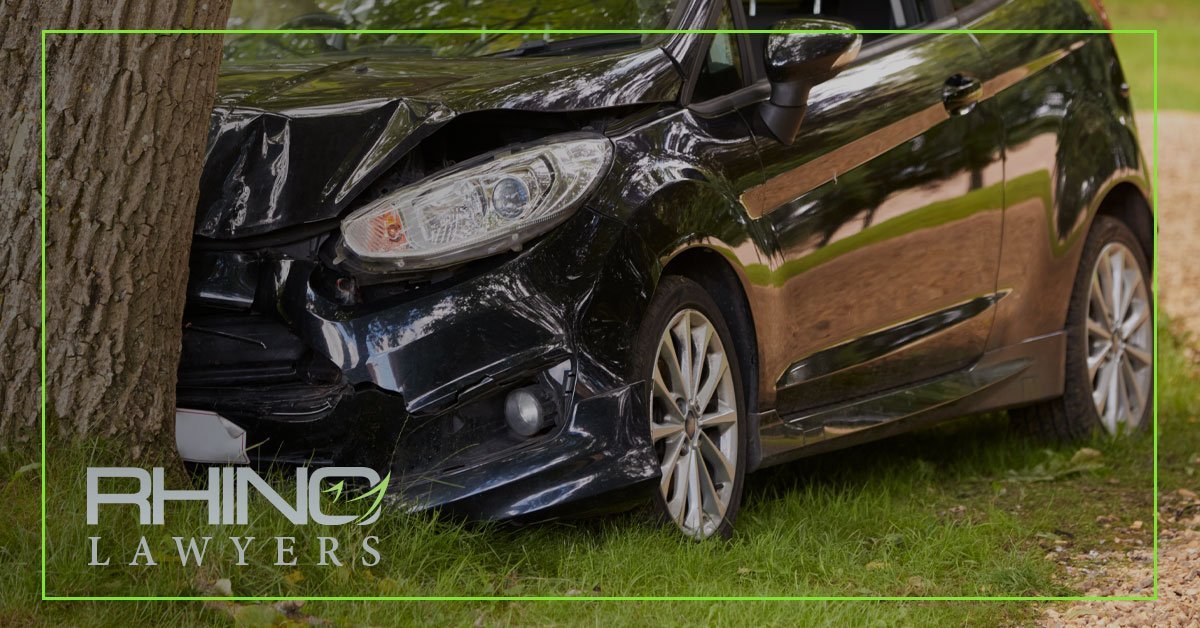
¿Puedo presentar una demanda de indemnización por un accidente de un solo vehículo?
The single-vehicle crash accounts for many of the 341,000-plus auto accidents that the state of Florida experiences each year. These accidents are often non-fatal, but they can result in serious injuries.
You might think the motorist is automatically at-fault in all such cases and ineligible for compensation. If so, you’d be wrong. You can receive compensation for a single-vehicle crash, but there are some parameters that must first be established.
Cause Must Be Established
The first step to getting compensation for a single-vehicle auto accident is to establish the cause. This is vital if the accident was unavoidable and caused through no fault of your own. Below, we’ll examine three scenarios where this might occur.
Pedestrian Versus Vehicle
Laws tend to favor pedestrians when it comes to pedestrian-versus-vehicle accidents, as Florida is the most dangerous state in the US for pedestrians. That said, it’s not automatically the motorist’s fault when such an accident occurs. As you’ll learn later in this article, there are circumstances where the fault is not your own.
Vehicle Versus Property
Striking property with a vehicle is another case that brings with it a higher burden of proof on the motorist. Property isn’t going anywhere. It’s static and, thus, avoidable if you are paying attention to traffic laws. However, there are some scenarios where that may not be the case.
Rollover Accident
A rollover accident is another frequent cause of a car accident. These generally occur when one is traveling at a higher rate of speed, but again, there are contributing factors in which the motorist may not be at fault. In these cases, they are eligible for compensation.
Contributing Factors Must Be Established
Receiving compensation for a single-vehicle crash is as much about the contributing factors as it is the cause itself. Contributing factors are where you can argue your case and establish the accident as being the fault of a second party. Here are the most common contributing factors that will work in your favor.
Poor Infrastructure
Infrastructure issues can establish the fault of the accident on another party. For example, conditions on a property that violate code and instigate an accident can become the responsibility of the property owner instead of the motorist.
When speaking to your attorney, make sure you tell them about any circumstances that impaired visibility and made it difficult to proceed. Also, take pictures as soon as you can so you can capture the conditions of the infrastructure at the time of the accident.
Unaddressed Vehicle Hazards
Another case for car accident compensation in a single-vehicle accident can be made when there are defects with the automobile you were driving at the time. Particularly, undisclosed defects or malfunctions that have yet to be recalled and reported.
When this occurs, you would have a strong case against the auto manufacturer and, potentially, the individual or dealership from which you purchased. That’s provided the seller knew about the issues and did not disclose them.
Roadway Objects
Another contributing factor that can turn these cases in your favor is the presence of roadway objects. For example, let’s say that a logistics company is transporting a load that is not properly secured. If an object comes loose from the load and results in you plowing into a barrier or experiencing a rollover, then you would be eligible for auto accident compensation.
Improper Crossing
It’s also possible that a pedestrian could be considered at-fault in a single-vehicle accident. For starters, there is the question of whether they were using established crosswalks when attempting to pass in front of you.
You still have an obligation to avoid the pedestrian as a motorist. But if the pedestrian lunges out in front of your car and you were not exceeding the speed limit or violating any other rules of the road at the time, then you could be entitled to compensation.
Now that we’ve examined the pro-motorist situational aspects of a single-vehicle accident, it’s time to take action. Here are the steps you should take in the immediate aftermath of the accident.
1. Do Not Admit Fault
The immediate aftermath of an accident, one vehicle or otherwise, can be a disorienting time. That’s particularly true if you’ve experienced an injury of some kind.
Never admit fault in the aftermath of a single-vehicle accident. Police might seize on this because it can make the reporting easier, but you owe it to your case to work back through your memories of the accident. Admitting fault puts you behind the 8-ball.
2. Obtain Police Report
The police report will have a specific rundown of the events, including any parties and properties involved. It also will have a record of any citations issued.
The issuance of a citation does not necessarily mean you are at fault. You can still fight the terms of the citation in court. A win there can influence the case in your favor and make you eligible for some type of compensation from whoever was responsible for the major contributing factor(s) of the accident.
3. Address Any Issues
Single-vehicle accidents are only going to be successful in your favor if you address the issues that are potentially holding back your case. That means challenging citations, collecting photographs of the contributing factors, and speaking to an attorney about any further research that your case will need.
4. File Your Claim
That brings us to the claim itself. Go ahead and file, but think about obtaining an attorney immediately as well. It’s always possible that an insurance adjuster will try taking the easy way out by going no-fault or taking the word of a faulty police report.
Attorneys experienced in fighting one-vehicle accident determinations will be able to help you steer through this situation. They can push back and get their clients the kind of representation they deserve.
A Single-Vehicle Crash Can Be Compensated
If a single-vehicle crash occurs, don’t make the mistake of thinking that you have to simply accept what the insurance company is willing to give you. Instead, seek out someone who has your interests at heart and is good at pushing back against the common traps that these types of accidents can experience.
In Tampa and the surrounding area, those attorneys are RHINO Lawyers. Contact us today to see what quality representation looks like.
COMUNÍQUESE CON UN ABOGADO DE ACCIDENTES AUTOMOVILÍSTICOS EN TAMPA
En resumen, después de un accidente automovilístico, es posible que no conozca sus derechos. Sobre todo, no luche solo durante el proceso. En realidad, nuestro equipo de lesiones personales está aquí para ayudarle con cualquier necesidad legal que pueda tener relacionada con su accidente.
Por último, que RHINO Lawyers responda a sus preguntas y revise los hechos de su caso con una consulta gratuita. Así que comience completando el “Evaluación de caso instantánea y gratuita”o llamándonos en cualquier momento, día o noche, al 844.RHINO.77.
Leer más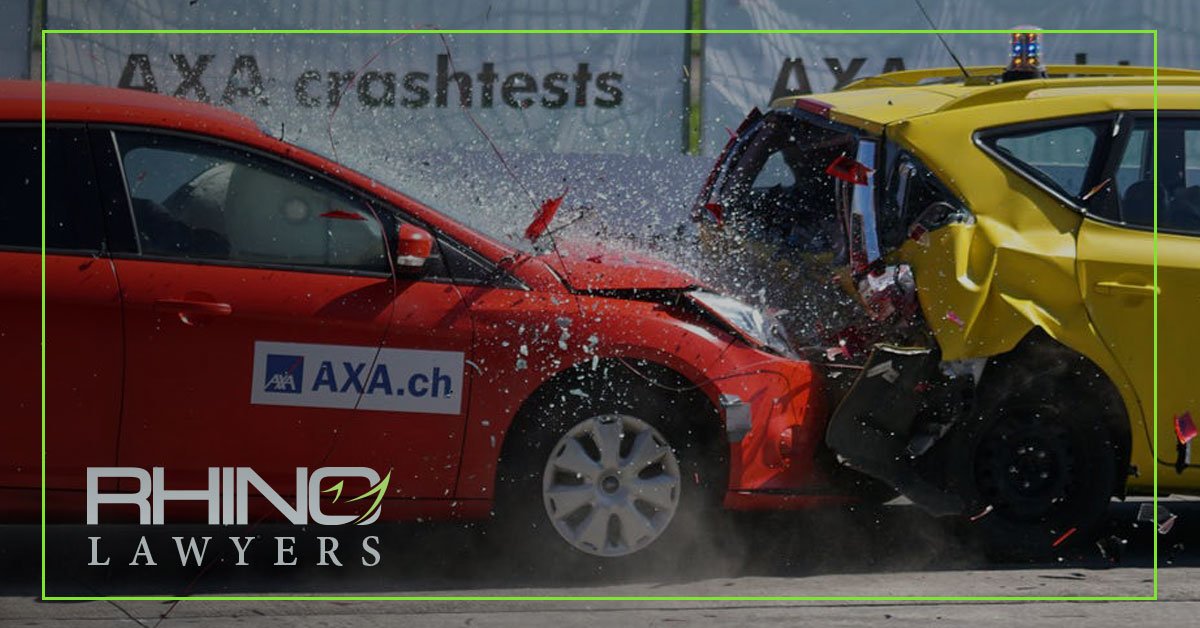
Qué hacer si usted es víctima de un accidente automovilístico provocado
What is a staged auto accident? This is when a driver purposely causes an auto accident so that they can make a fraudulent insurance claim. If you are the victim of a staged car accident, it may cause your insurance premiums to jump.
This is why it is important to take the right steps after car accident fraud. Do you want to learn more about the steps you should take if you believe you’re the victim of a fraudulent accident?
Keep reading this guide for everything you should do in this situation.
Understand the Types of Staged Accidents
One of the first things you need to do if you believe you were the victim of a staged car accident is to understand the types of staged car accidents. This way, it will be easier to identify what happened in your situation and will make it easier to know what steps to take.
First, there is a swoop and squat staged accident. This is when the driver in front of you is cut off and you rear-end them.
Next, there is something called a drive down. This happens when a driver waves you to merge into their lane and then hits you. Often, they will claim that they never waved you into their lane and that it was your fault.
Another common type of staged accident is a sideswipe. If you drift over slightly in your lane, the driver next to you will intentionally sideswipe you and claim that you drifted into their lane.
The last common type of staged accident is the t-bone. A driver will broadside your car and then claims that you ran a light or a stop sign and hit them.
Insist That the Police Come to the Scene
One of the first steps you need to take if you think that you’re the victim of a staged accident is to insist that the police come to the scene.
Often, these stagers will protest this and will claim that you can settle it between yourselves. However, they will try to convince you that the accident was your fault.
Instead, you need to call the police to the scene. When you call 911, make sure you tell them that you believe that it was a staged accident. This way, the police officers can look for helpful evidence.
Next, you also need to get a copy of the onsite incident report as well as the full police report.
Write Down Important Information
Next, it is vital that you write down as much information as you can about the accident, how it happened, and more.
First, you should write down the information about the other car. This includes their license plate number, how many passengers were in the car, and more.
You also need to gather their contact information, their driver’s license numbers, and more.
You may also want to write down how the other people involved in the accident behave while they wait for the police. Often, they will seem fine until the police come to the scene.
Then they will act injured when the police arrive to make their personal injury claim seem accurate.
Get Contact Information From Witnesses
When you are meeting with the police, you can also ask for contact information from the witnesses of your car accident. You can give this information to the department that is investigating the fraud.
Witnesses may be able to prove that the accident was staged and can provide other helpful insights into what happened.
Document Damage to Both Cars
The most important thing you can do if you believe you were involved in a staged car accident is document the damage to both cars. Make sure you write notes and take photos of both cars, even if it doesn’t seem like there is much damage.
This is because many stagers will file an insurance claim for much more money than the damage was worth.
Having photos of both cars will prove that there was not much damage to either of your cars.
Notifique a su compañía de seguros
After you gather any important information after your accident, you need to notify your insurance company of the accident. This way, you can get your claim filed as quickly as possible.
You also need to notify your insurance agent that you believe that you were the victim of a staged accident. Most insurance companies have a team that deals with auto accident fraud and can investigate the incident for you.
Hire a Car Accident Attorney
Finally, it is important that you hire a abogado de accidentes de auto if you believe you were in a staged accident. They are experienced in these types of cases and can help prove your innocence in this case.
A car accident attorney will also help you receive compensation for your injuries or damages to your vehicle.
By having a legal professional on your team, you can feel confident that you will not be taken advantage of.
Are You the Victim of a Staged Auto Accident? We Can Help!
Insurance fraud is something that needs to be taken seriously. If you were the victim of staged auto accidents, it can cost you a lot of money and may even increase your insurance premiums.
By following each of these tips, you won’t be at fault after a staged auto accident.
Are you looking for a car accident attorney to help you through this process? RHINO Lawyers can help! Contact our team today to learn about our services and to get a free case analysis from our auto accident team.
COMUNÍQUESE CON UN ABOGADO DE ACCIDENTES AUTOMOVILÍSTICOS EN TAMPA
En resumen, después de un accidente automovilístico, es posible que no conozca sus derechos. Sobre todo, no luche solo durante el proceso. En realidad, nuestro equipo de lesiones personales está aquí para ayudarle con cualquier necesidad legal que pueda tener relacionada con su accidente.
Por último, que RHINO Lawyers responda a sus preguntas y revise los hechos de su caso con una consulta gratuita. Así que comience completando el “Evaluación de caso instantánea y gratuita”o llamándonos en cualquier momento, día o noche, al 844.RHINO.77.
Leer más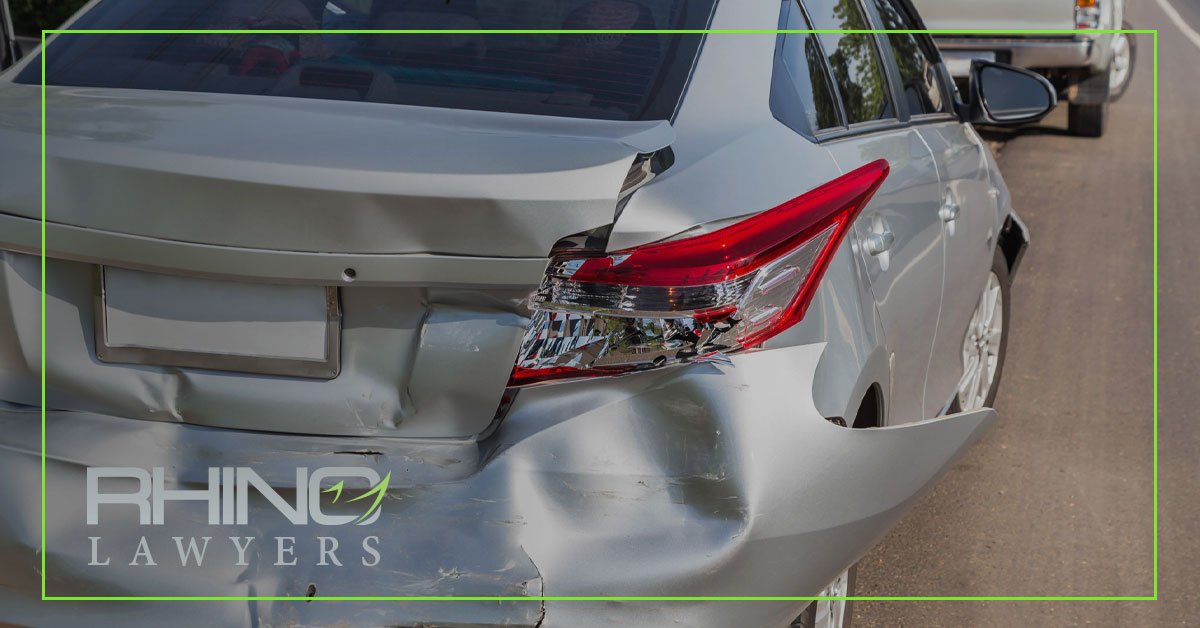
Síntomas a los que debe prestar atención después de un accidente automovilístico
En los Estados Unidos, 4,4 millones de personas están lo suficientemente heridos como para requerir atención médica después de un accidente de tráfico. Si bien algunas de estas lesiones pueden no parecer graves, pueden dar lugar a complicaciones peores o incluso a la muerte si no se tratan. Al comprender qué tipos de síntomas podrían indicar una lesión después de un accidente automovilístico, usted puede recibir la atención médica que necesita.
¿Quieres aprender más sobre las lesiones por accidentes automovilísticos? Sigue leyendo este artículo para conocer los principales síntomas de las lesiones por accidentes de auto que debes tener en cuenta después de un accidente.
Dolores de cabeza
Uno de los síntomas más comunes que experimentan las personas después de un accidente automovilístico son los dolores de cabeza. Es posible que experimente un dolor de cabeza justo después de un accidente automovilístico, pero los dolores de cabeza también pueden aparecer días después de su accidente automovilístico.
A menudo, los dolores de cabeza son causados por el latigazo cervical, la tensión en el cuello o los hombros, e incluso debido a la ansiedad o al trastorno de estrés postraumático (TEPT) después de su accidente.
Si bien los dolores de cabeza suelen ser una lesión menor, pueden deberse a un problema subyacente más grave. Si sus dolores de cabeza duran más de lo normal o son peores de lo normal, debe visitar a su médico para descartar cualquier otra causa.
Dolor de espalda o cuello
Otra lesión común después de un accidente automovilístico es el dolor de cuello o espalda. La mayoría de las veces, este dolor es causado por el estrés y la tensión muscular después de su accidente. Si este es el caso, puede mejorar su dolor recibiendo un masaje o incluso estirándose.
Sin embargo, otras causas del dolor de espalda y cuello incluyen daños en los nervios o tejidos, lesiones en los músculos y más.
Moretones
A continuación, es común experimentar hematomas después de estar en un accidente automovilístico. Esto se debe a que la fuerza del accidente puede dañar los capilares debajo de la piel, lo que provoca hematomas y decoloración.
A menudo, los moretones empeoran en el transcurso de unos días después del accidente y sanarán por sí solos.
Sin embargo, algunos accidentes automovilísticos pueden causar daños en tus órganos internos. Si tus hematomas no mejoran después de unos días, puede ser señal de algo peor.
Dolor abdominal y náuseas
Otra cosa que puede ser un signo de daño a sus órganos internos después de un accidente automovilístico es el dolor abdominal y las náuseas. Cuando usa un cinturón de seguridad durante un accidente automovilístico, se tensa contra su cuerpo para protegerlo.
Si bien los cinturones de seguridad son formas eficaces de protección, también pueden causar hematomas y daños internos en el cuerpo. Si experimenta dolor abdominal intenso o náuseas, puede ser un signo de hemorragia interna u otro problema grave.
Hinchazón y rigidez
Otra cosa que ocurre comúnmente después de un trauma, como un accidente automovilístico, es la hinchazón del cuerpo. Esto puede suceder si tiene daños en los músculos o tejidos, latigazo cervical y otros esguinces, y más.
A menudo, esta hinchazón va acompañada de rigidez y dificultad para moverse. Si tiene una hinchazón leve, puede mejorarla aplicando hielo en la zona afectada. Si no sana por sí sola, es posible que necesite atención médica para mejorar su movilidad.
La inflamación y la rigidez también pueden no manifestarse hasta unas horas o días después de sus lesiones. A menudo, la inflamación empeorará a medida que sus lesiones estén sanando. Si su inflamación empeora, también debe descansar y elevar el área lesionada o vendarla para mantenerla inmovilizada.
Dificultad para concentrarse
Otro síntoma grave que suele presentarse después de un accidente automovilístico es la dificultad para concentrarse o los problemas de memoria. Esto ocurre con más frecuencia después de un accidente automovilístico en el que se golpeó la cabeza o si estuvo en estado de shock.
Incluso el estrés puede dificultar la concentración y la memoria. Aunque puede no parecer un problema grave, la dificultad para concentrarse puede ser un signo temprano de un traumatismo cerebral que debe ser atendido por un profesional médico.
Si su dificultad para concentrarse se debe al estrés de su accidente, es posible que también necesite la ayuda de un profesional de la salud mental para resolver el problema. Si experimenta pérdida de memoria o dificultad para concentrarse, esto también puede deberse a una conmoción cerebral. Estas son lesiones comunes en un accidente automovilístico y pueden requerir atención médica.
Mareo y visión borrosa
Después de un accidente automovilístico, muchas personas experimentan mareos y cambios en la visión. Estos pueden causar problemas durante semanas después de su accidente. Muy a menudo, estos síntomas se deben a conmociones cerebrales, trastorno de estrés postraumático, latigazo cervical y más.
Si tiene visión doble o visión borrosa después de su accidente automovilístico, es posible que estos síntomas desaparezcan por sí solos. Sin embargo, si duran más de unas pocas horas o días, es posible que deba recibir tratamiento y someterse a pruebas para determinar la causa de los cambios en su visión.
Sensación de hormigueo
Por último, uno de los síntomas de un accidente automovilístico incluye una sensación de hormigueo. Si estuvo en un accidente grave, esto puede deberse a daños en los nervios o tejidos de su espalda, cuello y hombros.
Esto también suele ir acompañado de dolor en las zonas que tienen una sensación de hormigueo.
¿Necesita ayuda después de un accidente automovilístico? Nosotros podemos ayudarle
Después de un accidente automovilístico, es importante que esté atento a estos síntomas de accidente de auto para asegurarse de mantenerse en buen estado de salud. Si ha resultado herido en un accidente automovilístico, puede ser útil trabajar con un abogado.
Si está buscando un abogado, RHINO Lawyers ¡podemos ayudar! Nuestros abogados pueden ayudarle a aumentar su acuerdo, reducir sus gastos médicos y obtener dinero por sus pérdidas.
Contáctenos para obtener una evaluación gratuita del caso y saber cómo podemos ayudarle después de un accidente automovilístico.
COMUNÍQUESE CON UN ABOGADO DE ACCIDENTES AUTOMOVILÍSTICOS EN TAMPA
En resumen, después de un accidente automovilístico, es posible que no conozca sus derechos. Sobre todo, no luche solo durante el proceso. En realidad, nuestro equipo de lesiones personales está aquí para ayudarle con cualquier necesidad legal que pueda tener relacionada con su accidente.
Por último, que RHINO Lawyers responda a sus preguntas y revise los hechos de su caso con una consulta gratuita. Así que comience completando el “Evaluación de caso instantánea y gratuita”o llamándonos en cualquier momento, día o noche, al 844.RHINO.77.
Leer más
Accidentes automovilísticos: ¿Qué significa ceder el derecho de paso?
Are you looking for clarification on what may or may not have led to your car accident? Do you want to learn the rules of the road and how they apply to your injuries? If so, then you need to first understand what it means to yield the right of way.
Every car driver has heard the term “the right of way” at one point or another, but what does it mean to yield the right of way for another driver?
See below for an in-depth guide on what it means to yield the right of way and why it’s such an important rule of the road.
What Does “Yielding the Right of Way” Mean?
When most people think of deadly car crashes, they tend to think of car accidents that occur on a highway, due to the higher speeds. However, you might be surprised to find out that intersections are just as dangerous, if not more so.
In fact, statistics from the Administración Federal de Carreteras show that more than 50 percent of all fatal and injury car crashes occur at an intersection.
With traffic coming in so many different directions, it’s important that each driver understands the rules of the road and is willing to let their fellow drivers enter the intersection before themselves.
Yielding the right of way simply means that you’re allowing another vehicle to pass the intersection before usted do. If everyone on the road applies this concept, then it can help everyone avoid an accident.
Unfortunately, that isn’t always the case. Drivers fail to yield the right of way and, as a result, get involved in serious car accidents.
All it takes is two drivers to head into the intersection at the same time—from different directions—to start a fatal car crash.
If you’ve been the victim of someone else not yielding the right of way to you, then you need to hire a lawyer right away. They can help you identify the guilty party, file an auto accident lawsuit, and build evidence to support your claims.
When Should You Yield the Right of Way When Driving?
Almost every driver understands the basic concept of yielding the right of way: if someone comes to a complete stop at an intersection before you, you should allow them to enter the intersection first.
That said, there are different scenarios in which you need to yield the right of way. Let’s list a few of the major ones to ensure you don’t become the root cause of a future accident:
- Yield for any pedestrians waiting to cross the street at a crosswalk
- Let the signage lead the way; if you have a stop sign, you should yield to all incoming traffic from a lane that no hace have a stop sign
- Whenever you make a left turn, be sure to yield to oncoming cars and pedestrians crossing the road you’re turning onto—don’t assume they’ll stop for you (even if you have the right of way)
- When you see a yield sign, be sure to observe for any oncoming traffic or pedestrians; you’re not required to stop at a yield sign
Why You Should Hire a Lawyer for Your Case
Many of you reading this article have sustained injuries due to someone else not yielding the right of way for you. See below for why you should hire a lawyer to represent you.
Obtén la compensación que mereces
You didn’t ask for this to happen. You were driving safely when suddenly, someone violated the rules of the road and caused a car accident.
So, you shouldn’t have to sacrifice your own financial well-being for an accident that you didn’t cause. If someone else is at fault, then their insurance company is liable for all of your lost income and costs.
When you hire a lawyer, they can help you pursue the compensation you’re entitled to. They’ll help you calculate things like medical bills, lost wages, and long-term costs to figure out the exact compensation you should hold out for in a settlement.
Tranquilidad
This is a stressful time. You’re trying to recover from serious injuries, make sure that your finances aren’t sabotaged, y try to settle with an insurance company. It’s too much.
When you hire a car accident attorney, you’ll find yourself much more at peace with the entire process. They’ll give you instructions to follow and take over as the primary representative for your case.
A lawyer will allow you to focus on your recovery while they work on building evidence and waiting it out for the right level of compensation. They can even direct you to a pre-settlement funding provider to pay for those costly medical bills in the short term.
They’ll Take Over Communications
If you’ve ever talked with an insurance company before, then you know how frustrating it can be. Just imagine trying to get them to hand over money. They’ll do anything they can to avoid that.
That’s why hiring an attorney is so crucial for your case. They will take over all communications with the insurance company so that you can focus on getting things back to normal.
Better yet, they’ll only update you on significant occurrences; that way, you aren’t tied up in the back and forth of a typical settlement.
Hire a Trusted Attorney for Your Case Today
Now that you have a firm understanding of what it means to yield the right of way, be sure to use this information to your advantage.
Take the time to read this article for more information on what to do after a fatal auto accident if you or someone you know has been involved in one recently. To get started, please reach out to us at 844.RHINO.77.
COMUNÍQUESE CON UN ABOGADO DE ACCIDENTES AUTOMOVILÍSTICOS EN TAMPA
En resumen, después de un accidente automovilístico, es posible que no conozca sus derechos. Sobre todo, no luche solo durante el proceso. En realidad, nuestro equipo de lesiones personales está aquí para ayudarle con cualquier necesidad legal que pueda tener relacionada con su accidente.
Por último, que RHINO Lawyers responda a sus preguntas y revise los hechos de su caso con una consulta gratuita. Así que comience completando el “Evaluación de caso instantánea y gratuita”o llamándonos en cualquier momento, día o noche, al 844.RHINO.77.
Leer más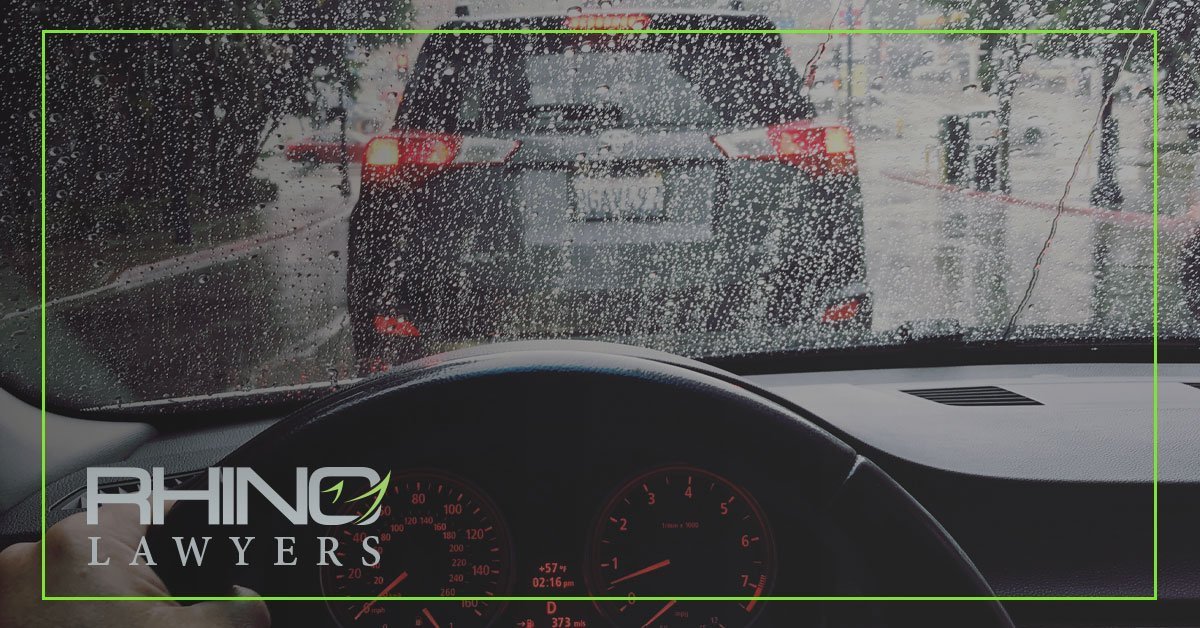
7 consejos para evitar un accidente automovilístico cuando está lloviendo
Ponerse al volante cuando llueve puede ser abrumador para muchos conductores. La capacidad de conducir de forma segura cuando llueve está subestimada y puede ser vital para salvar la vida. Así como para evitar un accidente automovilístico cuando llueve.
Conducir bajo la lluvia aumenta las probabilidad de accidentes automovilísticos cobrando aproximadamente 3,400 personas y dejando 357,300 heridos otros anualmente dentro de EE. UU. El problema con las carreteras mojadas es que son resbaladizas, y la lluvia disminuye la visibilidad, lo que puede tener consecuencias catastróficas.
Por lo tanto, tendrás que tener cuidado para sortear la situación y llegar a tu destino sano y salvo.
Una de las principales formas de prevención de accidentes es posponer su viaje. Si es posible, espere unas horas para evitar ponerse en peligro.
Sin embargo, no toda situación se puede postergar. Si tienes que irte, tendrás que estar preparado para enfrentar las condiciones que hay afuera.
Si ocurre lo peor y te ves involucrado en un accidente, necesitarás contratar a un abogado. Uno de buena reputación abogado de accidentes de auto será lo mejor para ti, ya sea que te lesione en un accidente automovilístico o que enfronte cargos penales.
Sigue leyendo para conocer los siete consejos para evitar un accidente automovilístico cuando está lloviendo.
1. Asegúrese de que la ventilación y los limpiaparabrisas estén encendidos
Como conductor, comprendes la necesidad de llevar los limpiaparabrisas puestos cuando llueve. También sería mejor que no olvides asegurarte de que tu auto permanezca ventilado.
Tus limpiaparabrisas son fundamentales bajo la lluvia al despejar el agua de tu parabrisas. Tenerlos encendidos a una velocidad adecuada según las lluvias garantizará que mantengas tu visibilidad.
Aparte del parabrisas, la ventilación es necesaria al conducir bajo la lluvia. Durante esos períodos, la humedad se acumula en el interior, haciendo que las ventanas del auto se empañen.
Desafortunadamente, la visibilidad es un problema importante causado como resultado, y necesitarás ventilación para combatir eso. Al reducir el empañamiento de las ventanas, se te ofrece acceso a la visibilidad en el camino e incluso para los puntos ciegos.
Asegúrese de orillarse y esperar a que pase si experimenta visibilidad cero.
2. Concéntrese en el camino
¿Te distraes fácilmente mientras conduces? Estar alerta es una necesidad cada vez que estás al volante. Concentrarse en el camino es una precaución adicional al conducir bajo la lluvia y puede ayudarte a evitar accidentes.
Las distracciones de todo tipo, incluido el teléfono celular o incluso mirar hacia los sitios, pueden resultarle fatales. No querría eso, ¿verdad? Preste mucha atención en el camino; busque señales de tránsito y manténgase en su carril específico.
También es imperativo vigilar los charcos de agua y evitar pasar con el auto a través de ellos. La mayor parte del agua estancada se acumula en los baches y, si se golpean de la manera incorrecta, pueden hacer que el carro dé un volantazo. Evita salpicar agua también, ya que puede causar daños mecánicos a tu automóvil.
3. Mantenga una distancia segura entre los vehículos
Lo mejor sería que te protejas a ti mismo y a otros usuarios de la vía mientras conduces. Una de las principales formas en que puedes hacer esto es manteniendo una distancia de conducción segura entre los vehículos al conducir bajo la lluvia.
Con mal tiempo, los automóviles tienden a tener menos tracción debido al aquaplaning. Por lo tanto, su vehículo se desliza sin control, lo que, si no se maneja, puede terminar en que su auto choque. Mantener una distancia segura entre usted y el auto frente a usted le garantizará tener suficiente espacio para frenar cómodamente.
Además de otros automóviles, la distancia también sirve para reducir el riesgo de atropellar a peatones o animales que cruzan. Tendrás más tiempo de reacción con la distancia mantenida para frenar o evitar accidentes.
4. Reduzca su velocidad con precaución
La velocidad es la principal causa de muerte en las carreteras. La seguridad al conducir bajo la lluvia depende en gran medida de la velocidad que mantenga.
Levante el pie del acelerador para permitir que su vehículo reduzca la velocidad y asegúrese de tener el control antes de volver a presionarlo levemente. Las velocidades bajas al conducir bajo la lluvia ayudarán a prevenir accidentes.
Al frenar, evite pisar el freno con fuerza. Tiene mayores probabilidades de que su auto derrape sin control si frena bruscamente, así que tenga cuidado. Lo mejor sería que su frenado sea suave para permitir que el auto gane tracción en la superficie del camino.
5. Enciende tus faros
Como conductor, su visibilidad es de suma importancia. Considere encender sus faros para mejorar su visibilidad al conducir en malas condiciones, incluida la lluvia.
Llevar las luces encendidas es un requisito legal al conducir con mal tiempo. Por lo tanto, podría utilizarse en un accidente para determinar la culpa. Asegúrese de que sus luces intermitentes de advertencia estén apagadas para evitar confundir a otros automovilistas.
6. Desactive el control de velocidad
¿Disfrutas conducir con control crucero? Desactivarlo al conducir bajo la lluvia puede ayudar a evitar un accidente automovilístico.
Necesitarás el control de tu auto para reaccionar adecuadamente cuando estés ante la adversidad. Desactivar el control crucero es una movida inteligente mientras manejas bajo la lluvia.
7. Asegúrate de que el estado de los neumáticos sea perfecto
¿Tienen tus neumáticos suficiente banda de rodamiento? Asegurarte de que el estado de tus llantas sea el óptimo puede ser fundamental para evitar accidentes automovilísticos al conducir bajo la lluvia.
Pérdida de tracción de los neumáticos es común en clima húmedo, lo que hace que los conductores experimenten desafíos al conducir. Será mejor que revise el estado de sus neumáticos antes de empezar a conducir bajo la lluvia.
Considere los consejos anteriores para la prevención de accidentes cuando está lloviendo
No siempre tienes que preocuparte por los desafíos de conducir bajo la lluvia. Sería mejor que consideres los consejos anteriores para la prevención de accidentes al conducir mientras llueve. En el desafortunado caso de que tengas un accidente, contrata a un abogado.
¿Está buscando un abogado especializado en accidentes automovilísticos? RHINO Lawyers son su opción principal. Estamos aquí para ayudarle en su demanda por accidente automovilístico, ya sea que esté lesionado o arrestado. Creemos en una preparación excepcional para garantizar que no se pase por alto ningún detalle, lo cual es fundamental para resolver problemas y ganar su caso.
Contáctenos hoy para una evaluación gratuita del caso.
COMUNÍQUESE CON UN ABOGADO DE ACCIDENTES AUTOMOVILÍSTICOS EN TAMPA
En resumen, después de un accidente automovilístico, es posible que no conozca sus derechos. Sobre todo, no luche solo durante el proceso. En realidad, nuestro equipo de lesiones personales está aquí para ayudarle con cualquier necesidad legal que pueda tener relacionada con su accidente.
Por último, que RHINO Lawyers responda a sus preguntas y revise los hechos de su caso con una consulta gratuita. Así que comience completando el “Evaluación de caso instantánea y gratuita”o llamándonos en cualquier momento, día o noche, al 844.RHINO.77.
Leer más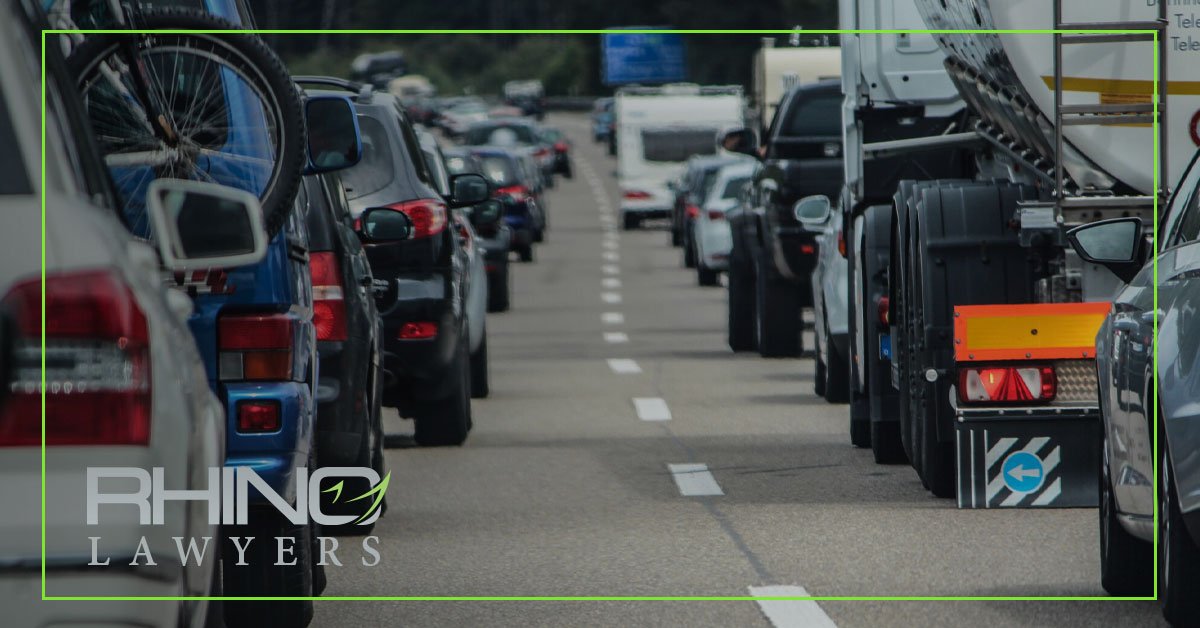
¿Qué infracciones de tránsito se consideran delitos penales?
Ya sea por un problema de tránsito o por cualquier otra parte de la vida, todos queremos mantener las manos limpias y evitar meternos en problemas con la ley. Pero si ves el destello de luces azules en tu espejo retrovisor, podrías preguntarte si has cometido un delito penal.
Existe una diferencia entre ir unas pocas millas por encima del límite de velocidad y cometer una infracción de tránsito grave. Vamos a aclarar exactamente qué infracciones de tránsito son en realidad delitos.
Siga leyendo para averiguar qué infracciones de tránsito son en realidad delitos penales.
Infracciones de tránsito: ¿Qué dice la ley?
Una infracción de tráfico es cualquier actividad ilegal que ocurre mientras se conduce un motor. Por lo general, cada estado tiene sus propias leyes para esto, por lo que no existen delitos de tránsito federales como tal. Los agentes federales por lo general no tienen la autoridad para emitir multas de tránsito, pero pueden llamar a la policía para que lo haga.
Muchos estados clasifican las infracciones de tránsito de tres maneras:
- infracciones civiles
- delitos menores
- delitos graves
Es importante señalar que la policía tendrá en cuenta otros factores al clasificar el delito. Esto incluye sus condenas anteriores y el nivel de daños a las personas o a la propiedad.
Infracción de tránsito
Una infracción de tránsito también se puede conocer como una infracción reglamentaria o una infracción civil. Aunque la acción va en contra de la ley, no es un delito.
Esto podría incluir:
- no detenerse en una señal de alto
- no poner la falda direccional
- no llevar puesto el cinturón de seguridad
- speeding (usually 5 – 10 mph over the limit)
- violaciones de luz roja
Así que ten la seguridad de que, si tienes un par de multas por exceso de velocidad for going 5 miles over the limit, you are not a criminal. You have not committed traffic crimes. You will almost certainly, however, get demerit points on your license and a fine.
Traffic infractions are often broken down into two further groups – moving and nonmoving violations. Moving violations are usually the more serious, as there is greater risk involved.
Delitos penales de tránsito: Delitos menores y delitos graves
Infractions are not punishable by jail time. A traffic offense that is punishable by imprisonment is usually considered to be a criminal offense. There are two types of criminal offenses: misdemeanor and felony.
Como su nombre lo indica, un delito menor de tránsito es una infracción a las leyes de tránsito. Muchas infracciones pueden ser delitos menores o delitos graves. La diferencia suele ser el riesgo de daño a terceros que causa la infracción.
Por ejemplo, una infracción como exceso de velocidad puede convertirse en un delito menor. Esto ocurre en ciertos estados si el conductor supera el límite de velocidad por una cantidad excesiva. El exceso de velocidad grave puede ser un delito grave de tránsito. En este caso, podría convertirse en conducción imprudente.
Ejemplos de infracciones de tránsito que son delitos menores incluyen:
- DUI: conducir bajo la influencia de drogas o alcohol
- conducir con licencia suspendida
- choque y fuga
- homicidio culposo por accidente de tránsito
- conducción imprudente
- registro vencido
Algunos de estos podrían convertirse en delitos graves de tránsito si están presentes ciertos factores agravantes. Estos incluyen:
- ser reincidente
- causando daños a la propiedad o a las personas
- que causa la muerte
Los reincidentes enfrentan penas más severas en todos los estados por los mismos delitos.
¿Qué es un infractor de tránsito habitual?
Muchos estados procesan a los reincidentes como infractores habituales de tránsito (HTOs). Cada estado tiene sus propios criterios sobre lo que califica como tal. Si recibe una cierta cantidad de condenas dentro de un período determinado, puede enfrentarse a la pérdida de su licencia, multas considerables y tiempo en prisión.
Si es probable que esto le suceda, busque asesoramiento legal. Involúcrese en programas de mejora para conductores para alejarse de esto lo más posible.
Cómo los estados manejan las infracciones de tránsito
Por ejemplo, en el estado de Nueva York, una primera infracción por conducir bajo los efectos del alcohol (conocida como DWI, por sus siglas en inglés) puede constituir un delito menor o un delito grave. Esto depende de los factores agravantes. Por tu primera infracción, podrías enfrentar una multa obligatoria de entre $1,000 y $2,500, y un máximo de 1 año de cárcel.
Si te enfrentas a un segundo delito de conducir bajo los efectos del alcohol con agravantes, podrías enfrentar una multa obligatoria de $1,000 a $5,000 y hasta 4 años de cárcel. Una tercera infracción podría acarrearte 7 años de cárcel y una multa obligatoria de hasta $10,000.
Other states handle a first DUI differently. They may impose a fine and send you to mandatory alcohol addiction classes. However, other states have a zero-tolerance approach to driving while under the influence.
Cada estado tendrá su propia forma de clasificar y manejar las infracciones de tránsito. ¿Lo único que todos tienen en común? Obedezca las leyes de tránsito, maneje con cuidado y nunca tendrá nada de qué preocuparse.
Cómo se manejan las infracciones de tráfico
La mayoría de las infracciones de tránsito menores resultan en una multa de un oficial de policía en el acto. Pero si se le acusa de una de las infracciones de tránsito graves que hemos analizado, el proceso es diferente.
Depending on the situation, the officer may arrest you. After charging you at the station, you will then appear in court to face the charges against you.
Si alguna vez tienes un accidente automovilístico, pase lo que pase, No abandone la escena. Esto en sí mismo puede convertirse en un delito de tráfico grave.
Presentarse en la corte
Siempre que recibas una multa de tráfico, serás convocado a comparecer ante el tribunal. Por lo general, tendrás que pagar una multa.
En casos de delitos menores más graves y delitos graves, es posible que se enfrente a una multa cuantiosa, la suspensión de la licencia, libertad condicional y posiblemente tiempo en la cárcel. Además, ahora tendrá antecedentes penales, lo cual puede afectar sus perspectivas laborales futuras.
Tendrá que contratar a abogado con experiencia comprobada En este tipo de casos, un abogado con experiencia puede argumentar su caso y ayudar a reducir las posibles multas o las penas de cárcel a libertad condicional.
Sin el apoyo legal adecuado, es más probable que enfrentes consecuencias graves.
¿Infracciones de tránsito? Encuentre al abogado adecuado
Enfrentar a la corte por infracciones de tránsito es algo intimidante. Si alguna vez te encuentras en esa situación, necesitas un equipo legal experto de tu lado para defender tu caso.
En RHINO Lawyers, Su caso es nuestra pasión. Nos enfocamos en la ley de accidentes automovilísticos. Lucharemos para obtener el mejor resultado posible para su situación individual.
Contáctenos hoy para una evaluación gratuita de su caso.
CONTACTE A UN ABOGADO DE MULTAS DE TRÁFICO EN TAMPA
RHINO Lawyers puede ayudar y guiarlo a través de un sistema moldeado por las fuerzas del orden, jueces y abogados durante décadas. Habiendo ganado casos para nuestros clientes en circunstancias similares, nuestro equipo de defensa penal sabe lo que se necesita para luchar en tu nombre.
Permitir RHINO Lawyers responda a sus preguntas y revise los hechos de su caso con una consulta gratuita. Así que comience completando el “Evaluación de caso instantánea y gratuita”o llamándonos en cualquier momento, día o noche, al (844) RHINO-77.
Leer más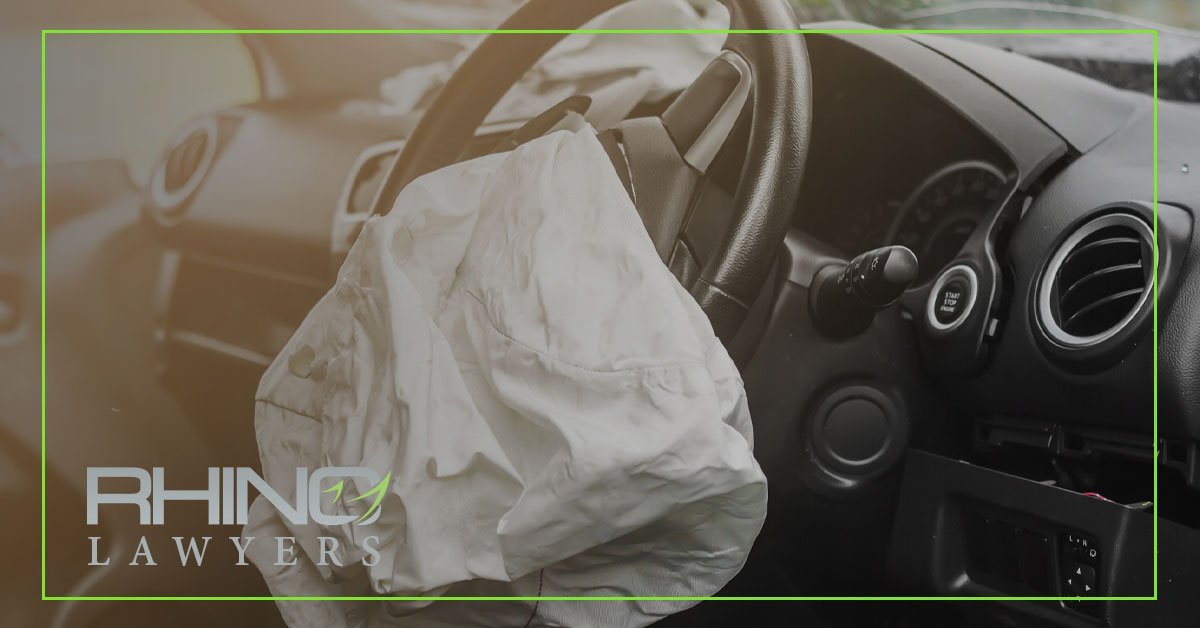
¿Es la compañía automotriz responsable si las bolsas de aire no se despliegan?
A car accident can be a terrifying experience for everyone involved. If you’re in an accident and the airbags don’t deploy, this is extremely dangerous.
When car manufacturers equip cars with airbags, they expect them to work when needed most. The airbags should protect passengers during car accidents.
Unfortunately, car companies sometimes fail to meet their responsibility of equipping cars with reliable airbags.
But the question is; is the car company liable if the airbags don’t deploy? Read on to understand how a abogado de accidentes de auto can help determine who’s responsible for your defective airbags.
How Do Airbags Work?
During a collision, the impact triggers sensors if there’s a dangerous amount of pressure on the car seat. In response, an airbag system activates within milliseconds.
A carefully folded airbag rapidly inflates to cushion or prevent injury. This includes hitting the steering wheel, dashboard, window, or seatbelt during a crash.
An airbag deploys at speeds as high as 200 mph. That’s about the same speed a professional boxer hits another person. The bags deflate once they sense that a driver or passenger has moved away from them.
Why Would Airbags Sometimes Fail to Deploy?
Airbags have two separate phases. The supplemental restraint system includes sensors that detect when a collision has occurred. Then there’s an impact protection phase in which the airbag inflates.
The impact protection phase can be disrupted if the sensor thinks the vehicle is in free fall. This is possible in a rollover accident instead of in a crash.
Airbags should not deploy during sudden braking or swerving either. These abrupt movements could result in injuries caused by the bag rather than colliding with something else inside or outside of the car.
Airbag Defects and Malfunctions That Can Cause Injury
Airbags can be defective or designed poorly in several ways. All of which could lead to injuries when they don’t deploy properly.
Here are a few examples of car manufacturer defects that can result in defective airbag deployment:
Defective Computer Relay
A computer relay is an electrical device used to control car parts such as car locks, headlights, and horns. The car’s computer relay controls the car’s electronic diagnostic system included in the airbags.
A defective computer relay may cause the car’s check engine light to illuminate even though there’s no problem with the vehicle. When this occurs, it can prevent an airbag from deploying when a car accident occurs.
Defective Airbag Sensors
For car airbags to inflate during accidents, they need sensors that detect car collisions and deploy the airbag. If defective airbag sensors don’t detect car impacts or deploy when needed, they can cause serious injuries.
Accidental Deployment of Airbags
If your vehicle hits a large pothole or a curb, its airbag might inflate suddenly, causing injuries. As such, the driver might lose control, causing a collision that might cause severe injuries.
Delayed Airbag Deployment
Late airbag deployment can cause serious injuries. A bent steering wheel or marks on the dashboard from the car occupant are indicators that the airbag deployed late.
Injuries occurring from late deployment are more severe than those where the airbag didn’t get deployed at all.
Airbags Deploy Aggressively
The primary goal of airbags is to minimize injuries when a collision occurs at high speeds. However, it’s more likely to cause injuries when deployed at low-speed car crashes.
Aggressive airbags are dangerous for adults with small stature and small kids.
Not every car manufacturer defect results in car accident injuries. Yet, if a car company’s defective car part caused your injury, you may be entitled to compensation.
What Damages Can You Collect When Airbags Fail to Deploy During a Car Collision?
Depending on the case and other circumstances, compensation for injuries resulting from faulty airbag systems could include:
- Gastos médicos
- Salarios caídos
- Dolor y sufrimiento
- Punitive damages if it’s determined that negligence caused the airbags not to deploy.
It’s worth noting that this could apply if a car company were aware of a defect. Yet, it did nothing about it for a long time.
What Type of Injuries Occur When Airbags Do Not Inflate?
Airbag failure can result in serious injuries or death anytime the system doesn’t work as intended. They’re designed to prevent injuries caused by being close to something hard, like a steering wheel or dashboard.
If they can’t deploy properly, drivers might hit the steering wheel with enough force to cause head and neck injuries. Airbags can also cause injuries when they inflate too quickly without proper warning.
Car accident injuries resulting from car parts not working correctly can be fatal. Common car injury injuries include:
- Brain damage
- Lesiones de la médula espinal
- Paraplegia or quadriplegia requiring lifelong medical care and assistance
- Blindness resulting in disability with no way to work and pay for medical bills
- Broken bones were sustained because the body hit something inside the car at high speed.
Car companies should compensate you for these damages. This is because their products failed to protect car occupants or didn’t work as they were supposed to.
Holding the Car Manufacturer Liability for Defective Airbags
In case of an accident and the airbags fail to protect the car occupants, the car manufacturer or other parties may be responsible for car accident liability.
It’s every car manufacturer’s responsibility to ensure that the airbags function at optimal levels.
A car company may be responsible for airbag injuries because of the following:
- Defects coming from poor designs that expose the airbags to failure
- A change in specifications while manufacturing
- Failure to test the reliability and safety of the airbag components
- Use of low-quality materials
- Failure to provide enough instructions on how to use the airbags safely and their risks
- The defective design of the car’s components makes it difficult for the airbags to deploy
- Poor quality control during installation
- Airbag software control defects
- Poor calibration of the airbag system
Extensive investigations on what caused the airbag failure must be done to determine the responsible party.
Get the Best Car Accident Injury Lawyer Now
Did you get involved in a serious car accident that caused severe injuries due to an airbag malfunction? Engaging a reputable car accident lawyer can help you investigate and determine the responsible parties for the failure.
Aquí en RHINO Lawyers, we’ll evaluate your case and help you get the much-deserved compensation for faulty airbags. Call us now para empezar.
COMUNÍQUESE CON UN ABOGADO DE ACCIDENTES AUTOMOVILÍSTICOS EN TAMPA
En resumen, después de un accidente automovilístico, es posible que no conozca sus derechos. Sobre todo, no luche solo durante el proceso. En realidad, nuestro equipo de lesiones personales está aquí para ayudarle con cualquier necesidad legal que pueda tener relacionada con su accidente.
Por último, que RHINO Lawyers responda a sus preguntas y revise los hechos de su caso con una consulta gratuita. Así que comience completando el “Evaluación de caso instantánea y gratuita”o llamándonos en cualquier momento, día o noche, al 844.RHINO.77.
Leer más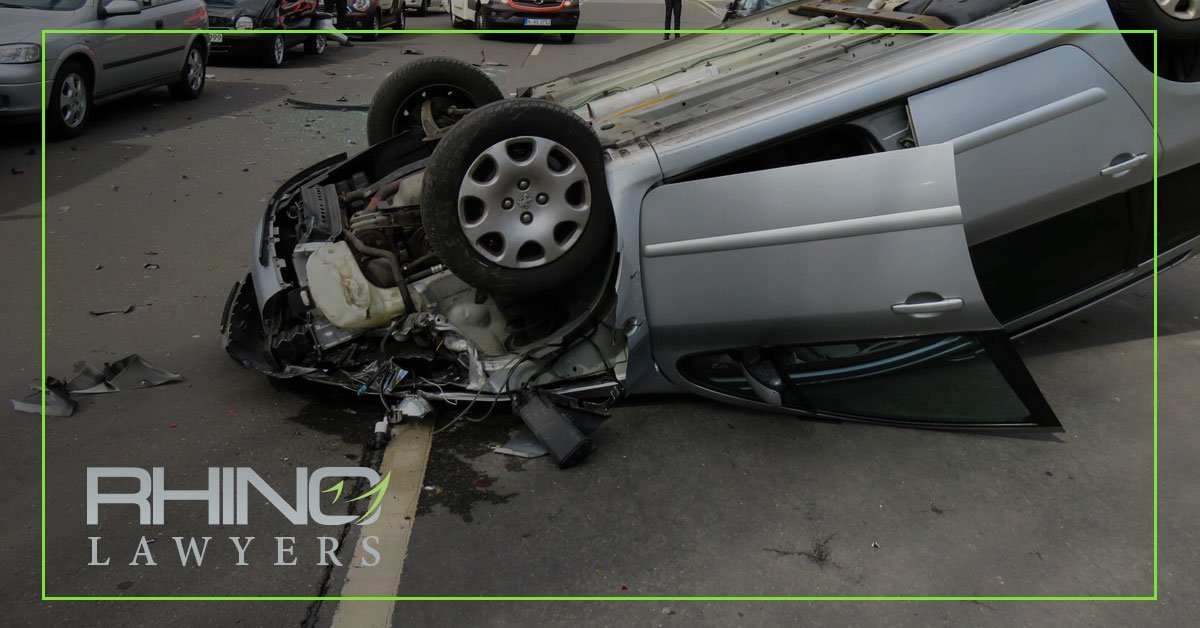
¿Qué le pasa a tu cuerpo en un accidente con volcadura?
Being involved in a rollover accident can be a serious matter. Car accident injuries can have detrimental impacts on your health. In the U.S. alone, there were over 36,000 vehicle deaths due to car crashes in 2019!
You need to know what happens to your body in a rollover car accident. Keep reading to learn what takes place with this kind of event.
What Is a Rollover Accident?
A rollover car accident is what you might envision. Your car flips once, even several times, depending on your speed and the terrain.
With these car accident injuries, you are at the mercy of the elements around you. It may also depend on the vehicle you drive and where the impact gets the most attention. When you have a rollover accident, your body goes wherever the car travels.
Severe Car Accident Injuries
When you have a rollover accident, your body can sustain serious injuries. Since you get tossed around, it can cause spinal damage, broken bones, and even severe head trauma.
Spinal injuries can get caused by fractures or joint compression injuries. Many people get spinal cord problems, and those can cause paralysis or severe pain.
As your car rolls over, your head could hit the window, steering wheel, or other vehicle parts. That could result in concussions or skull fractures. Some people never get a full recovery from head injuries.
Some head injuries produce neurological problems. You may experience issues with speech, sensitivity to light, and headaches. For some people, neurological injuries change their personality and mood.
Some drivers or passengers may choose not to abróchese el cinturón, and they can get thrown from the car. In some instances, the vehicle can land on top of them. Other times, it may cause terrible physical injuries that take years to heal.
You can get pinned into your car after a rollover accident. The vehicle frame can get bent, and the impact can cause parts to get crushed under all the pressure.
Some people become disabled due to rollover accidents. The car accident injuries sustained won’t allow them to work their regular jobs.
Less Severe Rollover Injuries
A frequent result of a rollover car accident is a broken bone. Your body moves in different directions at a fast rate of speed. It is easy to get shoved against the car door or dashboard.
In a rollover car accident, you cannot control anything. A seatbelt may hold you in place, but you have no way of stopping the car. Some people can get out with minor scrapes and cuts, but that is not always the case.
Even cuts and bruises can get semi-severe. Some lacerations need hundreds of stitches to fix the wound. Bruising can make it difficult to impossible to walk even short distances.
Emotional Injuries Affect the Body
After a rollover accident, some people live with mental and emotional struggles. These can affect your body as well. Many people who get anxious and depressed after a rollover car accident will have body pain.
Depression can cause joint pain, back pain, and even trouble sleeping. These body issues can manifest themselves after experiencing car accident injuries. In some cases, it can lead to problems working and living a regular life.
In a rollover accident, it is easy to come out of it with scars. Some people get so embarrassed by the change in their appearance that it makes them afraid to be in public.
Car accident injuries can also leave people with recurring pain. That changes their quality of life and sometimes they can’t enjoy the same things they did before.
Hire a Car Accident Lawyer
When people are in a rollover accident, they may not think about getting a car accident attorney. That could be because they have insurance and feel it’ll take care of them. It may also be because they don’t know they can.
Many people get into a rollover accident because they are avoiding another vehicle. If that happens, a settlement may get offered by the other party’s insurance company.
It is critical not to settle before you call a abogado de accidentes de auto. The best lawyer will negotiate your case for you. A car accident lawyer will have experience in the amount of compensation you can get.
After a rollover accident, you could get called by the other party when you’re still recovering. That is no time to try to figure out how much money you may need. You won’t be in the state of mind to sort out all the details.
Also, you may need more compensation than you realize. Medical bills can keep rolling in long into the future. Depending on your injuries, you may need medical care for the rest of your life after a rollover accident.
The best lawyer will not let an insurance company force you into a fast decision. You will have someone to lean on to help you make critical decisions throughout the process.
Help After Rollover Car Accident
After a rollover accident, things can happen fast. Insurance companies want to settle for little to nothing. Bills will come in that you may not be able to pay.
If you’ve had a rollover car accident, you need an experienced attorney to help you with the process. It can be a difficult task to sort through medical costs while trying to heal from your injuries. RHINO Lawyers will handle everything else, so you can focus on getting better.
We settle most cases within 9-12 months, so you don’t have to wait around for years to get the money you need. We take the stress away but leave you in control. Contáctenos today, and let us plan a strategy that works for you!
COMUNÍQUESE CON UN ABOGADO DE ACCIDENTES AUTOMOVILÍSTICOS EN TAMPA
En resumen, después de un accidente automovilístico, es posible que no conozca sus derechos. Sobre todo, no luche solo durante el proceso. En realidad, nuestro equipo de lesiones personales está aquí para ayudarle con cualquier necesidad legal que pueda tener relacionada con su accidente.
Por último, que RHINO Lawyers responda a sus preguntas y revise los hechos de su caso con una consulta gratuita. Así que comience completando el “Evaluación de caso instantánea y gratuita”o llamándonos en cualquier momento, día o noche, al 844.RHINO.77.
Leer más