
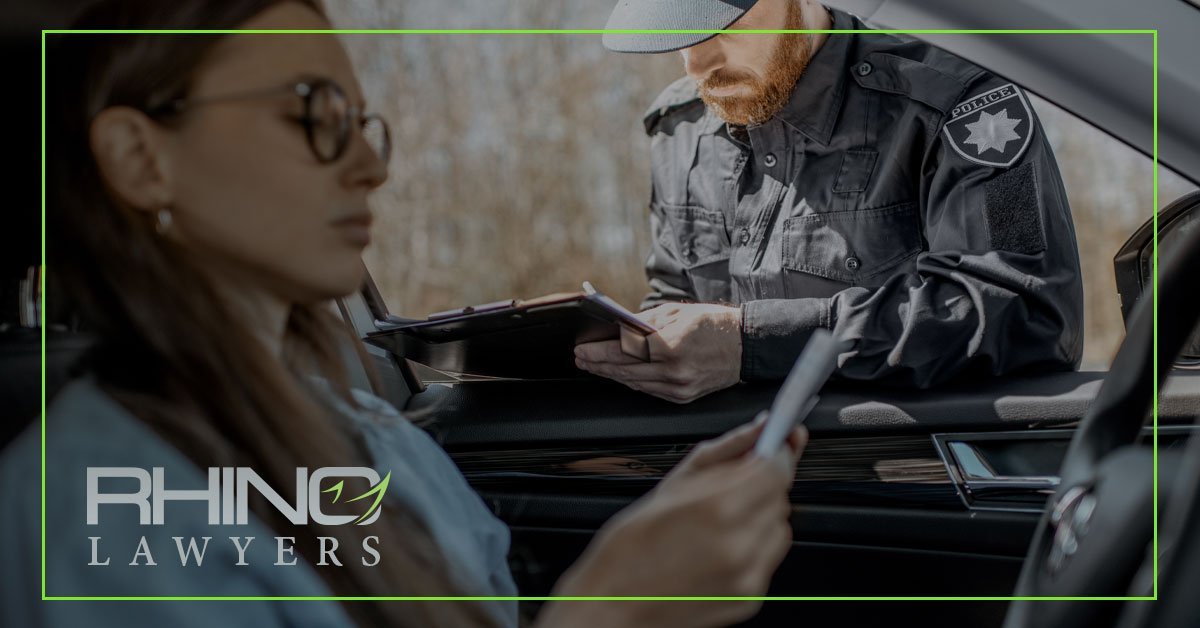
¿Qué constituye conducir sin una licencia de conducir válida en Florida?
Conducir sin una licencia de conducir válida en Florida es un delito grave que puede acarrear consecuencias legales importantes, entre ellas multas, incautación del vehículo e incluso penas de cárcel. En esta entrada de blog exhaustiva, analizaremos en detalle qué implica conducir sin una licencia válida en Florida, exploraremos los distintos escenarios que pueden dar lugar a tal acusación y discutiremos las posibles sanciones y defensas. Ya seas residente de Florida o un visitante, comprender las leyes estatales sobre licencias de conducir es fundamental para evitar problemas legales.
Comprender los requisitos de la licencia de conducir de Florida
En Florida, la licencia de conducir es un documento obligatorio para cualquier persona que conduzca un vehículo motorizado en las vías públicas. La Departamento de Seguridad de Carreteras y Vehículos Motorizados de Florida (FLHSMV) es la entidad encargada de expedir las licencias de conducir. Para obtener una licencia de conducir válida, los solicitantes deben cumplir con ciertos requisitos, entre ellos, cumplir con los requisitos de edad, aprobar los exámenes escritos y prácticos y, en algunos casos, completar un curso de educación vial.
¿Qué constituye conducir sin una licencia de conducir válida en Florida?
Conducir sin una licencia de conducir válida en Florida puede ocurrir bajo varias circunstancias:
- Nunca haber obtenido una licencia
- Se trata de personas que nunca han solicitado ni obtenido una licencia de conducir. Esta situación suele incluir a adolescentes que conducen sin cumplir con los requisitos de edad legal o a adultos que nunca han realizado los trámites necesarios para obtener una licencia.
- Conducir con una licencia vencida
- Las licencias de conducir en Florida tienen una fecha de vencimiento. Es ilegal conducir un vehículo con una licencia vencida. Los conductores deben renovar sus licencias antes de la fecha de vencimiento para mantener su estatus legal como conductores.
- Manejar con una licencia suspendida o revocada
- Las licencias pueden suspenderse o revocarse por diversas razones, como la acumulación de demasiadas infracciones de tránsito, condenas por conducir bajo los efectos del alcohol o el incumplimiento del pago de la manutención infantil. Conducir con la licencia suspendida o revocada es un delito grave en Florida.
- Conducir con una licencia de otro estado no válida
- Los nuevos residentes de Florida deben transferir su licencia de otro estado a una licencia de conducir de Florida dentro de los 30 días posteriores a establecer residencia. No hacerlo significa conducir con una licencia no válida.
- Conducir con una licencia falsa o alterada
- El uso de una licencia de conducir falsa o alterada es ilegal en Florida. Esto incluye usar la licencia de otra persona, crear una licencia falsificada o alterar la información de su licencia.
Consecuencias legales de conducir sin una licencia válida en Florida
Las sanciones por un sin licencia de conducir válida en Florida pueden ser graves y dependen de las circunstancias específicas de la infracción. Las consecuencias comunes incluyen:
- Fines
- Las multas monetarias por conducir sin una licencia válida pueden variar de $100 a $500 por una primera infracción. Las infracciones repetidas o más graves pueden dar lugar a multas más elevadas.
- Retención de vehículos
- Los oficiales del orden público pueden confiscar el vehículo que se esté conduciendo sin una licencia válida. Esto puede resultar en costos adicionales por remolque y almacenamiento, lo que aumenta la carga financiera.
- Cargos por delitos menores o graves
- Conducir sin una licencia válida puede resultar en cargos por delitos menores, por lo general para quienes cometen infracciones por primera vez. Sin embargo, conducir con una licencia suspendida o revocada, especialmente si implica delitos recurrentes, puede dar lugar a cargos por delitos graves.
- Tiempo en prisión
- En casos más graves, especialmente en el caso de infractores recurrentes o aquellos que conducen con una licencia suspendida o revocada, el tiempo de cárcel es una posible consecuencia. Esto puede variar desde unos pocos días hasta varios meses.
- Aumento de las primas de seguros
- Ser atrapado conduciendo sin una licencia válida puede dar lugar a primas de seguros más altas. Las compañías de seguros consideran esto como un comportamiento de alto riesgo, lo que resulta en un aumento de las tarifas.
- Puntos adicionales en el historial de manejo
- La acumulación de puntos en su historial de manejo puede dar lugar a más sanciones, incluida la suspensión o revocación de su licencia de conducir.
Sanciones específicas para diferentes escenarios
Primera infracción de conducir sin licencia
- Por lo general, se clasifica como un delito menor de segundo grado.
- Castigado con hasta 60 días de cárcel y/o una multa de hasta $500.
Manejar con una licencia suspendida o revocada
- Clasificado como un delito más grave.
- La primera infracción puede resultar en un cargo de delito menor de segundo grado, hasta 60 días de cárcel y/o una multa de hasta $500.
- Las infracciones posteriores pueden escalar a delitos menores de primer grado o delitos graves de tercer grado, con penas que incluyen hasta 5 años de prisión y/o una multa de hasta $5,000.
Conducir con una licencia vencida
- Si la licencia ha estado vencida por menos de seis meses, se considera una infracción no penal, lo que resulta en una multa.
- Si ha estado vencida por más de seis meses, puede dar lugar a un cargo de delito menor de segundo grado.
Defensas contra conducir sin una licencia válida en Florida
Si se le acusa de conducir sin una licencia de conducir válida en Florida, existen varias defensas potenciales que un abogado capacitado puede explorar:
- Identidad equivocada
- Si fuiste identificado erróneamente como el conductor, probar tu identidad puede ser una defensa válida.
- Situaciones de emergencia
- En casos raros, conducir sin una licencia válida puede estar justificado en una emergencia, como la necesidad de transportar a alguien al hospital.
- Sin saber de la suspensión
- Si no se le notificó sobre la suspensión o revocación de su licencia, esto puede utilizarse como defensa. Sin embargo, esta defensa es difícil de probar y requiere evidencia sustancial.
- Problemas con el proceso de renovación
- Si intentó renovar su licencia y hubo una demora burocrática o un error, esto podría usarse como defensa, aunque es posible que no lo exima por completo.
Cómo evitar conducir sin una licencia válida en Florida
Para evitar los problemas legales de conducir sin una licencia válida en Florida, considere los siguientes consejos:
- Lleve un registro de las fechas de caducidad
- Marca en tu calendario la fecha de vencimiento de tu licencia de conducir y configura recordatorios para renovarla con bastante anticipación.
- Manténgase informado sobre las leyes estatales
- Si te mudas a Florida, familarízate con las reglas del DMV local y transfiere tu licencia con prontitud.
- Resuelva los problemas legales con prontitud
- Aborde de inmediato cualquier infracción de tránsito, multa o problema legal que pueda conducir a la suspensión o revocación de su licencia.
- Tómate la renovación en serio
- No espere hasta el último minuto para renovar su licencia. Comience el trámite con tiempo para prever cualquier posible demora.
- Asista a cursos de educación vial y seguridad
- Completar cursos de manejo adicionales a veces puede ayudar a reducir los puntos en su licencia y demostrar su compromiso con la conducción segura.
Casos de estudio: Ejemplos del mundo real en Florida
Para ilustrar la importancia de mantener una licencia de conducir válida, exploremos algunos ejemplos del mundo real de Florida:
- El caso de la licencia suspendida por descuido
- John, residente de Miami, recibió varias multas de tráfico en un período corto. Debido a un error administrativo, nunca recibió el aviso de que su licencia había sido suspendida. Al ser detenido por una infracción menor, se sorprendió al enterarse de la suspensión. Aunque logró evitar pisar la cárcel, John enfrentó multas sustanciales y tuvo que atravesar un proceso legal complejo para recuperar su licencia.
- Conducir con una licencia vencida
- María se mudó a Florida por trabajo y estaba tan concentrada en su nuevo empleo que se olvidó de renovar su licencia de conducir, la cual había expirado un mes antes. Durante una parada de tráfico de rutina, fue multada por conducir con una licencia vencida. Aunque solucionó rápidamente la situación, tuvo que pagar una multa y lidiar con primas de seguro más altas como resultado.
- El dilema de la licencia falsa
- El adolescente Alex, ansioso por conducir antes de alcanzar la edad legal, compró una licencia de conducir falsa. Al ser atrapado por la policía, Alex enfrentó graves consecuencias legales, incluyendo multas, servicio comunitario y un retraso en el plazo para obtener una licencia de conducir real.
El rol de la asistencia legal
Si se encuentra acusado de conducir sin una licencia de conducir válida en Florida, buscar asistencia legal es crucial. Un abogado con experiencia puede ayudarle a navegar por el sistema legal, reducir potencialmente las penalizaciones y brindarle valiosos consejos sobre cómo recuperar sus privilegios de conducción.
No enfrentes solo tu multa por conducir sin licencia válida
Conducir sin una licencia de conducir válida en Florida es una infracción grave que puede tener consecuencias de gran alcance. Ya sea debido a una licencia vencida, una suspensión o a no haber obtenido una nunca, comprender las implicaciones legales es fundamental. Al mantenerse informado, renovar su licencia a tiempo y abordar cualquier problema legal con prontitud, puede evitar los problemas de conducir sin una licencia válida.
Recuerde que, si alguna vez se enfrenta a cargos por conducir sin una licencia válida, buscando asesoramiento jurídico profesional es fundamental. En RHINO Lawyers, nuestro experimentado equipo está listo para ayudarle con cualquier problema legal relacionado con el tráfico. ¡Manténgase seguro y conduzca con responsabilidad!
CONTACTE A UN ABOGADO DE MULTAS DE TRÁFICO EN TAMPA
RHINO Lawyers puede ayudar y guiarlo a través de un sistema moldeado por las fuerzas del orden, jueces y abogados durante décadas. Habiendo ganado casos para nuestros clientes en circunstancias similares, nuestro equipo de defensa penal sabe lo que se necesita para luchar en tu nombre.
Permitir RHINO Lawyers responda a sus preguntas y revise los hechos de su caso con una consulta gratuita. Así que comience completando el “Evaluación de caso instantánea y gratuita”o llamándonos en cualquier momento, día o noche, al (844) RHINO-77.
Leer más
Lo que necesita saber sobre la responsabilidad en accidentes de camiones en Florida
Los accidentes de camiones se cuentan entre los incidentes de tráfico más devastadores, y a menudo resultan en lesiones graves, daños materiales significativos y, trágicamente, pérdida de vidas. En Florida, cuyas transitadas carreteras son frecuentadas por camiones comerciales, comprender la responsabilidad en los accidentes de camiones es crucial. Ya sea que usted sea un conductor de camión, un conductor de vehículo de pasajeros o una víctima, conocer sus derechos y responsabilidades puede marcar una diferencia sustancial tras un accidente. Este blog profundizará en los aspectos esenciales de la responsabilidad en los accidentes de camiones en Florida, incluida la determinación de la culpa, las obligaciones legales y cómo buscar una compensación.
El marco legal de Florida para los accidentes de camiones
Florida opera bajo un sistema de seguro sin culpa, lo que significa que, después de un accidente, su propia póliza de seguro cubrirá sus gastos médicos y salarios perdidos, independientemente de quién haya causado el accidente. Sin embargo, en casos de lesiones graves o daños materiales significativos, las víctimas pueden salir del sistema sin culpa para reclamar una indemnización a la parte culpable.
Cómo determinar la responsabilidad en los accidentes de camiones en Florida
Responsabilidad en accidentes de camiones puede ser complejo debido a las numerosas partes involucradas. Aquí hay un desglose de los factores clave y las partes que pueden influir en la responsabilidad:
- El conductor del camión: Las acciones del conductor suelen ser las primeras en ser examinadas. Factores como conducir bajo los efectos del alcohol o drogas, la fatiga, la conducción distraída, el exceso de velocidad o la infracción de las leyes de tránsito pueden afectar directamente la responsabilidad del conductor.
- La empresa de transporte: Los empleadores son responsables en virtud de la doctrina jurídica de “respondeat superior”, que los hace responsables de las acciones de sus empleados si dichas acciones se producen en el ámbito del empleo. Además, si la empresa no realiza el mantenimiento adecuado del camión o exige al conductor que trabaje más allá de las horas reguladas, asume la responsabilidad.
- El fabricante de camiones: Si un defecto en el camión o en sus componentes causó el accidente, el fabricante podría ser responsable. Esto incluye fallas en los frenos, reventones de neumáticos u otras fallas mecánicas.
- Cargadores de mercancías: Una carga mal colocada o sobrecargada puede provocar accidentes. La parte responsable de cargar el camión podría compartir la responsabilidad si los problemas relacionados con la carga contribuyeron al accidente.
- Proveedores de servicios de mantenimiento: El mantenimiento regular es fundamental para la operación segura de los camiones. Si un proveedor externo de mantenimiento no realizara el mantenimiento del camión como corresponde, podría ser responsable de los accidentes que se produzcan como consecuencia de ello.
Investigación de accidentes de camiones
Debido a la complejidad de los accidentes de camiones, es fundamental llevar a cabo investigaciones exhaustivas. Los pasos clave incluyen:
- Investigación de la escena del accidente: Los agentes de seguridad pública y los expertos en reconstrucción de accidentes examinan el lugar del siniestro y recogen pruebas como marcas de derrape, la posición de los vehículos y los patrones de daño.
- Datos de la caja negra: Los camiones modernos están equipados con dispositivos electrónicos de registro (ELD) que registran datos como la velocidad, el frenado y las horas de servicio. Estos datos pueden ser cruciales para determinar la responsabilidad.
- Registros y expedientes de los conductores: La revisión de los registros de los conductores, los expedientes laborales y el historial de conducción ayuda a evaluar el cumplimiento de las regulaciones federales e identificar patrones de comportamiento de riesgo.
- Declaraciones de los testigos: Los testimonios de testigos presenciales pueden aportar información valiosa sobre los hechos que condujeron al accidente.
- Imágenes de vigilancia: Es posible que las cámaras de tráfico o de seguridad cercanas hayan captado el accidente, lo que proporcionaría pruebas objetivas de lo ocurrido.
Negligencia comparativa en Florida
Florida aplica la norma de negligencia comparativa, lo que significa que varias partes pueden compartir la responsabilidad por un accidente. Si se determina que tienes parte de la culpa del accidente, tu indemnización se reducirá en el porcentaje correspondiente a tu grado de culpa. Por ejemplo, si tiene 20% de culpa y se le otorgan $100,000, recibirá $80,000.
Normativas federales que rigen a los conductores de camiones
Los conductores de camiones y las empresas de transporte por carretera deben cumplir con las estrictas normas federales establecidas por la Administración Federal de Seguridad de Autotransportes (FMCSA). Estas normas abarcan diversos aspectos del transporte comercial por carretera, entre ellos:
- Horas de servicio (HOS): Límites al número de horas que un conductor puede estar de servicio y los períodos de descanso obligatorios para prevenir accidentes relacionados con la fatiga.
- Mantenimiento del vehículo: Inspecciones y mantenimiento periódicos para garantizar el funcionamiento seguro de los camiones comerciales.
- Pruebas de drogas y alcohol: Pruebas obligatorias para los conductores de camiones con el fin de prevenir la conducción bajo los efectos del alcohol o las drogas.
- Sujeción de la carga: Normas sobre cómo se debe cargar y asegurar la carga para evitar que se mueva o caiga durante el transporte.
Cómo obtener una compensación después de un accidente de camión
Las víctimas de accidentes de camioneta en Florida tienen derecho a solicitar una indemnización por sus pérdidas. Estos son los pasos clave para presentar una demanda:
- Atención médica Busca atención médica inmediata si tienes alguna lesión. Los expedientes médicos serán pruebas fundamentales para tu reclamo.
- Cómo documentar el accidente: Reúne toda la información posible del lugar del accidente, incluyendo fotos, datos de contacto de los testigos e informes policiales.
- Contacto con un abogado: Los casos de accidentes de camiones son complejos y requieren experiencia legal. Un abogado con experiencia en lesiones personales puede ayudar a navegar el proceso legal, recopilar pruebas y construir un caso sólido.
- Presentación de un reclamo: Su abogado presentará un reclamo ante las compañías de seguros correspondientes y negociará en su nombre. Si no se puede llegar a un acuerdo justo, su caso podría ir a los tribunales.
Tipos de compensación disponibles
Las víctimas de accidentes de camiones pueden buscar varios tipos de compensación, incluidos:
- Gastos médicos: Cubrir los gastos médicos inmediatos y futuros relacionados con el accidente.
- Salarios caídos: Compensación por la pérdida de ingresos debido a la incapacidad para trabajar después del accidente.
- Dolor y sufrimiento: Daños no económicos por dolor físico y angustia emocional causados por el accidente.
- Daños a la propiedad: Reembolso por reparaciones o reemplazo de propiedad dañada.
- Muerte por negligencia Si un ser querido muere en un accidente de camión, los familiares sobrevivientes pueden solicitar una compensación por los gastos funerarios, la pérdida de compañía y otros costos relacionados.
Defensas comunes en demandas por accidentes de camiones
Las empresas de transporte de carga y sus aseguradoras suelen utilizar diversas defensas para minimizar su responsabilidad. Algunas defensas comunes incluyen:
- Negligencia comparativa: Argumentar que la víctima tuvo parte de la culpa en el accidente.
- Emergencia repentina: Argumentar que un evento imprevisible, como una emergencia médica repentina, causó el accidente.
- Caso fortuito Afirmar que los eventos naturales, como una tormenta severa, provocaron el accidente.
- Defectos del vehículo: Atribuir la culpa al fabricante por cualquier fallo mecánico.
Importancia de la acción oportuna
Para la mayoría de las demandas por negligencia en accidentes de camiones en Florida derivadas de choques el 24 de marzo de 2023 o después de esa fecha, el plazo para presentar una demanda es generalmente de dos años a partir del accidente. Las reclamaciones derivadas de accidentes anteriores pueden estar sujetas al período anterior de cuatro años. Las acciones por homicidio culposo en Florida también suelen tener un plazo de prescripción de dos años, aunque se pueden aplicar diferentes reglas y excepciones según el reclamo. Actuar con rapidez también ayuda a preservar pruebas que pueden ser importantes para el caso.
Obtenga ayuda de un abogado de accidentes de camiones
Los accidentes de camiones en Florida presentan una infinidad de desafíos y complejidades. Comprender los factores que influyen en la responsabilidad, los requisitos legales para los conductores de camiones y las empresas, y el proceso para buscar una compensación puede empoderar a las víctimas y a sus familias para buscar justicia y recuperar sus pérdidas. Ya sea que usted o un ser querido experimente un accidente de camión, consultar con un experto abogado de accidentes de camiones puede brindar la orientación y el apoyo necesarios para superar este momento difícil. En RHINO Lawyers, nos dedicamos a proteger sus derechos y ayudarle a asegurar la compensación que se merece.
COMUNÍQUESE CON UN ABOGADO DE ACCIDENTES DE CAMIONES EN TAMPA
En resumen, después de un accidente de camión, es posible que no conozcas tus derechos. Sobre todo, no intentes pasar por este proceso solo. De hecho, nuestro equipo de lesiones personales está aquí para ayudarle con cualquier necesidad legal que pueda tener relacionada con su accidente.
Por último, que RHINO Lawyers responda a sus preguntas y revise los hechos de su caso con una consulta gratuita. Así que comience completando el “Evaluación de caso instantánea y gratuita”o llamándonos en cualquier momento, día o noche, al 844.RHINO.77.
Leer más
Guía de reclamaciones por accidentes de camiones en Florida
Los accidentes de camiones en Florida pueden ser devastadores y, a menudo, provocan lesiones graves, daños materiales considerables y, trágicamente, pérdida de vida. Manejar las consecuencias de dichos accidentes puede ser complejo debido a la participación de varias partes y las complejidades de la ley de Florida. Esta guía tiene como objetivo proporcionar una descripción general y completa de los pasos involucrados en la presentación de un reclamo por accidente de camión en Florida, asegurando que las víctimas comprendan sus derechos y los procesos legales para asegurar una compensación.
Comprender los accidentes de camiones en Florida
Florida, con su extensa red de carreteras y su ajetreada industria del transporte, registra un número significativo de accidentes de camiones al año. Los factores que contribuyen a estos accidentes incluyen la fatiga del conductor, fallas mecánicas, carga inadecuada y condiciones peligrosas en las carreteras. Dado el gran tamaño y peso de los camiones, las colisiones a menudo provocan consecuencias más graves en comparación con los accidentes automovilísticos comunes.
Pasos inmediatos después de un accidente de camión
- Garantice la seguridad y pida ayuda: Inmediatamente después de un accidente de camión, priorice la seguridad. Muévase a un lugar seguro si es posible y llame al 911 para reportar el accidente y solicitar asistencia médica.
- Documentar la escena: Si le es posible, tome fotos y videos de la escena del accidente, incluyendo las posiciones de los vehículos, los daños, las condiciones de la carretera y cualquier lesión visible. Esta evidencia puede ser crucial para respaldar su reclamo.
- Recopilar información Recopile los datos de contacto y de seguro de todas las partes involucradas, incluido el conductor del camión, la empresa de transporte y cualquier testigo. Anote la placa del camión, Número USDOT, y cualquier información de identificación sobre el camión y el remolque.
- Busque atención médica: Incluso si se siente bien, es fundamental someterse a una evaluación médica, ya que algunas lesiones pueden no ser evidentes de inmediato. Asegúrese de que todas las visitas médicas y tratamientos estén documentados.
Presentación de una demanda por accidente de camión
- Reportar el accidente: Notifique a su compañía de seguros sobre el accidente lo antes posible. Provéales los detalles y cualquier documentación que haya recopilado.
- Determinar la responsabilidad: Determinar la responsabilidad en los accidentes de camiones puede ser complicado. Entre las partes que podrían ser responsables se encuentran el conductor del camión, la empresa de transporte, el fabricante del vehículo e incluso quienes cargaron la mercadería. Un abogado con experiencia puede ayudar a investigar el accidente para determinar quién tuvo la culpa.
- Consulte a un abogado: Los reclamos por accidentes de camiones involucran regulaciones específicas y múltiples partes, lo que hace que la competencia legal sea invaluable. Un abogado enfocado en accidentes de camiones puede navegar por las complejidades, negociar con las compañías de seguros y garantizar que sus derechos estén protegidos.
Factores clave en las demandas por accidentes de camiones
- Regulaciones federales y estatales: Las empresas de transporte por carretera y los conductores deben cumplir con las normas establecidas por la Administración Federal de Seguridad de Autotransportes (FMCSA) y las leyes estatales de Florida. Las violaciones de estas reglamentaciones, como exceder los límites de horas de servicio o el mantenimiento inadecuado del vehículo, pueden afectar la responsabilidad legal.
- Preservación de evidencia: La evidencia crucial en los casos de accidentes de camiones incluye los datos del dispositivo de registro electrónico (ELD), los registros de mantenimiento, las imágenes de la cámara de tablero y las bitácoras del conductor. Un abogado puede ayudar a garantizar que esta evidencia se preserve y se obtenga.
- Cobertura de seguro: Las empresas de transporte por carretera suelen contar con pólizas de seguro de gran cobertura debido al alto riesgo asociado a sus operaciones. Es fundamental comprender los límites de cobertura y las condiciones de las pólizas para maximizar tu indemnización.
Desafíos comunes en las demandas por accidentes de camiones
- Varios demandados Determinar qué partes son responsables puede ser un reto. En algunos casos, más de una parte puede compartir la responsabilidad, lo que complica el proceso de reclamo.
- Negociaciones complejas Las compañías de seguros a menudo intentan minimizar los pagos. Contar con un abogado que pueda negociar eficazmente en su nombre es fundamental para asegurar una compensación justa.
- Altos costos médicos: Los accidentes de camiones suelen causar lesiones graves que requieren un tratamiento médico extenso. Calcular con precisión y probar estos costos es fundamental para obtener una compensación adecuada.
Indemnización en demandas por accidentes de camiones
Las víctimas de accidentes de camiones en Florida pueden tener derecho a varias formas de compensación, entre ellas:
- Gastos médicos: Cobertura para gastos médicos pasados y futuros relacionados con el accidente.
- Salarios caídos: Compensación por la pérdida de ingresos debido a la incapacidad para trabajar.
- Dolor y sufrimiento: Daños no económicos por dolor físico y angustia emocional.
- Daños a la propiedad: Reembolso por reparación o reemplazo de vehículo.
- Muerte por negligencia En casos de accidentes fatales, las familias pueden presentar demandas por homicidio culposo para cubrir los gastos funerarios, la pérdida de compañía y otros costos relacionados.
Pasos para fortalecer su reclamo por accidente de camión
- Lleve registros detallados: Mantenga documentación exhaustiva de todos los tratamientos médicos, gastos y cualquier comunicación relacionada con el accidente.
- Evite acuerdos prematuros: No acepte ofertas de liquidación anticipada de las compañías de seguros sin consultar a su abogado. Las ofertas anticipadas a menudo subestiman la verdadera magnitud de sus daños.
- Siga el consejo médico: Cumpla con las recomendaciones de su proveedor de atención médica y asista a todas las citas de seguimiento para demostrar la gravedad de sus lesiones.
El papel de un abogado
Contratar a alguien con experiencia abogado de accidentes de camiones puede afectar significativamente el resultado de su reclamo. Un abogado puede:
- Lleve a cabo una investigación exhaustiva para recopilar pruebas y determinar la responsabilidad.
- Negociar con las compañías de seguros y otras partes en su nombre.
- Asegure el cumplimiento de todos los requisitos legales y plazos.
- Representarlo en los tribunales si no se puede llegar a un acuerdo justo.
Entendimiento de las demandas por accidentes de camiones en Florida
Los accidentes de camiones en Florida presentan desafíos únicos debido a la participación de múltiples partes, regulaciones extensas y la posibilidad de lesiones graves. Comprender el proceso de reclamos y contar con el apoyo legal adecuado puede marcar una diferencia significativa para asegurar la compensación que usted merece. Al seguir las pautas descritas en esta guía, las víctimas pueden navegar mejor por las complejidades de los reclamos por accidentes de camiones y concentrarse en su recuperación.
COMUNÍQUESE CON UN ABOGADO DE ACCIDENTES DE CAMIONES EN TAMPA
En resumen, después de un accidente de camión, es posible que no conozcas tus derechos. Sobre todo, no intentes pasar por este proceso solo. De hecho, nuestro equipo de lesiones personales está aquí para ayudarle con cualquier necesidad legal que pueda tener relacionada con su accidente.
Por último, que RHINO Lawyers responda a sus preguntas y revise los hechos de su caso con una consulta gratuita. Así que comience completando el “Evaluación de caso instantánea y gratuita”o llamándonos en cualquier momento, día o noche, al 844.RHINO.77.
Leer más
Cobertura de motocicletas: ¡Lo que realmente necesitas saber!
andar en motocicleta ofrece una emoción y libertad únicas que pocas otras formas de transporte pueden igualar. Ya sea que seas un motociclista experimentado o un novato, comprender la cobertura para motocicletas es fundamental para protegerte, tu moto y las demás en la carretera. Aquí tienes un análisis detallado de lo que realmente necesitas saber sobre el seguro de motocicleta.
Comprender los conceptos básicos del seguro de motocicleta
El seguro de motocicleta, al igual que el seguro de automóvil, está diseñado para ofrecer protección financiera en caso de un accidente, robo u otros incidentes. Sin embargo, existen matices específicos de las motocicletas que las hacen distintas. Los componentes fundamentales del seguro de motocicleta incluyen:
- Cobertura de responsabilidad civil
- Responsabilidad civil por lesiones corporales: Esto cubre los gastos médicos, los salarios caídos y los honorarios legales si usted tiene la culpa en un accidente que hiere a otra persona.
- Responsabilidad por daños a la propiedad: Paga las reparaciones o el reemplazo de la propiedad de otros que usted dañe en un accidente.
- Cobertura de colisión
- Cubre el costo de reparar o reemplazar tu motocicleta si sufre daños en un accidente, sin importar quién tenga la culpa.
- Cobertura integral
- Protege contra incidentes no relacionados con colisiones, como robos, vandalismo, desastres naturales y colisiones con animales.
- Cobertura contra conductores sin seguro o con seguro insuficiente
- Brinda protección si te ves involucrado en un accidente con un conductor que tiene seguro insuficiente o no tiene seguro.
- Cobertura de gastos médicos
- Paga los gastos médicos incurridos por usted y sus pasajeros, sin importar quién tenga la culpa.
- Protección contra Lesiones Personales
- Similar a la cobertura de gastos médicos, pero más amplia, PIP puede cubrir los salarios perdidos y otros gastos además de los costos médicos.
Por qué es crucial el seguro de motocicleta
A diferencia de los automóviles, las motocicletas ofrecen una protección mínima a los motociclistas en caso de un accidente. La naturaleza expuesta de andar en motocicleta aumenta significativamente el riesgo de lesiones graves o muerte. Este riesgo inherente hace que una cobertura de seguro adecuada no solo sea aconsejable, sino esencial.
- Protección financiera: Los gastos médicos y los costos de reparación pueden aumentar rápidamente tras un accidente. Sin seguro, es posible que enfrente gastos considerables de su propio bolsillo.
- Requisitos legales: En la mayoría de los estados, contar con una cantidad mínima de seguro de responsabilidad civil es obligatorio. Conducir sin seguro puede acarrear multas, suspensión de la licencia o algo peor.
- Tranquilidad La cobertura amplia garantiza que estés protegido contra diversos riesgos, lo que te permite disfrutar de tu viaje con confianza.
Factores clave que influyen en las primas de seguros de motocicletas
Varios factores afectan el costo de las primas de su seguro de motocicleta:
- Tipo de motocicleta
- Las motocicletas deportivas, por ejemplo, suelen ser más caras de asegurar debido a su alto rendimiento y al riesgo de accidentes asociado.
- Experiencia y récord de conducción
- Los conductores con experiencia y un historial limpio suelen disfrutar de primas más bajas en comparación con los conductores nuevos o aquellos con antecedentes de accidentes o infracciones.
- Edad y género
- Los conductores más jóvenes y los conductores varones suelen enfrentar primas más altas debido a factores de riesgo estadísticamente más elevados.
- Ubicación
- Las zonas urbanas con mayores volúmenes de tráfico y tasas de robos generalmente conllevan costos de seguro más altos.
- Límites de cobertura y deducibles
- Mayores límites de cobertura y deducibles más bajos aumentan las primas, mientras que límites más bajos y deducibles más altos las reducen.
- Uso
- Si usas tu motocicleta para ir al trabajo o para viajes de larga distancia, es posible que enfrentes primas más altas en comparación con el uso recreativo ocasional.
Opciones de cobertura adicional
Si bien la cobertura estándar constituye la base de su seguro de motocicleta, existen opciones adicionales que pueden brindarle protección adicional:
- Cobertura de piezas y equipos personalizados
- Muchos motociclistas personalizan sus motocicletas con piezas y accesorios costosos. Esta cobertura garantiza que dichas adiciones estén protegidas.
- Asistencia en el camino
- Ofrece servicios como grúa, paso corriente de batería y reparaciones de neumáticos desinflados, los cuales pueden ser de un valor incalculable durante una avería.
- Cobertura por interrupción de viaje
- Cubre los gastos relacionados con alojamiento, comida y transporte si tu bicicleta se descompone lejos de casa.
- Cobertura de remolques
- Si transporta su motocicleta en un remolque, esta cobertura protege contra daños al remolque.
- Reembolso de alquiler
- Paga por un vehículo de alquiler si tu moto está siendo reparada después de un accidente.
Consejos para elegir el seguro de motocicleta adecuado
- Evalúe sus necesidades
- Considera con qué frecuencia y dónde conduces, el valor de tu motocicleta y tu situación financiera para determinar la cobertura que necesitas.
- Comparar cotizaciones
- Compare precios y obtenga cotizaciones de varias aseguradoras. Cada compañía evalúa el riesgo de manera diferente, lo que genera costos de primas variados.
- Comprender los detalles de la póliza
- Lea la letra pequeña y comprenda qué está cubierto y qué no. Preste atención a las exclusiones, los límites de cobertura y los deducibles.
- Buscar descuentos
- Muchas aseguradoras ofrecen descuentos por cosas como completar un curso de seguridad en motocicleta, ser miembro de una asociación de motociclistas o combinar con otras pólizas de seguro.
- Revisar y actualizar regularmente
- Sus necesidades de seguros pueden cambiar con el tiempo. Revise su póliza anualmente y ajuste la cobertura según sea necesario.
Mitos comunes sobre el seguro de motocicleta
- Mito: Las motocicletas son baratas de asegurar
- Dato: Si bien algunas motocicletas pueden tener primas más bajas, factores como el tipo de moto, el historial de conducción y la ubicación pueden hacer que el seguro sea costoso.
- Mito: Mi seguro de auto cubre mi motocicleta
- Dato: Las pólizas de seguro de auto no cubren motocicletas. Necesita una póliza de seguro de motocicleta por separado.
- Mito: La cobertura amplia es demasiado costosa
- Dato: La cobertura amplia ofrece una protección crucial contra robos y daños que no sean por colisión, y su costo puede ser manejable con el deducible adecuado.
- Mito: Las motocicletas más antiguas no necesitan cobertura amplia
- Hecho: Incluso las motocicletas más viejas pueden ser costosas de reparar o reemplazar. La cobertura comprehensiva y contra colisión aún puede ser beneficiosa.
Consideraciones y requisitos legales
Comprender los requisitos legales para el seguro de motocicleta en su estado es fundamental. Cada estado tiene sus propios requisitos mínimos de cobertura de responsabilidad civil. Además, algunos estados exigen:
- Leyes sobre cascos: Muchos estados tienen leyes obligatorias sobre el uso de cascos que afectan las reclamaciones y las tarifas de seguros.
- Comprobante de seguro: Debe llevar consigo un comprobante de seguro al andar. No presentarlo puede resultar en multas o sanciones.
- Seguro sin culpa En los estados con leyes de seguro sin culpa, su aseguradora paga sus gastos médicos sin importar quién tuvo la culpa.
Conocer sus opciones de cobertura de motocicleta es importante
La cobertura de motocicletas es más que un simple requisito legal; es una salvaguarda vital para su bienestar financiero y físico. Con la cobertura adecuada, puede protegerse a sí mismo, a su moto y a los demás en la carretera. Al comprender los diversos tipos de cobertura, los factores que influyen en las primas y las opciones adicionales disponibles, puede tomar decisiones informadas que garanticen que esté debidamente protegido. Conduzca con seguridad y disfrute de la libertad de la carretera, sabiendo que tiene la adecuada seguro para motocicleta cobertura establecida.
Para obtener asesoramiento legal personalizado o asistencia con reclamaciones de seguros de motocicleta, no dude en comunicarse con RHINO Lawyers, su socio de confianza para navegar por las complejidades del seguro de motocicletas y los asuntos legales.
COMUNÍQUESE CON UN ABOGADO DE ACCIDENTES DE MOTOCICLETA EN TAMPA
En resumen, después de un accidente de motocicleta, es posible que no conozca sus derechos. Sobre todo, no luche contra el proceso solo. En realidad, nuestros equipo de lesiones personales está aquí para ayudarle con cualquier necesidad legal que pueda tener relacionada con su accidente.
Por último, que RHINO Lawyers responda a sus preguntas y revise los hechos de su caso con una consulta gratuita. Así que comience completando el “Evaluación de caso instantánea y gratuita”o llamándonos en cualquier momento, día o noche, al 844.RHINO.77.
Leer más
10 leyes en Florida que los motociclistas deben conocer
Andar en motocicleta en Florida puede ser una experiencia emocionante, que ofrece la libertad del camino abierto y el hermoso paisaje del Estado del Sol. Sin embargo, con esta libertad viene la responsabilidad. Florida tiene leyes específicas que los motociclistas deben cumplir para garantizar su seguridad y la de los demás. Comprender estas leyes puede ayudar a los conductores a evitar problemas legales y accidentes. Aquí están las diez leyes de motocicletas más importantes en Florida que todo motociclista debe conocer.
1. Leyes sobre cascos para motocicletas
Una de las leyes más importantes para los motociclistas en Florida se refiere al uso del casco. La ley de Florida exige que todos los motociclistas menores de 21 años usen un casco que cumpla con las normas federales de seguridad. Los motociclistas mayores de 21 años están exentos de este requisito si cuentan con una cobertura de seguro médico de al menos $10,000 para lesiones relacionadas con la motocicleta. A pesar de esta exención, se recomienda encarecidamente usar casco, ya que reduce significativamente el riesgo de sufrir lesiones graves en la cabeza en caso de accidente.
Por qué esto importa
Se ha demostrado que los cascos salvan vidas y reducen la gravedad de las lesiones. Según la Administración Nacional de Seguridad del Tráfico en Carreteras (NHTSA), los cascos son aproximadamente un 37% eficaces para prevenir las muertes en motocicleta y aproximadamente un 67% eficaces para prevenir las lesiones cerebrales.
2. Requisitos de licencia
Para operar legalmente una motocicleta en Florida, los conductores deben tener la licencia adecuada. Florida ofrece una licencia exclusiva para motocicletas y un endoso de motocicleta que se puede agregar a una licencia de conducir existente. Para obtener cualquiera de los dos, los conductores deben completar el Curso Básico de Conducción ofrecido por la Motorcycle Safety Foundation (MSF) y aprobar las pruebas requeridas.
Pasos para obtener una licencia
- Complete el Curso Básico para Motociclistas (BRC): Este curso cubre tanto los aspectos prácticos como los teóricos de la conducción de motocicletas.
- Aproba las pruebas escrita y de manejo: Después de completar el BRC, los motociclistas deben aprobar una prueba escrita de conocimientos y una prueba de habilidades de manejo.
- Solicite la licencia o el refrendo: Con la tarjeta de finalización del curso, los motociclistas pueden solicitar su licencia exclusiva para motocicleta o el refrendo para motocicleta en el Departamento de Seguridad Vial y de Vehículos Motorizados de Florida (FLHSMV).
3. Requisitos de equipo para motocicletas
La ley de Florida establece normas específicas para el equipo de las motocicletas con el fin de garantizar la seguridad. Los requisitos clave incluyen:
- Faros delanteros Las motocicletas deben tener faros delanteros que funcionen y que estén encendidos en todo momento mientras la motocicleta esté en funcionamiento.
- Espejos: Las motocicletas deben tener al menos un espejo retrovisor.
- Direccionales Las luces direccionales son obligatorias para las motocicletas fabricadas después de 1985.
- Luces de freno Las motocicletas deben tener luces de freno funcionales.
Importancia del equipo adecuado
Tener el equipo adecuado es fundamental para la visibilidad y la comunicación con los demás usuarios de la vía. Los faros y las luces de freno funcionales garantizan que otros conductores puedan ver la motocicleta, especialmente de noche o en condiciones climáticas adversas. Los espejos y las direccionales ayudan a los motociclistas a transitar con seguridad en el tráfico.
4. Conducción entre carriles y compartición de carriles
Circular entre carriles, la práctica de conducir una motocicleta entre carriles de tráfico lento o detenido, es ilegal en Florida. Sin embargo, compartir carril, donde dos motocicletas circulan una al lado de la otra en un solo carril, está permitido.
Preocupaciones de seguridad
El tránsito entre carriles está prohibido porque aumenta el riesgo de accidentes. Es posible que los automovilistas no esperen que una motocicleta pase entre los carriles, lo que provoca colisiones. Por el contrario, compartir el carril está permitido, pero debe hacerse con precaución para garantizar que ambos motociclistas tengan suficiente espacio y puedan maniobrar de manera segura.
5. Leyes sobre pasajeros en motocicleta
La ley de Florida permite que los conductores de motocicletas lleven pasajeros, pero existen requisitos específicos:
- Asiento del pasajero La motocicleta debe estar equipada con un asiento designado para pasajero.
- Reposapiés: Los pasajeros deben tener reposapiés.
- Casco Los pasajeros menores de 21 años deben usar casco, y los mayores de 21 años deben usar casco a menos que cuenten con la cobertura de seguro médico adecuada.
Garantizar la seguridad de los pasajeros
Llevar a un pasajero cambia la dinámica de la conducción. Es fundamental asegurarse de que la motocicleta esté preparada para soportar a un pasajero adicional y que este conozca las prácticas de seguridad, como sujetarse al conductor y mantener los pies en los estribos.
6. Restricciones de ruido
Florida cuenta con leyes relacionadas con los niveles de ruido de las motocicletas. Las motocicletas deben tener un silenciador para evitar el ruido excesivo, y está prohibido el uso de dispositivos de derivación o modificaciones que aumenten el nivel de ruido más allá de los límites del estado.
Reducción de la contaminación acústica
El ruido excesivo de las motocicletas puede ser una molestia y un problema de salud pública. Las restricciones de ruido tienen como objetivo reducir el impacto de las motocicletas ruidosas en las comunidades y garantizar un entorno más tranquilo.
7. Requisitos de seguro de Florida
En Florida, los motociclistas deben contar con un seguro, aunque los requisitos difieren de los que se aplican a los autos. Los motociclistas deben tener al menos $10,000 en cobertura médica, pero, a diferencia del seguro de auto, la protección contra lesiones personales (PIP) no es obligatoria para las motocicletas.
Importancia del seguro
Tener una cobertura de seguro adecuada es fundamental para protegerse financieramente en caso de un accidente. Los beneficios médicos pueden ayudar a cubrir los costos del tratamiento por las lesiones sufridas en un accidente de motocicleta, brindando tranquilidad y estabilidad financiera.
8. Leyes sobre conducir bajo la influencia del alcohol o las drogas (DUI)
Las leyes sobre conducir bajo los efectos del alcohol o sustancias (DUI) en Florida se aplican por igual a los conductores de motocicletas que a los conductores de otros vehículos. Las límite legal de alcohol en sangre El límite de (BAC) es de 0,081 TP3T. Las sanciones por conducir bajo los efectos del alcohol incluyen multas, suspensión de la licencia y posibles penas de cárcel.
Mantenerse seguro y dentro de la legalidad
Conducir una motocicleta bajo los efectos del alcohol o las drogas aumenta significativamente el riesgo de accidentes. Los motociclistas siempre deben evitar consumir sustancias que afecten su capacidad para conducir con seguridad y deben planificar un transporte alternativo si han estado bebiendo.
9. Protección ocular
La ley de Florida exige que los motociclistas usen protección ocular a menos que la motocicleta esté equipada con un parabrisas. Las formas aceptables de protección ocular incluyen gafas protectoras, anteojos de seguridad o un casco con careta.
Protegiendo su visión
La protección ocular es fundamental para prevenir lesiones causadas por escombros, insectos y viento. Conducir sin la protección ocular adecuada puede afectar la visión, lo que puede provocar situaciones peligrosas en el camino.
10. Restricciones en las carreteras de Florida
Las motocicletas están sujetas a las mismas leyes de tránsito que otros vehículos, pero existen restricciones específicas:
- Prohibido andar en bicicleta por la banqueta Las motocicletas deben permanecer en la calzada.
- Respete las señales y los semáforos: Los motociclistas deben obedecer todos los dispositivos de control de tránsito instalados.
- Utilice los carriles designados: En ciertas áreas, es posible que se requiera que las motocicletas utilicen carriles designados.
Siguiendo las reglas de tránsito
Cumplir con las leyes de tránsito y las restricciones viales ayuda a garantizar la seguridad de todos los usuarios de la vía. Los motociclistas deben conocer y obedecer todas las normas de tránsito locales para evitar accidentes y problemas legales.
Los motociclistas necesitan aprender estas 10 leyes de tránsito
Comprender y seguir estas diez leyes clave es fundamental para los motociclistas en Florida. El cumplimiento de los requisitos de uso de casco y licencia, el uso adecuado del equipo y la conciencia sobre las leyes de seguros y de conducción bajo los efectos del alcohol (DUI) pueden mejorar significativamente la seguridad y el cumplimiento legal. Si bien la libertad de andar en moto es estimulante, conlleva responsabilidades que los motociclistas deben tomar en serio. Al mantenerse informados y practicar hábitos de conducción seguros, los motociclistas pueden disfrutar del camino abierto mientras minimizan los riesgos.
Si tiene alguna pregunta sobre las leyes de motocicletas en Florida o necesita asistencia legal, el equipo de RHINO Lawyers está aquí para ayudar. Nuestro experimentado abogados de lesiones por accidentes de motocicleta se dedican a proteger los derechos de los motociclistas y a garantizar que reciban el apoyo legal que necesitan.
COMUNÍQUESE CON UN ABOGADO DE ACCIDENTES DE MOTOCICLETA EN TAMPA
En resumen, después de un accidente de motocicleta, es posible que no conozca sus derechos. Sobre todo, no luche contra el proceso solo. En realidad, nuestros equipo de lesiones personales está aquí para ayudarle con cualquier necesidad legal que pueda tener relacionada con su accidente.
Por último, que RHINO Lawyers responda a sus preguntas y revise los hechos de su caso con una consulta gratuita. Así que comience completando el “Evaluación de caso instantánea y gratuita”o llamándonos en cualquier momento, día o noche, al 844.RHINO.77.
Leer más
¿Qué daños puedo solicitar después de un accidente de motocicleta?
Los accidentes de motocicleta pueden ser devastadores y a menudo resultan en lesiones graves, daños materiales significativos y trauma emocional. A diferencia de los accidentes automovilísticos, los motociclistas están más expuestos y vulnerables en la carretera, lo que genera un mayor riesgo de resultados catastróficos. Comprender los tipos de daños que puede reclamar tras un accidente de motocicleta es fundamental para garantizar que reciba una compensación justa que le ayude en su recuperación. Esta guía completa explorará los diversos daños disponibles para las víctimas de accidentes de motocicleta y ofrecerá información sobre el proceso legal para presentar una demanda.
Comprender los daños en las demandas por accidentes de motocicleta
En términos legales, los “daños y perjuicios” se refieren a la compensación monetaria otorgada a una parte afectada en una demanda civil. El objetivo es dejar a la parte afectada “íntegra” nuevamente, en la medida de lo posible, cubriendo las pérdidas y los gastos incurridos debido al accidente. En el contexto de los accidentes de motocicleta, los daños y perjuicios se pueden clasificar en dos categorías principales: daños económicos y no económicos.
Daños económicos
Los daños económicos, también conocidos como daños especiales, son pérdidas financieras cuantificables que resultan del accidente. Estos daños son más fáciles de calcular e típicamente incluyen:
-
Gastos médicos
Los gastos médicos suelen ser los daños económicos más significativos en las demandas por accidentes de motocicleta. Esto incluye los costos de visitas a la sala de emergencias, hospitalizaciones, cirugías, medicamentos, terapia física y cualquier tratamiento médico continuo. Es importante llevar registros detallados de todas las facturas y gastos médicos, ya que formarán una parte crucial de su demanda de compensación.
-
Salarios caídos
Si sus lesiones le impiden trabajar, es posible que tenga derecho a una indemnización por salarios caídos. Esto incluye no solo los ingresos que ya ha perdido, sino también cualquier ganancia futura que pudiera perder debido a una discapacidad a largo plazo o permanente. La documentación de su empleador, como los recibos de pago y las declaraciones, puede ayudar a fundamentar su reclamo por salarios caídos.
-
Daños materiales
Los accidentes de motocicleta a menudo resultan en daños significativos al vehículo. Puede solicitar una compensación por la reparación o el reemplazo de su motocicleta, así como por cualquier otra propiedad personal que haya resultado dañada en el accidente. Obtener presupuestos y recibos de los costos de reparación o reemplazo será fundamental para respaldar su reclamo por daños a la propiedad.
-
Costos de rehabilitación
Las lesiones sufridas en accidentes de motocicleta pueden requerir una rehabilitación extensa, que incluye fisioterapia, terapia ocupacional y otros tratamientos especializados. Estos costos pueden acumularse rápidamente, y buscar una compensación por ellos es crucial para su proceso de recuperación.
-
Gastos de bolsillo
Cualquier gasto de bolsillo adicional relacionado con el accidente, como los costos de transporte para citas médicas o las modificaciones en el hogar requeridas debido a sus lesiones, también se puede reclamar. Mantener registros detallados de estos gastos ayudará a garantizar que reciba una compensación completa.
Daños no económicos
Los daños no económicos, también conocidos como daños generales, son más subjetivos y difíciles de cuantificar. Compensan las pérdidas intangibles y el sufrimiento que experimenta debido al accidente. Los daños no económicos comunes incluyen:
-
Dolor y sufrimiento
El dolor y el sufrimiento se refieren al dolor físico y la angustia emocional que usted padece como resultado del accidente. Esto puede incluir dolor crónico, malestar y el impacto en su calidad de vida. Dado que el dolor y el sufrimiento son subjetivos, su valor a menudo se determina por la gravedad de las lesiones y el impacto a largo plazo en su vida.
-
Angustia emocional
Los accidentes de motocicleta pueden ser traumáticos y provocar angustia emocional como ansiedad, depresión y trastorno de estrés postraumático (TEPT). La compensación por angustia emocional tiene como objetivo abordar el impacto psicológico del accidente en su bienestar mental.
-
Pérdida del disfrute de la vida
Si sus lesiones le impiden participar en actividades y pasatiempos que antes disfrutaba, es posible que tenga derecho a una compensación por la pérdida del goce de la vida. Esto puede incluir cualquier cosa, desde deportes y actividades recreativas hasta interacciones sociales y rutinas diarias.
-
Pérdida del derecho a la compañía y asistencia conyugal
En algunos casos, el cónyuge o los familiares de la parte lesionada pueden solicitar una compensación por la pérdida de compañía, afecto y apoyo como resultado del accidente. Este tipo de daño se conoce como pérdida de compañía y consorcio.
Factores que afectan el monto de los daños y perjuicios
Varios factores pueden influir en la cantidad de compensación que recibe en un reclamo por accidente de motocicleta. Comprender estos factores puede ayudarle a construir un caso más sólido y maximizar su compensación.
Gravedad de las lesiones
La magnitud y la gravedad de sus lesiones son factores determinantes para establecer el monto de la indemnización. Las lesiones más graves suelen generar gastos médicos más elevados, periodos de recuperación más prolongados y un mayor dolor y sufrimiento, lo que se traduce en una mayor compensación.
Grado de culpa
En muchos estados, la cantidad de compensación que recibe puede verse afectada por su grado de culpa en el accidente. Si se determina que usted tiene parte de la culpa, su compensación puede reducirse proporcionalmente. Es fundamental trabajar con un abogado con experiencia para minimizar cualquier impacto potencial de la negligencia contributiva en su reclamo.
Cobertura de seguro
Las pólizas de seguro de ambas partes involucradas en el accidente desempeñan un papel importante en el proceso de compensación. El seguro de la parte culpable debe cubrir sus daños, pero si los límites de su cobertura son insuficientes, su propia póliza de seguro, como la cobertura para conductores sin seguro o con seguro insuficiente, puede entrar en juego.
Evidencia y documentación
Evidencia sólida y documentación exhaustiva son fundamentales para respaldar su reclamo. Esto incluye registros médicos, informes policiales, declaraciones de testigos, fotografías de la escena del accidente y cualquier otra documentación relevante. Cuanto más completa sea su evidencia, más sólido será su caso.
Representación legal
Tener una representación legal capacitada puede influir significativamente en el resultado de su reclamo. Un abogado experimentado en accidentes de motocicleta puede ayudarle a navegar por las complejidades del proceso legal, negociar con las compañías de seguros y garantizar que reciba una compensación justa.
Pasos que debe seguir después de un accidente de motocicleta
Tomar las medidas correctas inmediatamente después de un accidente de motocicleta puede proteger sus derechos y fortalecer su reclamo. Aquí hay algunos pasos esenciales a seguir:
Busque atención médica
Su salud y seguridad deben ser su máxima prioridad. Busque atención médica de inmediato, incluso si se siente bien. Algunas lesiones pueden no ser evidentes de inmediato, y un profesional médico puede evaluar su condición y brindarle el tratamiento necesario.
Reportar el accidente
Comuníquese con la policía e informe sobre el accidente. Un informe policial documentará los detalles del accidente y servirá como registro oficial, lo cual puede ser valioso para respaldar su reclamo.
Reunir pruebas
Recopile la mayor cantidad de evidencia posible en la escena del accidente. Esto incluye tomar fotografías, obtener información de contacto de los testigos y anotar cualquier detalle relevante sobre el accidente, como las condiciones de la carretera y el clima.
Notifique a su compañía de seguros
Informe a su compañía de seguros sobre el accidente lo antes posible. Proporcione información precisa y detallada, pero evite hacer declaraciones sobre la culpa hasta que haya consultado con un abogado.
Consulte con un abogado
Comuníquese con un abogado con experiencia en accidentes de motocicleta para analizar su caso. Un abogado puede brindarle asesoramiento legal, manejar las negociaciones con las compañías de seguros y ayudarle a obtener la máxima compensación disponible.
¿Qué daños puedo solicitar después de un accidente de motocicleta?
Los accidentes de motocicleta pueden tener consecuencias que cambian la vida, pero comprender los tipos de daños que puede solicitar puede ayudarle a recorrer el proceso de recuperación de manera más efectiva. Desde gastos médicos y salarios perdidos hasta dolor y sufrimiento y angustia emocional, hay varios daños disponibles para compensar sus pérdidas. Al tomar las medidas adecuadas después de un accidente y trabajar con un experto abogado de accidentes de motocicleta, puede asegurarse de que sus derechos estén protegidos y recibir la compensación que merece. Si usted o un ser querido ha estado involucrado en un accidente de motocicleta, no dude en buscar asistencia legal que lo ayude en el camino hacia la recuperación.
Para obtener más información y asistencia con su reclamo por accidente de motocicleta, comuníquese con RHINO Lawyers.
COMUNÍQUESE CON UN ABOGADO DE ACCIDENTES DE MOTOCICLETA EN TAMPA
En resumen, después de un accidente de motocicleta, es posible que no conozca sus derechos. Sobre todo, no luche contra el proceso solo. En realidad, nuestros equipo de lesiones personales está aquí para ayudarle con cualquier necesidad legal que pueda tener relacionada con su accidente.
Por último, que RHINO Lawyers responda a sus preguntas y revise los hechos de su caso con una consulta gratuita. Así que comience completando el “Evaluación de caso instantánea y gratuita”o llamándonos en cualquier momento, día o noche, al 844.RHINO.77.
Leer más
Lo que debe saber sobre los accidentes automovilísticos relacionados con bicicletas eléctricas en Tampa
La ciudad de Tampa, FL, ha agregado 4000 monopatines eléctricos y bicicletas para expandir su programa de electromuromovilidad. Muestra lo populares que se han vuelto las bicicletas eléctricas en el Tampa.
Al ofrecer un modo de transporte eficiente y ecológico, las bicicletas eléctricas brindan una alternativa conveniente a los automóviles para los trayectos cortos y los paseos recreativos. Sin embargo, a medida que aumenta el número de bicicletas eléctricas en las calles, también lo hace la posibilidad de accidentes que involucren a estos vehículos y la necesidad de un abogado especializado en accidentes automovilísticos.
Comprender la dinámica de los accidentes automovilísticos en los que participan bicicletas eléctricas es fundamental para los ciclistas, los automovilistas y los legisladores en Tampa. Siga leyendo para obtener más información.
1. Comprensión de las bicicletas eléctricas
Las bicicletas eléctricas son bicicletas equipadas con un motor eléctrico que ayuda con el pedaleo. Vienen en varios tipos:
- Asistencia de pedaleo (Clase 1): El motor ayuda únicamente cuando el ciclista pedalea y deja de asistir a una determinada velocidad.
- Asistencia por acelerador (Clase 2): El motor puede ayudar sin que el ciclista pedalee, por lo general a través de un mecanismo de aceleración.
- Speed Pedelec (Clase 3): similar a las bicicletas eléctricas de pedaleo asistido, pero capaces de alcanzar velocidades más altas, a menudo hasta 28 mph (45 km/h).
- Estas diferencias influyen en cómo se usan y regulan las bicicletas eléctricas, afectando su interacción con los automóviles en la vía pública.
2. Tampa Leyes sobre bicicletas eléctricas
Florida tiene leyes específicas que regulan el uso de bicicletas eléctricas. A partir de 2020, las bicicletas eléctricas se clasifican de manera similar a las bicicletas tradicionales, lo que les permite usar los carriles y senderos para bicicletas a menos que las ordenanzas locales indiquen lo contrario.
Los ciclistas deben cumplir con las leyes de tránsito aplicables a ellos, como obedecer las señales de tránsito y usar luces por la noche.
Aunque Florida no exige el uso de casco para los conductores de bicicletas eléctricas mayores de 16 años, se recomienda encarecidamente por seguridad. Usar casco puede reducir significativamente el riesgo de lesiones graves en la cabeza en caso de un accidente. Podría significar la diferencia entre un accidente menor del que sales por tu propio pie y uno que signifique el fin del camino para ti.
3. Causas comunes de accidentes
Una de las principales causas de accidentes que involucran bicicletas eléctricas es la falta de atención del conductor. Vivimos en una cultura donde conducción distracción debido al uso del celular o lo que sea que se está volviendo tan común.
Es posible que los automovilistas no noten las bicicletas eléctricas, especialmente en las intersecciones o al hacer giros. El tamaño más pequeño y el funcionamiento más silencioso de las bicicletas eléctricas en comparación con los automóviles pueden contribuir a estos problemas de visibilidad.
Errores de los conductores de bicicletas eléctricas
Los ciclistas de bicicletas eléctricas también pueden contribuir a los accidentes al no respetar las leyes de tránsito, circular por las aceras donde no está permitido o no usar las señales adecuadas. El exceso de velocidad, particularmente en las bicicletas eléctricas de Clase 3, también puede provocar la pérdida de control y accidentes.
Estado de las carreteras
Las malas condiciones de las carreteras, como baches, escombros o iluminación inadecuada, pueden ser peligrosas para los ciclistas de bicicletas eléctricas. Estas condiciones pueden hacer que los ciclistas den un volantazo repentino, lo que provoca colisiones con los automóviles.
4. Consejos de seguridad para ciclistas de bicicletas eléctricas
Para mejorar la visibilidad, los ciclistas de bicicletas eléctricas deben use ropa brillante o reflectante. También deben equipar sus bicicletas con luces delanteras y traseras, especialmente al andar de noche o en condiciones de poca luz.
Conducción defensiva
Practicar técnicas de manejo defensivo, como anticipar peligros potenciales y mantener una distancia segura de los vehículos, puede ayudar a prevenir accidentes. Los motociclistas siempre deben estar conscientes de su entorno y evitar los puntos ciegos de los automóviles.
Señalización adecuada
El uso de señales manuales para indicar giros y paradas es fundamental para comunicar las intenciones a los automovilistas. Esto puede ayudar a reducir la confusión y la probabilidad de accidentes.
Control de velocidad
Mantener una velocidad segura y controlada es fundamental, en particular en áreas de mucho tráfico o al cruzar intersecciones. Los ciclistas deben tener presente su velocidad, especialmente en bicicletas eléctricas de Clase 3 capaces de alcanzar velocidades más altas.
5. Qué hacer después de un accidente
Si se ven involucrados en un accidente, los ciclistas de bicicletas eléctricas deben primero garantizar su seguridad y revisar si hay lesiones. Moverse a un lugar seguro lejos del tráfico es fundamental para evitar más daños. Llamar a los servicios de emergencia para recibir asistencia médica y hacer el reporte policial también es crucial.
Recopilar información
Recopilar información de la escena es fundamental. Esto incluye intercambiar datos de contacto y del seguro con el conductor implicado, tomar fotografías de la escena y obtener la información de contacto de cualquier testigo.
Atención médica
Incluso si las lesiones parece menores, buscar atención médica es importante. Algunas lesiones pueden no ser evidentes de inmediato y pueden empeorar con el tiempo. La documentación médica también es vital para cualquier posible reclamo de seguro o acción legal.
Reportar el accidente
Presentar una denuncia policial es necesario para la documentación oficial del incidente. Este reporte puede ser crucial para reclamaciones de seguros y procedimientos legales.
6. Consideraciones legales y de seguros
Los ciclistas de bicicletas eléctricas deben comunicarse con su compañía de seguros para reportar el accidente e iniciar un reclamo. Es fundamental comprender la cobertura de su póliza, incluidos los gastos médicos o daños.
En los casos en que el accidente de bicicleta eléctrica fue causado por la negligencia de otra parte, buscar asistencia legal puede ser beneficioso. Un abogado de accidentes automovilísticos con experiencia en el manejo de casos de accidentes de bicicleta eléctrica puede brindar orientación sobre los derechos legales y ayudar a buscar una compensación por lesiones y daños.
Comuníquese con un abogado especializado en accidentes automovilísticos de inmediato, incluso si tiene lesiones menores, ya que es importante recibir el asesoramiento adecuado.
7. Medidas preventivas y recomendaciones de política
Mejorar la infraestructura para dar cabida a las bicicletas eléctricas es fundamental. Esto incluye crear más carriles bici exclusivos, mejorar las superficies de las carreteras y mejorar la iluminación en las ciclovías y las intersecciones.
Educación y concientización
Las campañas educativas dirigidas tanto a los automovilistas como a los usuarios de bicicletas eléctricas pueden ayudar a crear conciencia sobre cómo compartir el camino de manera segura. Promover prácticas de conducción segura y la importancia de la visibilidad puede reducir los accidentes.
Aplicación de las leyes de tránsito
Garantizar que se cumplan las leyes de tránsito aplicables a las bicicletas eléctricas también puede contribuir a la seguridad. Esto incluye sancionar tanto a los ciclistas como a los conductores que violen estas leyes y representen riesgos para los demás en la vía.
Contratar a un abogado por un accidente de auto con una bicicleta eléctrica
Cada vez que surge una nueva moda, como las bicicletas eléctricas o los patinetes, es probable que los accidentes automovilísticos también aumenten mientras la gente se acostumbra.
Contratar a un abogado por un accidente automovilístico con una bicicleta eléctrica es necesario para que no se aprovechen de ti. Nuestro equipo en RHINO Lawyers se enfoca en accidentes automovilísticos y tiene experiencia con todo tipo de accidentes de bicicleta eléctrica.
Estamos listos para ponernos de su lado y no dejar que nada se interponga en nuestro camino. Programa una consulta gratis con un abogado de accidentes de auto hoy.
COMUNÍQUESE CON UN ABOGADO DE ACCIDENTES AUTOMOVILÍSTICOS EN TAMPA
En resumen, después de un accidente automovilístico, es posible que no conozca sus derechos. Sobre todo, no luche solo durante el proceso. En realidad, nuestro equipo de lesiones personales está aquí para ayudarle con cualquier necesidad legal que pueda tener relacionada con su accidente.
Por último, que RHINO Lawyers responda a sus preguntas y revise los hechos de su caso con una consulta gratuita. Así que comience completando el “Evaluación de caso instantánea y gratuita”o llamándonos en cualquier momento, día o noche, al 844.RHINO.77.
Leer más
¿Existen diferentes tipos de cargos por DUI en Florida?
A pesar de un estimado 3,21 TP3T: disminución en el número de muertes por accidentes de tránsito a 8,650 en el primer trimestre de 2024, los accidentes automovilísticos siguen siendo una amenaza grave, especialmente cuando los conductores están intoxicados.
Conducir bajo los efectos del alcohol o las drogas es una infracción grave y punible en Florida. Si lo han acusado de un DUI, es posible que se esté preguntando cuáles son las consecuencias potenciales.
Entonces, ¿un DUI es un delito grave en Florida? La ley del estado de Florida establece varios cargos diferentes por DUI. Su gravedad depende de su concentración de alcohol en sangre o en el aliento (BAC), de si hubo un accidente y de si alguien resultó herido o murió.
Saber a qué se podría enfrentar puede ayudarle a preparar su defensa. También le ayuda a tomar decisiones informadas sobre su caso. Obtenga más información en esta guía completa:
¿Es un DUI un delito grave en Florida?
Si un DUI en Florida es un delito menor o un delito grave depende de varios factores. El factor más común es el número de condenas previas por DUI. Florida considera que un cuarto delito de DUI o uno posterior es un delito grave.
Por lo tanto, si ha sido condenado por tres DUI en el pasado, un cuarto delito se imputará como un delito grave. Las sanciones por DUI en Florida por un delito grave son significativamente más severas que las de un delito menor. Estas pueden incluir tiempo en prisión, multas cuantiosas y perder la licencia de conducir durante un período prolongado.
Incluso un primer DUI puede ser acusado como un delito grave bajo circunstancias específicas. Por ejemplo, si un DUI resulta en lesiones corporales graves o la muerte, puede elevarse a un cargo de delito grave. Conlleva sanciones severas debido a sus trágicas consecuencias.
Entendimiento de los cargos por conducir bajo los efectos del alcohol (DUI) en Florida
Existen varios tipos de delitos por conducir bajo los efectos del alcohol (DUI) en Florida, dependiendo de las circunstancias. El cargo de DUI más común es un delito menor, que generalmente se aplica a los delincuentes por primera y segunda vez. Sin embargo, como se mencionó anteriormente, un DUI puede convertirse en un delito grave.
Más allá de la distinción entre delito menor (misdemeanor) y delito grave (felony), existen cargos específicos por conducir bajo los efectos del alcohol (DUI) basados en las consecuencias de la infracción. Por ejemplo, un DUI con daños a la propiedad ocurre cuando un choque relacionado con un DUI causa daños materiales. El DUI con lesiones personales implica causar daños corporales a alguien que no sea usted mismo mientras conduce bajo los efectos del alcohol.
Una condena por DUI puede afectar las tarifas de su seguro, sus oportunidades de empleo y sus relaciones personales. El penas por cargos de conducir bajo los efectos del alcohol (DUI) aumentan con cada infracción posterior. En particular, una segunda condena por conducir bajo los efectos del alcohol suele acarrear sanciones más severas que una primera infracción.
Manejo bajo los efectos del alcohol o drogas con daños a la propiedad
Un cargo por conducir bajo los efectos (DUI) con daños a la propiedad ocurre cuando un conductor bajo la influencia de sustancias ilícitas o alcohol causa un accidente que resulta en daños a la propiedad de otra persona. Las sanciones específicas varían según la magnitud de los daños causados. Sin embargo, algunas sanciones comunes incluyen:
- Tiempo en prisiónHasta un año de cárcel.
- Período de pruebaHasta un año de libertad condicional con presentación de informes.
- Revocación de la licencia de conducirAl menos seis meses, pero hasta un año.
- Fines: Mínimo de $500, pero puede ser de hasta $1,000.
- Servicio comunitario: Un requisito de 50 horas.
- Curso sobre abuso de sustancias por DUI: Finalización obligatoria de un curso de 12 horas.
- Remolque de vehículoSu carro puede ser confiscado por hasta diez días.
Si su concentración de alcohol en la sangre (BAC) es de .15 o más, las sanciones se vuelven aún más severas. Estas sanciones aumentadas pueden incluir una multa más alta y una revocación de licencia más prolongada. Otra sanción es la instalación de un IID (dispositivo de bloqueo de encendido) en el automóvil.
Conducción bajo los efectos del alcohol o drogas con lesiones
Un cargo por conducir bajo los efectos del alcohol o las drogas con lesiones ocurre cuando un conductor bajo la influencia del alcohol o las drogas causa un accidente que provoca daños corporales a otra persona. Las penas dependen de la gravedad de las lesiones. Si las lesiones se consideran “no graves”, el cargo es un delito menor de primer grado.
Sanciones por un delito menor de primer grado Manejar bajo la influencia con lesiones incluye hasta un año de cárcel y una multa máxima de $1000. También corre el riesgo de enfrentar hasta un año de revocación de licencia. Otras sanciones incluyen servicio comunitario, escuela para conductores intoxicados y la confiscación del vehículo.
Sin embargo, si las lesiones se consideran “graves”, el cargo se eleva a un delito grave de tercer grado. Las sanciones por un DUI de tercer grado con lesiones son mucho más severas. Estas incluyen una pena máxima de 5 años de prisión y hasta $5,000 en multas.
El tribunal puede ordenar la revocación obligatoria de su licencia y la restitución. Un DUI con lesiones puede tener un impacto devastador en la víctima y el acusado. Las consecuencias de un cargo por DUI pueden ser de gran alcance, e incluir dificultades financieras, angustia emocional y antecedentes penales.
Homicidio involuntario bajo la influencia de sustancias en Florida
El homicidio culposo por conducir bajo los efectos del alcohol o las drogas (DUI manslaughter) ocurre cuando la conducción imprudente de alguien bajo la influencia del alcohol o las drogas resulta directamente en la muerte de otra persona. Se clasifica como un delito grave de segundo grado. Si es declarado culpable de homicidio culposo por DUI, podría enfrentar un mínimo de cuatro años de prisión, pero la sentencia máxima puede extenderse hasta 15 años.
Además, es posible que se le exija pagar una multa considerable de hasta $10,000. Una condena por homicidio involuntario en estado de ebriedad también puede resultar en la revocación de su licencia de conducir. Por lo tanto, afecta su capacidad para moverse libremente y ganarse la vida.
Cómo protegerse de cargos por conducir bajo los efectos del alcohol (DUI) en Florida
La prevención de un DUI comienza con la toma de decisiones responsable. Siempre designe a un conductor sobrio si planea consumir alcohol o drogas, o utilice opciones de transporte alternativo como taxis, servicios de transporte compartido o transporte público. Si se encuentra en una situación en la que podría estar ebrio, es más seguro buscar un lugar seguro para descansar hasta que esté sobrio antes de conducir.
Comprender las leyes de conducción bajo los efectos del alcohol en Florida con la ayuda de un Abogado defensor de DUI Es crucial. Familiarízate con el límite legal de concentración de alcohol en sangre (BAC) de Florida, que es de 0.08%. Asimismo, comprende las posibles sanciones por una condena por DUI, que incluyen multas, suspensión de la licencia y posible pena de cárcel.
Obtenga una consulta gratuita para entender sus opciones sobre DUI en Florida
Comprender los distintos tipos de cargos por conducir bajo los efectos del alcohol (DUI) en Florida es fundamental para cualquier persona que conduzca. Este conocimiento puede ayudarle a entender las posibles consecuencias mientras responde a la pregunta: “¿Un DUI es un delito grave en Florida?”.”
Recuerde que manejar bajo los efectos del alcohol o las drogas puede tener graves consecuencias, así que obtenga asesoría legal de inmediato.
Si enfrenta un cargo por conducir bajo los efectos del alcohol (DUI) en Florida, ’RHINO Lawyers» abogados con experiencia en multas de tráfico y defensa penal están aquí para ayudar. Durante una consulta gratuita, podemos responder a sus preguntas y revisar los detalles de su caso. Comience con su evaluación gratuita, o llámenos las 24 horas, los 7 días de la semana al (844) RHINO-77.
CONTACTE A UN ABOGADO DE MULTAS DE TRÁFICO EN TAMPA
RHINO Lawyers puede ayudar y guiarlo a través de un sistema moldeado por las fuerzas del orden, jueces y abogados durante décadas. Habiendo ganado casos para nuestros clientes en circunstancias similares, nuestro equipo de defensa penal sabe lo que se necesita para luchar en tu nombre.
Permitir RHINO Lawyers responda a sus preguntas y revise los hechos de su caso con una consulta gratuita. Así que comience completando el “Evaluación de caso instantánea y gratuita”o llamándonos en cualquier momento, día o noche, al (844) RHINO-77.
Leer más
Accidentes automovilísticos y los riesgos para las mujeres embarazadas
Un estudio estimó que 170,000 accidentes automovilísticos ¡involucran a mujeres embarazadas en los Estados Unidos cada año! Sí, los accidentes automovilísticos pueden ser peligrosos para todos los involucrados, pero lo son particularmente para las mujeres embarazadas, debido al daño a los bebés por nacer y a ellas mismas.
Los cambios fisiológicos y la complejidad adicional del embarazo pueden complicar los resultados de las lesiones y las respuestas médicas. Conocer el riesgo de sufrir un accidente automovilístico durante el embarazo, su impacto en la gestación y cómo mitigar los daños potenciales es fundamental para las futuras madres y quienes las rodean.
Sigue leyendo para obtener consejos sobre accidentes automovilísticos durante el embarazo.
1. Comprensión de los riesgos
El embarazo provoca varios cambios en el cuerpo de la mujer, incluido el aumento del volumen sanguíneo, la alteración de la función cardiovascular y el desplazamiento de los órganos internos.
Estos cambios pueden hacer que las mujeres embarazadas sean más susceptibles a ciertos tipos de lesiones y complicar las evaluaciones médicas después de un accidente. El riesgo es alto durante todos los trimestres, pero el primer trimestre es crucial para el desarrollo fetal.
No hay un momento durante el embarazo en el que una mujer embarazada tenga menos riesgo si sufre un accidente automovilístico.
Lesiones comunes
Las lesiones más comunes en accidentes automovilísticos durante el embarazo incluyen el trauma abdominal. Esto puede afectar el útero y la placenta, lo que genera complicaciones como el desprendimiento de placenta. Un desprendimiento de placenta ocurre cuando la placenta se separa de la pared uterina.
Otras lesiones incluyen fracturas, traumatismo craneal y hemorragia interna. Todas estas pueden tener graves consecuencias tanto para la madre como para el bebé.
2. Impacto en el bebé por nacer
Un desprendimiento de placenta también puede tener un impacto en el bebé. Puede interrumpir el suministro de oxígeno y nutrientes del bebé.
Este tipo de lesión puede provocar potencialmente un parto prematuro, bajo peso al nacer o incluso muerte fetal. A menudo se requiere intervención médica inmediata para tratar esta afección.
Trauma fetal
El traumatismo directo en el abdomen también puede causar lesiones fetales, que van desde contusiones menores hasta afecciones más graves como fracturas fetales o lesiones cerebrales. El líquido amniótico que rodea al bebé ofrece cierta protección, pero un impacto significativo aún puede causar daños.
Parto prematuro
El estrés y el impacto físico de un accidente automovilístico pueden inducir un trabajo de parto prematuro. Los bebés nacidos prematuramente corren un mayor riesgo de sufrir problemas de salud como el síndrome de dificultad respiratoria, retrasos en el desarrollo e infecciones.
3. Medidas preventivas
La táctica de seguridad para el embarazo más importante que puede usar en un automóvil es usar el cinturón de seguridad, pero también debe saber cómo usarlo para que proteja al bebé y a usted misma adecuadamente.
Use el cinturón de seguridad con la parte pélvica colocada debajo del vientre. Debe quedar baja y ajustada sobre los huesos de la cadera. El cinturón para el hombro debe pasar entre los senos y hacia un lado del vientre. Esta posición ayuda a distribuir la fuerza de una colisión lejos del abdomen y hacia la pelvis y el tórax.
Seguridad de las bolsas de aire
Las bolsas de aire están diseñadas para funcionar junto con los cinturones de seguridad para brindar la máxima protección. Las mujeres embarazadas deben asegurarse de sentarse a una distancia segura del volante o del tablero (al menos 10 pulgadas / 25 cm) para minimizar la fuerza del impacto. Ajustar el asiento y el volante puede ayudar a lograr una posición más segura.
Seguridad al conducir
Mantener una buena postura al conducir es importante. Las mujeres embarazadas deben sentarse erguidas, con el asiento ligeramente reclinado si es necesario. Esto garantiza comodidad y seguridad. Tomar descansos frecuentes durante viajes largos también puede ayudar a reducir la fatiga y la incomodidad.
4. Qué hacer después de un accidente
Independientemente de cuán menor pueda parecer el accidente, las mujeres embarazadas deben buscar atención médica inmediata tras un accidente automovilístico. Una evaluación exhaustiva puede ayudar a identificar cualquier posible lesión por accidente de automóvil en el embarazo, tanto para la madre como para el bebé.
Los obstetras suelen recomendar la monitorización de la frecuencia cardiaca del bebé y la realización de una ecografía para detectar cualquier signo de sufrimiento o lesión.
Monitoreo de síntomas
Después de un accidente, es fundamental que las mujeres embarazadas se vigilen para detectar síntomas. Algunos síntomas que se deben observar son:
- Dolor abdominal
- Sangrado vaginal
- Contracciones
- Disminución de los movimientos fetales
- Fuga de líquido
Estos síntomas pueden indicar complicaciones graves que requieren intervención médica inmediata.
Atención de seguimiento
El cuidado de seguimiento continuo con un obstetra es esencial después de un accidente automovilístico. Los controles regulares pueden ayudar a garantizar la salud y el bienestar continuos tanto de la madre como del bebé. Es posible que se necesiten ecografías adicionales o monitoreo fetal para rastrear el desarrollo del bebé y detectar cualquier problema de aparición tardía.
5. Consideraciones legales y financieras
Las mujeres embarazadas involucradas en accidentes automovilísticos pueden enfrentar gastos médicos adicionales y requerir atención especializada. Es importante presentar un reclamo de seguro para cubrir estos costos. Documentar todas las visitas médicas, tratamientos y cualquier atención adicional requerida para el embarazo es esencial para una reclamación completa.
Asistencia legal
En los casos en que el accidente fue causado por la negligencia de otra parte, buscar asistencia legal puede ayudar a obtener una compensación por gastos médicos, salarios perdidos y otros daños. Un abogado con experiencia en el manejo de casos de accidentes automovilísticos que involucran a mujeres embarazadas puede brindar un apoyo y una orientación valiosos durante todo el proceso legal.
6. Impacto emocional y apoyo
El embarazo ya puede ser una época bastante estresante de por sí, sin la presión adicional de un accidente automovilístico y su efecto en el bebé por nacer.
El estrés y trauma de un accidente automovilístico puede tener un impacto emocional significativo en las mujeres embarazadas. La ansiedad por la salud del bebé y la posibilidad de complicaciones puede ser abrumadora. Las futuras mamás deben buscar apoyo emocional de familiares, amigos o un consejero profesional.
Redes de apoyo
Unirse a grupos de apoyo para mujeres embarazadas o que han vivido situaciones similares puede brindar un sentido de comunidad y comprensión. Compartir experiencias y estrategias de afrontamiento puede ayudar a manejar el estrés y la ansiedad.
Accidente automovilístico durante el embarazo: siga los consejos de seguridad para el embarazo
Estás haciendo todo lo posible como madre para cuidar a tu bebé por nacer. Si tienes un accidente automovilístico estando embarazada, no todo está perdido. Hay medidas que puedes tomar para protegerte a ti y a tu bebé.
En RHINO Lawyers, nos enfocamos en todo tipo de accidentes automovilísticos. No importa si le chocaron por detrás, en un choque lateral, o si resultó lesionado como peatón, conductor o pasajero, estamos aquí para hacer que la parte negligente rinda cuentas por sus acciones. Si sufre lesiones en un accidente automovilístico relacionadas con el embarazo, ponte en contacto con nuestro equipo Lo antes posible para obtener asistencia.
COMUNÍQUESE CON UN ABOGADO DE ACCIDENTES AUTOMOVILÍSTICOS EN TAMPA
En resumen, después de un accidente automovilístico, es posible que no conozca sus derechos. Sobre todo, no luche solo durante el proceso. En realidad, nuestro equipo de lesiones personales está aquí para ayudarle con cualquier necesidad legal que pueda tener relacionada con su accidente.
Por último, que RHINO Lawyers responda a sus preguntas y revise los hechos de su caso con una consulta gratuita. Así que comience completando el “Evaluación de caso instantánea y gratuita”o llamándonos en cualquier momento, día o noche, al 844.RHINO.77.
Leer más
Accidentes en sentido contrario: Lo que necesita saber
Es tarde en la noche y vas manejando a casa por la autopista después de un largo día. De repente, ves luces delanteras que vienen directamente hacia ti en tu carril.
Tu corazón se acelera al darte cuenta de que un vehículo se dirige directamente hacia ti en sentido contrario. Este terrorífico escenario se conoce como accidente en sentido contrario, uno de los tipos de choques más peligrosos en nuestras carreteras hoy en día.
¿Cómo se evita que ocurra este escenario? Y si llega a suceder, ¿qué se hace?
Podemos ayudar. Veamos lo que hay que saber sobre cualquier accidente en sentido contrario.
Causas de accidentes en sentido contrario
Comprender las principales causas de los incidentes en sentido contrario es crucial para la prevención y la concientización.
La conducción bajo los efectos de sustancias destaca como la principal causa de accidentes en sentido contrario. El consumo de alcohol y drogas deteriora significativamente el juicio, la percepción y la capacidad de un conductor para leer las señales correctamente. Los estudios han demostrado que un gran porcentaje de los conductores en sentido contrario involucrados en choques tienen concentraciones de alcohol en sangre muy por encima del límite legal.
Confusión y desorientación, particularmente entre conductores de la tercera edad, contribuyen a un número significativo de incidentes en sentido contrario. A medida que las capacidades cognitivas disminuyen con la edad, algunos conductores mayores pueden tener dificultades para transitar por intersecciones complejas o desorientarse fácilmente en áreas desconocidas, especialmente de noche.
La mala visibilidad y la señalización inadecuada también pueden provocar que los conductores entren en sentido contrario. La iluminación insuficiente, las condiciones climáticas como la lluvia intensa o la niebla, o las señales viales en mal estado pueden dificultar que los conductores identifiquen correctamente las rampas de entrada y salida.
Este riesgo aumenta en zonas con diseños viales complejos o en las que se han realizado cambios recientes en los patrones de tráfico.
La conducción distraída, aunque es menos común que el estado de ebriedad, influye en algunos accidentes en sentido contrario. Los conductores absortos en sus teléfonos, sistemas de navegación u otras distracciones pueden pasar por alto señales críticas e ingresar sin darse cuenta a una carretera en dirección contraria.
En casos raros, las acciones intencionales pueden dar lugar a la conducción en sentido contrario. Esto puede ocurrir durante persecuciones policiales, intentos de suicidio o actos de comportamiento imprudente. Aunque poco comunes, estos incidentes son particularmente peligrosos debido a su naturaleza impredecible.
Prevención de accidentes en sentido contrario
Debes hacer todo lo posible para evitar tener un accidente por conducir en sentido contrario. Mantente alerta y concentrado, especialmente al ingresar a las autopistas o al conducir por zonas que no conoces.
Presta mucha atención a las señales de tránsito y marcas viales. Si no estás seguro de cuál es la ruta correcta, es mejor reducir la velocidad o incluso detenerte de manera segura para volver a evaluar tu rumbo, en lugar de seguir adelante sin estar seguro.
Ten mucho cuidado al conducir de noche o en condiciones climáticas adversas. Muchos accidentes por conducir en sentido contrario ocurren en estos momentos debido a la visibilidad reducida. Usa los faros correctamente y conduce a una velocidad que te permita reaccionar ante situaciones inesperadas.
Esfuérzate por prestar atención; no pierdas la concentración haciendo otra cosa mientras manejas., como comer.
Familiarízate con tu ruta antes de salir, especialmente cuando manejes por una zona nueva. Si usas un GPS, configúralo antes de empezar a manejar y detente en un lugar seguro si necesitas ajustarlo. Depender demasiado del GPS sin prestar atención a tu entorno puede llevarte a cometer errores.
Si ve a un conductor en sentido contrario, reduzca inmediatamente su velocidad y muévase hacia el lado derecho del camino. Parpadee las luces y toque la bocina para alertar al conductor. Una vez que esté fuera de peligro de manera segura, llame al 911 para reportar el incidente.
Sea especialmente prudente al usar las rampas de salida, ya que suelen ser puntos de entrada comunes para conductores en sentido contrario. Esté atento a cualquier señal de no entre o sentido contrario antes de continuar.
Si te das cuenta de que has entrado a una carretera en dirección contraria, mantén la calma. Oríllate de manera segura en el acotamiento de inmediato, enciende las luces intermitentes de emergencia y da la vuelta solo si es seguro y legal hacerlo. Si no puedes dar la vuelta de forma segura, quédate en tu lugar y pide asistencia.
Qué hacer si te ves involucrado en un accidente por conducir en sentido contrario
A pesar de todos nuestros esfuerzos por evitarlos, los accidentes por conducir en sentido contrario pueden ocurrir. Si te ves involucrado en un incidente de este tipo, saber cómo reaccionar puede ser crucial para tu seguridad y bienestar.
Verifica si hay lesiones. Evalúa si tú o tus pasajeros tienen alguna lesión. Aunque te sientas bien, ten en cuenta que es posible que no notes algunas lesiones de inmediato debido a choque o adrenalina.
Asegúrate de dar seguimiento a tu estado de salud después del accidente. En los días y semanas posteriores al accidente, presta atención a cualquier síntoma nuevo o dolor.
Llama al 911 de inmediato. Reporta el accidente y solicita los servicios de emergencia. Indica tu ubicación exacta, describe los vehículos involucrados e informa al operador sobre cualquier lesión o peligro en el lugar del accidente.
Te aseguraras de recopilar tantas pruebas lo antes posible después de un accidente. Si es seguro hacerlo, tome fotos de la escena del accidente, incluidas las posiciones de los vehículos, los daños y cualquier señal o marca vial relevante.
Recopile la información de contacto y del seguro de los otros conductores involucrados, pero evite hablar sobre la culpa o hacer cualquier declaración que pueda interpretarse como una admisión de culpabilidad.
Protección legal propia
Dada la gravedad de los accidentes por conducir en sentido contrario, puede ser conveniente consultar con un abogado especializado en accidentes de tránsito. Este puede ayudarte a proteger tus derechos y a manejar cualquier posible proceso legal.
Esto es especialmente importante si el accidente no fue culpa tuya, pero incluso si sí lo fue, sigue siendo importante asegurarte de que estés bien protegido.
Coopere con la investigación. Los accidentes en sentido contrario a menudo resultan en investigaciones exhaustivas. Coopere plenamente con las autoridades y los investigadores de seguros, pero consulte con su abogado antes de proporcionar cualquier declaración formal.
Comunícate con tu compañía de seguros. Informa del accidente a tu aseguradora lo antes posible. Proporciónales todos los detalles y la documentación que hayas reunido.
Accidente en sentido contrario: Salga de esta situación
Usa esta guía y tendrás una idea mucho más clara de cómo manejar un accidente en sentido contrario si te ves involucrado en uno.
¿Busca un abogado que le ayude? Consulte RHINO Lawyers. Nuestras estrategias de comunicación modernas y el uso de tecnología de punta nos ayudan a garantizar que estamos haciendo nuestro mejor esfuerzo para luchar por usted.
Contáctenos hoy.
COMUNÍQUESE CON UN ABOGADO DE ACCIDENTES AUTOMOVILÍSTICOS EN TAMPA
En resumen, después de un accidente automovilístico, es posible que no conozca sus derechos. Sobre todo, no luche solo durante el proceso. En realidad, nuestro equipo de lesiones personales está aquí para ayudarle con cualquier necesidad legal que pueda tener relacionada con su accidente.
Por último, que RHINO Lawyers responda a sus preguntas y revise los hechos de su caso con una consulta gratuita. Así que comience completando el “Evaluación de caso instantánea y gratuita”o llamándonos en cualquier momento, día o noche, al 844.RHINO.77.
Leer más