
Antigua lesión, nuevo accidente: ¿Todavía puede recibir una compensación en Florida?
¿Tenía dolores de espalda antes del choque?
Si estás lidiando con un lesión preexistente por accidente automovilístico situación en Florida, es posible que se pregunte si aún puede recuperar una indemnización. La respuesta a menudo depende de si la nueva colisión causó un agravamiento de la reclamación por lesiones — lo que significa que el choque empeoró una condición existente. Y sí, en muchos casos, aún puede reclamar una indemnización bajo la ley de Florida.
Las compañías de seguros pueden intentar culpar a su pasado. Sus viejos expedientes. Una resonancia magnética anterior. Sus quejas previas.
Pero la ley de Florida no lo descalifica automáticamente por haber tenido una lesión antes del choque.
En RHINO Lawyers, ayudamos regularmente a clientes en Tampa, Clearwater, Lakeland, Orlando, Sarasota y Fort Myers que ya estaban manejando una afección antes de que una nueva colisión empeorara todo.
Una lesión antigua no significa que un nuevo choque pase desapercibido.
Vamos a desglosarlo.
¿Qué se considera una condición preexistente?
Una condición preexistente es cualquier lesión, enfermedad o problema médico que existía antes de su accidente automovilístico actual.
Eso puede incluir problemas menores. O graves.
Lesiones por accidentes de autos viejos
Si usted resultó lesionado en un accidente anterior —incluso hace años— y más tarde sufre otro choque en el condado de Hillsborough o en el condado de Pinellas, las aseguradoras podrían revisar sus expedientes médicos antiguos detalladamente.
Por ejemplo:
- Lesión cervical previa por una colisión por detrás en 2018
- Hernia de disco lumbar previa por un choque en el condado de Polk
- Dolor de hombro continuo después de un accidente anterior Sarasota
Si un nuevo choque empeora esa condición, el problema legal pasa a ser si el accidente reciente agravó la lesión.
Esa distinción importa.
Lesiones deportivas
Florida es activa. Deportes juveniles. Ligas de adultos. Entrenamientos en el gimnasio. Voleibol de playa en Clearwater. Correr en Tampa.
Un desgarro del ligamento cruzado anterior de la universidad. Una lesión previa en el manguito rotador. Una hernia discal por levantar pesas.
Si un accidente automovilístico empeora una lesión relacionada con el deporte, es posible que aún tenga una lesión válida agravamiento de la demanda por lesiones.
La pregunta clave: ¿El choque lo empeoró?
Condiciones degenerativas
A medida que envejecemos, las imágenes a menudo muestran cambios degenerativos:
- Enfermedad degenerativa del disco
- Artritis
- Estenosis espinal
- Osteoartritis en las rodillas o los hombros
Las compañías de seguros suelen argumentar que el dolor proviene de la “degeneración”, no de un trauma.
Pero la degeneración no significa que estuvieras libre de síntomas antes del choque.
Si estuvieras viviendo, trabajando y funcionando, y una colisión aumentara repentinamente tu dolor, ese cambio importa.
La ley de Florida reconoce esa diferencia.
Ley de Florida sobre el agravamiento de lesiones
Muchos heridos se sorprenden al saber que la ley de Florida protege a las personas con condiciones preexistentes.
El concepto del “demandante de cráneo frágil”
Florida sigue lo que comúnmente se conoce como la regla del “demandante con cráneo de cascarón de huevo”.
En términos sencillos, un conductor negligente lo acepta a usted tal como lo encuentra.
Si tienes una columna frágil, una cirugía previa o una articulación vulnerable, y un choque la empeora, la parte culpable aún puede ser responsable del agravamiento.
No pueden eludir su responsabilidad simplemente porque usted era más propenso a sufrir lesiones.
Los tribunales de todo el país reconocen este principio, y también se aplica en los casos de lesiones personales en Florida.
Los demandados aceptan a las víctimas tal como las encuentran
Imagine que a dos personas las chocan por detrás en el mismo semáforo en rojo en Orlando.
- No se tienen antecedentes de problemas en la espalda.
- La otra persona tenía una discopatía degenerativa leve, pero sin dolor activo.
Si ambos sufren un aumento del dolor y requieren tratamiento, el conductor culpable no recibe un descuento porque una persona tenía degeneración previa.
Bajo el sistema de negligencia comparativa de Florida, los porcentajes de culpa pueden reducir la indemnización, pero la vulnerabilidad preexistente por sí sola no elimina la posibilidad de una compensación. Puede revisar el estatuto de negligencia comparativa de Florida en la sección 768.81 a través del Sitio web oficial del Senado de Florida.
El enfoque legal se centra en lo que cambió después del accidente.
Cómo las compañías de seguros usan su historial médico
Aquí es donde muchos casos se complican.
Los ajustadores de seguros casi siempre solicitan expedientes médicos anteriores en un lesión preexistente por accidente automovilístico caso.
Solicitudes amplias de historiales médicos
Después de un accidente, las aseguradoras pueden pedirle que firme autorizaciones que les permitan acceder a años de historial médico.
Es posible que busquen:
- Quejas anteriores
- Estudios de imagen previos
- Fisioterapia previa
- Tratamiento quiropráctico
- Registros de manejo del dolor
¿Su objetivo?
Argumentar que sus síntomas actuales no son nuevos.
Por esto trabajar con un experimentado Abogado de accidentes automovilísticos en Florida temprano en el proceso puede ayudar a proteger su reclamo y garantizar que su historial médico se evalúe adecuadamente.
Exámenes médicos independientes
En algunos casos, las aseguradoras solicitan un Examen Médico Independiente (IME).
Durante un IME, un médico seleccionado por la compañía de seguros lo evalúa a usted.
El médico puede:
- Revisar registros anteriores
- Comparar las resonancias magnéticas antiguas con las nuevas
- Evaluar los síntomas actuales
Si encuentran cambios degenerativos, pueden argumentar que su afección era anterior al choque.
Pero las imágenes por sí solas no cuentan toda la historia.
Niveles de dolor. Limitaciones funcionales. Progresión del tratamiento. Esos factores también importan.
Culpar a accidentes anteriores
Si usted estuvo involucrado en un choque anterior en Lakeland o Tampa, las aseguradoras pueden intentar culpar a ese acontecimiento anterior.
Podrían argumentar:
- “Ya tenías una hernia discal.”
- “Tu rodilla ya estaba dañada.”
- “Tu dolor de espalda nunca se resolvió.”
Aquí es donde la documentación clara se vuelve fundamental.
Cómo fortalecer su reclamo
Un agravamiento de la demanda por lesiones a menudo depende de la claridad médica.
La evidencia contundente puede marcar la diferencia.
Documentación médica clara
Desde la primera cita después de su accidente:
- Informe a los médicos sobre lesiones anteriores.
- Sé honesto y completo.
- Describa cómo han cambiado los síntomas.
Por ejemplo:
- ¿Su nivel de dolor era previamente de 2/10 y ahora es de 8/10?
- ¿Trabajaba a tiempo completo antes, pero ahora le faltan turnos?
- ¿Antes podías hacer ejercicio pero ahora no?
La consistencia genera credibilidad.
Comparación de estudios de imagen
Si tuvo resonancias magnéticas o radiografías anteriores, compararlas con las imágenes posteriores al accidente puede ser contundente.
Por ejemplo:
- Una hernia discal estable en 2020 ahora puede mostrar una hernia con compresión nerviosa.
- La degeneración leve ahora puede mostrar inflamación aguda.
Los cambios objetivos ayudan a distinguir la agravación de las condiciones basales preexistentes.
Narrativas del médico tratante
Un informe detallado de su médico tratante que explique:
- Su condición previa
- Tu línea base funcional antes del accidente
- El cambio en los síntomas después del choque
- La opinión médica es que el trauma empeoró su condición
… puede fortalecer significativamente su caso.
Experimentado Abogados de lesiones personales en Florida a menudo trabajan en estrecha colaboración con los proveedores médicos para garantizar que se documente la historia completa.
Porque la historia importa.
¿Qué daños y perjuicios aún pueden reclamarse?
Tener una lesión previa no elimina automáticamente los daños y perjuicios.
Si el choque empeoró su condición, aún puede buscar una compensación por el daño adicional causado.
Mayor dolor y sufrimiento
Si su dolor aumentó significativamente después del choque, esa diferencia puede ser compensable.
La ley se centra en:
- Empeoramiento de los síntomas
- Calidad de vida reducida
- Limitaciones aumentadas
No solo tu historial médico.
Tratamiento prolongado
Si antes del choque estabas estable pero ahora necesitas:
- Fisioterapia adicional
- Inyecciones para el manejo del dolor
- Cirugía
- Cuidado quiropráctico
… el conductor culpable puede ser responsable de ese tratamiento adicional.
El sistema sin culpa de Florida requiere que los conductores tengan Protección contra Lesiones Personales (PIP). Puede revisar los requisitos de seguro de Florida a través de Seguridad en Carreteras y Vehículos Motorizados de Florida sitio web. Sin embargo, las lesiones graves pueden permitir reclamaciones más allá de los límites de PIP.
Futuro Cuidado
Si un choque acelera la degeneración o aumenta la probabilidad de una cirugía futura, esa atención proyectada puede ser considerada.
Por ejemplo:
- Una afección discal que antes era leve ahora requiere consulta quirúrgica
- Una rodilla que ahora necesita un reemplazo antes de lo esperado
La pregunta clave pasa a ser: ¿Qué cambió el choque?
Preguntas frecuentes
- ¿Puedo presentar un reclamo si ya tenía dolor de espalda antes de mi accidente automovilístico?
Sí. Si el accidente empeoró su condición, usted puede presentar un reclamo por agravación de lesión.
- ¿Y si mi resonancia magnética muestra enfermedad degenerativa del disco?
Los cambios degenerativos son comunes. El problema es si el choque causó nuevos síntomas o empeoró los existentes.
- ¿Las compañías de seguros solicitarán mis expedientes médicos anteriores?
A menudo, sí. Es posible que revisen su tratamiento anterior para evaluar si sus síntomas actuales son nuevos o se han agravado.
- ¿Qué es la regla del demandante de cáscara de huevo?
Significa que un conductor negligente lo acepta a usted tal como lo encuentra. Aún puede ser responsable de empeorar una condición vulnerable.
- ¿Puedo recibir una compensación si tuve un accidente automovilístico anterior?
Es posible. Si el nuevo choque causó lesiones adicionales o empeoró su condición anterior, es posible que aún pueda recibir una compensación.
- ¿Afecta la negligencia comparativa de Florida los casos de lesiones preexistentes?
La negligencia comparativa afecta la asignación de culpa, no la vulnerabilidad. Tener una condición previa no reduce automáticamente su indemnización.
- ¿Qué tipo de evidencia ayuda a probar la agravación?
Los registros médicos, las comparaciones de imágenes, las opiniones de los médicos y los cambios documentados en los síntomas son fundamentales.
- ¿Cuánto tiempo tengo para presentar una demanda en Florida?
Los plazos dependen de los detalles de su caso. Hablar con un abogado prontamente es importante para proteger sus derechos.
Para obtener respuestas más detalladas sobre reclamos por accidentes, visite nuestro Preguntas frecuentes sobre accidentes automovilísticos página.
¿Lesión anterior? ¿Nuevo choque? Aún tienes derechos.
¿Lesionado?
Desde choques por detrás en Tampa hasta colisiones en carretera en Orlando y Fort Myers, muchos floridianos viven con lesiones anteriores. Eso no significa que un conductor negligente eluda la responsabilidad de empeorar las cosas.
A lesión preexistente por accidente automovilístico la situación requiere una documentación cuidadosa, una presentación estratégica y una comprensión clara de cómo las aseguradoras evalúan el historial médico.
Si un accidente agravó su condición previa, no asuma que no tiene un caso.
Llamar RHINO Lawyers en 844.RHINO.77 para una consulta gratis. Estamos disponibles las 24 horas, los 7 días de la semana, y no hay cobro a menos que ganemos. Desde pequeños golpes hasta accidentes graves, RHINO Lawyers ofrece GRANDES RESULTADOS.
COMUNÍQUESE CON UN ABOGADO DE ACCIDENTES AUTOMOVILÍSTICOS EN TAMPA
En resumen, después de un accidente automovilístico, es posible que no conozca sus derechos. Sobre todo, no luche solo durante el proceso. En realidad, nuestro equipo de lesiones personales está aquí para ayudarle con cualquier necesidad legal que pueda tener relacionada con su accidente.
Por último, que RHINO Lawyers responda a sus preguntas y revise los hechos de su caso con una consulta gratuita. Así que comience completando el “Evaluación de caso instantánea y gratuita”o llamándonos en cualquier momento, día o noche, al 844.RHINO.77.
Leer más
Piensa antes de publicar: Las redes sociales y las demandas por lesiones en Florida
¿Podría una sola publicación costarte MILES?
Si estás cursando reclamo por accidente de tráfico en redes sociales en Florida, entiende esto: vigilancia de la compañía de seguros en Florida a menudo incluye monitorear tu actividad en línea. Lo que publicas después de un accidente en Tampa, Clearwater, Orlando, Lakeland o Fort Myers puede afectar directamente cómo se evalúa tu demanda por lesiones. Una sola foto. Un comentario rápido. Una ubicación etiquetada. Puede parecer inofensivo, hasta que se convierte en evidencia.
Hoy, su caso no solo vive en los registros médicos y en los informes de accidentes. Puede vivir en Instagram, Facebook, TikTok y X.
Y las compañías de seguros están prestando atención.
En RHINO Lawyers, ayudamos regularmente a los floridanos lesionados a comprender cómo el contenido en línea puede complicar reclamaciones por lesiones personales que por lo demás son sólidas. Antes de hacer clic en “publicar”, esto es lo que necesita saber.
Por qué las compañías de seguros revisan tus redes sociales después de un choque
Después de una colisión en el condado de Hillsborough, Condado de Pinellas, Condado de Polk, Condado de Orange, el condado de Collier o en cualquier lugar de Florida, las compañías de seguros comienzan a investigar de inmediato.
Esa investigación puede incluir sus cuentas de redes sociales.
Cuentas públicas frente a privadas
Muchas personas suponen que cambiar su cuenta a “privada” resuelve el problema.
No lo hace.
Incluso con la configuración de privacidad:
- Las fotos de perfil suelen seguir siendo públicas.
- Las publicaciones etiquetadas pueden aparecer en las cuentas de otras personas.
- Es posible que los amigos en común compartan contenido.
- Las publicaciones antiguas aún pueden aparecer en las búsquedas.
Los ajustadores de seguros revisan frecuentemente el contenido público durante un reclamo. Si se presenta una demanda, las herramientas formales de descubrimiento pueden permitir una revisión más profunda de las publicaciones relevantes.
La privacidad ayuda. Pero no es protección.
Monitoreo durante reclamos activos
La vigilancia de las compañías de seguros en Florida no siempre implica que alguien te esté siguiendo físicamente.
Puede incluir:
- Revisando publicaciones recientes
- Monitoreo de actividades físicas mostradas en línea
- Comparación de declaraciones con registros médicos
- Seguimiento de asistencia a eventos
Si reportas dolor de espalda grave tras un choque por alcance en Sarasota pero publicas fotos jugando vóleibol de playa en Naples, las aseguradoras podrían cuestionar las limitaciones que reportas.
Aunque hayas estado con dolor todo el tiempo.
Aunque te hayas ido temprano.
Las compañías de seguros buscan inconsistencias. Y las inconsistencias pueden influir en las negociaciones.
Capturas de pantalla y conservación de evidencia
Eliminar una publicación no significa que desaparezca.
Las aseguradoras pueden:
- Capturas de pantalla
- Guardar videos
- Archivar comentarios
- Marcas de tiempo del documento
Si se elimina contenido después de que comienza un reclamo, esto puede generar dudas sobre su credibilidad.
Y la credibilidad lo es todo en un caso de lesiones en Florida.
Publicaciones que pueden perjudicar su caso de lesión
No todas las publicaciones dañarán su reclamo. Pero ciertos tipos de contenido pueden complicar un caso de lesiones personales en Florida.
Fotografías que parecen contradecir sus lesiones
Imagínate que estás recibiendo tratamiento por lesiones en el cuello y los hombros después de un choque en Orlando.
Dos semanas después, apareces en una foto grupal sonriente en una fiesta de cumpleaños en St Petersburg.
Para ti, es un momento de vida normal.
Para un ajustador de seguros, puede parecer una recuperación completa.
Las fotos no muestran:
- Niveles de dolor
- Uso de medicamentos
- Movimiento limitado
- Fisioterapia continua
- Sufrimiento emocional
Pero moldean la percepción rápidamente.
Registros de ubicación y publicaciones de actividad
Registrando entrada en:
- Un gimnasio en Tampa
- Un parque temático en Orlando
- Un servicio de pesca chárter en Fort Myers
… se puede utilizar para argumentar que usted tiene más capacidad física de la que afirma.
El contexto importa. Pero el contexto rara vez viaja con las publicaciones de las redes sociales.
Comentarios casuales sobre el choque
Declaraciones tales como:
- “Estoy bien.”
- “No fue para tanto.”
- “Ni siquiera los vi.”
Más tarde pueden considerarse como admisiones.
Florida sigue un sistema de negligencia comparativa modificada bajo Estatutos de Florida § 768.81. Si tienes parte de la culpa, tu indemnización podría reducirse en función de tu porcentaje de responsabilidad. Si se determina que tu responsabilidad es superior a 50%, es posible que no puedas recibir indemnización alguna.
Un comentario casual puede tener peso legal.
Eliminar publicaciones: Por qué puede ser contraproducente
Después de darse cuenta del riesgo, muchas personas comienzan a borrar publicaciones.
Pero una vez que se activa un reclamo, eliminar contenido puede:
- Despertar sospechas
- Conducir a una investigación más profunda
- Caracterizarse como la destrucción de pruebas
Antes de hacer cambios importantes, tal vez sea prudente hablar con alguien con experiencia ABOGADO DE ACCIDENTES AUTOMOVILÍSTICOS EN FLORIDA en RHINO Lawyers que comprende cómo se evalúa la evidencia digital en las demandas por lesiones en Florida.
La estrategia importa.
Esto no constituye asesoramiento legal. Cada caso depende de sus hechos específicos.
¿Pueden los investigadores privados usar su actividad en línea?
Sí. La actividad en línea disponible públicamente puede ser revisada durante una demanda por lesiones.
La vigilancia de las compañías de seguros en Florida se ha expandido a las investigaciones digitales.
Cómo pueden funcionar las investigaciones en línea
Una investigación puede incluir:
- Revisión de perfiles públicos
- Supervisar las fotos etiquetadas
- Comparación de los niveles de actividad con las quejas médicas
- Revisión de videos de capacidad física
Si usted declara que estar de pie durante períodos prolongados le causa dolor severo, y aparece un video suyo bailando en una boda en Clearwater, las aseguradoras pueden usarlo para cuestionar su credibilidad.
Incluso si ese clip muestra solo segundos de una noche dolorosa.
Metadatos y marcas de tiempo
Los archivos digitales suelen contener datos incrustados, que incluyen:
- Fecha de creación
- Tiempo capturado
- Información de ubicación
Si el litigio continúa, esos detalles podrían ser examinados.
Publicaciones etiquetadas de amigos y familiares
Puede evitar publicar por completo.
Pero otros pueden etiquetarte:
- En Clearwater Beach
- En un barco en el condado de Collier
- En un partido de los Lightning en Tampa
Las publicaciones etiquetadas aún pueden aparecer en relación con tu nombre.
Una vez que se presenta una demanda, su huella digital cobra relevancia.
¿Qué debe hacer después de un accidente automovilístico en Florida?
Los días después de un choque son abrumadores.
Citas médicas. Llamadas al seguro. Reparaciones de vehículos. Trabajo perdido.
Agregue la precaución sobre las redes sociales a la lista.
Ajustar la configuración de privacidad de inmediato
Reseña:
- Privacidad de la cuenta
- Configuración de aprobación de etiquetas
- Visibilidad pública
- Publicaciones antiguas
Limite el acceso siempre que sea posible.
Reduce la exposición.
Evite discutir lesiones o culpas en línea
No hacer:
- Debatir quién causó el choque
- Compartir actualizaciones sobre el dolor
- Discutir las expectativas de acuerdo
- Desahogarse sobre los ajustadores
Florida exige que los conductores tengan seguro de Protección contra Lesiones Personales (PIP). Puede revisar los requisitos de PIP de Florida a través de Seguridad en Carreteras y Vehículos Motorizados de Florida sitio web.
A pesar de que Florida opera bajo un sistema sin culpa inicialmente, la culpa aún puede importar en lesiones corporales o RECLAMACIONES POR CONDUCTOR NO ASEGURADO EN FLORIDA situaciones.
Los estados de cuenta en línea pueden afectar la manera en que las aseguradoras evalúan dichos reclamos.
Hable con un abogado antes de tomar decisiones importantes
Antes de eliminar publicaciones. Antes de responder públicamente. Antes de publicar actualizaciones.
Consulte a un experto ABOGADOS DE LESIONES PERSONALES EN FLORIDA que entienden cómo las compañías de seguros evalúan la evidencia digital y la culpa comparativa.
Cuanto antes proteja su caso, más sólida podrá ser su posición.
Negligencia comparativa de Florida y evidencia en línea
El sistema de negligencia comparativa modificada de Florida puede afectar significativamente la compensación.
Si se determina que tienes una responsabilidad del 30%, tu indemnización podría reducirse en un 30%. Si tu responsabilidad es superior al 50%, es posible que no puedas recibir ninguna indemnización.
La actividad en línea puede influir en ese análisis.
Cómo las redes sociales pueden afectar la asignación de culpa
Supongamos que publicas:
“Supongo que debí haber prestado más atención.”
Una aseguradora puede argumentar que usted admitió culpa parcial.
Incluso si:
- El otro conductor se pasó un semáforo en rojo
- Iban a exceso de velocidad
- Estaban distraídos
Según el Administración Nacional de Seguridad del Tráfico en las Carreteras, la conducción distraída sigue siendo una de las principales causas de accidentes en todo el país. El contexto importa, pero el contexto puede perderse durante las negociaciones.
Por qué la percepción influye en el valor
Una foto sonriente no muestra:
- Fisioterapia continua
- Dolor nocturno
- Salarios no pagados
- Ansiedad al volante
Pero la percepción puede influir en las conversaciones para llegar a un acuerdo.
Por eso, la cuidadosa orientación de un TAMPA ABOGADO DE ACCIDENTES DE AUTO puede ayudarle a evitar complicaciones innecesarias durante un reclamo pendiente.
Preguntas frecuentes
- ¿Pueden las compañías de seguros monitorear mis redes sociales después de un accidente en Florida?
Sí. Las publicaciones públicas pueden ser revisadas durante un reclamo. La vigilancia de las compañías de seguros en Florida incluye frecuentemente el monitoreo en línea.
- ¿Es legal que las aseguradoras usen mis publicaciones en mi contra?
Si el contenido está públicamente disponible y es relevante, puede ser utilizado como evidencia.
- ¿Debería desactivar mis cuentas?
Los cambios repentinos pueden generar dudas. Es prudente hablar con un abogado antes de tomar medidas drásticas.
- ¿Puede una sola foto perjudicar realmente mi caso?
Es posible. Si parece incompatible con las lesiones que reportó, las aseguradoras pueden cuestionar su credibilidad.
- ¿Y las publicaciones de amigos en las que me etiquetan?
Es posible que las publicaciones etiquetadas sigan siendo visibles y se puedan revisar durante una investigación.
- ¿La ley de Florida permite evidencia de redes sociales en los tribunales?
Sí, si está debidamente autenticado y es relevante para el caso.
- ¿Cuánto tiempo debo limitar el uso de las redes sociales?
Cada caso es diferente. Muchos abogados recomiendan limitar la actividad hasta que su reclamo se resuelva.
- ¿Pueden los comentarios en línea afectar mi remuneración?
Sí. Las declaraciones sobre la culpa o la gravedad de las lesiones pueden influir en las evaluaciones de negligencia comparativa.
Para obtener más respuestas sobre cómo proteger sus derechos después de un choque, visite nuestro PREGUNTAS FRECUENTES SOBRE ACCIDENTES AUTOMOVILÍSTICOS página para orientación adicional.
Protege tu derecho antes de publicar
¿Lesionado? Desde accidentes menores en el condado de Pinellas hasta choques graves en Tampa, Orlando y Fort Myers, la evidencia digital ahora desempeña un papel en muchas demandas por lesiones en Florida.
Una sola publicación puede no parecer significativa. Pero en una reclamo por accidente de tráfico en redes sociales, la percepción puede influir en las negociaciones. La vigilancia de las compañías de seguros en la Florida es real. Los ajustadores analizan el contenido. Los investigadores revisan los detalles. Las declaraciones en línea pueden afectar los porcentajes de culpa y las discusiones sobre compensación.
Antes de publicar, protege tu caso.
Si resultó herido en un accidente, llame RHINO Lawyers en 844-RHINO-77 para una consulta gratuita. Estamos disponibles 24/7 y no hay cobro a menos que ganemos.
Conozca más sobre nuestro equipo y nuestro compromiso con los floridanos lesionados. Cuando más importa, llame a un RHINO.
COMUNÍQUESE CON UN ABOGADO DE ACCIDENTES AUTOMOVILÍSTICOS EN TAMPA
En resumen, después de un accidente automovilístico, es posible que no conozca sus derechos. Sobre todo, no luche solo durante el proceso. En realidad, nuestro equipo de lesiones personales está aquí para ayudarle con cualquier necesidad legal que pueda tener relacionada con su accidente.
Por último, que RHINO Lawyers responda a sus preguntas y revise los hechos de su caso con una consulta gratuita. Así que comience completando el “Evaluación de caso instantánea y gratuita”o llamándonos en cualquier momento, día o noche, al 844.RHINO.77.
Leer más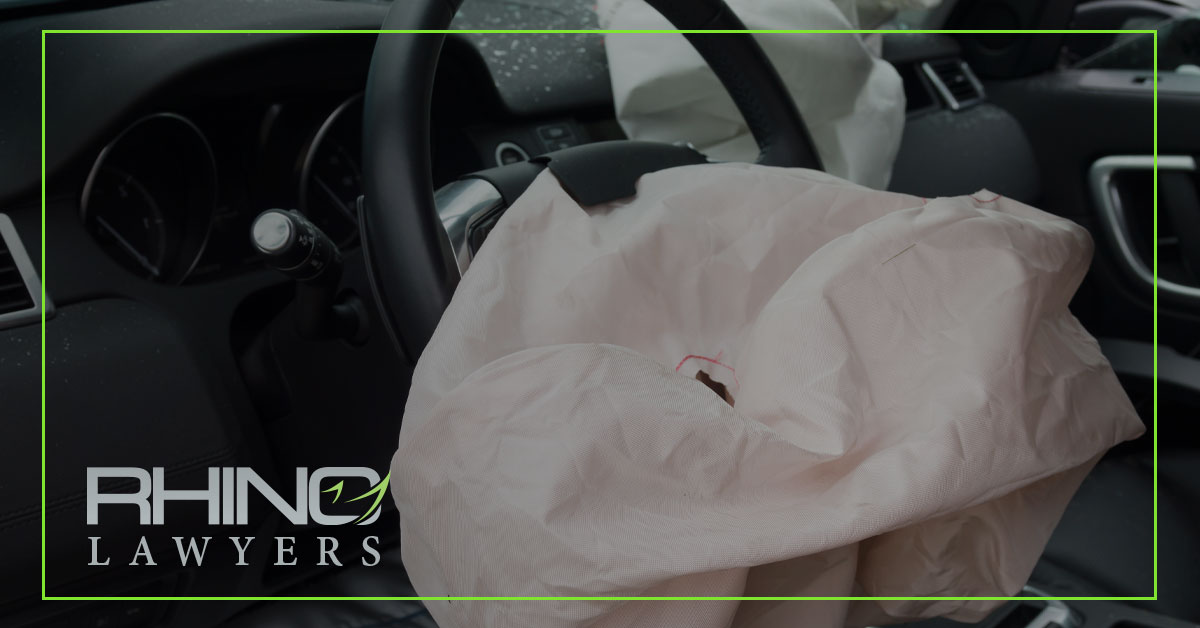
Evidencia de la caja negra después de un accidente automovilístico en Florida
La mayoría de los conductores nunca piensa en la tecnología que hay dentro de su vehículo. Hasta que ocurre un choque.
Los autos modernos recopilan datos silenciosamente cada vez que manejas. Velocidad. Frenado. Uso del cinturón de seguridad. Posición del acelerador. En los segundos previos a una colisión, es posible que esos datos se registren y almacenen.
Después de un choque grave, evidencia de la caja negra de un accidente automovilístico en Florida puede convertirse en una de las piezas de información más influyentes en una demanda por lesiones. A menudo, sin que el conductor siquiera sepa que existe.
Comprender qué son los datos de la caja negra, cómo se utilizan y por qué el tiempo es importante puede ayudar a los floridianos lesionados a evitar la pérdida de evidencia fundamental.
¿Qué es la evidencia de caja negra?
La mayoría de los vehículos más nuevos están equipados con un Registrador de datos de eventos (EDR), comúnmente conocida como caja negra. Funciona de manera similar a los registradores de vuelo utilizados en la aviación, pero a menor escala.
Un EDR puede registrar:
- Velocidad del vehículo
- Aplicación de frenos
- Posición del acelerador
- Entrada de dirección
- Uso del cinturón de seguridad
- Tiempo de activación de la bolsa de aire
Estos datos suelen registrarse segundos antes, durante y, a veces, inmediatamente después de una colisión.
No graba conversaciones. Graba el comportamiento del vehículo.
Por qué importan las pruebas de la caja negra después de un choque
Las reclamaciones por accidentes automovilísticos suelen implicar versiones contradictorias. Un conductor dice que frenó. Otro dice que nunca lo vio venir. Los recuerdos se desvanecen. Las historias cambian. Los datos de la caja negra no dependen de la memoria. Pueden:
- Confirme si se aplicaron los frenos
- Mostrar a qué velocidad viajaba un vehículo
- Indique si se usaban los cinturones de seguridad
- Apoyar o impugnar reclamos de culpa
Cuando las lesiones son graves, estos datos pueden influir significativamente en cómo las compañías de seguros evalúan la responsabilidad y el riesgo. Los datos objetivos cambian las conversaciones.
Cómo se utiliza la evidencia de la caja negra en reclamos por accidentes automovilísticos en Florida
Las compañías de seguros entienden el valor de los datos del EDR. Cuando están disponibles, a menudo buscan acceso temprano. La evidencia de la caja negra puede utilizarse para:
- Discutir sobre exceso de velocidad o conducción agresiva
- Apoyar las demandas por negligencia comparativa
- Impugnar la gravedad de las lesiones
- Justificar ofertas de acuerdos reducidos
Si los datos respaldan al conductor lesionado, las aseguradoras podrían cuestionar cómo se obtuvieron o cómo se interpretaron. Si parecen desfavorables, las aseguradoras podrían hacer mucho hincapié en ellos. Los datos no explican el contexto. La interpretación es importante.
Evidencia de caja negra y el sistema de seguro sin culpa de Florida
Florida opera bajo un sistema de seguro sin culpa, lo que significa que, por lo general, la cobertura de Protección contra Lesiones Personales (PIP) es la primera en aplicarse después de un accidente. Sin embargo, la evidencia de la caja negra cobra mayor importancia cuando:
- Las lesiones superan los límites de PIP
- Las reclamaciones implican daños graves o permanentes
- Se disputa la culpa
- Los vehículos comerciales están involucrados
En estas situaciones, las pruebas más allá de los informes de accidentes básicos pueden definir toda la reclamación.
Para ver una perspectiva más amplia sobre cómo la culpa afecta los reclamos, consulte nuestra guía sobre negligencia comparativa en Florida después de un accidente automovilístico, que explica cómo se evalúa la responsabilidad compartida.
Cómo se desarrolla la evidencia de la caja negra en las carreteras de Florida
Los accidentes en Florida suelen ocurrir bajo condiciones complejas. Viajes a alta velocidad en las autopistas I-4, I-75 y I-95. Corredores urbanos congestionados. Tormentas repentinas que reducen la tracción y la visibilidad. Conductores turistas que no están familiarizados con los patrones de tráfico locales.
Imaginemos un accidente en la carretera en el que se ven involucrados varios vehículos. Un conductor afirma que el choque se debió a una frenada repentina. Otro sostiene que lo embistieron por detrás sin previo aviso.
Los datos de la caja negra pueden mostrar patrones de frenado, cambios de velocidad y el momento del impacto. Esa información puede cambiar la forma en que los investigadores evalúan la culpa.
El tráfico de Florida genera accidentes con muchos datos. Las pruebas de la caja negra a menudo se vuelven fundamentales.
¿Quién puede acceder a los datos de la caja negra en Florida?
El acceso a los datos del EDR no es automático. En muchos casos, el acceso depende de:
- Propiedad de vehículos
- Consentimiento del propietario
- Órdenes judiciales
- Conservación del vehículo
Si un vehículo es reparado, vendido o destruido, los datos de la caja negra pueden perderse. El tiempo importa. Una vez que los datos se sobrescriben o borran, no se pueden recuperar.
Cómo las aseguradoras preservan y solicitan pruebas de la caja negra
Las compañías de seguros pueden actuar con rapidez para preservar los datos del vehículo, especialmente en reclamaciones de alto valor. Pueden:
- Solicitar inspecciones de vehículos
- Busque descargas de fabricantes
- Conservar los vehículos comerciales
- Solicitar autorización judicial
En contraste, los conductores lesionados a menudo no se dan cuenta de que estos datos existen hasta que ya han desaparecido. La conciencia temprana protege las opciones.
Errores comunes que cometen los conductores heridos con la evidencia de la caja negra
La evidencia de la caja negra es poderosa, pero también es frágil.
Permitir que el vehículo sea reparado demasiado rápido
Las reparaciones pueden sobrescribir o borrar los datos almacenados.
Suponiendo que los datos se recuperarán automáticamente
Los datos de EDR deben ser accedidos intencionalmente.
Ignorando la participación de vehículos comerciales
Los camiones, los vehículos de viajes compartidos y los vehículos de entrega suelen tener sistemas de datos adicionales.
Creer que los datos siempre son precisos
Los datos requieren una interpretación y un contexto adecuados.
Evitar estos errores puede preservar evidencia crucial.
Evidencia de caja negra vs. Videograbadora vehicular
Los datos de la caja negra a menudo se discuten junto con la evidencia en video, pero cumplen propósitos diferentes. Las cámaras para el tablero muestran lo que pasó visualmente, mientras que las cajas negras muestran cómo respondió el vehículo.
En muchos casos, los abogados utilizan ambas formas de prueba juntas. Puede obtener más información sobre la prueba en video en nuestro artículo sobre video de cámara de tablero después de un accidente automovilístico en Florida, donde explicamos cómo los expertos evalúan las grabaciones.
La tecnología no reemplaza la investigación. La complementa.
Cómo aborda RHINO Lawyers las pruebas de caja negra
Maneje toda la evidencia de caja negra con mucho cuidado. Los datos sin explicación pueden ser engañosos. RHINO Lawyers se enfoca en casos de lesiones por accidentes automovilísticos en todo Florida, incluidos:
- Hillsborough
- Pinellas
- Pasco
- Polk
- Manatí
- Naranja
- Sarasota
- Lee
- Collier
- Charlotte
- Hernando
RHINO Lawyers toma medidas para preservar los datos del vehículo, los revisa detenidamente y los explica en el contexto adecuado cuando pasan a formar parte de una reclamación.
Una vez que los datos desaparecen, nadie puede recrearlos.
Lo que dicen los datos federales de seguridad sobre la tecnología vehicular
Investigación federal de seguridad de Administración Nacional de Seguridad del Tráfico en las Carreteras destaca cómo los sistemas del vehículo y la dinámica de los choques afectan los resultados de las lesiones.
El Instituto de Seguros para la Seguridad en las Carreteras también estudia cómo el comportamiento del vehículo durante las colisiones se relaciona con la seguridad de los ocupantes.
Estas fuentes refuerzan por qué los datos de los vehículos electrónicos se han vuelto cada vez más importantes en las investigaciones de accidentes modernos.
Preguntas frecuentes sobre la evidencia de la caja negra después de un accidente automovilístico en Florida
¿Todos los vehículos tienen cajas negras?
Muchos vehículos más nuevos incluyen EDR, pero algunas marcas y modelos no.
P: ¿Durante cuánto tiempo se almacenan los datos de la caja negra?
El almacenamiento depende del vehículo. El sistema puede sobrescribir o borrar datos si alguien altera el vehículo.
¿Puede la información de la caja negra ser incorrecta?
La precisión de los datos depende de una correcta recuperación e interpretación.
¿Pueden las compañías de seguros usar los datos de la caja negra en mi contra?
Sí. Los datos pueden utilizarse para respaldar argumentos de culpa o comportamiento.
¿Se utilizan los datos de la caja negra en todos los casos de accidentes automovilísticos?
No. Es más común en reclamos graves o disputados.
¿Puede la evidencia de la caja negra respaldar las reclamaciones por lesiones?
En muchos casos, sí. Puede ayudar a explicar la gravedad del choque.
¿Qué pasaría si mi carro fuera pérdida total?
Es posible que los datos aún se puedan recuperar si se conservan con anticipación.
¿Regula la ley de Florida el acceso a la caja negra?
El acceso generalmente se rige por el consentimiento, la propiedad y la autoridad judicial.
¿Lesionado? No dejes que los datos críticos desaparezcan.
La evidencia de la caja negra depende del tiempo. Una vez que alguien altera o destruye un vehículo, los datos cruciales pueden desaparecer para siempre.
Si sufrió lesiones en un accidente automovilístico en Florida y los datos de la caja negra desempeñan un papel importante, aprender cómo funciona esta evidencia desde el principio le ayuda a proteger su posición.
Si ocurre en la carretera, llama 844-RHINO-77 para hablar con RHINO Lawyers. Consulta gratis. Disponible 24/7. Sin cobro a menos que ganemos.
Llama a un RHINO antes de perder datos críticos.
COMUNÍQUESE CON UN ABOGADO DE ACCIDENTES AUTOMOVILÍSTICOS EN TAMPA
En resumen, después de un accidente automovilístico, es posible que no conozca sus derechos. Sobre todo, no luche solo durante el proceso. En realidad, nuestro equipo de lesiones personales está aquí para ayudarle con cualquier necesidad legal que pueda tener relacionada con su accidente.
Por último, que RHINO Lawyers responda a sus preguntas y revise los hechos de su caso con una consulta gratuita. Así que comience completando el “Evaluación de caso instantánea y gratuita”o llamándonos en cualquier momento, día o noche, al 844.RHINO.77.
Leer más
Tácticas de acuerdo rápido después de accidentes automovilísticos Tampa
La llamada llega rápido. A veces, a las pocas horas del accidente. A veces a la mañana siguiente. El ajustador de seguros suena tranquilo y profesional. Le dicen que quieren “ayudarlo a seguir adelante” y “resolver las cosas rápido”. Incluso pueden decirle que la oferta es justa y directa.
Lo que muchos conductores heridos no se dan cuenta es que tácticas de acuerdo rápido después de accidentes automovilísticos de Tampa rara vez tienen que ver con la comodidad para usted. Tienen que ver con el control para la compañía de seguros.
Comprender cómo y por qué las aseguradoras presionan para lograr acuerdos rápidos puede ayudarlo a evitar decisiones que podrían costar mucho más de lo que parecen ahorrar.
Por qué las compañías de seguros actúan con rapidez después de accidentes con Tampa
Tampa es uno de los centros de tráfico más concurridos de Florida. La I-275, la I-4, la autopista Selmon, la carretera Dale Mabry y el tráfico constante de turistas provocan colisiones frecuentes. Las compañías de seguros lo saben. También saben otra cosa.
Inmediatamente después de un choque:
- Las lesiones a menudo no se diagnostican por completo
- Los costos médicos aún se desconocen
- La gente está estresada, adolorida y abrumada
Aquí es cuando las aseguradoras tienen mayor poder de negociación. La velocidad crea presión. La presión crea decisiones rápidas. Y las decisiones rápidas a menudo favorecen a la compañía de seguros.
Lo que realmente significa un “acuerdo rápido”
Un acuerdo rápido por lo general implica una oferta temprana hecha antes de:
- Todo el tratamiento médico ha finalizado
- Se conoce la magnitud total de las lesiones
- Se considera la atención futura
- Los ingresos perdidos están totalmente calculados
La oferta puede parecer atractiva, especialmente cuando las facturas ya se están acumulando. Pero a menudo se basa en información limitada y suposiciones conservadoras. Una vez aceptados, la mayoría de los acuerdos son definitivos. Ese es el riesgo.
Tácticas comunes de liquidación rápida utilizadas por las compañías de seguros
Las compañías de seguros rara vez anuncian sus intenciones abiertamente. En su lugar, recurren a estrategias sutiles.
Primer contacto y tono amistoso
Los ajustadores suelen llamar temprano y sonar comprensivos. Una conversación casual puede parecer inofensiva, pero las declaraciones pueden documentarse y usarse posteriormente para limitar los reclamos.
“Ofertas por tiempo limitado
Es posible que le digan que la oferta vence pronto. Esta urgencia lo desalienta a esperar claridad médica.
Minimizar lesiones
Términos como “impacto menor” o “tejido blando” se utilizan para minimizar el dolor que puede empeorar con el tiempo.
Solicitud de declaraciones grabadas
Las declaraciones iniciales pueden fijar plazos antes de que aparezcan los síntomas tardíos.
Estas tácticas no son accidentales. Son parte del proceso de reclamación.
Cómo el tráfico Tampa hace que los primeros asentamientos sean especialmente riesgosos
Los choques en áreas de Tampa rara vez son simples. La congestión vehicular pesada incrementa las colisiones por alcance. Los conductores turistas que no conocen los caminos locales aumentan las maniobras impredecibles. Las tormentas repentinas de lluvia reducen la visibilidad y la distancia de frenado.
Muchos de los heridos en estos accidentes son retrasado, incluidas lesiones cervicales, lesiones en la espalda y conmociones cerebrales. Estos problemas se analizan con más detalle en nuestra guía sobre lesiones tardías después de un accidente automovilístico en Florida, que explica por qué el dolor a menudo aparece días después.
Los acuerdos tempranos no contemplan las lesiones tardías. Las evitan.
El sistema de seguro sin culpa de Florida y las ofertas tempranas
Florida opera bajo un sistema de seguro sin culpa (no-fault), lo que significa que la cobertura de Protección contra Lesiones Personales (PIP) generalmente se aplica primero. Sin embargo, las compañías de seguros aún pueden presionar para lograr acuerdos rápidos cuando:
- Las lesiones parecen graves
- Los reclamos pueden superar los límites de PIP
- Se disputa la culpa
Aun en un estado sin culpa, las aseguradoras buscan formas de limitar su exposición financiera desde el principio.
Puede obtener más información sobre cómo funciona la estructura de seguros de Florida en nuestra descripción general de Seguro PIP de Florida y las reclamaciones por accidentes automovilísticos, lo que explica cómo interactúan los beneficios y la culpa.
Cómo calculan las compañías de seguros las ofertas de liquidación anticipada
Las ofertas tempranas a menudo se basan en:
- Solo consultas médicas iniciales
- Supuestos de tratamiento a corto plazo
- Estimaciones limitadas de pérdida salarial
- Mínimo dolor e interrupción
Rara vez representan:
- Terapia en curso
- Atención especializada
- Limitaciones futuras
- Impacto a largo plazo en el trabajo o la vida diaria
El objetivo no es la precisión. El objetivo es el cierre.
Errores que cometen las personas lesionadas al enfrentarse a acuerdos rápidos
Las ofertas tempranas toman a la gente por sorpresa. Eso lleva a tropiezos comunes.
Aceptar antes de que termine el tratamiento
Sin un diagnóstico claro, es imposible saber el costo real de una lesión.
Suponiendo que el seguro está siendo justo
Las compañías de seguros son negocios. Su objetivo es minimizar los pagos, no maximizar la recuperación.
No entender la finalidad
La mayoría de los acuerdos no se pueden reabrir, incluso si los síntomas empeoran.
Permitir que el estrés financiero impulse las decisiones
Las facturas inmediatas pueden empujar a las personas hacia respuestas rápidas en lugar de informadas.
Evitar estos errores puede proteger la estabilidad a largo plazo.
Cómo la negligencia comparativa se puede utilizar para presionar acuerdos
En muchos casos de Tampa, las compañías de seguros combinan ofertas tempranas con argumentos sobre la culpa.
Las normas de negligencia comparativa de Florida permiten a las aseguradoras alegar culpa compartida para reducir el valor de la reclamación. Esta táctica se utiliza a menudo para justificar ofertas iniciales más bajas.
Si se cuestiona la culpa, nuestro desglose de la negligencia comparativa de Florida tras un accidente automovilístico explica cómo se asigna la culpa y por qué las versiones iniciales importan.
Los primeros asentamientos suelen fijar suposiciones erróneas antes de que se revise por completo la evidencia.
Escenario de Tampa en el mundo real
Considere una situación común. Ocurrió una colisión por alcance durante el tráfico vespertino en la I-275. El conductor lesionado se siente adolorido pero funcional. La aseguradora llama al día siguiente con una oferta.
Una semana después, el dolor de cuello empeora. Se recomienda fisioterapia. Es necesario tomar una baja laboral.
El acuerdo ya está aceptado. Este escenario ocurre con más frecuencia de lo que la mayoría de la gente cree.
Cómo RHINO Lawyers ayuda cuando aparecen las ofertas anticipadas
La presión para llegar a un acuerdo anticipado es una señal de alerta, no un favor. RHINO Lawyers se enfoca en casos de lesiones por accidentes automovilísticos en toda la Florida, incluyendo Tampa y el condado de Hillsborough, así como:
RHINO Lawyers ayuda a las personas lesionadas a comprender qué cubre realmente una oferta, qué deja fuera y si el tiempo juega en su contra. La claridad importa antes de que las decisiones se vuelvan permanentes.
Datos confiables sobre lesiones por accidentes en Florida
Según el Seguridad en Carreteras y Vehículos Motorizados de Florida, cada año ocurren miles de accidentes relacionados con lesiones en todo el estado, muchos de ellos en áreas urbanas como Tampa.
Investigación de seguridad nacional de la Administración Nacional de Seguridad del Tráfico en las Carreteras también muestra que los síntomas y la gravedad de las lesiones no siempre son evidentes de inmediato después de las colisiones.
Estas realidades son la razón por la cual apresurar la resolución puede ser arriesgado.
Preguntas frecuentes sobre las tácticas de acuerdo rápido después de accidentes automovilísticos de Tampa
¿Por qué me llamó la compañía de seguros tan rápido?
El contacto temprano permite a las aseguradoras influir en el reclamo antes de que se conozcan por completo las lesiones.
¿Es siempre malo un acuerdo rápido?
No siempre. Depende de los hechos, las lesiones y el tiempo.
¿Puedo negociar un acuerdo más adelante si acepto uno temprano?
En la mayoría de los casos, no. Los acuerdos suelen ser definitivos.
¿Qué pasa si mis lesiones empeoran después de aceptar una oferta?
Ese riesgo es una razón por la cual los acuerdos anticipados pueden ser peligrosos.
¿La presión para un acuerdo rápido significa que mi caso es sólido?
No necesariamente. A menudo significa que la aseguradora quiere el control desde el principio.
¿Debo hablar con el ajustador de seguros de inmediato?
Ser cauteloso al principio puede ayudar a proteger tu posición.
P: ¿Los choques de Tampa conllevan riesgos únicos?
Sí. La densidad del tráfico y el turismo aumentan la complejidad.
P: ¿Pueden las disputas por culpa afectar las ofertas tempranas?
Sí. Los argumentos de culpabilidad suelen utilizarse para justificar acuerdos por montos menores.
¿Lesionado? No permita que las tácticas de acuerdo rápido jueguen en su contra.
Las ofertas rápidas rara vez se tratan de justicia. Se trata de limitar la exposición antes de conocer el panorama completo.
Si sufrió lesiones en un accidente automovilístico del Tampa y una compañía de seguros presiona para lograr una pronta resolución, comprender su posición desde el principio puede proteger su salud y su futuro.
Si ocurre en la carretera, llama 844-RHINO-77 para hablar con RHINO Lawyers. Consulta gratis. Disponible 24/7. Sin cobro a menos que ganemos.
Llame al RHINO Lawyers antes de que una oferta rápida se convierta en un error permanente.
COMUNÍQUESE CON UN ABOGADO DE ACCIDENTES AUTOMOVILÍSTICOS EN TAMPA
En resumen, después de un accidente automovilístico, es posible que no conozca sus derechos. Sobre todo, no luche solo durante el proceso. En realidad, nuestro equipo de lesiones personales está aquí para ayudarle con cualquier necesidad legal que pueda tener relacionada con su accidente.
Por último, que RHINO Lawyers responda a sus preguntas y revise los hechos de su caso con una consulta gratuita. Así que comience completando el “Evaluación de caso instantánea y gratuita”o llamándonos en cualquier momento, día o noche, al 844.RHINO.77.
Leer más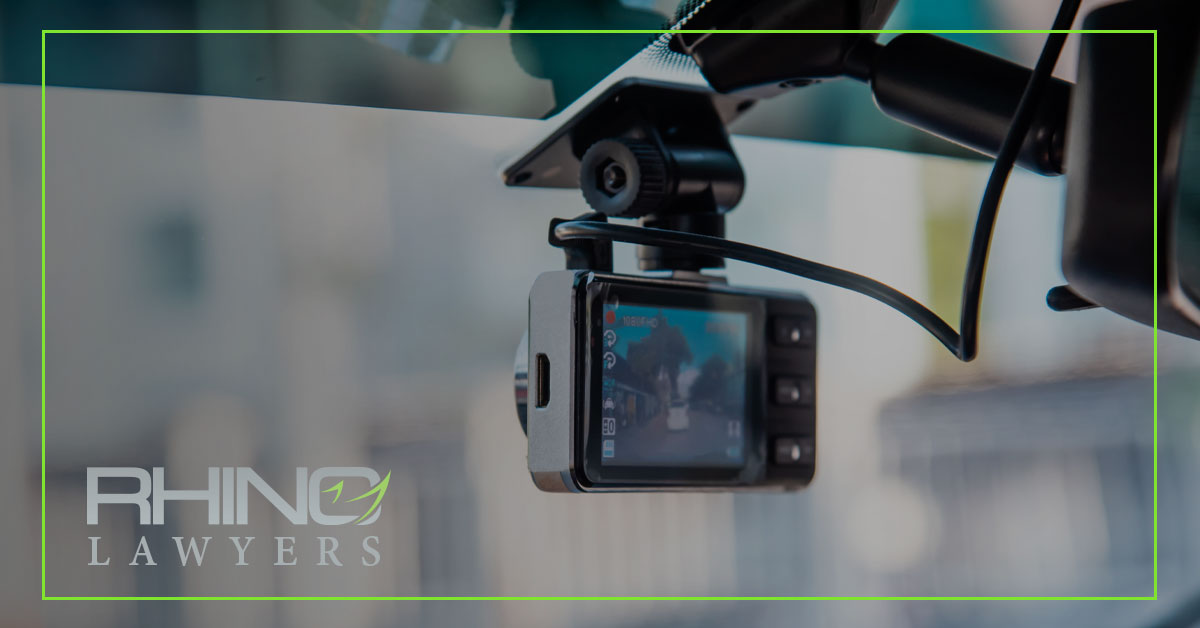
Videos de cámara de tablero después de un accidente automovilístico en Florida
El choque ocurre rápido. En un momento, estás conduciendo. Al siguiente, todo cambia. Ahora la compañía de seguros quiere tu declaración. El otro conductor tiene su propia versión de los hechos. Y los detalles ya parecen estar cambiando.
Aquí es donde video de cámara de tablero después de un accidente automovilístico en Florida puede convertirse en una de las pruebas más importantes. El video no depende de la memoria. No olvida detalles. Y a menudo responde a las preguntas exactas sobre las que las compañías de seguros más discuten.
Comprender cómo se utilizan las imágenes de las cámaras para tablero en las reclamaciones por accidentes en Florida puede ayudar a los conductores lesionados a evitar errores costosos.
Qué es el material de archivo de una cámara para tablero y qué graba
Una cámara para tablero es una cámara montada dentro de un vehículo que graba continuamente mientras el auto está en funcionamiento. Algunas cámaras para tablero graban solo el camino por delante. Otras capturan vistas hacia atrás o el interior del vehículo.
Las imágenes de la cámara del tablero pueden mostrar:
- Los momentos previos al accidente
- Señales de tránsito y rotulación
- Comportamiento de velocidad y frenado
- Posicionamiento en el carril
- Condiciones climáticas y del estado de las carreteras
En muchos casos, las imágenes de la cámara del tablero ofrecen una perspectiva objetiva de lo que estaba sucediendo justo antes del impacto. Esa objetividad importa cuando las versiones de los hechos entran en conflicto.
Por qué las grabaciones de cámaras para auto pueden ser una prueba contundente
Las demandas por accidentes automovilísticos a menudo se reducen a la credibilidad. ¿De quién es la historia más creíble? ¿Qué versión está respaldada por evidencia?
El video de la cámara para tablero puede:
- Confirmar el derecho de paso
- Mostrar cambios de carril inseguros
- Capturar infracciones por pasarse la luz roja o la señal de alto
- Disputar afirmaciones exageradas o inexactas
A diferencia de los recuerdos de los testigos, el video no se desvanece ni cambia. Cuando está disponible, a menudo se convierte en el foco central de las evaluaciones de seguros. La evidencia en video puede simplificar las disputas, pero también puede crear nuevas si se malinterpreta.
Leyes sobre cámaras de tablero en Florida y consideraciones legales
Por lo general, las cámaras para tablero (dash cams) son legales en Florida, pero hay reglas importantes que se deben entender.
Reglas de grabación de video
Por lo general, está permitido grabar videos de las vías públicas, siempre y cuando la cámara no obstruya la visibilidad del conductor. Una colocación incorrecta puede crear problemas de seguridad o multas.
Reglas de grabación de audio
Florida es un estado de consentimiento de ambas partes para grabación de audio. Grabación de conversaciones sin consentimiento puede plantear problemas legales.
Muchas cámaras para el auto permiten desactivar la grabación de audio. Esa configuración importa más de lo que la mayoría de los conductores cree. Las imágenes de las cámaras para el auto pueden ayudar en un reclamo. Pero solo cuando se capturan y utilizan adecuadamente.
Cómo las compañías de seguros utilizan las grabaciones de las cámaras para tablero
Las compañías de seguros analizan detenidamente las pruebas en video. Pueden utilizar las imágenes de la cámara del tablero para respaldar o impugnar un reclamo.
Las aseguradoras suelen revisar:
- Comportamiento de velocidad y frenado
- Tiempo de reacción
- Posicionamiento en el carril
- Señales de tránsito
Si las imágenes parecen desfavorables, los ajustadores pueden depender en gran medida de ellas. Si respaldan al conductor lesionado, las aseguradoras pueden discutir la interpretación o el contexto. Las imágenes de la cámara de tablero no hablan por sí solas. La forma en que se presentan importa.
Cuando el otro conductor tiene grabaciones de cámara de tablero
Es posible que no seas el único que está grabando. Los vehículos comerciales, los conductores de viajes compartidos, los camiones de reparto y hasta los negocios cercanos suelen tener cámaras. En las zonas de Florida con gran afluencia de turistas, la evidencia en video es cada vez más común.
Las imágenes de otras fuentes pueden:
- Apoya tu cuenta
- Plantear nuevas preguntas
- Compartido de forma selectiva
El video suele sobrescribirse o eliminarse en cuestión de días o semanas. Actuar con rapidez puede marcar la diferencia entre evidencia conservada y evidencia perdida. Una vez que las imágenes desaparecen, por lo general se pierden para siempre.
Cómo se desarrolla el material de las cámaras para tablero en las carreteras de Florida
Los accidentes en Florida suelen ocurrir en entornos complejos.
Carreteras interestatales congestionadas como la I-4 y la I-275. Los conductores turistas no están familiarizados con las carreteras locales. Tormentas repentinas que reducen la visibilidad y la tracción.
Considere una situación común en un área de Tampa. Una colisión por cambio de carril durante el tráfico pesado. Ambos conductores afirman que el otro se desvió. Las imágenes de la cámara del tablero muestran que un vehículo no puso la direccional y se desvió cruzando las marcas del carril.
Ese único video puede cambiar la forma en que se evalúa la culpa. Las imágenes de la cámara de tablero a menudo se vuelven decisivas en los accidentes de Florida porque las condiciones del tráfico dejan poco margen de error.
Video de cámara de tablero y el sistema de seguro sin culpa de Florida
El sistema sin culpa de Florida significa que la cobertura de Protección contra Lesiones Personales (PIP) generalmente se aplica primero, independientemente de la culpa.
Sin embargo, las imágenes de la cámara para tablero a menudo se vuelven fundamentales cuando:
- Las lesiones son graves
- Los costos médicos superan los límites de PIP
- Se disputa la culpa
- Las reclamaciones involucran a múltiples partes
Aun en un estado sin culpa, las pruebas siguen importando. Especialmente cuando las aseguradoras deciden si deben oponer resistencia o negociar.
Errores comunes que cometen los conductores con las grabaciones de la cámara para tablero
Las imágenes de la cámara para tablero pueden ayudar o perjudicar, según cómo se manejen.
Compartir material demasiado rápido
Proporcionar material gráfico antes de comprender su impacto puede dar ventaja a las aseguradoras.
Asumiendo que las imágenes cuentan toda la historia
El video capta ángulos, no dolor, fuerza ni lesiones tardías.
No preservar los archivos originales
Las imágenes editadas o sobrescritas pueden ser cuestionadas o perderse.
Ignorando Otras Fuentes de Video
Las cámaras cercanas pueden respaldar su versión de los hechos.
El manejo cuidadoso protege el valor de la evidencia en video.
Cómo RHINO Lawyers aborda la evidencia de las cámaras de tablero
Las imágenes de la cámara para tablero requieren contexto, revisión y estrategia. No se trata solo de lo que muestra el video, sino de cómo se interpreta.
RHINO Lawyers se enfoca en casos de lesiones por accidentes automovilísticos en todo Florida, incluidos:
- Hillsborough
- Pinellas
- Polk
- Pasco
- Manatí
- Naranja
- Sarasota
- Lee
- Collier
- Charlotte
- Hernando
Los accidentes en Florida rara vez son sencillos. La congestión del tráfico, el turismo y el clima impredecible generan complejas dudas sobre la responsabilidad civil.
La revisión temprana de la evidencia en video puede ayudar a garantizar que respalde toda la historia.
Preguntas frecuentes sobre las grabaciones de cámaras para tablero después de un accidente automovilístico en Florida
¿Se pueden utilizar las grabaciones de una cámara de tablero en una reclamación por accidente automovilístico en Florida?
Sí. En muchos casos, las imágenes de la cámara del tablero pueden usarse como evidencia.
¿Tengo que entregarle la grabación de mi cámara de tablero a la compañía de seguros?
Depende de las circunstancias. Compartir material gráfico demasiado pronto puede afectar la forma en que se evalúa un reclamo.
P: ¿Puede el video de una cámara para tablero probar la culpa?
Puede ayudar a determinar qué sucedió, ಆದರೆ las decisiones sobre la culpa suelen implicar múltiples factores.
¿Qué pasa si mi cámara de tablero no registró el impacto?
Las imágenes anteriores y posteriores al accidente aún pueden ser valiosas.
¿Cuánto tiempo se suele almacenar el video de la cámara para tablero?
Muchos sistemas sobrescriben las grabaciones en cuestión de días o semanas a menos que se guarden.
P: ¿Es legal la grabación de audio con cámara de tablero en Florida?
Florida requiere consentimiento para la grabación de audio, razón por la cual la configuración importa.
¿Se pueden malinterpretar las imágenes de archivo?
Sí. El contexto y el análisis son fundamentales.
¿Debería instalar una cámara para el tablero después de un accidente?
Las cámaras para tablero pueden ser útiles, pero su valor depende de un uso adecuado.
¿Lesionado? Asegúrate de que el video cuente toda la historia.
Las imágenes de la cámara para tablero pueden protegerte, o pueden volverse en tu contra si las manejas sin cuidado.
Si sufrió lesiones en un accidente automovilístico y tiene pruebas en video, obtener claridad desde el principio protege su posición y su recuperación.
Si ocurre en la carretera, llama 844-RHINO-77 para hablar con RHINO Lawyers.
Consulta gratis. Disponible 24/7. Sin honorarios a menos que ganemos.
Llama a un RHINO y asegúrate de que las imágenes cuenten toda la historia.
COMUNÍQUESE CON UN ABOGADO DE ACCIDENTES AUTOMOVILÍSTICOS EN TAMPA
En resumen, después de un accidente automovilístico, es posible que no conozca sus derechos. Sobre todo, no luche solo durante el proceso. En realidad, nuestro equipo de lesiones personales está aquí para ayudarle con cualquier necesidad legal que pueda tener relacionada con su accidente.
Por último, que RHINO Lawyers responda a sus preguntas y revise los hechos de su caso con una consulta gratuita. Así que comience completando el “Evaluación de caso instantánea y gratuita”o llamándonos en cualquier momento, día o noche, al 844.RHINO.77.
Leer más
Negligencia comparativa de Florida después de un accidente automovilístico
Te chocaron. Pero ahora la compañía de seguros está diciendo tienes parte de la culpa.
Ese momento es desconcertante. Estás lidiando con lesiones, estrés y daños al vehículo, y de repente, la culpa se convierte en el foco en lugar de la recuperación.
negligencia comparativa en Florida después de un accidente automovilístico es una de las partes peor entendidas de las demandas por lesiones. Puede afectar directamente la manera en que las compañías de seguros evalúan la responsabilidad y cuánta compensación puede estar disponible.
Comprender cómo funciona la negligencia comparativa en Florida es fundamental antes de que las suposiciones se conviertan en decisiones permanentes.
Qué significa la negligencia comparativa en Florida
Florida sigue un sistema de negligencia comparativa, lo que permite que la culpa se divida entre múltiples partes involucradas en un choque.
No es necesario estar completamente libre de culpa para presentar una demanda por lesiones. En su lugar, la responsabilidad se evalúa según cómo las acciones de cada parte pudieron haber contribuido a la colisión.
Por ejemplo:
- Se puede considerar que un conductor es responsable según la norma 70%
- Otro conductor podría ser considerado 30% responsable
Esos porcentajes importan. Influyen en cómo las compañías de seguros evalúan las reclamaciones, las negociaciones y las disputas. La negligencia comparativa existe porque los choques rara vez son blancos o negros.
Cómo la negligencia comparativa afecta las reclamaciones por accidentes automovilísticos
Las compañías de seguros se enfocan fuertemente en la asignación de culpas. Asignar una culpa parcial puede reducir significativamente su exposición financiera.
Los ajustadores pueden argumentar que:
- Iba a exceso de velocidad
- Estabas distraído
- Cambiaste de carril de forma insegura
- No reaccionaste con la suficiente rapidez
Incluso cuando otro conductor causó claramente el choque. Los porcentajes pequeños se acumulan. Un cambio de tan solo 10% puede modificar la forma en que las aseguradoras abordan un reclamo. La culpa no es solo un concepto jurídico. Es una herramienta financiera.
Escenarios comunes de choques donde la culpa es disputada
La negligencia comparativa aparece con mayor frecuencia en accidentes que involucran cronologías poco claras o versiones contradictorias.
Accidentes por choque por detrás
Muchos conductores dan por sentado que, en los choques por alcance, la culpa es automáticamente suya. Las compañías de seguros, sin embargo, suelen discrepar.
Podrían argumentar:
- Frenadas bruscas o innecesarias
- Luces de freno inoperativas
- Cambios de carril inesperados
Colisiones en intersecciones
Las intersecciones son un terreno propicio para las disputas por fallas.
Las compañías de seguros analizan:
- Señales de tránsito y rotulación
- Derecho de paso
- Velocidad y visibilidad
- Tiempo de reacción
Accidentes por cambio de carril e incorporación
Estos casos suelen girar en torno al posicionamiento.
Las preguntas incluyen:
- ¿Quién controlaba el carril?
- Si se utilizó una señal
- Momento de la maniobra
Las zonas grises dan lugar a una responsabilidad compartida. Y las aseguradoras se aprovechan de esas zonas grises.
Cómo funciona la negligencia comparativa en las carreteras de Florida
Condiciones del tráfico en Florida crear disputas por culpa frecuente. Los conductores turistas no están familiarizados con las carreteras locales. Fuerte congestión en la I-4, I-75 y I-275. Tormentas repentinas que reducen la visibilidad y la tracción.
Imaginemos un accidente en una zona de Tampa con tráfico intermitente. Un conductor frena de repente. Otro reacciona tarde. Se produce una reacción en cadena. Las compañías de seguros pueden atribuir culpa parcial a varios conductores, incluso cuando uno solo haya sido el causante del accidente.
La negligencia comparativa prospera en entornos complejos. Florida ofrece muchos de ellos.
Cómo evalúan las compañías de seguros la responsabilidad civil
Las compañías de seguros llevan a cabo sus propias investigaciones. Estas suelen realizarse con rapidez y con información limitada.
Ellos revisan:
- Reportes de accidentes policiales
- Fotos y videos
- Patrones de daños en vehículos
- Declaraciones de testigos
- Declaraciones grabadas del conductor
Las primeras impresiones importan. Una vez que se forman suposiciones erróneas, puede ser difícil revertirlas. Por esto son importantes la documentación temprana y la precaución.
Pruebas que pueden influir en la negligencia comparativa
Las decisiones sobre culpas están moldeadas por la evidencia. La evidencia sólida puede cambiar los porcentajes.
Las fuentes importantes incluyen:
- Reportes de accidentes policiales
- Video de cámara para auto o de vigilancia
- Análisis de daños en vehículos
- Marcas de derrape y patrones de escombros
- Declaraciones de testigos independientes
Hasta los pequeños detalles pueden influir en cómo se asigna la culpa. Las pruebas no eliminan las disputas. Pero pueden cambiar la narrativa.
El sistema sin culpa y la negligencia comparativa de Florida
Florida opera bajo un sistema de seguro sin culpa, que significa Protección contra lesiones personales La cobertura de protección contra lesiones personales (PIP) suele aplicarse primero después de un choque.
Sin embargo, la negligencia comparativa cobra mayor relevancia cuando:
- Las lesiones son graves
- Los costos médicos superan los límites de PIP
- Las reclamaciones involucran a múltiples partes
La culpa todavía importa en Florida, especialmente cuando las compañías de seguros deciden qué tan agresivamente van a defender un reclamo.
Errores comunes que cometen las personas lesionadas con respecto a la culpabilidad
Los casos de negligencia comparativa a menudo se desmoronan debido a tropiezos iniciales.
Aceptar la culpa demasiado rápido
Disculparse o especular en la escena puede malinterpretarse más tarde.
Dar declaraciones grabadas detalladas anticipadamente
Las primeras declaraciones pueden fijar plazos antes de que se comprendan por completo las lesiones o las pruebas.
Asumiendo que el informe policial es definitivo
Los informes policiales importan, pero no siempre son la última palabra sobre la culpa.
Ignorar la preservación de pruebas
Las fotos, los videos y la información de los testigos pueden desaparecer rápidamente.
Evitar estos errores puede proteger tu posición.
Cómo RHINO Lawyers ayuda a navegar las disputas de culpabilidad
Los casos de negligencia comparativa requieren una revisión y estrategia cuidadosas. Los pequeños detalles pueden marcar una diferencia significativa.
RHINO Lawyers se enfoca en casos de lesiones por accidentes automovilísticos en todo Florida, incluidos:
- Hillsborough
- Pinellas
- Polk
- Pasco
- Manatí
- Naranja
- Sarasota
- Lee
- Collier
- Charlotte
- Hernando
Los accidentes en Florida suelen involucrar tráfico pesado, turismo y clima impredecible. Rara vez la culpa es evidente. Contar con orientación experimentada puede ayudar a las personas lesionadas a comprender cómo se evalúa y se cuestiona la responsabilidad.
Preguntas frecuentes sobre la negligencia comparativa en Florida tras un accidente automovilístico
¿Aún puedo presentar un reclamo si tuve parte de la culpa?
Sí. El sistema de negligencia comparativa de Florida permite la culpa compartida en muchos casos.
¿Quién determina la culpa después de un accidente automovilístico?
Las compañías de seguros realizan sus propias evaluaciones, las cuales pueden diferir de los informes policiales.
P: ¿Una infracción de tráfico me hace automáticamente responsable?
No necesariamente. Las multas son un factor, pero no siempre determinan la culpa.
P: ¿Pueden cambiar los porcentajes de culpa más adelante?
En muchos casos, sí. La evidencia adicional puede afectar cómo se evalúa la culpa.
P: ¿Afecta la negligencia comparativa a los beneficios de PIP?
Los beneficios de PIP por lo general aplican independientemente de la culpa, pero la culpa puede importar más allá de PIP.
¿Qué pasa si varios conductores comparten la culpa?
La negligencia comparativa permite dividir la responsabilidad entre múltiples partes.
P: ¿Debo hablar sobre la culpa con el otro conductor?
A menudo es mejor limitar la discusión y documentar la escena.
¿Puede la culpa afectar las negociaciones de conciliación?
Sí. Los porcentajes de culpa suelen influir en cómo las aseguradoras abordan las negociaciones.
¿Lesionado? No acepte la culpa demasiado rápido.
La culpa compartida no significa responsabilidad compartida en la recuperación. Las compañías de seguros comienzan a moldear las versiones sobre la culpa desde el principio, y esas versiones pueden ser difíciles de revertir.
Si resultó herido en un accidente automovilístico y la culpa se está desviando hacia usted, la claridad importa antes de que las suposiciones se vuelvan permanentes.
Si ocurre en la carretera, llama 844-RHINO-77 para hablar con RHINO Lawyers. Consulta gratis. Disponible 24/7. Sin cobro a menos que ganemos.
Llama a un RHINO y protege tu posición antes de que una falla te cueste caro.
COMUNÍQUESE CON UN ABOGADO DE ACCIDENTES AUTOMOVILÍSTICOS EN TAMPA
En resumen, después de un accidente automovilístico, es posible que no conozca sus derechos. Sobre todo, no luche solo durante el proceso. En realidad, nuestro equipo de lesiones personales está aquí para ayudarle con cualquier necesidad legal que pueda tener relacionada con su accidente.
Por último, que RHINO Lawyers responda a sus preguntas y revise los hechos de su caso con una consulta gratuita. Así que comience completando el “Evaluación de caso instantánea y gratuita”o llamándonos en cualquier momento, día o noche, al 844.RHINO.77.
Leer más
Lesiones retardadas después de un accidente automovilístico en Florida
Te alejas del choque pensando que estás bien.
Sin ambulancia. Sin lesiones evidentes. Solo consternado y listo para llegar a casa.
Luego, días después, comienza el dolor. Rigidez en el cuello. Dolores de cabeza. Dolor de espalda que antes no estaba. Fatiga que no desaparece.
Lesiones tardías después de un accidente automovilístico en Florida son mucho más comunes de lo que la mayoría de la gente espera. Cuando los síntomas aparecen más tarde, pueden generar confusión, estrés y graves problemas con el seguro si no estás preparado.
Comprender cómo funcionan las lesiones tardías es importante. Especialmente en Florida, donde las reglas de los seguros son estrictas y el tiempo puede afectar directamente las opciones disponibles.
Por qué las lesiones por accidentes automovilísticos pueden tardar en aparecer
Después de una colisión, el cuerpo suele entrar en modo de supervivencia. La adrenalina se disparan. Las señales de dolor son suprimidas. Los músculos se tensan. La inflamación aún no se ha desarrollado por completo.
Por esto muchos conductores heridos les dicen a los oficiales de policía y a los ajustadores de seguros que “se sienten bien” en el lugar de los hechos. En ese momento, a menudo es así.
Horas o días después, los efectos reales comienzan a aflorar.
Lesiones de tejidos blandos Se inflama. Los nervios se irritan. Las lesiones cerebrales se manifiestan a través de dolores de cabeza o cambios cognitivos. Lo que antes se sentía como rigidez se convierte en un dolor que interfiere con el trabajo, el sueño y la vida cotidiana.
Los síntomas tardíos son una respuesta biológica normal al trauma. No son exagerados. Lamentablemente, las compañías de seguros suelen tratar el dolor tardío con escepticismo.
Lesiones comunes que se manifiestan más tarde tras un accidente automovilístico en Florida
Algunas de las lesiones más graves causadas por accidentes automovilísticos rara vez se manifiestan de inmediato.
Lesiones por latigazo cervical y lesiones de tejidos blandos
- Dolor de cuello y hombros
- Rigidez muscular
- Rango de movimiento reducido
- Dolor que se agrava durante la noche
Whiplash Suele aparecer entre 24 y 72 horas después de un accidente. Las colisiones por alcance en las autopistas y calles de Florida son una causa frecuente.
Es posible que estas lesiones no se vean en las imágenes de diagnóstico, pero pueden limitar significativamente las actividades cotidianas.
Conmociones cerebrales y lesiones cerebrales traumáticas
- Dolores de cabeza persistentes
- Mareo o náuseas
- Sensibilidad a la luz o al sonido
- Problemas de memoria o concentración
Las lesiones cerebrales a menudo se pasan por alto al principio. Los síntomas pueden comenzar siendo sutiles y empeorar con el tiempo, especialmente cuando la persona lesionada regresa al trabajo o a la escuela demasiado rápido.
Lesiones de espalda y columna vertebral
- Discos herniados o abultados
- Dolor de nervio
- Hormigueo o entumecimiento en los brazos o las piernas
Las lesiones en la columna vertebral son comunes en los accidentes a alta velocidad, incluidos los que ocurren en la I-4, la I-75 y las principales vías de Florida. El dolor puede aumentar gradualmente a medida que la inflamación se agrava.
Lesiones internas
- Dolor abdominal
- Hinchazón
- Hemorragia interna
Estas lesiones son menos comunes pero potencialmente graves. La atención médica retrasada puede aumentar el riesgo.
Las lesiones de aparición tardía son reales. Y merecen que se las tome en serio.
Cómo se manifiestan las lesiones tardías tras los accidentes en Florida
Los accidentes en Florida suelen implicar factores que aumentan el riesgo de sufrir lesiones tardías.
Los conductores turistas no están familiarizados con las carreteras locales. Las tormentas repentinas que reducen la visibilidad. Las autopistas congestionadas son lugares donde los choques ocurren de manera rápida e inesperada.
Imaginemos una situación común. Se produjo una colisión por alcance durante un tráfico con paradas y arranques en Condado de Hillsborough. El conductor se siente aturdido, pero rechaza que lo trasladen a un centro médico. Dos días después, comienzan a aparecerle dolor de cuello y dolores de cabeza. Una semana después, el dolor de espalda le impide trabajar.
Esto no es inusual. Es algo común.
Las lesiones tardías suelen aparecer después de que las personas retoman sus rutinas normales. Estar sentado en un escritorio. Volver a conducir. Dormir en posturas conocidas. El cuerpo por fin se desacelera lo suficiente como para sentir el daño.
Por qué las lesiones tardías son importantes según las normas de seguros de Florida
Florida opera bajo un sistema de seguro sin culpa, lo que significa que la cobertura de Protección contra Lesiones Personales (PIP) suele aplicarse primero después de un accidente.
Sin embargo, la ley de Florida incluye una limitación importante.
La regla de tratamiento médico de 14 días
En muchos casos, los conductores lesionados deben buscar atención médica en un plazo de 14 días del accidente para calificar para Beneficios de PIP.
Si se retrasa el tratamiento, las compañías de seguros pueden argumentar:
- La lesión no fue causada por el choque
- La lesión no es grave
- Los síntomas se desarrollaron más tarde por motivos no relacionados
Estos argumentos son comunes, incluso cuando las lesiones tardías son reconocidas médicamente.
El retraso en el tratamiento no elimina automáticamente las opciones, pero a menudo complica las reclamaciones de seguros.
Cómo las compañías de seguros evalúan las reclamaciones por lesiones tardías
Las compañías de seguros se enfocan mucho en los plazos.
Revisión del ajustador:
- Cuando se informó del dolor por primera vez
- Cuando comenzó el tratamiento médico
- ¿Qué síntomas se documentaron?
- Si existen deficiencias en la atención médica
Las lesiones tardías dan margen a las aseguradoras para cuestionar la causalidad. Incluso los retrasos pequeños pueden utilizarse para sembrar dudas sobre reclamaciones legítimas.
Por esto es por lo que la documentación importa. Los expedientes médicos, las descripciones de los síntomas y la coherencia desempeñan un papel importante.
Errores comunes que cometen las personas lesionadas con lesiones tardías
Las lesiones tardías suelen tomar a la gente desprevenida. Eso conduce a errores.
Demorar demasiado en buscar atención médica
Algunas personas esperan que el dolor se resuelva por sí solo. A veces así es. A menudo no es así.
Esperar puede empeorar las lesiones y darles ventaja a las compañías de seguros.
Minimización de síntomas
Restar importancia al dolor ante los médicos o las aseguradoras puede limitar cómo se documentan las lesiones.
Hablar demasiado libremente con los ajustadores de seguros
Las declaraciones grabadas prematuramente pueden fijar cronologías que luego se utilizan en contra de la persona lesionada.
Asumiendo que el dolor no importará legalmente
El dolor demorado sigue siendo dolor. Y sigue importando.
Evitar estos errores puede proteger tanto la salud como las opciones.
Cómo las lesiones tardías afectan las reclamaciones más allá de la PIP
Las lesiones tardías a menudo se vuelven más importantes cuando:
- Los costos médicos superan los límites de PIP
- Las lesiones son a largo plazo
- Se disputa la culpa
En estos casos, el momento oportuno, las pruebas y la documentación desempeñan un papel más importante. Las compañías de seguros pueden examinar los síntomas tardíos con mayor detalle.
La preparación importa.
Cómo RHINO Lawyers brinda apoyo en los casos de reclamaciones por lesiones tardías
Las reclamaciones por lesiones tardías requieren un manejo cuidadoso. El momento importa. Las pruebas importan.
RHINO Lawyers se especializa en casos de lesiones por accidentes automovilísticos en toda Florida, entre los que se incluyen:
Los accidentes en Florida rara vez son simples. Las carreteras congestionadas, el turismo y el clima impredecible aumentan la probabilidad de lesiones tardías.
Contar con orientación puede ayudar a las personas lesionadas a entender qué pasos son los más importantes.
Preguntas frecuentes sobre lesiones tardías después de un accidente automovilístico en Florida
¿Es normal sentir dolor días después de un accidente automovilístico?
Sí. Muchas lesiones involucran inflamación o daño en los tejidos blandos que se desarrolla con el tiempo.
¿Se pueden vincular todavía las lesiones tardías con el choque?
En muchos casos, sí. Los proveedores médicos reconocen frecuentemente la aparición tardía.
¿Qué pasa si no fui al hospital inmediatamente después del choque?
Eso es común. Buscar atención médica cuando aparecen los síntomas sigue siendo importante.
¿Puede una compañía de seguros negar una reclamación porque los síntomas se retrasaron?
Las compañías de seguros pueden cuestionar los síntomas tardíos, pero están reconocidos médicamente.
P: ¿Durante cuánto tiempo se deben monitorear los síntomas después de un choque?
Semanas, no solo días. Algunas lesiones se desarrollan gradualmente.
P: ¿Perjudica siempre un reclamo el tratamiento retrasado?
No siempre, pero la documentación y el tiempo importan.
¿Debo hablar con el seguro antes de ver a un médico?
Ser cauteloso al principio puede ayudar a proteger tu posición.
¿Pueden las lesiones tardías volverse permanentes?
Algunas lesiones pueden empeorar sin el cuidado adecuado.
¿Lesionado? No ignores lo que tu cuerpo te está diciendo.
El dolor tardío NUNCA debe ignorarse. Si algo no se siente bien después de un choque, prestar atención a tiempo puede proteger tanto su salud como sus derechos. Esperar suele beneficiar más a las aseguradoras que a usted.
Si resultó herido en un accidente automovilístico, llame 844-RHINO-77 para hablar con un equipo de confianza especializado en lesiones automovilísticas.
Consulta gratis. Disponible 24/7. Sin honorarios a menos que ganemos.
Llame a un RHINO y obtenga respuestas cuando el momento es lo más importante.
COMUNÍQUESE CON UN ABOGADO DE ACCIDENTES AUTOMOVILÍSTICOS EN TAMPA
En resumen, después de un accidente automovilístico, es posible que no conozca sus derechos. Sobre todo, no luche solo durante el proceso. En realidad, nuestro equipo de lesiones personales está aquí para ayudarle con cualquier necesidad legal que pueda tener relacionada con su accidente.
Por último, que RHINO Lawyers responda a sus preguntas y revise los hechos de su caso con una consulta gratuita. Así que comience completando el “Evaluación de caso instantánea y gratuita”o llamándonos en cualquier momento, día o noche, al 844.RHINO.77.
Leer más
Cómo las malas condiciones de las carreteras contribuyen a los accidentes automovilísticos en Florida
Malas condiciones de las carreteras aumentan el riesgo de accidentes al reducir el control del vehículo y el tiempo de reacción del conductor. En Florida, estos peligros contribuyen a los accidentes automovilísticos debido al alto volumen de tráfico y la exposición a las condiciones climáticas.
Según el Departamento de Seguridad de Carreteras y Vehículos Motorizados de Florida, hubo 352,879 choques en 2025. De este número, 2,728 resultaron en muertes y 229,804 resultaron en lesiones.
Las tormentas eléctricas estacionales, la alta humedad y los huracanes de Florida hacen que transitar por las carreteras sea más peligroso. La mala infraestructura vial también aumenta la probabilidad de accidentes.
Tomar medidas preventivas de seguridad vial puede reducir los riesgos de accidentes automovilísticos. Descubra a continuación útiles consejos para la prevención de accidentes.
¿Cómo aumentan las malas condiciones de las carreteras los riesgos de accidentes automovilísticos en las autopistas de Florida?
Malas condiciones de las carreteras aumentan el riesgo de choque al reducir la tracción de los neumáticos y limitar el tiempo de reacción del conductor. El tráfico pesado deja poco margen de maniobra para esquivar los peligros.
Los baches y el pavimento irregular dificultan el control de los vehículos a altas velocidades. Las marcas de los carriles descoloridas y la señalización desgastada confunden a los conductores y retrasan la capacidad de respuesta.
En Florida, las lluvias estacionales y los huracanes crean superficies resbaladizas que empeoran los daños existentes en las carreteras. Las zonas inundadas reducen la visibilidad y aumentan las distancias de frenado.
Los conductores que se encuentran con múltiples defectos en las carreteras enfrentan una mayor probabilidad de colisiones en todo el estado.
¿Qué tipos de infraestructura vial deficiente provocan más comúnmente accidentes en Florida?
La infraestructura vial de Florida crea múltiples peligros para los conductores. Los carriles estrechos y las curvas pronunciadas limitan la maniobrabilidad y aumentan el riesgo de impactos laterales.
Las intersecciones con un peralte deficiente y desniveles en el arcén reducen el espacio de recuperación para los vehículos que se desvían de su trayectoria. Los puentes irregulares y los pasos elevados en ruinas desestabilizan los vehículos.
La iluminación inadecuada por la noche perjudica la visibilidad. Las fallas en los semáforos provocan paradas inesperadas. Las carreteras dañadas y desgastadas contribuyen a tasas de accidentes más altas.
Conductores que transitan por zonas mal señalizadas o demasiado intersecciones complejas se enfrentan a una mayor probabilidad de cometer errores.
¿Por qué la seguridad vial en Florida depende tanto de las normas de mantenimiento de carreteras?
La seguridad vial en Florida depende de un mantenimiento eficaz de las carreteras para mantener seguros a conductores y peatones. Las inspecciones periódicas identifican debilidades estructurales antes de que se vuelvan peligrosas.
La señalización adecuada y los carriles claramente marcados mejoran la navegación y previenen la confusión. Los sistemas de drenaje deben funcionar adecuadamente para evitar la erosión y el agua estancada.
Los puentes requieren mantenimiento de rutina para seguir siendo seguros. Los pasos superiores y las intersecciones también necesitan revisiones periódicas.
Las normas de mantenimiento estrictas son fundamentales para minimizar los choques y proteger a todos los usuarios de las carreteras.
¿Cómo exponen los patrones climáticos los defectos viales existentes en toda la Florida?
La Administración Federal de Carreteras de EE. UU. informa que alrededor de 21% de los accidentes de vehículos motorizados están relacionados con el clima. El sol intenso de Florida ablanda el asfalto, lo que hace que las roderas en las carreteras sean más probables bajo el tráfico. Las fuertes lluvias erosionan el suelo y debilitan las bermas de las carreteras.
Los huracanes pueden dañar los puentes y desestabilizar los guardarraíles. Tormentas tropicales depositar sal. Con el tiempo, esta acumulación acelera la corrosión de los accesorios metálicos.
Los ciclos repetidos de humedad y sequedad crean grietas en el pavimento más viejo. Las superficies de las carreteras se mueven y desarrollan huecos con el tiempo.
Los conductores que frecuentemente encuentran tramos inestables en las carreteras aumentan el riesgo de accidentes.
¿Cómo afectan las zonas de construcción y los peligros temporales al control del conductor?
Associated General Contractors of America descubrió que 60% de las empresas de construcción de carreteras informaron haber tenido al menos un choque de auto en sus zonas de trabajo en el último año.
Las zonas de construcción y los peligros temporales reducen el control del conductor y aumentan el riesgo de accidentes. Los cambios de carril limitan la maniobrabilidad.
Los carriles estrechos aumentan el riesgo de impacto lateral. Las barreras temporales bloquean las trayectorias normales. Los conos generan confusión visual a los conductores que intentan incorporarse.
Las superficies irregulares reducen la tracción de los vehículos motorizados. La gravilla suelta dificulta el frenado. Las señales de desvío requieren una adaptación rápida.
Los cambios en los patrones de tráfico exigen mayor atención. Los conductores que no ajustan su velocidad se enfrentan a un mayor riesgo de accidentes.
La navegación cuidadosa es fundamental para mantener la seguridad en todas las áreas de construcción.
¿Cómo aumentan el pavimento irregular y las fallas en la superficie la pérdida de estabilidad del vehículo?
El pavimento irregular y las fallas en la superficie ponen a prueba la estabilidad de los vehículos en las carreteras de Florida. La exposición prolongada a pavimento rugoso aumenta la fatiga y desacelera los tiempos de reacción.
Las sacudidas repetidas fatigan los sistemas de suspensión y reducen la precisión de manejo. El desgaste de los neumáticos se acelera en superficies irregulares, afectando la adherencia.
Las ruedas desalineadas hacen que la dirección sea menos predecible. Los conductores deben hacer constantes pequeñas correcciones para mantener el control.
Los desniveles o baches repentinos pueden sorprender a los conductores y aumentar el riesgo de accidentes. El mantenimiento adecuado del vehículo reduce aún más los peligros y mejora la seguridad.
¿Qué medidas de seguridad vial ayudan a los conductores a transitar por las peligrosas carreteras de Florida?
Los conductores pueden utilizar medidas específicas de seguridad vial para reducir los riesgos en las peligrosas carreteras de Florida. Mantener una velocidad segura mejora el tiempo de reacción.
Mantener una distancia de seguimiento adecuada previene colisiones. El mantenimiento regular del vehículo garantiza que los frenos y los neumáticos funcionen correctamente.
Las luces deben revisarse y usarse adecuadamente. El uso de los faros durante condiciones de poca visibilidad mejora la visibilidad y la precaución.
Prestar mucha atención a la señalización ayuda a anticipar los peligros próximos. Los conductores deben adaptarse a las condiciones climáticas y evitar distracciones.
Las técnicas de manejo defensivo permiten una navegación segura. La vigilancia constante reduce la probabilidad de choques y mejora la seguridad general de la vía.
Preguntas frecuentes
¿Quién es responsable cuando las condiciones peligrosas de la carretera contribuyen a un accidente en Florida?
La responsabilidad depende de quién controlaba la vía pública y no abordó los peligros conocidos.
Las entidades gubernamentales pueden ser responsables cuando el mantenimiento deficiente o las reparaciones atrasadas contribuyeron. Los contratistas de construcción pueden compartir la culpa si las condiciones temporales eran inseguras o estaban mal señalizadas.
Los conductores pueden conservar una responsabilidad parcial si no se ejerció la precaución razonable de manera adecuada.
¿Qué pruebas ayudan a demostrar que las condiciones de la carretera jugaron un papel en un reclamo por accidente?
Las afirmaciones contundentes se basan en pruebas que vinculan directamente los defectos viales con los accidentes. Las fotos y los videos capturan las condiciones de la superficie presentes en el lugar.
Los informes policiales documentan los peligros y describen los factores ambientales observados. Los registros de mantenimiento revelan si las agencias solucionaron los problemas viales reportados.
El análisis de expertos explica cómo los defectos afectaron el control del vehículo o el rendimiento del frenado.
¿Qué consejos para la prevención de accidentes pueden seguir los conductores en carreteras en mal estado?
Ciertos hábitos de manejo ayudan a reducir la exposición a caminos en mal estado.
La planificación de rutas evita los puntos conflictivos crónicos antes de entrar en los tramos dañados. Las alertas de navegación proporcionan avisos anticipados sobre cierres o peligros en la superficie.
Programar viajes fuera de las horas pico reduce la presión del tráfico y los errores. Permitir tiempo de viaje adicional fomenta la paciencia y apoya respuestas más seguras.
Obtenga la compensación que se merece por su accidente en Florida con RHINO Lawyers hoy mismo
Malas condiciones de las carreteras aumentan el riesgo de choques al reducir el control del vehículo. El clima estacional y el tráfico pesado hacen que transitar por las carreteras de Florida sea más peligroso. Los conductores que se mantengan atentos y sigan las pautas de mantenimiento pueden reducir los riesgos de accidentes y mejorar la seguridad vial en general.
RHINO Lawyers ofrece servicios tanto en Florida como en Wisconsin a través de nuestro fundador, Brandon F. Jones, Esq. Podemos ayudarle a navegar su caso y buscar una compensación justa. Nuestra línea de ayuda está disponible 24/7 para responder a sus preguntas y brindarle orientación sobre sus opciones legales.
No esperes otro día. Contacto RHINO Lawyers para su revisión de caso gratuita o consulta por video gratuita hoy mismo.
COMUNÍQUESE CON UN ABOGADO DE ACCIDENTES AUTOMOVILÍSTICOS EN TAMPA
En resumen, después de un accidente automovilístico, es posible que no conozca sus derechos. Sobre todo, no luche solo durante el proceso. En realidad, nuestro equipo de lesiones personales está aquí para ayudarle con cualquier necesidad legal que pueda tener relacionada con su accidente.
Por último, que RHINO Lawyers responda a sus preguntas y revise los hechos de su caso con una consulta gratuita. Así que comience completando el “Evaluación de caso instantánea y gratuita”o llamándonos en cualquier momento, día o noche, al 844.RHINO.77.
Leer más
Por qué no debe confiar en el presupuesto de reparación de la compañía de seguros
A reparar estimar proviene de su compañía de seguros después de un accidente. Le dará una idea del tiempo y el costo de reparar su automóvil. Las aseguradoras a menudo mantienen esta cantidad lo más baja posible para protegerse, pero usted puede luchar contra esto.
El hecho de que las aseguradoras no paguen por todas las partes de las reparaciones se está convirtiendo en un problema cada vez más grave. Un informe de Collision Advice y CRASH Network encontró que solo El 36% de los talleres de reparación se pagan todas o la mayoría de las inspecciones de seguridad.
El problema puede incluso hacer que pierdas tu auto por completo. Según CarScoops, los autos están alrededor de 42% más probable para ser consideradas pérdida total por las compañías de seguros después de un accidente que hace cinco años. Aceptar el primer presupuesto de reparación a menudo puede llevar a este problema.
¿De qué debe constar un presupuesto de reparación?
Un presupuesto de reparaciones se basa en un proceso detallado que analiza todo. Esto incluye:
- Evaluación de daños
- Lista de piezas
- Procedimientos de reparación
- Costos totales
Eso permite el siguiente paso del proceso. La evaluación detalla todos los elementos necesarios y el tiempo requerido para reparar su vehículo. Esto incluye:
- Piezas
- Reparaciones
- Trabajo
- Tarifas de diagnóstico
- Impuestos
Por qué las primeras estimaciones son bajas
Uno de los principales sesgos de las compañías de seguros que conduce a estimaciones bajas es el control de costos. Siempre trabajan principalmente para la compañía de seguros para garantizar que paguen lo menos posible.
También podría haber una falta de detalle en el estimado. Se pueden pasar por alto áreas importantes de daños. Esto es especialmente frecuente en los estimados virtuales, donde los ajustadores ni siquiera ven el auto en persona.
Los precios desactualizados o una mala contabilidad de la inflación son otros problemas. Las aseguradoras podrían usar una fórmula generalizada para el desgaste que quizás no aplique a un auto que apenas ha sido conducido.
Ofrecer una reclamación demasiado baja se encuentra entre las muchas tácticas potenciales de mala fe por parte de las aseguradoras. Otras incluyen:
- Demorar las reclamaciones
- No completar una investigación exhaustiva
- No pagar reclamaciones válidas
- Distorsionar el lenguaje de la póliza para confundirte y negar reclamaciones
- Declaraciones amenazantes o insinuación de acciones legales severas
¿Qué es una oferta de acuerdo razonable?
Confiar en que los estimados del seguro te darán la oferta correcta la primera vez no es sabio. Comienza calculando su reclamo de seguro para determinar qué esperar.
Cuantos más tipos de seguro tengas y mejor conozcas tu póliza, mejor protegido estarás. Asegúrate de contar con protecciones como:
- Lesiones corporales
- Daños a la propiedad
- Protección contra lesiones personales (PIP)
- Cobertura de colisión
- Cobertura para automovilistas sin seguro o con seguro insuficiente
Otro paso necesario en todas las guías de estimación de reparaciones es calcular el valor de su auto. Es una de las mejores formas de asegurar que su reparar estimar es justo. Revisa lo siguiente en tu vehículo:
- Año
- Hacer
- Modelo
- Kilometraje
- Desgaste
Luego, puedes empezar determinando si tienes un oferta de acuerdo justo para el accidente. Determine la magnitud total de los daños. Eso incluye:
- Lesiones inmediatas
- Costos a largo plazo
- Daños a la propiedad
- Daños no económicos, como el dolor y el sufrimiento
¿Qué pasa si las reparaciones cuestan más que el presupuesto del seguro?
Obtener una evaluación precisa se trata de más que números. Si no cubre todas las reparaciones necesarias para su vehículo, es posible que termine pagando la diferencia. Las reparaciones también pueden estar incompletas, lo que hace que sea inseguro conducir.
¿Qué debe hacer después de que el seguro le dé un presupuesto?
Aceptar un presupuesto bajo es uno de los errores más fáciles en las reparaciones de seguros. Obtenga otro presupuesto para compararlo. Contrate representación legal para su reclamo.
Obtener un presupuesto o una reinspección
Una de las mejores maneras de obtener evaluaciones de reparación precisas es conseguir más de una. Comuníquese con su mecánico para obtener un presupuesto. Compare toda la información que tiene para buscar cualquier discrepancia.
Contratar a un abogado
Un abogado puede ser una tabla de salvación en la sala de negociaciones o en el tribunal. Sin embargo, las compañías de seguros no quiero que los contrates.
Quieren que aceptes un acuerdo rápido y bajo. Es menos probable que lo hagas con un abogado que te ayude durante el proceso y te explique por qué las primeras ofertas no valen tu tiempo.
Si no tienes representación, las compañías de seguros tienen más tiempo para proponer un acuerdo. Esto es especialmente cierto si estás tratando con más de una compañía de seguros a la vez.
Las aseguradoras pueden intentar otras formas de disuadirlo de contratar a un abogado. Es posible que afirmen que esto no aumentará su acuerdo final o que usted pagará demasiado en honorarios legales como para que valga la pena.
Ninguna de estas afirmaciones suena cierta si encontrar al abogado adecuado. Ellos orientarán el caso en la dirección correcta para conseguirle la compensación que usted se merece.
Preguntas frecuentes
¿Prefieren las aseguradoras llegar a un acuerdo?
Sí. Les ayuda a evitar el tiempo y el dinero de un juicio. Según The Law Dictionary, solo alrededor de uno de cada 20 los casos de lesiones personales van a juicio.
La mayoría de los casos hoy en día se resuelven fuera de los tribunales. Eso no significa que deba aceptar menos de lo que vale su caso.
¿Qué no debe decirle a un ajustador de seguros?
Cuidado con los ajustadores de seguros en el proceso inicial de su reclamo. No dé una declaración grabada, incluso si dicen que legalmente necesitan una.
Las declaraciones más importantes que se deben evitar son aquellas que admiten culpa o responsabilidad. No incluyas ninguna opinión sobre quién crees que tiene la culpa. Eso puede trasladar la culpa y reducir tu acuerdo.
¿Cómo puedo convencer a un ajustador de seguros?
Cuando negocie con los ajustadores de seguros, concéntrese en los hechos del caso tal como sucedieron. Es importante reunir pruebas en el lugar del accidente, como fotos o declaraciones de testigos. Estas ayudarán a respaldar su versión y a convencer al ajustador.
Un abogado también puede ser su mejor aliado para convencer. Ellos saben qué decir y cómo convencer hasta al ajustador más terco para que le dé un acuerdo justo.
Obtenga ayuda con su reclamo de seguro de auto hoy
A reparar estimar te informa sobre el tiempo y el dinero necesarios para reparar tu auto después de un accidente. El abogado adecuado puede ayudarte a contraatacar cuando las aseguradoras te dan una cifra demasiado baja.
RHINO Lawyers cuenta con más de 55 años de experiencia legal. Tenemos un historial comprobado de obtener la máxima compensación y no cobramos a menos que ganemos.
Contáctenos para una revisión de caso gratuita hoy.
COMUNÍQUESE CON UN ABOGADO DE ACCIDENTES AUTOMOVILÍSTICOS EN TAMPA
En resumen, después de un accidente automovilístico, es posible que no conozca sus derechos. Sobre todo, no luche solo durante el proceso. En realidad, nuestro equipo de lesiones personales está aquí para ayudarle con cualquier necesidad legal que pueda tener relacionada con su accidente.
Por último, que RHINO Lawyers responda a sus preguntas y revise los hechos de su caso con una consulta gratuita. Así que comience completando el “Evaluación de caso instantánea y gratuita”o llamándonos en cualquier momento, día o noche, al 844.RHINO.77.
Leer más
Cómo las fotos de accidentes automovilísticos pueden hacer o arruinar su caso en Florida
Fotos de accidentes automovilísticos Proporcione evidencia clara de los daños y las condiciones de la carretera. Una documentación fotográfica precisa puede ayudar a establecer la culpa y respaldar un reclamo legal más sólido.
Según el Departamento de Seguridad en las Carreteras y Vehículos Motorizados de Florida, un choque ocurre cada 44 segundos. Si una foto vale más que mil palabras, en el ámbito legal también puede valer una jugosa compensación económica.
Las fotografías suelen ser parte de estrategias esenciales para ganar casos. La documentación fotográfica oportuna preserva evidencia crucial del accidente.
Las imágenes de alta calidad pueden aclarar la secuencia de los eventos. Las fotos detalladas pueden prevenir disputas con las compañías de seguros.
Aprenda útiles consejos legales de Florida para maximizar su acuerdo a continuación.
¿Qué tan importantes son las fotos de accidentes automovilísticos para la documentación fotográfica en Florida?
En Florida, la documentación fotográfica coherente y detallada puede ser un factor decisivo en la evaluación de reclamaciones.
Fotos de accidentes automovilísticos sirven como un registro confiable de la escena y el estado del vehículo. Las fotografías proporcionan evidencia objetiva que respalda una documentación precisa.
Capturar pruebas fotográficas ayuda a preservar información que puede cambiar con el tiempo, como:
- Daños visibles
- Diseños de carreteras
- Condiciones ambientales
- Marcas de neumáticos
- Posiciones de los vehículos
- Señales de tránsito
Estas imágenes pueden ayudar a los profesionales del derecho y a los ajustadores de seguros a comprender las circunstancias. Las fotos debidamente documentadas ofrecen claridad y contexto, lo que ayuda a prevenir malas interpretaciones.
¿Pueden las fotografías demostrar la culpa en un caso de accidente automovilístico en Florida?
Florida es un estado sin culpa (no-fault) en lo que respecta a accidentes. Esto significa que los conductores de Florida están obligados a tener una cobertura de seguro que cubra un mínimo de $10,000 en protección contra lesiones personales y $10,000 de cobertura de responsabilidad por daños a la propiedad (Mercury Insurance).
Sin embargo, incluso en un sistema sin culpa, las fotos pueden ayudar a demostrar quién causó un accidente. Muestran las posiciones de los vehículos y los daños visibles.
Tener imágenes claras también puede ayudar a respaldar las reclamaciones de indemnización más allá de los límites estándar del seguro y proporcionar pruebas si la persona culpable se disputa alguna vez.
¿Qué tipos de fotos de accidentes automovilísticos debo tomar?
Los conductores deben tomar fotos que muestren todos los daños del vehículo. Las imágenes de cerca resaltan cualquier:
- Abolladuras
- Rayones
- Faros destrozados
- Grietas en las ventanas
- Muestras de pintura
- Paneles sueltos o doblados
Las tomas de ángulo ancho muestran toda la escena y las posiciones de los vehículos. Las fotos de la carretera circundante y las señales de tráfico son vitales.
Capturar marcas de derrape o escombros puede aclarar cómo ocurrió el accidente. La señalización del área también proporciona contexto.
Las imágenes de las condiciones ambientales, como la iluminación o el clima, también son útiles. Se pueden documentar los vehículos de los testigos o los daños.
La documentación adecuada garantiza evidencia precisa para reclamaciones y revisión legal.
¿Qué tan pronto debo tomar fotos después de un accidente automovilístico en Florida?
Las fotos deben tomarse inmediatamente después de un accidente automovilístico en Florida tan pronto como sea seguro. Las imágenes inmediatas capturan la escena antes de que los vehículos se muevan o la evidencia desaparezca.
Las demoras pueden permitir la alteración de detalles críticos debido a:
- Clima
- Tráfico
- Equipos de limpieza
- Personal de servicios de emergencia
- Reposicionamiento de vehículos
- Reparaciones viales
Tomando fotos la rapidez ayuda a preservar la precisión durante las revisiones de seguros y las evaluaciones legales. La documentación oportuna reduce las disputas al mostrar las condiciones exactamente como existían.
Si no puede tomar las fotos usted mismo, un pasajero o un testigo cercano puede documentar la escena en su nombre. Una acción rápida garantiza que no se pierda información visual importante ni se cuestione más tarde.
¿Publicar fotos de accidentes automovilísticos en las redes sociales puede afectar mi caso?
LocaliQ revela que 95 millones de fotos y videos se comparten en Instagram cada día. Esto equivale a 65,072 fotos por minuto.
Publicar fotos de un accidente automovilístico en las redes sociales puede afectar negativamente un caso legal. Las compañías de seguros pueden revisar las publicaciones para impugnar las lesiones o la culpa.
Las fotos se pueden sacar de contexto y malinterpretarse. Incluso las configuraciones de privacidad estrictas no garantizan protección.
Los comentarios de otros pueden crear narrativas contradictorias. Eliminar publicaciones más tarde puede generar dudas sobre la credibilidad.
Evitar compartir en redes sociales ayuda a proteger las reclamaciones durante las investigaciones. Consultar a un asesor legal antes de publicar reduce el riesgo potencial.
¿Qué enfoques son clave para lograr estrategias exitosas que ganen casos?
Las estrategias exitosas para ganar casos se basan en una preparación exhaustiva y una documentación consistente. Los registros organizados ayudan a presentar los hechos con claridad y reducen la incertidumbre.
La comunicación oportuna con las aseguradoras respalda el manejo preciso de los reclamos. La evidencia creíble fortalece las negociaciones y los argumentos legales.
La atención al detalle previene vacíos que las partes contrarias puedan explotar. La orientación estratégica garantiza que los procedimientos se sigan correctamente.
La coherencia entre las declaraciones y los registros genera confianza. Un enfoque disciplinado mejora la capacidad de negociación durante las conversaciones de conciliación.
Una planificación cuidadosa ayuda a alinear la evidencia con los requisitos legales.
¿Hay consejos legales en Florida para usar fotos de accidentes automovilísticos en la corte?
Los consejos legales de Florida se centran en cómo se presentan las fotos de accidentes automovilísticos en los tribunales. Las imágenes deben reflejar con precisión la escena sin exageración.
Las fotos también deben coincidir con las declaraciones y testimonios escritos. Mostrar una secuencia clara ayuda a los jueces y jurados a comprender los eventos.
La evidencia visual consistente respalda una mejor credibilidad. El uso adecuado de fotografías puede fortalecer los argumentos durante los litigios y los procedimientos de acuerdo posteriores.
Preguntas frecuentes
¿Cómo deben almacenarse las fotos de accidentes automovilísticos como evidencia de un accidente de auto?
Fotos de accidentes automovilísticos deben almacenarse de forma segura para preservar su integridad. Los archivos originales deben permanecer sin editar y completos.
Crear copias de seguridad protege contra la pérdida accidental. Organizar las imágenes por fecha y fuente mejora la claridad y fortalece la credibilidad de la evidencia.
El manejo cuidadoso de los archivos garantiza que las fotos sigan accesibles para su revisión durante los procedimientos legales.
¿Pueden las fotos o videos de testigos ayudar a maximizar su acuerdo después de un accidente automovilístico en Florida?
Sí. Las fotos y los videos de testigos ofrecen perspectivas que los conductores pueden pasar por alto, mostrando las posiciones de los vehículos y los daños.
El acceso a las imágenes de los alrededores ayuda a aclarar la escena. La evidencia de testigos confiables confirma detalles clave.
Incluir estas imágenes fortalece una afirmación. Esta documentación respalda mejores resultados en acuerdos en accidentes automovilísticos en Florida.
¿Son confiables las fotos de teléfonos inteligentes como evidencia de accidentes en comparación con las profesionales?
Los teléfonos inteligentes permiten a los conductores documentar un accidente rápidamente. Los modelos modernos capturan los daños del vehículo y los detalles de la escena.
Los fotógrafos profesionales pueden proporcionar imágenes de mayor calidad con ángulos precisos. La combinación de ambos tipos de fotos crea evidencia más sólida.
Organizar y almacenar adecuadamente las imágenes garantiza que sigan siendo creíbles. Una documentación clara respalda afirmaciones precisas y revisiones legales.
Confíe hoy su caso de accidente en Florida a RHINO Lawyers
Fotos de accidentes automovilísticos Proporcione evidencia crítica de los daños y de la escena del accidente. Una documentación clara y oportuna respalda las reclamaciones de seguros precisas para proteger sus derechos. Las imágenes debidamente almacenadas y organizadas pueden fortalecer los casos legales y ayudar a maximizar los resultados de su acuerdo.
RHINO Lawyers, bajo la dirección de Brandon F. Jones, abogado, está aquí para luchar por su caso legal a través de acuerdos basados en datos. Atendemos tanto a Florida como a Wisconsin en asuntos de accidentes automovilísticos, accidentes de motocicleta y accidentes de camiones. También nos enfocamos en delitos graves, delitos menores y multas de tráfico.
Nuestra línea directa está disponible las 24 horas, los 7 días de la semana para atender sus necesidades. Contacto RHINO Lawyers para su revisión de caso gratuita hoy.
COMUNÍQUESE CON UN ABOGADO DE ACCIDENTES AUTOMOVILÍSTICOS EN TAMPA
En resumen, después de un accidente automovilístico, es posible que no conozca sus derechos. Sobre todo, no luche solo durante el proceso. En realidad, nuestro equipo de lesiones personales está aquí para ayudarle con cualquier necesidad legal que pueda tener relacionada con su accidente.
Por último, que RHINO Lawyers responda a sus preguntas y revise los hechos de su caso con una consulta gratuita. Así que comience completando el “Evaluación de caso instantánea y gratuita”o llamándonos en cualquier momento, día o noche, al 844.RHINO.77.
Leer más