
License Plate Violations in Florida: Could You Get Pulled Over?
A dirty license plate. A tinted cover. Even the wrong frame. Small details can lead to a traffic stop.
Most drivers don’t think twice about their license plate.
As long as the tag is registered and attached to the vehicle, it seems like everything should be fine. Yet many traffic stops begin because of something as simple as a plate that can’t be read clearly.
Mud from a weekend road trip. A decorative frame covering part of the state name. A dark-tinted plate cover bought online. Any of these seemingly minor issues may give law enforcement a reason to initiate a traffic stop.
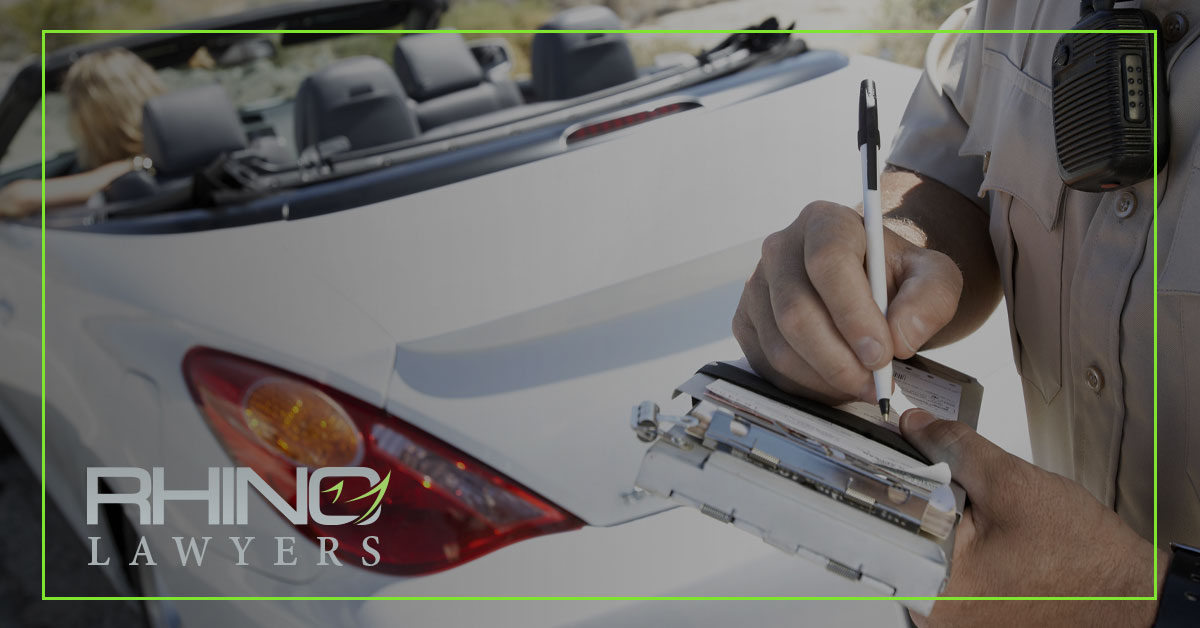
For some drivers, the encounter ends with a warning. Others receive a license plate violation in Florida that can lead to fines, court costs, or additional citations if officers discover other violations during the stop.
Knowing what Florida law requires can help you avoid an unnecessary stop and the headaches that often follow.
Florida License Plate Laws Explained
License plates serve an important purpose beyond identifying a vehicle. They allow law enforcement, toll authorities, and other government agencies to identify registered vehicles quickly and accurately.
Because of that, Florida has specific rules governing how tags must be displayed.
Plates Must Be Clearly Visible
Debajo Florida Statute 316.605, license plates generally must be:
- Securely attached to the rear of the vehicle.
- Mounted in a horizontal position.
- Clearly visible.
- Free from materials that obstruct readability.
If an officer cannot easily read the plate or identify the registration information, a traffic stop may follow.
Visibility Matters More Than Appearance
Many drivers personalize their vehicles with custom frames, smoked covers, or decorative accessories.
Some of those accessories may unintentionally cover important information, including:
- The state name.
- Registration decals.
- Plate numbers or letters.
- County identifiers, where applicable.
Even if the obstruction seems minor, it can still create problems if it prevents the plate from being easily identified.
Common License Plate Violations in Florida
Not every violation involves intentionally hiding a license plate.
In many cases, drivers simply don’t realize their vehicle has become non-compliant.
Dirty or Damaged Plates
Florida weather can take a toll on license plates.
Heavy rain, construction zones, beach sand, and road debris may leave plates covered with dirt or grime. Over time, paint may peel or reflective coatings may fade, making characters harder to read.
Although those issues develop gradually, officers may still stop a vehicle if the plate isn’t clearly legible.
Illegal License Plate Covers
One of the most common reasons for a citation is an illegal license plate cover in Florida.
Drivers often purchase:
- Smoked covers.
- Mirrored covers.
- Reflective covers.
- Plastic protectors with a dark tint.
Many people install these products to protect their plates or improve the appearance of their vehicle. Unfortunately, if the cover obscures any portion of the tag or interferes with readability, it may violate Florida law.
Decorative Frames
A custom frame may seem harmless, but placement matters. Frames that cover the:
- State name.
- Registration stickers.
- License plate characters.
can result in an obscured license plate Florida citation if officers believe important information isn’t fully visible.
Why Officers Stop Vehicles for License Plate Violations
Some drivers wonder why law enforcement would stop someone over something that appears so minor.
The answer is simple.
License plates play an important role in traffic enforcement and public safety.
Confirming Vehicle Registration
A clearly visible plate allows officers to quickly determine whether:
- Registration is current.
- The vehicle has been reported stolen.
- There are alerts associated with the registration.
- The plate matches the vehicle.
When that information can’t be confirmed because the plate is obstructed, officers may initiate a stop.
Traffic Stops Can Lead to Other Discoveries
A stop for an obscured plate doesn’t always end with a plate citation.
During the encounter, officers may discover unrelated issues such as:
- A suspended driver’s license.
- Expired registration.
- Lack of insurance.
- Outstanding warrants.
- Other moving violations.
That’s one reason even a seemingly minor equipment issue deserves attention before it results in a roadside stop.
Can You Fight a License Plate Citation?
Receiving a citation doesn’t automatically mean you have no options.
Like other traffic cases, the facts matter.
Evidence May Tell a Different Story
Questions that often arise include:
- Was the plate actually obstructed?
- Did photographs accurately capture the condition of the vehicle?
- Was the frame covering information required by law?
- Could the officer clearly read the tag before initiating the stop?
- Was the plate simply dirty from weather conditions?
Photographs taken shortly after the stop may become useful in some situations.
Likewise, body camera footage or dash camera video may provide additional context that isn’t fully reflected in the citation itself.
Drivers dealing with equipment violations, moving violations, or license-related issues often face similar questions. Many of those topics are discussed throughout the RHINO Lawyers Traffic Ticket Blog, where you’ll find practical information about Florida traffic laws and court procedures.
What Happens After a License Plate Violation?
Many drivers assume the easiest solution is to pay the ticket and move on.
That may resolve the citation, but it’s worth understanding the potential consequences before making that decision.
Multas y costas judiciales
Depending on the violation, you could be responsible for:
- The cost of the citation.
- Court costs.
- Additional fees if the issue isn’t corrected promptly.
Even when the financial penalty seems relatively small, the inconvenience of a traffic stop—and the possibility of additional violations—can make the situation much more expensive.
When Other Citations Are Issued
A license plate violation sometimes opens the door to a broader traffic investigation.
During the stop, an officer may also discover:
- An expired vehicle registration.
- A suspended driver’s license.
- No proof of insurance.
- Equipment violations involving lights or windows.
- Other moving violations.
That’s why correcting a plate issue before it results in a traffic stop is often much easier than dealing with multiple citations afterward.
How to Avoid License Plate Violations in Florida
Fortunately, many of these citations are preventable with a quick inspection of your vehicle.
Check Your Plate Regularly
Take a moment every few weeks to make sure your plate is:
- Clean and easy to read.
- Properly secured.
- Free from cracks or significant damage.
- Not bent or folded over.
Florida’s rain, construction dust, salt air, and road debris can quickly reduce visibility.
Be Careful With Accessories
Before installing aftermarket accessories, confirm they won’t block any portion of your license plate.
Pay particular attention to:
- Tinted plastic covers.
- Decorative frames.
- Reflective protectors.
- Novelty accessories attached near the tag.
Even products marketed as “legal in all 50 states” may not comply with Florida license plate laws.
Replace Worn Plates When Necessary
Older plates may fade or become difficult to read over time.
If numbers or letters are no longer clearly visible, replacing the plate through the Florida Department of Highway Safety and Motor Vehicles may help prevent future problems.
Cómo puede ayudar RHINO Lawyers
Not every license plate citation is as straightforward as it first appears.
Questions about visibility, equipment compliance, or the legality of a traffic stop may affect how a case should be handled. If additional violations were discovered after the stop, the stakes may become even higher.
En RHINO Lawyers, we help drivers understand Florida traffic laws, review the circumstances surrounding a citation, and explain the options available under the law. Whether your ticket was issued in Tampa, Clearwater, St. Petersburg, Lakeland, Sarasota, or another Florida community, our team is ready to answer your questions.
If you’ve received a license plate violation in Florida, llamar (844) RHINO-77 to schedule a free consultation. We’ll review your situation and help you understand the next steps.
Preguntas frecuentes
Can I get pulled over for a dirty license plate in Florida?
Yes. If dirt, mud, or other debris prevents an officer from clearly reading your plate, it may provide a reason for a traffic stop.
Are tinted license plate covers illegal in Florida?
They can be. If a cover obscures the plate or interferes with its readability, it may violate Florida law.
Is a decorative license plate frame legal?
It depends. Frames that cover the state name, registration decal, or license plate characters may result in a citation.
Can I receive a ticket if my plate is faded?
Possibly. License plates should remain clearly legible. A heavily worn or damaged plate may create compliance issues.
Will I receive points on my driver’s license?
The consequences depend on the specific violation. Some license plate citations are treated differently from moving violations.
Can an officer stop me just because of my license plate?
Yes. If an officer believes your plate violates Florida law or cannot be properly identified, a traffic stop may be lawful.
What happens if officers discover another violation during the stop?
Additional citations or criminal charges may be issued if officers identify unrelated violations after the traffic stop begins.
Should I fight a license plate citation?
Every case is different. If you’re concerned about the citation or the circumstances surrounding the stop, speaking with a traffic attorney can help you understand your options.
CONTACTE A UN ABOGADO DE MULTAS DE TRÁFICO EN TAMPA
RHINO Lawyers puede ayudar y guiarlo a través de un sistema moldeado por las fuerzas del orden, jueces y abogados durante décadas. Habiendo ganado casos para nuestros clientes en circunstancias similares, nuestro equipo de defensa penal sabe lo que se necesita para luchar en tu nombre.
Permitir RHINO Lawyers responda a sus preguntas y revise los hechos de su caso con una consulta gratuita. Así que comience completando el “Evaluación de caso instantánea y gratuita”o llamándonos en cualquier momento, día o noche, al (844) RHINO-77.