Choques frontales en Tampa
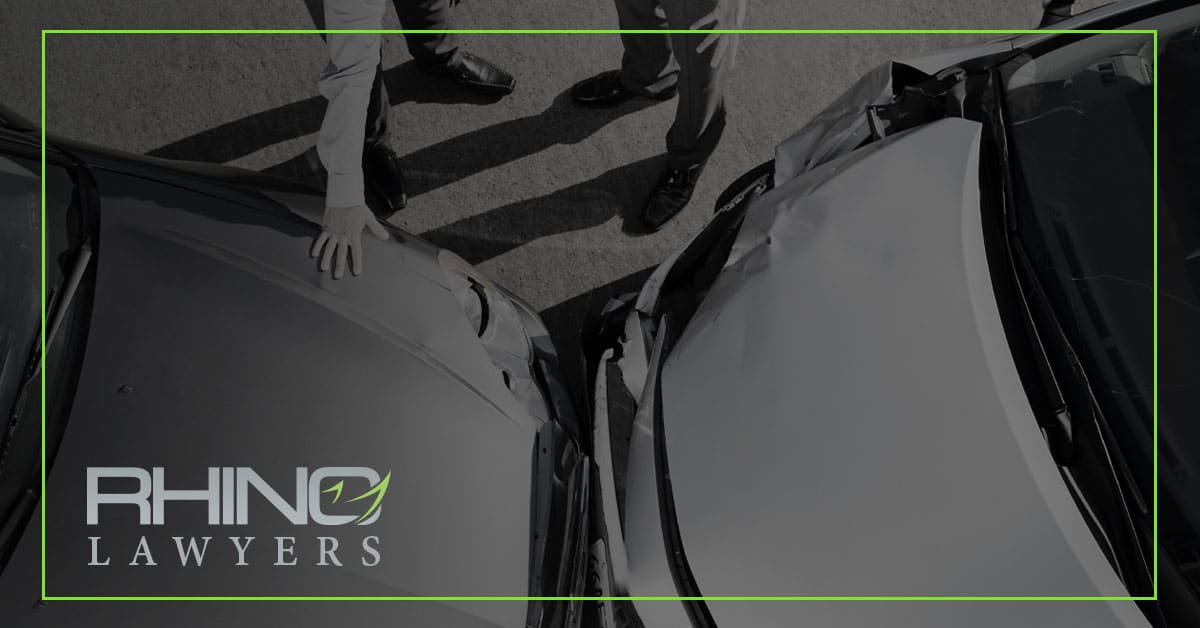
Head-on collisions cause extensive property damage and severe injuries. According to the National Highway Traffic Safety Administration, when someone is involved in a head-on collision, they are five times more likely to be seriously injured and seven times more likely to be killed than other types of collisions. This is primarily due to the higher impact that happens in a head-on collision because the speed and momentum of both cars contribute to the impact.
If you were injured or a loved one was killed in a head-on collision in Florida, contact us today for a free consultation. RHINO Lawyers es el bufete de abogados poderoso y enfocado en los resultados, que se enfrenta “de frente” a las compañías de seguros y a los abusadores.”
Types of Head-on Collisions
Head-on collisions can be categorized into two types: Centerline drift and wrong-way driving (WWD). Both produce similar impacts and injuries, but they happen for a significantly different reason and under separate circumstances.
Desviación de la línea central
Just like it sounds, centerline drift head-on collisions happen when one car drifts over the median and into oncoming traffic. This happens almost exclusively on non-divided highways and is more typical on two-lane rural roads.
When drivers drift out of their lane, most of the time they correct themselves with no harm done. However, when the drift takes them over the median or centerline, they are at risk of causing a head-on collision. On two-lane non-divided highways, cars are going at speeds 50-60 mph, and there is only a few feet between them and cars passing in the other direction also going at high speeds. Causes of centerline drift:
- Conducción bajo los efectos del alcohol o las drogas: Conducir bajo los efectos del alcohol es la principal causa de los accidentes por desviación de la línea central. Aunque el alcohol sigue siendo la causa principal de la conducción bajo los efectos de sustancias, el uso de marihuana está aumentando rápidamente debido al número de estados que han legalizado el consumo recreativo de marihuana.
- Conducir con somnolencia o fatiga: Drivers often doze off due to being sleepy or fatigued. Most of the time, the road bumps or the sensation of drifting will jerk the driver awake. However, other times the person crosses the centerline into oncoming traffic.
- Conducción distraída: En carreteras sin división, toma menos de un segundo de desviación esos pocos pies hacia el carril opuesto, y por lo tanto cualquier distracción puede ser mortal. El uso del teléfono celular y los mensajes de texto es la principal causa de conducción distraída. Otras son comer, maquillarse o afeitarse, la radio o reproductor de CD, e interactuar con otros pasajeros.
Manejo en sentido contrario
Technically, in a head-on, someone is going the wrong way, but according to the NHTSA, WWD happens when a car enters a divided highway and travels against the designated direction of that lane. This happens when someone enters the freeway from an off-ramp or turns the wrong way when crossing a divided highway. Causes of WWD are:
- Conducción bajo los efectos del alcohol o las drogas: The NHTSA reports that over 60 percent of all WWD crashes are because the driver was impaired. Almost all WWD comes from an error in judgment or in observance of the driver. When the driver is impaired, by definition his or her reasoning and judgment is diminished.
- Visibilidad: La mayor parte del tráfico peatonal se da por la noche, y la mala visibilidad puede hacer que alguien no vea las señales o se confunda sobre hacia dónde dirigirse.
- Poor Signage: Often time, the signs that show proper direction or the warning signs are either in poor repair or insufficient in design. This can cause even an awake and unimpaired driver to make a mistake.
- Purposeful WWD: In a small percentage but a significant number of accidents the driver enters the wrong way on purpose in an attempt to end their life or harm others.
Common Injuries With Head-On Collisions
Head-on crashes are typified by high-impact collisions and thus produce common injuries. Some of them are:
- Traumatismo contundente
- Head Injuries/Traumatic Brain Injuries
- Huesos rotos
- Internal Injuries/Bleeding
- Airbag injuries
Losses and Damages that Come From Head-On Collisions
When someone is involved in a head-on collision, the injuries are usually severe. This means that the financial losses are often severe as well. For drivers in the Tampa Bay area, this can be devastating as the person’s life is turned upside down. Under Florida law if you are involved in a head-on collision are severely injured, you are entitled to certain damages. They are:
- Gastos médicos
- Lost wages, past, and future
- Permanent injuries/disabilities or disfigurement
- Dolor y sufrimiento
- Loss of quality of life/consortium
- Wrongful Death compensation
- Sufrimiento emocional
Money can’t make these things go away, but it can help compensate for the many losses that come from an accident like a rear-end collision. Many victims of these accidents wonder if they need to get an attorney. In most cases, the answer is yes.
Contact a Tampa Car Accident Attorney Today
Everyone has questions after a crash. Talk to an Attorney at RHINO Lawyers hoy. Nuestro equipo de lesiones personales está listo para comenzar a trabajar para usted para conseguirle la compensación que se merece.