
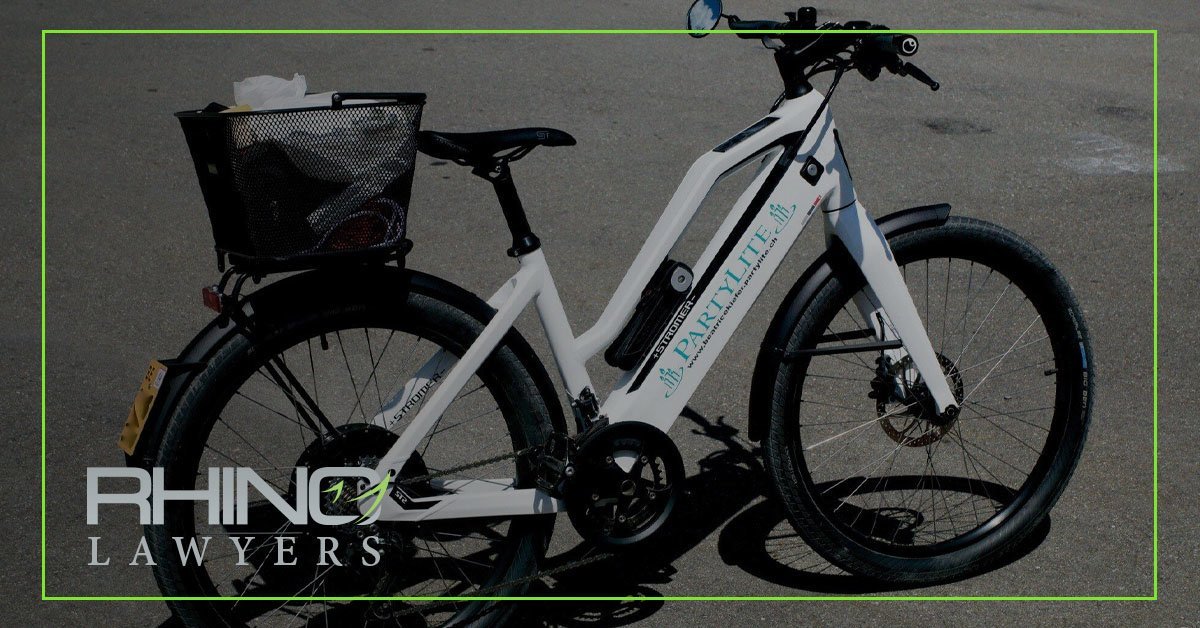
Lo que debe saber sobre los accidentes automovilísticos relacionados con bicicletas eléctricas en Tampa
La ciudad de Tampa, FL, ha agregado 4000 monopatines eléctricos y bicicletas para expandir su programa de electromuromovilidad. Muestra lo populares que se han vuelto las bicicletas eléctricas en el Tampa.
Al ofrecer un modo de transporte eficiente y ecológico, las bicicletas eléctricas brindan una alternativa conveniente a los automóviles para los trayectos cortos y los paseos recreativos. Sin embargo, a medida que aumenta el número de bicicletas eléctricas en las calles, también lo hace la posibilidad de accidentes que involucren a estos vehículos y la necesidad de un abogado especializado en accidentes automovilísticos.
Comprender la dinámica de los accidentes automovilísticos en los que participan bicicletas eléctricas es fundamental para los ciclistas, los automovilistas y los legisladores en Tampa. Siga leyendo para obtener más información.
1. Comprensión de las bicicletas eléctricas
Las bicicletas eléctricas son bicicletas equipadas con un motor eléctrico que ayuda con el pedaleo. Vienen en varios tipos:
- Asistencia de pedaleo (Clase 1): El motor ayuda únicamente cuando el ciclista pedalea y deja de asistir a una determinada velocidad.
- Asistencia por acelerador (Clase 2): El motor puede ayudar sin que el ciclista pedalee, por lo general a través de un mecanismo de aceleración.
- Speed Pedelec (Clase 3): similar a las bicicletas eléctricas de pedaleo asistido, pero capaces de alcanzar velocidades más altas, a menudo hasta 28 mph (45 km/h).
- Estas diferencias influyen en cómo se usan y regulan las bicicletas eléctricas, afectando su interacción con los automóviles en la vía pública.
2. Tampa Leyes sobre bicicletas eléctricas
Florida tiene leyes específicas que regulan el uso de bicicletas eléctricas. A partir de 2020, las bicicletas eléctricas se clasifican de manera similar a las bicicletas tradicionales, lo que les permite usar los carriles y senderos para bicicletas a menos que las ordenanzas locales indiquen lo contrario.
Los ciclistas deben cumplir con las leyes de tránsito aplicables a ellos, como obedecer las señales de tránsito y usar luces por la noche.
Aunque Florida no exige el uso de casco para los conductores de bicicletas eléctricas mayores de 16 años, se recomienda encarecidamente por seguridad. Usar casco puede reducir significativamente el riesgo de lesiones graves en la cabeza en caso de un accidente. Podría significar la diferencia entre un accidente menor del que sales por tu propio pie y uno que signifique el fin del camino para ti.
3. Causas comunes de accidentes
Una de las principales causas de accidentes que involucran bicicletas eléctricas es la falta de atención del conductor. Vivimos en una cultura donde conducción distracción debido al uso del celular o lo que sea que se está volviendo tan común.
Es posible que los automovilistas no noten las bicicletas eléctricas, especialmente en las intersecciones o al hacer giros. El tamaño más pequeño y el funcionamiento más silencioso de las bicicletas eléctricas en comparación con los automóviles pueden contribuir a estos problemas de visibilidad.
Errores de los conductores de bicicletas eléctricas
Los ciclistas de bicicletas eléctricas también pueden contribuir a los accidentes al no respetar las leyes de tránsito, circular por las aceras donde no está permitido o no usar las señales adecuadas. El exceso de velocidad, particularmente en las bicicletas eléctricas de Clase 3, también puede provocar la pérdida de control y accidentes.
Estado de las carreteras
Las malas condiciones de las carreteras, como baches, escombros o iluminación inadecuada, pueden ser peligrosas para los ciclistas de bicicletas eléctricas. Estas condiciones pueden hacer que los ciclistas den un volantazo repentino, lo que provoca colisiones con los automóviles.
4. Consejos de seguridad para ciclistas de bicicletas eléctricas
Para mejorar la visibilidad, los ciclistas de bicicletas eléctricas deben use ropa brillante o reflectante. También deben equipar sus bicicletas con luces delanteras y traseras, especialmente al andar de noche o en condiciones de poca luz.
Conducción defensiva
Practicar técnicas de manejo defensivo, como anticipar peligros potenciales y mantener una distancia segura de los vehículos, puede ayudar a prevenir accidentes. Los motociclistas siempre deben estar conscientes de su entorno y evitar los puntos ciegos de los automóviles.
Señalización adecuada
El uso de señales manuales para indicar giros y paradas es fundamental para comunicar las intenciones a los automovilistas. Esto puede ayudar a reducir la confusión y la probabilidad de accidentes.
Control de velocidad
Mantener una velocidad segura y controlada es fundamental, en particular en áreas de mucho tráfico o al cruzar intersecciones. Los ciclistas deben tener presente su velocidad, especialmente en bicicletas eléctricas de Clase 3 capaces de alcanzar velocidades más altas.
5. Qué hacer después de un accidente
Si se ven involucrados en un accidente, los ciclistas de bicicletas eléctricas deben primero garantizar su seguridad y revisar si hay lesiones. Moverse a un lugar seguro lejos del tráfico es fundamental para evitar más daños. Llamar a los servicios de emergencia para recibir asistencia médica y hacer el reporte policial también es crucial.
Recopilar información
Recopilar información de la escena es fundamental. Esto incluye intercambiar datos de contacto y del seguro con el conductor implicado, tomar fotografías de la escena y obtener la información de contacto de cualquier testigo.
Atención médica
Incluso si las lesiones parece menores, buscar atención médica es importante. Algunas lesiones pueden no ser evidentes de inmediato y pueden empeorar con el tiempo. La documentación médica también es vital para cualquier posible reclamo de seguro o acción legal.
Reportar el accidente
Presentar una denuncia policial es necesario para la documentación oficial del incidente. Este reporte puede ser crucial para reclamaciones de seguros y procedimientos legales.
6. Consideraciones legales y de seguros
Los ciclistas de bicicletas eléctricas deben comunicarse con su compañía de seguros para reportar el accidente e iniciar un reclamo. Es fundamental comprender la cobertura de su póliza, incluidos los gastos médicos o daños.
En los casos en que el accidente de bicicleta eléctrica fue causado por la negligencia de otra parte, buscar asistencia legal puede ser beneficioso. Un abogado de accidentes automovilísticos con experiencia en el manejo de casos de accidentes de bicicleta eléctrica puede brindar orientación sobre los derechos legales y ayudar a buscar una compensación por lesiones y daños.
Comuníquese con un abogado especializado en accidentes automovilísticos de inmediato, incluso si tiene lesiones menores, ya que es importante recibir el asesoramiento adecuado.
7. Medidas preventivas y recomendaciones de política
Mejorar la infraestructura para dar cabida a las bicicletas eléctricas es fundamental. Esto incluye crear más carriles bici exclusivos, mejorar las superficies de las carreteras y mejorar la iluminación en las ciclovías y las intersecciones.
Educación y concientización
Las campañas educativas dirigidas tanto a los automovilistas como a los usuarios de bicicletas eléctricas pueden ayudar a crear conciencia sobre cómo compartir el camino de manera segura. Promover prácticas de conducción segura y la importancia de la visibilidad puede reducir los accidentes.
Aplicación de las leyes de tránsito
Garantizar que se cumplan las leyes de tránsito aplicables a las bicicletas eléctricas también puede contribuir a la seguridad. Esto incluye sancionar tanto a los ciclistas como a los conductores que violen estas leyes y representen riesgos para los demás en la vía.
Contratar a un abogado por un accidente de auto con una bicicleta eléctrica
Cada vez que surge una nueva moda, como las bicicletas eléctricas o los patinetes, es probable que los accidentes automovilísticos también aumenten mientras la gente se acostumbra.
Contratar a un abogado por un accidente automovilístico con una bicicleta eléctrica es necesario para que no se aprovechen de ti. Nuestro equipo en RHINO Lawyers se enfoca en accidentes automovilísticos y tiene experiencia con todo tipo de accidentes de bicicleta eléctrica.
Estamos listos para ponernos de su lado y no dejar que nada se interponga en nuestro camino. Programa una consulta gratis con un abogado de accidentes de auto hoy.
COMUNÍQUESE CON UN ABOGADO DE ACCIDENTES AUTOMOVILÍSTICOS EN TAMPA
En resumen, después de un accidente automovilístico, es posible que no conozca sus derechos. Sobre todo, no luche solo durante el proceso. En realidad, nuestro equipo de lesiones personales está aquí para ayudarle con cualquier necesidad legal que pueda tener relacionada con su accidente.
Por último, que RHINO Lawyers responda a sus preguntas y revise los hechos de su caso con una consulta gratuita. Así que comience completando el “Evaluación de caso instantánea y gratuita”o llamándonos en cualquier momento, día o noche, al 844.RHINO.77.
Leer más
¿Existen diferentes tipos de cargos por DUI en Florida?
A pesar de un estimado 3,21 TP3T: disminución en el número de muertes por accidentes de tránsito a 8,650 en el primer trimestre de 2024, los accidentes automovilísticos siguen siendo una amenaza grave, especialmente cuando los conductores están intoxicados.
Conducir bajo los efectos del alcohol o las drogas es una infracción grave y punible en Florida. Si lo han acusado de un DUI, es posible que se esté preguntando cuáles son las consecuencias potenciales.
Entonces, ¿un DUI es un delito grave en Florida? La ley del estado de Florida establece varios cargos diferentes por DUI. Su gravedad depende de su concentración de alcohol en sangre o en el aliento (BAC), de si hubo un accidente y de si alguien resultó herido o murió.
Saber a qué se podría enfrentar puede ayudarle a preparar su defensa. También le ayuda a tomar decisiones informadas sobre su caso. Obtenga más información en esta guía completa:
¿Es un DUI un delito grave en Florida?
Si un DUI en Florida es un delito menor o un delito grave depende de varios factores. El factor más común es el número de condenas previas por DUI. Florida considera que un cuarto delito de DUI o uno posterior es un delito grave.
Por lo tanto, si ha sido condenado por tres DUI en el pasado, un cuarto delito se imputará como un delito grave. Las sanciones por DUI en Florida por un delito grave son significativamente más severas que las de un delito menor. Estas pueden incluir tiempo en prisión, multas cuantiosas y perder la licencia de conducir durante un período prolongado.
Incluso un primer DUI puede ser acusado como un delito grave bajo circunstancias específicas. Por ejemplo, si un DUI resulta en lesiones corporales graves o la muerte, puede elevarse a un cargo de delito grave. Conlleva sanciones severas debido a sus trágicas consecuencias.
Entendimiento de los cargos por conducir bajo los efectos del alcohol (DUI) en Florida
Existen varios tipos de delitos por conducir bajo los efectos del alcohol (DUI) en Florida, dependiendo de las circunstancias. El cargo de DUI más común es un delito menor, que generalmente se aplica a los delincuentes por primera y segunda vez. Sin embargo, como se mencionó anteriormente, un DUI puede convertirse en un delito grave.
Más allá de la distinción entre delito menor (misdemeanor) y delito grave (felony), existen cargos específicos por conducir bajo los efectos del alcohol (DUI) basados en las consecuencias de la infracción. Por ejemplo, un DUI con daños a la propiedad ocurre cuando un choque relacionado con un DUI causa daños materiales. El DUI con lesiones personales implica causar daños corporales a alguien que no sea usted mismo mientras conduce bajo los efectos del alcohol.
Una condena por DUI puede afectar las tarifas de su seguro, sus oportunidades de empleo y sus relaciones personales. El penas por cargos de conducir bajo los efectos del alcohol (DUI) aumentan con cada infracción posterior. En particular, una segunda condena por conducir bajo los efectos del alcohol suele acarrear sanciones más severas que una primera infracción.
Manejo bajo los efectos del alcohol o drogas con daños a la propiedad
Un cargo por conducir bajo los efectos (DUI) con daños a la propiedad ocurre cuando un conductor bajo la influencia de sustancias ilícitas o alcohol causa un accidente que resulta en daños a la propiedad de otra persona. Las sanciones específicas varían según la magnitud de los daños causados. Sin embargo, algunas sanciones comunes incluyen:
- Tiempo en prisiónHasta un año de cárcel.
- Período de pruebaHasta un año de libertad condicional con presentación de informes.
- Revocación de la licencia de conducirAl menos seis meses, pero hasta un año.
- Fines: Mínimo de $500, pero puede ser de hasta $1,000.
- Servicio comunitario: Un requisito de 50 horas.
- Curso sobre abuso de sustancias por DUI: Finalización obligatoria de un curso de 12 horas.
- Remolque de vehículoSu carro puede ser confiscado por hasta diez días.
Si su concentración de alcohol en la sangre (BAC) es de .15 o más, las sanciones se vuelven aún más severas. Estas sanciones aumentadas pueden incluir una multa más alta y una revocación de licencia más prolongada. Otra sanción es la instalación de un IID (dispositivo de bloqueo de encendido) en el automóvil.
Conducción bajo los efectos del alcohol o drogas con lesiones
Un cargo por conducir bajo los efectos del alcohol o las drogas con lesiones ocurre cuando un conductor bajo la influencia del alcohol o las drogas causa un accidente que provoca daños corporales a otra persona. Las penas dependen de la gravedad de las lesiones. Si las lesiones se consideran “no graves”, el cargo es un delito menor de primer grado.
Sanciones por un delito menor de primer grado Manejar bajo la influencia con lesiones incluye hasta un año de cárcel y una multa máxima de $1000. También corre el riesgo de enfrentar hasta un año de revocación de licencia. Otras sanciones incluyen servicio comunitario, escuela para conductores intoxicados y la confiscación del vehículo.
Sin embargo, si las lesiones se consideran “graves”, el cargo se eleva a un delito grave de tercer grado. Las sanciones por un DUI de tercer grado con lesiones son mucho más severas. Estas incluyen una pena máxima de 5 años de prisión y hasta $5,000 en multas.
El tribunal puede ordenar la revocación obligatoria de su licencia y la restitución. Un DUI con lesiones puede tener un impacto devastador en la víctima y el acusado. Las consecuencias de un cargo por DUI pueden ser de gran alcance, e incluir dificultades financieras, angustia emocional y antecedentes penales.
Homicidio involuntario bajo la influencia de sustancias en Florida
El homicidio culposo por conducir bajo los efectos del alcohol o las drogas (DUI manslaughter) ocurre cuando la conducción imprudente de alguien bajo la influencia del alcohol o las drogas resulta directamente en la muerte de otra persona. Se clasifica como un delito grave de segundo grado. Si es declarado culpable de homicidio culposo por DUI, podría enfrentar un mínimo de cuatro años de prisión, pero la sentencia máxima puede extenderse hasta 15 años.
Además, es posible que se le exija pagar una multa considerable de hasta $10,000. Una condena por homicidio involuntario en estado de ebriedad también puede resultar en la revocación de su licencia de conducir. Por lo tanto, afecta su capacidad para moverse libremente y ganarse la vida.
Cómo protegerse de cargos por conducir bajo los efectos del alcohol (DUI) en Florida
La prevención de un DUI comienza con la toma de decisiones responsable. Siempre designe a un conductor sobrio si planea consumir alcohol o drogas, o utilice opciones de transporte alternativo como taxis, servicios de transporte compartido o transporte público. Si se encuentra en una situación en la que podría estar ebrio, es más seguro buscar un lugar seguro para descansar hasta que esté sobrio antes de conducir.
Comprender las leyes de conducción bajo los efectos del alcohol en Florida con la ayuda de un Abogado defensor de DUI Es crucial. Familiarízate con el límite legal de concentración de alcohol en sangre (BAC) de Florida, que es de 0.08%. Asimismo, comprende las posibles sanciones por una condena por DUI, que incluyen multas, suspensión de la licencia y posible pena de cárcel.
Obtenga una consulta gratuita para entender sus opciones sobre DUI en Florida
Comprender los distintos tipos de cargos por conducir bajo los efectos del alcohol (DUI) en Florida es fundamental para cualquier persona que conduzca. Este conocimiento puede ayudarle a entender las posibles consecuencias mientras responde a la pregunta: “¿Un DUI es un delito grave en Florida?”.”
Recuerde que manejar bajo los efectos del alcohol o las drogas puede tener graves consecuencias, así que obtenga asesoría legal de inmediato.
Si enfrenta un cargo por conducir bajo los efectos del alcohol (DUI) en Florida, ’RHINO Lawyers» abogados con experiencia en multas de tráfico y defensa penal están aquí para ayudar. Durante una consulta gratuita, podemos responder a sus preguntas y revisar los detalles de su caso. Comience con su evaluación gratuita, o llámenos las 24 horas, los 7 días de la semana al (844) RHINO-77.
CONTACTE A UN ABOGADO DE MULTAS DE TRÁFICO EN TAMPA
RHINO Lawyers puede ayudar y guiarlo a través de un sistema moldeado por las fuerzas del orden, jueces y abogados durante décadas. Habiendo ganado casos para nuestros clientes en circunstancias similares, nuestro equipo de defensa penal sabe lo que se necesita para luchar en tu nombre.
Permitir RHINO Lawyers responda a sus preguntas y revise los hechos de su caso con una consulta gratuita. Así que comience completando el “Evaluación de caso instantánea y gratuita”o llamándonos en cualquier momento, día o noche, al (844) RHINO-77.
Leer más
Accidentes automovilísticos y los riesgos para las mujeres embarazadas
Un estudio estimó que 170,000 accidentes automovilísticos ¡involucran a mujeres embarazadas en los Estados Unidos cada año! Sí, los accidentes automovilísticos pueden ser peligrosos para todos los involucrados, pero lo son particularmente para las mujeres embarazadas, debido al daño a los bebés por nacer y a ellas mismas.
Los cambios fisiológicos y la complejidad adicional del embarazo pueden complicar los resultados de las lesiones y las respuestas médicas. Conocer el riesgo de sufrir un accidente automovilístico durante el embarazo, su impacto en la gestación y cómo mitigar los daños potenciales es fundamental para las futuras madres y quienes las rodean.
Sigue leyendo para obtener consejos sobre accidentes automovilísticos durante el embarazo.
1. Comprensión de los riesgos
El embarazo provoca varios cambios en el cuerpo de la mujer, incluido el aumento del volumen sanguíneo, la alteración de la función cardiovascular y el desplazamiento de los órganos internos.
Estos cambios pueden hacer que las mujeres embarazadas sean más susceptibles a ciertos tipos de lesiones y complicar las evaluaciones médicas después de un accidente. El riesgo es alto durante todos los trimestres, pero el primer trimestre es crucial para el desarrollo fetal.
No hay un momento durante el embarazo en el que una mujer embarazada tenga menos riesgo si sufre un accidente automovilístico.
Lesiones comunes
Las lesiones más comunes en accidentes automovilísticos durante el embarazo incluyen el trauma abdominal. Esto puede afectar el útero y la placenta, lo que genera complicaciones como el desprendimiento de placenta. Un desprendimiento de placenta ocurre cuando la placenta se separa de la pared uterina.
Otras lesiones incluyen fracturas, traumatismo craneal y hemorragia interna. Todas estas pueden tener graves consecuencias tanto para la madre como para el bebé.
2. Impacto en el bebé por nacer
Un desprendimiento de placenta también puede tener un impacto en el bebé. Puede interrumpir el suministro de oxígeno y nutrientes del bebé.
Este tipo de lesión puede provocar potencialmente un parto prematuro, bajo peso al nacer o incluso muerte fetal. A menudo se requiere intervención médica inmediata para tratar esta afección.
Trauma fetal
El traumatismo directo en el abdomen también puede causar lesiones fetales, que van desde contusiones menores hasta afecciones más graves como fracturas fetales o lesiones cerebrales. El líquido amniótico que rodea al bebé ofrece cierta protección, pero un impacto significativo aún puede causar daños.
Parto prematuro
El estrés y el impacto físico de un accidente automovilístico pueden inducir un trabajo de parto prematuro. Los bebés nacidos prematuramente corren un mayor riesgo de sufrir problemas de salud como el síndrome de dificultad respiratoria, retrasos en el desarrollo e infecciones.
3. Medidas preventivas
La táctica de seguridad para el embarazo más importante que puede usar en un automóvil es usar el cinturón de seguridad, pero también debe saber cómo usarlo para que proteja al bebé y a usted misma adecuadamente.
Use el cinturón de seguridad con la parte pélvica colocada debajo del vientre. Debe quedar baja y ajustada sobre los huesos de la cadera. El cinturón para el hombro debe pasar entre los senos y hacia un lado del vientre. Esta posición ayuda a distribuir la fuerza de una colisión lejos del abdomen y hacia la pelvis y el tórax.
Seguridad de las bolsas de aire
Las bolsas de aire están diseñadas para funcionar junto con los cinturones de seguridad para brindar la máxima protección. Las mujeres embarazadas deben asegurarse de sentarse a una distancia segura del volante o del tablero (al menos 10 pulgadas / 25 cm) para minimizar la fuerza del impacto. Ajustar el asiento y el volante puede ayudar a lograr una posición más segura.
Seguridad al conducir
Mantener una buena postura al conducir es importante. Las mujeres embarazadas deben sentarse erguidas, con el asiento ligeramente reclinado si es necesario. Esto garantiza comodidad y seguridad. Tomar descansos frecuentes durante viajes largos también puede ayudar a reducir la fatiga y la incomodidad.
4. Qué hacer después de un accidente
Independientemente de cuán menor pueda parecer el accidente, las mujeres embarazadas deben buscar atención médica inmediata tras un accidente automovilístico. Una evaluación exhaustiva puede ayudar a identificar cualquier posible lesión por accidente de automóvil en el embarazo, tanto para la madre como para el bebé.
Los obstetras suelen recomendar la monitorización de la frecuencia cardiaca del bebé y la realización de una ecografía para detectar cualquier signo de sufrimiento o lesión.
Monitoreo de síntomas
Después de un accidente, es fundamental que las mujeres embarazadas se vigilen para detectar síntomas. Algunos síntomas que se deben observar son:
- Dolor abdominal
- Sangrado vaginal
- Contracciones
- Disminución de los movimientos fetales
- Fuga de líquido
Estos síntomas pueden indicar complicaciones graves que requieren intervención médica inmediata.
Atención de seguimiento
El cuidado de seguimiento continuo con un obstetra es esencial después de un accidente automovilístico. Los controles regulares pueden ayudar a garantizar la salud y el bienestar continuos tanto de la madre como del bebé. Es posible que se necesiten ecografías adicionales o monitoreo fetal para rastrear el desarrollo del bebé y detectar cualquier problema de aparición tardía.
5. Consideraciones legales y financieras
Las mujeres embarazadas involucradas en accidentes automovilísticos pueden enfrentar gastos médicos adicionales y requerir atención especializada. Es importante presentar un reclamo de seguro para cubrir estos costos. Documentar todas las visitas médicas, tratamientos y cualquier atención adicional requerida para el embarazo es esencial para una reclamación completa.
Asistencia legal
En los casos en que el accidente fue causado por la negligencia de otra parte, buscar asistencia legal puede ayudar a obtener una compensación por gastos médicos, salarios perdidos y otros daños. Un abogado con experiencia en el manejo de casos de accidentes automovilísticos que involucran a mujeres embarazadas puede brindar un apoyo y una orientación valiosos durante todo el proceso legal.
6. Impacto emocional y apoyo
El embarazo ya puede ser una época bastante estresante de por sí, sin la presión adicional de un accidente automovilístico y su efecto en el bebé por nacer.
El estrés y trauma de un accidente automovilístico puede tener un impacto emocional significativo en las mujeres embarazadas. La ansiedad por la salud del bebé y la posibilidad de complicaciones puede ser abrumadora. Las futuras mamás deben buscar apoyo emocional de familiares, amigos o un consejero profesional.
Redes de apoyo
Unirse a grupos de apoyo para mujeres embarazadas o que han vivido situaciones similares puede brindar un sentido de comunidad y comprensión. Compartir experiencias y estrategias de afrontamiento puede ayudar a manejar el estrés y la ansiedad.
Accidente automovilístico durante el embarazo: siga los consejos de seguridad para el embarazo
Estás haciendo todo lo posible como madre para cuidar a tu bebé por nacer. Si tienes un accidente automovilístico estando embarazada, no todo está perdido. Hay medidas que puedes tomar para protegerte a ti y a tu bebé.
En RHINO Lawyers, nos enfocamos en todo tipo de accidentes automovilísticos. No importa si le chocaron por detrás, en un choque lateral, o si resultó lesionado como peatón, conductor o pasajero, estamos aquí para hacer que la parte negligente rinda cuentas por sus acciones. Si sufre lesiones en un accidente automovilístico relacionadas con el embarazo, ponte en contacto con nuestro equipo Lo antes posible para obtener asistencia.
COMUNÍQUESE CON UN ABOGADO DE ACCIDENTES AUTOMOVILÍSTICOS EN TAMPA
En resumen, después de un accidente automovilístico, es posible que no conozca sus derechos. Sobre todo, no luche solo durante el proceso. En realidad, nuestro equipo de lesiones personales está aquí para ayudarle con cualquier necesidad legal que pueda tener relacionada con su accidente.
Por último, que RHINO Lawyers responda a sus preguntas y revise los hechos de su caso con una consulta gratuita. Así que comience completando el “Evaluación de caso instantánea y gratuita”o llamándonos en cualquier momento, día o noche, al 844.RHINO.77.
Leer más
Accidentes en sentido contrario: Lo que necesita saber
Es tarde en la noche y vas manejando a casa por la autopista después de un largo día. De repente, ves luces delanteras que vienen directamente hacia ti en tu carril.
Tu corazón se acelera al darte cuenta de que un vehículo se dirige directamente hacia ti en sentido contrario. Este terrorífico escenario se conoce como accidente en sentido contrario, uno de los tipos de choques más peligrosos en nuestras carreteras hoy en día.
¿Cómo se evita que ocurra este escenario? Y si llega a suceder, ¿qué se hace?
Podemos ayudar. Veamos lo que hay que saber sobre cualquier accidente en sentido contrario.
Causas de accidentes en sentido contrario
Comprender las principales causas de los incidentes en sentido contrario es crucial para la prevención y la concientización.
La conducción bajo los efectos de sustancias destaca como la principal causa de accidentes en sentido contrario. El consumo de alcohol y drogas deteriora significativamente el juicio, la percepción y la capacidad de un conductor para leer las señales correctamente. Los estudios han demostrado que un gran porcentaje de los conductores en sentido contrario involucrados en choques tienen concentraciones de alcohol en sangre muy por encima del límite legal.
Confusión y desorientación, particularmente entre conductores de la tercera edad, contribuyen a un número significativo de incidentes en sentido contrario. A medida que las capacidades cognitivas disminuyen con la edad, algunos conductores mayores pueden tener dificultades para transitar por intersecciones complejas o desorientarse fácilmente en áreas desconocidas, especialmente de noche.
La mala visibilidad y la señalización inadecuada también pueden provocar que los conductores entren en sentido contrario. La iluminación insuficiente, las condiciones climáticas como la lluvia intensa o la niebla, o las señales viales en mal estado pueden dificultar que los conductores identifiquen correctamente las rampas de entrada y salida.
Este riesgo aumenta en zonas con diseños viales complejos o en las que se han realizado cambios recientes en los patrones de tráfico.
La conducción distraída, aunque es menos común que el estado de ebriedad, influye en algunos accidentes en sentido contrario. Los conductores absortos en sus teléfonos, sistemas de navegación u otras distracciones pueden pasar por alto señales críticas e ingresar sin darse cuenta a una carretera en dirección contraria.
En casos raros, las acciones intencionales pueden dar lugar a la conducción en sentido contrario. Esto puede ocurrir durante persecuciones policiales, intentos de suicidio o actos de comportamiento imprudente. Aunque poco comunes, estos incidentes son particularmente peligrosos debido a su naturaleza impredecible.
Prevención de accidentes en sentido contrario
Debes hacer todo lo posible para evitar tener un accidente por conducir en sentido contrario. Mantente alerta y concentrado, especialmente al ingresar a las autopistas o al conducir por zonas que no conoces.
Presta mucha atención a las señales de tránsito y marcas viales. Si no estás seguro de cuál es la ruta correcta, es mejor reducir la velocidad o incluso detenerte de manera segura para volver a evaluar tu rumbo, en lugar de seguir adelante sin estar seguro.
Ten mucho cuidado al conducir de noche o en condiciones climáticas adversas. Muchos accidentes por conducir en sentido contrario ocurren en estos momentos debido a la visibilidad reducida. Usa los faros correctamente y conduce a una velocidad que te permita reaccionar ante situaciones inesperadas.
Esfuérzate por prestar atención; no pierdas la concentración haciendo otra cosa mientras manejas., como comer.
Familiarízate con tu ruta antes de salir, especialmente cuando manejes por una zona nueva. Si usas un GPS, configúralo antes de empezar a manejar y detente en un lugar seguro si necesitas ajustarlo. Depender demasiado del GPS sin prestar atención a tu entorno puede llevarte a cometer errores.
Si ve a un conductor en sentido contrario, reduzca inmediatamente su velocidad y muévase hacia el lado derecho del camino. Parpadee las luces y toque la bocina para alertar al conductor. Una vez que esté fuera de peligro de manera segura, llame al 911 para reportar el incidente.
Sea especialmente prudente al usar las rampas de salida, ya que suelen ser puntos de entrada comunes para conductores en sentido contrario. Esté atento a cualquier señal de no entre o sentido contrario antes de continuar.
Si te das cuenta de que has entrado a una carretera en dirección contraria, mantén la calma. Oríllate de manera segura en el acotamiento de inmediato, enciende las luces intermitentes de emergencia y da la vuelta solo si es seguro y legal hacerlo. Si no puedes dar la vuelta de forma segura, quédate en tu lugar y pide asistencia.
Qué hacer si te ves involucrado en un accidente por conducir en sentido contrario
A pesar de todos nuestros esfuerzos por evitarlos, los accidentes por conducir en sentido contrario pueden ocurrir. Si te ves involucrado en un incidente de este tipo, saber cómo reaccionar puede ser crucial para tu seguridad y bienestar.
Verifica si hay lesiones. Evalúa si tú o tus pasajeros tienen alguna lesión. Aunque te sientas bien, ten en cuenta que es posible que no notes algunas lesiones de inmediato debido a choque o adrenalina.
Asegúrate de dar seguimiento a tu estado de salud después del accidente. En los días y semanas posteriores al accidente, presta atención a cualquier síntoma nuevo o dolor.
Llama al 911 de inmediato. Reporta el accidente y solicita los servicios de emergencia. Indica tu ubicación exacta, describe los vehículos involucrados e informa al operador sobre cualquier lesión o peligro en el lugar del accidente.
Te aseguraras de recopilar tantas pruebas lo antes posible después de un accidente. Si es seguro hacerlo, tome fotos de la escena del accidente, incluidas las posiciones de los vehículos, los daños y cualquier señal o marca vial relevante.
Recopile la información de contacto y del seguro de los otros conductores involucrados, pero evite hablar sobre la culpa o hacer cualquier declaración que pueda interpretarse como una admisión de culpabilidad.
Protección legal propia
Dada la gravedad de los accidentes por conducir en sentido contrario, puede ser conveniente consultar con un abogado especializado en accidentes de tránsito. Este puede ayudarte a proteger tus derechos y a manejar cualquier posible proceso legal.
Esto es especialmente importante si el accidente no fue culpa tuya, pero incluso si sí lo fue, sigue siendo importante asegurarte de que estés bien protegido.
Coopere con la investigación. Los accidentes en sentido contrario a menudo resultan en investigaciones exhaustivas. Coopere plenamente con las autoridades y los investigadores de seguros, pero consulte con su abogado antes de proporcionar cualquier declaración formal.
Comunícate con tu compañía de seguros. Informa del accidente a tu aseguradora lo antes posible. Proporciónales todos los detalles y la documentación que hayas reunido.
Accidente en sentido contrario: Salga de esta situación
Usa esta guía y tendrás una idea mucho más clara de cómo manejar un accidente en sentido contrario si te ves involucrado en uno.
¿Busca un abogado que le ayude? Consulte RHINO Lawyers. Nuestras estrategias de comunicación modernas y el uso de tecnología de punta nos ayudan a garantizar que estamos haciendo nuestro mejor esfuerzo para luchar por usted.
Contáctenos hoy.
COMUNÍQUESE CON UN ABOGADO DE ACCIDENTES AUTOMOVILÍSTICOS EN TAMPA
En resumen, después de un accidente automovilístico, es posible que no conozca sus derechos. Sobre todo, no luche solo durante el proceso. En realidad, nuestro equipo de lesiones personales está aquí para ayudarle con cualquier necesidad legal que pueda tener relacionada con su accidente.
Por último, que RHINO Lawyers responda a sus preguntas y revise los hechos de su caso con una consulta gratuita. Así que comience completando el “Evaluación de caso instantánea y gratuita”o llamándonos en cualquier momento, día o noche, al 844.RHINO.77.
Leer más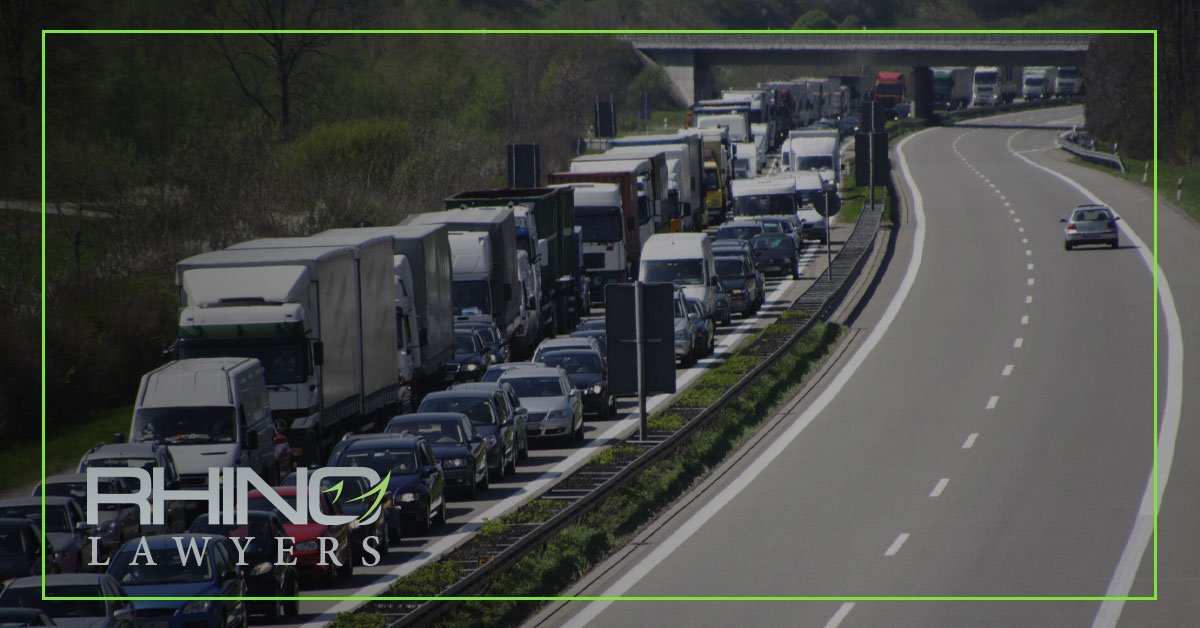
¿Qué es la ley “Move Over” (Hágase a un lado) en Florida?
Los vehículos policiales, las ambulancias y los camiones de bomberos son líneas de vida en emergencias. Sin embargo, trágicamente, cientos de personas mueren cada año en choques que involucran a estos vehículos de emergencia.La ley ‘Move Over’ tiene como objetivo garantizar la seguridad de las personas cuando se detienen al costado de la carretera. En virtud de esta ley, los conductores deben tomar medidas específicas para crear un entorno más seguro para todos.
En esta guía, examinaremos la ley ‘Move Over’ en Florida, detallando su historia, regulaciones específicas y las consecuencias de su incumplimiento.
Breve historia de la ley ‘Move Over’ en Florida
La ley de ‘ceder el paso’ de Florida se promulgó en 2002. Fue una respuesta al creciente número de lesiones y muertes entre los agentes del orden y el personal de emergencia. La ley tiene como objetivo garantizar la seguridad de quienes trabajan al borde de la carretera.
Antes de esta ley, muchos conductores no se daban cuenta de los peligros que representaban los vehículos de emergencia detenidos y sus operadores.
La ley de ‘hacerse a un lado’ se ha convertido en una parte clave de las normas de tránsito de Florida. Promueve el cumplimiento en las carreteras y la conciencia de los conductores. El estado ha trabajado duro para educar al público sobre esta ley.
A pesar de estos esfuerzos, muchos conductores siguen sin conocerlo. Esto pone de relieve la necesidad de continuar con la educación y la aplicación de la ley.
Mientras conduces por Florida, recuerda que la ley de ‘ceder el paso’ (Move Over) es más que una simple regla: es una medida para proteger vidas. Al seguir esta ley, no solo estás cumpliendo con las normas de tránsito de Florida, sino que también demuestras respeto por la seguridad de los demás.
Explicación de la ley ‘Move Over’ de Florida
Comprerensión y seguimiento Las normas de ‘hacerse a un lado’ de Florida y las normas es fundamental para garantizar la seguridad de todos en el camino. Aquí analizaremos las disposiciones clave de esta ley para que te mantengas informado y cumplas con ellas.
Cámbiate de carril para vehículos de emergencia
Al acercarse a vehículos de emergencia detenidos, como patrullas de policía, ambulancias y camiones de bomberos, los conductores deben cambiarse a un carril que no esté adyacente al vehículo detenido. Esto se aplica al conducir en una carretera de varios carriles y sea seguro hacerlo.
Disminuya la velocidad si no es posible cambiarse de carril
Si no es seguro o posible cambiar de carril debido al tráfico u otras condiciones, los conductores deben reducir la velocidad a una velocidad que esté 20 mph por debajo del límite de velocidad establecido. Si el límite de velocidad es de 20 mph o menos, deben reducir la velocidad a 5 mph.
Extienda cortesía a los vehículos de servicio
Al principio, la ley se centraba en vehículos de emergencia como patrullas de policía, ambulancias y camiones de bomberos. Con el tiempo, Florida amplió la ley para incluir otros vehículos de servicio, entre ellos:
- Grúas
- Vehículos de servicios públicos
- Vehículos de recolección de basura
- Vehículos de mantenimiento o construcción
Además de los vehículos de emergencia y de servicios, la ley de apartarse protege a los conductores de vehículos detenidos el uso de luces intermitentes de emergencia, bengalas o señales de advertencia. Estas adiciones extienden la protección a una gama más amplia de usuarios de la vía pública.
Posibles consecuencias del incumplimiento
No cumplir con la ley ‘Move Over’ en Florida puede acarrear consecuencias graves. Aquí hay algunas consecuencias comunes que podría enfrentar:
Multas de tráfico
El incumplimiento de la ley de hacerse a un lado de Florida puede dar lugar a multas cuantiosas. Las multas por infringir esta ley suelen oscilar entre $120 y $180, según el condado. Estas sanciones sirven como un recordatorio financiero de la importancia de seguir las normas de seguridad vial.
Primas de seguros más altas
Cuando recibir una multa de tránsito por no hacerse a un lado, queda registrado en su historial de manejo. Las compañías de seguros suelen revisar su historial para evaluar el riesgo. Si ven infracciones, pueden considerarlo un conductor de mayor riesgo y, por lo tanto, aumentar sus primas.
Puntos en su licencia de conducir
Infringir la ley de ‘hacerse a un lado’ puede resultar en que se le agreguen puntos a su licencia de conducir. Recibirá tres puntos por incumplimiento. Acumular puntos puede llevar a más consecuencias, como costos de seguro más altos.
Si alcanzas cierto límite, incluso podría llevar a la suspensión de tus privilegios de conducir. Estas sanciones de la ley ‘Move Over’ (hazte a un lado) están vigentes para fomentar el cumplimiento del tráfico y garantizar la seguridad de los conductores.
Impacto en el historial de manejo
Una infracción de la ley de ‘hacerse a un lado’ también pasa a formar parte de su historial de conducción permanente. Esto puede afectar su futuro, especialmente en asuntos legales o en la conducción relacionada con el trabajo.
Cómo evitar multas por no hacerse a un lado en Florida
Cumplir con la ley de “hacerse a un lado” (Move Over) de Florida es fundamental para su seguridad y para evitar multas. Aquí tiene algunos consejos para ayudarle a cumplir la ley y prevenir infracciones.
Manténgase alerta y esté atento a los vehículos de emergencia
Mantente siempre alerta a los vehículos de emergencia con luces intermitentes. Estos vehículos pueden incluir patrullas de policía, camiones de bomberos y ambulancias. Cuando veas uno, es importante actuar rápido. Cámbiate al siguiente carril si es posible.
Si no puede cambiar de carril de forma segura, reduzca la velocidad y prepárese para detenerse si es necesario. Esta sencilla acción ayuda a garantizar la seguridad tanto del personal de emergencia como de los demás conductores.
Comprender los requisitos para cambiar de carril
En Florida, la ley de ‘hacerse a un lado’ exige que cambie de carril cuando un vehículo de emergencia se encuentra en el acotamiento. Asegúrese de cambiarse un carril completo si es seguro hacerlo. Si no puede cambiar de carril debido al tráfico o a las condiciones de la carretera, reduzca la velocidad y proceda con precaución.
Seguir estas leyes de tránsito de Florida ayuda a mantener el cumplimiento normativo en las carreteras y mantiene a todos más seguros.
Prepárese para diversas condiciones de manejo
Las condiciones de manejo pueden afectar cómo responde a los vehículos de emergencia. Con mal tiempo o tráfico pesado, podría ser más difícil hacerse a un lado o reducir la velocidad rápidamente. Manténgase muy alerta y esté preparado para ajustar su forma de conducir.
Reduce la velocidad de forma segura y rodea con cuidado cualquier vehículo de emergencia que encuentres. Esto te ayudará evitar una multa de tráfico y mantén tu historial de manejo limpio.
Revise regularmente las normas de seguridad vial
Acostúmbrate a revisar periódicamente las leyes de tránsito de Florida. Mantenerte al día con las normas de seguridad vial garantiza que conozcas cualquier cambio o requisito adicional. Este enfoque proactivo te ayuda a cumplir con la ley ‘Move Over’ y a evitar infracciones.
Evita hoy mismo una multa por no hacer espacio
Aun con una conducción cautelosa y el cumplimiento de la ley ‘Move Over’ en Florida, pueden ocurrir circunstancias imprevistas. La buena noticia es que no tiene que afrontar estas situaciones a solas.
RHINO Lawyers Puede serte de ayuda si te han multado por una infracción de ‘Move Over’. Contáctenos ¡Contáctanos hoy mismo y programa una evaluación gratuita e inmediata de tu caso!
CONTACTE A UN ABOGADO DE MULTAS DE TRÁFICO EN TAMPA
RHINO Lawyers puede ayudar y guiarlo a través de un sistema moldeado por las fuerzas del orden, jueces y abogados durante décadas. Habiendo ganado casos para nuestros clientes en circunstancias similares, nuestro equipo de defensa penal sabe lo que se necesita para luchar en tu nombre.
Permitir RHINO Lawyers responda a sus preguntas y revise los hechos de su caso con una consulta gratuita. Así que comience completando el “Evaluación de caso instantánea y gratuita”o llamándonos en cualquier momento, día o noche, al (844) RHINO-77.
Leer más
¿Qué es un infractor de tráfico habitual según la ley de Florida?
Las carreteras de Florida han visto una Aumento de 43% en los accidentes mortales durante la última década. La alarmante tendencia en la seguridad vial exige una aplicación más estricta de las leyes de tránsito. Los conductores deben evitar a toda costa la etiqueta de infractor de tránsito habitual (HTO).
Entonces, ¿qué significa exactamente eso para ti?
Comprender las consecuencias y las implicaciones legales de una designación de HTO puede ayudarle a evitar sanciones severas. En este artículo, profundizaremos en lo que significa ser un infractor de tráfico habitual en Florida y cómo puede afectar sus privilegios de conducción y su vida diaria.
Lo que significa ser un infractor de tráfico habitual en Florida
Estar fichado como infractor de tránsito habitual en Florida significa que has acumulado múltiples infracciones de tránsito dentro de un período específico, lo que la ley de Florida considera un patrón de comportamiento peligroso. Este estatus no se limita solo a delitos graves: incluso una serie de infracciones menos graves pueden sumar para obtener esta designación.
Para ser clasificado como un infractor de tránsito habitual, debe tener tres o más infracciones de tránsito graves en un período de cinco años o quince o más condenas por infracciones en movimiento dentro de ese mismo período.
Major qualifying offenses under Florida law include:
- DUI;
- homicidio involuntario o voluntario resultante de la conducción de un vehículo de motor;
- un delito grave en el que se utiliza un vehículo de motor;
- conducir con una licencia suspendida o revocada;
- no detenerse a prestar auxilio después de un choque que involucre muerte o lesiones personales;
- conducir un vehículo motorizado comercial mientras está descalificado; y
- driving without a valid license in violation of Estatuto de Florida §322.03.
Florida can also designate a driver as a habitual traffic offender after 15 convictions for pointable moving violations within five years. Effective July 1, 2026, Isaiah’s Law added driving without a valid license under §322.03 to the qualifying-offense list.
Comprender lo que significa ser un infractor de tráfico habitual en Florida es crucial para proteger sus privilegios de conducción y mantener su libertad en la carretera. Al estar consciente de las leyes y tomar decisiones más seguras al volante, puede evitar esta grave designación y sus consecuencias.
If you are facing an HTO designation or a charge related to HTO status, learn more about how RHINO Lawyers handles Florida Habitual Traffic Offender cases.
Comprender las consecuencias de ser un infractor de tráfico habitual en Florida
Los infractores habituales de las normas de tránsito en Florida podrían enfrentar sanciones severas. Estas sanciones están diseñadas para disuadir las infracciones repetidas y mantener la seguridad pública en la carretera. Las sanciones para los infractores habituales de tránsito pueden variar según la naturaleza y la frecuencia de sus infracciones.
Aquí tienes algunas comunes a las que debes prestar atención:
Pérdida de privilegios de conducción
Una de las sanciones más significativas a las que se enfrenta como infractor habitual de tráfico (HTO) en Florida es la revocación de su licencia de conducir. Bajo Leyes de tránsito de Florida, su licencia puede ser revocada, por lo general durante cinco años, si se le califica como infractor de tránsito habitual. Esto significa que no se le permite conducir legalmente durante este tiempo.
Perder la licencia puede afectar su vida de muchas maneras. Es posible que le resulte difícil trasladarse al trabajo, hacer mandados o incluso cumplir con sus obligaciones familiares. La revocación de la licencia también puede afectar sus tarifas de seguro y acarrear consecuencias legales adicionales.
Si bien es posible que cumpla con los requisitos para obtener una licencia por dificultad económica, la cual permite conducir de manera limitada, esta sigue imponiendo grandes restricciones a su libertad de trasladarse a su antojo.
Consecuencias financieras
Estar designado como un infractor de tránsito habitual no solo afecta su capacidad para conducir, sino que también afecta tu bolsillo. Es posible que enfrente multas cuantiosas por sus repetidas infracciones de tránsito en Florida, lo que añade estrés financiero a una situación que ya es difícil.
Además de las multas, es probable que las tarifas de su seguro de auto se disparen. Muchas compañías de seguros consideran a los infractores de tránsito habituales como conductores de alto riesgo, lo que puede provocar primas exorbitantes o incluso dificultad para conseguir cobertura.
La carga financiera no termina ahí. Si tus infracciones de tránsito involucran violaciones graves como conducir bajo los efectos del alcohol (DUI) o huir del lugar de un accidente, podrías estar sujeto a costos adicionales tales como:
- Costas judiciales
- Honorarios de abogados
- Pagos de restitución
Navegar por estas sanciones financieras puede ser abrumador, por lo que es fundamental buscar asesoramiento legal en Florida para comprender sus opciones y potencialmente minimizar los costos.
Tiempo en prisión y antecedentes penales
Si tus infracciones de tránsito incluyen violaciones graves como conducción descuidada o temeraria, podrías enfrentar la encarcelación, lo que agregaría antecedentes penales a tu lista de consecuencias. Esto puede ser particularmente perjudicial, ya que un historial delictivo puede afectar tus oportunidades laborales, tus opciones de vivienda y tu reputación en general.
La posibilidad de pasar tiempo en la cárcel subraya la importancia de comprender las leyes de tránsito de Florida y cumplirlas estrictamente.
Las infracciones de tránsito pueden perseguirlo durante años y afectar varios aspectos de su vida. Por ejemplo, los empleadores suelen realizar verificaciones de antecedentes y un antecedentes penales puede ser una señal de alerta que limita tus perspectivas profesionales.
Además, un antecedente penal puede complicar las relaciones personales y la posición en la comunidad, lo que dificulta superar los errores del pasado.
Vida personal y profesional restringida
Las sanciones por ser un infractor reincidente de tránsito van más allá de las consecuencias legales y financieras: también afectan su vida personal y profesional.
Con una licencia revocada y un posible historial delictivo, es posible que le resulte difícil mantener un empleo, especialmente si su trabajo requiere conducir. Incluso si conducir no es parte de su trabajo, los empleadores pueden dudar en contratar a alguien con un historial de infracciones de tránsito graves, por temor a problemas de responsabilidad.
A nivel personal, el estigma de ser un infractor de tránsito habitual puede tensar las relaciones y afectar su reputación en la comunidad.
Amigos y familiares pueden verte de manera diferente, y la pérdida de independencia puede generar sentimientos de aislamiento y frustración. Es fundamental comprender el alcance total de estas sanciones y considerar buscar defensa de multa de tráfico para navegar esta compleja situación.
Diferentes maneras de impugnar una designación como OTR
Impugnar su estatus de HTO requiere un enfoque estratégico y un conocimiento profundo de las leyes de tránsito de Florida. La implementación de estas estrategias puede mejorar sus posibilidades de conservar sus privilegios de conducción y evitar sanciones severas:
- Revisa y corrige los errores en tu historial de manejo
- Busque asesoramiento jurídico profesional para la recalificación
- Impugnar la validez de infracciones anteriores
- Inscribirse en la escuela de manejo o en programas de rehabilitación
- Solicitar una licencia por motivos de necesidad
Recuerde que impugnar una designación como infractor habitual (HTO) es un proceso sensible al tiempo, por lo que es fundamental actuar con prontitud y documentar todos sus esfuerzos para demostrar su compromiso con la conducción segura.
Podemos ayudarle a mantener un historial de manejo limpio
En Florida, la etiqueta de infractor de tráfico habitual puede acarrear consecuencias graves, incluida la pérdida de sus privilegios de conducción, el pago de multas cuantiosas y, potencialmente, incluso tiempo en la cárcel. Comprender la ley y tomar medidas para evitar acumular infracciones de tránsito es fundamental para proteger sus derechos de conducción.
¿Necesita ayuda legal profesional para explorar sus opciones y posibles defensas? No busque más que RHINO Lawyers¡Podemos disputar las multas de tránsito en su nombre para que pueda mantener un buen historial de manejo!.
No dudes en ponte en contacto con nosotros hoy!
CONTACTE A UN ABOGADO DE MULTAS DE TRÁFICO EN TAMPA
RHINO Lawyers puede ayudar y guiarlo a través de un sistema moldeado por las fuerzas del orden, jueces y abogados durante décadas. Habiendo ganado casos para nuestros clientes en circunstancias similares, nuestro equipo de defensa penal sabe lo que se necesita para luchar en tu nombre.
Permitir RHINO Lawyers responda a sus preguntas y revise los hechos de su caso con una consulta gratuita. Así que comience completando el “Evaluación de caso instantánea y gratuita”o llamándonos en cualquier momento, día o noche, al (844) RHINO-77.
Leer más
Soñar despierto y accidentes automovilísticos en Florida
Imagina conducir por una soleada carretera de Florida, con la mente divagando entre varios pensamientos. De repente, un auto se cruza en tu carril, devolviéndote abruptamente a la realidad. Soñar despierto, una forma común de conducción distracción, puede tener consecuencias graves.
Comprender cómo lidiar con un accidente automovilístico en Florida y encontrar al abogado adecuado puede ayudarle a superar problemas como estos. En nuestra guía a continuación, exploraremos la información clave que debe tener en cuenta. Echemos un vistazo más de cerca.
¿Qué es la conducción distraída?
La conducción distraída ocurre cuando la atención del conductor se desvía de la carretera. Esto puede incluir actividades como enviar mensajes de texto, comer o incluso soñar despierto.
En Florida, la conducción distraída es una principal causa de accidentes automovilísticos, por lo que es fundamental mantenerse concentrado al volante. Reconocer los peligros de la conducción distraída y comprometerse a permanecer atento puede ayudar a reducir el riesgo de accidentes.
Cómo actuar después de un accidente automovilístico
Hay ciertos pasos que debes seguir después de un accidente automovilístico. Hacerlo te ayudará a transitar el proceso con fluidez. Echemos un vistazo más de cerca a continuación.
Llama a la policía
Antes de hacer cualquier otra cosa, llame a la policía. Los oficiales responderán para evitar que los conflictos escalen.
También documentarán sus hallazgos en un informe. Los informes policiales tienen un peso sustancial en los tribunales y son algunas de las mejores pruebas que puede utilizar para respaldar su caso.
Documentar la escena del accidente
Tome fotos de la escena del accidente, incluidos los daños a los vehículos, las condiciones de la carretera y cualquier lesión visible. Recopile información de contacto de los testigos y tome nota de sus declaraciones.
Esta documentación puede respaldar sus reclamos por accidentes automovilísticos y ayudar a su abogado. Una documentación adecuada proporciona evidencia crucial que puede influir en el resultado de su reclamo.
Intercambiar información con otros conductores
Intercambie la información de contacto y del seguro con el otro conductor involucrado. Incluya nombres, direcciones, números de teléfono, números de licencia de conducir y detalles del seguro.
Mantener información precisa es vital para fines de seguros. Tener registros completos y precisos puede prevenir complicaciones durante el proceso de reclamación.
Notifique a su compañía de seguros
Reporte el accidente a su compañía de seguros lo antes posible. Provéales los detalles y la documentación necesarios.
El informe oportuno garantiza que el proceso de reclamo por accidente automovilístico comience lo antes posible. También le ayuda a proteger su derecho a una compensación.
Busque atención médica
Aunque te sientas bien después del accidente, busca atención médica. Algunas lesiones pueden no ser evidentes de inmediato.
Un informe médico es esencial para las reclamaciones por accidentes automovilísticos y puede ser una prueba valiosa si decide emprender acciones legales. La intervención médica temprana también puede evitar que las lesiones menores se vuelvan más graves con el tiempo.
Vale la pena señalar que este es uno de los pasos más importantes que se deben tomar. A veces, los problemas pueden surgir incluso si no tienes síntomas inmediatos. Por ejemplo, podrías tener una hemorragia interna y no saberlo hasta que el problema se vuelva más grave.
Comprenda las leyes de accidentes automovilísticos en Florida
Familiarízate con Leyes de accidentes automovilísticos en Florida, como el plazo de prescripción para presentar reclamos y el sistema de seguro sin culpa del estado. Conocer sus derechos y responsabilidades puede ayudarle a lidiar con las consecuencias de un accidente automovilístico.
Comprender estas leyes también puede guiarle para tomar decisiones informadas sobre su caso. Buscar el consejo de un abogado de accidentes automovilísticos en Florida puede aclarar aún más estas leyes.
Tratamiento de ajustadores de seguros
Tenga cuidado al hablar con los ajustadores de seguros. Es posible que intenten minimizar su reclamo.
Proporcione información objetiva, pero evite hablar de culpa o aceptar ofertas de acuerdo sin consultar a un abogado de accidentes automovilísticos de Florida. La representación legal puede ayudar a garantizar que reciba una compensación justa por sus daños.
Encontrar al abogado adecuado
Es fundamental trabajar con el abogado adecuado para su caso. Esto le ayudará a evitar posibles problemas y a maximizar sus posibilidades de éxito. A continuación, se enumeran las formas clave de encontrar al profesional adecuado.
Hacer una preselección
Investigue posibles abogados leyendo reseñas y testimonios en línea. Busque abogados con experiencia en casos de accidentes automovilísticos y un historial de resultados favorables.
Las recomendaciones personales también pueden ser valiosas. Realizar una investigación exhaustiva te ayuda a encontrar un abogado que esté bien calificado para manejar tu caso.
Consulta inicial con un abogado
Programe una consulta inicial con abogados potenciales. Analice su caso, haga preguntas sobre su experiencia y comprenda su enfoque para manejar reclamos por accidentes automovilísticos.
Esta reunión te ayuda a determinar si son la opción adecuada. Un abogado de reputación escuchará tus inquietudes y te dará explicaciones claras de cómo puede ayudarte.
Experiencia y Experiencia
Evaluar la experiencia y los conocimientos del abogado en manejo de casos de accidentes automovilísticos en Florida. Asegúrese de que estén bien versados en las leyes de accidentes automovilísticos de Florida y tengan un historial exitoso.
Su experiencia puede marcar una diferencia significativa en el éxito de su reclamo. Elegir a un abogado con la experiencia adecuada garantiza que usted tenga una representación legal sólida.
Tenga en cuenta que los abogados inequivalentes no siempre dejarán de cumplir con sus objetivos. Sin embargo, será mucho menos probable que los alcancen.
Honorarios y costas legales
Comprenda la estructura de honorarios del abogado y cualquier costo adicional involucrado. Muchos abogados de accidentes automovilísticos en Florida trabajan sobre la base de honorarios de contingencia, lo que significa que solo cobran si usted gana su caso.
Aclare cualquier duda sobre las tarifas durante su consulta inicial. Conocer los costos por adelantado le ayuda a tomar una decisión informada.
Comunicación y Disponibilidad
Elija un abogado que se comunique claramente y esté disponible para responder a sus preguntas. La comunicación eficaz garantiza que se mantenga informado sobre el progreso de su caso.
Un abogado receptivo brinda tranquilidad en un momento estresante. Las actualizaciones periódicas y las explicaciones claras son señales de un profesional legal dedicado.
Tome medidas después de un accidente automovilístico en Florida
Enfrentar un accidente automovilístico en Florida puede ser abrumador, pero seguir estos pasos y encontrar al abogado adecuado puede hacer que el proceso sea más sencillo. Los consejos de esta guía le ayudarán a asegurarse de tomar las medidas adecuadas después del incidente. Solo asegúrese de investigar sus opciones de abogados potenciales.
RHINO Lawyers ha logrado recuperar con éxito más de $50 millones para sus clientes lesionados, lo que demuestra su experiencia y compromiso. Disponibles las 24 horas del día, los 7 días de la semana, ofrecemos consultas gratuitas y contamos con una calificación de 5 estrellas basada en 943 reseñas de Google. Sabrás más sobre lo que tenemos para ofrecerte cuando programa una consulta con nosotros hoy.
COMUNÍQUESE CON UN ABOGADO DE ACCIDENTES AUTOMOVILÍSTICOS EN TAMPA
En resumen, después de un accidente automovilístico, es posible que no conozca sus derechos. Sobre todo, no luche solo durante el proceso. En realidad, nuestro equipo de lesiones personales está aquí para ayudarle con cualquier necesidad legal que pueda tener relacionada con su accidente.
Por último, que RHINO Lawyers responda a sus preguntas y revise los hechos de su caso con una consulta gratuita. Así que comience completando el “Evaluación de caso instantánea y gratuita”o llamándonos en cualquier momento, día o noche, al 844.RHINO.77.
Leer más