
Las 5 mejores preguntas para hacerle a un abogado de DUI
¿Sabías que conducir bajo la influencia (DUI) constituye un delito según la ley de Florida?
El estado define un DUI como conducir con las facultades normales alteradas o con un nivel ilegal de alcohol en la sangre o en el aliento de .08 o más. Si un oficial de policía determina que usted cumple con los requisitos para un DUI, podrías enfrentar una serie de sanciones, incluidas multas cuantiosas, servicio comunitario, libertad condicional o incluso prisión.
Un abogado defensor de DUI en Florida puede ayudarlo a enfrentar estos cargos y luchar por sus derechos. Antes de contratar a uno, es importante asegurarse de que sea la opción adecuada para usted. Hoy compartimos las cinco preguntas principales que debe hacerle a su posible abogado antes de tomar una decisión.
1. ¿Se enfoca en casos de DUI?
En lo que respecta a la representación legal para su caso de DUI, no todos los abogados son iguales. Necesita un equipo que se enfoque específicamente en infracciones de tránsito penales y no penales. Además, deben haber trabajado durante un largo período de tiempo en su área local.
Aunque todos tienen que empezar por alguna parte, no querrás que un abogado recién graduado te ayude con tu delito grave de DUI. Tampoco querrás trabajar con alguien que no esté familiarizado con la forma en que tu leyes estatales trabajo o no se ha comunicado con los fiscales y jueces locales.
Aunque encuentres un equipo que parezca cumplir con todos los requisitos, es posible que no cuente con la experiencia o las calificaciones necesarias para ayudarte. Por ejemplo, un abogado especializado en derecho familiar o en derecho empresarial puede tener una gran experiencia en sus respectivas áreas de especialización, pero a menos que también Si no se especializan en casos de conducción bajo los efectos del alcohol, no son los socios adecuados para ti.
En RHINO Lawyers, defensa penal es una de nuestras principales especialidades. Además de DUI, también ayudamos a nuestros clientes a manejar una variedad de otros delitos penales relacionados con el tráfico, desde conducir con la licencia suspendida (DWLS) y conducción temeraria hasta posesión de drogas, carreras clandestinas y cargos por placas ilegales.
2. ¿Cuál es el resultado más común en sus casos de DUI?
Es útil pedirle a un abogado defensor de DUI potencial que le explique cuántos de sus casos van a un juicio con jurado por DUI. También puede preguntar con qué frecuencia sus clientes se declaran culpables. Sin embargo, puede ser aún más más es esclarecedor preguntar cuántos de sus cargos son retirados por completo.
Un abogado de buena reputación debería poder indicar con claridad el número de casos desestimados que ha manejado. Aunque no es necesario contratar a un abogado con un historial perfecto, esto puede ser un excelente indicador de la tenacidad y el empuje del equipo.
Dicho esto, ten cuidado con cualquier abogado que afirme haber ayudado a todos de sus clientes evitar consecuencias legales. En la mayoría de los casos, esta es una afirmación poco realista y podría ser una señal de alerta. Cuando se trata de defender un caso de conducir bajo los efectos del alcohol (DUI), nunca hay garantías absolutas, y un equipo que le promete lo imposible es uno al que debe evitar.
En su lugar, simplemente necesita un abogado que trabaje tan duro como pueda para ayudarle a lograr el mejor resultado posible. Pregúntale qué puede hacer por su caso y los diferentes servicios que ofrecerá.
3. ¿Cómo trabajaremos juntos?
Establecer una defensa sólida por conducir bajo los efectos del alcohol (DUI) requiere una comunicación clara y constante. Desde el principio, debe comprender cómo se comunicará con su abogado y las formas en que él puede contactarlo. Debe tener la seguridad de que será fácil ubicarlo y que estará dispuesto a responder preguntas en cualquier momento que surjan.
Algunos abogados prefieren el correo electrónico, mientras que otros trabajan principalmente mediante llamadas telefónicas. Asegúrate de anotar su horario de oficina y los pasos a seguir si necesitas comunicarte fuera del horario laboral. También es útil preguntar si la persona con la que hablas durante tu consulta inicial será la encargada de llevar el caso.
4. ¿Cuál es tu enfoque habitual?
Lo segundo mejor después de conseguir tu Cargos por DUI descartada por completo es llevar su caso a juicio. En la corte, puede resolver los detalles del delito. A la luz de suficiente evidencia, los fiscales a menudo reducirán los cargos que enfrenta.
Sabiendo esto, pídale a cada abogado de DUI que le explique cómo ayudará a construir su caso. La estrategia más común es generar una duda razonable en torno a su arresto. Pueden lograr esto de varias maneras diferentes, que incluyen:
- Análisis de la precisión de los resultados del alcoholímetro
- Análisis de la confiabilidad de la prueba del alcoholímetro
- Alegar que la prueba de alcoholemia se realizó de manera ilegal
- Analizando el testimonio del oficial de policía
- Analizando la capacitación del oficial de policía sobre el alcoholímetro
Además de lo anterior, existen varias tácticas que pueden ayudar a crear dudas sobre su caso. Por ejemplo, puede ser sospechoso si el oficial que realizó la prueba no está presente para declarar, o si el pruebas de sobriedad no recibieron el mantenimiento adecuado. Un abogado calificado encontrará todas las lagunas en su caso y las sacará a la luz.
5. ¿Cuáles son los costos asociados?
Por último, es importante entender cuánto cobrará cada abogado por brindar sus servicios, así como los tipos de pagos que acepta. La mayoría de las veces, los abogados defensores penales cobrarán una tarifa fija o una tarifa por hora, y algunos pueden ofrecer planes de pago.
Verifica si el que estás considerando ofrece una consulta inicial gratuita para revisar tu caso y determinar si pueden ayudarte y cómo. Además de la tarifa estándar, pregunta si hay cargos adicionales que debas esperar antes de empezar a trabajar juntos.
Desde volver a analizar tu muestra de sangre hasta contratar peritos, tu caso podría requerir servicios adicionales que supongan un costo adicional a las tarifas básicas.
¿Necesita un abogado de DUI en Florida?
Si enfrenta cargos por conducir bajo los efectos del alcohol (DUI), entendemos que este es un momento difícil y desafiante. Necesita y merece tener de su lado a un abogado de DUI en Florida con experiencia, calificado y confiable.
Nuestro equipo en RHINO Lawyers está aquí para ayudarte. Nos especializamos en derecho penal y ya hemos manejado casos de conducción bajo los efectos del alcohol como el tuyo. Sabemos lo que se necesita para lograr un resultado favorable y haremos todo lo posible para defender tus derechos en todo momento.
A medida que se prepara para dar estos siguientes pasos, contáctenos hoy. Ofrecemos una evaluación de casos gratuita e instantánea en línea y también estamos disponibles para consultas por video y chats en línea.
CONTACTE A UN ABOGADO DE MULTAS DE TRÁFICO EN TAMPA
RHINO Lawyers puede ayudar y guiarlo a través de un sistema moldeado por las fuerzas del orden, jueces y abogados durante décadas. Habiendo ganado casos para nuestros clientes en circunstancias similares, nuestro equipo de defensa penal sabe lo que se necesita para luchar en tu nombre.
Permitir RHINO Lawyers responda a sus preguntas y revise los hechos de su caso con una consulta gratuita. Así que comience completando el “Evaluación de caso instantánea y gratuita”o llamándonos en cualquier momento, día o noche, al (844) RHINO-77.
Leer más
Qué hacer si un accidente automovilístico causa una discapacidad permanente
¿Sabías que aproximadamente 27% de la población adulta ¿Cuántas personas tienen una discapacidad en Estados Unidos? De ellas, casi 13% tienen problemas cognitivos. Otras 12% tienen problemas de movilidad. Algunas de esas personas han quedado discapacitadas de forma permanente tras un accidente de tránsito. Después de todo, hasta seis millones de accidentes automovilísticos ocurren en EE. UU. anualmente. Si ahora usted tiene una discapacidad permanente después de un accidente automovilístico, es posible que pueda obtener una compensación. Sin embargo, primero debe tomar medidas para recuperar los daños y perjuicios.
Para tal fin, creamos esta guía sobre cómo presentar una demanda por lesiones permanentes en un accidente automovilístico. Siga leyendo para descubrir lo que debe hacer para obtener la compensación que se merece.
Presentar un reclamo de seguro de primera parte
Algunos estados, incluido Florida, exigen que todos los automovilistas tengan protección contra lesiones personales (PIP). También se conoce como seguro sin culpa.
La cobertura PIP ayuda a pagar el 80% de los gastos médicos del asegurado relacionados con el accidente. Esta cobertura debe entrar en vigor independientemente de quién haya causado el incidente o haya tenido la culpa del mismo.
Lo anterior significa que primero debe presentar un reclamo ante su proveedor de PIP para recibir los beneficios médicos. Para que su reclamo sea válido, debe haber recibido atención inicial dentro de los 14 días posteriores al incidente.
Apoye su reclamo por discapacidad permanente con documentación médica
Para recibir los beneficios de PIP, debe respaldar su reclamo con evidencia médica. Esto incluye diagnósticos médicos, registros de tratamiento y pronósticos profesionales. Guarde y organice todos estos documentos, ya que los necesitará cuando presente una demanda.
Como víctima de un accidente, puedes presentar una demanda contra las partes culpables, incluso en un estado de responsabilidad civil sin culpa como Florida. Puedes hacerlo si el costo de tu tratamiento supera los límites de tu póliza PIP. Del mismo modo, puedes demandar si tus lesiones cumplen con la definición de discapacidad permanente.
Bajo las leyes de Florida, las discapacidades permanentes son el resultado de una pérdida significativa y permanente de la función corporal. También pueden deberse a cicatrices, desfiguraciones o lesiones permanentes.
Pero, al igual que con el PIP, debes contar con evidencia médica que justifique la presentación de una demanda. Por esta razón, debes obtener una confirmación de tus médicos sobre tu discapacidad. Deben explicar por escrito no solo su diagnóstico, sino también su pronóstico.
El pronóstico se refiere al juicio de un médico sobre el desarrollo probable o esperado de una condición. También establece la situación de salud futura potencial de un paciente.
Supongamos que un médico diagnostica a una víctima de un accidente con una lesión cerebral traumática (LCT) moderada.
Los traumatismos craneoencefálicos moderados pueden conducir a una vida entera de problemas físicos, impactos cognitivos, conductuales y emocionales. Incluso pueden ser fatales en algunos casos.
En ese caso, el pronóstico podría ser que la lesión cerebral traumática del paciente afecte su cognición. Esto podría afectar su forma de trabajar y sus posibilidades de conseguir un empleo remunerado. También podría afectar su capacidad para disfrutar de la vida.
Contrata a un abogado especializado en accidentes automovilísticos
Para presentar una demanda de indemnización o entablar una demanda fuera del PIP, tendrías que demostrar la culpa. Esto significa que debes demostrar la negligencia del otro conductor. También debes demostrar que tu discapacidad permanente fue consecuencia de sus acciones.
Esas tareas son bastante complejas para una persona promedio, pero aún más para alguien con una discapacidad. Afortunadamente, no tiene que hacerlas usted mismo; puede contar con un abogado de accidentes automovilísticos.
Esto es lo que un abogado con experiencia puede hacer para ayudarte a obtener la indemnización que te mereces.
Evalúa el valor de tu caso
El el valor de su lesión permanente el caso debe cubrir los gastos pasados y futuros. Estos incluyen (pero no se limitan a) los siguientes daños económicos:
- Todas las facturas hospitalarias anteriores y futuras esperadas debido a la discapacidad
- Costos a largo plazo de medicamentos de venta libre y recetados
- Indemnización por rehabilitación y fisioterapia
- Cobertura para atención médica especializada a largo plazo o atención domiciliaria
- Gastos relacionados con la realización de adaptaciones en el hogar y en el vehículo para acomodar la discapacidad
- Cobertura por ingresos reducidos o perdidos debido a la lesión incapacitante
Un abogado especializado en accidentes automovilísticos también tomará en cuenta los daños no económicos pasados y futuros. A estos daños no financieros es más difícil asignarles un valor monetario. Pueden incluir una compensación por las siguientes situaciones que su discapacidad permanente pueda causar:
- Dolor, sufrimiento y molestias
- Sufrimiento emocional
- Calidad de vida reducida
Su abogado también puede tener en cuenta los daños punitivos según las circunstancias de su accidente. Aunque un jurado se los puede otorgar, son más bien un castigo para el demandado. Por lo general, los tribunales los conceden cuando consideran que la conducta del demandado es atroz.
Un ejemplo de comportamiento flagrante es conducir en estado de ebriedad severa. Otro es la conducción imprudente.
Reúne pruebas que respalden tu reclamo por discapacidad permanente
Una vez que contratas a un abogado especializado en accidentes automovilísticos, él reunirá pruebas para fundamentar tu reclamación o demanda. Utilizará estos documentos para ayudar a establecer la negligencia de la otra parte (o partes).
Para fundamentar una demanda o litigio sólido, su abogado puede realizar lo siguiente:
- Investigación: el lugar del accidente para encontrar más pruebas materiales
- Obtener expedientes médicos e informes policiales
- Contactar a los testigos potenciales y obtener sus testimonios
- Recopila grabaciones de video de cámaras de vigilancia, de tráfico y de tablero
- Verifique el historial de conducción y legal de las otras partes involucradas
Es probable que tu abogado también colabore con expertos en reconstrucción de accidentes. Juntos, ellos… reconstruir el accidente automovilístico a investigación y analizarlo más a fondo. Esto les permite llegar a conclusiones fundamentadas sobre sus causas, acontecimientos y consecuencias.
Representarte
Su abogado de accidentes automovilísticos lo representará durante todo el caso. Él se hará cargo de toda la correspondencia y comunicación en su nombre.
Por ejemplo, su equipo legal hablará con todas las demás partes involucradas. También negociarán con las compañías de seguros y la protegerán de ofertas injustamente bajas.
Si su parte y las otras partes no logran llegar a un acuerdo, su abogado puede proceder a presentar una demanda. Él o ella lo representará y luchará por usted y sus derechos en los tribunales.
Proteja sus derechos como víctima de accidente con discapacidad permanente
Quedar discapacitado permanentemente puede resultar en sufrimiento físico y mental a largo plazo. Sin embargo, es mucho peor si la discapacidad fue resultado de la negligencia de otra persona.
Por lo tanto, si eso le ha sucedido a usted o a un ser querido, sepa que está en todo su derecho de buscar una compensación.
Nuestro equipo de abogados con amplia experiencia en accidentes automovilísticos aquí en RHINO Lawyers puede ayudar. Estamos disponibles las 24 horas, los 7 días de la semana, así que no dude en contáctenos ahora. Podemos brindarle una consulta gratuita sobre su caso de discapacidad permanente.
COMUNÍQUESE CON UN ABOGADO DE ACCIDENTES AUTOMOVILÍSTICOS EN TAMPA
En resumen, después de un accidente automovilístico, es posible que no conozca sus derechos. Sobre todo, no luche solo durante el proceso. En realidad, nuestro equipo de lesiones personales está aquí para ayudarle con cualquier necesidad legal que pueda tener relacionada con su accidente.
Por último, que RHINO Lawyers responda a sus preguntas y revise los hechos de su caso con una consulta gratuita. Así que comience completando el “Evaluación de caso instantánea y gratuita”o llamándonos en cualquier momento, día o noche, al 844.RHINO.77.
Leer más
DUI y conductores comerciales en Florida
El DUI o manejar bajo la influencia tiene consecuencias graves. En 2021, conducir borracho causó 31% de todos los accidentes fatales en los Estados Unidos.
Desafortunadamente, este es un problema común. Aproximadamente 20% de los conductores en Estados Unidos admitieron haber conducido en estado de ebriedad al menos una vez.
Para las personas que conducen vehículos particulares, esto podría significar simplemente algunas multas y la suspensión temporal de la licencia de conducir. Sin embargo, ser conductor comercial es otro cantar.
¿Qué dice la ley de DUI de Florida sobre Cargos por DUI para un conductor comercial? Esta guía explica las cosas más importantes que necesita saber.
Concentración de alcohol en sangre
Lo primero que debes saber como conductor comercial es que existen diferentes reglas en lo que respecta a la concentración de alcohol en sangre (BAC).
Por lo general, una persona debe tener una concentración de alcohol en sangre (BAC) de al menos .08 antes de enfrentar un arresto y otras sanciones adicionales. Sin embargo, los conductores comerciales solo deben tener una Tasa de alcoholemia de 0.04 antes de que puedan enfrentar sanciones.
Esto se debe a que los conductores comerciales suelen conducir vehículos más grandes. Como resultado, estos vehículos pueden ser más fatales para los otros automóviles a su alrededor si un conductor está bajo los efectos del alcohol o las drogas.
También debes tener en cuenta que esto se puede probar de diversas maneras. Los oficiales de policía pueden analizar tu aliento, tu orina o tu sangre.
Si tiene una licencia comercial (CDL) de Florida, debe conocer los requisitos de concentración de alcohol en sangre (BAC) para sus circunstancias específicas.
Negarse a hacerse una prueba
Otra cosa que debe saber es que hay sanciones si se niega a una prueba de BAC. Esto se debe a que los agentes de policía pueden sospechar automáticamente que está conduciendo bajo los efectos del alcohol y que está tratando de ocultarlo.
Algunos podrían argumentar que no hay pruebas de que estaban haciendo esto si se negaron. Sin embargo, existe un acuerdo no escrito de que usted cumple con estas pruebas si conduce por las carreteras de Florida. Si se niega a hacerlo, será tratado como si estuviera conduciendo bajo los efectos del alcohol o las drogas.
El punto es que es mejor no cambiar esto. Ten en cuenta esta ley en Florida y prepárate para someterse a una prueba de concentración de alcohol en sangre (BAC) si llega el momento.
Conducción de un vehículo personal
Tenga en cuenta que las normas para conductores comerciales no solo se aplican cuando conduce un vehículo comercial. También se espera que obedezca las leyes de tránsito cuando conduce un vehículo personal.
Lo único bueno de esto es que, cuando se trata de un vehículo personal, las leyes de concentración de alcohol en sangre no son tan estrictas. A diferencia de los vehículos comerciales, en los que puedes enfrentar sanciones con una concentración de .04, debes tener una concentración de .08 para enfrentar sanciones similares mientras conduces un vehículo personal.
Esto no significa que deba volverse imprudente con el consumo de alcohol antes de ponerse al volante. Sin embargo, las leyes de Florida le dan un poco más de margen de error si conduce un automóvil regular.
Tenga en cuenta que si lo arrestan por conducir bajo los efectos del alcohol (DUI) mientras maneja un vehículo personal, esto puede afectar su CDL de Florida.
Penalizaciones
Ahora que está al tanto de algunas de las diferentes cosas que pueden meterlo en problemas, tenemos qué hablar sobre qué tipo de sanciones enfrenta por estas acciones.
Por las tres cosas mencionadas anteriormente, usted corre el riesgo de perder su CDL durante al menos un año. Sin embargo, dependiendo de las circunstancias de su arresto, esto puede ser aún más tiempo.
¿Qué puede extender esta pena? Factores tales como si esta es su primera infracción, qué tanto su concentración de alcohol en sangre (BAC) superaba el límite legal, si llevaba menores en el auto y si hubo alguna lesión durante este incidente.
Luego, debes considerar las sanciones tradicionales, según Leyes de Florida.
Para empezar, te podrían imponer una multa de hasta $1,000 por una primera condena y de hasta $2,000 por una segunda condena. Además, es probable que te impongan alrededor de 50 horas de servicio comunitario o $5,000 en multas si no vives lo suficientemente cerca de la zona.
También se arriesga a ir a la cárcel. Para una primera infracción, esto puede ser de hasta seis meses. Esto aumenta a nueve meses en una segunda infracción.
Para los vehículos personales, es posible que incluso deba hacer instalar un dispositivo de bloqueo de encendido a su propio costo. Sin embargo, esto normalmente solo ocurre en reincidencia. Cuando estás sujeto a esto, puede permanecer en tu automóvil durante al menos un año.
También debes pensar en lo que sucede cuando intentas operar un vehículo comercial cuando se te ha ordenado no hacerlo. Sin importar cuánto dure la orden, corres el riesgo de perder tu CDL de forma permanente si te atrapan conduciendo mientras se supone que tu licencia debe estar suspendida.
Pérdida de empleo e ingresos
Por último, debes pensar en lo que le sucede a tu estabilidad financiera cuando algo así ocurre. Incluso si tu licencia solo se suspende por un año, eso aún podría significar que pierdes tu trabajo en tu empresa actual.
Si bien es posible que pueda recibir beneficios por desempleo durante este tiempo, es probable que no igualen lo que ganaba con su trabajo de conducción comercial.
Tendrías la difícil tarea de encontrar algo para reemplazar ese ingreso. Luego, podrías tener dificultades para encontrar otro trabajo de conducción comercial con un DUI registrado permanentemente en tu historial de conducción. Esto puede hacer que algunas empresas duden en contratarte debido a ese antecedente.
Tenga en cuenta la ley de DUI de Florida
El estatuto de DUI de Florida tiene más requisitos legales para los conductores comerciales en comparación con los conductores comunes. Esto se debe a lo mortales que pueden ser sus vehículos y al hecho de que conducen estos vehículos de manera profesional.
Si usted es un conductor comercial que enfrenta cargos por DUI, debe actuar lo antes posible. Ahí es donde RHINO Lawyers Pase.
Somos abogados de primer nivel que utilizamos tecnología moderna y datos para obtener los mejores resultados posibles en su caso. Además, tratamos a los demás como nos gusta ser tratados.
¿Quieres una revisión gratuita de tu caso? Escríbanos aquí hoy.
CONTACTE A UN ABOGADO DE MULTAS DE TRÁFICO EN TAMPA
RHINO Lawyers puede ayudar y guiarlo a través de un sistema moldeado por las fuerzas del orden, jueces y abogados durante décadas. Habiendo ganado casos para nuestros clientes en circunstancias similares, nuestro equipo de defensa penal sabe lo que se necesita para luchar en tu nombre.
Permitir RHINO Lawyers responda a sus preguntas y revise los hechos de su caso con una consulta gratuita. Así que comience completando el “Evaluación de caso instantánea y gratuita”o llamándonos en cualquier momento, día o noche, al (844) RHINO-77.
Leer más
¿Puedo demandar a un conductor sin seguro en Tampa?
Vas conduciendo por las bulliciosas calles de Tampa, disfrutando del sol, cuando de repente, un conductor sin seguro choca contra tu auto. Ahora, tu apacible viaje se convierte en un laberinto legal. Esto te deja con una sola pregunta: ¿puedes demandar a los conductores sin seguro?
Pues, demandar a un conductor sin seguro por daños requiere que estés informado y preparado para poder salvaguardar adecuadamente tus derechos y asegurar la compensación que mereces. Así que, naveguemos por el panorama legal de Tampa para responder a esta pregunta.
El problema de los conductores sin seguro en Tampa
Los conductores sin seguro no son una rareza en Florida. De hecho, según estimaciones recientes, Florida se encuentra constantemente entre los estados con las tasas más altas de conductores sin seguro en los Estados Unidos.
Sorprendentemente, el Consejo de Investigación de Seguros informó que casi 20% de conductores de Florida no tenían seguro médico en 2019. Si bien los datos precisos de Tampa pueden diferir, la ciudad se ve indudablemente afectada por este problema a nivel estatal.
El Departamento de Seguridad en las Carreteras y Vehículos Motorizados de Florida ha documentado numerosos incidentes relacionados con conductores sin seguro en el área de la Bahía de Tampa.
Riesgos y desafíos asociados con los conductores no asegurados
La presencia de conductores sin seguro en las carreteras de Tampa plantea riesgos y desafíos importantes. Una de las preocupaciones más urgentes es la compensación limitada. Debido a que, cuando un conductor sin seguro está involucrado en un accidente, puede derivar en un atolladero financiero para todos los involucrados.
Lamentablemente, sin cobertura de seguro, a menudo resulta difícil para las víctimas recuperar sus pérdidas, incluidos los gastos médicos, los daños a la propiedad y los salarios caídos.
Esto puede dejar a las partes inocentes luchando por reconstruir sus vidas después de un accidente causado por un conductor sin seguro.
Requisitos de seguro de Florida
En el estado de Florida, todo conductor debe contar con una cantidad mínima de cobertura de seguro de auto para operar legalmente un vehículo. Los requisitos básicos de seguro en Florida son los siguientes.
Protección contra Lesiones Personales
Primero, Florida es un estado de seguro sin culpa, lo que significa que la cobertura de Protección contra Lesiones Personales (PIP) es obligatoria.
El PIP cubre los gastos médicos y, en algunos casos, los salarios perdidos tanto para usted como para sus pasajeros, independientemente de quién haya tenido la culpa del accidente. Además, la cobertura mínima de PIP requerida es $10,000.
Responsabilidad por Daños a la Propiedad (PDL)
En segundo lugar, Florida también exige un seguro de responsabilidad civil por daños a la propiedad (PDL), que cubre los daños que puedas causar a la propiedad de otra persona, como su vehículo o un edificio. La cobertura mínima requerida para el PDL es de $10,000.
Estos son los requisitos de cobertura básica, pero muchos floridanos optan por comprar opciones de cobertura adicionales como la Responsabilidad Civil por Lesiones Corporales (BIL) y la Cobertura para Conductores No Asegurados o con Seguro Insuficiente (UM/UIM) para una mayor protección.
Demandar a un conductor sin seguro por daños y perjuicios
Si bien Florida opera como un estado de seguro sin culpa, lo que significa que su propio seguro generalmente cubre sus daños independientemente de la culpa, existen circunstancias bajo las cuales puede demandar a un conductor sin seguro.
Lesiones graves
Si sufres lesiones graves en un accidente causado por un conductor sin seguro, es posible que tengas derecho a presentar una demanda.
Las lesiones graves a menudo superan los límites de su propia cobertura de Protección contra Lesiones Personales (PIP).
Cicatrización permanente o desfiguración
Si el accidente resulta en cicatrices permanentes o desfiguración, es posible que sea elegible para demandar al conductor uninsured por daños que vayan más allá de su cobertura PIP.
Muerte Injusta
En los casos en que un familiar fallezca debido a las lesiones sufridas en el accidente, los familiares sobrevivientes pueden tener fundamentos para una demanda por homicidio culposo contra el conductor sin seguro.
Discusión sobre posibles vías legales para reclamar una indemnización
Al considerar las vías legales para obtener una indemnización tras un accidente con un conductor sin seguro, tienes varias opciones.
Puede presentar una demanda directamente contra el conductor sin seguro para reclamar una indemnización por sus gastos médicos, daños a la propiedad, salarios perdidos, y dolor y sufrimiento si sus lesiones cumplen con los criterios descritos anteriormente.
Si cuenta con cobertura para conductores sin seguro (UM) como parte de su propia póliza de seguro, esta puede brindarle protección en casos que involucren a conductores sin seguro. La cobertura UM está diseñada para compensarlo cuando usted resulta lesionado por un conductor sin seguro o con seguro insuficiente. Puede ayudar a cubrir sus gastos médicos, salarios perdidos y otros daños que superan los límites del seguro del conductor culpable.
Presentar una demanda contra un conductor sin seguro
Cuando se enfrenta a la necesidad de presentar una demanda contra un conductor sin seguro en Tampa, es fundamental comprender el proceso, paso a paso. Aunque puede ser un desafío, emprender acciones legales suele ser necesario para buscar una compensación por sus pérdidas.
Evaluar la situación
Antes de proceder con una acción legal, evalúe las circunstancias que rodean el accidente.
Asegúrese de que sus lesiones o daños cumplan con los criterios para entablar una demanda, como lesiones graves, cicatrices permanentes o muerte por negligencia.
Consulte a un abogado
Busque representación legal consultando con un abogado con experiencia en lesiones personales que se enfoque en casos relacionados con conductores sin seguro.
Pueden evaluar los méritos de su caso y brindarle orientación sobre el mejor curso de acción.
Investigación: El accidente
Su abogado llevará a cabo una investigación exhaustiva del accidente, reuniendo pruebas como informes de accidentes, declaraciones de testigos, expedientes médicos y otra documentación pertinente para armar un caso sólido.
Notificar al conductor culpable
Su abogado notificará formalmente al conductor sin seguro sobre su intención de presentar una demanda. Este paso puede dar lugar a negociaciones o acuerdos antes de ir a los tribunales.
Presentar la demanda
Si las negociaciones no tienen éxito, su abogado presentará una demanda contra el conductor no asegurado.
Esto inicia el proceso legal y describe formalmente sus reclamos, incluidos los daños y perjuicios que solicita.
Fase de descubrimiento
Ambas partes participan en el proceso de descubrimiento de pruebas. Durante este tiempo, intercambian pruebas y rinden declaraciones, además de realizar investigaciones para fortalecer sus respectivos casos.
Mediación o acuerdo
Podría intentar llegar a un acuerdo extrajudicial mediante una mediación. Y, si llega a un acuerdo, puede resolver el caso sin ir a juicio. Sin embargo, si no llega a un acuerdo, el caso procede a juicio.
¿Te atropelló un conductor sin seguro? Ponte en contacto con RHINO Lawyers hoy mismo
Entendemos la frustración y la dificultad que conlleva ser atropellado por un conductor sin seguro en Tampa. De hecho, sus derechos y su bienestar son nuestra máxima prioridad. Nuestro experimentado equipo está aquí para guiarle a través de las complejidades legales de demandar a un conductor sin seguro por daños y perjuicios.
No enfrente esta batalla a solas; nuestros abogados dedicados están listos para luchar por usted. Si ha sido víctima de un conductor uninsured, es hora de tomar medidas.
Contáctenos hoy para una consulta por video gratuita o revisión de caso. Juntos, podemos garantizar que sus derechos estén protegidos y que comience su camino hacia la recuperación. No se demore; comencemos su camino hacia la justicia ahora.
COMUNÍQUESE CON UN ABOGADO DE ACCIDENTES AUTOMOVILÍSTICOS EN TAMPA
En resumen, después de un accidente automovilístico, es posible que no conozca sus derechos. Sobre todo, no luche solo durante el proceso. En realidad, nuestro equipo de lesiones personales está aquí para ayudarle con cualquier necesidad legal que pueda tener relacionada con su accidente.
Por último, que RHINO Lawyers responda a sus preguntas y revise los hechos de su caso con una consulta gratuita. Así que comience completando el “Evaluación de caso instantánea y gratuita”o llamándonos en cualquier momento, día o noche, al 844.RHINO.77.
Leer más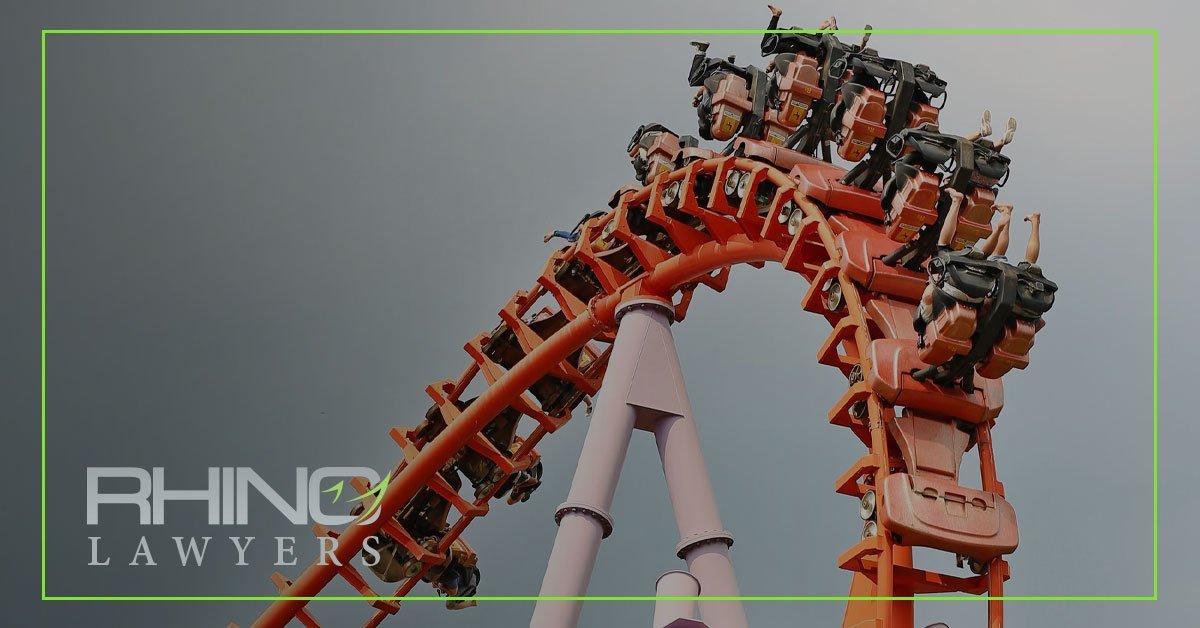
¿Puedo recibir una indemnización si me lesiono en un parque de diversiones?
Millones de personas visitan parques temáticos en Florida cada año, viajando desde todo el mundo. Estos parques ofrecen un escape de la rutina, brindando entretenimiento y recuerdos entrañables.
Sin embargo, pueden ocurrir accidentes que provoquen lesiones. En esta publicación del blog, exploraremos la pregunta: “¿Puedo recibir una compensación si me lesiono en un parque temático?”
Profundizaremos en los aspectos importantes de este tema. Aclarando lo que necesita saber si ocurre un desafortunado accidente en una atracción durante su visita a uno de los muchos parques temáticos de Florida. ¿Listo? Comencemos.
Comprender la responsabilidad de los parques temáticos
Los parques temáticos son una fuente de alegría y emoción para millones de visitantes cada año. Pero, el.
Los operadores de parques temáticos tienen el deber fundamental e innegociable de garantizar la.
Mantenimiento de instalaciones
Por ejemplo, una de las responsabilidades principales de los operadores de parques temáticos es el mantenimiento adecuado de sus instalaciones. Esto significa garantizar que los pas walkways, juegos mecánicos, edificios y todas las demás áreas accesibles para los visitantes se mantengan en condiciones seguras y funcionales. Incluye inspecciones regulares, reparaciones y mantenimiento preventivo para evitar peligros que puedan provocar accidentes y lesiones.
Por ejemplo, si un parque de atracciones tiene una atracción de agua con pasillos resbaladizos, es su responsabilidad mantener dichos pasillos para evitar accidentes por resbalones y caídas, incluso en condiciones de humedad. No hacerlo podría dar lugar a responsabilidad civil si ocurre una lesión.
Operación segura de atracciones
Los parques temáticos son famosos por sus emocionantes juegos y atracciones. Sin embargo, estos juegos deben operarse con el máximo cuidado y atención a la seguridad. Los operadores son responsables de garantizar que las atracciones se encuentren en buen estado de funcionamiento, de que se inspeccionen periódicamente para detectar problemas mecánicos y de que sean operadas por personal capacitado y calificado.
En caso de un fallo o funcionamiento inadecuado de la atracción, podrían responsabilizar al operador del parque temático por cualquier lesión resultante. El mantenimiento adecuado y la capacitación de los operadores son fundamentales para minimizar estos riesgos.
Capacitación del personal
Un aspecto de la responsabilidad de los parques temáticos que a menudo se pasa por alto es la capacitación del personal. Deben capacitar adecuadamente a los empleados de los parques temáticos para responder a emergencias, así como administrar primeros auxilios cuando sea necesario y ayudar a los visitantes en una variedad de situaciones.
Esto incluye gestionar el control de multitudes durante los períodos de alta afluencia. Y abordar las inquietudes o quejas de los huéspedes con prontitud. Una capacitación inadecuada puede dar lugar a una mala gestión de accidentes o agravamientos. Lo que podría resultar en responsabilidades legales para el parque temático.
Información de seguridad para los huéspedes
Los parques temáticos están obligados a proporcionar a los visitantes información esencial de seguridad. Esto incluye señalización clara que indique los peligros potenciales, instrucciones de seguridad para las atracciones y pautas para la conducta de los visitantes.
Una comunicación adecuada de la información de seguridad es fundamental para garantizar que los visitantes puedan tomar decisiones informadas sobre sus acciones dentro del parque.
Acciones inmediatas después de una lesión
Ahora que hemos establecido algunas de las formas en que un parque temático puede ser responsable de los accidentes, veamos los pasos que debe seguir al presentar reclamaciones de indemnización. Inmediatamente después de sufrir una lesión en un parque temático, como el latigazo cervical para un hueso roto, las acciones rápidas y deliberadas son fundamentales.
Primero que nada, informe el incidente de inmediato al personal del parque o al personal de seguridad. Este informe inicial crea un registro oficial del incidente, documentando detalles críticos, la gravedad de sus lesiones y cualquier testimonio de testigos disponible.
En segundo lugar, priorice su salud buscando atención médica inmediata. Incluso las lesiones que parecen menores pueden ocultar complicaciones subyacentes, por lo que es fundamental una evaluación exhaustiva por parte de un profesional médico. Por último, documente las pruebas pertinentes, que pueden incluir la captura de fotos o videos de:
- La escena del accidente
- Sus lesiones
- Cualquier factor contribuyente (es decir, condiciones peligrosas)
Estas acciones inmediatas sirven para proteger su bienestar y establecer una base para un posible recurso legal.
Consultas con un abogado
En casos de lesiones graves y cuando crea que la negligencia del parque temático jugó un papel importante, es recomendable buscar asesoramiento legal. Aquí es donde un abogado de lesiones personales especializado en casos de responsabilidad de los locales se vuelve invaluable.
Un abogado puede evaluar los detalles de su situación, analizar la solidez de su caso y brindarle asesoramiento profesional sobre el curso de acción adecuado. Aquí en Florida, su mejor opción después de accidentes en parques temáticos es siempre RHINO Lawyers.
Al considerar una acción legal, es fundamental tener en cuenta el plazo de prescripción de Florida para las demandas por lesiones personales. Este estatuto establece un plazo específico dentro del cual debe presentar su demanda.
El límite de tiempo exacto puede variar según las circunstancias únicas de su caso. Por lo tanto, consultar a un abogado con prontitud es fundamental para garantizar que cumpla con todos los plazos y proteja sus derechos.
Acuerdo vs. Demanda
Al buscar una indemnización después de ser lesionado en un parque de diversiones, por lo general encontrará dos caminos principales: el acuerdo y la demanda. Destacaremos cada uno de ellos.
Acuerdo
Esta suele ser la forma preferida de resolver el asunto. En un acuerdo extrajudicial, ambas partes (usted y el parque temático o su aseguradora) llegan a un acuerdo sin ir a los tribunales.
Usted y su abogado negocian con el parque temático para determinar una cantidad justa de compensación por sus lesiones. Los acuerdos pueden ser más rápidos y menos costosos que las demandas, lo que proporciona una resolución más directa.
Demandas
Si no se puede llegar a un acuerdo mediante una resolución amistosa, o si el parque temático no está dispuesto a negociar de manera justa, puede ser necesario presentar una demanda. Esto implica llevar el caso a los tribunales, donde un juez y posiblemente un jurado decidirán el resultado.
Las demandas pueden llevar más tiempo y ser más costosas. Sin embargo, disputar la responsabilidad también puede conducir a una resolución ordenada por el tribunal.
En última instancia, la decisión entre un acuerdo extrajudicial y una demanda depende de los detalles específicos de su caso, así como de la disposición del parque temático para cooperar. Nuestros abogados con experiencia pueden guiarle para determinar qué opción es la mejor para su situación.
¿Puede recibir una compensación tras un accidente en un viaje compartido?
A medida que caen el telón de tu aventura en el parque temático, persisten los recuerdos de atracciones emocionantes y encantadoras. Sin embargo, en el ámbito de los parques temáticos, donde la magia del entretenimiento se encuentra con la realidad de la seguridad, a veces puede ocurrir un accidente inesperado en una atracción.
En resumen, es posible que tenga derecho a recibir justicia e indemnización tras una lesión en un parque de diversiones. Para obtener más información sobre las reclamaciones en parques de atracciones, hable con los abogados en RHINO Lawyers en Florida.
CONTACTA A UN ABOGADO ESPECIALIZADO EN LESIONES PERSONALES
En resumen, después de un accidente, es posible que no conozcas tus derechos. Sobre todo, no intentes pasar por este proceso tú solo. De hecho, nuestro equipo de lesiones personales está aquí para ayudarle con cualquier necesidad legal que pueda tener relacionada con su accidente.
Por último, que RHINO Lawyers responda a sus preguntas y revise los hechos de su caso con una consulta gratuita. Así que comience completando el “Evaluación de caso instantánea y gratuita”o llamándonos en cualquier momento, día o noche, al 844.RHINO.77.
Leer más
Lo que necesita saber sobre la ley de peajes de Florida
Carreteras de peaje en Florida se extienden a lo largo de 719 millas. Muchos conductores de Florida tienen una relación de amor/odio con estas carreteras de peaje. Conducir por una vía de peaje lo lleva a su destino mucho más rápido.
Sin embargo, conducir por una vía con peaje significa que tienes que pagar la tarifa establecida en cada caseta de cobro. Aunque es tentador evitar el pago, esto puede meterte en problemas. Pagar tus peajes es solo una de las muchas leyes de peaje de Florida que debes conocer.
Estatutos de peajes de Florida
Al igual que con muchas otras reglas de tránsito, Florida tiene leyes sobre las autopistas de peaje. Bajo Estatuto de Florida 316.1001, en Florida los conductores están legalmente obligados a pagar sus peajes. No pagar una deuda de peaje podría resultar en varias sanciones.
Medida (SB 6-A)
Una nueva ley de peajes beneficia a los usuarios que viajan diariamente en Florida. La medida (SB 6-A) tiene como objetivo aumentar los ingresos por peajes haciendo que las carreteras sean más económicas para los viajeros diarios. El programa durará un año y tiene un presupuesto de $500 millones.
Los conductores de Florida deben tener un Sunpass registrado en su vehículo para participar. No es necesario inscribirse en el programa, ya que este comenzó a registrar automáticamente los viajes por carreteras de peaje el 1 de enero de 2023.
Los conductores que realicen 35 o más viajes en una carretera de peaje en un mes recibirán un reembolso del 50%.
Límites de velocidad en carreteras de peaje
Es ilegal acelerar al pasar por una estación de peaje. Hacerlo puede resultar en una multa por exceso de velocidad. Sin embargo, el límite de velocidad variará según el tipo de punto de peaje por el que conduzcas y la carretera en la que te encuentres.
Existen puntos de peaje tradicionales que cuentan con casetas y carriles exclusivos para SunPass. Estos puntos tienen un límite de velocidad de 25 millas por hora. No es necesario detenerse al pasar por el carril exclusivo de SunPass, pero sí debe reducir la velocidad.
Hay puntos de cobro de peaje sin barreras (open road tolling). Estos no requieren que nadie se detenga. El límite de velocidad en ellos es el mismo que el de la vía circundante.
Busca señales antes del peaje. Algunas tienen avisos que duplicar las multas por exceso de velocidad en las zonas de peaje.
Pago de peajes en Florida
La ley de Florida exige que pague su tarifa de peaje al pasar por el punto de peaje. Esto puede hacerse con su SunPass o E-Pass precargado. También puede ser con cambio en una caseta.
Tiene dos opciones si conduce a través de un peaje tradicional de caseta. Puede pasar por el carril exclusivo para SunPass si tiene un SunPass precargado. Si no, necesitará el cambioexacto para una caseta sin personal o recibir cambio en una caseta con personal.
El sistema de peaje está pasando a un sistema sin efectivo. Para estos puntos de peaje, hay un sistema de cobro por placa. Una cámara sobre cada carril registra la placa de cada vehículo.
Si tiene un SunPass, este registrará y deducirá la tarifa de su peaje de su cuenta. A los vehículos sin un SunPass se les registra la placa para el sistema de cobro por placa (toll-by-plate).
Luego recibirá una notificación por correo dentro de los 14 días posteriores a la acumulación de su tarifa de peaje. Puede pagar su peaje siguiendo las instrucciones de la notificación. Por lo general, pagar de esta manera aumenta las tarifas de peaje y agrega una tarifa administrativa adicional de $2.50.
Falta de pago de multas
Recibirás dos avisos por correo sobre tus tarifas de peaje. Después de esto, podría pasarse a una agencia de cobranza. Te asignarán más cargos y te perseguirán por la deuda.
No ignore su aviso de pago de peaje. No pagar sus peajes es una infracción de tránsito no penal. Esto significa que conlleva las sanciones enumeradas en el Capítulo 318.
Esto podría incluir una multa civil de $100 y los costos judiciales. También se puede aplicar un bloqueo de registro a su vehículo, lo que le impedirá registrarlo hasta que pague sus tarifas de peaje. No ignore su multas de tránsito; podrías enfrentar sanciones aún más severas.
Hablar con un abogado de tránsito puede ayudarle a evitar la acumulación de multas y recargos si se enfrenta a una multa de tránsito por peaje. Debido a que es una infracción de tránsito, podría recibir puntos en la licencia.
Infracción de carriles con peaje regulado de Florida
Los carriles con gestión especial tienen usos específicos con el objetivo de aumentar el flujo vehicular. Cuando se transita por una autopista de peaje, solo están disponibles para su uso por conductores con un dispositivo SunPass activo o un transmisor compatible.
Si conduces por estos carriles sin uno, pagarás multas. La sanción es un cargo adicional de $25 además del monto del peaje y la tarifa administrativa. Pagarás $25 cada día que conduzcas por el carril administrado sin un SunPass válido.
Alguien más iba manejando
Si otra persona conduce su vehículo y recibe un aviso de peaje, usted no es responsable de las tarifas de peaje de esa persona. Tiene 14 días a partir de la recepción del aviso para responder.
Su primera opción es proporcionar la información del conductor. Esta debe incluir:
- Nombre y apellido
- Dirección
- Fecha de nacimiento
- Número de licencia de conducir, si se conoce
Su segunda opción es proporcionar un informe policial que indique que el vehículo fue robado cuando incurrió en los peajes.
Tenga precaución al presentar su declaración jurada de respuesta. Su respuesta formará parte del registro legal. Presentar una declaración jurada falsa podría resultar en un cargo por delito menor de segundo grado.
Etiqueta en las autopistas de peaje
Conducir por carreteras de peaje es similar a cualquier otra autopista en Florida. Debes seguir normas de etiqueta vial similares.
Maneje por los carriles derechos y rebase por los carriles izquierdos. Si un vehículo más rápido lo alcanza, muévase a la derecha y déjelo pasar. Esté atento a los vehículos que entran y salen de la autopista.
Si se aproxima a un punto de peaje con casetas, elija su carril con anticipación y manténgase en él. No haga cambios repentinos o de última hora. Al salir del punto de peaje, tenga cuidado con otros vehículos que se incorporan a los carriles de la autopista.
Maneje por las autopistas de peaje en Florida
Ya sea que conduzca por la autopista de peaje de Florida (Florida Turnpike) o por una de las muchas carreteras de peaje en Florida, siempre pague su tarifa de peaje. Intentar evitarlo solo resultará en multas y sanciones más significativas.
Si tiene un boleto de carretera de peaje u otra infracción de tránsito, RHINO Lawyers puede ayudar. Nuestro equipo de abogados ayuda a los clientes a combatir sus multas de Florida.
Agendar una consulta y deje que nuestro equipo pelee para retirar su multa de carretera de peaje.
CONTACTE A UN ABOGADO DE MULTAS DE TRÁFICO EN TAMPA
RHINO Lawyers puede ayudar y guiarlo a través de un sistema moldeado por las fuerzas del orden, jueces y abogados durante décadas. Habiendo ganado casos para nuestros clientes en circunstancias similares, nuestro equipo de defensa penal sabe lo que se necesita para luchar en tu nombre.
Permitir RHINO Lawyers responda a sus preguntas y revise los hechos de su caso con una consulta gratuita. Así que comience completando el “Evaluación de caso instantánea y gratuita”o llamándonos en cualquier momento, día o noche, al (844) RHINO-77.
Leer más
¿Los motociclistas necesitan seguro PIP?
Motores rugiendo, el viento en el pelo y la emoción de la carretera abierta. Estas son las características de la experiencia en motocicleta. Pero para los motociclistas en el Estado del Sol, hay un giro único en el camino en lo que respecta al seguro.
Imagínate esto: vas conduciendo por las pintorescas carreteras de Florida. Sintiendo la libertad que solo una motocicleta puede ofrecer. De repente, un giro inesperado lo cambia todo. Los accidentes pueden ocurrirle incluso al motociclista más prudente, y ahí es donde entender seguro para motocicleta se vuelve crucial.
El panorama del seguro de automóviles de Florida, regido por su sistema de Protección contra Lesiones Personales (PIP), es un laberinto por el que los motociclistas deben transitar de manera diferente. El seguro PIP en Florida, a menudo aclamado como una salvaguarda ‘sin culpa’ ("no-fault"), es obligatorio para la mayoría de los vehículos en las carreteras de Florida. ¿Pero se aplican las mismas reglas a las motocicletas?
En este artículo, exploraremos los pormenores del seguro PIP para los entusiastas de las motocicletas en Florida, las excepciones, las alternativas y todo lo demás. Echemos un vistazo.
Comprender el seguro PIP en Florida
El seguro de Protección contra Lesiones Personales (PIP), a menudo denominado seguro “sin culpa”, es un aspecto fundamental del sistema de seguros de automóviles de Florida.
Está diseñado para proporcionar una cobertura rápida y fluida de los gastos médicos y la pérdida de salarios en en caso de accidente. Esto es verdad sin importar de quién haya sido la culpa del incidente.
Sin embargo, cuando se trata de motociclistas, el panorama del seguro PIP en Florida difiere del de los vehículos de motor tradicionales.
El requisito de seguro PIP en Florida
La ley de Florida exige que todos los propietarios de vehículos de motor tengan un seguro PIP con un mínimo límite de cobertura de $10,000.
Este requisito se extiende a la mayoría de los vehículos, como automóviles y camiones, y es un pilar fundamental del marco de seguros de automóviles del estado.
Sin embargo, tratándose de motocicletas, existe una excepción. La ley no exige legalmente que los motociclistas cuenten con seguro PIP. Este es un hecho que los diferencia de quienes conducen vehículos de cuatro ruedas.
Seguro PIP y motocicletas: ¿Son compatibles?
Si bien el seguro PIP no es obligatorio para los motociclistas en Florida, sigue siendo una opción sensata. Esto se debe a que brinda protección financiera en caso de un accidente.
El seguro PIP puede abarcar gastos médicos, salarios perdidos e incluso gastos funerarios, lo que lo convierte en un recurso valioso tras un accidente de motocicleta.
La decisión de obtener un seguro PIP como motociclista depende de varios factores. Los motociclistas deben evaluar aspectos como:
- Su tolerancia al riesgo
- Su presupuesto
- Cualquier cobertura existente
El seguro PIP puede ser una red de seguridad esencial, particularmente si un motociclista carece de una cobertura de seguro médico sólida o si su seguro médico tiene limitaciones en cuanto a los accidentes de motocicleta.
Es fundamental considerar las circunstancias personales al evaluar si el seguro PIP es una opción adecuada.
Excepciones y exenciones para motociclistas
Los motociclistas deben familiarizarse con excepciones y exenciones específicas relacionado con el seguro PIP en Florida. Una excepción notable es cuando el motociclista también es dueño de un automóvil con seguro PIP.
En tales casos, el motociclista puede estar cubierto por la póliza de PIP asociada con su automóvil si se ve involucrado en un accidente de motocicleta. Esto solo se aplica si el motociclista es propietario del vehículo y la cobertura de PIP se extiende a él.
Algunas pólizas de seguro médico pueden ofrecer cobertura para las lesiones sufridas en accidentes de motocicleta. Si bien esto puede no proporcionar el mismo nivel de cobertura integral que el seguro PIP, aún puede ofrecer un valioso apoyo financiero en caso de un accidente.
Los motociclistas deben revisar cuidadosamente sus pólizas de seguro médico para comprender el alcance de la cobertura para lesiones relacionadas con motocicletas.
Los beneficios del seguro PIP para motociclistas
Existen ventajas claras de tener un seguro PIP en Florida. Las facturas médicas resultantes de un accidente de motocicleta pueden ser sustanciales. La cobertura PIP puede aliviar significativamente la carga financiera.
Proporciona tranquilidad saber que cuentas con una red de seguridad en caso de un accidente imprevisto, especialmente si tu seguro médico tiene limitaciones o deducibles altos.
El seguro PIP cubre no solo al titular de la póliza, sino también a cualquier pasajero que se encuentre en el vehículo asegurado en el momento del accidente. Para los motociclistas que ocasionalmente llevan pasajeros, esta puede ser una característica valiosa.
En caso de un accidente, los pasajeros también pueden beneficiarse de la cobertura PIP para sus gastos médicos y salarios perdidos.
Alternativas al seguro PIP para motociclistas
Para los motociclistas que optan por no comprar el seguro PIP, varias opciones alternativas pueden brindar protección financiera.
Una de esas opciones es la cobertura para conductores sin seguro o con seguro insuficiente. A esto se le conoce comúnmente como cobertura UM/UIM. La cobertura UM/UIM interviene cuando usted se ve involucrado en un accidente con un conductor que carece de seguro o tiene una cobertura insuficiente para compensarle completamente por sus lesiones.
Otra alternativa es un seguro de salud de cobertura amplia. Aunque no es específico para accidentes de motocicleta, el seguro de salud de cobertura amplia puede cubrir los gastos médicos derivados de cualquier tipo de accidente o enfermedad.
Es fundamental que los motociclistas revisen cuidadosamente sus pólizas de seguro médico y hablen sobre cualquier posible brecha de cobertura con su proveedor de seguros.
Consideraciones para la seguridad en motocicleta en Florida
Si bien el seguro es un aspecto crucial de la seguridad en motocicleta, los motociclistas también deben priorizar otras medidas de seguridad para reducir el riesgo de accidentes y lesiones.
El uso de equipo de protección adecuado, como cascos, guantes y ropa protectora, es de suma importancia. La ley de Florida exige que todos los motociclistas menores de 21 años usen casco. Los conductores de 21 años o más deben usar casco a menos que cuenten con una cobertura de seguro médico de al menos $10,000.
Tomar cursos de seguridad en motocicleta y mantener una motocicleta en buen estado pueden contribuir a experiencias de conducción más seguras. Estos cursos brindan información valiosa sobre técnicas de conducción defensiva y pueden mejorar las habilidades y la conciencia del motociclista en la carretera.
El mantenimiento regular de la motocicleta es esencial para garantizar que funcione de forma segura.
Obtenga más información sobre PIP hoy
RHINO Lawyers estamos profundamente comprometidos con la seguridad y protección de la comunidad de motociclistas de Florida. Entendemos que las decisiones sobre el seguro PIP pueden ser complejas para los motociclistas. Nuestro experimentado equipo legal está aquí para apoyarlo a tomar las decisiones correctas.
Como defensores de su seguridad, lo alentamos a priorizar su bienestar en el camino. Si ha estado involucrado en un accidente de motocicleta o tiene preguntas sobre la cobertura del seguro, no dude en comunicarse con nosotros.
Deje que nuestra experiencia navegue el panorama legal mientras usted se concentra en su recuperación y en la alegría de andar en moto. Contacto RHINO Lawyers hoy para una consulta y dé el primer paso hacia la seguridad de su futuro sobre dos ruedas.
COMUNÍQUESE CON UN ABOGADO DE ACCIDENTES DE MOTOCICLETA EN TAMPA
En resumen, después de un accidente de motocicleta, es posible que no conozca sus derechos. Sobre todo, no luche contra el proceso solo. En realidad, nuestros equipo de lesiones personales está aquí para ayudarle con cualquier necesidad legal que pueda tener relacionada con su accidente.
Por último, que RHINO Lawyers responda a sus preguntas y revise los hechos de su caso con una consulta gratuita. Así que comience completando el “Evaluación de caso instantánea y gratuita”o llamándonos en cualquier momento, día o noche, al 844.RHINO.77.
Leer más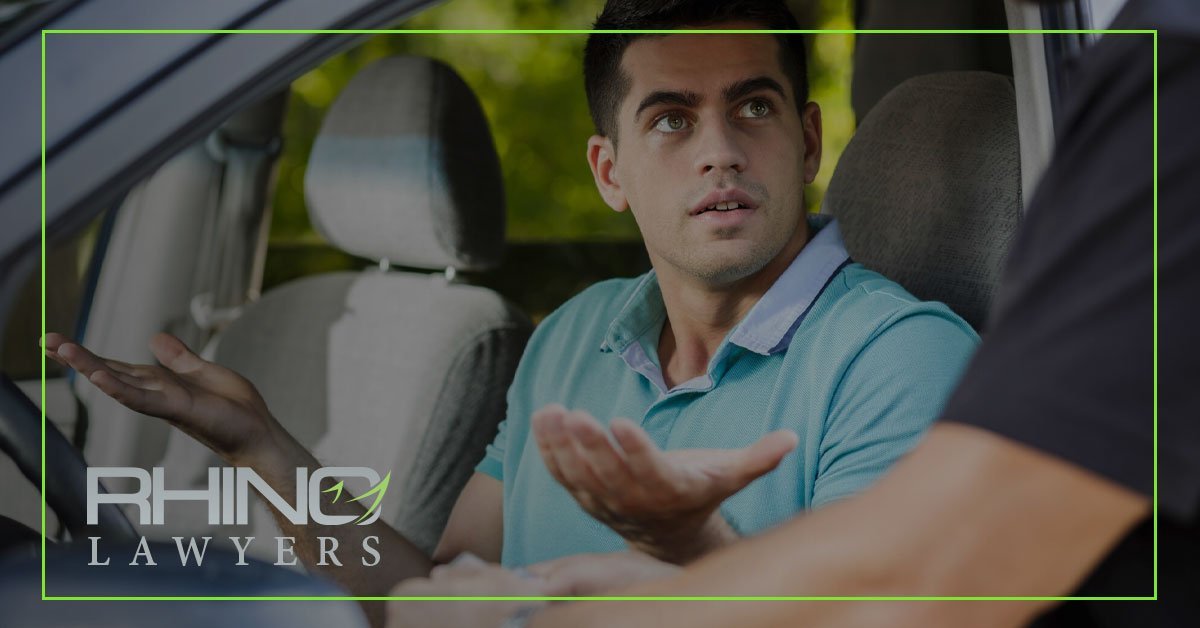
Sanciones por conducir un vehículo no registrado en Tampa
¿Estás pensando en conducir un vehículo no registrado en el Estado del Sol? ¡Podría sorprenderte descubrir que esta infracción se considera un delito penal en Florida!
Si las autoridades policiales lo sorprenden conduciendo un vehículo sin el registro correspondiente, podría enfrentar un cargo por delito menor de segundo grado. ¿La buena noticia? Siempre y cuando esté al tanto de todas las leyes viales del estado, puede tomar las medidas adecuadas para registrar su vehículo y evitar este problema.
Hoy analizamos las reglas que debes conocer. Y cómo un equipo legal sólido puede ayudar a tu caso si actualmente te enfrentas a estas sanciones.
Sanciones por conducir un vehículo no registrado en Florida
Si te descubren conduciendo un vehículo sin matrícula válida, podrías enfrentar un cargo por delito menor de segundo grado, punible con hasta 60 días de cárcel y una multa de $500. En ciertas circunstancias, la policía incluso podría entregarte una “Notificación de comparecencia” y arrestarte por la infracción.
Este mandato está vigente debido a Estatuto de Florida 320.02, el cual establece que toda persona que sea propietaria o esté a cargo de un vehículo de motor conducido u operado en las carreteras debe registre el vehículo en el estado de Florida.
Este idioma puede volverse un poco difícil, pero la definición de “vehículo de motor” es cualquier cosa que tenga ruedas y motor. Esto puede incluir una variedad de vehículos diferentes, entre ellos:
- Automóviles
- Motocicletas
- Camiones
- Avances
- Tráileres y semirremolques
- Vehículos recreativos que cuentan con un motor independiente o que están acoplados a un vehículo
Si bien estos cargos ya son bastante difíciles, también es importante señalar que, según la ley, los delitos menores no se pueden sellar ni eliminar del expediente. Esto significa que el cargo permanecerá en su historial durante 10 años. La mayoría de las veces, la policía solo se da cuenta de que un conductor maneja un vehículo no registrado cuando lo detiene por otro motivo, como:
- Exceso de velocidad
- Manejo bajo la influencia (DUI)
- Conducción imprudente o distraída
- Pasarse un semáforo en rojo
- Pasarse una señal de alto
- Cambio de carril inseguro
Si le piden su licencia y su tarjeta de circulación y usted no puede proporcionar esta última, podrían darle no una sino dos multas de tránsito.
Verificación de antecedentes
Incluso si un conductor intenta explicar la ausencia diciendo que los documentos de registro están en casa, de todas formas lo atraparán. Los oficiales de policía realizan una verificación rutinaria de antecedentes cada vez que detienen a alguien. Esta verificación les permite ver si hay órdenes de arresto pendientes contra el conductor o si el vehículo es robado.
La verificación también les indicará si el auto no está registrado. Antes de presentar una acusación, por lo general tomarán en cuenta otros factores, como tu nivel de cooperación y cualquier arresto previo o orden de aprehensión pendiente que tengas.
Vencido vs. Sin registro
Las multas de tránsito por conducir un vehículo no registrado son diferentes a las que podría enfrentar si su vehículo es registrado pero los documentos han caducado.
Si la policía te sorprende conduciendo con una placa o registro vencido, la sanción más probable Es un boleto, especialmente si esta es tu primera infracción. En la mayoría de los casos, esta infracción se considerará una infracción de tránsito menor y no delictiva. Es posible que debas pagar una multa, pero por lo general no será superior a $100.
Sin embargo, si te atapan manejando con el registro vencido por el segundo el tiempo o su registro caducó hace más de seis meses, la pena aumentará a un cargo por delito menor penal de segundo grado. El Estatuto de Florida 320.07 establece que si la placa de un vehículo ha estado vencida por más de seis meses, y esta es su segunda ofensa o una posterior, podría enfrentar un cargo penal punible con hasta 60 días de cárcel.
Si enfrenta este cargo o lo han atrapado conduciendo un vehículo que no está registrado en absoluto, la infracción generalmente lo llevará a una fecha en la corte. Una vez que esté en la corte, deberá preparar su defensa y decidir si se declarará culpable o no culpable.
¿Y un auto nuevo?
Una de las preguntas que nos hacen con frecuencia es: “¿Podría enfrentar una sanción por conducir un vehículo completamente nuevo sin placas?” Si recién sales del concesionario con un juego de llaves nuevo, sí, puede conducir su vehículo a casa.
Sin embargo, no te vayas del lote de autos sin asegurarte de que el concesionario te haya emitido una placa temporal. Esta placa estará hecha de papel, pero te ayudará a protegerte hasta que tu placa de metal y el título del vehículo estén listos.
Si compraste tu vehículo en un concesionario, ellos son responsables de ayudarte a obtener tus placas y el título. Si lo compraste a un particular, ese próximo paso dependerá de ti. Las placas del carro se quedarán con el vendedor, y tendrás que visitar un centro de servicio de vehículos local para registrar el carro a tu nombre.
Estos centros son operados por el Departamento de Seguridad de Carreteras y Vehículos Motorizados de Florida. Usted puede ve aquí para buscar una ubicación cerca de usted.
Restricciones de cronograma que debe conocer
Si bien una placa de papel puede servir como sustituto de una placa oficial y del registro, no se puede usar indefinidamente. Según la ley de Florida, solo puede conducir su automóvil nuevo con esta etiqueta temporal por hasta 30 días. Cuando se expire ese plazo, debe tener una placa metálica, así como el título del vehículo en orden para evitar un cargo penal.
Si se acercan la fecha límite y aún no ha recibido los artículos necesarios, lo mejor es organizar un transporte diferente de manera provisional. A los concesionarios se les prohíbe emitir más de una placa temporal. Además, no pueden extender el período de 30 días bajo ninguna circunstancia.
¿Necesita una defensa legal por su cargo de vehículo no registrado?
Si lo han sorprendido conduciendo un vehículo no registrado, es posible que se enfrente a cargos bastante intimidantes. Antes de seguir adelante, lo mejor es contratar a un abogado defensor penal para que apoye su caso.
Nuestro equipo en RHINO Lawyers puede ayudarle a defender sus derechos, evitar las penalizaciones máximas y volver a conducir con confianza. También podemos representarle en los tribunales. Para obtener más información sobre nuestro enfoque y los servicios que podemos ofrecerle, Contáctenos ¡para programar una consulta gratis!
CONTACTE A UN ABOGADO DE MULTAS DE TRÁFICO EN TAMPA
RHINO Lawyers puede ayudar y guiarlo a través de un sistema moldeado por las fuerzas del orden, jueces y abogados durante décadas. Habiendo ganado casos para nuestros clientes en circunstancias similares, nuestro equipo de defensa penal sabe lo que se necesita para luchar en tu nombre.
Permitir RHINO Lawyers responda a sus preguntas y revise los hechos de su caso con una consulta gratuita. Así que comience completando el “Evaluación de caso instantánea y gratuita”o llamándonos en cualquier momento, día o noche, al (844) RHINO-77.
Leer más