
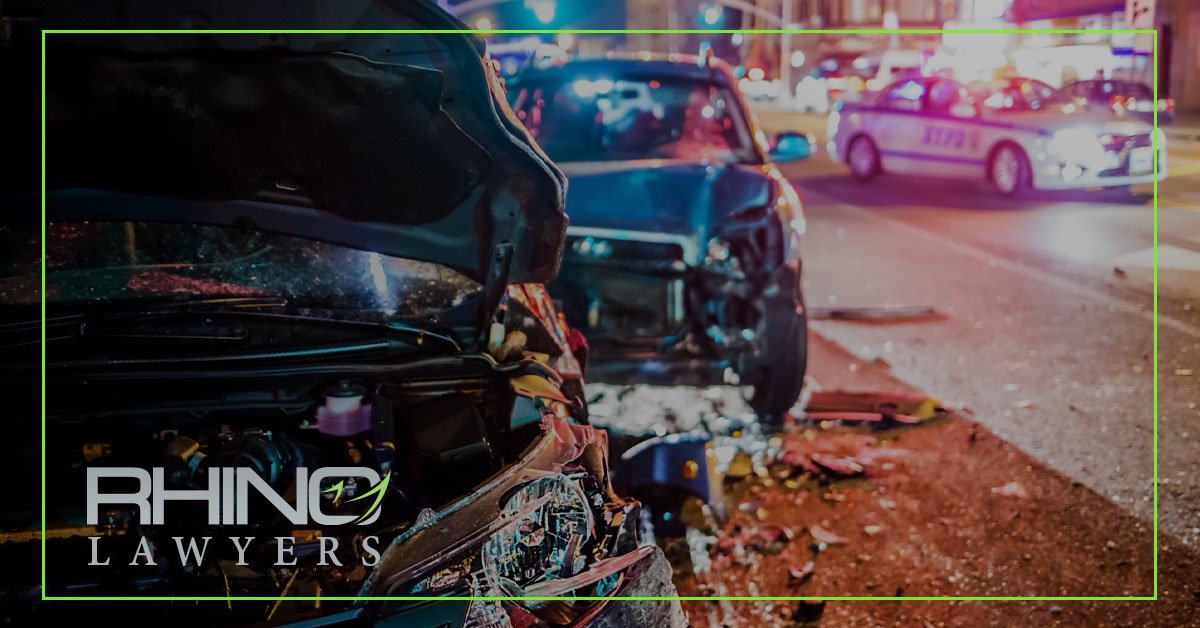
¿Es posible presentar un reclamo por accidente automovilístico en Tampa sin un informe policial?
Recientemente estuviste involucrado en un accidente automovilístico. En ese momento, no parecía gran cosa. Como tal, siguió adelante sin llamar a la policía ni presentar una denuncia.
Sin embargo, ahora estás empezando a darte cuenta de que el accidente te causó lesiones. Y por eso te preguntas: ¿es posible presentar una reclamación por accidente automovilístico Tampa sin un informe policial?
¿La respuesta corta? Sí, es posible. ¿La respuesta más compleja? La vamos a ver a continuación.
Aquí está todo lo que necesita saber sobre cómo presentar un reclamo por accidente automovilístico en Florida sin un informe policial.
¿Se puede presentar una reclamación por accidente de auto sin un informe policial en Florida?
Legalmente hablando, sí, puede presentar un reclamo por accidente automovilístico sin un informe policial en Florida. Tenga en cuenta, sin embargo, que sin un informe policial, le resultará mucho más difícil obtener una compensación de lo que habría sido si hubiera presentado un informe policial. Si tiene la opción, de hecho, debería presentar un informe policial.
Si no presentaste una denuncia policial y todavía estás buscando presentar un reclamo de seguro de auto De todos modos, se le aconseja encarecidamente que hable con un abogado especializado en accidentes de automóviles. Los abogados de accidentes automovilísticos defienden a innumerables clientes en casos donde no se presentaron informes policiales. Y podrán guiarle a través del proceso con conocimientos respaldados por la experiencia.
Las desventajas de no presentar una denuncia policial
Hemos discutido cómo no presentar un informe policial puede afectar negativamente la capacidad de recibir compensación de las compañías de seguros. Ahora, profundicemos en las desventajas específicas de no presentarlo. Estas incluyen las siguientes:
Permite que el otro conductor mienta sobre el incidente
Un informe policial crea un relato legal oficial de lo que sucedió en el lugar del accidente. El oficial de policía toma información de ambas partes, inspecciona la zona y delibera sobre lo ocurrido. El oficial incluso podría señalar a un conductor específico como responsable del accidente.
Las compañías de seguros consideran esto como un relato creíble. Confían en la autoridad de un tercero (el oficial de policía) por encima del testimonio de la persona lesionada en el accidente. Por lo tanto, cuando hay un informe policial presente, la compañía de seguros tiene muy poco interés en lo que el otro conductor tenga que decir.
Sin embargo, cuando no hay un informe policial, solo hay dos versiones para que la compañía de seguros analice. Estas incluyen la suya y la del otro conductor.
Ahora bien, si el otro conductor es 100% honesto, esto no le afectará. Sin embargo, las probabilidades de que el otro conductor sea 100% honesto son bajas. De hecho, el otro conductor podría mentir por completo sobre el incidente como un medio para evitar la culpa.
Esto, por supuesto, haría que fuera sumamente difícil para usted obtener una compensación del seguro. Y por eso el informe policial es tan importante: anula la versión del otro conductor. Proporciona un relato oficial para que la compañía de seguros tome una decisión.
Le permite al otro conductor acusarlo
La ausencia de un informe policial no solo permite que el otro conductor mienta sobre la situación, sino que también le permite acusarlo a usted de haber causado el incidente en primer lugar.
De llegar a suceder esto, te costará muchísimo trabajo conseguir alguna compensación por parte de la aseguradora. De hecho, es posible que tu aseguradora termine teniendo que pagarle al otro conductor, lo que te perjudicará a la larga.
Hay personas sin escrúpulos que acusan falsamente a otras en un intento de obtener una compensación. Puedes evitar por completo que lo hagan simplemente presentando una denuncia policial.
Por qué la documentación de caídas sigue importando
Un informe policial o de accidente puede proporcionar documentación útil sobre la fecha, el lugar, los vehículos, las partes involucradas, los testigos, la información del seguro y las circunstancias que rodearon un accidente.
Sin embargo, un informe de accidente no demuestra automáticamente quién causó un accidente o que una lesión en particular haya sido resultado del choque. La responsabilidad y la causalidad médica pueden depender de evidencia adicional, como fotografías, videos, testimonios de testigos, daños al vehículo, historiales médicos, opiniones de expertos y otros registros.
La ley de Florida también proporciona evidencia especial protecciones para ciertas declaraciones de informes de accidentes. Las declaraciones hechas por una persona involucrada en un choque a un oficial del orden público con el fin de completar un informe de choque requerido generalmente no pueden utilizarse como prueba en un juicio civil o penal, excepto según lo permita específicamente la ley de Florida.
¿Cuándo debe un conductor de Florida notificar a las autoridades sobre un accidente?
Estatuto de Florida §316.065 requiere notificación inmediata a la agencia del orden público correspondiente cuando un accidente resulte en lesiones o muerte.
Florida cambiará el umbral de daños a la propiedad en 2026:
- Para colisiones anteriores al 1 de octubre de 2026: Se requiere aviso inmediato cuando los daños aparentes en un vehículo u otra propiedad sean de al menos $500.
- Para los choques ocurridos a partir del 1 de octubre de 2026: El capítulo 2026-39 aumenta eso umbral de daños a la propiedad a al menos $2,000.
Una infracción del requisito de notificación inmediata establecido en la sección 316.065(1) es una infracción de tránsito no penal tratada como una infracción que no implica movimiento.
Ese requisito de notificación no debe confundirse con las leyes independientes de Florida que exigen a los conductores detenerse, permanecer en el lugar, intercambiar información y prestar auxilio cuando corresponda.
Abandonando la escena puede conllevar sanciones penales. Por ejemplo, abandonar un choque que solo causa daños a la propiedad sin cumplir con los deberes estatutarios puede ser un delito menor de segundo grado, mientras que abandonar choques que involucran lesiones, lesiones corporales graves o la muerte puede resultar en cargos por delitos graves y sanciones sustancialmente mayores.
Si se debe contactar a las autoridades y qué obligaciones adicionales aplican depende, por lo tanto, de las circunstancias del choque y de la fecha en que ocurrió.
¿Busca un abogado de accidentes automovilísticos de Tampa?
¿Te viste involucrado recientemente en un accidente automovilístico en Tampa? ¿Buscas un abogado de accidentes automovilísticos en Tampa? Si es así, no busques más que RHINO Lawyers.
Hemos representado a innumerables víctimas de accidentes automovilísticos y les hemos ayudado a asegurar una compensación adecuada por sus lesiones. Ya sea que haya presentado un informe policial o no, le ayudaremos a presentar con éxito su reclamo de seguro de auto y a obtener la compensación que se merece.
Contáctenos ¡hoy para iniciar el proceso!
COMUNÍQUESE CON UN ABOGADO DE ACCIDENTES AUTOMOVILÍSTICOS EN TAMPA
En resumen, después de un accidente automovilístico, es posible que no conozca sus derechos. Sobre todo, no luche solo durante el proceso. En realidad, nuestro equipo de lesiones personales está aquí para ayudarle con cualquier necesidad legal que pueda tener relacionada con su accidente.
Por último, que RHINO Lawyers responda a sus preguntas y revise los hechos de su caso con una consulta gratuita. Así que comience completando el “Evaluación de caso instantánea y gratuita”o llamándonos en cualquier momento, día o noche, al 844.RHINO.77.
Leer más
Lesiones corporales y lesiones personales: ¿Cuál es la diferencia?
¿Sabías que hay 62 millones lesiones en los Estados Unidos cada año? Estas están relacionadas con una miríada de situaciones, desde vehículos motorizados y lesiones laborales hasta accidentes en su hogar o comunidad.
Desafortunadamente, muchos de estos son el resultado de negligencia o mala conducta por parte de un individuo o empresa. Estas situaciones requieren buscar una compensación a través de nuestro sistema legal.
Cuando se trata de litigios civiles, es posible que se esté preguntando acerca de las demandas por lesiones corporales frente a las demandas por lesiones personales. Muchas personas usan estos términos indistintamente, pero describen circunstancias distintas.
Comprender las diferencias entre los dos tipos de reclamos legales le dará una mejor idea de cuál se aplica a su situación. Siga leyendo para descubrir cuáles son.
¿Qué es la lesión corporal frente a la lesión personal?
“Lesiones personales” se refiere a cualquier situación en la que alguien sufre daños. Esto puede incluir daño físico, pero también daño mental o emocional. “Lesión corporal” se refiere a una lesión física a una persona.
Para explicar mejor las diferencias entre lesiones corporales y lesiones personales, vale la pena ver ejemplos de cada una. Las lesiones corporales implican cortes, moretones, huesos rotos, lesiones de la médula espinal, daño cerebral o cualquier otra lesión grave al cuerpo.
Las lesiones personales comprenden las lesiones corporales y cualquier trauma psicológico y emocional. Esto incluye cosas como ansiedad, depresión y trastorno de estrés postraumático. Este último a veces se categoriza como “dolor y sufrimiento”.”
Las lesiones personales también pueden implicar daños económicos. Esto puede estar relacionado con la pérdida de salarios, sueldos o potencial de ingresos.
Aspectos legales de las lesiones corporales en comparación con las lesiones personales
Hay varios componentes en cada demanda por lesiones personales. Para que el caso sea exitoso, debe probar todos estos “elementos”.”
Lo primero es que debe demostrar que la parte acusada tenía una obligación de cuidado hacia usted. Esto podría ser la obligación de fabricar productos seguros o brindar atención médica competente.
Esto puede parecer muy sencillo, pero puede ser un concepto difícil en algunas circunstancias. Por ejemplo, existe el deber implícito de los automovilistas de brindar un entorno seguro en las carreteras para los demás al no conducir de manera imprudente.
A continuación, debe demostrar que hubo un incumplimiento del deber. Por ejemplo, una empresa no advierte sobre los peligros de usar productos de una manera determinada o un médico no proporciona la atención médica adecuada.
El tercer aspecto de un caso de lesiones personales es probar los daños, es decir, que el incumplimiento del demandado le perjudicó de alguna manera. Muy estrechamente relacionado está el cuarto aspecto de una reclamación: la causalidad. Puede probar los otros tres elementos y aun así perder si no puede demostrar que el incumplimiento le causó un daño.
Acuerdos y sentencias
Un acuerdo es un acuerdo alcanzado por ambas partes en una demanda por lesiones personales. Esto se refiere al monto de la compensación (“daños y perjuicios”) que debe pagarse a la parte afectada.
Si bien estos ocurren con mayor frecuencia antes del juicio (antes de dedicar tiempo, esfuerzo y gastos), pueden ocurrir en cualquier momento. Esto incluye a mitad de un juicio, a menudo cuando una de las partes presenta pruebas que animan a la otra parte a ceder.
Un “veredicto” o “fallo” ocurre cuando un caso va a juicio. Después de que se presentan todos los testigos y las pruebas, un jurado y/o un juez determinarán si el demandado es responsable y, de ser así, cuánto debe pagar por daños y perjuicios.
Lo importante a tener en cuenta sobre los acuerdos en casos de lesiones personales es que solo pueden otorgar acuerdos para ciertos aspectos de la demanda, incluyendo corporal lesión, pero no indemnizada por otras. Por ejemplo, es posible que usted tenga pruebas contundentes para demostrar una lesión corporal, pero no logre demostrar cómo el incumplimiento del deber causó “dolor y sufrimiento”.”
Daños por lesiones corporales
Parte de la razón por la cual es importante distinguir entre lesiones corporales y lesiones personales es para calcular los “daños y perjuicios”. Este es el monto en dólares asociado con el daño causado directamente a la parte afectada. o ha resultado de la negligencia o el mal hacer de un tercero.
La demostración de los daños y perjuicios se realiza mediante peritos y testimonios (si su caso no se “resuelve” y va a juicio). Aquí es donde usted de verdad comience a apoyarse en la experiencia jurídica de un abogado con experiencia en lesiones personales.
En general, los daños por lesiones corporales se pueden calcular más fácilmente que los daños por lesiones personales. Eso se debe a que se pueden revisar las facturas de hospitales y rehabilitación para obtener una cantidad específica en dólares.
Puede ser más difícil en algunas situaciones. Por ejemplo, si su rehabilitación está en curso o es indefinida, podría ser más difícil calcular los daños y perjuicios. Un abogado con experiencia en lesiones personales puede ayudarle a determinar un total adecuado para la demanda.
Algunos aspectos de la estimación de diferentes demandas por lesiones personales pueden ser bastante sencillos, mientras que otros son más complejos. Por ejemplo, un profesional legal puede ayudarle a calcular la pérdida de salarios, sueldo y potencial de ingresos debido a sus lesiones.
Las cosas como el trauma emocional o el no poder trabajar o participar en actividades con su familia o amigos pueden ser más difíciles. Eso se debe a que es difícil atribuir un valor monetario a estas pérdidas.
Protecciones de seguro por lesiones corporales y personales
Hay un área final donde los términos “daño corporal” y “lesión personal” se confunden, y no tiene que ver con el proceso legal per se. Esto se refiere a los diferentes planes de seguro de automóvil.
Todos los estados exigen una cobertura de seguro de responsabilidad civil para todos los conductores con licencia. Esto por lo general cubre las “lesiones corporales” de otros conductores, además de cualquier daño a la propiedad.
No todos los estados exigen cobertura de “protección contra lesiones personales” (PIP). Estos planes cubren daños distintos a los daños corporales que entran en demandas por lesiones personales, como la pérdida de ingresos o el dolor y sufrimiento. Ambas pólizas pueden ser útiles, pero cubren circunstancias muy distintas.
Encuentre un abogado de lesiones por demanda civil cerca de usted
Ahora que comprende la distinción entre lesiones corporales y lesiones personales, puede comprender mejor cuáles (o si ambas) se aplican a su caso. Un abogado calificado en lesiones personales puede asesorarle aún más sobre cada paso del proceso.
RHINO Lawyers tenemos el conocimiento y la experiencia para ayudarle a navegar por las complejidades de nuestro sistema legal. Trabajaremos duro para asegurarnos de que reciba la compensación que se merece. Ingrese a nuestro sitio web para obtener un análisis de caso gratuito o Contáctenos directamente hoy para programar una consulta virtual o presencial gratuita.
COMUNÍQUESE CON UN ABOGADO DE ACCIDENTES AUTOMOVILÍSTICOS EN TAMPA
En resumen, después de un accidente automovilístico, es posible que no conozca sus derechos. Sobre todo, no luche solo durante el proceso. En realidad, nuestro equipo de lesiones personales está aquí para ayudarle con cualquier necesidad legal que pueda tener relacionada con su accidente.
Por último, que RHINO Lawyers responda a sus preguntas y revise los hechos de su caso con una consulta gratuita. Así que comience completando el “Evaluación de caso instantánea y gratuita”o llamándonos en cualquier momento, día o noche, al 844.RHINO.77.
Leer más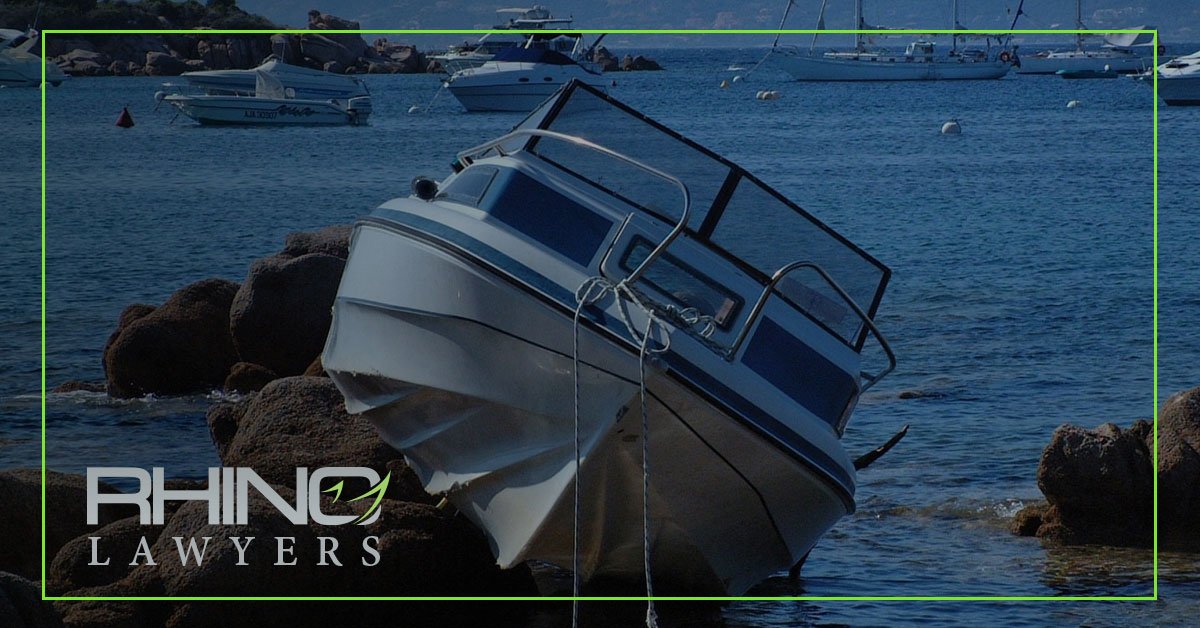
Lo que debe saber sobre los accidentes de motos acuáticas
Los accidentes de vehículos acuáticos personales pueden ocurrir de manera inesperada y tener consecuencias graves. Ya sea que sea un conductor entusiasta o simplemente esté interesado en comprender los riesgos, es fundamental estar informado sobre los accidentes de vehículos acuáticos personales.
En este artículo, analizaremos todo lo que necesita saber sobre los accidentes de motos acuáticas y lo que puede hacer para mitigarlos en caso de que ocurra uno.
Echémosle un vistazo más de cerca.
Causas comunes de accidentes de motos acuáticas
Los accidentes de motos acuáticas pueden ocurrir debido a una variedad de causas comunes. Una causa principal es exceso de velocidad, donde los pilotos llevan al límite sus motos acuáticas. Esto hace que la embarcación sea difícil de controlar y obstaculiza cómo reaccionas ante situaciones inesperadas.
Otra causa frecuente es la inexperiencia, ya que los principiantes pueden carecer de las habilidades y conocimientos necesarios para operar la embarcación de manera segura. El comportamiento imprudente, como las maniobras agresivas y el desconocimiento de las reglas de navegación, puede provocar accidentes.
Las malas condiciones meteorológicas, incluidos los vientos fuertes y el agua agitada, también contribuyen al riesgo.
El mantenimiento inadecuado y la falla del equipo pueden influir en los accidentes. Comprender estas causas comunes puede ayudar a prevenir accidentes en embarcaciones personales y garantizar una experiencia de conducción más segura.
Tipos de lesiones en accidentes de motos acuáticas
Los accidentes de vehículos acuáticos personales pueden resultar en varios tipos de lesiones, desde leves hasta graves. Una lesión común son las laceraciones, causadas por el contacto con objetos filosos o hélices. Estas pueden provocar un sangrado significativo y daño tisular.
Las fracturas y los huesos rotos también son frecuentes. Estos suelen ocurrir cuando los conductores chocan con otras embarcaciones, objetos fijos o al salir despidiendo de su moto acuática.
Lesiones en la cabeza son una preocupación grave. Sin el equipo de protección adecuado, como cascos, los motociclistas corren el riesgo de sufrir lesiones cerebrales traumáticas.
Las lesiones de tejidos blandos como esguinces y distensiones pueden ocurrir debido a movimientos repentinos o caídas durante accidentes.
Los incidentes de ahogamiento o casi ahogamiento representan una amenaza grave, especialmente cuando los pasajeros no llevan chalecos salvavidas o quedan atrapados bajo su embarcación acuática.
La importancia del equipo de seguridad y la capacitación adecuada
Equipo de seguridad y el conocimiento adecuado sobre cómo operar una moto acuática son vitales para evitar lesiones y accidentes.
Usar un chaleco salvavidas es esencial para garantizar la flotación y mejorar la seguridad en caso de una caída o colisión. El equipo de protección, como cascos y gafas, también puede proteger a los conductores de lesiones en la cabeza y escombros.
Una capacitación adecuada, que incluye la comprensión del funcionamiento de las embarcaciones, las normas de navegación y los procedimientos de emergencia, es fundamental para una navegación segura.
Los cursos de capacitación pueden proporcionar conocimientos y habilidades valiosas, permitiendo a los motociclistas tomar decisiones informadas y responder eficazmente a diferentes situaciones.
Consideraciones legales y de seguros para accidentes de motos acuáticas
Cuando se trata de accidentes de motos acuáticas, comprender los aspectos legales y de seguros es fundamental. Es importante conocer las leyes y regulaciones que rigen la operación de embarcaciones en su jurisdicción. Las diferentes regiones pueden tener requisitos específicos con respecto a licencias, restricciones de edad y zonas de operación. El incumplimiento de estas normas puede acarrear consecuencias legales.
La cobertura de seguro es otra consideración vital. Muchos accidentes de embarcaciones provocan daños a la propiedad o lesiones corporales. Tener una cobertura de seguro adecuada puede proporcionar protección financiera en tales situaciones.
Es fundamental revisar su póliza de seguro para asegurarse de que incluye cobertura para accidentes de embarcaciones personales y responsabilidad civil por cualquier daño causado a terceros.
En algunos casos, determinar la responsabilidad puede ser complejo. La responsabilidad puede recaer en el operador de la moto acuática, en otra parte involucrada o en una combinación de factores.
Demostrar negligencia o culpa puede requerir pruebas como testimonios de testigos presenciales, informes de accidentes o dictámenes periciales. Consultar con profesionales legales con experiencia en derecho marítimo o de lesiones personales puede proporcionar una valiosa orientación y asistencia para navegar por las complejidades legales.
Es importante señalar que algunas pólizas de seguro pueden tener exclusiones o limitaciones para los accidentes de motos acuáticas. Esto puede incluir cosas como restricciones de cobertura para carreras, operación imprudente o uso no autorizado.
Comprender estos términos y condiciones es fundamental para evitar sorpresas en caso de un accidente.
Cómo responder en caso de un accidente de moto acuática
Saber cómo responder en caso de un accidente de moto acuática es crucial para minimizar riesgos adicionales y garantizar asistencia inmediata. El primer paso es verificar si hay lesiones y brindar atención médica inmediata si es necesario.
A continuación, intente trasladarse a un lugar seguro, lejos de otras embarcaciones o peligros. Comuníquese con los servicios de emergencia y proporcióneles información precisa sobre el incidente y su ubicación.
Recopile cualquier detalle relevante, como los nombres y la información de contacto de los testigos, para ayudar en posibles investigaciones. Es fundamental cooperar con las autoridades o los servicios de emergencia y seguir cualquier instrucción proporcionada.
Informe el accidente a las autoridades correspondientes e informe a su compañía de seguros para iniciar cualquier reclamo necesario.
¿Quién tiene la culpa en los accidentes de moto acuática?
La determinación de la culpa en los accidentes de embarcaciones personales depende de las circunstancias específicas. Por lo general, los operadores tienen la responsabilidad de navegar de manera segura, cumplir con las leyes y regulaciones aplicables, y actuar con la diligencia debida.
Factores como la operación imprudente, la falta de ceder el paso o la violación de las normas de navegación pueden contribuir a la responsabilidad civil. Sin embargo, dicha responsabilidad también puede extenderse a otras partes involucradas, como operadores negligentes de otras embarcaciones o personas responsables del mantenimiento o del equipo.
Determinar la culpa a menudo requiere una investigación exhaustiva, que incluya la recopilación de pruebas, declaraciones de testigos y análisis de expertos.
Consultar a profesionales legales con experiencia en derecho marítimo o de lesiones personales puede ayudar a navegar las complejidades de determinar la responsabilidad en accidentes de motos acuáticas.
Consigue representación hoy
Los accidentes de moto acuática pueden ser graves. Si usted ha estado involucrado en uno recientemente, es posible que deba buscar representación legal para determinar la responsabilidad y guiarlo a través del proceso de mitigación.
En RHINO Lawyers, contamos con algunos de los mejores abogados especializados en lesiones por accidentes de tránsito. Nuestro excelente equipo legal está listo para ayudarle sin importar la situación.
Ponerse en contacto con nosotros hoy para analizar su caso. Estamos disponibles las 24 horas, los 7 días de la semana, y siempre puede acudir a nosotros en busca de ayuda.
COMUNÍQUESE CON UN ABOGADO DE ACCIDENTES DE TAMPA
En resumen, después de un accidente, es posible que no conozcas tus derechos. Sobre todo, no intentes pasar por este proceso tú solo. De hecho, nuestro equipo de lesiones personales está aquí para ayudarle con cualquier necesidad legal que pueda tener relacionada con su accidente.
Por último, que RHINO Lawyers responda a sus preguntas y revise los hechos de su caso con una consulta gratuita. Así que comience completando el “Evaluación de caso instantánea y gratuita”o llamándonos en cualquier momento, día o noche, al 844.RHINO.77.
Leer más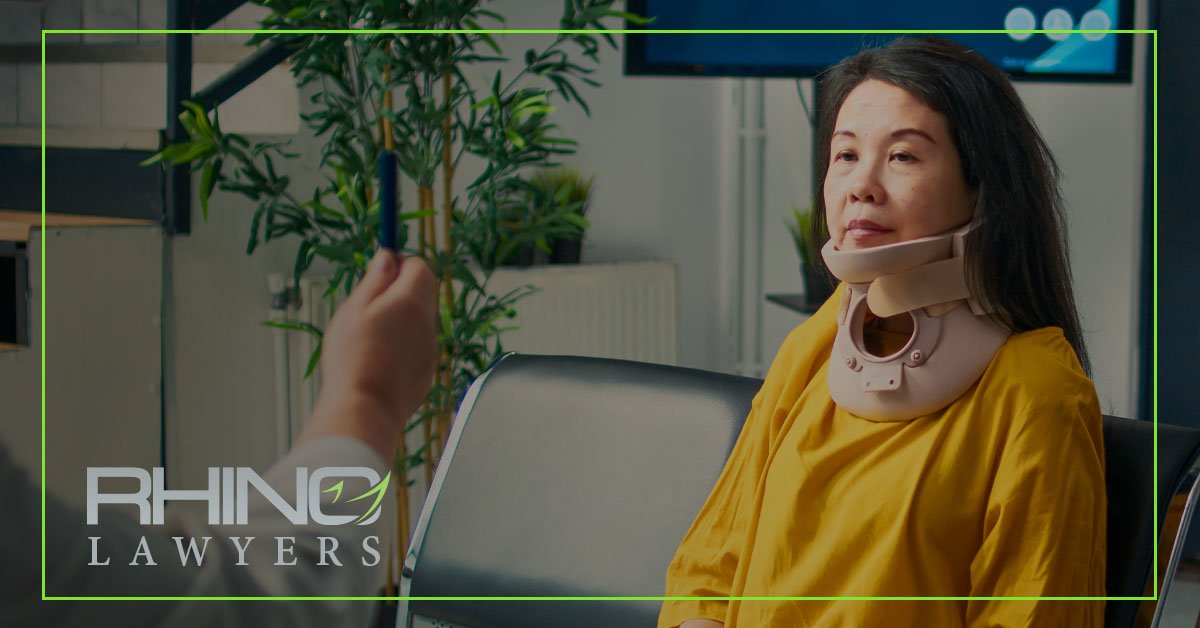
¿Cuál es el promedio de indemnización por latigazo cervical y conmoción cerebral?
Los accidentes automovilísticos son más frecuentes de lo que nos gusta pensar. De hecho, son tan frecuentes que es probable que la mayoría de nosotros suframos en al menos uno durante nuestras vidas. En lo que respecta a estos accidentes, dos lesiones comunes que suelen surgir son el esguince cervical y la conmoción cerebral. Estas lesiones pueden dar lugar a diversos impedimentos físicos y cognitivos. Estos, a su vez, conllevan gastos médicos, pérdida de salarios, así como dolor y sufrimiento.
Si ha sufrido un latigazo cervical o una conmoción cerebral debido a la negligencia de otra persona, es posible que se esté preguntando cuál es el acuerdo promedio para este tipo de lesiones. Si bien es fundamental reconocer que cada caso es único, podemos ofrecerle algunas perspectivas generales para ayudarle a comprender mejor el proceso de indemnización.
Qué necesitas saber sobre la indemnización por latigazo cervical? Sigue leyendo y te guiaremos a través de los conceptos básicos.
Comprender las lesiones por latigazo cervical y conmoción cerebral
El latigazo cervical y la conmoción cerebral son dos lesiones que comúnmente se originan a partir de accidentes automovilísticos. Si bien pueden ser causadas por factores similares, estas dos lesiones son bastante diferentes.
Es importante para su caso de lesiones personales que comprenda qué son realmente estas lesiones.
El latigazo cervical ocurre cuando la cabeza y el cuello sufren una sacudida repentina hacia atrás y hacia adelante, lo que causa tensión en los tejidos blandos y los músculos. Se asocia comúnmente con accidentes automovilísticos. Los síntomas del latigazo cervical pueden incluir dolor de cuello, rigidez, dolores de cabeza, mareos e incluso dificultades cognitivas.
Por otro lado, una conmoción cerebral es una lesión cerebral traumática que ocurre cuando el cerebro experimenta una sacudida o golpe repentino.
Puede ocurrir durante accidentes automovilísticos cuando el cráneo sufre un impacto repentino contra una superficie, como el volante. Los síntomas de una conmoción cerebral pueden variar de leves a graves e incluir dolores de cabeza, mareos, confusión, problemas de memoria y sensibilidad a la luz y al ruido.
Una conmoción cerebral puede interrumpir la función cerebral normal y dificultan el procesamiento de eventos o la realización de acciones simples.
Después de un accidente automovilístico, es fundamental buscar atención médica inmediata, incluso si no experimenta síntomas graves de inmediato. Estas lesiones pueden no manifestarse al instante, y una evaluación médica puede documentar cualquier lesión y garantizar un tratamiento adecuado.
Si puede, mantenga registros detallados de sus lesiones. Lleve un registro de todos y cada uno de los tratamientos médicos y gastos relacionados. Esto incluye informes médicos, pruebas de diagnóstico y recibos de recetas. También significa recibos de otros gastos, como terapia física o sesiones de quiropráctica.
Estos documentos ayudarán a establecer la gravedad de sus lesiones y el impacto financiero que han tenido en usted.
¿Qué indemnización por lesiones personales puede esperar?
Si te enfrentas a grandes gastos debido a tus lesiones, esto puede ponerte en una situación financiera precaria. Es completamente comprensible que sientas ansiedad sobre cuánto podrías obtener de tu caso.
¿Cubrirá todos los costos en los que has incurrido como resultado del accidente y te ayudará a recuperarte? ¿Qué puedes esperar realmente?
Determinar el acuerdo promedio para casos de latigazo cervical y conmoción cerebral puede ser difícil, ya que las circunstancias de cada caso varían.
Los acuerdos por latigazo cervical pueden variar desde unos pocos miles de dólares hasta decenas de miles de dólares. Los casos más graves con implicaciones a largo plazo pueden incluso dar lugar a acuerdos que superen las seis cifras. Esto es especialmente cierto si hay gastos médicos sustanciales y un impacto significativo en la vida de la víctima.
Es importante analizar los detalles de su caso para tener una idea de lo que es posible. Varios factores terminarán jugando un papel importante.
La gravedad de la lesión
La gravedad de su latigazo cervical o conmoción cerebral afectará significativamente el monto del acuerdo. Los informes médicos y las opiniones de expertos serán cruciales para establecer el alcance de sus lesiones y su impacto en su vida diaria.
Por esto es importante mantener documentación detallada.
Aquí se aplica la lógica. Cuanto peores hayan sido tus lesiones, mayor compensación deberías recibir. Tu dolor y sufrimiento serán más extremos, y deberías ser compensado justamente en relación con estos problemas.
Gastos médicos
Si ha sufrido una lesión debido a la negligencia de otra persona, no hay razón por la cual deba hacerse cargo de los costos de este accidente por su cuenta. Todos los gastos médicos en los que incurra como resultado del accidente deben estar cubiertos en el acuerdo.
De hecho, no solo los costos actuales, sino también los futuros. Su abogado especializado en accidentes automovilísticos debería poder ayudarle a determinar a qué tipo de gastos médicos se enfrentará en los próximos años como consecuencia de sus lesiones.
Las facturas del hospital, las pruebas de diagnóstico, la terapia y los medicamentos se tendrán en cuenta al calcular el acuerdo.
Salarios perdidos y capacidad de generar ingresos
¿Sus lesiones le han causado perder el trabajo, experimentar una pérdida de ingresos o han disminuido su capacidad de generar ingresos en el futuro? Esta es una desventaja financiera grave.
Estas pérdidas financieras se tomarán en cuenta durante las negociaciones para llegar a un acuerdo. Deberá proporcionar pruebas para respaldar sus reclamaciones aquí, una tarea con la que un abogado con experiencia puede ayudar.
Responsabilidad y cobertura de seguro
La responsabilidad de la parte responsable del accidente y la cobertura de seguro disponible también influirán en el monto del acuerdo. Es importante comprender lo mayor posible sobre la compañía de seguros con la que estará negociando.
Por lo general, la compañía de seguros considerará la solidez de las pruebas y los argumentos legales presentados al determinar el monto del acuerdo.
Un abogado con experiencia ya se habrán enfrentado muchas antes a los abogados de las compañías de seguros y sabrán cuál es la mejor manera de proceder con su caso.
Predicción de un acuerdo por accidente de auto
Si ha sufrido lesiones de latigazo cervical y conmoción cerebral como resultado de un accidente automovilístico, es importante asegurarse de obtener la compensación adecuada. ¿Cuánto puede esperar en un acuerdo de este tipo?
La información anterior puede ayudarle a tener una idea de lo que podría ser posible en su caso.
¿Necesita más asesoramiento o información legal? ¿Busca ayuda con su caso de inmediato? Llámenos a cualquier hora para ayudar.
COMUNÍQUESE CON UN ABOGADO DE ACCIDENTES AUTOMOVILÍSTICOS EN TAMPA
En resumen, después de un accidente automovilístico, es posible que no conozca sus derechos. Sobre todo, no luche solo durante el proceso. En realidad, nuestro equipo de lesiones personales está aquí para ayudarle con cualquier necesidad legal que pueda tener relacionada con su accidente.
Por último, que RHINO Lawyers responda a sus preguntas y revise los hechos de su caso con una consulta gratuita. Así que comience completando el “Evaluación de caso instantánea y gratuita”o llamándonos en cualquier momento, día o noche, al 844.RHINO.77.
Leer más
¿Qué debe hacer para el cuidado y la recuperación de una conmoción cerebral después de un accidente automovilístico?
Aproximadamente 3 millones de personas son heridos en accidentes automovilísticos en los Estados Unidos cada año. Los accidentes automovilísticos pueden resultar en varias lesiones, incluidas las conmociones cerebrales, que requieren atención y cuidados adecuados para una recuperación completa.
Si usted o alguien que conoce ha sufrido una conmoción cerebral tras un accidente automovilístico, es fundamental comprender los pasos necesarios para una sanación óptima. En esta entrada de blog, exploraremos lo que debe hacer para garantizar una atención adecuada para la conmoción cerebral y facilitar un proceso de recuperación sin contratiempos después de un choque.
Esto incluye reconocer los síntomas, buscar una evaluación médica, seguir las pautas de descanso y recuperación, y más. Comencemos.
Reconozca los síntomas
Tras un accidente automovilístico, es fundamental reconocer los signos y síntomas de una conmoción cerebral. Una conmoción cerebral puede definirse como una lesión cerebral traumática leve que puede ocurrir tras un impacto en la cabeza. Las conmociones cerebrales también pueden ocurrir durante una lesión de tipo latigazo cervical, que también es común en los accidentes automovilísticos.
Algunos síntomas comunes de una conmoción cerebral por accidente automovilístico incluyen:
- Dolores de cabeza
- Mareo
- Confusión
- Problemas de memoria
- Náusea
- Sensibilidad a la luz o al ruido
- Cambios en el estado de ánimo o el comportamiento
Inmediatamente después, es posible que esté en estado de shock y no note ninguno de estos síntomas potenciales. Por eso es importante buscar una evaluación médica, incluso si se siente bien. Aun si cualquier síntoma que se presente parece leve, nunca debe ignorarse, ya que podría indicar un problema subyacente más grave.
Busque evaluación médica
Como se señaló anteriormente, independientemente de la gravedad de sus síntomas, es fundamental buscar una evaluación médica después de un accidente automovilístico. Un profesional de la salud evaluará su estado. Esto puede incluir la realización de pruebas neurológicas y la posible solicitud de pruebas de imagen, como una tomografía computarizada o una resonancia magnética, para diagnosticar con precisión una conmoción cerebral.
La evaluación médica oportuna ayuda a identificar cualquier otra lesión que pueda haber ocurrido durante el accidente. También garantiza que usted reciba la atención médica adecuada para sus lesiones.
Siga las pautas de descanso y recuperación
Debe seguir todas las pautas de descanso y recuperación de su médico y equipo médico. Es probable que le recomienden descanso físico y cognitivo en los primeros días posteriores a la lesión. Esto significa evitar actividades que puedan empeorar sus síntomas, tales como:
- Ejercicio intenso
- Exceso de tiempo frente a la pantalla
- Lectura
- Intensa concentración mental
Un sueño adecuado también es vital para la curación, así que priorice dormir lo suficiente y de manera reparadora cada noche. Un sueño de buena calidad le permite a su cerebro repararse a sí mismo y promueve la recuperación general. Su médico puede sugerirle que evite la cafeína y las actividades estimulantes cerca de la hora de acostarse, por ejemplo.
Retorno gradual a las actividades
A medida que los síntomas mejoren, su médico lo guiará para reintroducir las actividades de forma gradual. Este proceso paso a paso puede implicar aumentar el esfuerzo físico y mental de manera progresiva mientras monitorea sus síntomas. Siempre siga las instrucciones de su médico cuidadosamente para evitar recaídas y asegurar una recuperación segura de la conmoción cerebral.
Su médico puede recomendarle un programa de ejercicio gradual, que consiste en comenzar con actividades de baja intensidad, como caminatas ligeras o estiramientos. Poco a poco, con el tiempo, puede avanzar hacia ejercicios más exigentes.
Lo mismo ocurre en el caso de las actividades cognitivas. Esto incluye actividades como leer y usar dispositivos electrónicos. Al principio, puede comenzar con períodos cortos de actividad cognitiva y aumentar lentamente la duración a medida que sus síntomas se mantengan estables o mejoren.
Manejar síntomas
Los síntomas de la conmoción cerebral pueden ser difíciles de manejar, pero existen estrategias para controlarlos eficazmente. Por ejemplo, debe evitar las luces brillantes y los ruidos fuertes que puedan empeorar sus síntomas (conocidos como desencadenantes). También es beneficioso tomar descansos frecuentes a lo largo del día para prevenir la fatiga excesiva.
También es beneficioso mantenerse hidratado y mantener una dieta equilibrada para apoyar el proceso de curación de su cuerpo. Su médico puede recetar medicamentos o recomendar terapias específicas para ayudarle a abordar los síntomas persistentes. Estas pueden incluir fisioterapia y terapia ocupacional.
Monitoree el progreso de su recuperación de una conmoción cerebral a lo largo del tiempo
También es importante controlar regularmente sus síntomas y hacer un seguimiento de su progreso durante todo el proceso de recuperación. Una forma de hacerlo es llevar un “diario de síntomas”. Este diario puede documentar cualquier cambio, mejora o nuevo síntoma que surja.
Además, asista a todas las citas de seguimiento con su médico según lo programado. Ellos evaluarán su progreso y harán ajustes a su plan de tratamiento si es necesario. También le proporcionarán orientación sobre cuándo es seguro retomar sus actividades normales, incluidos el trabajo, la escuela y el ejercicio.
Buscar apoyo emocional para la recuperación de una conmoción cerebral
Lidiar con una conmoción cerebral puede ser emocionalmente difícil. Por eso es importante buscar el apoyo de seres queridos, amigos o un consejero mientras te recuperas. Te ayudarán a brindar comprensión y aliento durante tu recuperación.
Hablar sobre tus sentimientos y preocupaciones puede ayudar a aliviar el estrés y contribuir a tu bienestar general. Practicar el autocuidado también puede ser beneficioso. Esto incluye:
- Mediación
- Ejercicios de respiración profunda
- Actividades físicas suaves
- Pasar tiempo con los seres queridos
Recuerda que buscar apoyo emocional no es señal de debilidad, sino un paso proactivo hacia tu bienestar.
Consejos importantes para el cuidado de la conmoción cerebral
Sufrir una conmoción cerebral en un accidente automovilístico requiere atención rápida y adecuada para facilitar la recuperación. Si experimenta síntomas de una conmoción cerebral tras un accidente, asegúrese de buscar atención médica. Siga de cerca sus orientaciones sobre el cuidado y la recuperación de la conmoción cerebral y priorice su bienestar.
Tras un accidente automovilístico, es posible que desee buscar justicia y una indemnización por parte de la parte culpable. Le recomendamos que se asocie con un abogado con experiencia en accidentes automovilísticos. Esto le permite concentrarse en su recuperación mientras sigue buscando justicia.
Aquí en Florida, su mejor opción en abogados de accidentes automovilísticos es RHINO Lawyers. Contáctenos hoy para programar una consulta gratuita. Esperamos poder hablar contigo.
COMUNÍQUESE CON UN ABOGADO DE ACCIDENTES AUTOMOVILÍSTICOS EN TAMPA
En resumen, después de un accidente automovilístico, es posible que no conozca sus derechos. Sobre todo, no luche solo durante el proceso. En realidad, nuestro equipo de lesiones personales está aquí para ayudarle con cualquier necesidad legal que pueda tener relacionada con su accidente.
Por último, que RHINO Lawyers responda a sus preguntas y revise los hechos de su caso con una consulta gratuita. Así que comience completando el “Evaluación de caso instantánea y gratuita”o llamándonos en cualquier momento, día o noche, al 844.RHINO.77.
Leer más