
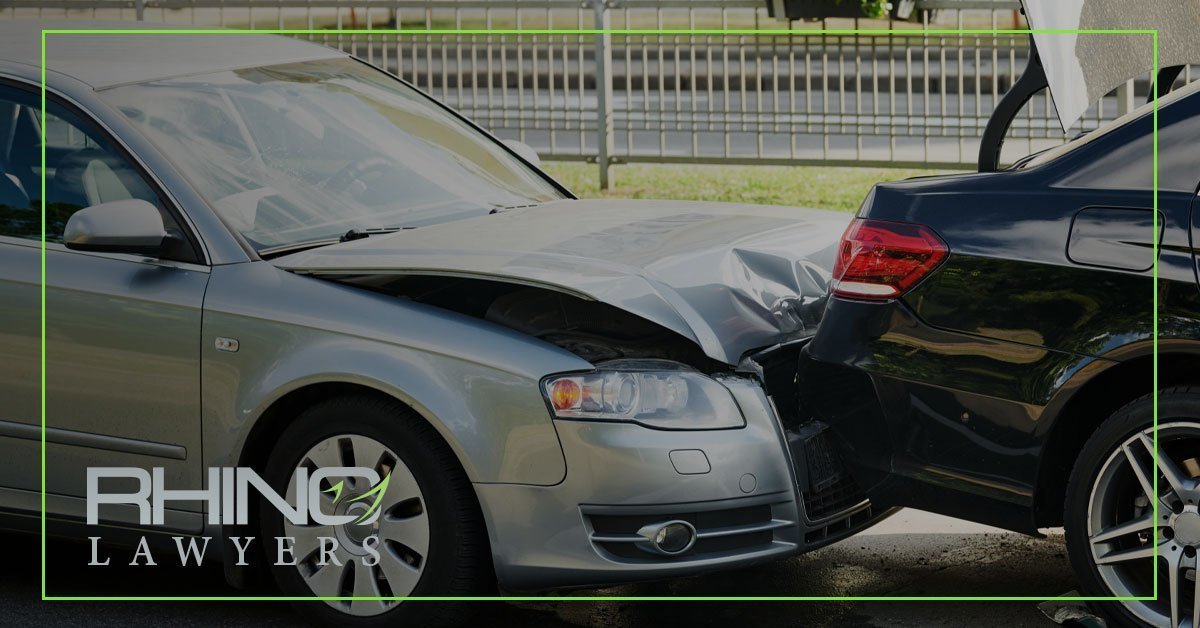
Aumentan los accidentes automovilísticos fatales en 2022
En todo Estados Unidos, los accidentes automovilísticos fatales están aumentando a raíz de la pandemia de Covid-19. Un aproximadamente 46.000 personas perdieron la vida en un accidente automovilístico en 2021.
Este número es aún mayor que el de 2020, que registró aproximadamente 42,000 muertes por accidentes. 2020 fue la primera vez en tres años que aumentó el número de muertes por accidentes automovilísticos.
La carretera puede ser un lugar muy peligroso, y los estadounidenses confían en sus automóviles para llegar al trabajo o a la escuela todos los días. Necesita saber cómo protegerse a sí mismo y a su familia mientras conduce.
Sigue leyendo para conocer por qué las muertes por accidentes automovilísticos fatales están aumentando y qué puedes hacer para mantenerte seguro.
¿Por qué están aumentando los accidentes automovilísticos?
A pesar de conducir menos millas que en años anteriores, el número de estadounidenses involucrados en accidentes automovilísticos aumentó en 2020 y 2021. Al principio, esto desconcertó a las autoridades, pero ha salido a la luz más información.
Comportamiento más riesgoso
Muchos atribuyen los efectos secundarios de la pandemia al aumento de los accidentes automovilísticos fatales. Alteró la forma en que todos viven sus vidas, y algunos adoptaron un comportamiento más riesgoso debido a verse obligados a vivir una pandemia global.
Más personas que nunca manejan a exceso de velocidad, bajo los efectos del alcohol o sustancias, y sin cinturón de seguridad. Esto conduce naturalmente a un aumento en las muertes por accidentes.
El aumento de estos comportamientos podría estar relacionado con la forma en que las personas se sintieron durante la pandemia. Muchos se sintieron atrapados en sus hogares y pensaron que verse obligados a vivir una pandemia global podría justificar estos comportamientos.
Este cambio de psicología se refleja en la sociedad en general. El tasas de consumo de drogas y alcohol son más altos que las cifras prepandemia.
Algunos también consideran que las prácticas de conducción arriesgada permitieron a algunos estadounidenses liberar estrés durante los meses más duros de los confinamientos relacionados con la pandemia.
Todo esto suma una cantidad mucho mayor de muertes por accidentes de tránsito.
Menos autos en la calle
Con la mayoría de las personas obligadas a quedarse en casa durante 2020 y 2021, hubo menos automóviles en las carreteras que nunca antes. Muchas autopistas, especialmente en las zonas rurales más golpeadas por el aumento de las muertes por accidentes, estaban completamente despejadas.
Esta es otra razón del aumento en la cantidad de conductores con exceso de velocidad. Con más espacio para conducir, la gente manejaba más rápido que antes.
La velocidad juega un papel importante en la gravedad de los accidentes automovilísticos. Cuando se viaja a alta velocidad, es mucho más probable que los accidentes sean fatales. Esto tiene que ver con la cantidad de energía generada en un choque de autos.
Menor aplicación de la ley
En los últimos años, la policía no ha estado aplicando las leyes viales con tanta rigidez como antes. Como resultado, más gente siente que puede salirse con la suya con acciones que antes les habrían valido una infracción de tránsito.
La menor cantidad de paradas de tráfico tuvo que ver con limitar la interacción de los oficiales con el público. Fue un esfuerzo por proteger la salud de funcionarios del orden público.
Aún está por verse cómo responderá la policía a estos mortales accidentes de tráfico. Sin embargo, se puede esperar que aumente el número de agentes en las carreteras en un intento por poner fin al incremento en las tasas de accidentes.
Las carreteras estadounidenses son notoriamente inseguras
Con miles de kilómetros de carreteras y una expansión suburbana casi interminable, la infraestructura en EE. UU. se presta para ser particularmente insegura para conductores y peatones.
En todo el país, las calles donde los peatones y ciclistas se ven obligados a compartir la vía con automóviles que circulan a más de 30 millas por hora. A lo largo de estas carreteras hay numerosas curvas, giros y puntos de parada, los cuales inevitablemente provocarán accidentes.
Para empeorar las cosas, estas calles están llenas de tiendas, restaurantes y otras atracciones. La gente se aglomera en estos lugares, lo que los pone cerca de los autos y de los peligros de la carretera.
Protección contra accidentes automovilísticos
Navegar por las carreteras estadounidenses se ha vuelto cada vez más peligroso, pero usted puede tomar medidas para protegerse a sí mismo y a sus seres queridos. Es más importante ahora que nunca.
Conduzca con atención
La mejor manera de evitar accidentes y mantenerse seguro al volante de un automóvil es prestar siempre atención mientras se conduce. La conducción distraída cobra más de 3,000 vidas por año.
Esto significa concentrarse siempre en el camino. Mantenga su teléfono celular en el bolsillo o bolso y evite comer o beber mientras circula por la autopista.
Además, bajo ninguna circunstancia debes conducir bajo los efectos de las drogas o el alcohol. Además de ser altamente ilegal, estas sustancias te roban la capacidad de concentrarte.
Usa tu cinturón de seguridad
Viajar en el asiento delantero de un auto sin cinturón de seguridad es ilegal en casi cualquier circunstancia. Los cinturones de seguridad realmente salvan vidas, y las bolsas de aire no son suficientes para prevenir lesiones graves o la muerte.
Como conductor, también es su responsabilidad asegurarse de que sus pasajeros también vayan abrochados de forma segura. Si tiene niños, asegúrese de que vayan sentados en un asiento de seguridad del tamaño adecuado. Los cinturones de seguridad no aseguran correctamente a un niño pequeño sin uno.
Practique el manejo defensivo
Cumplir con todas las leyes de tránsito publicadas es una excelente manera de mantenerse seguro en el camino, pero puede volverse vulnerable si espera que todos los demás conductores hagan lo mismo. El manejo defensivo es una práctica invaluable para reducir el riesgo de sufrir un accidente.
La conducción defensiva significa ejercer previsión mientras se está al volante. Consideras activamente a otros conductores y te anticipas a lo que podrían hacer. Siempre mira hacia las calles transversales antes de girar y deja espacio para frenar al acercarte a una intersección.
Mantenga su auto en buen estado
Podrías ser el mejor conductor en la carretera, prestando siempre atención, usando el cinturón de seguridad y manejando a la defensiva, pero todo eso podría ser en vano si se te revienta un llanta o no puedes limpiar el parabrisas.
Antes de conducir, siempre revise su auto. Asegúrese de tener aire en los neumáticos y los niveles adecuados de aceite y líquido limpiaparabrisas.
Mantente a salvo: Los accidentes automovilísticos fatales van en aumento
Muchos funcionarios atribuyen a la pandemia el aumento de los accidentes automovilísticos fatales. Las personas adoptan más conductas de riesgo y la falta de automóviles en las carreteras fomentó hábitos de conducción más rápida.
Protégete a ti y a tu familia manteniéndote alerta al volante, usando el cinturón de seguridad y manteniendo hábitos de manejo defensivo.
¿Lesionado en un accidente automovilístico? RHINO Lawyers está aquí para ofrecer su ayuda. Comuníquese con el equipo legal y agende una consulta hoy.
COMUNÍQUESE CON UN ABOGADO DE ACCIDENTES AUTOMOVILÍSTICOS EN TAMPA
En resumen, después de un accidente automovilístico, es posible que no conozca sus derechos. Sobre todo, no luche solo durante el proceso. En realidad, nuestro equipo de lesiones personales está aquí para ayudarle con cualquier necesidad legal que pueda tener relacionada con su accidente.
Por último, que RHINO Lawyers responda a sus preguntas y revise los hechos de su caso con una consulta gratuita. Así que comience completando el “Evaluación de caso instantánea y gratuita”o llamándonos en cualquier momento, día o noche, al 844.RHINO.77.
Leer más
¿Se puede responsabilizar a los padres por un accidente automovilístico causado por su hijo adolescente?
¿Sabías que la tasa de accidentes fatales por milla para jóvenes de 16 a 19 años ¿Es tres veces la tarifa para los de 20 años o más? Por lo tanto, esto puede hacer que los padres se pregunten si podrían ser responsables de un accidente automovilístico de un adolescente.
Es una pregunta que muchos padres de conductores adolescentes se han hecho, y una que ha dividido opiniones. Algunas personas pueden creer que los padres pueden ser responsables si su hijo causa un accidente. Mientras que otros creen que el joven es el único responsable. Entonces, ¿qué dicen los expertos y la ley al respecto?
Vamos a analizar esta pregunta más a fondo y ayudarte a entender qué afecta la respuesta. Sigue leyendo si quieres saber las respuestas.
¿Qué es la responsabilidad parental y vicaria?
La responsabilidad civil es la obligación legal por los daños y perjuicios. Por lo tanto, cuando hablamos de “responsabilidad de los padres”, nos referimos a la responsabilidad de un padre por las acciones de su hijo. Y la “responsabilidad indirecta” es una doctrina jurídica que hace a una persona indirectamente responsable de las acciones de otra.
Ahora, en algunos estados, no se hace a los padres civilmente responsables por los accidentes automovilísticos de sus hijos adolescentes. Esto significa que, incluso si el padre es dueño del carro que manejaba su hijo, no son legalmente responsables de ningún daño o lesión causados por el accidente.
Además, si los padres sabían que su hijo no era un conductor seguro pero aun así le permitieron conducir, podrían ser responsables por negligencia. Esto se conoce como “confianza negligente”. Esta es una causa de acción que surge cuando una parte es responsable por negligencia al proporcionarle a otra parte algo que podría causar peligro, y se produce un daño o lesión real.
Cómo funciona en Florida
Según la ley de Florida, los padres son responsables de cualquier lesión o daño causado por la negligencia de su hijo menor de edad al conducir. Mencionado específicamente en la sección 322.09 de los Estatutos de Florida.
Cada vez que un menor solicita una licencia de conducir en Florida, el padre, la madre o el tutor legal también debe firmar y verificar que está dispuesto a asumir la responsabilidad. En general, un padre, madre o tutor legal debe firmar para la licencia de conducir si el conductor es menor de 18 años.
Tanto el padre o madre como el hijo serían responsables de cualquier indemnización monetaria que se le deba a la otra parte involucrada. Esto puede incluir desde un accidente menor hasta un accidente que involucró conducir en estado de ebriedad o enviar mensajes de texto y que resultó en múltiples personas heridas.
He aquí un buen ejemplo. Si un menor causa un accidente porque iba enviando mensajes de texto, haciendo varias tareas a la vez en general, o no estaba prestando atención, el padre o tutor sería responsable de cualquier lesión causada. Eso podría incluir tener que asumir la responsabilidad por los gastos médicos de las partes lesionadas, los daños a la propiedad e incluso la pérdida de ingresos.
¿Qué pasa si ocurre un accidente automovilístico de un adolescente cuando piden prestado TU AUTO?
Si tu hijo adolescente causa un accidente mientras pide prestado tu auto, es posible que seas responsable de cualquier daño o lesión que ocurra. Esto se debe a que, en muchos estados, el propietario del auto es responsable de cualquier accidente que ocurra mientras esté en funcionamiento.
Esto cae bajo la regla del “propietario registrado”. Esta regla establece que el propietario registrado de un vehículo cuya operación termina causando lesiones es responsable.
Por lo tanto, si tu hijo adolescente pide prestado tu automóvil y causa un accidente, podrías ser responsable de sus acciones. Lo mejor que puedes hacer aquí es consultar las leyes específicas de tu estado relacionadas con la conducción de adolescentes. O, sería aún más beneficioso hablar con un profesional si tiene alguna duda o pregunta antes de que su hijo o hijos adolescentes comiencen a conducir.
Una mirada al aumento de los accidentes automovilísticos fatales en 2022
Todos los años, al menos 3700 personas en todo el mundo mueren en accidentes de tránsito en un día. En 2022, las estadísticas de accidentes automovilísticos se actualizaron para reflejar algunas áreas importantes de la conducción y la seguridad vial. Desafortunadamente, los accidentes automovilísticos son la principal causa de muerte en EE. UU. para las personas sanas.
Al menos 2.5 millones de personas sufren lesiones graves o, lamentablemente, quedan discapacitados a causa de estos accidentes. Al menos el 9% de los accidentes automovilísticos en los que se ven involucrados adolescentes se deben, con frecuencia, a distracciones. Además, en el caso de los conductores jóvenes de entre 16 y 21 años, el tipo de accidente automovilístico más común en este grupo de edad es la colisión contra objetos fijos. Estos pueden ser árboles, barandillas de seguridad o incluso postes de servicios públicos.
Con más accidentes automovilísticos ocurriendo entre 4:00 p. m. y 8:00 p. m., siempre existe la necesidad de prestar mucha atención a los conductores adolescentes.
¿Pueden los padres protegerse de la responsabilidad por un accidente causado por su hijo?
Hay algunas medidas que los padres pueden tomar para protegerse de la responsabilidad por los accidentes automovilísticos de su hijo adolescente. Estas incluyen las siguientes:
Establecer reglas para conducir
Los padres deben establecer reglas para sus hijos adolescentes en lo que respecta a la conducción. Estas reglas deben incluir cosas como no beber y conducir, limitar o no conducir con pasajeros en absoluto, y no conducir de noche.
Incluir al hijo en la póliza de seguro
Los padres pueden protegerse incluyendo a su hijo adolescente y el automóvil específico en su póliza de seguro. Esto ayudará a garantizar que el padre no sea considerado responsable si el hijo provoca un accidente. Los padres también deben estar cotitulares en el vehículo que conduce el adolescente.
No olvides agregar también a tu hijo y al auto a tu póliza de responsabilidad civil paraguas.
Supervisar según sea necesario
Como buena práctica, asegúrese de viajar con su adolescente o supervisarlo mientras conduce. Esta es una buena manera de detectar errores al conducir a tiempo o de evitar que ocurran accidentes mientras viaja.
Por lo tanto, hay algunas medidas que los padres pueden tomar para protegerse de la responsabilidad por un accidente automovilístico de un adolescente. Al tomar estas medidas, los padres pueden ayudar a asegurar que no se les considere responsables de las acciones de su hijo.
Obtén la orientación que necesitas
Ya sea que hayas estado en un accidente o haya habido un accidente automovilístico de adolescentes, considera trabajar con RHINO Lawyers y asociarse con un abogado que se especializa en accidentes automovilísticos. Nuestro equipo de abogados informados, experimentados y preocupados sabe que las aseguradoras pueden ser intimidatorias y que el proceso puede ser difícil de navegar.
Con todo esto en mente, trabajamos para construir una defensa para usted, pensando en usted. Comuníquese con nosotros hoy si estás interesado en aprender más.
COMUNÍQUESE CON UN ABOGADO DE ACCIDENTES AUTOMOVILÍSTICOS EN TAMPA
En resumen, después de un accidente automovilístico, es posible que no conozca sus derechos. Sobre todo, no luche solo durante el proceso. En realidad, nuestro equipo de lesiones personales está aquí para ayudarle con cualquier necesidad legal que pueda tener relacionada con su accidente.
Por último, que RHINO Lawyers responda a sus preguntas y revise los hechos de su caso con una consulta gratuita. Así que comience completando el “Evaluación de caso instantánea y gratuita”o llamándonos en cualquier momento, día o noche, al 844.RHINO.77.
Leer más
¿Puede solicitar una indemnización si recibió una infracción de tránsito?
El seguro de auto existe para ayudar a las personas cuando tienen un accidente automovilístico. En ese momento, su compañía de seguros puede pagar por los daños a los vehículos involucrados y ayudarle a recibir cobertura para lesiones.Pero ¿qué pasa si en este evento recibe una infracción de tránsito? Por ejemplo, ¿qué pasa si usted tiene la culpa por exceso de velocidad o por pasarse un semáforo en rojo? A veces, estas acciones causan o contribuyen a un accidente.
Es posible que estas infracciones de tránsito no le impidan presentar una reclamación de seguro. Sin embargo, podrían complicar sus posibilidades de recibirla.
Si te preguntas cómo funciona esto, ¡no te preocupes! Exploraremos estas condiciones en la siguiente guía. Así que, sin más preámbulos, ¡comencemos de inmediato!
Tipos de infracciones de tráfico que podrían afectar su reclamo
Una multa de tráfico no te declara culpable de un accidente de inmediato. Sin embargo, a menudo demuestran que tuviste algo que ver en el choque. En esencia, prueban que no eras un transeúnte inocente.
¿Qué infracciones de tránsito podrían afectar su reclamo? Algunas de estas incluyen:
- Exceso de velocidad
- No ceder el paso
- No hacer el alto total en una señal o semáforo
- Conducción distorsionada (revisando tu teléfono, jugando con la radio, etc.)
- Conducir demasiado cerca de otro vehículo
- Manejar en sentido contrario
Estas infracciones pueden contribuir fácilmente a un accidente o choque. Por ejemplo, digamos que te pasas una luz roja. Cuando lo haces, impactas de costado a un auto que está girando a la izquierda.
En este caso, su acción lo hace responsable. Sin embargo, otras infracciones pueden no hacerlo responsable.
Por ejemplo, no mostrar la placa no tiene nada que ver con un accidente automovilístico. Infracciones como estas no jugarían ningún papel al presentar una reclamación de seguro.
Determinación de culpa en un reclamo después de una multa de tráfico
Las leyes estatales difieren en la forma en que manejan la culpabilidad en un accidente automovilístico. Algunos estados siguen una política de negligencia comparativa.
Otros siguen la negligencia concurrente para determinar la culpa. Las leyes de su estado juegan un papel importante para decidir si puede presentar una demanda después de recibir una multa de tránsito.
Negligencia comparativa
negligencia comparativa puede considerar que ambos conductores tienen la culpa en un accidente automovilístico. Por ejemplo, es posible que a un vehículo se le haya olvidado usar su direccional al girar. El otro vehículo pudo haberse pasado una luz roja.
En ese caso, la persona que se pasó el semáforo en rojo sería la principal responsable. Sin embargo, el conductor que no utilizó la luz de giro también podría tener una parte de la culpa.
¿Cómo afecta esto a su reclamo de seguro? Al conductor que no utilizó la luz de giro se le reduciría la indemnización total en 10%. Sin embargo, el conductor con un 90% de culpa solo podría recibir 10% de su reclamo final.
Negligencia contributiva
negligencia contributiva prohíbe que un conductor que contribuyó a una colisión reciba una compensación. Por ejemplo, digamos que vas conduciendo al límite de velocidad en una carretera de 55 mph. Luego, cruzas con luz amarilla justo cuando cambia a roja.
Frente a ti hay un auto que va a 90 mph y es manejado por un conductor ebrio. Ese conductor se pasa una señal de alto y choca contra ti.
Obviamente, la mayor parte de la culpa recae en el conductor ebrio, quien ha infringido numerosas leyes estatales y federales. Sin embargo, el tribunal podría determinar que tú eres 6% responsable del accidente por haberte pasado la luz “roja”.
El sistema de negligencia contributiva le impediría recuperar cualquier fondo del otro conductor. Si este sistema le parece injusto, no se preocupe. La mayoría de los estados están de acuerdo, razón por la cual solo cinco estados en los EE. UU. utilizan este sistema.
Otras pruebas al presentar una reclamación de seguro
Supongamos que su estado opera bajo un sistema de negligencia comparativa. Si es así, recuerde que su multa de tránsito es solo una pieza de evidencia en su reclamo de seguro. Estas multas, aunque relevantes, no necesariamente pintan un panorama completo de cómo ocurrió el accidente.
Del mismo modo, las multas de tránsito no prueban la culpa en un accidente. Por lo tanto, los abogados de accidentes automovilísticos pueden trabajar con otras piezas de evidencia para determinar quién fue el responsable del accidente.
Declaraciones de testigos presenciales
Primero, pueden trabajar con declaraciones de testigos presenciales. La mayoría de los accidentes ocurren en carreteras con niveles significativos de tráfico. Por lo tanto, es muy probable que un tercero haya visto su accidente y pueda proporcionar testimonio sobre lo que vio.
Los agentes de policía suelen recopilar estos informes de testigos presenciales cuando llegan al lugar de los hechos. Su abogado puede entonces trabajar con esos informes para demostrar su inocencia en el accidente.
Videovigilancia y grabaciones
Otro tipo de evidencia es la videovigilancia. Varios semáforos y luces de la calle contienen cámaras de vigilancia que monitorean lo que sucede en el camino. Los profesionales pueden usar estas grabaciones para determinar qué conductor tiene la mayor culpa.
A veces, los transeúntes también graban el accidente con las cámaras de sus tableros o teléfonos celulares. Su abogado puede consultar estos videos si quienes los grabaron les conceden acceso. De este modo, cuentan con evidencia adicional para respaldar su caso.
Factores ambientales
Finalmente, hay evidencia ambiental. Los factores en el camino, como las marcas de neumáticos o las señales de tránsito, pueden demostrar que un conductor infringió las leyes de tránsito. Por ejemplo, las marcas profundas de neumáticos a menudo indican que un conductor iba demasiado rápido cuando intentó frenar.
Las señales de tránsito también pueden proporcionar pruebas para el testimonio de alguien. Por ejemplo, digamos que usted afirma que el otro conductor tiene la culpa porque se pasó una señal de alto. Si hay una señal de alto de su lado de la calle, eso le da credibilidad a su caso.
No deje que una multa de tráfico le impida presentar una reclamación de seguro
Una multa de tráfico es solo una prueba en su reclamación de seguro. Si bien puede demostrar la culpa para usted, varios otros factores podrían demostrar lo contrario.
Si tienes dudas sobre tu caso, ¡consulta a profesionales! Nosotros en RHINO Lawyers tenemos la pasión de ayudar a nuestros clientes a recibir la compensación que necesitan.
Nuestras tasas de éxito hablan por sí solas. Nuestro trabajo nos ha ayudado a transformar clientes de una sola vez en relaciones duraderas. Así que, Contáctenos ¡hoy si necesitas ayuda con una multa de tráfico!
COMUNÍQUESE CON UN ABOGADO DE ACCIDENTES AUTOMOVILÍSTICOS EN TAMPA
En resumen, después de un accidente automovilístico, es posible que no conozca sus derechos. Sobre todo, no luche solo durante el proceso. En realidad, nuestro equipo de lesiones personales está aquí para ayudarle con cualquier necesidad legal que pueda tener relacionada con su accidente.
Por último, que RHINO Lawyers responda a sus preguntas y revise los hechos de su caso con una consulta gratuita. Así que comience completando el “Evaluación de caso instantánea y gratuita”o llamándonos en cualquier momento, día o noche, al 844.RHINO.77.
Leer más
¿Puede una prueba de detector de mentiras probar la inocencia?
Es un tropo clásico de las series policíacas.
Un detective canoso con barba de dos días y la nariz ligeramente enrojecida se inclina sobre una mesa en una sala de interrogatorios policiales. Al otro lado hay un sospechoso de un crimen que se niega a hablar. Con los brazos cruzados y los ojos entrecerrados, desafía al detective a seguir intentándolo. Entonces, el detective amenaza con sacar una máquina de la verdad, y de repente el sospechoso se ve aterrado.
Las pruebas de detector de mentiras, también conocidas como polígrafos, fueron inventado en California en 1921 y desde entonces se han considerado una herramienta de interrogatorio casi perfecta.
¿Es así, en realidad? ¿Hay formas de burlar una prueba de polígrafo? ¿Puede un detector de mentiras probar tu inocencia?
Hablamos más sobre eso en este artículo. ¡Así que sigue leyendo!
¿Cómo funciona una prueba de detector de mentiras?
Se supone que las pruebas de polígrafo miden un conjunto de funciones corporales involuntarias para determinar si una persona está mintiendo. Estas funciones son el pulso, la presión arterial, la frecuencia respiratoria y la conductividad de la piel. Todas ellas desempeñan un papel crucial en la ansiedad, la cual la mayoría de nosotros experimentará al mentir.
Esto se mide mediante brazaletes de presión arterial y otros monitores. Por esto a menudo se ven imágenes de personas conectadas a pegatinas, electrodos y equipos similares al someterse a una prueba de detector de mentiras.
La prueba del polígrafo y la ansiedad
¿Qué tan exacto es un detector de mentiras? Es difícil de determinar porque hay un defecto importante que entra en juego aquí. La ansiedad ocurre en muchas situaciones diferentes, incluyendo, por ejemplo, cuando la policía te interroga.
También está el problema de los trastornos de ansiedad, que hacen que sea mucho menos probable que la persona en cuestión apruebe el examen. A menudo se piensa en los trastornos de ansiedad como una sola afección que simplemente implica estar excesivamente nervioso en determinadas situaciones.
Si bien eso es verdad para algunos tipos de ansiedad, hay otros trastornos en los que no solemos pensar como un tipo de ansiedad. Además de los que normalmente asociamos con la ansiedad, como el trastorno de ansiedad generalizada y el trastorno de ansiedad social, también están el trastorno de pánico, el trastorno obsesivo-compulsivo (TOC) y el trastorno de estrés postraumático (TEPT).
Los polígrafos no pueden probar la culpa, pero ¿cuál es la relación entre una prueba de polígrafo y la inocencia?
Polígrafos y psicopatía
Si bien las personas nerviosas suelen reprobar las pruebas de polígrafo, ciertos otros tipos de personas con enfermedades mentales tienen una buena posibilidad de pasar la prueba incluso si están mintiendo.
Los psicópatas, por ejemplo, experimentan poca o nula culpa, por lo que sus respuestas corporales no parecerían anormales en un polígrafo. Ha habido varios casos de psicópatas que han superado las pruebas de polígrafo.
Las pruebas de polígrafo funcionan utilizando preguntas sencillas con respuestas verificables para establecer una línea base, como “¿Cuándo es tu cumpleaños?” o “¿Cuál es tu nombre completo?”. Si tu línea base es la misma que cuando estás mintiendo, la diferencia no será detectada.
Salud mental y gestión
Si bien varias afecciones de salud mental pueden afectar los resultados de las pruebas del polígrafo, muchos afirman que no lo harán, siempre y cuando la persona en cuestión esté recibiendo el tratamiento y la medicación adecuados.
Desafortunadamente, los medicamentos contra la ansiedad también pueden afectar los resultados del polígrafo, al igual que muchos otros tipos de drogas, tanto legales como ilegales.
Hasta las personas neurotípicas pueden provocar accidentalmente un falso positivo. La prueba responde a los nervios y a la culpa, por lo que sentirse culpable por cualquier motivo puede alterarla. Tal vez la persona a la que interroga presenció el crimen mientras iba a ver a su amante.
Error del examinador
Otro factor que puede confundir los resultados de la prueba es la habilidad y experiencia del examinador. Dado que un examen de polígrafo mide las reacciones corporales, será inútil para cualquiera que no sepa cómo leerlo.
Aunque los examinadores reciben cierta capacitación, no siempre es fácil leer un polígrafo, y varias cosas pueden alterar los resultados. Los resultados del polígrafo pueden resultar no concluyentes. Lo que significa que no pueden interpretar los resultados con precisión.
El tribunal emite su fallo
La prueba del polígrafo fue admisible como evidencia en los juicios a nivel nacional durante varias décadas, pero eso cambió en 1998 cuando la Corte Suprema decidió que aprobar un polígrafo no contaba como evidencia.
Hoy en día, la mayoría de los estados ni siquiera permiten que los polígrafos se presenten como prueba en los tribunales. De los 23 que sí lo hacen, muchos han impuesto normas sobre cuándo y cómo se puede usar un polígrafo. Por ejemplo, no pueden presentar la prueba como infalible y todas las partes deben dar su consentimiento para realizarla.
Dado el estatus dudoso que tienen los polígrafos en los tribunales, no debes intimidarte si un oficial intenta asustarte para que un acuerdo de culpabilidad. No tienen argumentos.
Conozca sus derechos
Sin importar quién seas, es fundamental conocer tus derechos. Hay ciertas cosas que a la policía no se le permite hacerle a una persona. Sin importar los cargos.
Una de las reglas más grandes y comunes que los agentes de policía quebrantan es intimidarlo o amenazarlo para que confíe. Si un policía alguna vez intenta lograr que usted confiese advirtiéndole que tendrá que someterse a la prueba del polígrafo si no lo hace, ignórelo.
Un examen de polígrafo no es obligatorio durante una investigación. Por lo tanto, si la policía te amenaza diciéndote que la prueba es obligatoria, es una mentira. Además, cualquier evidencia obtenida ilegalmente no es admisible en los tribunales. Así que no pueden usar en tu contra el hecho de que te niegues a hacerte una prueba del detector de mentiras.
¿Puede un detector de mentiras probar la inocencia
¿Existe una correlación entre los resultados de una prueba de polígrafo y la inocencia? La mejor respuesta que podemos ofrecer es tal vez. Parece haber una correlación entre la deshonestidad y la función nerviosa primaria, pero toda la historia es mucho más complicada.
A menudo las personas se sienten nerviosas y culpables cuando mienten, pero también pueden sentirse ansiosas por infinidad de otras cosas. Por otro lado, algunas personas no se sentirán culpables y, por lo tanto, no activarán la prueba.
Otros factores, como la medicina y la mala instrucción, pueden influir en los resultados.
Si necesita entender cómo funciona el proceso legal o desea contratar a un abogado, conoce más sobre nuestro equipo en nuestro sitio web.
CONTACTE A UN ABOGADO DE MULTAS DE TRÁFICO EN TAMPA
RHINO Lawyers puede ayudar y guiarlo a través de un sistema moldeado por las fuerzas del orden, jueces y abogados durante décadas. Habiendo ganado casos para nuestros clientes en circunstancias similares, nuestro equipo de defensa penal sabe lo que se necesita para luchar en tu nombre.
Permitir RHINO Lawyers responda a sus preguntas y revise los hechos de su caso con una consulta gratuita. Así que comience completando el “Evaluación de caso instantánea y gratuita”o llamándonos en cualquier momento, día o noche, al (844) RHINO-77.
Leer más
¿Todavía puede presentar una reclamación por accidente sin seguro?
En 2020, más de 3,000 floridanos murieron en accidentes automovilísticos. Este número es solo una pequeña fracción de los accidentes automovilísticos no fatales que sí resultaron en lesiones.
Florida es un estado sin culpa, lo que significa que cuando tienes un accidente automovilístico, recurres a tu propio seguro para cubrir los daños. La gran pregunta es, ¿qué pasa si no tienes seguro?
¿Se puede presentar una reclamación por accidente sin seguro en Florida? Sin una reclamación, ¿quién cubrirá sus daños? ¿A qué otras sanciones podría enfrentarse por no tener seguro?
Siga leyendo para obtener más información sobre qué esperar después de sufrir un accidente automovilístico en Florida sin seguro de auto.
Qué esperar después de un accidente sin seguro
Primero, hablemos brevemente sobre las implicaciones legales de conducir un automóvil sin seguro. En el estado de Florida, se requiere contar con al menos un seguro de auto parcial. Esto incluye $10,000 de cobertura de PIP (protección contra lesiones personales) y $10,000 de cobertura por daños a la propiedad.
Si el auto es tuyo y no lo has asegurado (o has dejado vencer la póliza de seguro), puedes enfrentar algunas sanciones graves, que incluyen:
- suspensión de licencia hasta que demuestre que ha comprado un seguro
- una tarifa de $150 para restablecer su licencia
- suspensión de placas
Dicho esto, si el otro conductor causó el accidente, de todos modos debe llamar a la policía. Sí, esto significa que es posible que deba enfrentar sanciones por conducir sin seguro. Sin embargo, un informe policial puede ser de gran ayuda al presentar una reclamación por accidente automovilístico, especialmente cuando usted o sus pasajeros resultaron heridos.
¿Y si el accidente automovilístico fue tu culpa?
Si el accidente automovilístico fue culpa suya, no tendrá motivos para presentar una demanda por accidente de auto. Sin embargo, si tiene suerte, el otro conductor podrá cubrir todos sus gastos relacionados (como facturas médicas y daños a la propiedad) con su propio seguro. Pero, si los gastos superan su cobertura, pueden entablar una demanda en su contra.
Además de esos posibles gastos, tendrás que pagar tus propios gastos médicos y daños a la propiedad de tu bolsillo.
¿Y si el accidente automovilístico fue culpa del otro conductor?
Como mencionamos anteriormente, Florida es un estado sin culpa (no-fault). Eso significa que si ambos conductores involucrados en un choque están asegurados, comienzan por presentar un reclamo con su propia compañía de seguros. Luego pueden usar su propia cobertura para pagar cosas como daños a la propiedad y facturas médicas relacionadas con el choque.
Cuando no tienes seguro, no tienes una póliza con la cual presentar tu reclamo. Si el otro conductor tuvo la culpa, ¿puedes recibir una compensación de su seguro de automóvil?
La respuesta es más o menos. Si usted resultó herido en el accidente, es posible que pueda recibir una compensación de la cobertura por lesiones corporales del otro conductor. No puede recibir una compensación de su cobertura de protección contra lesiones personales.
Sin embargo, la cobertura de lesiones corporales no es obligatoria actualmente en Florida. Eso significa que el otro conductor puede no tener esa compensación proporcionada por el seguro para ofrecer.
¿Qué pasa si el carro estaba asegurado por otra persona?
Como conductor sin seguro, estás en la peor situación si estabas manejando tu propio auto. ¿Qué pasa si eres un conductor sin seguro porque no tienes auto? ¿Qué pasa si el auto que estabas manejando pertenece a otra persona que sí tiene seguro?
Si estabas conduciendo el vehículo asegurado de otra persona con su permiso, estás de suerte. Su seguro proporcionará al menos algo de compensación. El propietario del vehículo podrá acceder a su propia cobertura de daños a la propiedad para pagar las reparaciones del vehículo y es posible que tú también tengas derecho a parte de su cobertura de protección contra lesiones personales.
¿Y si la póliza de seguro no cubre los daños? ¿Demanda?
Veamos algunos escenarios diferentes. Uno es que usted iba conduciendo su propio auto sin seguro y un conductor asegurado provocó un accidente que le causó lesiones. El otro es que iba conduciendo el auto asegurado de otra persona y un conductor asegurado provocó un accidente que le causó lesiones.
Ahora, digamos que ninguna de las coberturas de seguro a las que tiene derecho puede cubrir el costo de sus facturas médicas y otras cargas financieras. ¿Cuáles son sus opciones?
Lo creas o no, puedes presentar una demanda por accidente automovilístico contra el otro conductor. Sin embargo, tendrás que contratar a un abogado especializado en accidentes de autos, primero.
Luchar contra una demanda por accidente automovilístico cuando conducías sin seguro no es fácil. Ya sea que te enfrentes a la compañía de seguros del otro conductor o al propio conductor, necesitarás orientación legal. Sin un abogado, será casi imposible obtener un fallo a tu favor.
¿Qué pasa si ninguno de los dos conductores tiene seguro?
¿Qué pasa si ni usted ni el otro conductor involucrado tienen seguro? Aunque esto no es algo común, puede suceder y el resultado no es favorable.
Cuando ninguno de los conductores tiene seguro, ninguno de los dos puede apelar por cobertura. Ambos se quedan con los gastos relacionados con el accidente automovilístico. Si bien el conductor que no tuvo la culpa puede demandar al que la tuvo, no es una garantía de que se le proporcionará cobertura, ya que es posible que el otro conductor no tenga los medios para hacerlo.
Contratar a un abogado para presentar una demanda por accidente automovilístico sin seguro
Cuando tienes un accidente automovilístico y no tienes seguro de auto en un estado sin culpa, la situación puede complicarse rápidamente. Si el accidente no fue tu culpa, asegúrate de llamar a la policía primero, buscar atención médica en segundo lugar y contactar a un abogado en tercer lugar.
¿Quieres RHINO Lawyers ¿Para representar su reclamo por accidente automovilístico de Tampa? Contáctenos para obtener una consulta gratuita sobre su caso por videochat o por correo electrónico. A partir de ahí, usted puede decidir si somos los abogados que quiere de su lado mientras busca una compensación.
COMUNÍQUESE CON UN ABOGADO DE ACCIDENTES AUTOMOVILÍSTICOS EN TAMPA
En resumen, después de un accidente automovilístico, es posible que no conozca sus derechos. Sobre todo, no luche solo durante el proceso. En realidad, nuestro equipo de lesiones personales está aquí para ayudarle con cualquier necesidad legal que pueda tener relacionada con su accidente.
Por último, que RHINO Lawyers responda a sus preguntas y revise los hechos de su caso con una consulta gratuita. Así que comience completando el “Evaluación de caso instantánea y gratuita”o llamándonos en cualquier momento, día o noche, al 844.RHINO.77.
Leer más