
¿Podrían los datos recopilados por un dispositivo de rastreo de seguros utilizarse para devaluar su reclamo?
Si tienes un auto como la mayoría de los estadounidenses, buscar un seguro de auto que ofrezca la mejor cobertura a un precio accesible puede ser difícil. Muchas compañías de seguros ofrecen un descuento por usar un dispositivo de rastreo vehicular. Como consumidor, esto parece una victoria porque, si no tienes ningún accidente, estás ahorrando dinero.
Sin embargo, los dispositivos de rastreo de seguros pueden usarse en tu contra cuando más importa. Después de todo, estos dispositivos recopilan información sobre tus hábitos de manejo. Si llegas a sufrir un accidente, pueden usar estos datos al determinar el monto de tu reclamo.
Comprender cómo un dispositivo de rastreo de seguros puede afectarte es fundamental. Esto es lo que necesitas saber sobre un dispositivo de rastreo de seguros.
¿Cómo funciona un dispositivo de rastreo de seguros?
Cuando decides participar en el seguimiento de seguros, la empresa rastreará tu conducción de dos maneras. La primera forma es con un dispositivo telemático que se conecta a tu automóvil para recopilar datos. La segunda forma es con una aplicación utilizada en tu dispositivo móvil.
Datos que se recopilan con un dispositivo de rastreo de seguros
Si bien cada compañía tendrá sus propias reglas sobre qué información se rastrea, analizarán varios hábitos de manejo. Los dispositivos de rastreo de seguros recopilan información sobre su velocidad, aceleración y frenado, para empezar.
Si conduces rápido en zonas de baja velocidad, estos datos podrían usarse en tu contra. Si te detienes con frecuencia o frenas bruscamente, esto puede afectarte negativamente si tienes un reclamo.
Otro dato que recopila el dispositivo de rastreo del seguro es la frecuencia con la que conduces. El kilometraje es una medida crucial de la frecuencia con la que estás en riesgo de sufrir un accidente. Cuantas más millas conduzcas, más probabilidades tendrás de sufrir un accidente. Los datos adicionales recopilados a través de un dispositivo de rastreo de seguros incluyen giros bruscos, uso del teléfono y la hora del día en que conduces.
Por ejemplo, si conduces entre las 12 a. m. y las 5 a. m., las compañías de seguros pueden considerar eso como un alto riesgo de accidente automovilístico. Durante esas horas, más personas tienden a conducir bajo los efectos del alcohol con baja visibilidad, y hay más probabilidades de que los conductores estén cansados durante este horario.
¿Cómo están utilizando las compañías de seguros los datos del dispositivo de rastreo de seguros?
Las compañías de seguros están utilizando los datos de un dispositivo de rastreo de seguros de muchas maneras. Pueden usar estos datos para determinar sus tarifas.
Por ejemplo, digamos que estás pagando una tarifa por un plazo de seguro de 6 meses y decide usar el dispositivo de rastreo. Sus tarifas podrían aumentar según sus hábitos de manejo durante su nuevo periodo.
Las compañías de seguros también pueden usar sus datos de conducción y compartir esa información con especialistas en marketing afiliados. Dado que estos dispositivos necesitan que su ubicación esté activada, existe la posibilidad de que esté compartiendo sus datos con un tercero.
Las compañías de seguros han utilizado datos de dispositivos de rastreo para accidentes y reclamaciones. Las aseguradoras pueden obtener más información sobre el momento de un accidente y usar el dispositivo para determinar qué sucedió. Como conductor, debes comprender los datos sin procesar del dispositivo de rastreo del seguro, lo cual puede tener un impacto negativo en ti.
Cómo los programas de seguimiento de seguros afectan una reclamación por accidente automovilístico
Cuando te inscribes en un programa de dispositivos de rastreo de seguros, le estás otorgando permiso a tu compañía de seguros para utilizar cualquier dato recopilado con el fin resolver un reclamo. Es fundamental tener esto en cuenta, ya que los datos recopilados pueden devaluar o incluso negar tu reclamo.
Una de las principales formas en que las compañías de seguros retienen sus ganancias es minimizando sus reclamaciones. Si usted es involucrado en un accidente automovilístico y presenta una reclamación contra el conductor que lo atropelló, la compañía de seguros reunirá cualquier evidencia. Como no existen regulaciones claras sobre quién puede acceder a sus datos de conducción, una compañía de seguros contraria puede obtener acceso a estos datos.
La compañía de seguros contraria podría usar estos datos para decir que usted estaba acelerando demasiado rápido o usando su teléfono durante el accidente; si esa compañía de seguros puede demostrar que usted tuvo alguna culpa en el accidente, eso podría reducir el monto de su reclamo.
Debe considerar el riesgo de usar un dispositivo de rastreo de seguros porque puede proporcionar datos sesgados. La única información que recopila es sobre usted y su automóvil. No toma en cuenta a otros conductores, peatones ni ningún otro factor externo que pueda afectar sus hábitos de manejo.
Por ejemplo, si intentaras evitar un accidente y pisaras el freno a fondo, el dispositivo de rastreo del seguro no reconocería que fuiste un conductor defensivo. Los datos sin procesar que recopilan solo mostrarían un frenado agresivo.
¿Cómo puede ayudar un abogado de lesiones personales?
Las compañías de seguros utilizan los datos recopilados del seguimiento de seguros y una fórmula específica para determinar el monto de su acuerdo después de un accidente automovilístico.
Sin embargo, estos datos y esta fórmula no calculan el impacto a largo plazo de un accidente automovilístico en usted.
Un abogado de lesiones personales puede ayudar porque conoce un monto de acuerdo justo basado en los gastos médicos, los salarios perdidos, el trauma mental y más. Es por eso que siempre es una buena idea comunicarse con un abogado para recibir asesoramiento sobre el uso de dispositivos de rastreo de seguros y cómo puede afectar su reclamo.
Asesoría legal en la que puedes confiar
Si ha utilizado un dispositivo de rastreo de seguros y ha estado en un accidente, sus próximos pasos marcarán toda la diferencia. Su compañía de seguros puede devaluar o negar su reclamo basándose en los datos recopilados por el dispositivo de rastreo.
Al comunicarse con nuestros abogados capacitados, podemos escuchar y comprender cómo armar el mejor caso para maximizar su compensación por sus pérdidas. Contáctenos hoy para que podamos empezar a trabajar para usted.
COMUNÍQUESE CON UN ABOGADO DE ACCIDENTES AUTOMOVILÍSTICOS EN TAMPA
En resumen, después de un accidente automovilístico, es posible que no conozca sus derechos. Sobre todo, no luche solo durante el proceso. En realidad, nuestro equipo de lesiones personales está aquí para ayudarle con cualquier necesidad legal que pueda tener relacionada con su accidente.
Por último, que RHINO Lawyers responda a sus preguntas y revise los hechos de su caso con una consulta gratuita. Así que comience completando el “Evaluación de caso instantánea y gratuita”o llamándonos en cualquier momento, día o noche, al 844.RHINO.77.
Leer más
Cómo las aseguradoras engañan a las víctimas de accidentes sobre la contratación de un abogado
En 2019, hubo 4.5 millones de lesiones por accidentes automovilísticos que requirió atención médica. Por cada lesión personal tras un accidente automovilístico, hubo facturas y tratamientos médicos.
¿Quién paga esos gastos? Por supuesto, es la razón por la que tienes seguro de auto y la razón por la que esperas que la persona que te chocó también tenga seguro de auto.
Es probable que cada vez que ocurra una lesión por accidente automovilístico, haya una compañía de seguros que deba pagar. Aquí está el pequeño y sucio secreto: a las compañías de seguros les gusta hacerte creer que están ahí para proteger tus intereses, pero en realidad, no les gusta pagar dinero en reclamaciones.
A menudo, de hecho, trabajarán duro para evitar tener que pagar o trabajar para pagarte lo mínimo indispensable. Por lo tanto, si quieres consejos sobre lesiones por accidentes automovilísticos, es inteligente conseguir un abogado.
Siga leyendo para saber cómo las aseguradoras engañan a las víctimas de accidentes automovilísticos y por qué necesita consultar un abogado especializado en lesiones personales para atender su caso.
¿Estás pensando en hacerlo por tu cuenta? Por qué necesitas contratar a un abogado
Para muchas víctimas de accidentes automovilísticos y las lesiones resultantes, asumen que la compañía de seguros automáticamente actuará de buena fe con ellas. De hecho, muchas víctimas pueden comenzar intentando tratar con su compañía de seguros por sí mismas.
Esto es lo que la compañía de seguros espera que hagas. Así podrán hacerle una oferta de acuerdo rápidamente y espero que lo aceptes.
Aunque es posible que enfrente facturas médicas y esté ansioso por obtener fondos del seguro, es posible que no conozca todos sus gastos de inmediato. La mayoría de las personas, que no son abogados, no se dan cuenta por completo de todas las cosas que pueden formar parte de una demanda por accidente.
En esto es en lo que confía la compañía de seguros. Pueden lograr que aceptes su primera oferta, que es temprana y baja.
Lo opuesto también es posible sin la ayuda de un abogado. Si tiene múltiples compañías de seguros involucradas en su reclamo, nadie quiere pagar. O esperan que la otra compañía de seguros pague. Mientras tanto, usted necesita esperar mientras las partes discuten el asunto.
Prepárese para tratar con la compañía de seguros
Después de un accidente con lesiones, lo último que necesita es lidiar con una compañía de seguros difícil o que no sea directa.
Por lo tanto, debes estar en guardia ante las declaraciones potencialmente engañosas. Echemos un vistazo a algunas cosas que una compañía de seguros podría decirte para hacer que evites contratar a un abogado.
El abogado se quedará con una gran parte de tu acuerdo
Primero, cualquier abogado honesto le dirá si cree que le iría mejor sin un abogado.
La compañía de seguros sabe que se saldrá con la suya ofreciéndole menos si usted no tiene un abogado. Por otro lado, un abogado con experiencia en lesiones personales sabrá todo lo que debe formar parte de su reclamación. Esto puede incluir cosas como una indemnización por el trabajo perdido o dinero por su dolor y sufrimiento.
¿Tendrá que pagarle a un abogado? Sí, pero estará pagando por su experiencia. La cual, a la larga, le conseguirá un acuerdo mayor.
La compañía de seguros velará por sus intereses
Si escuchas a un ajustador de seguros decirte esto, debería alarmarte. Recuerda para quién trabaja el ajustador de seguros: para la compañía de seguros.
Su trabajo es velar por la compañía de seguros, esperando pagar lo menos posible, no por usted. Cuando la compañía de seguros los emplea, no pueden velar por su mayor interés.
El valor de su reclamo es el mismo con o sin abogado
Este es el problema con esa afirmación: usted no sabe cuánto vale realmente su reclamo. El ajustador de seguros y el abogado de lesiones personales pueden calcular cuánto vale porque tienen experiencia.
Si el ajustador de seguros le dice que su reclamo vale una cantidad determinada, usted está dando un acto de fe de que están incluyendo todo lo que deberían en el reclamo.
La verdad es que un abogado con experiencia sabrá todas las cosas que deben incluirse en su reclamo y exigirá a la aseguradora que las incluya en el mismo. Algunas de esas cosas incluyen:
- Dolor y sufrimiento
- Costo de la atención médica futura
- Daños punitivos
Pueden incluir cosas como salarios perdidos para los cuidadores y asegurarse de que también tenga toda la atención de rehabilitación que pueda necesitar.
El proceso de reclamos se ralentizará con un abogado
Si bien su abogado querrá reunir pruebas y considerar todos los hechos, y eso toma tiempo, la verdad es que a menudo un abogado puede acelerar el proceso, especialmente si la compañía de seguros lo está ignorando.
El abogado puede armar un paquete de acuerdo concreto con un cronograma adjunto. Esto significa que la compañía de seguros tiene que responder y hacer que las cosas avancen.
La compañía de seguros necesitará un abogado si usted contrata uno
No dejes que la amenaza de que contraten a un abogado te disuada de protegerte. Primero, es probable que tu abogado negocie con el ajustador.
Si el caso va a juicio, la compañía de seguros traerá a su abogado. Tenga la seguridad de que ya tienen un abogado a su disposición si el caso continúa; no permita que esta amenaza vacía lo desconcierte.
Acepta esta oferta o retiraremos todas las ofertas
La compañía de seguros está obligada a pagar sus reclamaciones y a hacerlo de buena fe. No pueden negarse a pagar una reclamación si usted está asegurado. A menudo, esto es una amenaza vacía para lograr que usted acepte una oferta anticipada.
Contrate a un abogado de lesiones personales para proteger sus intereses
Los casos de lesiones personales derivados de un accidente automovilístico pueden complicarse rápidamente cuando hay múltiples compañías de seguros involucradas.
La persona promedio no tiene los conocimientos para entender todo lo que se puede incluir en una reclamación. Tampoco tiene la experiencia necesaria para negociar el mejor acuerdo posible.
Debido a que esto es lo que hace un abogado de lesiones personales todo el tiempo, no se dejarán intimidar ni engañar por las tácticas de la compañía de seguros.
Evite las trampas de la compañía de seguros tras sufrir lesiones en un accidente automovilístico
Las lesiones por accidentes automovilísticos son terribles y realmente pueden alterar toda tu vida. Te mereces la compensación justa por tu reclamo de accidente.
¿Ha sufrido un accidente con lesiones? Podemos ayudarle a tratar con la compañía de seguros y a obtener la compensación que se merece. Contáctenos hoy para una revisión de caso gratuita y comenzaremos a trabajar en su nombre.
COMUNÍQUESE CON UN ABOGADO DE ACCIDENTES AUTOMOVILÍSTICOS EN TAMPA
En resumen, después de un accidente automovilístico, es posible que no conozca sus derechos. Sobre todo, no luche solo durante el proceso. En realidad, nuestro equipo de lesiones personales está aquí para ayudarle con cualquier necesidad legal que pueda tener relacionada con su accidente.
Por último, que RHINO Lawyers responda a sus preguntas y revise los hechos de su caso con una consulta gratuita. Así que comience completando el “Evaluación de caso instantánea y gratuita”o llamándonos en cualquier momento, día o noche, al 844.RHINO.77.
Leer más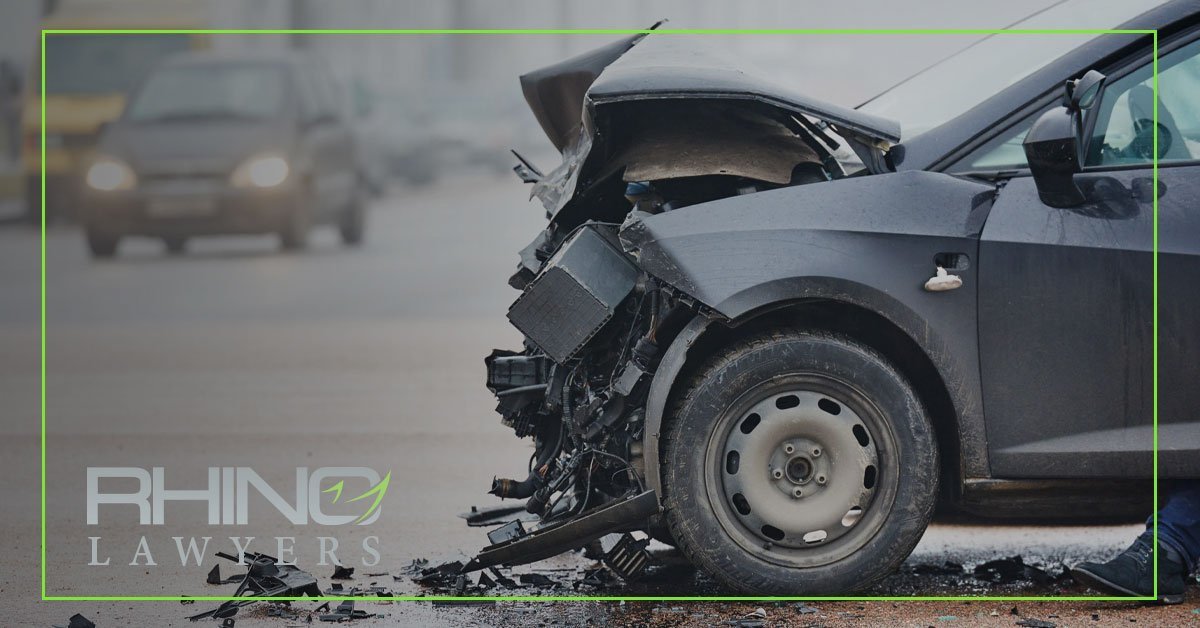
Colisiones de automóviles intencionales en el condado de Hillsborough
Un promedio de 254 muertes por atropello y fuga ocurre cada año en Florida, y esa cifra no hace más que seguir aumentando. La mayoría de las personas no se imagina atropellar a otra persona o chocar un auto con su vehículo y luego huir de la escena. Desafortunadamente, sucede más de lo que crees. Protegerte de las colisiones automovilísticas intencionales es importante cuando conduces por la carretera. Debes pensar en muchas cosas cuando manejas un automóvil. Desafortunadamente, también tienes que preocuparte por las otras personas en el camino.
Esta guía abordará formas de evitar estar en un accidente automovilístico, especialmente si un conductor negligente lo causó. Sea proactivo y encuentre maneras de protegerse a sí mismo y a su automóvil cuando se encuentre con conductores negligentes.
No te pongas confrontativo
Si estuvieras en una accidente automovilístico y no lo causó, su primer instinto podría ser salir de su vehículo y enfrentar a la otra parte. En muchas situaciones, esa no es la mejor idea. El conductor negligente podría estar bajo la influencia, lo que hace que sea peligroso o agresivo.
Si ves que el otro conductor se comporta de manera errática, es mejor no hacer contacto visual con él ni enfrentarlo. Si se acerca a tu auto, quédate adentro y mantén las puertas con seguro. Notifica a la policía de inmediato.
Cuidado con los conductores distraídos
Parece que cada año se añaden más y más distracciones a los vehículos. Desde wifi integrado hasta sistemas inteligentes, hay muchas cosas sucediendo dentro de un automóvil para capturar la atención de alguien.
Para protegerte de los conductores distraídos, primero necesitas notarlos. Ver un teléfono en su mano u otro tipo de distracción en su vehículo es una señal segura de que no están prestando toda su atención al camino. Te darás cuenta de que están distraídos la mayor parte del tiempo basándote en cómo se mueve el auto.
Cuidado con los conductores que:
- Cambiar su velocidad de forma errática o innecesaria
- Ir mucho más lento o más rápido que el límite de velocidad
- Tejiendo de manera impredecible entre el tráfico
- Detenerse más tiempo del necesario en una señal de alto o semáforo
- Metiéndose en lo que no les importa
El conductor podría estar bajo la influencia o fatigado, pero también podría estar distraído. Si comienza a notar a un conductor distraído, hay algunas cosas que debe hacer. Son las siguientes:
- Aleja tu auto tanto como puedas de ellos
- Asume que no están conscientes de nada de lo que les rodea
- Intenta pasar de largo o reduce la velocidad para que puedan adelantarse
Su objetivo debe ser mantenerse a usted y a su vehículo lo más lejos posible del conductor distraído. Quiere minimizar el riesgo al que está expuesto.
Cuidado con los conductores que van muy pegados
Todos hemos tenido autos que nos siguen tan de cerca que no podemos ver sus faros en nuestro espejo retrovisor. Hay una variedad de razones por las cuales una persona te va pisando los talones. No son necesariamente importantes cuando piensas en cómo protegerte.
Aunque no puedes controlar al otro conductor, puedes reducir la amenaza que representa para ti. Por muy tentador que sea, no frenes de golpe. Esa es una táctica peligrosa para todos los vehículos involucrados.
Respira hondo y concéntrate en la conducción. Revisa tu velocidad para asegurarte de que no vas mucho más lento que el límite de velocidad. Dales espacio para que te pasen, si es necesario.
Si puedes, oríllate a la orilla del camino. A veces no hay manera de ganarle a alguien que te maneja demasiado cerca. Quitarte de su camino es fundamental para protegerte a ti y a tu auto.
Cuidado con los conductores ebrios
Conducir en estado de ebriedad es increíblemente peligroso. Además de conllevar todos los riesgos que tienen los conductores imprudentes, también tienes que lidiar con un conductor cuyo juicio está afectado. Los conductores ebrios muestran las mismas señales que los conductores distraídos.
Deberías responder a un conductor ebrio de la misma manera que lo harías con uno distraído. Crea la mayor distancia posible entre tu vehículo y el de ellos.
No intente detenerlos ni llamar su atención gritando o tocando la bocina. Hacerlo aumentará la probabilidad de que ocurra un accidente. Los agentes de policía y los trabajadores de servicios de emergencia están capacitados para lidiar con conductores ebrios.
Si puede, anote la placa, marca, color y modelo del auto. Deténgase y comuníquese con los servicios de emergencia para reportar al conductor ebrio. Dígale al operador lo siguiente:
- Quiero reportar a un conductor ebrio
- Describir el auto
- Proporcione las calles transversales más cercanas
- Describa el comportamiento del conductor
Una vez que hayas hecho la llamada, habrás hecho todo lo necesario. Has reportado al conductor a las autoridades correspondientes. También te has puesto a salvo.
No le preste su auto a conductores negligentes
La prevención también es otra forma de protegerse a uno mismo y a los demás de las colisiones automovilísticas intencionales. Si sabe que alguien es un conductor imprudente o que está bajo la influencia, no le permita ponerse al volante. Prestarle su auto a alguien pone en riesgo a usted mismo y a su propiedad.
Tener seguro de auto
Los accidentes automovilísticos ocurren incluso si haces tu mejor esfuerzo para evitar la negligencia en la carretera. Tener seguro de auto es fundamental para protegerse financieramente. Su compañía de seguros cubrirá los gastos médicos, las reparaciones del automóvil y otros rubros si sufre un accidente automovilístico.
Además, también debes contar con un seguro de salud. Si bien el seguro de auto cubre algunos gastos médicos, el seguro de salud te brindará beneficios adicionales. Aunque no siempre puedes evitar a los conductores imprudentes, puedes protegerte tanto como sea posible.
Necesito ayuda con colisiones de autos intencionales
Tener presente a los demás conductores en la carretera es fundamental para evitar colisiones de automóviles intencionales. Desafortunadamente, los accidentes automovilísticos ocurren. Es vital contar con un abogado con experiencia en accidentes de auto de su lado.
Contáctenos hoy para una consulta de cortesía.
COMUNÍQUESE CON UN ABOGADO DE ACCIDENTES AUTOMOVILÍSTICOS EN TAMPA
En resumen, después de un accidente automovilístico, es posible que no conozca sus derechos. Sobre todo, no luche solo durante el proceso. En realidad, nuestro equipo de lesiones personales está aquí para ayudarle con cualquier necesidad legal que pueda tener relacionada con su accidente.
Por último, que RHINO Lawyers responda a sus preguntas y revise los hechos de su caso con una consulta gratuita. Así que comience completando el “Evaluación de caso instantánea y gratuita”o llamándonos en cualquier momento, día o noche, al 844.RHINO.77.
Leer más
¿Qué sucede cuando un conductor acepta un acuerdo de culpabilidad por DUI?
Una de las peores cosas que podrías imaginar que te suceda es recibir un cargo por conducir bajo los efectos del alcohol.
Florida tiene a muchas personas que pagan el precio por esto, con más de 32 000 personas en el estado por cargos de conducir bajo los efectos del alcohol el año pasado.
Cuando piensas en un DUI, puedes pensar en perder automáticamente tu licencia o incluso ir a la cárcel.
¿Pero qué tal si hubiera una salida a eso? ¿Qué tal si hubiera una forma de que tuvieras cargos más leves en tu contra de los que podrías haber esperado?
Un acuerdo de culpabilidad sería la mejor manera para que puedas tomar esa opción. Esto es lo que necesitas saber si quieres aceptar un acuerdo de culpabilidad.
Reducción de cargos
En un acuerdo de culpabilidad, una de las piezas clave de la negociación entre el fiscal y el abogado del defensor es la reducción de los cargos. En el caso de conducir bajo los efectos del alcohol (DUI), eso puede significar potencialmente evitar pisar la cárcel, reducir las multas y disminuir el tiempo de suspensión de la licencia.
Cuando aceptas un acuerdo de culpabilidad, una cosa que puede suceder es que las sanciones por tus cargos se reduzcan. Un ejemplo sería que en Florida, puedes ser multas de hasta $1,000 por tu primera conducción bajo los efectos del alcohol.
Su abogado defensor por conducir bajo los efectos del alcohol podría conseguirle un acuerdo de culpabilidad que reduzca esa multa al mínimo estatal de $500.
Si tienes suerte, otros acuerdos de culpabilidad pueden permitir que los cargos por conducir bajo los efectos del alcohol (DUI) se desestimen por completo. Un ejemplo podría ser que no haya pruebas suficientes para demostrar que cometiste un DUI, como una prueba de alcoholímetro. Entonces, es posible que negocien para que aceptes un cargo menor que se haya acumulado, como conducción imprudente.
Estos pueden ser cambios menores que terminan en sus antecedentes. Pero le permiten evitar un delito penal mayor y sanciones más severas por algo como conducir bajo los efectos del alcohol (DUI).
Número de delitos
El número de delitos Lo que hayas hecho en el pasado será un factor importante en cuánta clemencia obtienes con un acuerdo de culpabilidad. Por ejemplo, es muy poco probable que vayas a la cárcel por tu primera infracción por conducir bajo los efectos del alcohol (DUI). Lo más probable es que tengas más margen para negociar un acuerdo de culpabilidad en esa situación.
En tanto que, si estás en tu cuarta infracción, habrá sanciones mínimas más altas por conducir bajo los efectos del alcohol. Además, el juez y el fiscal van a ser más duros contigo. Debido a que sigues regresando a su sala de audiencias por el mismo cargo.
Otro ejemplo de esto es la duración de la suspensión de la licencia. En el caso de una primera infracción, es posible que logres reducir tus meses de suspensión al mínimo. Pero, en tu cuarta infracción, esta aumenta a una suspensión permanente de la licencia, sin que seas elegible para una reinserción por razones de necesidad durante cinco años.
Por lo tanto, no espere conseguir un acuerdo de culpabilidad tan fácil si tiene más antecedentes. Cuanto más sólidas sean las pruebas y el caso para el fiscal, menor margen de negociación tendrá para su caso.
El juez puede rechazarlo
En lo que respecta a los acuerdos de culpabilidad, generalmente se hacen entre un abogado defensor de DUI y un fiscal. Lo que eso significa es que, incluso si se llega a un acuerdo entre esas dos personas, un juez tiene que aprobarlo.
Si al juez no le gusta lo que ve por escrito o considera que su castigo es demasiado indulgente, entonces tiene la facultad de rechazar el acuerdo de culpabilidad. Debe declarar esto antes de que usted se declare culpable. Pero, sin embargo, ese tipo de decisión podría influir en si usted desearía declararse culpable.
Supongamos que obtienes tu cuarto DUI y hay una negociación en curso entre un abogado y el fiscal sobre cuánto tiempo de cárcel cumplirás. Esos dos pueden acordar darte 90 días de cárcel, lo cual son solo 60 días más que la cantidad mínima requerida.
Sin embargo, la cantidad máxima que puedes dar en esta situación es de cinco años, por lo que un juez en esta situación puede sentir que te estás librando fácilmente al tener que cumplir solo 90 días. En esa situación, rechazarían tu acuerdo de culpabilidad y exigirían que hubiera una sentencia de cárcel más larga en tu declaración.
Evitar el juicio
Una de las mejores razones para aceptar un acuerdo por culpabilidad es evitar ir a juicio. En el caso de un DUI, tendría que estar firmemente seguro de que es completamente inocente de los cargos que se le imputan.
No ir a juicio le permite evitar la posibilidad de enfrentar sanciones aún más graves. Y cargos más graves en sus antecedentes. Además de eso, también puede ahorrarle mucho dinero en honorarios de abogados.
Si fueras a juicio, tendrías que pagarle a tu abogado más dinero por más horas de su tiempo en una sala de tribunal defendiéndote. Esto no siempre es necesario. Así que, en el caso de un DUI, la mayoría de las veces es beneficioso para ti aceptar el acuerdo para evitar esta carga financiera.
Contratar a un abogado para conseguir un acuerdo de culpabilidad
Lo mejor que puede tener bajo la manga para conseguir un acuerdo de culpabilidad es un abogado con experiencia en casos de DUI. Nuestra representación no solo puede ahorrarle tiempo, sino también potencialmente dinero. Así como su privilegio de conducir e incluso su libertad.
¿Es un ser querido que busca representación para intentar conseguir un acuerdo para su cargo por conducir bajo los efectos del alcohol? Contáctenos hoy para aprender más sobre qué pasos seguir.
CONTACTE A UN ABOGADO DE MULTAS DE TRÁFICO EN TAMPA
RHINO Lawyers puede ayudar y guiarlo a través de un sistema moldeado por las fuerzas del orden, jueces y abogados durante décadas. Habiendo ganado casos para nuestros clientes en circunstancias similares, nuestro equipo de defensa penal sabe lo que se necesita para luchar en tu nombre.
Permitir RHINO Lawyers responda a sus preguntas y revise los hechos de su caso con una consulta gratuita. Así que comience completando el “Evaluación de caso instantánea y gratuita”o llamándonos en cualquier momento, día o noche, al (844) RHINO-77.
Leer más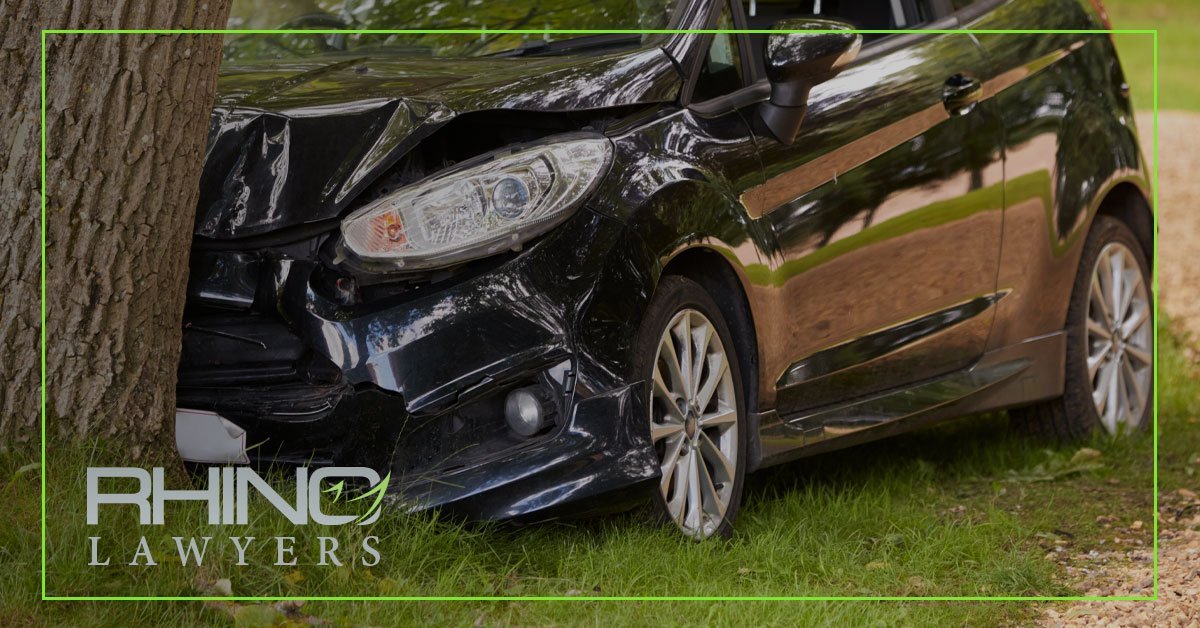
¿Puedo presentar una demanda de indemnización por un accidente de un solo vehículo?
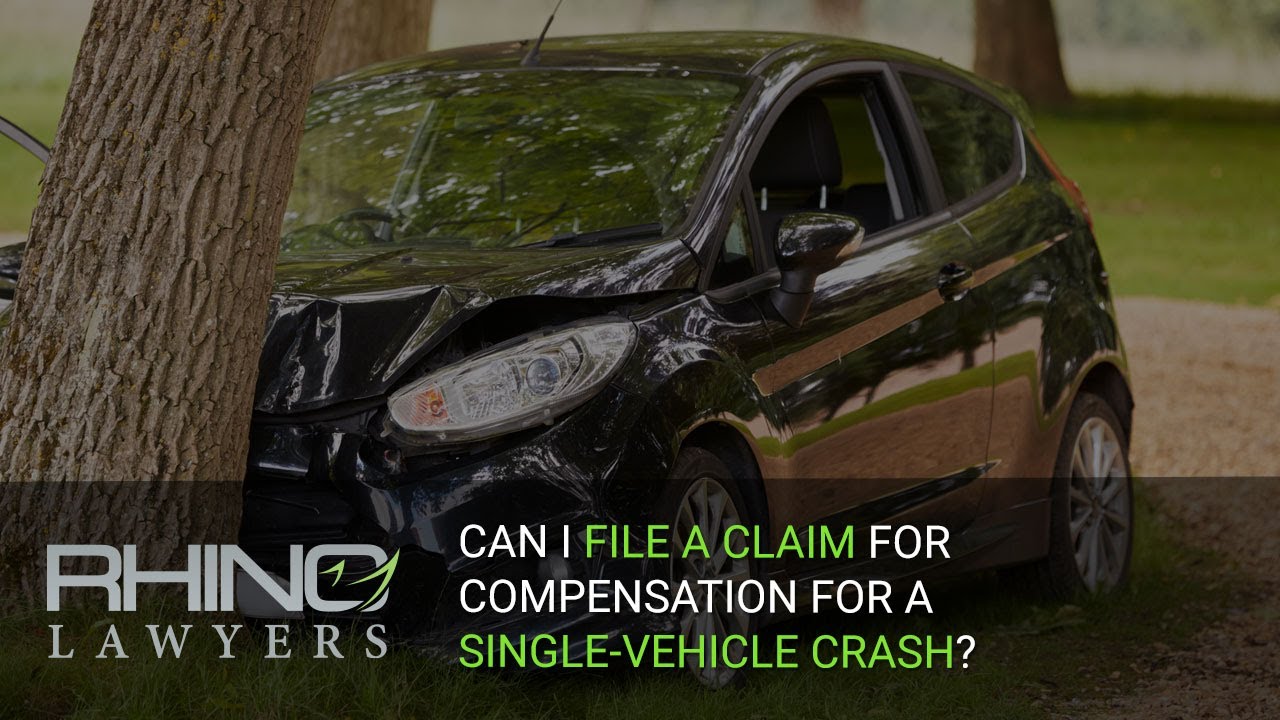
El choque de un solo vehículo representa una gran parte de los más de 341,000 accidentes automovilísticos que el estado de Florida experimenta cada año. Estos accidentes a menudo no son fatales, pero pueden resultar en lesiones graves.
Podría pensar que el automovilista tiene la culpa automáticamente en todos esos casos y no es elegible para recibir una indemnización. Si es así, se equivocaría. Puede recibir una indemnización por un accidente de un solo vehículo, pero primero se deben establecer ciertos parámetros.
Se debe establecer la causa
El primer paso para obtener una compensación por un accidente automovilístico de un solo vehículo es determinar la causa. Esto es vital si el accidente fue inevitable y ocurrió sin culpa suya. A continuación, examinaremos tres escenarios en los que esto podría suceder.
Peatón versus Vehículo
Las leyes tienden a favorecer a los peatones en lo que respecta a los accidentes entre peatones y vehículos, ya que Florida es un estado estado más peligroso en Estados Unidos para los peatones. Dicho esto, no siempre es culpa automática del automovilista cuando ocurre un accidente de este tipo. Como aprenderá más adelante en este artículo, hay circunstancias en las que la culpa no es suya.
Vehículo contra propiedad
Chocar contra una propiedad con un vehículo es otro caso que conlleva una mayor carga de la prueba para el automovilista. La propiedad no se va a ninguna parte. Es estática y, por lo tanto, evitable si se presta atención a las leyes de tránsito. Sin embargo, hay algunos escenarios en los que ese puede no ser el caso.
Accidente de volcadura
Un accidente por volcadura es otra causa frecuente de accidente automovilístico. Estos ocurren generalmente cuando se viaja a una velocidad mayor, pero nuevamente, hay factores contribuyentes en los que es posible que el automovilista no tenga la culpa. En estos casos, son elegibles para recibir una compensación.
Se deben establecer los factores contribuyentes
Obtener una compensación por un accidente de un solo vehículo depende tanto de los factores contribuyentes como de la causa en sí. Los factores contribuyentes son el aspecto en el que puede fundamentar su caso y demostrar que el accidente fue culpa de un tercero. A continuación, se presentan los factores contribuyentes más comunes que jugarán a su favor.
Infraestructura deficiente
Los problemas de infraestructura pueden establecer la culpa del accidente a otra parte. Por ejemplo, las condiciones en una propiedad que violan el código e instigan un accidente pueden convertirse en responsabilidad del dueño de la propiedad en lugar del automovilista.
Cuando hable con su abogado, asegúrese de informarle sobre cualquier circunstancia que haya perjudicado la visibilidad y hecho difícil avanzar. Además, tome fotografías tan pronto como pueda para poder capturar las condiciones de la infraestructura en el momento del accidente.
Peligros de vehículos no atendidos
Otro caso para la indemnización por accidente de tránsito en un accidente de un solo vehículo se puede presentar cuando hay defectos en el automóvil que conducía en ese momento. Particularmente, defectos o fallas no revelados que aún no han sido objeto de retirada del mercado y reportados.
Cuando esto ocurre, usted tendría un caso sólido contra el fabricante del automóvil y, potencialmente, contra la persona o el concesionario al que se lo compró. Eso siempre y cuando el vendedor supiera de los problemas y no los hubiera revelado.
Objetos viales
Otro factor contribuyente que puede inclinar estos casos a su favor es la presencia de objetos en la carretera. Por ejemplo, digamos que una empresa de logística transporta una carga que no está debidamente asegurada. Si un objeto se suelta de la carga y hace que usted choque contra una valla de contención o sufra un vuelco, entonces sería elegible para recibir una compensación por accidente automovilístico.
Cruce indebido
También es posible que un peatón pueda considerado responsable en un accidente de un solo vehículo. Para empezar, está la cuestión de si estaban usando los cruces peatonales establecidos al intentar pasar frente a ti.
Todavía tienes la obligación de evitar al peatón como automovilista. Pero si el peatón se abalanza frente a tu automóvil y no ibas excediendo el límite de velocidad ni violando ninguna otra regla de tránsito en ese momento, entonces podrías tener derecho a una compensación.
Ahora que hemos examinado los aspectos situacionales favorables para el automovilista en un accidente de un solo vehículo, es hora de actuar. Estos son los pasos que debe seguir inmediatamente después del accidente.
1. No admitir culpa
Los momentos inmediatamente posteriores a un accidente, ya sea de un solo vehículo o de otro tipo, pueden ser desconcertantes. Eso es especialmente verdad si ha sufrido algún tipo de lesión.
Nunca admitas la culpa después de un accidente de un solo vehículo. La policía podría aprovecharse de esto porque puede facilitar la redacción del informe, pero se lo debes a tu caso para reconstruir tus recuerdos del accidente. Admitir la culpa te deja en una gran desventaja.
2. Obtener el informe policial
El informe policial tendrá un resumen específico de los eventos, incluidas las partes y las propiedades involucradas. También tendrá un registro de las multas emitidas.
La emisión de una multa no significa necesariamente que usted tenga la culpa. Aún puede impugnar los términos de la multa en los tribunales. Una victoria allí puede influir en el caso a su favor y hacerle elegible para algún tipo de compensación por parte de quien haya sido responsable del factor o factores principales que contribuyeron al accidente.
3. Abordar cualquier problema
Los accidentes de un solo vehículo solo tendrán éxito a su favor si aborda los problemas que potencialmente están afectando su caso. Eso significa impugnar las multas, recopilar fotografías de los factores contribuyentes y hablar con un abogado sobre cualquier investigación adicional que su caso necesite.
4. Presente su reclamo
Eso nos lleva a la reclamación en sí. Adelante, preséntela, pero piense también en contratar a un abogado de inmediato. Siempre es posible que un ajustador de seguros intente tomar el camino fácil declarando la culpa compartida (sin culpa) o creyendo la palabra de un informe policial defectuoso.
Los abogados con experiencia en disputar determinaciones de accidentes de un solo vehículo podrán ayudarle a superar esta situación. Pueden contraatacar y conseguir a sus clientes el tipo de representación que merecen.
Un accidente de un solo vehículo puede ser indemnizado
Si ocurre un accidente de un solo vehículo, no cometa el error de pensar que simplemente tiene que aceptar lo que la compañía de seguros esté dispuesta a darle. En su lugar, busque a alguien que tenga sus intereses en el corazón y sea bueno para rechazar las trampas comunes que este tipo de accidentes pueden experimentar.
En Tampa y sus alrededores, esos abogados son RHINO Lawyers. Contáctenos hoy mismo para descubrir cómo es una representación de calidad.
COMUNÍQUESE CON UN ABOGADO DE ACCIDENTES AUTOMOVILÍSTICOS EN TAMPA
En resumen, después de un accidente automovilístico, es posible que no conozca sus derechos. Sobre todo, no luche solo durante el proceso. En realidad, nuestro equipo de lesiones personales está aquí para ayudarle con cualquier necesidad legal que pueda tener relacionada con su accidente.
Por último, que RHINO Lawyers responda a sus preguntas y revise los hechos de su caso con una consulta gratuita. Así que comience completando el “Evaluación de caso instantánea y gratuita”o llamándonos en cualquier momento, día o noche, al 844.RHINO.77.
Leer más