
Establecimiento de un caso de negligencia médica en Florida
Hace meses, tu médico te convenció de que necesitabas una cirugía para reparar tu espalda. Pero ahora, tu espalda está en peor estado que antes. Y estás convencido de que la incompetencia del médico es la culpable.
No eres el único. Las investigaciones muestran que aproximadamente 400,000 pacientes que están hospitalizados sufren daños evitables cada año.
Afortunadamente, está en su derecho de buscar una compensación por cualquier lesión que un médico negligente le haya causado. La pregunta es, ¿cómo se establece un caso de negligencia médica en Florida?
Aquí tiene un resumen de cómo navegar un caso de negligencia médica.
¡Comencemos!
Violación del estándar de atención causó lesiones
Para establecer un caso de negligencia médica en Florida, primero debe ofrecer evidencia de que su médico incumplió el estándar de atención establecido.
Para hacer esto, debe encontrar a un profesional médico que esté ejerciendo actualmente en la misma especialidad que su médico supuestamente culpable. Luego, deberá solicitar a ese experto médico una declaración jurada.
Una declaración jurada es un documento que indica que el perito médico jura decir la verdad sobre la naturaleza de su trabajo, tal como lo haría al declarar en un tribunal.
Sin una declaración jurada, su demanda por negligencia médica en Florida no avanzará, ya que este es un requisito en Florida antes de presentar su demanda.
Tenga en cuenta que, para los especialistas, le exigen que tenga una declaración jurada de un tipo similar de especialista. Por lo tanto, si un especialista lo ha lesionado, asegúrese de obtener una declaración jurada de un especialista similar.
Además de obtener una declaración jurada, debe probar la causalidad como parte de su reclamo. Específicamente, tiene la carga de demostrar que el incumplimiento de su médico causó principalmente tu lesión, o fue la “causa próxima” de su lesión.”
Dicho de otro modo, debe demostrar que es más probable que improbable que su lesión no habría ocurrido si su médico no hubiera actuado con negligencia.
La negligencia médica provocó daños
Otro paso importante para establecer su caso de negligencia médica es demostrar que el médico supuestamente culpable causó su lesión.
Por ejemplo, prepárese para demostrar que acumuló cuantiosos gastos médicos como resultado de su negligencia. Aunque no es obligatorio, también es útil probar que sus lesiones le hicieron faltar al trabajo durante un largo periodo de tiempo. Por último, deberá demostrar que las acciones del médico le causaron un dolor y sufrimiento extensos.
El médico ignoró tu historial médico
Si su médico ignoró su historial médico, también debe presentar pruebas de esto como parte de su reclamo por negligencia médica en Florida.
Por ejemplo, supongamos que le avisó a su médico que estaba tomando un medicamento en particular. Sin embargo, su médico le receta otro medicamento que interactúa con su primer medicamento de forma adversa.
En esta situación, su médico podría considerarse responsable de la reacción a su medicamento. Esto se debe a que el médico recibió suficiente información para brindarle una atención razonable y no lo hizo.
Doctor causó lesiones evitables
Al presentar una demanda por negligencia médica, también debe demostrar que sufrió lesiones que no eran inevitables ni razonablemente previsibles.
Por ejemplo, digamos que te somete a una cirugía de corazón. Para llegar al corazón, tu cirujano tiene que cortar el esternón.
En esta situación, el dolor es inevitable. Por esta razón, no puede demandar al médico por causar dolor en el área del esternón. Sin embargo, puede demandarlo si es capaz de demostrar que no realizó su cirugía adecuadamente.
Investigando su caso
Cuando se trata de establecer su caso por negligencia médica, es fundamental que contrate a un abogado de inmediato. Un abogado puede llevar a cabo una investigación exhaustiva de lo ocurrido para determinar si tiene un caso.
Para empezar, hablarán con usted o con sus familiares para obtener una cronología e historia detalladas.
A continuación, el abogado revisará sus registros médicos. Este puede ser un proceso complejo y difícil, por lo que es mejor dejar esta tarea en manos de su abogado.
Su abogado puede entonces hablar con un experto médico y revisar sus registros médicos con él. A través de este proceso, pueden determinar si el médico presuntamente responsable no le brindó la atención adecuada y, por lo tanto, causó sus lesiones. Si este es el caso, entonces entrará en el período previo a la demanda.
El periodo previo a la demanda
El período anterior a la demanda es un período de 90 días durante el cual el médico supuestamente negligente puede realizar su propia investigación sobre lo sucedido en su caso.
Una vez que transcurran los 90 días, es posible que el médico le ofrezca un acuerdo monetario o que simplemente rechace su reclamo.
Si su reclamación es denegada o el acuerdo no es lo suficientemente grande como para resolver su caso, entonces su abogado puede recomendar presentar una demanda formal contra el médico.
Presentar una demanda
Tenga en cuenta que tiene dos años a partir del momento en que supo o debería haber sabido de la supuesta negligencia médica para presentar su demanda por negligencia en Florida.
Tenga en cuenta que los médicos predominan en ocho de cada 10 casos de negligencia médica que terminan yendo a juicio. Por esta razón, es fundamental que elija un abogado de reputación para que lo represente en la corte.
Afortunadamente, si gana su caso en Florida, no hay una cantidad máxima de indemnización que pueda recibir por lesiones derivadas de negligencia médica.
Cómo podemos ayudar con su caso de negligencia médica
Puede ser lo más conveniente para usted presentar una demanda por negligencia médica en Florida si sufre una lesión a manos de un médico de Florida. Siempre y cuando pueda demostrar que el médico le causó las lesiones debido a una violación de la norma de atención establecida, es probable que tenga un caso de negligencia médica.
En RHINO Lawyers, hemos representado a numerosas víctimas de negligencia médica, desde lesiones de nacimiento hasta negligencia en cirugía estética. Comuníquese con nosotros para una consulta gratuita sobre su caso hoy.
CONTACTE A UN ABOGADO DE NEGLIGENCIA MÉDICA EN TAMPA
En resumen, si cree que es víctima de negligencia médica, es posible que no conozca sus derechos. Sobre todo, no atraviese el proceso solo. En realidad, nuestros equipo de lesiones personales está aquí para ayudarle con cualquier necesidad legal que pueda tener con respecto a su caso.
Por último, que RHINO Lawyers responda a sus preguntas y revise los hechos de su caso con una consulta gratuita. Así que comience completando el “Evaluación de caso instantánea y gratuita”o llamándonos en cualquier momento, día o noche, al 844.RHINO.77.
Leer más
Fiscalización del peso de camiones comerciales en Florida
Terminado 20 millones de vehículos comerciales se pesan anualmente en las estaciones de peaje y pesaje de carreteras de Florida. La fiscalización del peso de los camiones comerciales mantiene a estos vehículos extra grandes en regla y sus carreteras seguras. Puede que no parezca importante, pero los camiones podrían sobrecargarse fácilmente sin esta fiscalización.
Esto podría dañar significativamente las carreteras y poner en peligro a otros conductores. Como conductor de camión comercial, es importante conocer y seguir los límites máximos de peso de Florida.
Restricciones de vehículos de Florida
El Leyes de Florida describe las dimensiones físicas máximas que puede tener un vehículo al transcurrir por las autopistas de Florida. Sin embargo, los límites de altura, ancho y longitud no son los únicos que los conductores de camiones comerciales deben tener en cuenta. También existen límites de peso.
El estado impone restricciones de peso a los camiones comerciales porque las carreteras están diseñadas para soportar una cierta cantidad de peso. Si se circula por ellas con un peso superior a este límite, la carretera puede desintegrarse prematuramente. Esto crea una superficie peligrosa para los demás conductores y aumenta los costos de mantenimiento para el estado.
Peso máximo permitido
Estos son los límites máximos de peso que todos los vehículos que circulan por las autopistas de Florida deben cumplir. Si bien estos límites máximos superan con creces el peso de un vehículo de pasajeros, se aplican a los camiones comerciales.
Como puede ver, hay un peso máximo general. También hay un peso máximo para el número de ejes del vehículo. El eje es la barra o el vástago central que pasa por debajo del vehículo y conecta las ruedas de ambos lados.
Un tractocamión estándar con un remolque acoplado tendrá cinco ejes. Conocer la distancia entre el primero y el último eje también es importante.
- Peso Bruto del Vehículo – 80,000 libras
- Un solo eje – 22 000 libras como máximo
- Eje tándem: 44 000 libras como máximo
Camioneta de carga
Una camioneta de caja cerrada se parece a un camión de reparto local o a un camión de mudanzas. La cabina está unida de forma permanente a la caja de carga.
- El peso máximo permitido es de 53 141 libras.
- Un solo eje – 22 000 libras
- Eje tándem – 44 000 libras
- Longitud: 14 pies
Tráiler de camión
Un tractocamión es una cabina con un remolque acoplado. Estos son los camiones semirremolque que normalmente ves transportando carga y mercancía en la carretera. La cabina puede separarse del remolque y dejarlo en el destino de entrega.
- Un solo eje – 22 000 libras
- Eje tándem – 44 000 libras
- Longitud: 51 pies
- Puente interno 1 – 16 pies
- Puente interno de 2 a 40 pies
Semirremolque cisterna con tractor
Este tipo de camión comercial utiliza una semicabina similar a la de un conjunto de tractor y remolque. Sin embargo, en lugar de un remolque, se acopla a un tanque de gran capacidad. Estos camiones transportan leche, gasolina y otras grandes cantidades de líquidos.
- El peso máximo permitido es de 73,271 libras.
- Un solo eje – 22 000 libras
- Eje tándem – 44 000 libras
- Longitud del puente: 36 pies
Excepciones para camiones
Algunas excepciones al peso máximo permitido para los vehículos son los camiones de volquete, las hormigoneras y los vehículos de recolección de residuos. El único propósito de estos vehículos es transportar carga extremadamente pesada. Por ello, se aplican límites especiales de peso y tamaño.
- Peso bruto máximo: 70 000 libras
- Peso máximo en el eje delantero: 14 520 libras
Programa de tamaño y peso de los transportistas por carretera
El Departamento de Transporte de Florida (FDOT) aplica el Programa de Tamaño y Peso de los Transportistas Motorizados (MCSAW) para hacer cumplir los límites máximos de peso. El programa de control de peso tiene como objetivo proteger las autopistas y los puentes de Florida contra daños.
Estaciones de pesaje
Los límites de peso para los camiones comerciales en Florida se establecen con base en el uso de estaciones de pesaje. Están ubicadas en todo el estado y están abiertas las 24 horas del día, los 7 días de la semana. Aunque hay algunas excepciones, todos los camiones comerciales deben detenerse en todas las estaciones de pesaje.
Los conductores de camiones comerciales que no se detienen cuando es obligatorio pueden recibir multas cuantiosas.
Estaciones de pesaje interestatales con pesaje en movimiento
Las estaciones de pesaje modernas utilizan sistemas de pesaje en movimiento. Se trata de sensores colocados en la superficie de la carretera. A medida que el camión pasa por encima de los sensores, estos lo pesan.
A los camiones que se encuentran dentro de un rango aceptable se les da luz verde. A los camiones que exceden el límite se les marca con una bandera roja y se los detiene a un lado para realizar un pesaje y una inspección más precisos.
Estos sensores cuentan con un sofisticado sistema de calibración. Pueden detectar la distancia entre ejes para determinar correctamente la categoría de peso del camión. Hay varios de estos sistemas de estaciones de pesaje instalados en todo el estado.
- Flagler
- Madison
- Martin
- Pensacola
- Punta Gorda
- Seffner
- Sneads
- White Springs
- Wildwood
- Yulee
Estaciones de pesaje fijas que no se encuentran en carreteras interestatales
Las estaciones de pesaje estático se encuentran a un lado de las autopistas interestatales en toda la Florida y otros estados. El camión se sale de la autopista hacia una vía de acceso. El conductor detiene el camión sobre las placas de la báscula grande cuando le toca su turno.
Este gran sistema de pesaje determina el peso total del camión. A menudo, inspeccionan el resto del camión durante el proceso de pesaje.
- Hilliard
- Hopewell
- Lake City
- MacClenny
- Casco Antiguo
- Palatka
- Palm Coast
- Pensacola
- Plantation Key
- Yulee
Peligros de los camiones con sobrepeso o mal cargados
Un camión comercial cargado de manera incorrecta genera un alto riesgo de accidente. Esto podría deberse a un exceso de peso en la carga del camión comercial o a una carga mal distribuida.
Un camión comercial podría volcarse al tomar curvas cerradas o con vientos fuertes. También existe un mayor peligro al subir o bajar pendientes pronunciadas. Por último, las frenadas de emergencia o repentinas se vuelven mucho más difíciles.
Lamentablemente, los vehículos de pasajeros también pueden sufrir las consecuencias cuando ocurren estas situaciones peligrosas. Los conductores y pasajeros de vehículos de pasajeros sufren mayores daños materiales y lesiones debido a la significativa diferencia de tamaño y peso.
Afortunadamente, algunos abogados especializados en lesiones personales se dedican a ayudar a las víctimas de estos accidentes de camiones. Esto implica la indemnización por lesiones físicas y daños a la propiedad.
Control de peso de camiones comerciales
El programa de control de peso de camiones comerciales de Florida ayuda a proteger las carreteras y a los conductores. Los vehículos con sobrepeso causan un desgaste innecesario y aumentan los riesgos de seguridad. Si has sufrido un accidente con un camión comercial, es posible que tengas derecho a una indemnización.
Si ha sufrido un accidente en el que se ha visto involucrado un camión comercial, programar una consulta gratuita con uno de nuestros abogados con experiencia.
COMUNÍQUESE CON UN ABOGADO DE ACCIDENTES AUTOMOVILÍSTICOS EN TAMPA
En resumen, después de un accidente de camión, es posible que no conozcas tus derechos. Sobre todo, no intentes pasar por este proceso solo. De hecho, nuestro equipo de lesiones personales está aquí para ayudarle con cualquier necesidad legal que pueda tener relacionada con su accidente.
Por último, que RHINO Lawyers responda a sus preguntas y revise los hechos de su caso con una consulta gratuita. Así que comience completando el “Evaluación de caso instantánea y gratuita”o llamándonos en cualquier momento, día o noche, al 844.RHINO.77.
Leer más
Conozca sus derechos al ser detenido en un retén por DUI en Florida
Aun con menos conductores en las calles, el alcohol es la principal causa de muertes en el tráfico. Cada año perdemos más de 10 000 personas a conducir ebrio.
Una forma de combatir la conducción bajo los efectos del alcohol es mediante el uso de retenes policiales, también conocidos como controles de sobriedad. Desafortunadamente, estos retenes pueden ser muy estresantes. Si no está seguro de cómo comportarse, puede incriminarse fácilmente.
¿Quieres prepararte para encontrarte con un retén por conducir bajo los efectos del alcohol (DUI) en Florida? Aquí tienes todo lo que necesitas saber sobre qué esperar y cómo proteger tus derechos.
¿Son legales los retenes de DUI?
Algunos estados carecen de la autoridad legal para realizar retenes por conducir bajo los efectos del alcohol. Dicho esto, Florida está en la lista de los 38 estados donde estos retenes son legales.
Según la GHSA, hay entre 15 y 20 puestos de control por conducir bajo los efectos del alcohol (DUI) instalados en Florida cada mes. Algunos de estos puestos de control están operados permanentemente. Otros se instalan en ubicaciones aleatorias, por lo general en áreas de alto riesgo.
Es importante recordar que los retenes por conducir bajo los efectos del alcohol cumplen un propósito valioso. Aun así, el oficial que los realiza puede violar sus derechos constitucionales. Si cree que este es el caso, comuníquese con un profesional Abogado de DUI en Florida.
Leyes sobre retenes de DUI
¿No está seguro de qué procedimientos deben seguir los agentes mientras operan un retén por conducir bajo los efectos del alcohol (DUI) en Florida? Aquí hay tres ejemplos comunes.
La regla de los tres minutos
Como su nombre lo indica, los agentes de Florida no pueden detener a un automovilista en un retén de sobriedad por más de tres minutos. Sin embargo, si determinan que existe causa probable, pueden retener un vehículo por mucho más tiempo.
Si una detención dura más de tres minutos sin causa, el oficial debe suspender el desvío de vehículos. Un puesto de control también puede ser irrazonable si termina reteniendo el tráfico que se aproxima.
Programación de puntos de control
Las agencias del orden público deben proporcionar información sobre cualquier puesto de control de sobriedad programado. Si no quiere lidiar con este inconveniente, simplemente puede evitar esas áreas. Esta información es disponible en DUIBlock.
Determinación de la fórmula de DUI
Los oficiales deben determinar el procedimiento para detener a los conductores antes de establecer el punto de control. Su selección debe ser justa y aleatoria. Por ejemplo, pueden decidir detener a cada tercer automóvil que pase.
Evitando el retén
Un retén de DUI es legal, pero evitarlo también lo es. Si un oficial no tiene causa probable, no puede detenerte por evitar un retén.
Hacer esto es más fácil de lo que puede parecer. Según la ley de Florida, los oficiales deben colocar señales que adviertan a los conductores sobre el retén. Una vez que vea estas señales, puede realizar maniobras de tránsito legales para dar la vuelta.
A veces, sin embargo, no habrá una forma legal de evitar un retén. En esta situación, su mejor opción es pasarlo. Hacer una vuelta en U ilegal para evitar un retén probablemente resulte en que la policía lo detenga.
Respondiendo preguntas
Un retén por conducir bajo los efectos del alcohol comienza como cualquier otra parada de tráfico que encuentre. Un oficial le pedirá que se orille y presente una identificación.
Llegados a este punto, el oficial le hará algunas preguntas. Según sus respuestas y comportamiento, es posible que encuentre causa probable para investigar investigación más a fondo. No tener los documentos necesarios también puede inclinarlo a hacerlo.
Lo que tal vez no sepas es que no tengo que responder a estas preguntas. En su lugar, puede decir que no desea decir nada más sin la presencia de un abogado. También puede mostrarles su “Tarjeta de ”Conozca sus derechos".
Algunos conductores mantienen las ventanillas subidas en los puestos de control y no interactúan en absoluto. Aunque esto es legal, no es la mejor medida. Al ser educado, puedes asegurarte de que un oficial no confunda tu silencio con falta de cooperación.
Consentimiento para exámenes
Independientemente de si hablas con ellos, el oficial puede creer que estás manejando bajo la influencia del alcohol o las drogas. Si es así, pueden pedirte que realices algunas pruebas.
Prueba de sobriedad de campo
La primera prueba que deberá realizar es la prueba de sobriedad de campo. Esta consiste en realizar una serie de tres ejercicios de sobriedad de campo (FSE):
- Nistagmo por mirada horizontal (Sigue-el-bolígrafo)
- Caminata y giro
- Apoyo en un solo pie
Una prueba de sobriedad en el campo puede ser un arma de doble filo. Si no ha consumido nada de alcohol, puede ser prudente participar en ella. Dicho esto, a muchos conductores sobrios les resulta difícil realizar esta prueba mientras se enfrentan a un arresto.
Por supuesto, usted también tiene derecho a negarse a participar en la prueba. Muchos oficiales omitirán mencionar esta opción al hacer sus solicitudes. Sin embargo, hacerlo puede dar a los oficiales causa probable para realizar una prueba química.
Pruebas químicas
Las pruebas químicas pueden incluir un alcoholímetro o un análisis de sangre. Bajo la ley de consentimiento implícito de Florida, usted no puede negarse a una prueba química. Hacerlo constituye un delito menor y lo hace sujeto a las siguientes sanciones:
- Suspensión de licencia por 12 meses por una primera negativa
- Suspensión de la licencia por 18 meses por una negativa anterior
Tenga en cuenta que una prueba de alcoholímetro puede estar equivocado. Muchos factores pueden causar un resultado positivo, desde una mala calibración hasta ciertas afecciones médicas. Los análisis de sangre suelen ser más precisos, pero no se usan con tanta frecuencia.
Protegiendo sus derechos
Aunque no hayas hecho nada malo, los retenes por conducir bajo los efectos del alcohol pueden ser intimidantes. Sin embargo, si te acusan de conducir ebrio, es fundamental proteger tus derechos.
Primero, tenga en cuenta que ser arrestado por conducir bajo los efectos del alcohol (DUI) en Florida puede acarrear sanciones severas. Muchas de estas sanciones tienen implicaciones a largo plazo. Eso es particularmente cierto para los pilotos y otros profesionales específicos.
Si lo arrestan en un retén por conducir bajo los efectos del alcohol (DUI), le conviene hablar con un abogado especializado en DUI de inmediato. De hecho, debe comunicarse con un abogado tan pronto como lo detengan. Esa es la manera más fácil de garantizar que lo traten de manera justa.
Un abogado defensor de DUI puede hacer mucho por su caso. Solicitarán el informe policial de su arresto, lo cual puede influir en su defensa. También pueden asegurarse de que los oficiales hayan utilizado los procedimientos adecuados en el retén.
Esto es lo que debe hacer en un retén policial por conducir bajo los efectos del alcohol
Como puede ver, hay muchas cosas que debe tener en cuenta si lo detienen en un retén por conducir bajo los efectos del alcohol. Si alguna vez necesita repasar qué hacer en esta situación, ¡esta guía es el punto de partida perfecto!
¿Fue arrestado por conducir bajo los efectos del alcohol (DUI) en Florida? Si es así, nuestros experimentados abogados de DUI harán todo lo posible para mitigar el impacto de estos cargos. Contáctanos aquí ¡para conocer más sobre sus opciones legales!
CONTACTE A UN ABOGADO DE MULTAS DE TRÁFICO EN TAMPA
RHINO Lawyers puede ayudar y guiarlo a través de un sistema moldeado por las fuerzas del orden, jueces y abogados durante décadas. Habiendo ganado casos para nuestros clientes en circunstancias similares, nuestro equipo de defensa penal sabe lo que se necesita para luchar en tu nombre.
Permitir RHINO Lawyers responda a sus preguntas y revise los hechos de su caso con una consulta gratuita. Así que comience completando el “Evaluación de caso instantánea y gratuita”o llamándonos en cualquier momento, día o noche, al (844) RHINO-77.
Leer más
¿A qué velocidad pueden circular con seguridad los camiones comerciales por las autopistas de Florida?
En 2020, 4,842 camiones comerciales estuvieron involucrados en accidentes que resultaron en muertes. Uno de los más causas comunes de un accidente de camión va a exceso de velocidad. Esto podría ser el camión circulando a mayor velocidad que el límite de velocidad establecido o más rápido de lo que permiten las condiciones de la carretera.
Como conductor de camión que opera un vehículo grande en las carreteras de Florida, necesita saber cuál es una velocidad segura.
Leyes de límites de velocidad en Florida
Todo vehículo, comercial o no, que transite por las autopistas de Florida debe cumplir con Leyes de velocidad de Florida. En el estado de Florida, el límite de velocidad nunca será superior a 70 millas por hora. Verá este límite de velocidad máxima en las carreteras y las principales autopistas de peaje de Florida.
Sin embargo, no todas las áreas de todas las carreteras y autopistas de peaje son de 70 millas por hora. Siempre busque una señal al entrar a la vía para asegurarse de conocer el límite de velocidad aplicable.
Ley de velocidad mínima
También hay un límite de velocidad mínimo de 40 millas por hora. Conducir demasiado lento es tan peligroso como ir demasiado rápido al manejar en autopistas. A menudo, no es el conductor del camión, sino un vehículo de pasajeros que viaja demasiado lento el que causa un accidente en la autopista.
No encontrarás límites de velocidad específicos para los camiones comerciales, ya que todos los vehículos deben cumplir con las mismas normas de velocidad. Los conductores de camiones involucrados en accidentes pueden hablar con un abogado de accidentes de camiones. Esto les ayuda a comprender sus derechos y responsabilidades.
Razones por las que un camión comercial debe reducir la velocidad
El hecho de que el límite de velocidad sea de 70 millas por hora no significa que un conductor de camión deba circular siempre a esa velocidad. La Administración Federal de Seguridad de Transportistas Motorizados (FMCSA) recomienda que los conductores reduzcan la velocidad en ciertas circunstancias.
- Condiciones del tráfico
- Zonas de construcción
- Condiciones de baja visibilidad
- Caminos empedrados o caminos de grava
- Condiciones de la carretera y peligros viales, incluidos los escombros
- Problemas mecánicos o fallas del vehículo
- Rampas de salida de autopistas y de carreteras
- Curvas, giros en la carretera y giros cerrados
- Colinas y pendientes
- Caminos desconocidos
Si hay tráfico pesado en la autopista, es posible que no pueda conducir a la velocidad que desea. El otro tráfico dictará qué tan rápido puede viajar. A pesar de los múltiples carriles, el tráfico puede volverse denso y bloquear la capacidad de un camión para transitar por la carretera.
Las condiciones de la carretera también pueden crear un peligro temporal que requiera que el tráfico reduzca su velocidad. Por ejemplo, obras de construcción, un accidente o escombros en la carretera. Todas estas son condiciones que pueden ser impredecibles pero que representan un peligro.
Tipos de accidentes causados por el exceso de velocidad
Cuando conduces a una velocidad demasiado alta, reduces el tiempo disponible para reaccionar. Los seres humanos solo pueden reaccionar con cierta rapidez, y ese tiempo de reacción se alarga cuando estamos cansados o distraídos. Los accidentes pueden ocurrir simplemente porque no puedes reaccionar lo suficientemente rápido para la velocidad a la que vas.
Falla mecánica
Las velocidades más altas traen consigo un aumento del calor. Cuanto mayor es la velocidad a la que se viaja, mayor es la fricción que se genera y más calor se produce.
Este aumento de calor desgasta más al camión. Una falla en el motor o un reventón de neumático debido al calor adicional pueden causar un accidente.
Pérdida de control
Las altas velocidades dificultan el control de un camión. Los vehículos comerciales grandes pesan decenas de miles de libras. Esto es mucho peso para controlar.
Combina ese peso con el movimiento hacia adelante, y obtienes una fuerza física que tiene más impulso del que puedes manejar. Si necesitas girar o detenerte rápidamente, el remolque seguirá moviéndose hacia adelante.
Esto podría causar un vuelco, un en tijera, un derrape o una oscilación. Todo esto es sumamente peligroso y puede causar accidentes.
Conducir en condiciones climáticas adversas
Cuando el clima empeora, los conductores deben reducir la velocidad. Esto se aplica tanto a los camiones comerciales como a los autos de pasajeros. Cuando la visibilidad disminuye, al conductor le resulta más difícil ver la carretera que tiene delante.
Esto reduce el tiempo de reacción y aumenta el riesgo de sufrir un accidente. Además, en Florida llueve mucho. El agua de lluvia que cae sobre la carretera se mezcla con el aceite que dejan los vehículos. Esta mezcla crea una superficie resbaladiza que reduce la tracción de los neumáticos.
Cuando hay tracción limitada, los tiempos de frenado aumentan. Los conductores deben reducir su velocidad para compensar esto. De lo contrario, corren el riesgo de sufrir un accidente debido a que no tenían el control completo del camión a la velocidad a la que viajaban.
Manejo de noche
Aunque el clima esté despejado, conducir de noche presenta riesgos específicos que te obligan a reducir la velocidad. En primer lugar, la menor cantidad de luz dificulta la visión de la carretera y reduce tu tiempo de reacción.
En segundo lugar, los faros de los vehículos que vienen en sentido contrario dificultan la visión de la carretera. En tercer lugar, es por la noche cuando muchos animales silvestres se vuelven activos. Si un animal grande se adentra en la carretera, puede suponer un riesgo de accidente.
Conducir a altas horas de la noche también puede hacer que los conductores se sientan más somnolientos y menos alertas de lo que estarían durante el día. Esto reduce su tiempo de reacción y aumenta el riesgo de sufrir un accidente.
Limitadores de velocidad para camiones comerciales
Para garantizar un viaje seguro, el Administración Federal de Seguridad de Autotransportes La FMCSA anunció a principios de este año su intención de avanzar con normas que imponen limitadores de velocidad en los camiones comerciales pesados. El objetivo sería hacer cumplir las leyes de límite de velocidad al no permitir que los camiones grandes circulen a más de una velocidad predeterminada.
Hacer que los camiones comerciales rindan cuentas
Al igual que los vehículos de pasajeros, los camiones comerciales pueden causar accidentes. Sin embargo, si la velocidad es la causa del accidente, los daños y las lesiones pueden ser considerablemente mayores. Como conductor de camión, es importante conocer sus derechos y protegerse de las demandas por accidentes.
Hablar con un abogado con experiencia en lesiones personales puede ayudarle a entender sus derechos. También es posible que puedan conseguir una compensación por su pérdida.
Programa una consulta gratis para hablar con un abogado experto sobre su accidente y posibles reclamos.
Leer más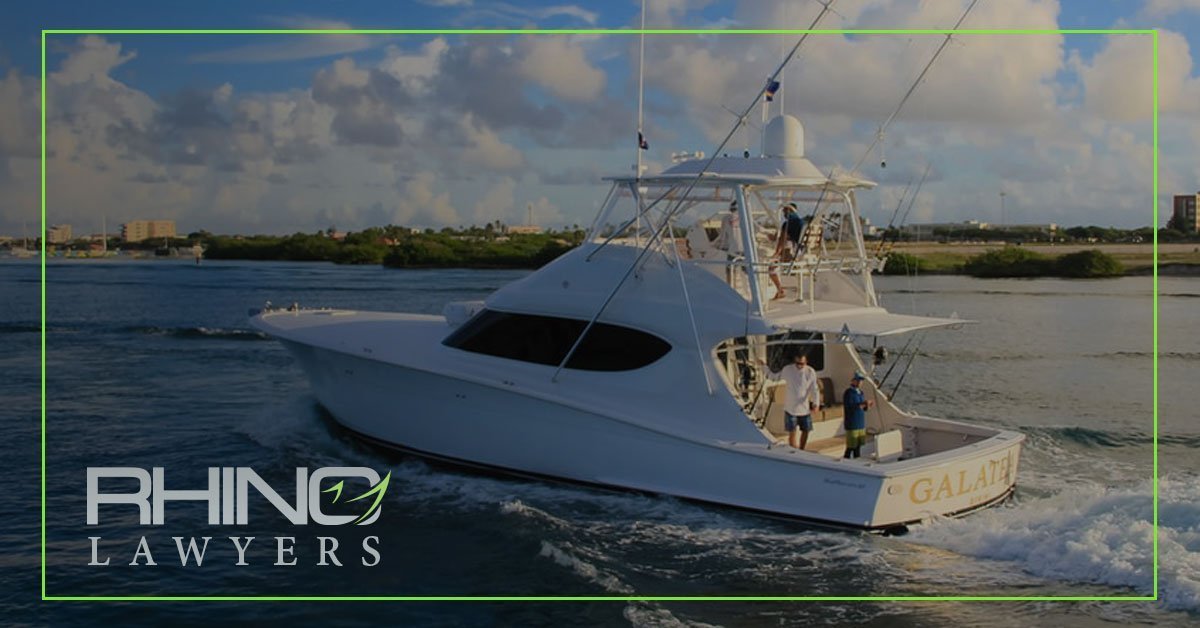
¿Cuál es la diferencia entre un DUI y un BUI?
¿Sabías que operar una embarcación bajo los efectos del alcohol u otras drogas es una gran violación de la ley de Florida?
Lo creas o no, es verdad. Y, si se sospecha que se está operando una embarcación bajo los efectos del alcohol, los oficiales pueden exigirle que pase una prueba de sobriedad. No pasarla resultará en una multa específica para navegantes, conocida como BUI (por sus siglas en inglés, boating under the influence).
Esta infracción es en realidad tan grave como un DUI, emitido por conducir ebrio. Y puede tener grandes repercusiones en tu futuro, especialmente si te apasiona navegar. Sigue leyendo para conocer la diferencia entre estos dos cargos y las sanciones asociadas a ambos.
Navegación bajo la influencia del alcohol o las drogas
Debajo Leyes de Florida, cualquier navegante sospechoso de operar una embarcación bajo los efectos del alcohol puede ser sometido a una prueba física o química para determinar la cantidad de alcohol en su aliento o sangre. Esto podría incluir pruebas de sobriedad en el campo. Como soplar en un alcoholímetro e incluso hacerse una extracción de sangre.
Si determinan que el operador está legalmente intoxicado, lo que significa que tiene un nivel de alcohol en sangre o en aliento de .08 o más, los oficiales podrían acusarlo de un delito de BUI.
Además, pueden presentar cargos por BUI (navegación bajo los efectos del alcohol o drogas) bajo algunas circunstancias especiales. Como, por ejemplo, cuando el conductor de una embarcación tiene menos alcohol en su organismo. Por ejemplo, si determinaron que el operador está bajo la influencia de drogas distintas al alcohol.
Además, si descubren que cualquier operador de embarcación menor de 21 años tiene un nivel de alcohol en la sangre o en el aliento de .02 o más, pueden acusarlo de BUI.
Comprender los cargos por BUI
Si tiene un cargo de BUI en Florida, puede esperar que el estado procese su caso agresivamente. En la mayoría de los casos, buscarán la pena máxima. Esto varía según cuántas ofensas de BUI haya recibido.
- Primera infracción por BUI – Este delito menor puede acarrear una multa de hasta $1,000 y hasta 6 meses de prisión.
- Segunda infracción de BUI – Este cargo, que también constituye un delito menor, conlleva multas de hasta $2,000 y hasta 9 meses de cárcel
- Tercera ofensa de BUI en un plazo de 10 años – Este cargo por delito grave de tercer grado puede acarrear multas de hasta $5,000 y 5 años de prisión.
- Tercera infracción de BUI más de diez años después de una condena anterior – Este delito menor conlleva una multa de hasta $2,000 y hasta un año de cárcel
Además de las sanciones enumeradas anteriormente, todas las condenas por BUI en Florida conllevan un período de libertad condicional mínimo de un año por delito. Los términos incluirán informes mensuales a un oficial asignado, servicio comunitario y asesoramiento sobre drogas y alcohol.
Este periodo de prueba puede extenderse por condenas reiteradas por navegar bajo los efectos del alcohol o sustancias.
Cargos por BUI agravado
En algunos casos, es posible que consideren los cargos por navegar bajo los efectos del alcohol o drogas (BUI) como agravados. Por ejemplo, si el operador de la embarcación tiene un nivel de alcohol en sangre o en aliento de 0.15 o más. Además, pueden aplicar estos cargos más graves si la persona sospechosa de BUI tiene condenas previas por conducir bajo los efectos del alcohol o drogas (DUI), o si tiene otra infracción relacionada con drogas en su historial.
El término agravado también puede indicar que un incidente de BUI involucró otros factores que aumentan la gravedad del delito y sus sanciones. Esto podría incluir:
- Incidentes de BUI que resultan en daños a la propiedad
- Incidentes de conducción bajo los efectos del alcohol que causan lesiones corporales o la muerte
- Si los incidentes de BUI involucran a un menor
Los cargos por conducir bajo los efectos del alcohol (BUI) agravados, asociados con daños a la propiedad, son delitos menores de primer grado. Y conllevan sanciones máximas de $1,000 en multas y una pena de cárcel de un año. Si causas lesiones corporales, se trata de un delito grave de tercer grado, lo que podría acarrear una multa de hasta $5,000 y una pena de prisión de hasta 5 años.
Si un delito de conducir bajo los efectos del alcohol (BUI) provoca la muerte de otra persona, la ley puede considerarlo homicidio involuntario por BUI. Este delito grave de segundo grado puede acarrear multas de hasta $10,000 y hasta 15 años de cárcel. Además, si un sospechoso de conducir una embarcación bajo los efectos del alcohol (BUI) abandona la escena de un accidente de barco, en lugar de prestar auxilio a las víctimas lesionadas, podría enfrentar un delito grave de primer grado, con multas de hasta $10,000 y penas de cárcel de hasta 30 años.
La diferencia entre DUI y BUI
En pocas palabras, la principal diferencia entre navegar y conducir bajo los efectos del alcohol es qué tipo de transporte se está utilizando: un barco o un carro.
Los dos delitos conllevan del mismo modo sanciones graves. Aunque un BUI no necesariamente afectar su capacidad legal para conducir. Y, desafortunadamente, tanto en los casos de DUI como de BUI, el castigo comienza mucho antes de la condena.. Porque probablemente lo arrestarán, confiscarán su embarcación o vehículo, y enfrentará graves consecuencias financieras.
Tanto los cargos por primera vez por conducir bajo los efectos del alcohol (DUI) como por navegar bajo los efectos del alcohol (BUI) resultarán en multas cuantiosas, libertad condicional, antecedentes legales manchados y, potencialmente, asesoramiento ordenado por el tribunal. Peor aún, las ofensas repetidas de DUI y BUI pueden dar lugar a cargos por delitos graves y sentencias de cárcel prolongadas.
No importa el tipo de cargos que enfrente, es fundamental actuar con rapidez. Sus antecedentes penales mostrarán tanto delitos menores como graves. Lo que potencialmente dificultará alquilar o comprar una casa, encontrar un buen empleo o asistir a la universidad.
También es importante señalar que el tribunal puede combinar un historial de condenas por DUI y BUI, lo que genera cargos agravados y sanciones más severas. Y, ¡es poco probable que gane su caso sin asistencia legal!
Defensa por BUI en Florida
Si ha recibido un cargo por conducir bajo los efectos del alcohol (DUI) o navegar bajo los efectos del alcohol (BUI), o necesita defensa legal en Florida, está en el lugar correcto.
Tenemos un equipo de abogados dedicados y profesionales legales en RHINO Lawyers para ayudar a cada cliente a ganar su caso. Y tenemos décadas de experiencia trabajando con personas como usted.
Contáctenos o llame (844) RHINO-77 hoy para una revisión de caso gratuita o consulta virtual. Podemos ayudarle con reclamos por accidentes automovilísticos y lesiones personales, defensa penal y mucho más.
CONTACTE A UN ABOGADO DE MULTAS DE TRÁFICO EN TAMPA
RHINO Lawyers puede ayudar y guiarlo a través de un sistema moldeado por las fuerzas del orden, jueces y abogados durante décadas. Habiendo ganado casos para nuestros clientes en circunstancias similares, nuestro equipo de defensa penal sabe lo que se necesita para luchar en tu nombre.
Permitir RHINO Lawyers responda a sus preguntas y revise los hechos de su caso con una consulta gratuita. Así que comience completando el “Evaluación de caso instantánea y gratuita”o llamándonos en cualquier momento, día o noche, al (844) RHINO-77.
Leer más
Cómo calcular un acuerdo por negligencia médica
Alrededor de 20,000 demandas por negligencia médica se presentan cada año en los Estados Unidos. Cada una de estas demandas busca justicia por el sufrimiento y los daños causados por la negligencia médica.
Si bien una demanda exitosa no revertirá el daño que se ha causado, puede proporcionar una compensación valiosa. Una demanda exitosa dará lugar a un acuerdo extrajudicial o a una sentencia tras el veredicto de un jurado, lo que puede brindarle estabilidad financiera mientras se adapta a la vida después de sus lesiones.
Saber lo que puede reclamar en su acuerdo por negligencia médica garantizará que obtenga un trato justo si su caso tiene éxito. Entonces, ¿cómo se calcula un acuerdo por negligencia médica? Siga leyendo para descubrir todo lo que necesita saber.
¿Qué es la negligencia médica?
La negligencia médica también se conoce como mala praxis médica.
Esto ocurre cuando un profesional médico no proporciona un buen estándar de atención a sus pacientes. Esto puede dañar directamente a los pacientes bajo su cuidado.
Si ha sufrido daños como consecuencia de una negligencia médica, entonces podría tener un caso de negligencia médica.
Cuando presente una reclamación, llegará el momento en que deberá considerar un posible monto de acuerdo. Esta es la cantidad de compensación que busca por sus lesiones.
En ese caso, tendrás que calcular cuidadosamente cuánta compensación quieres por tus lesiones. Esto debe basarse en el impacto que tus lesiones han tenido en tu vida, así como en muchos otros factores.
Con eso en mente, analicemos más de cerca cómo calcular la cifra de su acuerdo por negligencia médica.
Calculación de su acuerdo por negligencia médica
Las leyes de asentamiento en Florida solían establecer un Límite de $500,000 sobre casos de negligencia médica en Florida.
Sin embargo, ahora se podría decir que no hay un límite para las demandas por negligencia médica, por lo que, en teoría, puedes presentar una demanda por la cantidad que quieras. Sin embargo, el acuerdo que solicites debe reflejar la gravedad de tus lesiones y su impacto en tu vida.
Debido a esto, cada acuerdo por negligencia médica es único. Por lo tanto, para calcular un acuerdo preciso, usted y sus abogados deberán examinar dos áreas principales:
- Daños económicos de sus lesiones (actuales y futuros)
- Daños no económicos de sus lesiones (actuales y futuros)
Al calcular su reclamo, es fundamental pensar en cómo sus lesiones podrían afectar su vida en el futuro, así como en cómo lo afectaron en el pasado.
Una vez que haya aceptado un acuerdo, no podrá modificar esta cifra ni presentar otra reclamación por su caso en el futuro. Pensar en el impacto a largo plazo de su caso y calcular sus necesidades le garantizará obtener un acuerdo justo.
Daños económicos (Daños especiales)
Los daños económicos en su caso de negligencia médica se centran en cómo sus lesiones le han afectado financieramente. Esto podría incluir:
- Cirugía o tratamiento para reparar el daño causado por negligencia médica
- Tratamiento o medicamento en curso para problemas crónicos causados por sus lesiones
- Equipo especial que necesita para el tratamiento o la vida diaria
- Contratación de cuidado interno
Gestionar tus lesiones por tu cuenta puede costar miles de dólares y todo esto puede incluirse en la compensación de tu reclamo.
Sus lesiones también pueden afectar su capacidad para trabajar ahora y en el futuro. Esto puede tener un gran impacto en su estabilidad financiera durante los próximos años. Por lo tanto, también puede incluir la pérdida de ingresos en sus daños económicos.
Daños no económicos (Daños generales)
Los daños no económicos consideran la forma en que sus lesiones han afectado su vida en un sentido más amplio.
Esto puede incluir dolor y sufrimiento o daños a sus relaciones personales. Para probar este tipo de daños, su abogado puede pedir el testimonio de sus seres queridos o de un psicólogo profesional.
Por supuesto, es más difícil señalar con precisión el valor exacto de estos daños. Una vez que haya reunido todo lo que desea reclamar, los abogados analizarán casos comparables y sus acuerdos. Pueden utilizarlos para encontrar una cifra realista para su reclamo.
¿Cuál es el acuerdo promedio por una demanda por negligencia médica?
El acuerdo promedio por negligencia médica en un caso fuera de los tribunales en América es $242,000. Llevar su caso a los tribunales puede ser riesgoso y le costará más.
La cantidad que puede esperar como acuerdo por negligencia médica depende de muchos factores, entre ellos, el monto de la cobertura de seguro disponible y la gravedad de sus lesiones.
Casos menores de negligencia médica
Los casos menores no suelen tener un impacto a largo plazo en su vida. Sin embargo, aún pueden causar molestias y angustia graves.
Estos casos pueden incluir reacciones alérgicas resueltas o inyecciones que se administraron incorrectamente. Los acuerdos para estos casos son generalmente mucho más bajos que los de casos significativos de negligencia médica.
Casos que resultan en discapacidades o enfermedades a corto plazo
Las discapacidades o enfermedades de corto plazo duran hasta seis meses. Después de esto, debería haberse recuperado sin que sus lesiones tengan un impacto en su salud a largo plazo.
Las causas comunes de las discapacidades temporales pueden incluir diagnósticos erróneos o no detectados. También pueden incluir errores prenatales menores o errores quirúrgicos menores.
El acuerdo promedio para este tipo de casos es más alto que los casos menores de negligencia médica, pero más bajo que los casos que requieren cirugía o resultan en lesiones permanentes.
Casos que requieren cirugía o rehabilitación
Algunas lesiones por negligencia médica requerirán una intervención seria. Si tiene que someterse a una cirugía para corregir un error o asistir a rehabilitación, se le podría otorgar un acuerdo significativo acorde con la magnitud de sus lesiones.
Casos de negligencia médica con consecuencias a largo plazo
Los casos graves de negligencia médica pueden provocar lesiones graves, enfermedades o infecciones, así como dolor y sufrimiento. Esto se prolonga durante seis meses o más y puede requerir tratamiento continuo.
Los casos que involucran negligencia médica grave pueden recibir indemnizaciones sustanciales dependiendo de la gravedad de las lesiones.
Casos que Resultan en Lesiones Permanentes
Desafortunadamente, algunas lesiones por negligencia médica serán permanentes. Los casos más graves resultan en discapacidades permanentes. Las demandas por homicidio culposo también pueden incluirse en esta área de la negligencia médica.
Este tipo de casos puede recibir acuerdos de $1,000,000 o más. Hasta ahora, el mayor acuerdo por negligencia médica en La historia de EE. UU. es $229,000,000. Esto fue concedido a una madre cuyo bebé sufrió daño cerebral durante el parto después de que el hospital no la monitoreara.
Obtenga ayuda para calcular su acuerdo por negligencia médica hoy
Como puede ver, el cálculo de su acuerdo por negligencia médica depende en gran medida de la gravedad de sus lesiones y de cómo estas impactan su vida. Su cifra puede incluir una variedad de daños causados por sus lesiones. Por lo tanto, no solo tiene que centrarse en el impacto financiero de estas.
Si ha sido víctima de negligencia médica, debe buscar apoyo legal al calcular su acuerdo. Un abogado con experiencia en negligencia médica entenderá todo sobre su reclamo y se asegurará de que obtenga un acuerdo justo.
Ponerse en contacto con RHINO Lawyers para una consulta gratuita sobre su caso hoy, nos complace ayudarle.
CONTACTE A UN ABOGADO DE NEGLIGENCIA MÉDICA EN TAMPA
En resumen, si cree que es víctima de negligencia médica, es posible que no conozca sus derechos. Sobre todo, no atraviese el proceso solo. En realidad, nuestros equipo de lesiones personales está aquí para ayudarle con cualquier necesidad legal que pueda tener con respecto a su caso.
Por último, que RHINO Lawyers responda a sus preguntas y revise los hechos de su caso con una consulta gratuita. Así que comience completando el “Evaluación de caso instantánea y gratuita”o llamándonos en cualquier momento, día o noche, al 844.RHINO.77.
Leer más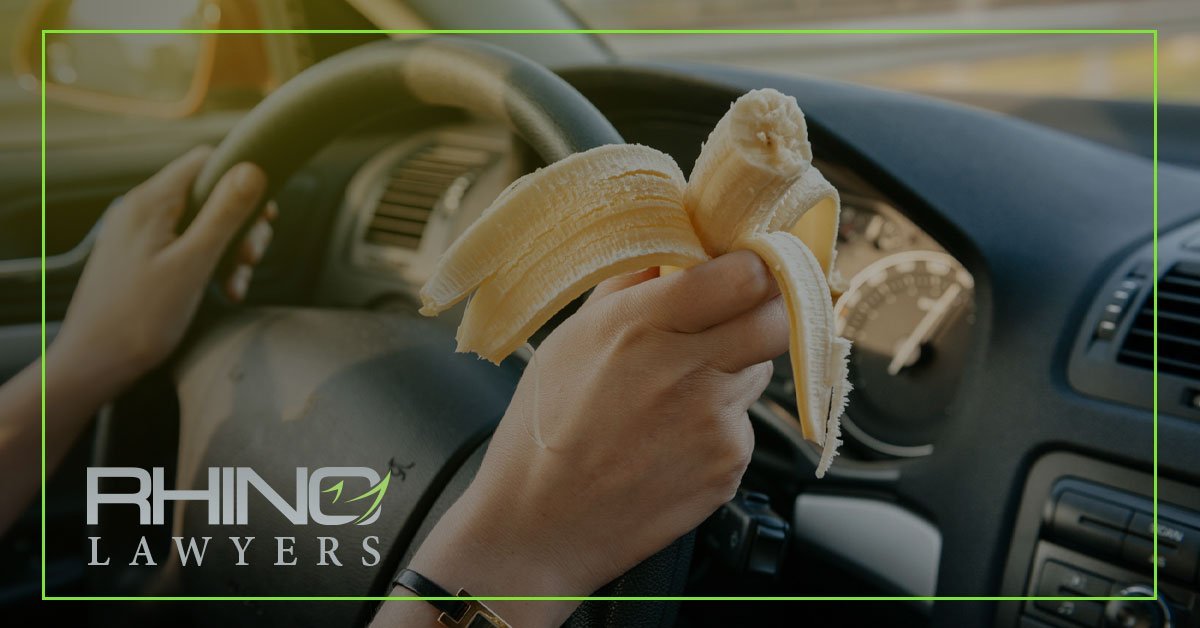
¿Es ilegal comer mientras se conduce en Florida?
Conducir distraído no es solo manipular la radio. Más de 3,100 estadounidenses murieron debido a conductores distraídos solo en 2020.
La mayoría de la gente supone que estos accidentes tuvieron que ver con los teléfonos celulares. Muchos de ellos sí.
Pero miles de accidentes por conducción distraída ocurren cada año porque el conductor está comiendo mientras maneja. Si comes mientras conduces, necesitas conocer los peligros que esa simple acción puede causar.
¿Es ilegal comer mientras se conduce? ¿Puede comer en su automóvil afectar sus posibilidades de ganar un caso civil? ¿Qué debe hacer para mantenerse seguro mientras conduce por las carreteras de Florida?
Responde a estas preguntas y podrás convertirte en un conductor inteligente y enfocado en poco tiempo. Aquí tienes tu guía rápida.
Leyes de tránsito de Florida
No existe una ley específica en contra de comer mientras se conduce. Las leyes sobre conducción distraída se aplican a conducir con un dispositivo electrónico o teléfono celular en el auto, no a la comida o las bebidas.
Sin embargo, otras leyes de tránsito pueden afectarle. Sección 316.1925 de los Estatutos de Florida se aplica a la conducción inatenta. Cualquier persona que opere un automóvil de manera que ponga en peligro la vida y la propiedad de otra persona puede ser citada por una infracción en movimiento. Si su comida lo distrae y hace que acelera o se desvíe, es posible que reciba una citación por conducción inatenta.
Sección 316.192 se aplica a la conducción imprudente. Esto ocurre cuando un conductor maneja su vehículo con “desprecio intencional o insensible por la seguridad de las personas o la propiedad”.”
Si quita las manos del volante para sostener su comida o si aparta la vista del camino, puede chocar su automóvil y recibir un cargo por conducción temeraria. Una primera condena por conducción temeraria puede resultar en una pena de prisión de hasta 90 días, incluso si no lastima a nadie.
Responsabilidad civil
Florida es un estado de negligencia comparativa. Esto significa que alguien puede reclamarle daños y perjuicios basándose en el grado de responsabilidad que usted tenga en el accidente. Incluso si el otro conductor tuvo la mayor parte de la culpa, puede recibir algo de dinero por parte de usted.
El demandante puede construir un caso fuerte de accidente automovilístico en tu contra utilizando imágenes de videovigilancia y testigos presenciales. Pueden demostrar que estabas mirando tu comida o que tenías la mano fuera del volante cuando ocurrió el accidente. Esto puede ser evidencia suficiente para establecer la culpa.
Cuanto peor sea el accidente automovilístico, más dinero es posible que deba pagar. Los jurados pueden otorgar dinero a los demandantes basándose en su dolor y sufrimiento.
También pueden asignar indemnizaciones por daños y perjuicios basadas en la pérdida de ingresos, problemas de salud mental y daños al vehículo. Los daños pueden sumar miles de dólares, incluso si la colisión fue un accidente completo.
Las compañías de seguros también evaluarán tu grado de culpa en un accidente. Si descubren que ibas comiendo mientras manejabas, pueden denegarte una indemnización, obligándote a pagar de tu bolsillo.
Consejos para evitar problemas
Debes evitar todo tipo de conducción distraída, incluyendo comer mientras conduces. La clave para ser un conductor atento es eliminar todas las fuentes de distracciones. Debes seguir varios pasos simultáneamente para que no haya posibilidad de que la comida te distraiga.
Oríllate a comer
Cuando necesites comer, debes detener el auto a un lado del camino. Estaciona en un estacionamiento o en un lugar de estacionamiento en la carretera y come allí.
Apaga tu vehículo para que no haya posibilidad de que se mueva mientras comes. Puedes salir de tu automóvil o permanecer adentro para comer, aunque es posible que quieras sentarte en el asiento del pasajero para que un oficial de policía no piense que estás con el motor encendido.
También debes orillarte para tomar una bebida, ya que las bebidas pueden distraer tanto como la comida. Nunca bebas alcohol dentro de tu auto, incluso si el auto está apagado y no estás conduciendo. Llevar un recipiente abierto de alcohol en tu auto es un delito penal en Florida.
No dejes comida en tu auto
Es más probable que comas mientras conduces cuando hay comida en tu auto. Mientras conduces en Florida, debes mantener la comida fuera del alcance de la mano. No pongas ningún bocadillo en la guantera, los compartimentos laterales o los portavasos.
Si traes las compras a casa, debes ponerlas en el asiento trasero o en la cajuela en lugar del asiento del pasajero. Guarda tus artículos en hieleras para que sean más difíciles de alcanzar.
No conduzca si tiene hambre
Aunque no debes conducir mientras comes, tampoco debes conducir mientras tienes hambre. El hambre puede distraer tanto como la comida, y un hambre significativa puede causar mareos y somnolencia.
Come una comida abundante antes de empezar a conducir. Intenta comer alimentos ricos en proteínas y granos enteros, ya que se digieren lentamente y te mantienen lleno por un largo periodo de tiempo.
Las mezclas de frutos secos y frutas ofrecen proteínas con azúcares saludables que generan energía durante horas. También puedes comer un sándwich de carne con pan integral.
¿Se puede comer mientras se conduce?
Corres un gran riesgo cuando comes mientras conduces. No hay ninguna ley en contra de eso.
Pero la comida puede distraer su vista del camino, lo que puede resultar en un cargo por manejo descuido o manejo imprudente. La comida puede aumentar su porcentaje de culpa en el accidente, elevando la cantidad de dinero que debe pagar en un caso civil. Siempre deténgase a comer o beber, y coma algo antes de ponerse al volante.
Si tienes un accidente, necesitas un abogado inteligente para evitar daños y cargos. RHINO Lawyers atiende a residentes de Florida. Contáctenos hoy.
COMUNÍQUESE CON UN ABOGADO DE ACCIDENTES AUTOMOVILÍSTICOS EN TAMPA
En resumen, después de un accidente automovilístico, es posible que no conozca sus derechos. Sobre todo, no luche solo durante el proceso. En realidad, nuestro equipo de lesiones personales está aquí para ayudarle con cualquier necesidad legal que pueda tener relacionada con su accidente.
Por último, que RHINO Lawyers responda a sus preguntas y revise los hechos de su caso con una consulta gratuita. Así que comience completando el “Evaluación de caso instantánea y gratuita”o llamándonos en cualquier momento, día o noche, al 844.RHINO.77.
Leer más
¿Existe un límite para los daños por negligencia médica?
Los casos de negligencia médica están arrasando en Florida. Entre 2009 y 2019, los médicos de Florida pagaron más de $460 millones para resolver las demandas por negligencia médica.
Podría tener derecho a una indemnización significativa debido a los errores de su médico negligente. Sin embargo, no puede simplemente presentar una demanda y esperar ganar a lo grande. Las demandas por negligencia médica requieren un amplio conocimiento de las leyes, incluidas aquellas que pueden imponer límites a los daños médicos.
¿Imponen las leyes de Florida limitaciones a los daños y perjuicios por negligencia médica? ¿Cómo se demuestra que sufrió un acto de negligencia médica? ¿Qué documentos necesita para probar los daños económicos y no económicos?
Responda a estas preguntas y es posible que podamos presentar una demanda por negligencia médica en su nombre. Aquí tiene su guía rápida.
Leyes de negligencia médica de Florida
En las demandas por negligencia médica, los demandantes pueden reclamar dinero a los demandados basándose en sus pérdidas económicas y no económicas. Las pérdidas económicas son los gastos médicos pasados y futuros y los salarios perdidos. Las pérdidas no económicas se basan en el dolor, el sufrimiento, los inconvenientes y la pérdida del disfrute de la vida.
Estatuto de Florida 766.118 impuso un límite a los daños no económicos. En la mayoría de los casos, el límite máximo era de $500,000. En los casos que implicaban la muerte o un estado vegetativo permanente, los daños no económicos podían ascender hasta $1 millón.
Sin embargo, un caso de la Corte Suprema de Florida concluyó que esta limitación era inconstitucional. El estatuto técnicamente sigue vigente. Pero, podría decirse que actualmente no existe un límite real a los daños no económicos en casos de negligencia médica en este momento.
La Cámara de Representantes de Florida intentó aprobar una nueva ley con límites en 2019. La ley no prosperó en el comité. Sin embargo, la ley podría presentarse nuevamente en otra sesión, por lo que debe seguir las noticias para ver si afectará su caso.
Tenga en cuenta que cada estado tiene sus propias leyes sobre negligencia médica. Algunos estados imponen un límite a los daños no económicos, mientras que otros imponen un límite a todos los daños. Hable con un abogado en su estado para obtener más detalles.
Probando negligencia médica
La anulación del límite a las indemnizaciones por negligencia médica puede beneficiar los daños en su caso, pero aún debe presentar pruebas de sus reclamaciones por negligencia médica. Debe cumplir varios requisitos legales para ganar su caso.
Debe demostrar que el acusado incumplió un estándar de atención. Los ejemplos incluyen diagnosticarle mal o causarle una lesión innecesaria durante un procedimiento médico.
Puede pedirle a un profesional médico que testifique por usted y describa en detalle cómo el médico cometió un error.
La causalidad es la prueba de que el demandado causó su lesión. Puede usar documentos del hospital para demostrar que estuvieron a cargo de su cirugía o medicamento. Si está demandando a varias personas, debe proporcionar evidencia de causalidad para cada demandado.
Tus lesiones deben ser innecesarias según el tratamiento que recibiste. Muchas personas experimentan sangrado o hematomas después de una cirugía, pero eso no significa necesariamente que haya habido negligencia médica.
Pero el daño en los nervios y los problemas de movilidad a largo plazo pueden ser innecesarios, y es posible que pueda presentar una demanda basándose en ellos. Debe proporcionar sus registros médicos a su abogado, quien trabajará para contratar a los profesionales médicos expertos adecuados para respaldar sus reclamos.
Demostración de daños económicos
Los daños económicos pueden ser muy fáciles de demostrar. Para mostrar cuánto gastó en sus gastos médicos, puede proporcionar las facturas y los recibos del hospital.
Puede reclamar dinero basándose en tratamientos en curso, incluida la terapia de rehabilitación. Puede usar facturas y documentos de gastos de su terapeuta o médico personal para demostrar cuánto está pagando.
Si sufrió un problema de salud mental debido a la negligencia médica, puede reclamar dinero para su tratamiento de salud mental. Debe demostrar un vínculo directo entre la negligencia y su problema de salud, lo cual puede hacer a través de un perito. Luego debe proporcionar los recibos o facturas relacionados con su tratamiento.
Para probar los salarios perdidos, puede utilizar formularios de impuestos, recibos de pago y tarjetas de registro de hora. También puede pedirle a su jefe que testifique en su nombre, explicando cómo sus lesiones han afectado su desempeño laboral.
Reclamación de daños no económicos
Los daños no económicos son difíciles de cuantificar. La clave es ser específico con su reclamo y vincular su reclamo a su condición física.
Deberías ser capaz de describir claramente cómo tus problemas físicos han afectado tu capacidad para vivir la vida al máximo. El dolor físico puede hacer que te sea más difícil dormir, caminar o comer. Es posible que no puedas atender a tu familia o amigos porque estás lidiando con tus síntomas.
Crea una imagen de tu vida antes de la negligencia médica y después. Deja claro que tu vida ha cambiado significativamente desde el incidente y que necesitas una compensación para volver a tu nivel de vida anterior. Puedes describir cómo usarás el dinero para alcanzar la etapa de máxima mejoría médica.
Sus seres queridos también pueden ayudar. Deben describir su pérdida de compañía y su ansiedad por su salud física y mental.
Los fundamentos de las leyes y límites de negligencia médica
Las leyes sobre negligencia médica siempre están evolucionando. Las leyes de Florida sí establecieron un límite para los daños no económicos, pero se puede argumentar que dicho límite ya no existe. En Florida nunca ha habido un límite para los daños económicos.
Todavía debes demostrar que tu médico fue negligente y que puedes reclamar daños y perjuicios específicos. Tu abogado contratará a un perito que pueda describir tus lesiones y el error de tu médico. Usa tus facturas médicas, recibos y talones de pago para mostrar cuánto dinero perdiste.
Encuentre a un abogado que sepa todo sobre las normativas de negligencia médica en Florida. RHINO Lawyers atiende a los pacientes y a las familias de Tampa. Contáctenos hoy.
CONTACTE A UN ABOGADO DE NEGLIGENCIA MÉDICA EN TAMPA
En resumen, si cree que es víctima de negligencia médica, es posible que no conozca sus derechos. Sobre todo, no atraviese el proceso solo. En realidad, nuestros equipo de lesiones personales está aquí para ayudarle con cualquier necesidad legal que pueda tener con respecto a su caso.
Por último, que RHINO Lawyers responda a sus preguntas y revise los hechos de su caso con una consulta gratuita. Así que comience completando el “Evaluación de caso instantánea y gratuita”o llamándonos en cualquier momento, día o noche, al 844.RHINO.77.
Leer más
¿Es el delito de huir y evadir a la policía un delito grave (felony)?
Huir y evadir a un oficial de policía es un delito grave (felony) en Florida. Si recibe una condena por este delito, podría enfrentar tiempo en la cárcel, multas o libertad condicional. Por lo tanto, es importante comprender las consecuencias de huir y evadir para que pueda tomar una decisión informada sobre cómo responder si la policía lo detiene.
Aquí hay algunos consejos de un abogado penalista con experiencia sobre los cargos por evadir a un oficial de policía.
Definición de huida y evasión
Sección 316.1935 de los Estatutos de Florida define el delito de huir y evadir como la falta de detener su vehículo de manera oportuna y segura cuando así lo ordene un oficial del orden público.
Este oficial debe tener las luces de emergencia activadas mientras se encuentra en un auto patrulla completamente marcado. Por lo tanto, no detenerse a menudo se considera un delito grave. Y es punible con multas, prisión o ambas cosas.
En algunos estados, se considera que huir y evadir a la justicia es un delito de violencia, lo que puede resultar en penas agravadas. Si recibe acusaciones de huir y evadir, es importante comunicarse con un abogado defensor penal con experiencia lo antes posible, ya que puede ayudarle a entender los cargos en su contra y sus opciones legales.
Categorías de huida y evasión
Hay varias categorías de delitos de fuga y evasión en Florida. Echemos un vistazo a algunos de estos cargos.
Sin sirenas activadas
Este es un cargo diferente si las sirenas del oficial no están activadas. Es de primer grado delito menor punible con hasta un año de cárcel y una multa de $1,000.
Con sirenas activadas
La pena por huir y eludir a la policía con las sirenas activadas es un delito grave de tercer grado. Esto se castiga con una pena de prisión de hasta 5 años y una multa de $5,000.
Huida y evasión agravadas
La huida y eludir a la policía con desprecio temerario por la seguridad de los demás constituye un delito agravado de huida y evasión. Se trata de un delito grave de tercer grado, punible con una pena de prisión de hasta 15 años y una multa de $10,000.
Exceso de velocidad o conducción imprudente
Si te acusan de huir y eludir a la policía mientras conduces a alta velocidad o de manera imprudente, se te imputará un delito grave de tercer grado. Esto se castiga con una pena de prisión de hasta cinco años y una multa de $5,000.
Causar daños a la propiedad o lesiones personales
Ahora bien, si te acusan de huir y eludir la detención, además de causar daños a la propiedad ajena o lesiones personales, te acusarán de un delito grave de primer grado. Esto se castiga con una pena de prisión de hasta treinta años y una multa de $10,000.
Causar lesiones corporales graves o la muerte
Las sanciones por este delito son mucho más severas, ya que se clasifica como un delito grave de primer grado. Se castiga con una pena de prisión de hasta 30 años y una multa de $10,000. Si la víctima sufre una discapacidad permanente o desfiguración, las sanciones aumentan hasta la cadena perpetua.
Si recibe una condena por huir y evadir a la justicia, también se le puede suspender la licencia de conducir por un máximo de cinco años. Además, su vehículo puede ser confiscado por hasta 90 días.
Posibles defensas contra los cargos de huida y evasión
Existen varias defensas posibles contra los cargos de huir y evadir. Algunas de estas defensas incluyen las siguientes.
El oficial de policía no tenía causa probable para detener su vehículo. O bien, no se le dio una orden clara y concisa para detener su vehículo. Usted no tuvo la oportunidad de detener su vehículo de manera segura.
Usted no estaba huyendo ni evadiendo la justicia, sino que intentaba cumplir con las órdenes del oficial de manera segura y razonable. El oficial de policía usó fuerza excesiva al intentar detener su vehículo. Usted no era el conductor del vehículo en el momento del incidente.
No hay pruebas suficientes para demostrar que usted cometió el delito más allá de toda duda razonable. Usted padece de una enfermedad mental o estaban bajo los efectos de las drogas o el alcohol en el momento del incidente, lo que les impidió comprender las órdenes del oficial de policía o actuar de manera razonable.
Fuiste víctima de una trampa por parte de la policía. Identidad errónea, falta de conocimiento (el acusado no sabía que el oficial estaba intentando hacer que se detuviera), o hubo una emergencia médica.
Adjudicación obligatoria de culpabilidad por huir o evadir a la policía
Esto significa que recibe una condena y tendrá antecedentes penales. Una condena por huir o evadir a la justicia puede tener consecuencias importantes, incluido el tiempo en prisión, la pérdida de los privilegios de conducción y antecedentes penales permanentes.
En Florida, si recibe una condena por un delito grave, debe cumplir una pena mínima obligatoria. Esto significa que no será elegible para libertad condicional ni para ninguna otra forma de liberación anticipada.
¿Cuál es la responsabilidad del fiscal?
Para declararlo culpable de huir o evadir a la justicia, el fiscal debe demostrar que usted violó la ley de manera intencional y consciente. El fiscal también debe demostrar que usted tuvo la oportunidad de detener su vehículo de manera segura y razonable, pero no lo hizo.
Si el fiscal no puede probar estos elementos más allá de toda duda razonable, entonces usted no puede ser declarado culpable de huida o evasión. Para que se dicte una condena por huida o evasión, el fiscal debe probar los siguientes elementos más allá de toda duda razonable:
- Estaba conduciendo un vehículo
- Un agente de la ley le dio una señal visual o auditiva para que detenga su vehículo
- Usted no se detuvo intencionalmente o se negó a detener su vehículo en cumplimiento con la señal
El fiscal no tiene que demostrar que usted tuvo la intención de huir o eludir al oficial de policía.
Abogado penalista
Si enfrenta un cargo por huir y evadir a la justicia, contrate a un abogado penalista con experiencia. Porque ellos pueden revisar los hechos de su caso y desarrollar una defensa sólida. Además, un abogado con experiencia también podrá negociar con los fiscales para obtener una condena reducida o la desestimación de los cargos.
Las sanciones por huir y evadir a la justicia son severas y pueden tener un impacto duradero en su vida. No se enfrente a estos cargos solo. Un abogado penalista con experiencia luchará por usted. Consulte con nosotros hoy.
CONTACTE A UN ABOGADO DE MULTAS DE TRÁFICO EN TAMPA
RHINO Lawyers puede ayudar y guiarlo a través de un sistema moldeado por las fuerzas del orden, jueces y abogados durante décadas. Habiendo ganado casos para nuestros clientes en circunstancias similares, nuestro equipo de defensa penal sabe lo que se necesita para luchar en tu nombre.
Permitir RHINO Lawyers responda a sus preguntas y revise los hechos de su caso con una consulta gratuita. Así que comience completando el “Evaluación de caso instantánea y gratuita”o llamándonos en cualquier momento, día o noche, al (844) RHINO-77.
Leer más
¿Cuál es la diferencia entre la conducción descuidada y la imprudente en Florida?
¿Sabías que los accidentes de darse a la fuga en Florida aumentó en 17% ¿en 2021?
La conducción imprudente en Florida es un problema creciente. Un accidente automovilístico en Florida ya es una gran carga financiera que soportar, pero podría ser mucho peor. Un conductor imprudente podría poner en peligro su vida y su propiedad.
La conducción temeraria y la conducción descuida en Florida pueden parecer lo mismo. Pero ambas tienen una clasificación única ante la ley. Conocer la diferencia es conveniente para su caso.
En esta guía, analizaremos las leyes de manejo de Florida sobre la conducción negligente y temeraria. Siga leyendo para obtener más detalles.
¿Qué es la conducción negligente en Florida?
De acuerdo con la sección 316.1925, la conducción negligente se define como hacer lo siguiente:
- No conducir de manera prudente
- No mostrar ninguna consideración por los diferentes aspectos de la conducción, como el ancho de los carriles o la densidad del tráfico.
- Poner en peligro la vida humana o la propiedad como resultado de este comportamiento descuidado
Para decirlo de manera simple, la conducción descuidada en Florida es cuando no te esfuerzas por conducir bien. Muestras indiferencia hacia las leyes de tránsito o conduces de una manera que pone en peligro a los automóviles y a sus ocupantes.
Sin embargo, un conductor descuidado no es alguien que lo hace con la intención de hacer daño. Un conductor descuidado ignora la ley por falta de interés. No desean que otros sufran como resultado de sus acciones.
A menudo, un infracción por manejo descuidado ocurrirá como resultado de un accidente automovilístico en Florida. Sin embargo, debes conducir con cuidado, ya que esto puede ocurrir sin ningún choque.
Ejemplos de conducción negligente
La conducción negligente es un término genérico que los agentes de policía pueden usar para muchas infracciones de tránsito. Esto puede suceder si choca por detrás a alguien o no cede el paso cuando las señales son claras. En algunos casos, pueden acusarlo de conducción negligente si está distraído.
Aquí hay algunos ejemplos más de manejo imprudente:
- Hacer un cambio de carril repentino sin poner la direccional
- Manejar demasiado cerca de los autos de adelante
- Exceso de velocidad
- No hacer el esfuerzo de obedecer las señales de tránsito
- Rebasar a un conductor de manera insegura
Consecuencias de la conducción imprudente
Conducir sin precaución es un tipo de infracción en movimiento. El resultado serán multas cuantiosas. En la mayoría de los casos, recibirá puntos en su licencia.
Dependiendo de la gravedad, esto podría llevar a la suspensión de la licencia. Esto puede hacer que su compañía de seguros aumente sus tarifas. Sea cual sea el caso, vale la pena el esfuerzo de ser un buen conductor y prestar atención.
¿Qué es la conducción imprudente en Florida?
De acuerdo con el § 316.192, la conducción temeraria es una cuestión de intención. A diferencia de la conducción descuidada, esto no es un problema de falta de interés al volante. Si usted muestra un desprecio “intencional o insensato”, entonces se arriesga a un cargo por conducción temeraria.
La conducción descuidada es más un ejemplo de mal comportamiento, sin buscar dañar o causar perjuicio. La conducción imprudente es aquella en la que este daño y perjuicio ocurren a propósito.
Eres un conductor imprudente si manejas de manera peligrosa sabiendo las consecuencias. Eres indiferente a estas consecuencias, ya sean perjudiciales para la vida o la propiedad.
Ejemplos de manejo imprudente
La ley sobre conducción temeraria es una ley general que se aplica a cualquier tipo de conducción con ese desprecio flagrante. Sin embargo, también describe algunos delitos específicos:
- Tratar de huir o evadir a un oficial de policía en persecución
- Carreras clandestinas ilegales, como las picadas
- Viajar a velocidades muy superiores al límite de velocidad y zigzaguear entre el tráfico al hacerlo
- Conducir a 20 mph o más por encima del límite de velocidad en el área
Estos son solo algunos ejemplos de lo que podría constituir una conducción temeraria. Podría enfrentar un cargo por conducción temeraria si acelera a través de un cruce peatonal o se sube a la acera. Intentar atropellar a alguien puede incluir un cargo por conducción temeraria.
Este cargo también puede aplicarse a un accidente automovilístico en Florida. Estar intoxicado por encima del límite legal solo empeorará las repercusiones.
Consecuencias de la conducción imprudente
Una gran diferencia entre la conducción negligente y la conducción temeraria es que la conducción temeraria es un delito penal. La conducción negligente es solo una infracción de tránsito, la cual conlleva sanciones mucho menos severas.
Las sanciones por conducción imprudente son severas. Por su primera infracción, el estado de Florida podría encarcelarlo hasta por 90 días. De lo contrario, podrían multarlo entre $25 y $500.
La situación se agrava en caso de reincidencia. El estado podría condenarte a una pena de prisión de hasta 6 meses, el doble de la primera condena. La multa podría oscilar entre $50 y $1,000.
Sin mencionar que esto podría dar lugar a la suspensión de tu licencia y a la acumulación de puntos en tu expediente. Una infracción por conducción imprudente podría hacer que te resultara muy difícil volver a conducir. Es posible que te resulte difícil encontrar un seguro que te cubra.
Qué hacer como víctima de una conducción negligente o imprudente
Conducir por las calles de Florida se está volviendo más peligroso que nunca. El aumento de los incidentes de atropello y fuga es solo una prueba más de que debes mantenerte alerta. Desafortunadamente, es posible que no puedas evitar un accidente automovilístico en Florida.
Un accidente automovilístico en Florida puede ser algo devastador. Y cuando el accidente involucra a un conductor descuidado o imprudente, el daño podría ser catastrófico. Es posible que sufrir una lesión y requiere un abogado para pelear su caso.
En caso de que un conductor amenace tu vida, debes comunicarte con un profesional. Las sanciones son altas tanto por la conducción descuidada como por la imprudente. Hay una buena probabilidad de que un abogado pueda conseguirte la compensación que mereces.
Además, sentirás la satisfacción de sacar a un mal conductor de las calles. Un conductor imprudente que está en prisión no puede hacerle daño a nadie más.
Abogados de defensa criminal en TAMPA
La conducción temeraria en Florida es un delito penal. Sin embargo, se diferencia de una ley similar de conducción descuidada. La conducción temeraria se trata de la intención de causar daño, por lo que vale la pena conocer la diferencia en caso de accidente.
¿Busca representación después de un choque? Ha venido al lugar correcto. Contacto RHINO Lawyers y obtenga una revisión de su caso gratuita.
CONTACTE A UN ABOGADO DE MULTAS DE TRÁFICO EN TAMPA
RHINO Lawyers puede ayudar y guiarlo a través de un sistema moldeado por las fuerzas del orden, jueces y abogados durante décadas. Habiendo ganado casos para nuestros clientes en circunstancias similares, nuestro equipo de defensa penal sabe lo que se necesita para luchar en tu nombre.
Permitir RHINO Lawyers responda a sus preguntas y revise los hechos de su caso con una consulta gratuita. Así que comience completando el “Evaluación de caso instantánea y gratuita”o llamándonos en cualquier momento, día o noche, al (844) RHINO-77.
Leer más