
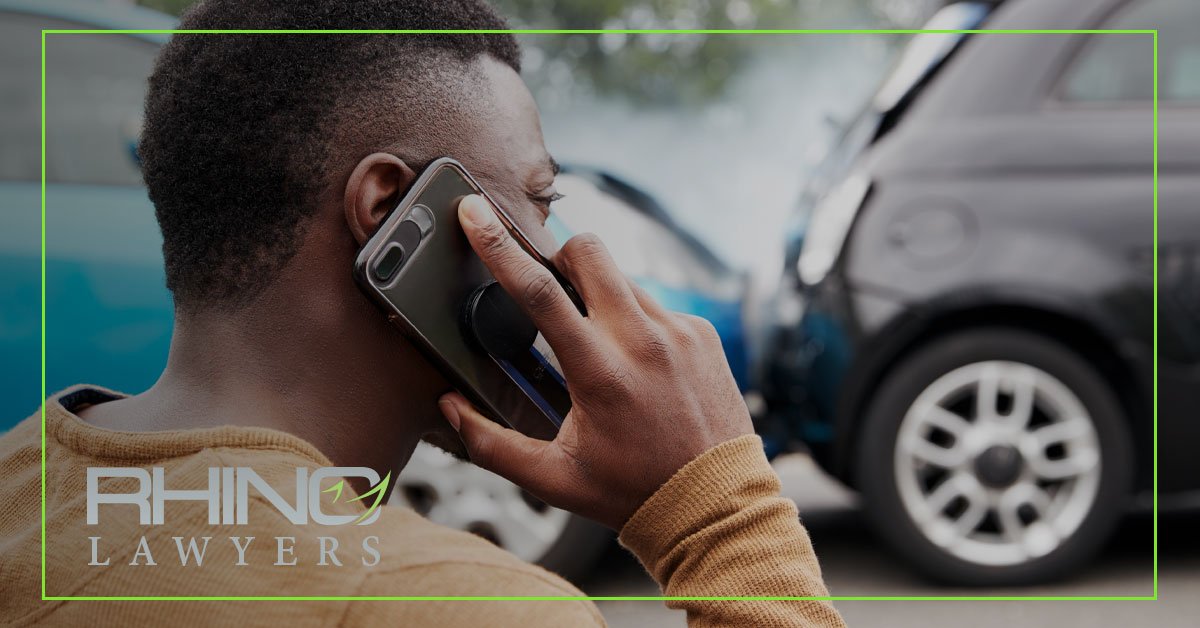
6 secretos para encontrar al mejor abogado de lesiones personales
Did you know that unintentional injuries are the tercera causa principal de muerte in the US? Whether those injuries are due to car accidents, defective products, medical malpractice, or other personal injuries resulting from negligent behavior. They can have a huge impact on your life. If you have been injured as a result of someone’s negligence, you should consider hiring a personal injury attorney to get the compensation that you deserve. Read on to learn more about how to find the best personal injury attorney in your area.
1. Check Their Peer Ratings
A referral or strong rating from a colleague in the legal field is one of the best references an attorney can get. There is no official rating system for attorneys, but looking at reviews from colleagues is one way to find reliable reviews. There are some different sites that you can review, including The Martindale-Hubbell Bar Registry, the Best Lawyers in America, and Superlawyers to see if any potential attorneys you are considering are listed.
Similarly, ask someone you know who is an attorney or works in the legal field. They may be able to give you a referral or at least tell you who to avoid. Having a good reputation among fellow attorneys and within the courthouse is an asset to personal injury attorneys.
2. Read Reviews
Even if you get a referral or find a potential attorney on one of the “best of” sites, you should still do your own research. Google reviews are a good way to get an idea of what other clients thought of the attorney. There also may be testimonials on the attorney’s website that you can read as well.
Check your state bar association’s website for any grievances or disciplinary actions that the attorney has faced as well.
3. Understand Their Fee and Expense Structure
Most personal injury lawyers will provide free case consultations and if they think you have a strong case, will work on a contingency basis. This means that they don’t get paid unless you win your case. If you lose the case, you don’t owe the attorney or the law firm any legal fees.
However, legal fees are different than expenses. There are often many expenses that may go into building your case, including medical exams, consultation with medical experts, investigating who is at fault in a car accident, accident reconstruction experts, filing fees, fees for obtaining medical records, etc. Plus, there are more fees than you would think just to keep the case moving along.
There are several ways these fees can be paid. Many attorneys will collect the fees from your settlement when you win the case. This means that your attorney will get a percentage of the case (usually about 1/3 of the settlement), and then your fees will be paid from the remaining settlement. What is leftover then goes to you.
Other attorneys may ask you to pay for the fees upfront, and then when a settlement is reached, you don’t owe any fees. One of the most important questions, though, is to ask who pays the fees if you do not win the case.
When discussing fees and expenses, be sure you understand the fee structure and how the expenses work as well. This could have a strong influence on which attorney you select.
4. Inquire About Resources and Support
If your injuries are very serious or your case is particularly unique, it may take a lot of resources to file a strong lawsuit. For example, in a medical malpractice suit, there may be multiple medical experts involved. These experts do not come cheap, and their fees add up, especially if there are depositions and a trial.
If you are taking on a large corporation in a defective product case, you may also need a lot of resources to build a strong case. Make sure the attorney you choose has the resources and support to adequately build your case. If they don’t have these things at their disposal, they may cut corners, or you may not get the settlement you deserve.
5. Research What Types of Cases They Handle
If a potential attorney focuses on workplace accidents, you may want to look elsewhere for a car accident attorney. Not all personal injury lawyers are created equal, so you need to choose one who is best for you and your case.
Ask what types of cases they handle, how many cases similar to yours they have taken on, and what kind of success they have had. Many attorneys will list some of their past settlement amounts on their websites. This is a good place to see if they have represented similar clients and how the case fared.
6. Look for PERSONAL INJURY Attorneys Who Try Cases in Court
When picking an attorney, look for one who actually tries cases in court. Some personal injury lawyers never take cases to court and only settle them. Insurance companies know this and will try to lowball these cases, as they know the attorney will eventually accept their settlement offers.
If you find an attorney whom insurance companies know will actually litigate a case, they may be more likely to offer you a fair settlement to avoid a costly trial. Your insurance company will evaluate who is representing you and use that information to create its settlement strategy for your case.
Hire an Experienced Personal Injury Attorney
Choosing a personal injury attorney can be a big decision. If you choose wrong, you may be shorting yourself hundreds of thousands of dollars in lost settlement money. Using our tips, you should be able to find an experienced, respected, and feared personal injury attorney who will get you the most money.
If you’re ready to discuss your case, Contáctenos today for a free case evaluation. We’re available to discuss your case by phone, text, or video chat.
CONTACTA A UN ABOGADO ESPECIALIZADO EN LESIONES PERSONALES
En resumen, después de un accidente, es posible que no conozcas tus derechos. Sobre todo, no intentes pasar por este proceso tú solo. De hecho, nuestro equipo de lesiones personales está aquí para ayudarle con cualquier necesidad legal que pueda tener relacionada con su accidente.
Por último, que RHINO Lawyers responda a sus preguntas y revise los hechos de su caso con una consulta gratuita. Así que comience completando el “Evaluación de caso instantánea y gratuita”o llamándonos en cualquier momento, día o noche, al 844.329.3491.
Leer más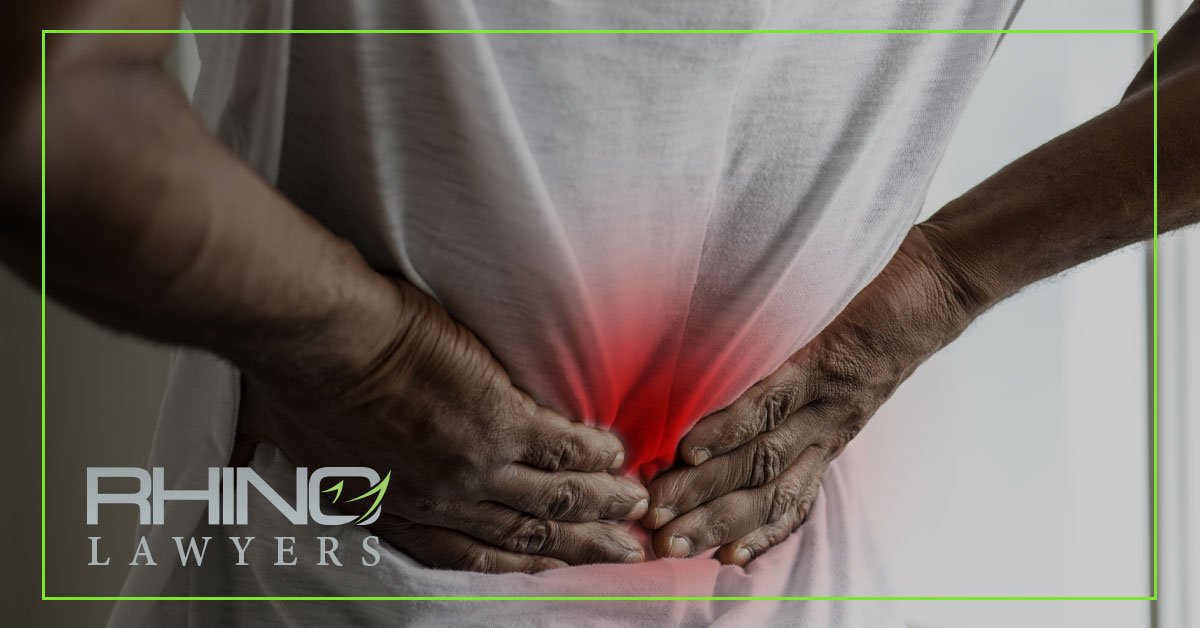
Las 5 lesiones de columna más comunes por accidentes automovilísticos
El estadounidense promedio pasa un promedio de una hora al día en su auto. Una hora puede no parecer mucho, pero equivale a conducir durante 18 días seguidos en un año!
Las precauciones de seguridad vial y los mecanismos integrados de los vehículos están para protegernos. Sin embargo, el camino puede ser impredecible.
Los accidentes vehiculares representan casi 40% de lesiones medulares. Las lesiones de la columna vertebral pueden cambiar la vida en el mejor de los casos y ponerla en peligro en el peor. Los signos clínicos de la lesión de la columna dependen del nivel vertebral y de la gravedad del daño.
Los accidentes automovilísticos pueden presentarse en forma de colisiones y volcaduras. Los mecanismos salvavidas, como los cinturones de seguridad y las bolsas de aire, pueden fallar o incluso causar lesiones en la columna vertebral. Siga leyendo para conocer las lesiones comunes de la columna y qué puede hacer al respecto.
1. Fractura cervical
Comprender los efectos de la lesión medular implica un poco de anatomía. Al aprender qué región de la columna corresponde a qué órganos, verá cómo una lesión en determinados niveles afectará a su cuerpo.
Hay 31 niveles de la médula espinal con nervios específicos que emergen en cada nivel. La región cervical de la médula espinal comprende las primeras ocho vértebras. Esto también forma el área del cuello.
Esta red de nervios en la región cervical inerva el cuello, los hombros y la parte superior del brazo. Las lesiones de la columna vertebral pueden ser completas o incompletas. Una lesión medular completa a nivel cervical provocará cuadriplejía.
La cuadriplejia, también conocida como tetraplejía, es la parálisis del cuello hacia abajo. La parálisis implica la pérdida del control sensorial y motor de los órganos y extremidades. Esto comienza desde la región afectada y continúa según su caso.
Cuando la lesión se encuentra más arriba en la médula espinal, la parálisis resultante también aumenta en gravedad. Este fenómeno ocurre debido al daño a nivel cervical. Este destruye la conexión con los niveles inferiores de la médula espinal.
La cuadriplejia se traduce como la parálisis de los brazos, las manos, el tronco y las piernas. La alteración de la respiración es uno de los efectos potencialmente mortales. El habla suele verse reducida o completamente afectada. La función urogenital y el control intestinal son obsoletos.
Una lesión medular incompleta produce un espectro de deficiencias motoras y sensitivas. A nivel cervical, la hemiplejía es un resultado frecuente.
La hemiplejía ofrece un mejor pronóstico que la cuadriplejía. Esta última afección por lo general requerirá atención las 24 horas por un período indefinido.
Fractura torácica
Debajo de la región cervical se encuentra la sección torácica. La región torácica, también conocida como la parte superior de la espalda, tiene 12 vértebras constituyentes.
El patrón de fractura por extensión es típico encolisiones frontales de automóviles. En esta fractura, el impacto hace que las vértebras se separen.
La fuerza del impacto arroja el cuerpo hacia adelante mientras la pelvis permanece anclada por el cinturón de seguridad pélvico. Esto deja los ligamentos espinales y la médula espinal vulnerables a lesiones.
Los nervios de las vértebras torácicas suministran sangre a los músculos de la espalda, los músculos abdominales y la parte superior del pecho. Estos nervios son responsables de la respiración y de mantener la estabilidad y la postura.
Después de una lesión en las vértebras torácicas, es posible que experimente pérdida de sensibilidad y control motor en las piernas. También puede perder la sensibilidad y el control de sus sistemas urogenitales, así como de sus intestinos. Si ha sufrido una lesión y no sabe cómo proceder, consulta nuestras preguntas frecuentes como contexto.
3. Fractura lumbar
La columna lumbar, justo entre la región torácica y la región sacra, comprende la parte baja de la espalda. Esta tiene la mayor capacidad de soporte de peso de todas las secciones de la columna vertebral.
Tiene cinco huesos y alberga el extremo mismo de la médula espinal entre las dos primeras vértebras. La región lumbar inerva las caderas y una gran parte de las piernas y los pies.
La parte inferior del cuerpo puede perder sensibilidad y control. Sin embargo, la parte superior del cuerpo está algo a salvo en este tipo de lesión. Dependiendo de la gravedad del daño, puede recuperar su función motora mediante la rehabilitación.
Si tienes piernas fuertes, es posible que puedas arreglártelas con una silla de ruedas o muletas después de una lesión por fractura lumbar.
4. Fractura sacra
El sacro es el extremo distal de la columna vertebral y ya no contiene la médula espinal. En su lugar, contiene nervios espinales que son responsables de la función intestinal y sexual.
El traumatismo directo por accidentes automovilísticos puede causar lesiones sacras. Sin embargo, las enfermedades óseas como la artritis y la osteoporosis son otras de las culpables.
Los nervios de la región sacra inervan las caderas, la ingle, los glúteos y la parte posterior de los muslos. Estos nervios también le permiten ejercer control sobre los órganos pélvicos, los intestinos y los genitales.
Si lesionas los nervios alojados en las vértebras sacras, puedes perder la función en las caderas y las piernas. Sin embargo, es probable que conserves la capacidad de caminar.
También se puede experimentar una disminución o pérdida total del control voluntario de la vejiga y los intestinos. Equipos especiales como catéteres y otras bolsas recolectoras estériles pueden remediar esto.
5. Fractura lumbosacra
Las fracturas limitadas a regiones específicas de la columna vertebral son comunes. Sin embargo, también pueden ocurrir fracturas de regiones combinadas.
Las fracturas lumbosacras comprenden el mayor porcentaje de lesiones en la columna vertebral por accidentes automovilísticos.
La región lumbosacra es la sección de la columna vertebral más vulnerable durante las colisiones y volcaduras de automóviles. Esta área resiste fuerzas de compresión, torsión y flexión entre la parte superior y la inferior del cuerpo. Los niños, en particular, corren el mayor riesgo de sufrir este tipo de fractura debido a su tamaño en relación con el automóvil.
Una fractura lumbosacra con lesión medular completa inmovilizará las extremidades inferiores. Este tipo de parálisis es parapléjica.
Protéjase de las secuelas de las lesiones de la columna vertebral
Aquí están algunas de las lesiones de columna más comunes por accidentes automovilísticos. Mantenerse seguro en la carretera es un desafío. No importa cuánto te controles en tu vehículo, nunca sabes cómo fluirá el tráfico.
Si se encuentra en la desafortunada situación de sufrir una lesión por accidente automovilístico, analice sus opciones. Es posible que reciba algún tipo de compensación. Ponerse en contacto con un abogado de lesiones personales para evaluar sus perspectivas.
COMUNÍQUESE CON UN ABOGADO DE ACCIDENTES AUTOMOVILÍSTICOS EN TAMPA
En resumen, después de un accidente automovilístico, es posible que no conozca sus derechos. Sobre todo, no luche solo durante el proceso. En realidad, nuestro equipo de lesiones personales está aquí para ayudarle con cualquier necesidad legal que pueda tener relacionada con su accidente.
Por último, que RHINO Lawyers responda a sus preguntas y revise los hechos de su caso con una consulta gratuita. Así que comience completando el “Evaluación de caso instantánea y gratuita”o llamándonos en cualquier momento, día o noche, al 844.329.3491.
Leer más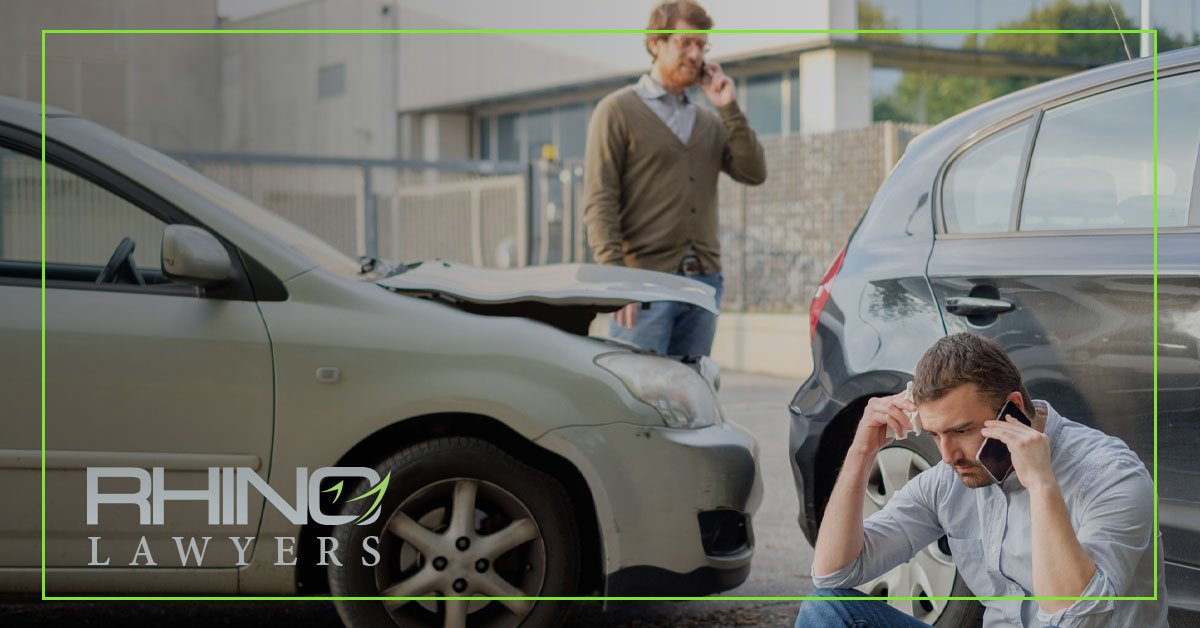
¿Un choque leve? Qué hacer en un accidente de auto menor
Cada año, aproximadamente 6 million car crashes occur throughout the US. Many of these cases include minor fender benders. Not everyone thinks to file a personal injury claim after a minor accident, though.
You could lose your chance to receive compensation for property damage, injuries, and other losses as a result.
Don’t risk it. Instead, take the time to follow these seven steps after a fender bender. Following these steps will ensure you gather the evidence you need.
If you decide to file a personal injury claim in the future, you’ll have peace of mind knowing you have evidence to build your claim.
Not sure what to do in a car accident? Keep reading for everything you need to feel prepared!
1. Dirígete a un lugar seguro
Immediately after your fender bender accident, it’s normal to feel a little disoriented. Take a deep breath and try to recall these steps. Otherwise, you might make a decision that impacts your claim.
For example, you shouldn’t speak out of frustration or anger. Don’t apologize for what happened, either.
Even with minor car accidents, someone might see an apology as an admission of guilt.
Instead, take a breath and move to the side of the road. Make sure you’re in a safe area.
It’s important to remain near the crash. Don’t drive away without calling the police first.
In some states, you’re legally obligated to file an official police report. If you don’t know your state’s laws, don’t risk it. Instead, move to a safe space and wait for the police to arrive.
While you wait for the police to arrive, assess your car and your personal injuries. With minor car accidents, injuries usually aren’t severe. It’s still important to keep a documented record of your injuries, big or small.
2. Exchange Information
While you wait for the police to arrive, take a moment to exchange information with the other driver. Make sure to get their personal information before leaving the site of the crash. For example, you can ask for their:
- Nombre completo
- Número de teléfono
- Driver’s license number
- Número de placa
- Compañía de seguros y número de póliza
- Make, model, year, and color of their car
While you wait for the police to arrive, it’s important to avoid small talk. Don’t discuss what happened. Remember, anything you say could impact your claim in the future.
If you file an insurance claim, the adjuster will determine what happened. If you file a personal injury lawsuit, your lawyer will handle it instead.
3. File a Police Report
Once the police arrive, you can let them know what happened before and after the fender bender accident. Stick to the facts. Don’t embellish when accounting for your side of the story.
Get the police officer’s name and badge number before they leave the scene. Ask if they can send you a copy of the police report, too.
Remember, laws can vary based on your state. Some police departments allow you to file a police report within 72 hours of the accident.
Instead of waiting, call the police to arrive at the scene of the crash. It’s more likely they’ll gather accurate information.
4. Gather Evidence
Don’t rush to leave the scene of your fender bender accident. Instead, take a moment to gather evidence. The evidence you gather can benefit your insurance and personal injury claims.
First, take photos of both cars that were involved in the crash.
The front bumper accounts for nearly a third of all damages in auto accidents. The grille represents about 20%. Meanwhile, read-end accidents account for about 33.4% of the total number of accidents a year.
In fact, there were 2.1 million rear-end collisions in the span of a single year.
Make sure to get photos at every angle. You can also capture video footage.
Then, document your account of what happened. Sometimes, you can forget little details in the days after the crash. Writing down your account of events will ensure you don’t forget anything.
Make a note of your surroundings. Was it raining? Were there any obstructions in the road?
Keep the evidence you gather safe until you can consult a personal injury lawyer.
5. Look for Witnesses
While you’re at the scene of the crash, look around for witnesses. Did anyone see what happened? Ask if they’re comfortable giving you their contact information.
Don’t pressure a witness to give a statement. Instead, add a comment in your notes. Your personal injury lawyer will contact the witness later.
Remember to remain calm as you speak to anyone after the crash.
6. Check With a Doctor
With minor car accidents, injuries aren’t usually too serious. It’s still important to visit a doctor. Only a medical professional can fully assess your injuries.
Sometimes, adrenaline can mask the full extent of your pain and injuries. You might not feel anything until days after the crash. Visiting a doctor right away can help you avoid complications.
Keep a record of every doctor and specialist you visit. Ask for their official report, too.
Keep track of your medical bills as well. Your lawyer can use your bills when calculating your losses.
7. Call a Lawyer
If you were in a fender bender, don’t hesitate to contact a personal injury lawyer right away.
Look for a lawyer who focuses on auto accidents. Consider how long they’ve practiced law. Ask how many cases like yours they’ve handled over the years, too.
You’ll have peace of mind finding a lawyer with the experience and skill set you need.
Then, schedule a consultation appointment and discuss the specifics of your case. Ask the lawyer how they would handle your lawsuit. Make sure they’ll develop a customized approach to your case.
You can also check online to read reviews about each lawyer you research. Try to find a winner. Ask about the payout for their most recent cases, too.
Then, you can work with your lawyer to file a personal injury claim.
Consider Your Case: 7 Steps to Follow After a Fender Bender
Following the right steps after a fender bender accident can impact your future. Without evidence, you could struggle to file a personal injury claim. Instead, follow these seven steps to ensure you have the evidence you need.
Searching for an experienced auto injury attorney? We’re here to help.
Request a free case review from our team today to get started.
COMUNÍQUESE CON UN ABOGADO DE ACCIDENTES AUTOMOVILÍSTICOS EN TAMPA
En resumen, después de un accidente automovilístico, es posible que no conozca sus derechos. Sobre todo, no luche solo durante el proceso. En realidad, nuestro equipo de lesiones personales está aquí para ayudarle con cualquier necesidad legal que pueda tener relacionada con su accidente.
Por último, que RHINO Lawyers responda a sus preguntas y revise los hechos de su caso con una consulta gratuita. Así que comience completando el “Evaluación de caso instantánea y gratuita”o llamándonos en cualquier momento, día o noche, al 844.329.3491.
Leer más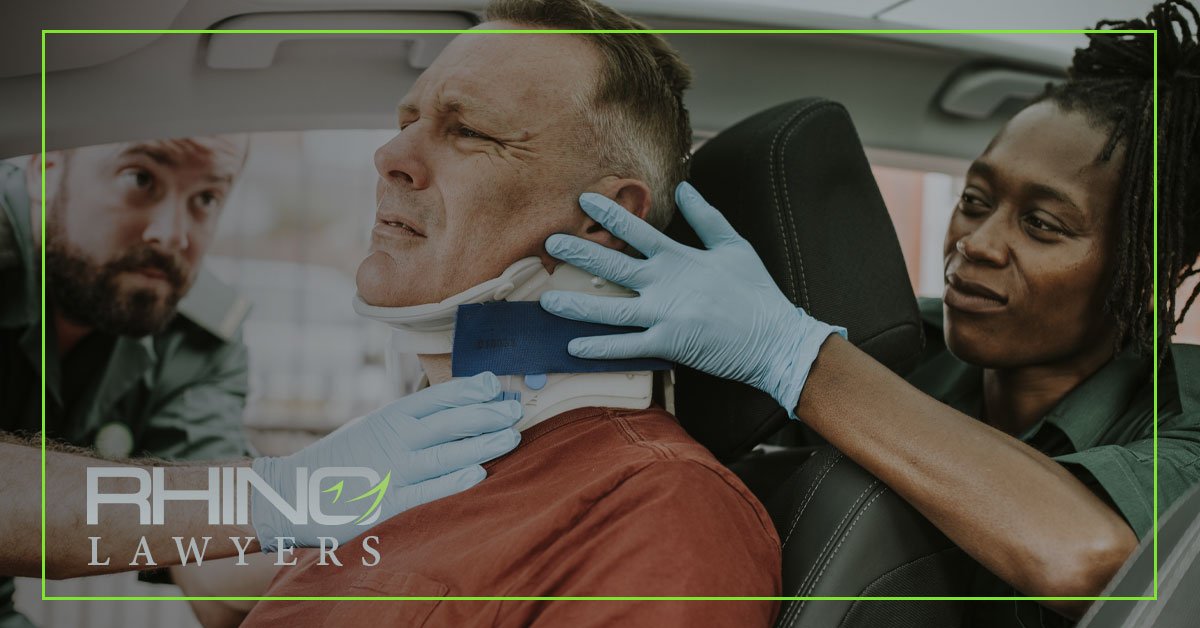
Cómo ganar y superar el latigazo cervical: Cómo probar su reclamo por latigazo cervical
Una demanda por latigazo cervical comienza contigo, ocupándote de tus propios asuntos, conduciendo por la calle. Termina contigo en un dolor insoportable que te deja incapaz de trabajar o funcionar como lo hacías normalmente. Tu calidad de vida disminuye y ya no disfrutas de las actividades básicas que te encantaban antes de tu accidente automovilístico.
Si ha sufrido de latigazo cervical debido a un accidente automovilístico, siga leyendo. Estos son los síntomas básicos del latigazo cervical y las formas en que puede probar su reclamo ante la compañía de seguros que está demorando el proceso.
Definición médica de latigazo cervical
Médicamente, el latigazo cervical se refiere a un lesión en el cuello causado cuando el cuello se dobla hacia adelante y hacia atrás en un movimiento brusco y repentino. Alguna fuerza externa hace que el cuello se mueva de esta manera.
El latigazo cervical ocurre con más frecuencia cuando alguien te choca por detrás.
Cuando la cabeza se golpea hacia adelante y luego hacia atrás, a menudo se sufren pequeños desgarros en los músculos y tendones del cuello. Esto, a su vez, afecta la estabilidad de los discos y nervios del cuello. Se experimenta dolor en el momento del accidente, así como semanas después.
A menudo el dolor aumenta a medida que pasa el tiempo, por lo que no conoces la magnitud total de tu lesión hasta mucho después del accidente que la causó.
Estos son tus síntomas básicos:
- Dolor de cuello
- Rigidez
- Dolor de espalda baja
- Dolor en el hombro
- Dolor en la mano o el brazo
- Entumecimiento en la mano o el brazo
- Visión borrosa
- Mareo
- Irritabilidad
- Problemas de memoria
- Insomnio
- Fatiga
Porque los síntomas del latigazo cervical se parecen a los síntomas de muchas otras afecciones médicas, necesitas el diagnóstico de un médico para saber si tienes latigazo cervical. No te diagnostiques tú mismo.
Diagnóstico y tratamiento
Si realmente tiene latigazo cervical, le esperan algunas opciones de tratamiento prolongadas. Pero primero, necesita un diagnóstico oficial.
Un médico le pedirá su historial médico completo y le hará un examen físico exhaustivo desde el principio. Le harán pruebas para detectar el latigazo cervical mediante una radiografía, una resonancia magnética y una tomografía computarizada. Si su médico sospecha que tiene un latigazo cervical, puede esperar las siguientes opciones de tratamiento:
- Aplicación de hielo
- Movimiento suave y activo una vez transcurridas 24 horas
- Collarín cervical durante las primeras 24 horas
- medicamento antiinflamatorio no esteroideo de venta libre como el ibuprofeno
- Medicamento relajante muscular
- Manipulación osteopática o tratamiento quiropráctico
- Fisioterapia
Todos estos tratamientos, en conjunto, lo ayudarán a superar los síntomas del esguince cervical. También le quitan tiempo al trabajo y tienen un costo muy elevado.
Cómo probar su reclamo por latigazo cervical
Debido a que el esguince cervical no es una lesión evidente, es posible que al principio tenga dificultades para probar su reclamación. Cuando se vea involucrado en un accidente automovilístico, presente una reclamación al seguro de inmediato, incluso si solo siente un dolor leve. El esguince cervical puede manifestarse incluso más de 24 horas después del accidente.
Mientras presenta el reclamo, no se apresure a resolverlo. Deje pasar un tiempo primero y vea qué dice su médico. Todavía no conoce todos los efectos.
Existe una posibilidad real de que no pueda trabajar, cuidar a sus seres queridos o funcionar con la alegría que tenía antes de su accidente durante bastante tiempo. Usted merece una compensación económica por estas pérdidas causadas por la negligencia de otro conductor.
Pero primero, debes demostrar que tu incapacidad para trabajar o concentrarte proviene directamente del accidente que causó tu esguince cervical por el choque de auto. Muchos jueces y compañías de seguros intentarán decir que tenías la lesión antes del accidente o que te la estás inventando.
Reunir documentación y pruebas
Las radiografías por sí solas no comprobarán su esguince cervical. Necesitará un expediente completo de pruebas médicas de su lado cuando presente su reclamo. Esto es lo que debe reunir para su reclamo por lesiones personales:
- Documentación de accidentesreúna la información que indica su velocidad, su posición en el vehículo, el lugar del impacto en el vehículo, la posición del reposacabezas y si se desplegaron o no las bolsas de aire
- Historial médicoincluye todos los registros que demuestren que fuiste al médico de inmediato, incluidas las visitas a especialistas y los expedientes médicos de antes del accidente para mostrar la diferencia en tu estado
- Registros de medicamentosmuestre los medicamentos que ha tenido que tomar para el dolor
- Imágenes: incluya los resultados de las radiografías, las resonancias magnéticas y las tomografías computarizadas que muestren daños en su columna vertebral, así como en el tejido blando
- Documentación financiera: incluya todas las facturas médicas en este archivo, especialmente sus copagos y deducibles que el seguro médico no cubrió, la pérdida de salarios y el costo de viajar a su médico.
- Documentación emocionalincluya documentación de los días en los que no pudo realizar sus actividades normales debido a su dolor, como ser compañero de sus seres queridos, para que pueda incluir el “dolor y sufrimiento” en su reclamo.
Debe tener un expediente considerable armado para su demanda por lesiones personales. Necesita más que solo su historia de cómo ha sufrido. Esta evidencia le ayudará a construir un caso sólido.
Contratar a un abogado
Las compañías de seguros tienden a no creerles a todos los reclamantes. No negarán que has estado en un accidente automovilístico, pero pueden afirmar que tu lesión existía antes del accidente o que tu lesión no es tan grave como afirmas.
En estos casos, necesita contratar a un abogado profesional que se enfoque en lesiones personales demandas. Busque un abogado con experiencia y un historial exitoso. Pregunte a conocidos o comience a buscar en línea reseñas sobre abogados de lesiones personales.
Cuando un abogado hace bien su trabajo, sus clientes lo dirán, ya sea en línea o en persona. Comprenderán no solo cómo argumentar su reclamo. También comprenderán las complejidades del sistema de justicia por el que usted tiene que navegar.
Un buen abogado también protegerá sus derechos. Es posible que el sistema judicial intente presentar cargos penales en su contra, alegando que usted causó el accidente automovilístico por su propia negligencia. El abogado adecuado protegerá sus derechos y sabrá cómo combatir estos cargos.
Presenta tu reclamo con confianza
Si ha sufrido o está sufriendo los efectos del esguince cervical causado por otra persona, presente su reclamo por latigazo cervical con confianza. Reúna sus pruebas y comuníquese con un abogado con experiencia que pueda ayudarle a ganar su caso y seguir adelante con su vida.
Cuando necesite a los mejores abogados de lesiones personales y accidentes en Florida, Contáctenos. Nuestro equipo de abogados y personal de apoyo quiere ayudarle a recibir la compensación que se merece.
Nuestros abogados trabajan duro para guiar a los clientes a través del laberinto de jueces, abogados y compañías de seguros que usted encontrará. Además, solo cobramos cuando ganamos el caso de lesiones personales. Así de seguros estamos de nuestras capacidades.
Contáctenos y permítanos proteger sus derechos.
COMUNÍQUESE CON UN ABOGADO DE ACCIDENTES AUTOMOVILÍSTICOS EN TAMPA
En resumen, después de un accidente automovilístico, es posible que no conozca sus derechos. Sobre todo, no luche solo durante el proceso. En realidad, nuestro equipo de lesiones personales está aquí para ayudarle con cualquier necesidad legal que pueda tener relacionada con su accidente.
Por último, que RHINO Lawyers responda a sus preguntas y revise los hechos de su caso con una consulta gratuita. Así que comience completando el “Evaluación de caso instantánea y gratuita”o llamándonos en cualquier momento, día o noche, al 844.329.3491.
Leer más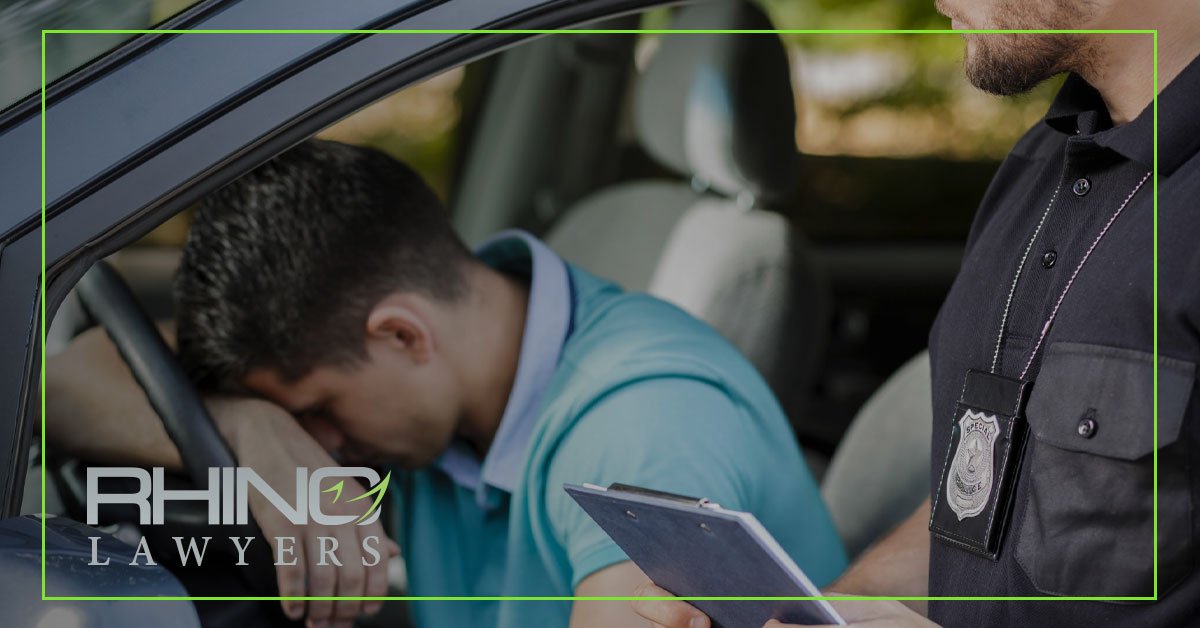
5 estrategias para librarte de una multa de tránsito
Approximately 112,000 drivers in America get a multa de tránsito each day. So if you’ve been given a ticket, you are not alone.
Not only can tickets damage your driving record, but they can be costly. You may even have to go to traffic court to settle some moving violations.
If you’ve resigned yourself to paying the fee and taking the points, you should know that there are some simple ways to get out of a traffic ticket.
That’s right, several strategies allow you to walk away without paying a fine or losing points. Use any of these methods when you’ve been pulled over to get away scot-free.
1. Use Your Manners
Traffic cops don’t like it when you break out the theatrics and start crying to get out of a ticket. You’re much more likely to get what you want if you are polite and use your manners.
Start by keeping both of your hands on your steering wheel at all times. This keeps the officer from worrying that you are reaching for a weapon. If you need to get something from your bag or glove box, let the officer know first.
You can also engage in a conversation with the police officer. Ask him or her how their day is going and make small talk during the encounter. This humanizes you and can help you get out of the ticket.
Your attitude should be pleasant and helpful. Answer the officer’s questions respectfully and avoid becoming defensive or argumentative.
2. Be Honest
There’s a lot of advice out there telling you to come up with a good excuse when you get pulled over. While you might think yours is unique, chances are that the police officer has heard it before.
This is likely to irritate the cop and when that happens, the chances of getting out the ticket go down dramatically. It’s much better, to be honest, and open about the infraction.
Let the officer know that you recognize the law you broke. This might be speeding, running a red light, or failing to offer the right of way correctly. Whatever it is, acknowledge your mistake and apologize for it.
Cops are lied to every day and they naturally get tired of it. Having an honest interaction is refreshing and could leave you with a warning instead of a ticket.
3. Mistake of Fact
If you can prove that your moving violation was due to something beyond your control, you may be able to get out of the ticket. This is often referred to as a mistake of fact.
It could happen if something is covering a stop sign or if a traffic sign is too faded to see properly. There are many instances when you can rely on a mistake of fact to get out of a ticket.
If this is your defense, try to get pictures of the sign or area on the road so that you have proof that the traffic violation occurred due to circumstances outside your control.
In these instances, your traffic ticket may be thrown out because you made an honest error. However, you can’t use this excuse and then try to come up with a reason later.
You need to have an honest occurrence to make your case with the mistake-of-fact defense.
4. Have an Excuse
This advice comes with a caveat. You should never use false excuses to get out-of-traffic tickets. It may work sometimes, but if you get pulled over and are planning on disputing a traffic ticket in court, your lie may be discovered.
However, if you have a real excuse, don’t be afraid to use it. For example, if you’re pulled over for speeding because you’re racing to pick up your injured child from school, don’t be afraid to let the officer know.
Stay away from excuses that aren’t reasonable. Being late for work, needing to use the bathroom, or trying to get to the store before it closes are excuses that aren’t going to work in your favor.
Irritated cops are more likely to hand out traffic tickets, so don’t use lame excuses to get out of it. Real reasons to break traffic laws may be overlooked, but be realistic about what might actually get you out of the ticket.
5. Show Up in Court
If you are handed a ticket after being pulled over, hope isn’t lost. You can still try to get out of the ticket in court. The most important way to do this is to show up at the appointed time.
A traffic ticket dispute is much more likely to go your way if you appear on time, look professional, and are prepared. Have all of your paperwork together and be ready to make your case.
If you are nervous or uncomfortable doing this on your own and feel that you have a solid case, consider hiring a criminal defense attorney to help you navigate the process.
What Not to Do When Trying to Get Out of a Traffic Ticket
Just as there are many things you should do when you’re trying to escape a traffic ticket, there are some things you shouldn’t do.
As mentioned above, using false excuses is not a good idea. Lying is never advised, as getting caught in the lie certainly won’t help your case.
Avoid making inappropriate jokes. Don’t tell the officer you were speeding because you just robbed the bank, for example.
Never get out of your car during a traffic stop. This is dangerous for you and the officer. Always pull to the right, unless otherwise instructed.
What’s Next?
So you got pulled over and want to get out of a traffic ticket. It’s entirely possible that you could talk your way out of it using any of the tips on this list.
Remember that cops are people, too. Be polite and respectful. They are doing their job and you can make it easier for both of you by doing your part to end the interaction on a positive note.
Contáctenos hoy and we’ll help you every step of the way.
CONTACTE A UN ABOGADO DE MULTAS DE TRÁFICO EN TAMPA
RHINO Lawyers puede ayudar y guiarlo a través de un sistema moldeado por las fuerzas del orden, jueces y abogados durante décadas. Habiendo ganado casos para nuestros clientes en circunstancias similares, nuestro equipo de defensa penal sabe lo que se necesita para luchar en tu nombre.
Permitir RHINO Lawyers responda a sus preguntas y revise los hechos de su caso con una consulta gratuita. Así que comience completando el “Evaluación de caso instantánea y gratuita”o llamándonos en cualquier momento, día o noche, al 844.329.3491.
Leer más