

PRESCRIPCIÓN DE RECLAMACIONES POR ACCIDENTES AUTOMOVILÍSTICOS
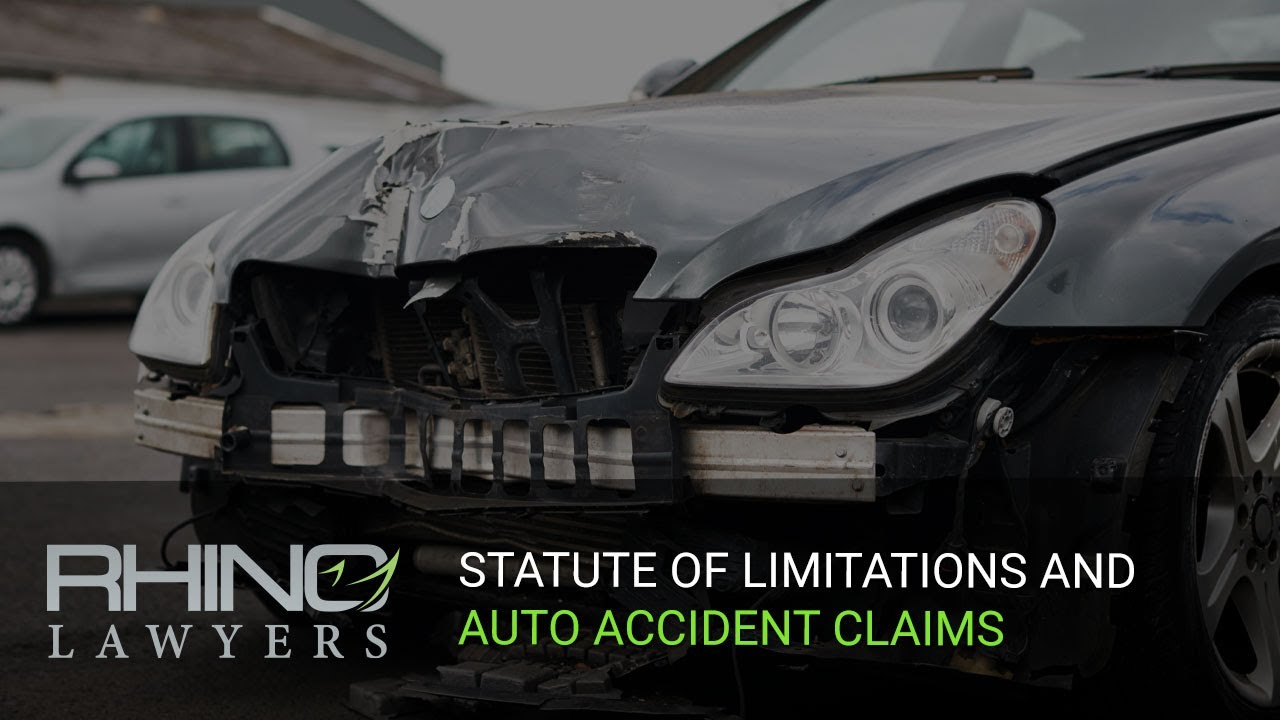
Para empezar, Florida limita el tiempo que tiene para solicitar una compensación con su estatuto de limitaciones. Por lo tanto, si una parte negligente lo lesiona a usted o a un ser querido en un accidente automovilístico, debe proteger sus derechos. En particular, necesita saber qué estatuto de limitaciones se aplica a su caso.
Para ser sinceros, esto le permitir% tomadas las medidas correctas para la recuperaci%n de da%os. Por lo tanto, necesitar% un abogado especializado en accidentes automovil%sticos. Porque un abogado especializado en accidentes automovil%sticos de Tampa entiende las leyes. Y pueden preparar su reclamo de manera oportuna, para que la ley de prescripci%n no lo perjudique.
Definición de estatutos de limitaciones
Por lo tanto, Facultad de Derecho de Cornell define los estatutos de limitaciones como cualquier ley que prohíbe las demandas después de un límite de tiempo determinado. Además, estas limitaciones varían de un estado a otro. También existen tanto en acciones civiles como en delitos penales. De hecho, Florida tiene estatutos de limitaciones para varias leyes diferentes.
Por lo tanto, los estatutos de limitaciones protegen los derechos legales de todas las partes. De hecho, en los casos de accidentes automovilísticos, ayuda a preservar las pruebas y el testimonio de los testigos. Porque con el tiempo la calidad de las pruebas y el testimonio de los testigos se deteriora. Con esto en mente, es importante que un abogado de accidentes automovilísticos revise su caso lo antes posible.
Plazos para accidentes automovilísticos en Florida
Para la mayoría de las demandas por negligencia en accidentes automovilísticos en Florida que surgen de choques ocurridos el 24 de marzo de 2023 o después, el plazo para presentar la demanda es generalmente de dos años a partir de la fecha en que se originó la causa de acción, que suele ser la fecha del choque. Las reclamaciones derivadas de choques anteriores pueden estar sujetas al período de prescripción anterior de cuatro años. Las diferentes reclamaciones, partes o circunstancias pueden tener plazos distintos, por lo que el plazo aplicable debe determinarse lo antes posible.
Estatuto de limitaciones en casos de accidentes de automóviles, camiones y motocicletas
Para las demandas por negligencia derivadas de la mayoría auto, camión, y accidentes de motocicleta A partir del 24 de marzo de 2023, Florida generalmente establece un plazo de prescripción de dos años. Las demandas derivadas de accidentes anteriores pueden regirse por el anterior plazo de cuatro años. Otras leyes pueden imponer plazos diferentes según el tipo de demanda o de demandado.
Estatuto de limitaciones por homicidio culposo
En cuanto a la prescripción de la demanda por homicidio culposo, los familiares sobrevivientes solo tienen dos años para presentar una demanda. De hecho, este límite de tiempo se aplica a todas las formas de muertes accidentales. Incluyendo muertes por accidentes fatales de automóvil, motocicleta y camión. Por lo tanto, si pierde a un ser querido debido a un conductor negligente, hable con un abogado que comprenda las leyes de homicidio culposo de Florida.
¿Se puede extender o suspender el plazo?
La ley de Florida reconoce circunstancias limitadas que pueden afectar cómo un prescripción se calcula o se suspende. Esas reglas son específicas y dependen de los hechos. No asuma que la gravedad de una lesión, los síntomas tardíos o la dificultad para localizar a un demandado le otorgan automáticamente a una persona lesionada años adicionales para demandar. La ley aplicable y los hechos del caso deben revisarse con prontitud.
COMUNÍQUESE CON UN ABOGADO DE ACCIDENTES AUTOMOVILÍSTICOS EN TAMPA
En resumen, después de un accidente automovilístico, es posible que no conozca sus derechos. Sobre todo, no luche solo durante el proceso. En realidad, nuestro equipo de lesiones personales está aquí para ayudarle con cualquier necesidad legal que pueda tener relacionada con su accidente.
Por último, que RHINO Lawyers responda a sus preguntas y revise los hechos de su caso con una consulta gratuita. Así que comience completando el “Evaluación de caso instantánea y gratuita”o llamándonos en cualquier momento, día o noche, al 844.329.3491.
Leer más
DAÑOS ECONÓMICOS Y NO ECONÓMICOS
Para empezar, incluso los conductores más seguros pueden sufrir un accidente automovilístico. Y, si sufre lesiones en un accidente, es mejor conocer sus derechos a una indemnización. Por lo tanto, existen dos formas de compensación básica: los daños económicos y los no económicos.
Por cierto, un caso de lesiones personales podría implicar tanto daños económicos como no económicos. Especialmente, al intentar determinar el monto total de los daños por el accidente. En cualquier caso, para obtener información adicional sobre la elegibilidad para recibir una compensación, comuníquese con un Abogado de accidentes automovilísticos en Tampa.
Daños económicos
Primero, los daños económicos compensan al lesionado por los gastos tangibles después de un accidente automovilístico. De hecho, los daños económicos pueden reembolsarle cualquier gastos de su propio bolsillo del accidente. Sin mencionar que también incluyen lo siguiente:
- Salarios caídos
- Gastos médicos pasados y futuros
- Oportunidades de negocios perdidas
- Costo de reparación o reemplazo de la propiedad dañada
Por lo general, la mayoría de los daños indemnizados en demandas por lesiones personales provienen de los gastos médicos. Además, estos casos suelen requerir el testimonio de un perito, particularmente en los casos de muerte por negligencia, ya que pueden ayudar a probar los daños económicos, así como a demostrar la responsabilidad.
Desafortunadamente, cada caso de lesiones personales es diferente. Por lo tanto, algunos casos no pueden recibir compensación por daños económicos. Debido a que en algunos casos la víctima comparte la culpa del accidente, debido a la negligencia comparativa.
Daños no económicos
A continuación, puede recibir daños no económicos. Posteriormente, con los daños no económicos, no se puede medir la compensación a partir de gastos tangibles. En su lugar, incluyen daños por perjuicios extrapatrimoniales. Por ejemplo, los daños no económicos incluyen los siguientes:
- Dolor y sufrimiento (emocional y físico)
- Sufrimiento emocional
- Pérdida de compañía (afecto y relaciones conyugales)
- Deformación permanente
- Reputación dañada
- Depresión
Lamentablemente, estas pérdidas son más difíciles de probar. No obstante, no ignore estas pérdidas. Además, el seguro de PIP del conductor podría limitar su compensación. Debido a que Florida no exige que los conductores tengan un seguro adicional. Por lo tanto, la póliza limitará la recuperación de pérdidas por daños no económicos.
Daños punitivos
Aunque los daños económicos y no económicos son más comunes, podría recibir daños punitivos en un caso de lesiones personales. Sin embargo, no todos los acuerdos por lesiones en accidentes automovilísticos incluirán daños punitivos. Además, los jueces otorgan daños punitivos para castigar la negligencia grave del demandado. Algunos de los daños punitivos otorgados son:
- Honorarios del estenógrafo judicial
- Costos de las exhibiciones
- Tarifa de reproducción
- Honorarios cobrados por expertos legales
- Gastos diversos
Actualmente, el estado de Florida no establece un límite a la indemnización por daños compensatorios. Sin embargo, sí existen límites a los daños punitivos para evitar que estos alcancen montos excesivos. Los daños punitivos no pueden exceder el triple del monto de los daños compensatorios otorgados. O bien, $500,000, lo que sea mayor.
COMUNÍQUESE CON UN ABOGADO DE ACCIDENTES AUTOMOVILÍSTICOS EN TAMPA
En resumen, después de un accidente automovilístico, es posible que no conozca sus derechos. Sobre todo, no luche solo durante el proceso. En realidad, nuestro equipo de lesiones personales está aquí para ayudarle con cualquier necesidad legal que pueda tener relacionada con su accidente.
Por último, que RHINO Lawyers responda a sus preguntas y revise los hechos de su caso con una consulta gratuita. Así que comience completando el “Evaluación de caso instantánea y gratuita”o llamándonos en cualquier momento, día o noche, al 844.329.3491.
Leer más
Subrogación y acuerdos por lesiones
En primer lugar, el sistema legal tiene muchos términos oscuros. Pero la mayoría de la gente no escucha estos términos a menos que estudie derecho. O se encuentra en una situación legal que requiere que conozca el término. Desafortunadamente, uno de estos términos es Subrogación.
De hecho, si presenta una demanda por lesiones personales reclamo Es posible que escuche este término. Ya sea al tratar con la compañía de seguros del otro conductor o con la suya. En cualquier caso, esto es lo que debe saber sobre la subrogación y su acuerdo por lesiones personales.
Definición de la subrogación
Específicamente, Merriam-Webster dice que la subrogación es “la asunción por parte de un tercero (como un segundo acreedor o una compañía de seguros) del derecho legal de otra persona para cobrar una deuda o daños y perjuicios”. En otras palabras, es cuando el seguro intenta cobrar un reembolso a la parte culpable o a su compañía de seguros. Pero solo si le pagaron beneficios a la persona lesionada durante un reclamo por lesiones.
Comprender la subrogación
Primero, el proceso de subrogación es algo confuso. Sin embargo, es un componente fundamental de una demanda por lesiones personales. Además, las compañías de seguros en Florida tienen el derecho de subrogar el seguro del conductor culpable y al conductor. Por lo tanto, la compañía de seguros o el asegurador de IM pueden recuperar el dinero que pagaron debido al conductor culpable.
Por ejemplo, supongamos que el otro conductor no tiene suficiente cobertura para pagar los daños. Entonces, usted puede usar su cobertura contra conductores sin seguro o con seguro insuficiente (UM/UIM) para cubrir algunos de los gastos. Con el tiempo, su reclamo se resuelve con el otro conductor. Dado que el caso se resolvió, la aseguradora de UM/UIM ahora puede ejercer la subrogación.
Más importante aún, Ley de Florida establece que la aseguradora de UM/UIM no puede recuperar más de lo que le pagó. Asimismo, no le permite “recuperar dos veces” o recibir daños dos veces por parte de la parte culpable. Sin embargo, sí le permite recuperar cualquier deducible que le haya pagado a sus aseguradoras.
¿Quién tiene derecho a la subrogación?
Por cierto, su compañía de seguros y su aseguradora de conductores sin seguro o con seguro insuficiente no son las únicas partes autorizadas para ejercer la subrogación. De hecho, la subrogación permite que otras entidades tengan un derecho legal sobre el dinero del acuerdo proveniente de la parte culpable. Por ejemplo, estas entidades incluyen:
- Medicaid
- Medicare
- Compañías de seguros de salud
- Compensación laboral
- Departamento de Asuntos de los Veteranos
Además, la mayoría de los programas de asistencia estatal pueden buscar legalmente el reembolso mediante una demanda de subrogación. Debido a que todas las diferentes partes permitieron la subrogación, estas reclamaciones pueden complicarse rápidamente. Por lo tanto, si sufrió lesiones en un accidente automovilístico, hable con un abogado de accidentes automovilísticos de Tampa.
Renuncia de la aseguradora a UM
En realidad, su seguro o su aseguradora de conductores sin seguro o con seguro insuficiente (UM/UIM) puede optar por renunciar a su derecho de subrogación. De hecho, el conductor culpable suele solicitar la renuncia cuando desea un acuerdo rápido. Sin embargo, es importante señalar que la compañía de seguros tiene 30 días para renunciar a su derecho de subrogación o conservarlo. Por lo tanto, si renuncian a su derecho, usted puede finalizar su acuerdo. Pero si no renuncian a su derecho, usted podría recuperar su deducible.
COMUNÍQUESE CON UN ABOGADO DE ACCIDENTES AUTOMOVILÍSTICOS EN TAMPA
En resumen, después de un accidente automovilístico, es posible que no conozca sus derechos. Sobre todo, no luche solo durante el proceso. En realidad, nuestro equipo de lesiones personales está aquí para ayudarle con cualquier necesidad legal que pueda tener relacionada con su accidente.
Por último, que RHINO Lawyers responda a sus preguntas y revise los hechos de su caso con una consulta gratuita. Así que comience completando el “Evaluación de caso instantánea y gratuita”o llamándonos en cualquier momento, día o noche, al 844.329.3491.
Leer más
REBASAMIENTO INDEBIDO EN FLORIDA
Para empezar, los cargos por rebase indebido se rigen por los Estatutos de Florida 316.083 y 316.085. De hecho, la conducción impaciente es la principal causa de la mayoría de las multas por rebase indebido. Esto se debe a que la mayoría de los conductores impacientes no siguen el protocolo adecuado al cambiar de carril.
Con toda honestidad, si manejas, rebasarás a otro conductor. Pero, ¿cuándo puedes rebasar ese carro legalmente? Por lo general, puedes rebasar por la izquierda si no pones en peligro a otros conductores. Desafortunadamente, rebasar por la derecha no es lo mismo.
Tres tipos de rebase indebido
Considerando que rebasar por la derecha es la multa por rebasamiento indebido más común. En realidad, hay tres maneras en que un conductor puede recibir una multa por rebasar indebidamente. En particular, estas incluyen las siguientes:
- Rebase por la derecha – Esto ocurre generalmente en una carretera de cuatro carriles cuando un vehículo circula demasiado lento por el carril izquierdo. Ambos vehículos están infringiendo la ley en estas circunstancias.
- Rebase a ciegas – Esto ocurre en curvas o colinas al rebasar en el carril de tráfico en sentido contrario. Y el conductor que rebasó no puede ver el tráfico que viene en sentido contrario a una distancia segura.
- Rebase peligroso – Esta infracción consiste en cerrarle el paso a otro vehículo después de rebasarlo. En un momento u otro, a todos se nos ha interpuesto otro conductor.
Evitar una multa por rebasar indebidamente
A pesar de que rebasar por la derecha es ilegal, Florida tiene excepciones a la regla. Además, la ley acepta estas excepciones como tácticas de conducción segura. Por lo tanto, las excepciones para rebasar por la derecha incluyen.
- Automóvil dando vuelta a la izquierda – Entonces, si el carro de adelante gira a la izquierda, puedes rebasar por la derecha. Pero debes usar un carril legal a la derecha y no puedes cortarle el paso al tráfico que viene en sentido contrario.
- Rebase de tráfico más lento por la derecha – Además, puedes rebasar por la derecha mientras conduces por una carretera transitada o autopista con dos o más carriles de circulación. Del mismo modo, para rebasar a un auto que va a dar vuelta a la izquierda, puedes usar el carril derecho de la autopista. Siempre y cuando el carril izquierdo tenga tráfico, no obstruyas el tráfico en sentido contrario y no provoques un accidente.
- Calle de sentido único: adelantamiento por la derecha – Además, es legal rebasar en un camino de un solo sentido que tiene más de aun carril. Aún así, solo puede rebasar cuando sea seguro hacerlo sin Exceso de velocidad o causar un accidente.
Formas adecuadas de rebasar
Es cierto que rebasar a otros autos es peligroso. Especialmente en carreteras de dos carriles y durante altas horas de la noche. En general, hay formas adecuadas de rebasar o adelantar mientras se conduce. De hecho, el estatuto 316.083 de Florida describe cómo un conductor puede rebasar a otro legalmente. Por lo tanto, hemos enumerado algunas técnicas para rebasar de manera segura.
- Usa tu señal – En primer lugar, siempre debes usar la luz direccional para indicar que vas a cambiar de carril. Sin embargo, si la luz no funciona, puedes usar las señales manuales adecuadas.
- Rebase por la izquierda – Segundo, al rebasar por la izquierda debe asegurarse de que sea seguro rebasar. Luego, una vez que sea seguro, use su direccional para entrar al carril izquierdo. Después de haber rebasado con seguridad al otro auto, entonces use su señal direccional para volver a ingresar al carril.
- Bicicletas pasando – Tercero, debes dejar un radio de 3 pies alrededor de un ciclista al rebasar. Así como seguir otras prácticas seguras. Por ejemplo, usar tu direccional, no cerrarle el paso al tráfico y darte el tiempo suficiente para rebasar.
- Cede el paso a los autos que pasan – Del mismo modo, cuando un auto quiera rebasarte, debes cederle el paso. Por lo tanto, debes encender la luz de señalización para cambiarte al carril de la derecha, asegurándote de no obstruir el tráfico que viene en sentido contrario. Sin embargo, no es necesario que le cedas el paso a un vehículo que te rebasa cuando sea legal rebasar por la derecha.
CONTACTE A UN ABOGADO DE MULTAS DE TRÁFICO EN TAMPA
RHINO Lawyers puede ayudar y guiarlo a través de un sistema moldeado por las fuerzas del orden, jueces y abogados durante décadas. Habiendo ganado casos para nuestros clientes en circunstancias similares, nuestro equipo de defensa penal sabe lo que se necesita para luchar en tu nombre.
Permitir RHINO Lawyers responda a sus preguntas y revise los hechos de su caso con una consulta gratuita. Comience completando el “Evaluación de caso instantánea y gratuita”o llamándonos en cualquier momento, día o noche, al 844.329.3491.
Leer más
ACCIDENTES MENORES Y COMPAÑÍAS DE SEGUROS
Para empezar, prácticamente todas las compañías de seguros dicen que es necesario reportar todos los accidentes. Sin embargo, algunas personas piensan que con un accidente menor, como un choque leve, no es necesario. Y pueden intentar arreglar las cosas entre ellos.
Sin embargo, esta no es una buena idea. Porque incluso las lesiones menores pueden empeorar con el tiempo. Además, en algunos casos, las lesiones tardan días o semanas en manifestarse. Por lo tanto, debes informar todos los accidentes, o podrías arrepentirte más tarde.
Por lo tanto, debes seguir los mismos pasos después de un accidente menor que los que seguirías en uno grave. Esto incluye informar a la compañía de seguros sobre el accidente. Así como proteger tus derechos y tu bienestar. Y, si necesitas ayuda en este proceso, comunícate con un abogado de accidentes automovilísticos.
POR QUÉ reportar un accidente menor
Primero, reportar un accidente menor y presentar un reclamo son cosas completamente distintas. Específicamente, cuando reportas un choque, solo le notificas a tu aseguradora que ocurrió un accidente. Y, si presentas un reclamo, quieres recibir cobertura por lesiones o daños a la propiedad. Por lo tanto, es importante reportar un choque de manera oportuna. Por ejemplo, aquí tienes tres razones por las cuales debes reportar el accidente.
- Contrato de seguro – De hecho, un acuerdo de seguro es un contrato entre usted y la compañía de seguros. Por lo tanto, debe cumplir con todos los términos contenidos en el acuerdo. Así que, si no cumple con estos términos, ellos pueden negar la cobertura de su reclamo.
- Reparaciones de vehículos – Además, cuando se trata de reparar su automóvil, podría presentar un reclamo ante el seguro del otro conductor. Pero ellos podrían disputar su reclamo, lo que causaría una demora en la reparación de su vehículo. Por lo tanto, en casos como este, debe usar su póliza de seguro. Aunque, si no reportó el accidente de manera oportuna, pueden negarle la cobertura.
- Presentar un reclamo – Aunque el otro conductor tenga seguro o diga que lo tiene, debe reportar el choque a su compañía de seguros. Como podría enterarse de que no tienen cobertura suficiente, o peor aún, una póliza cancelada. Por lo tanto, si reportó el accidente a su compañía de seguros, puede presentar un reclamo. Y, si tiene seguro de automovilistas con cobertura insuficiente o sin seguro cobertura puedes usar esta cobertura.
Cuándo reportar el accidente
A continuación, no necesitará llamar a su compañía de seguros desde el lugar del accidente. Pero debe llamar y avisarles sobre el accidente de manera oportuna. Especialmente, porque algunas pólizas establecen un plazo específico para reportar accidentes. De hecho, muchas pólizas establecen que debe reportar el accidente dentro de las 72 horas.
Por cierto, es posible que no pueda cumplir con este plazo. Por ejemplo, si sufrió lesiones graves o quedó incapacitado. De cualquier manera, aún deberá notificar a su compañía de seguros; simplemente comuníquese con ellos tan pronto como pueda.
Qué hacer después de un accidente menor
Finalmente, debes protegerte después de un accidente automovilístico. De hecho, la mayoría de la gente no sabe qué hacer después de un accidente. Por lo tanto, estos consejos pueden ayudar a cualquier persona involucrada en un accidente automovilístico.
- Deténgase y revise si hay lesiones Para ser honesto, nunca debes huir de un accidente. Porque te acusarán de un delito. En su lugar, revisa si tú y tus pasajeros tienen lesiones. Luego, verifica el estado del otro conductor si es posible. Pero, si tienes lesiones, llama al 911 y no te muevas.
- Ponte a salvo – A continuación, si su auto se puede conducir, muévalo hacia la banquina fuera del tráfico. Además, si no puede conducir el auto, encienda las luces intermitentes de emergencia y muévase hacia la banquina.
- Llama a la policía – Llame siempre a la policía cuando tenga un accidente automovilístico. Ellos levantarán un informe del accidente. Y lo que es más importante, necesitará este informe cuando presente su reclamación.
- Intercambiar información – Aunque no tengan seguro, necesitarás sus datos de contacto y del vehículo. Además, debes conseguir la información de contacto de cualquier testigo.
- Documentar los detalles – Deberá anotar la información del vehículo del otro conductor, la hora y el lugar del accidente, y el nombre del oficial con su número de placa. Además, intente documentar cualquier detalle que pueda ayudar al presentar su reclamo.
- Tomar fotos – Además, tome fotos de la escena del accidente. Incluya fotos de los daños de cada auto, la placa del otro conductor y las señales de tránsito.
- Reporte a la compañía de seguros – Como he dicho, es importante reportar un choque tan pronto como sea posible. Además, reportar el accidente evita que incumplas los términos de tu póliza. Sin mencionar que debes avisarles para poder usar tu cobertura de MedPay. Debido a que MedPay requiere que envíes todas las facturas médicas a través de la compañía de seguros.
- Comuníquese con un abogado de accidentes automovilísticos – En realidad, es una buena idea consultar con un abogado después de un accidente. Porque un abogado especializado en accidentes automovilísticos puede usar su conocimiento de las leyes pertinentes para ayudar a proteger sus derechos. Así como también encargarse de todo el papeleo y los plazos de presentación. Permitiéndole así concentrarse en su recuperación y en volver a normalizar su vida.
COMUNÍQUESE CON UN ABOGADO DE ACCIDENTES AUTOMOVILÍSTICOS EN TAMPA
En resumen, después de un accidente automovilístico, es posible que no conozca sus derechos. Sobre todo, no luche solo durante el proceso. En realidad, nuestro equipo de lesiones personales está aquí para ayudarle con cualquier necesidad legal que pueda tener relacionada con su accidente.
Por último, que RHINO Lawyers responda a sus preguntas y revise los hechos de su caso con una consulta gratuita. Así que comience completando el “Evaluación de caso instantánea y gratuita”o llamándonos en cualquier momento, día o noche, al 844.329.3491.
Leer más